Logic Puzzles to Challenge Your Brain
Most people think brain training requires complicated apps or expensive programs, but some of the best mental workouts come from simple puzzles that have been around for decades. Logic puzzles force the mind to think differently, spot patterns, and solve problems step by step.
They’re not just for kids or math lovers either. Anyone can enjoy the satisfaction of cracking a tough puzzle, and the benefits go way beyond just passing time.
These brain teasers come in all shapes and sizes, from grid-based challenges to word games that twist language in unexpected ways. Let’s look at some of the most effective puzzles that can really make you think.
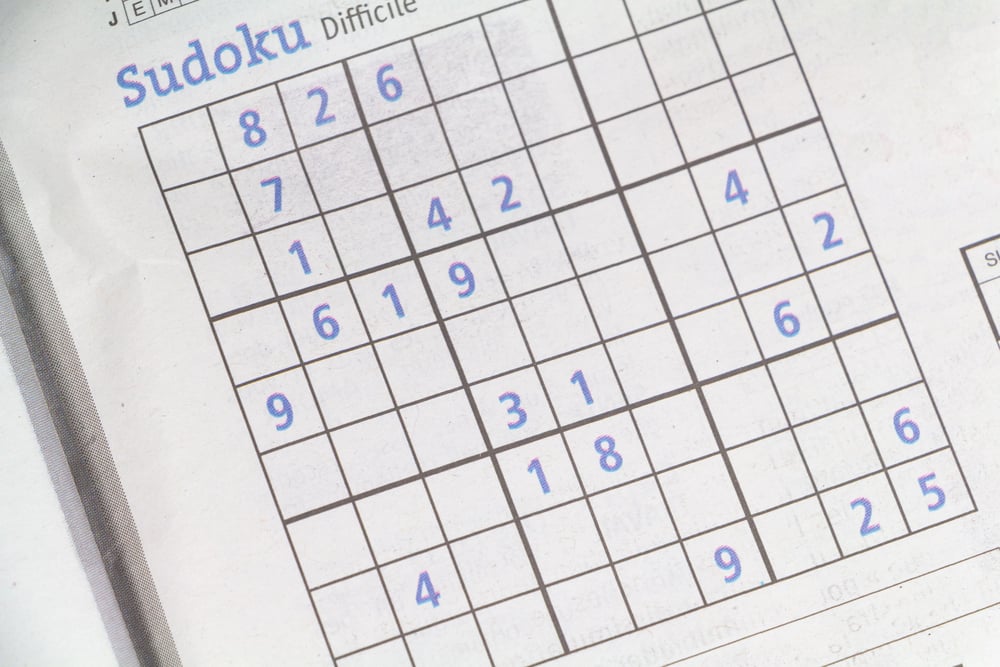
Sudoku grids
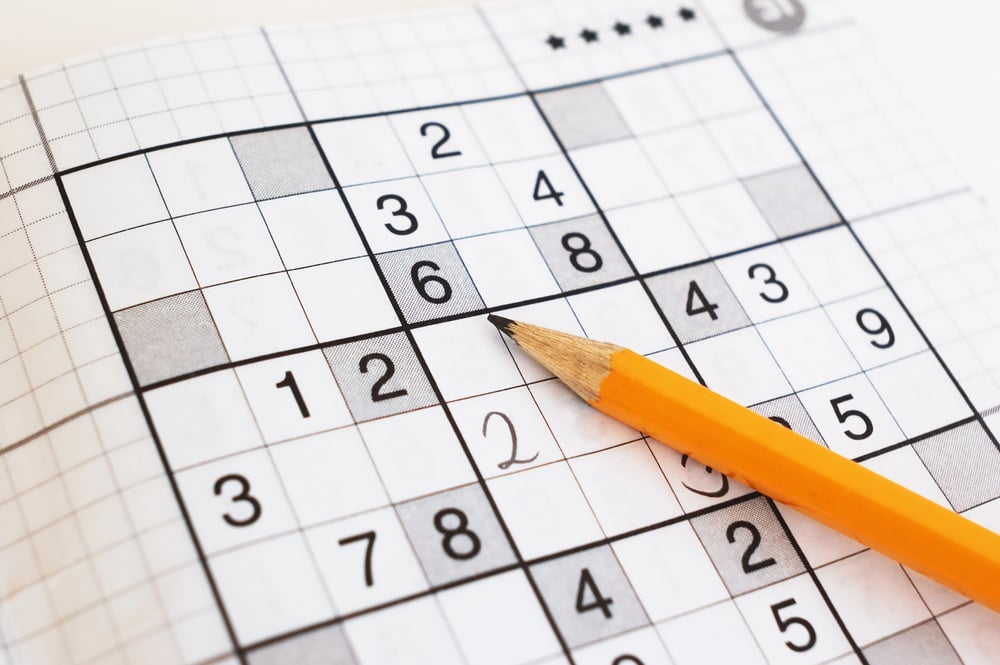
Sudoku took the world by storm in the early 2000s, appearing in newspapers and puzzle books everywhere. The rules sound simple enough: fill a nine-by-nine grid so each row, column, and three-by-three box contains the numbers one through nine without repeating.
But don’t let that fool you. The difficulty can range from beginner-friendly to absolutely mind-bending, with some expert-level puzzles taking hours to complete.
The beauty of Sudoku lies in its pure logic, requiring no math skills beyond recognizing numbers.
The river crossing problem

This classic puzzle asks how a farmer can transport a fox, a chicken, and a bag of grain across a river when his boat only holds one item at a time. Leave the fox alone with the chicken, and dinner happens.
Same goes for the chicken and the grain. The solution requires thinking several moves ahead, much like chess.
It teaches an important lesson about sequencing and considering consequences before taking action.
Nonogram picture puzzles

Also called picross or griddlers, these puzzles use numbers along the edges of a grid to reveal a hidden picture. Each number tells you how many consecutive squares to fill in that row or column, with gaps between groups.
Start with the obvious big numbers, then work through the trickier sections using the process of elimination. The satisfying part comes when the random-looking marks suddenly transform into a recognizable image, like a sailboat or a cat.
Knights and knaves riddles
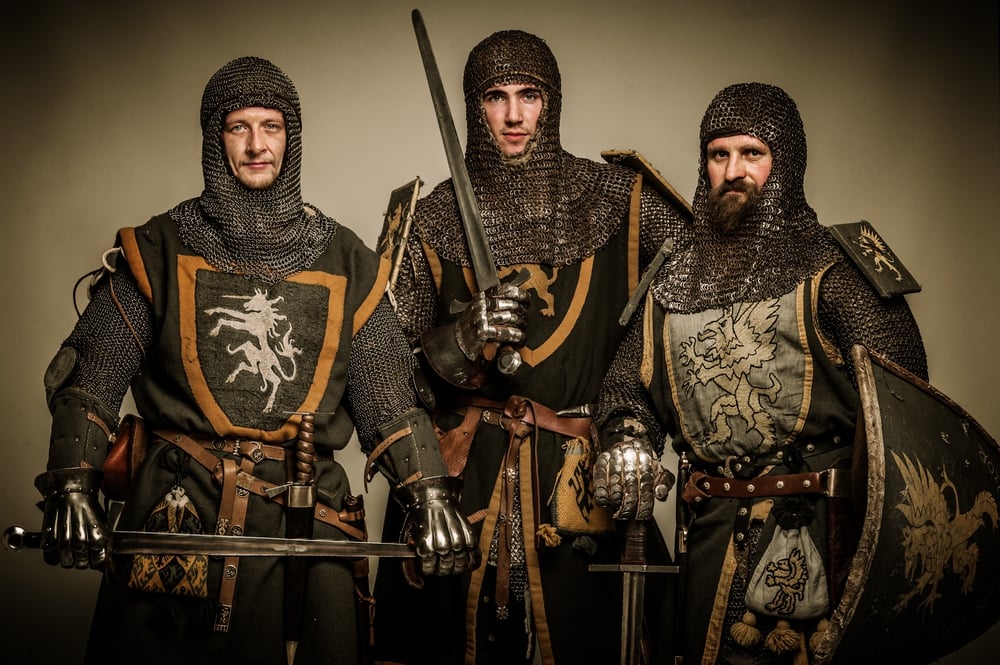
These logic puzzles drop you on an island where knights always tell the truth and knaves always lie. Someone makes a statement, and you have to figure out what they are based solely on what they said.
For example, if someone says ‘I am a knave,’ they can’t be either one because a knight wouldn’t lie and a knave wouldn’t tell the truth about being a liar. These puzzles train the brain to spot contradictions and work through possibilities systematically.
Einstein’s riddle

Legend says Einstein created this puzzle and claimed only 2% of people could solve it, though that’s probably not true. The puzzle gives clues about five houses, each a different color, occupied by people of different nationalities who drink different beverages, keep different pets, and prefer different activities.
With about 15 clues, you have to figure out who owns the fish. It takes careful organization, usually in a grid or chart, to track all the information without getting lost.
The satisfaction of finally solving it makes all that work worthwhile.
Tangram shapes

Seven flat pieces cut from a square can be rearranged into thousands of different shapes, from animals to people to everyday objects. The catch is you must use all seven pieces without overlapping any of them.
Ancient Chinese mathematicians developed tangrams centuries ago, and they remain popular today because they’re deceptively challenging. What looks simple on paper often requires rotating pieces mentally and trying multiple approaches before finding the solution.
The Monty Hall problem
This probability puzzle confuses even smart people at first. A game show host presents three doors, with a car behind one and goats behind the other two.
After you pick a door, the host opens a different door to reveal a goat, then offers you a chance to switch your choice. Most people think it doesn’t matter, but switching actually doubles your chances of winning the car.
The puzzle demonstrates how our intuition about probability can be completely wrong.
Cryptic crosswords
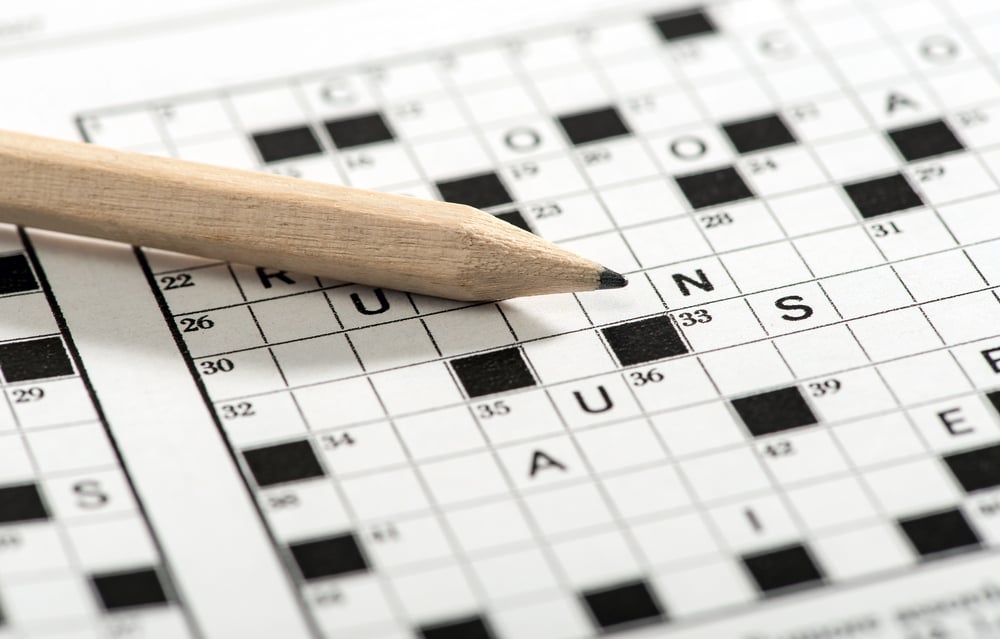
Regular crosswords test vocabulary and general knowledge, but cryptic crosswords add layers of wordplay that make them true logic puzzles. Each clue contains both a definition and a cryptic hint, often involving anagrams, hidden words, or double meanings.
For instance, ‘Nervous about test containing one answer’ might clue ‘ANXIOUS’ (test = exam, containing I = one, plus ous = a+n+s = answer). Solving these requires learning the common patterns and thinking about words in completely new ways.
Logic grid puzzles

These puzzles present a scenario with multiple categories and give clues to help you match items correctly. Maybe five people went to different restaurants, ordered different meals, and paid different amounts.
The clues might say things like ‘The person who ate pizza paid more than Sarah but less than whoever went to the Italian place.’ Using a grid to mark possibilities and eliminations, you gradually narrow down the only arrangement that fits all the clues.
They’re perfect for people who like organizing information and working methodically.
The Tower of Hanoi
This puzzle uses three pegs and a stack of disks of different sizes, all starting on one peg. The goal is moving the entire stack to another peg, but you can only move one disk at a time and never place a larger disk on top of a smaller one.
With just three disks, it’s manageable. With seven or eight, it becomes a serious challenge that requires planning many moves ahead.
The puzzle teaches recursive thinking, where solving the big problem means solving smaller versions of the same problem repeatedly.
Rubik’s Cube

This colorful three-dimensional puzzle became a phenomenon in the 1980s and never really went away. The goal is getting all nine squares on each of the six sides to show the same color.
Millions of people can solve it using memorized algorithms, but truly understanding the logic behind those moves takes real effort. Speed solvers can complete it in under ten seconds, while casual puzzlers might spend days on their first solution.
Either way, it trains spatial reasoning like few other puzzles can.
Zebra puzzles

Similar to logic grid puzzles but often more complex, zebra puzzles got their name from a famous version that asks who owns a zebra. They typically involve five or six categories with five items each, along with a dozen or more clues.
The challenge comes from clues that reference each other, forcing you to hold multiple pieces of information in your head simultaneously. These puzzles can take an hour or more to solve, making them perfect for a lazy weekend afternoon.
Kakuro number crosswords

Think of Kakuro as Sudoku meets crossword puzzles. Empty white cells must be filled with numbers that add up to the clue number shown in the shaded cell above or to the left.
The twist is you can’t repeat a number within the same entry. So if a clue says ’10 in 3,’ you need three different numbers between one and nine that add up to ten.
The math is simple addition, but finding the right combinations requires logical deduction and sometimes a bit of trial and error.
Spot the difference challenges

While they might seem simple, high-quality spot-the-difference puzzles can be genuinely difficult and train important visual skills. Two nearly identical pictures sit side by side, with subtle changes in one of them.
Maybe a window is slightly larger, a button is missing, or a shadow falls differently. Finding all ten or fifteen differences often requires scanning every inch of the images systematically.
These puzzles improve attention to detail and prevent the eyes from glossing over small but important changes.
Lateral thinking puzzles

These present strange scenarios that seem impossible until you think outside normal assumptions. A classic example: a man walks into a bar and asks for a glass of water, but the bartender pulls out a gun and points it at him, then the man says thanks and leaves.
The answer? The man had hiccups, and the bartender scared them away. These puzzles teach that the obvious explanation isn’t always the right one, and sometimes you need to challenge what you think you know about a situation.
The Bridges of Königsberg
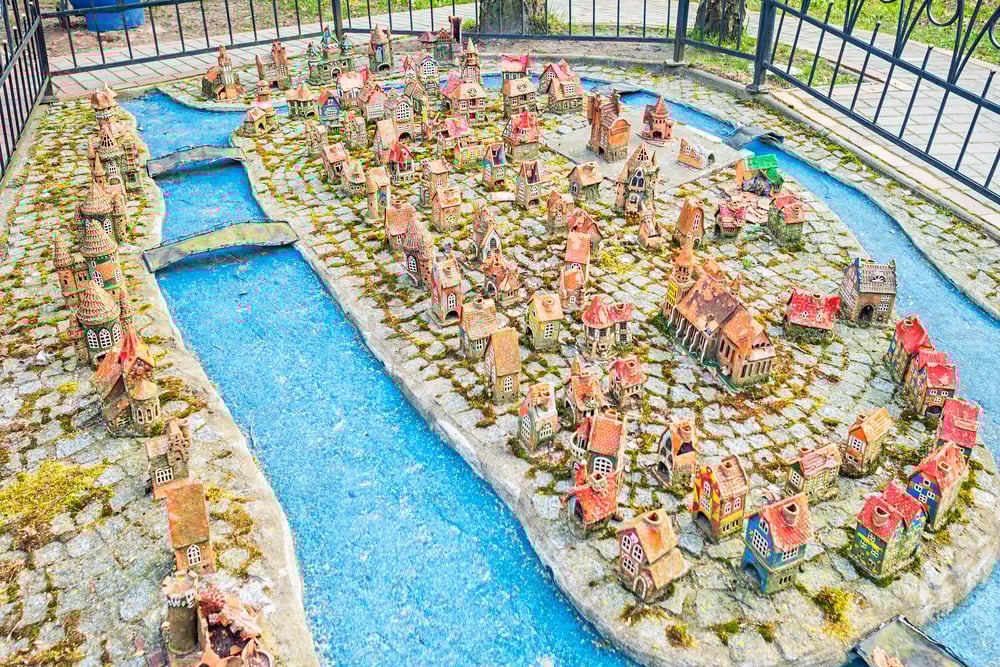
A question from long ago challenged people to cross seven bridges in a city, stepping on each only one time. Not possible, said mathematician Leonhard Euler – his answer sparked a whole new area of math.
Today’s take on these challenges shows up everywhere: draw lines, follow paths, touch every link just once, never lift the pen. Simple at first glance, yet they expose the hidden snags of working with networks.
Matchstick puzzles

Starting with a few matchsticks set in order, the task shows up as rearranging some to form another figure or balance an expression. Take a wrong arithmetic setup built from matches – shifting only two can make it right.
Seeing known forms differently is what lets you solve these. The hands-on part pulls people in, making them stickier than flat page problems.
Both children and grown-ups find something to grab here.
The enduring appeal of mental challenges
Long before phones existed, folks twisted their minds around tricky riddles. Solving one feels good, like finding money in an old coat.
Not everything has to entertain you while doing nothing. Effort gets repaid when numbers finally line up just right.
A quiet win hides inside that forgotten puzzle book on your nightstand.
More from Go2Tutors!

- The Romanov Crown Jewels and Their Tragic Fate
- 13 Historical Mysteries That Science Still Can’t Solve
- Famous Hoaxes That Fooled the World for Years
- 15 Child Stars with Tragic Adult Lives
- 16 Famous Jewelry Pieces in History
Like Go2Tutors’s content? Follow us on MSN.