32 American Harvest Scenes From Before Mechanization
For most of American history, a crop was only worth what a person could carry out of the field before weather, frost, or rot got to it. Harvest meant swinging blades, dragging sacks, balancing on ladders, and walking behind horses until dusk.
The work was loud, communal, and often brutal. Each of these scenes belonged to a particular region, a particular tool, and a particular stretch of the calendar. Some were celebrated with contests and parties.
Others were endured by people who had no say in the matter.
Cradling Wheat With a Fingered Scythe
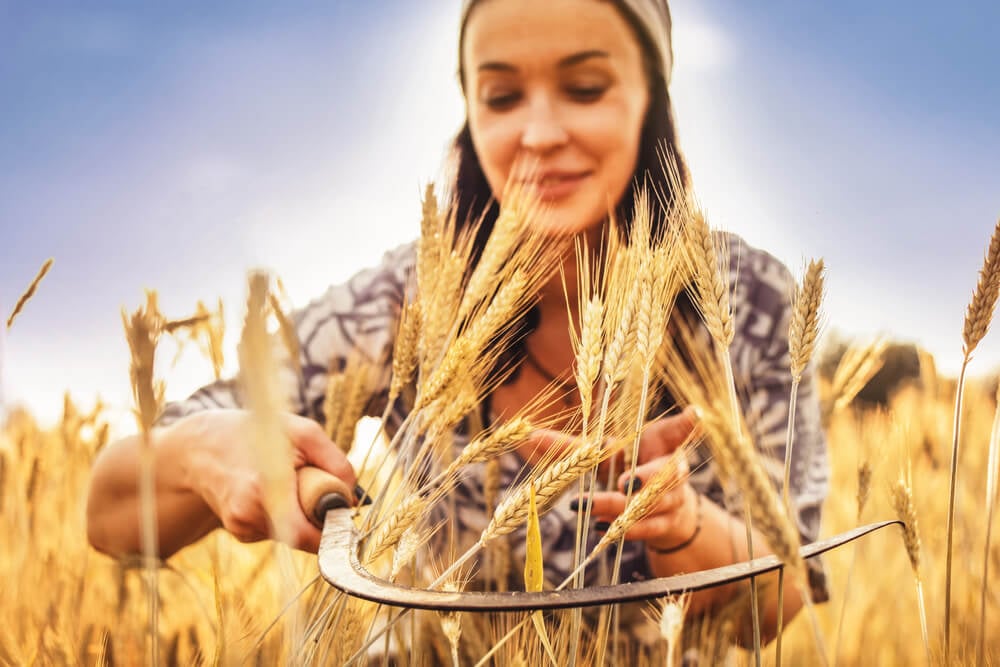
Before the reaper, a farmer cut small grain with a grain cradle, a scythe fitted with wooden fingers that caught the stalks and laid them in a tidy swath. The tool took real skill, and a good cradler swung from the hips in a steady arc for hours at a stretch.
Hired cradlers were paid well at harvest because the grain could not wait, and a ripe field could shatter and spill its kernels if the work dragged on. A neighborhood often judged a man by the evenness of the swath he left behind.
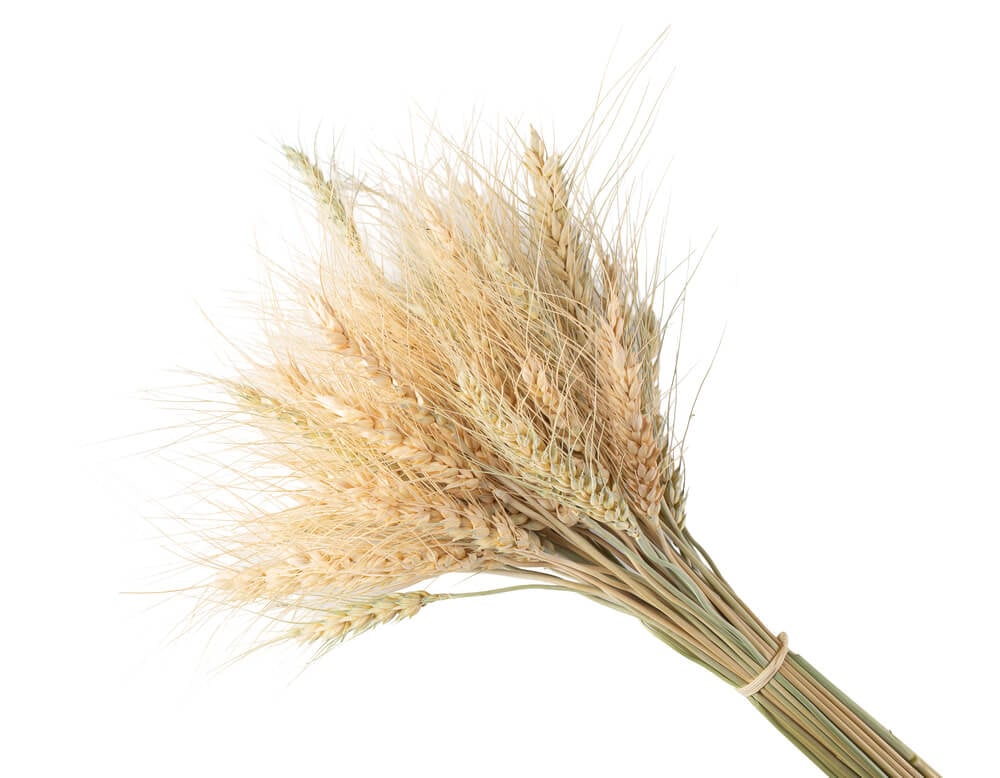
Binding Sheaves With Bands of Straw
DepositPhotos
Behind the cradler came the binder, who gathered the fallen grain into bundles and tied each one with a band made from a few stalks of the crop itself. The band was twisted and knotted by hand in a motion that needed no cord, nail, or wire.
Binders were often women, children, or neighbors, and a quick one could keep pace with a hard-swinging cutter. The sheaf that resulted was the basic unit of the entire harvest, small enough to lift with one arm and uniform enough to stack.
Shocking Sheaves Into Standing Stacks
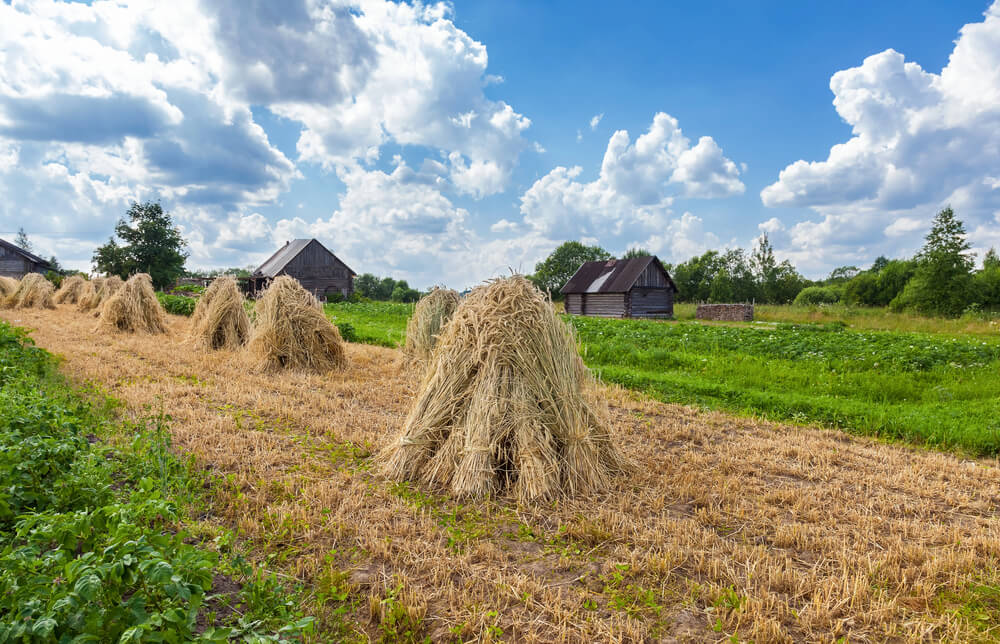
Once bound, sheaves were stood on end and leaned together in shocks, with the heads up and the butts on the ground so the grain could cure. A cap sheaf was often spread across the top to shed rain, and a well-built shock could stand through a storm.
Fields full of these shocks looked like villages of small tents, and they stood for days or weeks before the wagons arrived. Poorly built shocks collapsed and left grain to sprout in the field, which made the job one of the few that every hand was expected to learn.
Threshing Grain With a Hand Flail
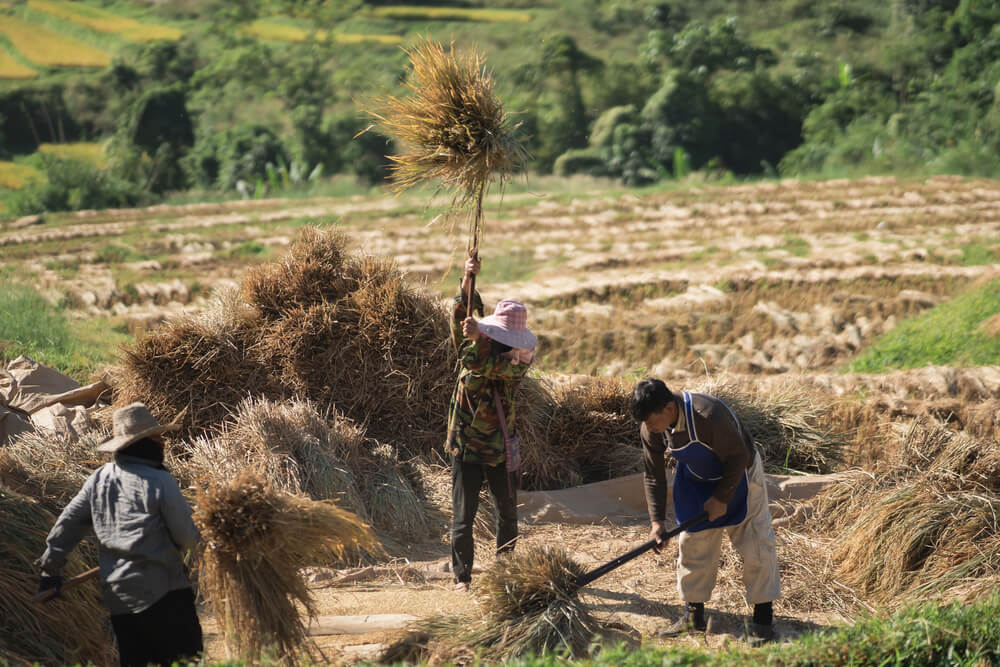
The hand flail was two sticks joined by a leather hinge, swung to beat the grain from its heads on a barn floor. Farmers opened the big doors at either end so a draft could carry off the chaff while they worked, and the sound of the flail landing in rhythm carried across a farm all winter.
It was slow, dusty labor that could occupy a family for weeks. Hiram and John Pitts of Maine patented a thresher in 1837, and machines like it began pushing the flail aside in the decades that followed.
Threshing Rings of Neighboring Farms
— Photo by tommeaker26@gmail.com
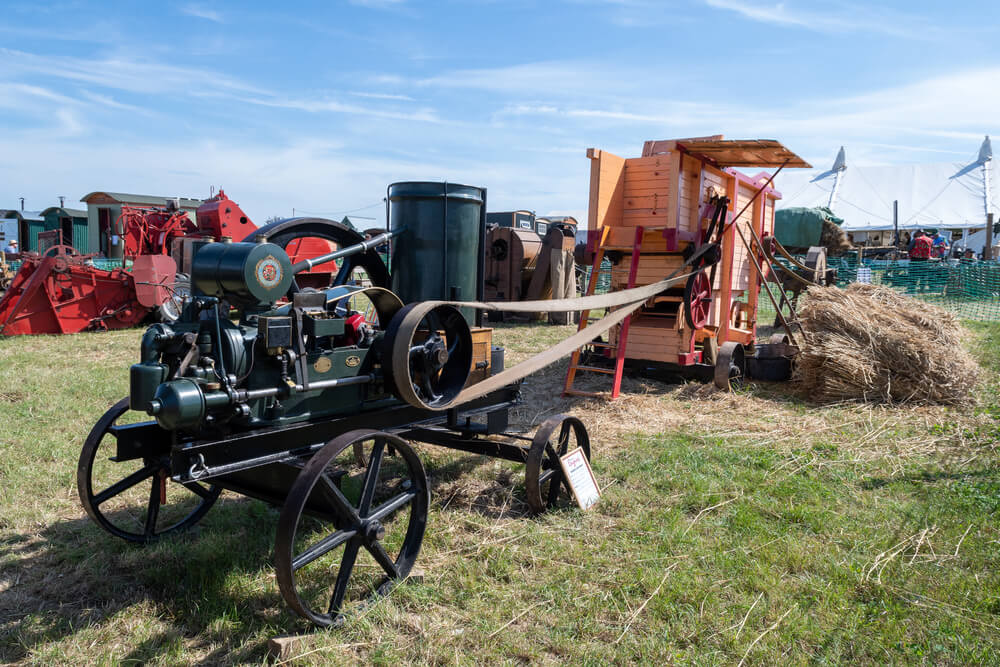
When a steam engine and separator became too costly for one farm to own, neighbors formed threshing rings and moved the machine from farm to farm in turn. Every household sent men and teams to the host farm, and the host was expected to feed the entire crew.
The women of the farm cooked for days beforehand, and a reputation for generous dinners could determine who got the machine early in the season. The ring was an economy built entirely on trading labor, with almost no cash changing hands.
McCormick’s Reaper at Walnut Grove
DepositPhotos
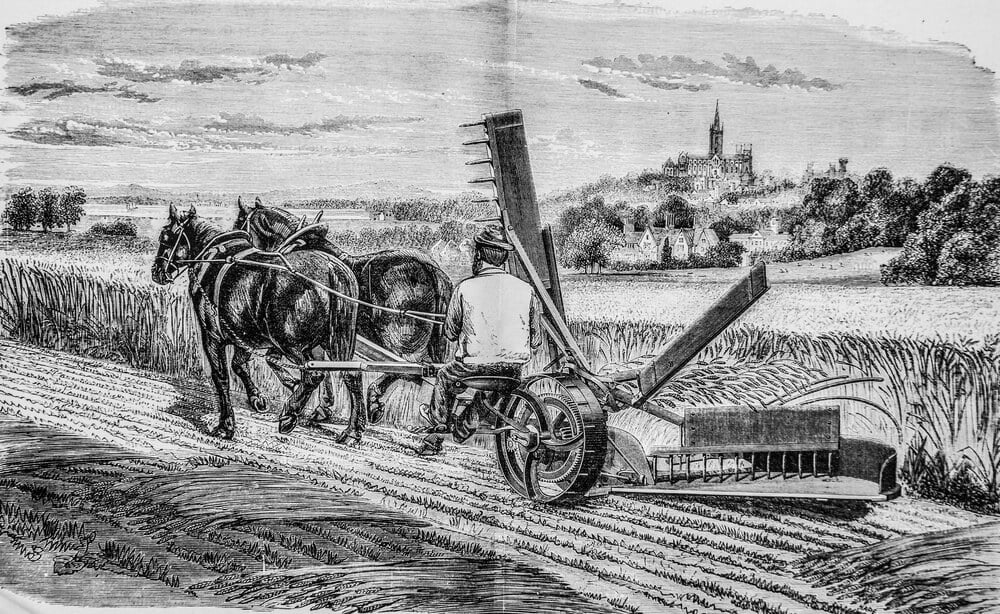
Cyrus McCormick publicly demonstrated his horse-drawn reaper in 1831 on his family’s farm in Rockbridge County, Virginia, and patented it in 1834. The machine used a reciprocating blade and a platform to catch cut grain, which a man walking alongside raked off in bundles.
It could cut far more in a day than a man with a cradle, but early farmers were slow to trust it, and sales were modest at first. McCormick later moved his operation to Chicago, where his factory turned a Virginia experiment into a national business.
Hussey’s Rival Reaper of 1833
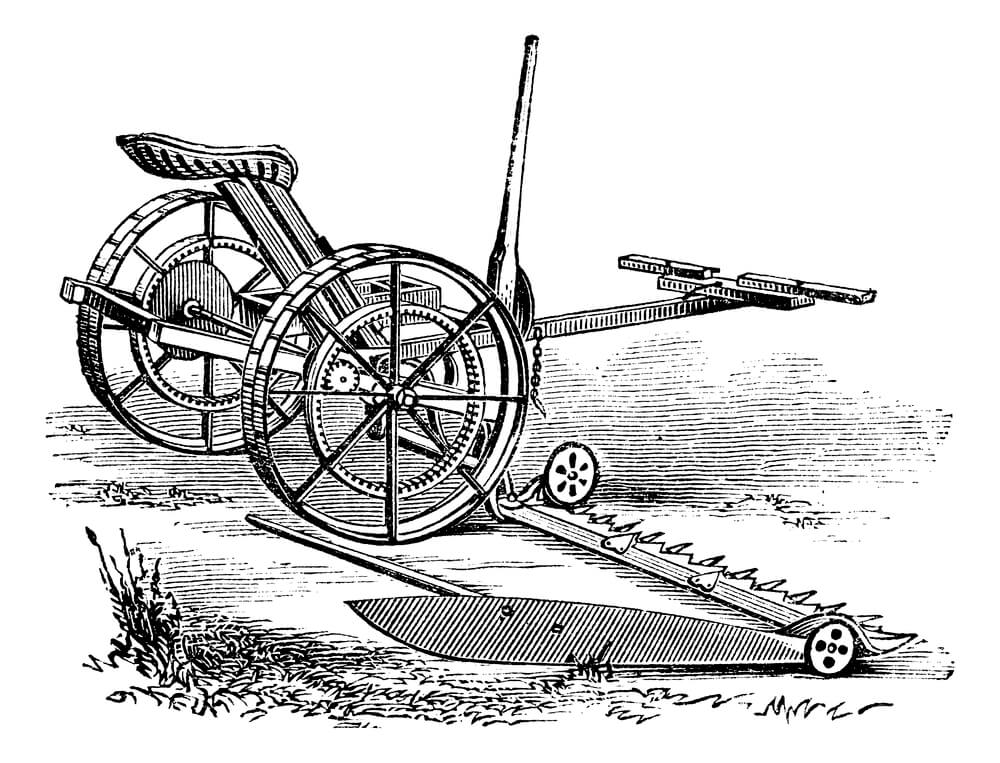
Obed Hussey patented his own reaper in 1833, a year before McCormick’s patent, and the two men fought over credit for decades. Hussey’s design used a cutter bar with iron guards and a sickle that moved back and forth through them, a layout that proved influential on later machines.
He worked from Baltimore and demonstrated the reaper in fields across several states. Farmers in the 1840s and 1850s sometimes chose between the two machines the way later buyers would choose between tractor brands.
The Marsh Harvester and Its Binding Platform
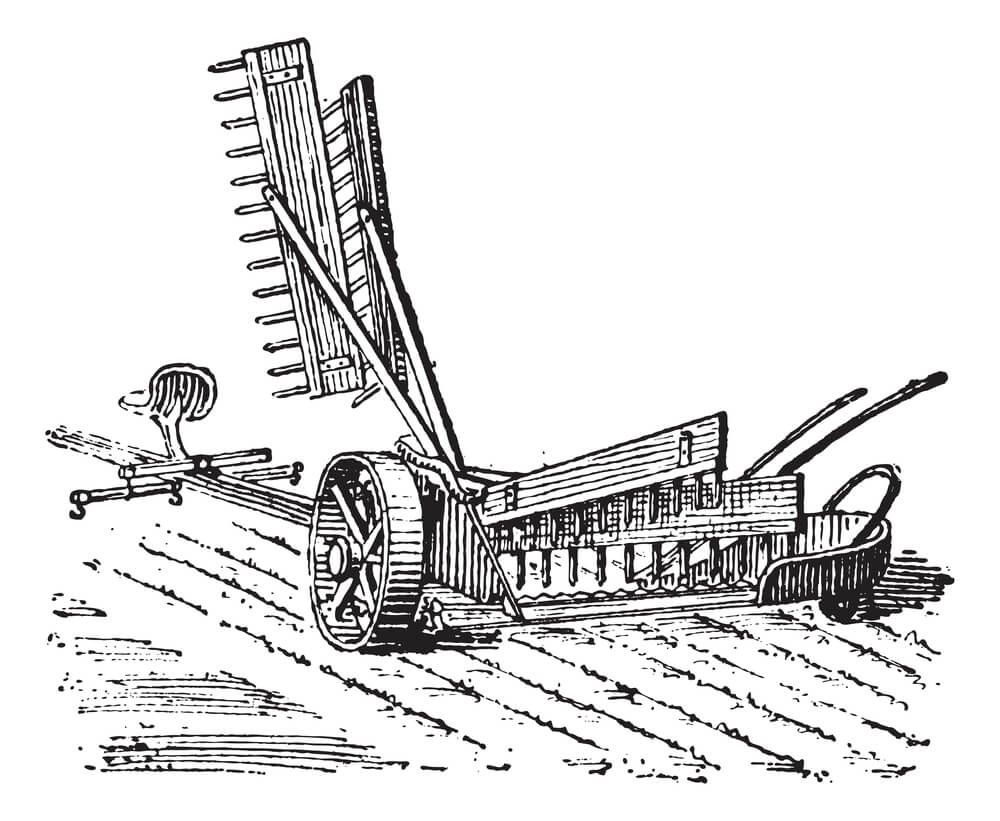
In the late 1850s, brothers Charles and William Marsh of Illinois developed a harvester that carried cut grain up a canvas belt to a platform. Two men rode on the platform and bound the sheaves by hand as they arrived, then dropped them to the ground in a line.
The design saved the work of a separate binding crew, though it still needed human hands at the most delicate step. Thousands of these machines worked Midwestern wheat fields before wire and twine binders replaced the men on the platform.
Header Barges in the Central Valley of California
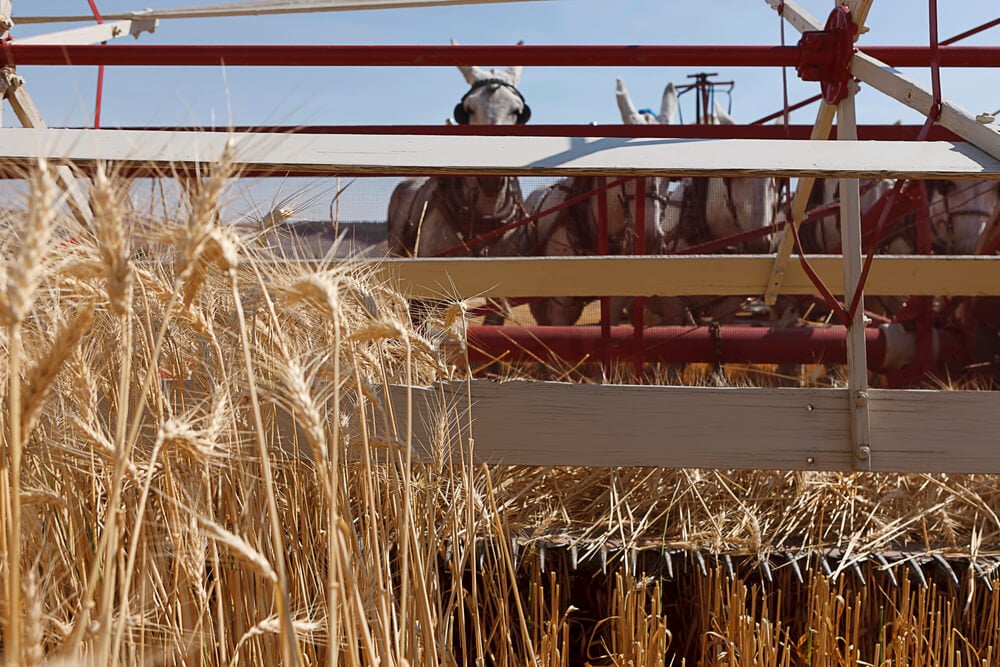
In California’s Central Valley, farmers in the late nineteenth century used a header, a machine that sliced off only the heads of the wheat and left the stalks standing. A header was pushed by horses from behind, and cut heads rode up a belt into a wagon called a barge that traveled alongside.
The barges carried the grain to a stack, where a steam-powered separator threshed it later in the season. Because the Central Valley has dry summers, farmers could leave stacks in the open without much fear of rain.
Palouse Hillsides and Giant Horse Teams
— Photo by emilymwilson@comcast.net
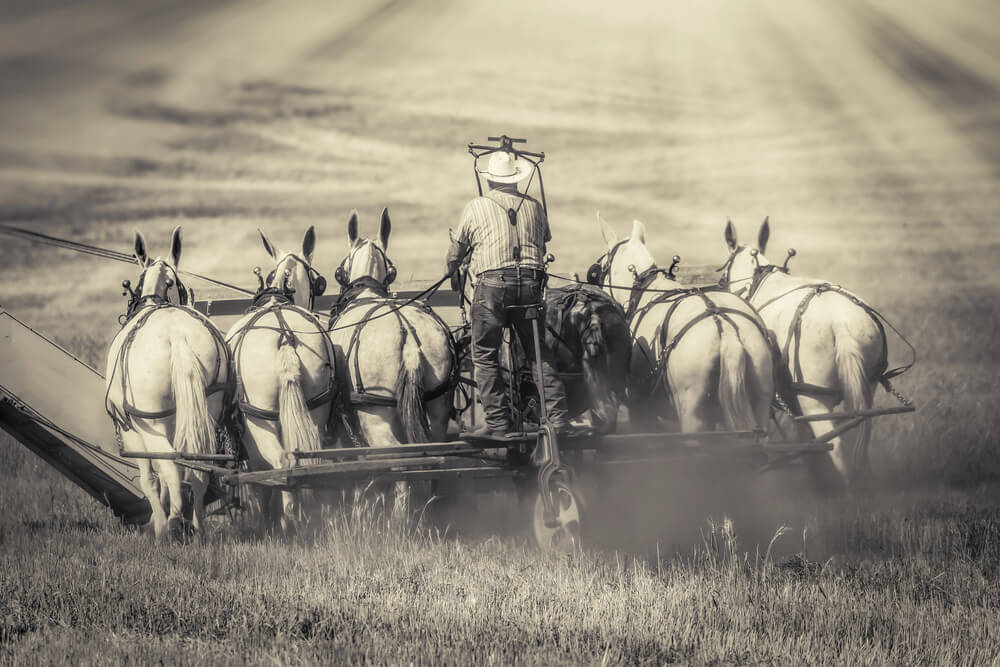
The rolling Palouse country of eastern Washington and northern Idaho grew wheat on slopes steep enough to make early harvesting dangerous. Teams of twenty or more horses and mules pulled early combined harvesters up and down the hills, with a driver handling the lines from a seat at the rear. Special sidehill combines kept their machinery level when the ground tilted beneath them. A hillside wheat harvest was part engineering feat and part exercise in animal management.
Dakota Bonanza Farms and Their Seasonal Armies
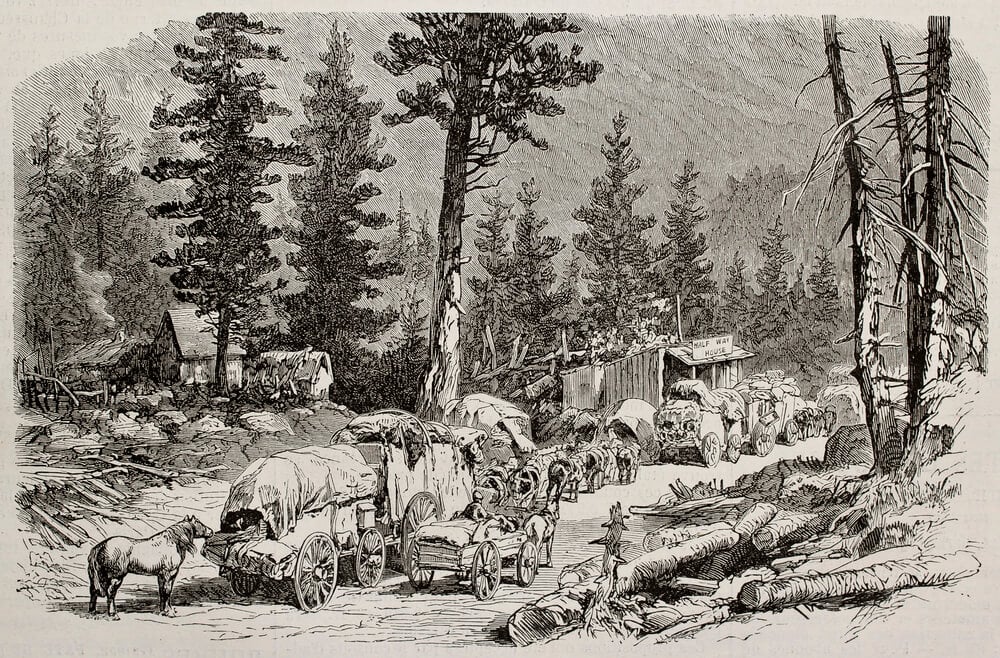
In the 1870s and 1880s, the Red River Valley of Dakota Territory hosted bonanza farms that covered tens of thousands of acres under single management. Oliver Dalrymple ran a prominent one near Casselton, funded by investors tied to the Northern Pacific Railroad.
At harvest, these operations hired hundreds of seasonal men who arrived by train to run teams, binders, and threshing crews. The scale was industrial before the machinery was, which is why the work still relied so heavily on animals and temporary labor.
Picking Cotton With a Long Sack
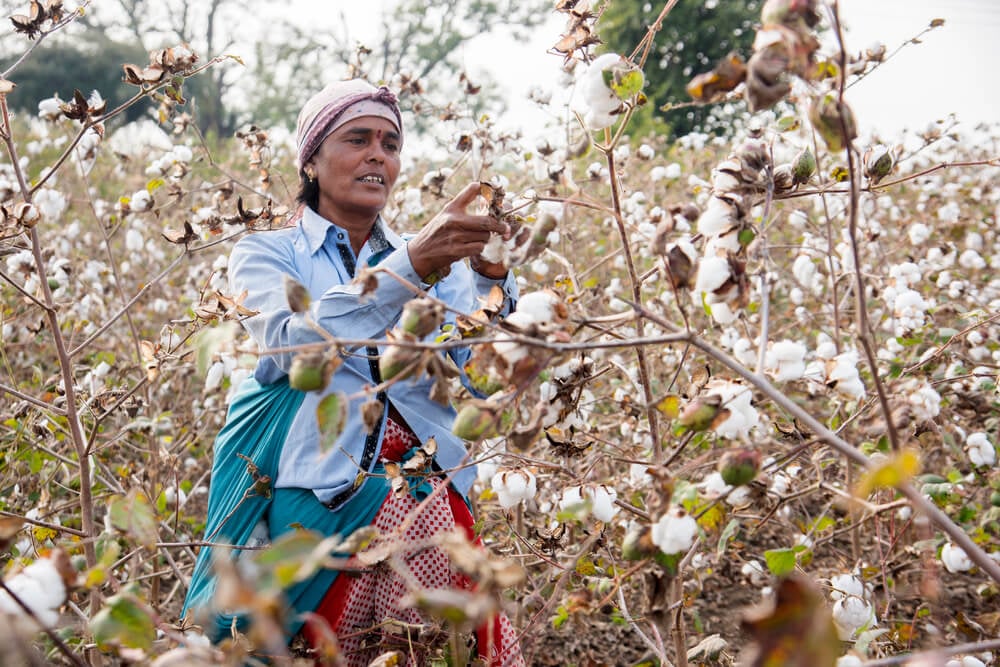
Cotton was picked by hand across the South for generations, with each worker dragging a long canvas sack down the row and pulling bolls one at a time. The work began in late summer and could continue into winter as the plants matured unevenly, requiring several passes through the same field.
Before emancipation, the labor was performed by enslaved people under the threat of punishment for coming up short at weighing time. Mechanical pickers did not take over the crop until after World War II.
Lowcountry Rice Cut by Sickle and Beaten by Flail
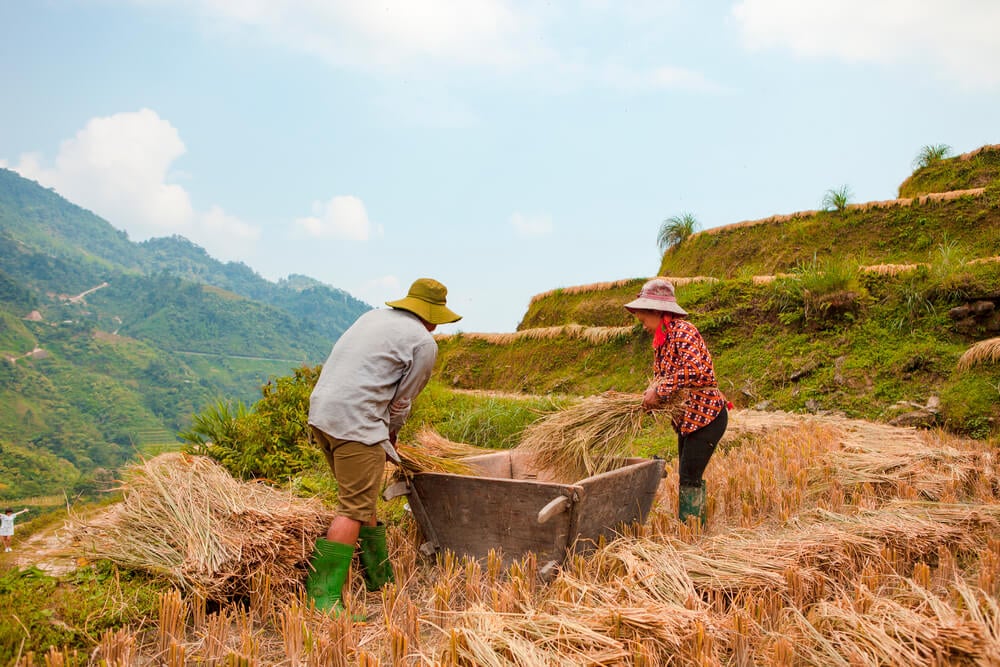
In the tidal rice fields of South Carolina and Georgia, enslaved workers cut the ripe grain with sickles and laid it on the stubble to dry. The rice was then bound, carried to a threshing yard, and beaten with flails to loosen the kernels.
Workers tossed the grain in wide, shallow baskets to separate the chaff, and the baskets themselves were woven from sweetgrass in a style traceable to West Africa. These skills were a main reason planters sought out people from rice-growing regions of Africa.
Louisiana Cane Cut Against the First Frost
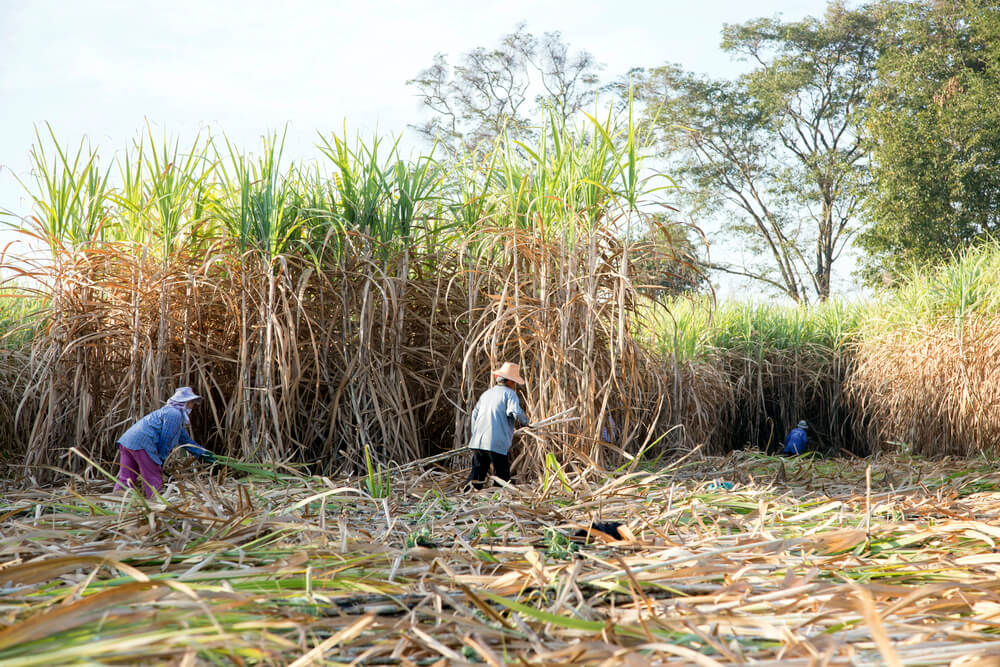
In Louisiana, sugar cane was cut with heavy cane knives during a hurried autumn season known as the grinding, or roulaison. Cutters stripped the leaves, sliced the stalk at the base, and lopped off the top, then loaded the cane onto carts bound for the mill.
The race was against frost, which could ruin the sugar in the stalk, so cane was often windrowed in the field to protect it. Louisiana sugar became commercially viable after Étienne de Boré successfully granulated a crop near New Orleans in 1795.
Husking Pegs Strapped to the Hand
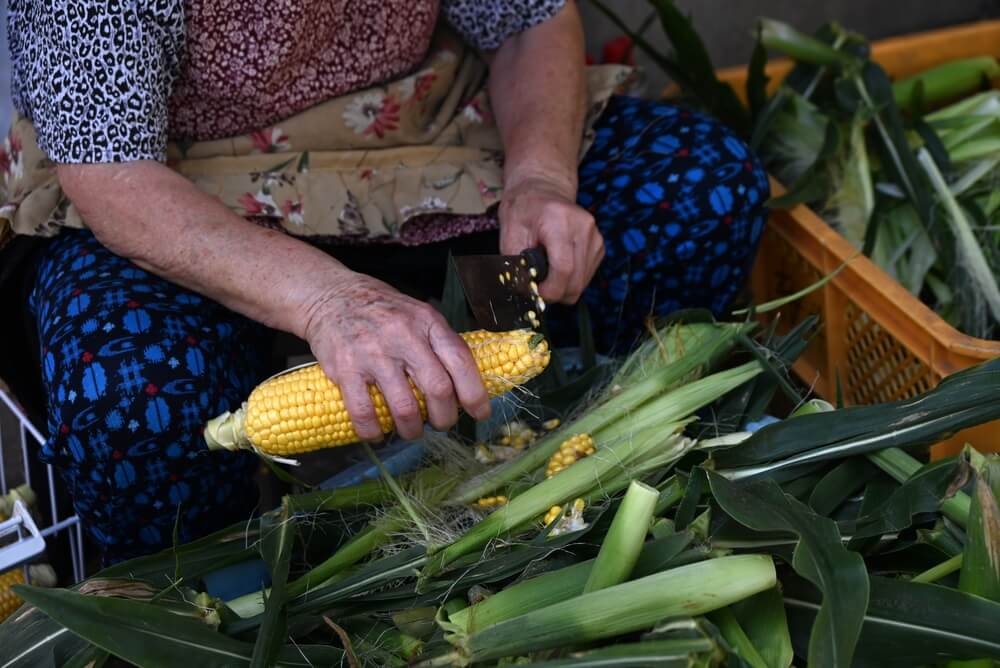
Before mechanical pickers, many farmers shucked field corn by hand, and a husking peg strapped across the palm sped up the process. The peg, made of wood, bone, or metal, was a small hook that split open the husk so the ear could be snapped free in a single motion.
A practiced husker could strip ears from standing stalks faster than most onlookers could follow. Pegs show up in museum collections across the Northeast and Midwest, often with the grooves of one particular hand worn into the leather.
Husking Bees and the Red Ear
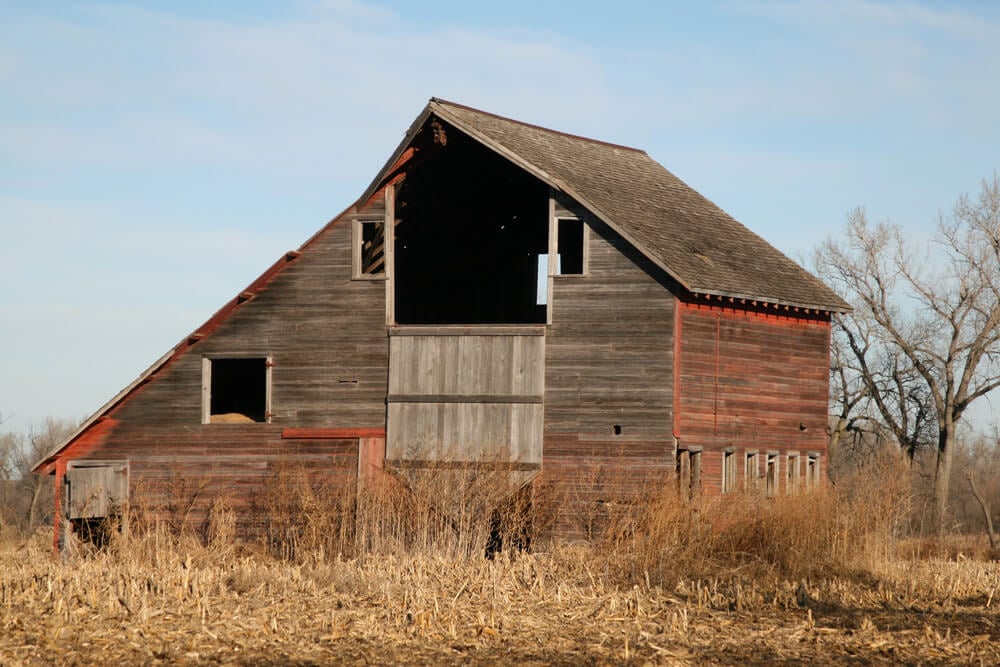
On autumn evenings, neighbors gathered in a barn to husk a farmer’s corn together in a husking bee, a chore turned into a party. Traditional rules awarded a kiss to anyone who found a red ear, a bit of mischief that made the work go faster among young people.
The pile of corn grew by lantern light while a jug of cider circulated, and the evening typically ended with a meal or a dance. The farmer got his corn cleaned, and the neighborhood got a social calendar.
Bangboards and the National Corn Husking Contest
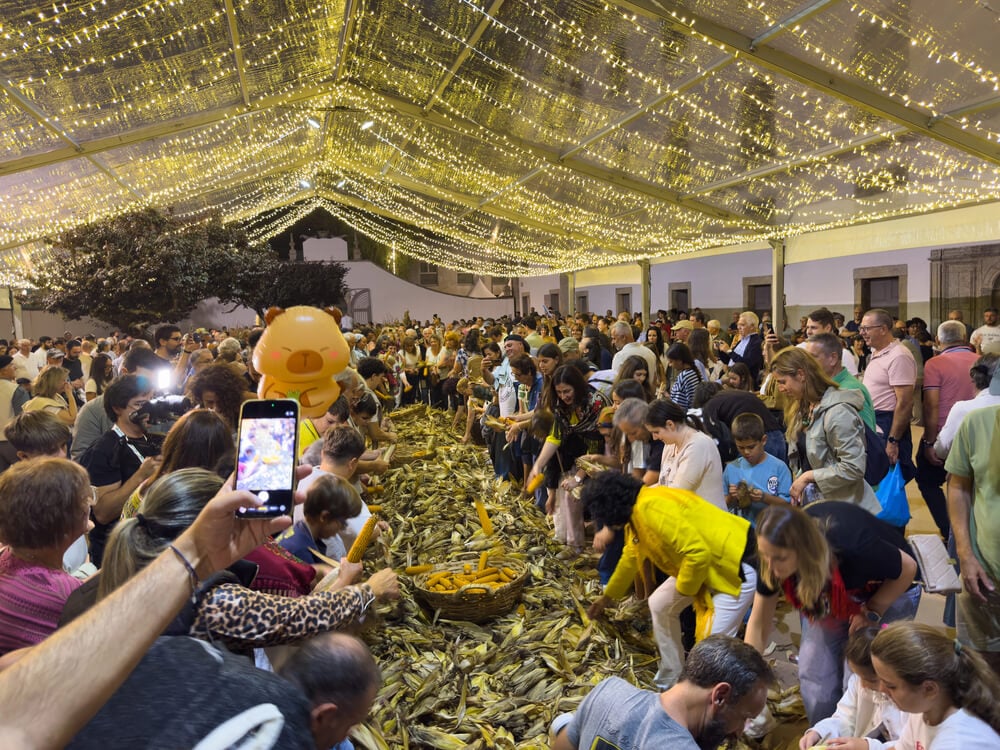
The first National Corn Husking Contest was held in Iowa in 1924, and it grew into a huge spectacle sponsored by the farm paper Wallaces’ Farmer. Contestants walked beside a wagon and threw each ear against a raised board called a bangboard, which kept the corn from sailing over the far side.
Crowds in some years reached into the tens of thousands, and winners became local celebrities. The contest peaked just as mechanical corn pickers were beginning to replace the people it honored.
Hop Picking in the Pacific Northwest Yards
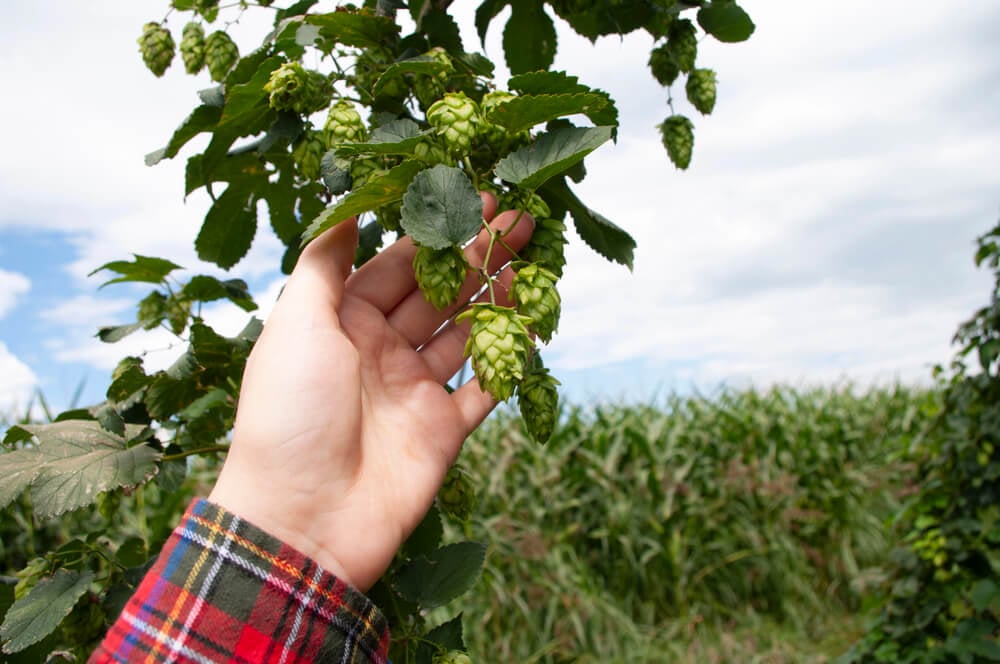
Each late summer, families poured into the hop yards of Oregon’s Willamette Valley and Washington’s Yakima Valley to pick cones by hand into baskets and sacks. Many pickers were Native American families who traveled from their reservations, and the harvest doubled as a seasonal reunion. Entire towns emptied out as city dwellers joined in, treating the work as a working vacation. Pickers were paid by volume, so speed counted for everything.
Cranberry Vines Raked With Wooden Scoops
— Photo by Bokic Bojan
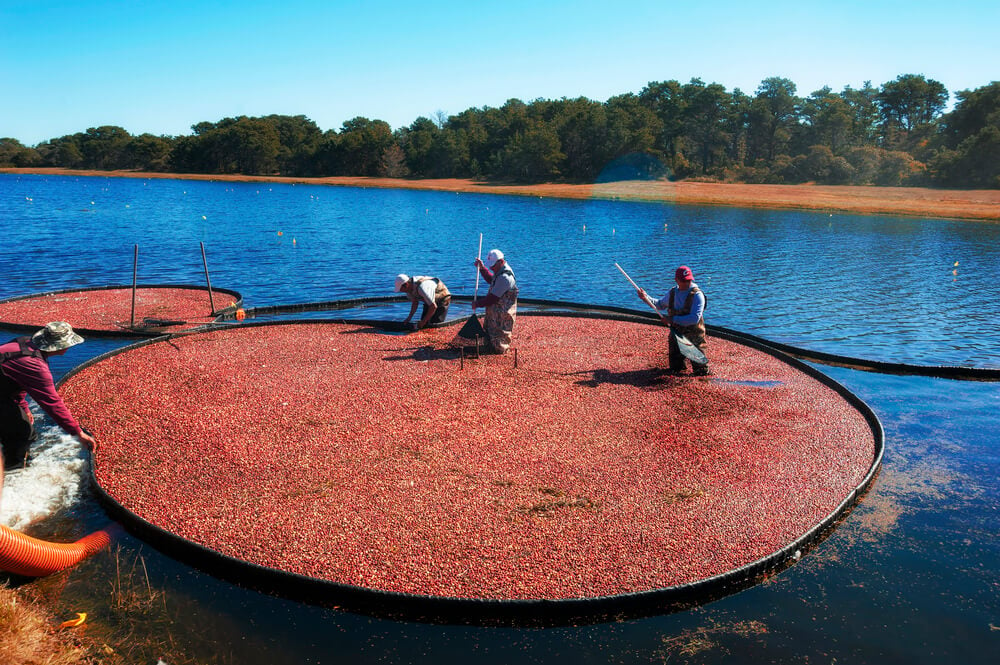
Cape Cod farmer Henry Hall of Dennis is credited with the first cultivation of cranberries in 1816, after noticing wild vines thrived where sand had blown over them. For generations, pickers harvested the dry bogs by hand or with wooden scoops that combed berries from the vines.
The crew crouched or knelt on the vines for hours, then sorted berries into crates by hand. Wet harvesting, in which bogs are flooded and the berries float free, came much later and changed the work entirely.
Raking Wild Blueberries in Maine
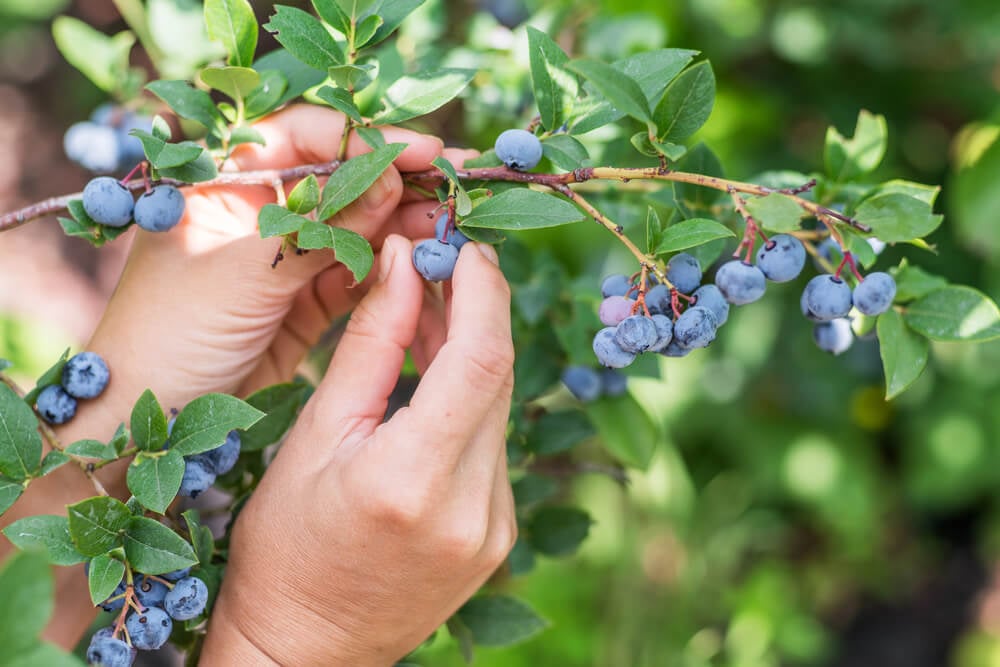
On the blueberry barrens of Washington County, Maine, pickers worked low plants with long-tined rakes, sweeping berries into a scoop in one backhanded stroke. The fields grew wild and were maintained by burning or mowing rather than planting, which kept them naturally low.
Many pickers were Wabanaki families who returned to the barrens every August. Raking in the heat, bent at the waist, was the entire job from morning until the truck arrived.
Salt Hay Cut From the Tidal Marshes
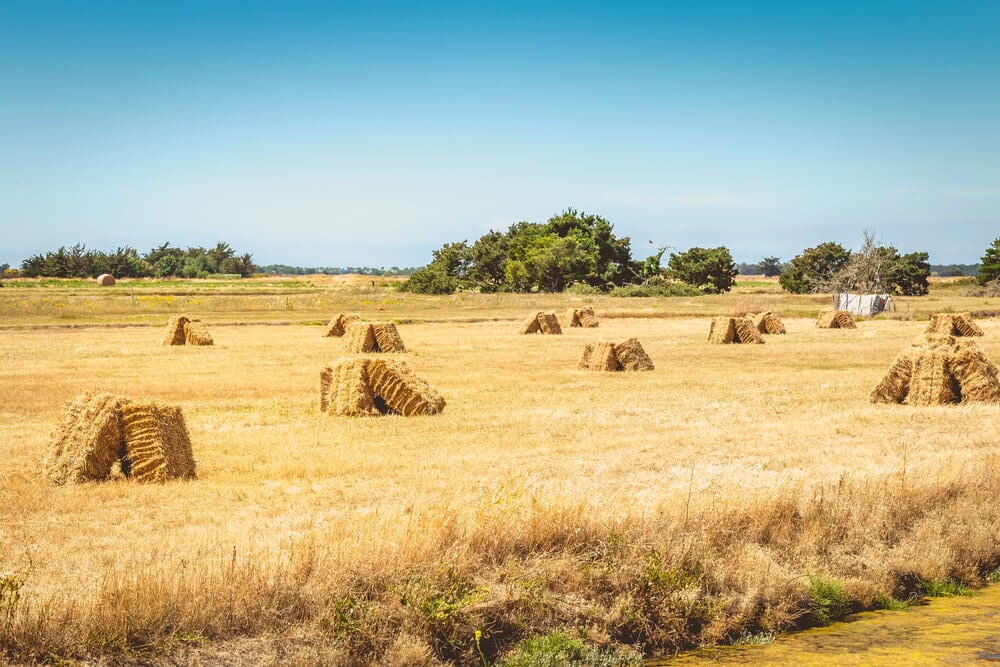
Along the Atlantic coast, farmers cut salt hay from tidal marshes with scythes, working between tides. Horses wore wooden marsh shoes, broad platforms strapped to their hooves, to keep from sinking into the mud.
The hay was stacked on raised platforms called staddles so the rising water would not soak it. Salt hay made good bedding and mulch, and colonial towns sometimes regulated who could cut which part of the marsh.
Beaverslide Stackers on Montana Hay Meadows
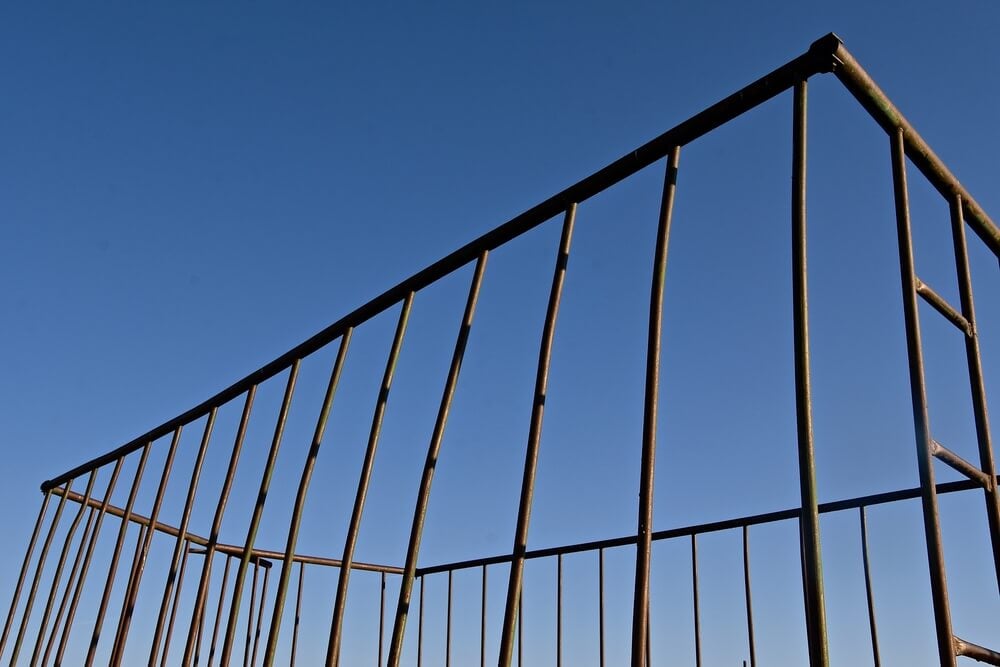
In Beaverhead County, Montana, ranchers in the early twentieth century developed the beaverslide, a long inclined chute that lifted hay to the top of a stack. A team of horses pulled a cable that raised a loaded fork up the slide, tipping the hay onto a growing pile.
The design replaced the labor of several men with pitchforks and became popular across the Mountain West. Beaverslide stacks could rise high enough that a rancher had to climb a ladder to see their top.
Apple Picking From Three-Legged Ladders
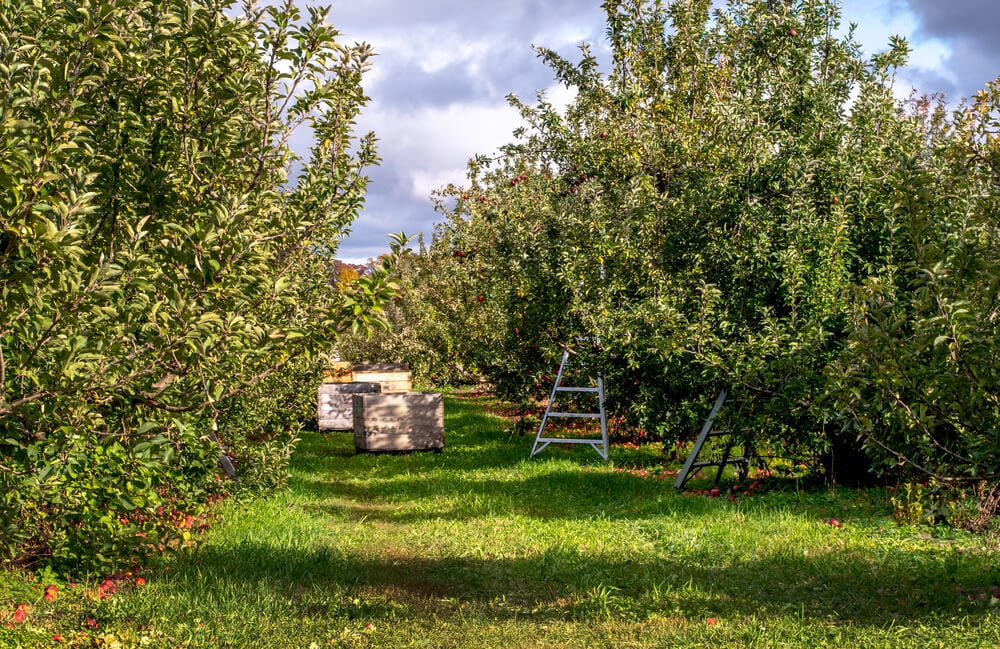
Orchard pickers climbed tapered three-legged ladders that could be pushed into the branches of a tree and balanced on uneven ground. Each picker wore a canvas bag or carried a basket, and bruised fruit was set aside because it would not store.
Apples were packed in barrels, a container so common that shippers and growers measured crops by it. The work took patience, because a single mishandled apple could spoil the others near it in the barrel.
Potato Digging in Aroostook County, Maine
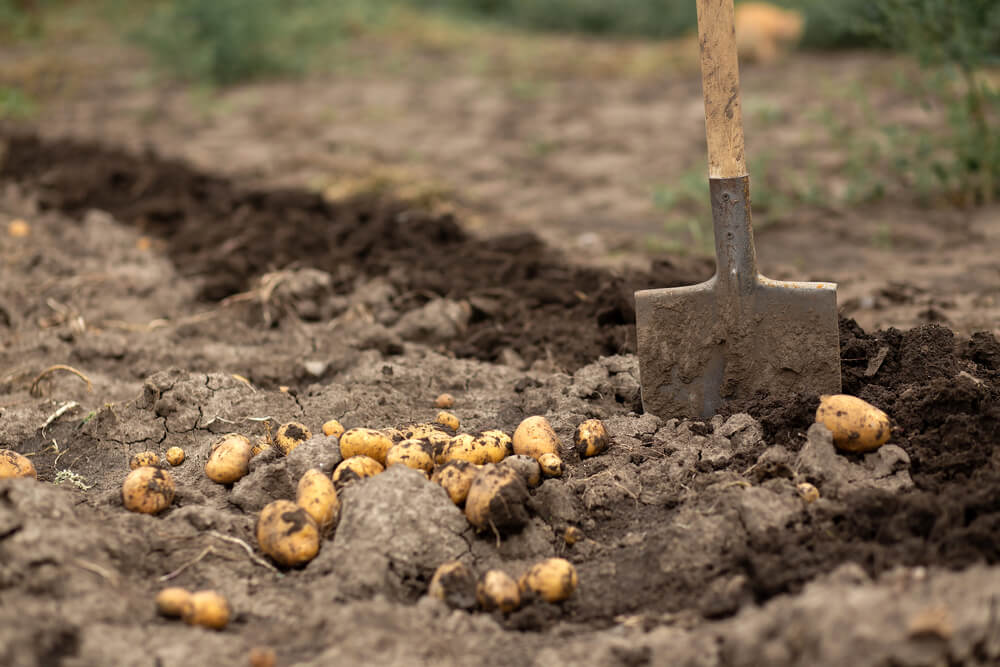
In Aroostook County, schools historically closed for a few weeks each autumn so children could help bring in the potato crop. Horse-drawn diggers turned the tubers to the surface, and crews followed behind, picking them into baskets and emptying those into barrels.
The work was done in cold, wet weather, and a bent back was considered standard issue by October. The harvest break lived on well past the age of horse-drawn diggers, a reminder of how central the crop was to the county.
Maple Sap Gathered by Horse and Sled
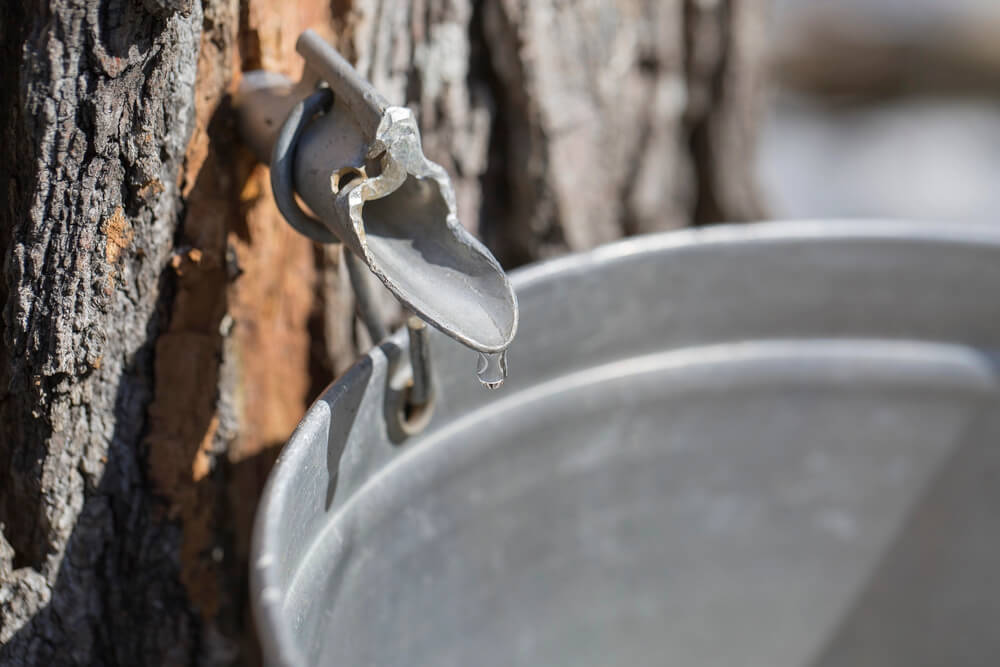
In the maple regions of New England and New York, sugarmakers drilled trees in late winter and hung buckets under each spile. Teams of horses pulled sleds through the snow carrying a gathering tank, and workers emptied each bucket by hand.
Boiling the sap in a sugarhouse took roughly forty gallons to make one gallon of syrup, and the fire had to be fed constantly. The season lasted only a few weeks, so the pace was frantic and sleep was optional.
Broom Corn Tabling in Illinois
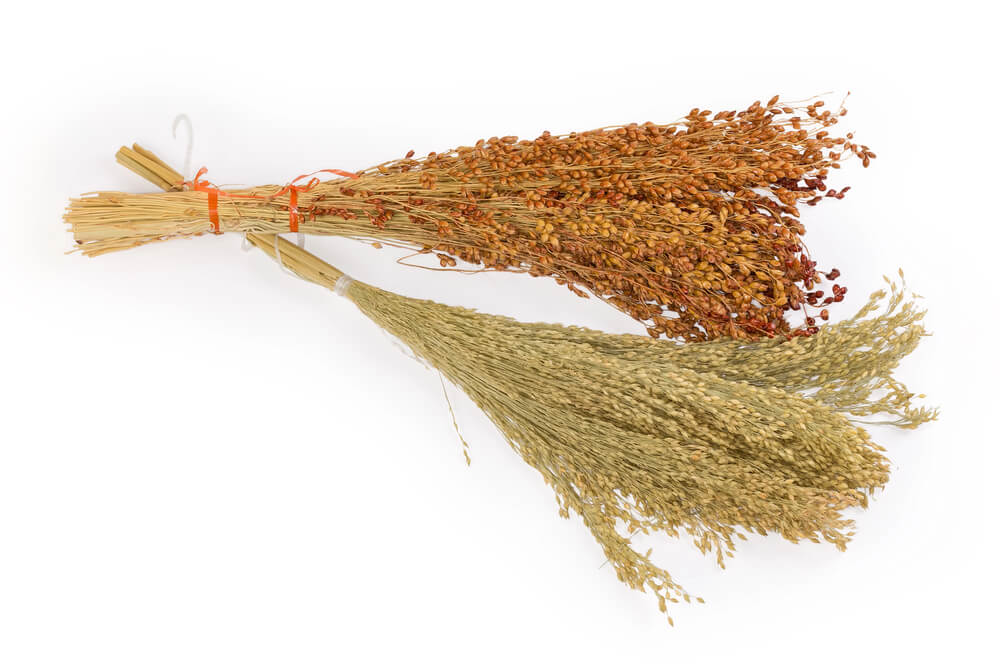
Broom corn, a type of sorghum grown for its long, bristly seed heads, was harvested in the central Illinois town of Arcola and other broom-making areas. Workers bent two rows of stalks over to form a table at waist height, then cut the brush and spread it on the table to cure.
The seeds were scraped off with a cylinder, and the cleaned brush was baled and sent to broom factories. Arcola later called itself the broom corn capital of the world.
Flax Pulled by the Roots
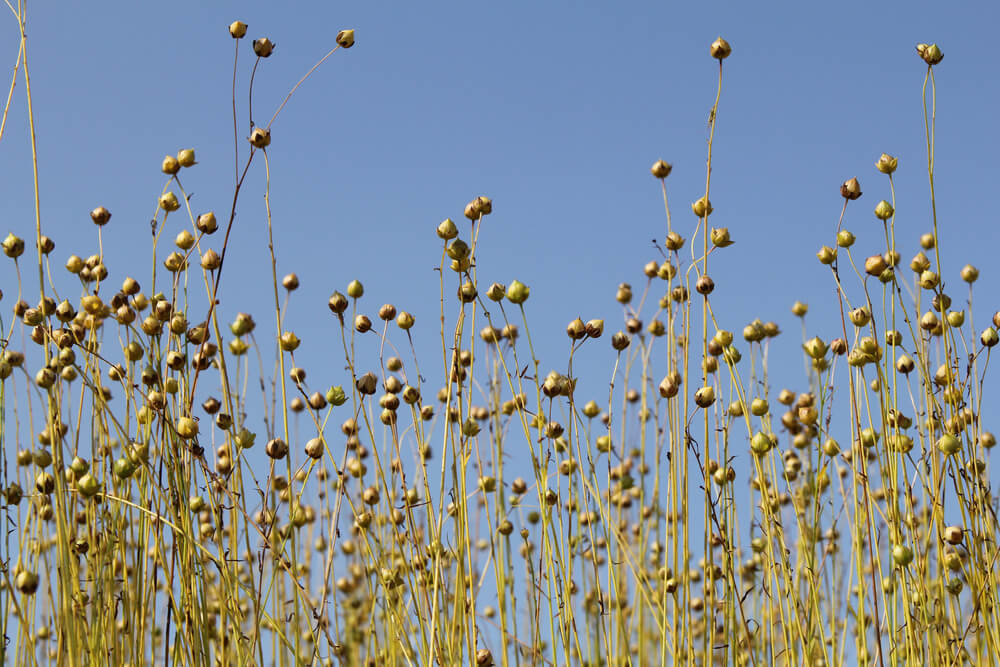
Unlike most crops, flax was pulled from the ground by hand, not cut, because the fiber ran all the way down the stem and any severed length was wasted. Pullers worked bent over in long lines and laid the stalks in even bundles to dry.
The straw then went through retting, breaking, and scutching before the fiber could be spun into linen thread. In early America, flax was a household crop that supplied clothing, sheets, and thread.
Sorghum Cane Crushed in Horse-Powered Mills
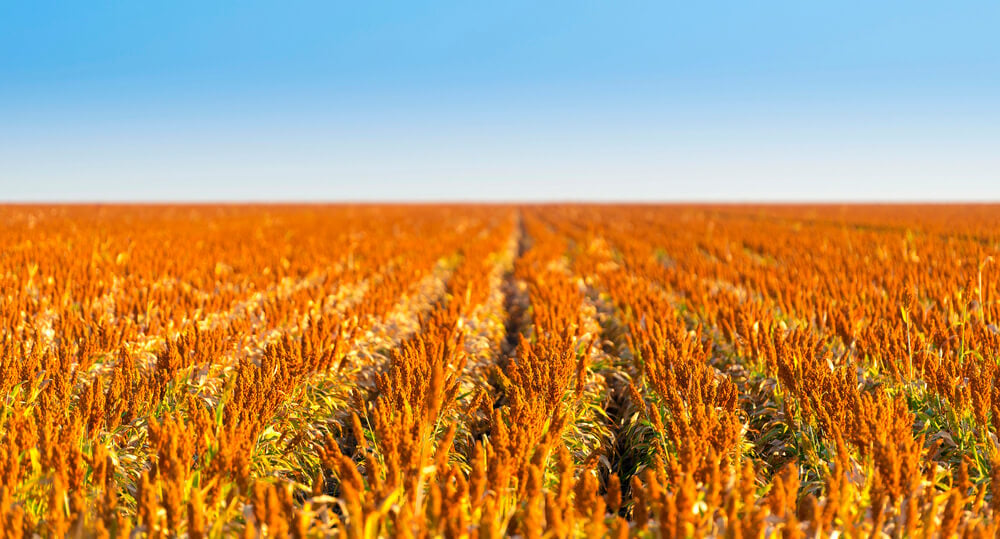
Sorghum cane arrived in the United States in the 1850s and quickly became a staple of southern and midwestern farms. Farmers stripped and cut the stalks, then fed them into a vertical roller mill turned by a horse or mule walking in a circle on a long sweep.
The juice ran into a pan, where it was boiled and skimmed into dark molasses. Neighbors often shared a mill, and the sweet smell of the boiling pan lingered over a community for days.
Peaches Picked in Georgia Orchards
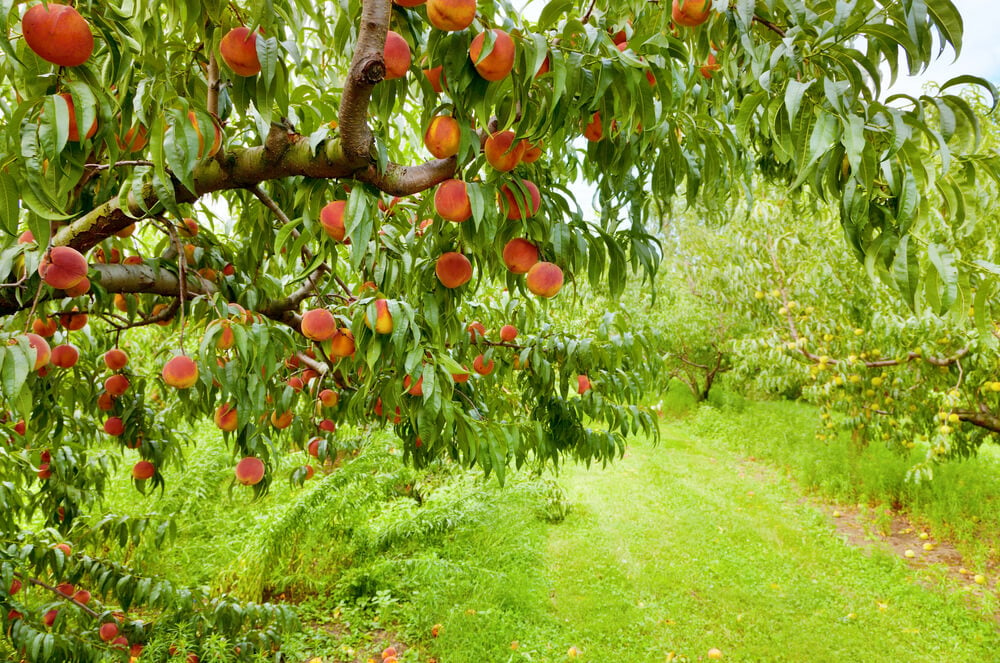
The Elberta peach, introduced by Samuel Rumph of Marshallville, Georgia, in the 1870s, was named for his wife and became a leading shipping variety. Pickers twisted the fruit gently from the branch, since peaches bruise at a touch, and set them in baskets before packing.
Peaches were then crated for railroad shipment to northern cities. Georgia’s peach reputation was built on this system of careful hands and fast trains.
Navel Oranges Clipped in Riverside
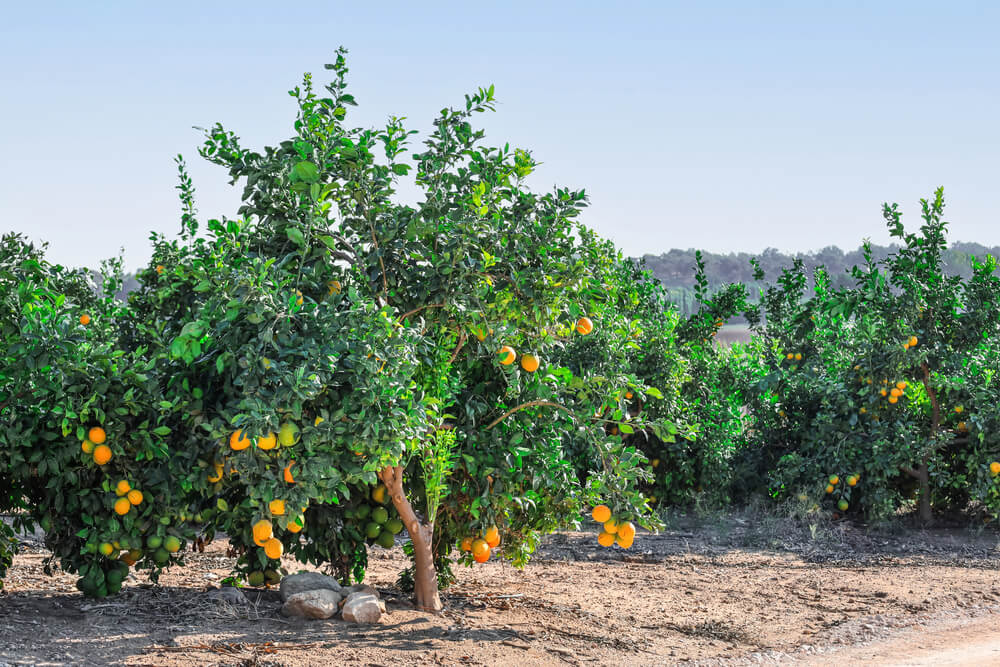
Riverside, California, became the center of the navel orange business after two trees from Brazil were planted there in 1873 by Eliza Tibbets. Pickers climbed ladders with canvas bags and clipped each fruit at the stem, because pulling could tear the rind.
They wore cotton gloves to keep their fingernails from scratching the skin, which would invite rot in shipping. The fruit went to packinghouses, where it was graded, wrapped in tissue paper, and boxed for railroad cars.
Concord Grapes Cut Along Lake Erie
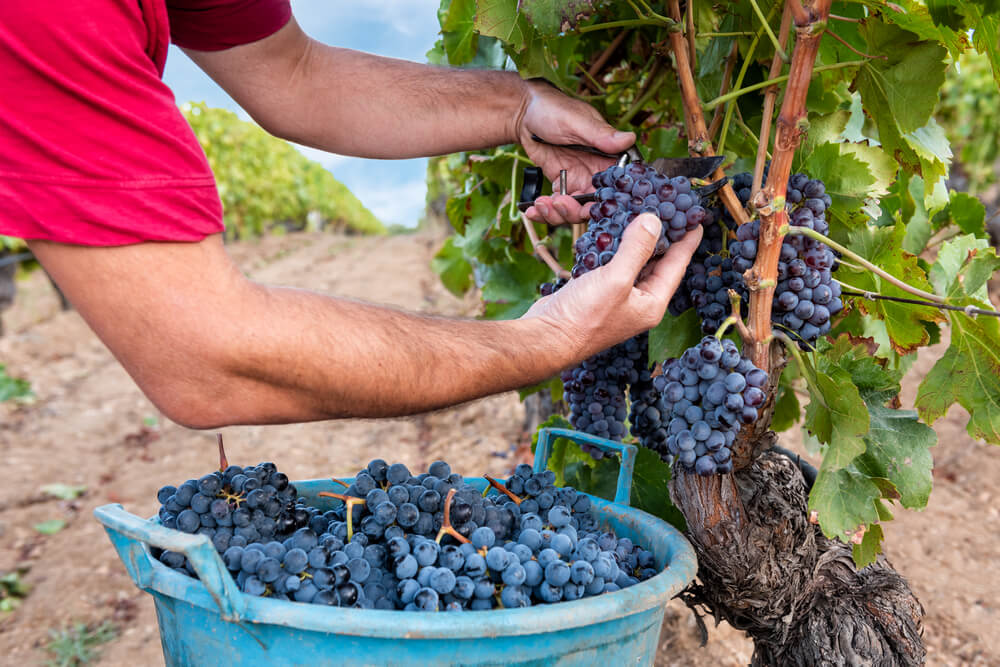
Ephraim Wales Bull developed the Concord grape in Concord, Massachusetts, in 1849, and the variety later thrived in the vineyards along Lake Erie. Pickers cut clusters from the vines with knives or shears and set them into shallow trays or baskets.
The grapes were bruised easily, so they were carried gently to the end of the row. Entire families worked the harvest, and school calendars in grape country bent around it.
Wild Rice Knocked Into Canoes
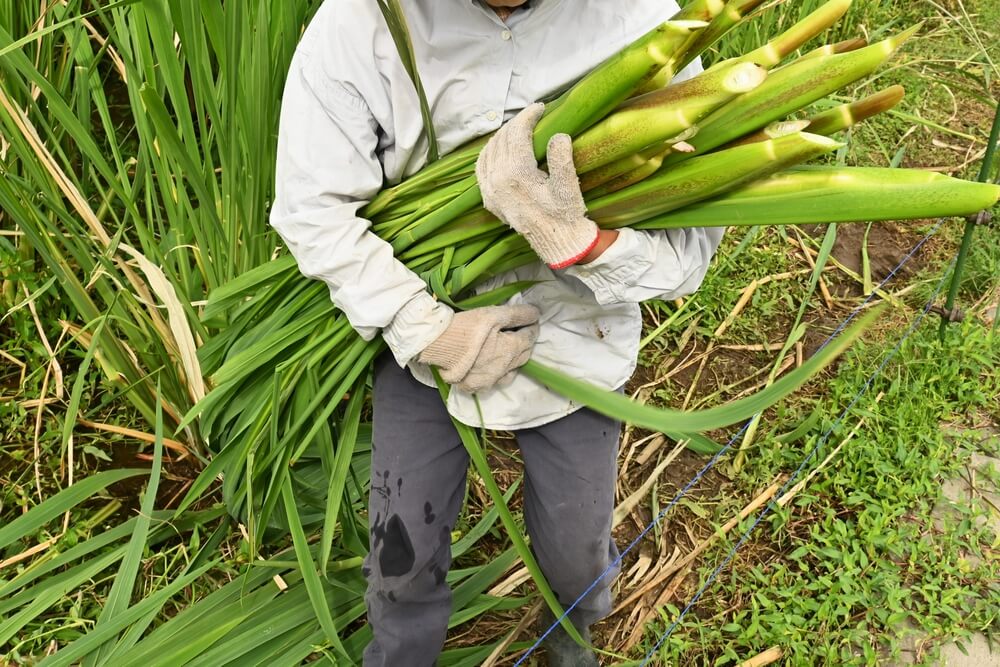
Each September, Ojibwe families in Minnesota and Wisconsin harvested manoomin, wild rice, from shallow lakes by canoe. One person poled the canoe slowly through the stand while the other used two wooden sticks, called knockers, to bend the stalks and tap the ripe grain loose.
Most kernels fell into the canoe, but some fell into the water to reseed the bed for next year. The method, which has been practiced for generations, lets the lake renew itself while people eat from it.
What Hands Knew That Machines Had to Learn
Every scene here depended on knowledge held in the body: how to swing a cradle without tiring, how to twist a straw band, how to tell when a peach was ready, how to pull flax without breaking the fiber.
When machines arrived, they had to be taught these lessons, and many early designs failed because they ignored them. Reapers, pickers, and combines improved by copying what hands already did well and then doing it faster. The mechanical age also took away something less measurable. A husking bee, a threshing ring, and a hop yard in September were all places where neighbors met and learned each other’s habits.
Machines made farms more productive, but fewer people stood in the same field, and the harvest stopped being a shared event. What remained were the tools in museum cases and the stories of those who had used them.
More from Go2Tutors!

- 27 Silver Dollars and Half Dollars Worth Keeping
- 28 Restaurant Menu Items Nobody Orders Anymore
- 17 Places Built in Seemingly Impossible Spots
- 27 Vintage Rings Worth More Than They Look
- 25 Restricted Sites Tourists Can’t Enter
Like Go2Tutors’s content? Follow us on MSN.