Disasters With Chilling Behind-the-Scenes Details
Some events leave a mark not only because of what happened in public view, but also because of the quiet moments and hidden choices that shaped them. These details often explain why things spiraled and why the impact felt so heavy for so many people.
Now let’s ease into the stories behind these tragedies. The surface is familiar, but what sits underneath tells the real tale.
The Halifax explosion
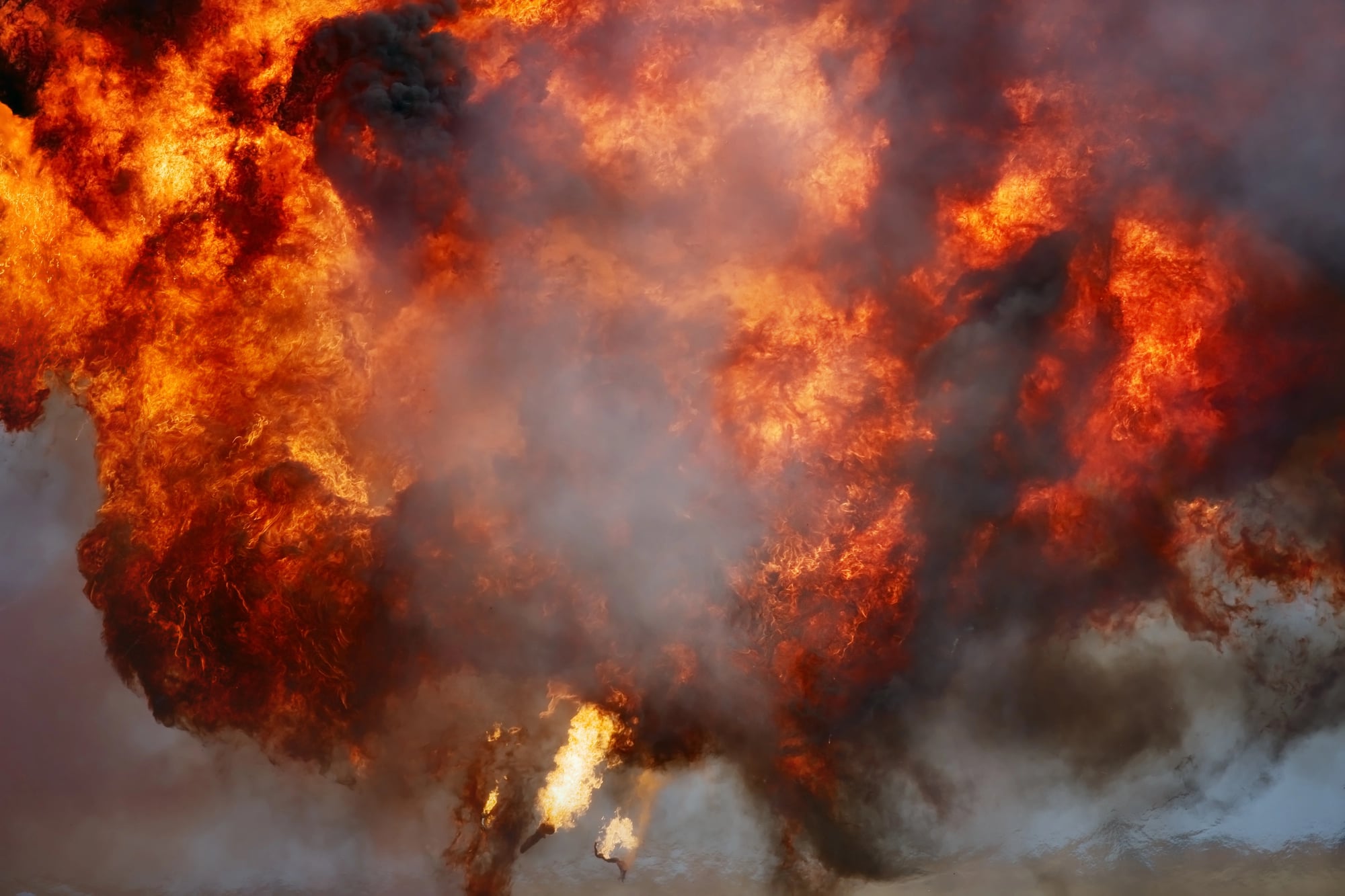
The Halifax blast in 1917 hit with the force of a massive wartime strike, yet the most unsettling part happened before the blast. Two ships sat stalled in the harbor while townspeople gathered along the shore, curious about the smoke rising from one vessel.
Families stood only miles from danger without knowing the ship carried explosive cargo. That small delay, mixed with the quiet crowd watching, set the stage for one of the largest non-nuclear explosions in history.
The Johnstown flood
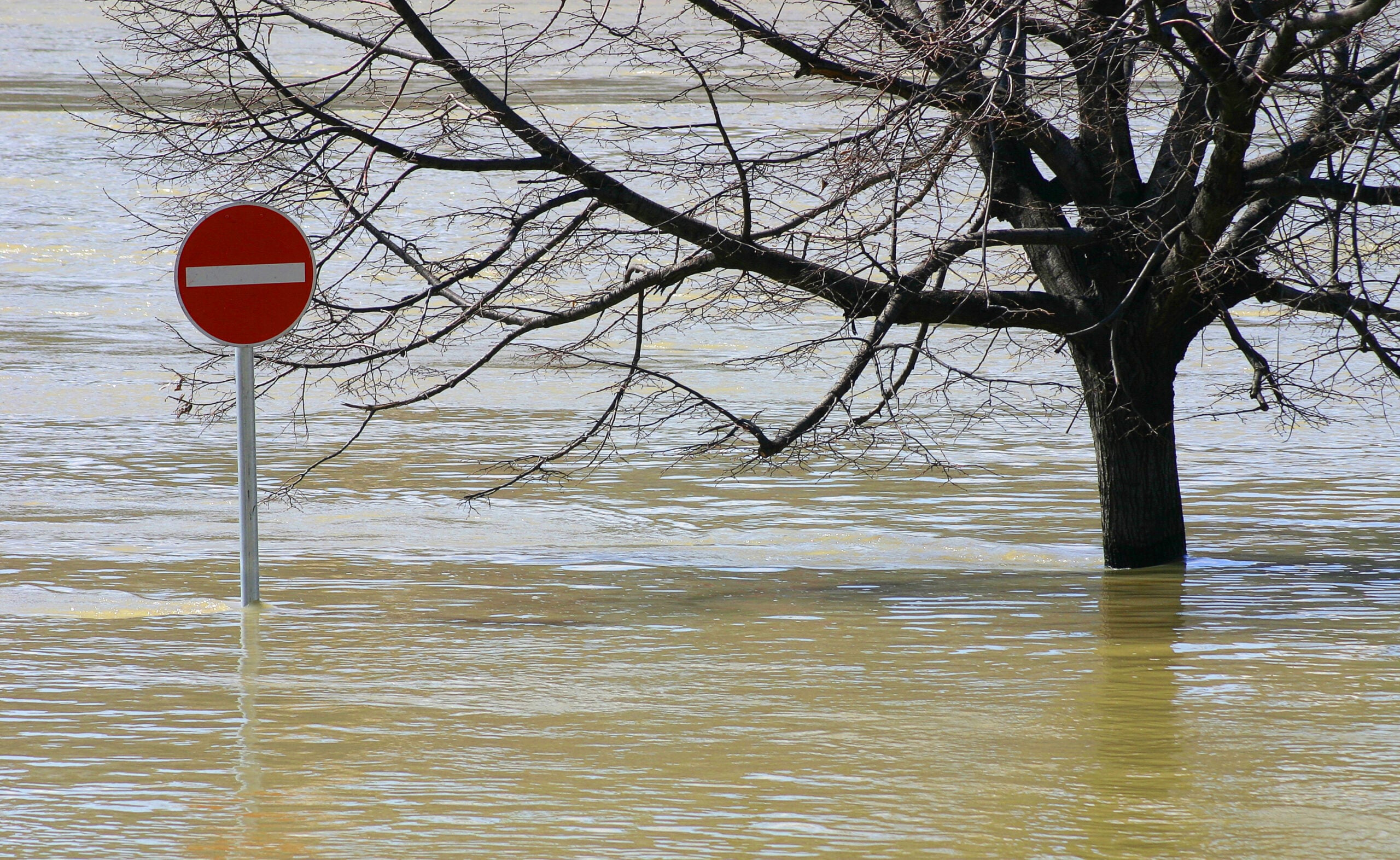
Workers rushed to repair a private dam outside Johnstown, Pennsylvania, but they used weak materials to save time. They lowered the dam’s height too, which made it easier for water to roll over.
A heavy storm pushed the weakened structure past its limits, and the huge wave that followed swept downriver faster than a person could run. The town never knew how close officials had come to fixing it properly.
The Hindenburg fire
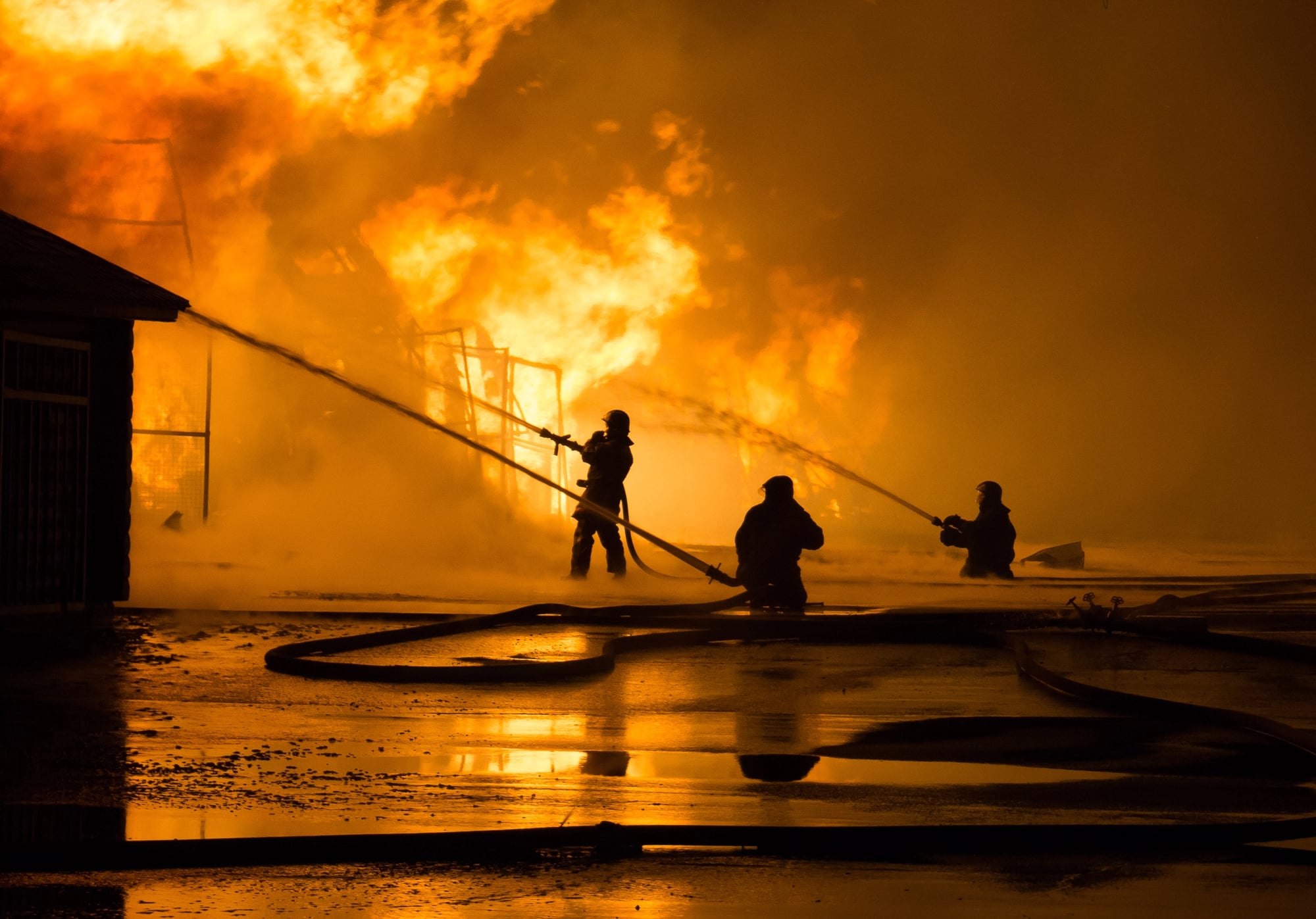
People often picture the aircraft coming down in flames, but the real chill comes from the routine chatter inside just minutes earlier. Crew members went about normal duties while the craft drifted toward its landing field.
A tiny spark on the outer skin, mixed with leaking gas, created a chain reaction that moved faster than anyone could react. The calm moments leading up to the disaster showed how sudden everything shifted.
The Texas City ship blast
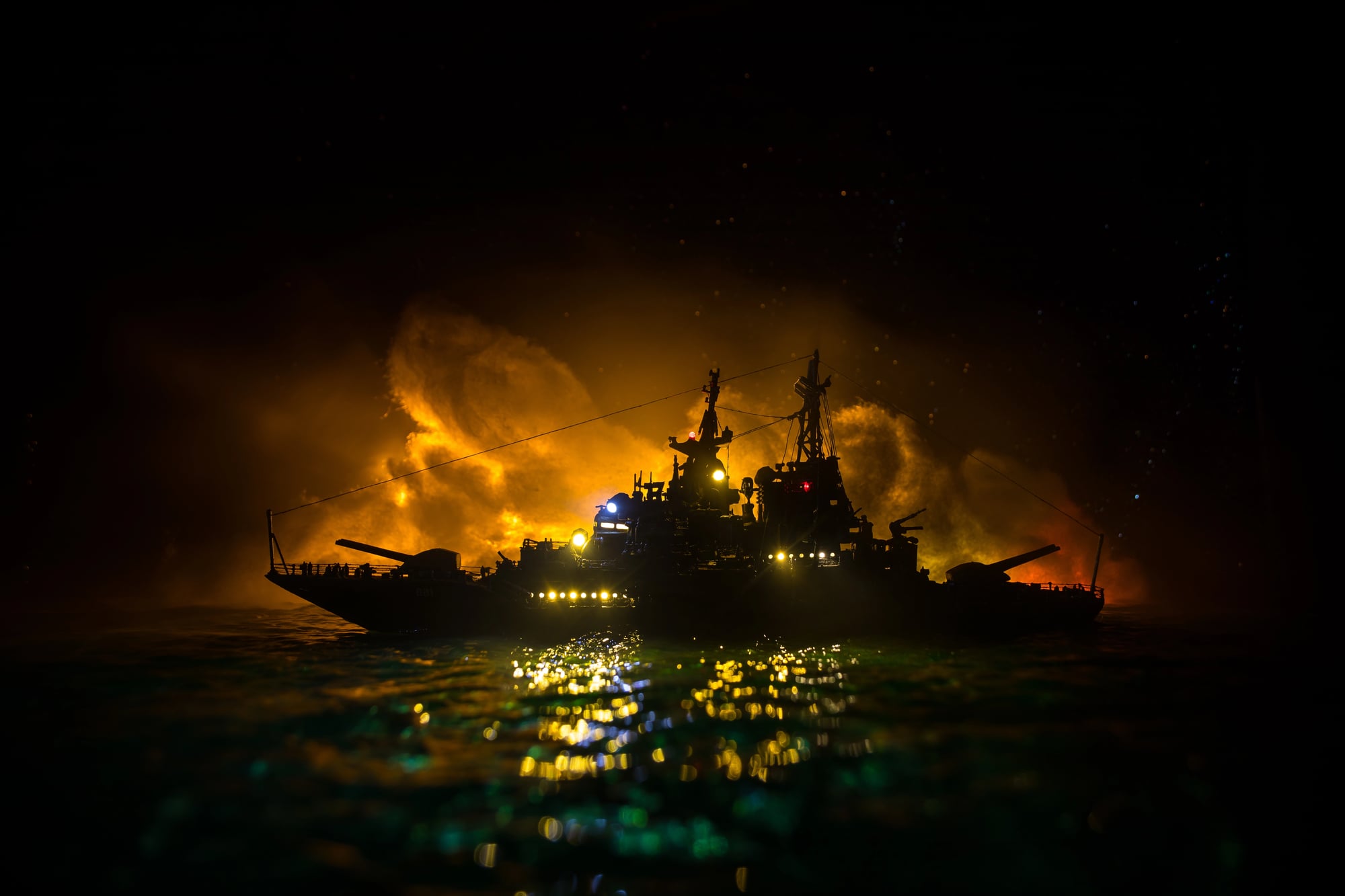
A cargo ship carrying fertilizer sat docked in Texas City in 1947 as workers noticed smoke rising from its hold. The crew sealed the area to stop oxygen from feeding the heat, not knowing that the enclosed pressure made things far worse.
Crowds gathered on the pier to watch the scene, unaware of the danger sitting a few miles away. When the ship erupted, the force threw debris across the harbor and set off fires throughout the town.
The Tri-State tornado
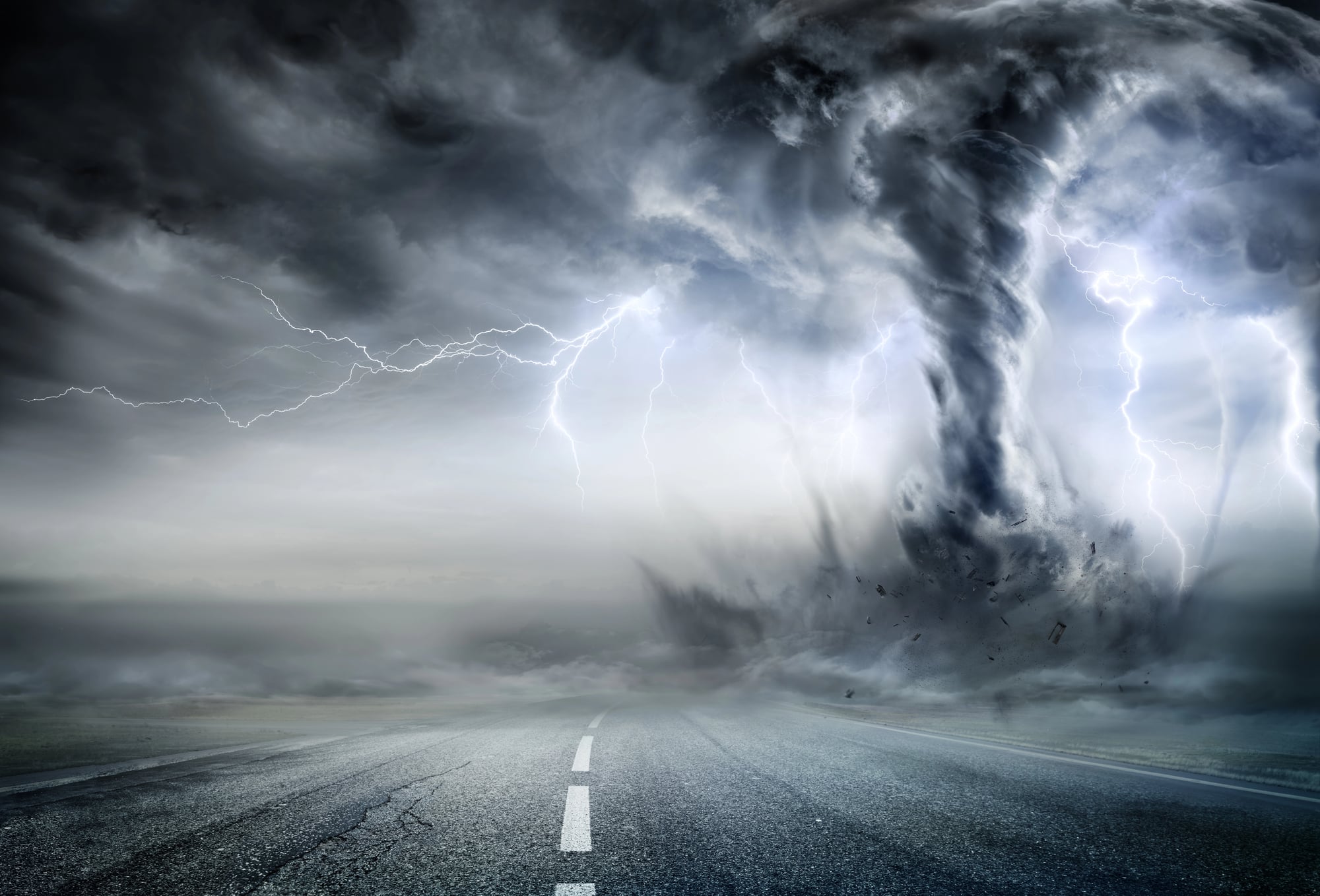
The strongest tornado in recorded U.S. history moved across three states in 1925, but its eerie part came from how steady it looked. Survivors said it did not twist wildly like most storms, which fooled many into thinking it was just a dark cloud.
People kept working, playing, and walking home even as the storm closed in. Its straight-line path made it move like a fast train, giving almost no warning.
The Boston molasses flood
A giant storage tank in Boston groaned for months, but workers kept painting it to hide leaks instead of fixing them. The tank finally burst, sending a wave of sticky liquid rolling down the streets at surprising speed.
Folks nearby had no reason to think a normal workday would turn into chaos. The warm afternoon sun thinned the liquid enough to make it move faster, catching people off guard.
The Great Smog of London
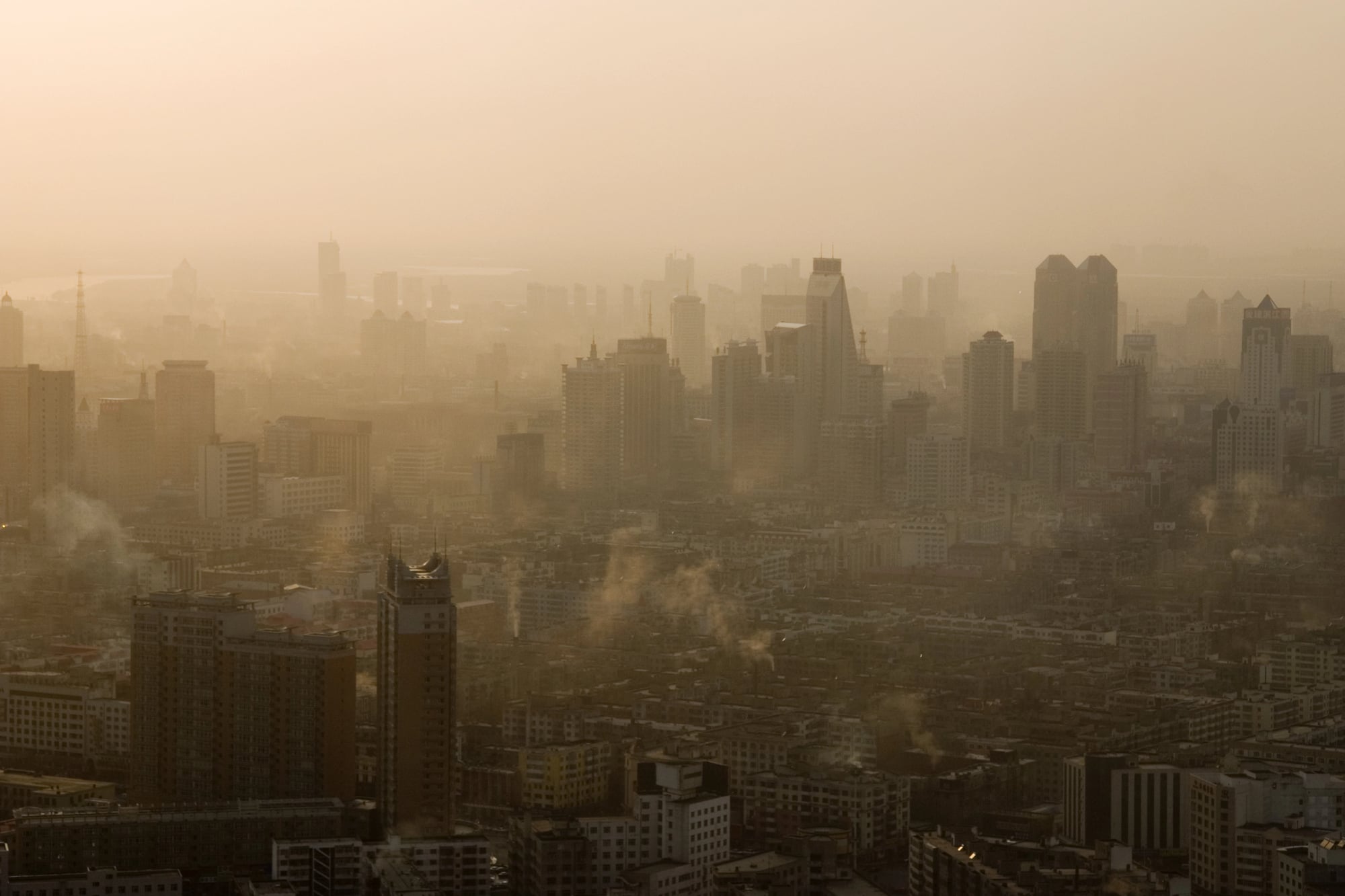
Factories burned fuel nonstop while cold air settled over London in 1952. The air stayed trapped close to the ground, turning the city into a thick, choking cloud.
People walked only a few miles to work and arrived covered in soot, unable to see street signs right in front of them. Authorities did not act quickly because fog was so common that no one recognized the danger at first.
The Tenerife runway crash
Two large jets prepared for takeoff on a foggy runway in the Canary Islands. Pilots and tower controllers struggled to hear one another clearly through radio chatter.
A small misunderstanding about takeoff clearance changed everything. The planes moved toward each other with no sightline, turning a routine afternoon into the deadliest aviation accident in history.
The Deepwater Horizon blowout
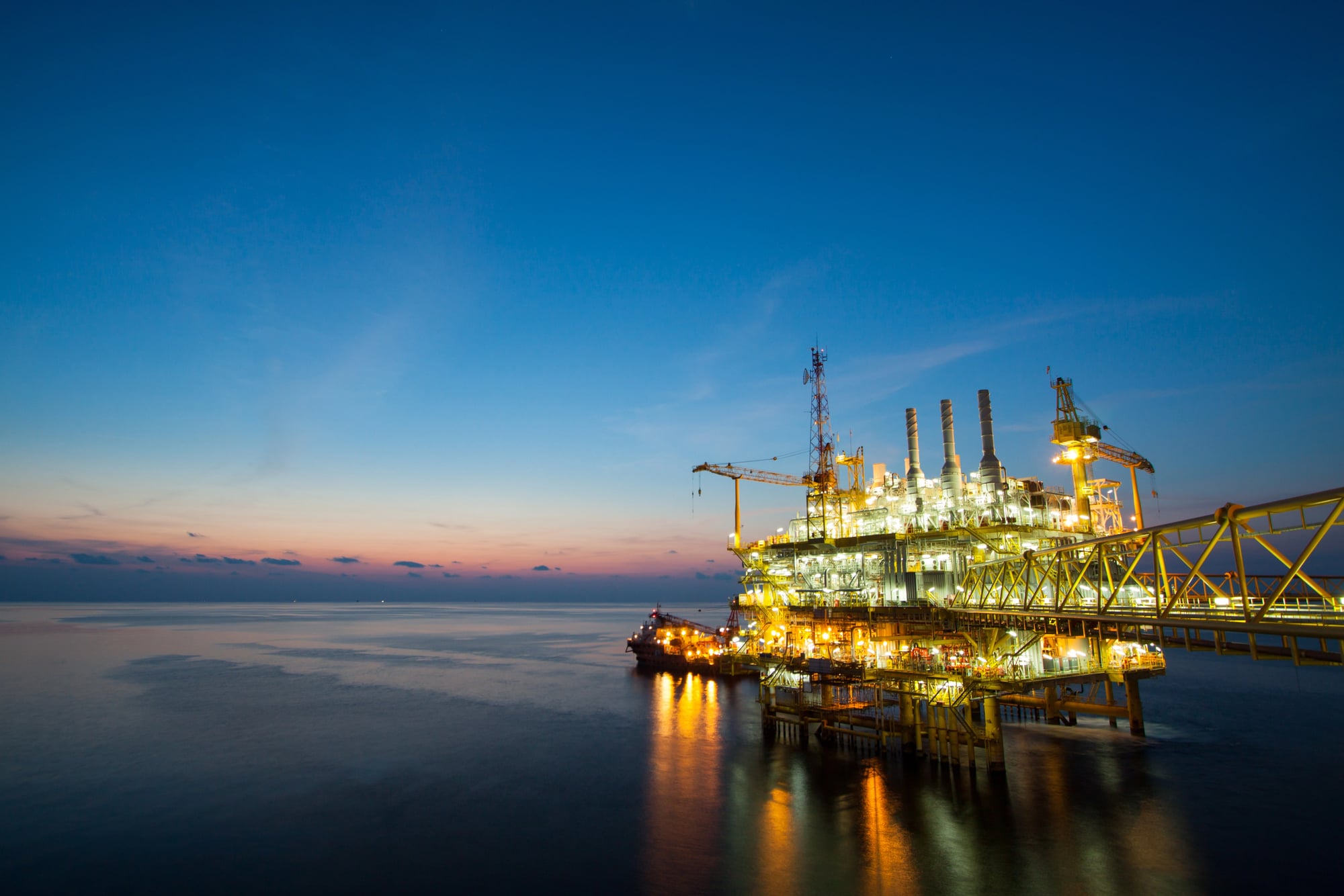
Engineers noticed mixed pressure readings on the oil rig hours before it blew. Several teams debated what the numbers meant, and each group assumed the other had already run the proper tests.
As the evening rolled in, the crew prepared for a quiet night. The well released a powerful burst of oil and gas that overwhelmed safety systems in seconds.
The Cocoanut Grove fire
A crowded Boston nightclub locked several exits to prevent unpaid entry, a common practice at the time. When a spark from a decoration lit the ceiling, people rushed toward the main doorway.
The entryway used a revolving door that jammed when too many people pushed at once. The design flaw turned the small fire into a major tragedy.
The Aberfan collapse
A mining village in Wales sat below a pile of loose waste rock. Workers had warned for years that heavy rain made the pile unstable, but reports sat ignored.
After days of storms, the mass slid downhill and covered a school during morning classes. The village had known the risk, but no one had pushed for fast action.
The Great Chicago fire
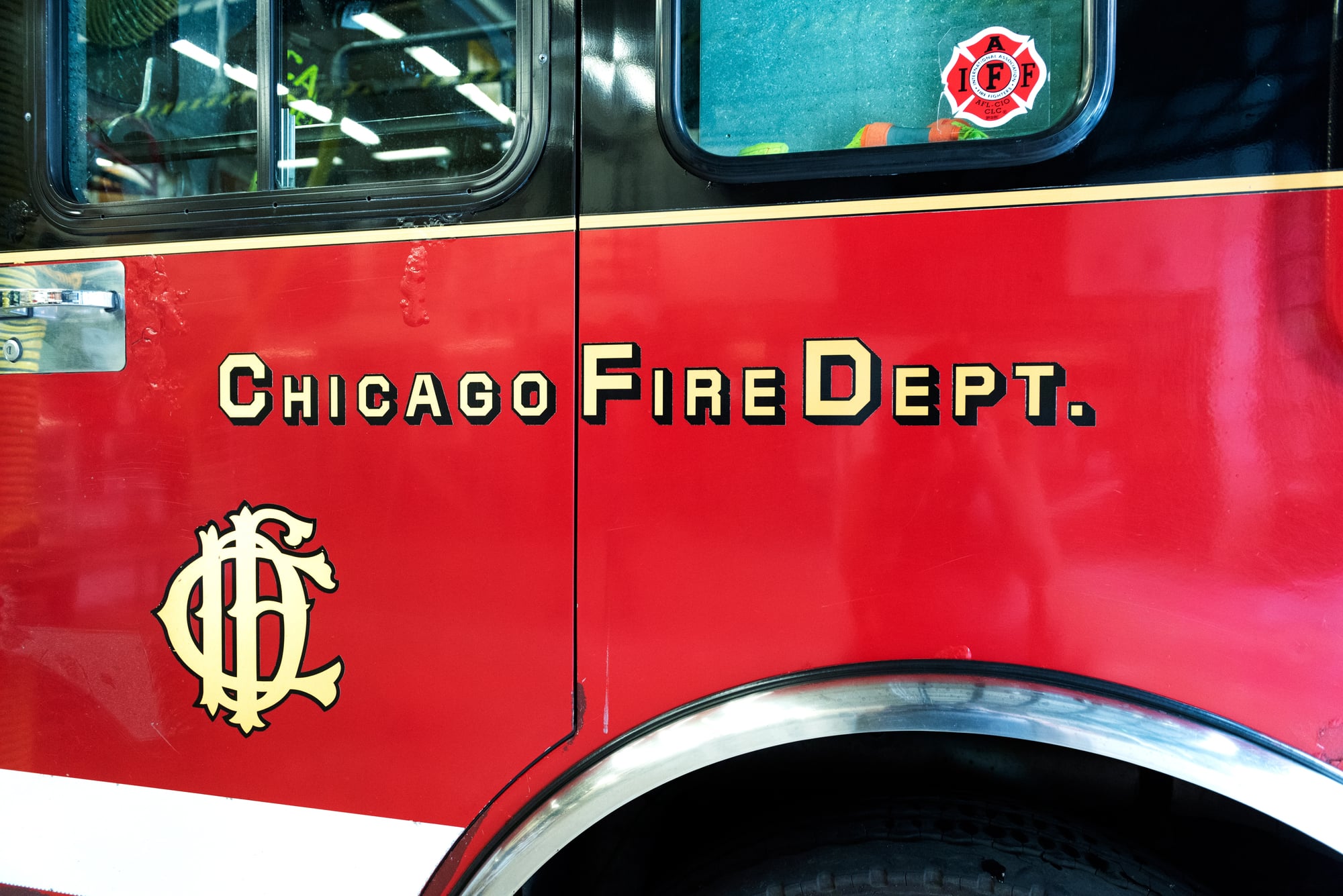
Before flames spread across Chicago in 1871, the city already sat on edge from dry weather and strong winds. Buildings made mostly of wood stood packed closely together, creating easy paths for fire to travel.
When the blaze started, it jumped across streets and rooftops faster than crews could manage. The dryness had quietly set up the city for disaster long before the first spark.
The Chernobyl reactor blast
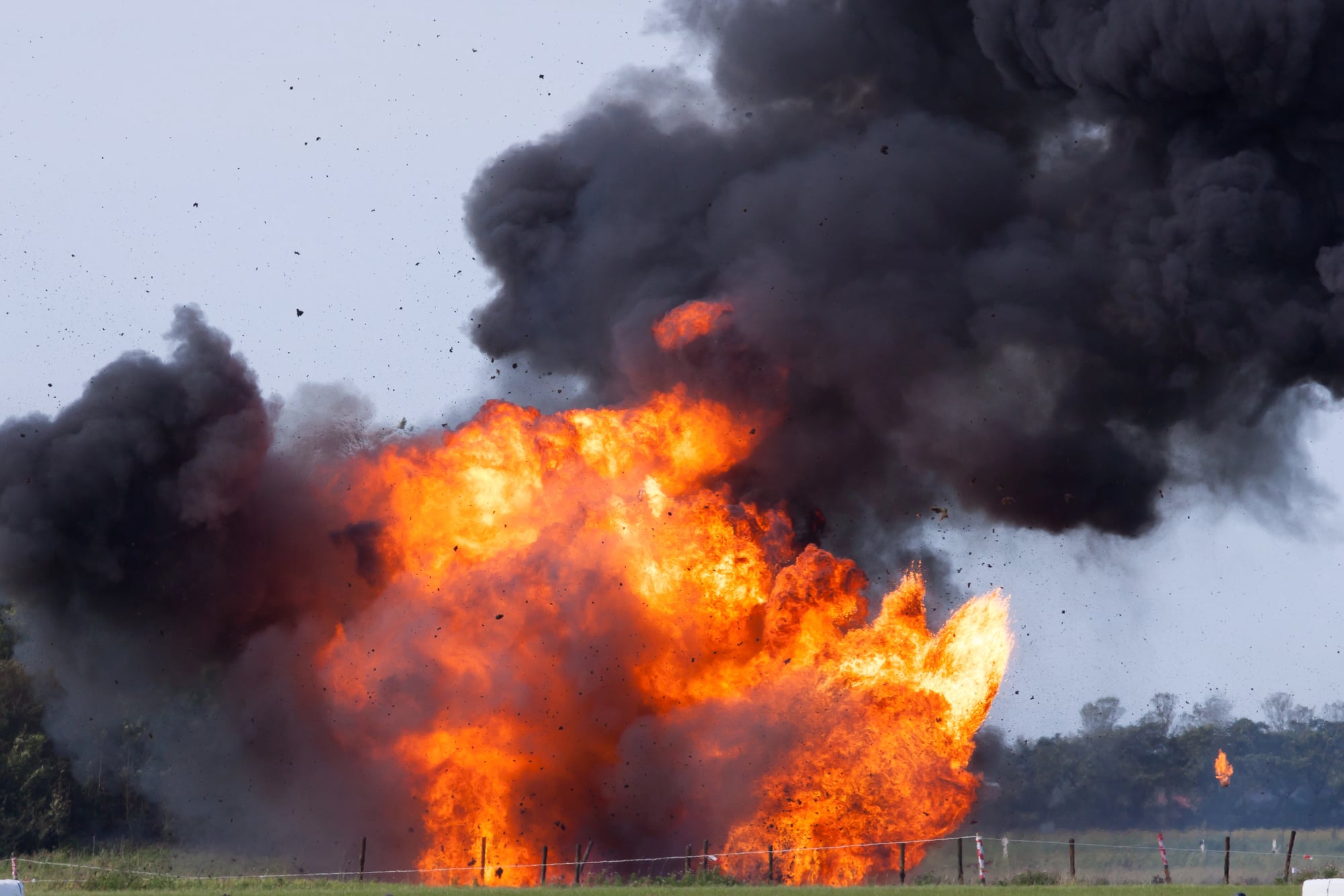
During a late-night test, workers disabled safety systems to check how the reactor would behave. Some crew members felt uneasy but followed instructions while the power levels swung out of control.
A sudden surge caused an explosion that threw debris into the air. The test was meant to prevent future accidents, yet the rushed setup created one of the most severe events of the century.
The MGM Grand fire

Decorators in the Las Vegas hotel used flammable materials in several areas to save money. When faulty wiring lit the first spark, smoke raced through the building’s air system before alarms could sound.
Many guests never smelled danger until it reached their floors. The quiet spread through ventilation made it harder for people to find safe paths out.
The Hyatt Regency walkway collapse
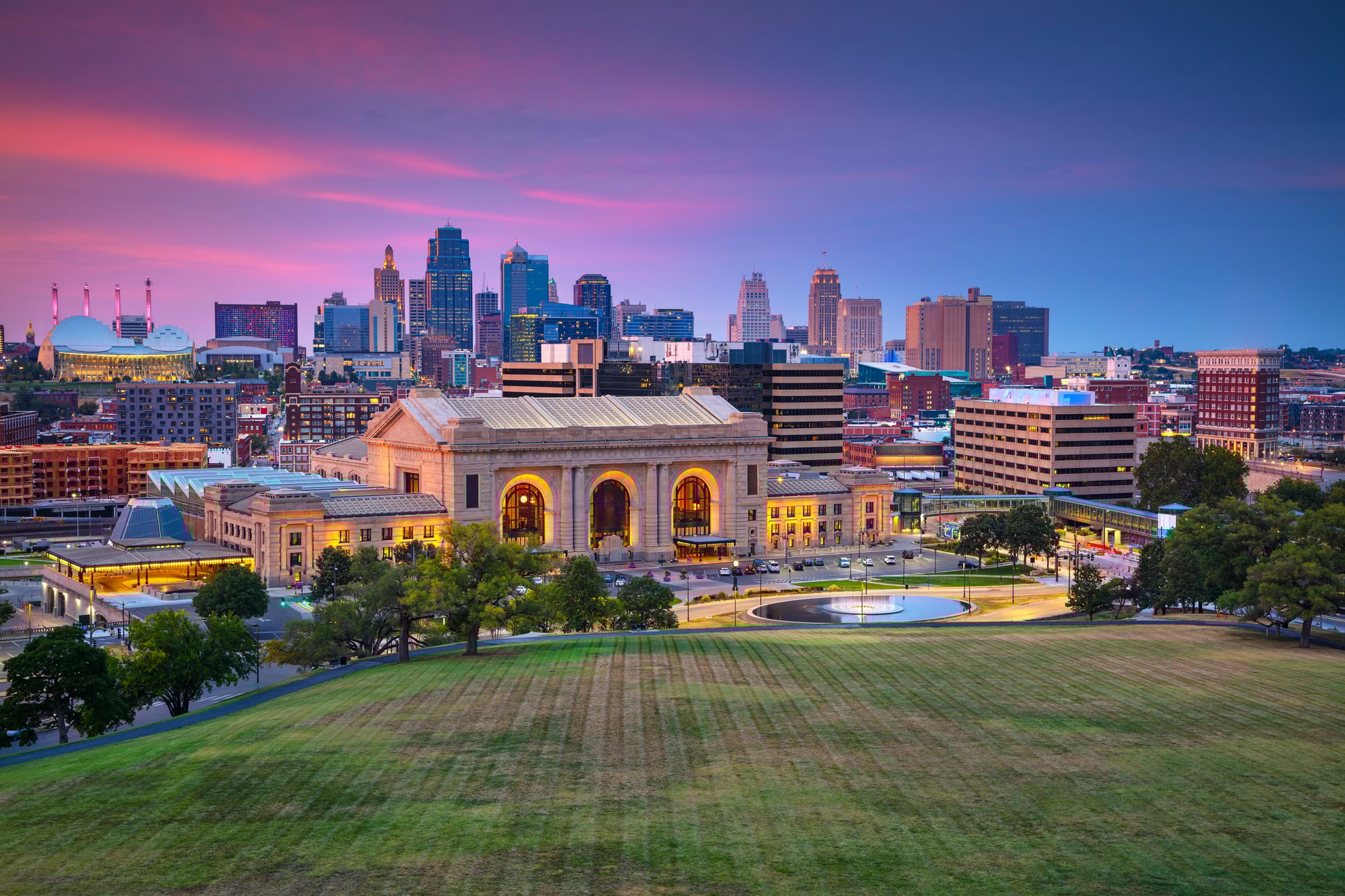
During construction of the Kansas City hotel, builders changed the walkway support design to speed up work. The new setup doubled the weight placed on a single connection point.
Years later, the pressure finally gave out during a crowded dance event. The moment looked sudden, but the design flaw had been waiting in plain sight.
The ValuJet Everglades crash
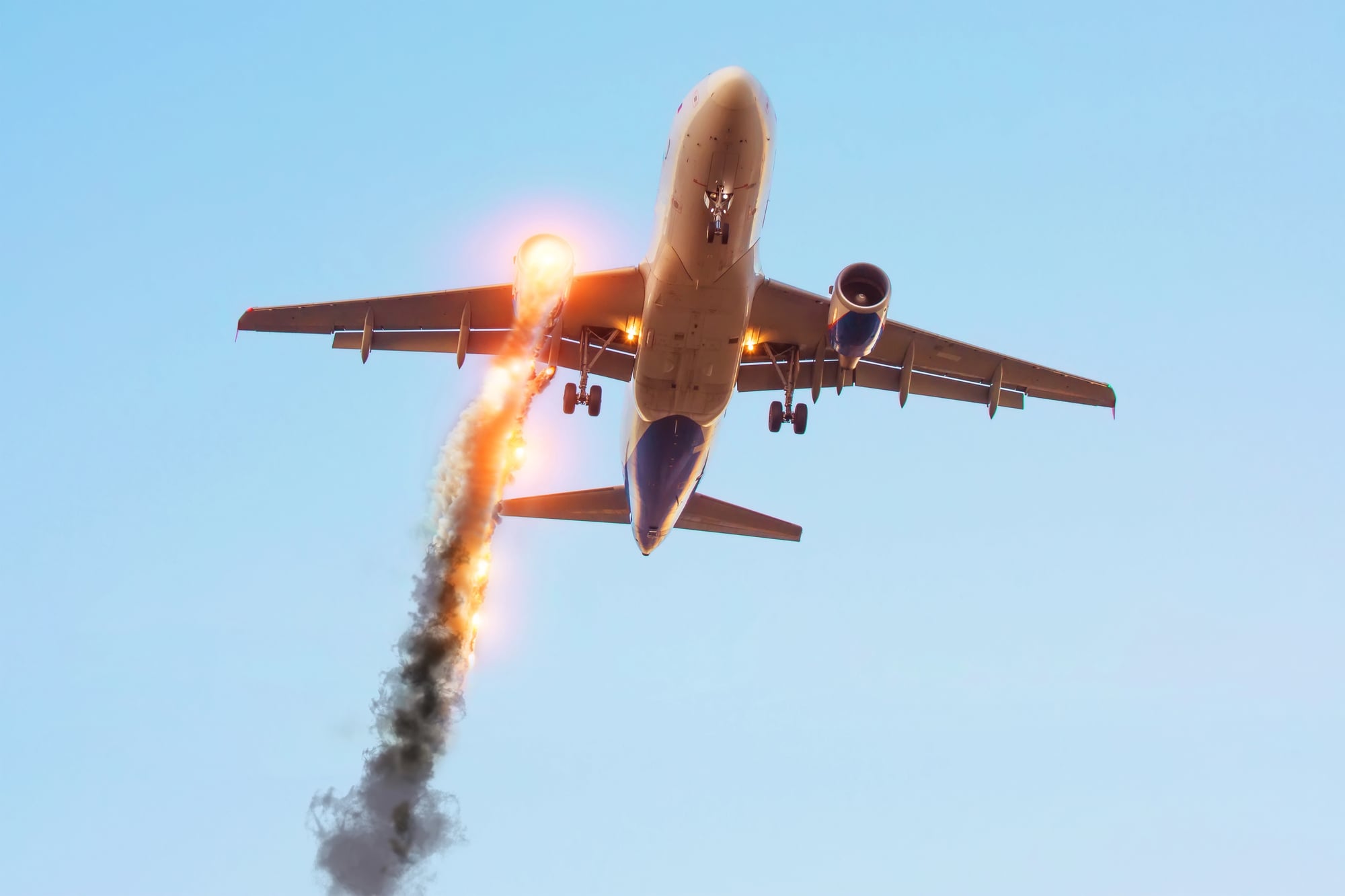
Workers loaded oxygen generators into the cargo area of the plane, believing they were harmless. The devices created heat when moved, and one activated during the flight.
The crew noticed smoke but had little time to react because the fire grew quickly in the sealed compartment. The hidden hazard turned a short flight into a tragedy within minutes.
The Challenger launch
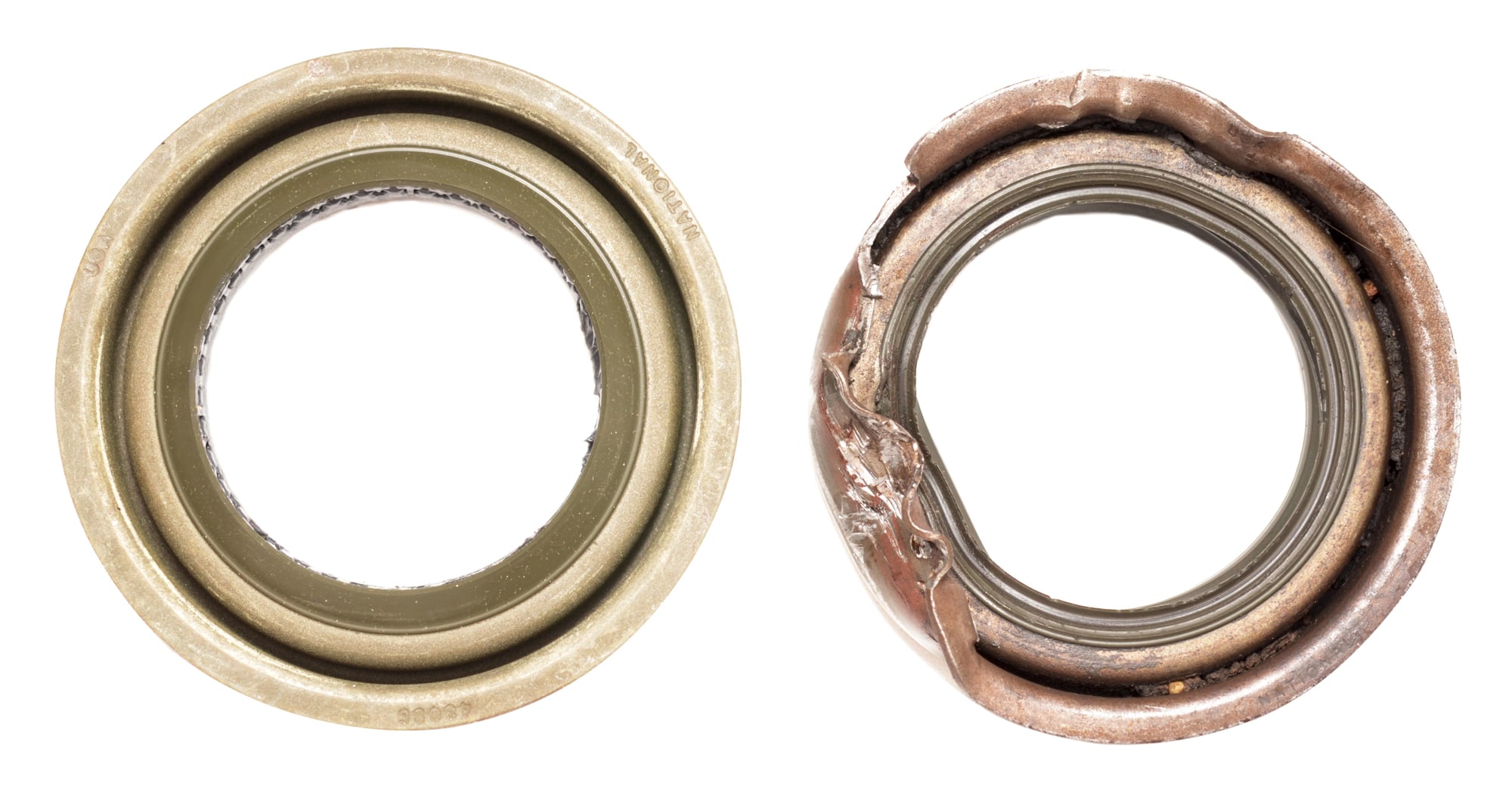
On a cold Florida morning in 1986, engineers raised concerns about rubber seals hardening in low temperatures. Those concerns did not reach the final decision makers in time.
The shuttle launched while the seals struggled to flex, letting hot gas escape. The event shocked the nation, yet the warning signs had been there from the start.
The Station nightclub fire
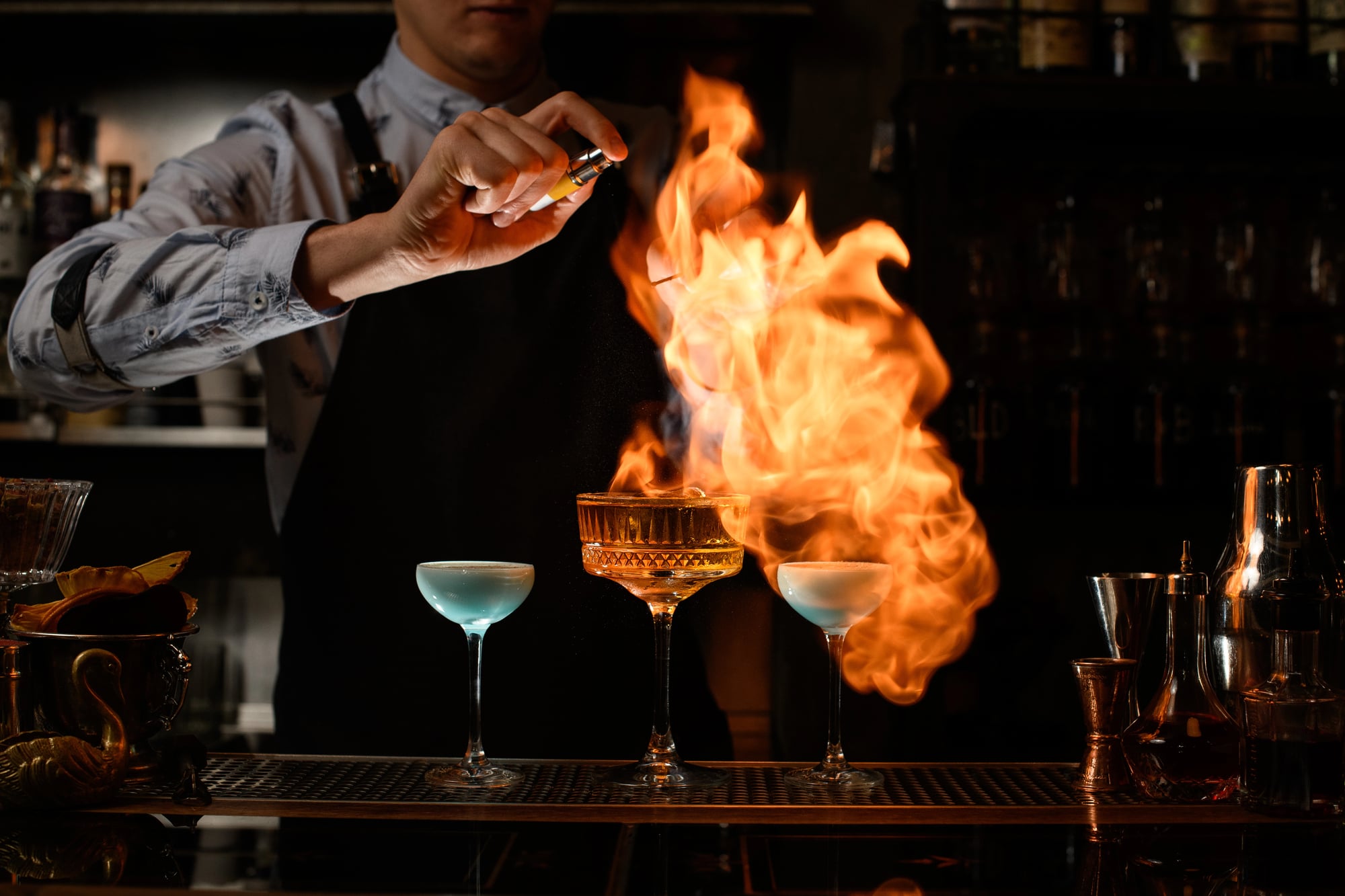
A band used indoor pyrotechnics that shot sparks onto foam soundproofing. The foam was never meant for heat, and it caught fire almost instantly.
People moved toward exits, but some doors opened inward, slowing the crowd. A small spark became a sweeping blaze because the safety setup was far from what a packed venue needed.
Echoes that still shape awareness
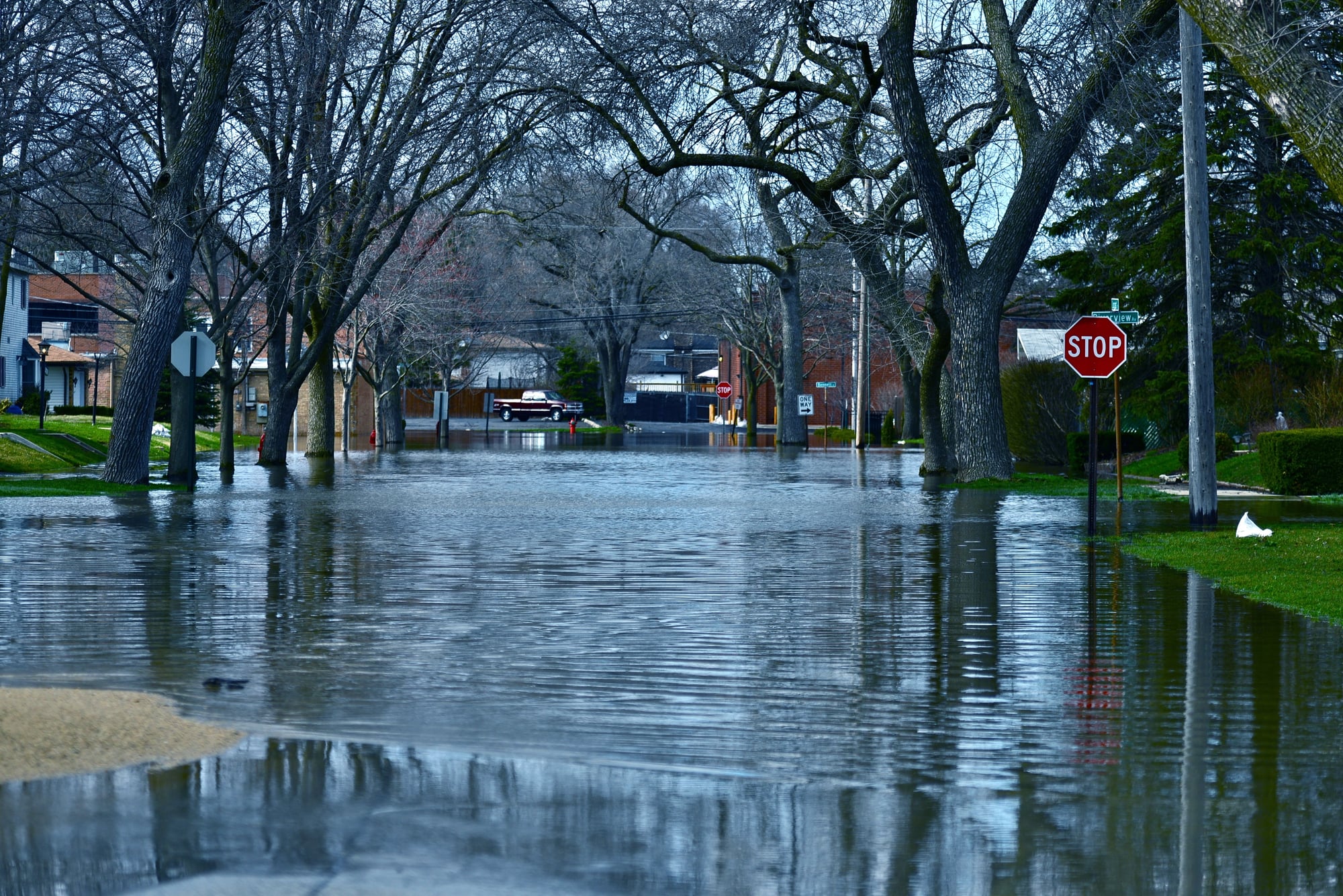
These disasters show how ordinary moments, small choices, and unseen risks often sit quietly behind the scenes until they rise to the surface. Each event left lessons that continue to guide planning, design, and response today.
People now look at safety rules, warnings, and maintenance with sharper attention because of what came before. The past still speaks, and its messages help shape safer paths for the present and beyond.
More from Go2Tutors!

- The Romanov Crown Jewels and Their Tragic Fate
- 13 Historical Mysteries That Science Still Can’t Solve
- Famous Hoaxes That Fooled the World for Years
- 15 Child Stars with Tragic Adult Lives
- 16 Famous Jewelry Pieces in History
Like Go2Tutors’s content? Follow us on MSN.



