Unusual Foods Tied to Historic Celebrations
Throughout history, people have gathered to celebrate important moments with food that seems pretty strange by today’s standards. These dishes weren’t just meals but symbols of culture, tradition, and sometimes pure survival.
From royal feasts to religious festivals, the tables of the past were filled with things most modern eaters would hesitate to try. Let’s dig into some of these wild historic celebration foods and see what made them so special to the people who ate them.
Peacock served with its feathers
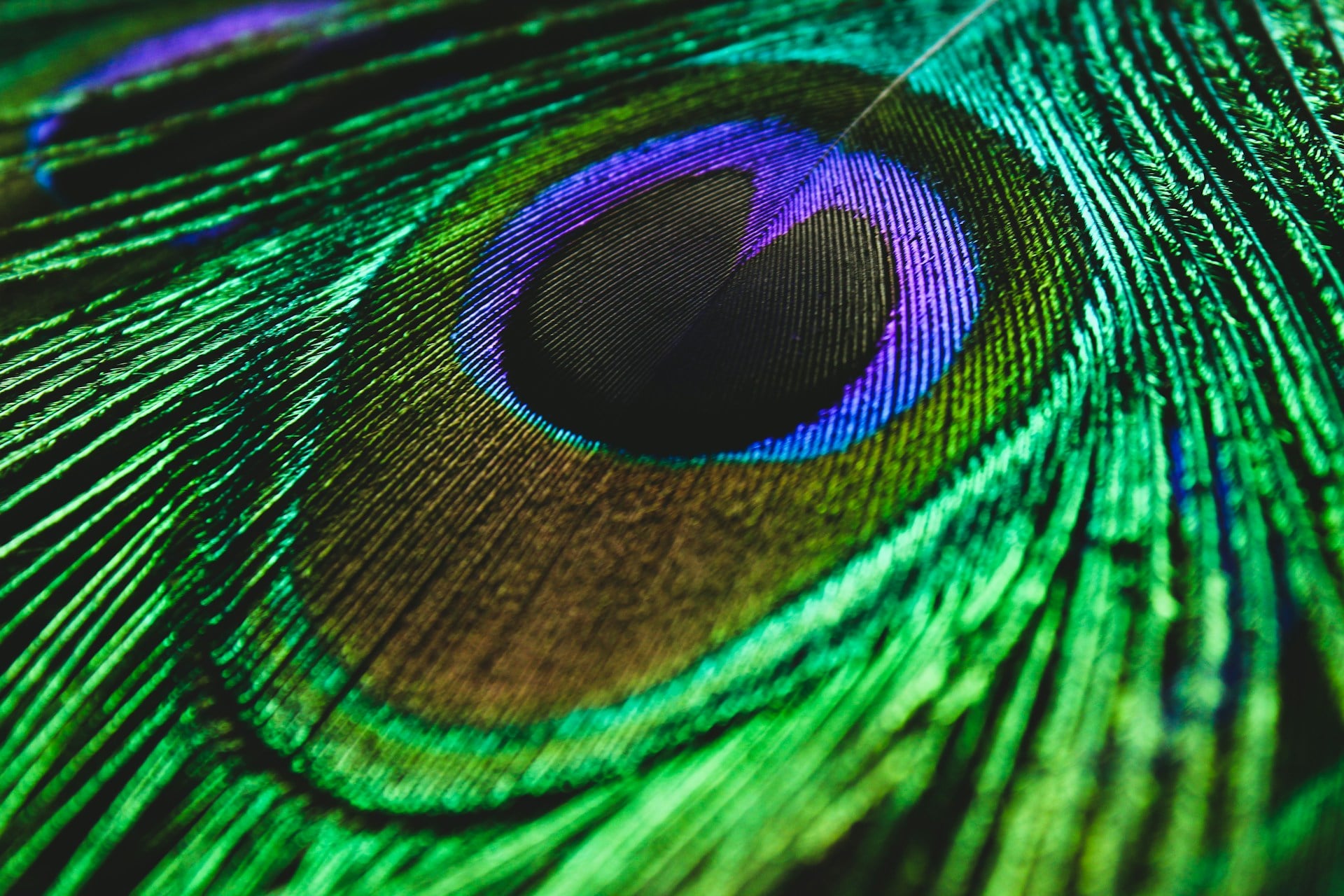
Medieval banquets weren’t complete without a roasted peacock displayed in full plumage. Cooks would carefully remove the skin and feathers, roast the bird, then sew everything back on to create a stunning centerpiece.
The meat itself was tough and not particularly tasty, but that didn’t matter. Nobles wanted their guests to gasp at the spectacle, and a golden peacock strutting across the table did exactly that.
Dormouse dipped in honey

Ancient Romans loved their dormice, especially during Saturnalia and other big festivals. These small rodents were fattened in special clay pots, then roasted and glazed with honey and poppy seeds.
Wealthy Romans considered them a delicacy that showed off their refined taste. The practice was so popular that Romans even had special dormouse farms to meet the demand during celebration season.
Lamprey pie for royalty

English kings and queens went crazy for lamprey pie during coronations and Christmas feasts. These eel-like fish have rows of teeth and look like something from a nightmare, but they were prized for their rich, fatty flesh.
King Henry I supposedly died from eating too many lampreys, but that didn’t stop future monarchs from serving them at every major celebration. The tradition continues today, with lamprey pies still presented to British royals during coronations.
Roasted swan at weddings

Swans graced the tables of European nobility during weddings and feast days for centuries. Like peacocks, they were often served in their feathers to create a dramatic effect.
The birds required special permission to hunt since they belonged to the crown in many countries. Wedding guests would watch as servants carried in these massive white birds, their necks arched elegantly over platters of roasted meat.
Hagfish during Korean New Year

Koreans have celebrated Lunar New Year with hagfish for generations, despite the creature’s reputation as one of the ocean’s slimiest animals. These primitive fish produce buckets of mucus when threatened, but once cleaned and prepared, they become a prized dish called gomnangeo.
Families believed eating hagfish brought good luck and stamina for the coming year. The chewy texture and mild flavor made it a favorite at celebration tables throughout coastal regions.
Calf’s head jelly at Victorian Christmas
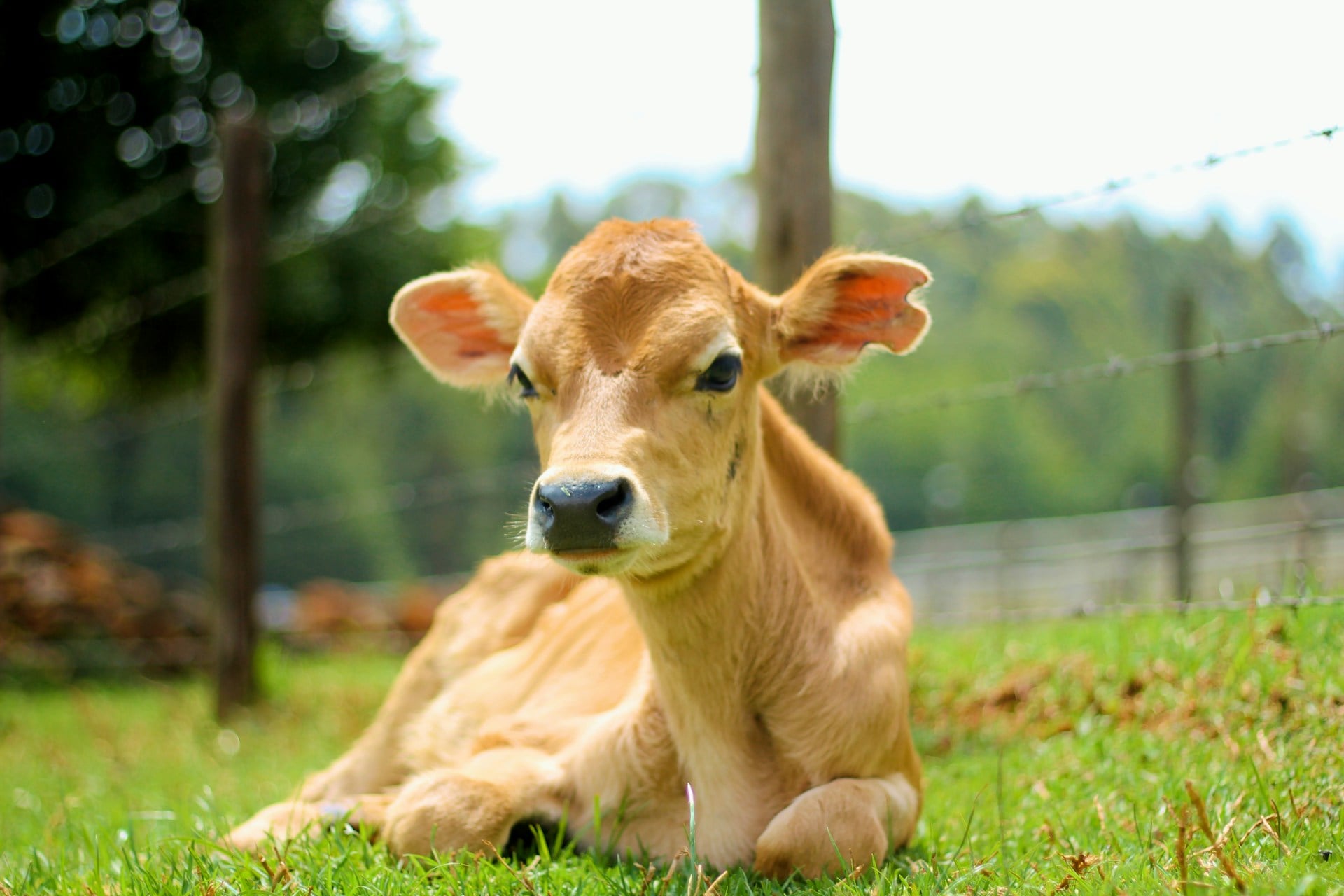
Victorian England turned the calf’s head into a wobbly, translucent jelly that appeared at Christmas dinners across the country. Cooks would boil the entire head until it fell apart, then strain the liquid and let it set with bits of meat suspended inside.
The dish required hours of preparation and demonstrated a household’s culinary skill. Families considered it proper holiday fare, though modern guests would probably skip that particular serving platter.
Garum sauce at Roman festivals
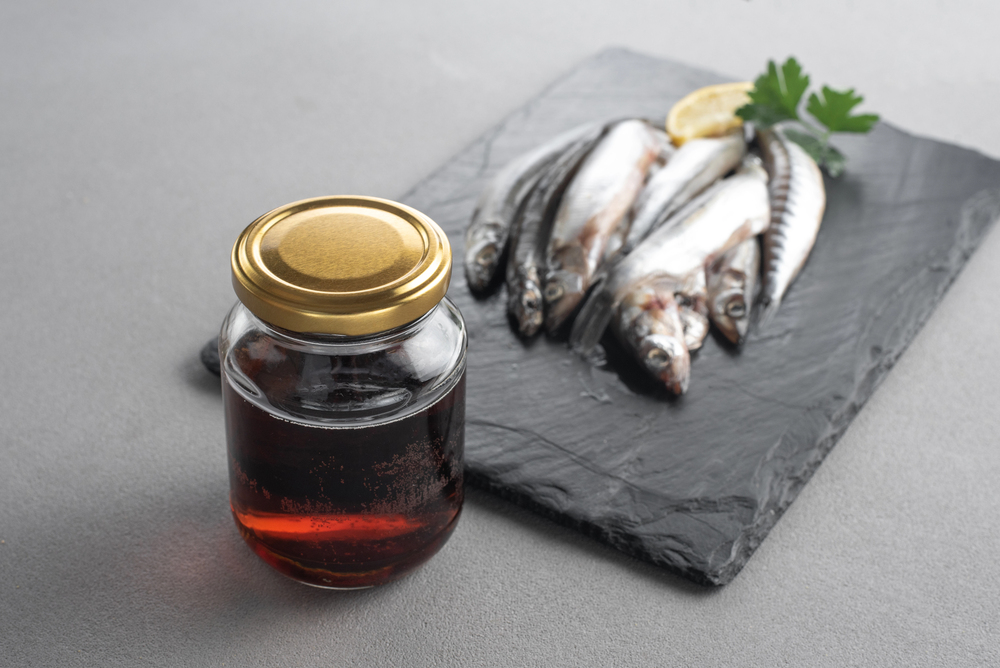
Romans couldn’t celebrate anything without garum, a fermented fish sauce that smelled absolutely terrible during production. Workers would layer fish guts and salt in vats, then let the mixture rot in the sun for months.
The resulting liquid was strained and bottled as a luxury condiment. Every major festival featured dishes swimming in garum, from roasted meats to vegetable preparations, because Romans believed it made everything taste better.
Bird’s nest soup for Chinese celebrations
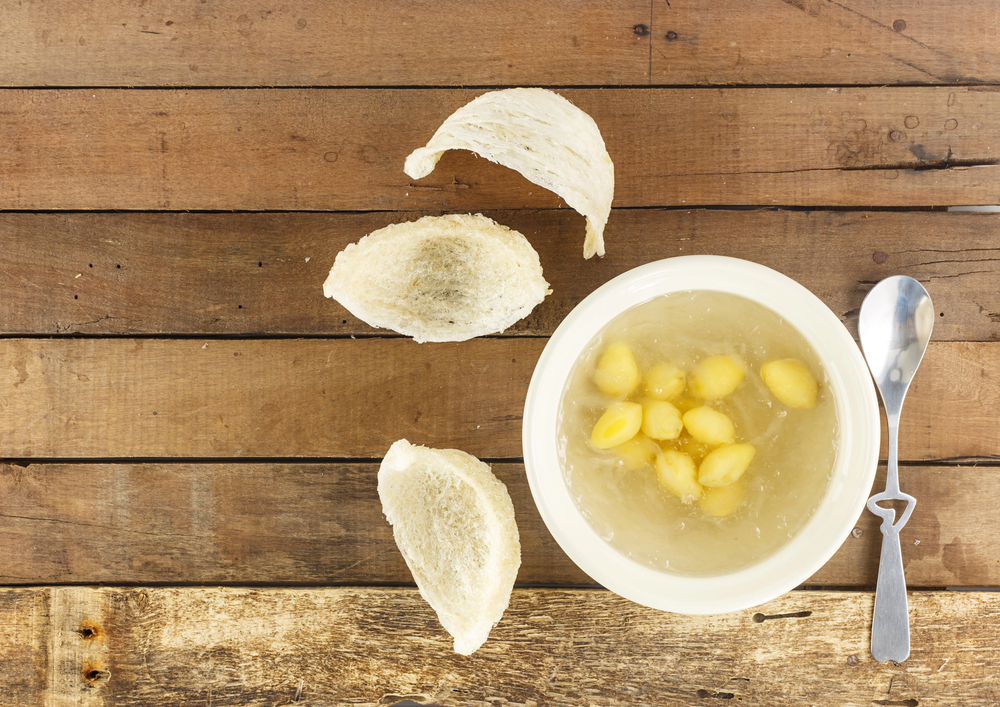
Chinese emperors demanded bird’s nest soup at imperial banquets and important festivals, making it one of the world’s most expensive foods. The nests come from swiftlet birds that build their homes entirely from hardened saliva.
Collectors risk their lives climbing cave walls to harvest these delicate structures. When dissolved in broth, the nests create a gelatinous texture that symbolizes wealth and good fortune during wedding celebrations and New Year feasts.
Whole roasted pig’s head
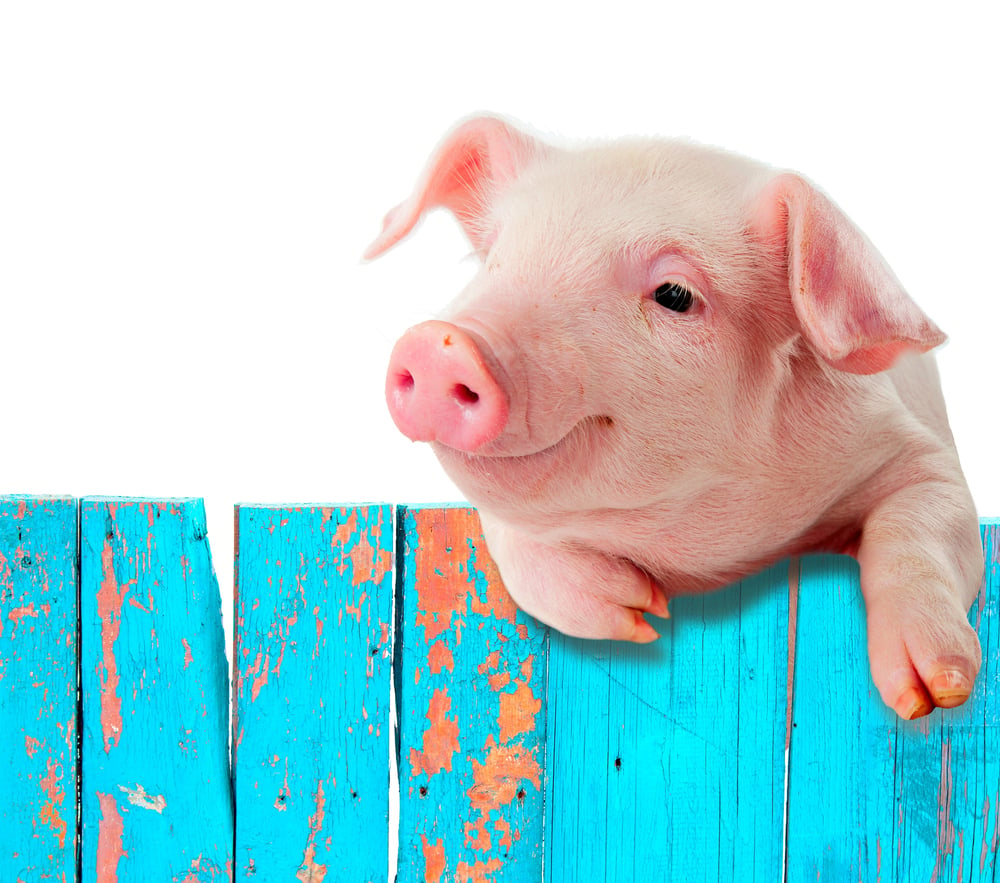
Celtic and Germanic tribes celebrated victories and seasonal festivals with entire pig’s heads roasted over open fires. The head was considered the most honorable portion, often reserved for chieftains and warriors.
Guests would carve meat directly from the skull during the feast, with the cheeks and tongue regarded as special treats. This tradition influenced later European celebrations, where pig’s head dishes remained popular through the Renaissance.
Cricket tamales for Mexican festivals
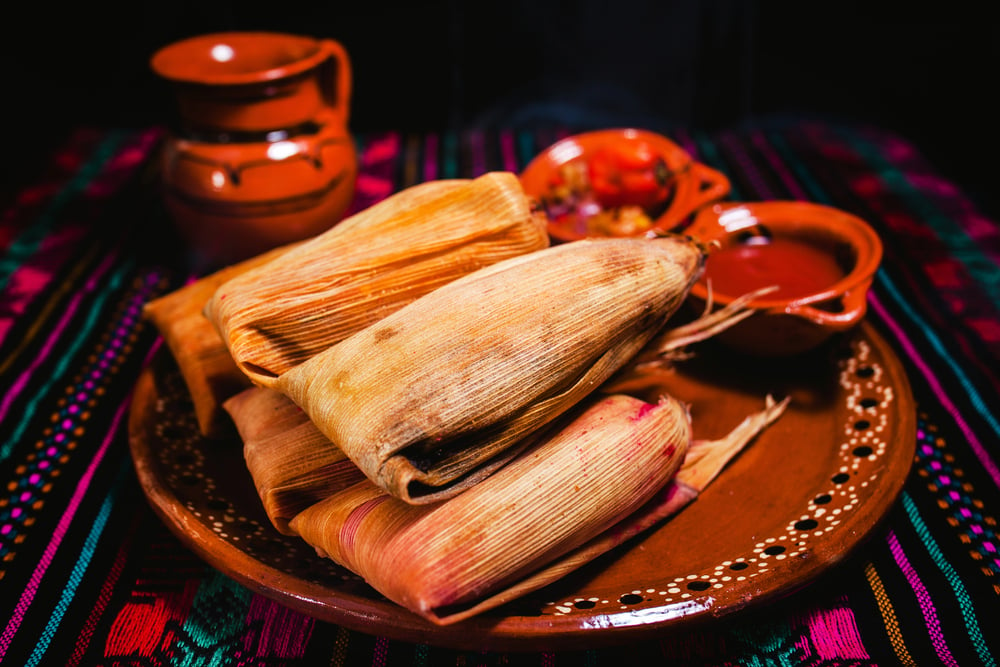
Indigenous Mexican communities incorporated crickets called chapulines into tamales for harvest celebrations and religious ceremonies. The insects were toasted with chili and lime, then mixed into corn dough and steamed in corn husks.
These protein-packed bundles provided essential nutrition during times when meat was scarce. The practice continues in parts of Mexico today, with cricket tamales appearing at traditional festivals and Day of the Dead celebrations.
Fresh blood sausage made when crops come in
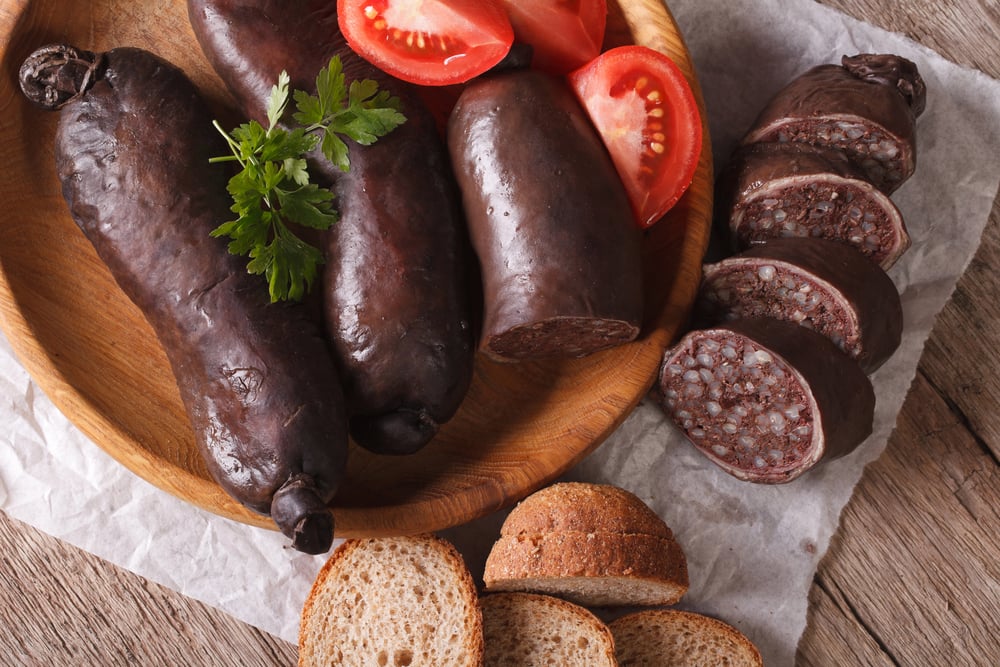
When pigs were slaughtered in fall, European villagers turned their blood into food. From grain and spice blends stirred through rich animal fat, they created something sturdy.
This mix went inside cleaned gut tubes, shaped by hand. Heavy sausages came out, full of strength for cold months ahead.
Gatherings at harvest time grew around the act of cutting meat together. A dish born of necessity became a sign of working side by side.
Fermented shark for Icelandic midwinter
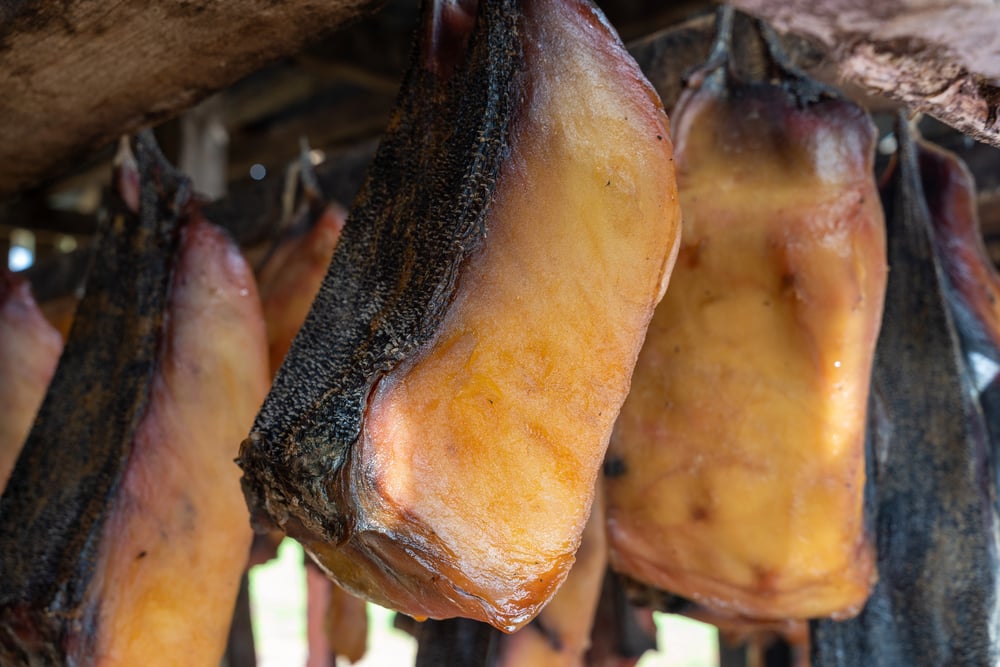
Midwinter in Iceland brings a unique tradition. Buried for months, the Greenland shark turns into hákarl.
This underground process removes harmful substances found in fresh meat. Tough to stomach, it reeks of ammonia.
Its flavor surprises most who try it. Still, people eat it during Þorrablót without hesitation.
Ancestral roots run deep with every bite taken. Surviving cold days shaped old ways of eating.
Not everyone enjoys the taste, yet respect keeps the custom alive. Long winters once demanded resourcefulness.
Today’s feast recalls those times without words.
Ortolan bunting in French tradition

Feathers once trembled in shadowed rooms where nobles gathered. These small birds, fed in darkness, met a fiery end after a bath in strong alcohol.
Covering their faces with cloth, eaters believed scent stayed close, sins hidden above folded linen. Every bit went into the mouth except the hard tip of the bill – ribs snapped, hearts crushed between molars.
Laws stepped in when numbers fell too low in wild hedges. Still, old recipes whisper of smoke and secrecy long gone.
Jellied eels for London festivals
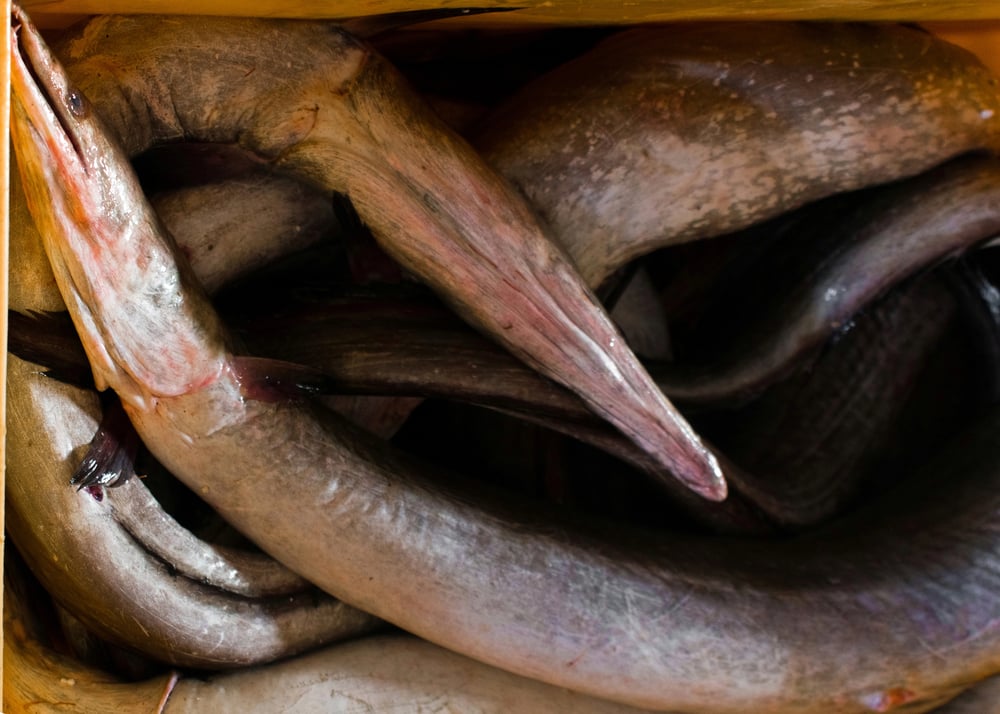
East London’s working class celebrated everything from weddings to street fairs with jellied eels through the Victorian era and beyond. Vendors chopped eels into chunks, boiled them with herbs, then let the natural gelatin set into a cold, wobbly mass.
The dish was cheap, filling, and readily available from Thames fishermen. Pie and mash shops still serve jellied eels at community celebrations, though modern Londoners often approach them with caution.
Roasted camel for Bedouin weddings
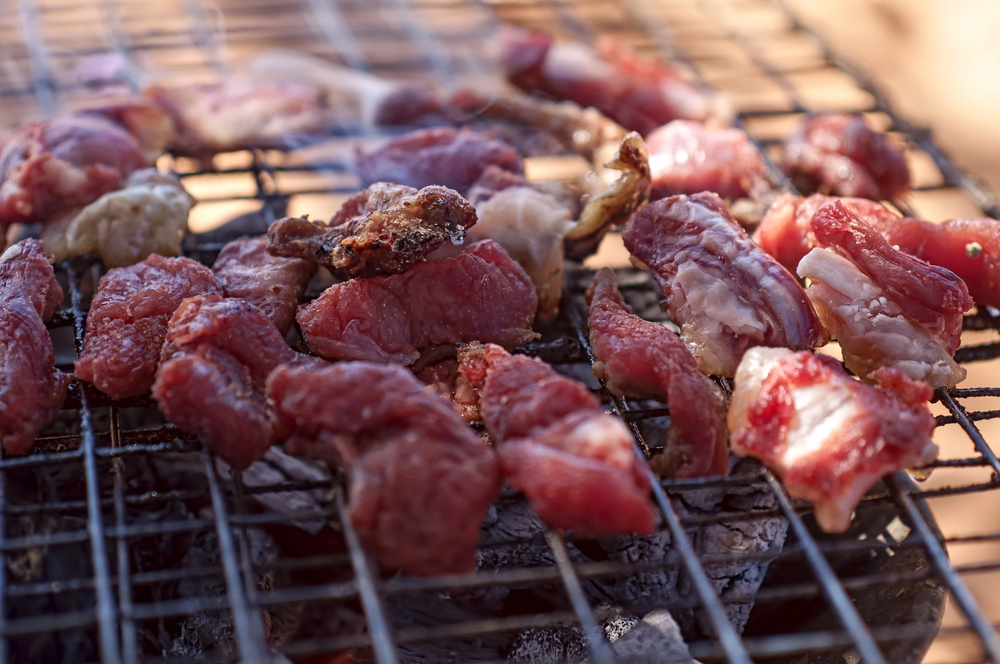
Bedouin tribes prepared elaborate wedding feasts featuring an entire stuffed camel as the centerpiece. The camel would be filled with a sheep, which was stuffed with chickens, which contained fish and eggs in an elaborate nesting display.
The preparation took days and required the entire community’s participation. This massive dish symbolized the wealth and generosity of the families uniting through marriage.
Bear paw at Chinese banquets
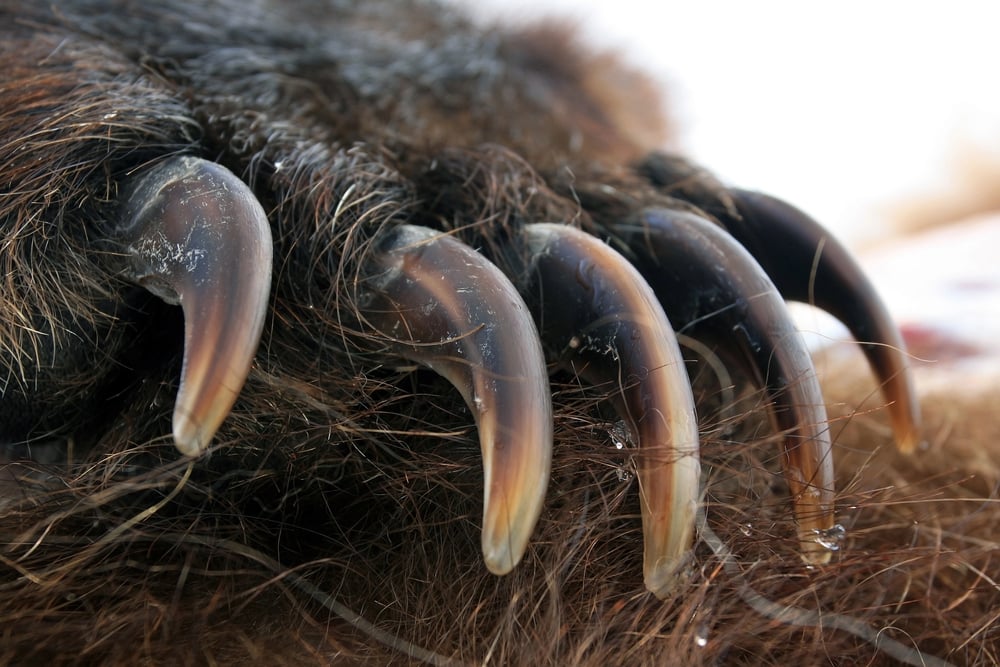
Imperial Chinese banquets included bear paws as one of the ultimate luxury foods during major celebrations. The preparation was incredibly time-consuming, requiring days of soaking and braising to break down the tough tendons.
Only the emperor and his highest-ranking officials ate this dish during the most important festivals. The rarity and difficulty of preparation made bear paws a symbol of imperial power and excess.
Mince pie with actual meat
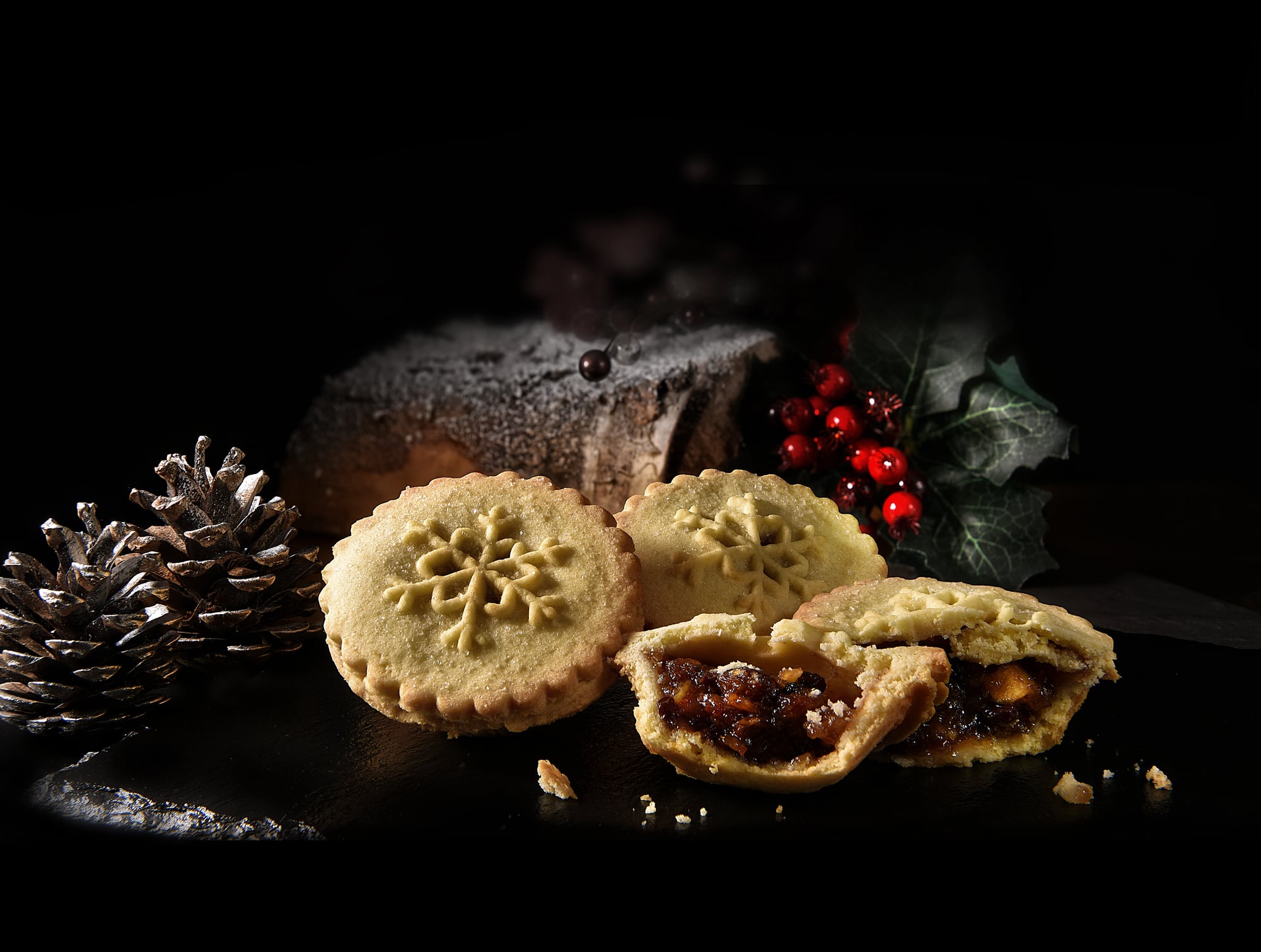
Back when English folks first marked Christmas, their mince pies held chunks of seasoned meat, not just sugar and spice like now. Shaped long, much like a crib, these large treats mixed dried fruit with suet and usually lamb or cow.
One pie eaten per day through the dozen festive days – people thought that meant fortune ahead. Over time, cooks dropped the flesh, yet kept calling them mince pies anyway.
That old label stayed, echoing what once went inside.
Casu martzu for Sardinian festivals

When celebrations come around in Sardinia, people bring out casu martzu – a sharp sheep’s milk cheese full of wriggling fly larvae on purpose. These tiny worms chew through the fat inside the cheese, turning it creamy and strong-smelling.
It is said the right time to eat it is when the bugs are still active; once they stop moving, the cheese may be off. Though authorities have outlawed it, families serve it at big gatherings like weddings because it ties them to older ways.
Even under ban, it shows up where tradition runs deep.
From ancient tables to modern curiosity
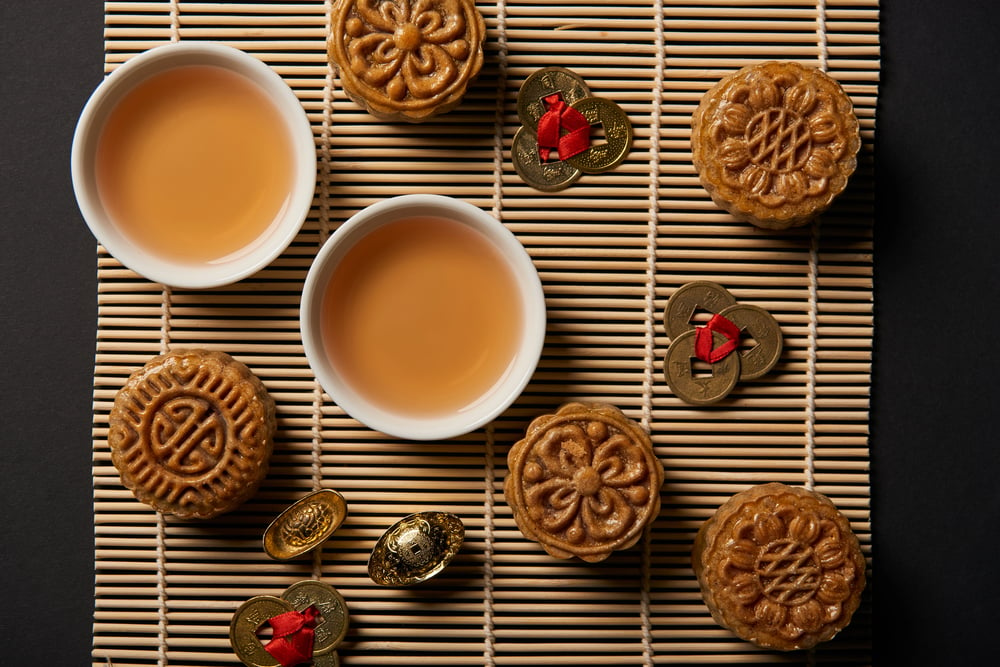
Old charts once guided eyes skyward. Now they spark questions anew.
What changed was not the stars but how we see them. Food once cherished at celebrations shows how tastes depend on place and history.
Luxury dishes of old might shock modern diners. Still, every meal carries traces of survival, belief, and shared meaning.
Moments marked by eating look different now. Gathering around food, however, never really goes out of style.
More from Go2Tutors!

- The Romanov Crown Jewels and Their Tragic Fate
- 13 Historical Mysteries That Science Still Can’t Solve
- Famous Hoaxes That Fooled the World for Years
- 15 Child Stars with Tragic Adult Lives
- 16 Famous Jewelry Pieces in History
Like Go2Tutors’s content? Follow us on MSN.