32 Coincidences Throughout History That Are Almost Too Strange to Be Real
The human brain is designed to find patterns, even in chaos. Statisticians have a term for this — apophenia — and they use it to explain why coincidences feel meaningful even when they are, mathematically, merely inevitable.
With billions of events happening across thousands of years of recorded history, improbable alignments are not just possible — they’re expected. That said, knowing this does almost nothing to make these particular coincidences feel less uncanny.
Each of the following has been verified through historical sources. None require a mystical explanation. Some of them don’t have an adequate rational one either.
Thomas Jefferson and John Adams Died on the Same Day

The two men who more than any others gave shape to American independence — longtime rivals, then late-in-life correspondents — died on July 4, 1826, the 50th anniversary of the Declaration of Independence they had both helped craft. Jefferson died in the early afternoon at Monticello. Adams died hours later in Quincy, Massachusetts, reportedly whispering “Thomas Jefferson survives.”
Jefferson had, in fact, died first. James Monroe, the fifth president and the last Founding Father to serve in that office, also died on July 4 — five years later in 1831.
A Novel Predicted the Titanic — 14 Years Early
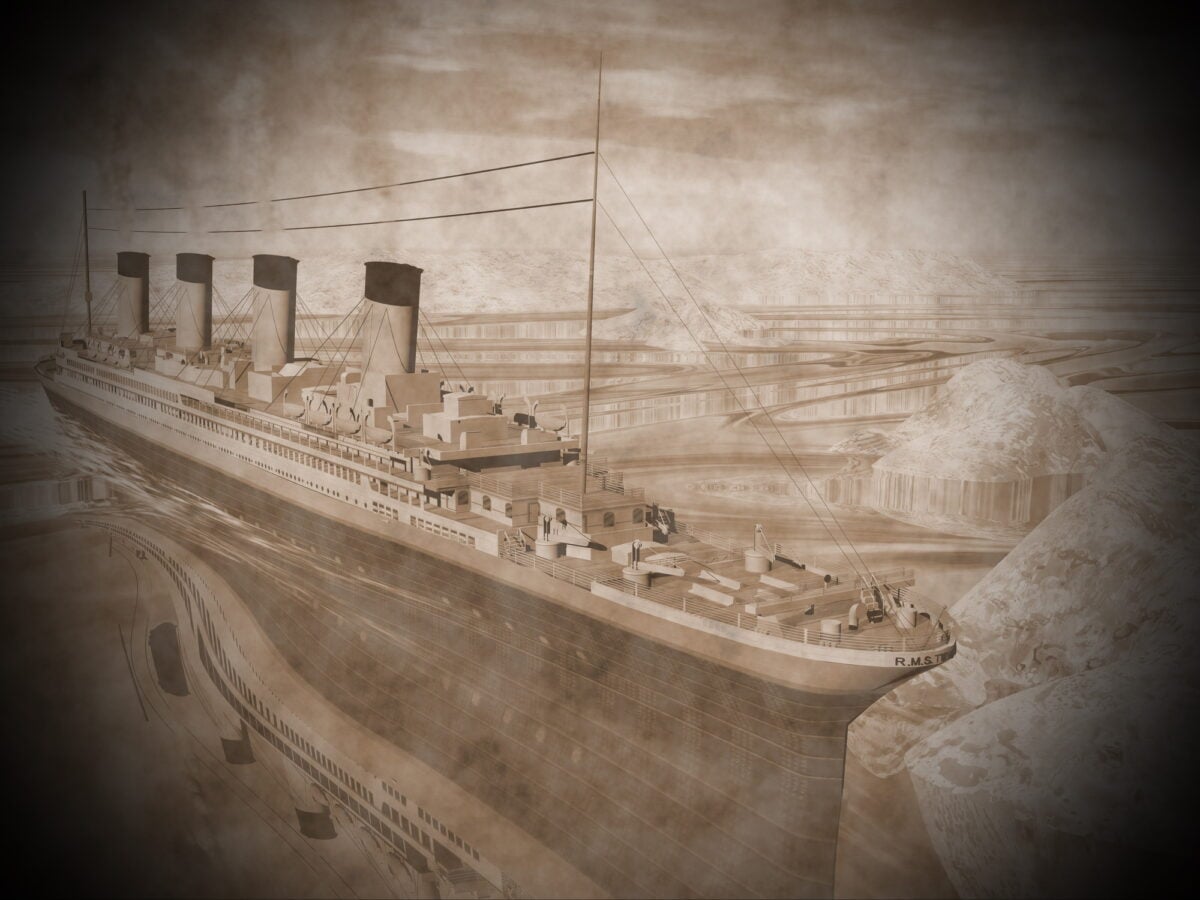
In 1898, American author Morgan Robertson published a novella called Futility, later retitled The Wreck of the Titan. It described a British ocean liner named the Titan — deemed unsinkable, sailing in April, short on lifeboats — which struck an iceberg in the North Atlantic and sank.
The similarities to the 1912 Titanic disaster are specific enough to cause discomfort: both ships were roughly 800 feet long, both struck the iceberg on the starboard side while moving at speed, and both carried too few lifeboats for the number of passengers. Robertson denied any gift for prophecy. “I know what I’m writing about, that’s all,” he said.
Mark Twain and Halley’s Comet
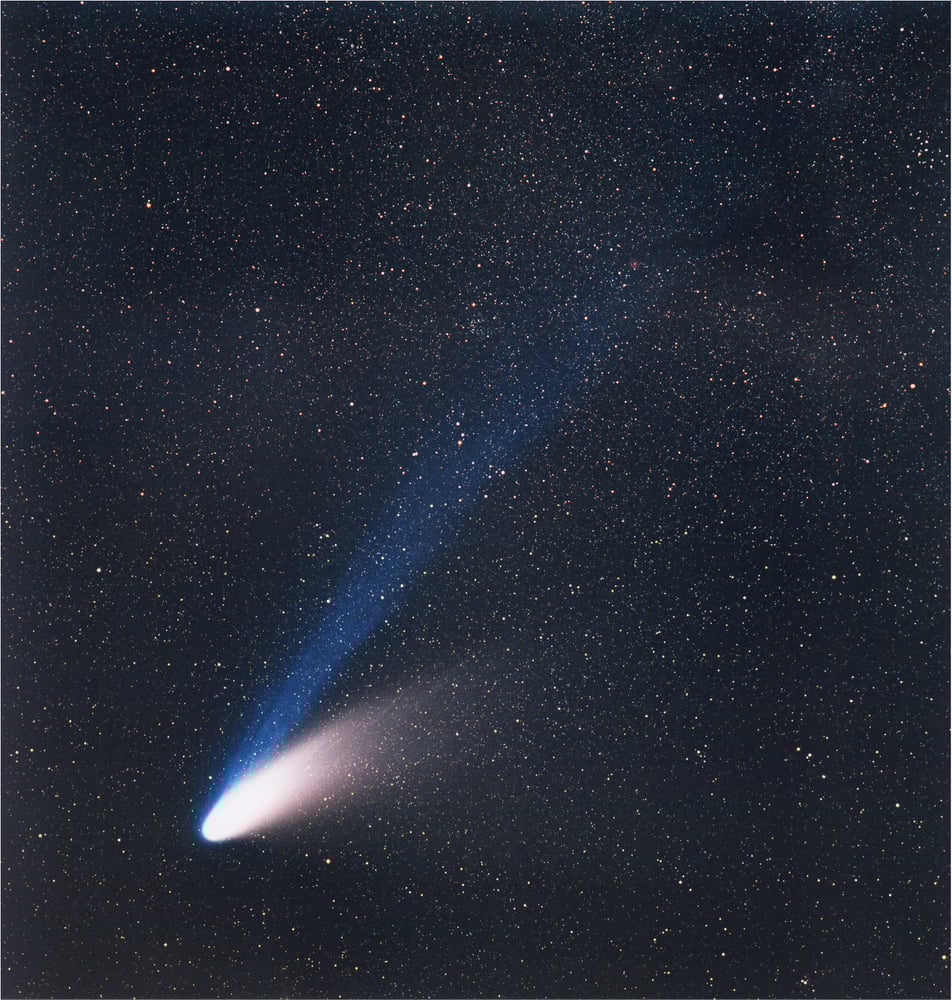
Mark Twain was born on November 30, 1835, two weeks after Halley’s Comet made its closest approach to the Sun. The comet returns every 76 years. In 1909, Twain predicted that he would die the following year, when the comet passed again.
“The Almighty has said, no doubt, ‘Now here are these two unaccountable freaks; they came in together, they must go out together,'” he said. He died on April 21, 1910 — one day after the comet’s perihelion. The timing was accurate to within 24 hours.
Lincoln and Kennedy’s Eerie Parallels
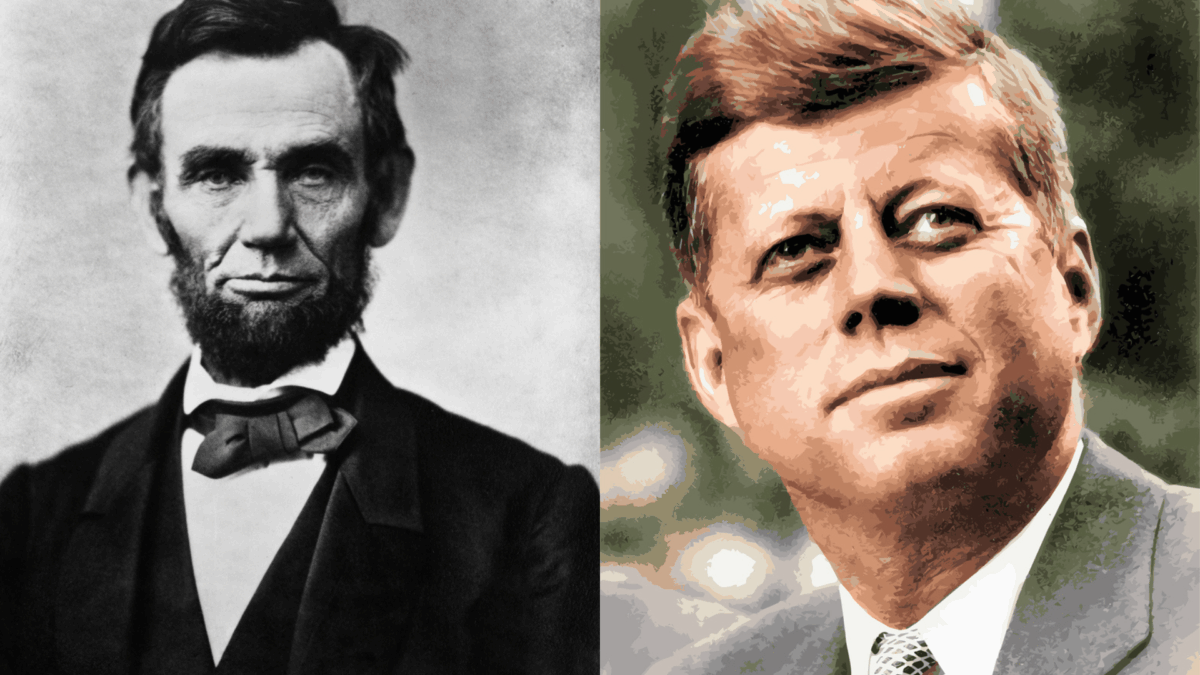
The list of verified parallels between Abraham Lincoln and John F. Kennedy is long enough to fill a pamphlet, and several pamphlets have been written about it. Both were elected to Congress in a year ending in ’46 (Lincoln in 1846, Kennedy in 1946).
Both were elected president in years ending in ’60. Both were shot on a Friday, in the back of the head, with their wives seated beside them.
Both were succeeded by men named Johnson — Andrew and Lyndon — both of whom were born in years ending in ’08. John Wilkes Booth shot Lincoln in a theatre and was caught in a warehouse.
Lee Harvey Oswald shot Kennedy from a warehouse and was captured in a movie theatre. Not every item on the famous list holds up to scrutiny, but the verified ones are enough.
The Hoover Dam’s First and Last Deaths Shared a Father-Son Relationship

The construction of the Hoover Dam claimed 112 lives between 1931 and 1936. The first fatality was J.G. Tierney, a surveyor who drowned in the Colorado River on December 20, 1922, while searching for an ideal dam site.
The last construction death occurred on December 20, 1935 — thirteen years to the day later — when Patrick Tierney, J.G. Tierney’s son fell from one of the intake towers. The date and the bloodline were not a matter of design.
Napoleon and Hitler’s Russian Invasions
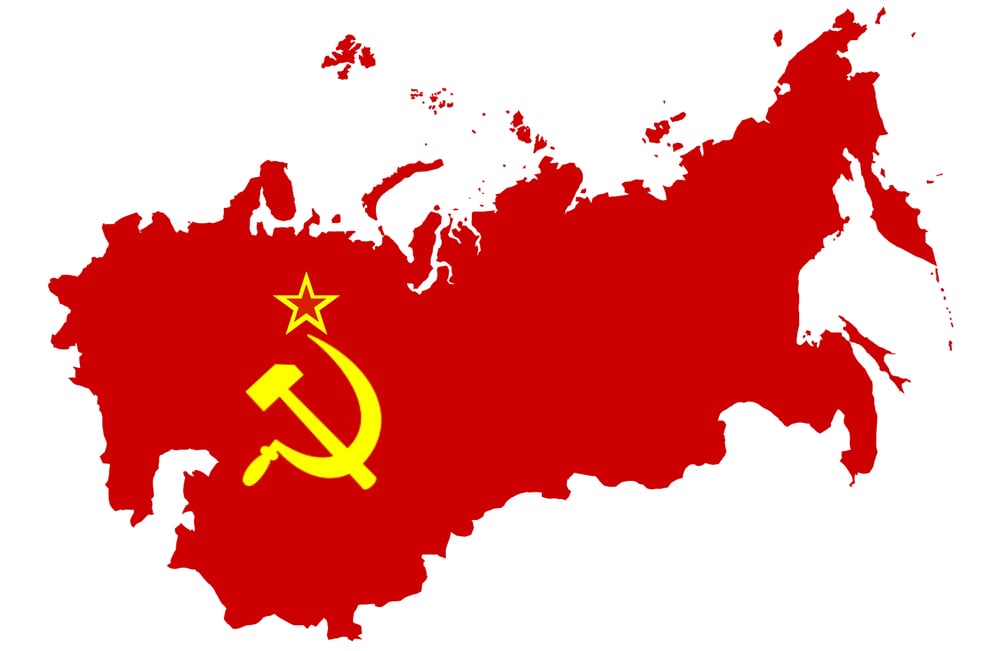
Napoleon launched his invasion of Russia in June 1812. Hitler launched his invasion of the Soviet Union in June 1941 — 129 years later, almost to the week. Both campaigns began in summer with massive initial advances.
Both ground to a halt as winter arrived. Both armies retreated in catastrophic disorder, having underestimated both the distance and the cold. The parallel was noted by military historians at the time, and Hitler was aware of Napoleon’s fate. He invaded anyway.
Tsutomu Yamaguchi Survived Both Atomic Bombings
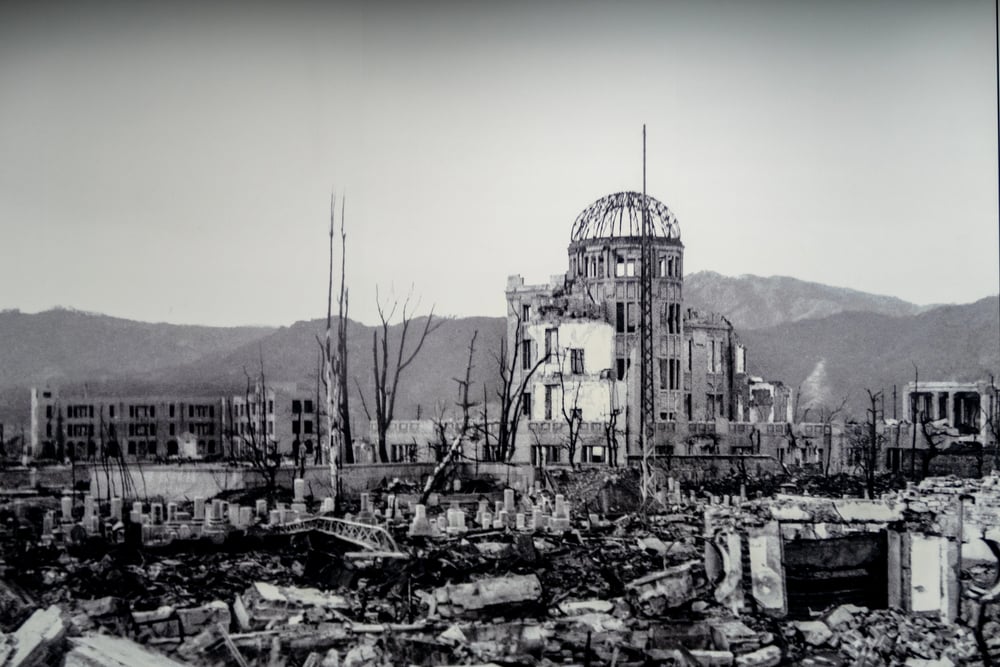
On August 6, 1945, Tsutomu Yamaguchi was in Hiroshima on a business trip when the first atomic bomb was detonated. He survived — injured, burned, but alive — and returned to his hometown to recover. His hometown was Nagasaki.
On August 9, 1945, the second bomb fell. He survived that too. The Japanese government formally recognised him as a nijū hibakusha — a double bomb survivor — in 2009. He lived until 2010, dying at 93 of natural causes.
Jimi Hendrix and George Handel Were Neighbours
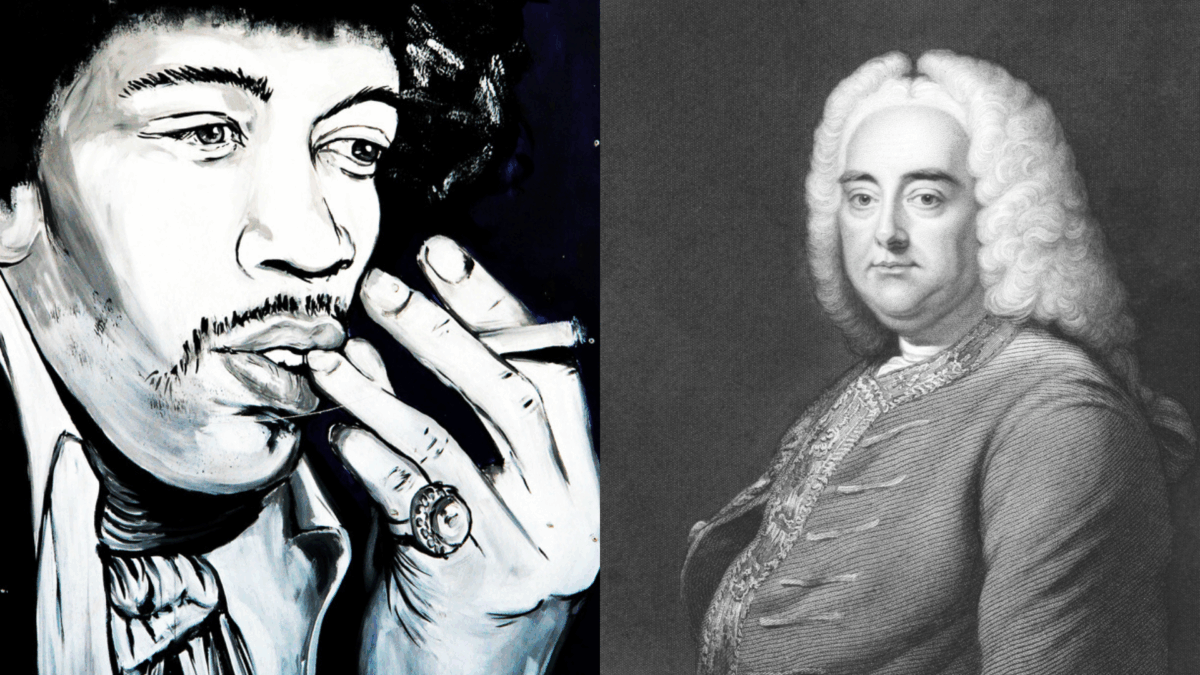
George Frideric Handel, the Baroque composer, lived at 25 Brook Street in London from 1723 until his death in 1759. Jimi Hendrix, who lived in London during the late 1960s, rented the flat at 23 Brook Street — next door — in 1968.
Two centuries separated them. The two properties are now a combined museum, the Handel and Hendrix in London, which opened in 2016.
The Opening of Tamerlane’s Tomb

On June 19 and 20, 1941, Soviet archaeologists opened the tomb of Tamerlane — the 14th-century Central Asian conqueror — in Samarkand. The tomb bore an inscription warning that opening it would unleash a catastrophic invader.
They opened it. Germany launched Operation Barbarossa, its invasion of the Soviet Union, on June 22, 1941 — two days later. Historians note that Stalin had been receiving intelligence warnings about the impending invasion for weeks.
The timing of the archaeologists was not the cause. It remains remarkable regardless.
Edgar Allan Poe’s Novel Described a Real Event — 46 Years Later
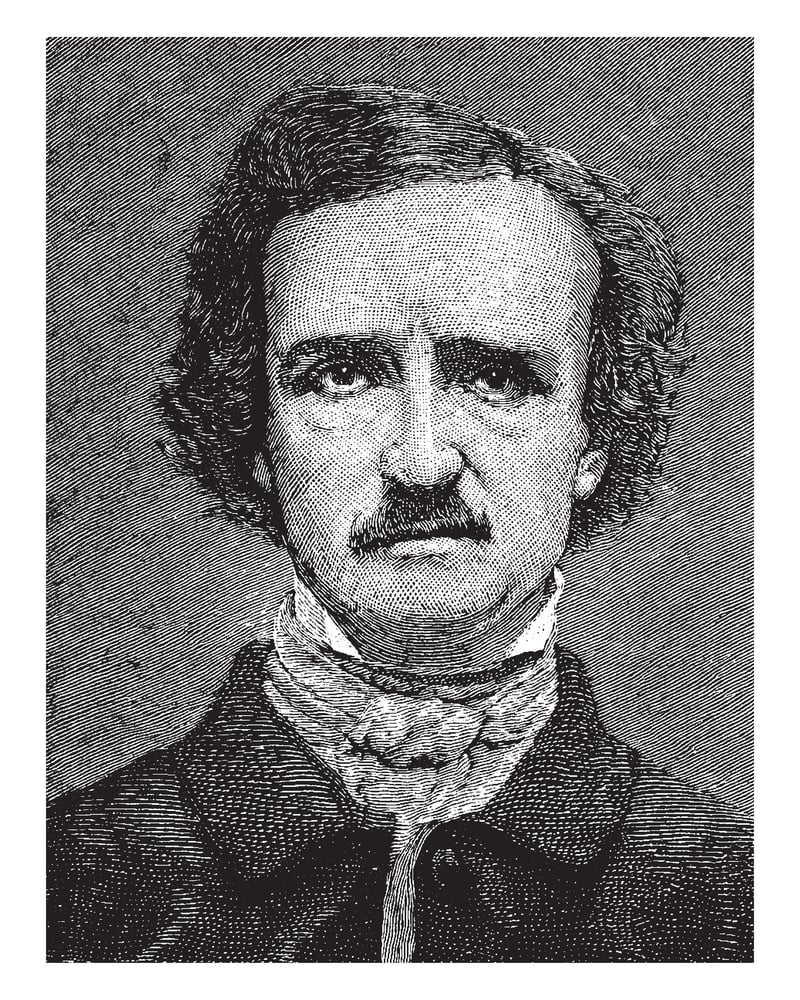
In his 1838 novel The Narrative of Arthur Gordon Pym of Nantucket, Edgar Allan Poe wrote a story in which four shipwrecked sailors, near starvation, drew lots to determine which of them would be consumed by the others. The youngest sailor, a cabin boy named Richard Parker, lost and was killed. In 1884, the yacht Mignonette sank in the South Atlantic and left four survivors in a lifeboat.
Starving after nearly three weeks at sea, three of the survivors killed and consumed the fourth — a 17-year-old cabin boy named Richard Parker. The subsequent murder trial, Regina v. Dudley and Stephens, became a landmark case in English law.
The Jim Twins

James Arthur Springer and James Edward Lewis were identical twins born in Ohio in 1940 and separated at birth, each adopted by different families with no knowledge of the other. When they were reunited in 1979 at age 39, researchers found that both had been named James by their adoptive parents, both had owned dogs named Toy, both had been married twice — first to women named Linda and then to women named Betty — both drove the same model of Chevrolet, both had served as part-time deputy sheriffs, and both had vacation homes on the same beach in Florida.
The “Jim Twins” became one of the most studied cases in twin research history.
A Woman Wins the Lottery Twice

Lottery wins are improbable by design. In October 1985, Evelyn Marie Adams of New Jersey won the New Jersey Lottery.
Four months later, in February 1986, she won it again. Statisticians calculated the odds of the same person winning the New Jersey Lottery twice as approximately one in 17 trillion.
This has become a textbook case in probability theory, where it is used to illustrate the difference between the odds of a specific named person winning twice and the odds of some lottery winner, somewhere, eventually winning twice. Adams later lost most of her winnings.
The Detroit Baby and the Bystander

A story circulated in the 19th century — repeated by journalists and cited in historical collections — tells of a man named Joseph Figlock who was walking through Detroit when a baby fell from a window above him and landed in his arms. He saved the child.
A year later, the same baby fell again, from the same window, and landed on the same man. What makes it more unusual is that the story was reported as true in contemporary accounts, though full independent verification has been difficult. It resists easy dismissal.
The Simpsons and Disney’s Fox Acquisition
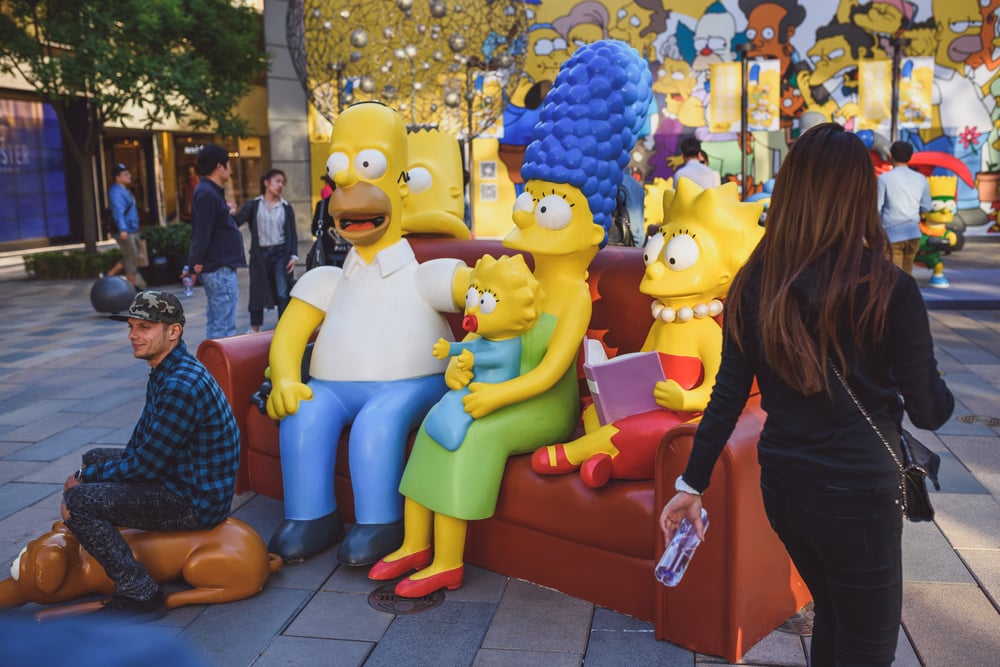
In a 1998 episode of The Simpsons, a satirical banner reads “20th Century Fox, a Division of Walt Disney Co.” Disney’s actual acquisition of 21st Century Fox was announced in 2017 and completed in 2019 — roughly two decades after the episode aired. The show has produced hundreds of similar apparent predictions over its run, many of which can be attributed to pattern-matching in hindsight.
The Fox acquisition, however, is specific enough and early enough to earn its place on the list.
The Clustering of Presidential Deaths on Independence Day
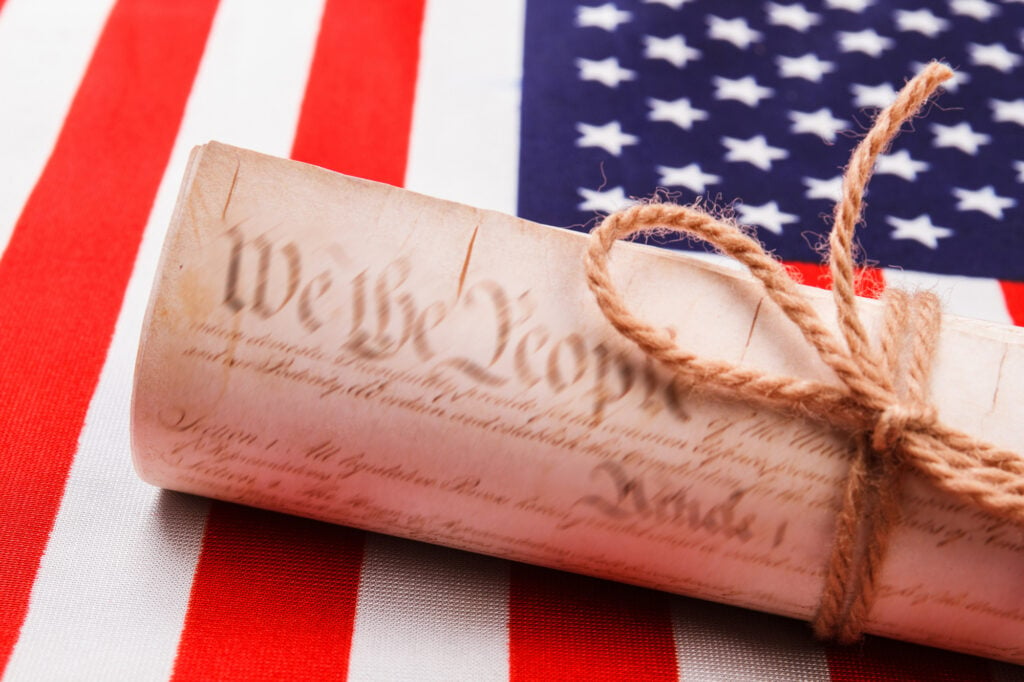
Three American presidents died on July 4: Thomas Jefferson and John Adams both died on July 4, 1826 (the 50th anniversary of the Declaration of Independence), and James Monroe died on July 4, 1831. James Polk, contrary to popular accounts, died on June 15, 1849, not on Independence Day. Adams and Jefferson dying on the same July 4 is listed separately above.
The clustering of presidential deaths on Independence Day, across different centuries, has no documented explanation beyond coincidence and the calendar compression that comes from a holiday carrying strong national significance for men who devoted their lives to the republic.
Two Soldiers on Opposite Sides Were Cousins

During the Anglo-Zulu War of 1879, a soldier named Coghill died helping save the colours of the 1st Battalion 24th Regiment of Foot at the Battle of Isandlwana. Among the Zulu warriors on the opposing side that day was a man who, it was later discovered through genealogical research by historians, was distantly related to him.
The research is contested and the relationship distant, but it has been cited in at least one academic account of the battle. Wars have always been full of people fighting people they were connected to, and occasionally the record is specific enough to document it.
Byron and Shelley’s Shared Lake Geneva Summer

In the summer of 1816, a volcanic eruption in Indonesia the previous year had caused a global cooling effect, producing the “Year Without a Summer.” Lord Byron and Percy Shelley, confined indoors near Lake Geneva by the cold and the rain, challenged each other to write ghost stories.
Mary Shelley produced Frankenstein. John Polidori, Byron’s physician, wrote The Vampyre, the story that launched the modern vampire genre. Two of the most enduring monsters in Western literature were invented in the same rented Swiss villa during the same damp summer.
A Pocket Watch at the Somme
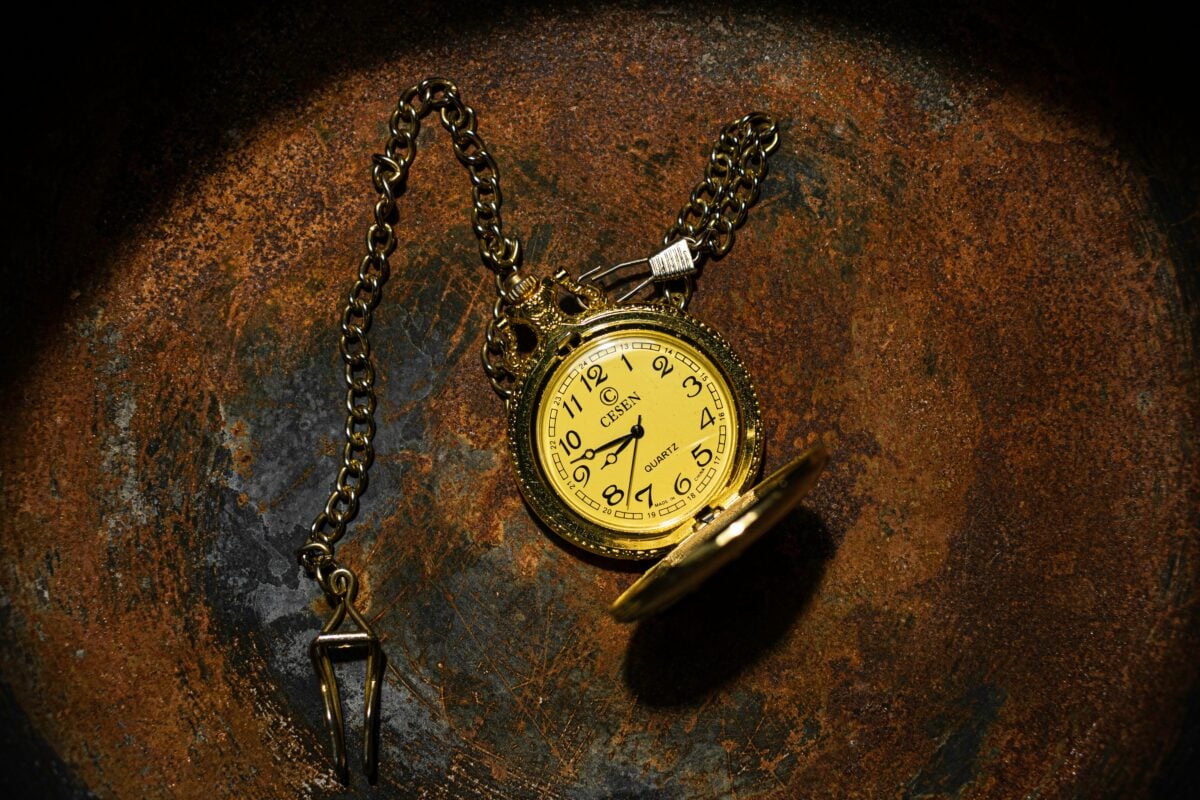
During the Battle of the Somme in 1916, a British soldier named Arthur Townsend was struck by shrapnel that would have been fatal. It was stopped by the pocket watch in his breast pocket. His grandson’s name was Arthur Townsend.
During the Gulf War in 1991, the younger Arthur Townsend was saved when a bullet struck and was deflected by a lighter. The family still has both objects. The generational parallel was reported in the British press in the early 1990s.
Violet Jessop and Three Sinking Ships
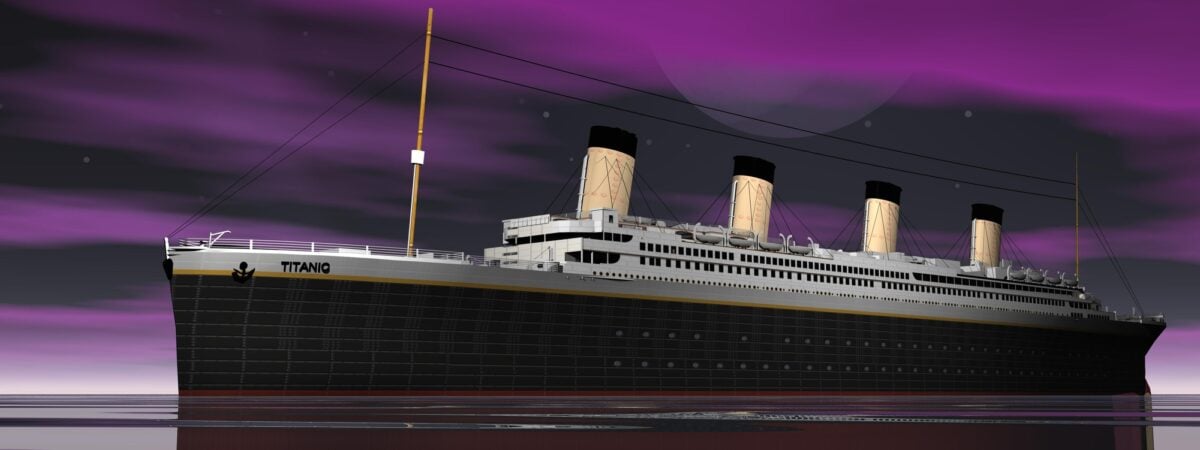
Violet Jessop was an ocean liner stewardess with a remarkable survival record. She was aboard the RMS Olympic when it collided with a British warship in 1911.
She was aboard the Titanic when it sank in April 1912 and survived. She was aboard HMHS Britannic — the Titanic’s sister ship, converted to a hospital ship — when it struck a mine and sank in 1916 and survived that too.
She continued working at sea and died of natural causes in 1971. The Britannic connection is sometimes forgotten, but it makes three near-sinkings on three vessels of the same class.
Two Popes With Overlapping Dates
Pope Leo XIII was born on March 2, 1810, and died on July 20, 1903. Pope Pius X, who succeeded him, was born on June 2, 1835, and died on August 20, 1914.
The date overlap is not exact, but historians of the Catholic Church have noted that several popes in the 19th and early 20th centuries shared birthday months with their predecessors. Whether this reflects scheduling patterns in ecclesiastical culture or simple coincidence is debated.
The Pistol That Started a World War Ended Up in a Museum
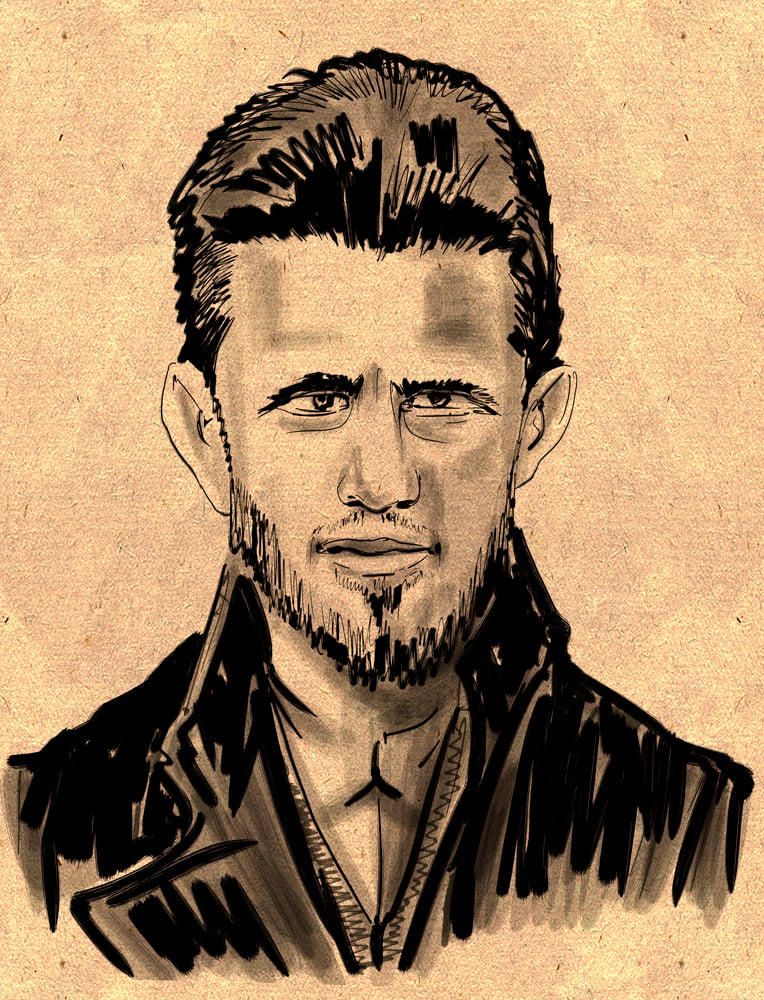
The pistol used by Gavrilo Princip to assassinate Archduke Franz Ferdinand in Sarajevo on June 28, 1914 — the act that set in motion the chain of events leading to the First World War — is on display in the Museum of Military History in Vienna. The weapon is a FN Model 1910 semi-automatic.
Princip encountered the Archduke’s car only because the vehicle had changed course unexpectedly after the first assassination attempt appeared to fail, and Princip happened to be at a nearby deli. A changed route, a lunch break, and a century of consequences.
Wilmer McLean’s Houses and the Civil War

Wilmer McLean was a Virginia farmer whose house near Manassas, Virginia, was struck during the First Battle of Bull Run in July 1861 — one of the opening engagements of the American Civil War. Wanting to move his family away from the fighting, McLean relocated to Appomattox Court House, a small and remote village in central Virginia. On April 9, 1865, Confederate General Robert E. Lee surrendered to Ulysses S. Grant in the parlour of McLean’s new home — the war’s final act occurring in the living room of the man who had fled the war’s beginning.
McLean reportedly said, “The war began in my front yard and ended in my front parlor.”
The Twins Separated by War Who Found Each Other Through a Photograph
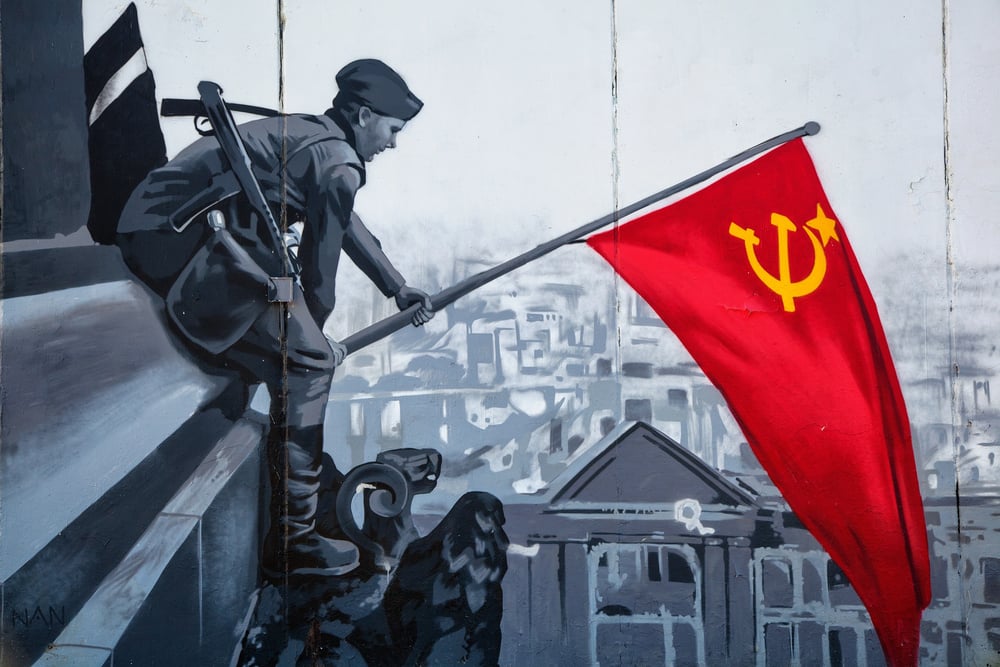
During the Second World War, a family in Poland was separated when German forces occupied their city. Two siblings were taken in by different families and raised without knowledge of each other.
Decades later, one of them visited an exhibition of wartime photographs and saw an image of a child who looked exactly like their earliest childhood photograph. The children in the picture had different names but were the same age and bore unmistakable physical similarity.
The subsequent investigation confirmed they were siblings. Stories of this kind are documented in the archives of several postwar reunification organisations.
Nikola Tesla’s Lab Fire and Edison’s Condolences

Nikola Tesla’s laboratory in New Jersey burned down in December 1914, destroying years of work, prototypes, and irreplaceable research materials. Among those who sent letters of condolence was Thomas Edison, Tesla’s longtime rival and the man often credited with making Tesla’s career significantly more difficult.
Whatever private emotions Edison held, the formal expression of sympathy across their decades-long professional rivalry has been cited by historians as one of the stranger social gestures of the early 20th century.
Franklin D. Roosevelt and His Own Previous Record

Franklin D. Roosevelt was elected president four times — in 1932, 1936, 1940, and 1944. No American president before him had served more than two terms, following the precedent set by George Washington.
Roosevelt broke that precedent twice. He died in office on April 12, 1945, at the start of his fourth term.
The 22nd Amendment, formally limiting presidents to two terms, was ratified in 1951 — a direct response to Roosevelt’s record, passing just six years after his death.
The Two Ships Named Waratah

Unsplash/electerious
The SS Waratah was an Australian passenger ship that disappeared without trace in July 1909 off the coast of South Africa, with 211 people aboard. No wreckage was found and no definitive explanation was established.
A later vessel given the same name operated without incident for decades. The name Waratah has since become associated in Australian maritime folklore with disappearance and disaster — one of those cases where the coincidence is not in the events but in the name being tried again.
The Year of the Three Popes
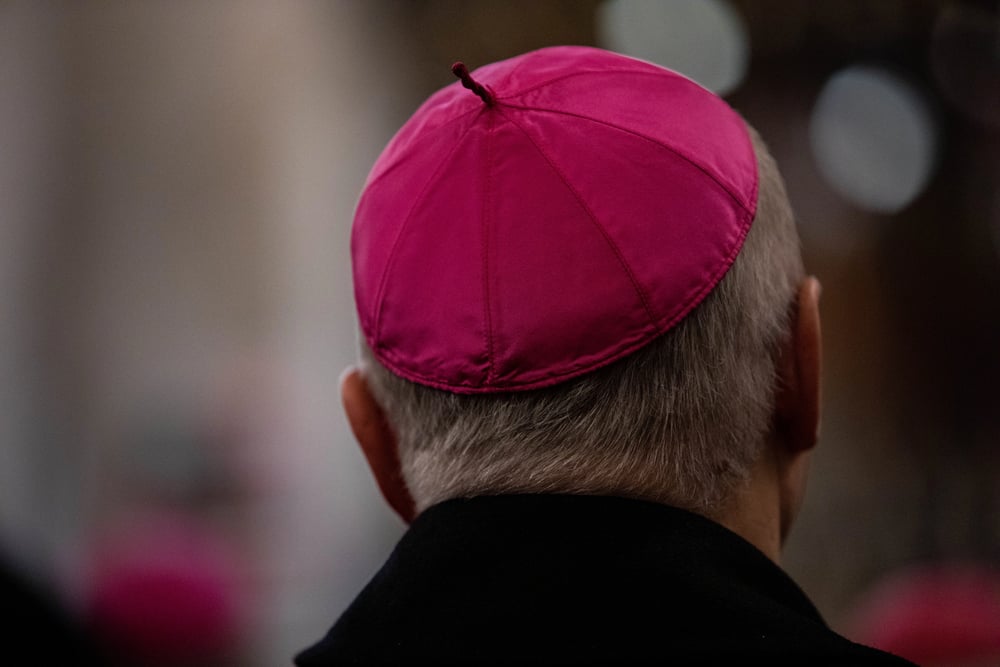
In 1978, the Catholic Church had three popes in the space of roughly six weeks. Pope Paul VI died on August 6.
Pope John Paul I was elected in August and died suddenly on September 28 after just 33 days in office. Pope John Paul II was then elected in October and went on to serve over 26 years. The three-pipe year has no parallel in modern Church history and has been the subject of persistent speculation, largely because John Paul I’s death was sudden and unexpected enough that it generated dozens of unverified theories.
The Test Pilot and the Switched Aircraft
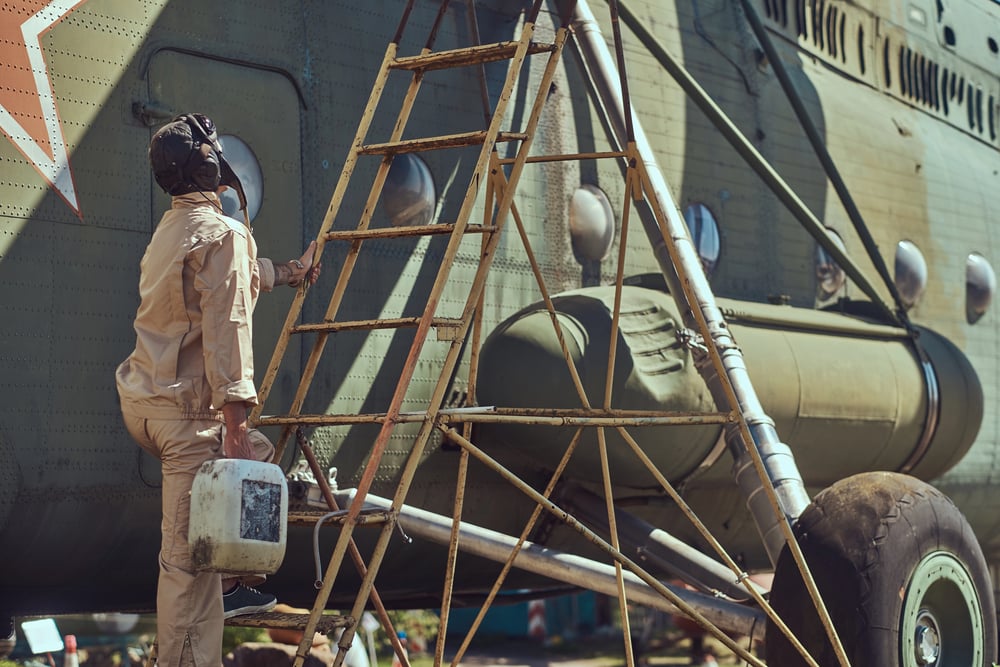
In September 1952, British test pilot John Derry was scheduled to fly in an airshow at Farnborough. Through an administrative mix-up, his participation was moved and he found himself at the controls of a different aircraft at a later point in the programme. The aircraft he was originally scheduled to fly departed without incident.
The one he ended up in broke apart over the crowd, killing Derry and 28 spectators. The scheduling error that moved him between aircraft was reconstructed in detail during the official investigation that followed.
The SS Nomadic and Its Return Home

— Photo by claudiodivizia
The SS Nomadic was built alongside the Titanic and served as the tender ship that ferried passengers from Cherbourg to the Titanic on April 10, 1912 — bringing passengers aboard the ship that would sink four days later. The Nomadic itself survived.
It continued operating, was used in the D-Day landings as a troop transport in 1944, and eventually fell into disrepair in Paris. In 2006 it was purchased by the Northern Ireland government and towed back to Belfast — the same shipyard where both it and the Titanic were built — and restored. It is the last surviving White Star Line vessel.
The Lifeboat That Saved Itself

The SS Californian was the ship positioned closest to the Titanic on the night it sank. Its wireless operator had gone off duty, and the ship did not respond to the Titanic’s distress signals.
The Californian later became the subject of one of maritime history’s most contentious inquiries. What is less often noted is that the Californian was itself sunk — by a German submarine, in the Mediterranean, in May 1915.
The ship that failed to save the Titanic’s passengers was destroyed by the same conflict that destroyed so much else in those years.
Lord Byron’s Daughter and the Computer
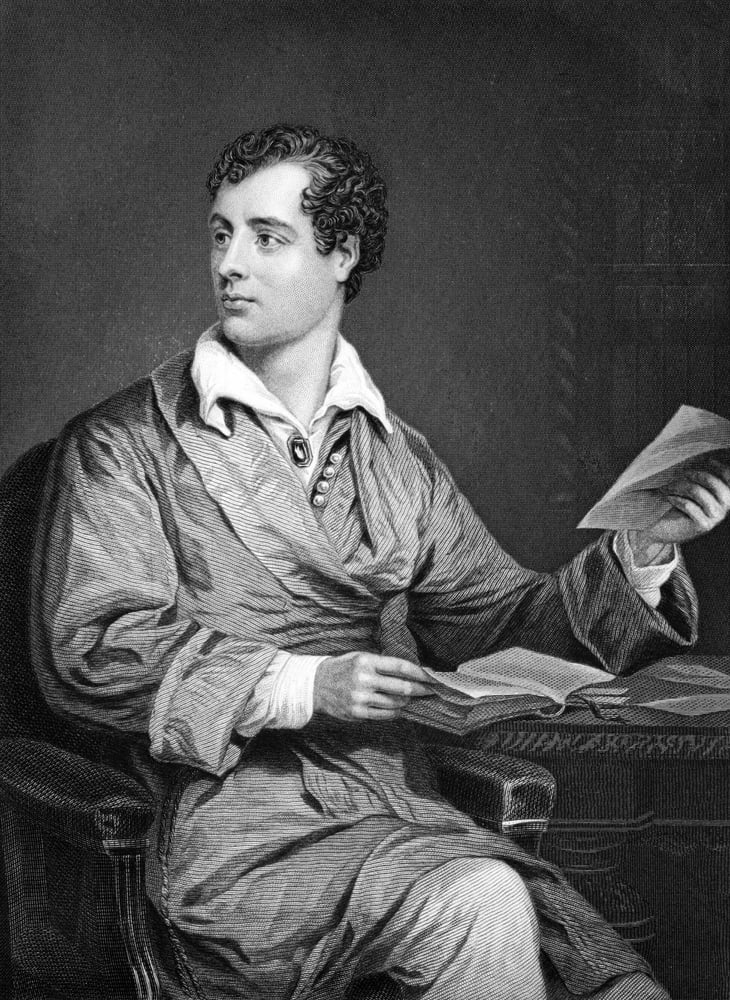
Lord Byron, the Romantic poet, had a daughter named Ada Lovelace who is now recognised as one of the founders of computer science. She worked with Charles Babbage on his Analytical Engine in the 1840s and wrote what is considered the first algorithm intended to be processed by a machine. Byron himself was famously passionate and impulsive.
His daughter was rigorously mathematical. That the most dissolute and emotional of English poets produced the person often called the world’s first programmer is one of those biographical details that feels invented until you look it up.
The Pattern That Isn’t One
The statistician’s answer to all of the above is calm and consistent: given enough events, enough people, and enough time, improbable clusters are mathematically certain to occur. The Lincoln-Kennedy parallels exist partly because people assembled them selectively, discarding the many differences to highlight the handful of matches.
The novelist’s ship and the real ship were both products of an era obsessed with maritime scale, and many such ships were built and sailed without incident. The rational framework is correct.
It explains the mechanism. It does nothing to reduce the effect of reading about Wilmer McLean watching the Civil War begin and end in his own home, or of the twins who found each other in a wartime photograph, or of Mark Twain timing his exit to a comet’s schedule with what appeared to be genuine satisfaction.
What the Coincidences Reveal About Us
The reason these stories persist isn’t that they prove something supernatural. It’s that they expose how thin the membrane is between order and accident in history — how a lunch break triggers a world war, how two sons die on the same day in the same construction project, how the same man is at ground level when the same baby falls twice.
History, stripped of its narrative structure, is mostly timing. These coincidences are just the moments when the timing became impossible to ignore.
More from Go2Tutors!

- The Romanov Crown Jewels and Their Tragic Fate
- 13 Historical Mysteries That Science Still Can’t Solve
- Famous Hoaxes That Fooled the World for Years
- 15 Child Stars with Tragic Adult Lives
- 16 Famous Jewelry Pieces in History
Like Go2Tutors’s content? Follow us on MSN.



