32 Everyday Phrases With Wartime Origins
Language preserves history in unexpected places. Dozens of phrases we use casually in everyday conversation originated during warfare—military commands, battlefield conditions, soldier slang that permeated civilian culture after soldiers returned home.
Some phrases date to specific conflicts; others emerged gradually from centuries of military tradition. These phrases represent linguistic fossils of past conflicts, preserved in speech patterns so common we’ve forgotten their violent origins.
These phrases represent linguistic fossils of past conflicts, preserved in speech patterns so common we’ve forgotten their violent origins. Understanding their etymologies reveals how profoundly warfare has shaped not just history but the very words we speak without thinking.
“Bite the Dust”
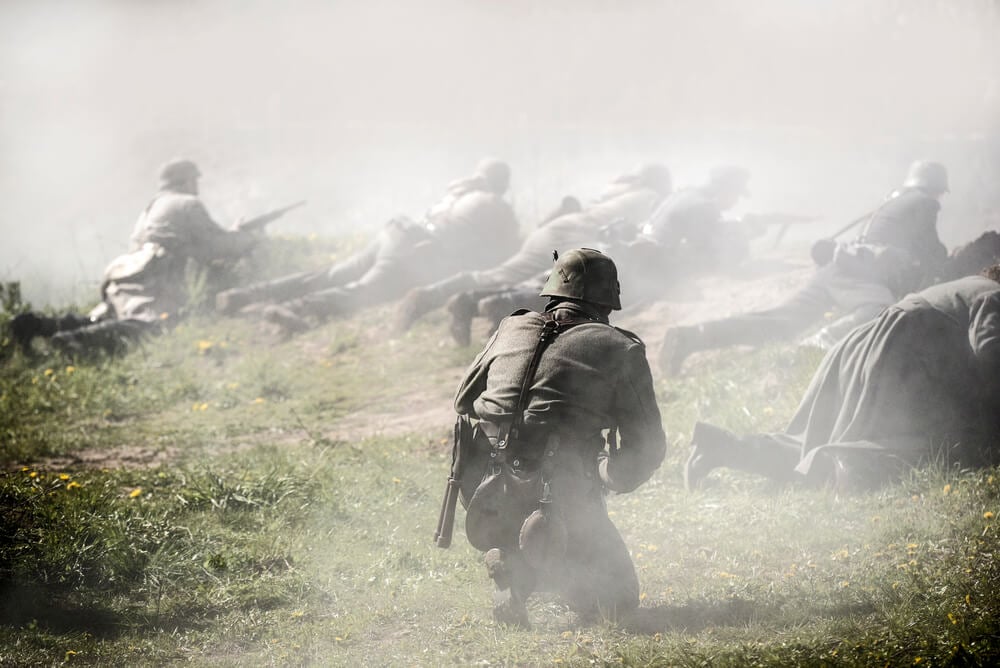
This phrase originated from frontier warfare and battles where soldiers literally fell to the ground and hit dusty earth when struck down. The expression captures the moment of defeat and death on the battlefield, transforming physical reality into metaphor for failure.
“Rain on Your Parade”
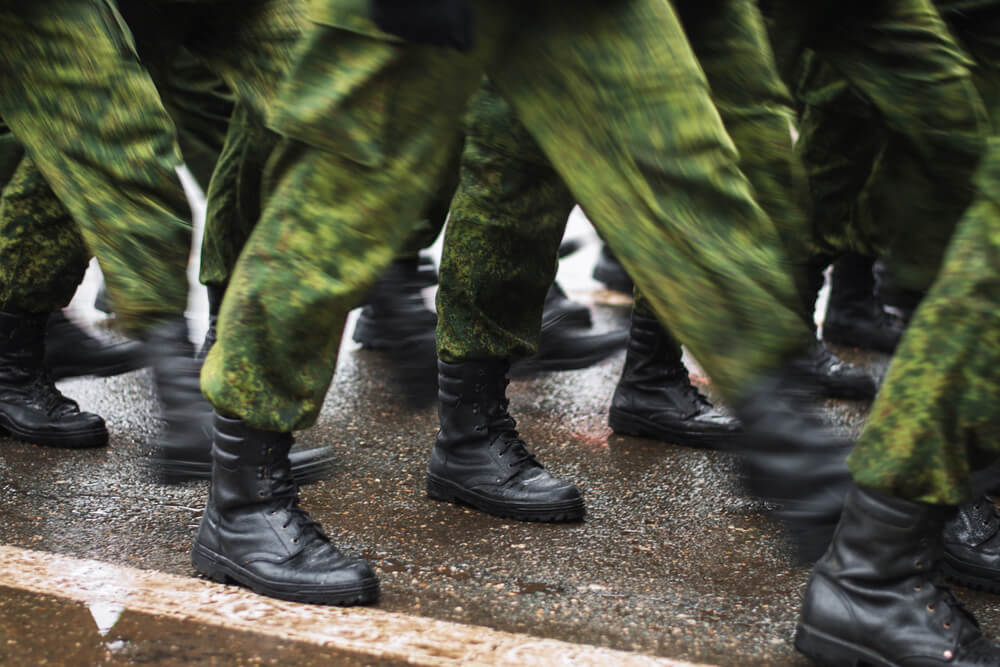
From World War I artillery terminology, when soldiers’ outdoor events—celebrations, parades, gatherings—would be disrupted by surprise artillery barrages. Shrapnel would rain down from the sky like an unwanted storm, forcing dispersal and cancellation.
“Caught Red-Handed”

— Photo by alexgeiger
Medieval warfare used this phrase to describe catching someone with blood on their hands immediately after committing murder or atrocity, proof of guilt written literally on their body.
“Under Fire”
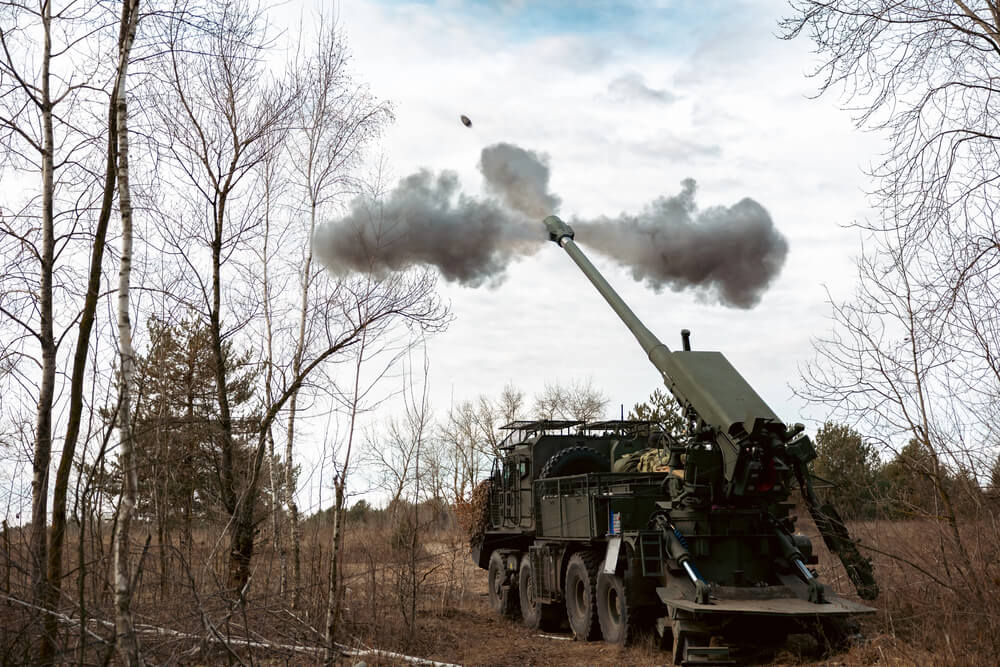
Direct terminology from combat situations where soldiers faced incoming gunfire or artillery. Metaphorically, it describes facing criticism or attack with no escape, trapped in a situation where attacks come from multiple directions.
“Blow Off Steam”

Originated from artillery and cannon operations where pressure needed to be released through valves. Soldiers used the phrase to describe the need to release tension and frustration accumulated during combat stress.
“Hold Your Ground”
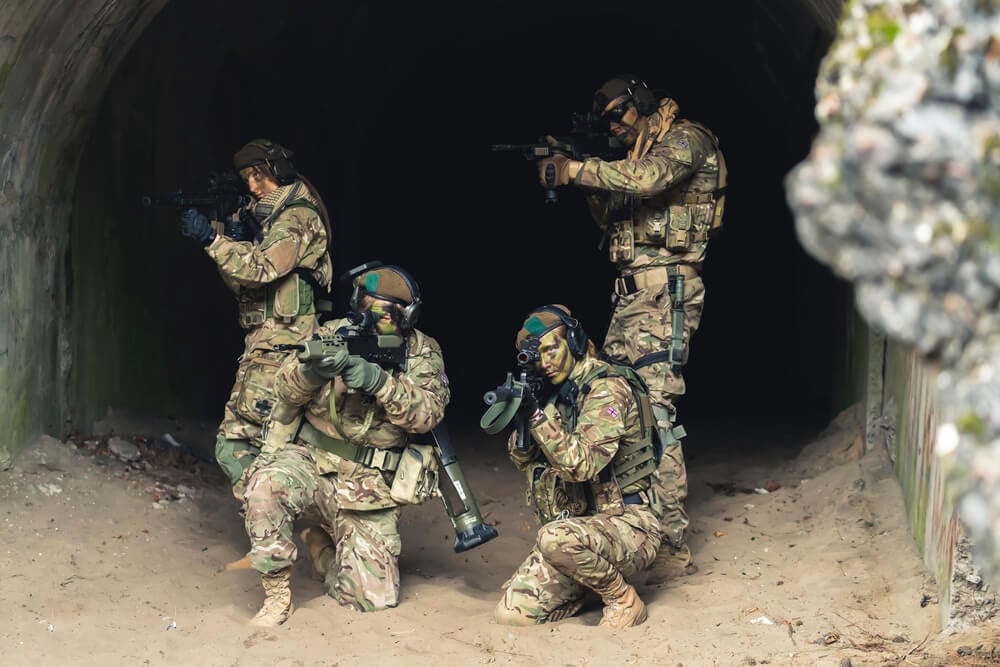
Military command barked at soldiers during retreat to maintain their position and resist enemy advance. The phrase became metaphorical for standing firm on principles or refusing to surrender an argument.
“In the Line of Fire”
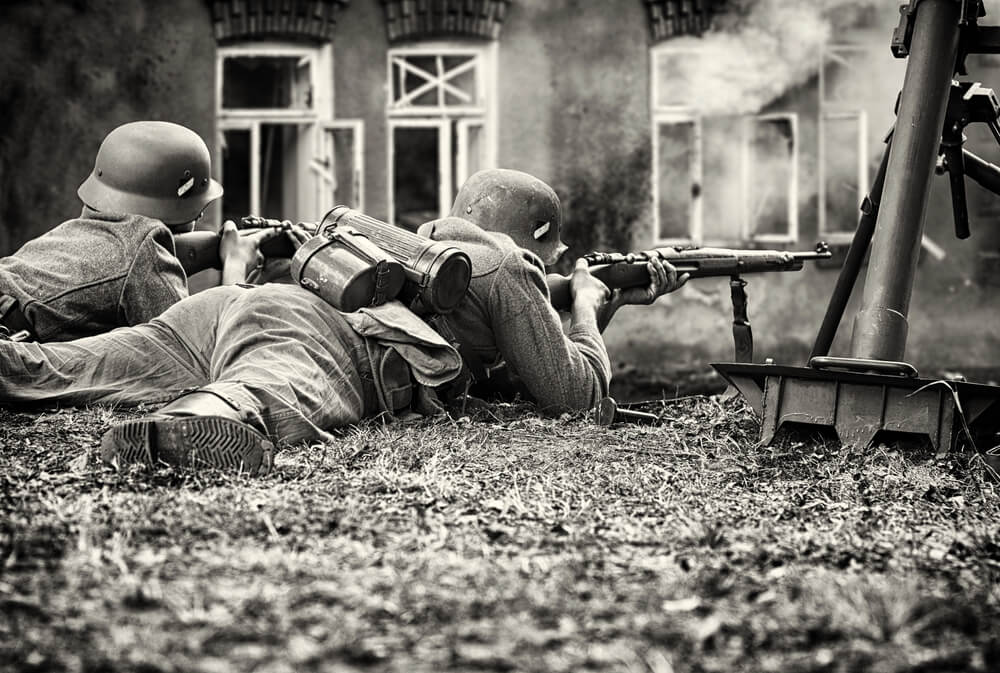
Describes being in the direct path of gunfire or attack, with no protection or means of escape. Used metaphorically for anyone facing direct consequences or criticism without ability to avoid it.
“Cannon Fodder”
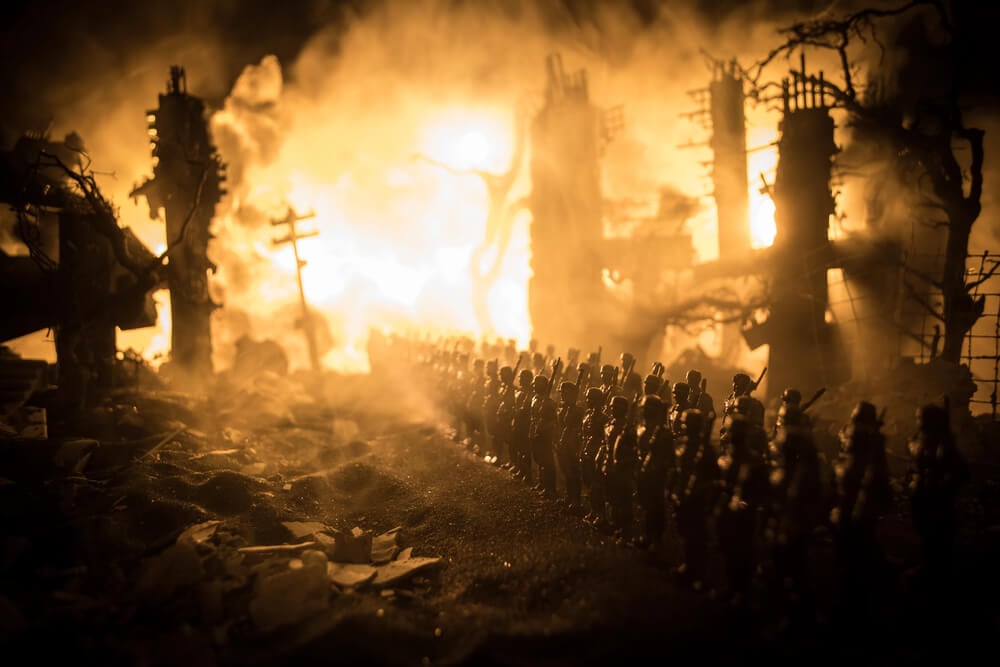
Dehumanizing military term for low-ranking soldiers expected to be killed in large numbers as part of strategic objectives. The phrase carries the cynicism of commanders treating soldiers as expendable ammunition.
“Loose Cannon”
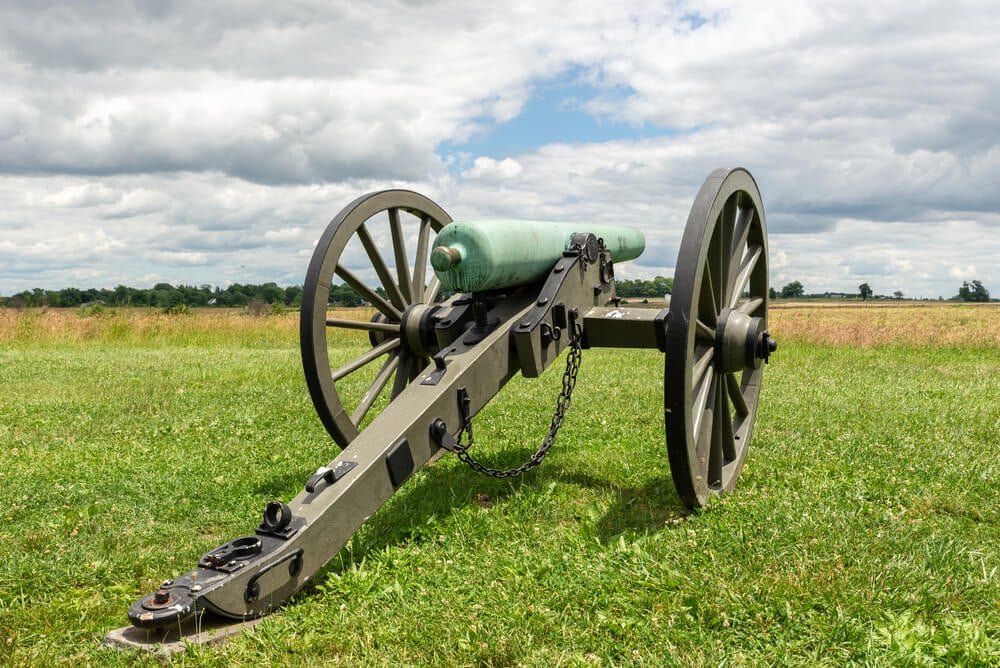
From naval warfare, where cannons improperly secured would roll dangerously across ship decks during combat, potentially killing crew members unpredictably. Metaphorically describes an unpredictable person likely to cause damage.
“Flash in the Pan”
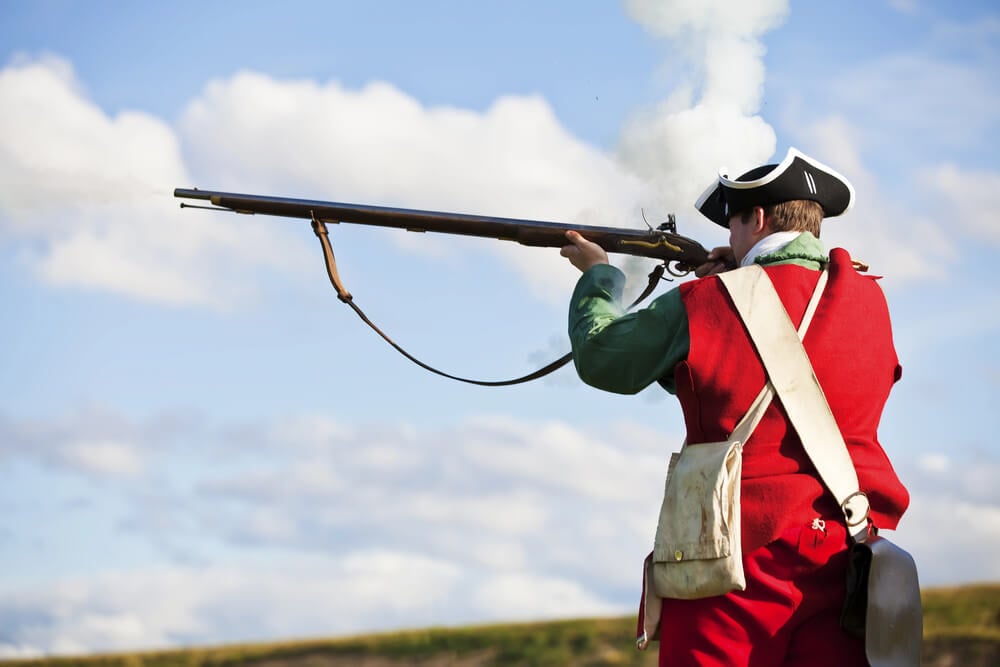
From 18th-century musket warfare when gunpowder in the firing pan would ignite without firing the main charge—creating a flash and sound but no actual shot. Describes something impressive but ultimately ineffective.
“On the Warpath”
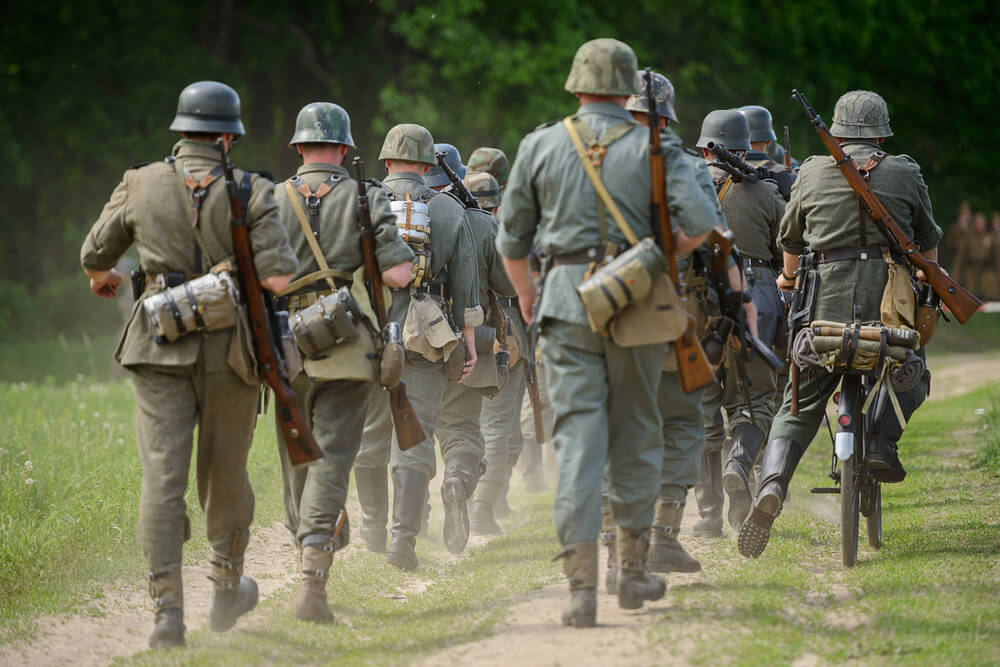
Originally described Native American tribes preparing for conflict, using the warpath as their literal travel route to battle. Extended to describe anyone preparing for conflict or expressing aggressive intentions.
“Take a Shine to Someone”
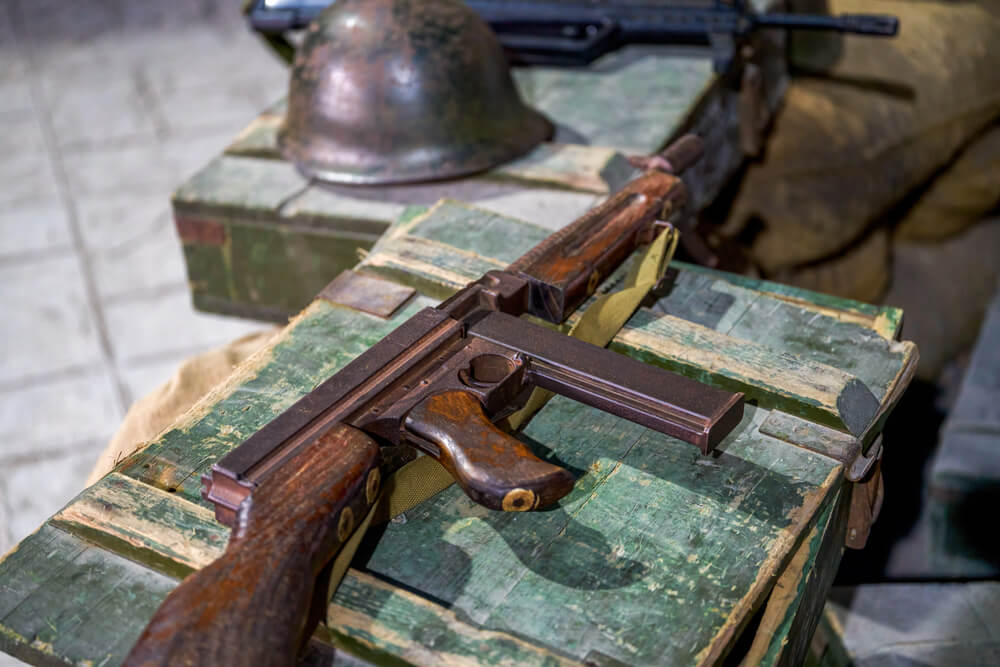
From soldiers polishing their weapons and equipment before battle, creating shine that reflected light. The phrase initially described superficial attraction, like the shine of polished armor.
“Touch and Go”
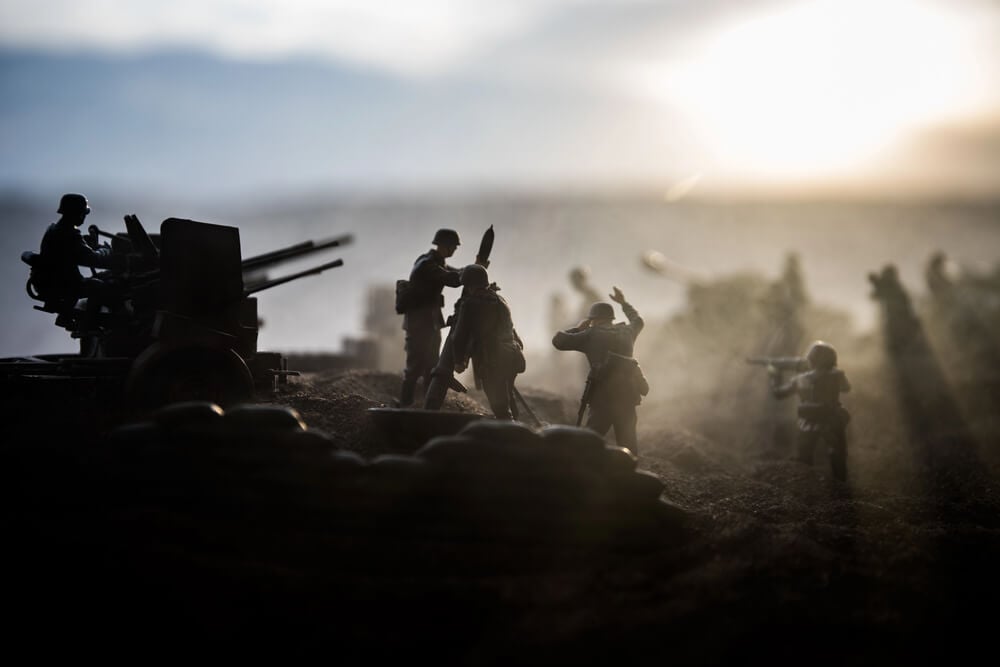
Naval combat term describing battles where victory or defeat remained uncertain until the very end, with either outcome potentially possible until final resolution.
“Over the Top”
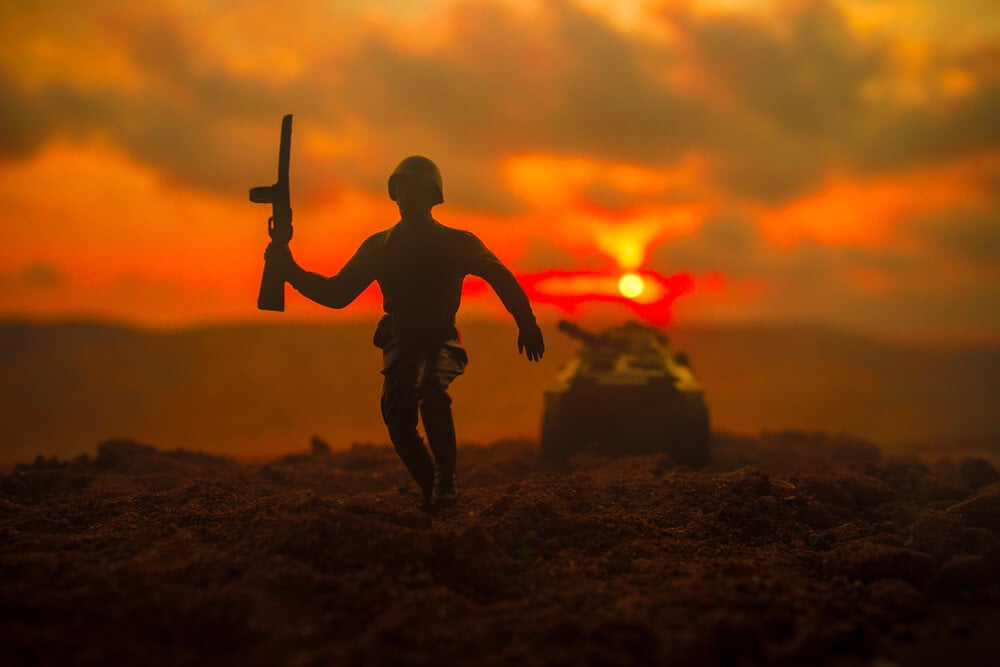
From World War I trench warfare when soldiers went “over the top” of trenches into no-man’s-land to attack enemy positions, knowing many would not return. Describes doing something dangerous or extreme.
“Beat a Hasty Retreat”
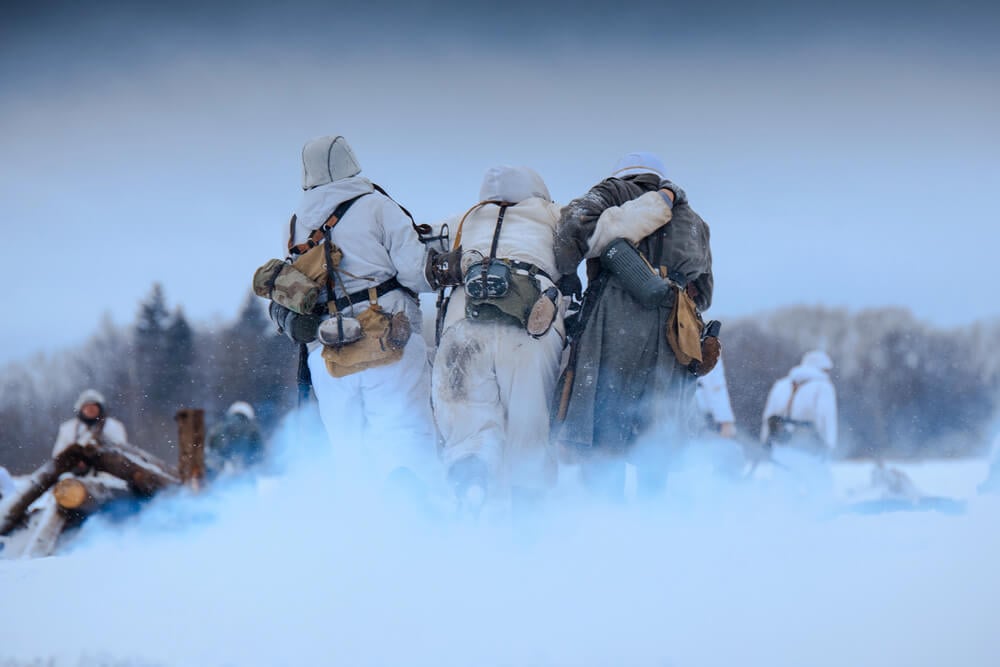
Military terminology for withdrawing from battle quickly to avoid annihilation. The phrase suggests speed and urgency required when abandoning a position.
“Barrage”
Direct from military artillery terminology describing concentrated gunfire directed at a position. Extended to any overwhelming bombardment of criticism, questions, or information.
“Embattled”
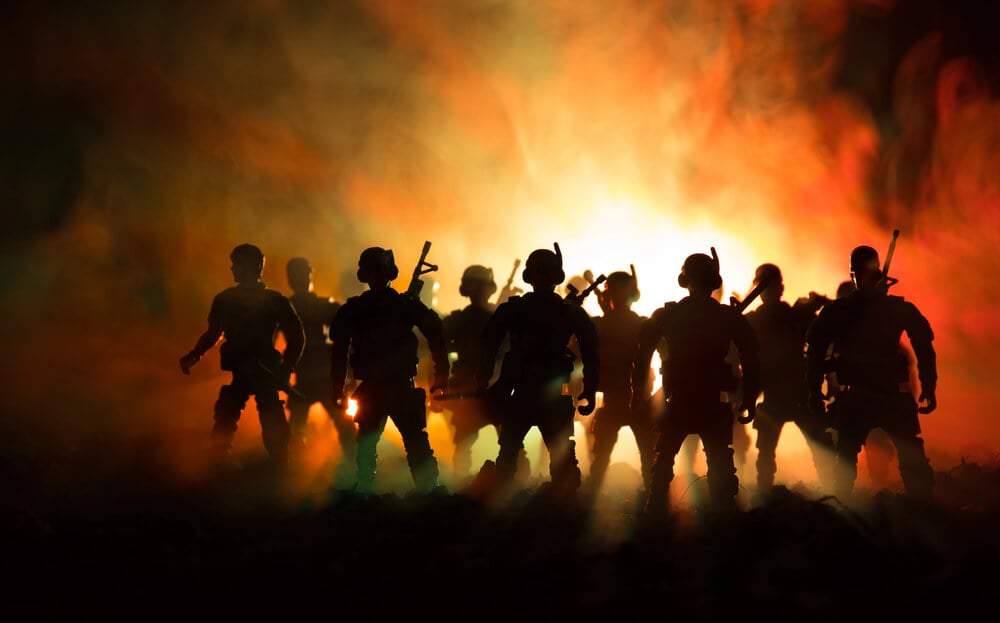
From siege warfare, describing forces surrounded or under attack. Metaphorically describes anyone in a difficult position fighting multiple opponents or challenges.
“Breach”
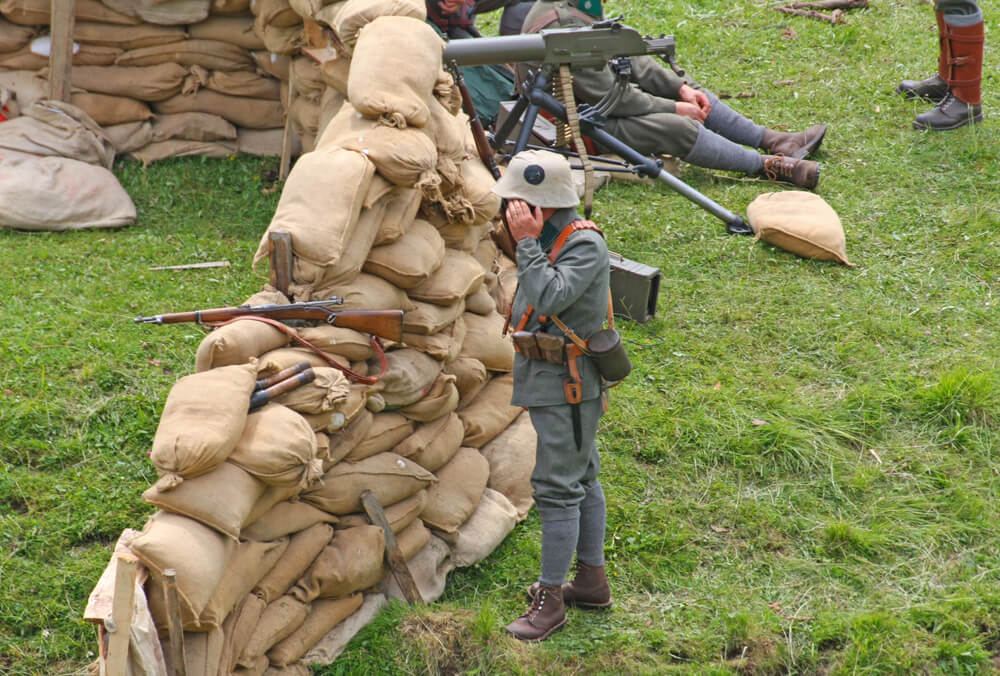
From siege warfare terminology, describing breaking through defensive walls or fortifications. Extended to breaking through any barrier or violating any boundary.
“Skirmish”
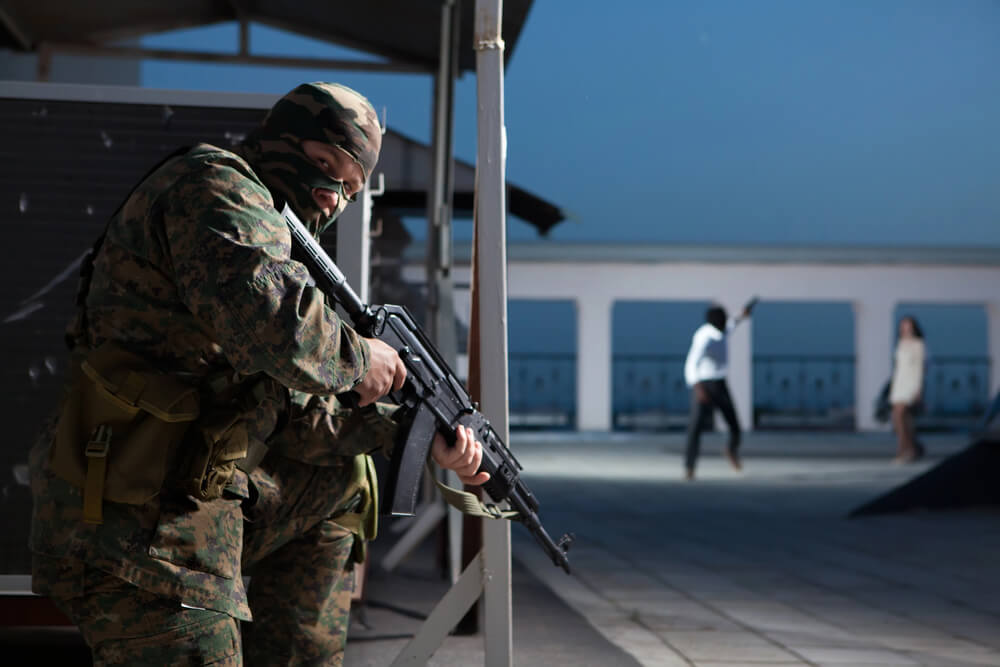
Direct military term for small-scale fighting between reconnaissance forces. Extended to describe minor conflicts or disagreements before larger confrontations.
“Cadre”
From military organizational structure, describing core group of trained officers or leaders around which larger military units formed. Extended to describe any core group providing organizational structure.
“Collateral Damage”
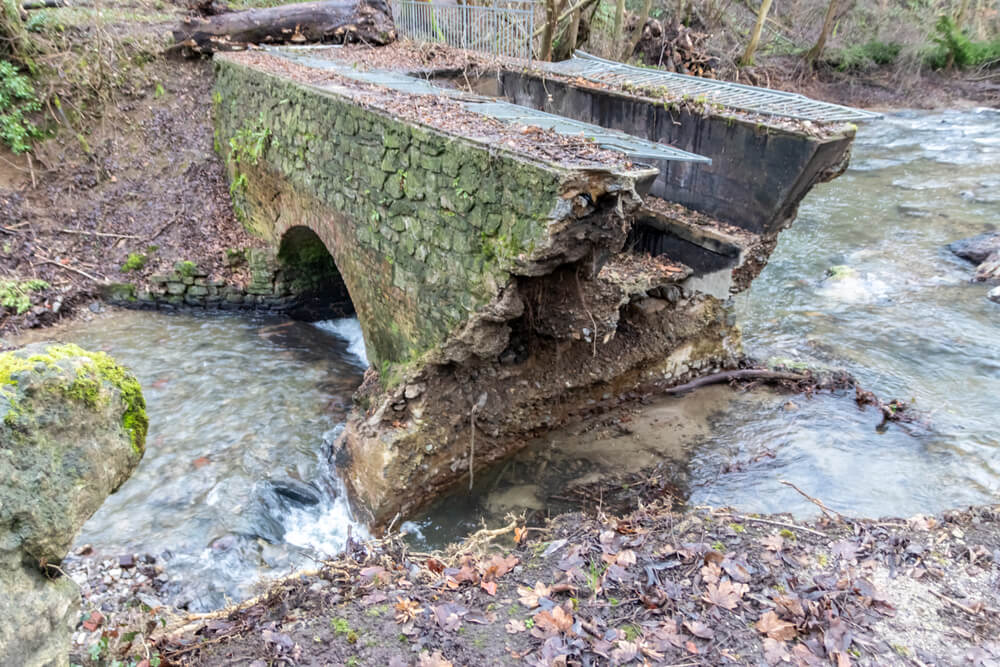
Modern military euphemism for civilian casualties during combat operations. The sanitized language attempts to obscure the reality of accidental deaths caused by military action.
“Going AWOL”

Acronym for “Absent Without Leave”—military desertion terminology. Extended to describe anyone abandoning responsibilities or disappearing without notification.
“Court-Martial”

Direct legal terminology from military justice systems. Describes formal disciplinary proceedings, though now sometimes used figuratively for harsh judgment or condemnation.
“Break Ranks”
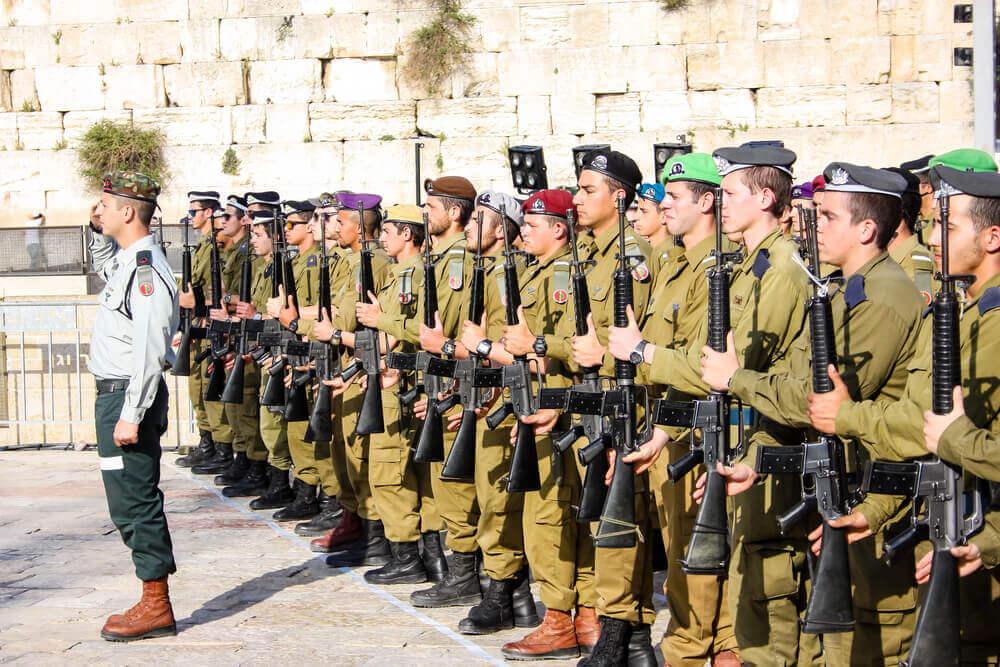
Military command describing soldiers maintaining formation during combat. Breaking ranks means abandoning unified position and acting independently, metaphorically describing defiance of group expectations.
“All Quiet on the Western Front”
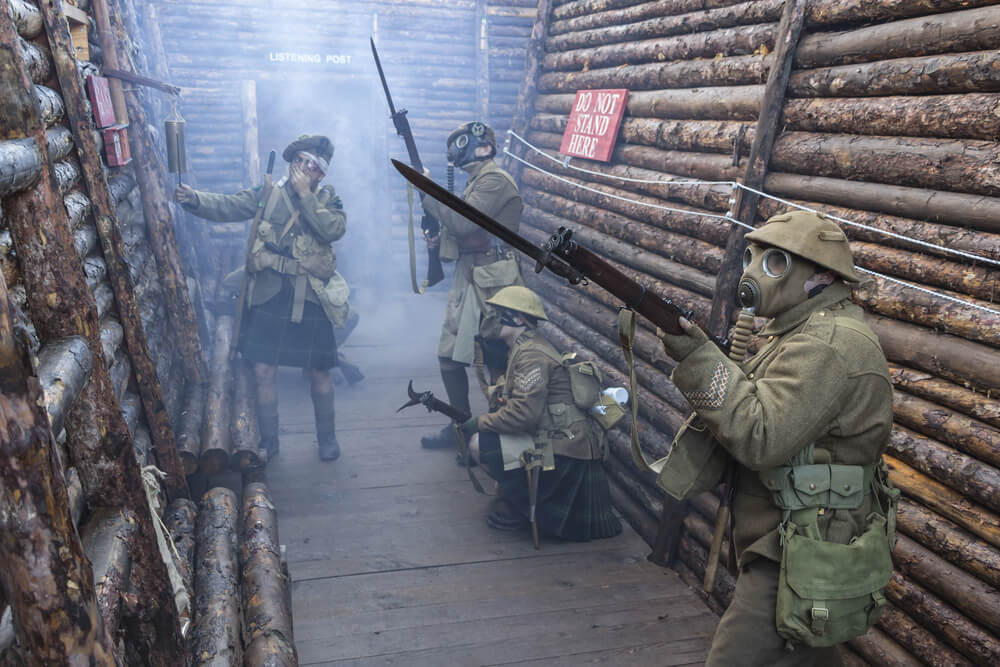
From World War I reporting, describing periods without active combat. Extended to describe deceptive calm before emerging problems or conflicts.
“Coming Under Attack”
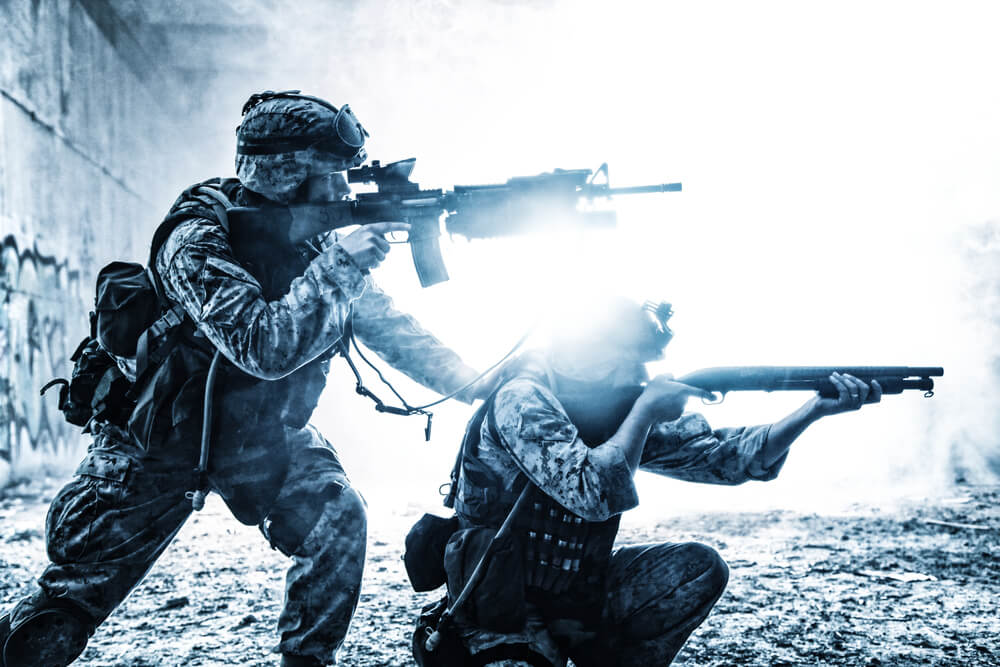
Direct military terminology for being subjected to enemy fire. Extended metaphorically to describe facing criticism or opposition from others.
“Strategic Withdrawal”
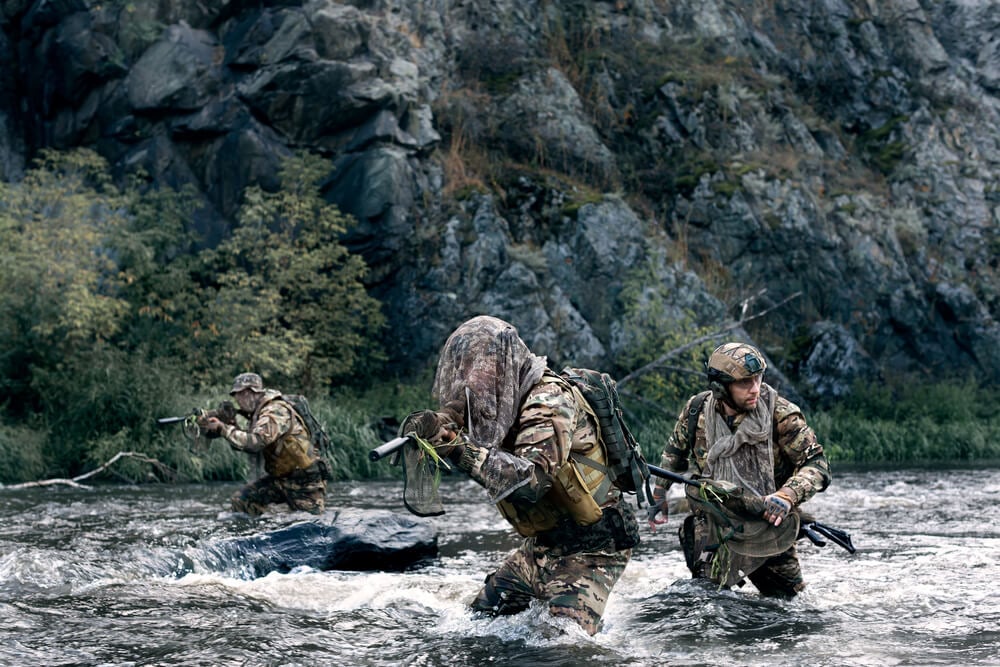
Military euphemism for retreat that sounds more deliberate and planned than it typically is. Used metaphorically to describe backing down from a position while saving face.
“Dig In”
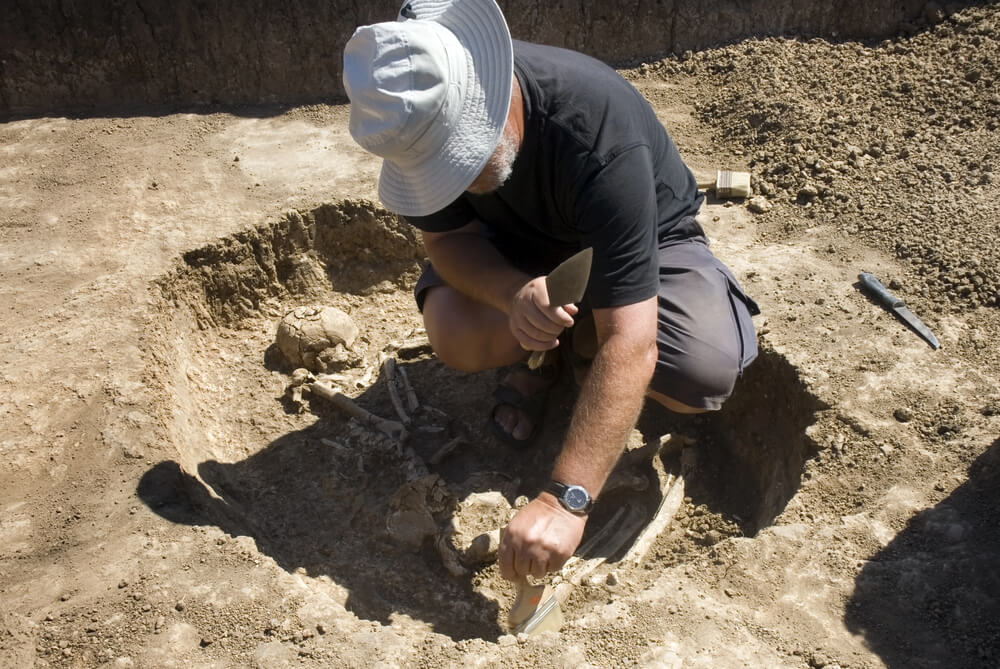
Military command to entrench, digging foxholes and defensive positions for protection. Metaphorically describes refusing to change position or compromise.
“Bivouac”
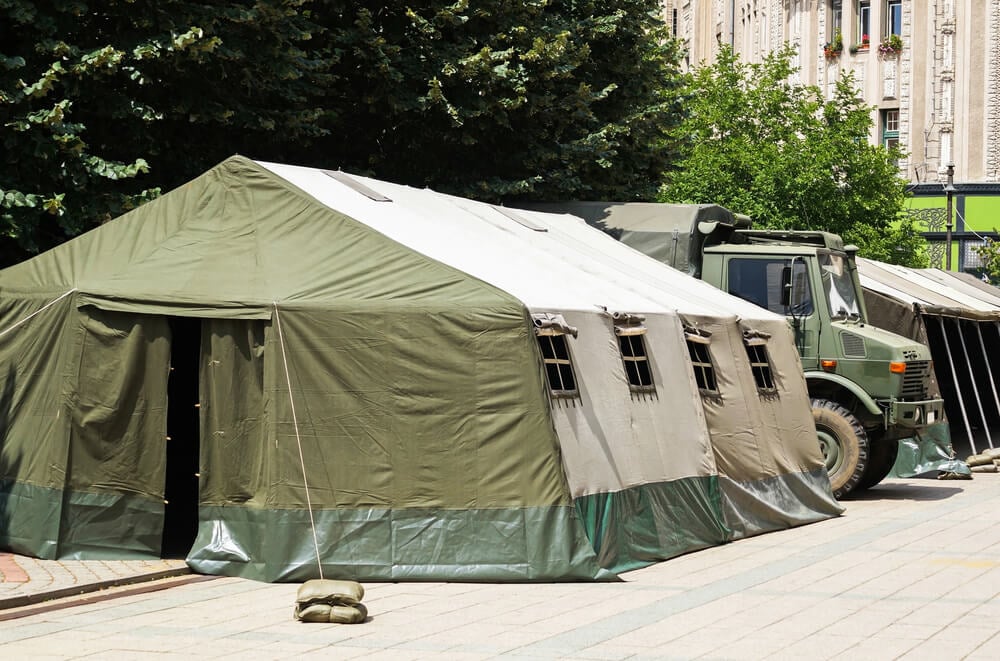
Military term for temporary field camp during military campaigns. Extended to describe any temporary camping or rough accommodations.
“Mounting Resistance”
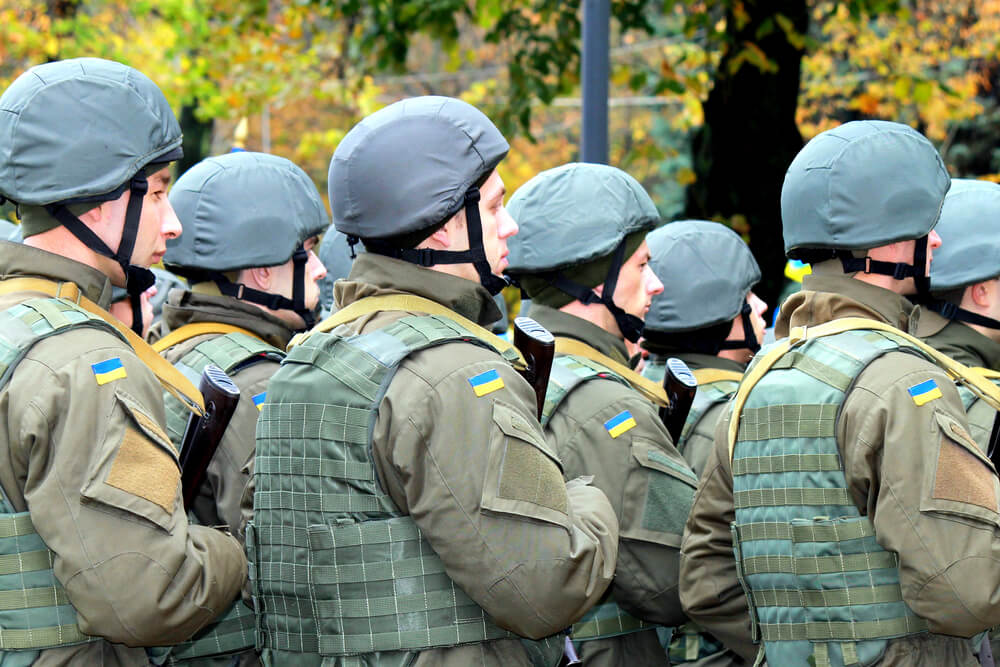
From military terminology describing the buildup of opposing forces before engagement. Describes increasing opposition to any plan or proposal.
“No Man’s Land”
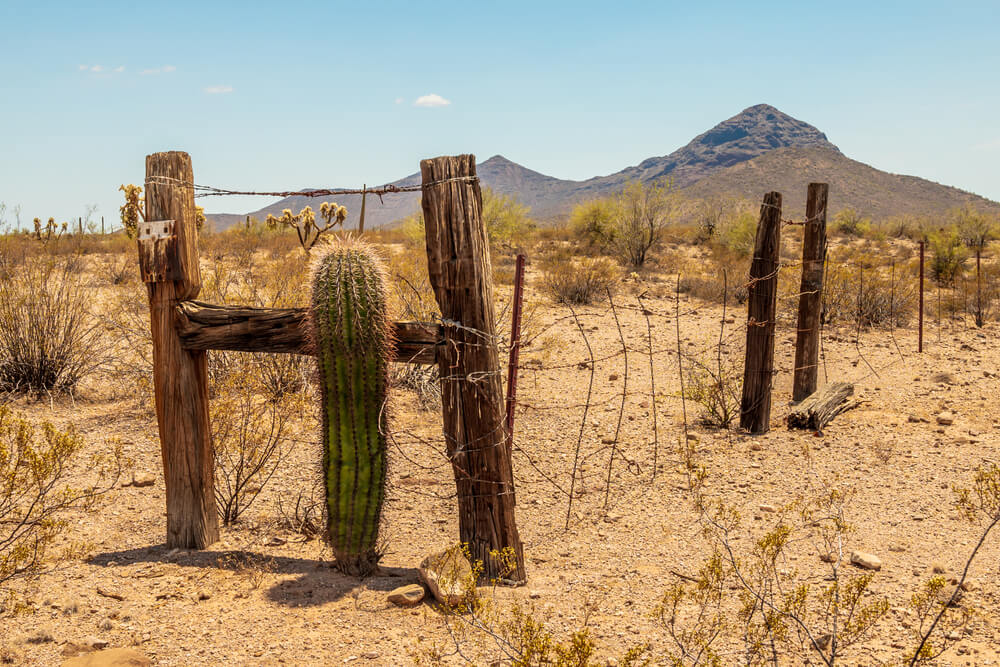
From World War I trench warfare, describing the devastated area between opposing trenches filled with barbed wire, mines, and corpses. Extended to describe dangerous or contested territory belonging to no one.
“Defending the Ramparts”
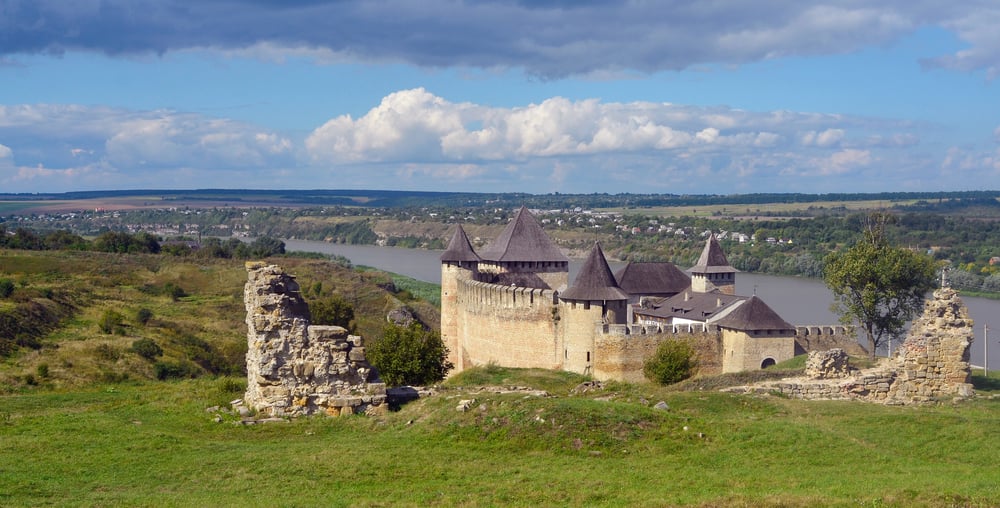
From siege warfare, describing soldiers defending fortified walls and structures. Extended to describe defending any position or principle against attack or criticism.
The Echoes of Combat in Civilian Speech
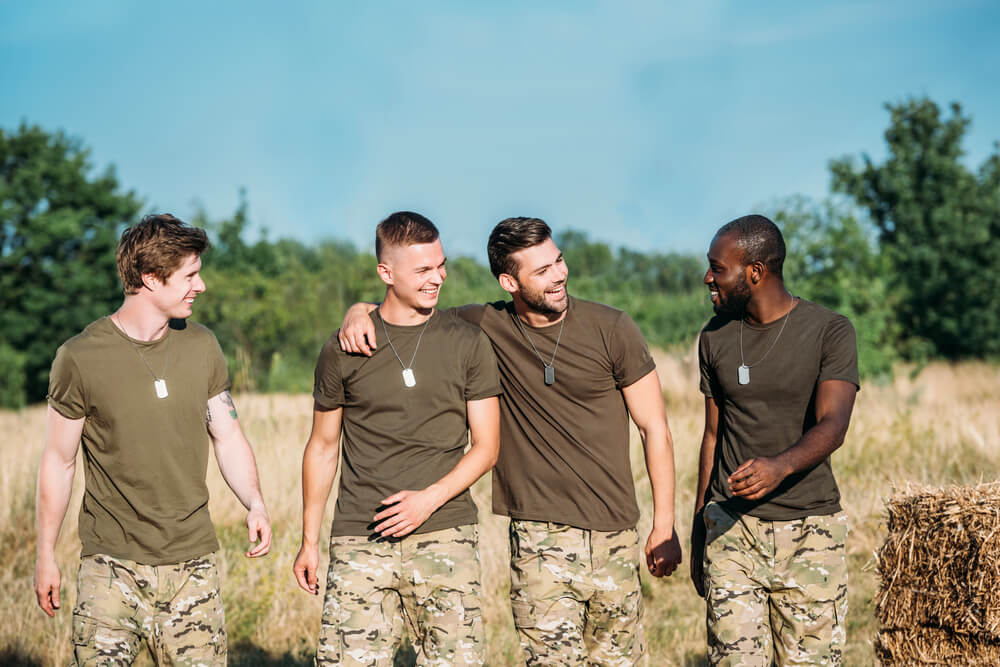
These thirty-two phrases represent warfare’s linguistic legacy—language shaped by centuries of conflict that soldiers brought home after service ended. Each phrase carries within it the memory of violence, death, and desperate struggle.
That we use them casually in arguments about parking spots or work disagreements represents a profound cultural amnesia about their origins. The violence encoded in speech has become invisible through familiarity.
Yet understanding these origins reminds us how thoroughly warfare has infiltrated not just our history but our everyday language, making conflict metaphors the default way we discuss disagreement and competition.
More from Go2Tutors!

- The Romanov Crown Jewels and Their Tragic Fate
- 13 Historical Mysteries That Science Still Can’t Solve
- Famous Hoaxes That Fooled the World for Years
- 15 Child Stars with Tragic Adult Lives
- 16 Famous Jewelry Pieces in History
Like Go2Tutors’s content? Follow us on MSN.