15 Tiny Yet Powerful Countries
Textbooks on geography may have You think that power can be calculated simply by multiplying the population by the land mass.
However, you’ll notice something odd if you stroll through the marble hallways of any international summit.
Representatives from countries you could drive across in an afternoon sit right next to sprawling superpowers.
These are not merely spectators occupying vacant seats.
They are managing wealth that would make entire continents jealous, negotiating trade agreements, and holding peace negotiations.
It turns out that size didn’t tell the whole story.
A closer look at the nations demonstrating that influence can be found in unexpectedly small packages is provided here.
Singapore
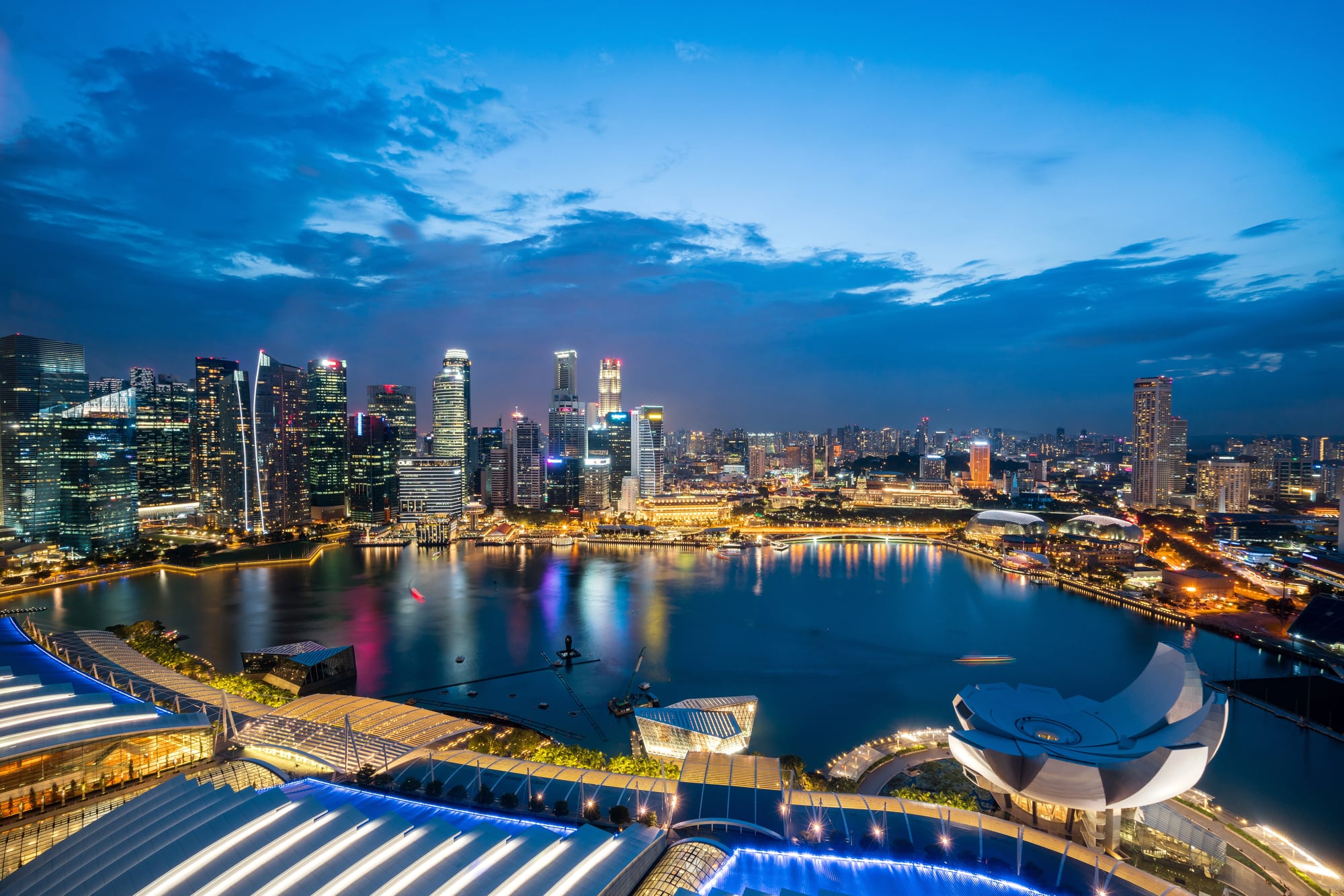
Despite having a smaller land area than New York City (280 square miles), this island nation performs far above its class.
Singapore had no natural resources and a GDP of about $500 per person when it became an independent nation in 1965.
By 2025, its GDP per capita has risen to over $130,000, placing it among the richest countries in the world.
Nearly 40% of world trade passes through the Malacca Strait, making Singapore one of the most strategically located maritime chokepoints in the world.
The nation used its geographic location to build an empire in technology, finance, and logistics.
Currently, Singapore is home to 217 insurance firms and more than 132 commercial banks that oversee trillions of dollars’ worth of assets.
Luxembourg
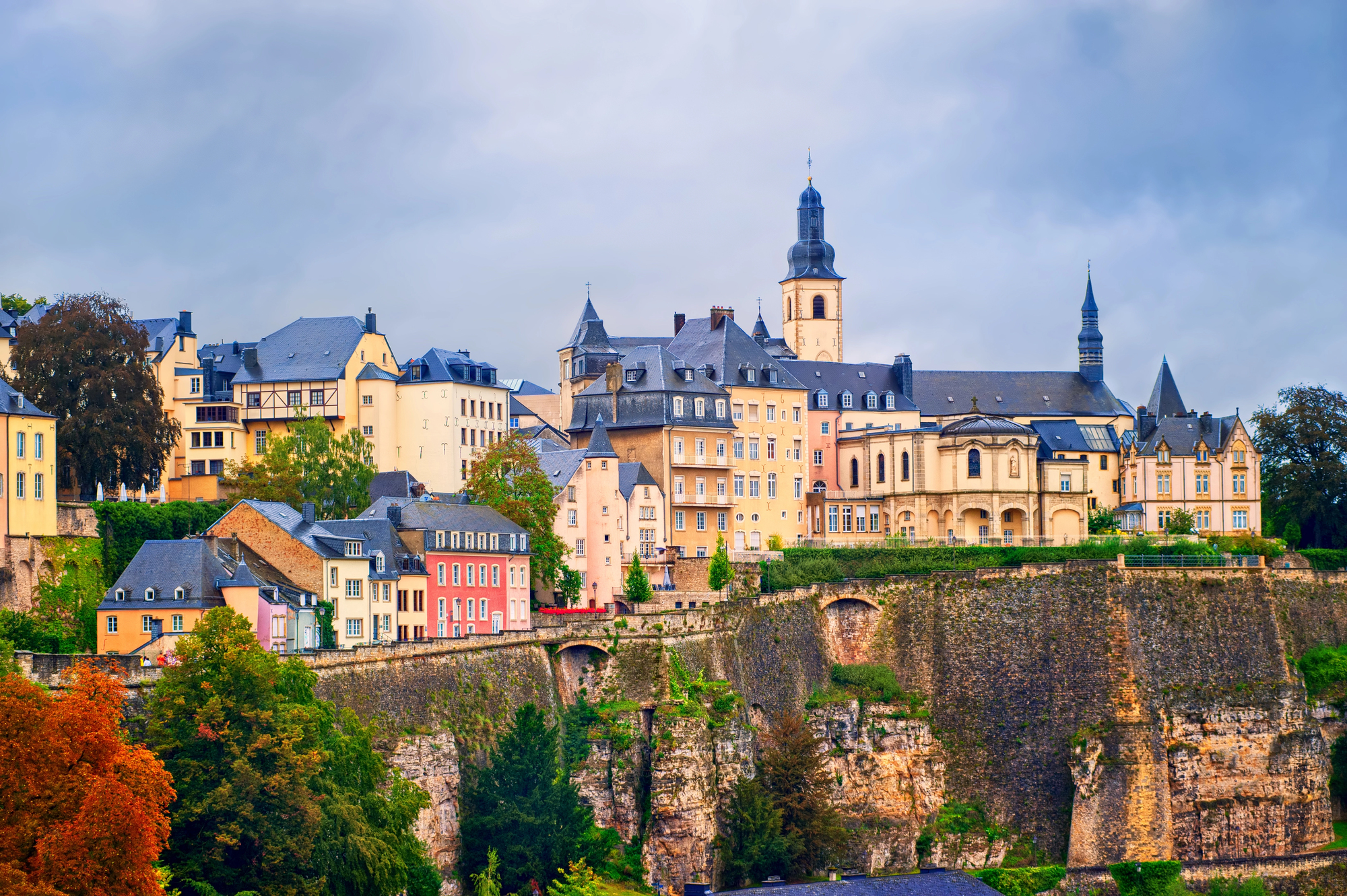
Tucked between Belgium, France, and Germany, Luxembourg covers just 998 square miles.
Yet this Grand Duchy regularly claims the title of the world’s wealthiest nation by GDP per capita, clocking in at over $140,000.
Its financial sector accounts for roughly 27 percent of the country’s economic output.
Luxembourg hosts 136 banks and is the second-largest investment fund center globally after the United States.
Major institutions like J.P. Morgan and Deutsche Bank maintain significant operations there, attracted by favorable tax policies and a multilingual workforce.
Luxembourg citizens enjoy excellent healthcare, education, and public services, contributing to one of the highest standards of living anywhere.
Qatar
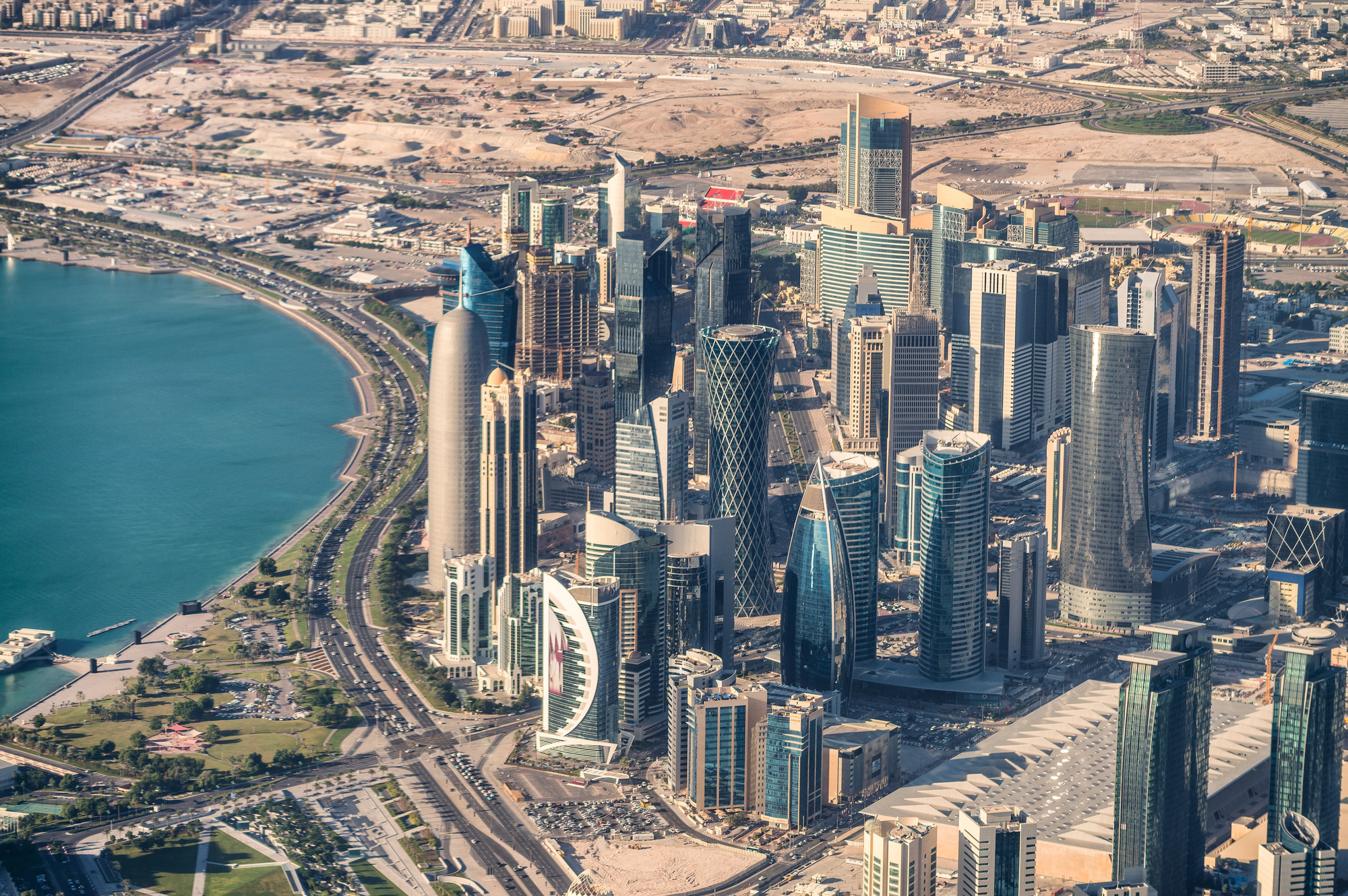
At roughly 4,500 square miles, Qatar barely registers on a world map.
What it lacks in size, it compensates for with what lies beneath its surface.
The country sits atop the third-largest proven natural gas reserves in the world.
This hydrocarbon wealth translates into a GDP per capita approaching $115,000.
The government provides free water and electricity to citizens, while oil and gas revenues account for over 70 percent of government income.
Massive investments in infrastructure, tourism, and sports have diversified the economy.
The 2022 FIFA World Cup brought millions of visitors and billions in economic activity, cementing Qatar’s position as a regional hub.
United Arab Emirates
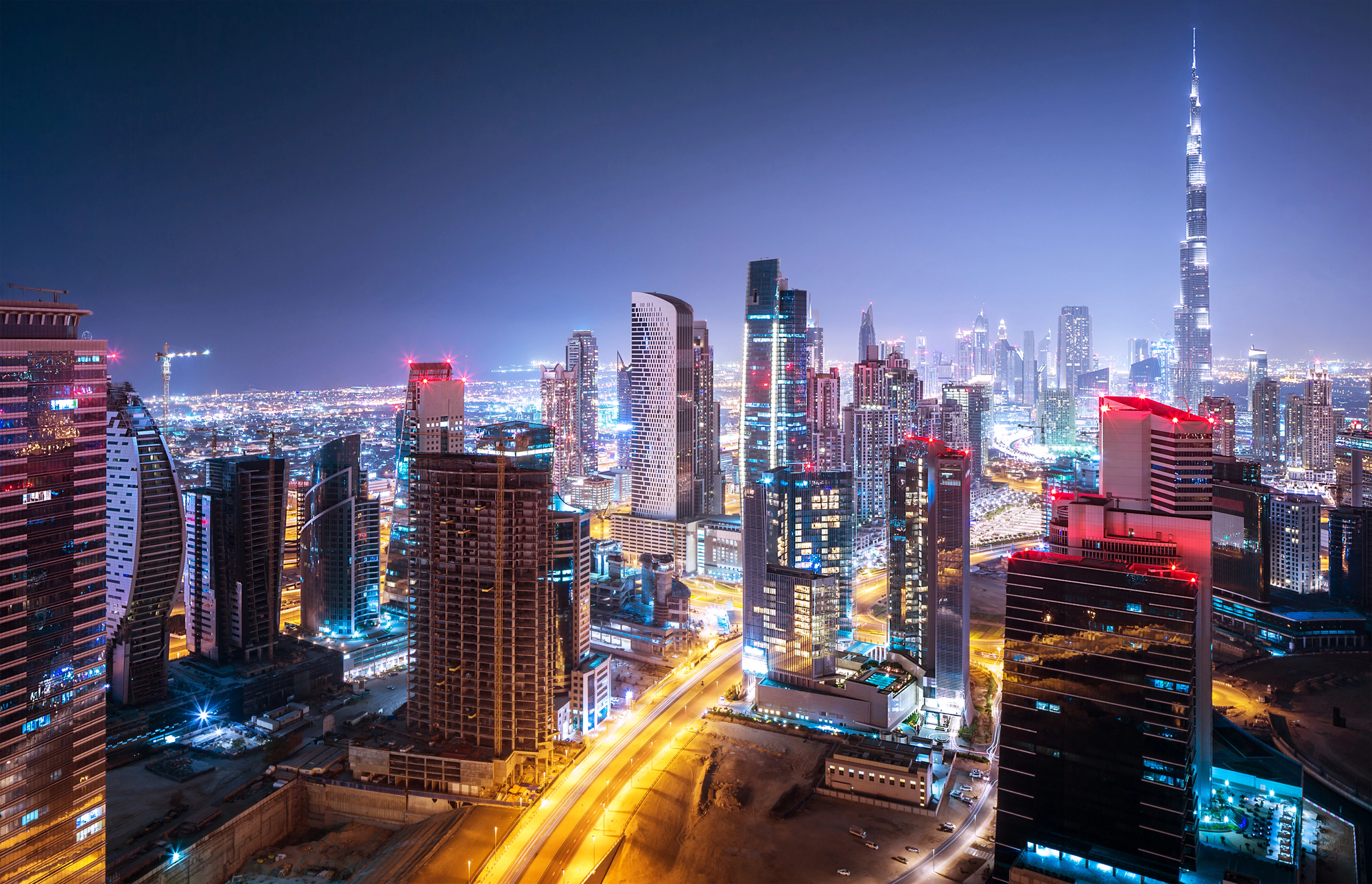
The UAE covers about 32,000 square miles, but what makes it powerful is the deliberate economic transformation over the past five decades.
Oil and gas still drive much of the economy, but Dubai has become a global symbol of diversification.
The UAE’s GDP exceeds $415 billion, with sophisticated financial services, tourism, and technology sectors all contributing.
Dubai hosts one of the world’s busiest airports and attracts millions of tourists annually.
Abu Dhabi manages sovereign wealth funds worth hundreds of billions, investing strategically across the globe.
The country provides generous welfare programs including free higher education and subsidies.
Switzerland
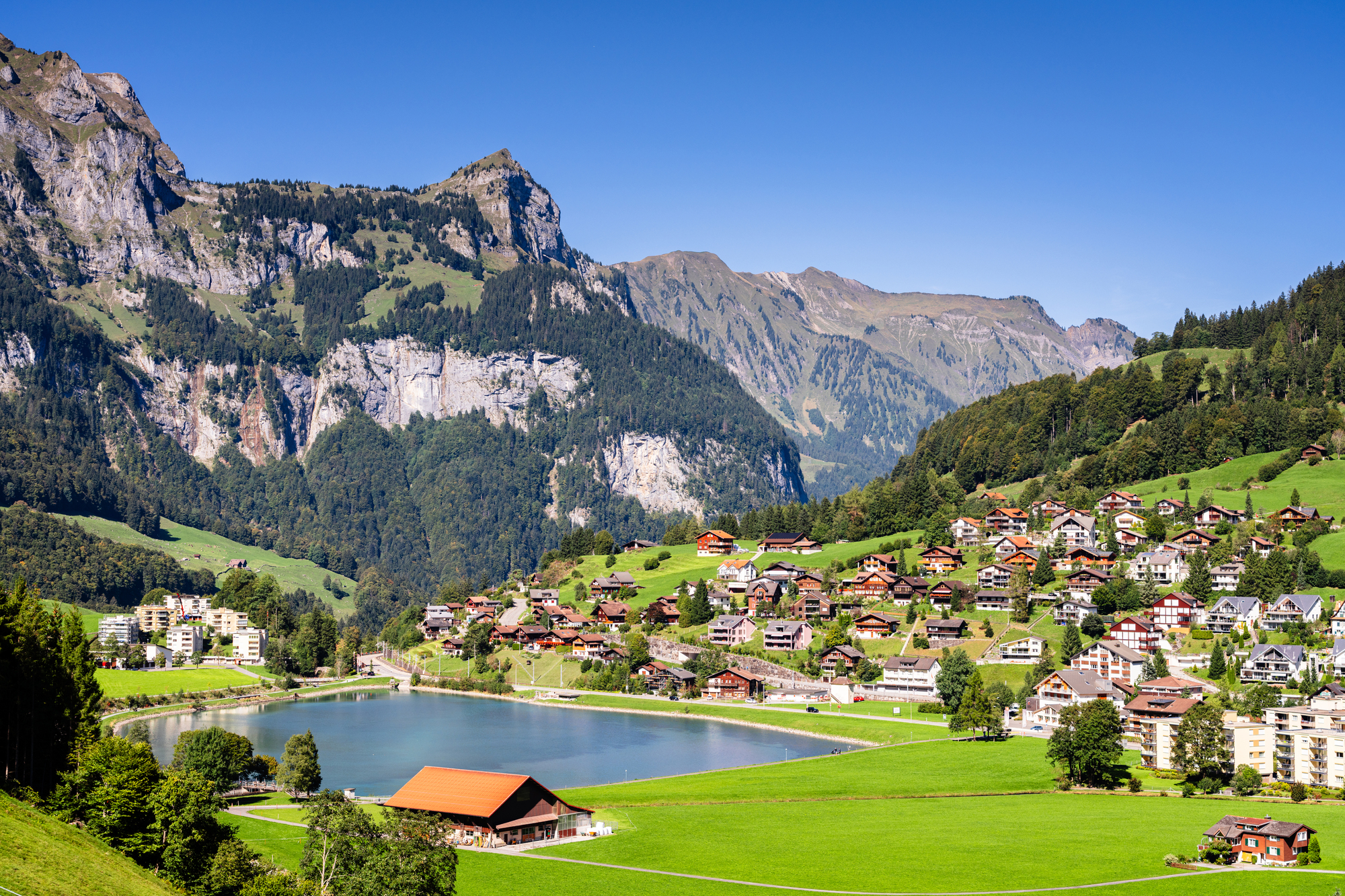
Switzerland covers about 15,940 square miles of Alpine terrain, yet its influence extends far beyond its borders.
For more than two centuries, Switzerland has maintained armed neutrality while positioning itself as the world’s go-to mediator.
Geneva hosts the European headquarters of the United Nations, the World Health Organization, the International Red Cross, and dozens of other international organizations.
This neutrality has made Switzerland the preferred location for sensitive diplomatic negotiations.
Switzerland boasts one of the world’s most robust banking sectors and companies like Nestlé, Novartis, and Roche.
The country’s GDP per capita exceeds $90,000, and its citizens enjoy exceptional quality of life.
Israel
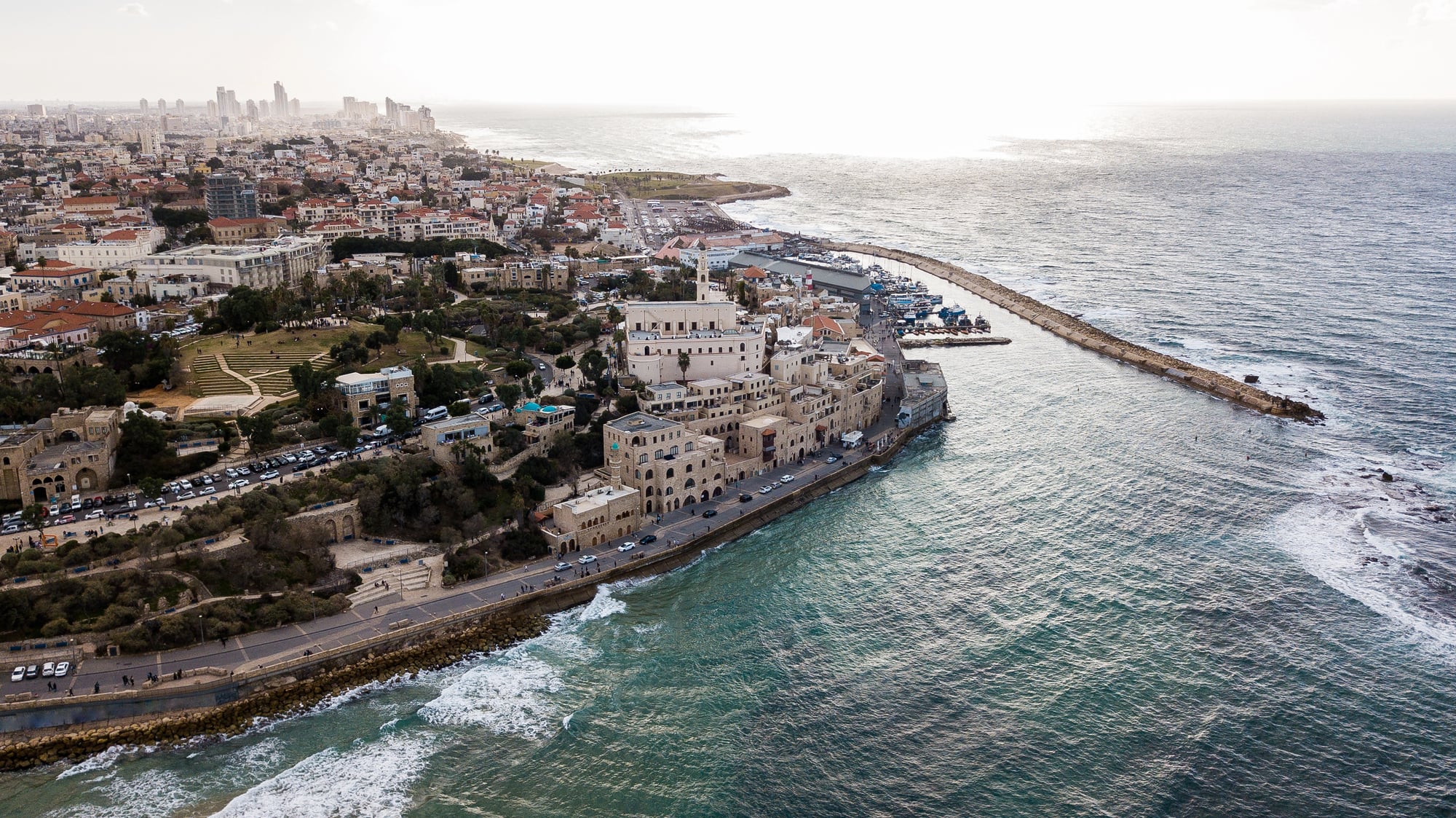
At just 8,000 square miles—roughly the size of New Jersey—Israel wields disproportionate economic, technological, and military power.
Often called the ‘Startup Nation,’ Israel has more companies listed on NASDAQ than any country outside North America.
Its technology sector produces innovations in cybersecurity, medical devices, and agricultural technology exported worldwide.
The country’s GDP exceeds $500 billion, impressive for a population of around nine million.
Israel maintains strong alliances with major powers and has recently normalized relations with several Arab nations through the Abraham Accords.
Water scarcity pushed Israel to become a world leader in desalination and drip irrigation technologies.
Norway
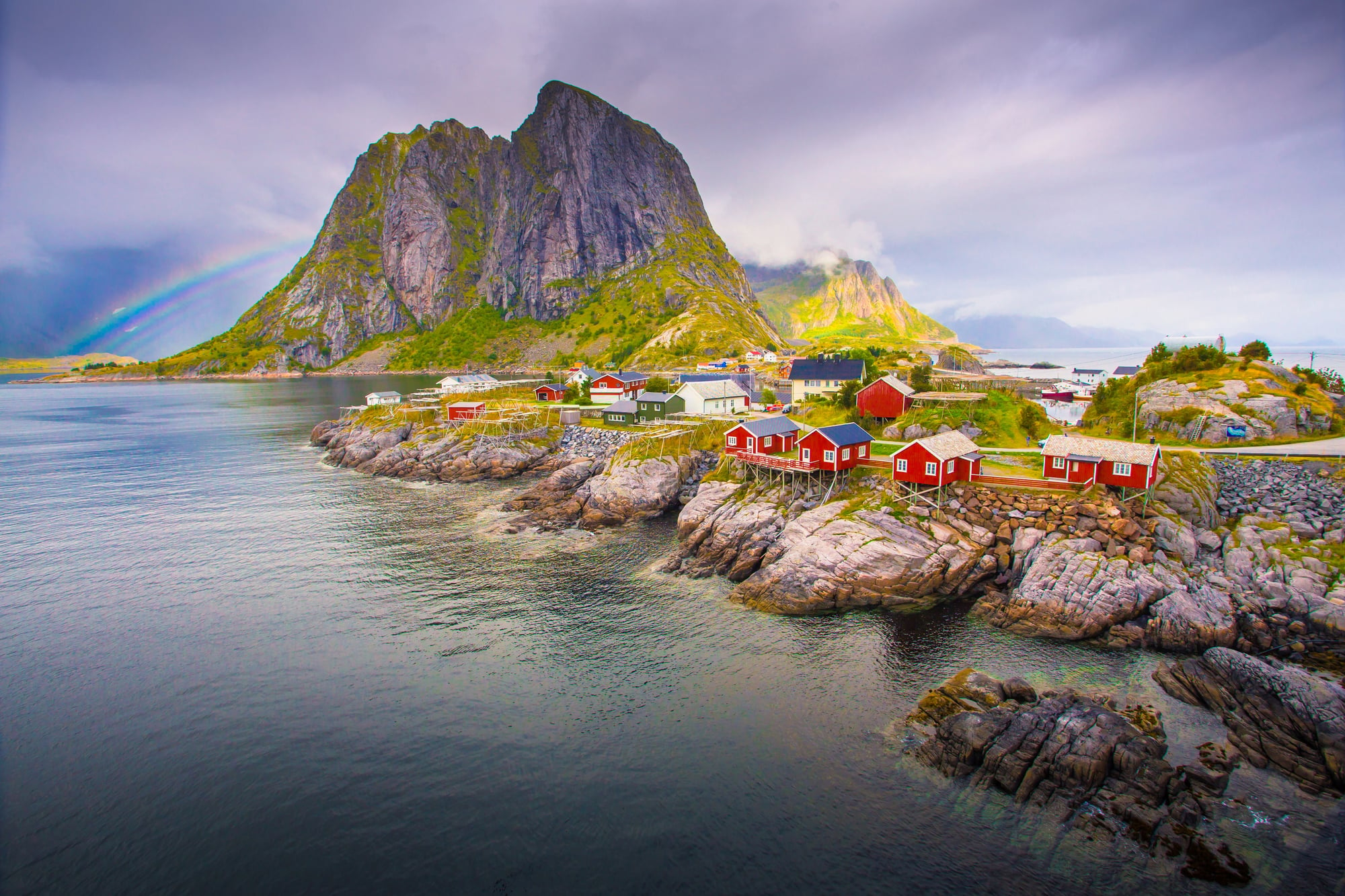
Norway stretches across 148,700 square miles with a population of just 5.5 million.
What makes Norway powerful is how it transformed North Sea oil discoveries into long-term prosperity.
The government established a sovereign wealth fund in 1990 that has grown into the world’s largest, worth over $1.7 trillion—more than $300,000 per Norwegian citizen.
Rather than spending oil money recklessly, Norway invested it globally, ensuring future generations would benefit.
The country maintains one of the world’s highest standards of living and punches above its weight in international diplomacy, frequently mediating conflicts and championing human rights.
Ireland
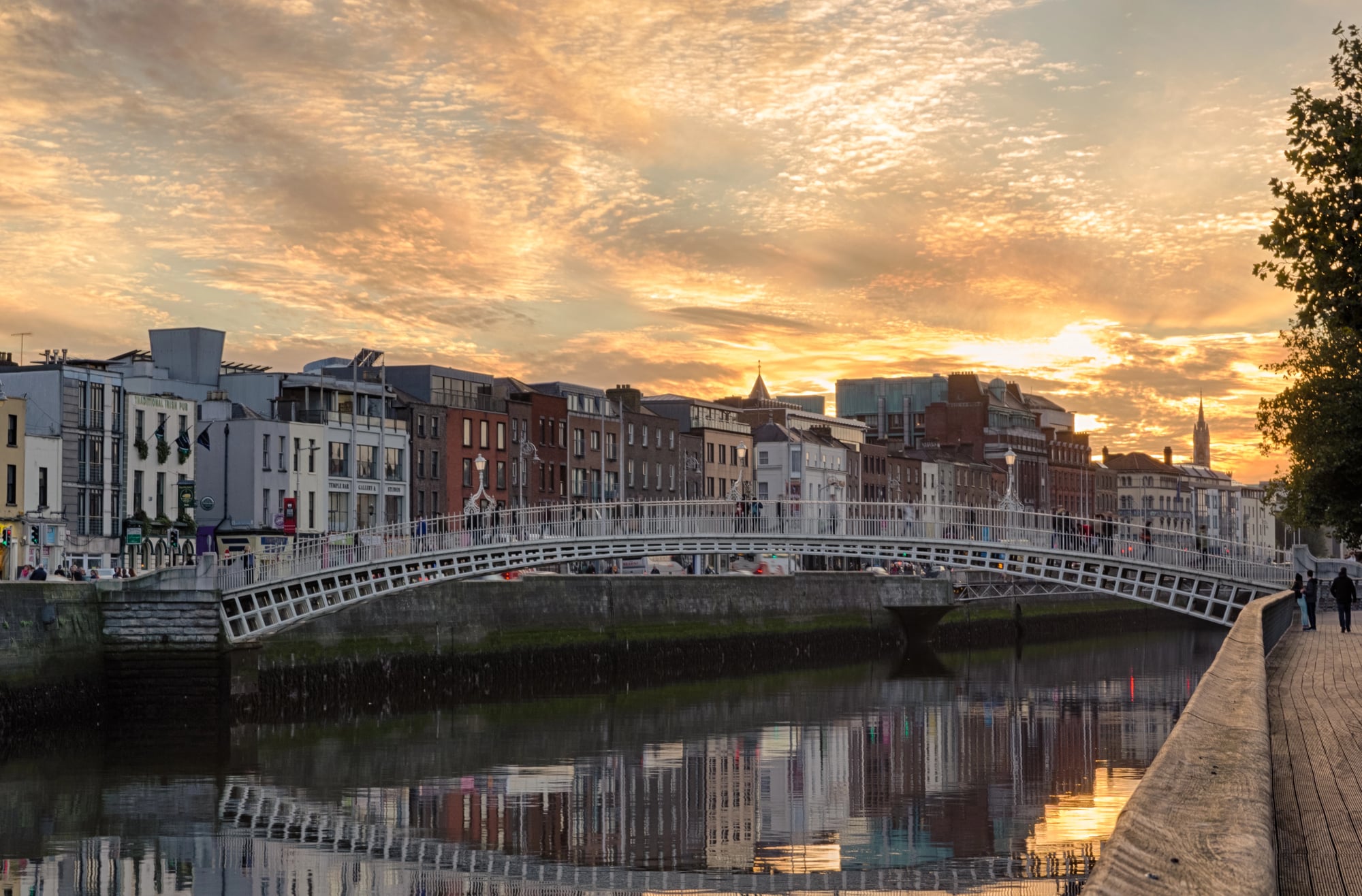
Ireland covers about 27,000 square miles yet has transformed from one of Europe’s poorest nations into one of its richest.
The country’s GDP per capita now exceeds $107,000, a stunning turnaround from its position decades ago.
The catalyst was attracting foreign investment through low corporate tax rates and EU membership.
Tech giants like Google, Meta, Apple, and Microsoft established their European headquarters in Ireland, bringing billions in investment.
The pharmaceutical industry followed suit.
Ireland’s highly educated, English-speaking workforce and access to the European single market made it irresistible to multinationals.
Denmark
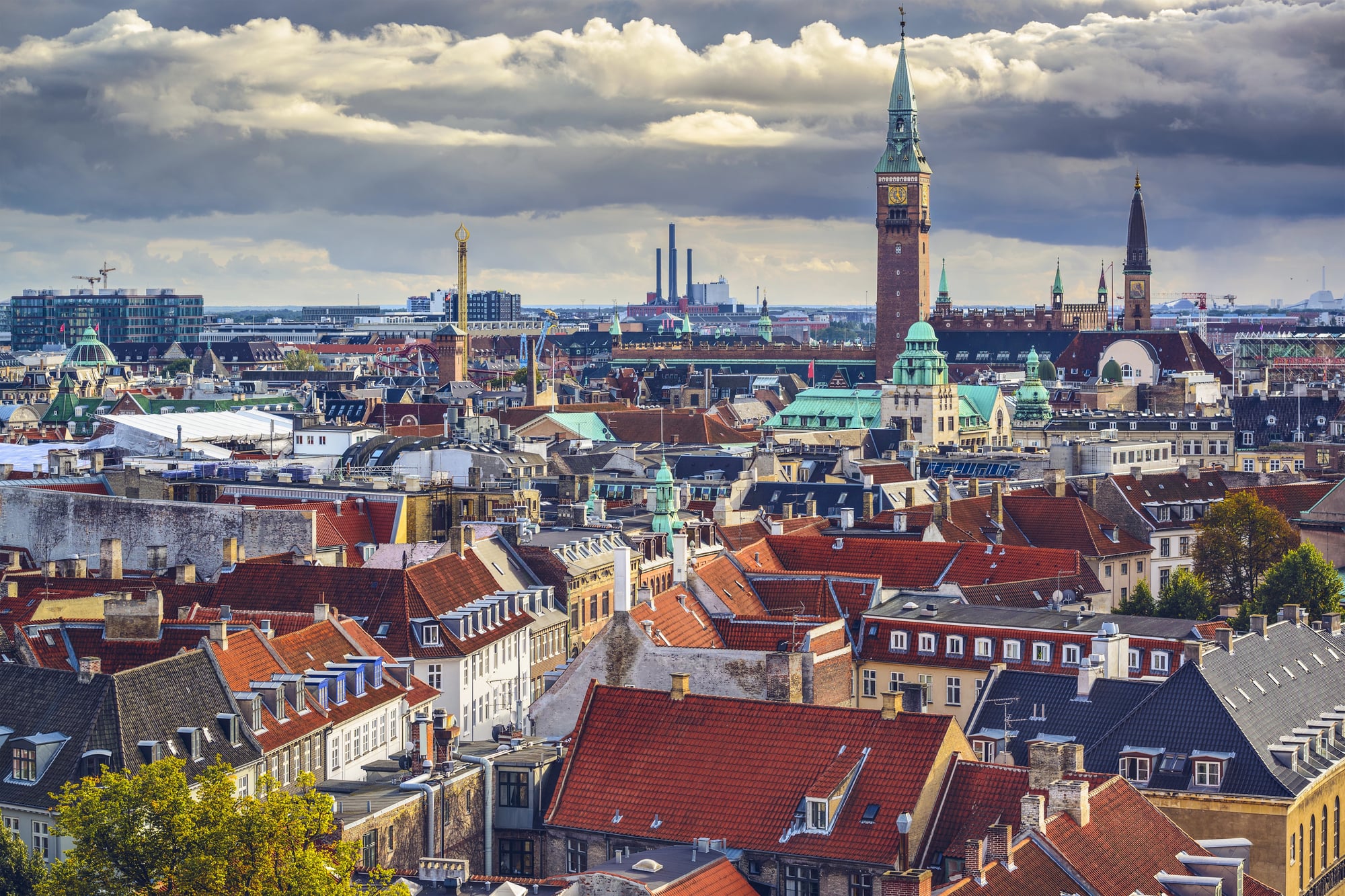
Covering just 16,600 square miles, Denmark consistently ranks among the world’s happiest and most prosperous nations.
Its GDP approaches $405 billion despite a population of only 5.8 million.
Denmark built its prosperity on advanced manufacturing, pharmaceuticals, renewable energy, and shipping.
Companies like Novo Nordisk, Maersk, and Lego are global leaders.
The Danish model balances free-market capitalism with generous social welfare programs.
Denmark has become a leader in wind energy, generating more than half its electricity from wind turbines and exporting its expertise worldwide.
Austria
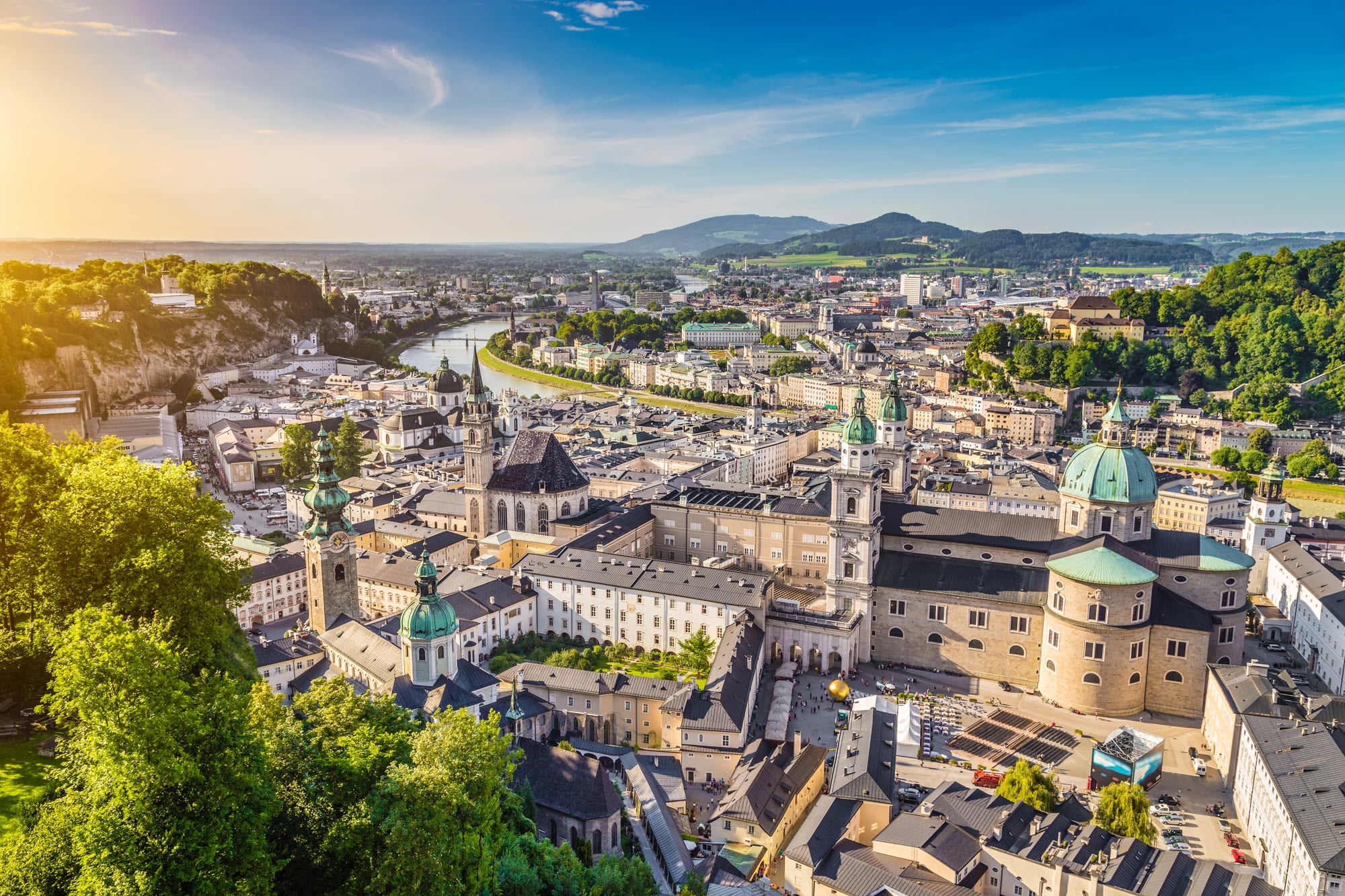
Landlocked Austria spans 32,400 square miles but maintains outsized economic influence.
Its GDP exceeds $515 billion, built on advanced manufacturing, financial services, and tourism.
Vienna serves as a bridge between Western and Eastern Europe, hosting numerous international organizations.
The city regularly ranks as one of the world’s most livable, combining imperial architecture with modern infrastructure.
Austria’s strategic location makes it a natural hub for companies doing business across Europe.
Belgium
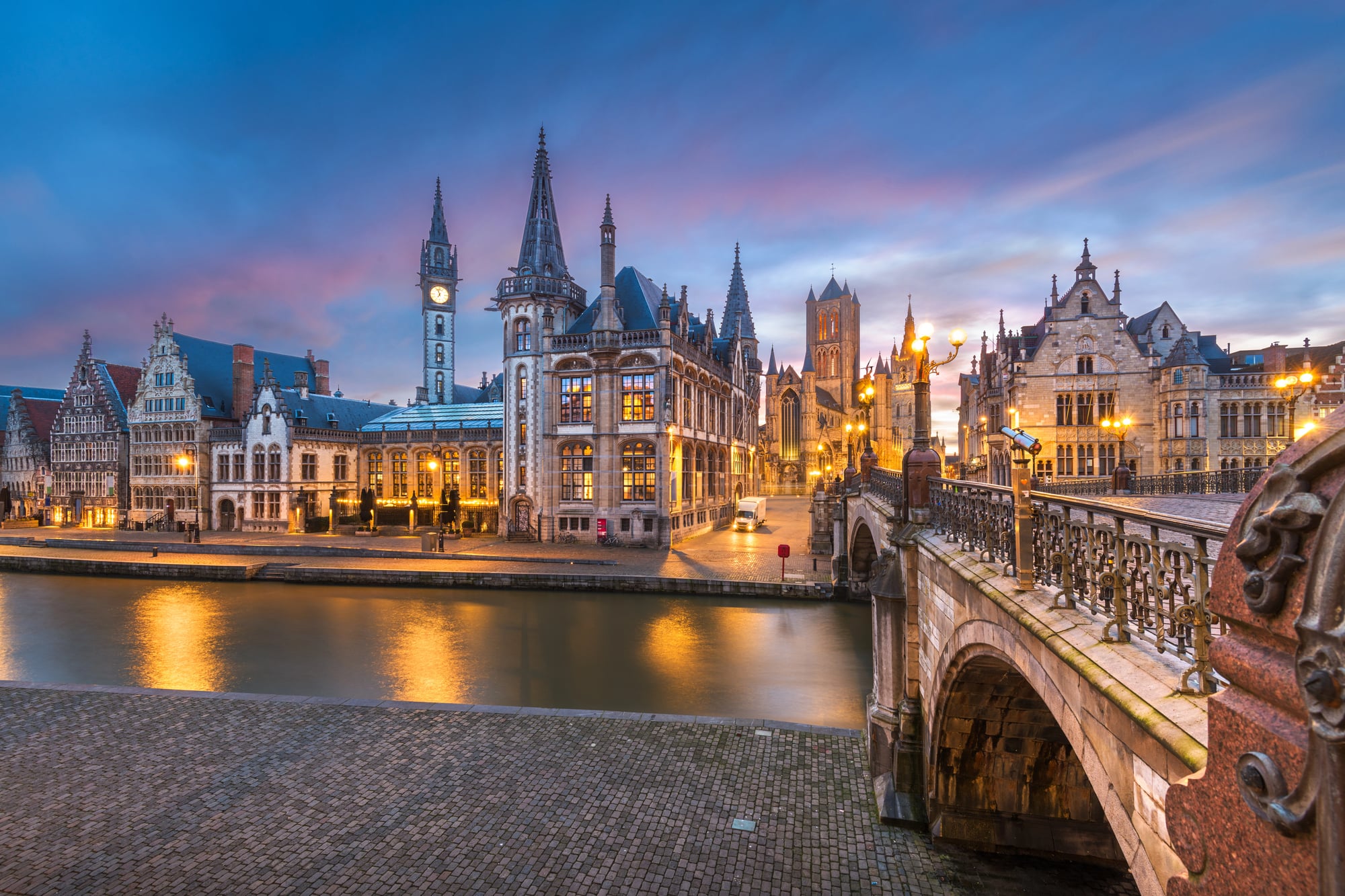
Belgium covers just 11,800 square miles, yet Brussels functions as the de facto capital of the European Union.
This small nation of 11.5 million people facilitates decisions affecting 450 million Europeans.
Belgium’s economy exceeds $600 billion, benefiting from its central location and multilingual population.
The Port of Antwerp ranks among Europe’s largest, handling massive volumes of trade.
Belgian companies lead in pharmaceuticals, chemicals, and diamond trading—Antwerp is the world’s diamond capital.
Finland
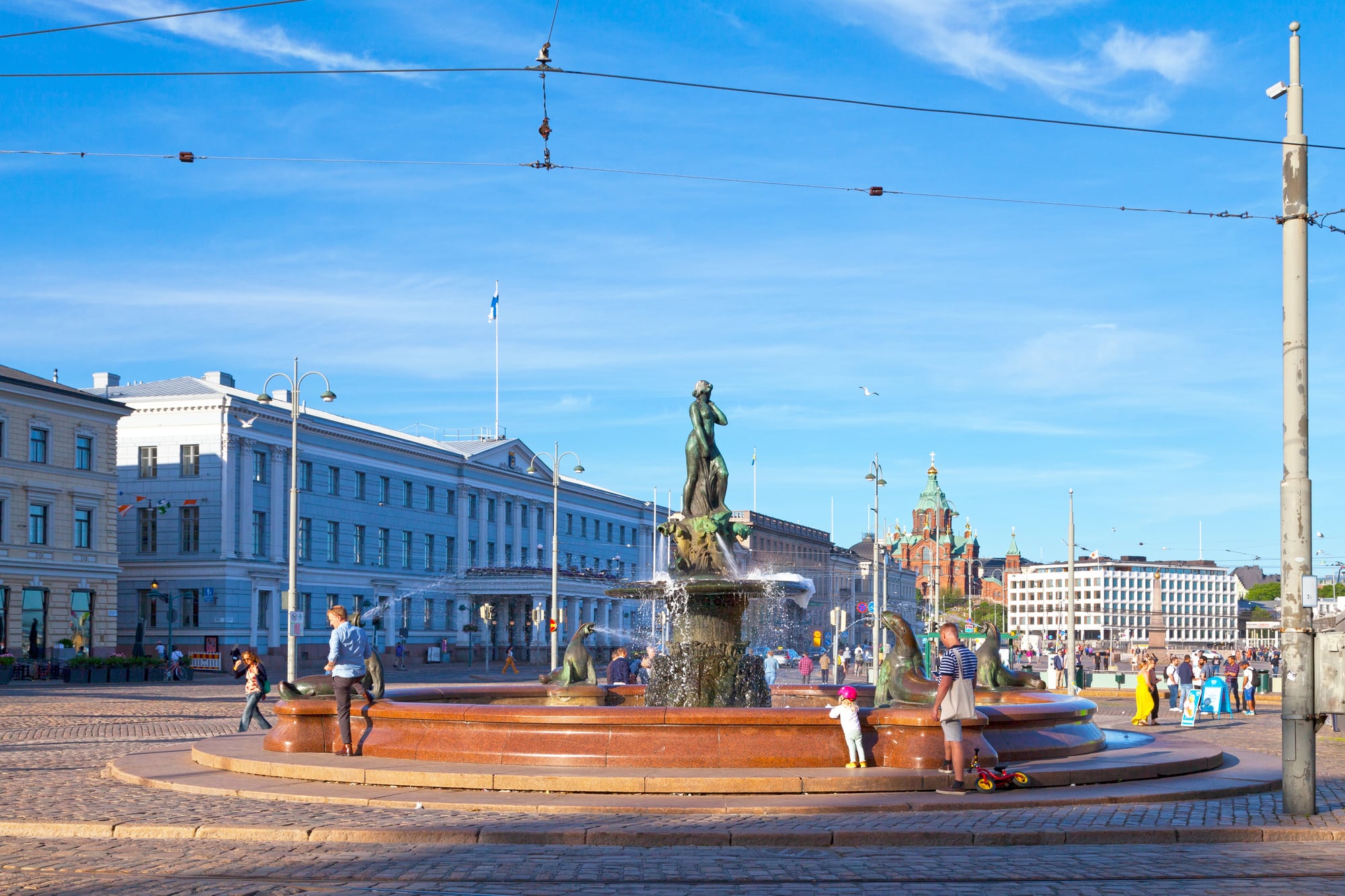
Finland stretches across 130,600 square miles with a population of 5.5 million.
The country’s GDP exceeds $300 billion, impressive considering the challenging climate.
Finland consistently ranks at the top of global education rankings, producing a highly literate, technologically sophisticated population.
This human capital drives a knowledge-based economy focused on technology and clean energy.
The country has become a leader in gaming, producing hit titles like Clash of Clans and Angry Birds.
Finland also excels in design, with brands enjoying international recognition.
Estonia
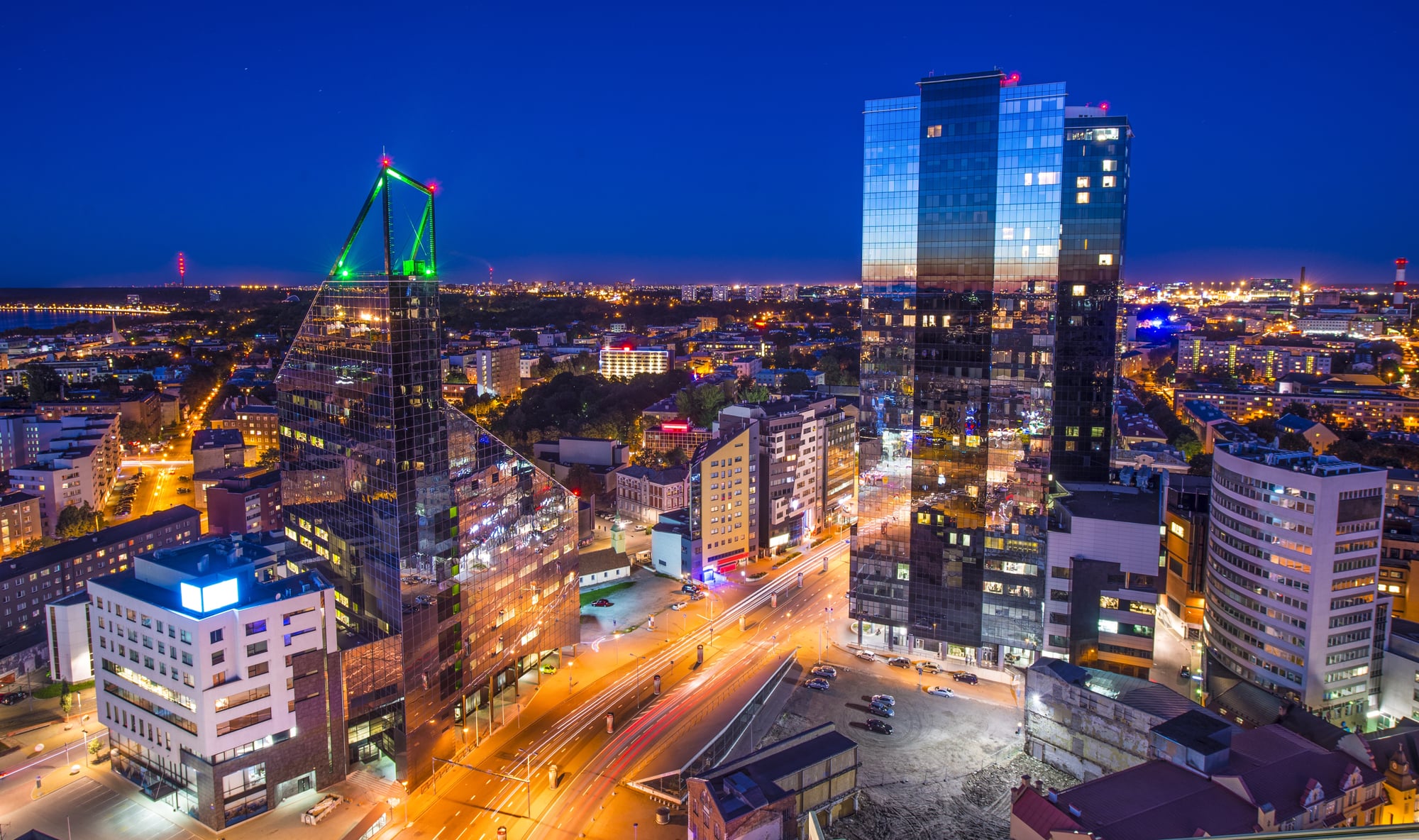
At just 17,500 square miles, Estonia has become one of the world’s most digitally advanced societies.
Estonia pioneered e-governance, allowing citizens to vote, file taxes, and start businesses online.
The country launched an e-Residency program enabling anyone worldwide to establish companies there.
This approach attracted tech companies and entrepreneurs, creating a startup ecosystem that produced Skype and Wise.
Estonia’s GDP per capita now exceeds $35,000 for a country of just 1.3 million people.
As a member of the EU and NATO, Estonia advocates for defending democratic values.
New Zealand
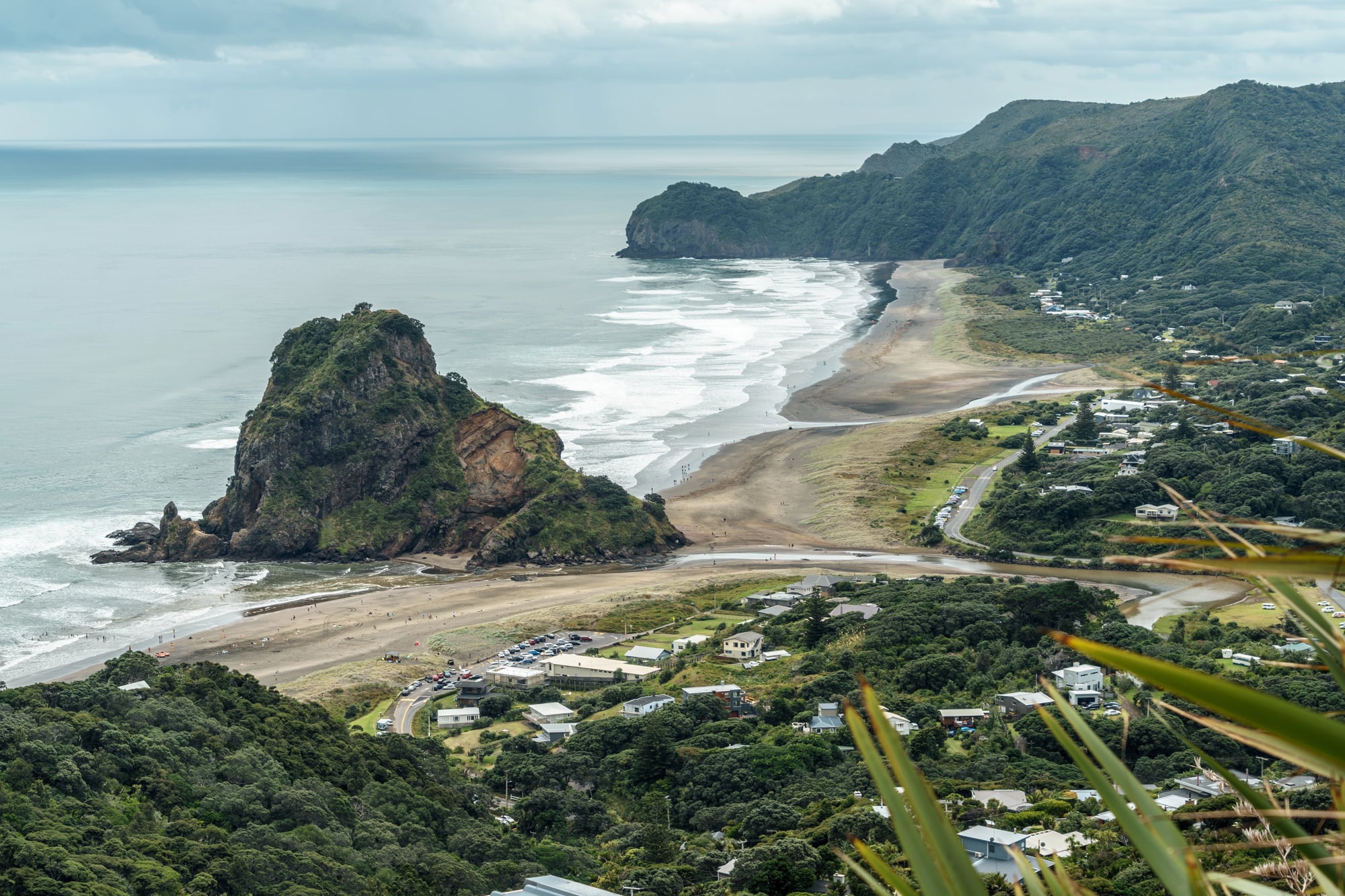
Isolated in the South Pacific and covering 103,500 square miles, New Zealand maintains influence through soft power and innovation.
The country’s population of five million enjoys one of the world’s highest qualities of life with an economy worth over $250 billion.
New Zealand built its wealth on agriculture, exporting lamb, dairy, and wool globally.
Modern diversification has added tourism, technology, and film production—Peter Jackson’s Lord of the Rings trilogy established New Zealand as a filmmaking destination.
The country consistently ranks high in transparency and ease of doing business.
Iceland
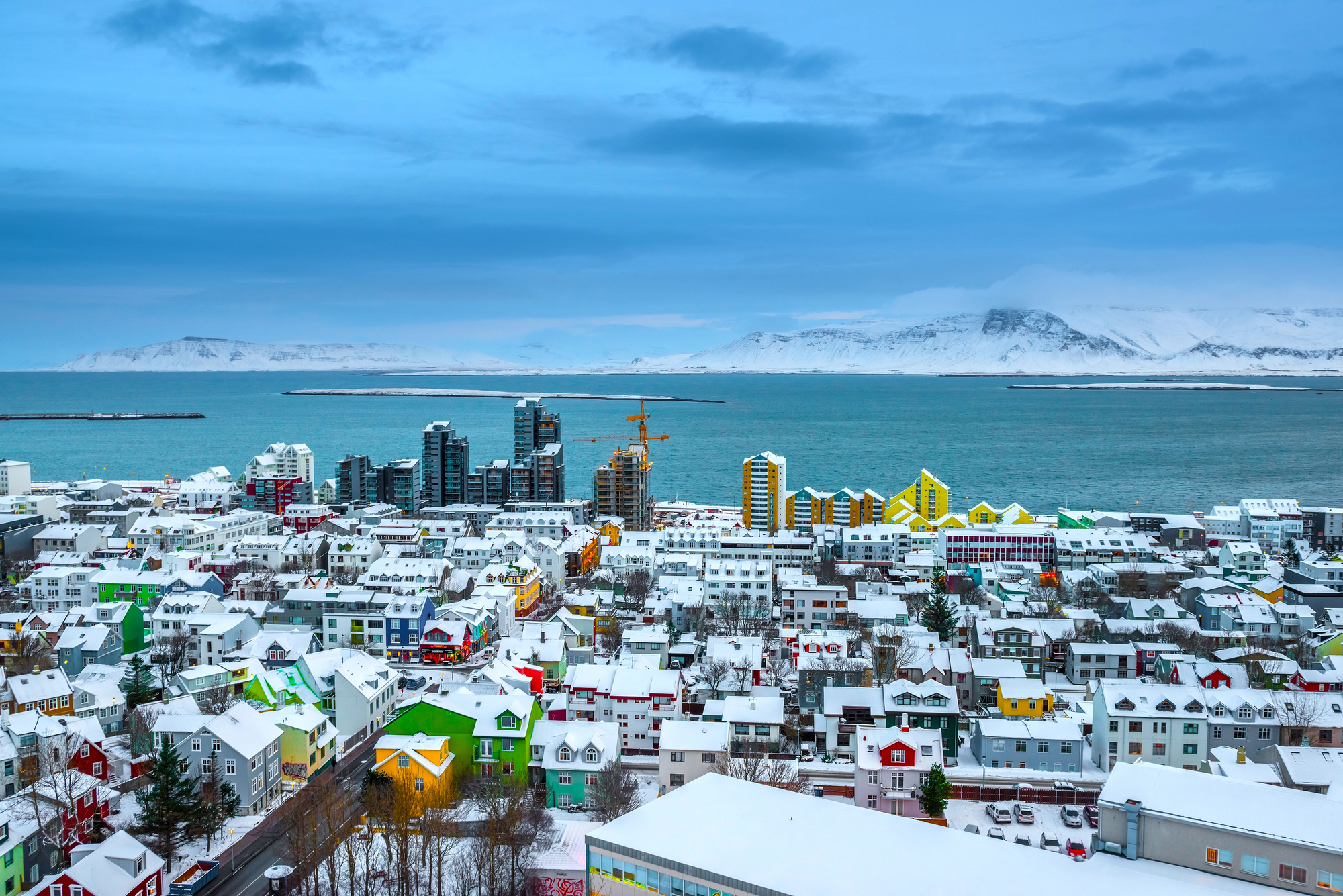
Iceland, which has a population of just over 370,000, has strategically positioned itself to become a diplomatic powerhouse.
In 1986, Iceland, a neutral location between superpowers, hosted the historic Reagan-Gorbachev summit negotiations.
The nation takes advantage of its location between Europe and North America.
Iceland recovered through tourism, fisheries, and renewable energy after its banking industry failed in 2008.
Iceland is a leader in clean energy since almost all of its electricity comes from geothermal and hydroelectric sources.
Iceland has influence well beyond its small population because of its support for democratic principles and climate change.
The New Rules of Power
In a world where capital, connectivity, and specialized knowledge are becoming more and more important, the conventional indicators of national strength—territory, population, and military size—are becoming less significant.
These fifteen countries demonstrate that human capital development, strategic positioning, and astute policy can overcome sheer size.
Small nations have learned how to protect their interests and make their voices heard, whether through diplomatic skill, technological innovation, or financial engineering.
Expect these agile countries to continue to outperform their peers as global issues like economic disruption, cybersecurity, and climate change change the nature of international relations.
Being small could be the ultimate strategic advantage in a time when agility frequently triumphs over brute force.
More from Go2Tutors!

- The Romanov Crown Jewels and Their Tragic Fate
- 13 Historical Mysteries That Science Still Can’t Solve
- Famous Hoaxes That Fooled the World for Years
- 15 Child Stars with Tragic Adult Lives
- 16 Famous Jewelry Pieces in History
Like Go2Tutors’s content? Follow us on MSN.