32 Explorers Whose Accounts Were Later Proven Wrong
Exploration has always relied on trust: someone travels somewhere difficult to reach, comes back, and tells everyone else what was there. For most of history, there was no practical way to check that account against reality.
Sometimes the traveler was mistaken. Sometimes they exaggerated.
Sometimes they were telling the truth about something everyone else had wrongly dismissed as fantasy. What follows are cases where later evidence, whether archaeological, scientific, or simply a second expedition, either overturned or dramatically complicated what an original explorer reported.
Marco Polo

Marco Polo’s account of his travels through Asia and years spent in the court of Kublai Khan became one of the most influential travel narratives in European history. Later historians have questioned specific claims in the text, noting his failure to mention distinctive features like the Great Wall, foot binding, or tea drinking, details that seem surprising for someone claiming extensive firsthand experience in China.
While mainstream scholarship still generally accepts that Polo did travel extensively in Asia, many specific details are now understood as likely embellished, secondhand, or borrowed from other travelers’ accounts. The gap between his reputation as a firsthand witness and the more compiled nature of his actual text has reshaped how historians read the work.
Sir John Mandeville

Photo by Thomas Quine, via Flickr. Licensed under CC BY 4.0
The medieval travel narrative attributed to Sir John Mandeville described fantastic lands, monstrous creatures, and detailed firsthand encounters across Asia and the Middle East, and it circulated widely for centuries as a genuine account. Later scholarship established that the text was almost entirely compiled from other existing travel writings, geography texts, and legends, rather than reflecting any actual journey by its supposed author.
Researchers have also failed to find any solid historical evidence that a real “Sir John Mandeville” matching the narrator’s description ever existed at all. The work is now studied as an early example of fabricated travel literature rather than genuine exploration reporting.
Christopher Columbus
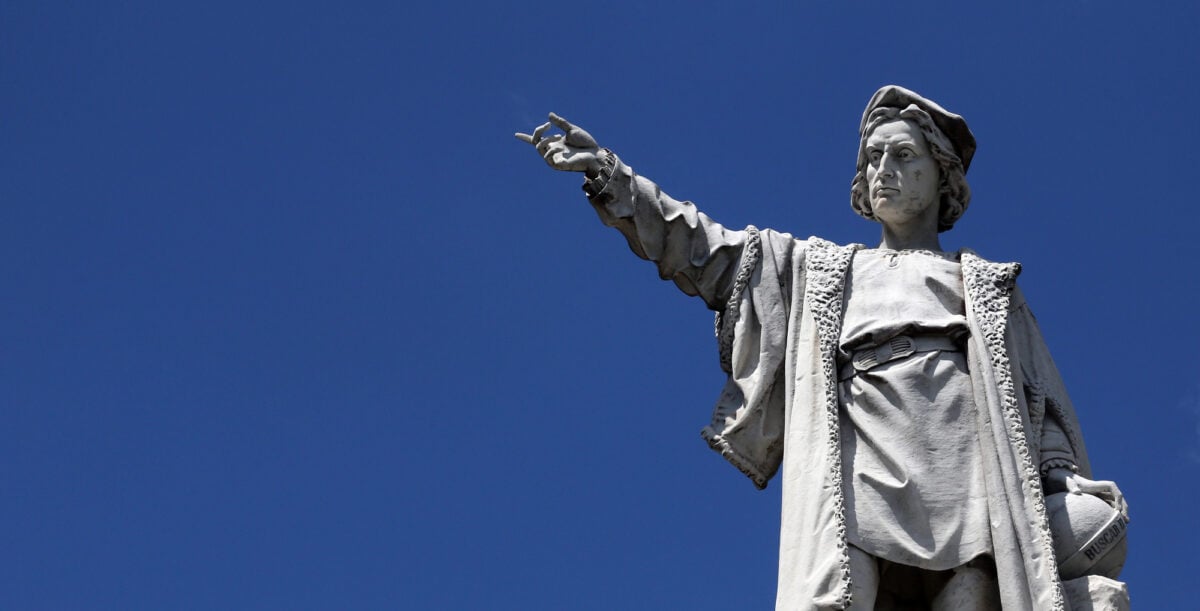
Christopher Columbus insisted throughout his life that the lands he encountered in 1492 and subsequent voyages were part of Asia, consistent with his original goal of reaching the Indies by sailing west. He died in 1506 still believing this, never accepting that he had encountered an entirely separate continental landmass unknown to Europeans.
Later explorers and cartographers, working from more extensive coastal surveys, gradually established that the Americas were distinct from Asia entirely. The correction came too late for Columbus himself, whose worldview never adjusted to the scale of what he had actually found.
Amerigo Vespucci
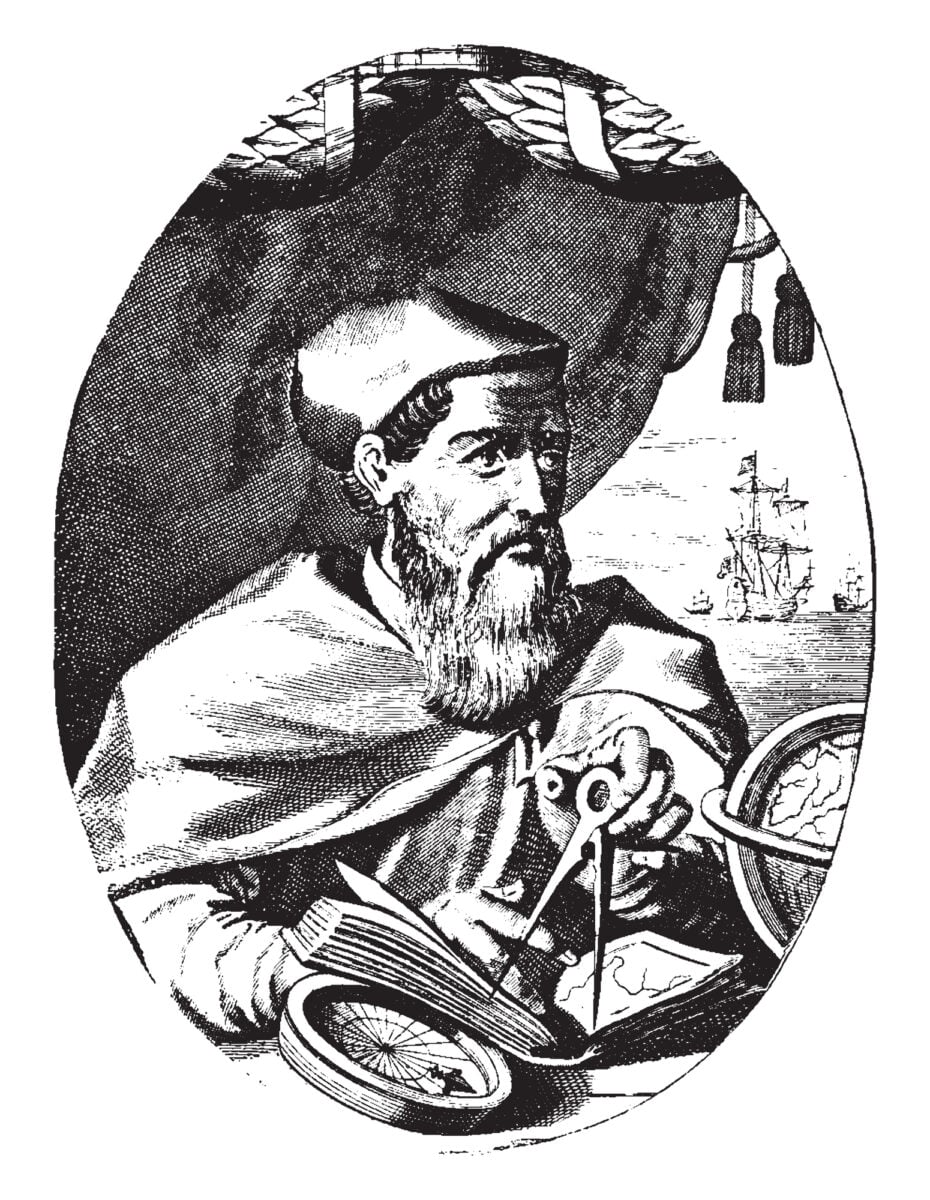
Amerigo Vespucci’s published letters describing multiple voyages to the New World were instrumental in convincing European mapmakers that a new continent, eventually named after him, had been discovered. Historians have since raised serious questions about the accuracy of dates and details in the letters, with some scholars arguing certain described voyages may not have happened as claimed or happened differently than presented.
The uncertainty has never been fully resolved, since much of the primary evidence relies on the same letters under dispute. Despite the controversy over his own account’s reliability, the name he gave the continent stuck permanently.
Zheng He and the 1421 Theory

Chinese admiral Zheng He led several genuinely enormous naval expeditions across the Indian Ocean and East Africa in the early fifteenth century, well documented in surviving Chinese records. In 2002, author Gavin Menzies published a popular book arguing Zheng He’s fleet had actually circumnavigated the globe and reached the Americas decades before Columbus, a claim that gained wide public attention.
Professional historians and maritime archaeologists have since thoroughly examined and rejected the theory, finding no credible physical or documentary evidence to support it. The genuine scale of Zheng He’s real voyages has, if anything, been somewhat overshadowed by the more sensational but unsupported claims made in his name.
Frederick Cook

American explorer Frederick Cook claimed to have reached the North Pole in April 1908, publicizing the achievement before rival explorer Robert Peary returned with his own competing claim. Cook’s supporting evidence, including navigational records and claims about a nearby mountain summit he said he had climbed, was scrutinized by a University of Copenhagen panel and found insufficient to support his account.
His reputation collapsed under the weight of the investigation, and most historians now consider his polar claim unproven at best. The controversy remains one of the most contested episodes in the history of polar exploration.
Robert Peary
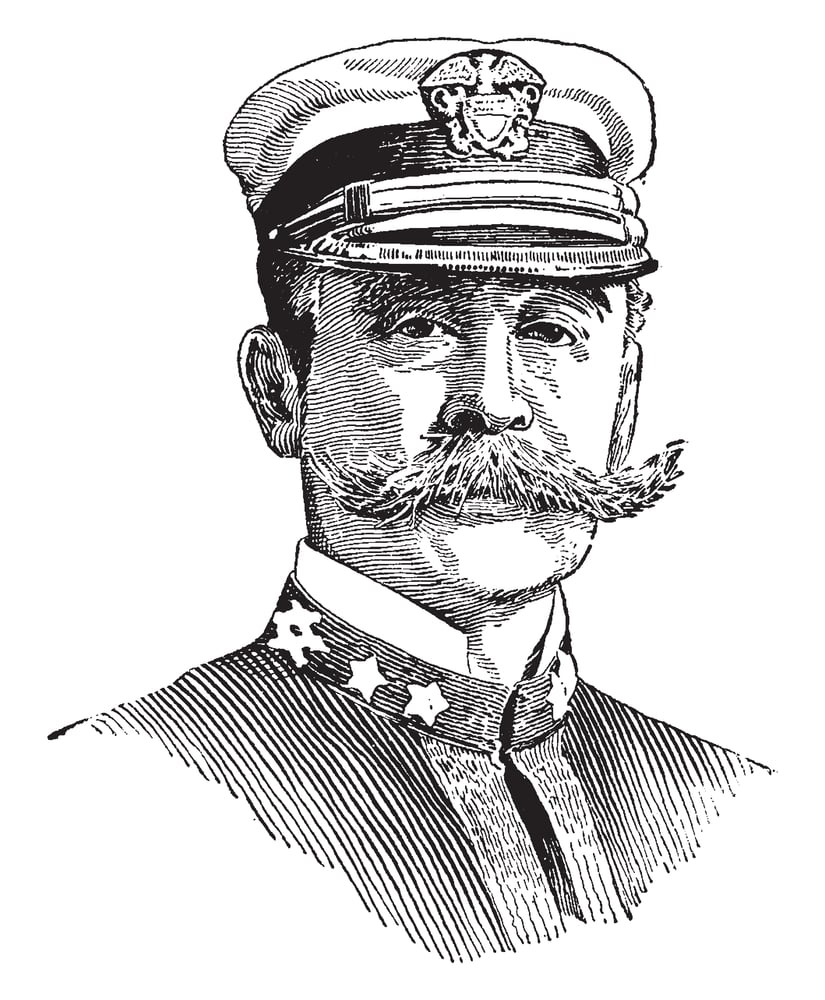
Robert Peary’s own competing claim to have reached the North Pole in 1909, made just after Cook’s disputed announcement, has itself faced significant scrutiny from later researchers examining his navigational records. Analysis of his diary entries and the improbable speed of his final push toward the pole has led some historians and navigation experts to conclude he likely fell short of the exact pole, even if he came remarkably close.
The National Geographic Society, which had backed his expedition, long defended the claim’s validity, complicating efforts at fully independent review. Both Cook’s and Peary’s claims remain unresolved enough that some polar historians credit neither man with a definitively verified first arrival at the pole.
Percy Fawcett

British explorer Percy Fawcett vanished in the Amazon rainforest in 1925 while searching for what he called the Lost City of Z, a supposedly advanced ancient civilization he believed existed deep in the Brazilian interior. No city matching his specific description was ever found, and his disappearance without a trace only added to decades of both serious and speculative expeditions searching for evidence of his claims.
Modern archaeology has since confirmed that sophisticated pre-Columbian settlements genuinely existed in parts of the Amazon that Fawcett explored, including complex earthworks discovered decades after his disappearance. The underlying idea that the Amazon held unexpectedly complex ancient societies proved partly correct, even though Fawcett’s specific lost city was never located.
The Legend of Prester John
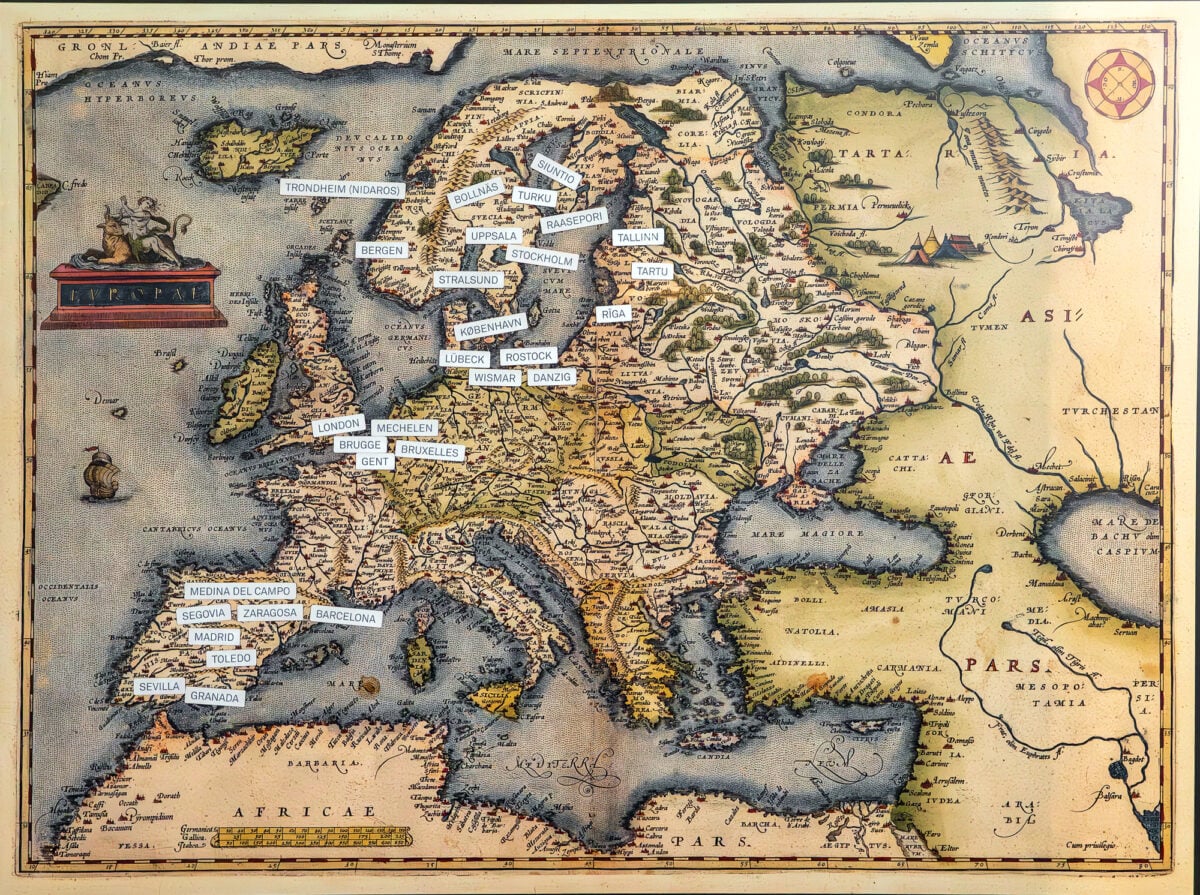
For centuries, European explorers and diplomats sought contact with Prester John, a legendary Christian king believed to rule a vast and powerful kingdom somewhere in Asia or later Africa, based on a widely circulated but unverified twelfth-century letter. Multiple expeditions were launched specifically to locate his kingdom, with some explorers even claiming to have found evidence of his existence in different regions decades apart.
No such kingdom or ruler was ever confirmed to exist, and historians now generally regard the entire legend as a fabrication, possibly inspired by garbled reports of real but unrelated Christian communities in Asia and Africa. The persistent search for a nonexistent king shaped several genuine expeditions and diplomatic missions for hundreds of years.
Ponce de León and the Fountain of Youth

Spanish explorer Juan Ponce de León is popularly remembered as having searched for a mythical fountain of youth during his 1513 expedition that led to the European discovery of Florida. Historians examining his actual written records and royal charters have found no contemporary evidence that he was searching for any such fountain at all.
The fountain of youth association appears to have been added to his story by later writers, well after his death, and only became firmly attached to his legend over subsequent centuries. The popular version of his motivation is now understood as a later embellishment rather than anything Ponce de León himself claimed.
Henry Morton Stanley
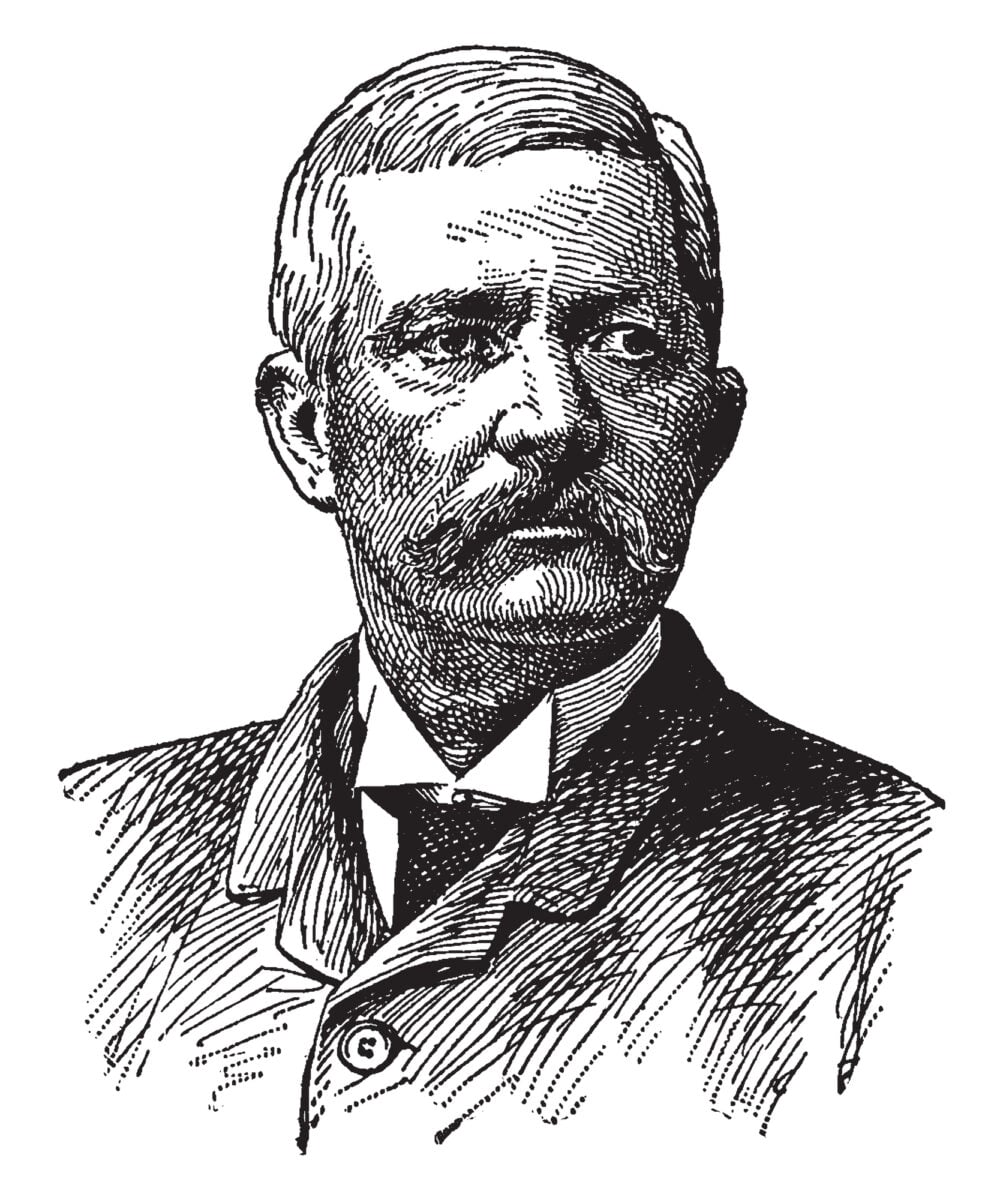
Journalist and explorer Henry Morton Stanley became famous for his African expeditions, including his celebrated meeting with missionary David Livingstone, memorialized in the phrase “Dr. Livingstone, I presume.” Later historians examining Stanley’s personal diaries alongside his published memoirs found significant discrepancies, with Stanley frequently embellishing his own heroism and downplaying the brutal treatment of expedition members under his command.
His public account of events often differed substantially from what his private, contemporaneous notes actually recorded. The gap between his curated public image and the documented reality of his expeditions has significantly damaged his historical reputation.
David Livingstone’s Nile Theory
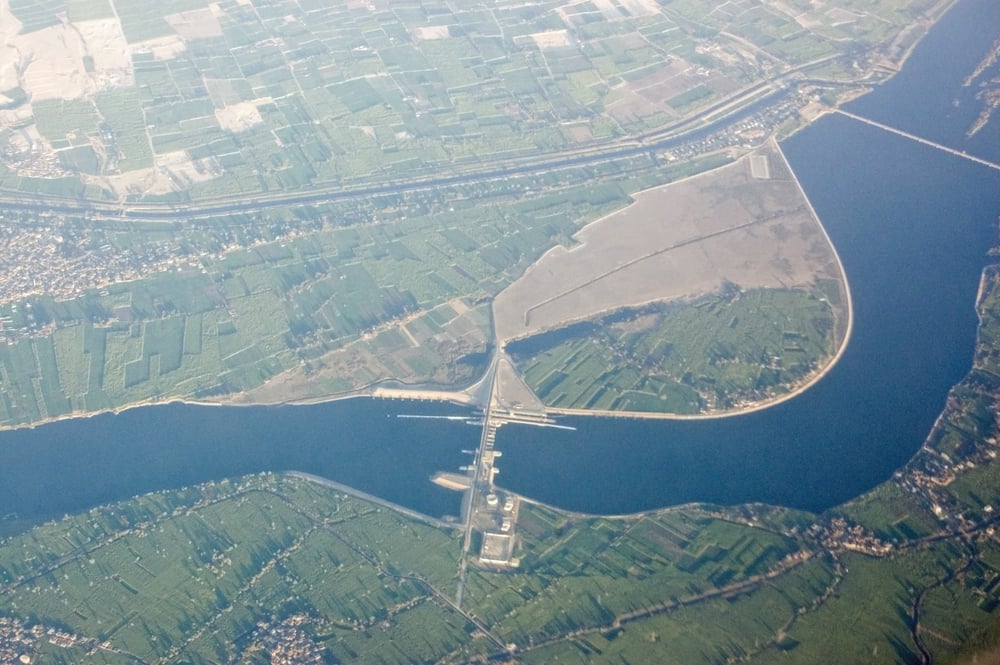
Missionary and explorer David Livingstone spent years in central Africa convinced that the Lualaba River he had traced represented the true source of the Nile, a claim that would have overturned existing geographic understanding of the river’s origins. Later expeditions, including work by Henry Morton Stanley, established that the Lualaba actually fed into the Congo River system rather than the Nile at all.
Livingstone died in 1873 still believing he was on the correct track toward solving one of geography’s great remaining mysteries. His genuine and extensive exploration of the region proved immensely valuable to later mapmakers, even though his central theory about the Nile’s source was ultimately incorrect.
John Franklin’s Doomed Expedition
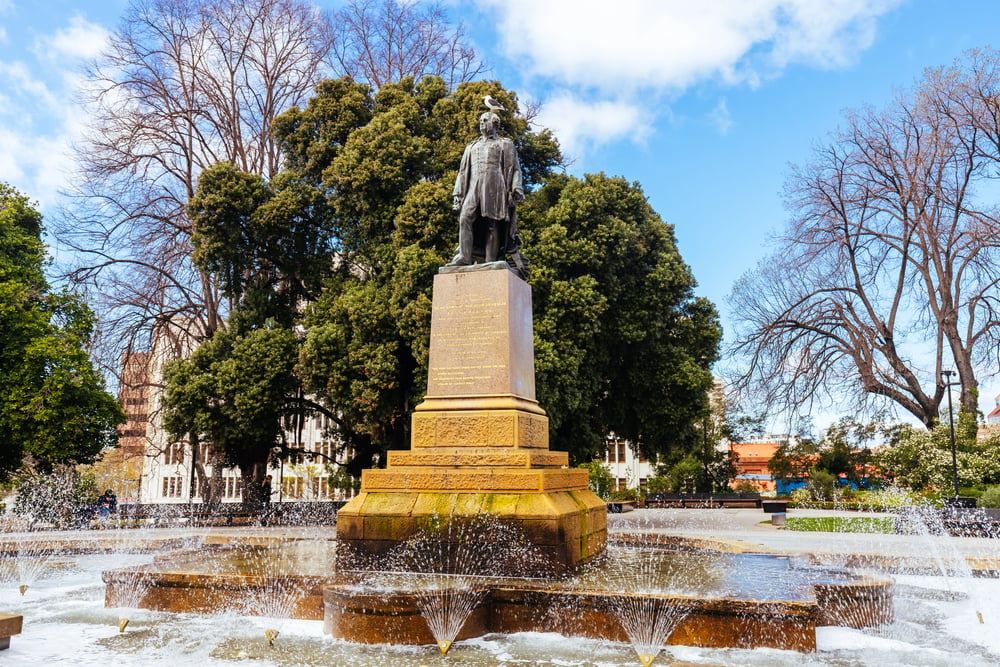
Sir John Franklin’s 1845 expedition to chart the Northwest Passage disappeared entirely, and Inuit testimony gathered by later search parties described evidence suggesting the expedition’s desperate survivors had resorted to cannibalism before dying. Victorian British society, including figures like author Charles Dickens, publicly dismissed these accounts as slanderous and implausible, refusing to believe British naval officers capable of such an act.
Forensic analysis of recovered bones in the twentieth century revealed cut marks consistent with the Inuit accounts, and the eventual discovery of the wrecked ships HMS Erebus and HMS Terror in 2014 and 2016 further validated details of the Inuit oral history. The vindication came more than a century and a half after British authorities had originally rejected the testimony as impossible.
The Piri Reis Map
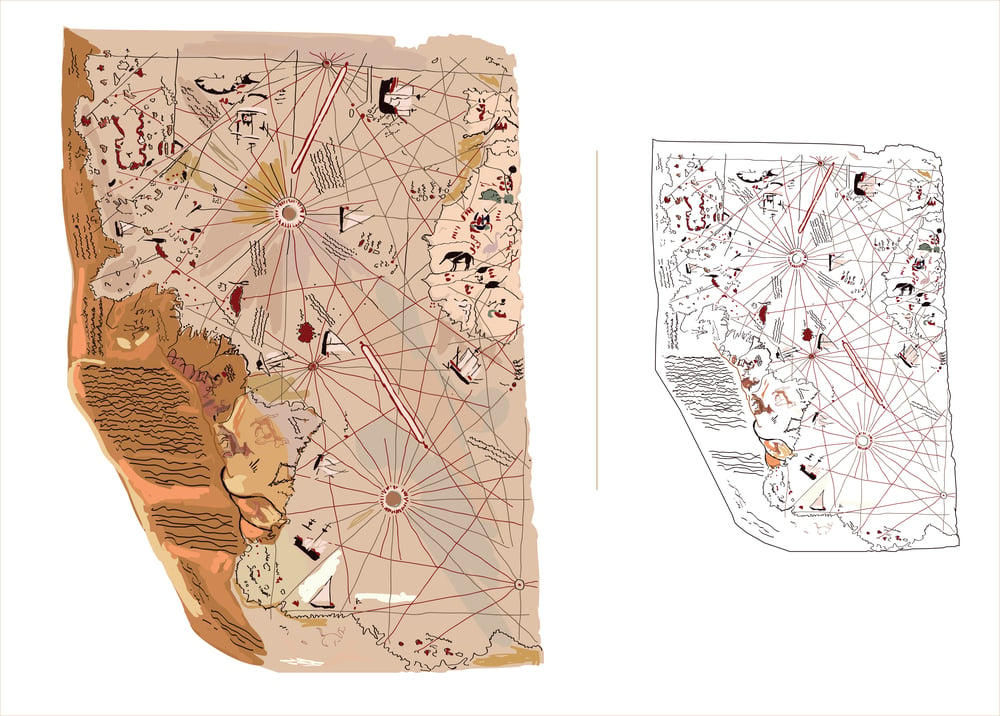
Ottoman admiral Piri Reis compiled a world map in 1513 that some later writers have controversially claimed shows an accurate, ice-free depiction of Antarctica’s coastline, centuries before the continent was officially discovered. Mainstream cartographic historians attribute the map’s disputed southern landmass to a misinterpreted or imaginative extension of South America’s coast, rather than genuine knowledge of Antarctica.
The map has nonetheless become a staple of alternative history theories proposing contact with an advanced lost civilization. Academic consensus firmly rejects that interpretation, viewing the map as a genuinely impressive but conventional product of its era’s cartographic knowledge and guesswork.
Giovanni da Verrazzano
Italian explorer Giovanni da Verrazzano reported in 1524 that he had sighted the Pacific Ocean while sailing along what is now the coast of North Carolina, having mistaken the Pamlico Sound for a narrow strip of land separating the Atlantic from Asia’s ocean. His account introduced what became known as the “Sea of Verrazzano” onto European maps, a supposed narrow isthmus that persisted in cartography for decades.
Subsequent, more thorough coastal exploration eventually established that no such passage existed and that the American landmass was far wider than Verrazzano’s report suggested. The persistent map error illustrates how a single mistaken sighting could shape geographic assumptions for a generation.
Martin Frobisher’s Gold
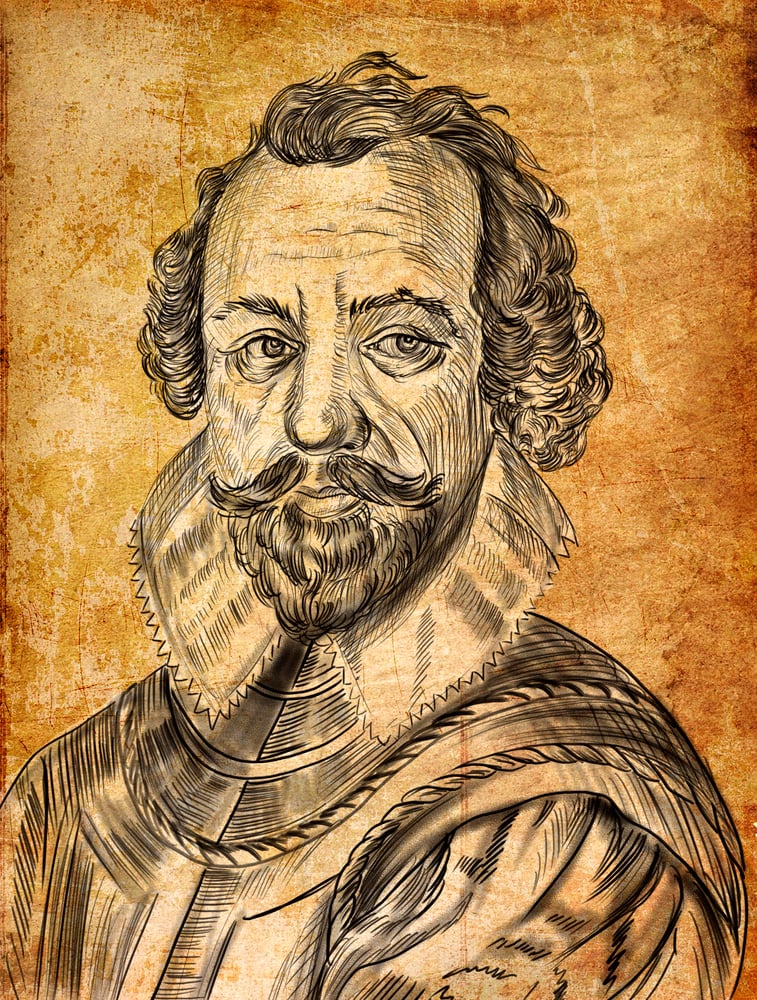
English explorer Martin Frobisher returned from Arctic expeditions in the 1570s with hundreds of tons of ore he and his backers believed contained significant gold deposits, sparking a wave of investment and excitement in England. Assayers in England eventually determined the ore was worthless iron pyrite, commonly known as fool’s gold, rather than any valuable mineral.
The financial losses from the venture were substantial, and Frobisher’s reputation as a discoverer of new wealth collapsed almost as quickly as it had been built. The episode remains a frequently cited early example of exploration-driven financial speculation going badly wrong.
Henry Hudson’s Passage Theory
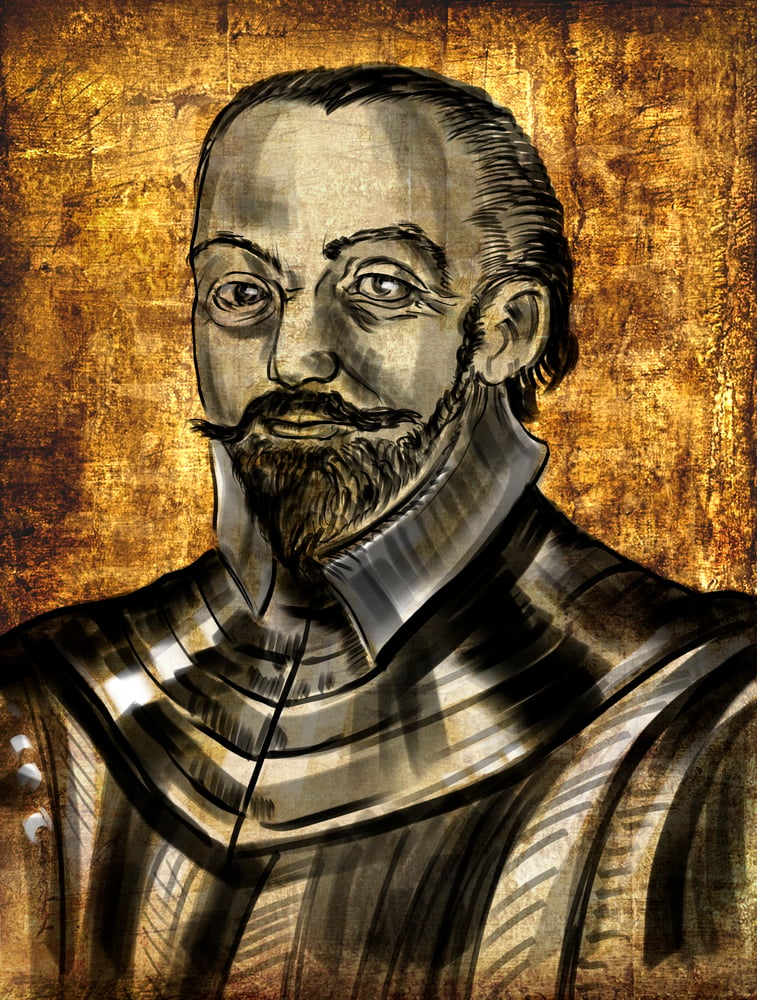
English explorer Henry Hudson believed the river that now bears his name might provide a Northwest Passage connecting the Atlantic to Asia, a theory he pursued during his 1609 voyage. Further exploration up the river quickly established that it did not lead to any such passage, ending that particular route as a candidate.
Hudson continued searching for a passage on subsequent voyages, eventually being set adrift by a mutinous crew in the Canadian bay that also bears his name, and was never seen again. His mistaken initial theory about the river nonetheless led directly to Dutch colonial claims in the region that would eventually become New York.
John Ross and the Croker Mountains
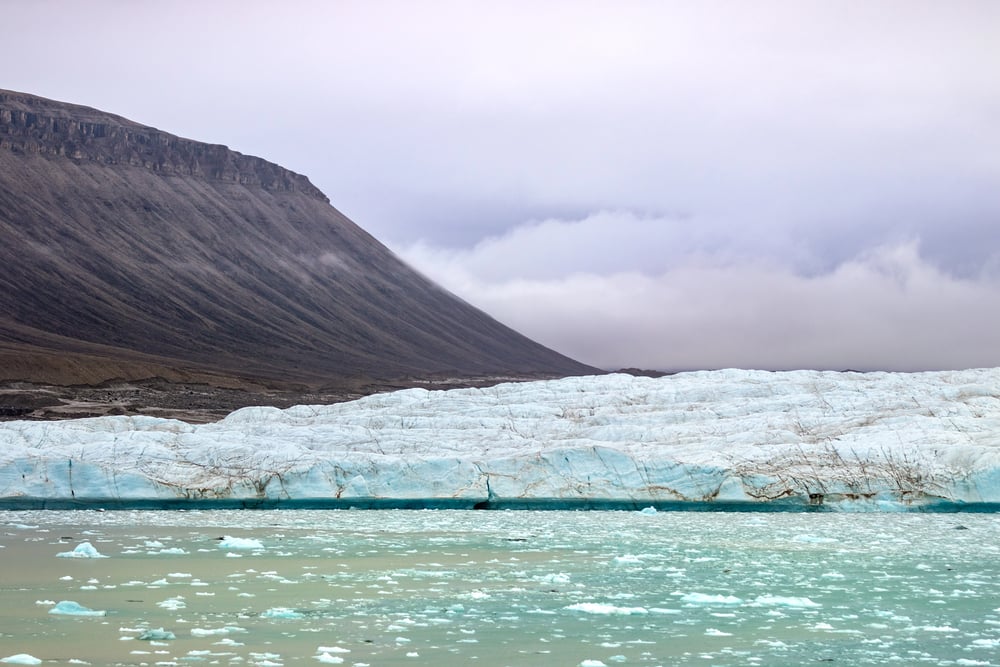
British naval officer John Ross led an 1818 expedition searching for the Northwest Passage and reported sighting a mountain range, which he named the Croker Mountains, blocking further progress through Lancaster Sound. A follow-up expedition led by William Edward Parry the very next year sailed directly through the area Ross had described and found open water with no mountains present at all.
Ross’s reputation suffered significantly from the apparent error, widely attributed to a mirage or optical illusion common in Arctic lighting conditions. The mistake delayed serious exploration of a genuinely important passage route by at least a year and became a cautionary tale about the reliability of single-witness Arctic sightings.
Robert de La Salle
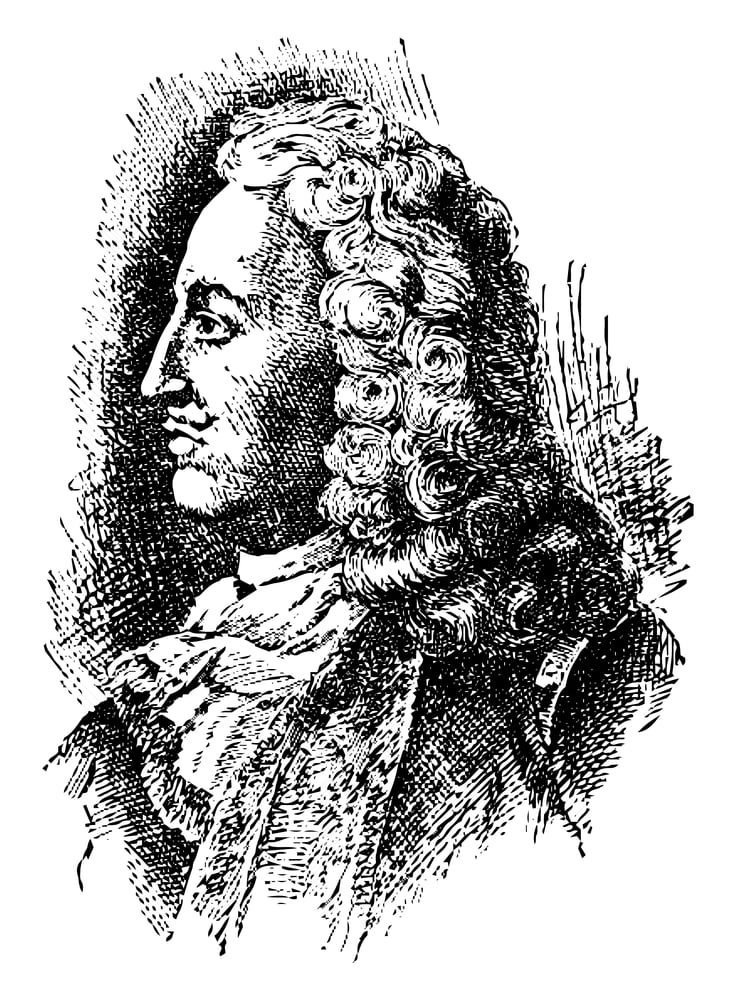
French explorer Robert de La Salle attempted to establish a colony near the mouth of the Mississippi River in 1684, but navigational errors led his expedition to land several hundred miles off course along the coast of present-day Texas instead. La Salle spent years searching for the actual Mississippi River delta, unable to correct his position, while his colony suffered from disease, conflict, and dwindling supplies.
He was eventually killed by his own mutinous men in 1687 without ever locating his intended destination. Later, far more accurate mapping of the Gulf Coast made clear just how significant his original navigational miscalculation had been.
Francisco de Orellana and the Amazons
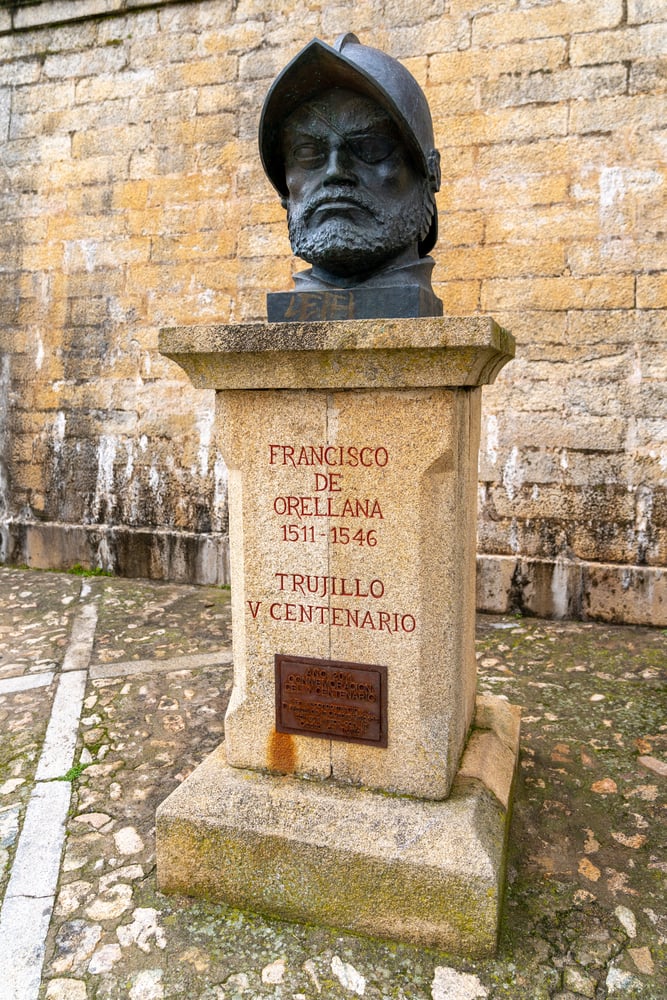
Spanish explorer Francisco de Orellana named the Amazon River in 1542 after reportedly encountering a tribe of fierce warrior women during his expedition, a detail drawn from Greek mythology’s Amazons that many later scholars long dismissed as pure invention or exaggeration. For centuries, mainstream historians treated the claim as fanciful embellishment with no factual basis.
More recent archaeological and ethnohistorical research has complicated that dismissal, identifying evidence of Indigenous Amazonian societies in which women held prominent military or leadership roles in certain contexts. The story has moved from confidently dismissed myth to a more genuinely unresolved historical question.
John Cabot
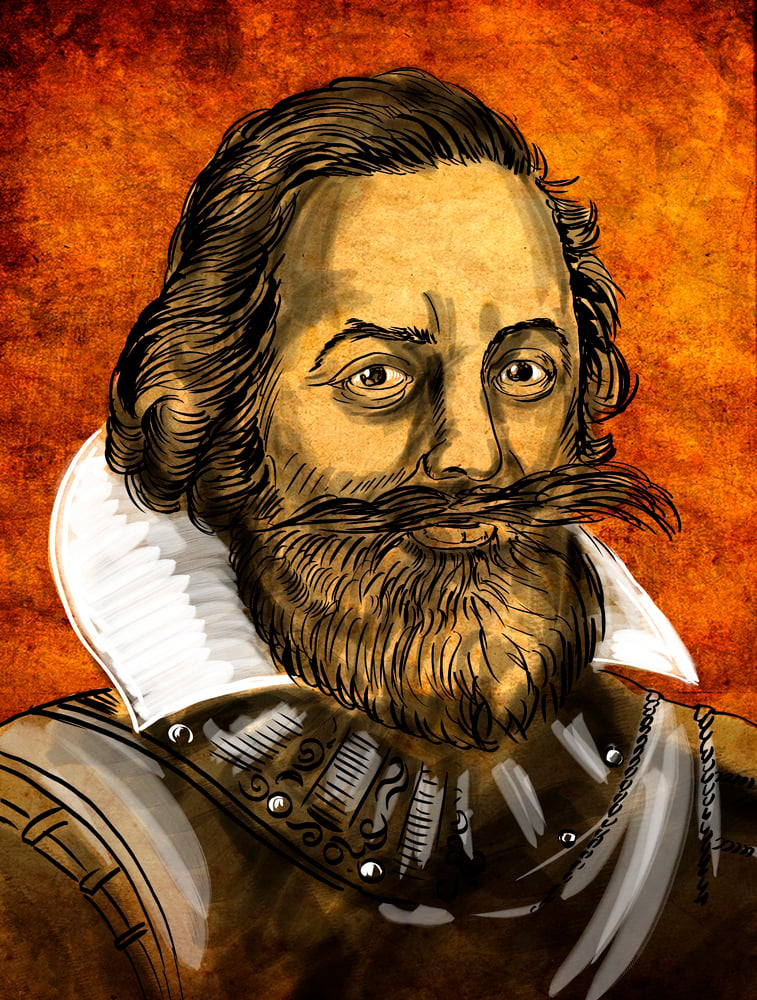
Italian explorer John Cabot, sailing under an English commission in 1497, believed he had reached the northeastern coast of Asia when he landed on what was almost certainly the coast of Newfoundland or nearby Canadian territory. He returned to England confident he had found a new route to the riches of Asia, a claim that later, more extensive exploration definitively disproved.
Cabot’s actual landing site remains debated among historians due to the sparse surviving records of his voyage. His mistaken belief about reaching Asia nonetheless became the basis for England’s later territorial claims in North America.
Louis de Bougainville’s Tahiti

French explorer Louis de Bougainville’s widely read account of Tahiti, published after his 1768 visit, described an idyllic society that closely matched Enlightenment-era European fantasies about a natural, uncorrupted paradise. Later anthropological and historical scholarship has significantly revised this picture, documenting a considerably more complex and hierarchical Tahitian society with its own systems of rank, warfare, and political structure that Bougainville’s brief visit had not captured.
His account said more about European philosophical preoccupations of the era than about the actual society he encountered. The revision has become a standard case study in how explorers’ accounts often reflect the observer’s own cultural assumptions as much as observed reality.
James Bruce and the Source of the Blue Nile
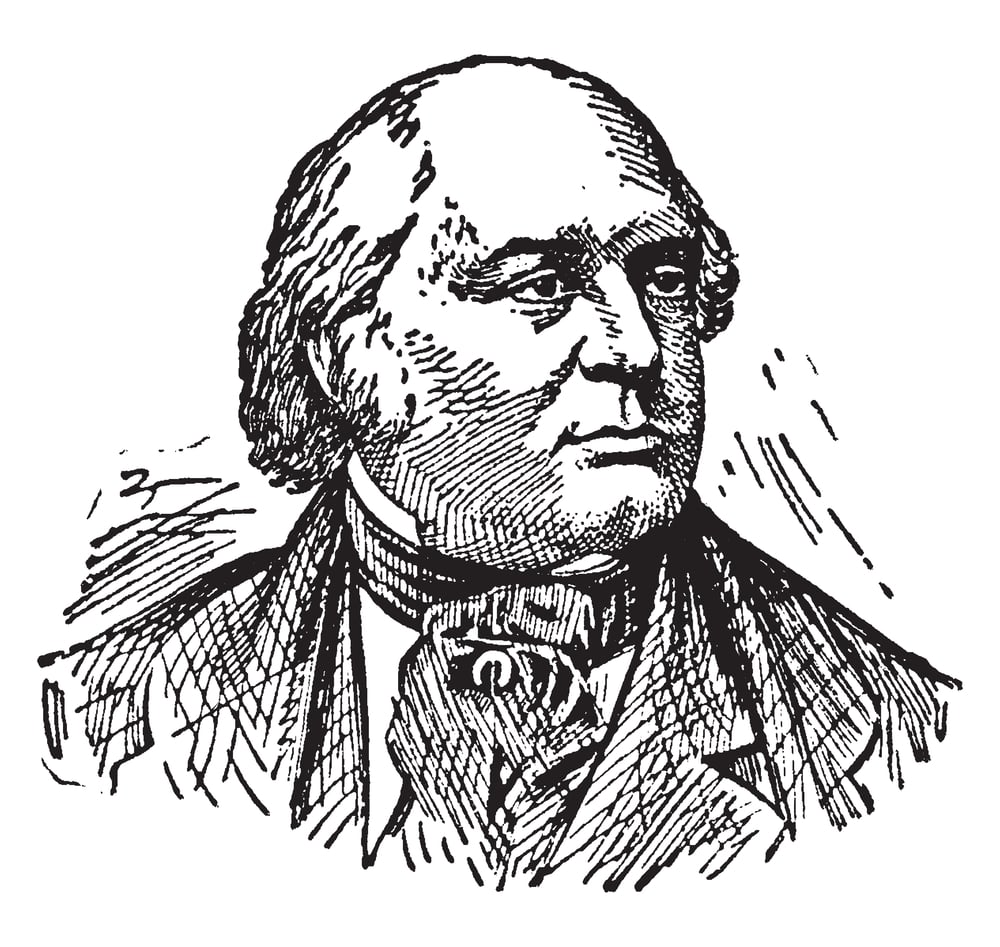
Scottish explorer James Bruce claimed credit for discovering the source of the Blue Nile following his expedition to Ethiopia in 1770, presenting the achievement as a major geographic breakthrough upon his return to Europe. Later historical research established that Portuguese Jesuit missionary Pedro Páez had already reached and documented the same source over a century earlier, in 1618, a fact apparently unknown or ignored by Bruce and much of the European public at the time.
Bruce’s detailed description of the Blue Nile itself proved largely accurate, but his specific claim to have been first was demonstrably false. The episode illustrates how European exploration narratives frequently erased earlier, non-British or non-Protestant claims to the same discoveries.
Juan de Fuca
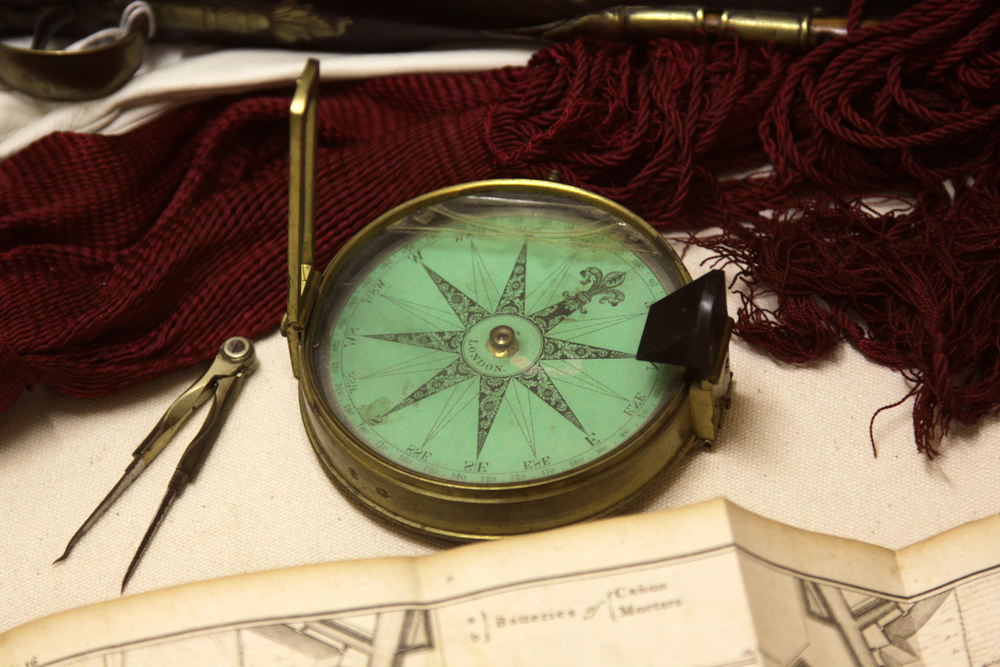
A Greek navigator sailing under the Spanish name Juan de Fuca claimed in the 1590s to have discovered a strait linking the Pacific and Atlantic oceans along the northwest coast of North America, a report that reached Europe only secondhand through an English merchant’s account decades later. No corroborating documentation from Spanish records has ever been found to confirm the voyage took place as described.
A real strait matching the general location does exist and now bears his name, but modern historians remain divided on whether de Fuca actually made the voyage he was credited with or whether the account was fabricated or wildly exaggerated. The strait’s real existence has ironically lent his contested account more credibility than the surviving evidence strictly supports.
Baron von Münchhausen
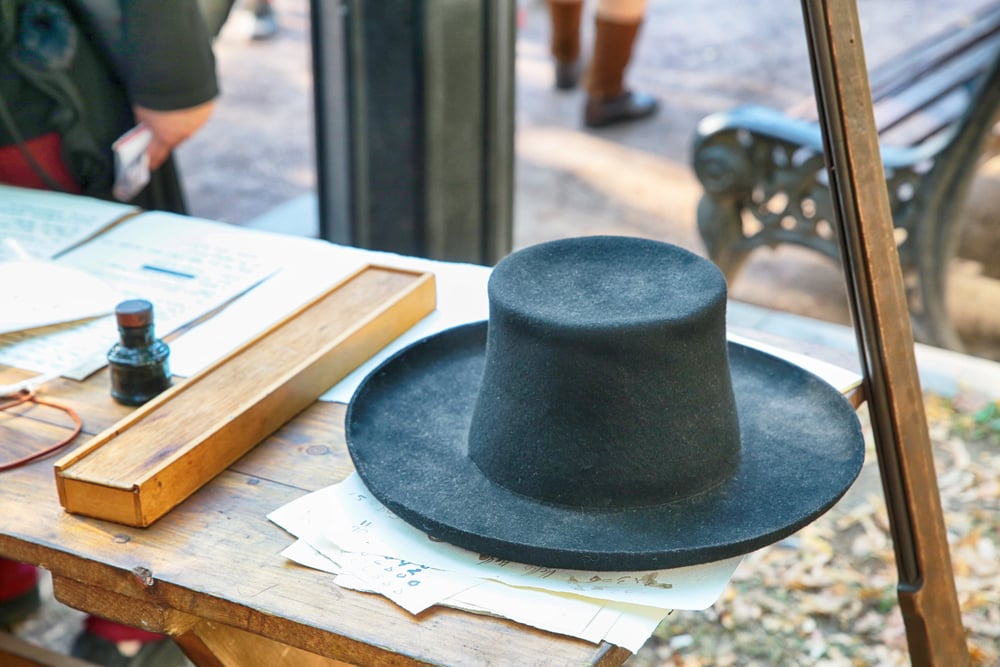
The real Hieronymus von Münchhausen was a German nobleman who told exaggerated stories of his military service and travels to entertain guests at social gatherings, stories that were later published without his consent and expanded into wildly fantastical tall tales. The published version, transformed into a work of fiction featuring impossible feats like flying through the air astride an artillery projectile, bore little resemblance to anything the real baron had actually experienced or claimed.
Münchhausen reportedly found the popularized fictional version of his stories deeply embarrassing and tried unsuccessfully to distance himself from the association during his lifetime. His name nonetheless became a permanent shorthand for any tall tale told by a supposed eyewitness.
Samuel de Champlain and Lake Champlain’s Monster
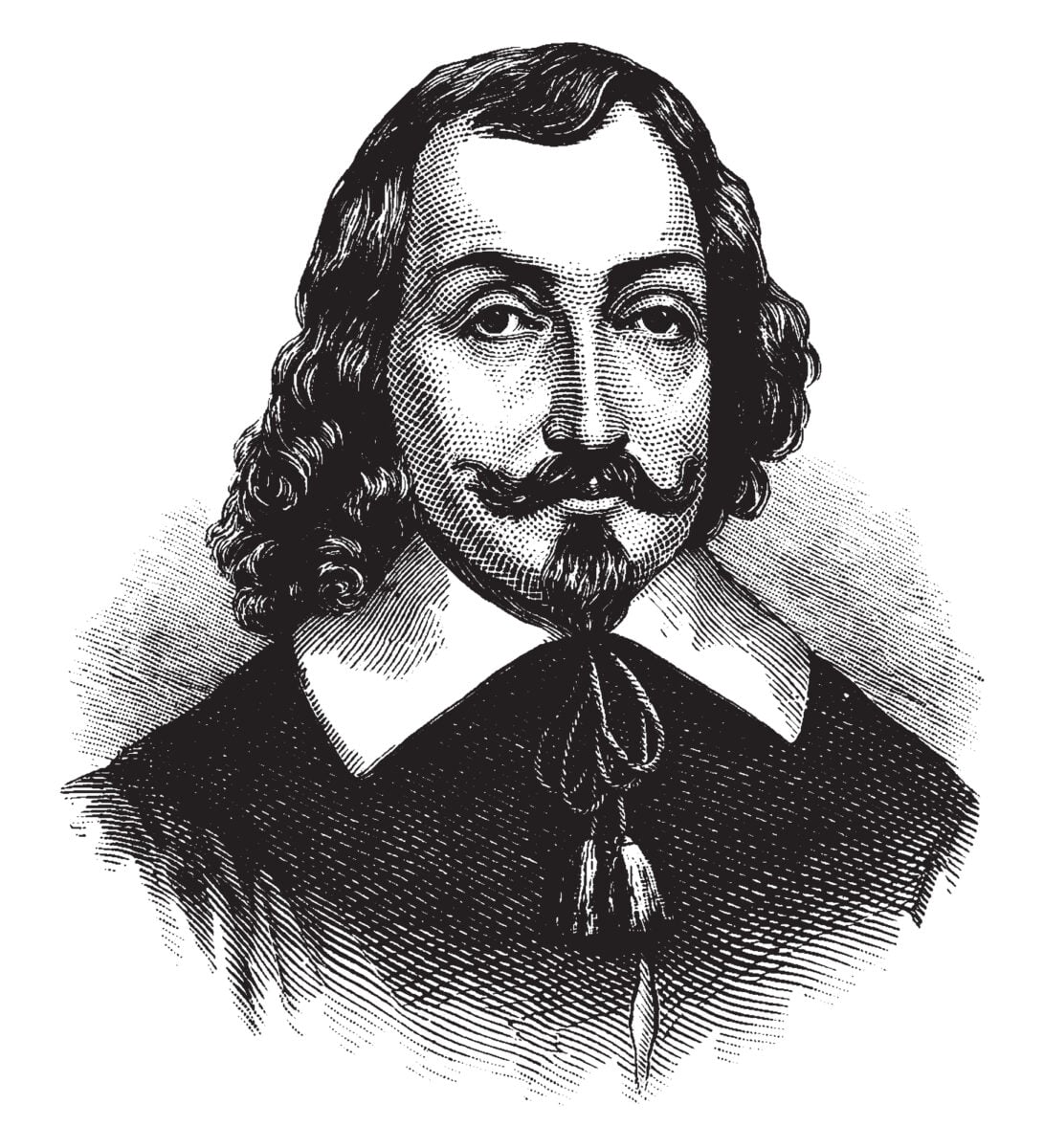
French explorer Samuel de Champlain reportedly described an unusual large aquatic creature while surveying the lake that would later bear his name in 1609, an account that has since become tied to persistent regional legends about a lake monster nicknamed “Champ.” Later analysis of his actual written descriptions suggests he was likely describing an unusually large but entirely ordinary fish, possibly a gar, rather than any unknown creature.
The legend nonetheless grew over subsequent centuries into a distinct regional folklore tradition independent of what Champlain’s original account actually supported. Modern wildlife biologists find no credible evidence for any unidentified large creature inhabiting the lake.
The Vinland Sagas

Medieval Norse sagas describing a westward voyage to a fertile land called Vinland were treated by most historians for centuries as folklore with little basis in actual historical geography. Proposed locations for Vinland varied wildly among scholars, with some placing it as far south as present-day New England or even further along the Atlantic coast. The 1960s excavation of a genuine Norse settlement at L’Anse aux Meadows in Newfoundland established a specific, physically confirmed location for at least one Norse outpost in North America, correcting decades of speculative guesswork about where the sagas’ descriptions actually corresponded to real geography.
The sagas turned out to reflect real events, just not necessarily in the specific location most historians had long assumed.
Sir Walter Raleigh and El Dorado
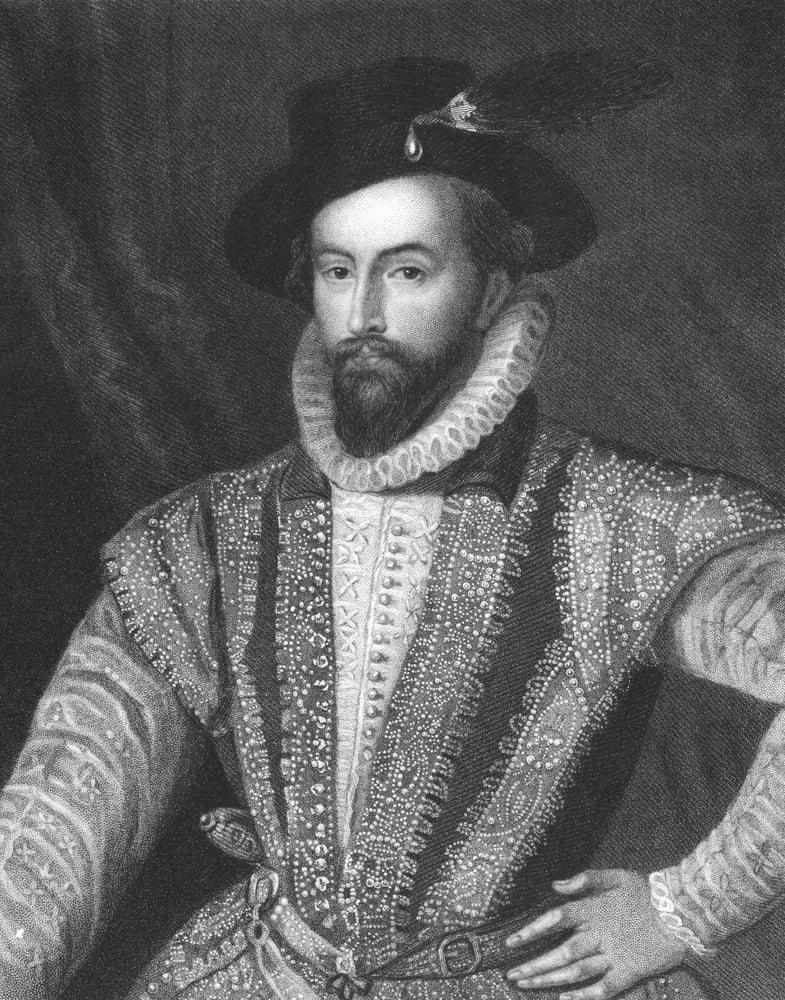
English explorer Sir Walter Raleigh led expeditions into South America searching for El Dorado, a legendary city of gold he believed existed somewhere in the interior, publishing an account of his 1595 journey that helped popularize the legend across Europe. No golden city matching his description was ever found, despite numerous subsequent expeditions by various European powers over the following centuries.
Modern archaeology has identified the likely origin of the legend in genuine gold-offering rituals practiced by the Muisca people at Lake Guatavita in present-day Colombia, a real cultural practice that European explorers badly misinterpreted and exaggerated into a mythical city. Raleigh’s specific claims about a hidden golden empire were never vindicated, even as the underlying cultural practice that inspired them turned out to be real.
Magellan’s Expedition and Patagonian Giants
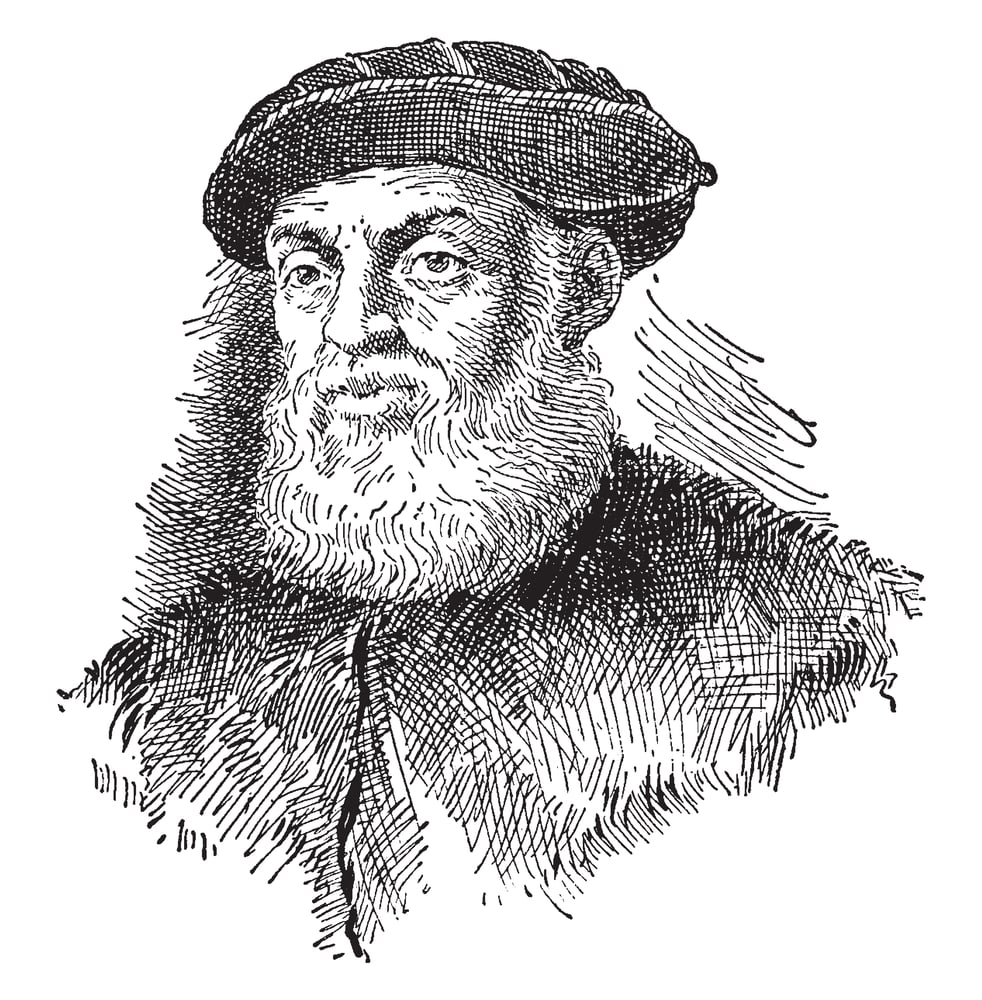
Survivors of Ferdinand Magellan’s circumnavigation expedition reported encountering giants in Patagonia during their 1520 voyage, describing local Indigenous people as being far taller than any European, with some later accounts inflating the claimed height to ten feet or more. The actual Tehuelche people of the region were indeed notably tall by contemporary European standards, but scientific measurement by later expeditions established nothing close to the extreme heights described in the original sailors’ reports.
The exaggerated giant legend nonetheless persisted on European maps and in popular accounts for over two centuries. The gap between the genuine, more modest height difference and the wildly inflated legend illustrates how quickly exploration reports could snowball into outright fantasy.
Ophir and the Search for Biblical Gold
Various European explorers across different centuries claimed to have located Ophir, a legendary source of gold mentioned in biblical texts, with proposed locations ranging from parts of Africa to South Asia to South America depending on the era and explorer making the claim. Portuguese explorers in particular promoted specific African locations as the true Ophir during their expansion along the East African coast in the sixteenth century.
No single location has ever been definitively confirmed as matching the biblical description, and modern historians generally regard most specific identification claims as speculative at best. The persistent search across multiple continents and centuries reflects how a single ambiguous ancient reference could fuel repeated, ultimately unconfirmed exploration claims.
The Kensington Runestone
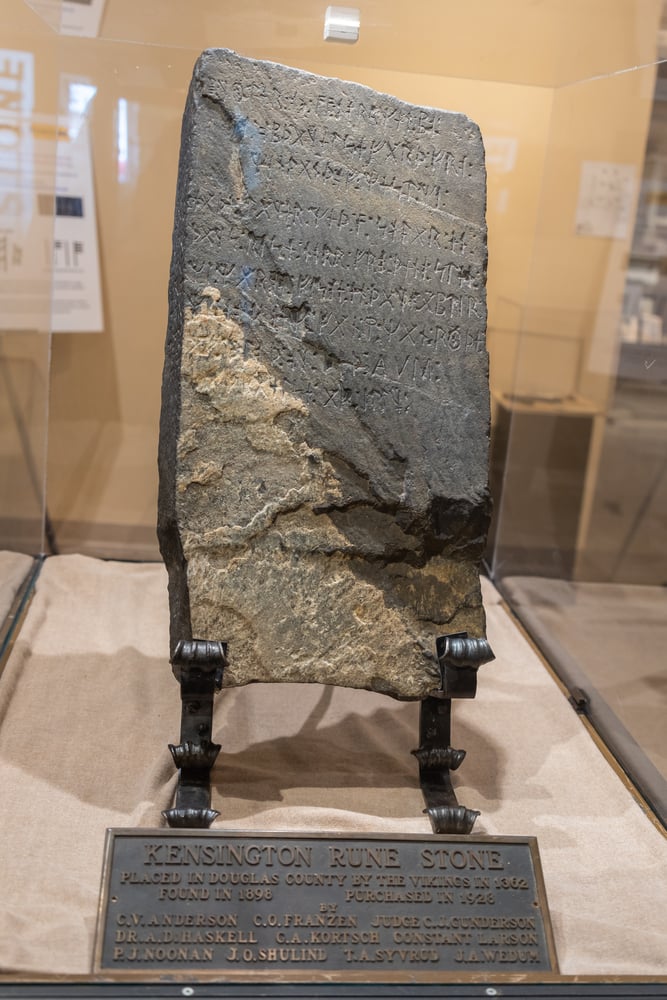
A Minnesota farmer reported discovering a stone inscribed with runic writing in 1898, presented as evidence that Scandinavian explorers had reached the American Midwest as early as 1362, centuries before Columbus and even before the confirmed Norse settlement at L’Anse aux Meadows. The vast majority of professional linguists and runologists who have examined the inscription’s language and carving style have concluded it is a nineteenth-century creation rather than a genuine medieval artifact.
Despite the overwhelming scholarly consensus against its authenticity, the stone remains a popular local attraction and continues to have defenders who dispute the mainstream assessment. It stands as one of the most persistent artifact-based exploration hoaxes in American history.
Vitus Bering’s Second Expedition Mapping
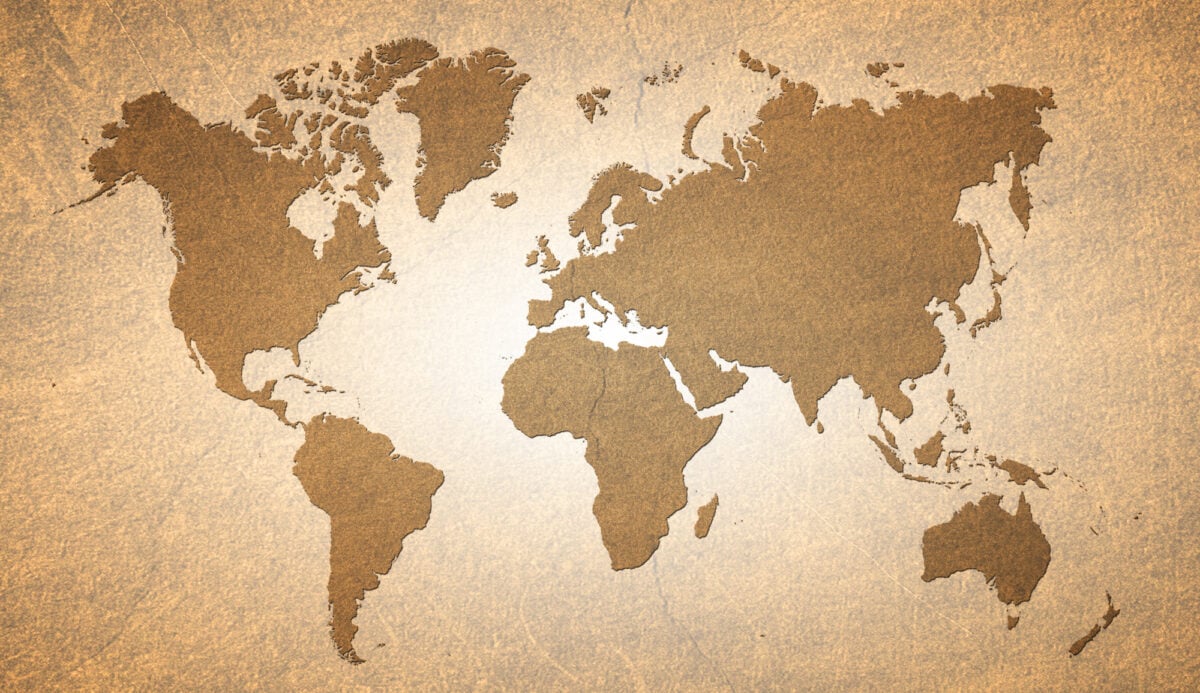
Danish explorer Vitus Bering’s second Kamchatka expedition in the 1730s and 1740s produced maps and geographic claims about the North Pacific that later, more precise surveys found to contain significant errors in the positioning of key coastlines and islands. Contemporary critics within the Russian scientific establishment raised concerns about the expedition’s methods and conclusions even before more accurate corrections were made.
Bering died during the expedition itself, on an island that now bears his name, before many of the mapping errors under his direction were identified and corrected by subsequent Russian expeditions. His genuine accomplishment in confirming the strait separating Asia from North America has remained intact even as specific details of his broader mapping work required later revision.
Every Map Started as Someone’s Best Guess

The explorers on this list were not, for the most part, liars. Most were working with primitive instruments, secondhand testimony, and an understandable eagerness to have actually found what they set out looking for.
Being wrong was often less a moral failing than an occupational hazard of an era when verification could take decades and sometimes never came at all. What makes these stories worth revisiting is not the embarrassment of hindsight but the reminder that every confident historical claim was, at some point, just one explorer’s word against an unmapped horizon.
Some of those words held up. Plenty did not, and it sometimes took a century, a shipwreck, or a farmer’s plow to finally settle the matter.
More from Go2Tutors!

- The Romanov Crown Jewels and Their Tragic Fate
- 13 Historical Mysteries That Science Still Can’t Solve
- Famous Hoaxes That Fooled the World for Years
- 15 Child Stars with Tragic Adult Lives
- 16 Famous Jewelry Pieces in History
Like Go2Tutors’s content? Follow us on MSN.



