32 Historical Photos That Were Staged, Altered, or Completely Faked
Photographs are lies told with light. They crop reality, selecting what to include and what to exclude.
Some photographs do something more: they deliberately deceive. Staged photographs are honest lies—the viewer knows they are constructed for effect.
Altered photographs adjust reality without disclosing the manipulation. Faked photographs are forgeries meant to deceive.
This list documents photographs that blur these categories, showing how easily images can lie and how long those lies can circulate.
The Cottingley Fairies (1917-1920)
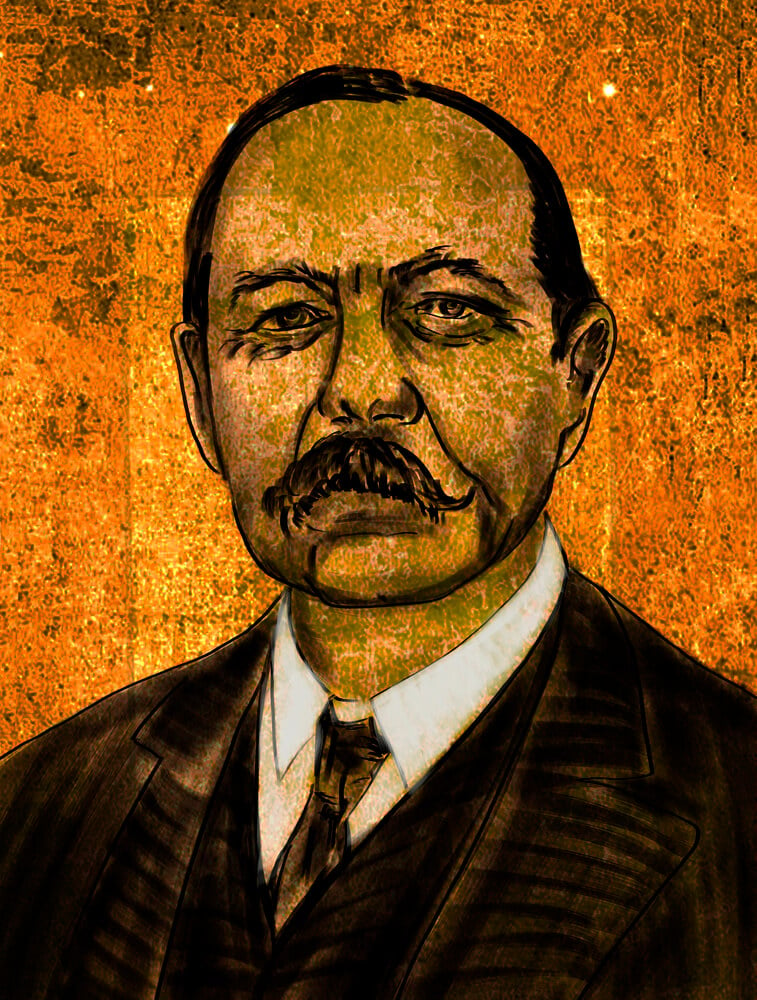
Two cousins in Cottingley, England—Elsie Wright, age 16, and Frances Griffiths, age 9—borrowed a camera and returned with photographs of winged fairies dancing in the garden. The fairies were paper cutouts, traced from illustrations in a 1914 children’s book, “Princess Mary’s Gift Book,” with wings added.
They were held upright with hatpins. Sir Arthur Conan Doyle, the creator of Sherlock Holmes, believed the images were real.
He was a devoted spiritualist who wanted evidence of a hidden magical world. Doyle published the photographs in The Strand Magazine in 1920 alongside an article defending their authenticity.
He later wrote an entire book defending the fairies’ reality. The hoax persisted for 63 years.
Not until the early 1980s did Elsie and Frances admit the deception. Frances maintained until her death that the fifth photograph was genuine, though Elsie said all five were faked.
The Cottingley Fairies became the most famous example of photography’s susceptibility to manipulation.
The Surgeon’s Photograph (1934)
On April 19, 1934, the London Daily Mail published a photograph of what appeared to be the Loch Ness Monster—a long neck rising from the water’s surface. The photo was submitted by Robert Kenneth Wilson, a respected London physician.
Wilson claimed he had been driving near Loch Ness when he noticed a commotion in the water and captured the image. For 60 years, the photograph remained the defining image of Nessie.
It hung in museums and textbooks as the strongest evidence of the monster’s existence. In 1994, the hoax was revealed.
The monster was a toy submarine fitted with a sculpted head made of wood putty. It had been created by a model maker named Christian Spurling as a practical joke organized by filmmaker Marmaduke Wetherell, who had been humiliated by an earlier Loch Ness failure.
For six decades, a toy submarine had anchored an entire legend in popular culture.
The Piltdown Man (1912)
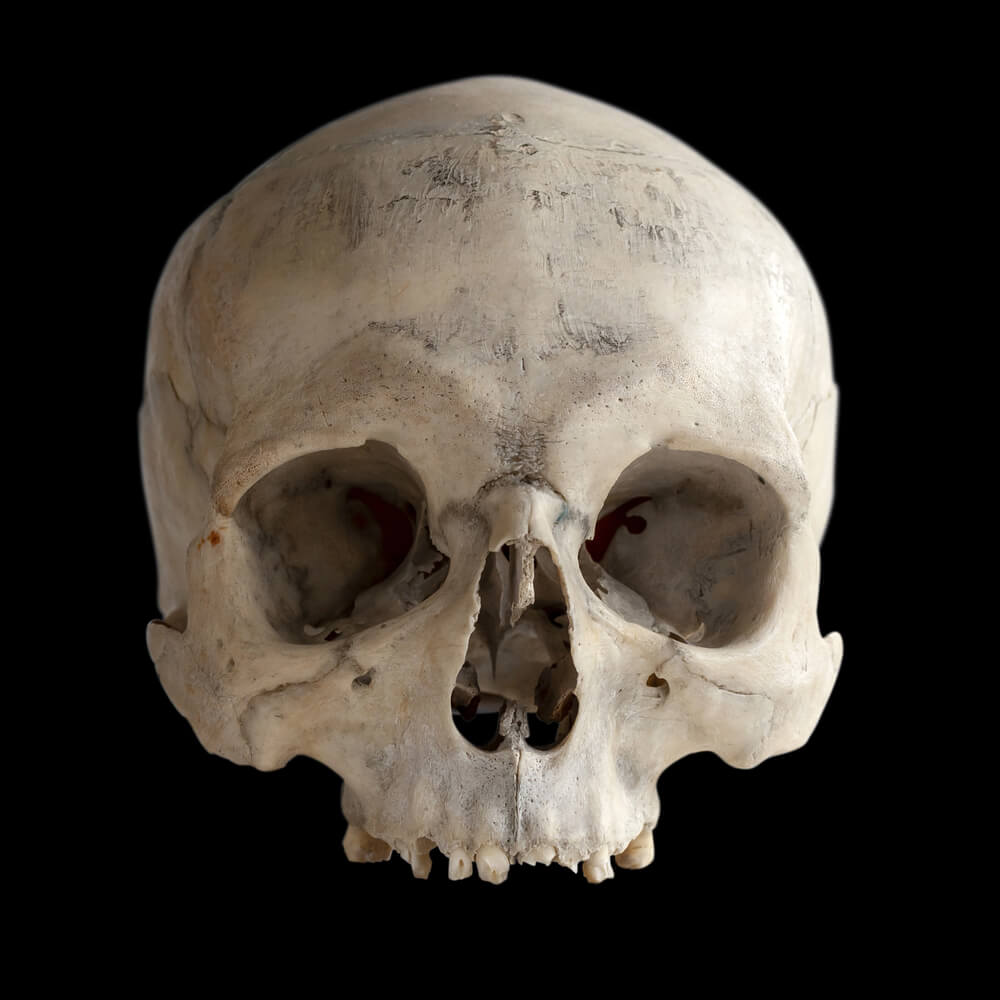
Paleontologist Charles Dawson claimed to have discovered a human skull and jawbone in gravel deposits near Piltdown, England. The skull showed a combination of human and ape characteristics, seemingly providing the missing evolutionary link between humans and primates.
The discovery made international headlines and captivated the scientific community. Dawson became famous.
The fossils were displayed in the British Museum of Natural History for 41 years. In 1953, scientists tested the bones using a new technique and determined the jaw belonged to an orangutan while the skull was modern human.
The entire discovery was a hoax—Dawson had artificially aged modern bones and jawbones of apes, then planted them in the gravel pit. His motivations remain unclear.
The Piltdown Man hoax delayed the acceptance of authentic human evolutionary findings for decades.
The Falling Soldier Staged Debate (1936)
Robert Capa’s photograph of a Spanish soldier falling backward during the Spanish Civil War became an iconic image of war. For decades, the photograph was celebrated as authentic documentation of combat.
Yet historians later questioned whether the photograph was staged—whether Capa had asked the soldier to re-enact being shot for the camera. Capa was known to re-stage moments.
The debate remains unresolved. The photograph’s status—authentic documentation or staged for artistic effect—has never been conclusively determined.
Capa himself never clarified. The photograph’s power to move viewers does not depend on its authenticity, yet viewers’ interpretation of whether they are witnessing genuine or staged violence fundamentally changes meaning.
The Composite Death of a Soldier (1943)
A haunting photograph appears to show the body of a soldier lying dead on a beach, his face turned toward the camera, his expression frozen in death. The photograph was used for decades as a symbol of warfare’s human cost.
Yet historians determined that the image was a composite—multiple photographs combined into a single image meant to maximize emotional impact. The photograph was not dishonest documentation; it was artistic creation masquerading as reportage.
The manipulation was not disclosed when the photograph was published.
Soviet Airbrushing (1930s-1950s)
During the Soviet era, official photographers would remove people from images by airbrushing them out when they fell out of favor with the regime. Political leaders who were executed or exiled would be systematically erased from photographs.
Stalin’s propaganda ministry employed airbrush artists who spent hours removing the images of disappeared officials from group photographs. The practice was systematic and widespread.
Photographs that once showed the full leadership of the Communist Party would appear in official versions showing empty space where the erased figures had been. The photographs became documents of political erasure—visual records of state-sanctioned forgetting.
The Fire Escape Collapse (1975)
Photographer Stanley Forman captured an image of a woman and child falling from a collapsing fire escape in Boston. The photograph won the Pulitzer Prize.
Later, it was revealed that the woman in the photograph was not actually falling; she was being carried by firefighters. The dramatic appearance of a free fall was created by the angle of the photograph and the motion blur.
The image was neither staged nor completely authentic—it was an accidental composite of multiple moments and perspectives compressed into a single frame. The photograph’s power to move viewers derived from the ambiguity between what was actually happening and what the image appeared to show.
The Afghan Girl Reunion Photo (2002)

After National Geographic’s team tracked down Sharbat Gula in 2002, they arranged a reunion with photographer Steve McCurry. The reunion was photographed and published.
Yet the reunion itself was staged for the camera—arranged by National Geographic, designed for maximum emotional impact. The authentic human moment was constructed for photographic purposes.
The reunion was real, but the photograph was a composition, a construction meant to tell a particular narrative about recognition and homecoming.
The Nazi Rally (1930s)
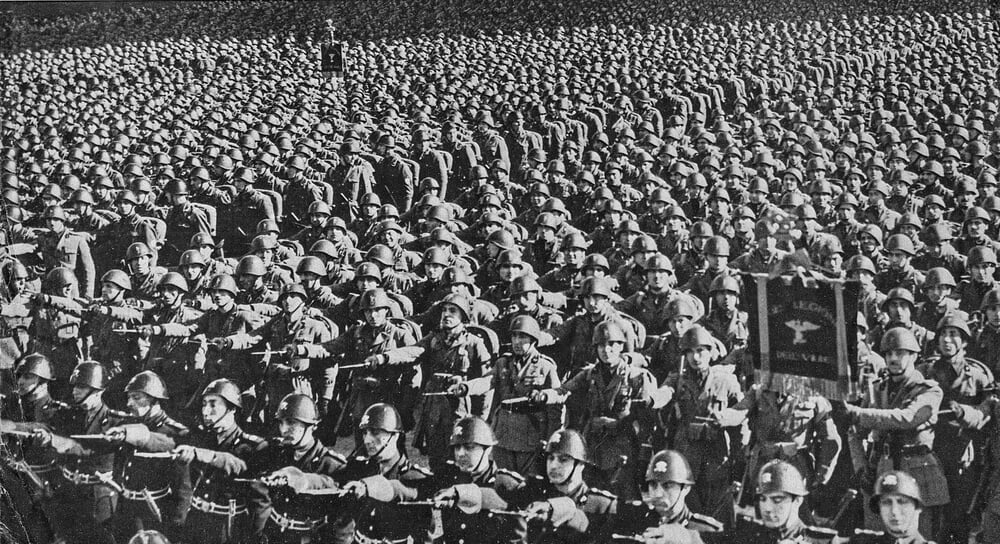
Photographs from Nazi rallies were often retouched by propaganda artists. Images were altered to remove figures who later fell out of favor, to enhance the size of crowds, to brighten the sky, to add symbolic elements.
The photographs were meant not to document but to mythologize—to create an image of Nazi Germany as powerful, unified, and eternal. Historians studying Nazi propaganda have identified dozens of altered rally photographs.
The authenticity of visual documentation was compromised in service of political narrative.
The Moon Landing Conspiracy Photos (1969)
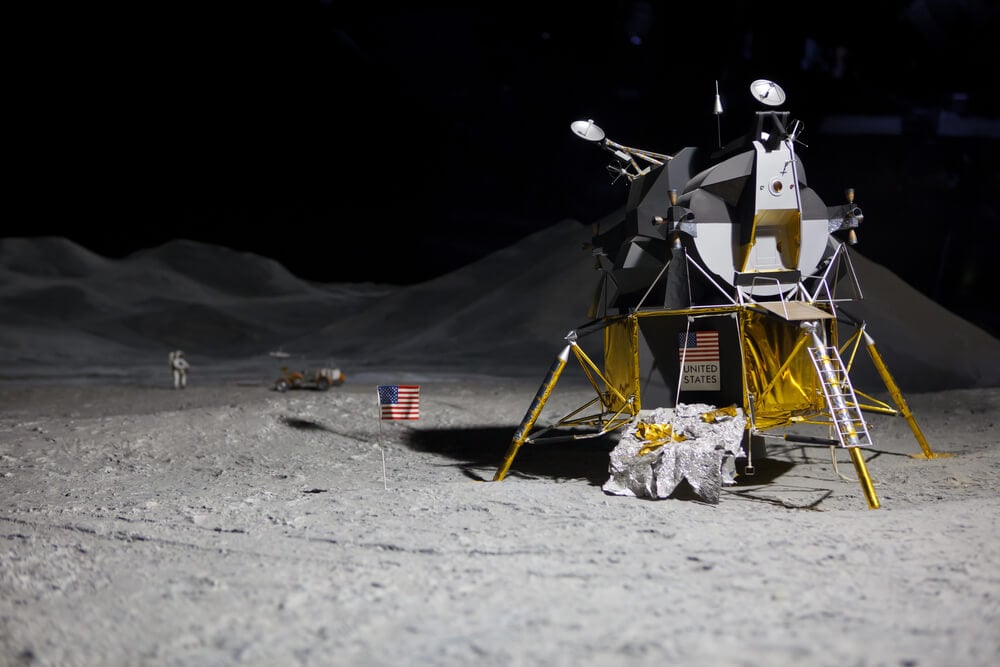
Photographs from the Apollo 11 moon landing have been scrutinized by conspiracy theorists who claim the landing was staged in a Hollywood studio. Photographers and scientists have debunked these claims, but the debate illustrates how photographs are not self-evidently true.
The photographs require context—knowledge of the equipment, understanding of light and shadow, awareness of what is technically possible. A photograph, without context, is ambiguous.
The moon landing photographs are authentic, but their authenticity cannot be proven by the images themselves.
The Iwo Jima Flag Raising (1945)
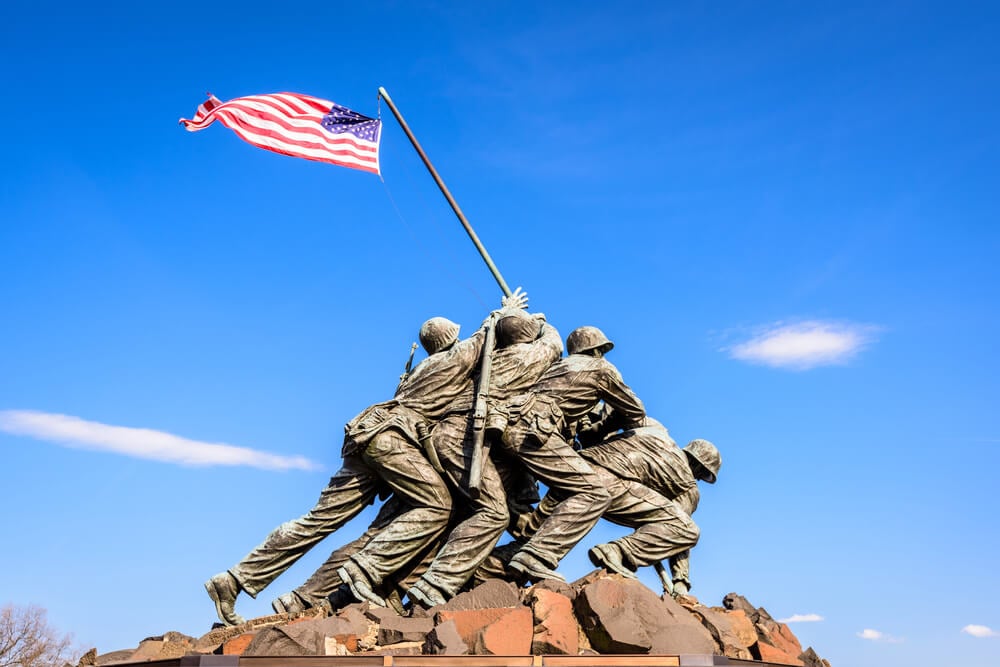
The most iconic photograph of World War II shows soldiers raising the American flag on Mount Suribachi. The photograph was actually a re-enactment of an earlier flag-raising that day.
Photographer Joe Rosenthal captured the second flag-raising, which soldiers had staged specifically for photography. Rosenthal did not know he was photographing a re-enactment; he believed he was documenting an authentic moment.
The photograph’s status as authentic documentation or staged event remains ambiguous. The soldiers were genuine; they were on Iwo Jima.
The flag was real. But the specific moment was orchestrated for the camera.
The Zapruder Film (1963)
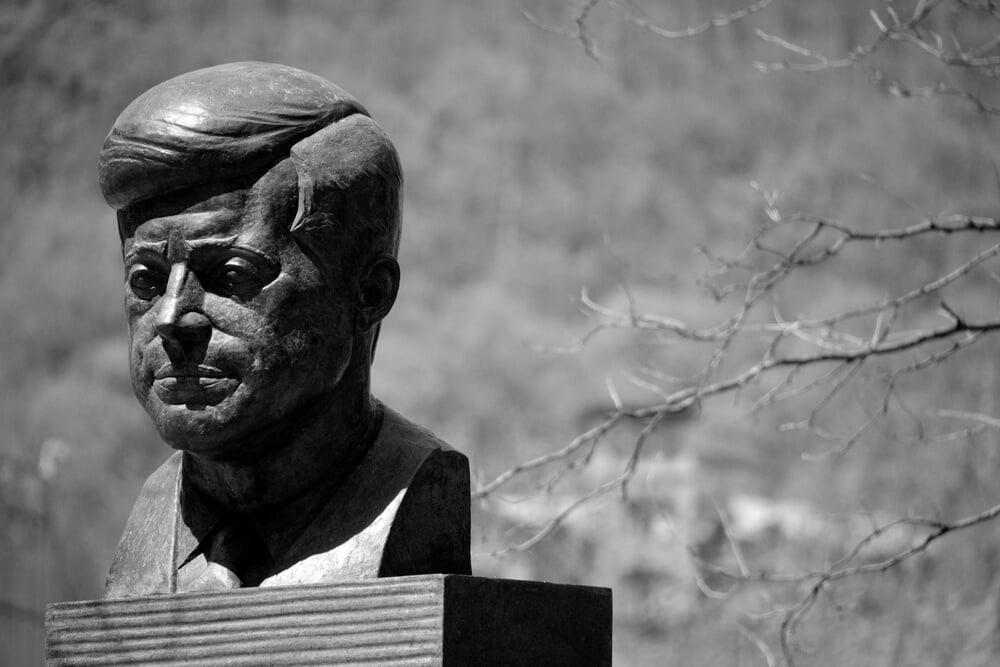
The most famous filmed moment in American history—President Kennedy’s assassination—exists as the Zapruder film, shot by witness Abraham Zapruder. The film has been analyzed frame-by-frame for 60 years.
Researchers, conspiracy theorists, and government investigators have scrutinized the film for evidence of alterations or splicing. The authenticity of the film has been challenged repeatedly.
Whether the film shows one shooter or multiple shooters, whether it was altered, whether frames were removed—these questions remain debated. The film’s status as unambiguous evidence has been compromised by decades of analysis and theory.
The Execution of Maximilian (1867)
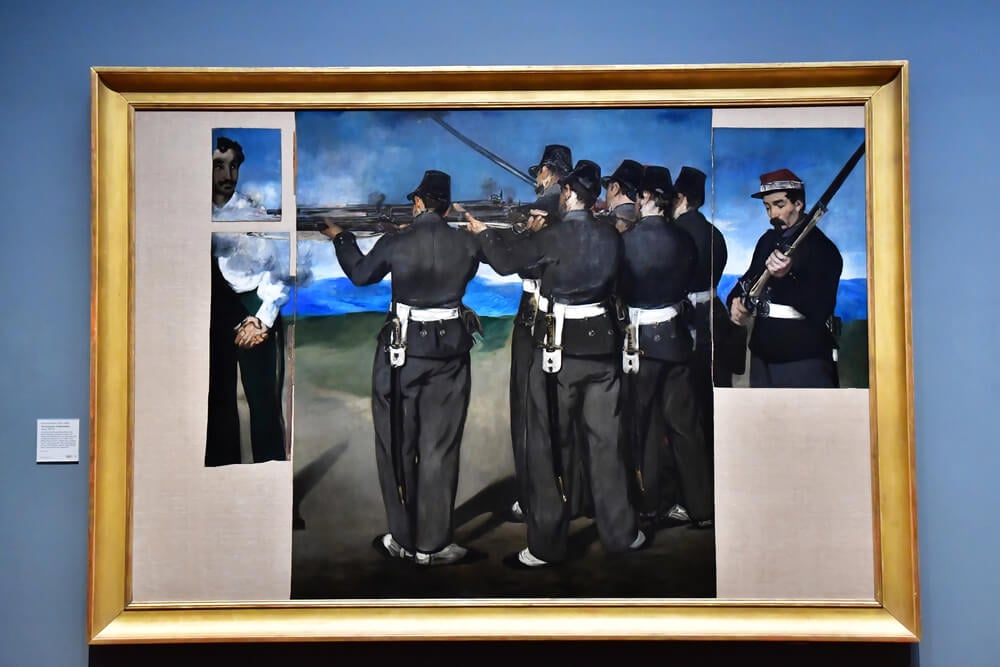
Painter Édouard Manet depicted the execution of Mexican Emperor Maximilian in a series of paintings and prints based on descriptions rather than eyewitness observation. The paintings were altered to remove the officers who had ordered the execution, to romanticize the death, to create an image more philosophically significant than the actual event.
Manet’s images influenced how the event was understood historically. The paintings were presented as documentation, but they were compositions—artistic creations that shaped historical understanding more than documented it.
The Civil War Photographs Moved (1860s)
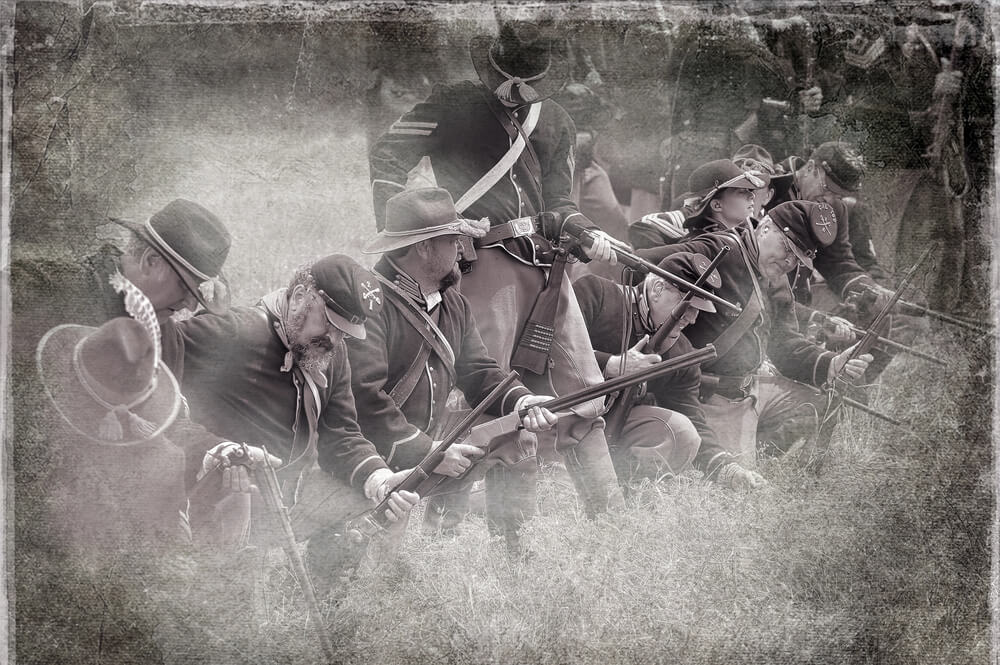
Photographers during the American Civil War would move dead bodies to create more dramatic compositions. Photographer Alexander Gardner moved a dead Confederate soldier’s body to create a more visually striking image for his series “The Dead of Antietam.”
The photograph was presented as an authentic documentation of the landscape of death, but the specific arrangement was choreographed. The body had been moved; the composition was arranged.
The authenticity of the moment was compromised by artistic intention.
The Holocaust Photographs Cropped (1940s)
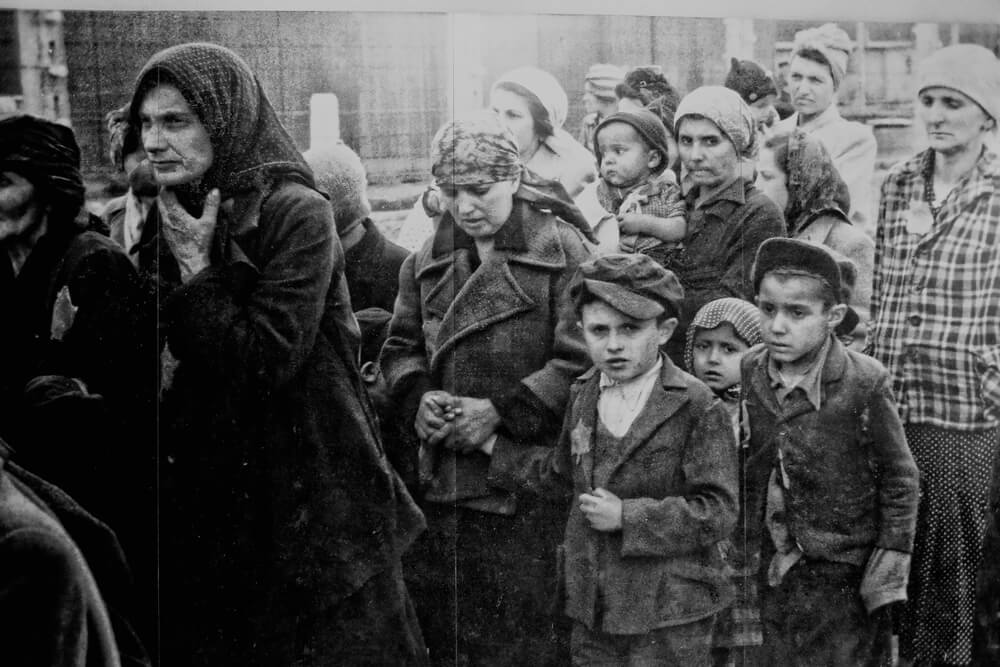
Photographs of the Holocaust have been retouched and cropped by historians and publishers to maximize emotional impact. Some photographs have had backgrounds altered to remove confusing elements.
Others have been straightened or cropped to create more powerful compositions. The photographs were authentic documentation, but their presentation was manipulated.
The alterations were not disclosed.
Stalin and Trotsky Composite (1920s)
A famous photograph appears to show Stalin and Trotsky together in the early Soviet period. The photograph was actually a composite—two different photographs combined into one image by an airbrushed artist.
The composite was meant to create a historical narrative of unity that did not exist in reality. The photograph was used in Soviet schools to teach children that Stalin and Trotsky had worked together in solidarity.
The Loch Ness Photographs (Multiple)
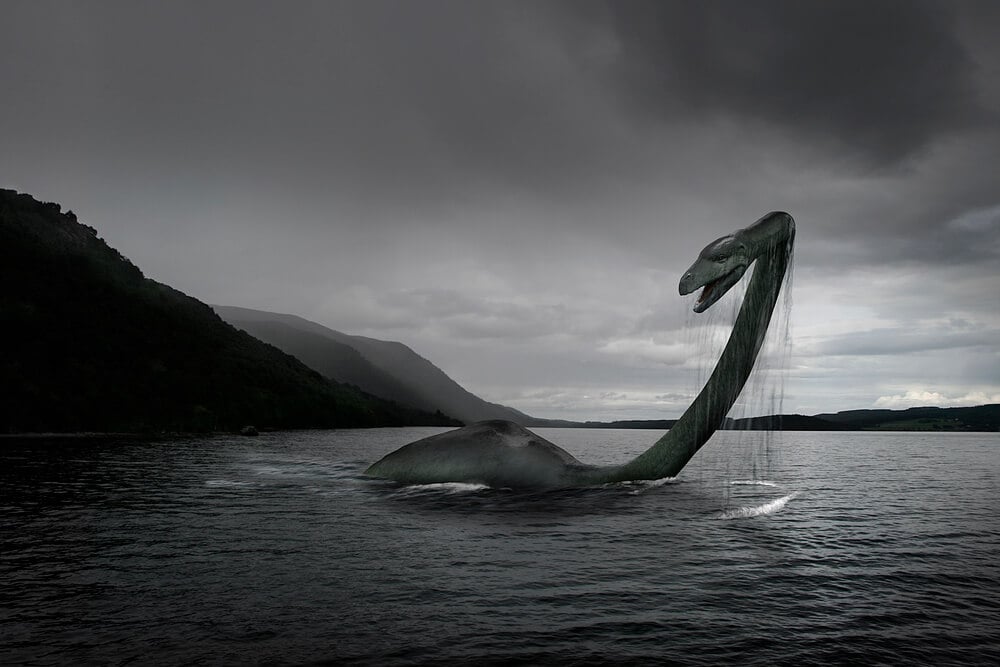
Over the 20th century, dozens of photographs were submitted claiming to show the Loch Ness Monster. Most were eventually revealed as hoaxes—logs, boats, wave patterns misidentified.
Yet each photograph, when first published, was accepted by some portion of the public as evidence of the monster’s existence. The photographs were fakes not necessarily because they were deliberately fabricated, but because they were misidentified—genuine photographs of genuine objects misunderstood as images of cryptids.
The Fake Bigfoot Photograph (1967)
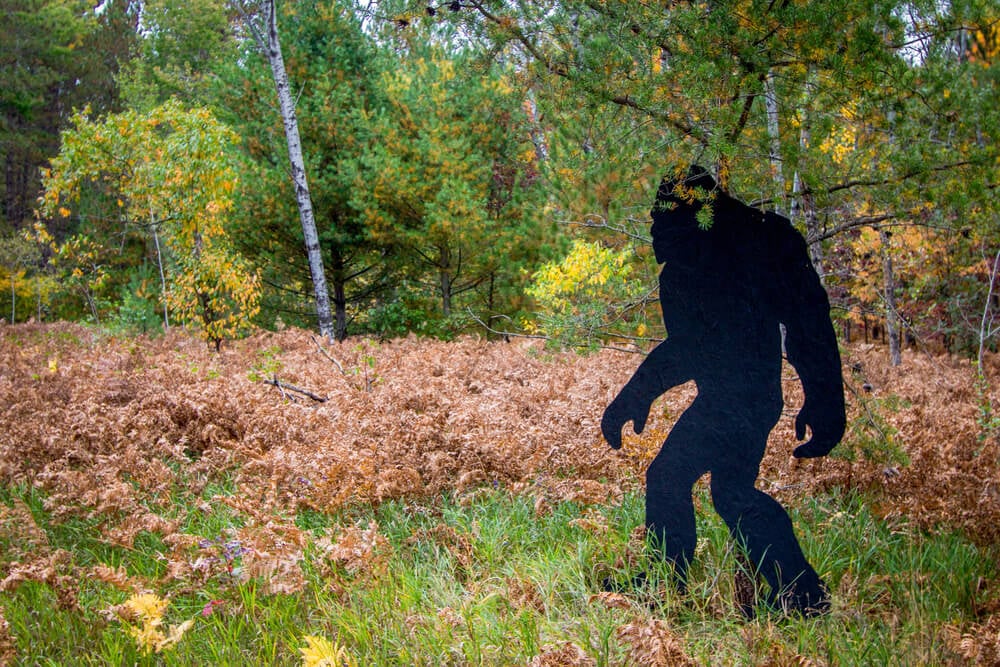
In October 1967, footage was shot in Northern California purporting to show a large, hairy humanoid creature walking through the forest. The footage became the most famous evidence of Bigfoot’s existence.
For decades, the footage was debated by researchers and enthusiasts. In 2013, one of the men in the film (Bob Heironimus) came forward and claimed that he had been wearing a homemade gorilla suit.
Whether the claim is true, the footage remains ambiguous—it is impossible to prove definitively from the image alone whether the creature was real or costume.
The Cottingley Fairies Photo Five (1920)
The fifth and final fairy photograph in the Cottingley series showed fairies bathing in sunlight. Elsie Wright admitted that the first four photographs were fakes, but Frances Griffiths maintained until her death that the fifth photograph was genuine.
No consensus has been reached about whether the fifth photograph is authentic or faked. It remains ambiguous—a photograph whose status as fake or authentic cannot be determined from the image alone.
Photoshop Before Photoshop (1980s)

Before digital manipulation became possible, photographers used darkroom techniques to alter images—double exposure, airbrushing, composite printing. A sophisticated darkroom artist could create images that appeared authentic while being entirely fabricated.
The photographer’s skill in the darkroom determined what images could be created. The public had no way to determine whether an image had been darkroom-manipulated.
The Tabloid Photographs (1980s-1990s)
Tabloid photographers routinely altered celebrity photographs—removing wrinkles, altering body shapes, compositing bodies and heads from different photographs. The alterations were systematic and widespread.
The public accepted these photographs as documentation of celebrity appearance while the celebrities’ actual appearance was often significantly different. The photographs shaped public perception of celebrity beauty, yet the images were fabricated.
The News Agency Alteration (1980s)

A photograph of Palestinian protestors throwing rocks at Israeli soldiers was published in a major news magazine. Later analysis revealed that the magazine’s editors had cropped and reoriented the photograph to make the Palestinians’ actions appear more aggressive than they were.
The original photograph was authentic, but its presentation was altered. The alteration was not disclosed.
The Hands of Che Guevara Photograph (1968)
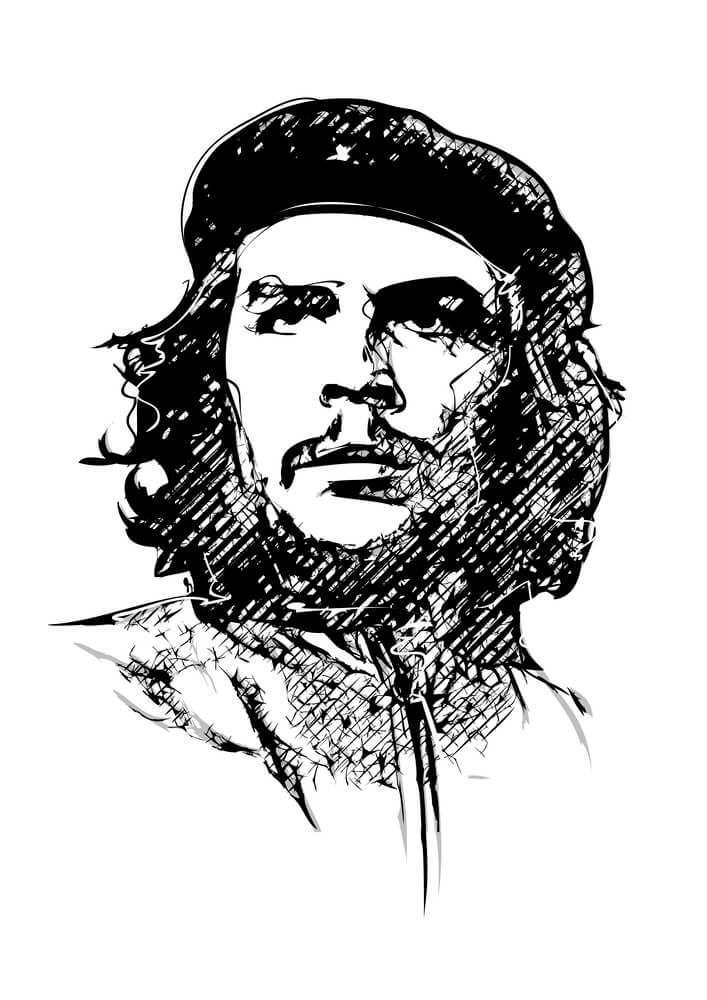
After Che Guevara’s execution, a photograph was published showing his body with his hands tied behind his back. The photograph was widely used to symbolize Che’s death and the end of the Cuban revolutionary movement.
Later analysis revealed that the photograph had been retouched—Che’s eyes had been altered to be open instead of closed, his facial expression had been enhanced to appear more peaceful. The photograph was authentic documentation of death, but its presentation was manipulated for symbolic effect.
The Princess Diana Photographs (1997)
After Princess Diana’s car crash, photographers competed to publish photographs of the accident scene. Many of the photographs were retouched or cropped to remove the most disturbing elements while still appearing to document the tragedy.
The photographs shaped public understanding of the accident, but their presentation was carefully controlled. Photographers and editors made choices about what to show and what to hide.
The War in Iraq Photographs (2000s)
During the Iraq War, a photograph allegedly showed a dead child surrounded by American soldiers. The photograph circulated widely as proof of American atrocity.
Later investigation revealed that the photograph was misidentified—it was not from Iraq but from a different conflict years earlier. The photograph was authentic documentation of tragedy, but its context was wrong.
The photograph was used to tell a false historical narrative.
The Tiananmen Square Photographs (1989)
Some photographs of the Tiananmen Square massacre were altered to remove certain visual elements or to enhance the appearance of violence. The original photographs were authentic documentation, but their presentation in media outlets was sometimes altered.
Governments and media organizations made choices about which photographs to publish and how to frame them.
The September 11 Photographs (2001)
Photographs of the September 11 attacks were retouched by some news organizations to remove disturbing details or to enhance particular elements. Some magazines altered the appearance of the burning towers or the clouds of smoke.
The original photographs were authentic, but their presentation was sometimes manipulated. Ethical debates erupted about whether news organizations should alter photographs.
The Vietnam War Photographs (1960s-1970s)
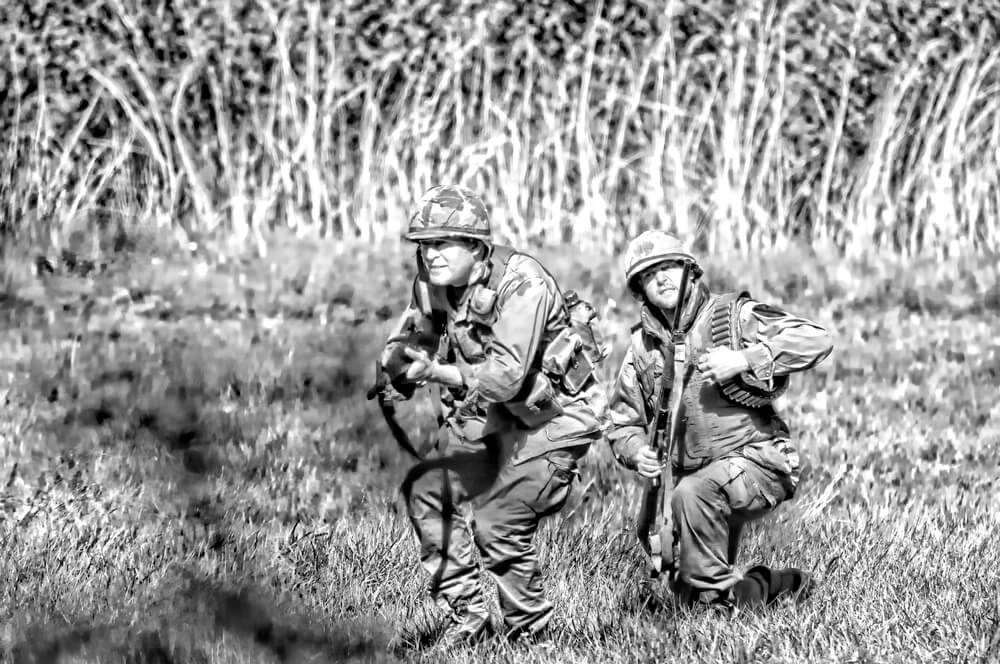
Some photographs from the Vietnam War were cropped or reoriented to create different narratives about the war. A photograph that showed American soldiers could be cropped to highlight the soldiers’ emotions or to emphasize the weaponry or to focus on the Vietnamese civilians.
The same photograph could tell different stories depending on how it was framed. The cropping was not always disclosed.
The Kissing Soldiers Photograph (1978)
A famous photograph showing two soldiers kissing became an icon of LGBTQ+ military service. Later, it was revealed that the photograph had been heavily retouched—the soldiers’ faces had been altered, their expressions had been enhanced.
The photograph was authentic in its basic composition, but its emotional resonance had been engineered through darkroom manipulation.
The Faces of the Moon (1960s-1970s)
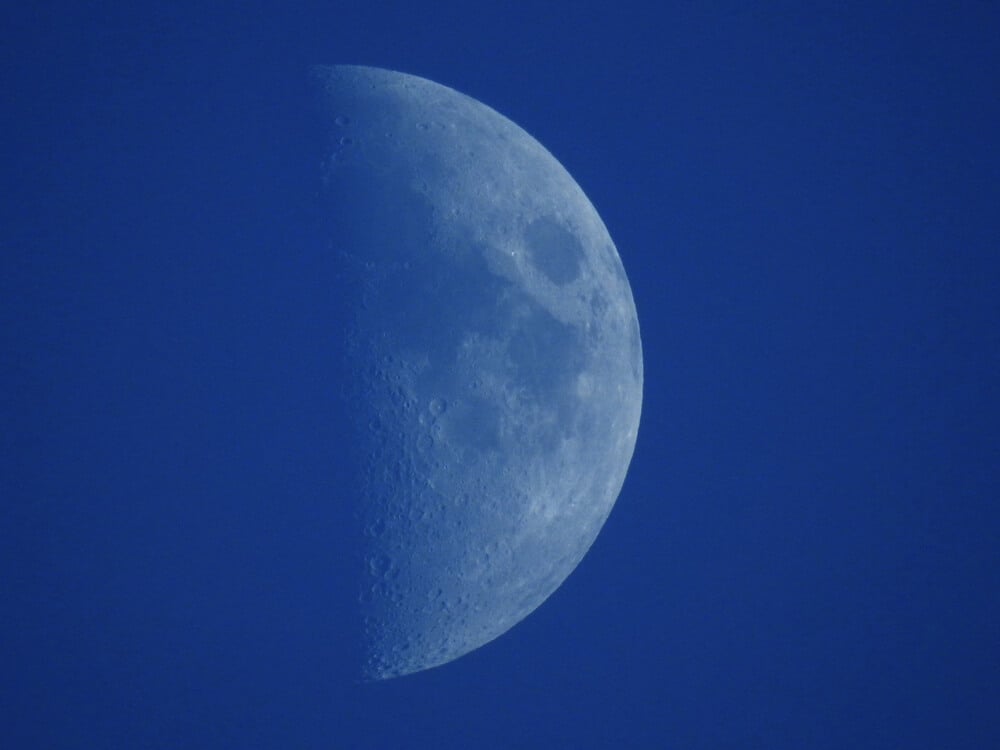
Photographs of the moon’s surface were enhanced by NASA scientists using various darkroom techniques to highlight particular geological features. The photographs were authentic documentation of the moon’s surface, but their presentation was enhanced to emphasize particular scientific details.
The enhancement was necessary for scientific communication but represented a departure from straight documentation.
The Recovered Civilization Photograph (1970s)
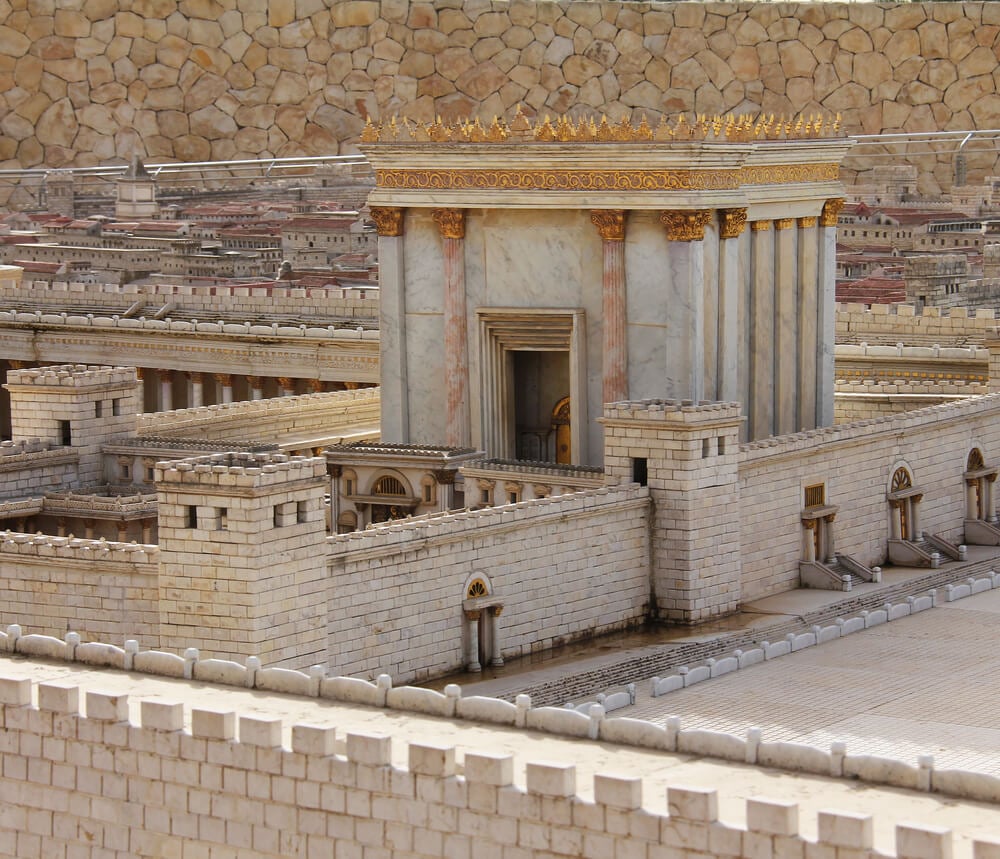
An archaeologist published a photograph allegedly showing an ancient temple in the jungle. The photograph appeared to show a remarkable archaeological discovery.
Later investigation revealed that the photograph had been composite—elements from multiple locations had been combined into a single image. The archaeologist had created the “discovery” photographically.
The Colorized Historical Photographs (20th Century)
When black-and-white historical photographs were colorized, decisions had to be made about what color objects would have been. The original photograph was authentic, but the colored version represented interpretation.
The colorized photographs sometimes altered viewers’ perception of the original event. A black-and-white photograph of execution could be colorized to show red blood, intensifying the emotional impact.
Photography’s Fundamental Ambiguity
Photographs appear to be transparent windows onto reality, but they are constructions. The photographer chooses what to include, what to exclude, where to stand, when to press the shutter.
The choice of film, lens, light, and framing all determine what the photograph shows. A photograph is simultaneously documentation and fiction.
The photographs listed above remind us that the medium’s credibility lies not in the image itself but in the context surrounding it—the photographer’s identity, the circumstances of creation, the disclosed technical choices.
More from Go2Tutors!

- The Romanov Crown Jewels and Their Tragic Fate
- 13 Historical Mysteries That Science Still Can’t Solve
- Famous Hoaxes That Fooled the World for Years
- 15 Child Stars with Tragic Adult Lives
- 16 Famous Jewelry Pieces in History
Like Go2Tutors’s content? Follow us on MSN.



