32 Picnic Foods From Before Insulated Coolers
Before the plastic cooler, a picnic menu came with a built-in test: would it survive three hours in a wicker basket in July? Cooks solved the problem with salt, vinegar, sugar, pastry, and a good deal of cold creek water.
The foods below earned their spot on the blanket because they traveled well. Many of them still taste better outdoors.
Cold Fried Chicken
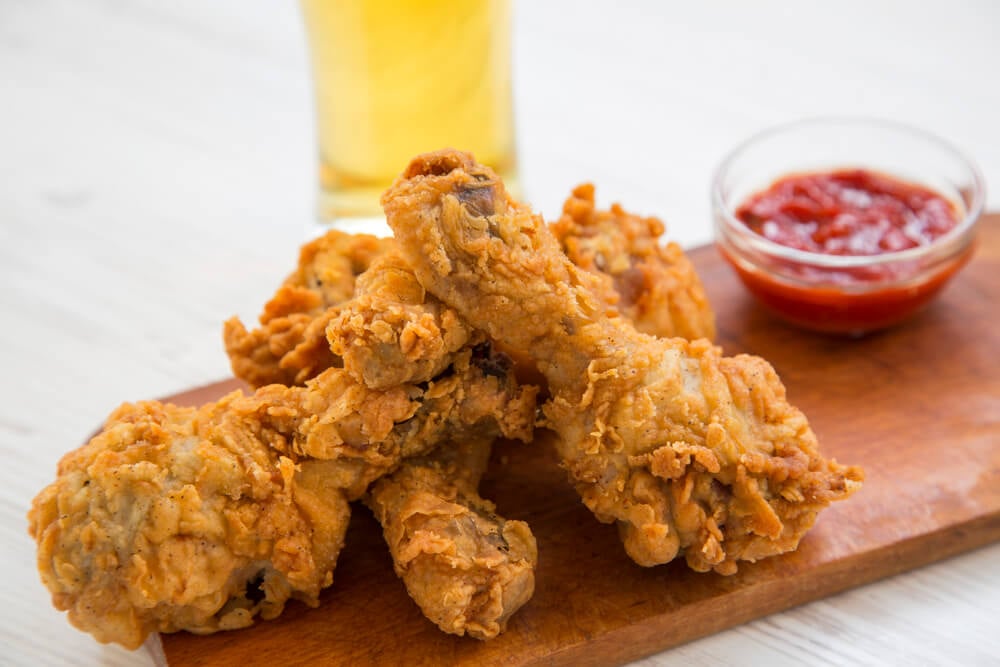
A crisp crust sealed the meat and let it travel without fuss, which made fried chicken the picnic standard for generations. Cooks fried it the night before and wrapped the pieces in a cloth or waxed paper.
By lunchtime it was cold, crunchy, and better than it had any right to be.
Hard-Boiled Eggs and a Twist of Salt
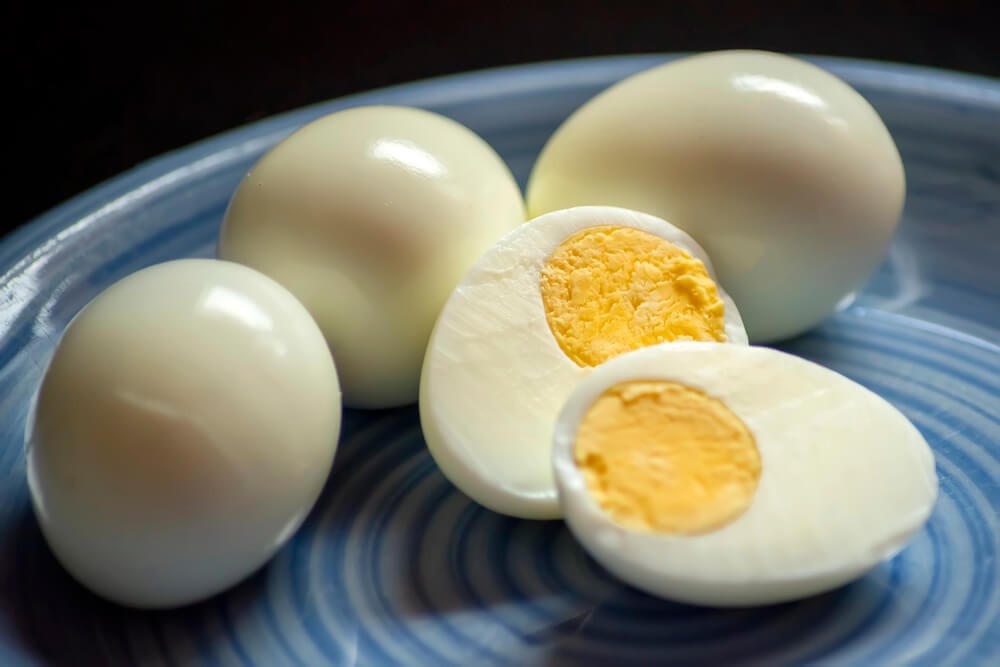
The shell was a built-in container, so eggs needed no wrapping beyond a napkin. Picnickers peeled them at the blanket and dipped them in a twist of salt folded into a scrap of paper.
Boiling them hard the morning of the outing was standard practice.
Pickled Eggs
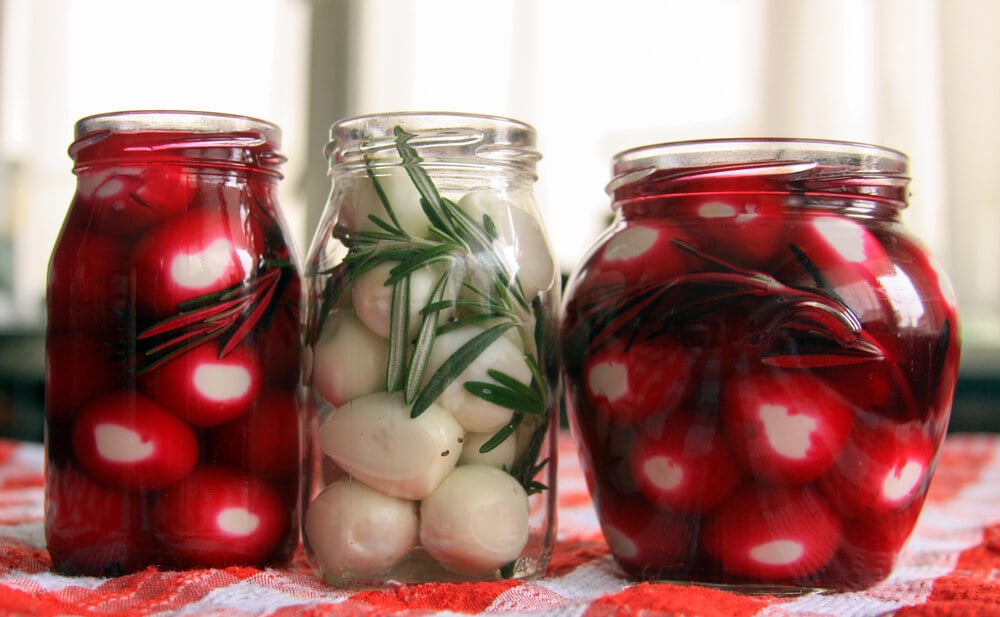
Eggs submerged in a vinegar brine kept for weeks, which made them ideal for travel. Cooks added beets, onions, or spices to the jar to change the color and flavor.
A jar of them could ride along unrefrigerated and still taste sharp and clean.
Vinegar Potato Salad
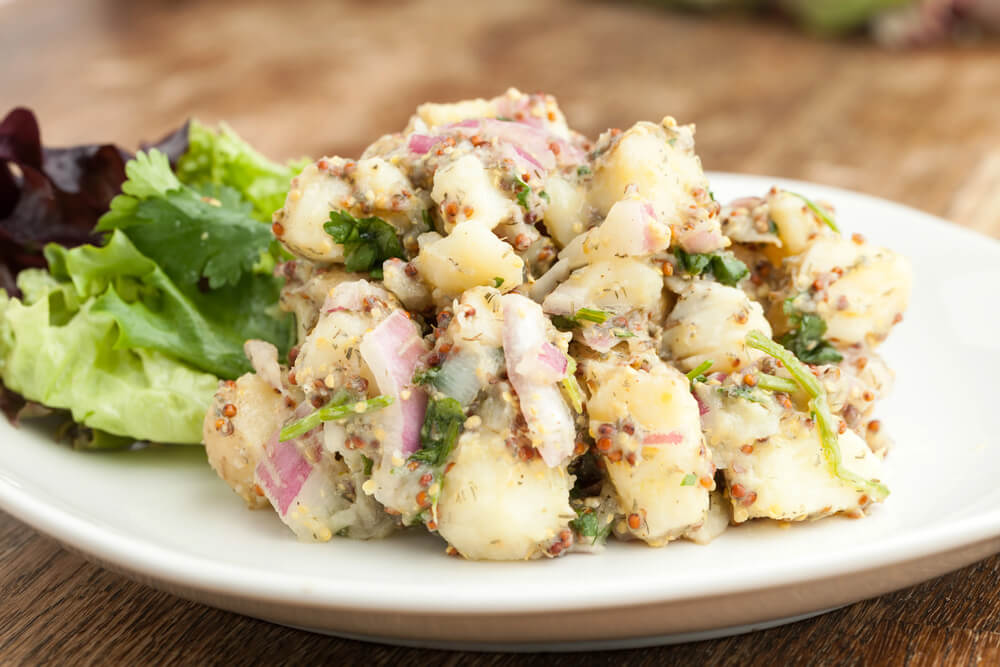
Potato salad dressed with vinegar, oil, and onion tolerated warmth better than the creamy versions. German-style recipes served it at room temperature by design.
The tang also cut through the richness of fried meats.
Buttered Ham Sandwiches
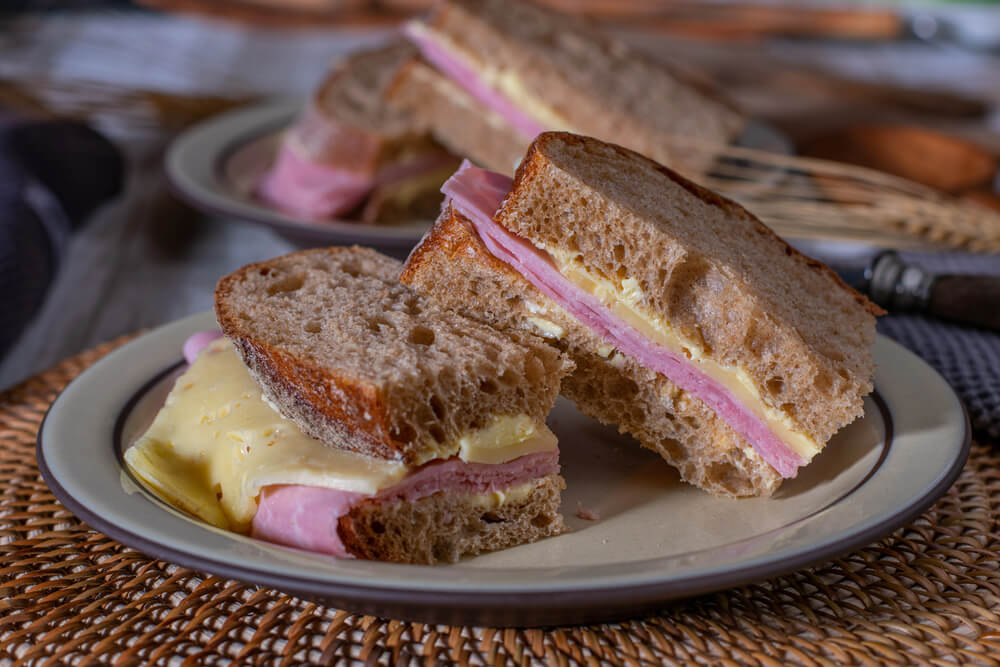
Cooks spread butter to the edges of the bread to keep the filling from soaking through. Thin slices of cured ham stayed moist inside a crust that held its shape.
Wrapped in waxed paper, the sandwiches improved slightly after an hour in the basket.
Country Ham Biscuits
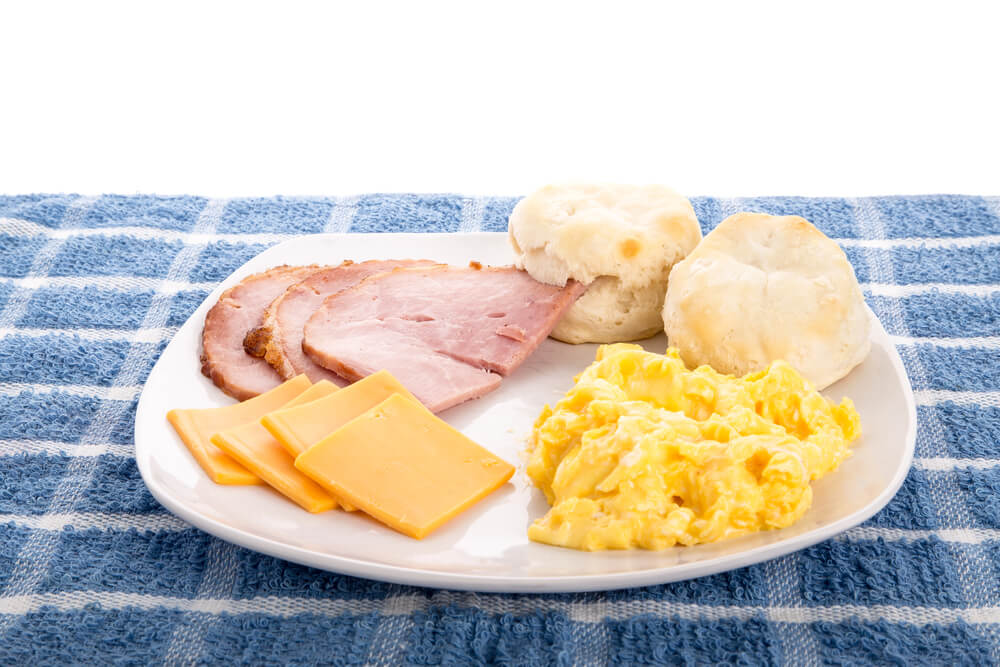
Salt-cured country ham, aged for months, was meant to keep without refrigeration before it was cut. Slivers tucked into split biscuits made a salty, sturdy sandwich that Southern picnickers relied on.
The biscuits were baked that morning and carried in a cloth-lined tin.
Melton Mowbray Pork Pies
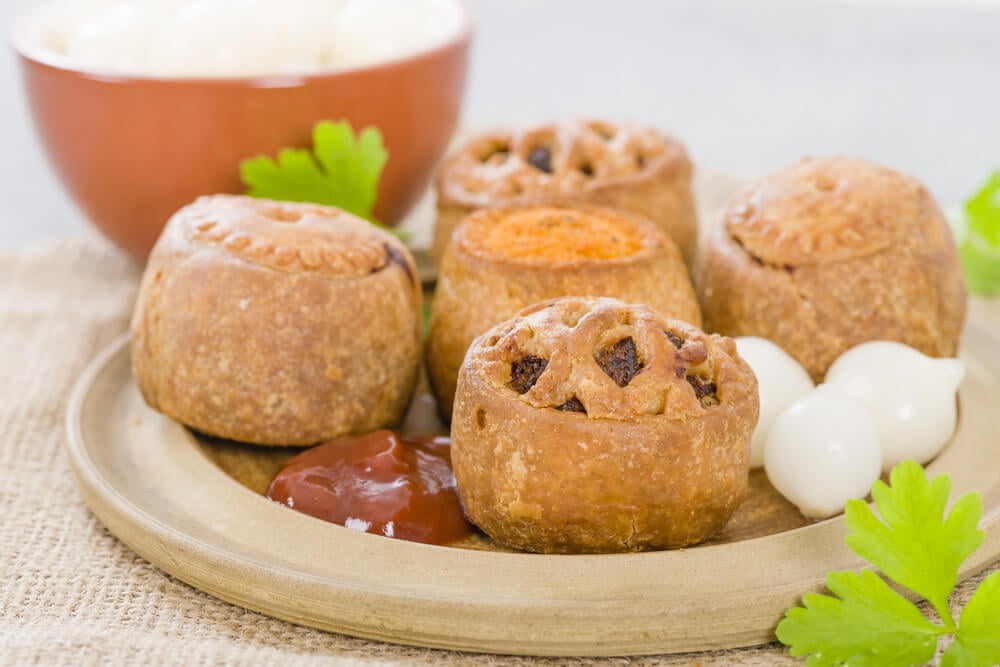
The town of Melton Mowbray in Leicestershire gave its name to a style of pork pie with a hand-raised crust and a gray-brown, uncured filling. The pastry formed a shell stiff enough to carry in a pocket.
Cold, with a dab of mustard, it became a staple of English outings.
Scotch Eggs
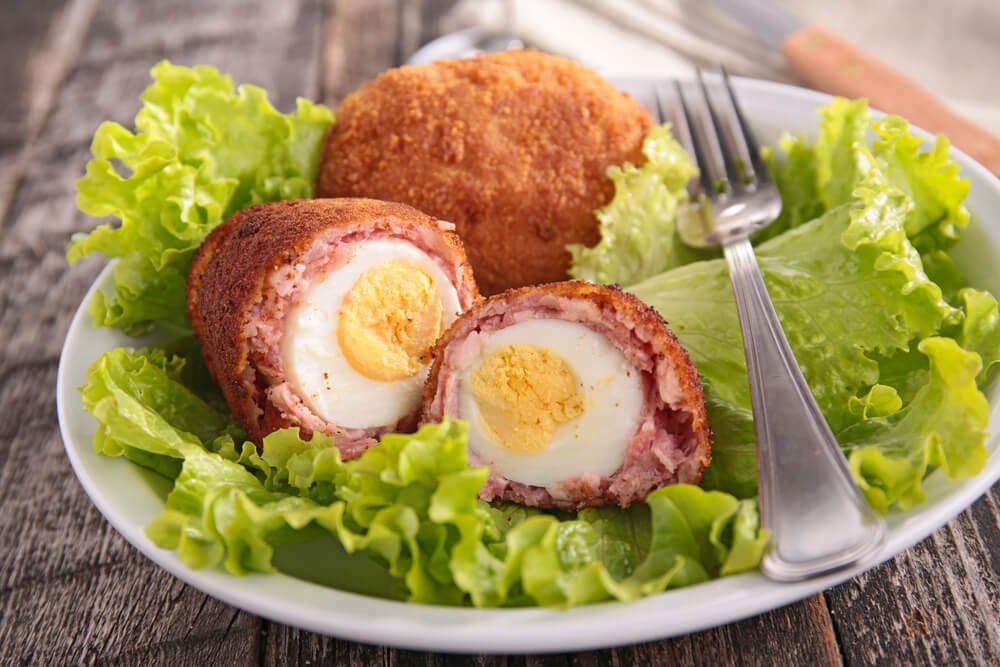
A hard-boiled egg wrapped in sausage meat, coated in breadcrumbs, and fried makes a handheld lunch with its own packaging. Once cooled, it traveled in a pocket or a napkin without leaking.
The layers of egg, meat, and crumb turned a snack into a meal.
Cornish Pasties
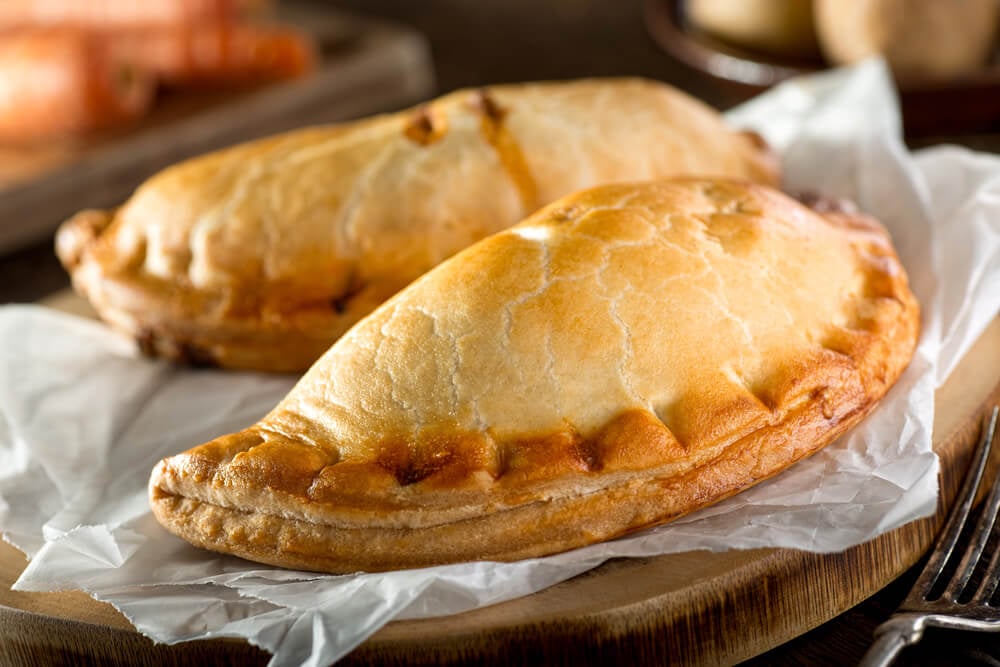
The Cornish pasty, a folded pastry filled with beef, potato, and swede, worked as a complete meal in one hand. Its sturdy crimped crust protected the filling on the journey.
Miners carried them below ground, and picnickers found they traveled just as well above it.
Sausage Rolls
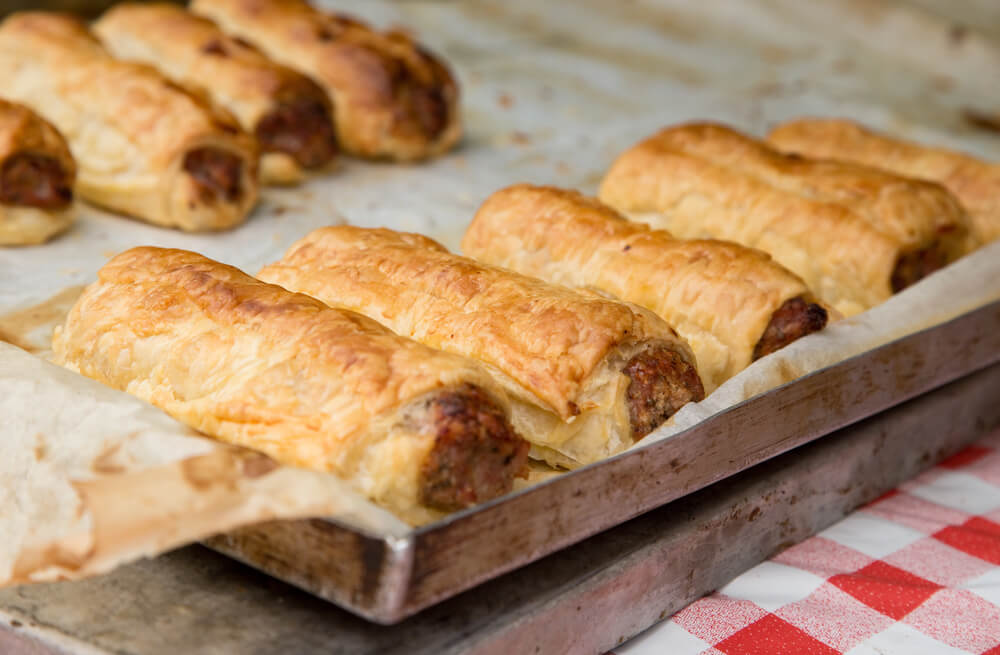
Seasoned sausage meat baked inside flaky pastry produced a portable bite that tasted fine cold. Bakers made them in batches the day before an outing.
They fit neatly into a tin lined with paper.
A Wedge of Hard Cheese
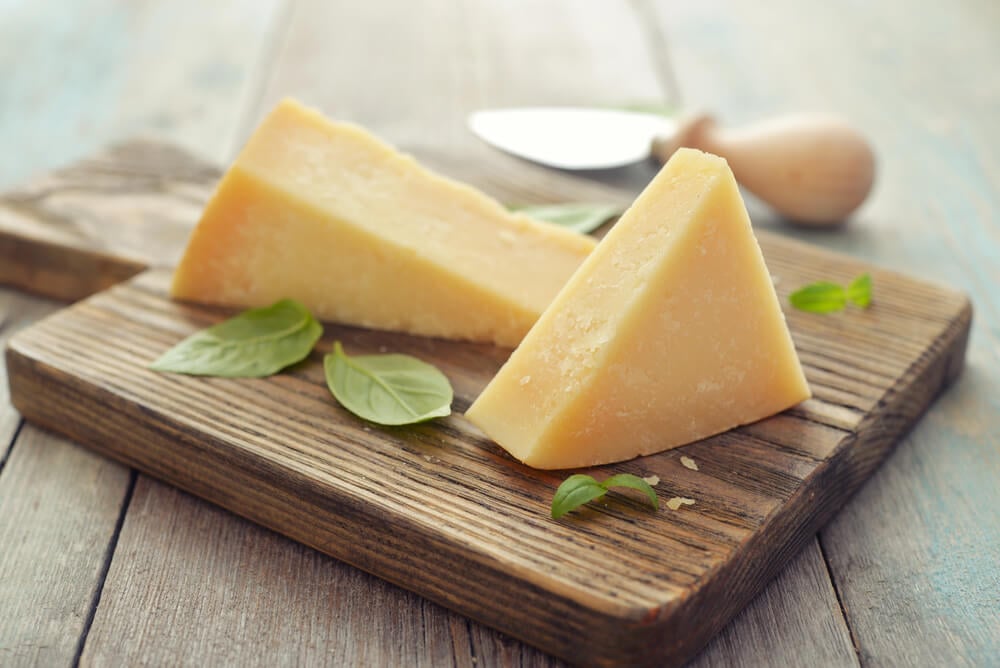
Aged cheddar and similar hard cheeses held their shape and flavor in warm weather far better than soft ones. Cooks wrapped a wedge in cloth and sliced it at the blanket with a pocketknife.
A hunk of cheese and a loaf of bread was a complete lunch.
Summer Sausage
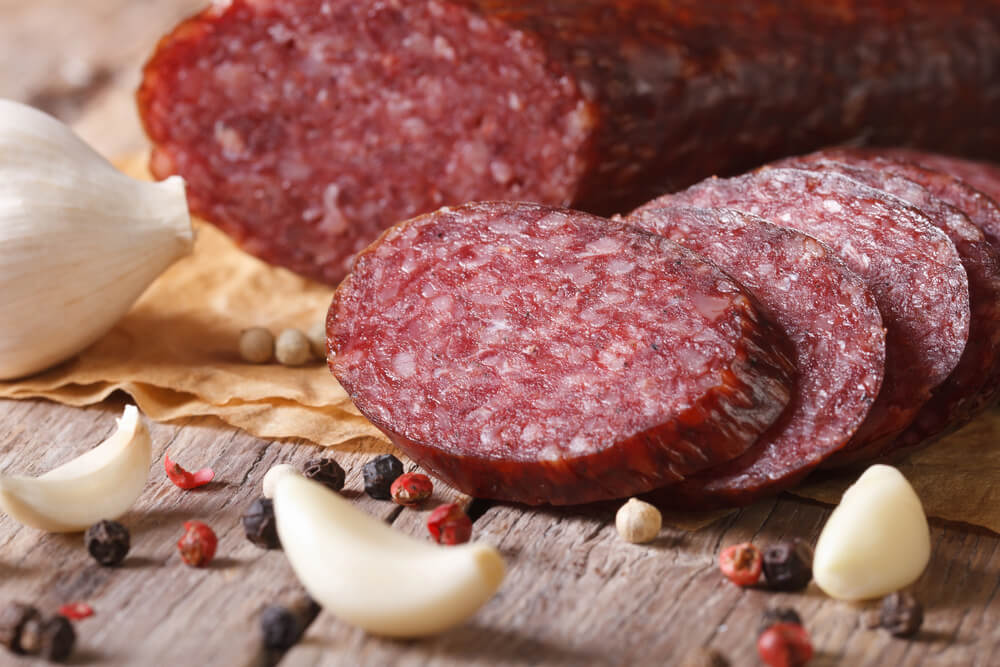
The name comes from the sausage’s ability to keep through the warm months without refrigeration. Cured and dried, it could ride in a basket for the entire afternoon.
Slices on crackers made an easy appetizer.
Soda Crackers
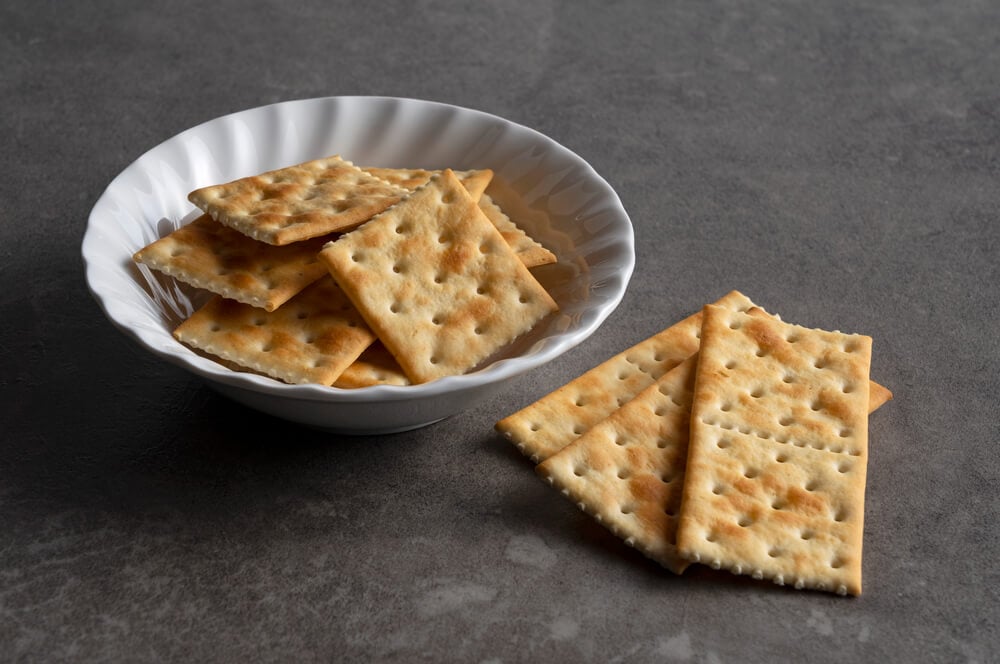
Dry crackers needed no refrigeration and weighed almost nothing. They served as the base for cheese, sausage, and sardines.
A sleeve of them rode in nearly every basket as a backup for anything else that went wrong.
Dill Pickles
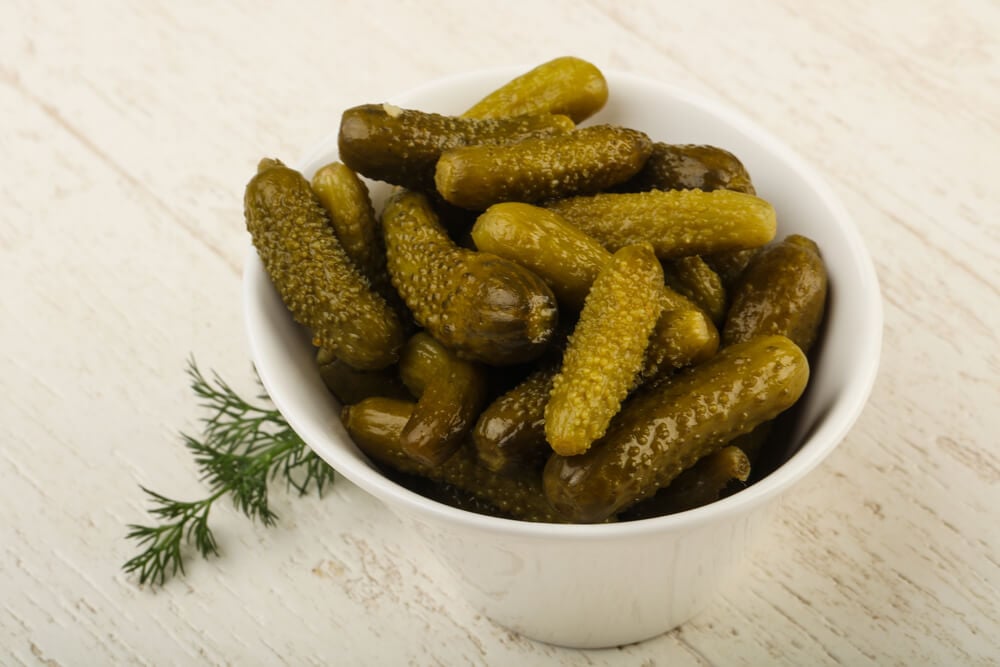
Brined cucumbers, packed in jars, withstood heat that would ruin other vegetables. Their sour crunch cleaned the palate between bites of rich meat.
A jar could be passed around the blanket with a fork.
Pickled Beets
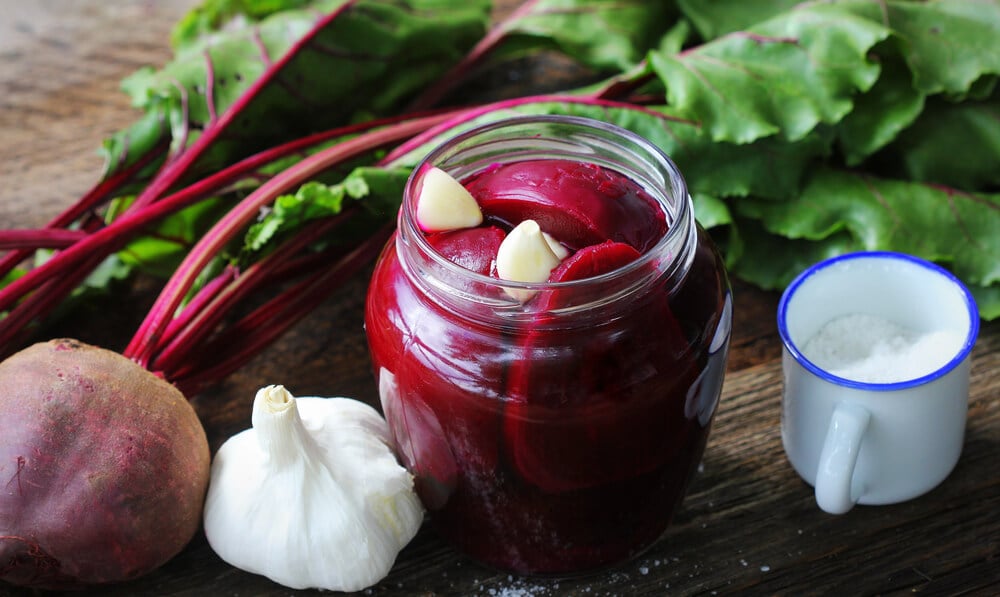
Beets cooked and pickled in a sweet-sour brine kept for weeks in the pantry. Their deep red stained everything they touched, including napkins and fingers.
At a picnic they supplied color and tang in a way few other foods could.
Radishes, Celery, and a Salt Shaker
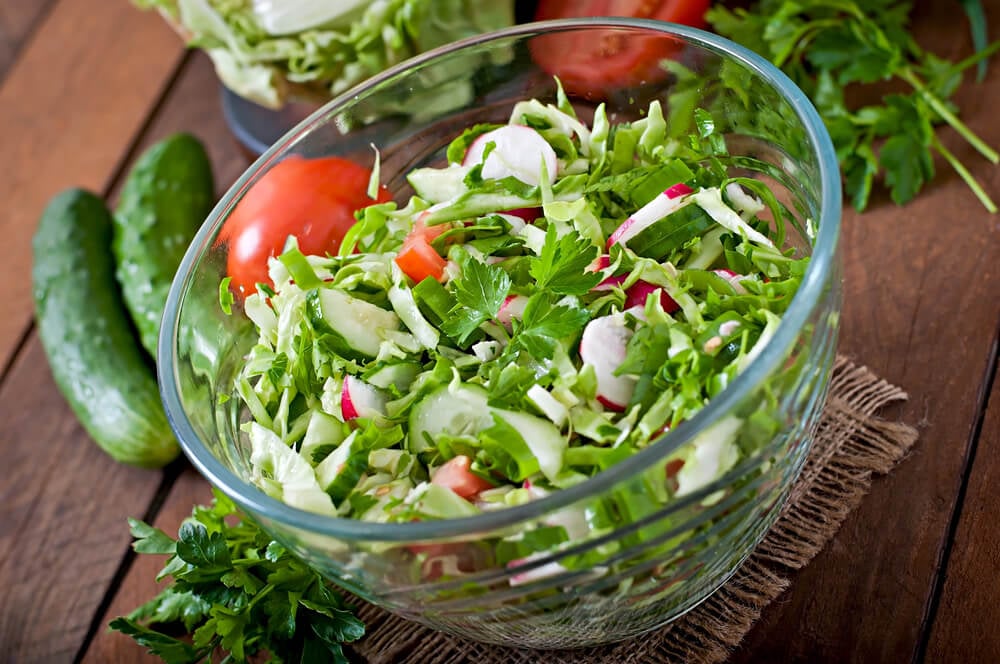
Crisp vegetables went into a basket wrapped in a damp cloth to keep them cool and firm. Radishes and celery were dipped in salt and eaten raw.
A small shaker of salt was often the most valuable item in the basket.
Apples
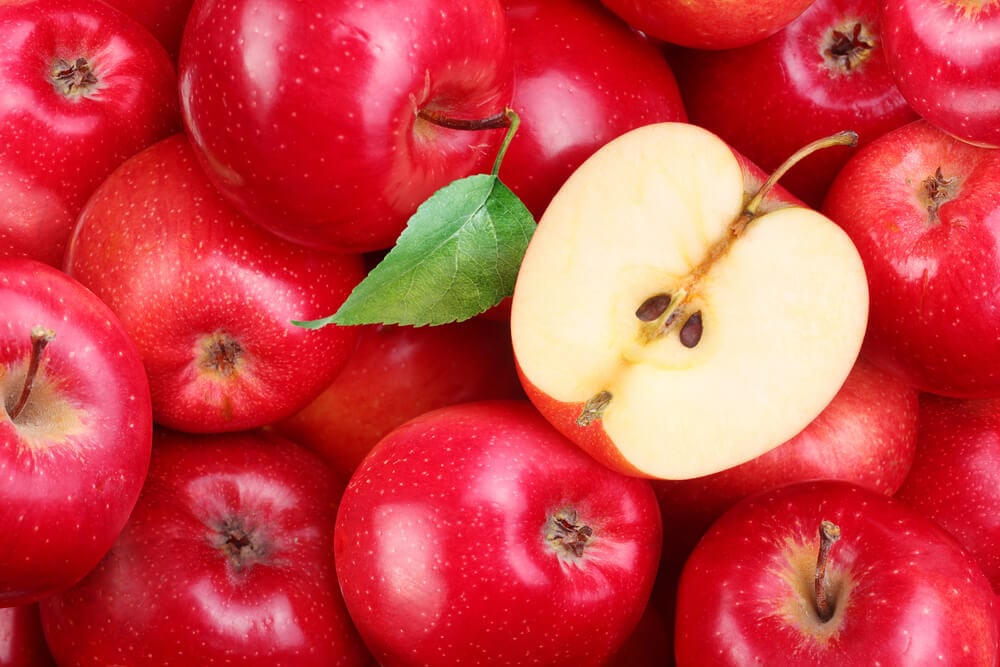
An apple needs no plate, no knife, and no refrigeration. Hardy varieties survived being tossed in a basket and carried for miles.
Picnickers ate the core and all, or tossed it for the birds.
Watermelon From the Creek
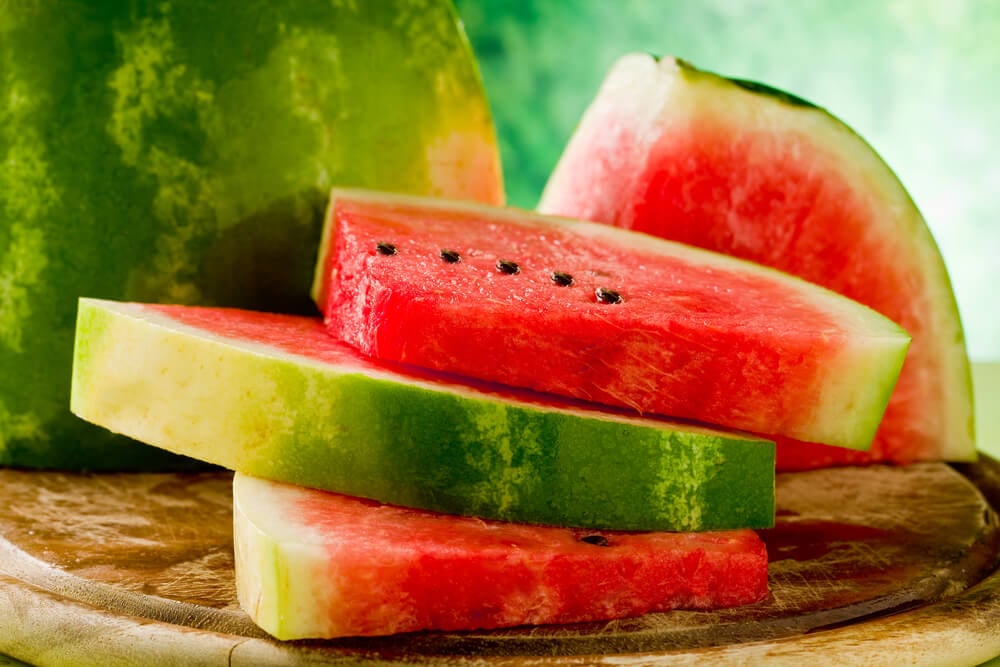
An entire watermelon was lowered into a cold creek or spring a few hours before the meal. The running water chilled the fruit through the rind.
Cutting it open on the bank produced a red, dripping, cold dessert that no icebox could match.
Cherries and Stone Fruit
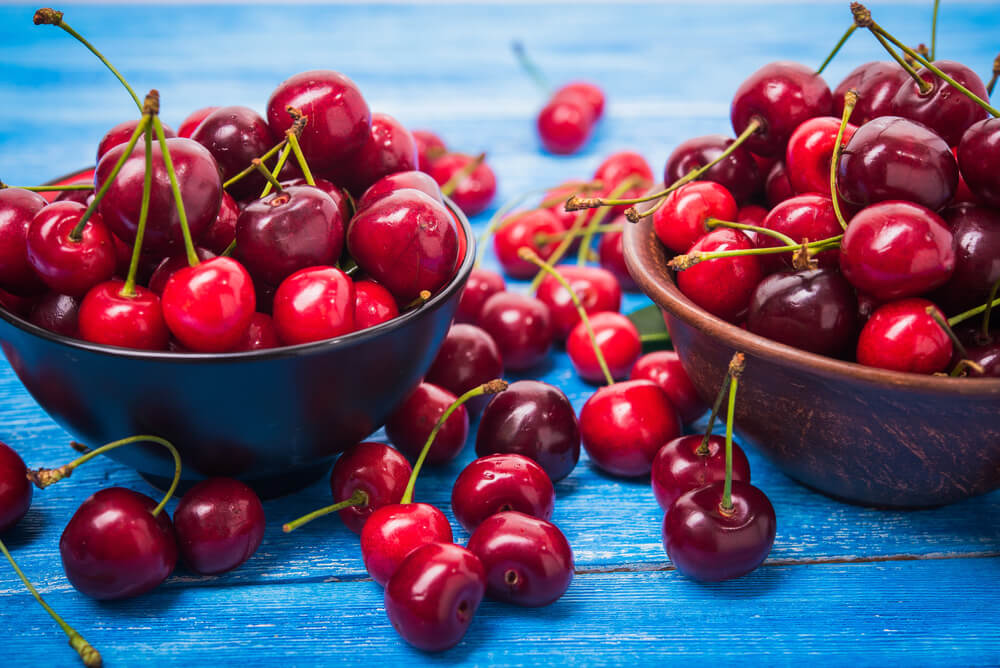
Cherries, plums, and peaches traveled in a basket lined with leaves or cloth. They needed no preparation beyond a rinse in the creek.
The pits went wherever the picnickers were sitting.
Pound Cake
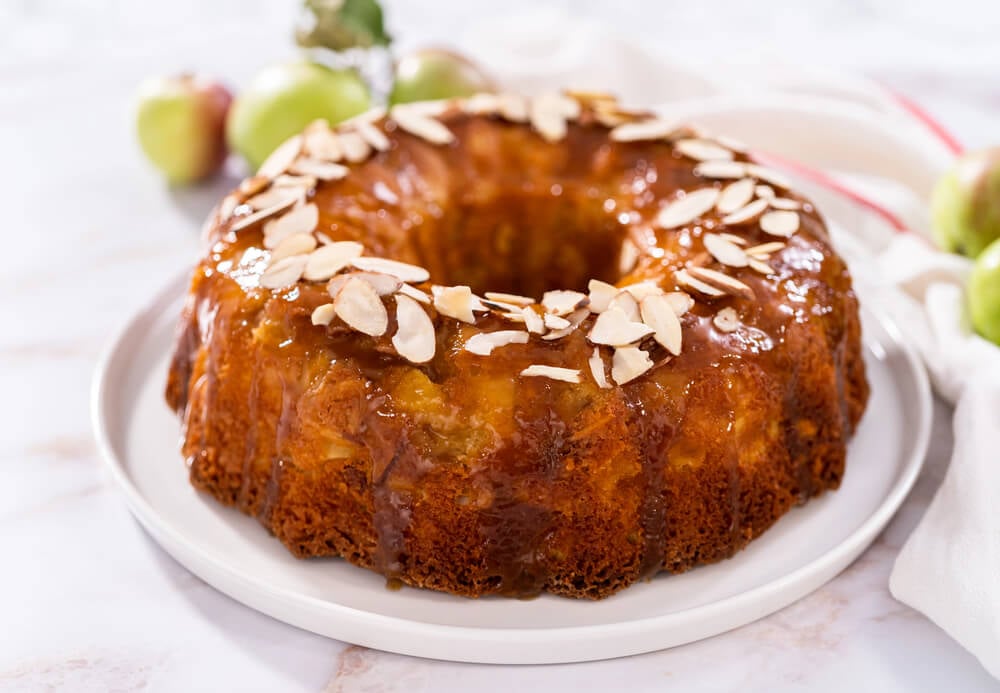
The name comes from the traditional recipe, a pound each of butter, sugar, flour, and eggs. The dense crumb held up in warm weather and did not crumble in transit.
A slice with fresh fruit made a dessert that traveled like a brick.
Gingerbread
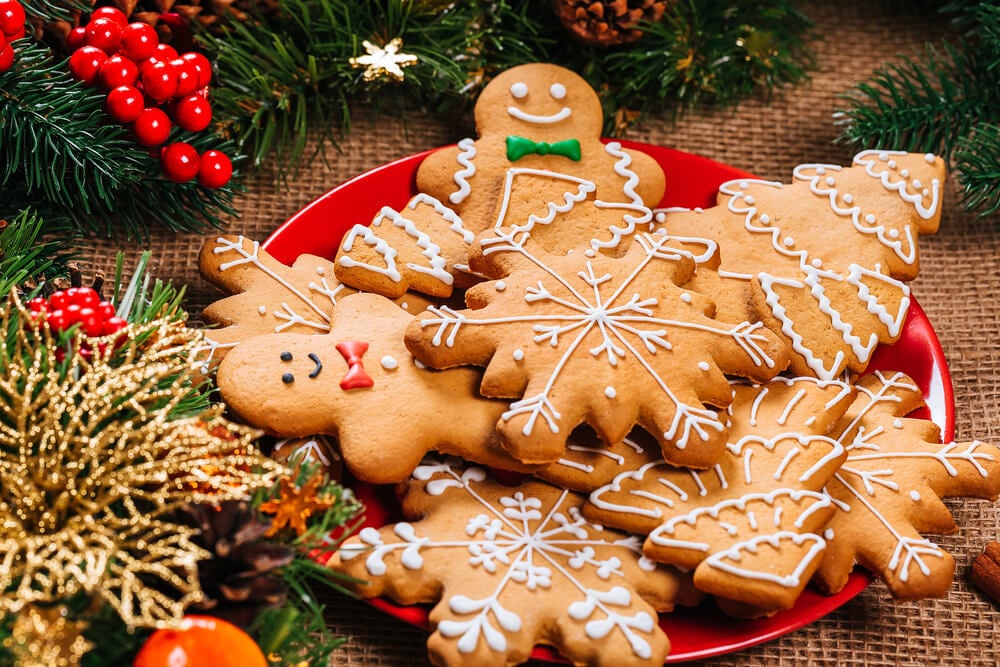
Molasses and ginger give gingerbread a deep flavor and a texture that stays moist for days. Cooks baked it in a square pan and cut it into portions for the basket.
It tasted better the second day, which made it a make-ahead hero.
Hand Pies
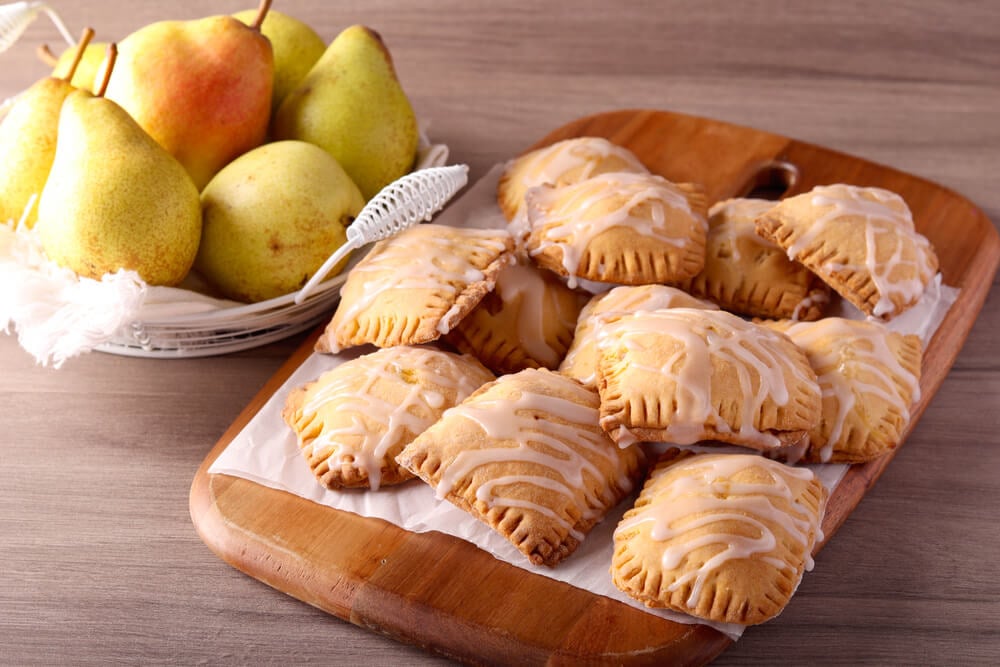
Small double-crusted fruit pies fit in one hand and needed no plate. The sealed crust protected the filling from dust and flies.
Apple, peach, and cherry versions were the most common.
Doughnuts
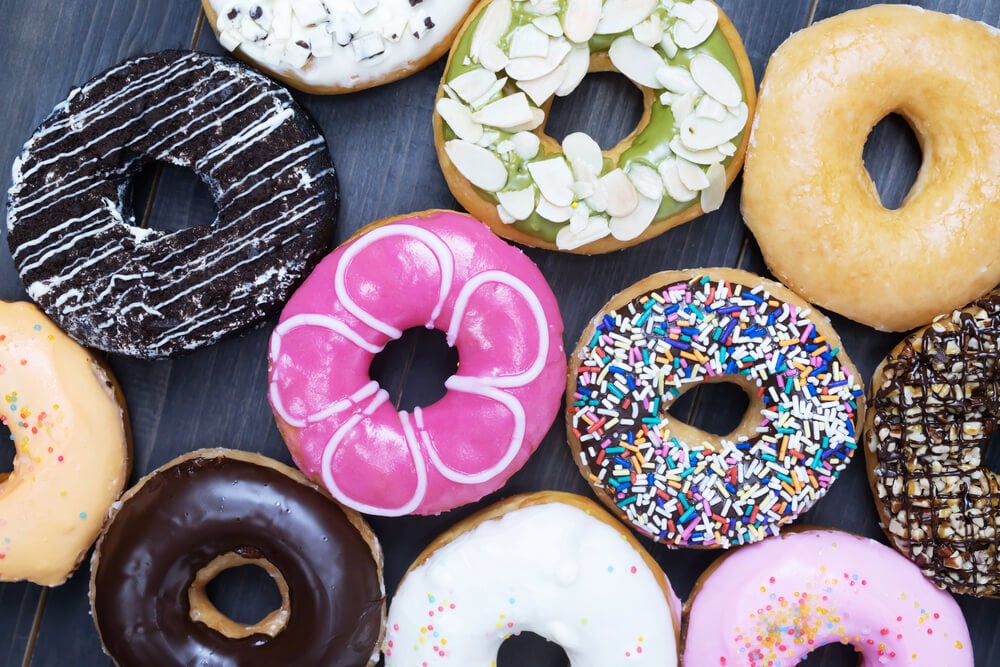
Fried doughnuts, rolled in sugar, kept well in a covered tin. They required no utensils and left only a dusting of sugar behind.
Children grabbed them first, which is why cooks packed extras.
Molasses Cookies
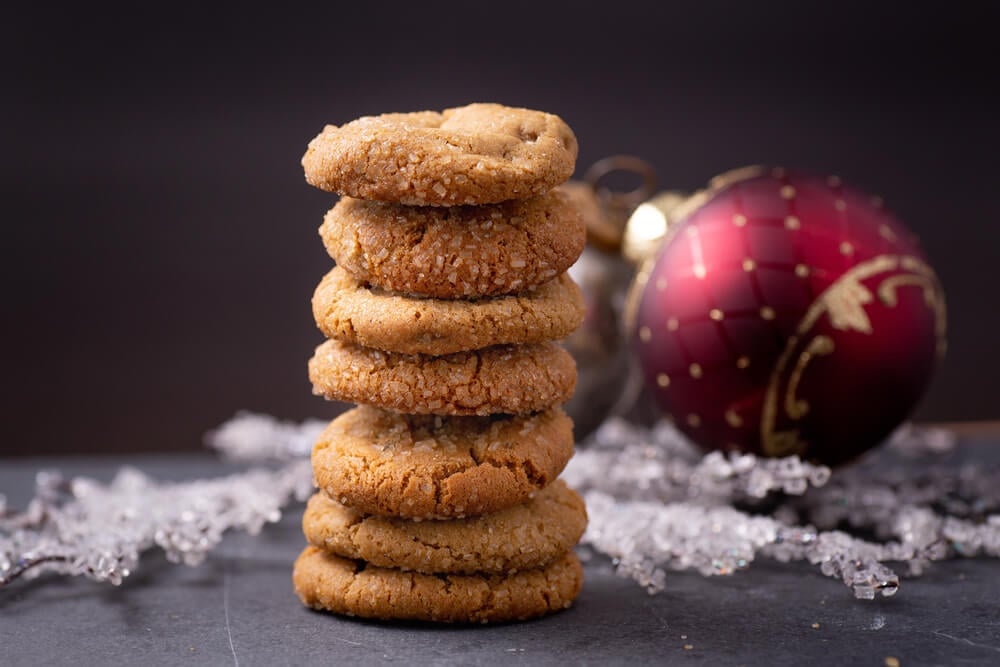
Soft, spiced molasses cookies stayed chewy for days. They rode in the same tin as the doughnuts and often absorbed some of the sugar.
A stack wrapped in paper could feed a crowd.
Cornbread
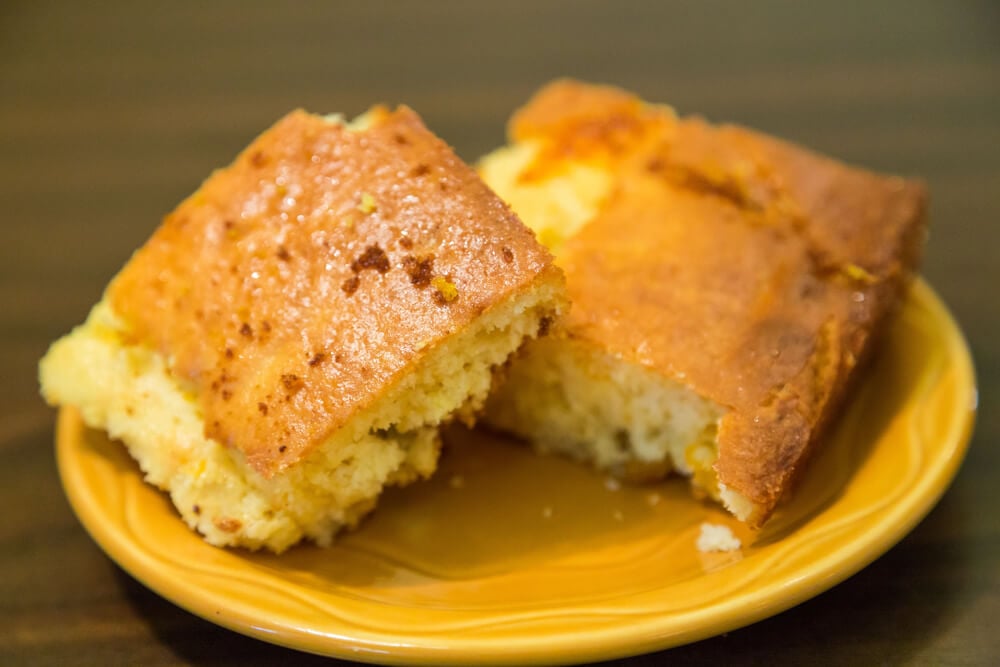
Wedges of cornbread, baked in a cast-iron skillet, traveled well and went with nearly anything. Southern cooks packed them with cold meat and greens.
Split and buttered, they made a sandwich without a loaf.
Boston Brown Bread
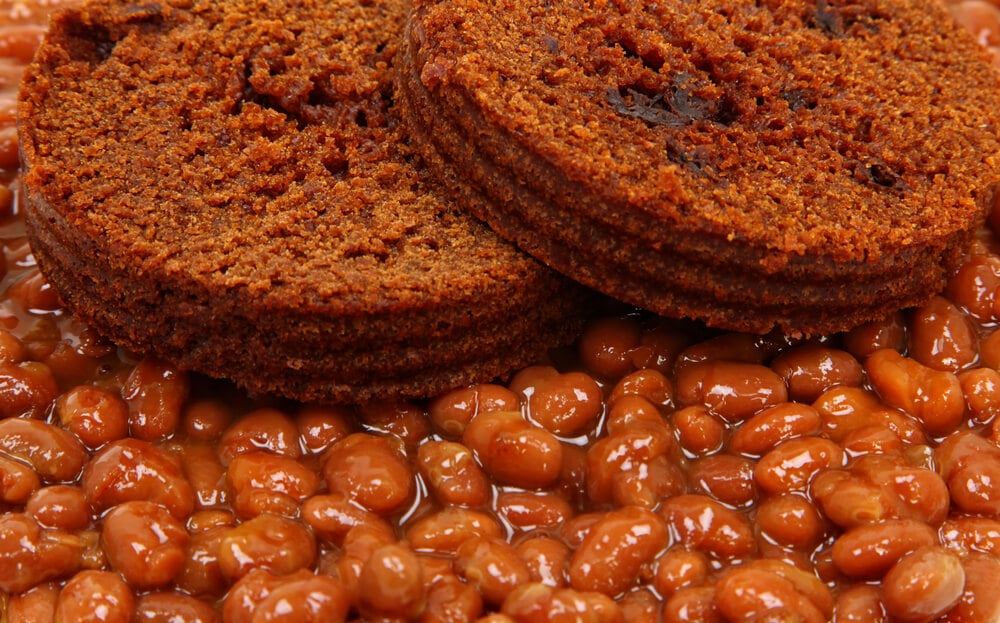
This dark, molasses-sweetened loaf was steamed in a can, which gave it a dense, moist crumb. Sliced thin and spread with butter or cream cheese, it kept for days.
The round slices were ideal for a picnic plate.
Underwood Deviled Ham
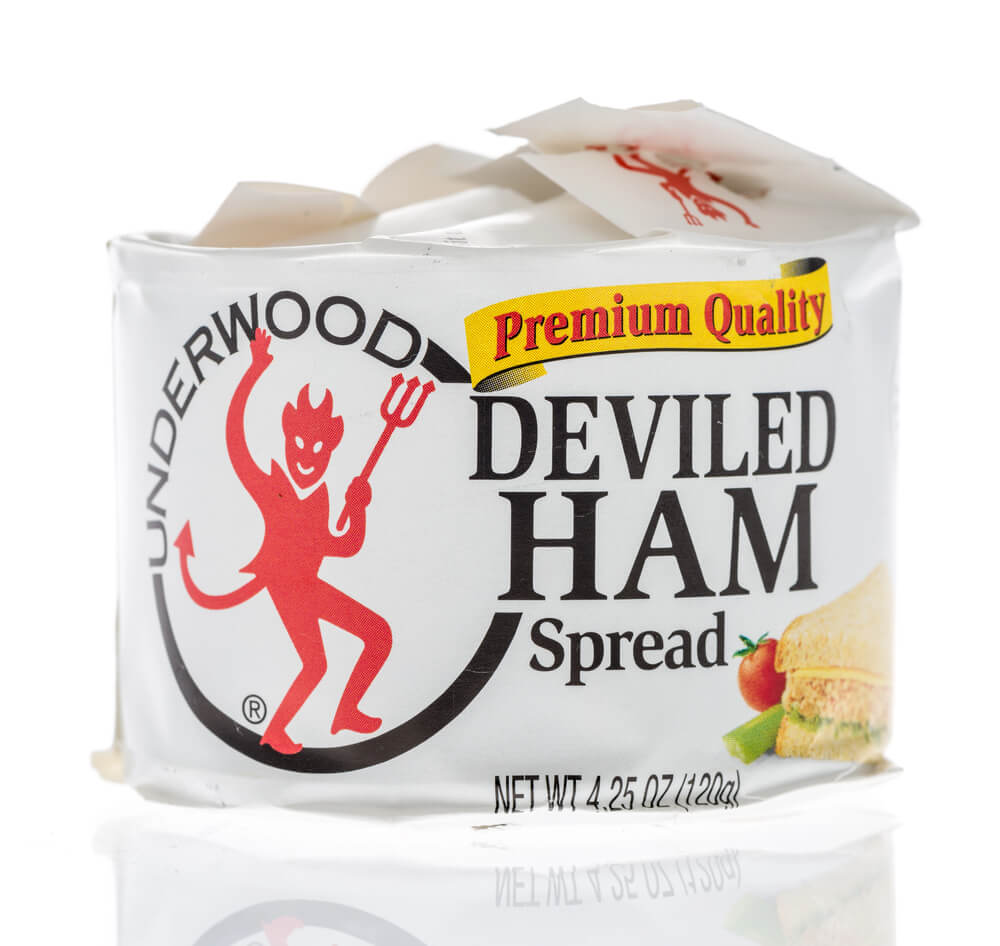
William Underwood and Company introduced canned deviled ham in 1868, and the spiced spread, sold in tins with a red devil on the label, became a pantry staple. It mixed with butter or mustard into a sandwich filling that needed no refrigeration until the can was opened.
For picnickers, a tin was lunch in a pocket.
Tinned Sardines
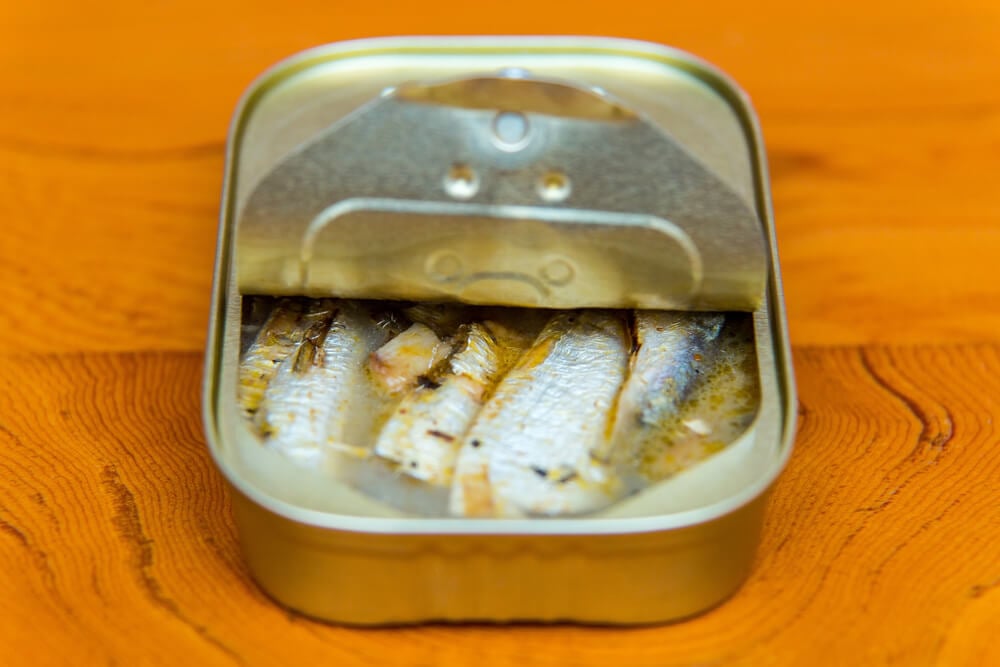
A tin of sardines, opened with a key on the lid, supplied protein, oil, and salt. Eaten on soda crackers, they made a quick lunch.
The tin could be tossed in the basket without a second thought.
Lemonade in Mason Jars
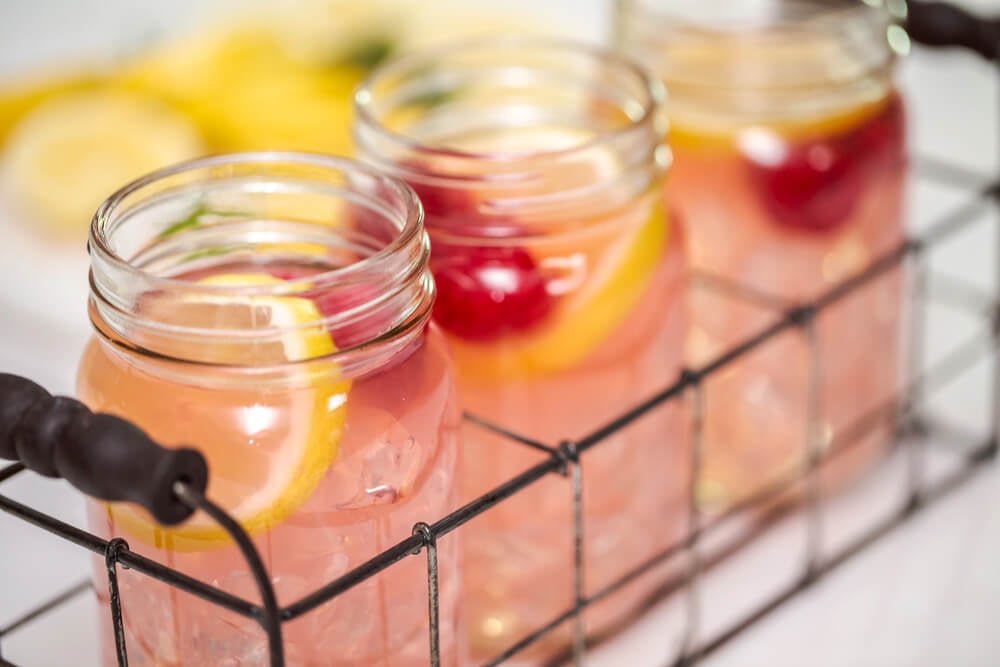
John Landis Mason patented his screw-top jar in 1858, and picnickers soon used it to carry lemonade, iced tea, and cider. The tight lid kept liquid from spilling in the basket.
The jar could be sunk in a creek to chill.
Switchel
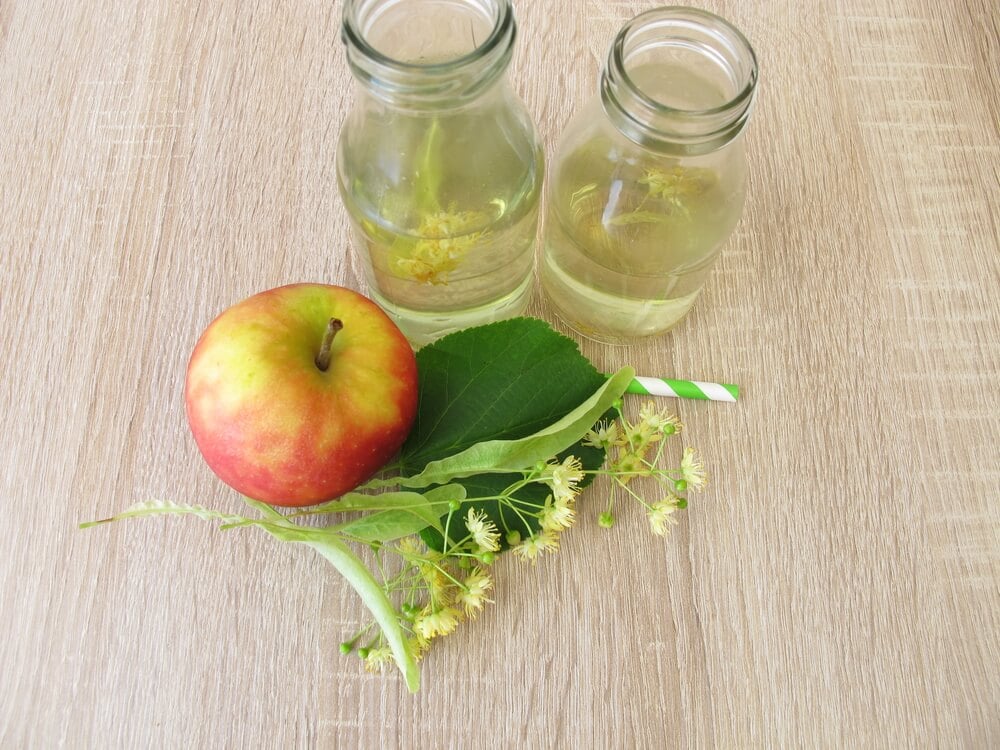
Switchel, a drink of water, ginger, vinegar, and molasses or honey, was long carried to the hayfields to refresh workers. It tasted sharp and sweet and held up in the sun.
Picnickers adopted it as a homemade sports drink long before the term existed.
Jars in the Spring
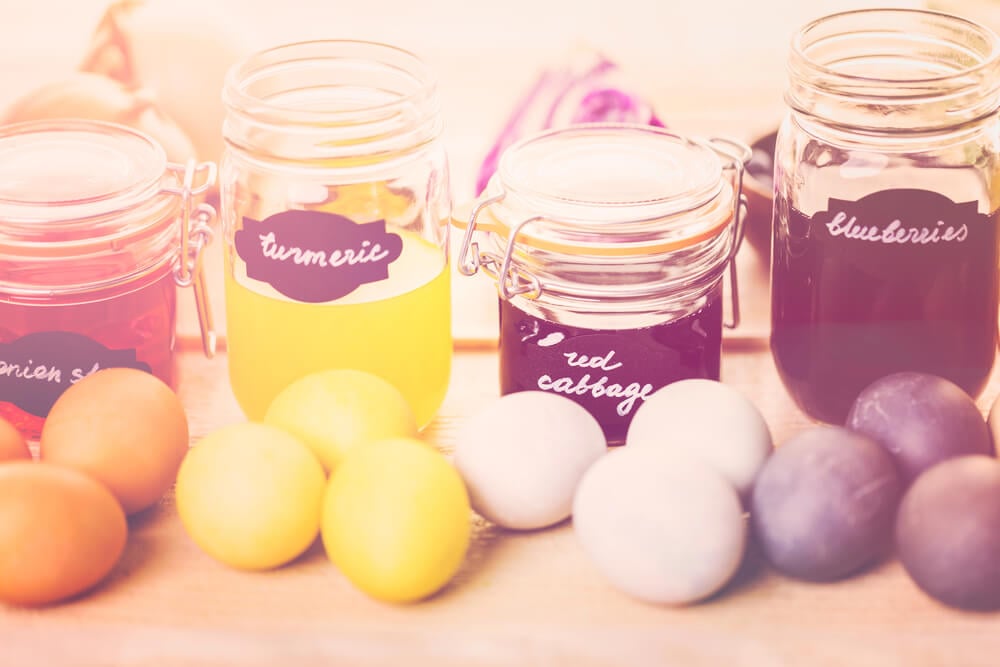
Families without ice tied jars of drink to a rope and lowered them into a cold spring or stream. The moving water kept the bottles chilly for hours.
A picnic site near water was chosen partly for this reason.
Block Ice and Sawdust

A block of ice, bought from the iceman and wrapped in newspaper or buried in sawdust, was the closest thing to a portable cooler. It sat at the bottom of the basket and cooled butter, drinks, and anything perishable.
It melted steadily, so the clock was always running.
The Cool Part Was Never the Cooler
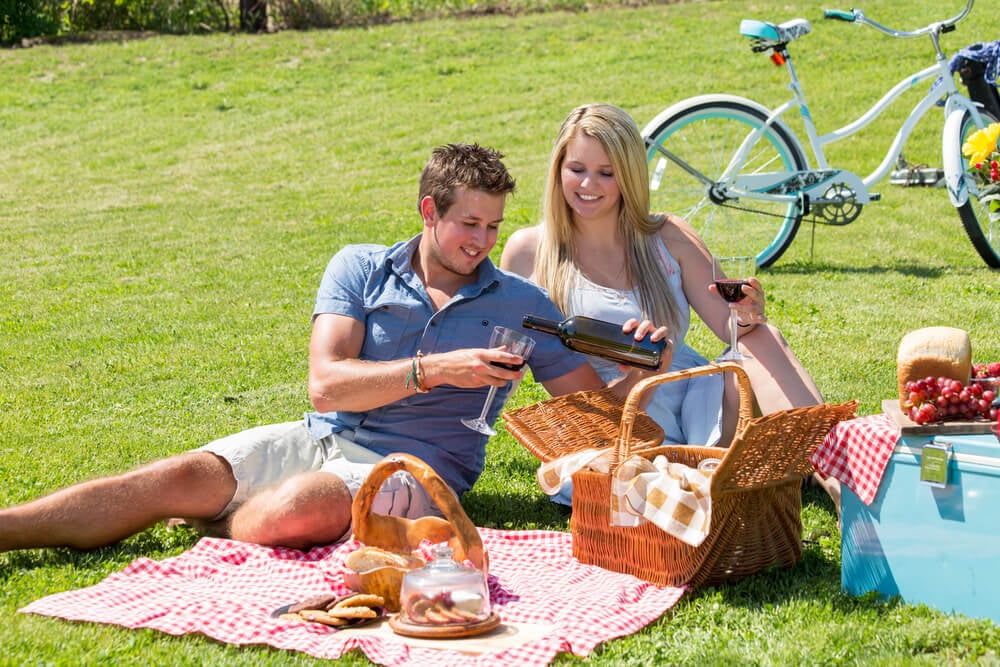
Cooks of that era did not fight the heat so much as plan around it. They chose foods that were salted, pickled, sugared, fried, or sealed in pastry, and they let streams and spring water do the rest.
The method worked, and a great many of those dishes are still favorites. The result was a picnic menu with a distinct character.
Cold chicken, a wedge of cheese, a jar of pickles, and a slice of pound cake did not need refrigeration to taste right. They only needed a shady spot and good company.
More from Go2Tutors!

- 27 Silver Dollars and Half Dollars Worth Keeping
- 28 Restaurant Menu Items Nobody Orders Anymore
- 17 Places Built in Seemingly Impossible Spots
- 27 Vintage Rings Worth More Than They Look
- 25 Restricted Sites Tourists Can’t Enter
Like Go2Tutors’s content? Follow us on MSN.