15 Fascinating Facts About The Liberty Bell’s History
Few American symbols carry the weight of contradiction quite like the Liberty Bell. This bronze icon sits cracked and silent in Philadelphia, representing freedom while bearing the marks of its own fragility.
The bell that never rang for independence has somehow become independence itself — a paradox wrapped in 2,080 pounds of metal that speaks louder in silence than it ever did with sound.
Originally Called The State House Bell
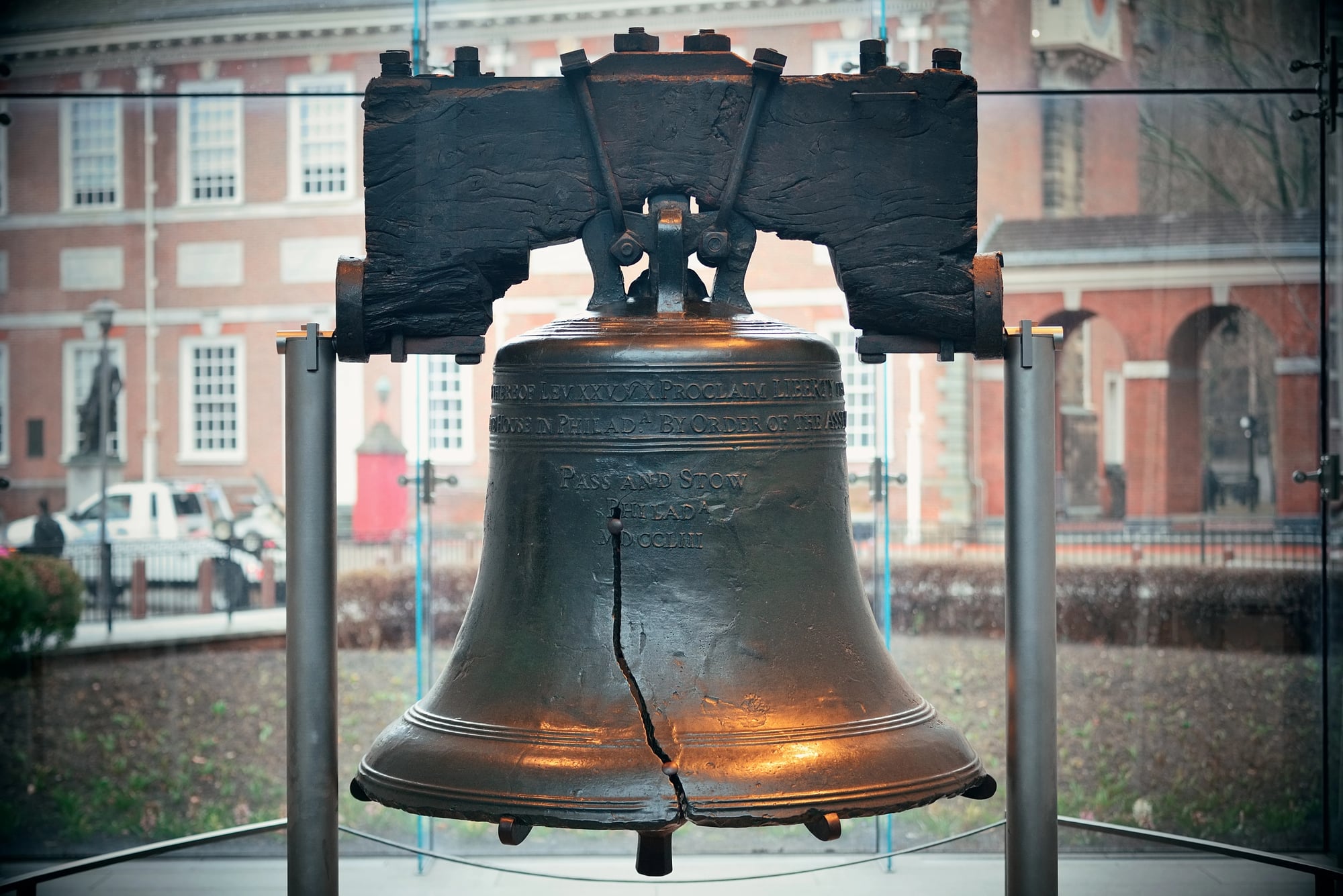
The Liberty Bell wasn’t born with its famous name. Cast in 1752, it was simply the State House Bell, commissioned for the Pennsylvania State House (now Independence Hall).
The “Liberty Bell” title came much later, coined by abolitionists in the 1830s who adopted it as a symbol of their cause. Marketing genius, really — nothing sells freedom quite like rebranding.
Cast By The Whitechapel Bell Foundry In London
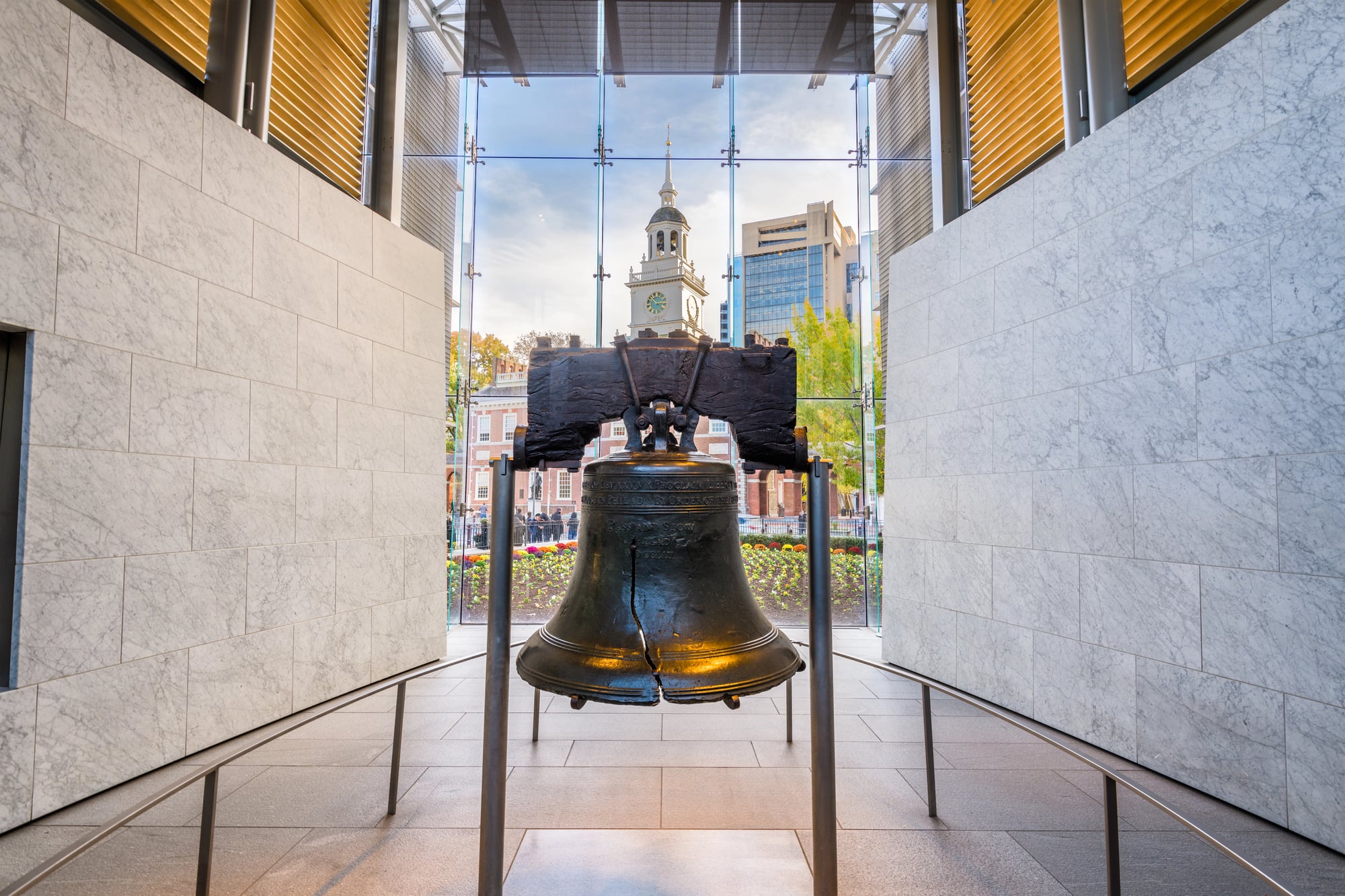
Here’s where things get awkwardly colonial: America’s symbol of independence was made by the British. The Whitechapel Bell Foundry in London cast the original bell, the same foundry that made Big Ben.
So the bell that would come to represent breaking free from Britain was literally made in Britain. The irony writes itself.
The Bell Cracked During Its First Test Ring
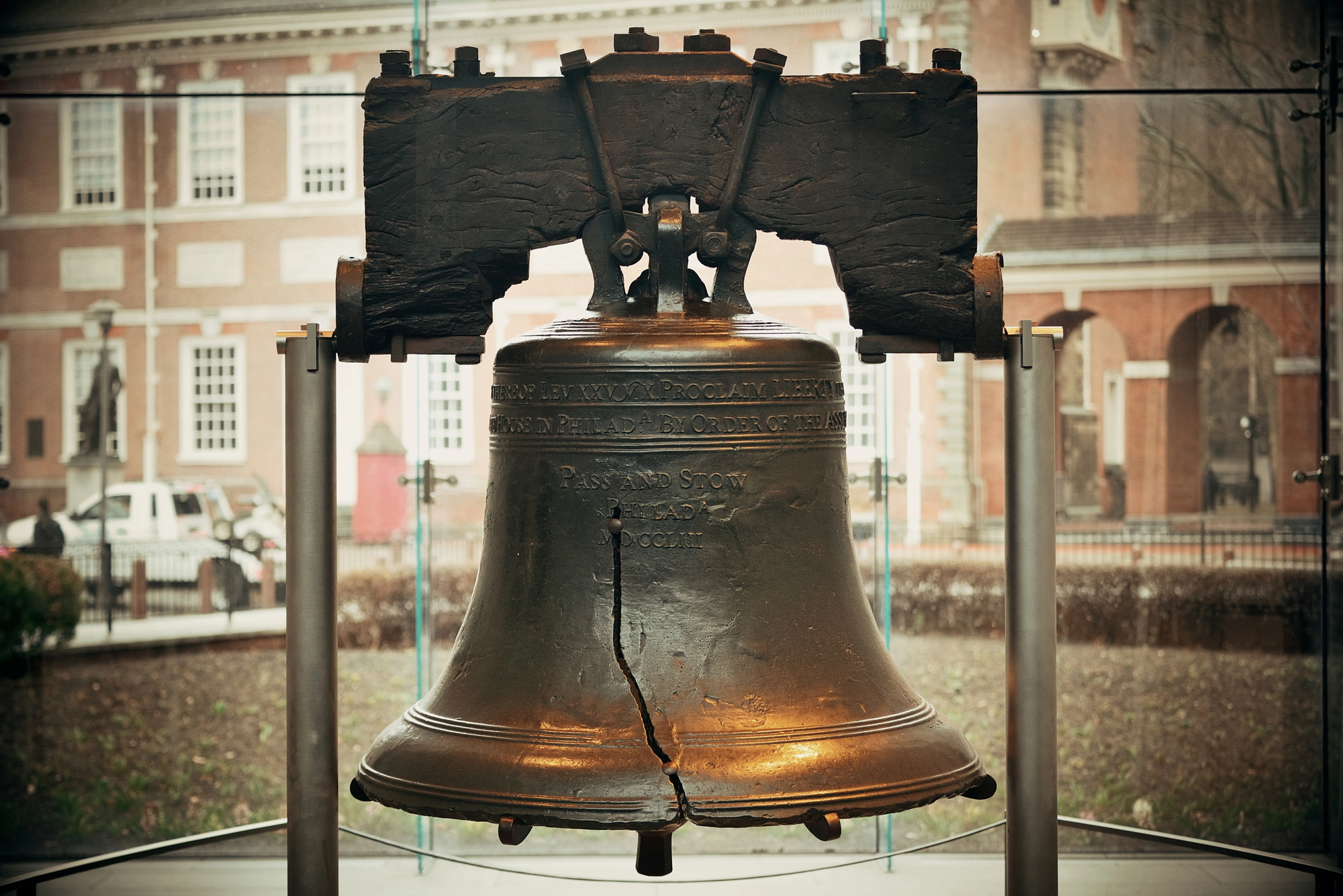
Talk about a rough start. When the bell arrived in Philadelphia in 1752, local officials decided to test it out — and it cracked on the very first ring (though some historians debate whether it cracked immediately or shortly after).
Imagine that sinking feeling: your expensive British bell, fresh off the boat, splits like a wishbone at a family dinner. Not exactly the triumphant debut they had in mind, and certainly not the kind of thing you’d want to explain to whoever signed off on the purchase order.
The bell had to be recast twice by local founders John Pass and John Stow, who melted down the original metal and added copper to make it less brittle — though as it turns out, their metallurgical skills weren’t quite up to preventing future cracks.
But you have to admire their persistence, especially since they were essentially trying to fix what London’s premier bell foundry had made, which is a bit like being asked to tune up a Stradivarius when your day job is restringing guitars.
It Bears A Biblical Inscription About Liberty
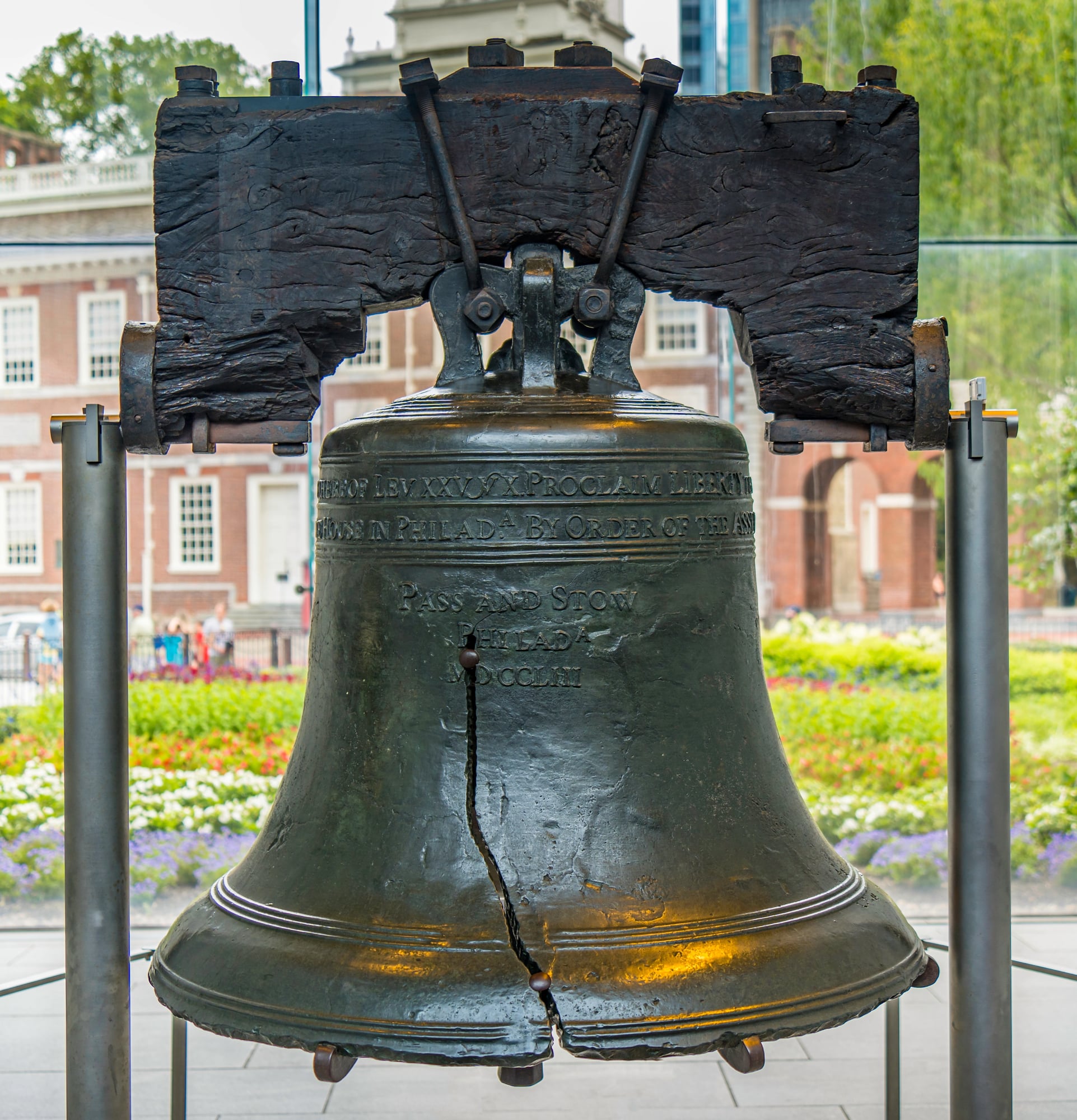
The bell carries words from Leviticus 25:10: “Proclaim LIBERTY Throughout all the Land unto all the Inhabitants Thereof.” The inscription was chosen to commemorate the 50th anniversary of Pennsylvania’s original constitution, known as the Charter of Privileges.
Religious text on government property wasn’t controversial then. Different times.
The Bell Likely Never Rang On July 4, 1776
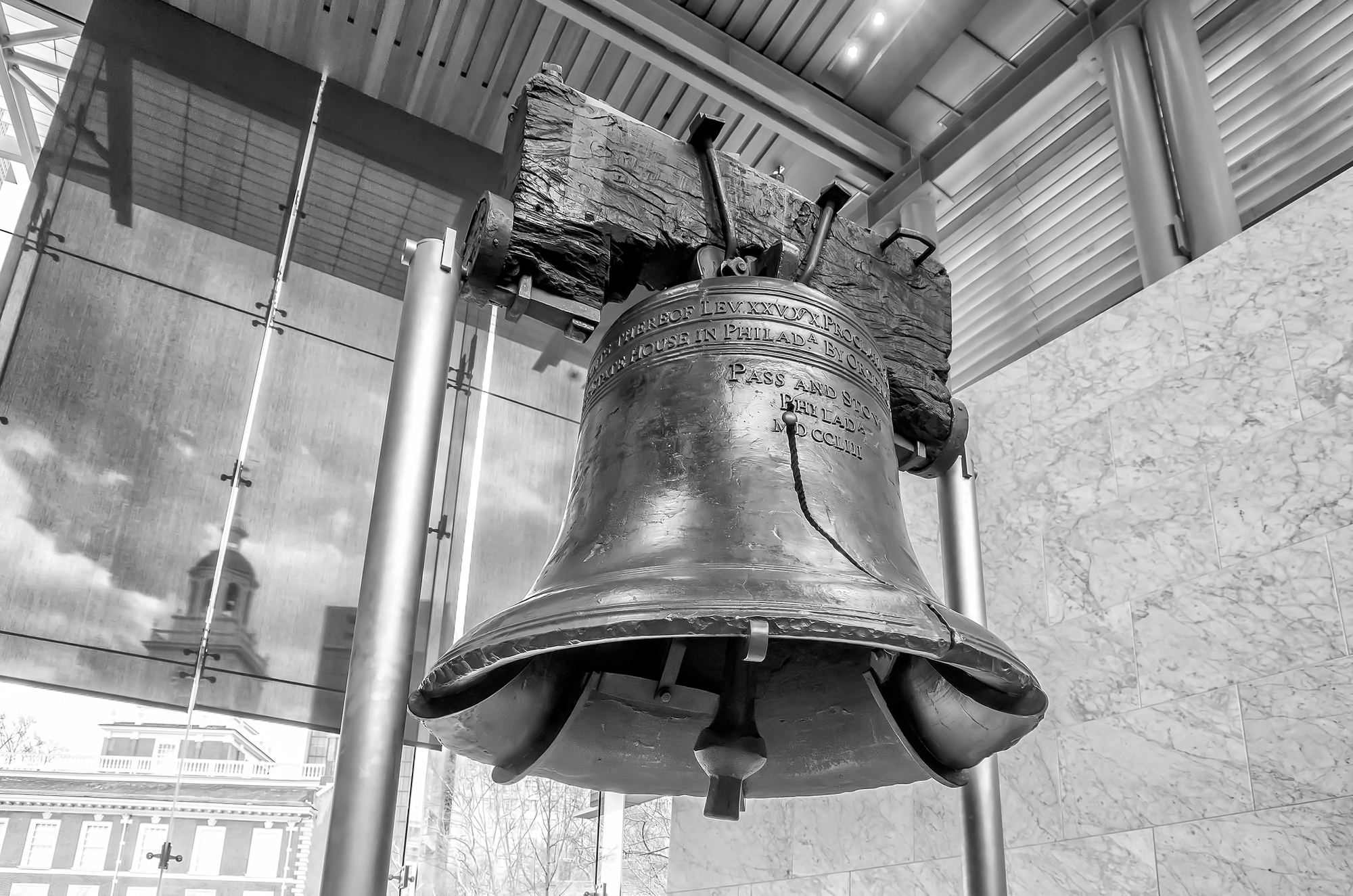
Despite the popular story, the Liberty Bell probably didn’t ring to announce the signing of the Declaration of Independence. The Continental Congress met in secret, and public announcement didn’t come until July 8.
The romantic version makes better storytelling than historical accuracy. Always does.
It Developed Its Famous Crack Gradually
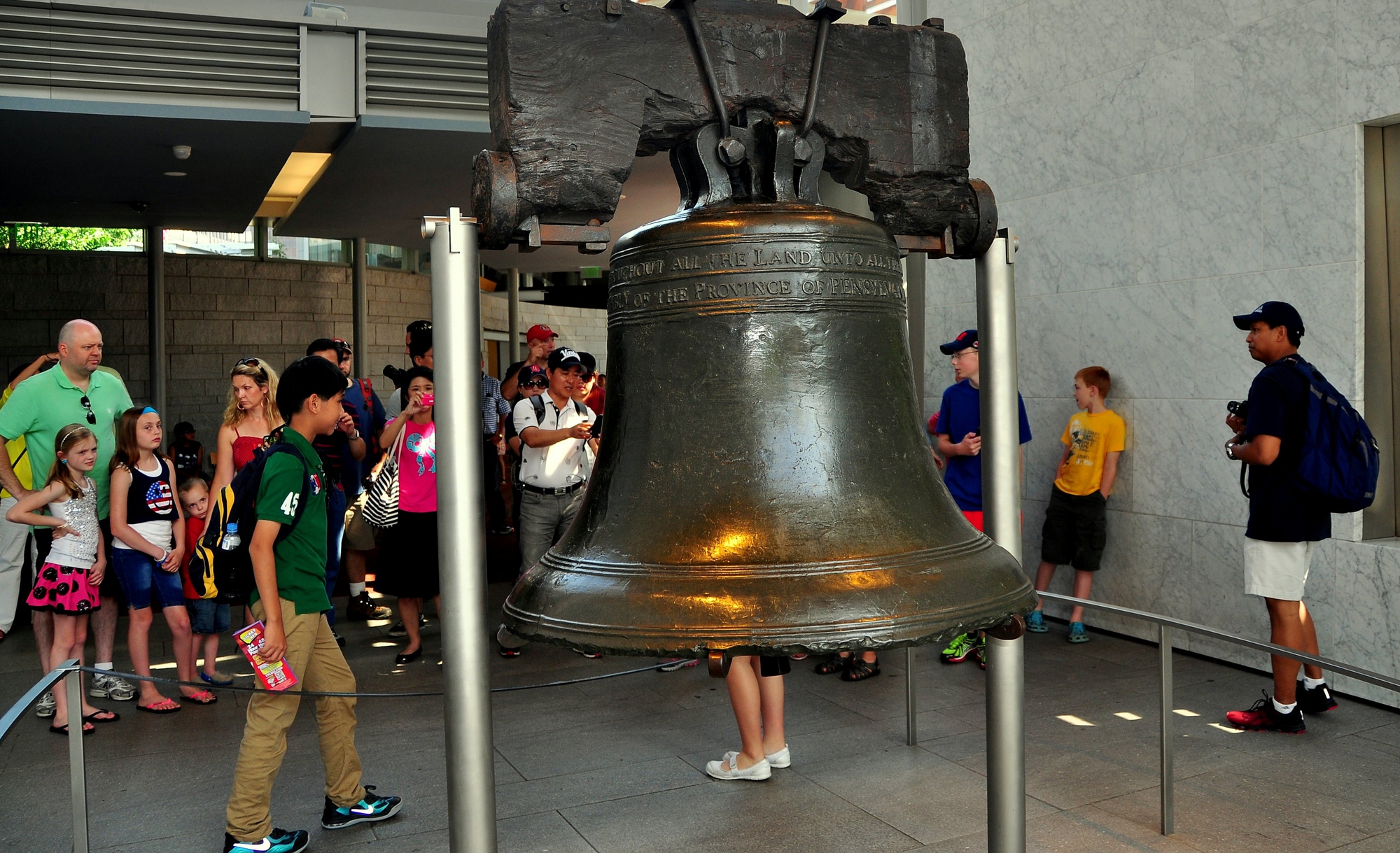
The bell’s signature crack wasn’t a dramatic moment but a slow surrender to physics and time. Like watching a relationship deteriorate, the crack grew gradually through years of ringing, expanding and deepening until the bell could no longer hold a clear tone.
The final break likely happened in the 1840s, though the exact moment remains lost to history — which seems fitting for something that spent its life marking time.
Most people assume the crack happened all at once, probably during some pivotal historical moment, because that’s how we prefer our symbols to behave.
But metal fatigue doesn’t care about narrative convenience, and bronze follows the laws of physics rather than the demands of good storytelling.
George Washington Heard It Ring Multiple Times
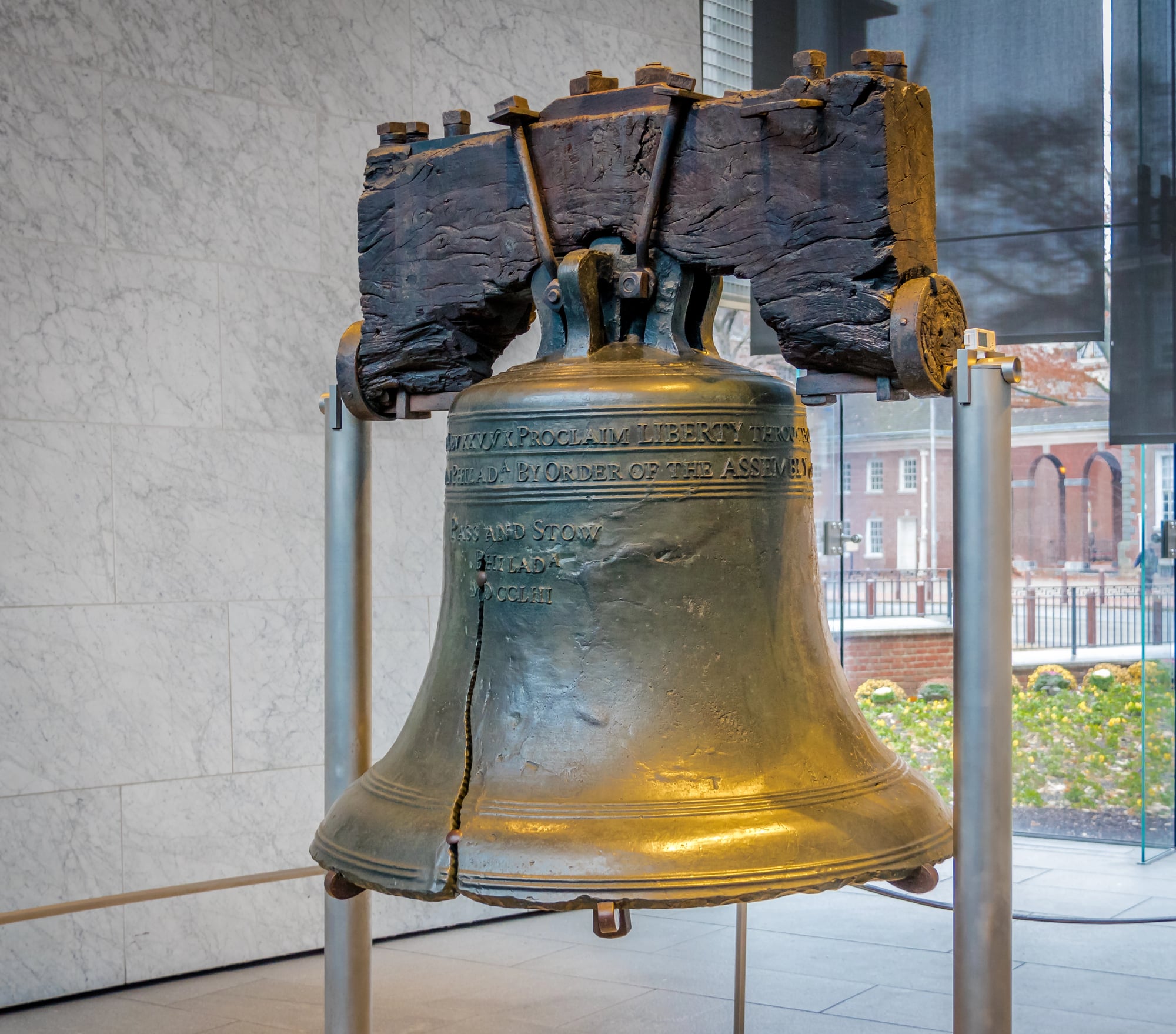
Washington was in Philadelphia often enough to hear the bell ring on various occasions, including celebrations and public announcements. The bell was part of the city’s soundscape during the Revolutionary period, marking time and events for residents.
Washington probably thought of it as just another bell — not the icon it would become.
The Bell Weighs Exactly 2,080 Pounds
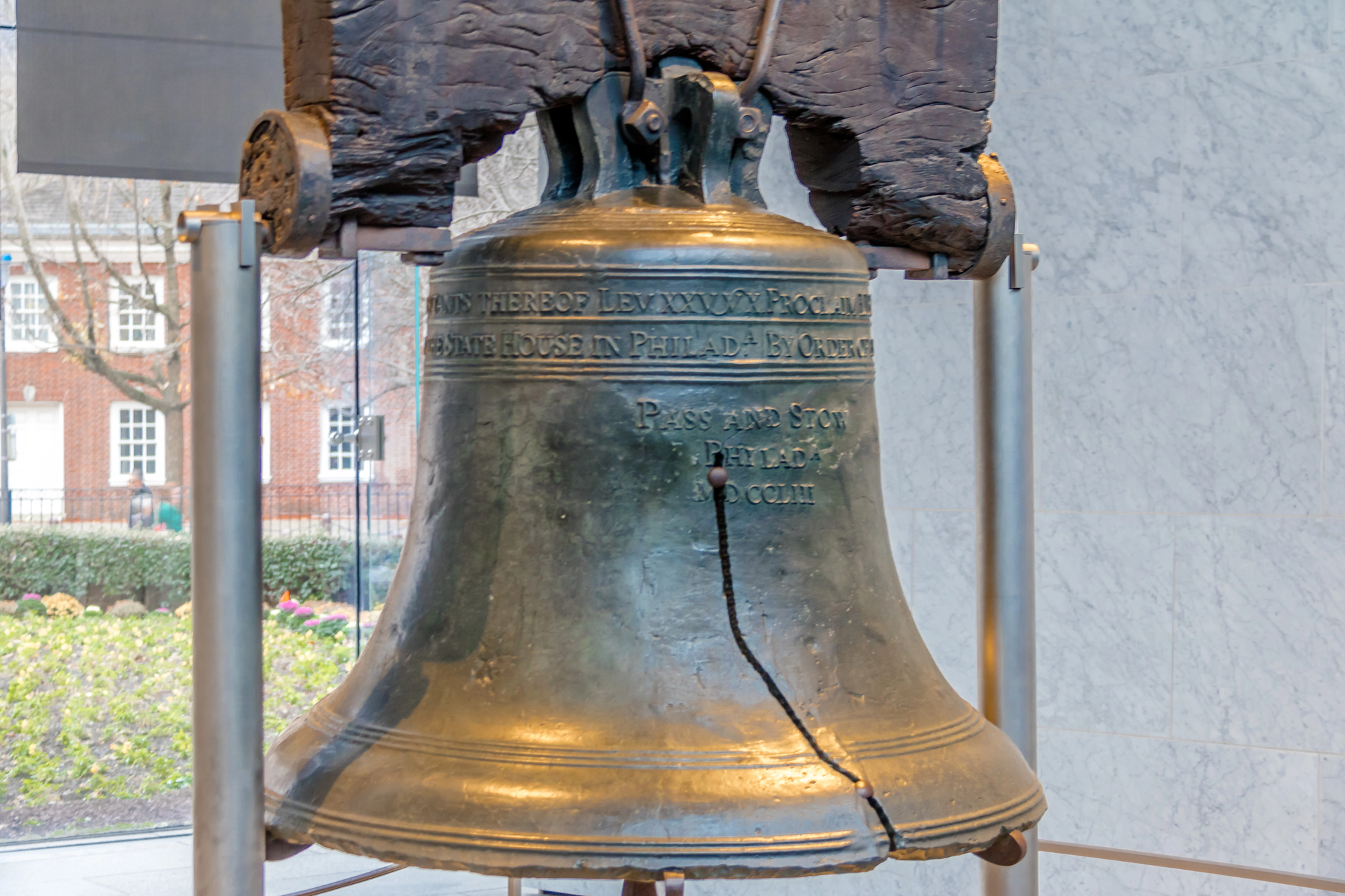
This includes the wooden yoke that supports it. The bell itself is roughly 12 feet in circumference at the lip and 3 feet high.
These aren’t arbitrary measurements — they were carefully calculated to produce the right tone and volume for a building the size of Independence Hall. Physics determined the dimensions long before symbolism took over.
It Was Hidden From The British During The Revolutionary War
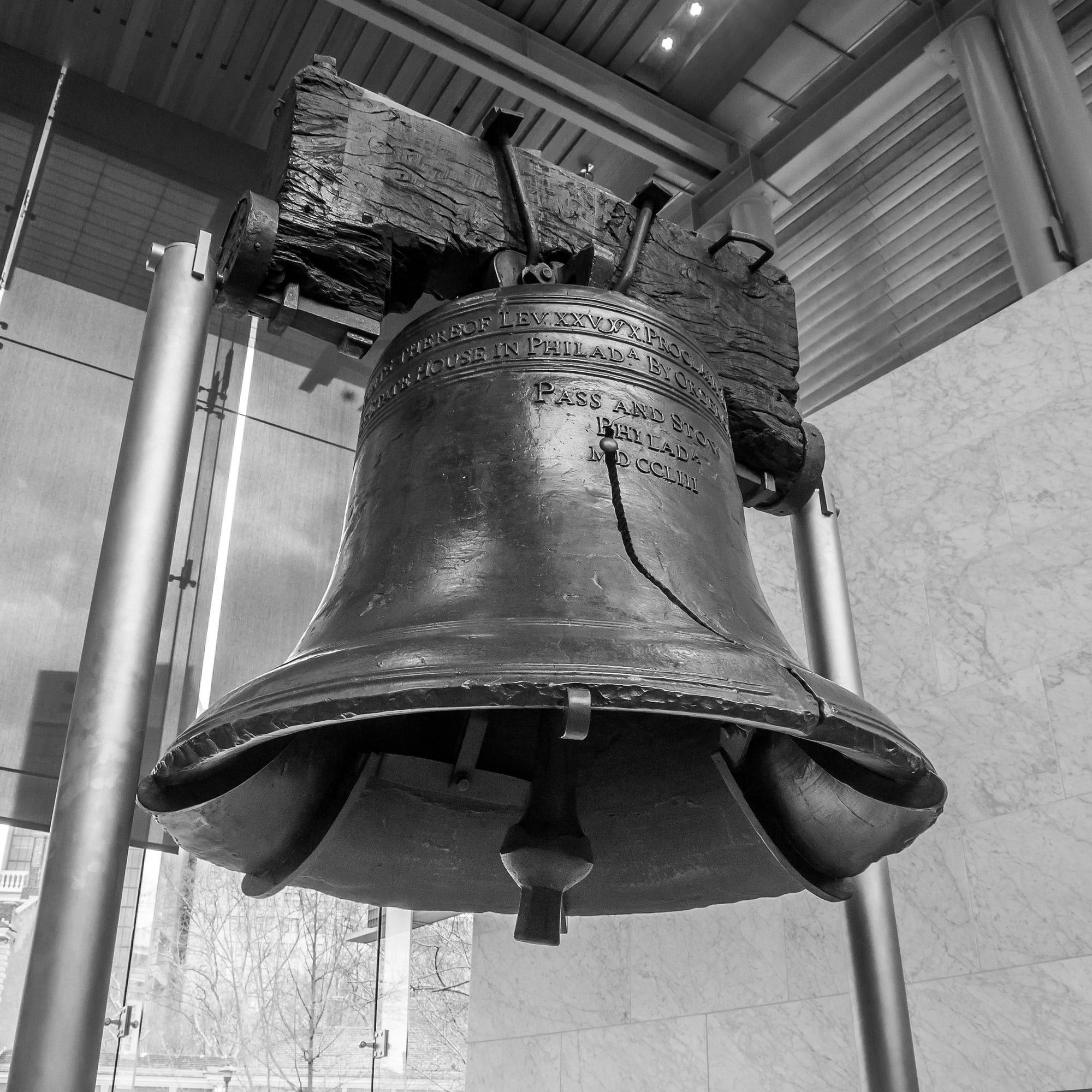
In 1777, when British forces approached Philadelphia, Patriots feared the enemy would melt down all the city’s bells for cannon metal — which was exactly what the British had planned to do, because wars run on practical concerns rather than respect for future tourist attractions.
So the bell was loaded onto a wagon and smuggled out of the city to Allentown, Pennsylvania, where it spent nearly a year hidden under the floorboards of Zion Reformed Church.
The journey itself was treacherous enough: 60 miles of rough colonial roads with a one-ton bell bouncing around in a wagon, all while trying to avoid British patrols.
And once in Allentown, keeping a 2,080-pound secret required the cooperation of an entire congregation — which, in a small colonial town, meant trusting basically everyone you’d ever met not to accidentally mention it to the wrong person.
Abolitionists Adopted It As Their Symbol
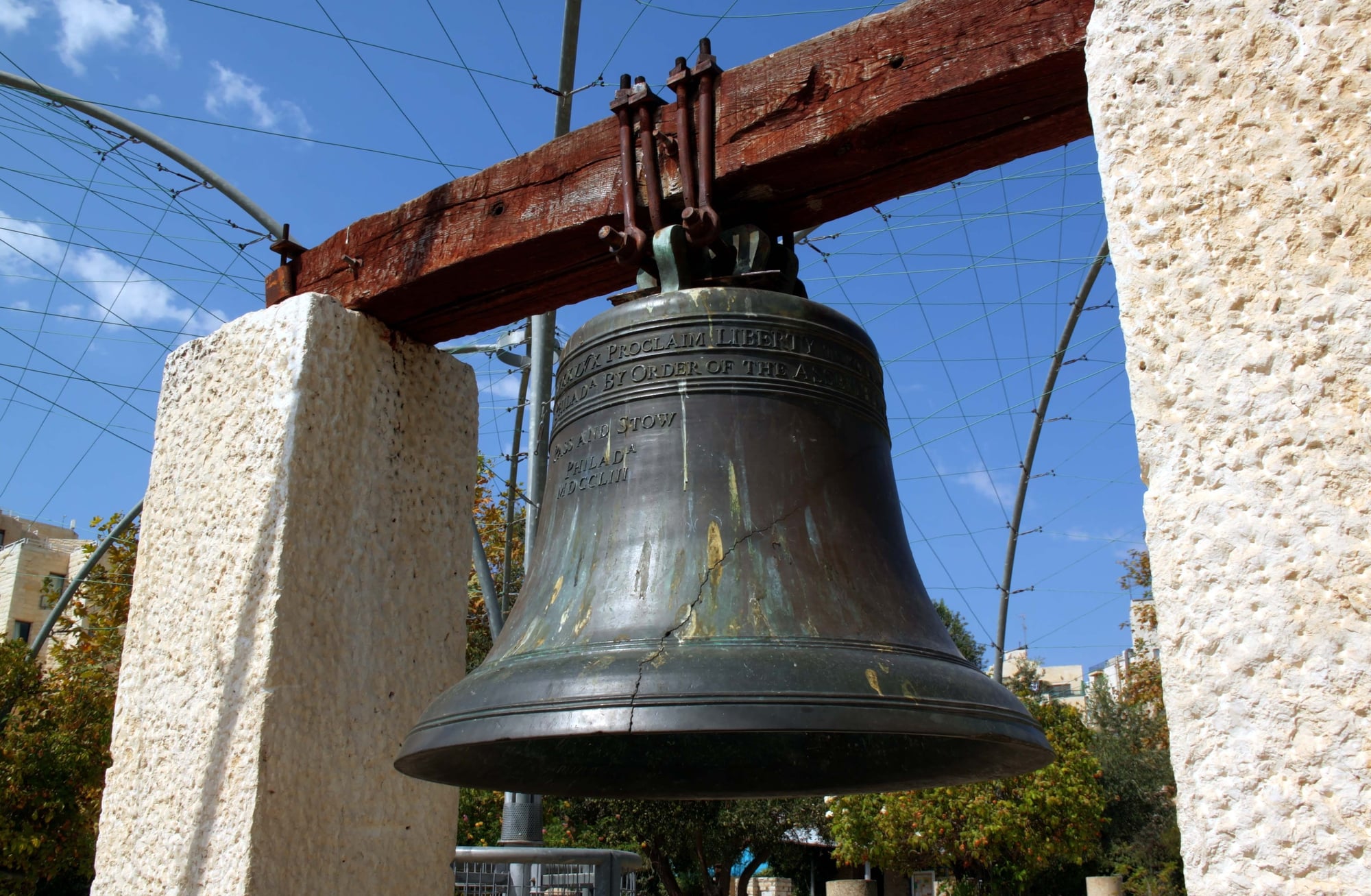
The Liberty Bell found its true calling not during the Revolution but decades later. Abolitionists in the 1830s seized on the bell’s inscription — “Proclaim LIBERTY Throughout all the Land unto all the Inhabitants Thereof” — and pointed out the obvious: liberty for all inhabitants should include enslaved people.
The irony was perfect for their cause. A cracked bell preaching incomplete freedom.
It Traveled The Country By Train In The Late 1800s
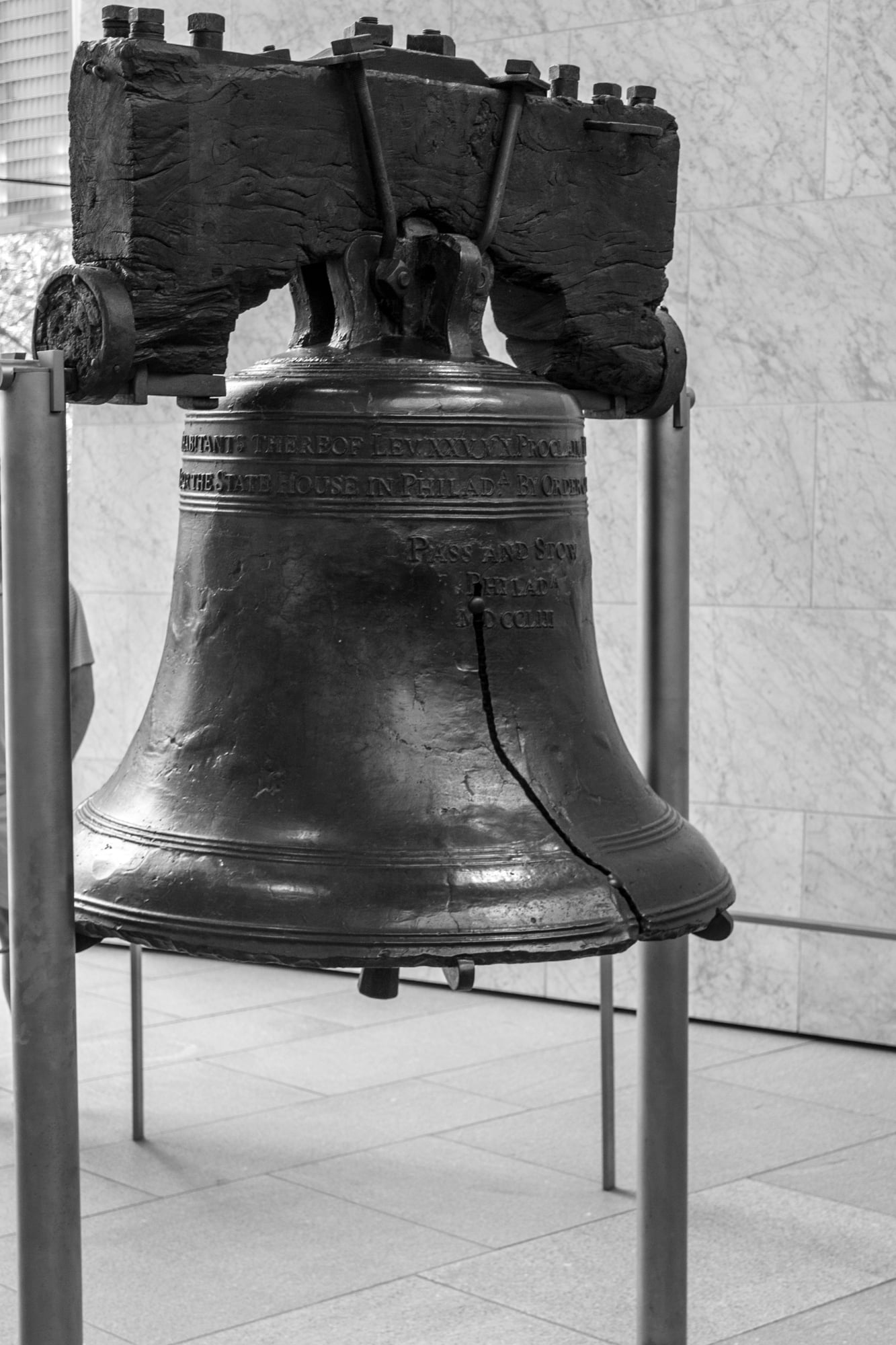
Between 1885 and 1915, the Liberty Bell went on tour, traveling by railroad to various expositions and celebrations across America. Crowds gathered at stations just to see it pass by.
The bell that couldn’t ring had become more famous than most bells that could. Americans lined up to touch a piece of bronze that had witnessed the birth of their country.
The Crack Has Been Measured And Monitored
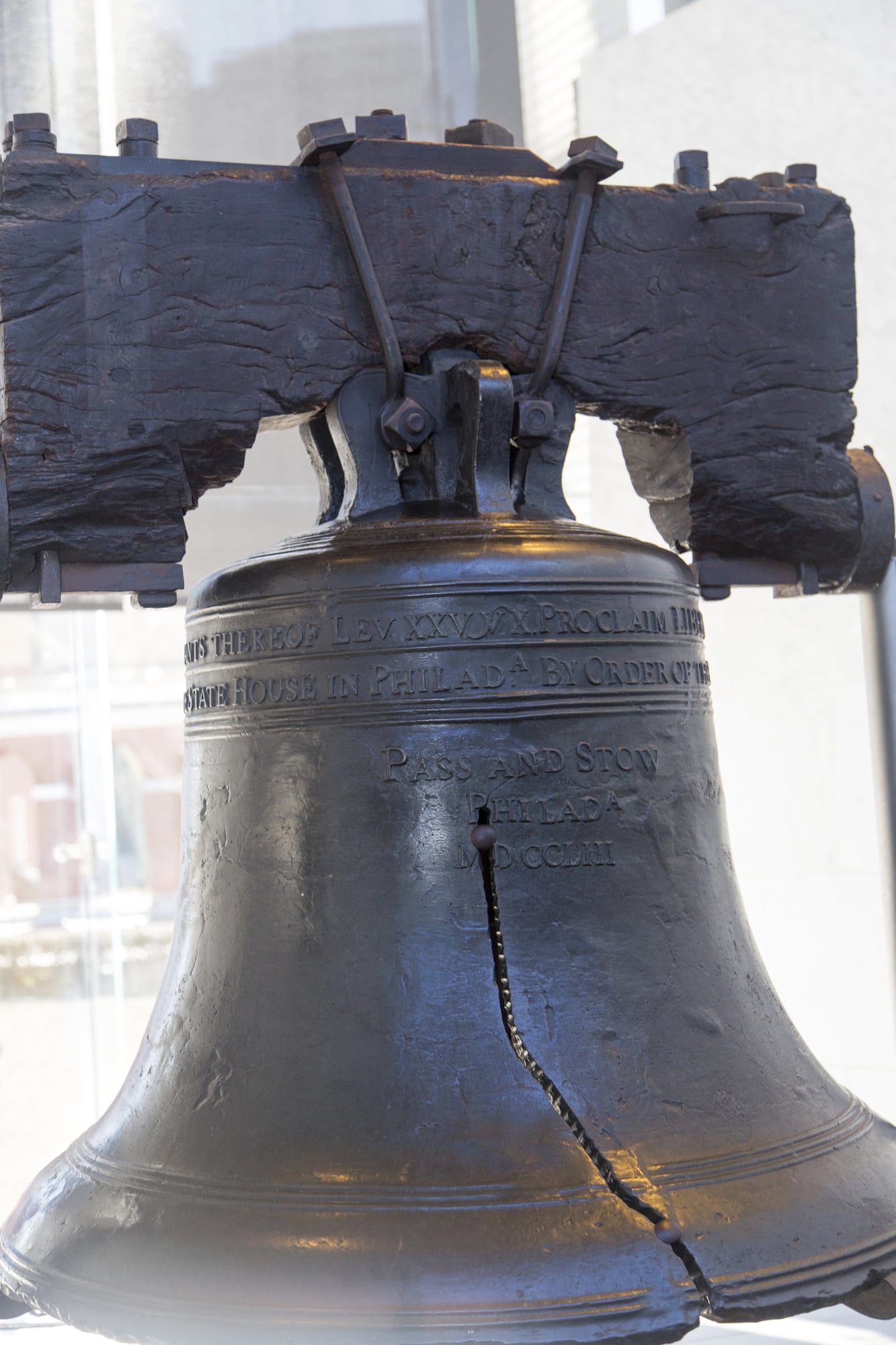
The famous crack is 24½ inches long and widens at the bottom. Conservators monitor it constantly to prevent further damage.
Modern technology keeps watch over 18th-century metal fatigue. The crack that silenced the bell now gets more attention than the bell itself ever did when it could ring.
It Inspired Countless Replicas Worldwide
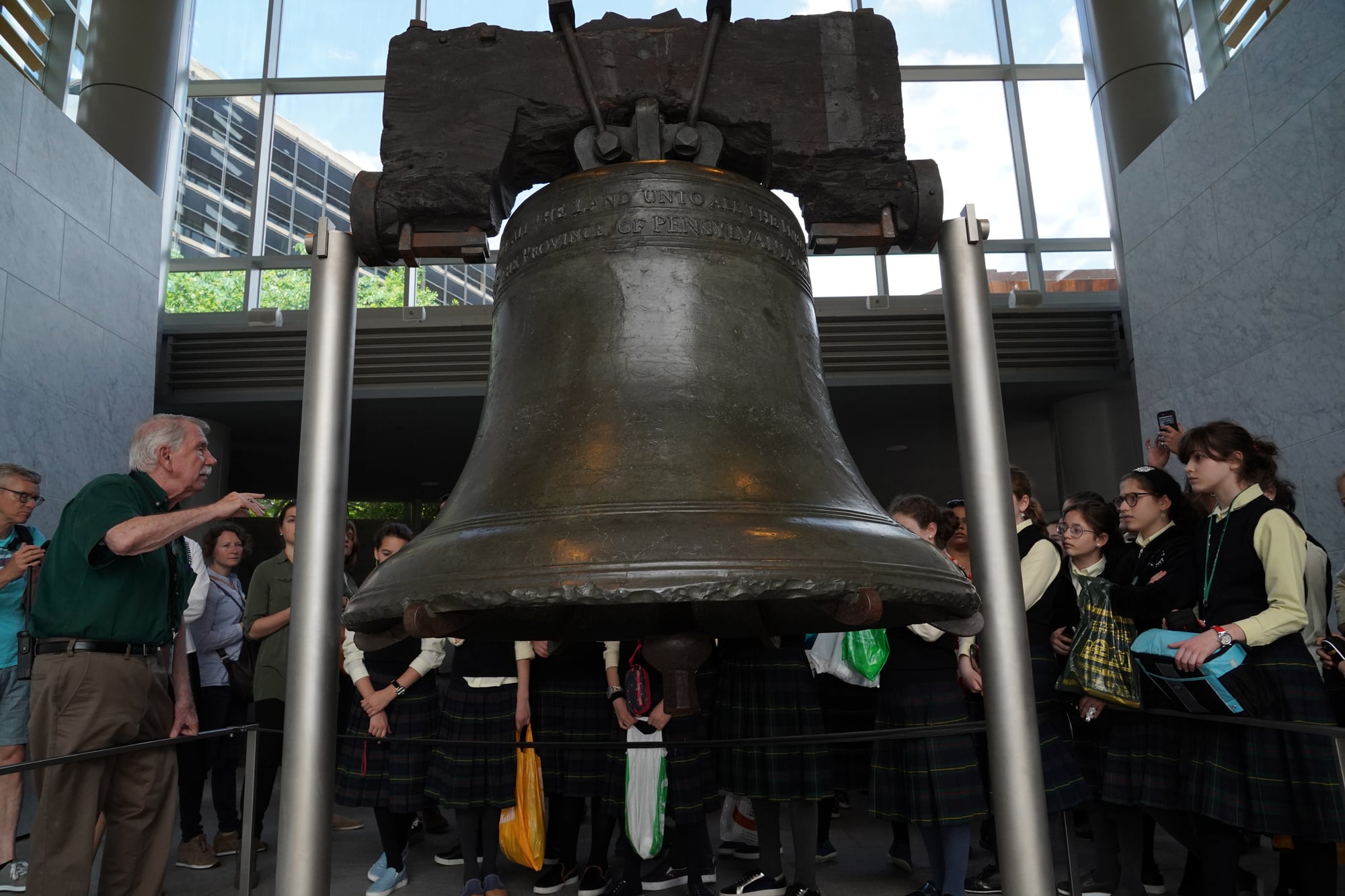
The Liberty Bell’s image appears on everything from commemorative coins to corporate logos. Replicas exist in dozens of countries, often gifted by the United States or created by local communities.
The broken original has spawned more copies than most functional bells. Sometimes the symbol outlasts the thing it symbolizes.
The Bell Hangs In A Climate-Controlled Environment
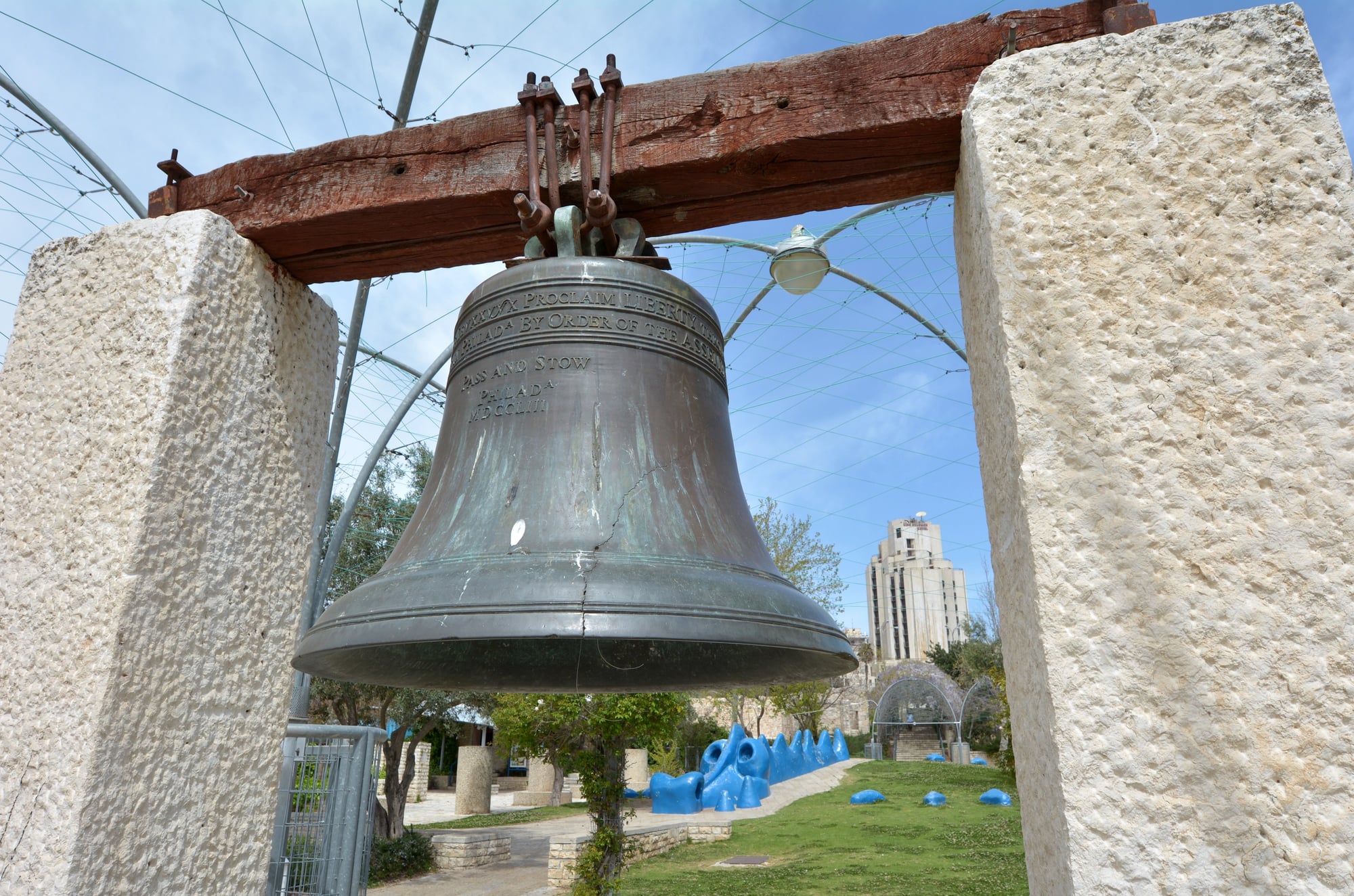
The Liberty Bell now rests in a specially designed pavilion where temperature and humidity are carefully controlled. Security systems monitor it around the clock.
A bell that once hung in an open tower now lives in conditions more controlled than most operating rooms. Progress means never having to worry about weather again.
It Remains Philadelphia’s Most Visited Attraction
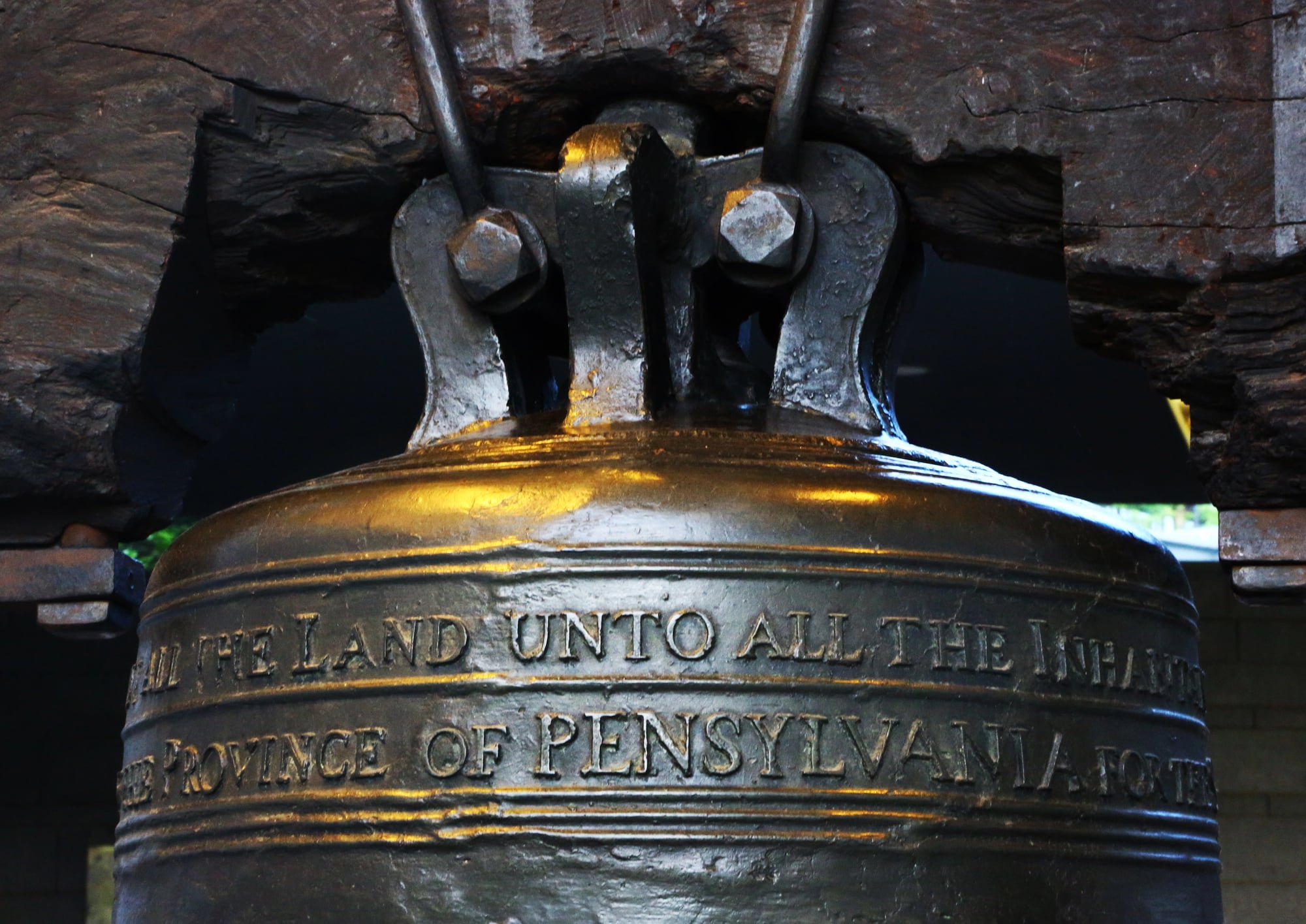
More than a million people visit the Liberty Bell each year, making it Philadelphia’s top tourist destination. Visitors come to see the crack that silenced America’s most famous bell, drawn by the contradiction of a broken symbol that somehow speaks louder than it ever did whole.
The bell that couldn’t survive its own purpose has outlived every other bell of its era, preserved not for what it can do but for what it represents — which turns out to be more durable than bronze.
When Symbols Outlast Their Makers
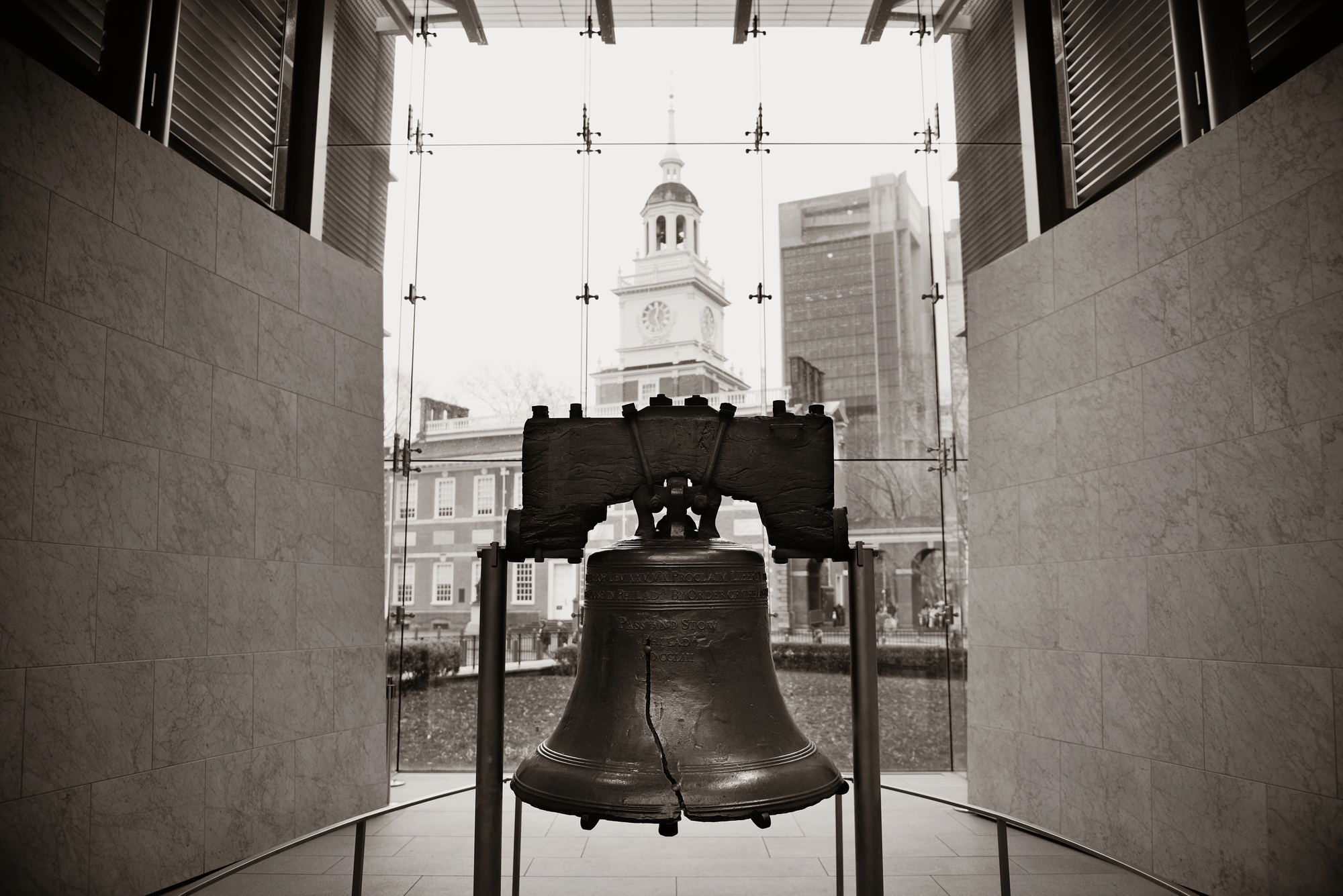
The Liberty Bell’s story reads like an accident of history — a bell that cracked too early, rang too little, and somehow became irreplaceable. But maybe that’s exactly why it endures.
Perfect symbols are forgettable. It’s the flawed ones that stick around, carrying their contradictions like wisdom earned through experience. A cracked bell teaching lessons about resilience sounds about right for America.
More from Go2Tutors!

- The Romanov Crown Jewels and Their Tragic Fate
- 13 Historical Mysteries That Science Still Can’t Solve
- Famous Hoaxes That Fooled the World for Years
- 15 Child Stars with Tragic Adult Lives
- 16 Famous Jewelry Pieces in History
Like Go2Tutors’s content? Follow us on MSN.



