32 Things Families Borrowed Before Buying Became Cheaper
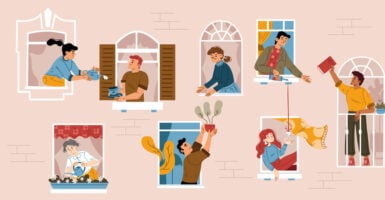
There was a time when owning every tool, appliance, and gadget made little sense, and a neighbor’s garage doubled as a lending library. Borrowing was a normal part of life, and returning an item with a thank-you was part of the code.
As prices fell and stores filled up with inexpensive goods, the habit faded. The list below shows how much of a household’s equipment once circulated among friends, relatives, and the folks next door.
A Ladder

A tall ladder was expensive and bulky, and most homeowners needed one only a few times a year for gutters or painting. Neighbors passed one down the street as needed.
The unwritten rule was to return it before the borrower had to ask.
The Lawn Mower
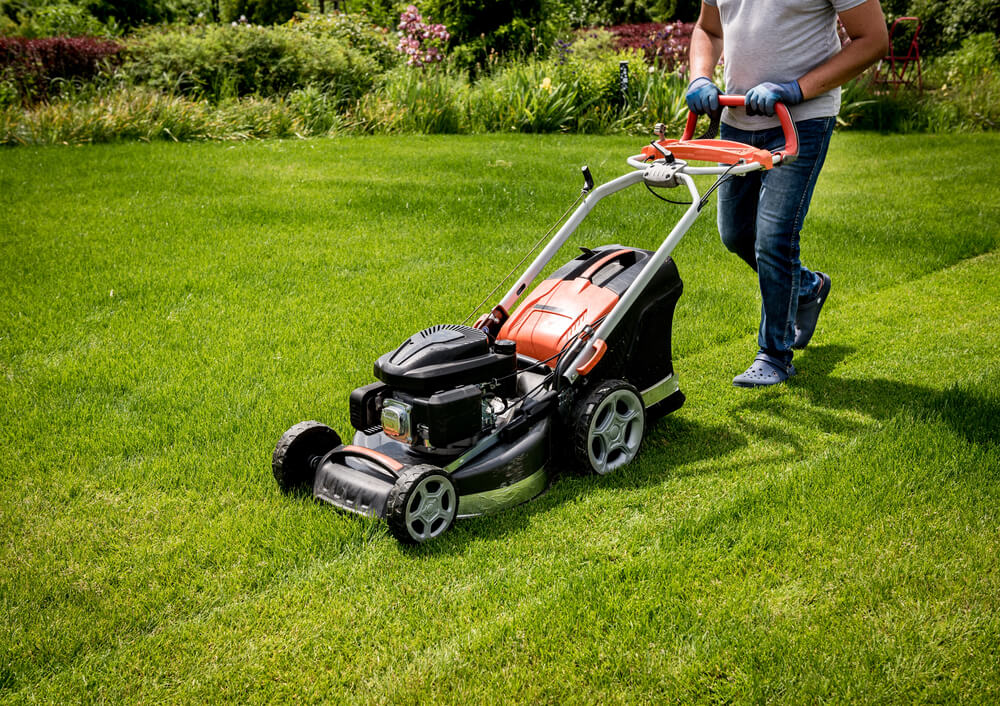
Reel mowers and early gas models were costly, and a family might share one among several households on a block. Whoever borrowed it was expected to return it with a full tank and clean blades.
A cut lawn often meant a favor owed.
A Cup of Sugar

The classic neighbor loan was a small amount of a pantry staple, such as sugar, flour, or eggs. It saved a trip to a distant store in the middle of a recipe.
A returned favor, often a slice of the finished cake, closed the loop.
The Wheelbarrow
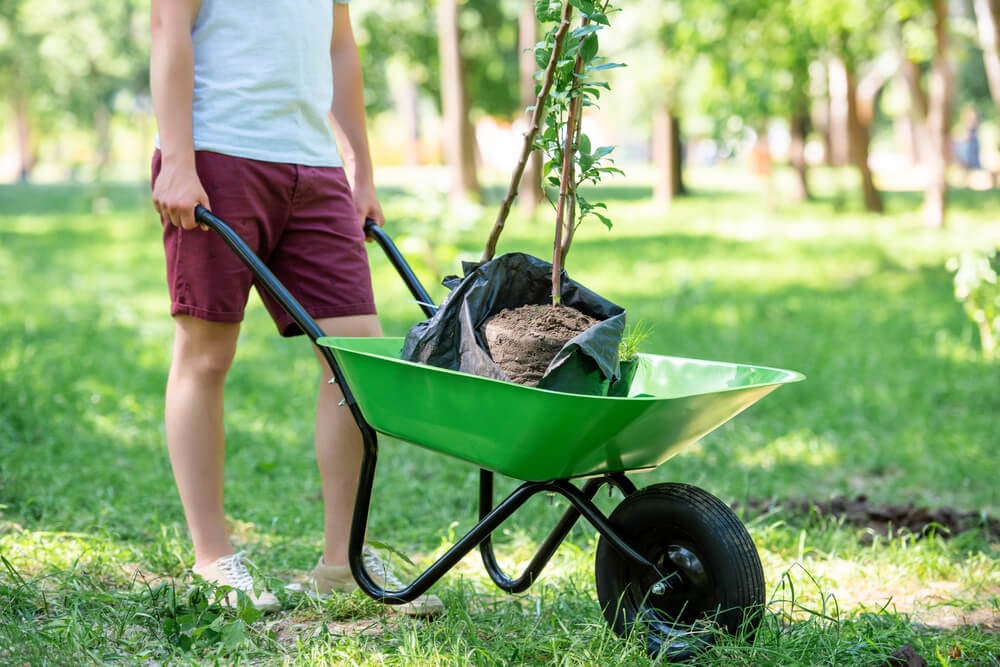
A single wheelbarrow could haul soil, bricks, and firewood, and it rarely needed to live in one household. A pair of neighbors working on a spring garden might pass it back and forth all week.
Its rusty tray was usually the only evidence of ownership.
A Pressure Canner
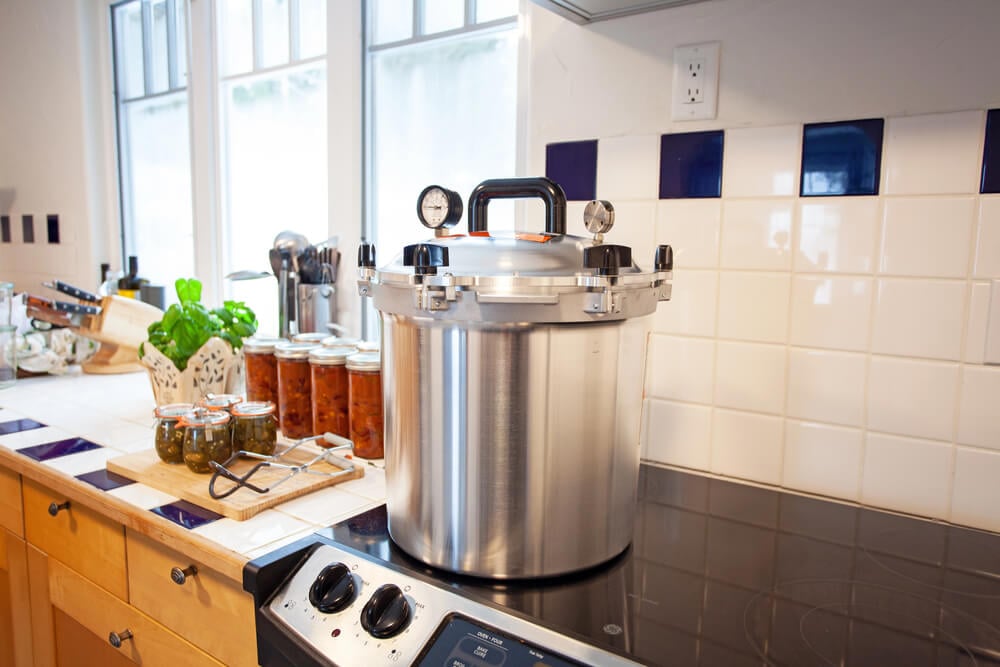
Pressure canners were costly and used only during harvest, so households shared them. A family might spend a weekend putting up beans and then hand the canner to the next house.
Safety instructions traveled with it.
The Ice Cream Freezer
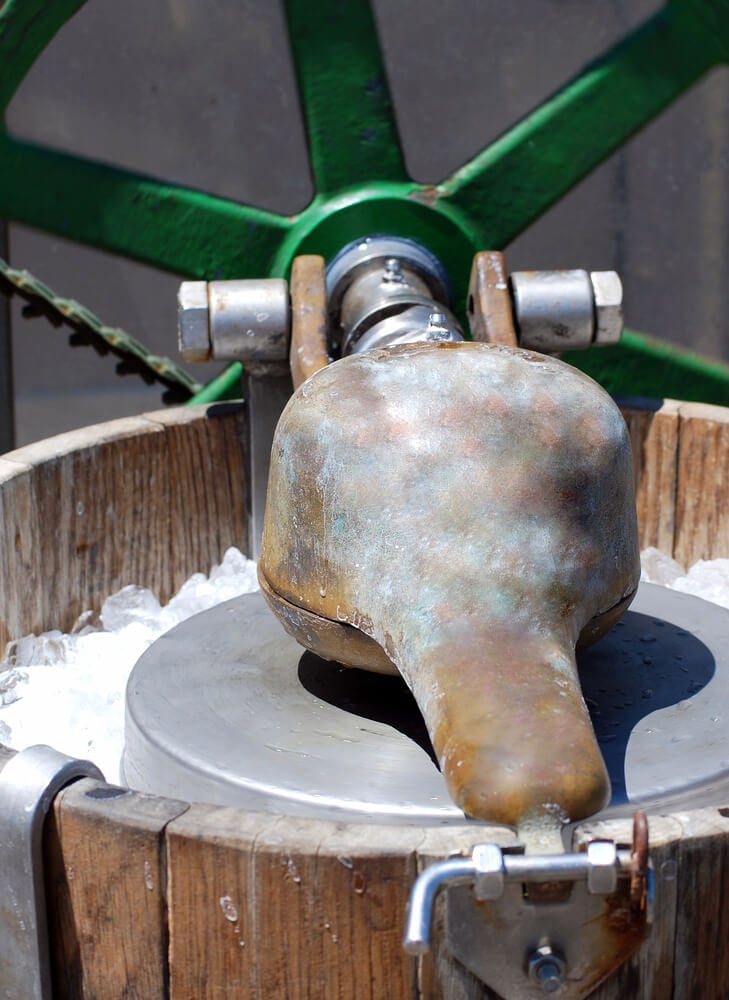
A hand-crank ice cream freezer came out for summer holidays and family gatherings, then went back into storage. Sharing it among relatives made sense for a device used a few times a year.
A borrowed freezer usually arrived with a bag of rock salt.
A Sewing Machine
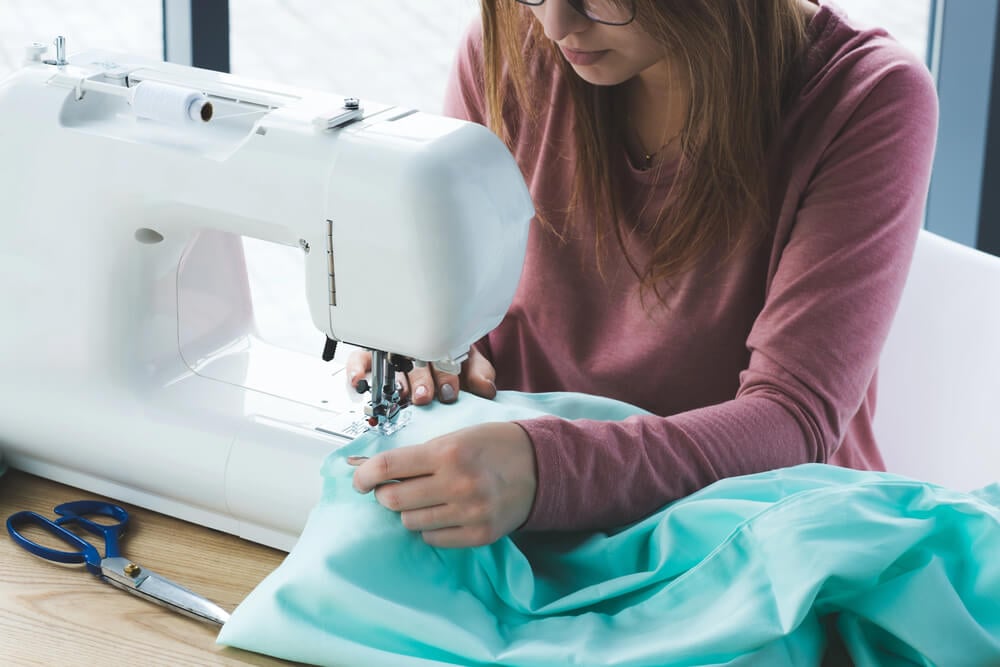
Not every household could afford a sewing machine, and those that owned one often lent out time on it. A neighbor might sew a hem or hand the machine over for an afternoon.
Bobbins and thread were part of the loan.
Folding Chairs
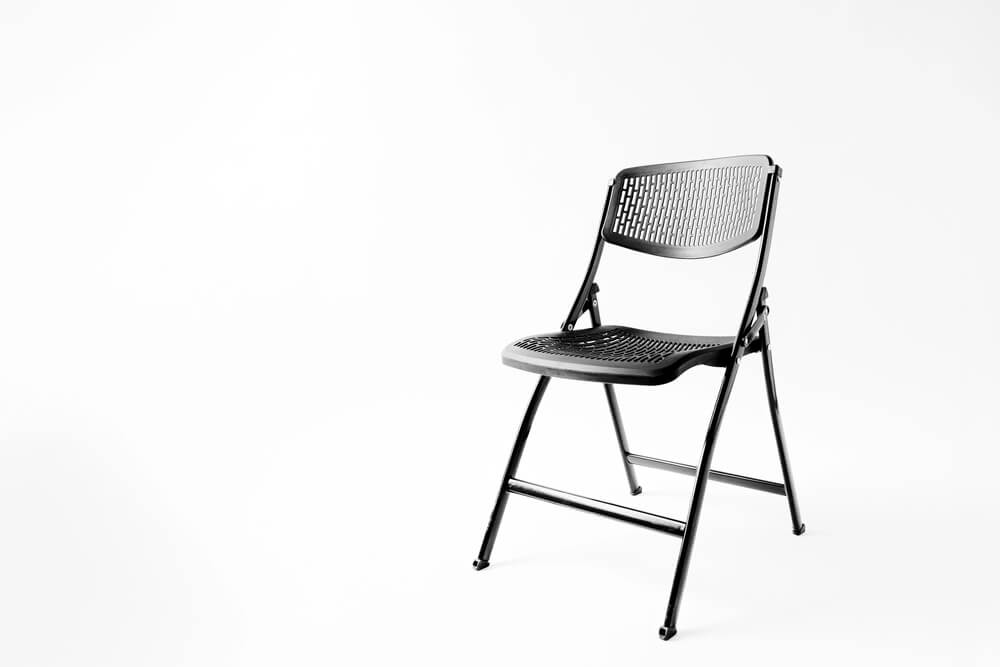
Funerals, weddings, and church suppers required more seating than any home owned. Families borrowed folding chairs from churches, lodges, and funeral parlors.
Names were often written on the back so chairs could be sorted afterward.
A Wedding Dress

A bridal gown worn once was a luxury, so dresses were passed between sisters, cousins, and friends. Alterations adjusted the fit for each bride.
A gown that had been through several weddings carried its own luck.
The Punch Bowl

A large glass or crystal punch bowl was used at weddings, showers, and graduations, then stored for the next occasion. A family that owned one often became the lender for the entire community.
It traveled wrapped in towels.
A Tent
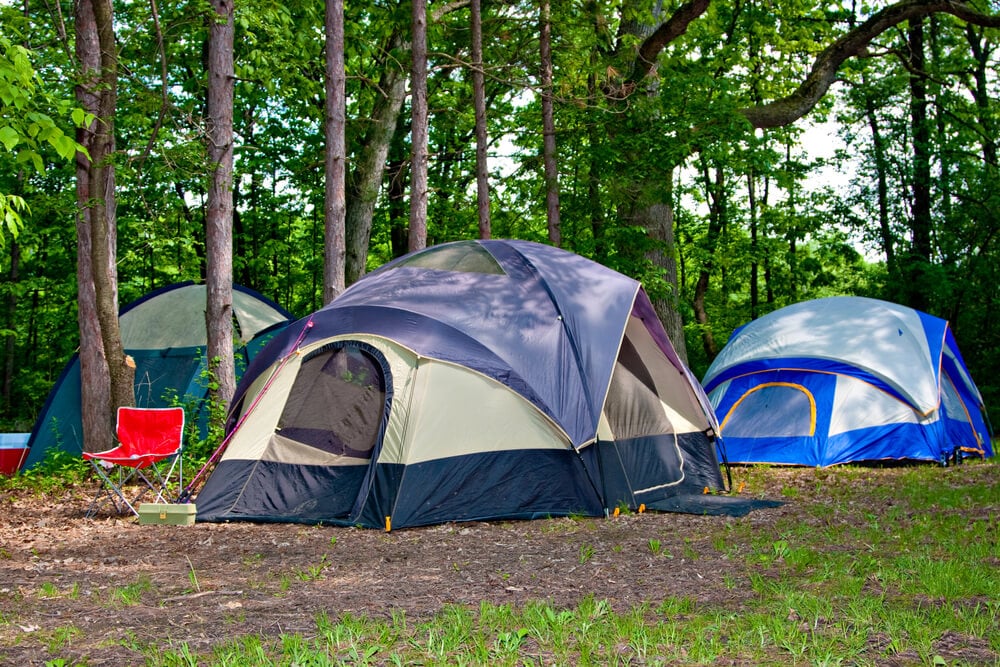
Camping gear was a major expense for a family that went away once a year. Tents and camp stoves circulated among relatives and scout troops.
A good tent might have a dozen owners over its lifetime.
An Electric Drill
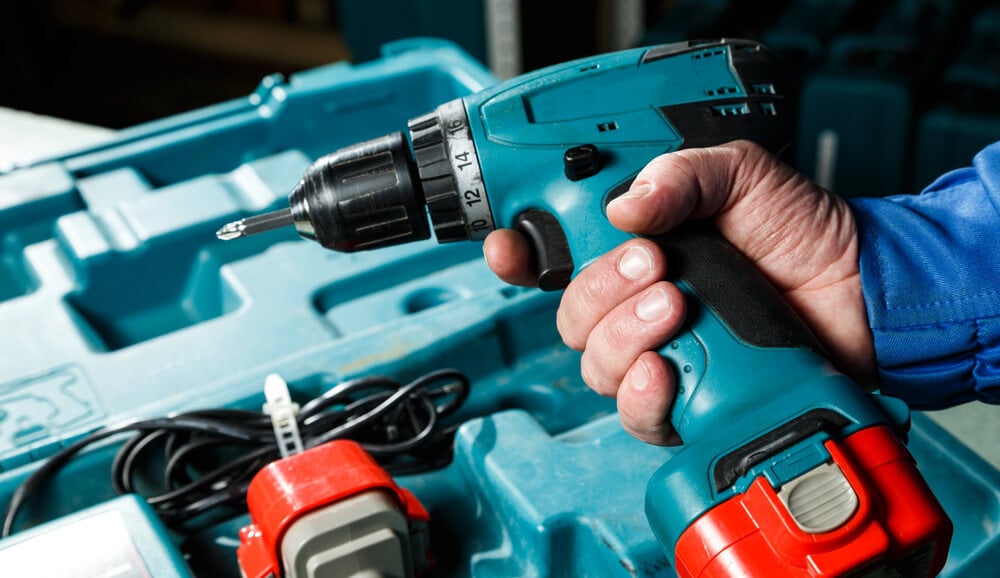
Once electric drills arrived, they cost enough that a household did not need its own. A man with a project might borrow one for an afternoon and return it with a new bit.
The loan was a friendly excuse to chat over the fence.
A Shared Tool Library
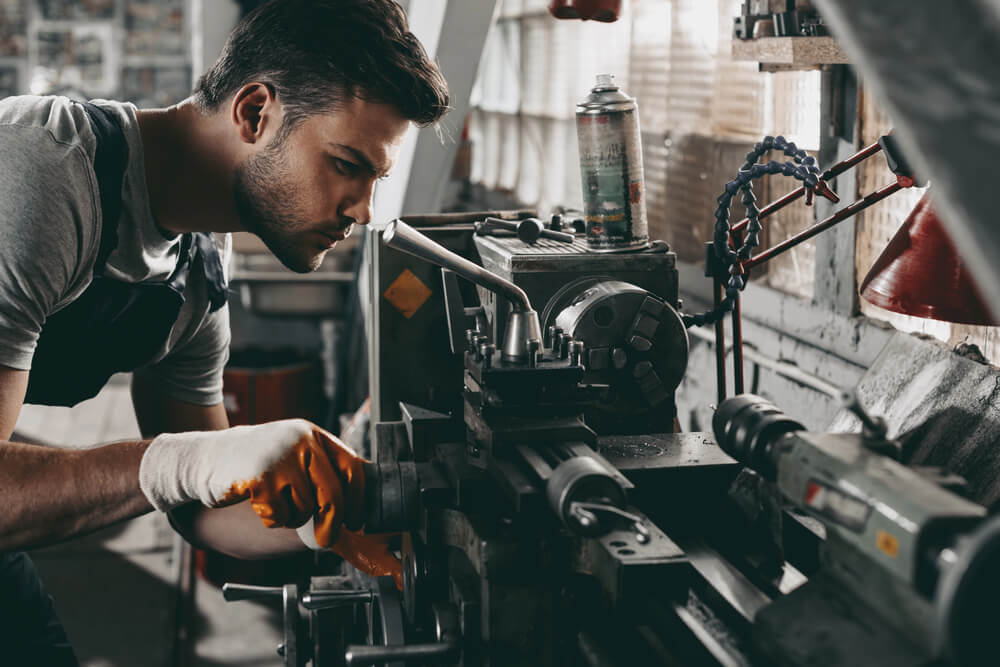
In 1979, Berkeley, California, opened a tool lending library using a $30,000 federal grant, and it is considered one of the first in the country. It was designed to let residents borrow equipment rather than buy it.
The model spread to other cities.
A Hedge Trimmer
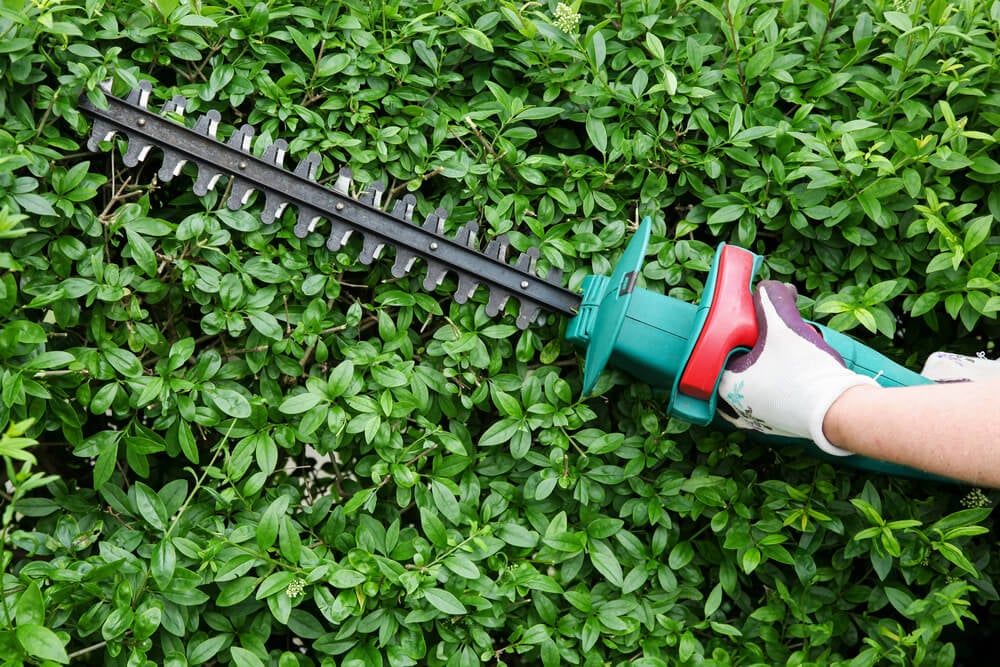
Seasonal tools like hedge trimmers were used a handful of times a year and then sat in a garage. A neighbor with the right tool was a valuable friend in early summer.
The loan often came with advice on the right angle.
Jumper Cables
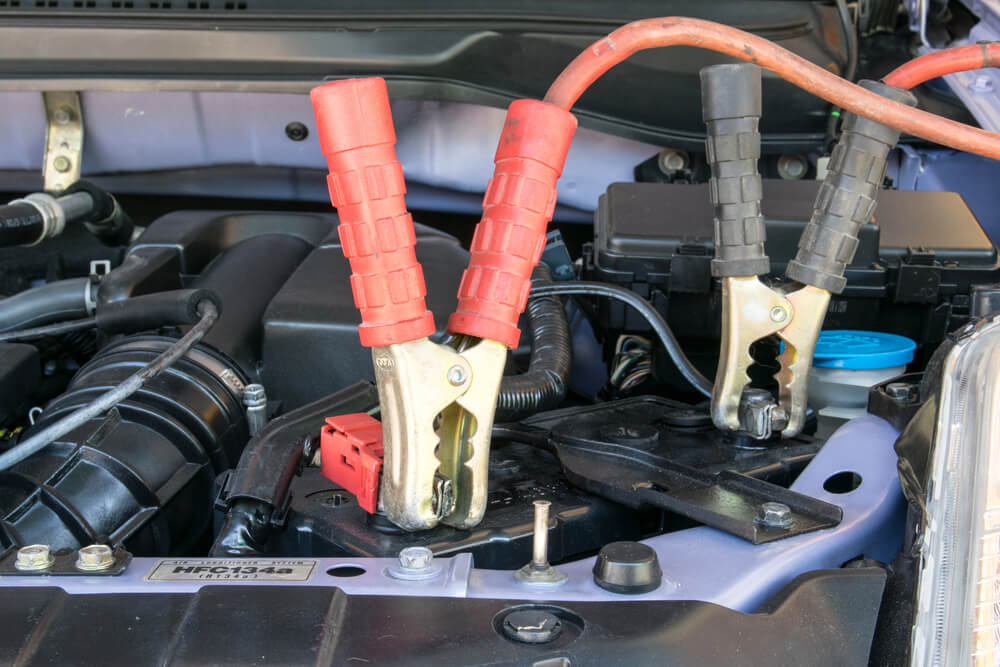
A dead battery on a cold morning meant knocking on a neighbor’s door for a set of cables and a running car. The cables were rarely returned directly, instead drifting from trunk to trunk.
A grateful driver often returned them with a thank-you note.
The Party-Line Telephone

In many rural areas, several households shared a single telephone line, and each had a distinct ring pattern. Neighbors could listen in on each other’s calls.
In emergencies, one household might use another’s phone to reach a doctor.
The Neighbor’s Television

When television sets were new and expensive, families gathered in the house of whoever owned one to watch big broadcasts. A living room might hold a dozen people for a single program.
The host family became the center of the street.
A Wringer Washing Machine
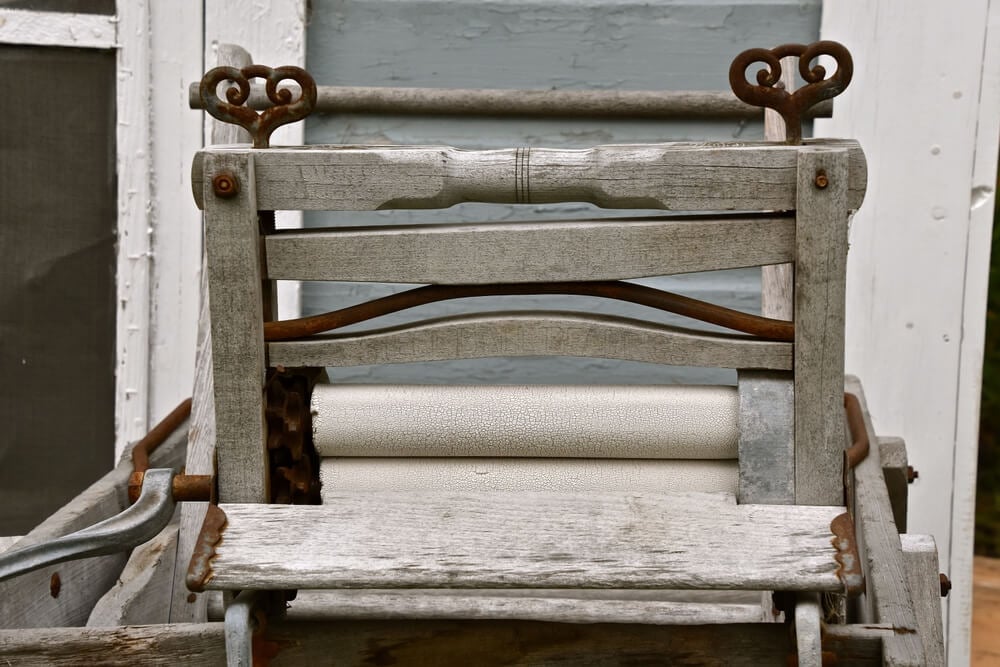
Households without a washer relied on a relative or friend, who would lend the machine or the use of it for a day. Laundry was a chore that took hours with a wringer.
A shared machine saved effort for several families.
A Typewriter

A student with a paper due or an adult with a job application might borrow a typewriter from a neighbor. Ribbons were a hidden cost, and an unfamiliar typewriter had quirks.
The loan came with a warning about the sticky E key.
A Slide Projector
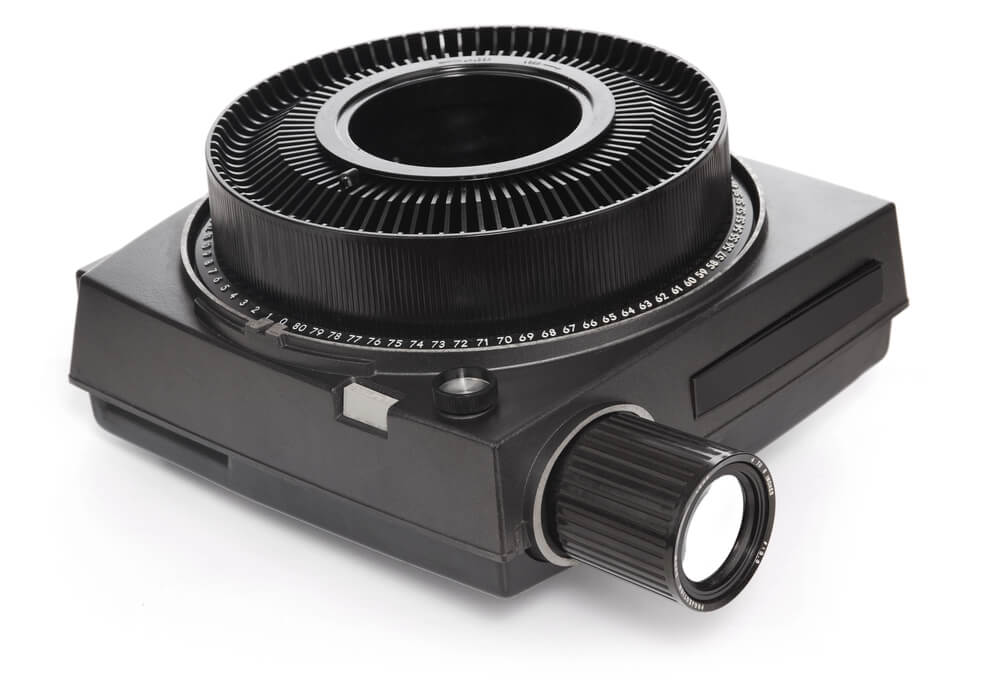
Vacation slides required a projector, and a family that owned one became the entertainment for relatives. Others borrowed it to show their own travel photos.
The carousel tray and a spare bulb were part of the loan.
A Film Camera

Cameras were costly, so a family might borrow one for a wedding or a trip. Film was purchased separately and developed afterward.
The borrower hoped the photographs turned out.
A Camcorder

Early video cameras were large and expensive, and renting or borrowing one for a graduation or a wedding was common. The tapes were passed along afterward.
A well-traveled camcorder recorded a surprising number of family milestones.
A Suitcase
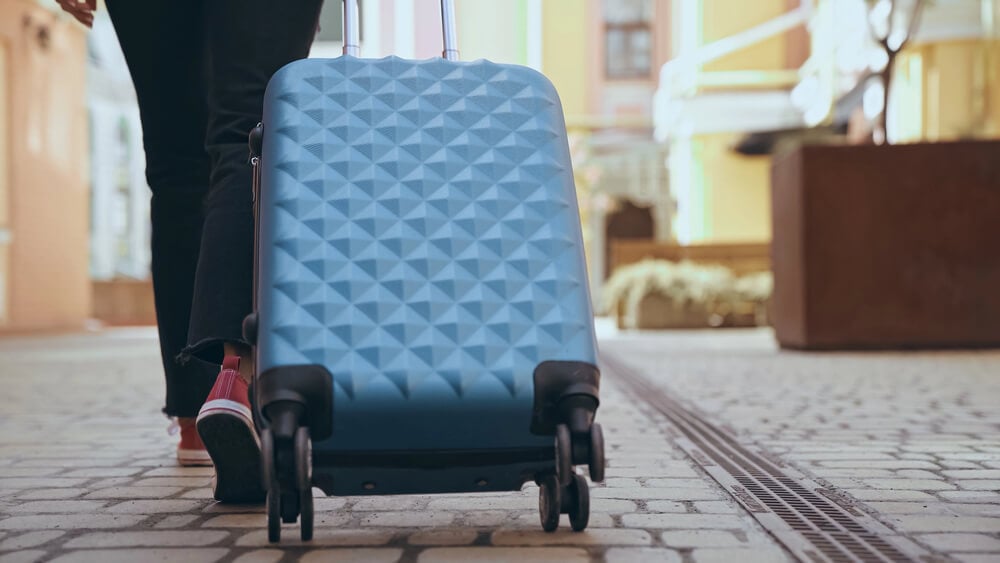
A family that traveled once a decade rarely owned matching luggage. Suitcases were lent for honeymoons, college move-in days, and trips overseas.
The returned bag often arrived with a luggage tag still attached.
A Chainsaw
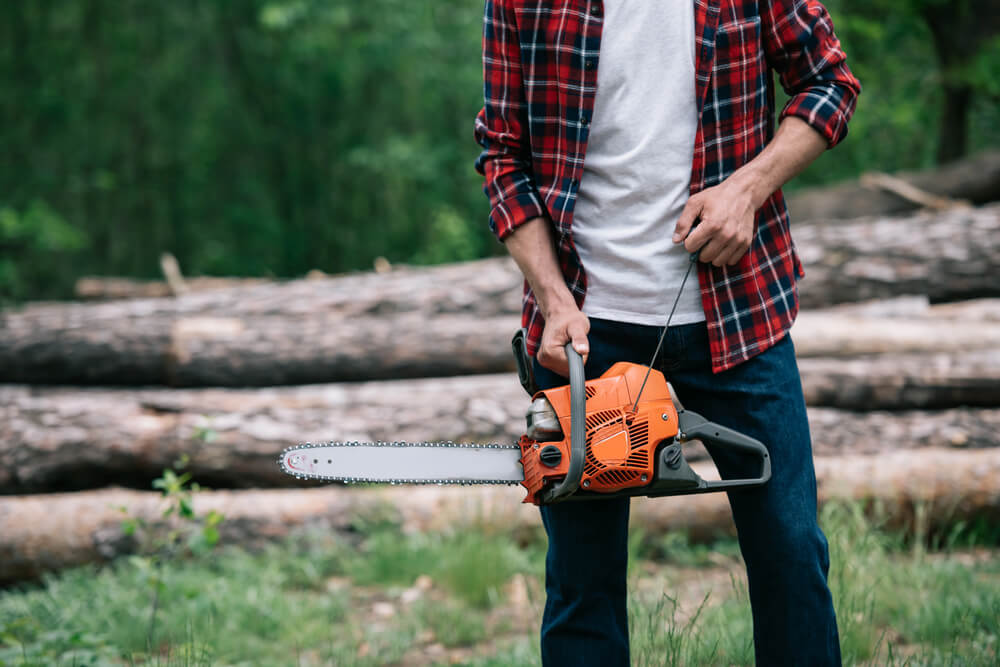
Cutting a downed tree required a chainsaw, and a household that owned one might lend it to the entire street after a storm. A borrower was expected to return it with fresh fuel and a sharpened chain.
Safety gear was a shared concern.
A Rototiller
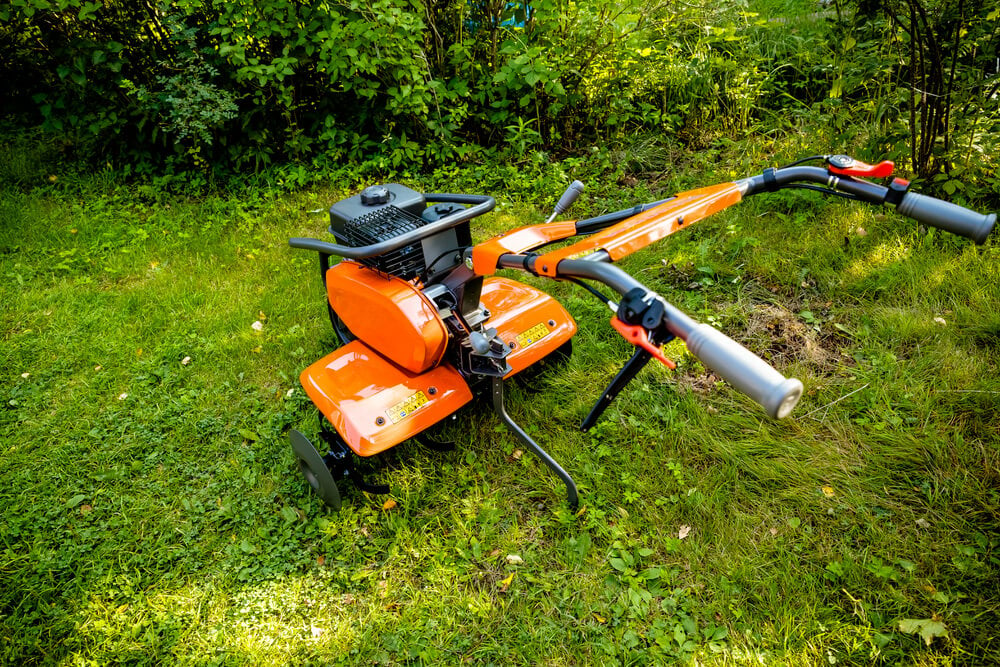
Preparing a garden for planting was a few hours of work that needed a heavy machine. Families split the cost or borrowed from a farmer down the road.
A tiller on a trailer was a spring sight.
A Pickup Truck
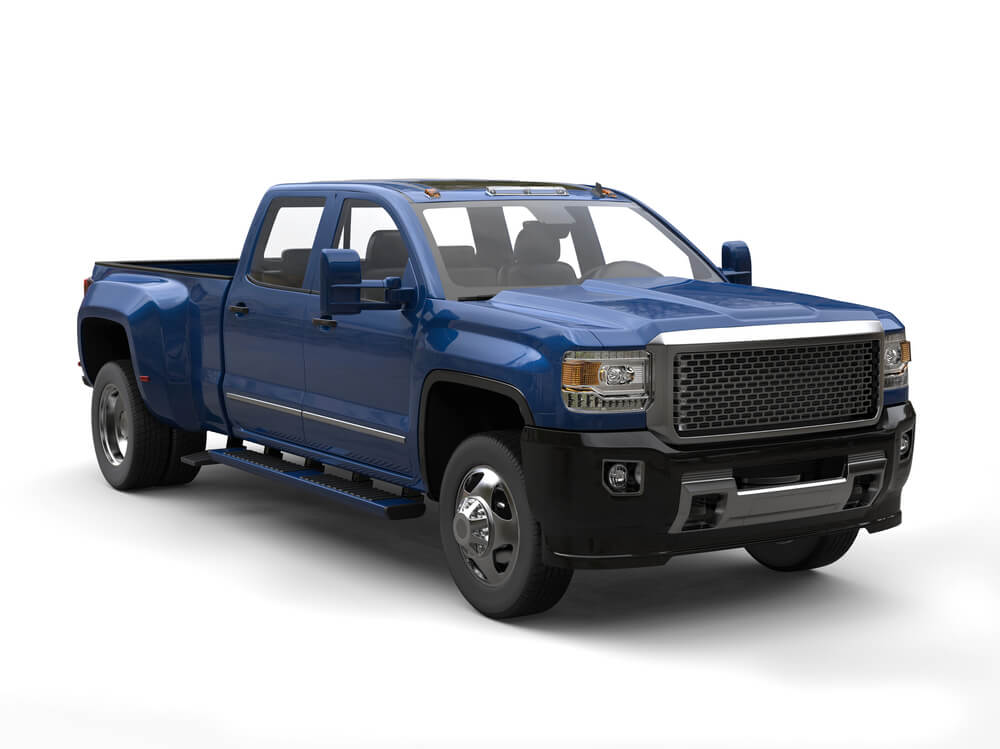
Moving a sofa or hauling a load of mulch meant asking someone with a truck. The favor was returned with gas money, a meal, or help on a future move.
A pickup owner became the most popular person on moving day.
A Casserole Dish

Funerals and new-baby visits produced casseroles, and the dishes traveled with them. Names were written on masking tape on the bottom so the dish could find its way home.
A returned dish was often filled with something in return.
A Cooler
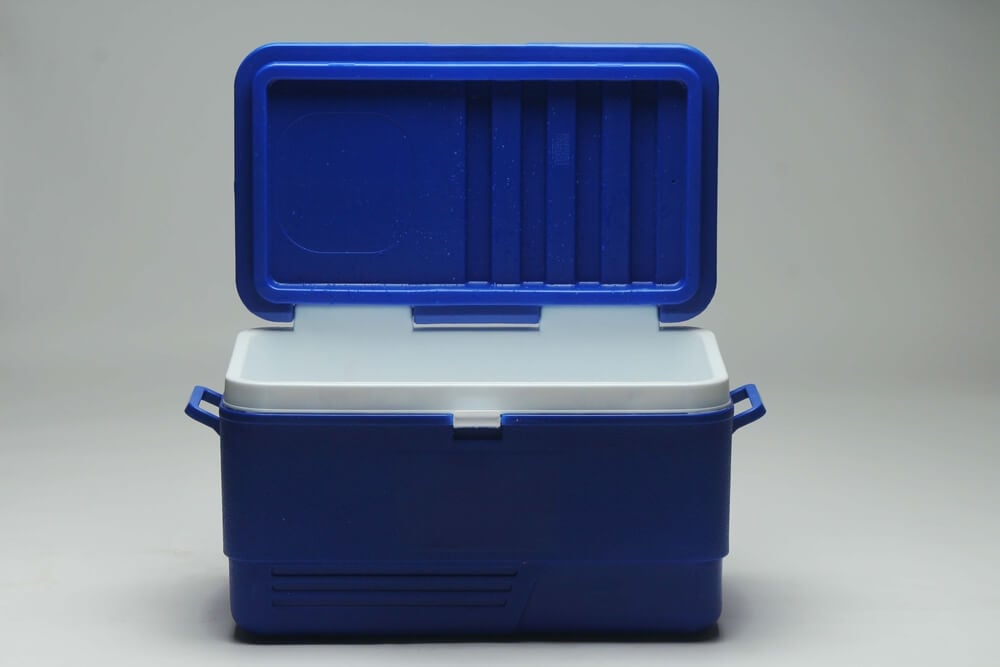
A large picnic cooler was handy for a family reunion or a fishing trip, but it sat in the garage the rest of the year. A neighbor might lend one with a bag of ice.
It came back smelling of sunscreen.
A Sleeping Bag
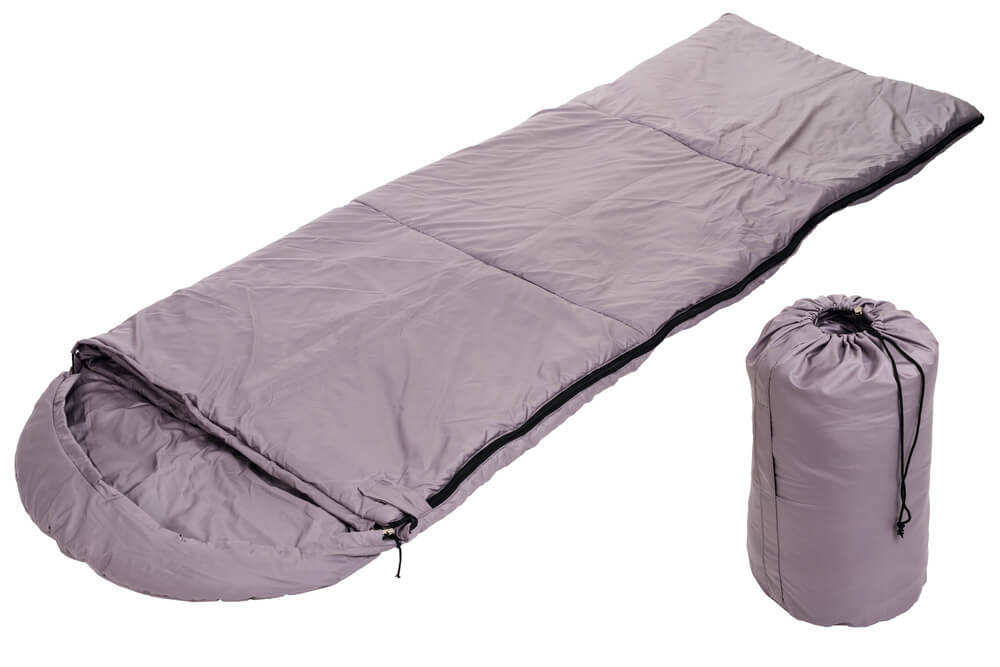
Sleepovers and camping trips required extra bedding, and children borrowed sleeping bags from cousins and friends. The bag usually came back a little muddy.
Sharing equipment made a larger group possible.
Board Games

Families passed board games around when a new one was too costly to buy. A rainy day with a borrowed set was a small treat.
Missing pieces were a common risk.
A Stand Mixer
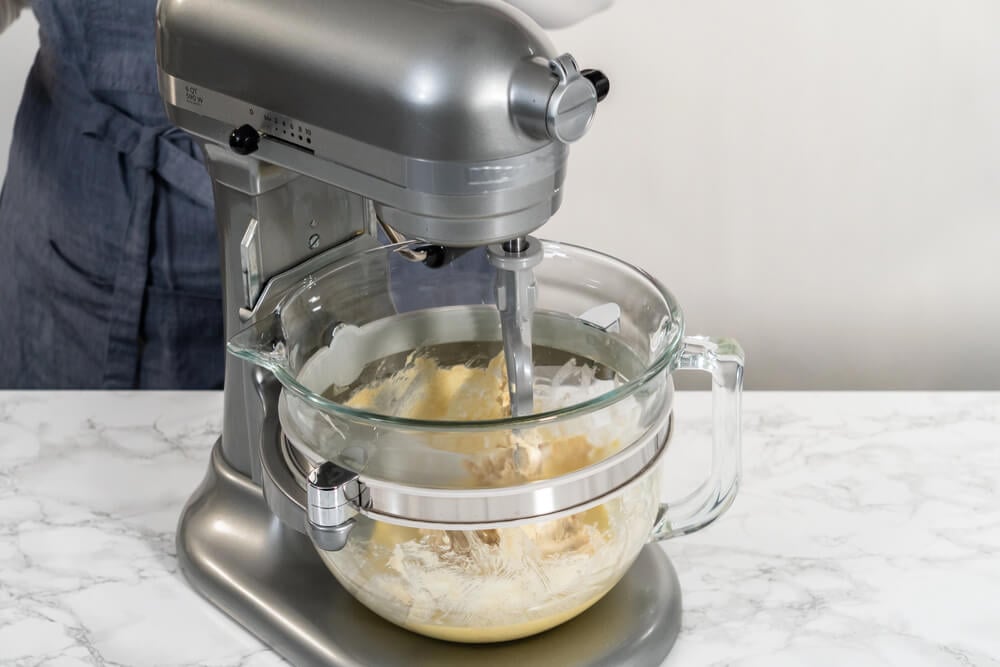
A heavy stand mixer was a major purchase, and a household that owned one might lend it for a day of holiday baking. The beaters were handed over in a bag.
A borrower often returned it with a plate of cookies.
Baby Gear
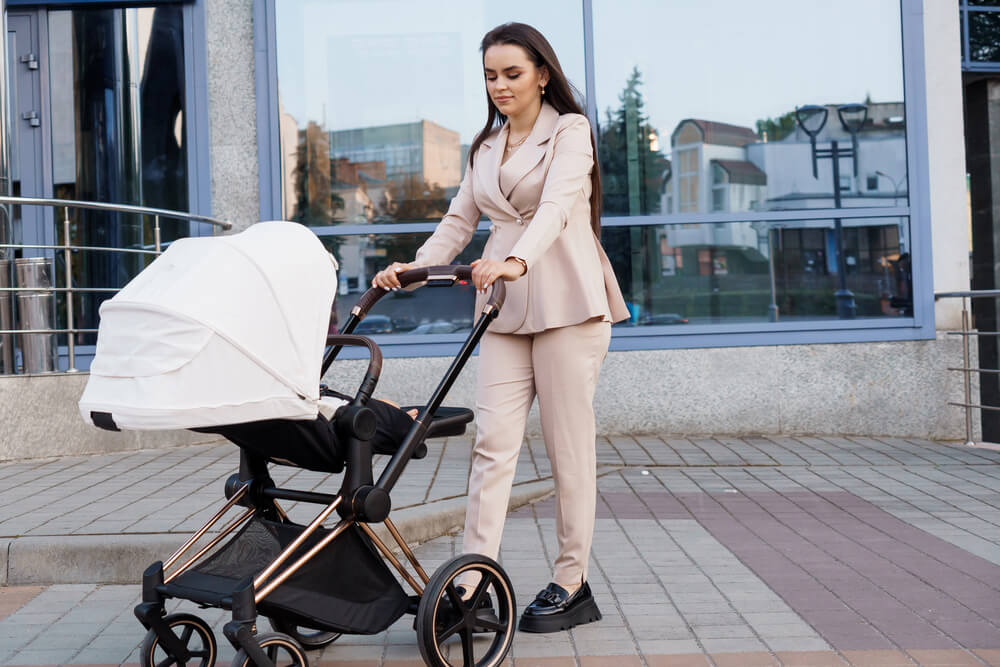
Cribs, strollers, and high chairs were used for a few years and then passed from family to family. A well-made crib might serve a dozen babies across a community.
The hand-me-down arrived with advice.
What Lending Kept Alive
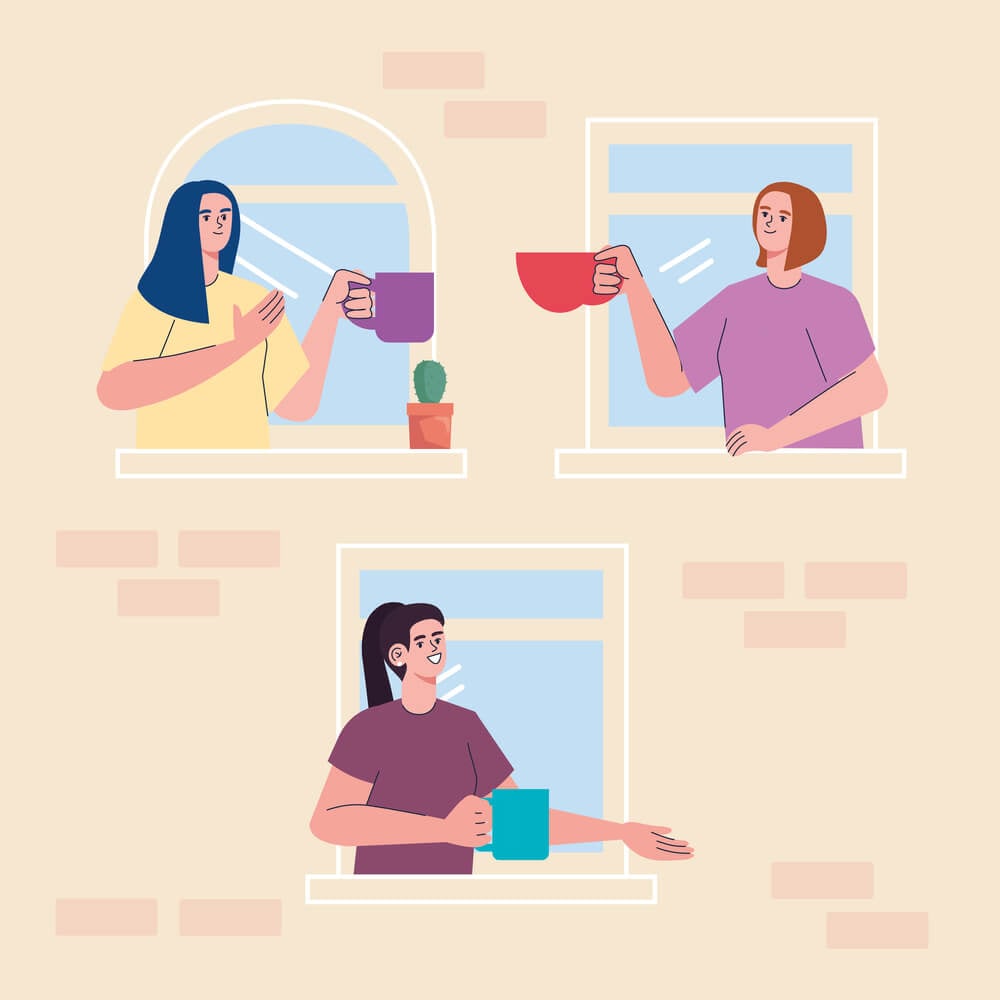
Borrowing was a kind of social glue. Every loan created a small obligation, and the exchange of tools, dishes, and favors kept neighbors in regular contact.
A family that never borrowed was considered a little aloof, and one that never lent was considered worse. As goods became cheap enough that anyone could own them, the habit faded, but the instinct to share has resurfaced in tool libraries and neighborhood groups.
People rediscovered that owning one drill for ten years is rarely better than sharing one among ten households.
More from Go2Tutors!

- 27 Silver Dollars and Half Dollars Worth Keeping
- 28 Restaurant Menu Items Nobody Orders Anymore
- 17 Places Built in Seemingly Impossible Spots
- 27 Vintage Rings Worth More Than They Look
- 25 Restricted Sites Tourists Can’t Enter
Like Go2Tutors’s content? Follow us on MSN.