15 World Records From History That Still Haven’t Been Broken
Some records are meant to be broken. Others seem to exist in a category all their own — achievements so extraordinary, so perfectly timed, or so utterly improbable that decades pass without anyone coming close.
These aren’t your typical sports statistics that get nudged upward each Olympic cycle. These are the records that make you wonder if the stars aligned just right, if the circumstances were so unique they can never be replicated, or if human beings simply reached some kind of peak that particular day and never quite found their way back to it.
Wilt Chamberlain’s 100-Point Game

March 2, 1962. Chamberlain dropped 100 points in a single NBA game. No video exists, just a famous photo of him holding up a piece of paper with “100” scrawled on it.
Kobe came closest with 81 points in 2006. That’s still 19 points short, and Kobe was having the game of his life. The NBA has changed since 1962 — faster pace, better defense, load management.
But none of that fully explains why no one has even threatened this record in over 60 years.
Secretariat’s Belmont Stakes Time

The 1973 Belmont Stakes wasn’t just a horse race — it was Secretariat announcing that the laws of physics had been temporarily suspended for his benefit (and apparently his benefit alone, since no horse has run anywhere near his time since).
When you watch the footage, you’re not seeing a horse win a race; you’re watching something that seems to defy the basic mechanics of how fast four legs can carry 1,200 pounds around a track.
The gap he opened that day — 31 lengths ahead of the second-place finisher — looked less like competition and more like a demonstration of what was theoretically possible if everything went exactly right.
What makes this record particularly stubborn is that it’s not just about one exceptional animal.
And yet here we are, half a century later, and thoroughbred breeding has produced thousands of champions, each one carrying the genetic potential to run faster than the last.
None of them have come close.
So you start to wonder if records like this aren’t really about the individual performance at all — maybe they’re about capturing lightning in a bottle on a day when everything from the track conditions to the cosmic alignment decided to cooperate in ways that can’t be engineered or reproduced.
Cy Young’s 511 Career Wins
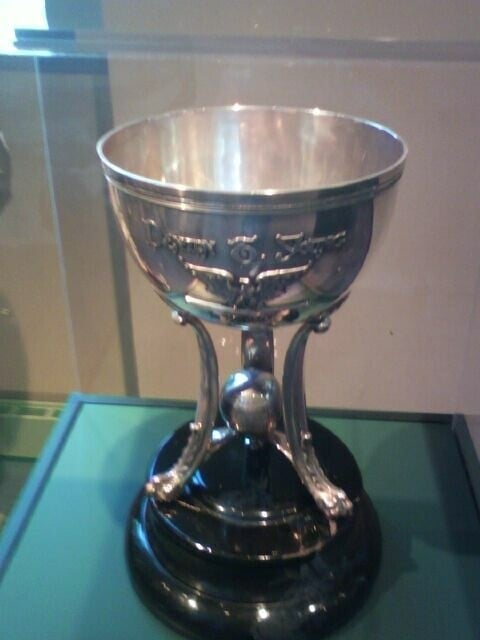
Pitchers today throw harder, with better technique, using advanced analytics. They also throw roughly half as often as Cy Young did between 1890 and 1911.
Young completed 749 of his 815 career starts. Modern pitchers complete maybe 2-3 games per season if they’re workhorses.
The closest active pitcher to 511 wins has fewer than 200.
Young’s record isn’t getting broken — it’s becoming more impossible every year as pitch counts and bullpen usage make it mathematically unattainable.
Joe DiMaggio’s 56-Game Hitting Streak
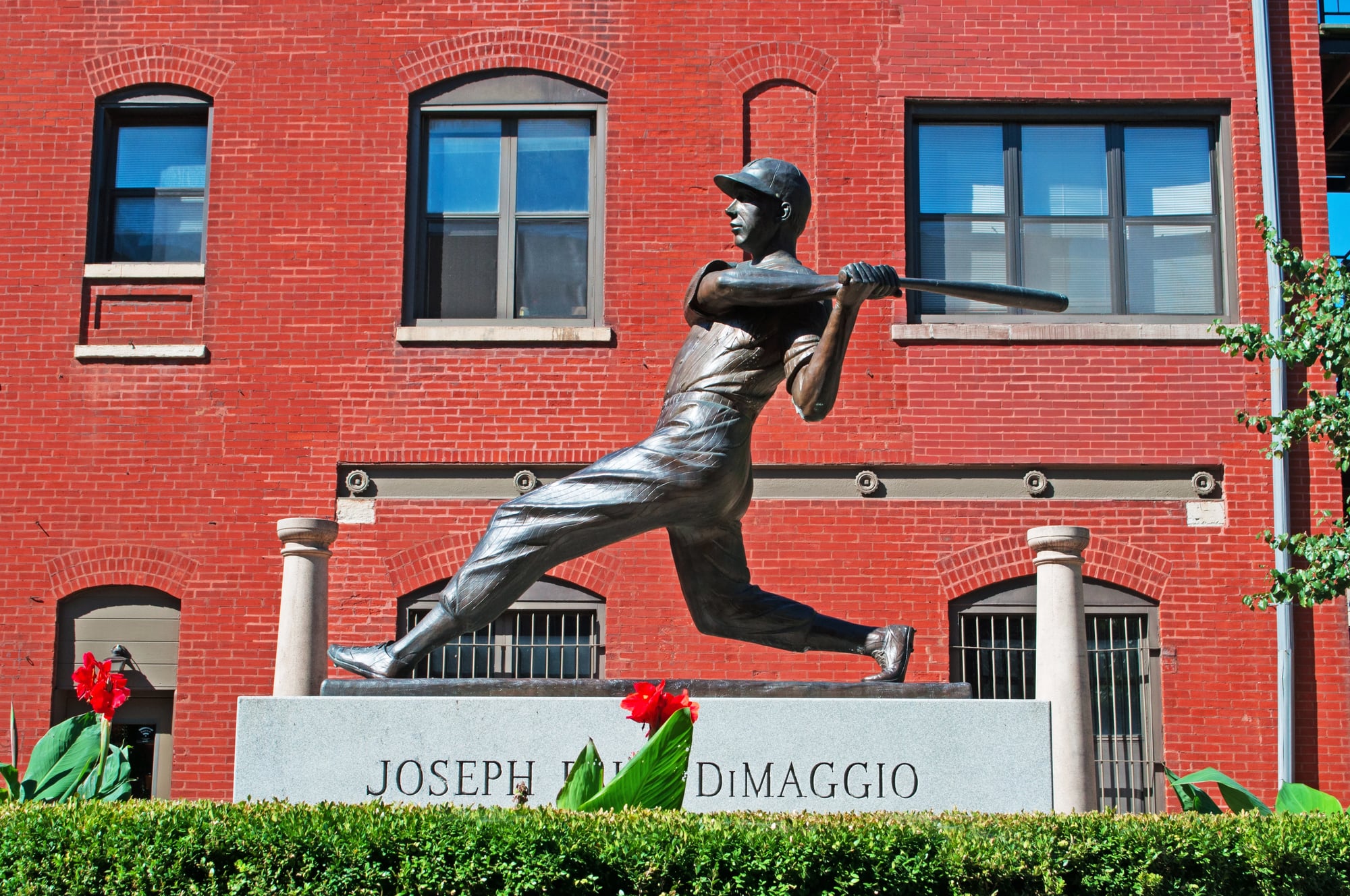
Baseball is a game of failure disguised as competition. The best hitters fail seven times out of ten and get inducted into the Hall of Fame for it.
DiMaggio succeeded for 56 straight games in 1941, which sounds impressive until you dig into the math and realize he essentially flipped heads 56 times in a row while the entire country watched.
Getting a hit in a single game requires skill, timing, and a little luck.
Getting hits in 56 consecutive games requires all of that plus the kind of sustained excellence that borders on the supernatural.
Ted Williams hit .406 that same season — a feat that also hasn’t been repeated — but somehow DiMaggio’s streak felt more impossible then and has only grown more so with time.
Modern players have come close: Pete Rose hit 44 straight in 1978, and Jimmy Rollins managed 38 in 2005-2006.
Close doesn’t count with records like this one, though.
You either do it or you don’t, and for 83 years running, everyone has fallen short.
Glenn Hall’s Consecutive Games Streak
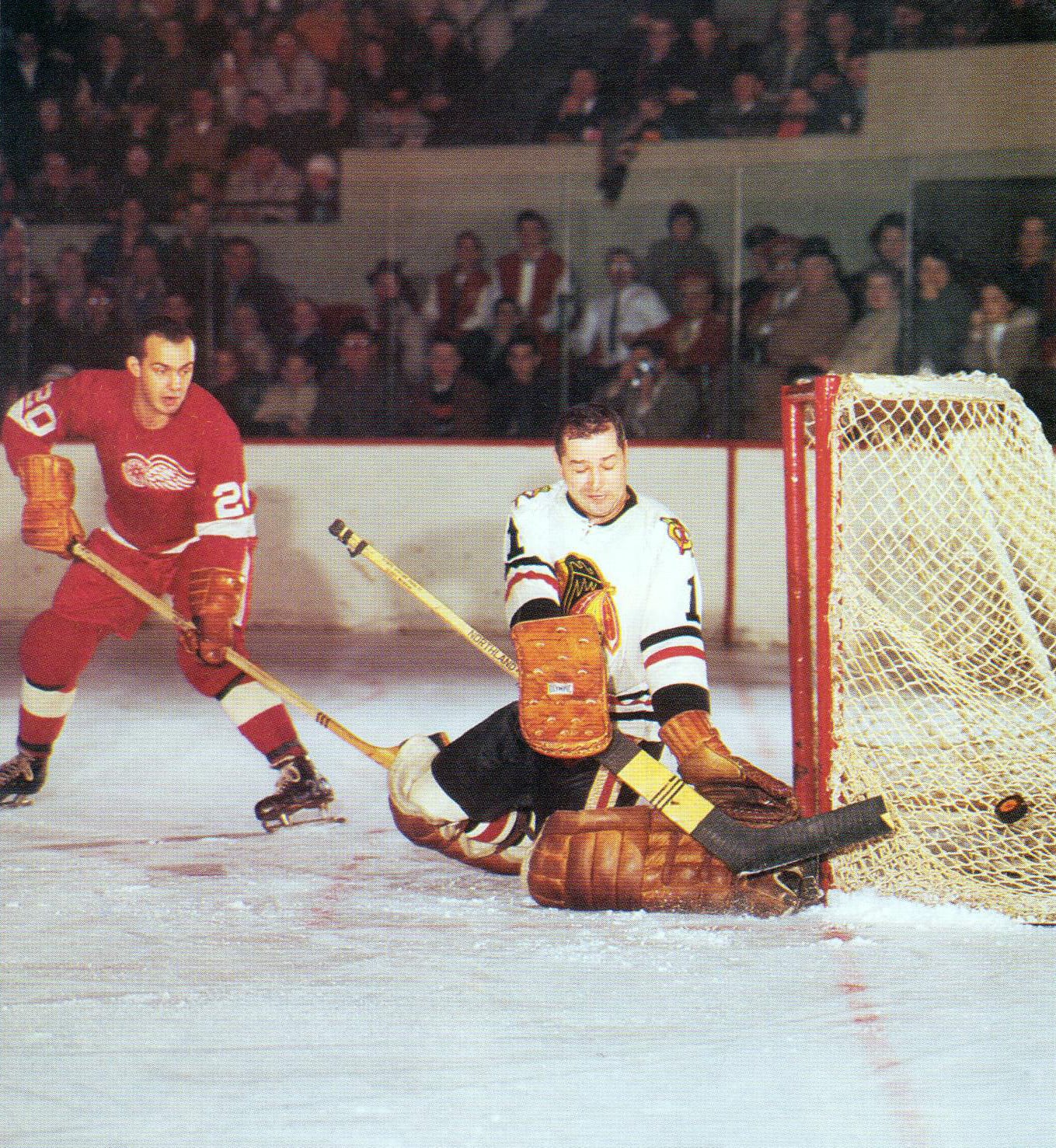
Hall played 502 consecutive complete games as an NHL goaltender. Without a mask.
From 1955 to 1962, he never missed a single game, never got pulled, never sat out with an injury despite stopping frozen rubber pucks traveling at 100+ mph with his face.
Modern goalies wear full protective gear and still get injured regularly.
They also get pulled from games for performance reasons or rest on back-to-back nights.
Hall’s record exists in a different era of hockey entirely — one where playing hurt wasn’t just expected, it was the only option.
Jahangir Khan’s Squash Winning Streak

Between 1981 and 1986, Jahangir Khan won 555 consecutive squash matches. Not games — matches.
For five years, he simply did not lose.
The streak ended when he was suffering from a hernia and probably should have withdrawn from the tournament.
Even then, it took his opponent six games to finally beat him.
Modern squash is more competitive, with better training methods and deeper talent pools.
Khan’s record stands as a testament to what happens when perfect technique meets unbreakable mental fortitude.
Jahangir Khan‘s Back-To-Back No-Hitters
Throwing one no-hitter requires exceptional stuff, perfect command, and considerable luck — 27 batters, 27 outs, zero hits allowed.
Vander Meer threw two in a row in June 1938, which is the baseball equivalent of winning the lottery twice with consecutive tickets.
The mathematical probability alone should make this record impossible, but somehow a left-handed pitcher from New Jersey managed it during the Great Depression and no one has come remotely close since.
What makes this record particularly maddening is that dozens of pitchers have thrown no-hitters in the 85 years since — some of them much better pitchers than Vander Meer ever was.
But getting that second consecutive no-hitter requires not just repeating an incredibly rare feat, but doing it under the pressure of knowing that history is watching.
And apparently, that combination of skill and circumstance has proven unrepeatable.
Which is saying something in a sport where someone throws a no-hitter roughly once per season.
Wilt Chamberlain’s Season Averages
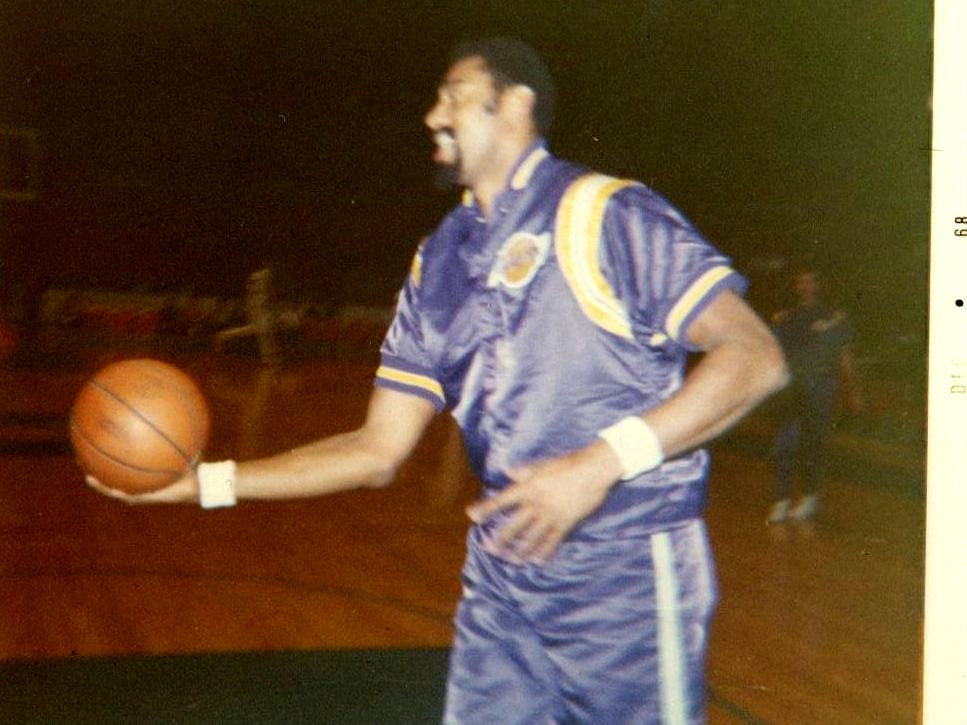
Chamberlain averaged 50.4 points per game during the 1961-62 season.
That’s not a hot streak or a memorable month — that’s an entire 80-game season where he scored 50+ points on average.
Russell Westbrook’s triple-double seasons felt historic, and they were.
But averaging 50 points per game for an entire season is a different kind of impossible.
The closest anyone has come since is Kobe’s 35.4 points per game in 2005-06, which is still 15 points short.
Fifteen points per game, every game, for an entire season.
Byron Nelson’s 1945 Golf Season
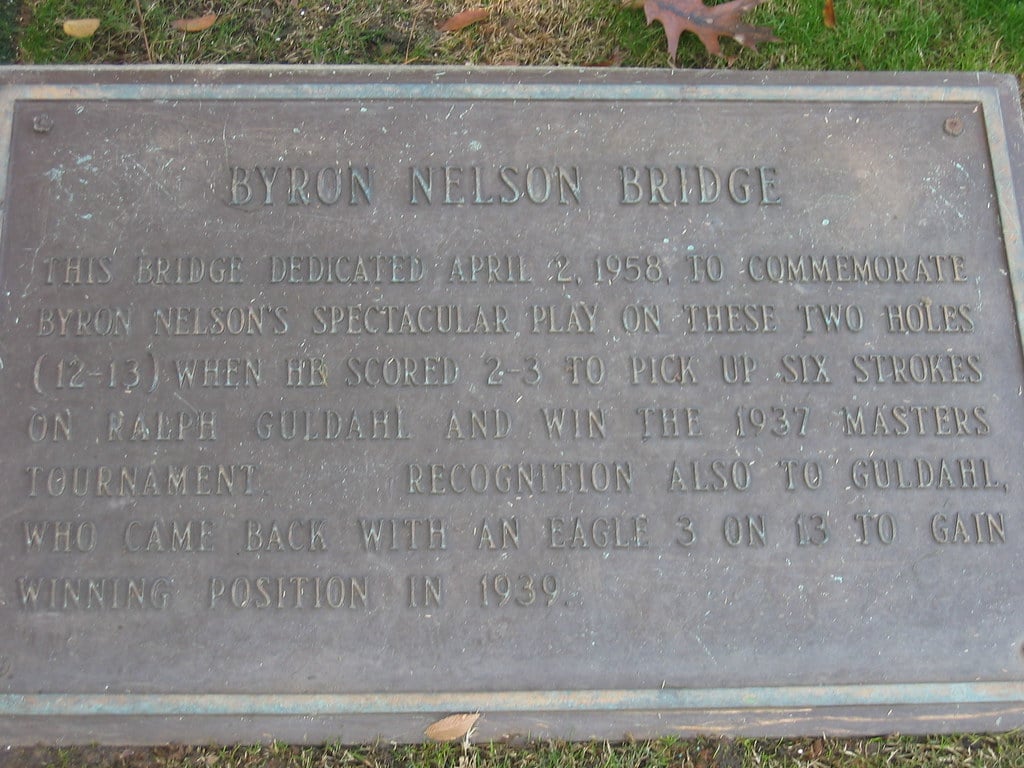
Nelson won 18 tournaments in 1945, including 11 consecutive victories.
He finished second in seven other tournaments.
In 35 events, he finished outside the top ten exactly twice.
Golf is a game where anything can happen on any given day — bad bounces, weather, putting woes.
Nelson essentially removed randomness from golf for an entire year.
Modern golfers have better equipment, better course management, and better fitness.
None of them have won more than eight tournaments in a single season since 1950.
Kareem Abdul-Jabbar’s Scoring Record
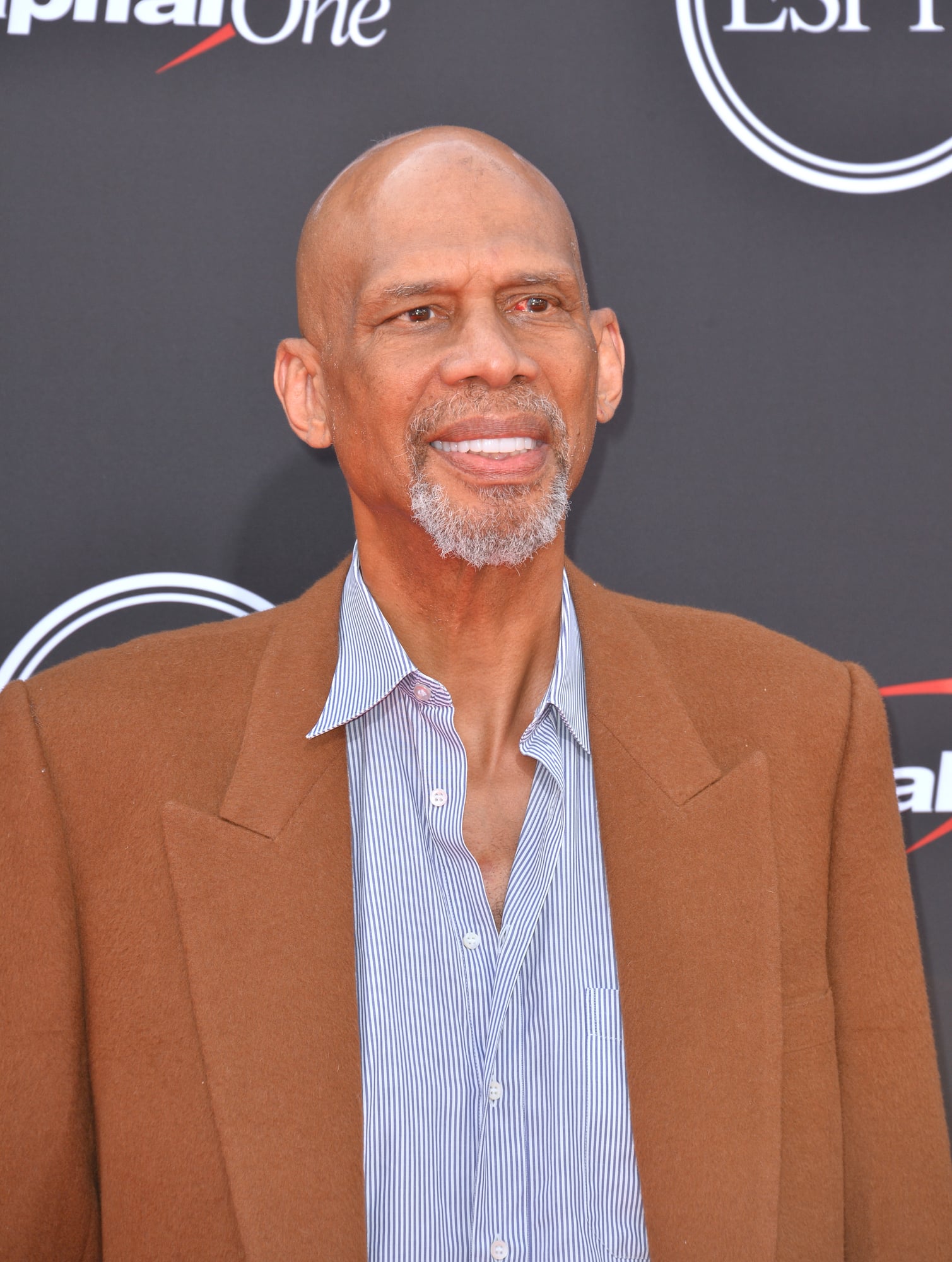
Abdul-Jabbar scored 38,387 career points over 20 NBA seasons, a record that stood for nearly four decades until LeBron James finally broke it in 2023.
But here’s what makes Kareem’s achievement particularly remarkable: he did it with one signature shot — the skyhook — that was essentially unguardable yet somehow died with him.
The skyhook was basketball geometry made simple.
Kareem would position himself in the post, extend his 7-foot-2 frame to its full length, and release the orb at the highest possible point with a gentle arc that made blocking it physically impossible unless you were also 7-foot-2 and could jump higher than he could reach.
And yet, despite its effectiveness, no one really uses it anymore.
Players today have developed more athletic, more spectacular ways to score, but none quite as reliable as Kareem’s methodical, unstoppable hook shot that he perfected in the third grade and rode all the way to the Hall of Fame.
Lou Gehrig’s Consecutive Games Record

Gehrig played 2,130 consecutive games between 1925 and 1939.
He played through injuries, illness, and eventually the early stages of ALS.
The streak ended only when he physically could no longer swing a bat.
Cal Ripken Jr. broke this record in 1995, playing 2,632 straight games.
But here’s the thing about Gehrig’s streak — he maintained elite production throughout.
His consecutive games streak included multiple MVP seasons and a .340 career batting average.
Showing up is one thing.
Showing up and being great for 14 straight years is something else entirely.
Don Larsen’s Perfect World Series Game
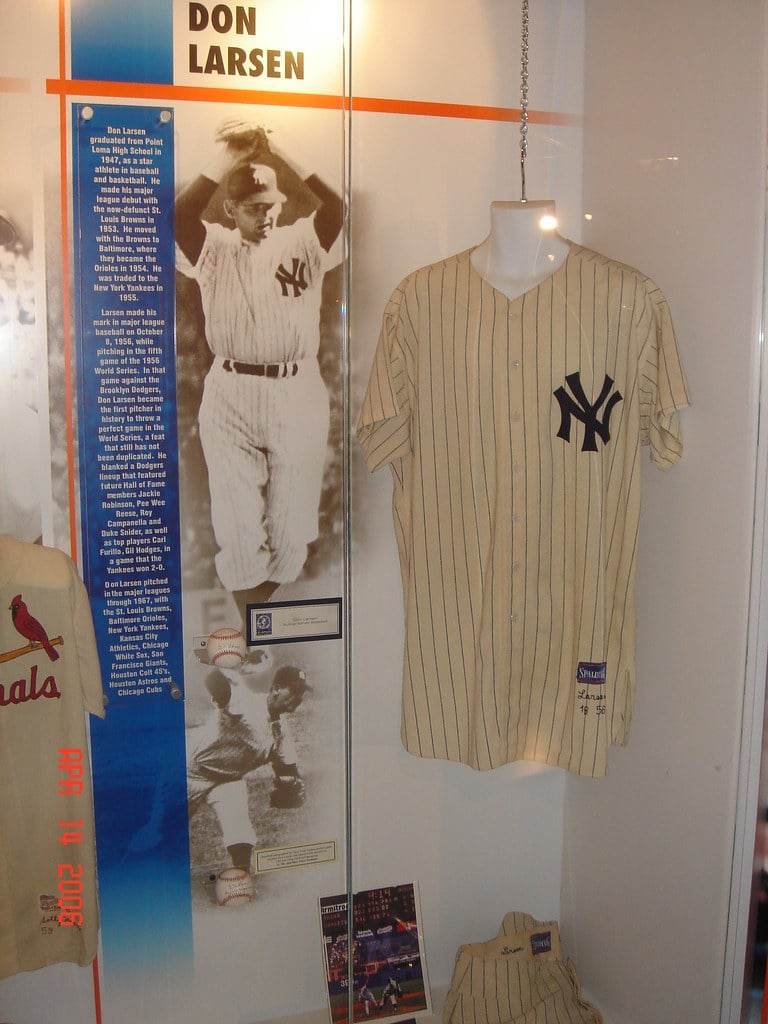
October 8, 1956. Game 5 of the World Series.
Larsen threw the only perfect game in World Series history — 27 batters, 27 outs, no hits, no walks, no errors, no base runners of any kind.
World Series games are pressure-packed affairs with the best hitters in baseball.
Perfect games are rare enough during regular season contests.
Combining the two seems impossible, yet Larsen did it against the Brooklyn Dodgers in Yankee Stadium.
Multiple no-hitters have been thrown in the World Series since, but perfect games require a level of precision that apparently works only once per century on baseball’s biggest stage.
Steffi Graf’s Golden Slam

Graf won all four Grand Slam tournaments and Olympic gold in the same calendar year — 1988.
She’s the only tennis player, male or female, to accomplish this feat.
Several players have won the traditional Grand Slam (all four majors in one year), but adding Olympic gold requires the stars to align perfectly.
The Olympics only happen every four years, and tennis wasn’t always an Olympic sport.
Graf caught lightning in a bottle during an Olympic year when she was also playing the best tennis of her career.
Pelé’s World Cup Goals Record
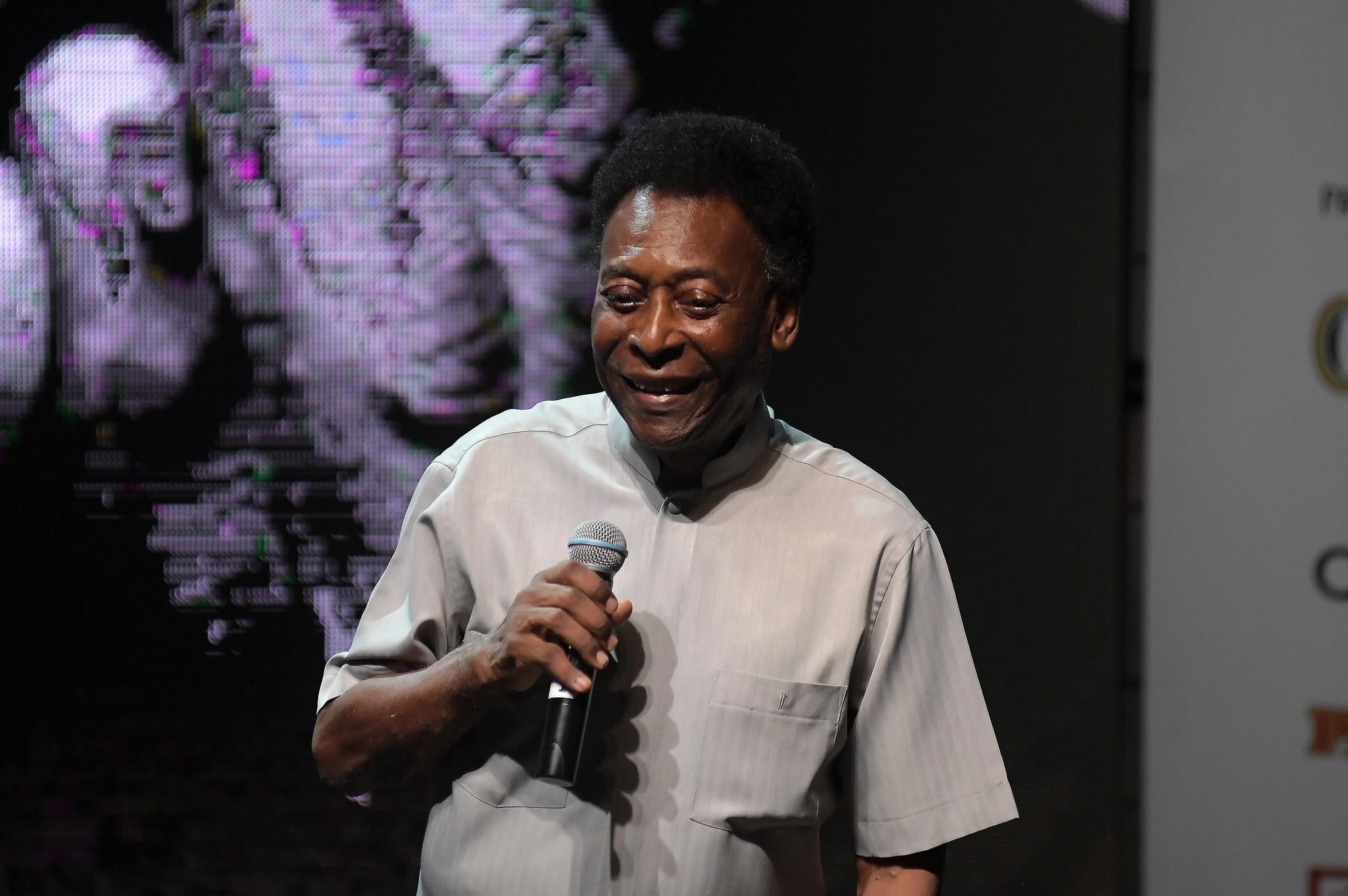
Pelé scored 12 goals across four World Cups between 1958 and 1970.
He won three of those tournaments and remains the only player to accomplish that feat.
Modern soccer has more parity, better defensive systems, and shorter tournament formats.
Players peak for shorter windows and face stiffer competition throughout.
Pelé played in an era when Brazil could dominate tournaments and individual brilliance could carry teams farther than it can today.
His combination of longevity and peak performance in soccer’s most prestigious tournament remains unmatched.
Jack Nicklaus’s Major Championships
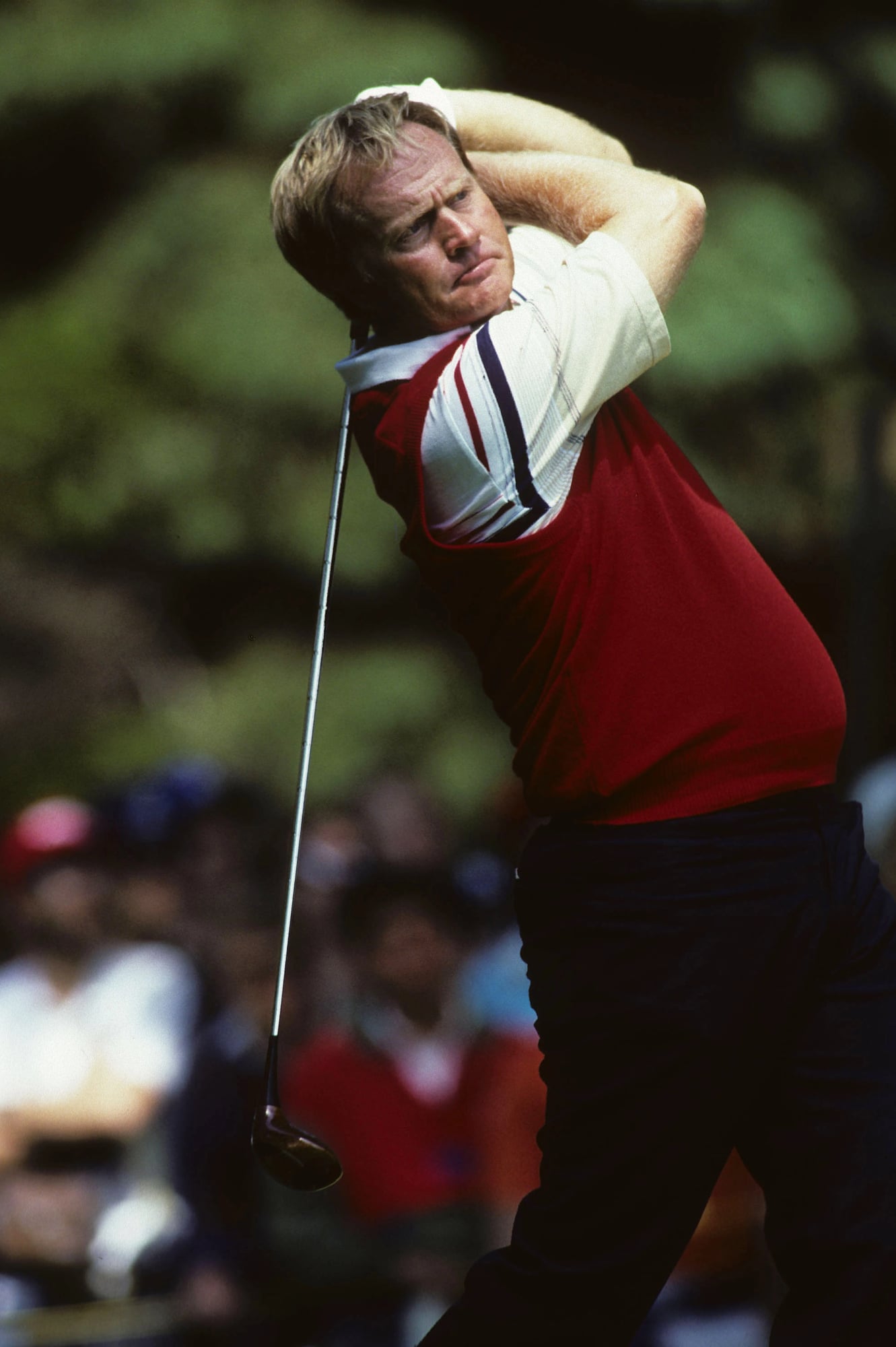
Nicklaus won 18 major championships between 1962 and 1986.
Tiger Woods came closest with 15 majors but hasn’t won one since 2019.
Golf careers are long, but major championship windows are surprisingly short.
Players need to peak at exactly the right times, avoid injuries, and maintain excellence across decades.
Nicklaus did this better than anyone, and despite advances in equipment and training, no one has matched his major championship total in the 40+ years since his peak.
When Lightning Strikes Once

These records share something beyond their impressive numbers — they represent moments when human performance transcended normal limitations and created something unrepeatable.
Maybe that’s what makes them so compelling to revisit.
They remind us that some achievements exist not to be broken, but to stand as permanent markers of what’s possible when talent, preparation, and circumstance align in ways that can’t be manufactured or predicted.
More from Go2Tutors!

- The Romanov Crown Jewels and Their Tragic Fate
- 13 Historical Mysteries That Science Still Can’t Solve
- Famous Hoaxes That Fooled the World for Years
- 15 Child Stars with Tragic Adult Lives
- 16 Famous Jewelry Pieces in History
Like Go2Tutors’s content? Follow us on MSN.



