Entire Languages That Were Banned and the People Who Kept Them Alive in Secret
When governments decide a language must disappear, they often underestimate the stubbornness of human memory. Throughout history, countless communities have faced systematic attempts to erase their native tongues — through forced schooling, legal prohibitions, and outright persecution.
Yet behind closed doors, in whispered conversations and secret gatherings, these languages found ways to survive. The stories that follow aren’t just about linguistic preservation.
They’re about mothers teaching forbidden words to their children in the dead of night, about entire communities developing elaborate codes to protect their heritage, and about the quiet heroism of people who refused to let their voices be silenced. These are the languages that were meant to die — and the remarkable humans who kept them breathing.
Welsh

The Welsh language faced systematic suppression for centuries under English rule. The 1847 Blue Books Report branded Welsh as a barrier to progress, leading to the infamous “Welsh Not” policy in schools.
Children caught speaking their native tongue were forced to wear a wooden token around their necks — a mark of shame passed from student to student until the school day ended. But Welsh families weren’t about to surrender their heritage to government policy.
In mining communities across Wales, fathers taught their sons the old songs while they worked underground, where English inspectors couldn’t reach them. Mothers gathered in each other’s kitchens after dark, sharing stories and prayers in Welsh while their children absorbed every syllable.
The language lived in the spaces between official oversight.
Catalan

Franco’s dictatorship in Spain declared war on regional identities, and Catalan became a primary target. Speaking Catalan in public could result in fines, imprisonment, or worse.
Books were burned, street signs were changed, and schools became enforcement zones for Spanish-only policies. So Catalonia went underground.
Bookstores developed secret back rooms where customers could find Catalan literature hidden behind false walls. Families created elaborate codes — speaking Spanish in front of outsiders while switching to rapid Catalan the moment they were alone.
Theater groups performed clandestine productions in basements and private homes, keeping dramatic traditions alive through decades of oppression. And yet the language endured, passed down through whispered lullabies and hidden poetry readings that became acts of quiet rebellion.
Irish Gaelic

The British Empire’s approach to Ireland included a systematic campaign against the Irish language. The National School System, established in 1831, made English the sole language of instruction.
Children were punished for speaking Irish, and communities were pressured to abandon their native tongue in favor of economic opportunities that required English fluency. In remote fishing villages and mountain communities, Irish survived through sheer geographic isolation.
Grandmothers told traditional stories (seanchaí) in Irish during long winter nights, keeping centuries of oral tradition alive in their memories. Traveling teachers moved between hidden schools, conducting lessons in Irish when authorities weren’t watching.
The language became a secret handshake — a way for Irish speakers to identify allies and preserve connection to their heritage despite official efforts to erase it.
Hawaiian

American colonization brought systematic suppression of the Hawaiian language starting in the 1890s. The 1896 law banning Hawaiian in schools was designed to “civilize” Native Hawaiian children by forcing them to assimilate into English-speaking American culture.
Parents were told that speaking Hawaiian at home would handicap their children’s futures. Hawaiian families developed ingenious methods of resistance that felt like linguistic smuggling operations: they sent children to live with elderly relatives in remote areas where English had less influence, maintained traditional chanting practices disguised as Christian hymns (since missionaries couldn’t distinguish between sacred Hawaiian chants and approved religious music), and created informal networks where fluent speakers would gather children for storytelling sessions conducted entirely in Hawaiian.
The language survived in fishing boats, taro fields, and family compounds where the reach of American educational policy couldn’t quite extend.
Kurdish
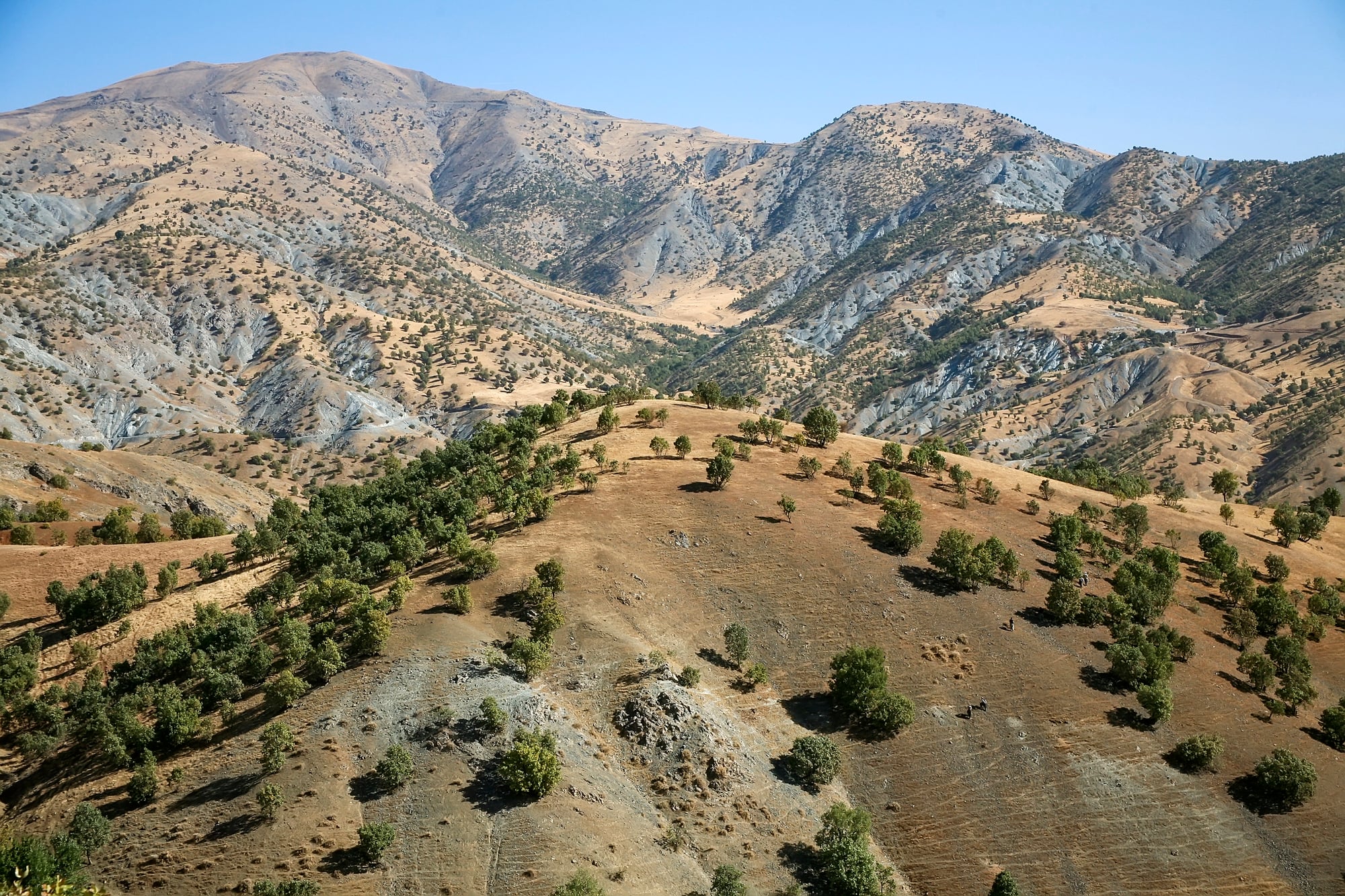
Kurdish languages have faced suppression across multiple nation-states, with Turkey implementing some of the harshest restrictions. For decades, speaking Kurdish publicly was illegal, and Kurdish names, music, and literature were banned.
The goal was complete cultural assimilation — erasing Kurdish identity through linguistic erasure. Kurdish communities responded with remarkable creativity and persistence.
They developed an underground education system where children learned to read and write Kurdish in secret schools hidden in basements and remote mountain villages. Families created elaborate networks for preserving Kurdish literature — copying books by hand and hiding them in wells, caves, and buried containers.
Kurdish mothers sang traditional songs softly while doing household work, ensuring their children absorbed the rhythms and vocabulary of their heritage even when they couldn’t speak it openly.
Tibetan

Chinese occupation of Tibet brought systematic efforts to replace Tibetan with Mandarin Chinese. Tibetan was banned in schools, government offices, and many public spaces.
The policy aimed to integrate Tibet into Chinese culture by eliminating linguistic differences. Buddhist monasteries became unexpected centers of linguistic preservation.
Monks continued teaching Tibetan literacy as part of religious instruction, framing language lessons as spiritual practice rather than cultural resistance. Families developed intricate systems for preserving Tibetan at home — designating certain rooms where only Tibetan could be spoken, teaching children to switch languages based on who was present, and maintaining traditional prayer practices that required fluency in written Tibetan.
The language survived through religious devotion that doubled as cultural preservation.
Basque
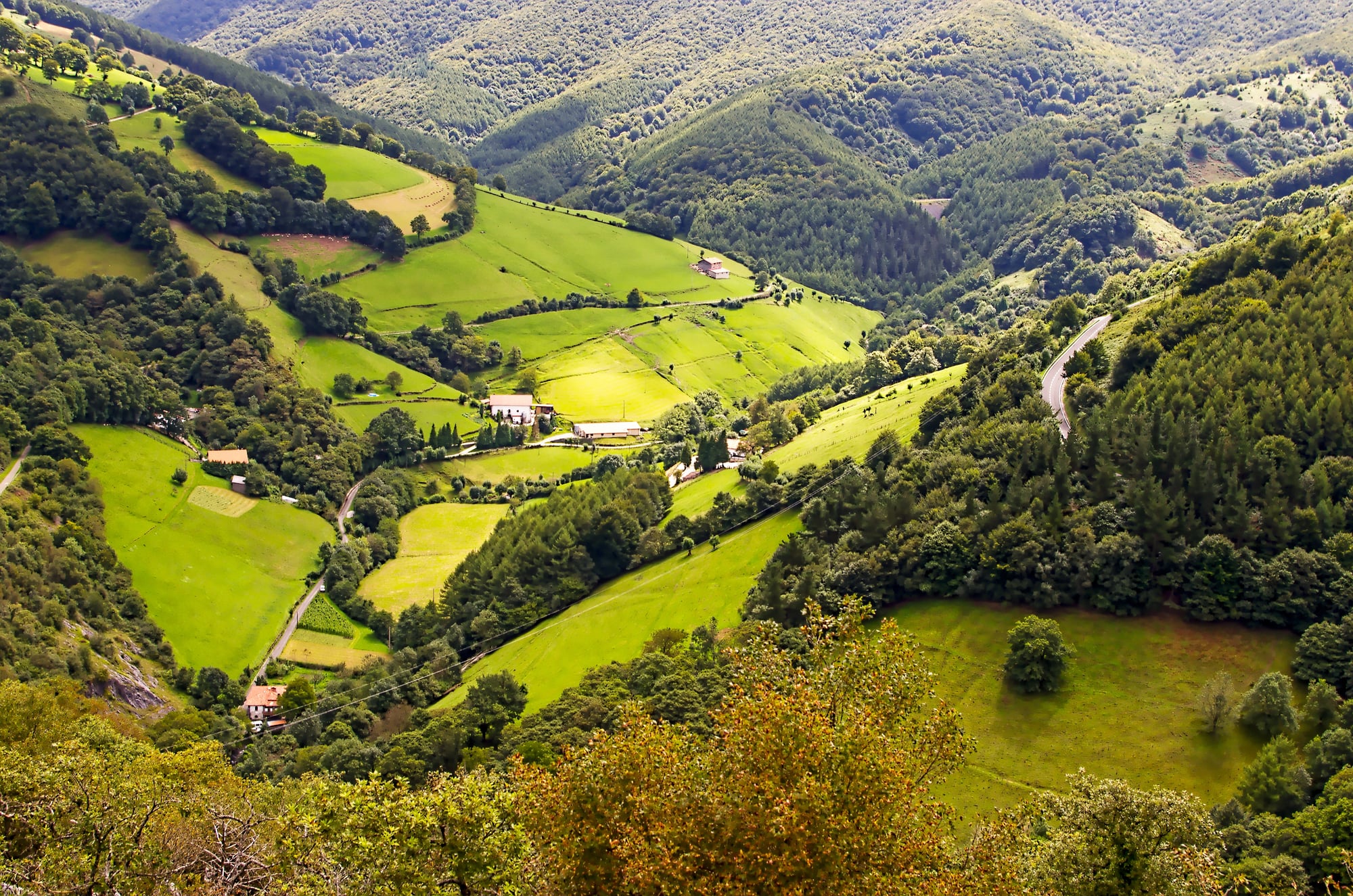
During Franco’s dictatorship in Spain, Basque faced the same suppression as Catalan but with additional challenges due to its unique linguistic isolation. Basque shares no common roots with any other known language, making it particularly vulnerable to extinction if transmission were interrupted.
Basque fishing and farming communities created sophisticated preservation networks that operated like underground railroads for language. Extended families designated certain members as “keepers” — individuals responsible for maintaining perfect fluency and teaching the next generation.
Children were sent to live with elderly relatives in remote mountain villages where Basque remained the primary language. The community developed coded switching systems where families could speak Basque in public by embedding it within Spanish conversations, creating a linguistic camouflage that protected their heritage from authorities who couldn’t distinguish the languages when they were blended together.
Scottish Gaelic

Following the Battle of Culloden in 1746, the British government implemented policies designed to destroy Highland Scottish culture. The Act of Proscription banned Highland dress, weapons, and the Gaelic language.
Speaking Gaelic became a mark of disloyalty to the Crown, and schools were established specifically to replace Gaelic with English. Highland communities preserved their language through what they called “the quiet teaching” — informal education networks that operated entirely outside official oversight.
Traveling bards continued moving between villages, memorizing and reciting epic poems in Gaelic that preserved historical memory and linguistic complexity. Families established “Gaelic nights” where entire households would spend evenings speaking only Gaelic while working on crafts or household tasks.
The language survived in crofting communities where geographic isolation provided natural protection from government interference, and in the songs and stories that mothers sang to children who were learning to navigate between their heritage language and the English-speaking world they’d have to enter.
Breton

French centralization policies targeted regional languages throughout France, with Breton facing particularly intense pressure in Brittany. The French education system implemented strict French-only policies, and children were punished for speaking Breton in schools.
The goal was creating a unified French identity by eliminating linguistic diversity. Breton families turned their homes into linguistic sanctuaries where the language could survive government policy.
They created elaborate rituals around preserving Breton — designating certain daily activities that could only be conducted in Breton, teaching children traditional songs and prayers that required fluency to perform correctly, and maintaining extended family networks where Breton remained the primary language of communication. Elderly women became particularly important in this preservation effort, serving as living libraries who could teach proper pronunciation, grammar, and vocabulary to children who were learning Breton as a secret second language.
Sami
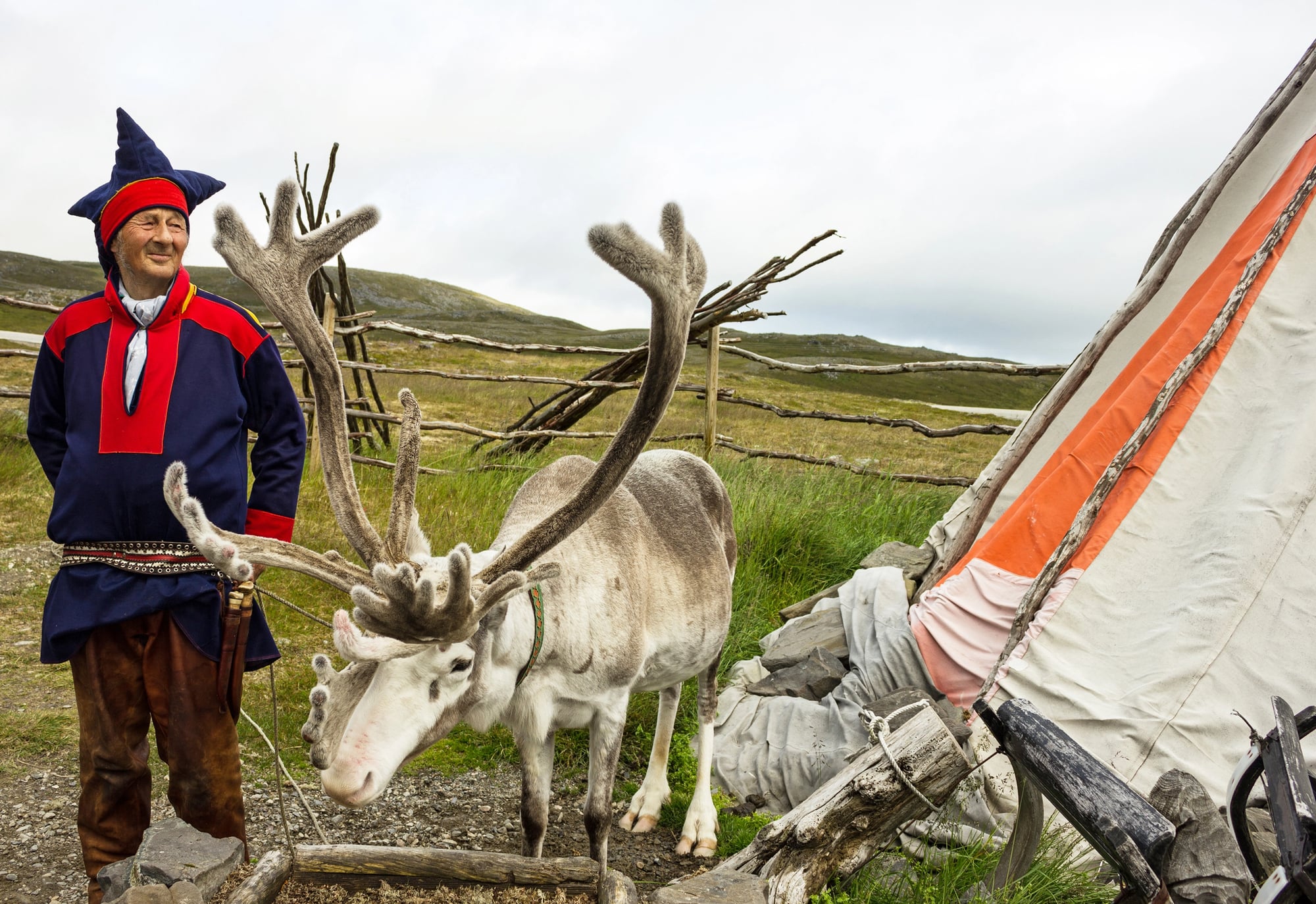
Scandinavian governments implemented policies designed to assimilate the indigenous Sami people by eliminating their languages. Norway, Sweden, and Finland all established boarding schools where Sami children were forbidden to speak their native tongues and were punished for any expression of Sami culture.
Sami families developed preservation strategies that relied heavily on seasonal migration patterns and extended family networks. During summer months when families moved to traditional herding grounds, children were immersed in Sami-speaking environments where the language could be practiced openly.
Families created complex teaching systems where different relatives were responsible for different aspects of linguistic preservation — some focused on vocabulary related to reindeer herding, others maintained traditional stories and songs, and still others preserved the technical language needed for traditional crafts. The language survived in remote areas where government oversight was minimal and in the intimate family relationships that continued even when children were forced to attend assimilationist schools.
Yiddish

While Yiddish wasn’t banned by a single government, it faced systematic suppression in multiple contexts — from Soviet policies against Jewish culture to the Holocaust’s devastating impact on Yiddish-speaking communities. In many places, speaking Yiddish became dangerous or was actively discouraged in favor of local national languages.
Yiddish survived through what could be called “portable preservation” — a preservation system that didn’t depend on geography since Jewish communities were often displaced or destroyed. Families carried their language with them through migration, maintaining Yiddish in their homes while learning whatever language was required for survival in their new locations.
Religious study created natural opportunities for preserving Yiddish literacy, since many traditional Jewish texts were written in Yiddish rather than Hebrew. Theater groups and literary circles operated as cultural preservation societies, keeping Yiddish drama and poetry alive even when the broader community was shifting to other languages.
The language survived in kitchen conversations, bedtime stories, and religious observances that created intimate spaces where Yiddish could flourish away from outside pressure to assimilate.
Occitan

French linguistic unification policies targeted Occitan (Provençal) throughout southern France. The education system actively discouraged regional languages, and children were taught that speaking Occitan was a sign of ignorance and backwardness.
The goal was replacing regional identities with a unified French national culture. Occitan communities preserved their language through what they called “fireside teaching” — informal education that happened during evening gatherings when families would work on crafts, prepare food, or maintain household equipment while speaking exclusively in Occitan.
They maintained traveling poet traditions where singers would move between villages, performing traditional songs and stories that preserved complex vocabulary and grammatical structures. Families developed strategies for teaching children to code-switch seamlessly between French and Occitan depending on their social context — speaking French with authorities and teachers while maintaining Occitan for family relationships and community connections.
Ainu
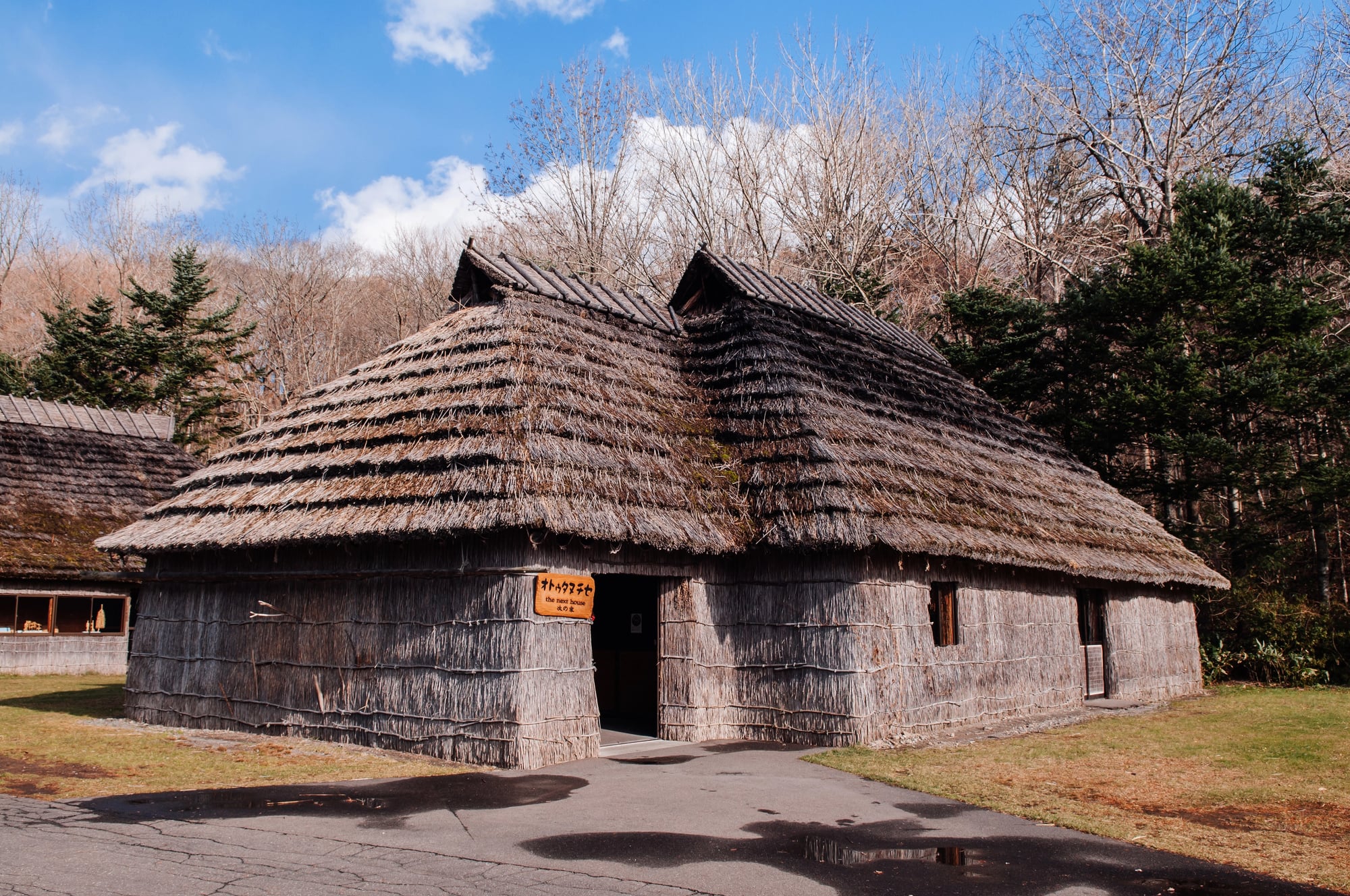
Japanese colonization of Hokkaido brought systematic efforts to eliminate the Ainu language and culture. The Meiji government implemented policies forcing Ainu children into Japanese schools where their native language was banned, and traditional Ainu practices were outlawed as primitive and incompatible with modern Japanese civilization.
Ainu families preserved their language through spiritual practices that couldn’t be easily separated from religious belief. Traditional Ainu ceremonies required specific linguistic knowledge — certain prayers, songs, and ritual formulations that had to be performed in Ainu to maintain their sacred power.
Elderly women became especially important in preservation efforts, maintaining oral traditions that included not just stories but detailed ecological knowledge that could only be expressed properly in Ainu. Families created teaching opportunities around traditional crafts and hunting practices, where the technical vocabulary needed for these activities preserved complex aspects of the language that formal education couldn’t replace.
The language survived in intimate family relationships and spiritual practices that operated outside the reach of Japanese assimilation policies.
Silenced Words That Refused To Die

Languages aren’t just collections of words and grammar rules. They’re entire ways of understanding the world — complete systems for organizing thought, expressing emotion, and connecting with others who share the same cultural inheritance.
When governments tried to eliminate these languages, they were attempting to erase entire ways of being human. But the families and communities who kept these languages alive understood something that their oppressors didn’t: language lives in relationships, not in official policies.
A mother singing to her child, an elder teaching traditional stories, a community gathering where everyone speaks the forbidden tongue — these intimate moments created spaces where languages could survive even the most determined efforts to destroy them. The preservation of these languages required a particular kind of courage.
It meant risking punishment to maintain connection with the past. It meant teaching children to navigate between their heritage and the demands of the outside world.
And it meant believing that something as intangible as a way of speaking was worth protecting, even when doing so offered no obvious practical benefits. These languages survived because people understood that losing them would mean losing parts of themselves that couldn’t be recovered once they were gone.
In kitchen conversations and bedtime stories, in secret schools and hidden gatherings, in the countless small moments where humans connect with each other through shared language, these communities kept their voices alive until the world was ready to hear them again.
More from Go2Tutors!

- The Romanov Crown Jewels and Their Tragic Fate
- 13 Historical Mysteries That Science Still Can’t Solve
- Famous Hoaxes That Fooled the World for Years
- 15 Child Stars with Tragic Adult Lives
- 16 Famous Jewelry Pieces in History
Like Go2Tutors’s content? Follow us on MSN.