33 Advertising Signs Collectors Chase
Old advertising signs were never meant to outlive the products they promoted. Most were tossed the moment a campaign changed or a store closed, which is exactly why the surviving examples, especially the porcelain and tin pieces that once hung outside gas stations and general stores, now draw serious money from a dedicated field of collectors.
Coca-Cola Porcelain Button Signs
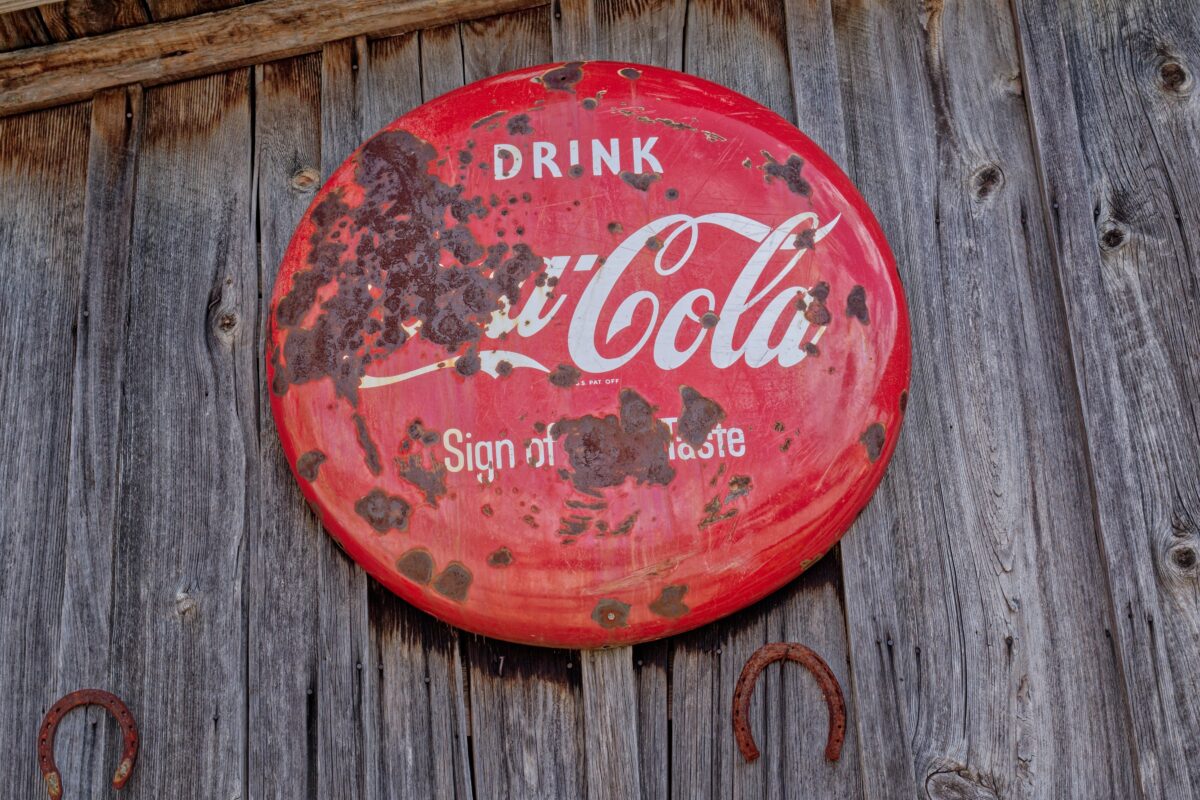
Coca-Cola’s round, domed porcelain “button” signs, produced from the early 1900s through the mid-20th century in sizes ranging from a few inches to several feet across, are among the most recognizable pieces in the entire advertising-collecting field. Large-diameter examples in strong original color, free of major chipping around the edge, can sell for $500 to several thousand dollars, with the earliest pre-1920s designs commanding the top of that range.
Edge chipping, where the porcelain enamel flakes away from the metal base, is the single most common condition issue and the main thing that separates a display-grade sign from a project piece.
Texaco Porcelain Star Signs
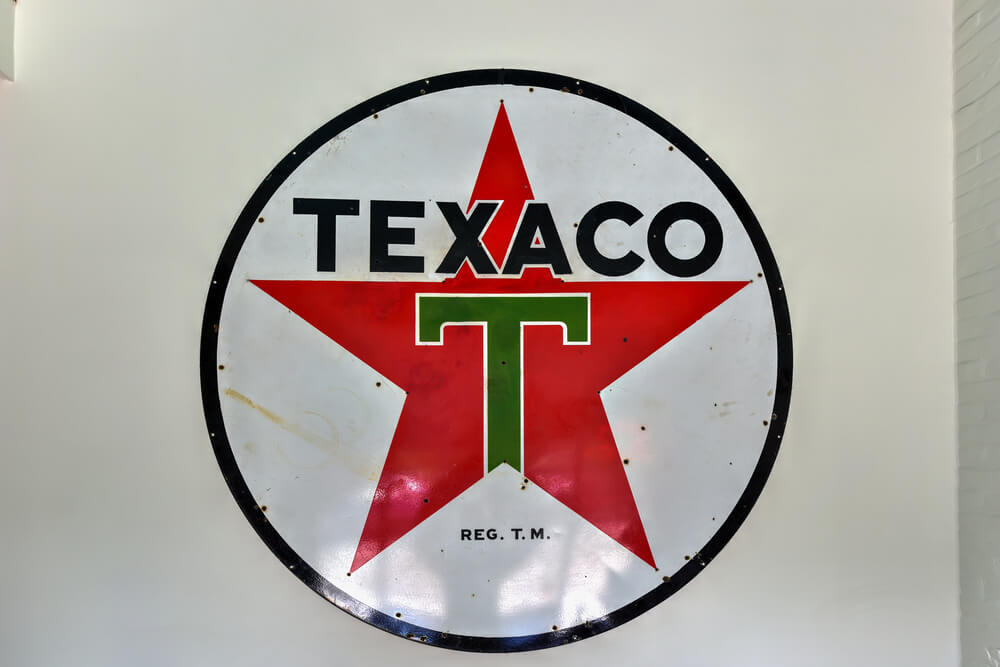
Texaco’s red, white, and green star-and-T logo appeared on porcelain signs outside filling stations from the early 20th century through the mid-1900s, with earlier versions of the star design differing enough from later ones that collectors date them by the exact logo variant.
A large porcelain star sign in strong original condition can sell for $300 to $1,500, with double-sided examples meant to hang perpendicular from a pole commanding a premium over single-sided wall-mounted versions.
Standard Oil Porcelain Signs
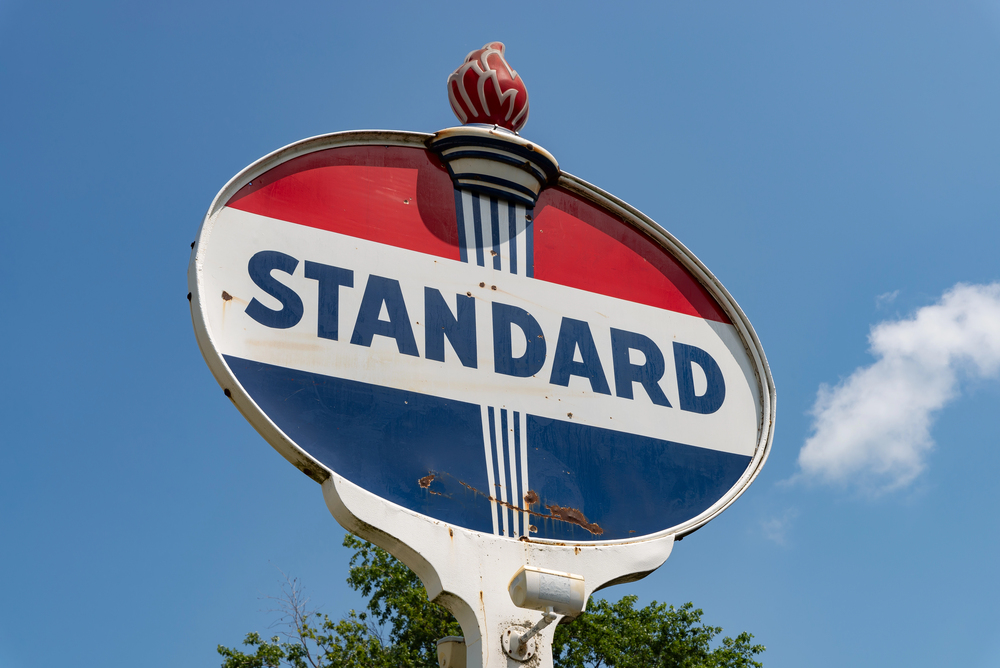
Standard Oil and its regional successor brands produced a wide range of porcelain signage for filling stations from the early 1900s onward, with regional brand variations like Sohio, Esso, and Amoco each carrying their own collector following.
A well-preserved regional Standard Oil family sign can sell for $200 to $1,000 depending on size and rarity, with smaller regional brands sometimes commanding more than the more common national Standard Oil examples simply because fewer of them were produced.
John Deere Embossed Tin Signs
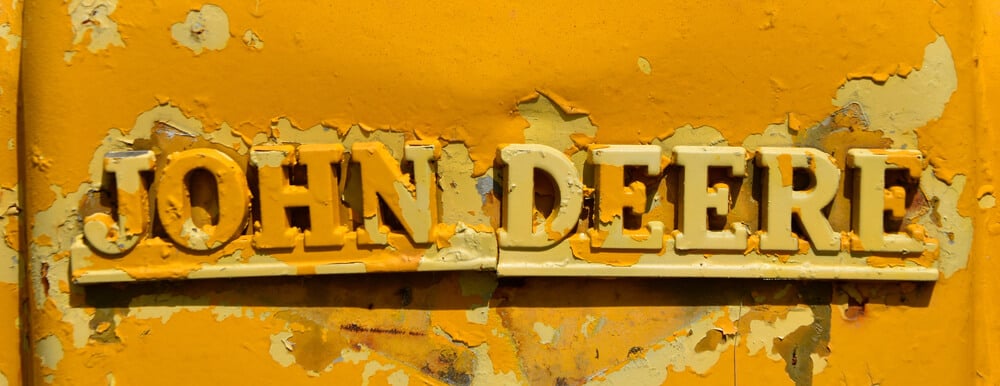
John Deere’s embossed tin dealer signs, featuring the company’s leaping deer logo, were distributed to farm equipment dealerships through much of the 20th century and are prized today by both advertising collectors and farm equipment enthusiasts.
A large embossed example in strong original paint can sell for $200 to $600, with rust along the embossed raised edges being the main condition issue that lowers value since the raised areas are where the tin’s protective coating wears through first.
Purina Checkerboard Feed Signs
Ralston Purina’s distinctive red-and-white checkerboard pattern appeared on porcelain and tin feed-store signage from the early 1900s onward, making the checkerboard motif one of the most instantly recognizable in American farm advertising.
A large porcelain feed sign in strong original condition can sell for $150 to $500, with the smaller tin door-push and threshold signs selling for considerably less but still drawing steady collector interest due to their affordability as an entry point.
Mobil Pegasus Porcelain Signs
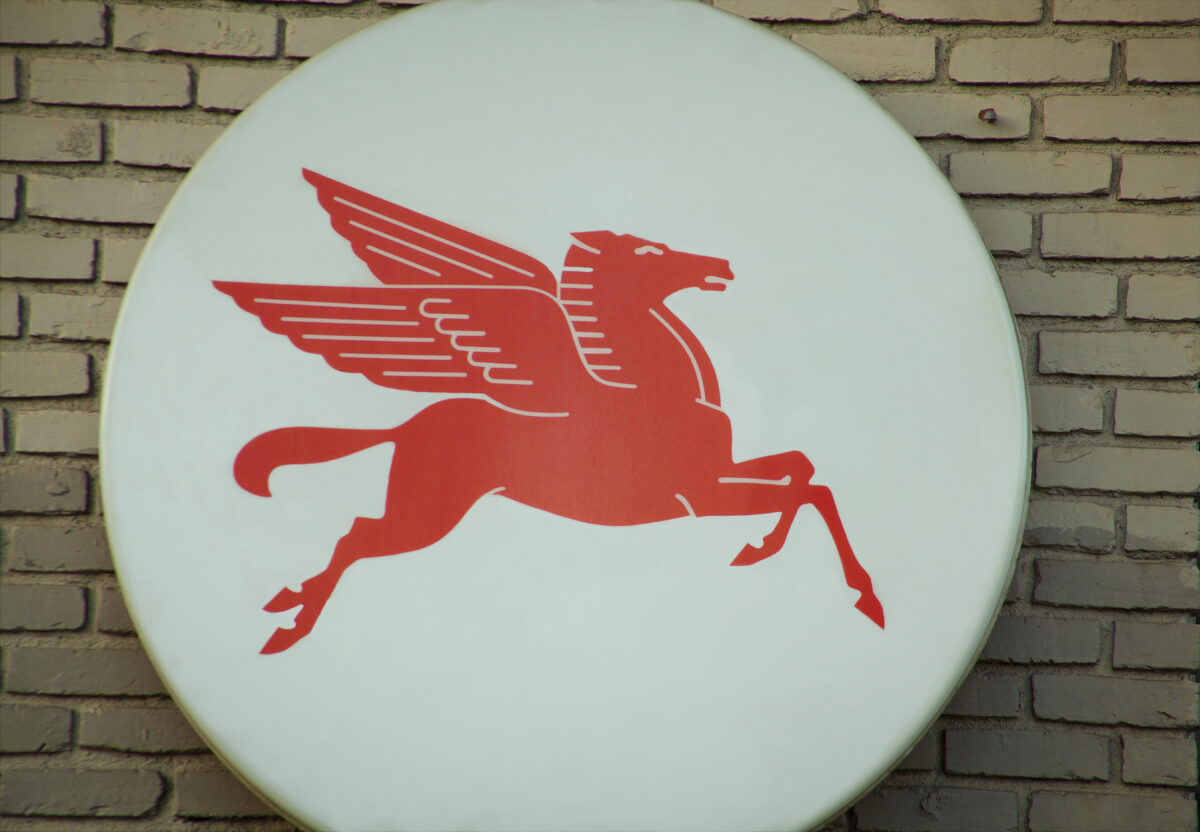
The Mobil Oil flying red horse, known as Pegasus, appeared on porcelain station signage beginning in the 1930s and remains one of the most sought-after images in petroleum advertising collecting.
A large porcelain Pegasus sign in strong original color can sell for $500 to several thousand dollars, and the shaped, die-cut versions of the horse, rather than the simpler rectangular logo signs, command the highest prices of all due to their scarcity and display appeal.
Arm & Hammer Tin Signs
Church & Dwight’s Arm & Hammer baking soda brand produced tin advertising signage for grocery and general stores from the late 1800s through the mid-20th century, with the earliest examples featuring more ornate lettering and border designs than later, simplified versions.
A well-preserved early example can sell for $100 to $400, with the specific arm-and-hammer logo illustration style being one of the details collectors use to narrow down a sign’s approximate production decade.
Firestone Tire Porcelain Signs
Firestone’s porcelain dealership signs, often shaped like or featuring an illustration of a tire, were distributed to automotive service stations through much of the 20th century.
A large shaped or die-cut example in strong original condition can sell for $300 to $900, with the standard rectangular logo signs generally selling for less than the more visually distinctive shaped versions.
Sunbeam Bread “Little Miss Sunbeam” Signs
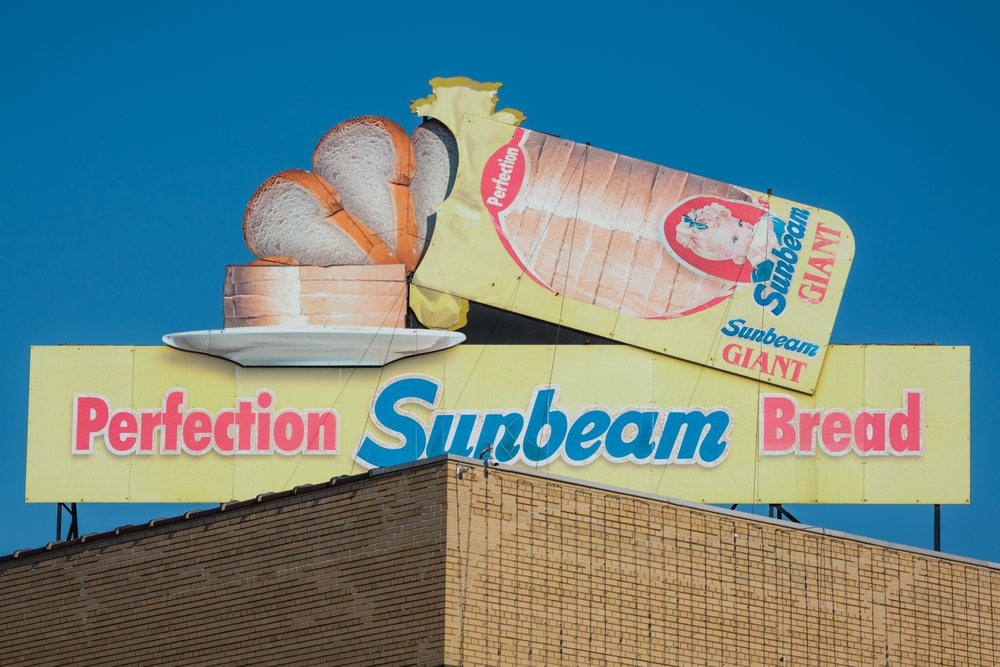
Sunbeam Bread’s tin advertising signs featuring the “Little Miss Sunbeam” character, introduced in the 1940s, are collected both by advertising enthusiasts and by a crossover audience interested in mid-century commercial illustration.
A well-preserved example with vivid, unfaded color can sell for $150 to $400, with the character’s continued brand recognition today helping sustain demand well beyond the general advertising-collecting audience.
Genuine Ford Parts Porcelain Signs
Ford’s “Genuine Parts” oval porcelain dealership signs, distributed to authorized service garages through much of the 20th century, are a staple of the automobile advertising collecting field.
A large oval example in strong original color can sell for $200 to $700, with double-sided flange-mounted versions, designed to hang perpendicular from a building for visibility from both directions, generally commanding more than flat single-sided examples.
Red Goose Shoes Tin Signs
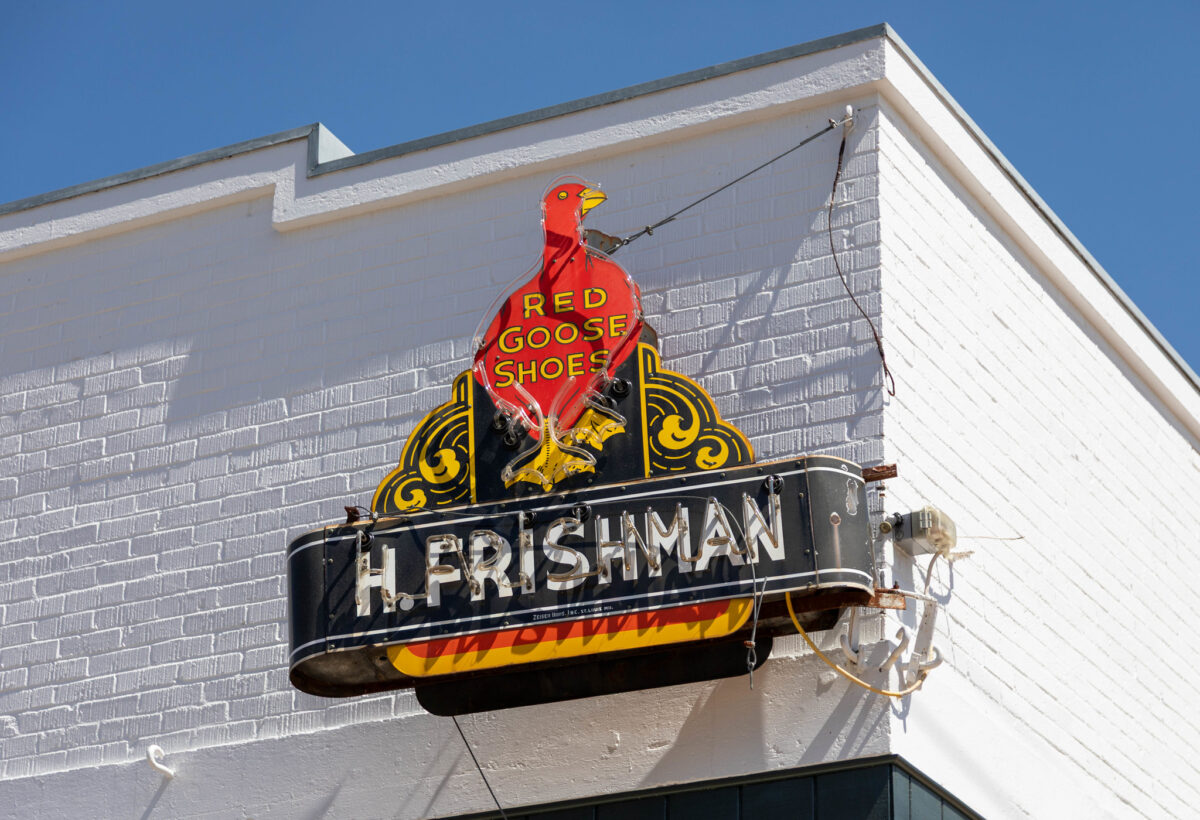
Red Goose Shoes, a children’s footwear brand, produced tin advertising signage featuring its distinctive red goose mascot from the early 20th century through mid-century.
A well-preserved example with strong original color can sell for $150 to $450, and the die-cut, goose-shaped versions of the sign, rather than the plain rectangular logo signs, are considerably scarcer and more valuable to collectors focused specifically on figural advertising pieces.
Rawleigh Products Tin Signs
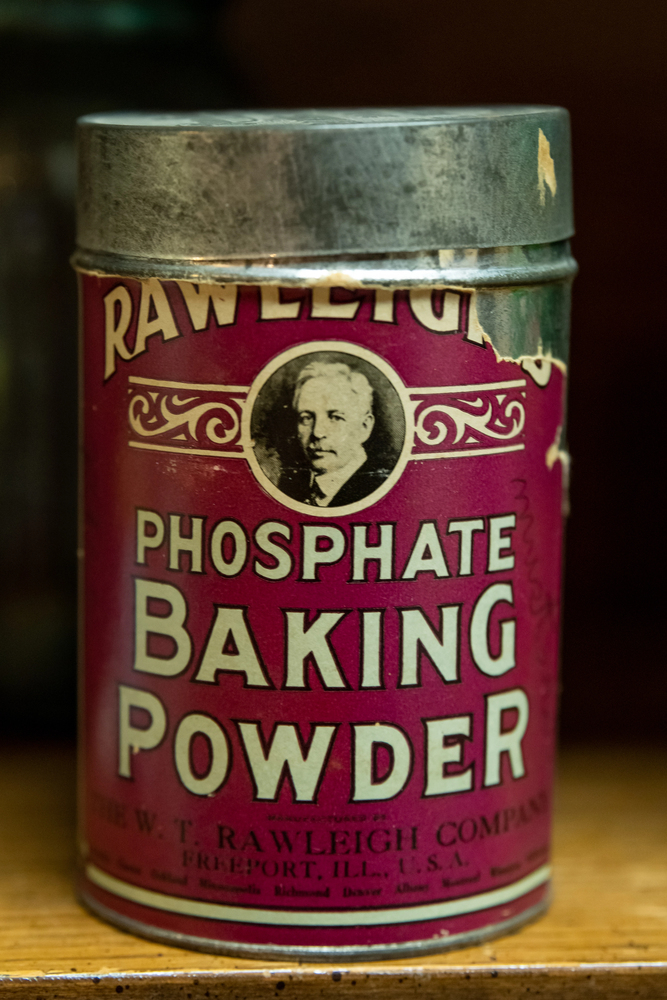
The W.T. Rawleigh Company, a door-to-door household and remedy products business, distributed tin advertising signage to the small retailers and route salesmen who carried its products through much of the early to mid-20th century.
A well-preserved example can sell for $80 to $300, a modest niche category compared to the major national brands but one with a dedicated following among collectors of rural and small-town commercial history.
Sinclair Dino Porcelain Signs
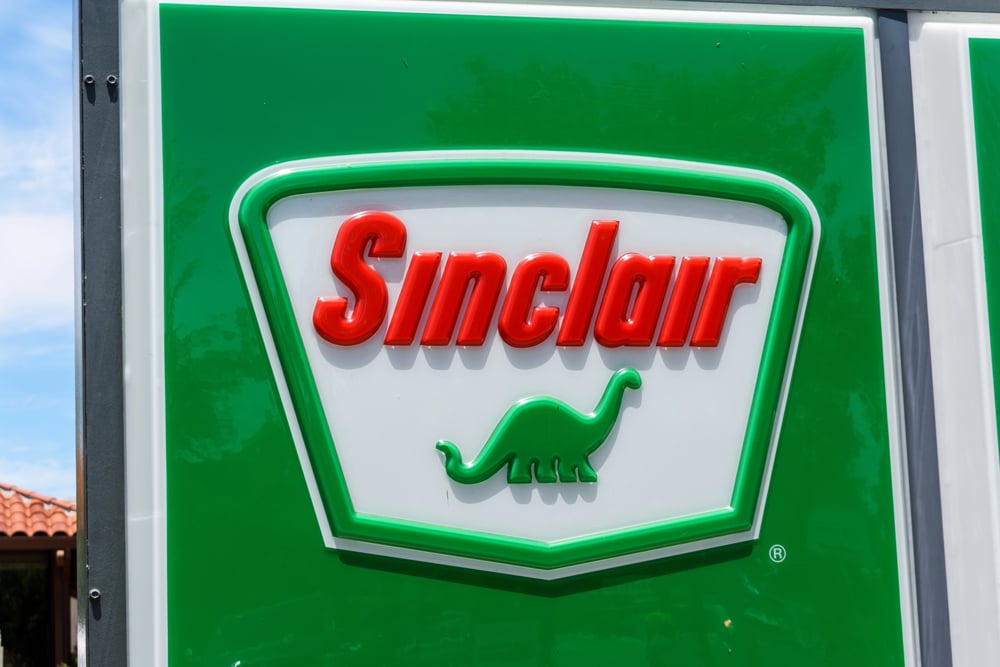
Sinclair Oil’s green dinosaur mascot, nicknamed Dino, appeared on porcelain station signage from the mid-20th century onward and remains one of the most recognizable and sought-after images in petroleum advertising.
A large porcelain example, especially the shaped dinosaur-silhouette versions rather than the plain rectangular logo signs, can sell for $300 to $1,200, with the character’s continued brand use keeping general public recognition, and demand, high.
Royal Crown Cola Tin Signs
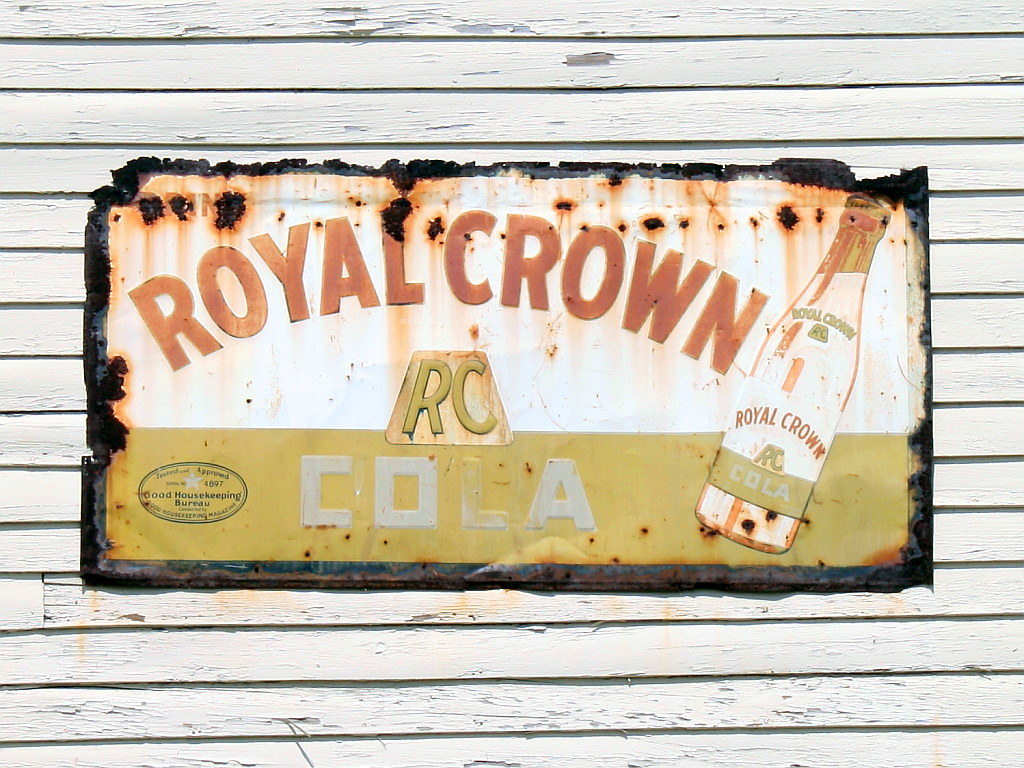
Royal Crown Cola, a soft drink competitor to the larger national soda brands, produced tin advertising signage from the early to mid-20th century, and its relative scarcity compared to the dominant soda brands has made surviving examples more sought after by some specialist collectors.
A well-preserved example can sell for $100 to $350, with the brand’s simpler, less frequently reproduced imagery appealing to collectors who specifically want to avoid the heavily reproduced material associated with the largest soda brands.
Buster Brown Shoes Tin Signs
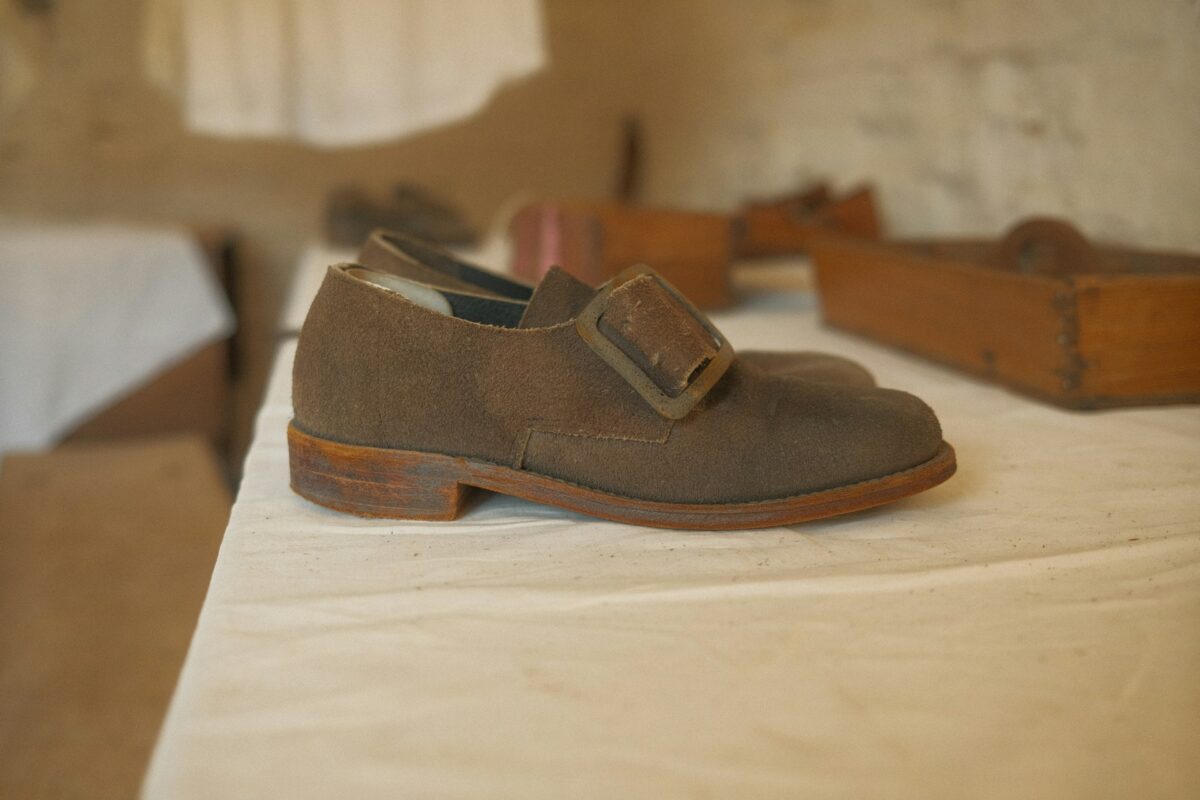
Buster Brown Shoes, featuring the character created by cartoonist Richard Outcault, produced tin advertising signage from the early 20th century onward, and the character’s crossover fame from newspaper comics gives these signs appeal beyond dedicated advertising collectors.
A well-preserved example can sell for $100 to $350, with figural die-cut versions of the character commanding more than standard rectangular logo signs.
Falstaff Beer Tin Signs
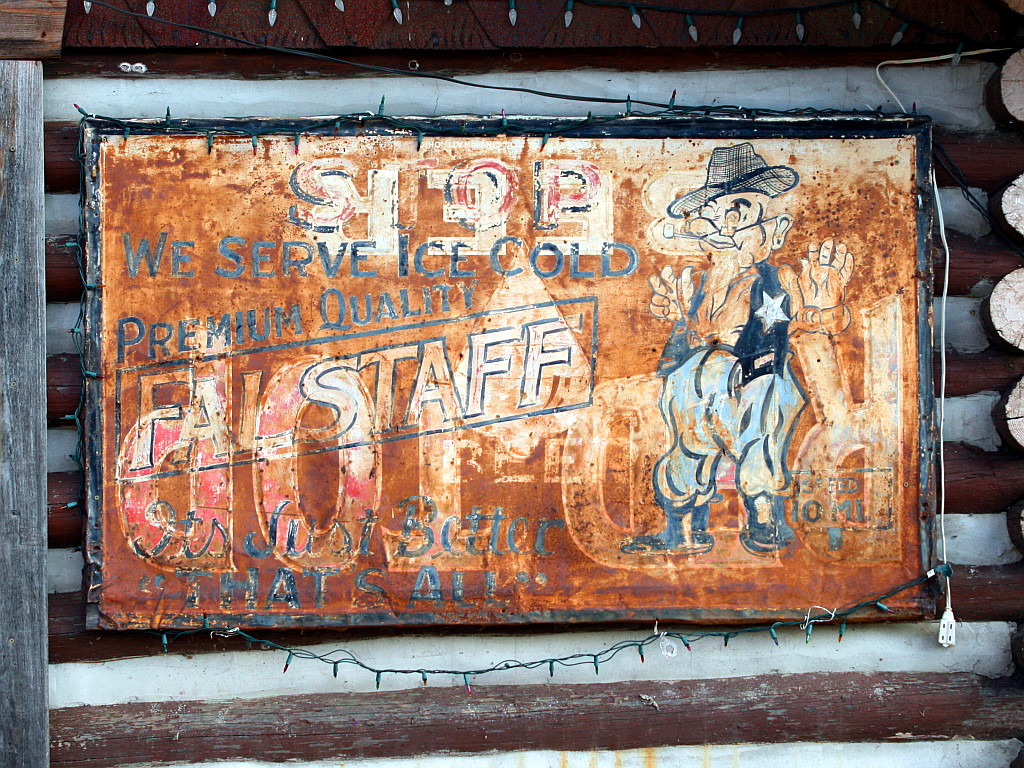
Falstaff, a regional American brewery brand popular through much of the mid-20th century, produced tin and light-up advertising signage distributed to bars and retailers.
A well-preserved tin example can sell for $75 to $250, with the light-up counter and wall versions generally commanding more than static tin pieces due to their added mechanical rarity and display appeal.
Hires Root Beer Tin Signs
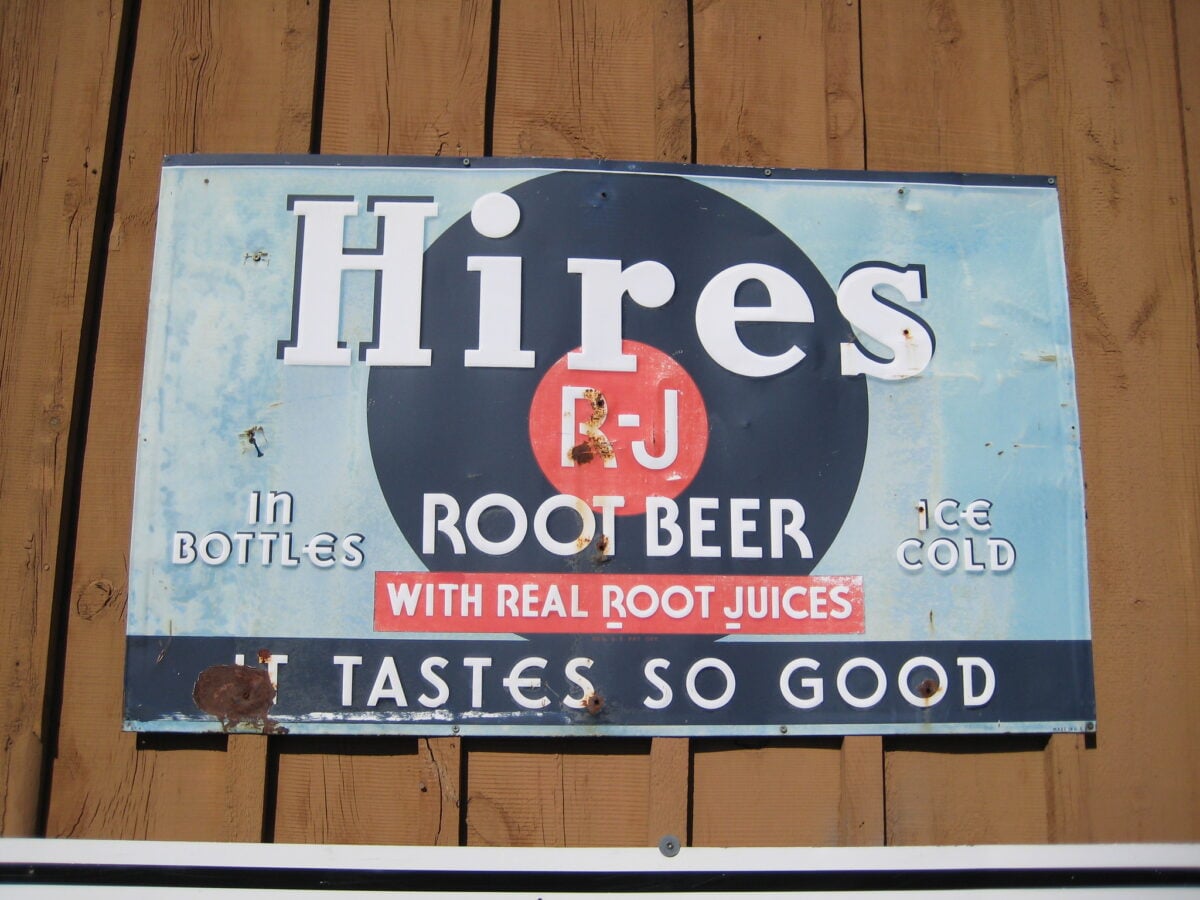
Hires, one of the earliest nationally marketed root beer brands, produced tin advertising signage from the late 1800s through the mid-20th century, with the earliest examples featuring more ornate Victorian-era lettering and border work.
A well-preserved early example can sell for $100 to $400, with the brand’s long history giving collectors a wide range of design eras to specialize in.
Sohio Porcelain Station Signs
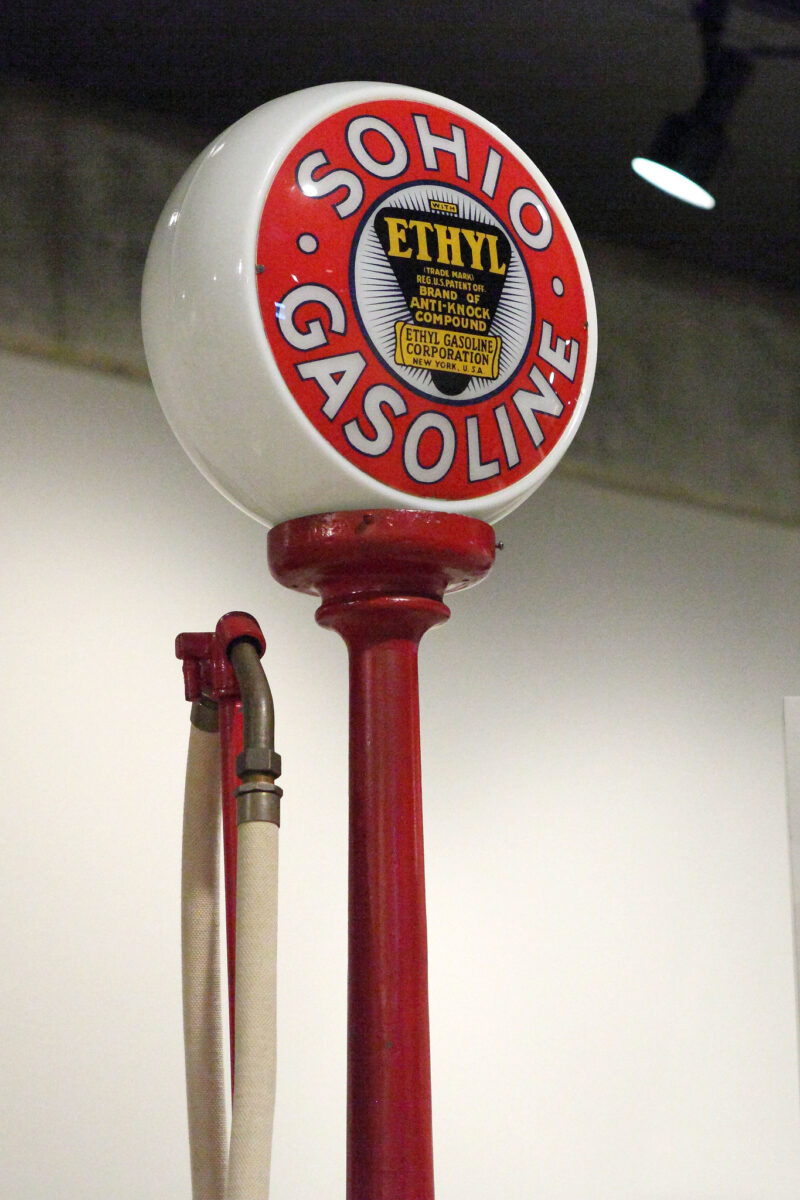
Sohio, the Standard Oil Company of Ohio, produced its own distinct regional porcelain signage separate from the broader national Standard Oil family, and this regional distinction is part of what makes Sohio material appealing to collectors focused on regional petroleum history.
A well-preserved example can sell for $150 to $500, with the brand’s eventual absorption into a larger national company adding a note of finality that regional-brand collectors often find appealing.
Wonder Bread Dot-Pattern Tin Signs
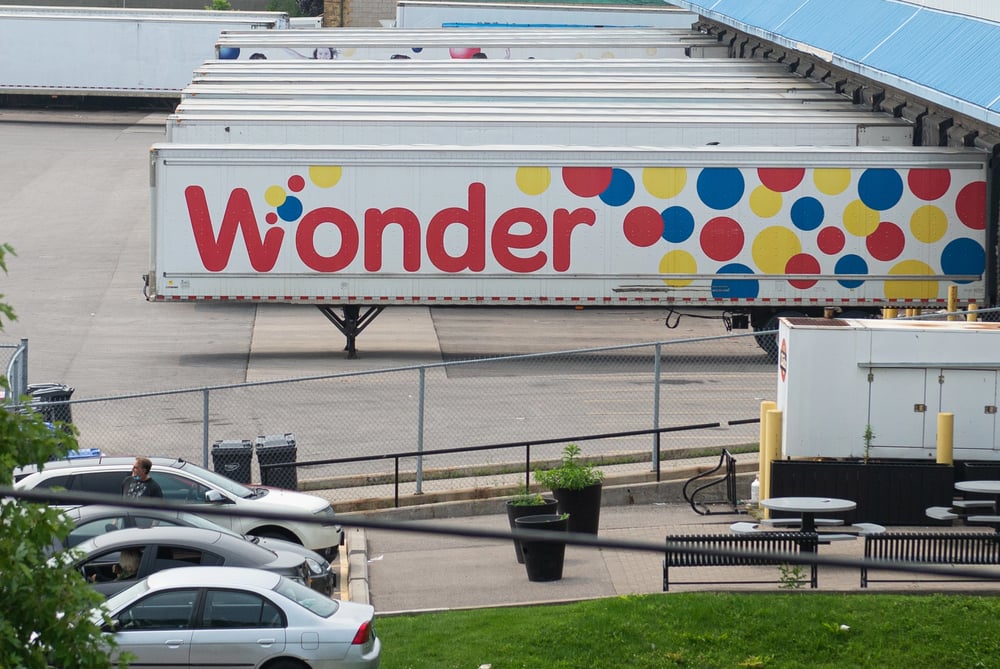
Wonder Bread’s tin advertising signage, featuring its distinctive colored dot pattern, was distributed to grocery stores from the mid-20th century onward and remains instantly recognizable due to the brand’s continued presence on store shelves today.
A well-preserved example can sell for $75 to $250, with the brand’s ongoing recognition helping sustain casual, nostalgia-driven demand well beyond dedicated advertising collectors.
Phillips 66 Porcelain Shield Signs
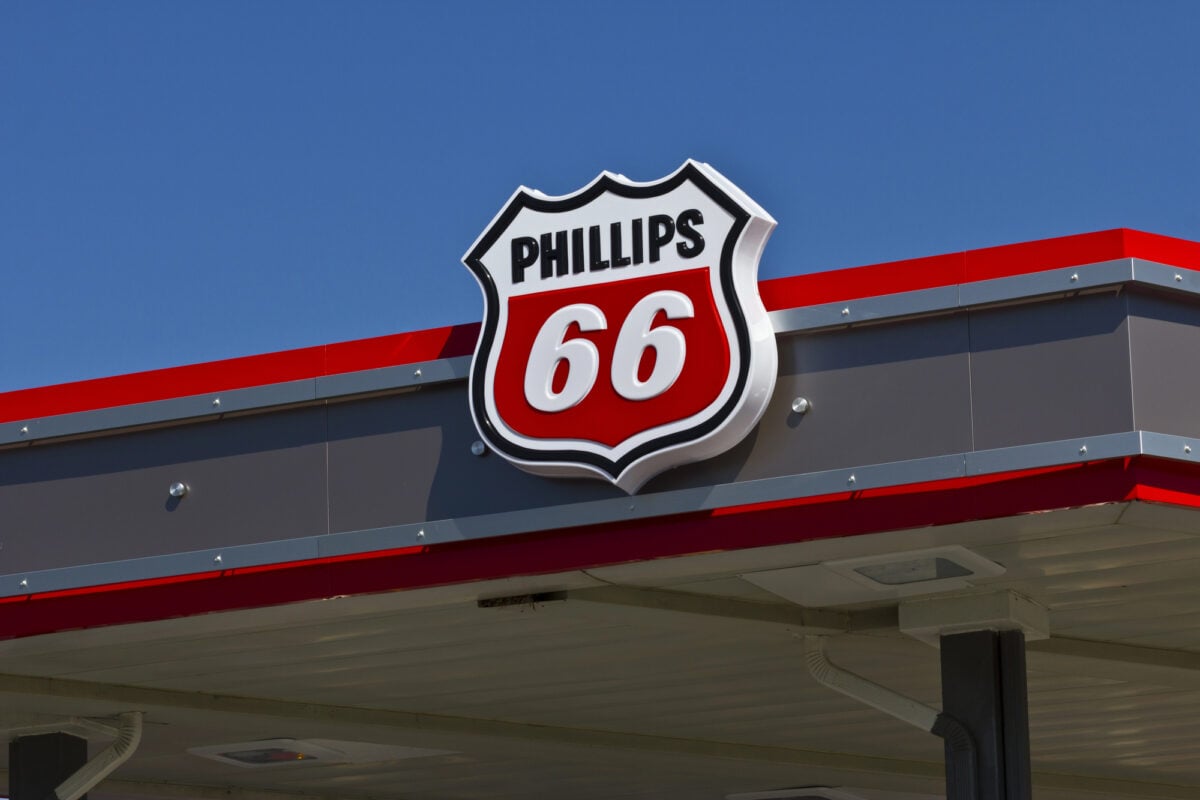
Phillips 66’s distinctive orange-and-black shield logo appeared on porcelain station signage from the 1930s onward, and the shield shape itself, rather than a rectangular format, makes surviving examples visually distinctive within the broader petroleum advertising category.
A large porcelain shield sign in strong original color can sell for $300 to $1,000, with earlier design variants of the shield commanding a premium over later, simplified versions.
Sealtest Dairy Tin Signs
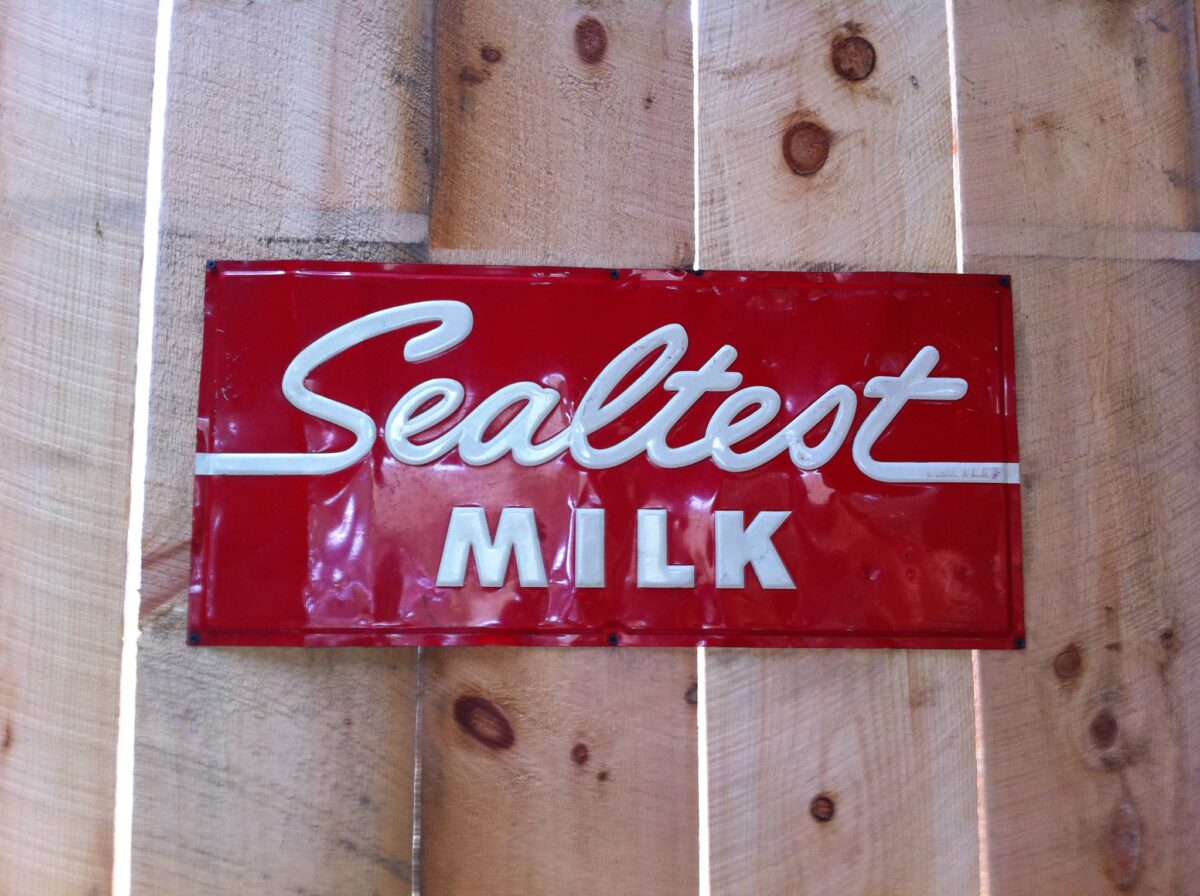
Sealtest, a regional dairy brand distributed through much of the mid-20th century, produced tin advertising signage now collected mainly by dairy and grocery-advertising enthusiasts.
A well-preserved example can sell for $60 to $200, a modest niche category that nonetheless draws steady interest from collectors specifically building out a general-store or dairy-themed display.
Goodyear Tire Porcelain Signs
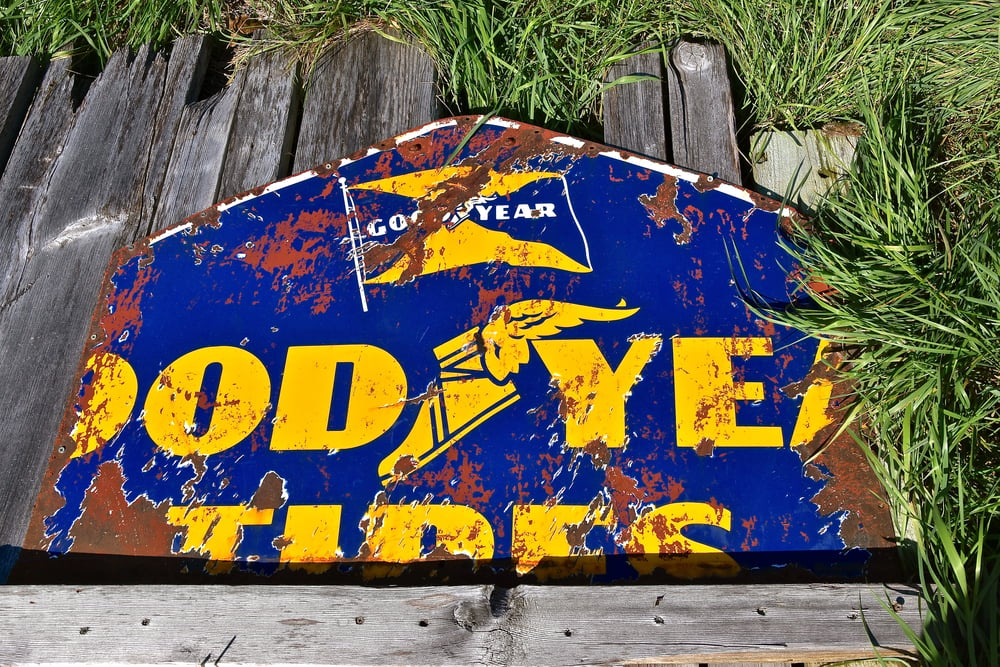
Goodyear’s porcelain dealership signage, often featuring the company’s winged-foot logo, was distributed to automotive service stations through much of the 20th century.
A large example in strong original condition can sell for $200 to $700, with the winged-foot logo variant generally commanding more collector interest than the plain text-only versions of the sign.
Watkins Products Tin Signs

The J.R. Watkins Company, another door-to-door household and remedy products business similar in structure to Rawleigh, distributed tin advertising signage to the small retailers who carried its goods through the early to mid-20th century.
A well-preserved example can sell for $70 to $250, a niche category valued mainly by collectors researching the history of door-to-door retail in rural America.
Conoco Porcelain Station Signs
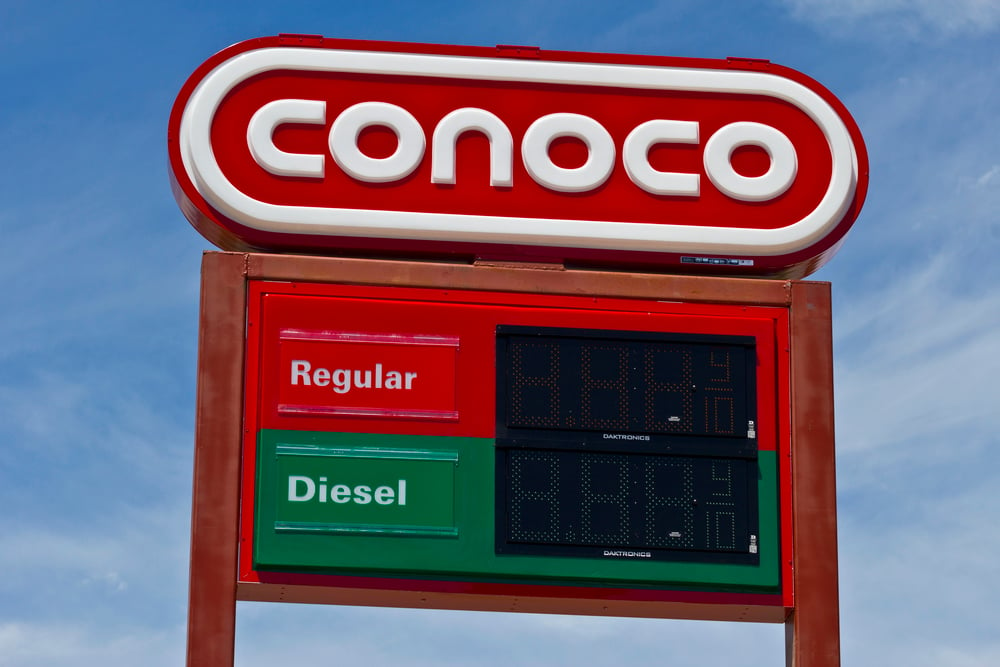
Continental Oil Company, known by its Conoco brand, produced porcelain station signage from the early 20th century onward, with the brand’s minuteman-figure logo era being especially sought after by collectors of petroleum advertising.
A large porcelain example in strong original color can sell for $250 to $800, with the figural minuteman logo variant commanding a clear premium over later, simplified text-based logos.
Cities Service Porcelain Signs
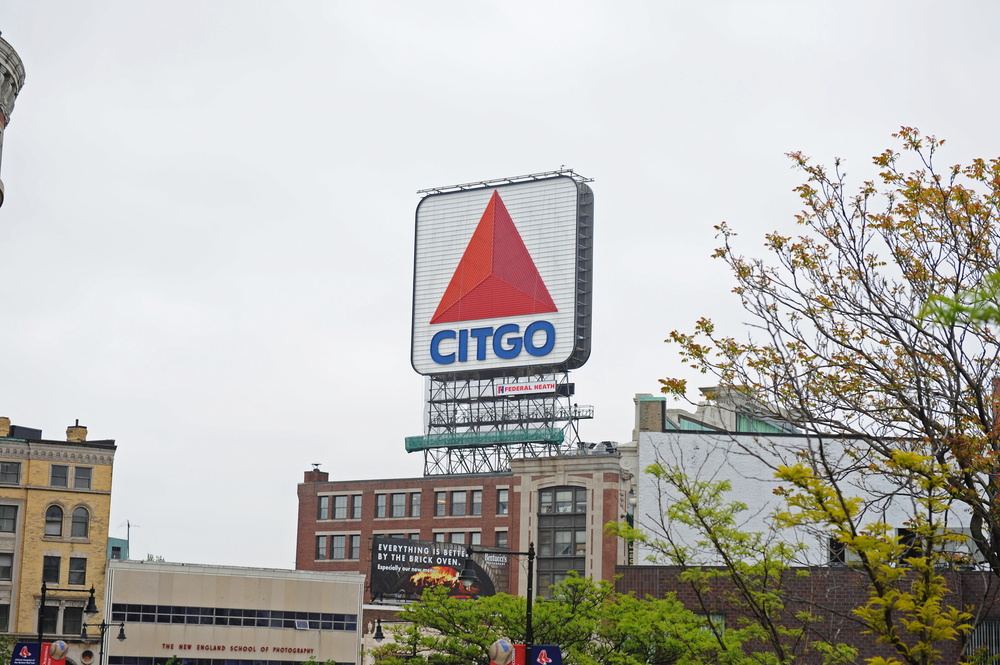
Cities Service, later rebranded as Citgo, produced porcelain station signage through much of the mid-20th century, and material from before the company’s later rebrand is specifically what dedicated petroleum-advertising collectors seek out.
A well-preserved example can sell for $150 to $500, with the brand’s eventual name change adding a clear before-and-after marker that collectors use to date material precisely.
Dr Pepper Tin Signs
Dr Pepper’s tin advertising signage, produced from the early 20th century onward, has followed a design evolution collectors track closely, from ornate early lettering styles to the simpler, more geometric branding used from mid-century onward.
A well-preserved early example can sell for $150 to $500, with the brand’s continued national presence today helping sustain broad collector demand across multiple design eras.
Kelly-Springfield Tire Porcelain Signs
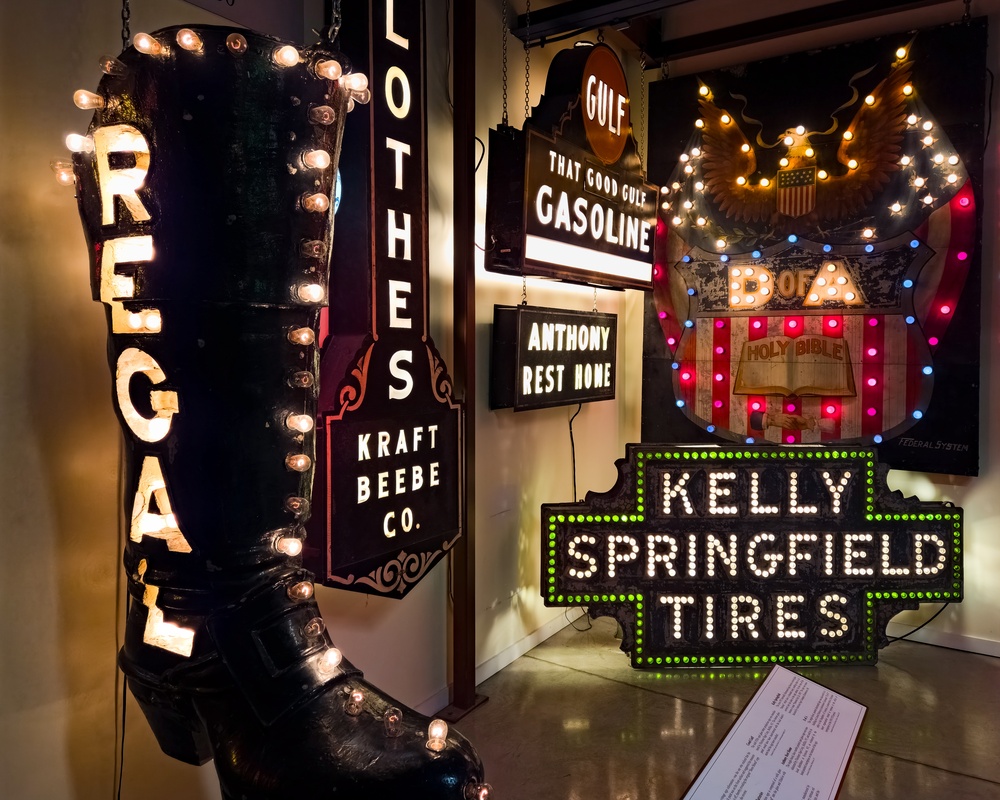
Kelly-Springfield, a tire brand that operated both independently and later as part of a larger corporate parent through the 20th century, produced porcelain dealership signage now collected primarily by automotive and petroleum advertising enthusiasts.
A well-preserved example can sell for $150 to $450, a solid but generally more affordable category compared to the larger, more nationally dominant tire brands on this list.
White Rose Gasoline Porcelain Signs
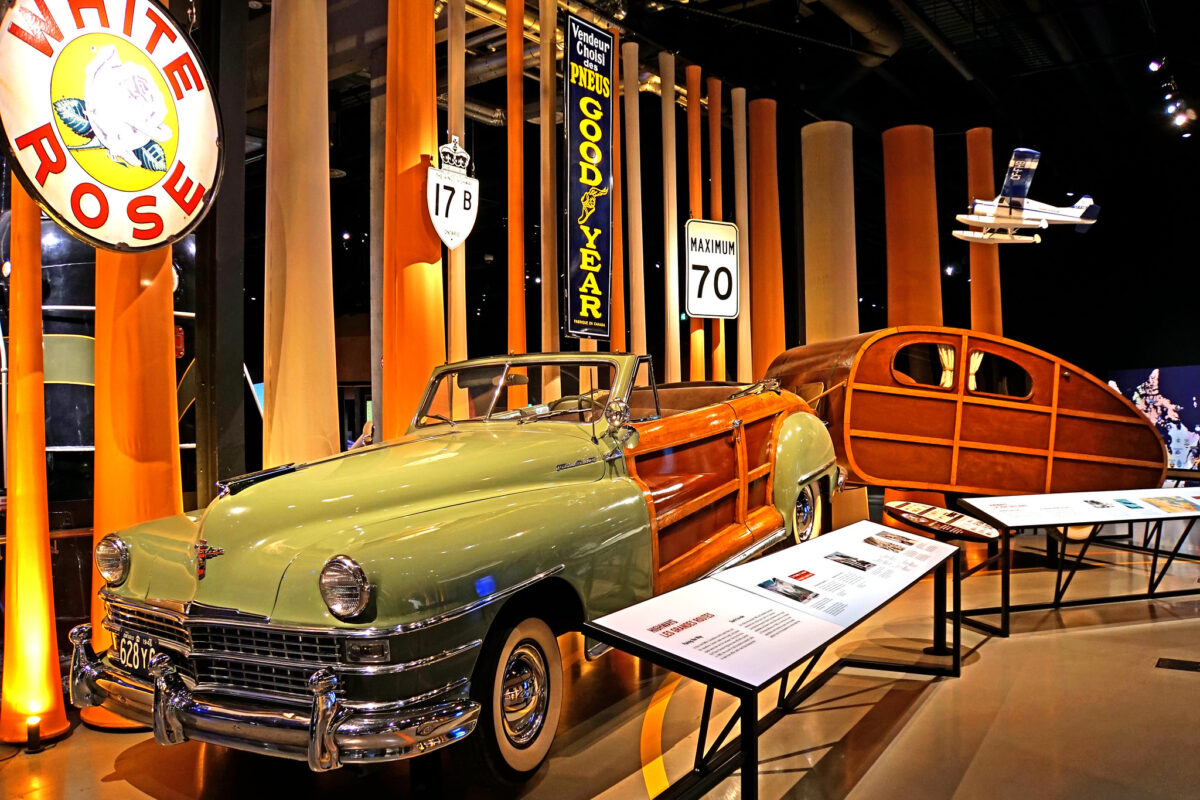
White Rose, a Canadian petroleum brand with a distinctive rose-shaped logo, produced porcelain station signage through much of the mid-20th century and is especially sought after by petroleum advertising collectors specifically interested in Canadian brands.
A well-preserved example can sell for $200 to $700, with the shaped, die-cut rose-logo versions commanding meaning more than plain rectangular examples.
Vernors Ginger Ale Tin Signs
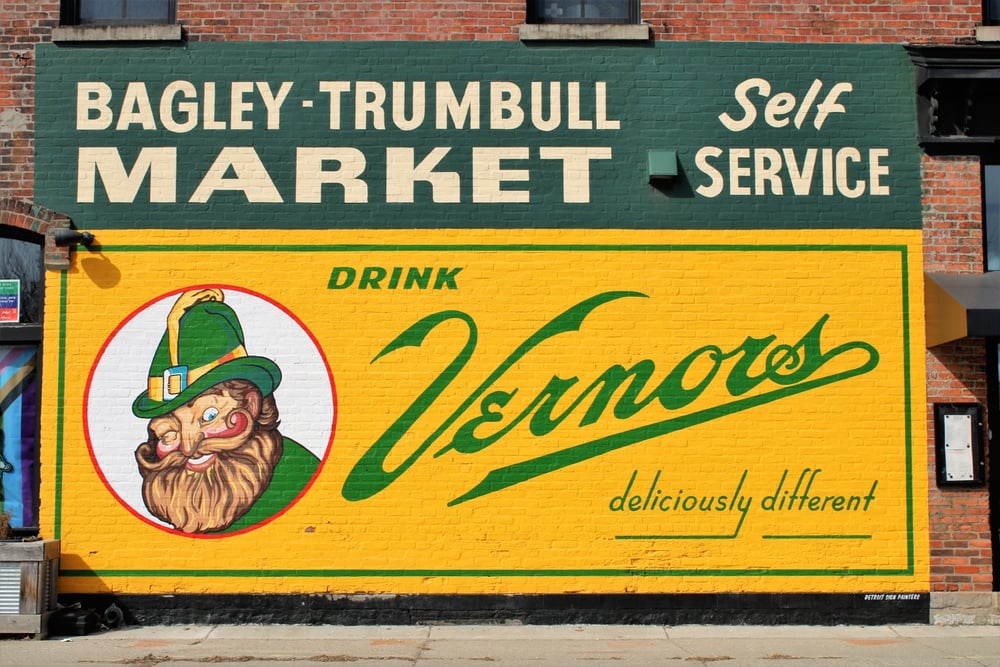
Vernors, a regional ginger ale brand with deep roots in the American Midwest, produced tin advertising signage from the early 20th century onward, and the brand’s strong regional identity has kept collector interest concentrated but consistently steady.
A well-preserved example can sell for $100 to $350, with the brand’s distinctive green color scheme making it easy to identify at a glance even from across a crowded antiques booth.
What an Old Sign Actually Sold
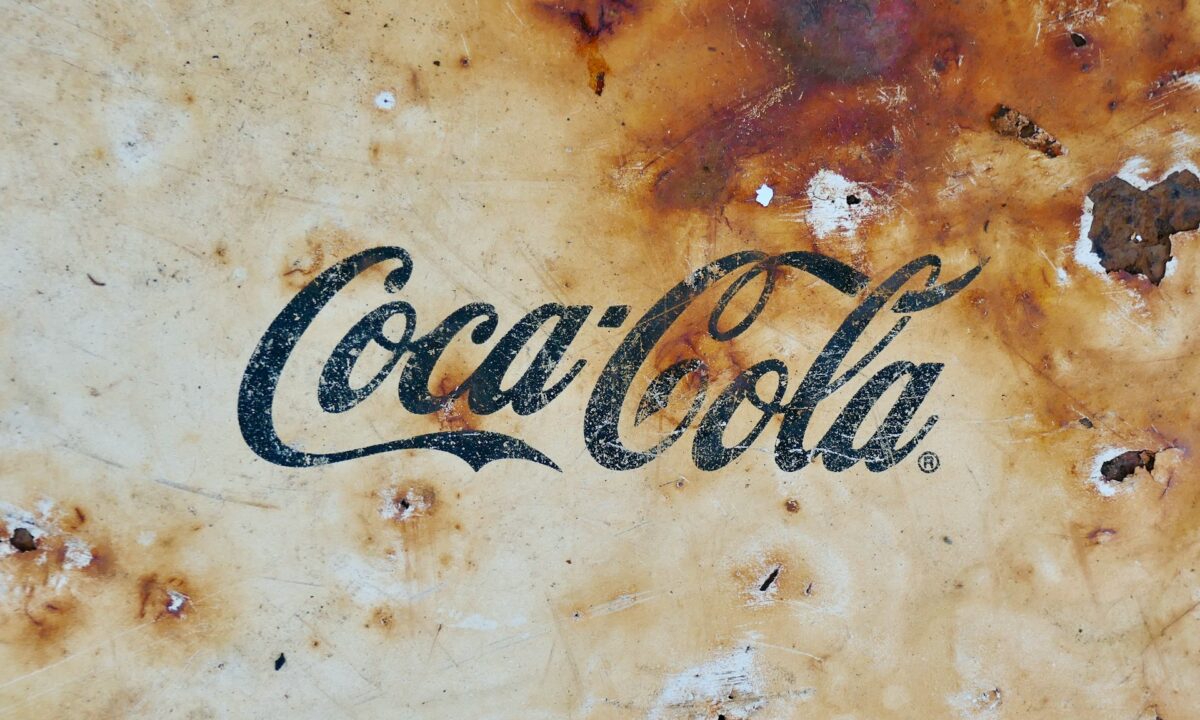
None of these thirty-three signs were made to be collected. They were made to be seen from a moving car or across a store aisle, built from porcelain and tin specifically because those materials held up to weather and daylight better than paper ever could.
That same durability is why so many survived long enough to become collectible in the first place. What buyers are chasing now is not really nostalgia for the products themselves, most of which have long since changed hands, closed, or disappeared entirely.
It is the graphic confidence of an era when a sign had to work instantly, from a distance, with no room for subtlety, and that kind of directness has aged into something closer to folk art than advertising.
More from Go2Tutors!

- The Romanov Crown Jewels and Their Tragic Fate
- 13 Historical Mysteries That Science Still Can’t Solve
- Famous Hoaxes That Fooled the World for Years
- 15 Child Stars with Tragic Adult Lives
- 16 Famous Jewelry Pieces in History
Like Go2Tutors’s content? Follow us on MSN.