Most Visited Theme Parks Worldwide
There’s something almost magnetic about a great theme park. Maybe it’s the promise that, for a few hours, the ordinary rules don’t apply — gravity becomes negotiable, mice wear pants and run multinational entertainment empires, and waiting in line somehow transforms into part of the experience rather than an obstacle to it.
Whatever the formula, certain parks have cracked the code so thoroughly that millions of people from every corner of the planet make pilgrimages to walk through their gates each year.
Magic Kingdom
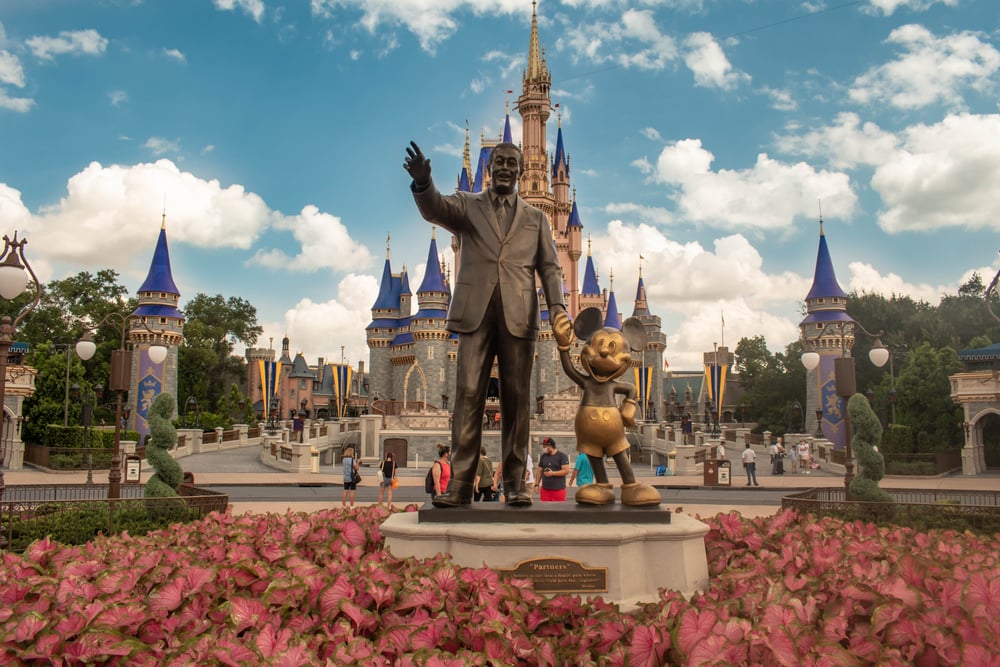
Disney nailed it with this one. The park that started the Florida empire remains the most visited theme park on Earth, pulling in over 20 million visitors annually.
It’s not the rides — though Space Mountain and Pirates of the Caribbean hold their ground. It’s not even the castle, despite what the postcards suggest.
Magic Kingdom works because it feels like stepping into a story that was already in progress, one where you somehow belong without anyone having to explain the plot.
Shanghai Disneyland
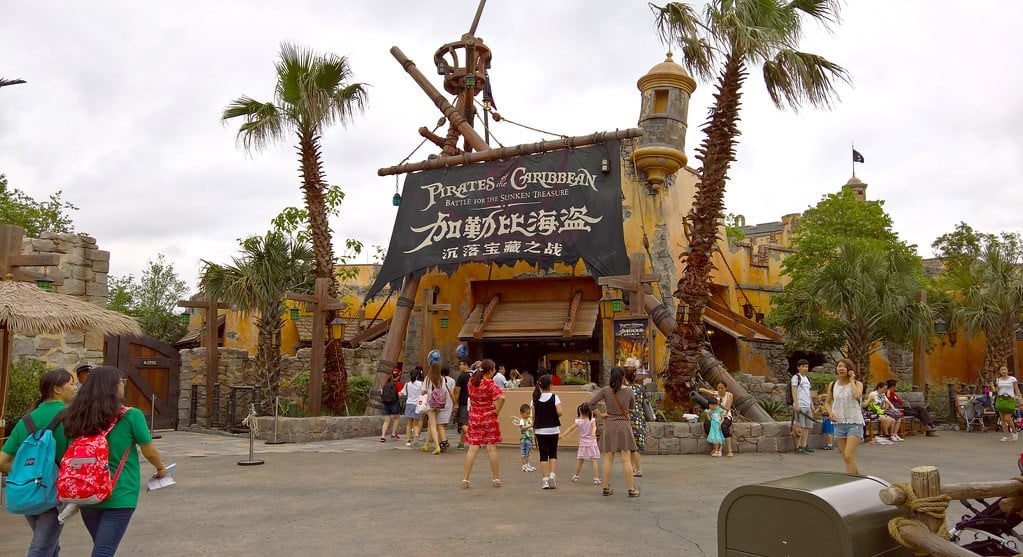
The newest jewel in Disney’s crown opened in 2016 and immediately proved that theme park magic translates across cultures better than anyone expected. Over 14 million visitors annually can’t be wrong.
Shanghai Disneyland feels like Disney looked at everything they’d learned over sixty years of park-building and decided to show off (which, considering the massive investment involved, makes perfect sense — though the results speak for themselves, and Disney rarely builds anything halfway). The park manages to feel both familiar and completely foreign: you recognize the DNA, but everything has been rebuilt from the ground up with a scale and ambition that borders on the ridiculous.
And yet it works — the attendance numbers don’t lie, and more importantly, neither do the faces of kids experiencing Pirates of the Caribbean for the first time, regardless of which language they’re thinking in.
Tokyo Disneyland
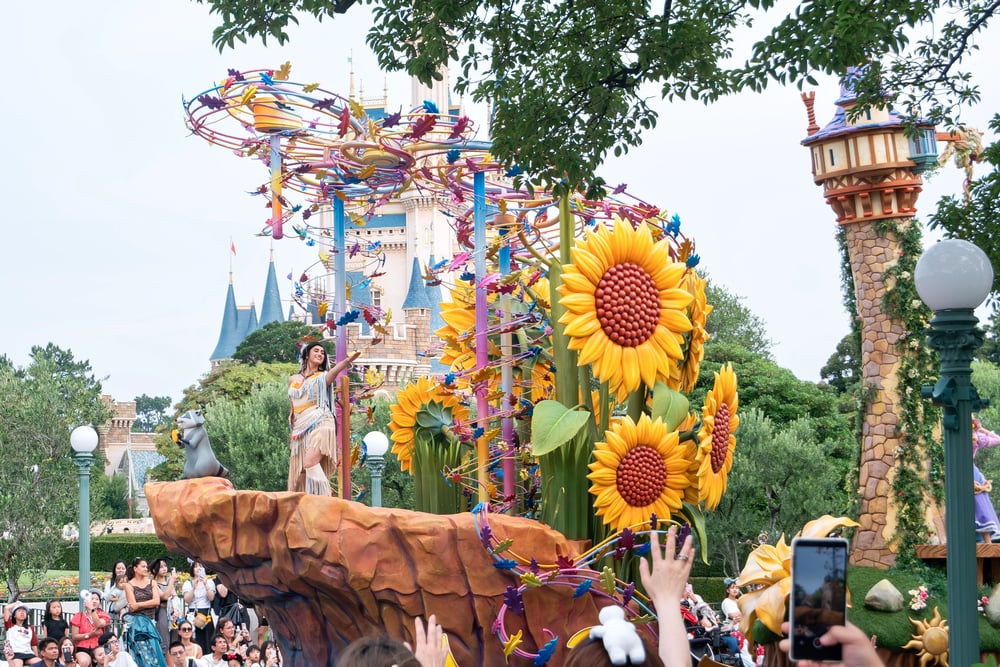
Japanese efficiency meets Disney magic, and the result is a park that somehow makes crowds of 16 million people feel manageable. The attention to detail borders on obsessive.
Tokyo Disneyland operates like a Swiss watch wrapped in mouse ears. Every queue moves with purpose.
Every cast member seems to have graduated from some advanced school of cheerful competence. The park proves that Disney’s formula doesn’t just export — in the right hands, it evolves.
Universal Studios Japan
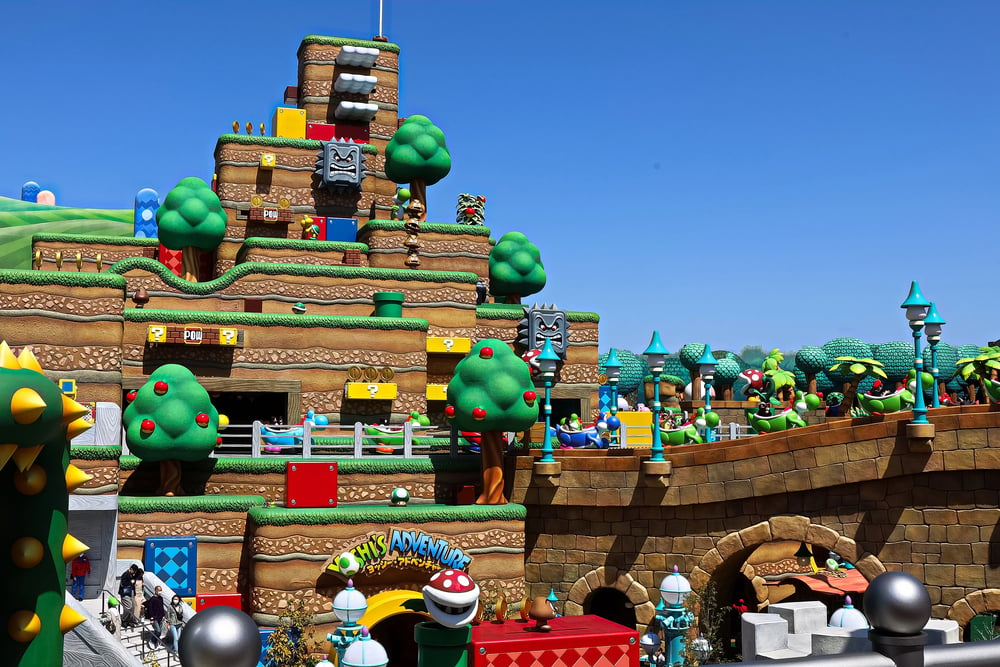
Osaka’s answer to Disney brings in roughly 9 million visitors with a simple strategy: take beloved franchises and let people climb inside them. The Wizarding World of Harry Potter here isn’t just an attraction (though calling it merely an attraction feels like calling the Sistine Chapel “decent ceiling work” — it misses the point entirely, because what Universal created is something closer to architectural storytelling).
Walking through those gates means stepping into a world that previously existed only in books and films, complete with butterbeer that tastes exactly like you imagined it would and shops selling wands that somehow manage to feel both completely ridiculous and utterly essential. So you buy the wand, because at that point, not buying it would feel stranger than walking around a theme park pretending to cast spells.
Tokyo DisneySea
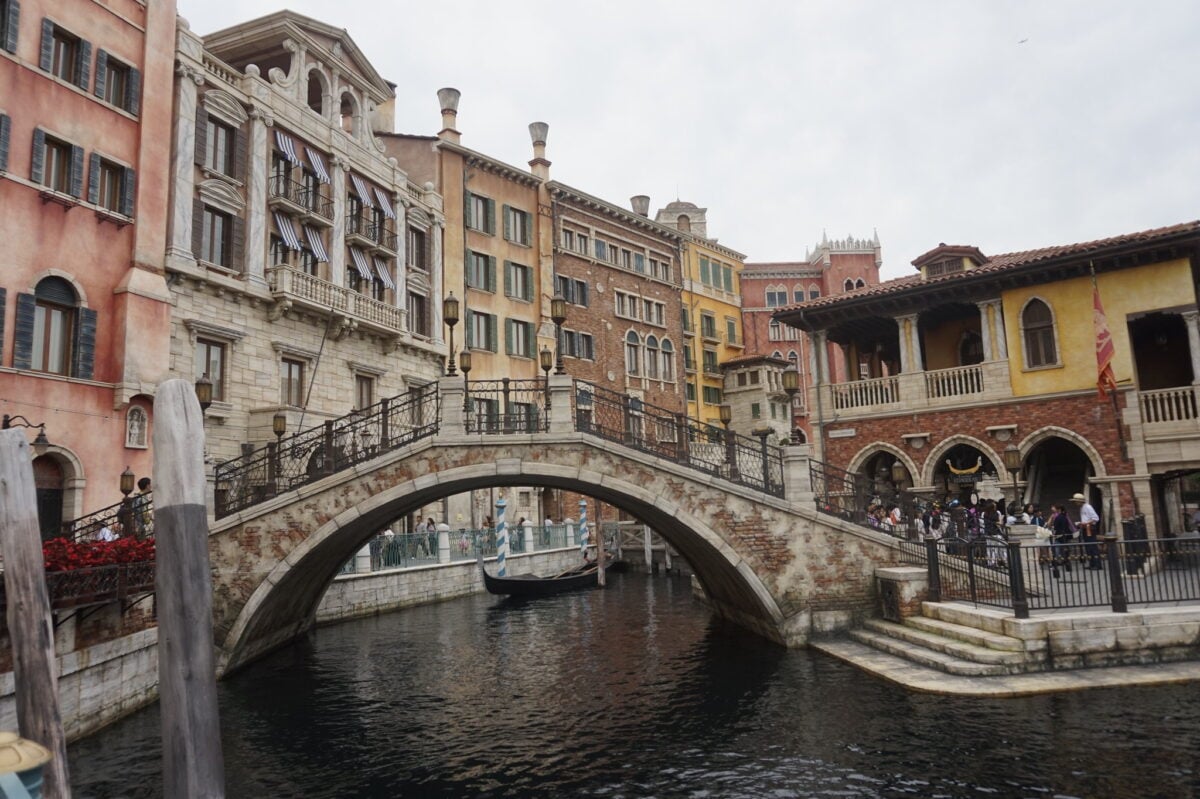
Disney’s most sophisticated theme park attracts over 12 million visitors who come for experiences they can’t get anywhere else on the planet. This is Disney for adults who refuse to apologize for still believing in magic.
DisneySea operates on a different level entirely. The park was designed around the concept that theme park attractions could be art installations that happened to move.
Every corner reveals some new detail that didn’t need to be there but exists anyway, because someone cared enough to imagine it into being.
Disneyland Park
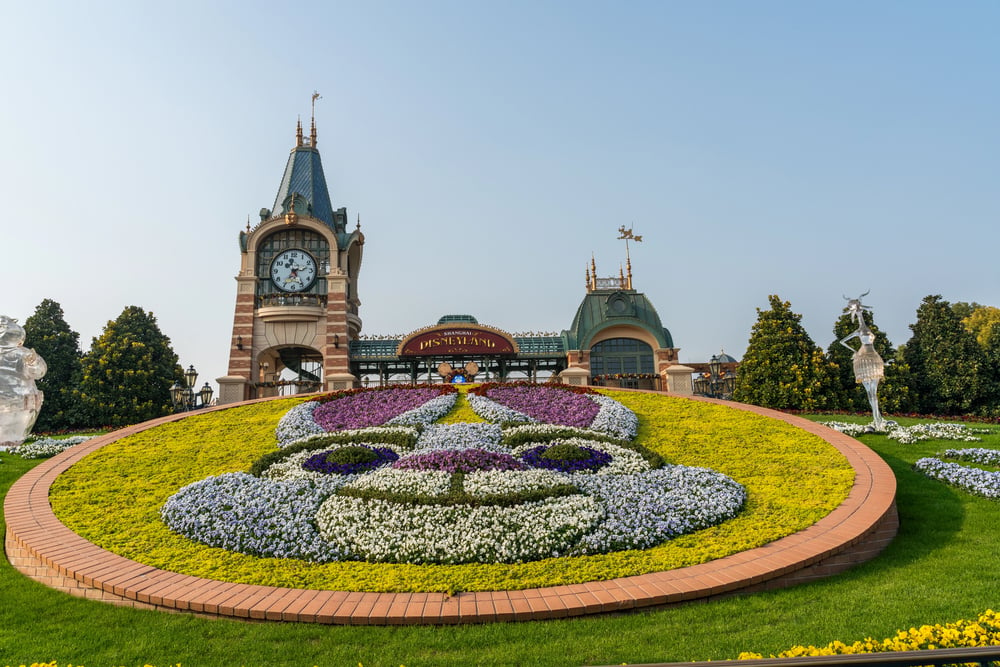
The original still draws nearly 19 million visitors annually to Anaheim, proving that being first sometimes means being best. Walt Disney’s first park remains the gold standard against which all others are measured.
Disneyland works because it feels personal (which makes sense, considering Walt Disney actually walked these paths and tinkered with these attractions until they met his standards — and his standards, judging by the results, were appropriately demanding). The park maintains an intimacy that its larger siblings can’t quite replicate: you can walk from frontier to fantasy in minutes, and somehow that compressed geography makes the magic feel more concentrated rather than diluted.
And the rides that have been running since 1955 still draw longer lines than attractions that cost ten times as much to build, which tells you something important about the difference between innovation and engineering spectacle.
Epcot
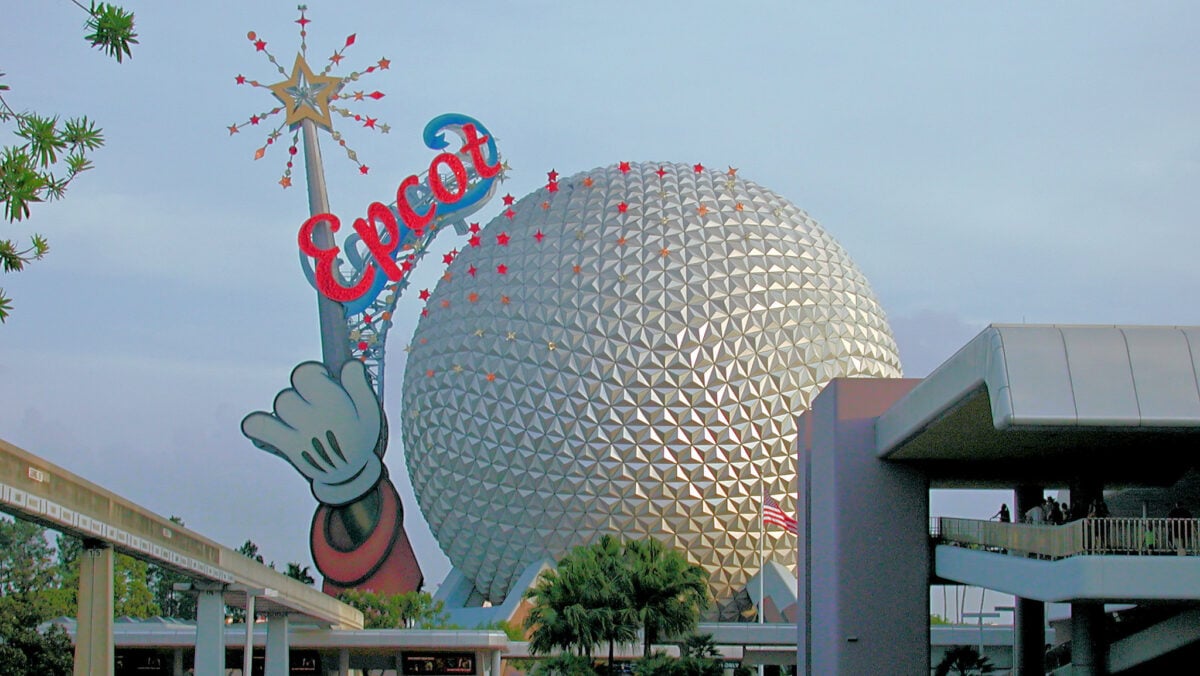
Disney’s experimental prototype community became something entirely different: a theme park disguised as a world’s fair that somehow makes learning feel like entertainment. Over 12 million visitors prove that education and fun aren’t mutually exclusive.
Epcot exists in the space between theme park and museum, and it navigates that territory with more grace than it has any right to. The park asks you to care about things like sustainable agriculture and cultural exchange, then makes those concepts feel as thrilling as any roller coaster.
It’s Disney’s most ambitious experiment in disguising vegetables as dessert.
Disney’s Hollywood Studios
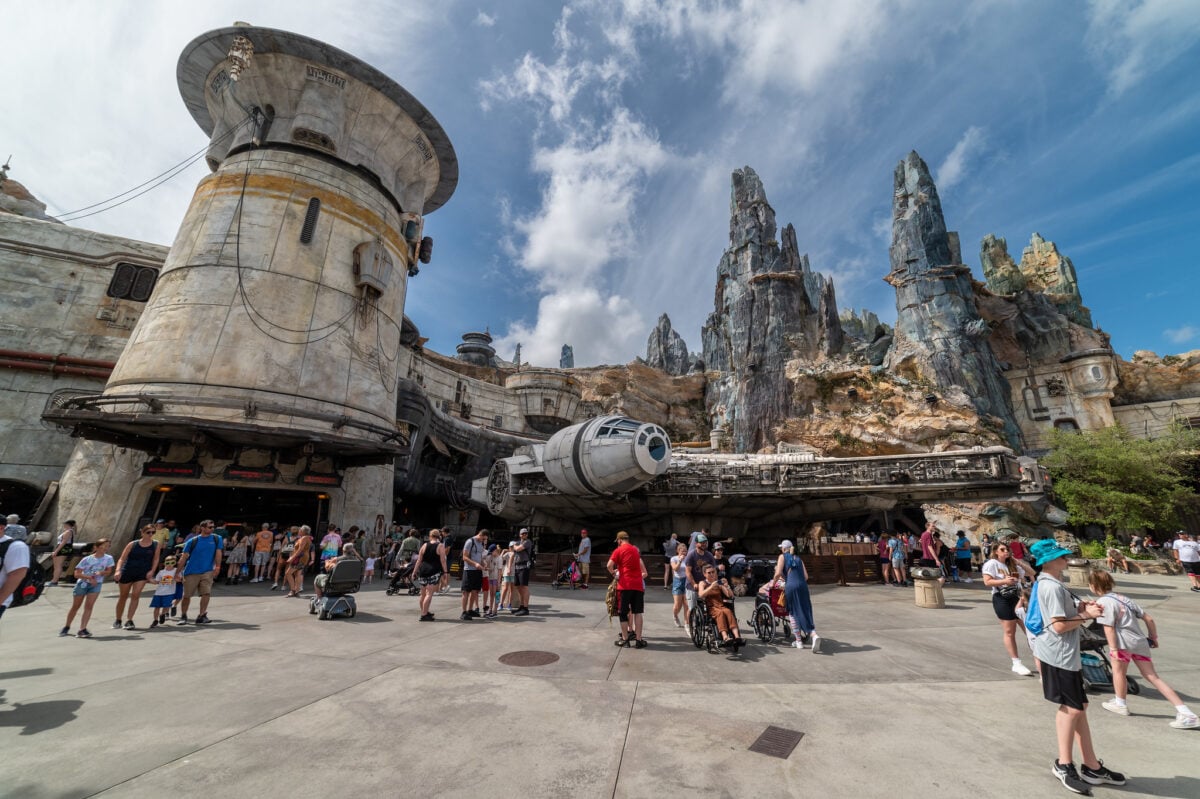
What started as a working film studio evolved into something more interesting: a park about the magic of making magic. Around 12 million people annually come to peek behind the curtain of entertainment itself.
The park celebrates the machinery of storytelling — how movies get made, how special effects fool audiences, how a soundstage becomes a galaxy far, far away. Disney’s Hollywood Studios works because it admits the trick while performing it, which somehow makes the illusion more powerful rather than less.
Disney’s Animal Kingdom
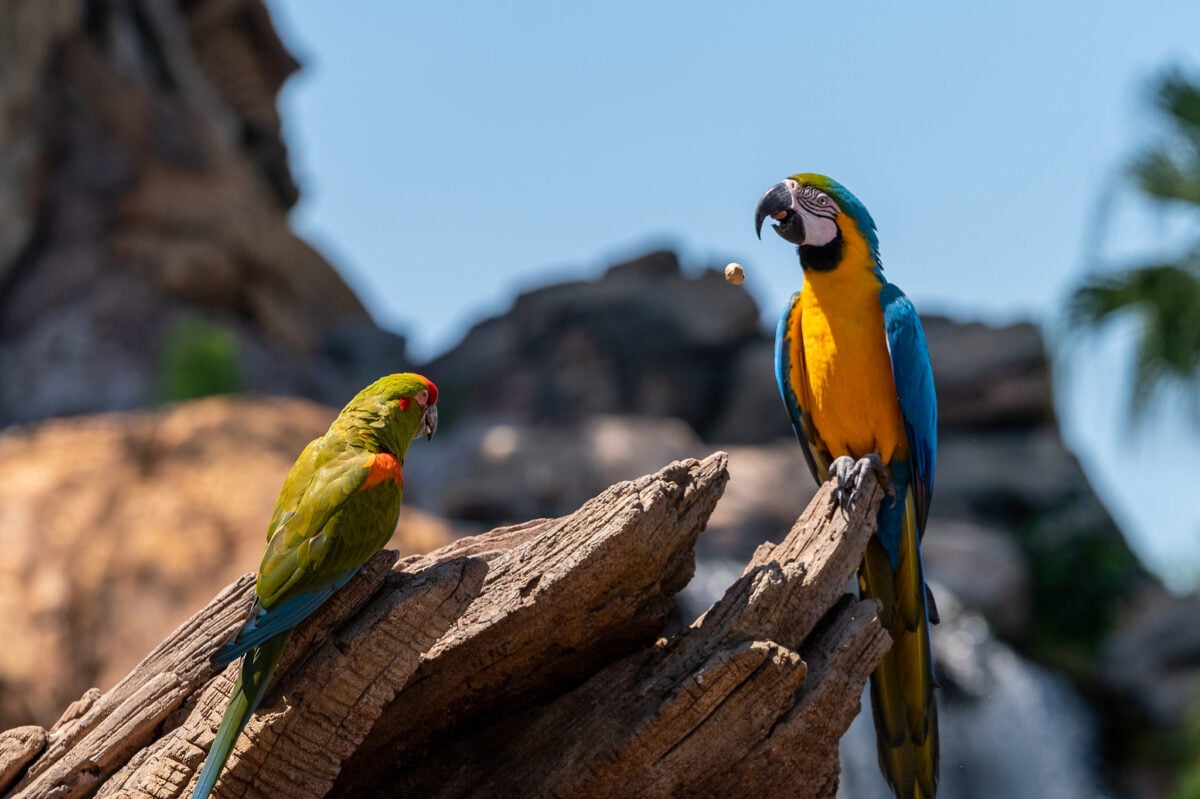
Disney’s largest theme park combines conservation with entertainment, creating something that feels part zoo, part theme park, and entirely its own category. Over 13 million visitors discover that rides and live animals make better partners than anyone expected.
Animal Kingdom succeeds because it takes both halves of its mission seriously (the animals receive world-class care, the attractions deliver world-class thrills, and somehow these goals support rather than compete with each other — which seems obvious in hindsight but requires genuine vision to imagine in the first place). The park proves that you can build roller coasters and protect endangered species in the same space, as long as you’re willing to do both things properly.
And watching a real tiger after riding Expedition Everest creates a kind of wonder that neither experience could generate alone.
Universal Studios Florida
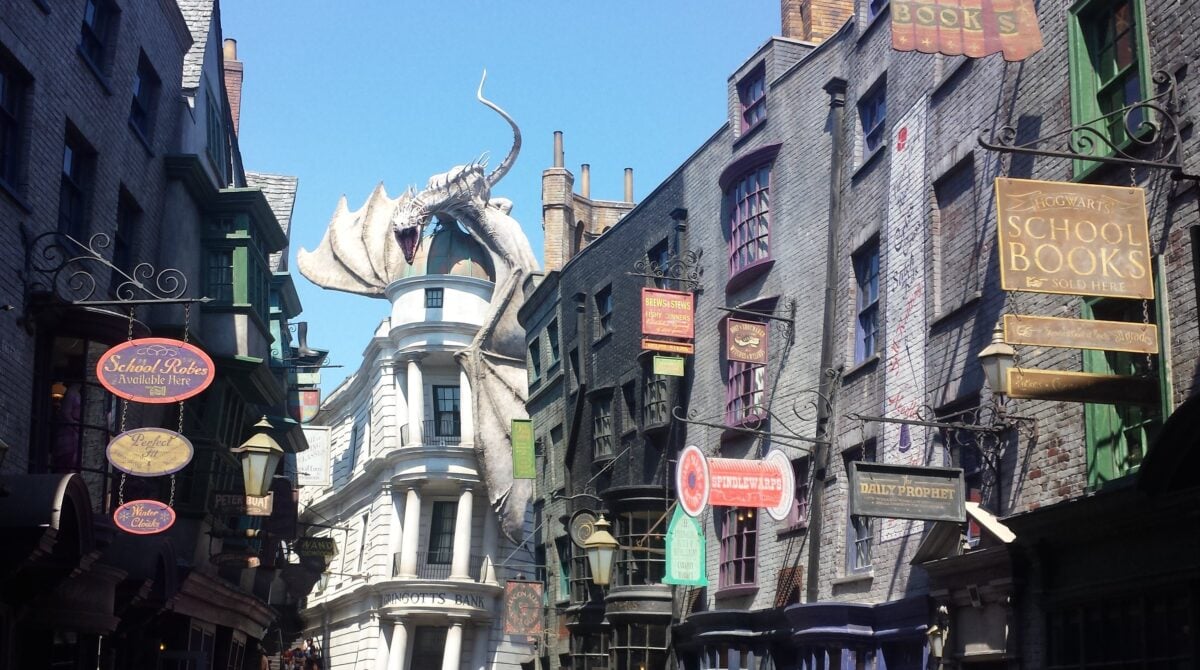
Orlando’s movie-themed playground draws over 10 million visitors with a simple promise: step into the screen. The park transforms passive entertainment into participatory adventure.
Universal Studios Florida operates on the principle that every great movie deserves a great attraction. The park doesn’t just reference beloved films — it rebuilds them as physical spaces you can explore.
It’s the difference between watching someone else’s adventure and having your own.
Islands of Adventure
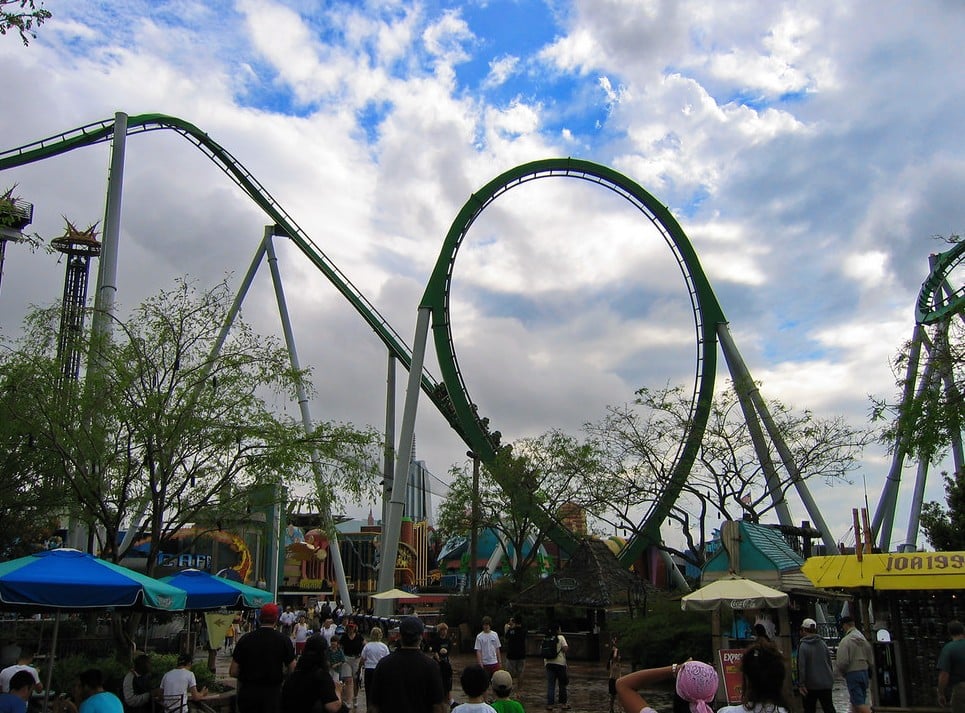
Universal’s second Orlando park proves that theme park design is still evolving. With over 10 million annual visitors, Islands of Adventure demonstrates that immersive storytelling can be an exact science.
The park reads like a masterclass in themed design. Each island maintains its own visual language, its own rules, its own version of physics.
You don’t just walk from one area to another — you travel between completely different realities that happen to share the same zip code.
Disneyland Paris
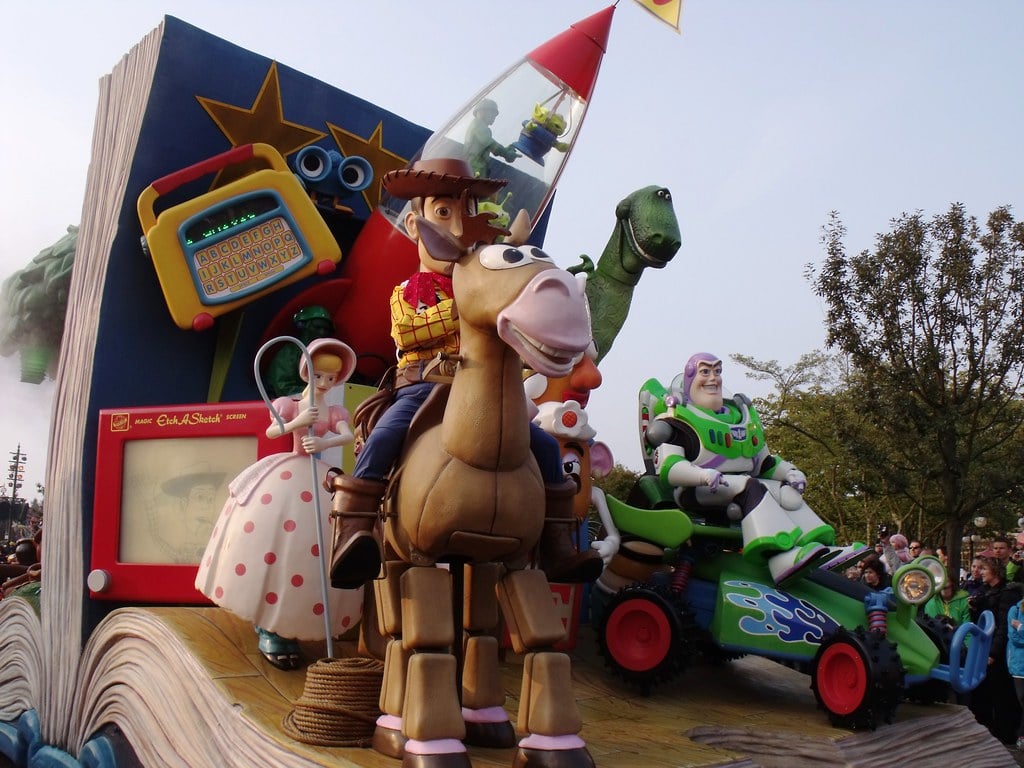
Europe’s most popular theme park brings Disney magic to a continent that knows a thing or two about fairy tales. Nearly 10 million visitors annually prove that some stories are truly universal.
Disneyland Paris had to prove itself in a market that already possessed centuries of castles, plenty of its own beloved stories, and a healthy skepticism about American cultural exports (which, to be fair, seemed like reasonable concerns — until the park opened and demonstrated that good storytelling doesn’t recognize national borders). The park succeeds because it respects its European context while remaining unmistakably Disney: Sleeping Beauty Castle here feels more like it belongs in a Brothers Grimm story, and somehow that makes the Disney magic feel more authentic rather than less.
Knott’s Berry Farm
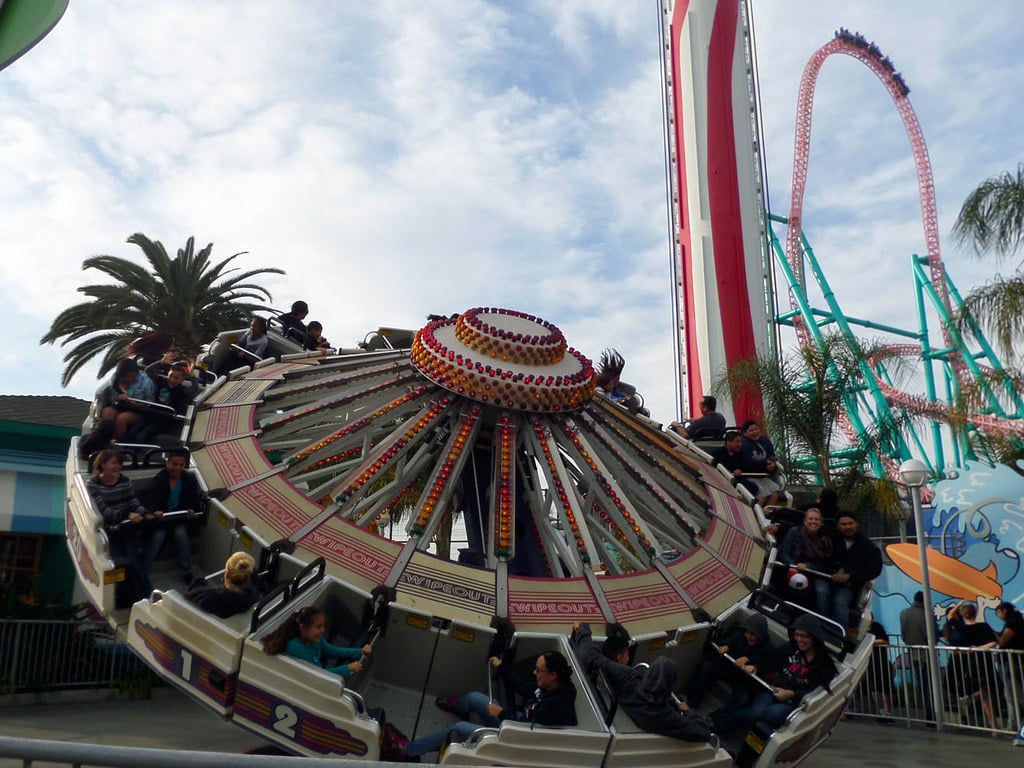
America’s first theme park still draws millions to Southern California with a combination of old-school charm and modern thrills. Knott’s Berry Farm proves that you don’t need a media empire to create lasting magic — sometimes you just need really good chicken dinners and the willingness to keep improving what you’ve already built.
The park operates with the confidence that comes from being genuinely first at something important. Knott’s Berry Farm was creating immersive themed experiences before anyone called them that, back when the Knott family was still serving fried chicken dinners and growing boysenberries.
The park feels refreshingly unpretentious — it’s more interested in making sure you have a good time than in convincing you that you’re having a good time.
Cedar Point
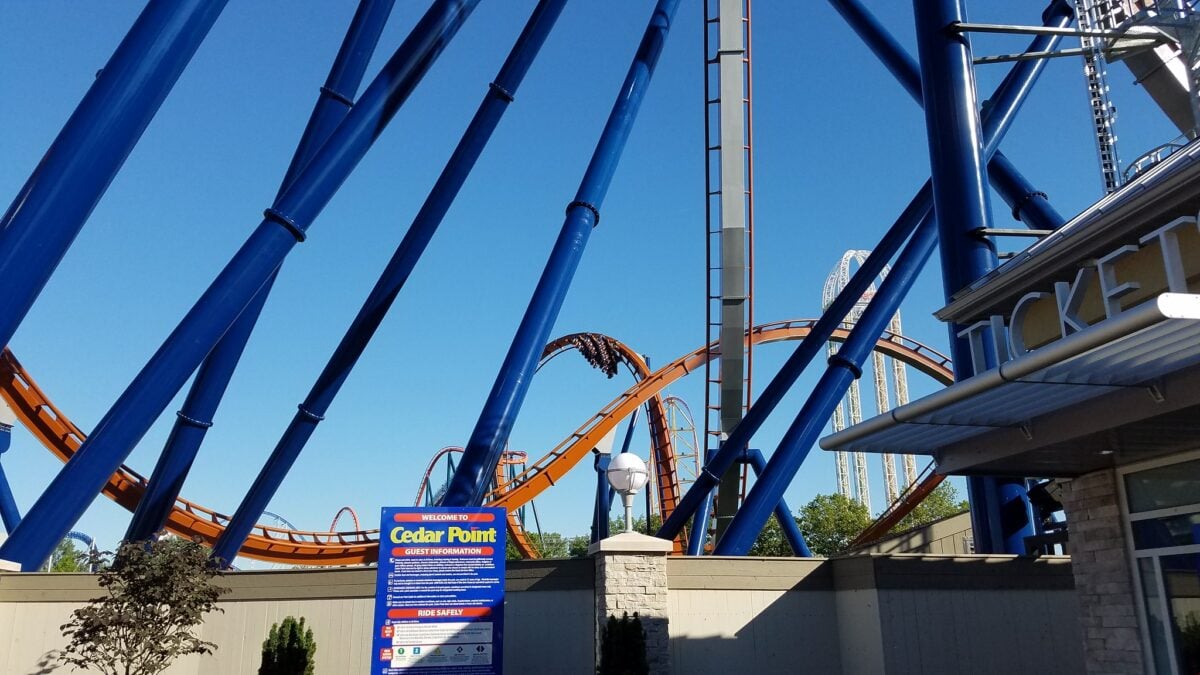
The self-proclaimed “Roller Coaster Capital of the World” earns that title with over 17 world-class coasters that draw thrill-seekers from across the globe. Cedar Point doesn’t mess around with elaborate backstories or themed facades — it builds machines designed to rearrange your internal organs in the most enjoyable way possible.
This is theme park engineering at its purest. Cedar Point understands that sometimes the best theme for a roller coaster is the roller coaster itself. The park has been perfecting the art of controlled terror for over 150 years, and it shows in every perfectly banked turn and precisely calculated drop.
The Magic Lives in the Details
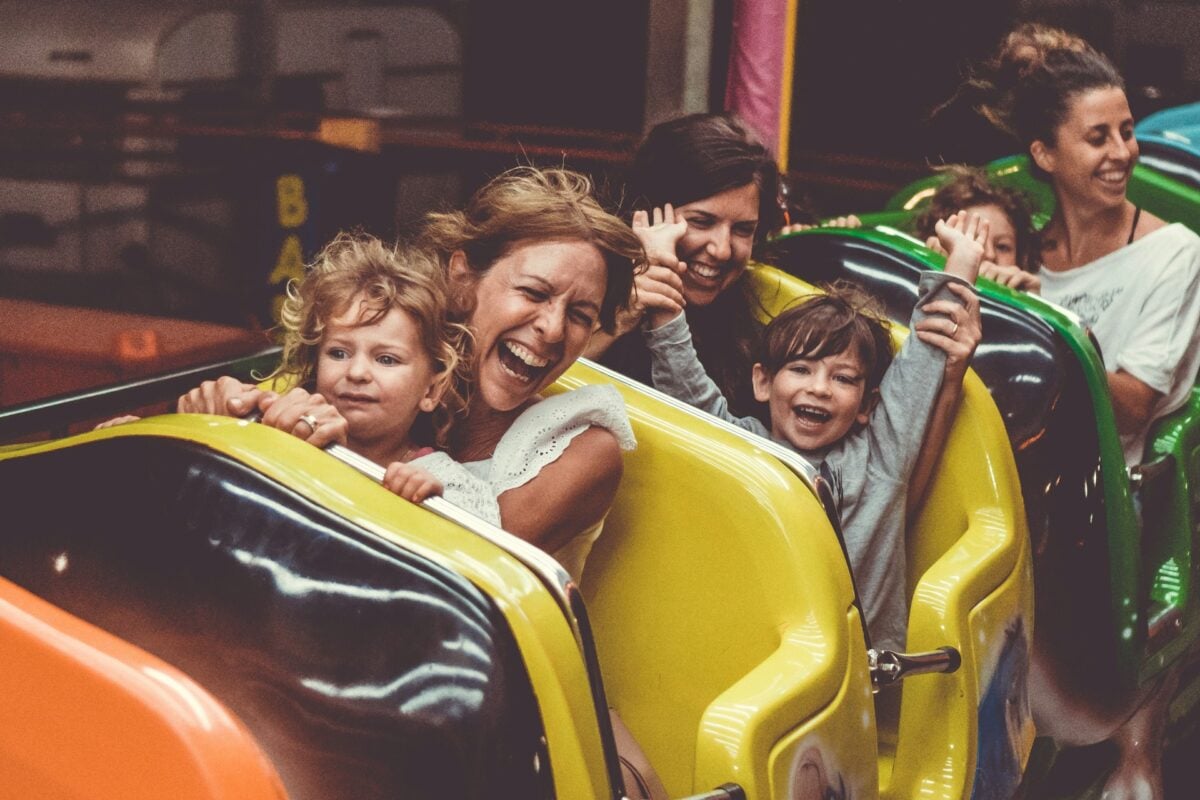
These parks don’t dominate global attendance charts by accident. Each one discovered something essential about human nature: that we never quite outgrow our need for wonder, and that the best escape from reality isn’t forgetting where you came from, but remembering where your imagination can take you. The millions of annual visitors aren’t just buying tickets — they’re investing in the radical idea that joy can be engineered, packaged, and delivered with the reliability of any other public utility.
And judging by the crowds, that’s a service the world desperately wants to keep in business.
More from Go2Tutors!

- The Romanov Crown Jewels and Their Tragic Fate
- 13 Historical Mysteries That Science Still Can’t Solve
- Famous Hoaxes That Fooled the World for Years
- 15 Child Stars with Tragic Adult Lives
- 16 Famous Jewelry Pieces in History
Like Go2Tutors’s content? Follow us on MSN.