Hats that made history in fashion
Hats have never just been simple head coverings. Over time, they’ve signaled social rank, carried political meaning, and even sparked fashion crazes that lasted for decades.
With their various shapes and styles, hats reflect the eras and people who chose to wear them. Ready to explore some of the most iconic hats in history? These aren’t just styles—they’re pieces of culture that changed how people approached fashion.
Cloche hat

The cloche hat fits snugly around the head, shaped like a bell—a style that defined the 1920s. It was worn low, often covering the forehead, perfectly matching the bold new flapper look.
Women used it as a symbol of freedom and modern life. Its simple, sleek form paired well with short bob cuts, giving off a youthful, fresh vibe.
Fedora

Soft yet structured, the fedora quickly became a classic men’s hat. It features a pinched front and a flexible brim—favored by everyone from Hollywood stars to gangsters.
Wearing one brought a certain mysterious confidence; it was, and still is, a symbol of cool style and swagger.
Like Go2Tutors’s content? Follow us on MSN.
Pillbox hat

Small and neat, the pillbox hat rests like a little box on top of the head. This style gained fame when Jackie Kennedy popularized it during the 1960s.
It speaks of elegance and poise without fuss. Its polished, minimal design has inspired countless modern headpieces since.
Top hat
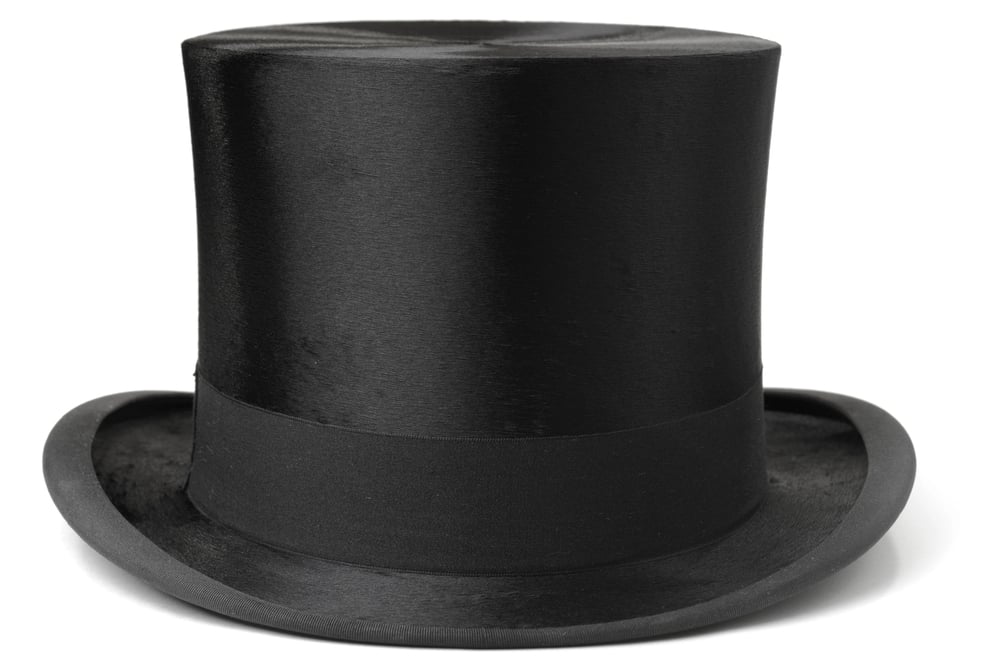
Nothing says formality quite like a tall, stiff top hat. It was the height of fashion during the 19th and early 20th centuries—an unmistakable sign of wealth and status.
Gentlemen would tip these hats as a polite gesture, and over time, they became linked with magicians and classic, old-school charm.
Beret

Soft and round, the beret is closely tied to French culture and the arts. This hat often represents creativity and a rebellious spirit.
It’s easy to wear—either flat or tilted—and has found its way from soldiers and painters to fashion runways around the world.
Like Go2Tutors’s content? Follow us on MSN.
Newsboy cap

With its rounded crown and short brim, the newsboy cap was a working-class staple in the early 1900s. Boys and men alike wore it, which is why it’s often associated with the everyday guy.
Today, it blends ruggedness with casual style, making it a favorite in modern streetwear.
Bowler hat

Designed originally to protect riders’ heads, the bowler hat features a hard, rounded crown. It later became the choice of businessmen and city workers—especially in Britain.
This hat offers a quirky yet practical look that many found appealing, mixing function with fashion.
Wide-brimmed sun hat

More than just a style statement, wide-brimmed sun hats have served as protection from the sun for centuries. They rose in popularity among women during the early 20th century, who wanted shade without sacrificing elegance.
Nowadays, these hats remain popular at outdoor events and beach days.
Like Go2Tutors’s content? Follow us on MSN.
Fez

Typically red with a tassel, the fez traces back to the Ottoman Empire. It carries rich cultural and traditional significance in the Middle East and North Africa.
Though simple in shape, it’s a strong symbol of identity and is still worn in many regions today.
Turban
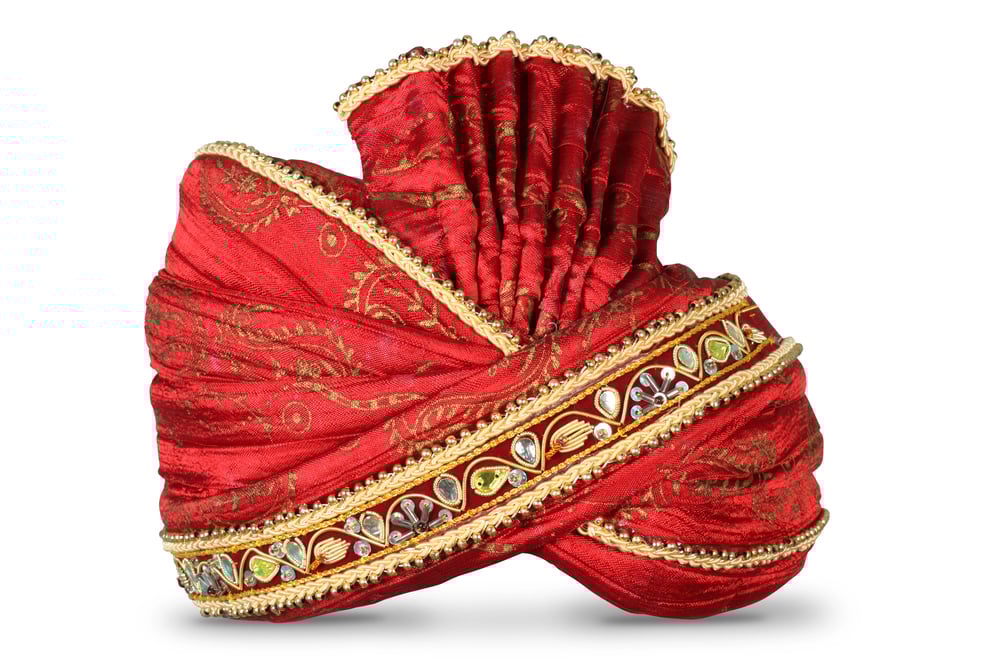
The turban—fabric wrapped around the head—has been worn worldwide for centuries. It can represent faith, fashion, or status.
In Western fashion, turbans became a stylish accessory during the 1940s, adding an exotic, chic touch that still influences designers.
Tam o’ shanter
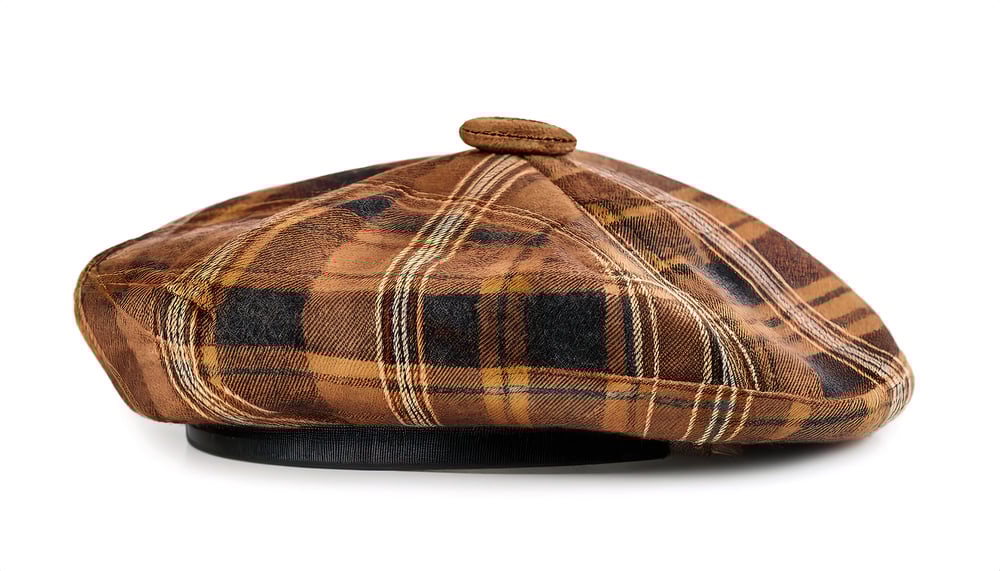
Originating from Scotland, this wool hat features a pom-pom on top and is linked to traditional dress. Its warm, practical design has found a place in casual fashion, offering a cozy nod to heritage during colder months.
Like Go2Tutors’s content? Follow us on MSN.
Panama hat

Though named for Panama, this lightweight straw hat actually comes from Ecuador. It’s perfect for hot weather, allowing breathability and comfort.
The hat gained fame when Theodore Roosevelt sported one during a trip to Panama—hence its tropical style reputation.
Stetson

Known as the iconic cowboy hat, the Stetson has a wide brim and tall crown made for outdoor use. It’s tied to the American West and a rugged way of life.
Beyond practicality, it carries a spirit of adventure and independence.
Ushanka
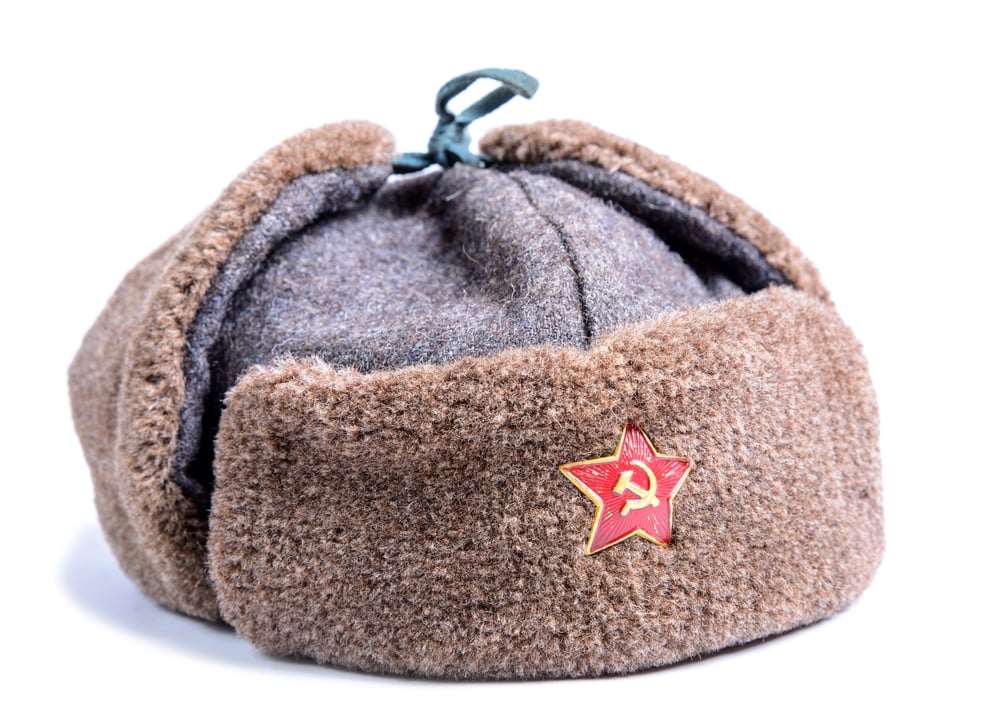
This Russian fur hat—with ear flaps designed to protect against extreme cold—became a symbol of harsh winters and Soviet Russia. The sturdy build offers both warmth and a distinct look, showing how hats can be designed for survival as much as style.
Like Go2Tutors’s content? Follow us on MSN.
Toque

The toque is a tall, pleated hat worn by chefs—a mark of professionalism and culinary skill. While it’s not a fashion statement for everyday wear, its clean design stands out in kitchens worldwide, signaling expertise and tradition.
Boater hat

Made from stiff straw with a flat top and brim, the boater hat was a summer favorite in the late 19th and early 20th centuries. It was often worn to boat races or garden parties, giving casual outdoor attire a polished finish.
Fascinator

These small, decorative headpieces add flair without covering the entire head. Popular at weddings and horse races, fascinators come in many shapes and often feature feathers or flowers.
They offer a playful yet elegant touch to formal outfits.
Like Go2Tutors’s content? Follow us on MSN.
Bucket hat

Originally designed for fishermen and farmers, the bucket hat has a soft fabric and a downward-sloping brim. It made the jump to streetwear thanks to its relaxed, casual vibe.
Today, it’s a go-to for outdoor activities and laid-back fashion.
Claque hat
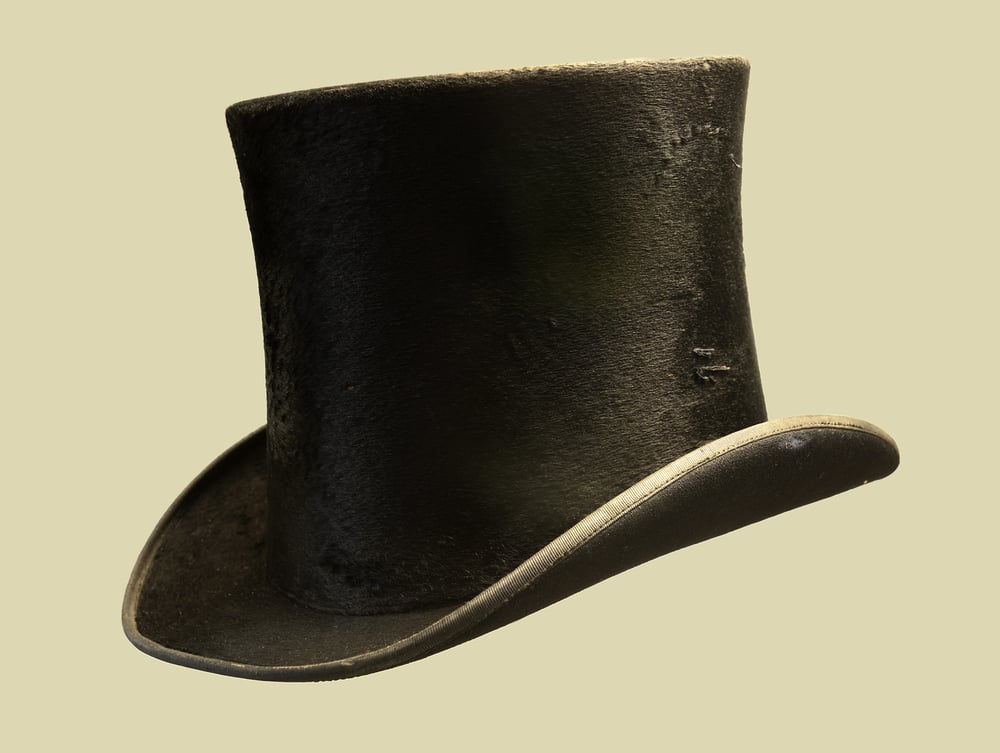
This less common style from the 18th century featured a high crown and was typically worn by women at court. It symbolized status in formal settings.
The claque’s unique design highlights how hats once strictly followed social rules.
Why hats remain a window into our culture

For centuries, hats have been more than just clothing—they express who people are and what they believe. Each style tells a story about the moment and place it came from.
From humble beginnings to symbols of power or playfulness, hats connect past and present, reminding us how style carries meaning beyond the surface.
More from Go2Tutors!

- 16 Historical Figures Who Were Nothing Like You Think
- 12 Things Sold in the 80s That Are Now Illegal
- 15 VHS Tapes That Could Be Worth Thousands
- 17 Historical “What Ifs” That Would Have Changed Everything
- 18 TV Shows That Vanished Without a Finale
Like Go2Tutors’s content? Follow us on MSN.



