33 Coins in Pocket Change That Are Worth More Than Face Value
Most coins that pass through your hands are worth exactly their denomination. But a small number of minting errors, low-mintage years, and metal composition quirks mean that some coins still occasionally turn up in circulation worth significantly more than face value, sometimes hundreds or thousands of times more.
Collectors call this practice coin roll hunting, and it persists because the U.S. Mint has produced enough anomalies over the decades that a careful look through spare change can genuinely pay off.
1943 Copper Penny
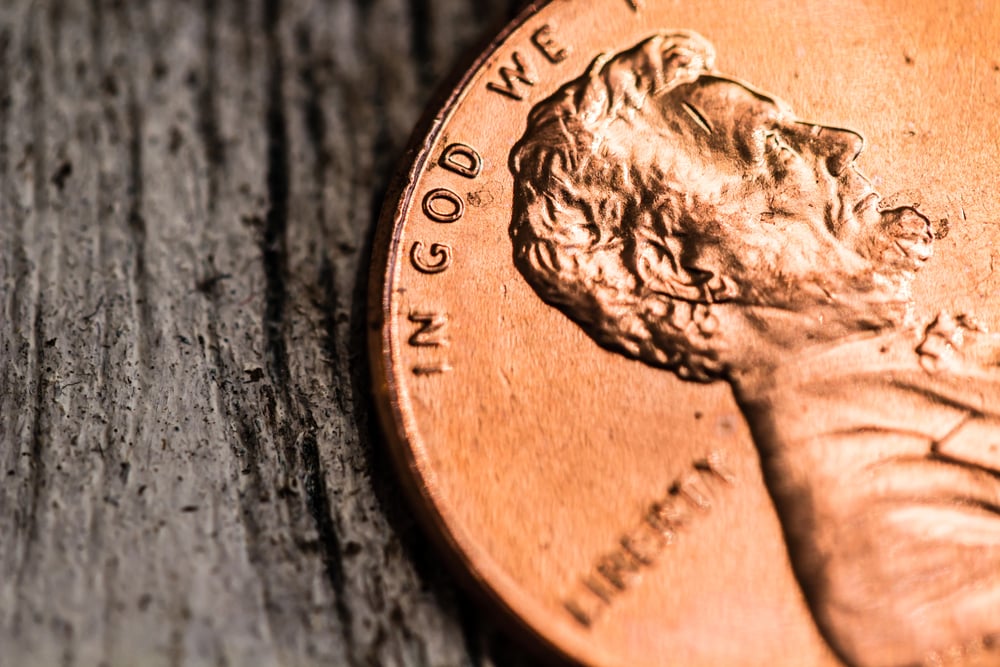
During World War II, pennies were struck in zinc-coated steel to conserve copper for the war effort, but a small number of copper planchets were mistakenly used, creating one of the most famous error coins in American numismatics, with confirmed examples selling for hundreds of thousands of dollars.
1955 Doubled Die Penny
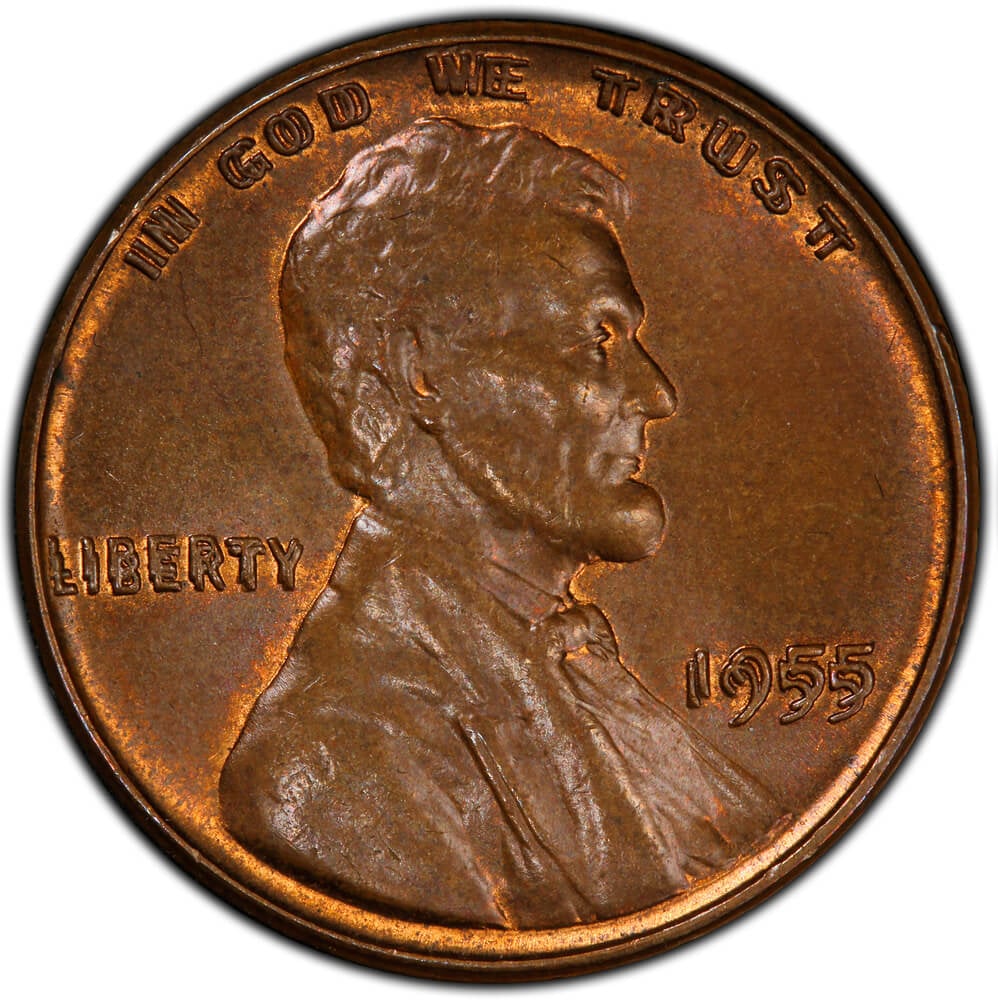
A minting error caused the date and lettering on this penny to appear doubled, and well-preserved examples are highly sought by error-coin collectors, commanding prices well into four figures.
1969-S Doubled Die Penny
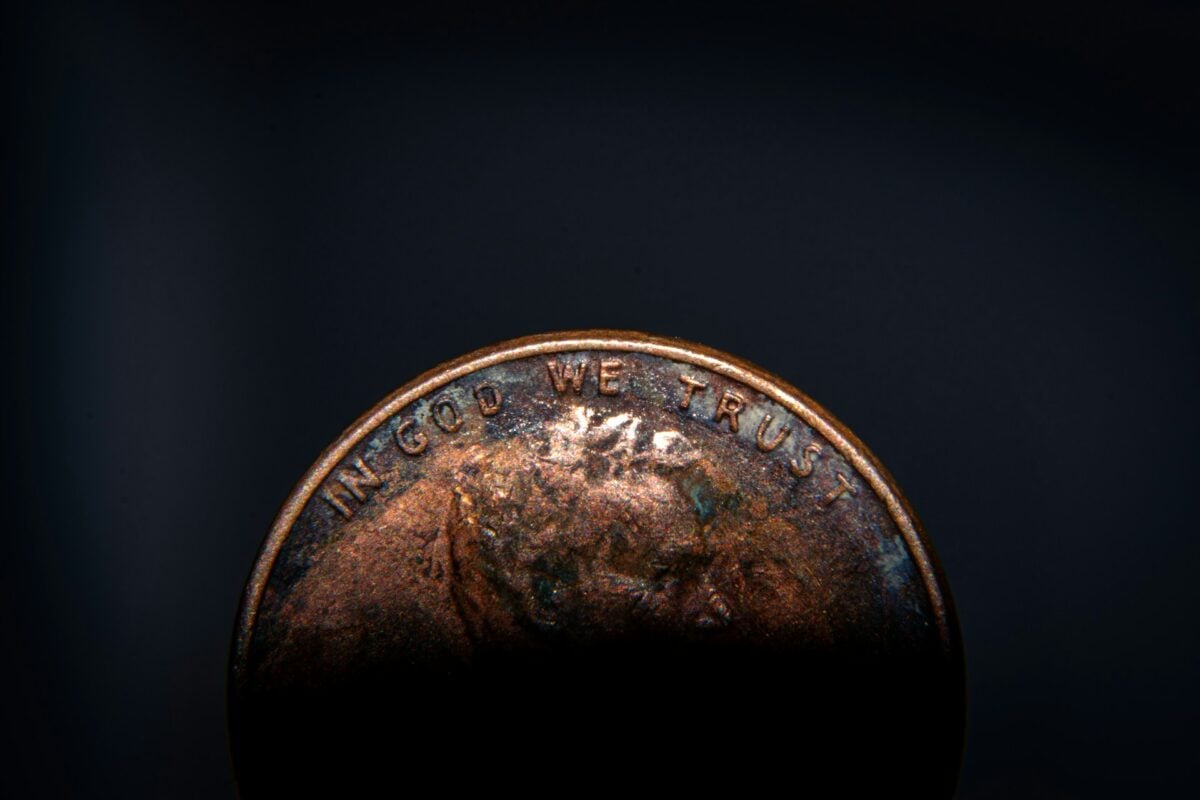
Similar in nature to the 1955 error but from a later date, this doubled die variety is rarer and correspondingly more valuable, with certified examples reaching tens of thousands of dollars.
1937-D Three-Legged Buffalo Nickel
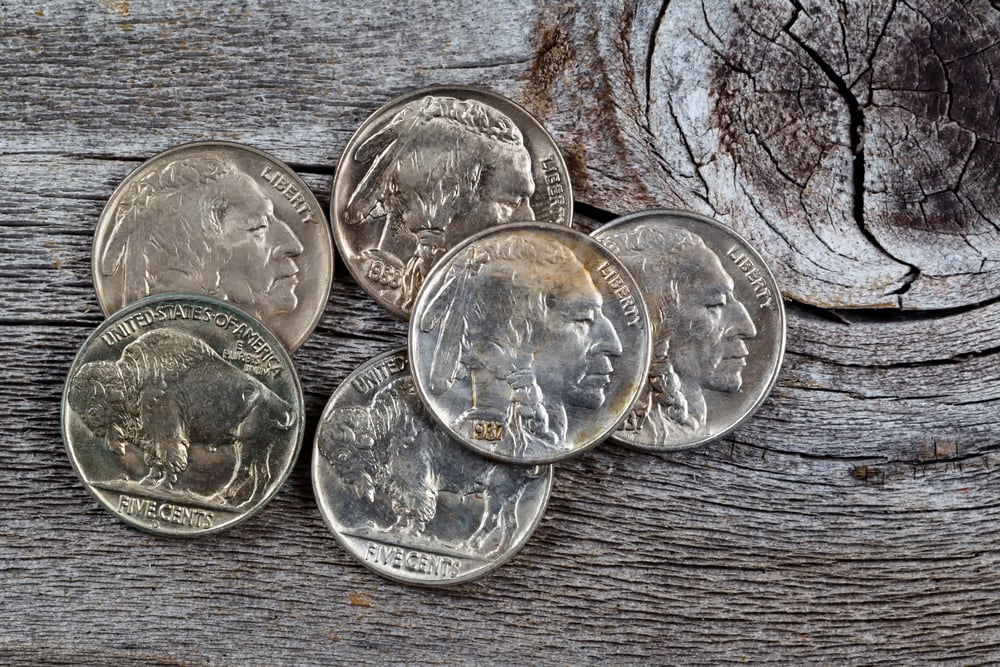
A die-polishing error at the Denver mint removed one leg from the buffalo design, creating a distinctive and heavily collected variety among Buffalo nickel enthusiasts.
1918/7-D Buffalo Nickel
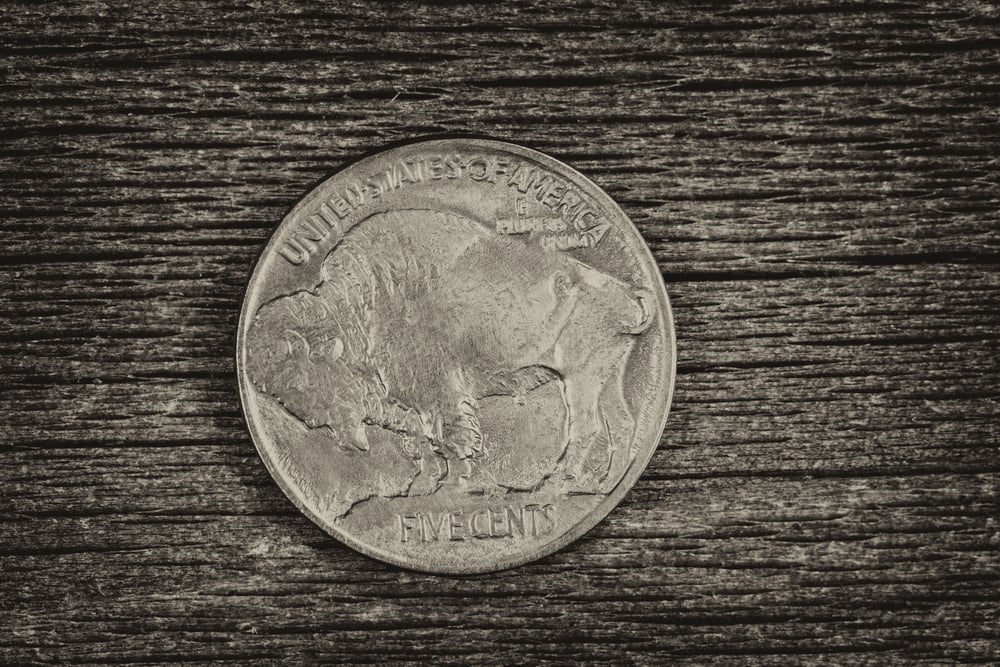
An overdate error where an 1918 date was struck over a leftover 1917 die, this variety is scarce and valuable, particularly in higher grades.
1970-S Small Date Lincoln Penny
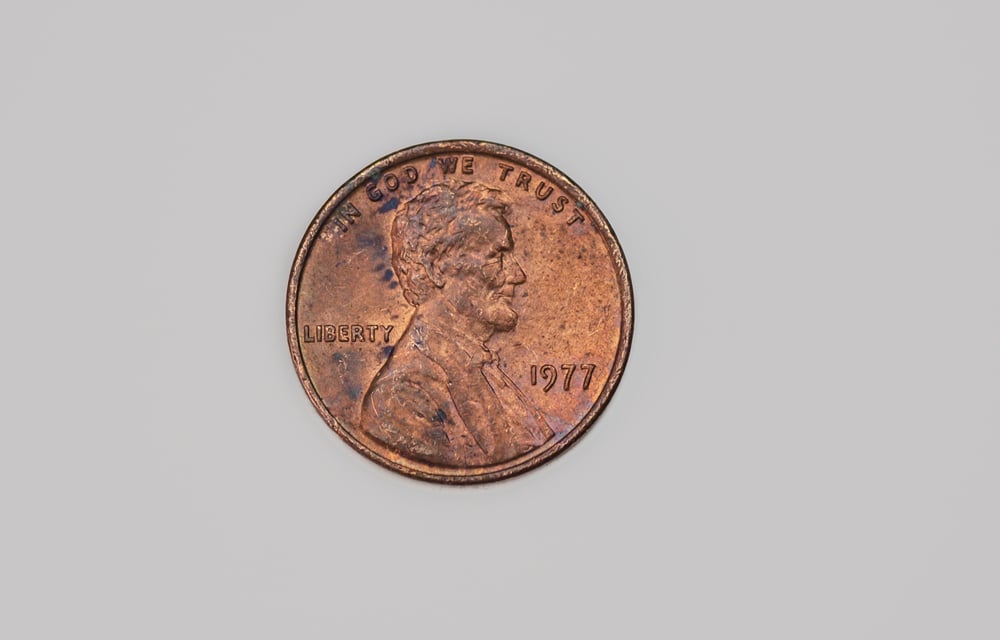
A subtle date-size variation distinguishes this from the more common large date version of the same year, and the small date variety commands a meaningful premium among date-variety collectors.
Silver Washington Quarters (Pre-1965)
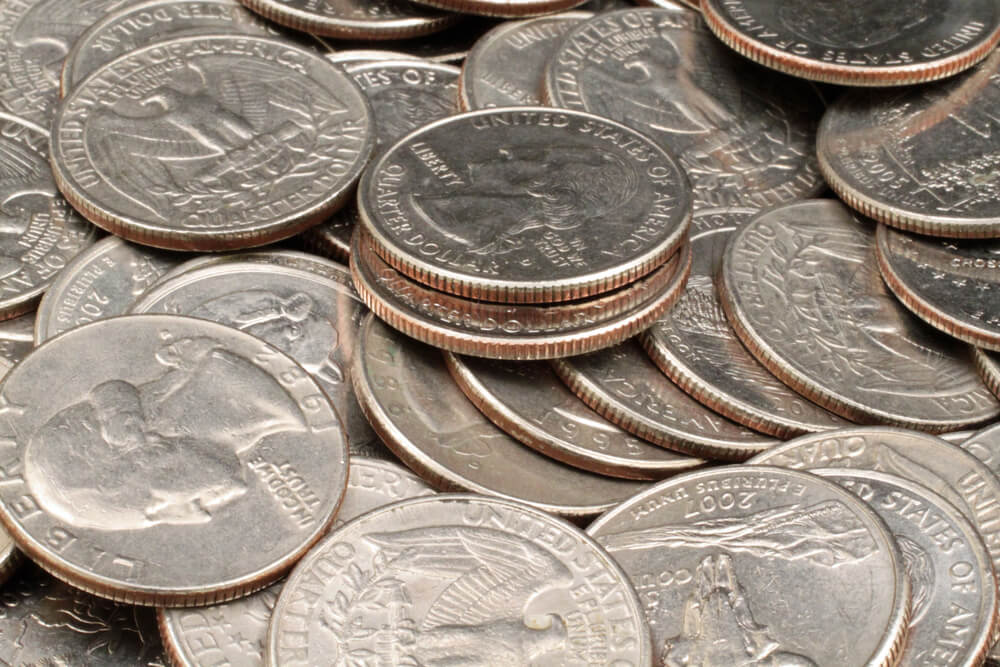
Quarters minted before 1965 contain 90% silver, meaning their metal value alone often exceeds face value substantially, and they still occasionally appear in circulation or bank rolls.
1932-D and 1932-S Washington Quarters
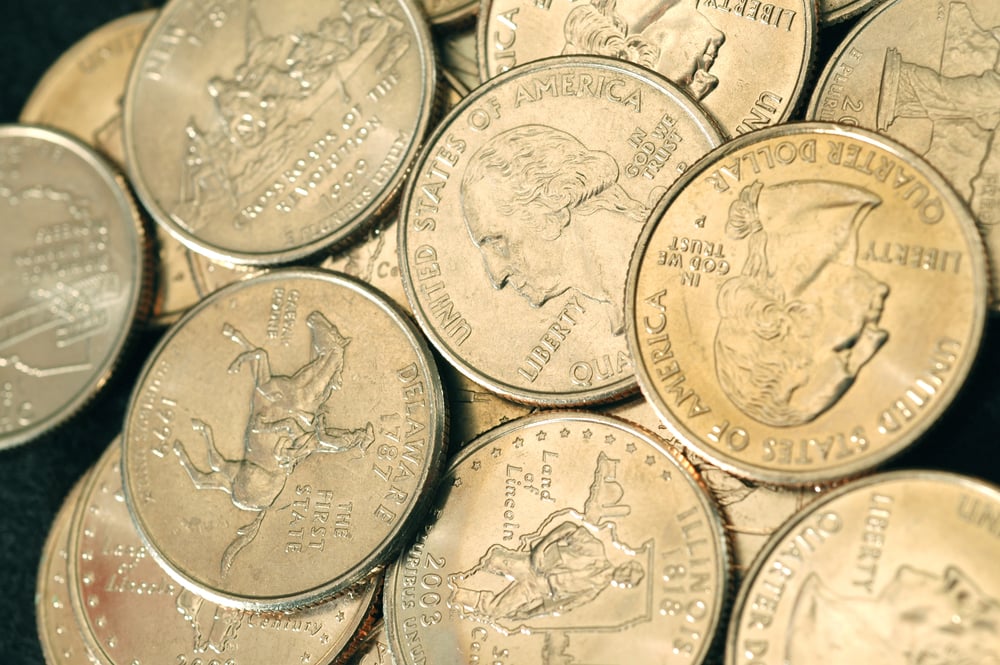
The first year of the Washington quarter design had notably low mintages at the Denver and San Francisco mints, making these key dates valuable even in worn condition.
1916-D Mercury Dime
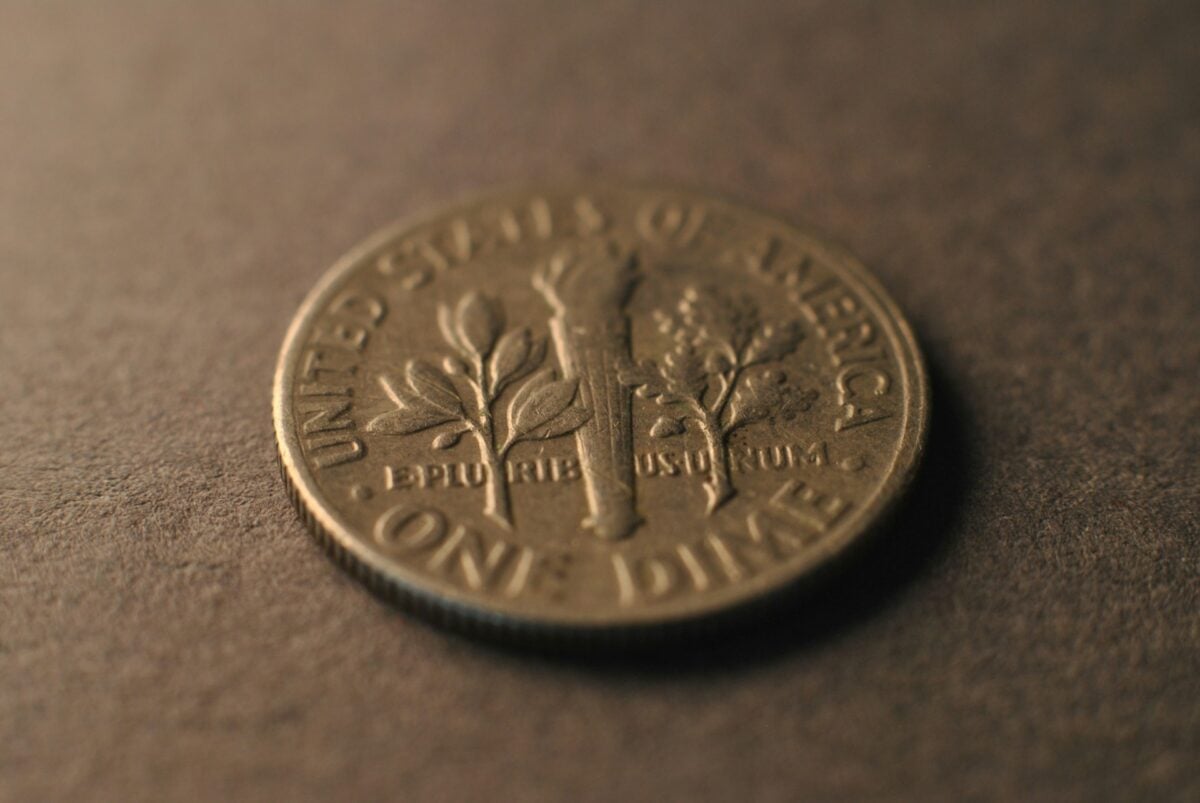
The lowest-mintage Mercury dime, struck at the Denver mint, is one of the most sought-after 20th-century dimes among collectors, commanding strong prices even in heavily circulated grades.
Silver Roosevelt Dimes (Pre-1965)
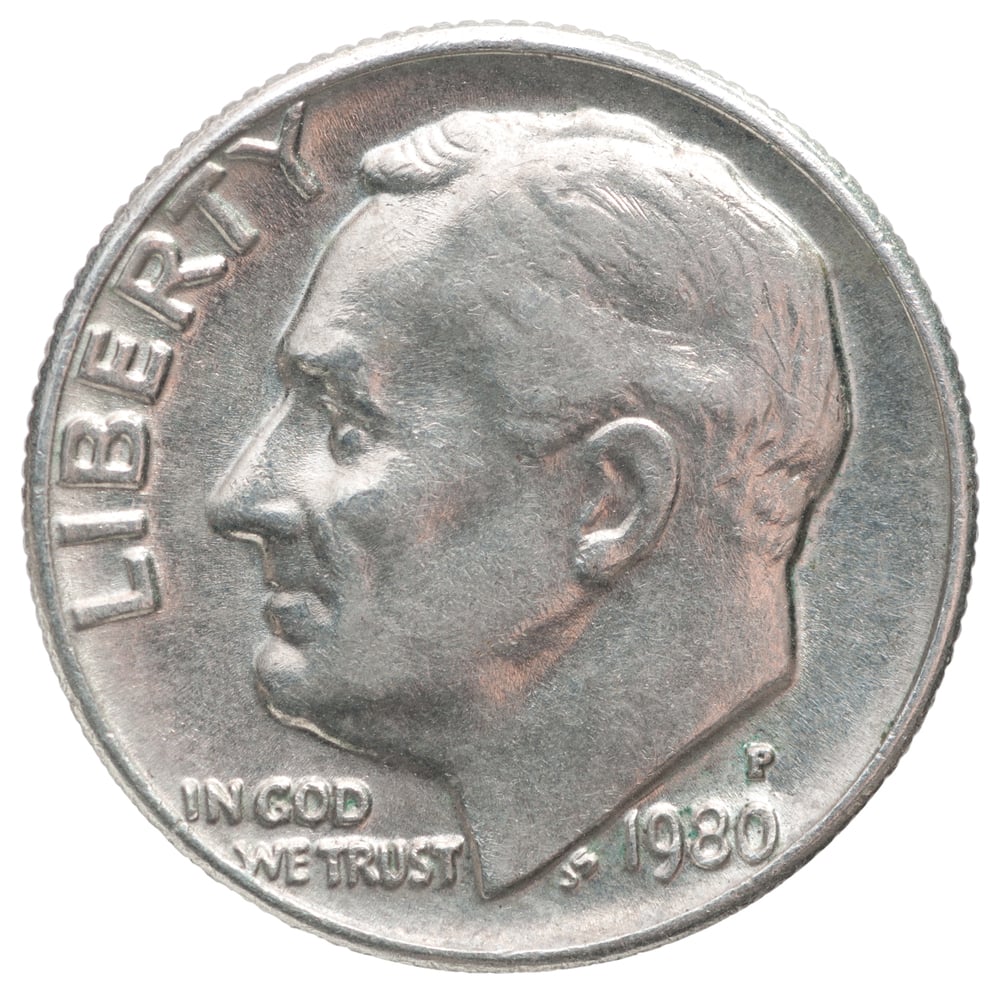
Like their quarter counterparts, dimes minted before 1965 are 90% silver and worth considerably more than face value based on metal content alone.
1922 No Mint Mark Lincoln Penny
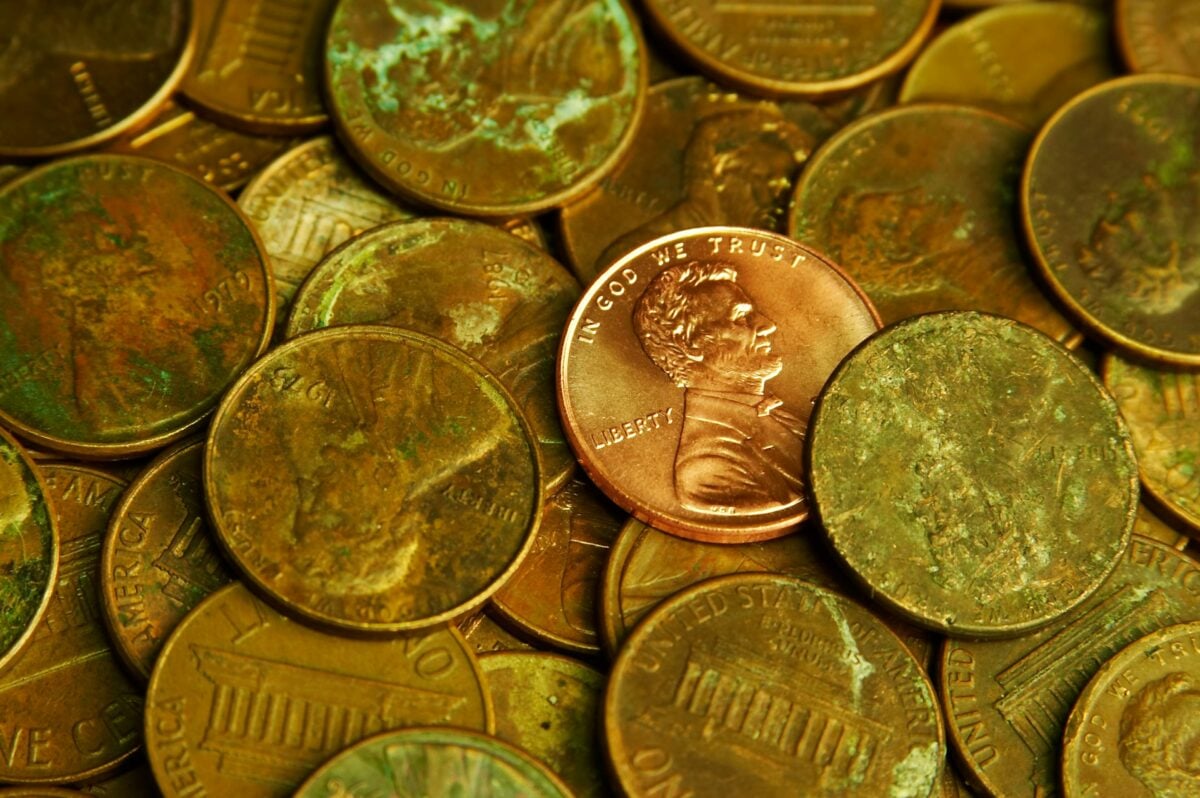
A die deterioration issue at the Denver mint caused some 1922 pennies to lack their mint mark entirely, creating a variety actively pursued by Lincoln cent collectors.
1972 Doubled Die Penny
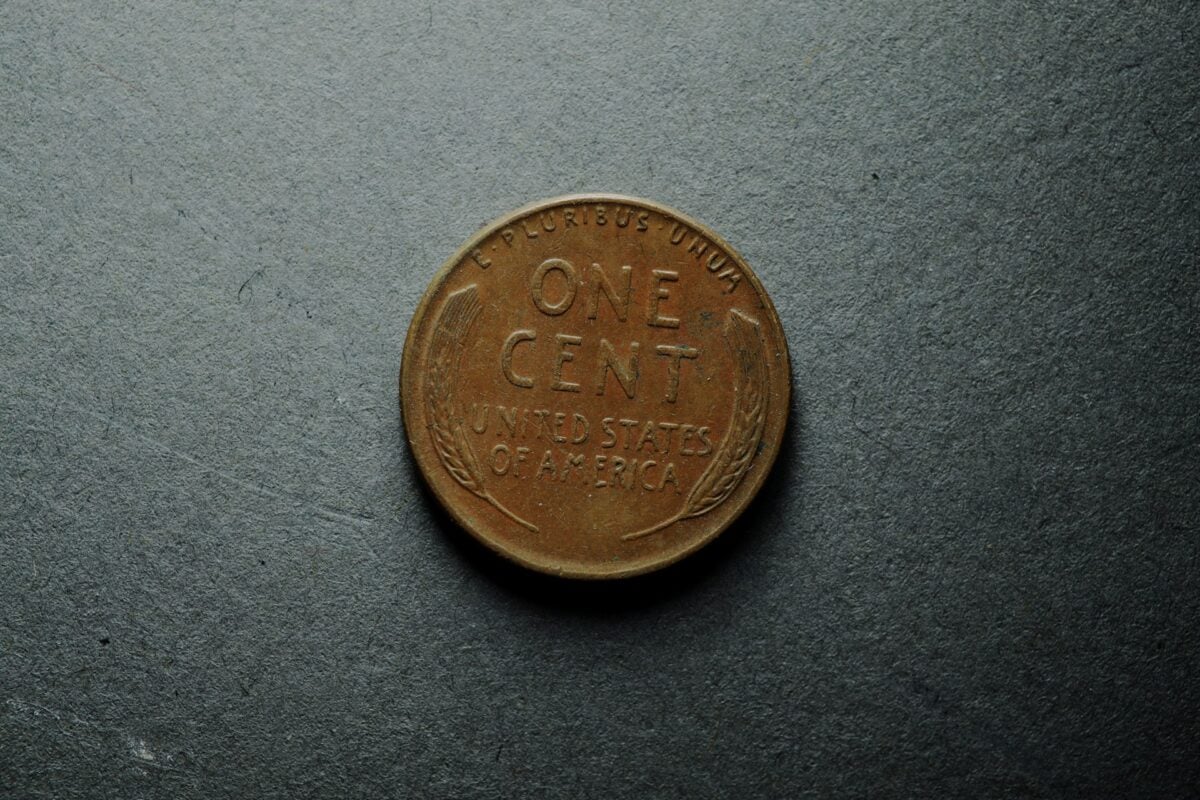
Another doubled die variety, particularly visible in the date and lettering, that commands solid premiums among collectors of Lincoln cent errors.
1943-D Copper Penny
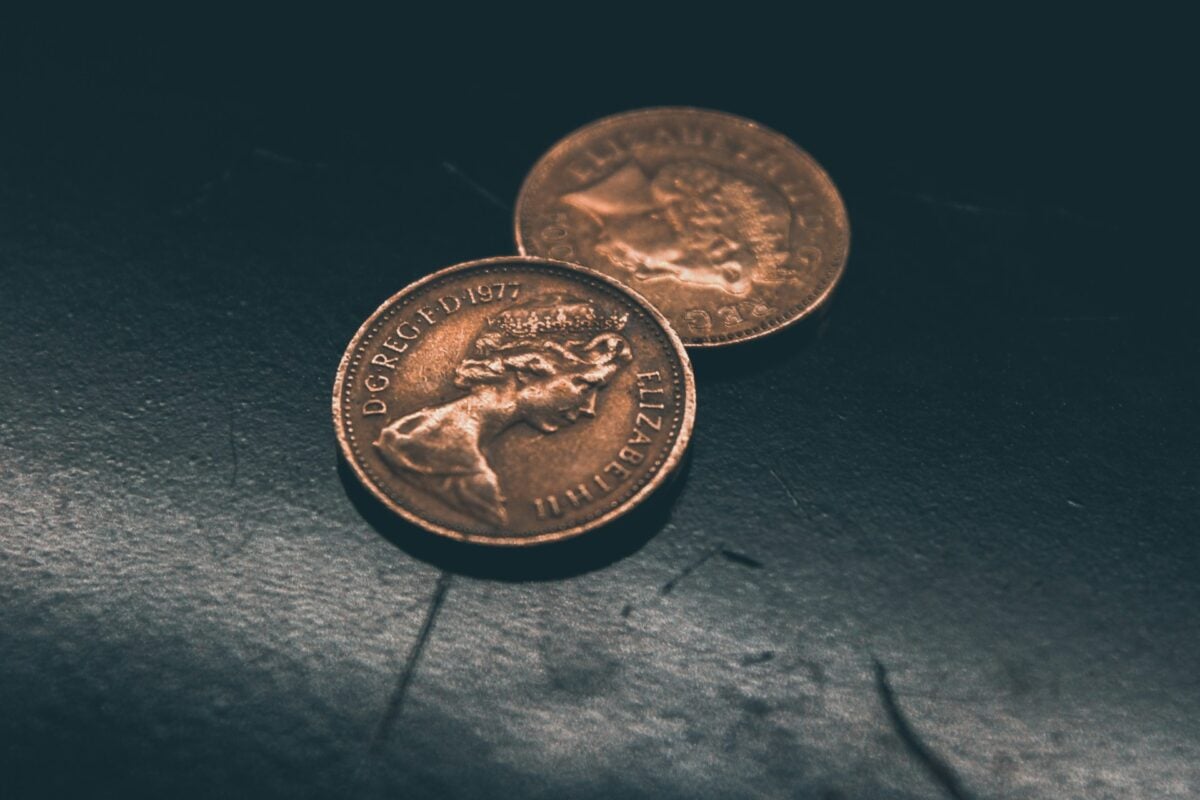
Even rarer than its Philadelphia counterpart, the Denver-struck 1943 copper penny is one of the single most valuable error coins in American numismatic history.
1999 Wide AM Reverse Penny
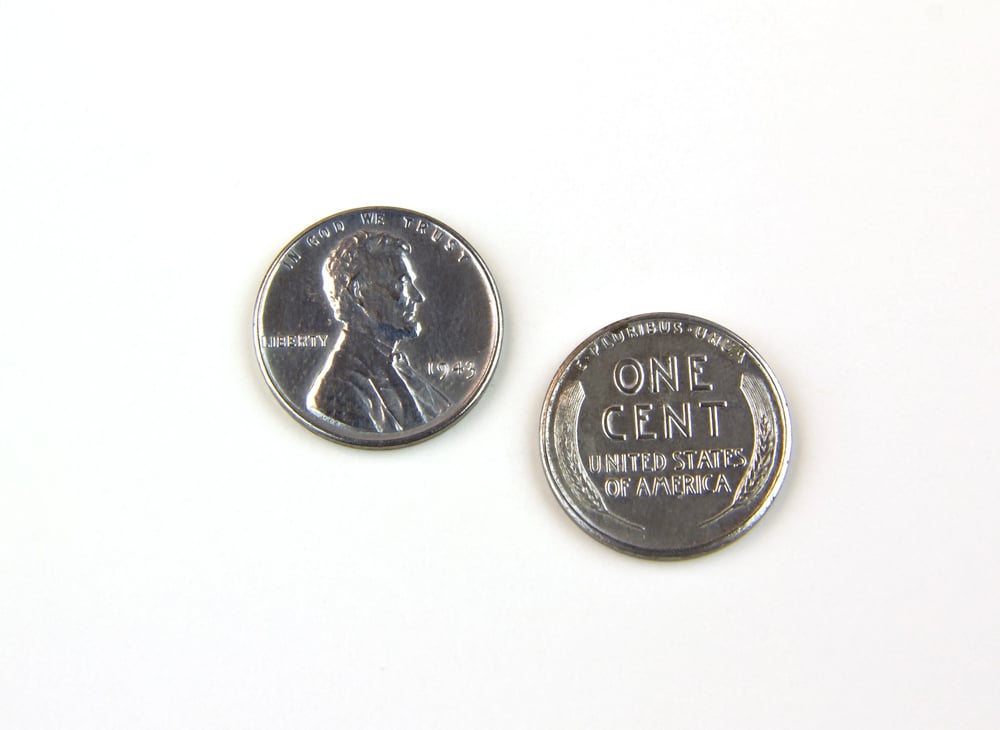
A subtle spacing variation in the reverse lettering distinguishes this rare variety from the standard 1999 penny, and it remains a target for careful roll hunters.
2004-D Wisconsin Quarter Extra Leaf
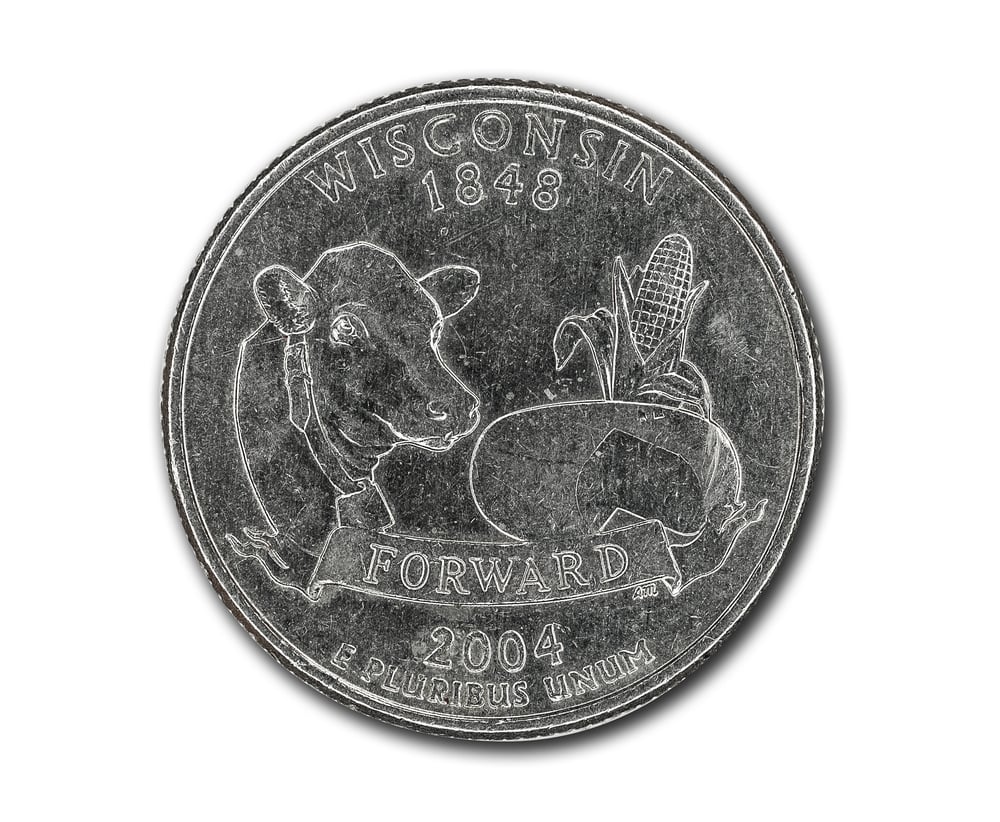
A die-gouge error on the Wisconsin state quarter created what appears to be an extra corn leaf on the design, producing a variety that generated significant collector interest when discovered.
Genuine Certified 1937-D Three-Legged Buffalo Nickels
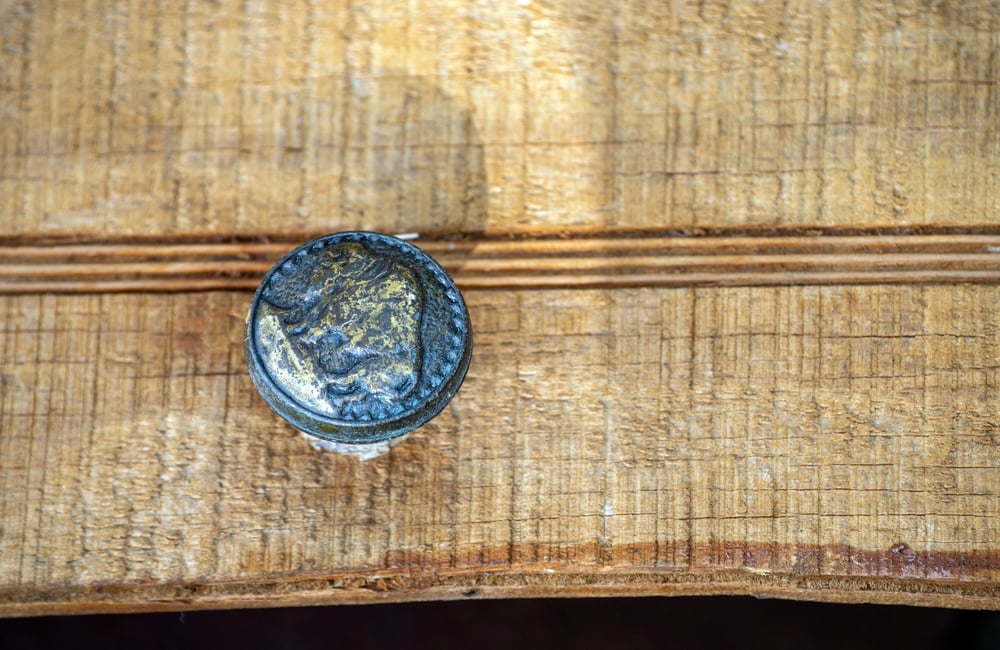
Because this variety has been heavily counterfeited, genuine examples verified by professional grading services carry a substantial premium over unauthenticated coins.
1972 Doubled Die Comparison Varieties
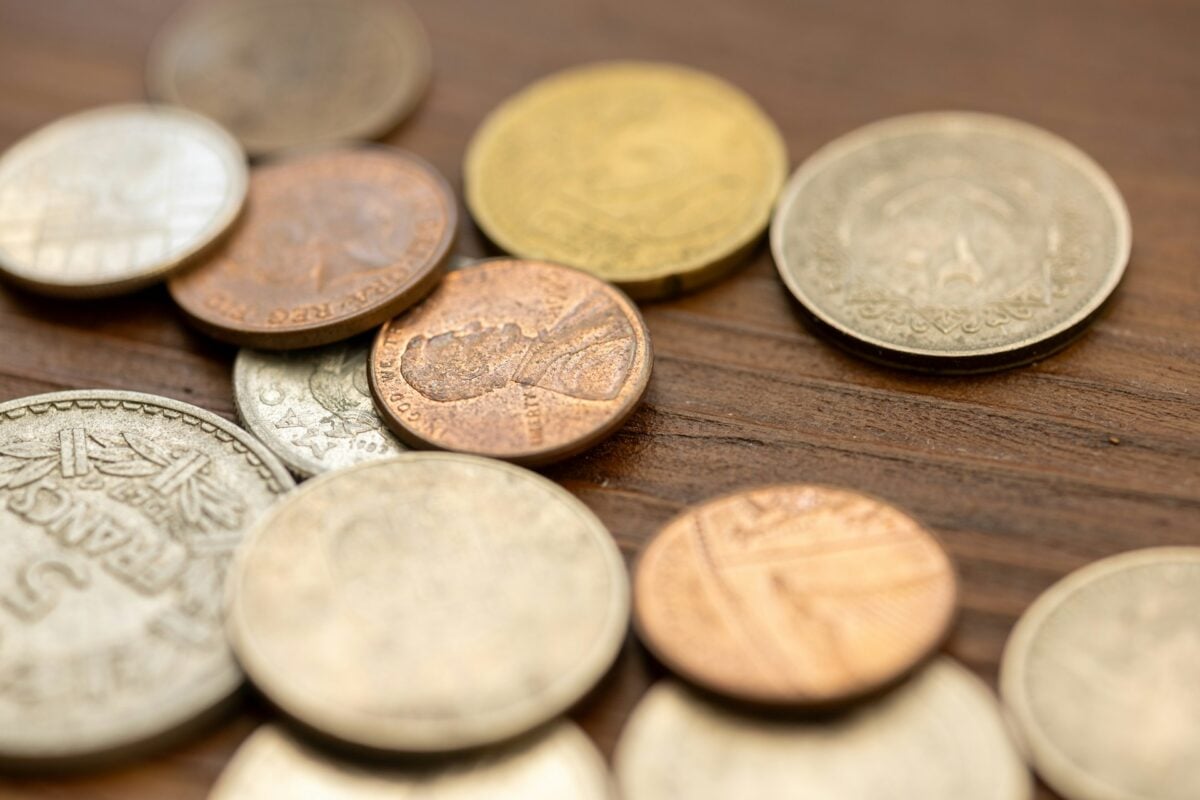
Collectors sometimes compare the 1955 and 1972 doubled dies as bookend examples of the same error type across different decades, both remaining valuable to variety specialists.
Full Steps 1950s-60s Jefferson Nickels
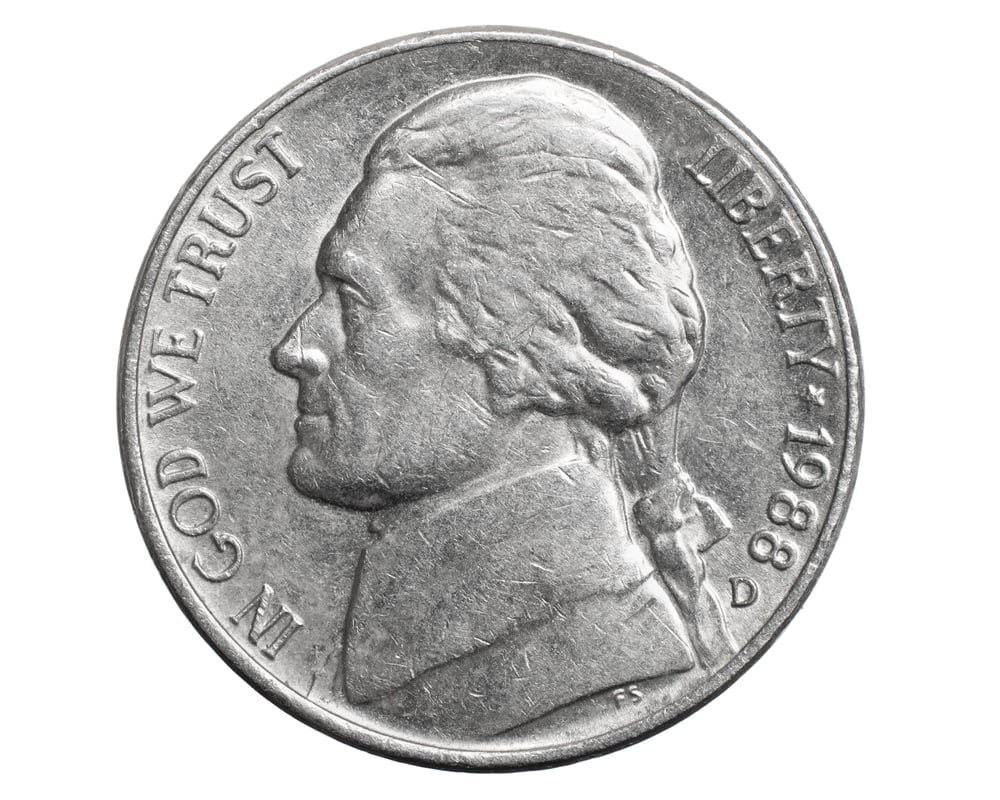
Nickels showing a sharply struck full steps detail on Monticello’s reverse are scarcer than typical circulated examples and carry meaningful premiums among nickel specialists.
1917 Standing Liberty Quarter, Type 1
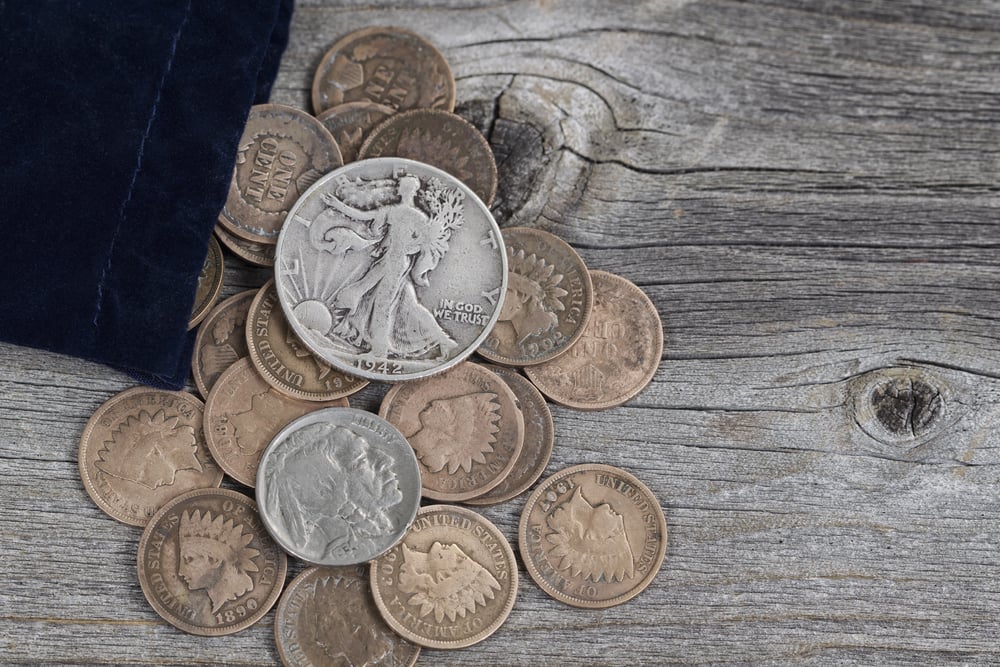
The first-year design of the Standing Liberty quarter, before a modesty-driven redesign added chain mail to Liberty’s figure, is collected both for its history and relative scarcity.
Barber Dimes, Quarters, and Half Dollars (Pre-1916)
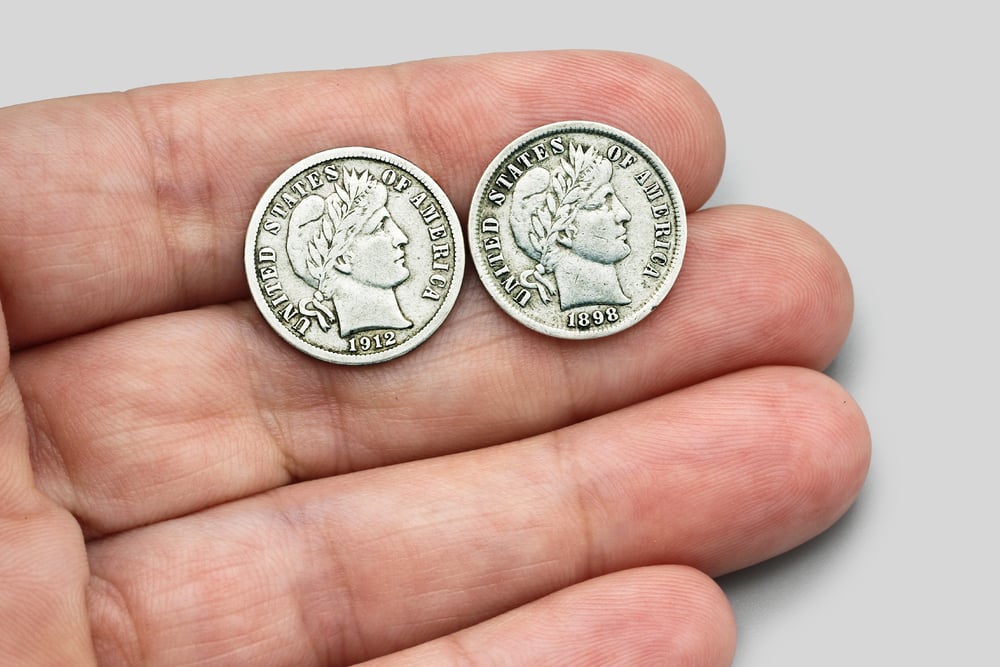
Charles Barber’s turn-of-the-century coin designs, especially in higher circulated grades, remain popular with collectors building type sets of pre-World War I American coinage.
1969-S Proof Doubled Die Penny
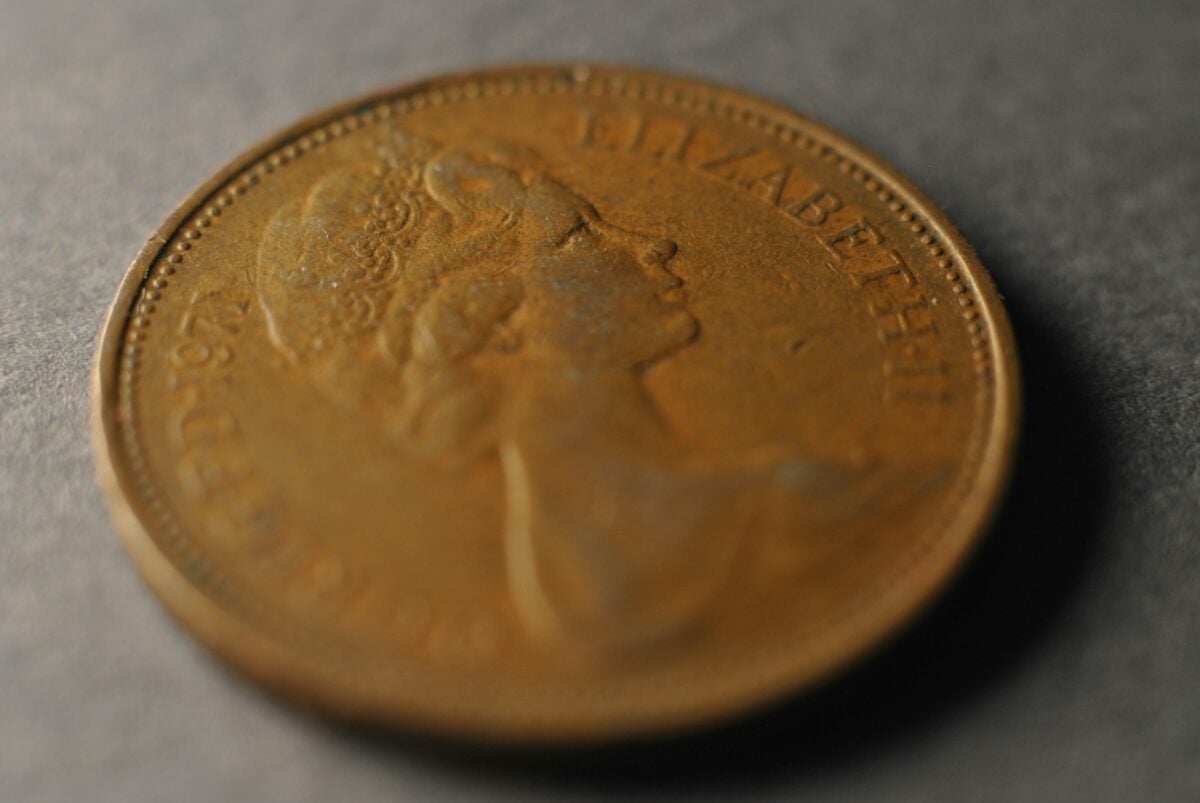
A separate and distinct doubled die error from the more famous business-strike version, this proof coin variety is exceptionally rare and valuable among specialists.
2005 Speared Bison Nickel
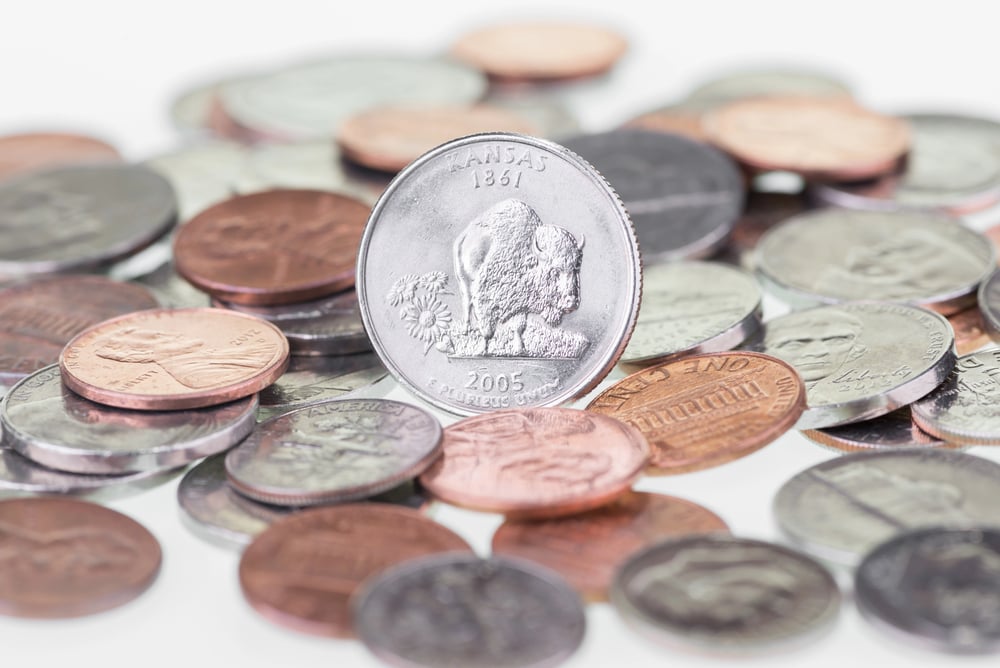
A die-gouge error on the Westward Journey nickel series created what appears to be a line through the bison’s body, generating strong initial and lasting collector interest.
1877 Indian Head Penny
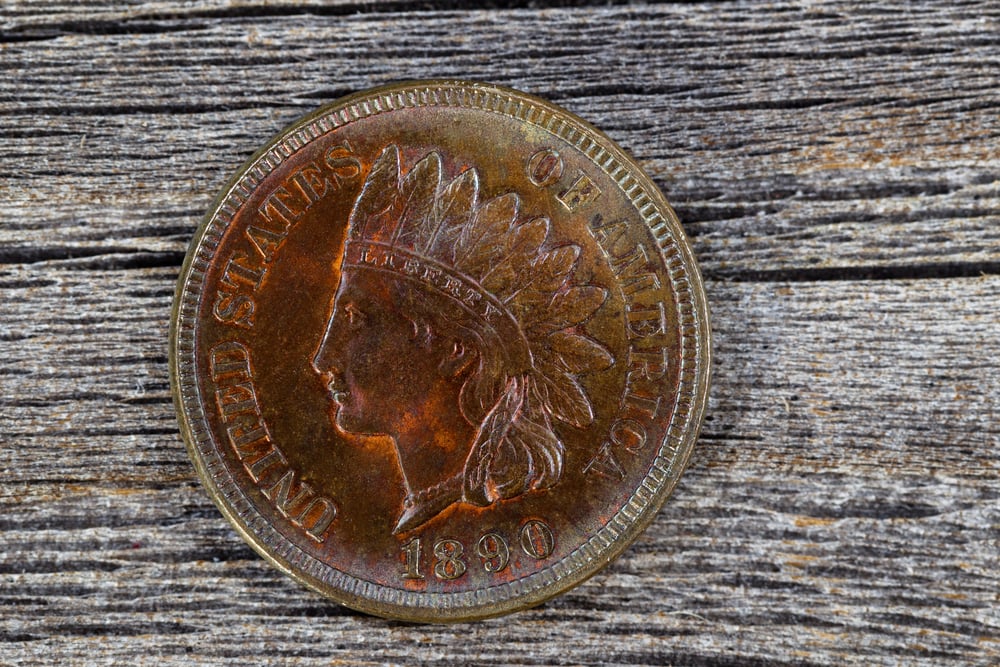
A genuinely low-mintage year for the Indian Head cent series, the 1877 issue is a key date that commands strong prices even in well-worn condition.
1909-S VDB Lincoln Penny
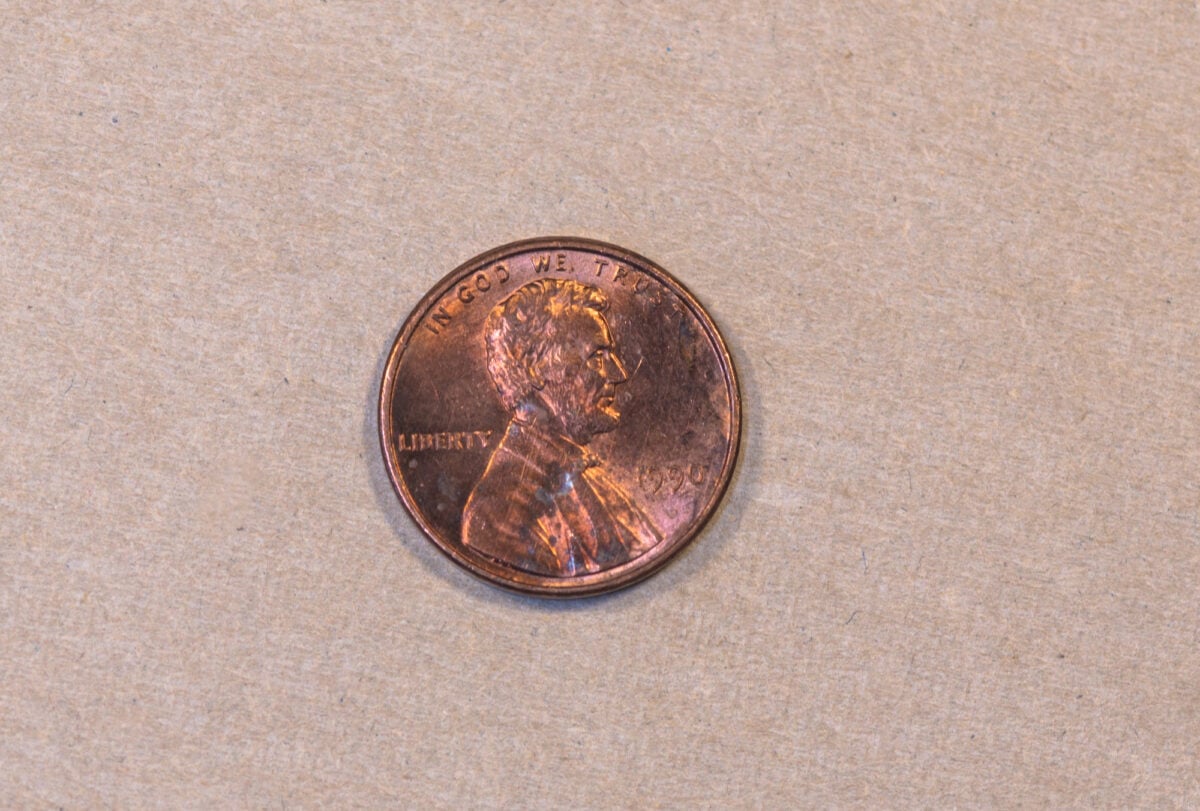
The first year of the Lincoln cent included the designer’s initials on early strikes before public objection led to their removal, and the low-mintage San Francisco version is among the most famous key dates in American coin collecting.
Silver Kennedy Half Dollars (1964)
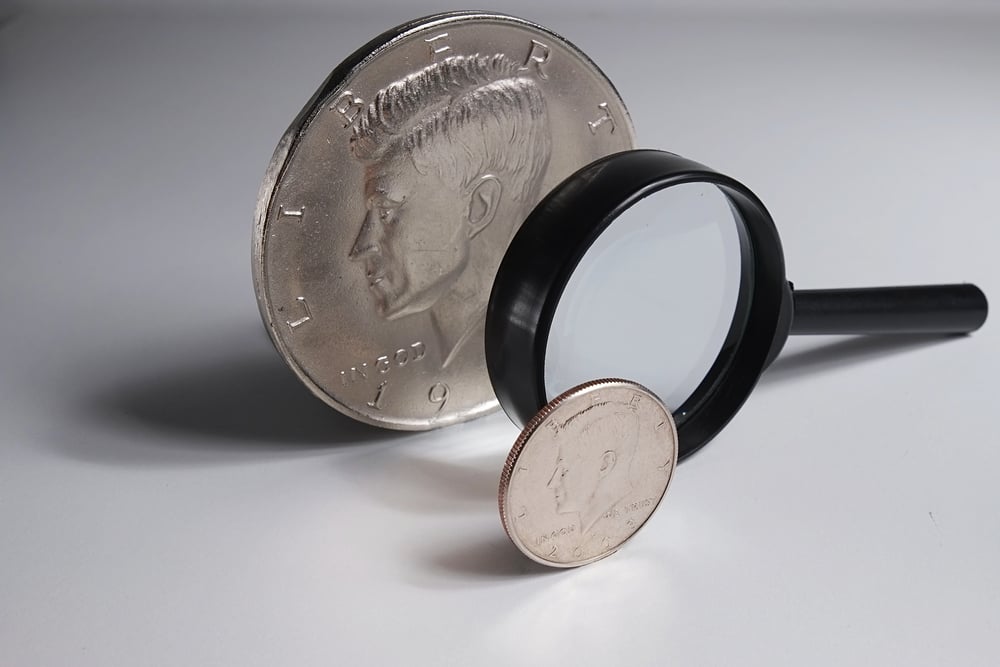
The first year of the Kennedy half dollar was struck in 90% silver before the alloy was reduced in subsequent years, making 1964 examples notably more valuable than later issues.
1982 No Mint Mark Roosevelt Dime
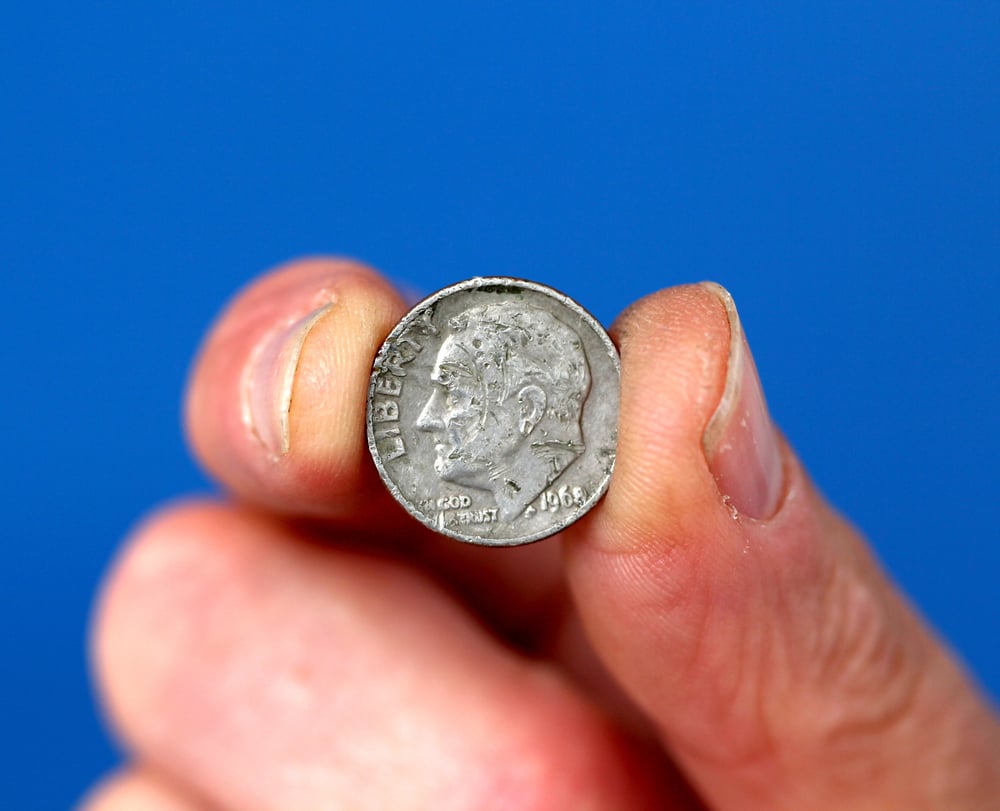
A transitional year when the Philadelphia mint briefly omitted its mint mark on dimes due to a production error, creating a scarce and collected variety.
1983 Doubled Die Lincoln Penny
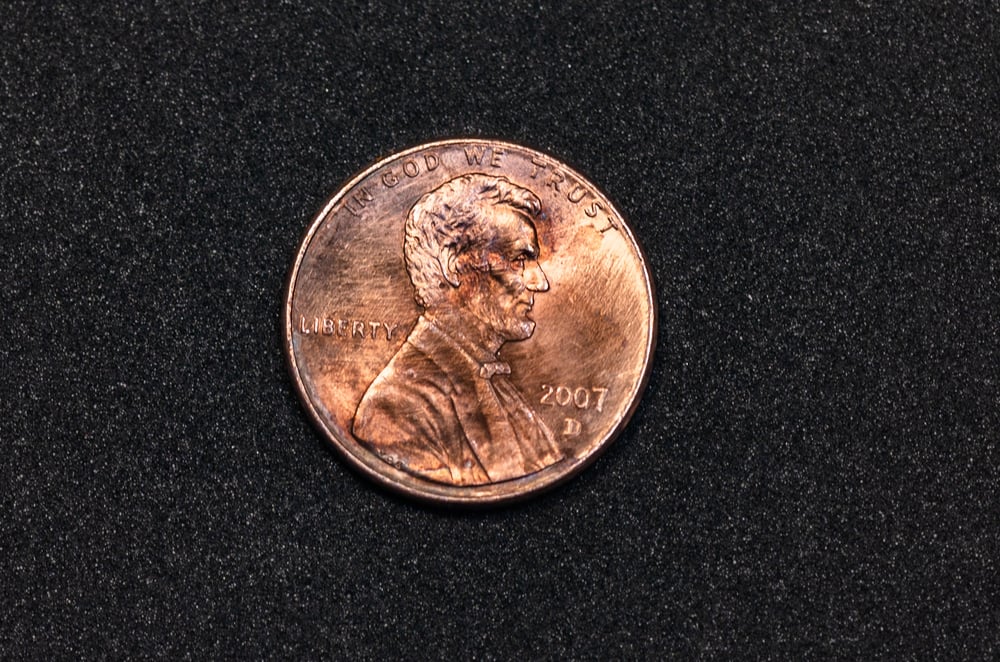
A doubled die variety visible primarily in the reverse lettering, this coin is sought by collectors specializing in Lincoln cent errors from the 1980s.
1995 Doubled Die Lincoln Penny
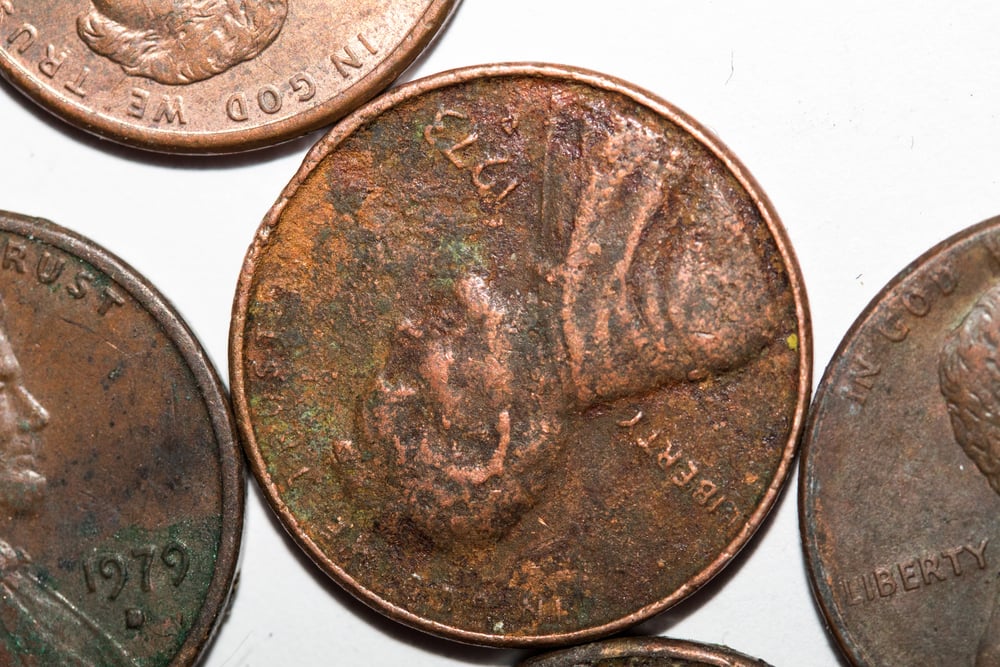
A relatively modern doubled die error, this variety proves that valuable minting mistakes were not confined to the mid-20th century and continue to reward attentive collectors.
War Nickels (1942-1945)
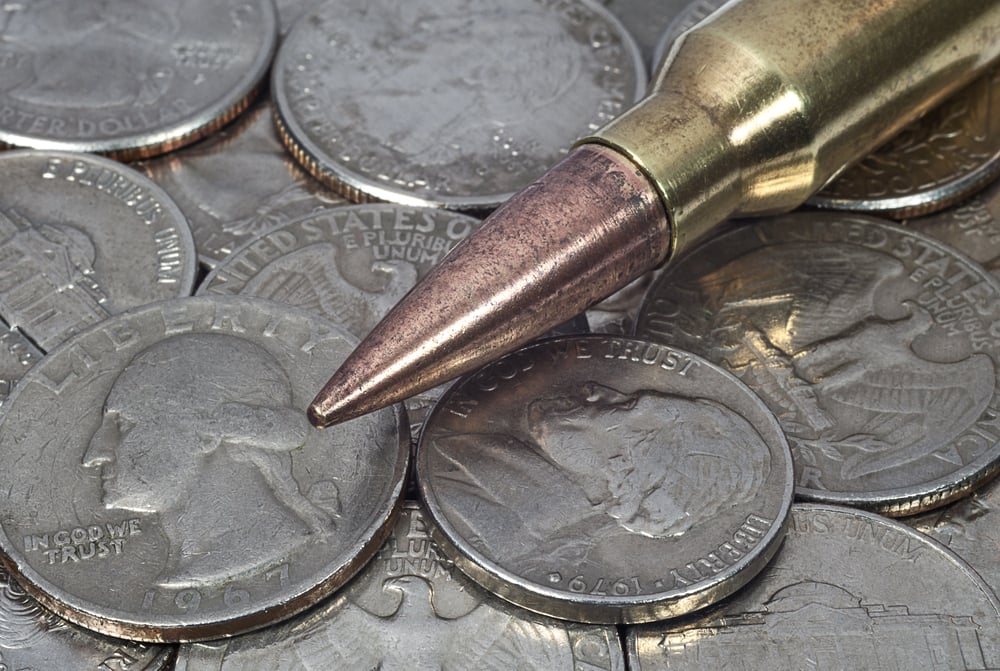
Struck with a silver-copper-manganese alloy to conserve nickel for military use during World War II, these coins are identifiable by a large mint mark above Monticello and carry value based on their silver content.
1972-D Eisenhower Dollar Silver Variety
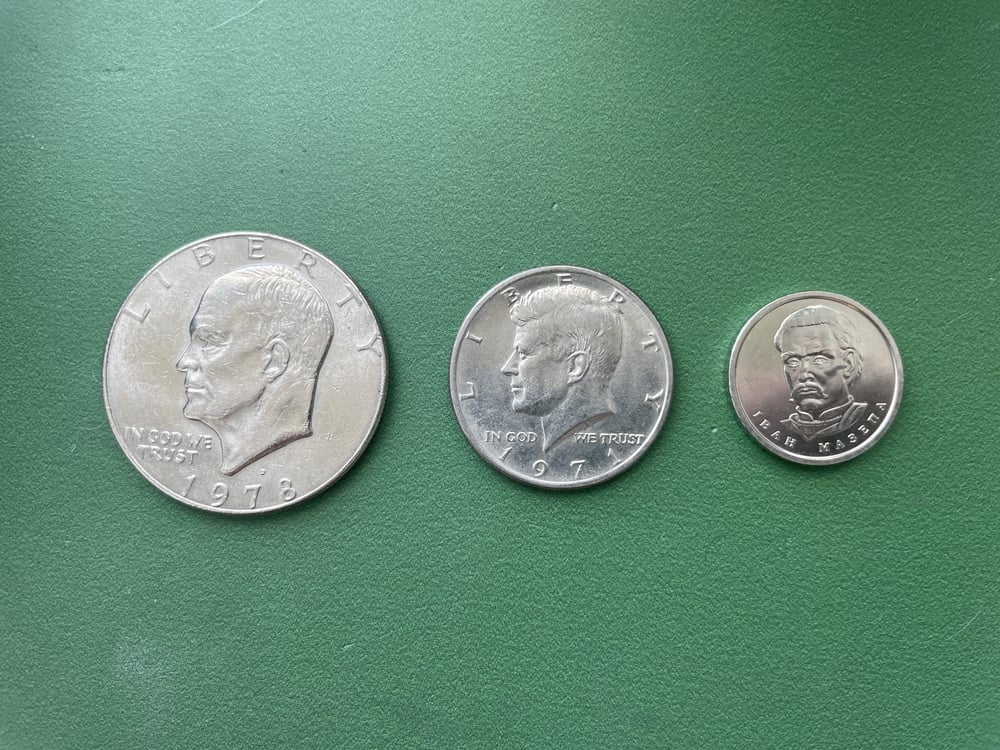
While most Eisenhower dollars from this era are base metal, certain silver-clad varieties struck for collector sets carry meaningful premiums over their circulating counterparts.
1979-S Type 2 Proof Susan B. Anthony Dollar
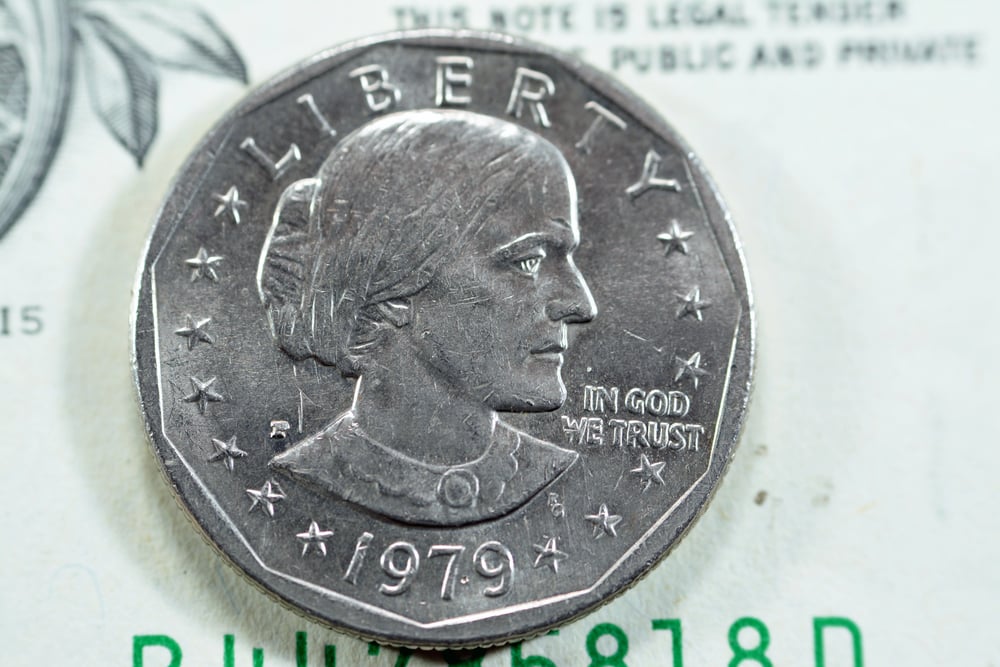
A clearer, more sharply struck proof variety of this coin is scarcer than the standard Type 1 version, and specialists actively seek it out.
2000-P Cheerios Promotion Sacagawea Dollar
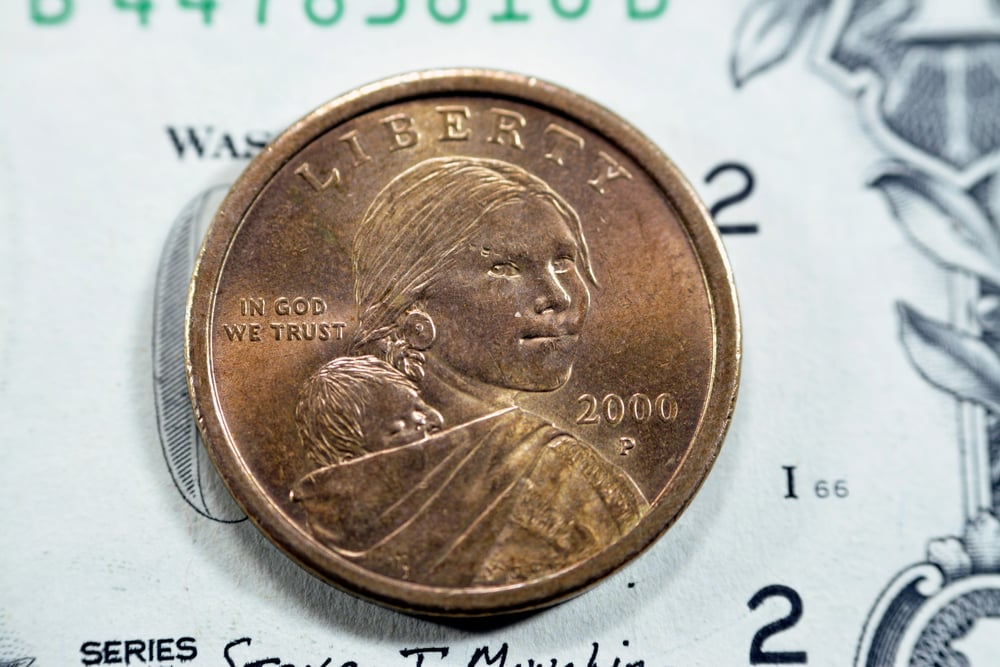
A special reverse design variant distributed briefly in cereal boxes as a promotion, this variety is now one of the most valuable modern U.S. dollar coins among specialists who track its distinctive eagle tail feather detail.
Uncirculated Bank Rolls of Any Pre-1965 Coin
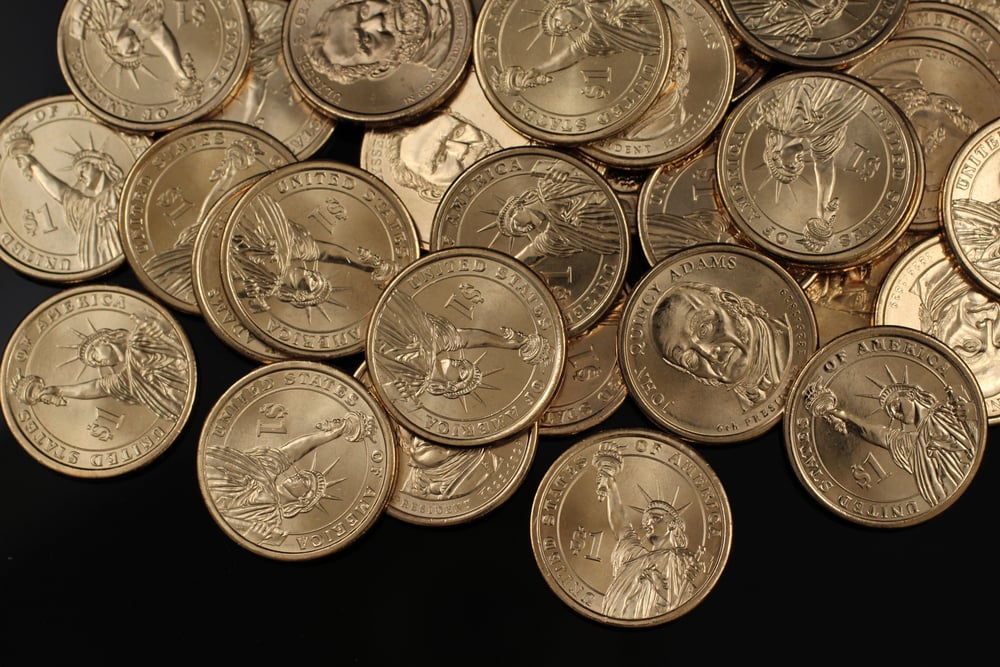
Beyond individual varieties, entire unopened or lightly circulated rolls of pre-1965 coinage carry silver melt value plus a collector premium, making them a reliable target for anyone sorting through inherited coin jars.
The Math Hiding in Plain Sight
Currency is designed to feel interchangeable, one penny functionally identical to the next. That illusion is precisely what makes error coins and low-mintage dates so quietly lucrative: the system depends on nobody looking closely enough to notice the exceptions.
Roll hunting persists not because most change is valuable, but because the odds, however small, are real. Somewhere in circulation, a 1943 copper penny worth a small fortune is still theoretically possible to spend by mistake.
More from Go2Tutors!

- The Romanov Crown Jewels and Their Tragic Fate
- 13 Historical Mysteries That Science Still Can’t Solve
- Famous Hoaxes That Fooled the World for Years
- 15 Child Stars with Tragic Adult Lives
- 16 Famous Jewelry Pieces in History
Like Go2Tutors’s content? Follow us on MSN.



