Most Visited Websites in the World
The internet feels infinite, but people keep going back to the same handful of places. Billions of clicks happen every day, and most of them land on sites you already know.
Some have been around since the early 2000s, while others appeared just a few years ago and shot straight to the top. What makes a website pull in more visitors than entire countries have citizens? The answer tells you a lot about what people actually do online.
Google Still Owns Search

Google attracts over 95 billion monthly visits, which puts it far ahead of everything else on the internet. People turn to Google for answers about everything from dinner recipes to medical symptoms they probably shouldn’t be diagnosing themselves.
The search engine handles billions of queries every single day, and its market share hovers around 90 percent globally. The site became essential because it worked better than the alternatives.
Early competitors cluttered their pages with ads and directories, but Google kept things simple. That clean interface became its signature, and it still looks basically the same today. You type something in, you get results, and you’re done.
The company expanded into email, maps, cloud storage, and advertising, but the search box remains the thing most people use.
YouTube Dominates Video Content
Video streaming changed how people consume media, and YouTube sits at the center of that shift. The platform gets around 47 billion visits per month, making it the second most popular site in the world.
People watch everything from music videos to tutorials on fixing their dishwashers. The average person spends somewhere between 35 and 48 minutes per day on the platform, which adds up to a massive chunk of their free time.
YouTube won because it gave everyone a chance to upload content. Professional studios and random teenagers compete for the same audience, and both can succeed if they figure out what viewers want.
The comment sections can be terrible, but the variety of content is unmatched. You can learn a language, watch someone build a house, or fall down a rabbit pit of conspiracy theories about ancient civilizations.
Facebook Connects Billions
Facebook records about 9 billion visits monthly, even though people love to complain about it. The platform became the default way to stay in touch with distant relatives, old classmates, and people you haven’t spoken to in years but still want to keep tabs on.
Groups and events make it useful for organizing everything from book clubs to protests. The site peaked in cultural relevance years ago, but it still dominates because switching costs are high.
Your photos live there, your connections live there, and leaving means rebuilding all of that somewhere else. Younger users gravitate toward other platforms, but Facebook maintains its grip on older demographics who came of age with it.
Instagram Thrives on Visuals

Instagram turned photo-sharing into a global obsession. The app focuses on images and short videos, and its success proves that people prefer looking at things over reading about them.
Fashion, food, travel, and fitness content perform especially well. Influencers built entire careers by posting the right pictures at the right time, and brands followed because that’s where the attention went.
The platform constantly evolves to match whatever trend comes next. Stories copied Snapchat, Reels copied TikTok, and shopping features keep pushing users toward buying things without leaving the app.
Instagram became less about authentic moments and more about carefully curated feeds, but people keep scrolling anyway.
ChatGPT Exploded Onto the Scene

Artificial intelligence tools usually take years to gain traction, but ChatGPT broke that pattern. The platform hit one million users in just five days after launch and now pulls in over 5 billion monthly visits.
People use it for everything from writing essays to debugging code to planning vacations. The conversational interface makes it feel different from traditional search engines, even though it serves a similar purpose.
The rapid adoption shows how ready people were for a tool that could actually understand context and provide detailed answers. Students use it for homework help, professionals use it for work tasks, and casual users ask random questions just to see what happens.
The technology isn’t perfect and sometimes makes confident mistakes, but the convenience outweighs the risks for most people.
Twitter Became X and Kept Going

X gets around 4.2 billion monthly visits despite all the drama surrounding its rebranding and ownership changes. The platform remains the go-to place for real-time news, celebrity updates, and arguments between strangers.
Breaking news often appears here before traditional media covers it, which keeps journalists and news junkies checking constantly. The character limit forces people to be concise, though that doesn’t always improve the quality of discourse.
Viral tweets can launch careers or destroy reputations in hours. The algorithm shows you what it thinks will keep you engaged, which usually means stuff that makes you angry or scandalized.
WhatsApp Dominates Messaging

WhatsApp gets over 3.2 billion monthly visits, making it the most popular messaging platform in the world. The app offers end-to-end encryption, which means your conversations stay private from everyone except the person you’re talking to.
Voice calls, video calls, and group chats make it a one-stop solution for staying connected. The app became especially popular in countries where texting costs money or people want to avoid government surveillance.
Families use it to coordinate, businesses use it for customer service, and friend groups use it to share memes. The simple interface works on old phones and new ones, which helped it spread across different economic levels.
Amazon Rules Online Shopping
Amazon brings in around 3 billion monthly visits by selling pretty much everything. The site started with books and expanded until it became the default answer to “where can I buy this?”
Free shipping for Prime members sweetened the deal, and fast delivery times made waiting for packages feel normal instead of special. The platform also runs cloud computing services, streams video content, and sells advertising space.
But most people just know it as the place where you click a button and something shows up at your door two days later. Small businesses sell through Amazon to reach more customers, even though the fees cut into their profits.
Reddit Builds Communities
Reddit operates differently from other social platforms. Instead of following individual people, you join communities called subreddits that focus on specific topics. Want to discuss your favorite TV show?
There’s a subreddit. Need help fixing your car? There’s a subreddit.
Looking for extremely niche hobbies? Definitely a subreddit.
The voting system pushes popular content to the top and buries unpopular stuff. This creates a kind of crowd-sourced quality control, though it also means controversial opinions get hidden even when they’re worth discussing.
The anonymity lets people be honest, but it also lets them be cruel without consequences.
Wikipedia Remains the Knowledge Hub
Wikipedia became the internet’s encyclopedia by letting anyone edit it, which sounds like a recipe for disaster but somehow works. The site gets billions of visits from people looking up everything from historical events to obscure scientific concepts.
Teachers tell students not to cite it, but those same teachers probably check it themselves when they need quick facts. The platform runs on donations rather than ads, which keeps it clean and focused.
Volunteer editors police the pages and fight over details, ensuring accuracy through constant debate. The depth of information available on obscure topics often surpasses what you’d find in traditional encyclopedias.
LinkedIn Serves Professionals
LinkedIn carved out its niche as the social network for work. People post about job changes, share industry articles, and network with colleagues.
The platform helps recruiters find candidates and helps job seekers find opportunities. It also hosts a lot of humble-bragging and corporate speak, but that’s part of the territory.
The site makes money by selling premium subscriptions that unlock extra features like seeing who viewed your profile. Companies use it for employer branding and recruiting pipelines.
Whether you find it useful or annoying probably depends on your industry and how much you enjoy professional networking.
TikTok Captured Young Audiences
TikTok proved that short-form video could dominate mobile screens. The algorithm shows you an endless stream of content tailored to your interests, making it incredibly addictive. Dance trends, comedy sketches, life hacks, and random educational content all compete for attention. The platform faced scrutiny over data privacy and content moderation, but it kept growing anyway.
Creators can go viral overnight and build massive followings in days. The format influenced other platforms so heavily that Instagram and YouTube both launched their own short video features to compete.
Microsoft Sites Stay Relevant

Microsoft’s web properties, including MSN and Outlook, still pull huge numbers despite being overshadowed by flashier competitors. MSN serves as a news aggregator and email portal for millions of people who set it as their homepage years ago and never changed it.
Outlook remains essential for business email, and the integration with other Microsoft products keeps people locked into the ecosystem. The company isn’t trying to be cool or trendy.
It focuses on utility and integration, which matters more than you’d think when people are choosing tools for work. The sites work well enough that switching would create more hassle than it’s worth.
Streaming Changed Entertainment Forever
Streaming services like Netflix and Spotify changed the way folks enjoy entertainment. Paying each month gives entry to huge collections instead of buying songs or films outright.
Easy reach beats keeping copies, even if it means never truly owning anything. Today’s younger crowds assume they can grab any tune or episode right away, whenever desired.
Access wins every time when waiting feels outdated. Something pulls your attention once you start scrolling.
Machines study what you click then offer similar clips so fast that choices blur together. A quiet push comes from hidden codes making one video slide into another without pause.
Hours pass while curiosity fades yet movement continues anyway. What felt like chance now feels shaped by invisible hands building walls around interest zones.
Where Attention Moves
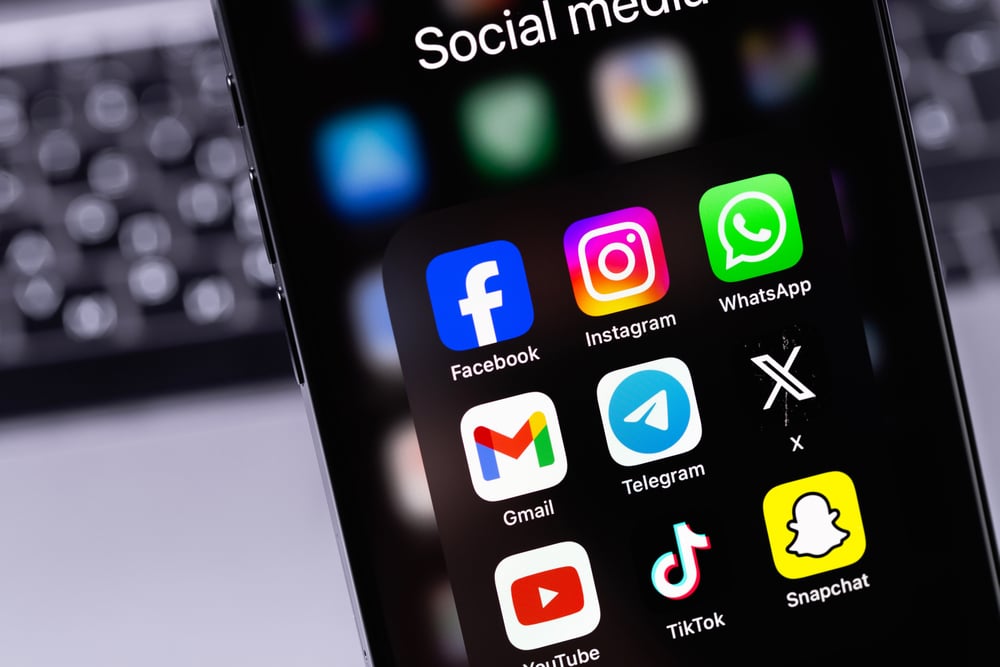
One day soon, the most visited sites could vanish without warning. Out of nowhere, fresh platforms rise while familiar names grow quiet over time.
As tech moves forward, so do user routines – searching feels different now thanks to smart software stepping in. Who knows, hanging out online may happen inside imaginary worlds before long.
Survival belongs to those who bend with change. Left behind? Sites frozen in place, forgotten like last decade’s headlines.
Always there, the urge to connect, to know things, to be distracted. Tools shift shape, yet these pulls make fingers tap screens.
Right this moment, some new wave could spark in a cluttered bedroom or basement, ready to surge through networks. Then again, today’s top players may simply grow wider, swallowing rivals, blocking fresh names before they’re known.
Still, each day brings waves of visits to familiar spots – habit holds strong when crowds gather in one place.
More from Go2Tutors!

- The Romanov Crown Jewels and Their Tragic Fate
- 13 Historical Mysteries That Science Still Can’t Solve
- Famous Hoaxes That Fooled the World for Years
- 15 Child Stars with Tragic Adult Lives
- 16 Famous Jewelry Pieces in History
Like Go2Tutors’s content? Follow us on MSN.



