33 Common Sayings That Started on Ships and Farms
Language holds onto its origins long after the original context disappears, and everyday speech is full of phrases that once meant something very literal on a deck or in a field. Long before they became figures of speech, these expressions described real, physical work that most speakers today have never seen firsthand.
Learning the Ropes Came From Actual Rigging Training
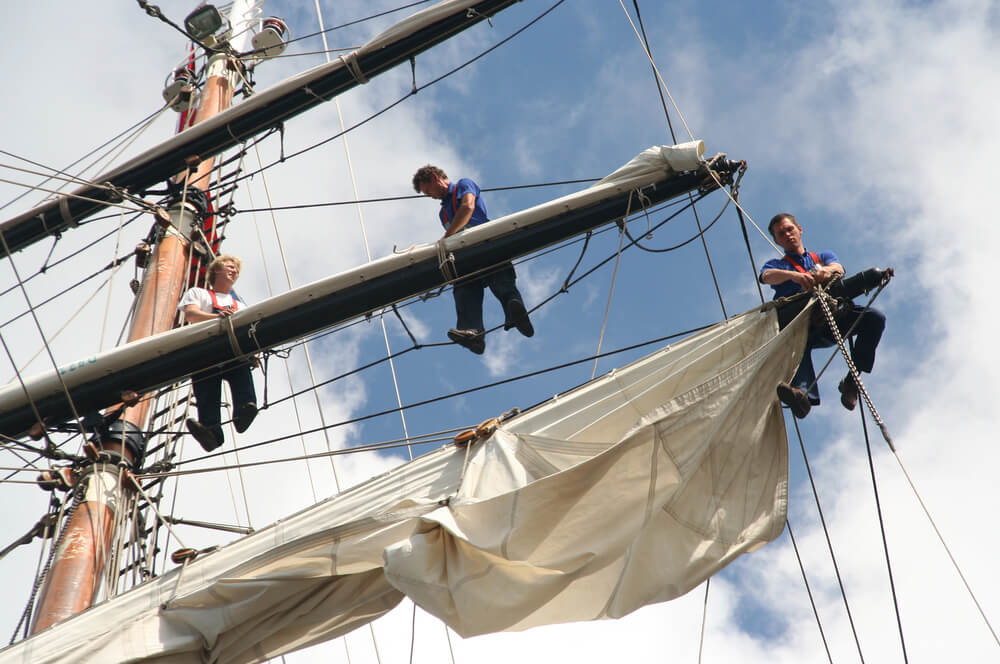
New sailors on square-rigged ships had to memorize which of dozens of ropes controlled which sail, a genuinely difficult task that separated an experienced hand from a green one. Officers assessed new recruits specifically on how quickly they mastered this rope knowledge before trusting them with more complex duties.
The phrase now describes learning any new job’s basics, stripped of its original nautical stakes.
Three Sheets to the Wind Described a Ship Out of Control
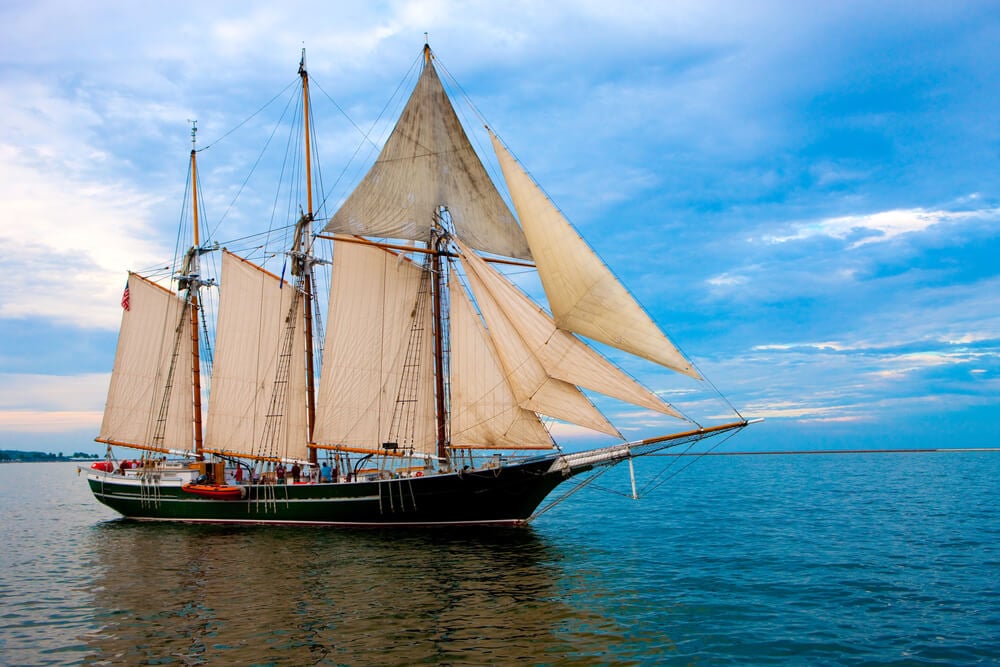
On a sailing vessel, sheets were the ropes controlling the sails’ angle, and if three of them came loose simultaneously, the sails would flap wildly and the ship would lurch unpredictably like a drunk person stumbling. Sailors used the image specifically because a ship in that state was visibly, comically out of control.
The phrase now describes serious intoxication with no direct connection to boats required.
Batten Down the Hatches Prepared Ships for Storms
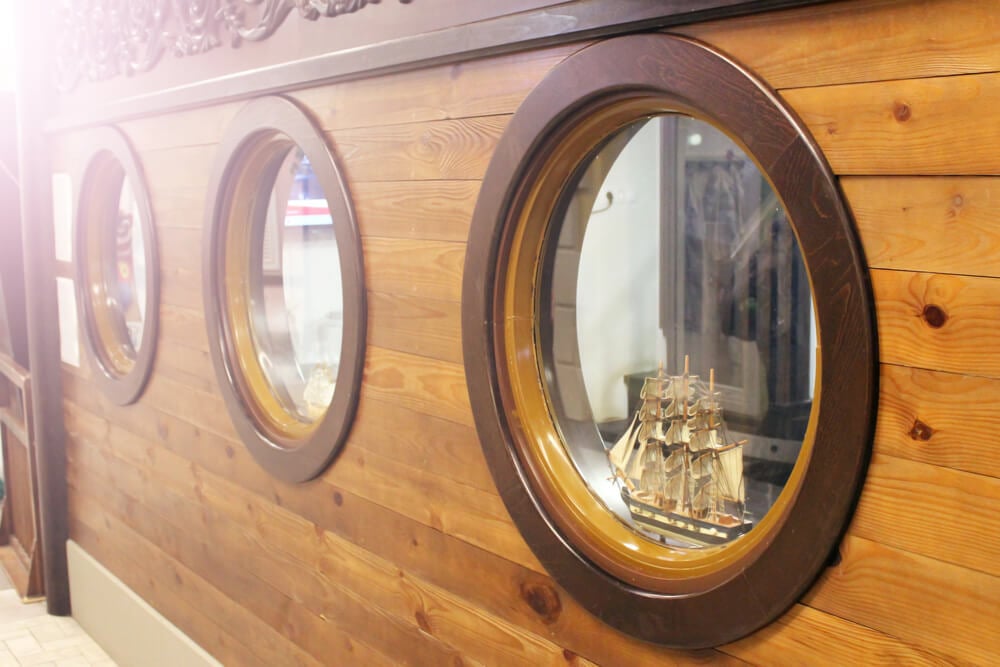
Crews literally secured wooden battens over the hatch covers using ropes or nails before a storm, sealing the openings to prevent water from flooding the lower decks. The process required speed and coordination, since a poorly secured hatch could sink a ship in rough seas.
The phrase now applies to any preparation for an incoming crisis, financial or otherwise.
Show Your True Colors Referred to Ship Flags Used as Deception
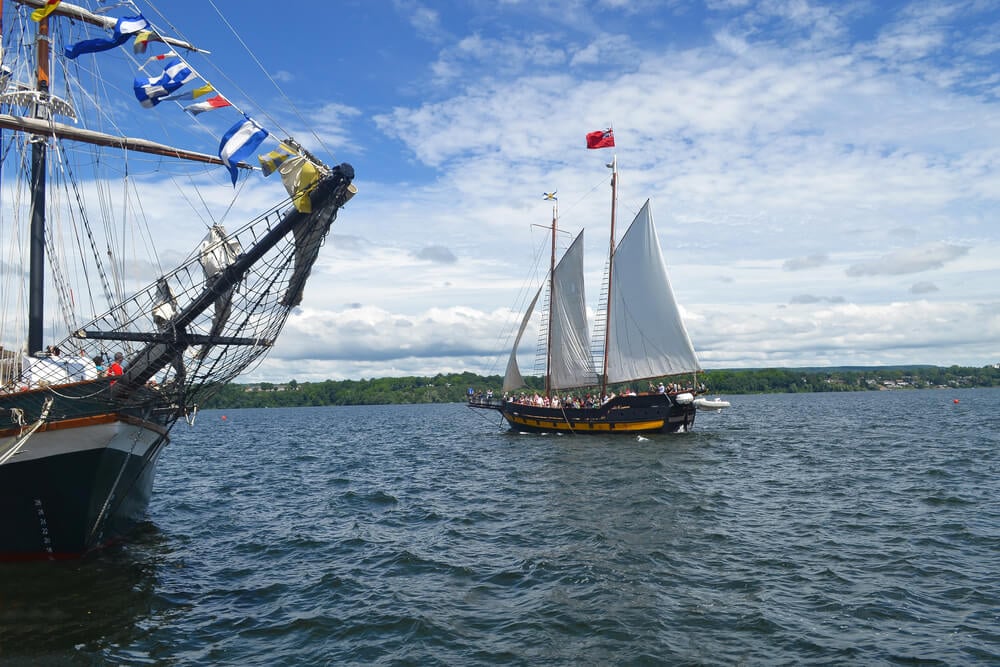
Warships and privateers sometimes flew a false flag to approach an enemy vessel without raising alarm, only revealing their actual national colors once close enough to attack. The tactic was legal under some naval customs as long as the true flag went up before firing.
The phrase now describes revealing someone’s genuine character after a period of disguise.
Pipe Down Came From a Literal Boatswain’s Whistle Signal
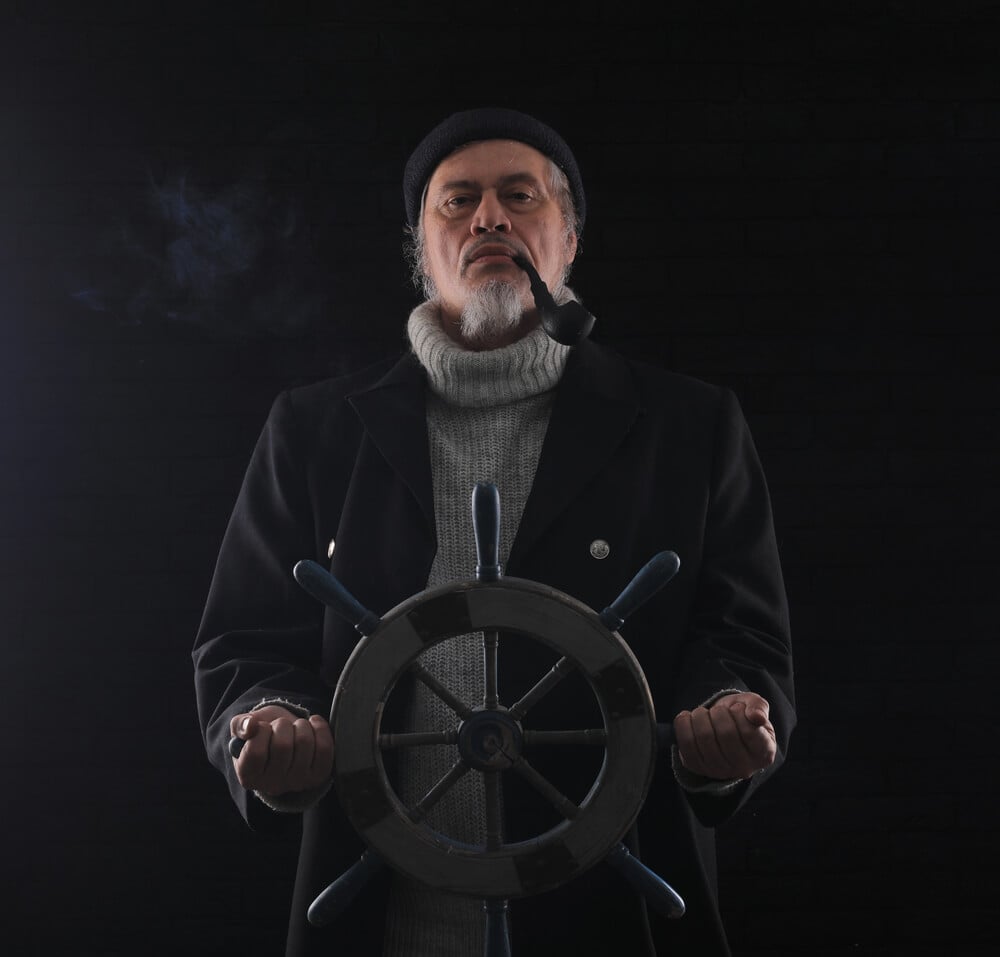
Ship’s boatswains used a distinctive whistle call known as piping to signal the crew that the day’s work was finished and it was time for quiet below decks. The specific tone told sailors this was the final call rather than a work instruction.
The phrase now simply means to quiet down or stop talking.
Toe the Line Came From Naval Inspection Formation

Sailors and marines lined up for inspection or punishment with their toes precisely aligned along a seam in the wooden deck planking, a formation officers used to ensure orderly ranks. Failing to maintain the line during inspection could result in additional discipline.
The phrase now describes conforming to a rule or expectation.
Above Board Referred to Cargo Visible on Deck
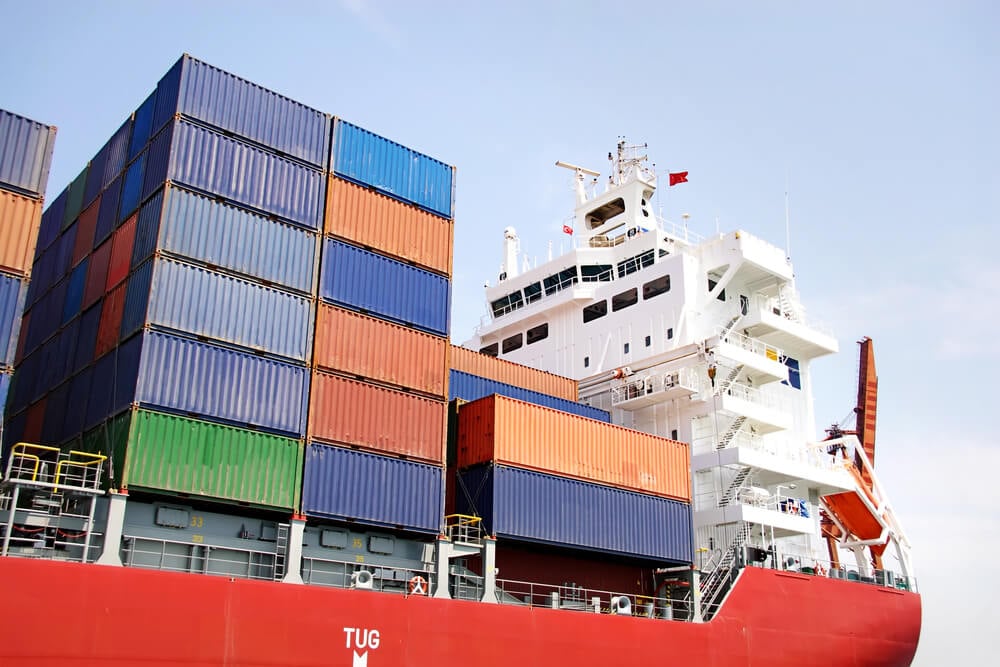
Cargo and dealings conducted above the ship’s deck boards were visible to everyone aboard, in contrast to anything hidden below deck where smuggling or concealment was possible. Honest captains kept their manifests and dealings above board specifically to avoid suspicion of concealment.
The phrase now describes any transaction conducted openly and honestly.
Long Shot Described Firing Naval Cannons at Extreme Range
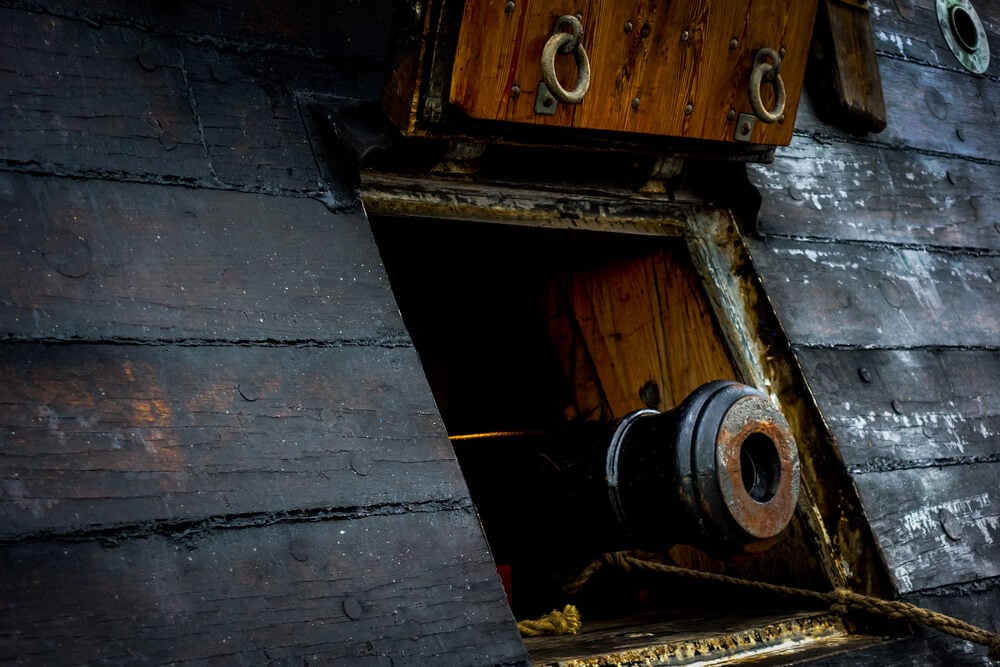
Ship-mounted cannons of the age of sail were notoriously inaccurate at long distances, making a hit against a distant target a matter of luck as much as skill. Gunners rarely attempted long shots except in desperation, since the odds of success were genuinely poor.
The phrase now describes any attempt with low odds of succeeding.
The Bitter End Referred to the Final Length of Anchor Rope
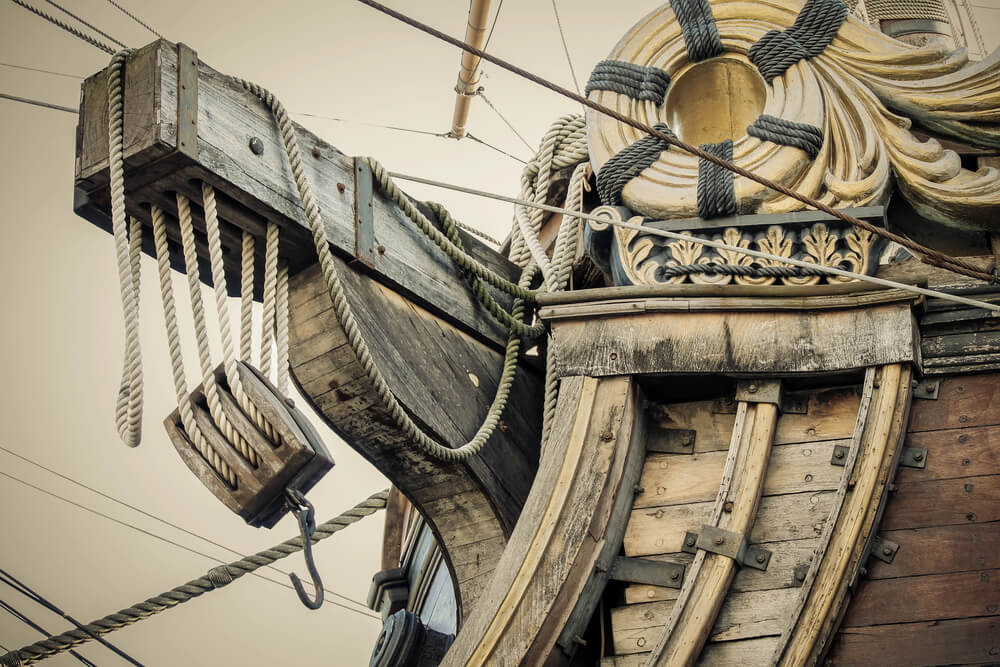
The bitts were the wooden posts on a ship’s deck around which the anchor cable was wound, and the bitter end was the final segment of rope attached to the bitts, meaning there was no more cable left to pay out. Reaching the bitter end during an anchor drop meant the crew had run out of options for that maneuver.
The phrase now means persisting through something all the way to its conclusion.
Rummage Sale Came From Damaged Cargo Sold Off in Bulk
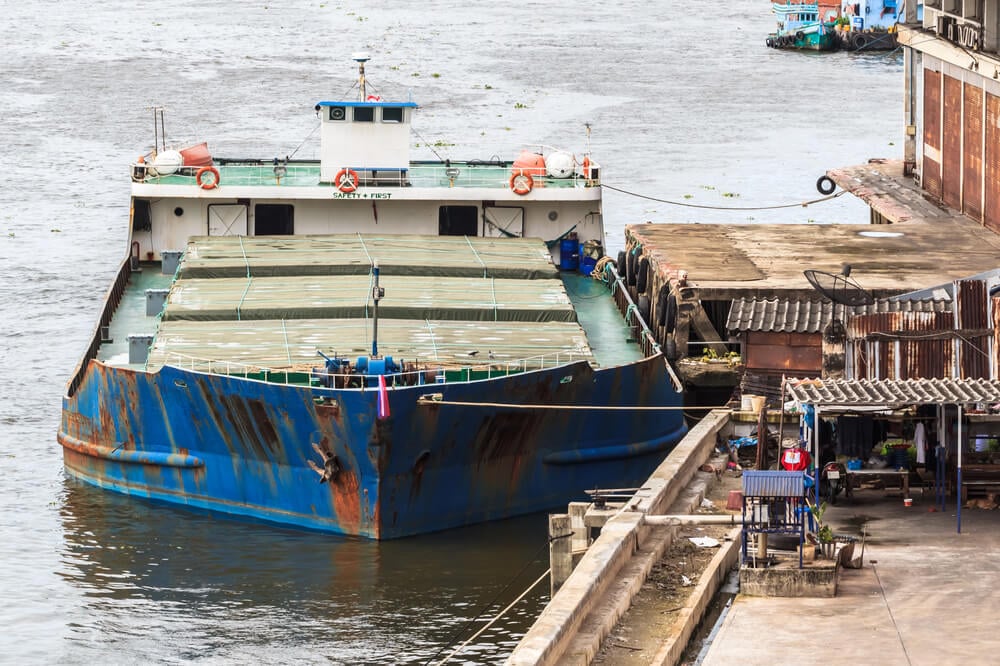
Shipping companies used the French-derived term arrimage, referring to the arrangement of cargo in a hold, and damaged or leftover goods, called rummage, were sold off cheaply at dockside sales to clear space. These sales became known as rummage sales well before the term shifted to describe general secondhand goods sales.
The nautical cargo origin has almost entirely disappeared from common usage of the phrase.
Under the Weather Described Sailors Stationed Below Deck During Storms

Sick or seasick sailors were sent below deck, literally under the weather side of the ship, to recover away from the exposed conditions on deck during rough seas. The position offered both physical shelter and separation from crew duties until the sailor recovered.
The phrase now describes feeling mildly unwell for any reason.
Taken Aback Described a Sudden, Dangerous Wind Shift

A ship was taken aback when a sudden wind shift blew directly into the front of the sails, forcing the vessel to stop abruptly or even move backward, a genuinely dangerous and disorienting situation for the crew. The moment required immediate corrective action to avoid damage to the rigging or masts.
The phrase now describes any sudden shock or surprise.
By and Large Combined Two Opposite Points of Sailing
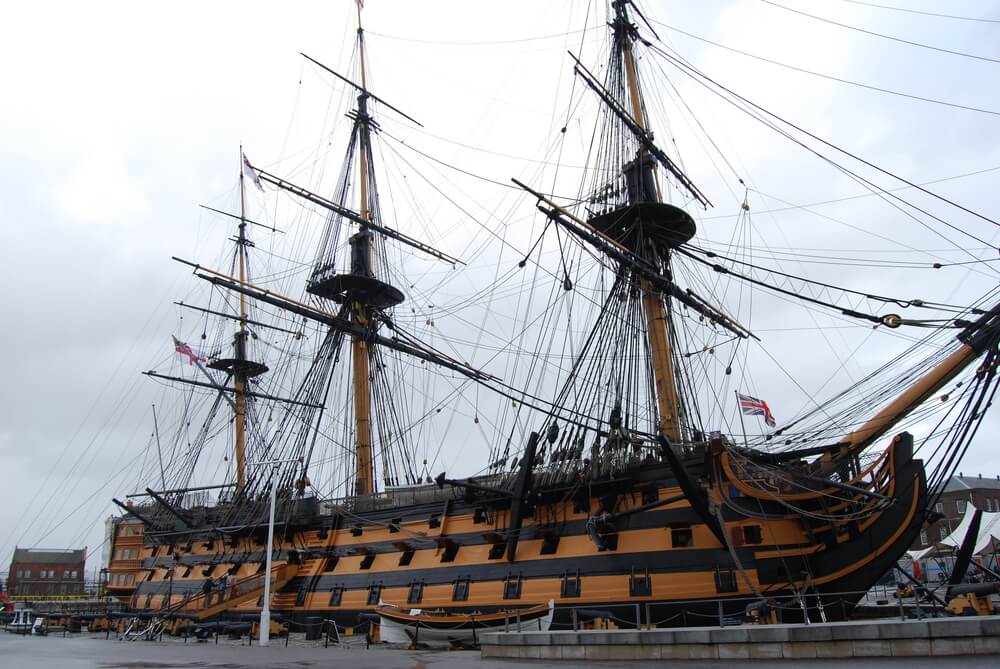
Sailing by referred to sailing close to the wind’s direction, while sailing large meant sailing with the wind coming from behind, two very different handling challenges for a crew. A ship that handled well by and large performed reliably under both conditions, a genuinely useful trait to know about a vessel.
The phrase now means considering something in general terms.
Loose Cannon Described an Unsecured Weapon Rolling on Deck
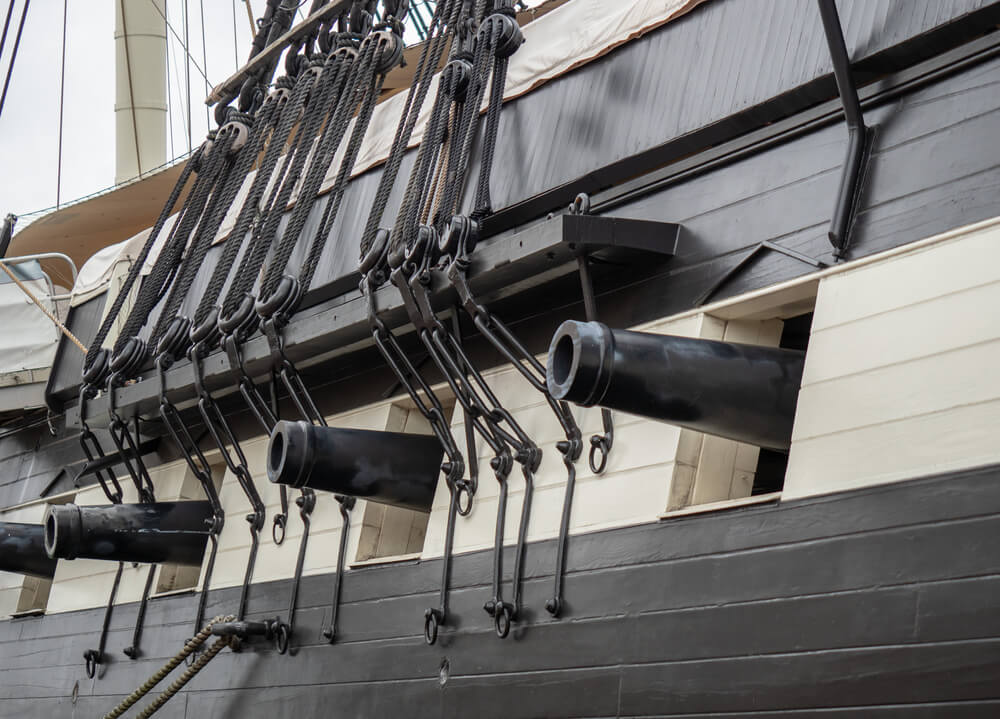
Ship cannons were secured with rope to prevent them from sliding across the deck during rough seas, and a cannon that broke free became a genuinely lethal hazard, capable of crushing crew members or breaching the hull as it rolled uncontrolled. Crews treated a loose cannon as an emergency requiring immediate action.
The phrase now describes an unpredictable person likely to cause damage.
Chock-a-Block Described Rigging Pulled as Tight as Possible
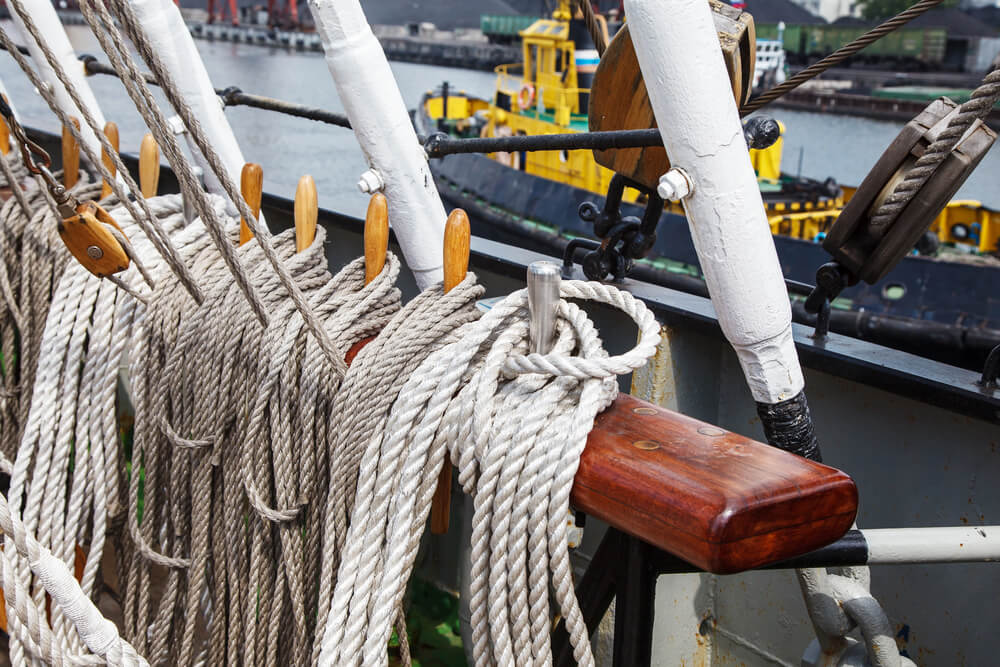
Blocks were the pulleys used in a ship’s rigging system, and when two blocks were pulled so close together that they could no longer move, the rigging was chock-a-block, meaning completely maxed out with no further adjustment possible. Sailors used the specific mechanical state as an obvious visual indicator that a line had reached its full extension.
The phrase now describes anything packed completely full.
Hand Over Fist Described the Motion of Climbing or Hauling Rope
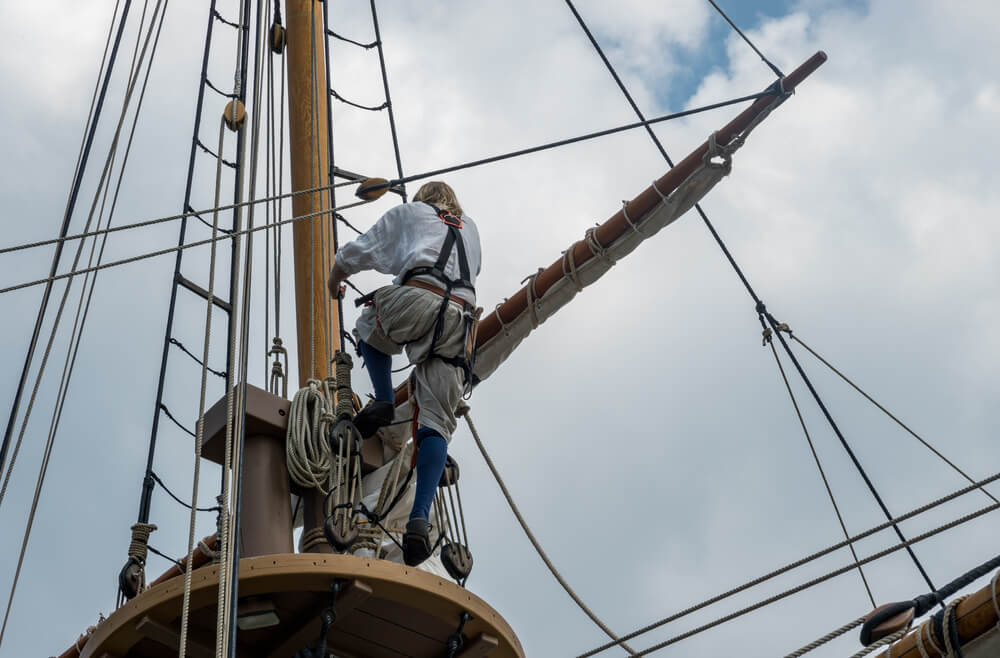
Sailors climbing rigging or hauling in rope used a rapid alternating hand motion, grabbing one handhold after another in quick succession, a visibly fast and productive technique compared to slower methods. The image of rapid, continuous progress transferred naturally to describing quick financial gain.
The phrase now almost exclusively describes making money quickly.
Even Keel Described a Properly Balanced Ship

A ship with its keel running level in the water, neither tilted nor listing to one side, sailed more efficiently and safely than an improperly loaded vessel. Cargo had to be carefully distributed to maintain this balance throughout a voyage.
The phrase now describes emotional or situational stability.
Cut and Run Described Emergency Anchor Cable Cutting

In an emergency, such as an approaching enemy ship, a crew might cut the anchor cable rather than take the time to properly haul it up, sacrificing the anchor to escape quickly. The tactic traded a valuable piece of equipment for speed in a genuine crisis.
The phrase now describes abandoning a situation abruptly, often to avoid consequences.
Make Ends Meet Came From Careful Rationing of Ship’s Provisions
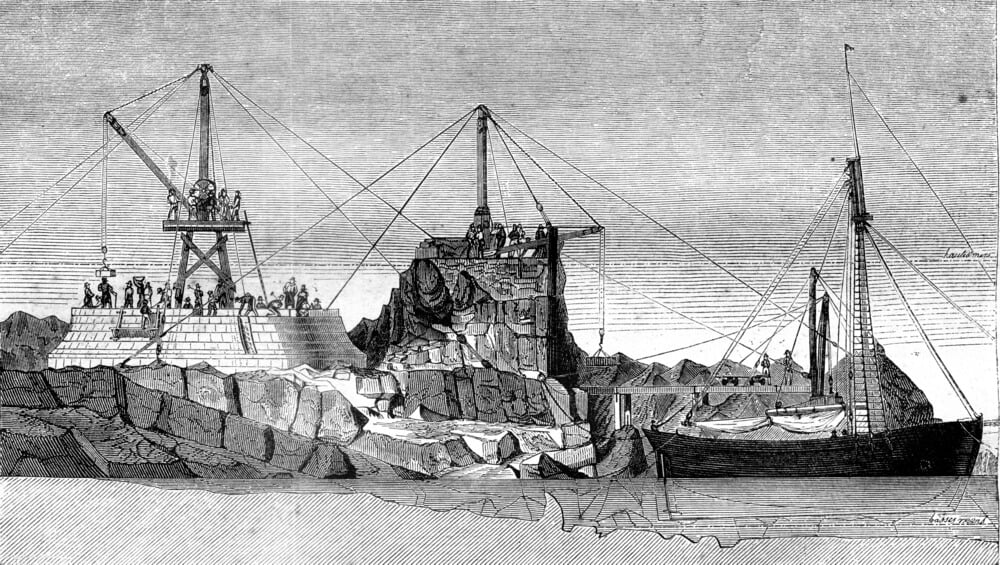
Ship pursers and household managers alike had to stretch limited provisions across an entire voyage or season, making the available supply meet the full length of need without running short. The phrase applied originally to any careful resource management, not exclusively nautical contexts.
It now specifically describes managing on a limited income.
Barn Burner Described a Specific, Extreme Method of Pest Control
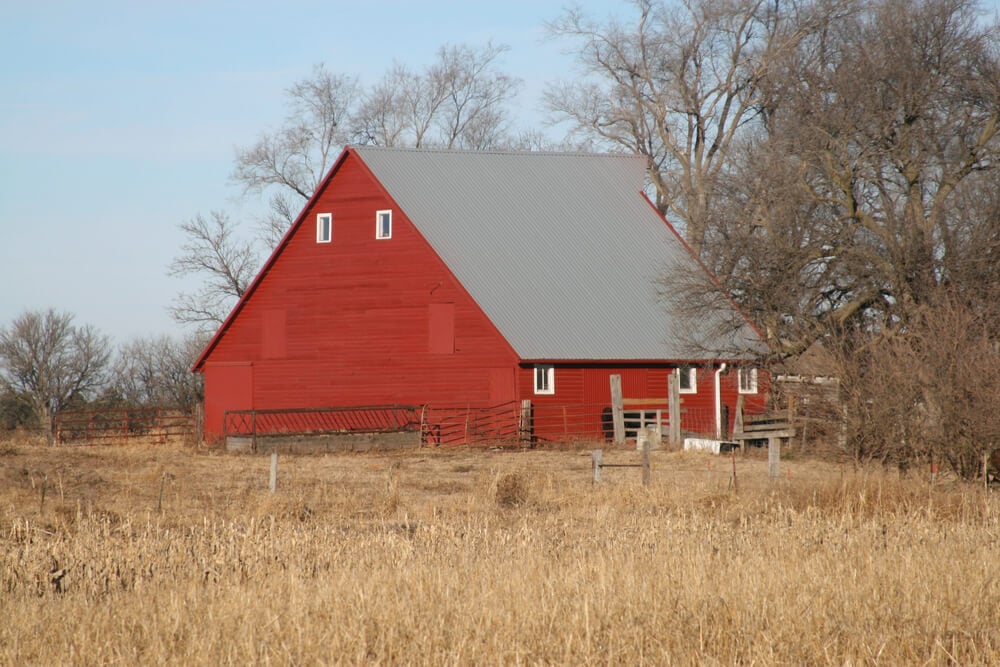
The phrase originated from a supposed practice of burning down an infested barn to eliminate rats rather than deal with them individually, an approach so extreme it became shorthand for a drastic overreaction. Agricultural historians debate how often the practice was literally carried out versus how much it functioned as exaggerated folk description from the start.
The phrase now describes an exceptionally exciting event or contest.
Straw That Broke the Camel’s Back Reflected Real Load-Bearing Limits

Farmers and traders loading pack animals understood that a beast could carry significant weight right up until a single additional item, even something as light as straw, caused a genuine physical collapse from cumulative strain. The phrase captured a real physical truth about cumulative load before becoming a general metaphor.
It now describes a minor final event that triggers a larger breakdown after prolonged strain.
Make Hay While the Sun Shines Reflected Genuine Weather Dependency
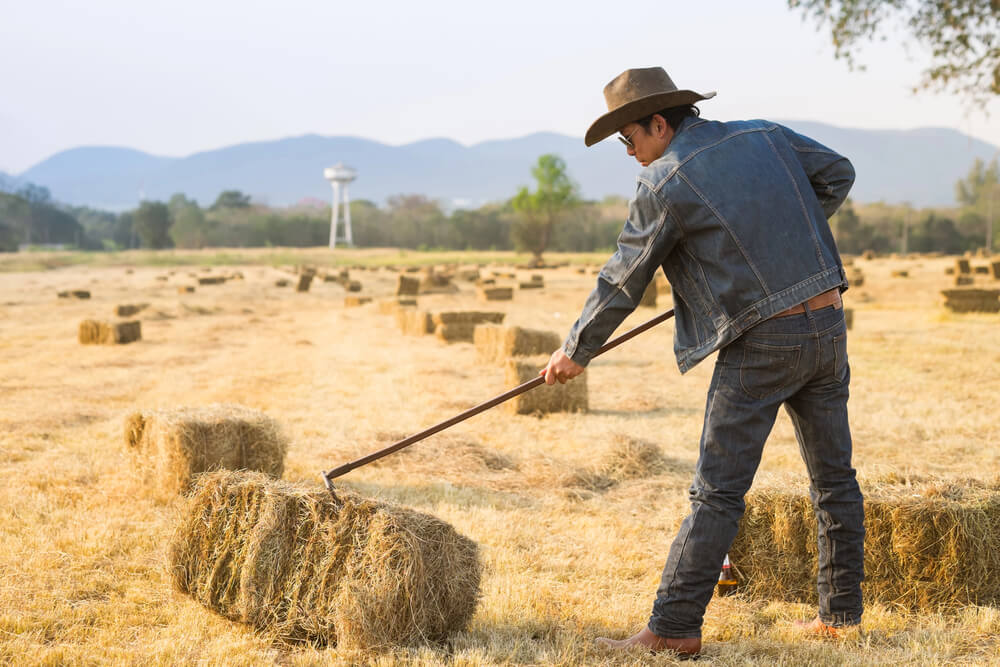
Cut hay had to dry properly in sunlight before storage, or it would rot and become useless, meaning farmers had a narrow, weather-dependent window to harvest successfully. Missing the window due to poor timing could waste an entire crop of feed for livestock.
The phrase now applies to taking advantage of any favorable but temporary opportunity.
Put the Cart Before the Horse Described an Actual Impossible Farm Task
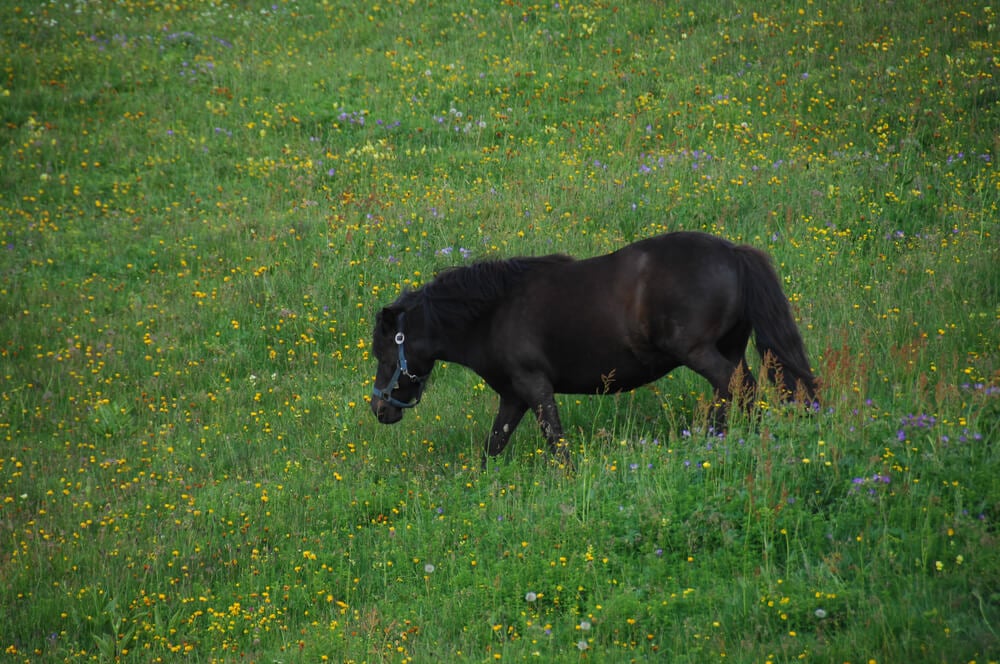
The phrase described the literal impossibility of a cart pulling a horse rather than the reverse, a visibly absurd farm scene that made the underlying logic error immediately obvious to anyone who saw it. Farm workers used the image specifically because it required no further explanation.
It now describes doing things in the wrong order more generally.
Separate the Wheat From the Chaff Came From Literal Threshing Work
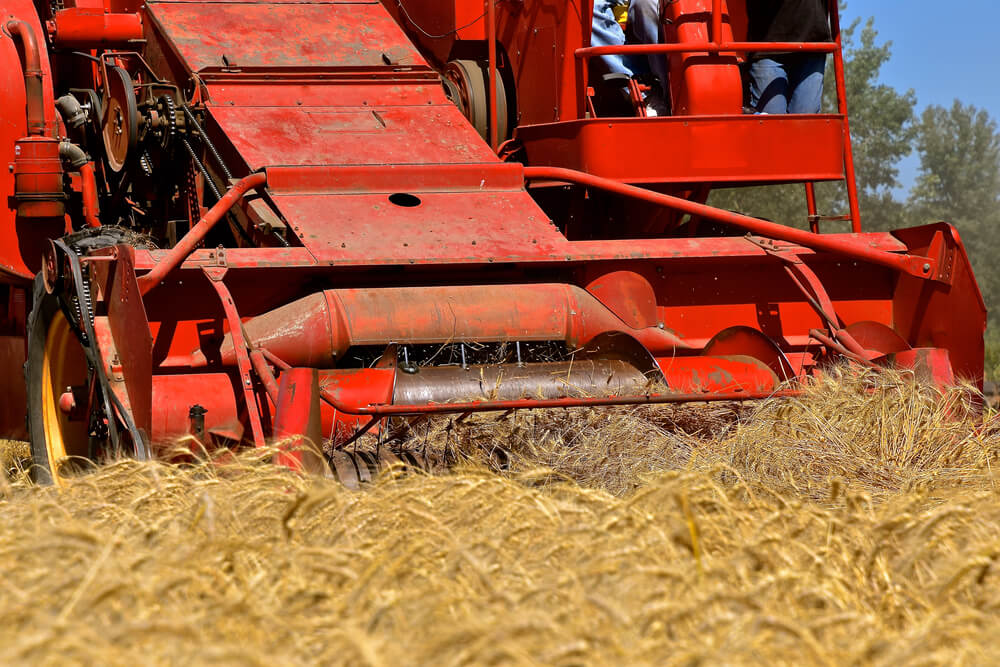
Threshing wheat required physically separating the edible grain from the inedible husk surrounding it, traditionally done by tossing the mixture into the air so wind would carry away the lighter chaff while the heavier wheat fell back down. The process was labor-intensive and directly determined how much usable grain a farm produced from its harvest.
The phrase now describes distinguishing valuable things from worthless ones in any context.
Bring Home the Bacon Reflected an Actual Farm Prize Tradition
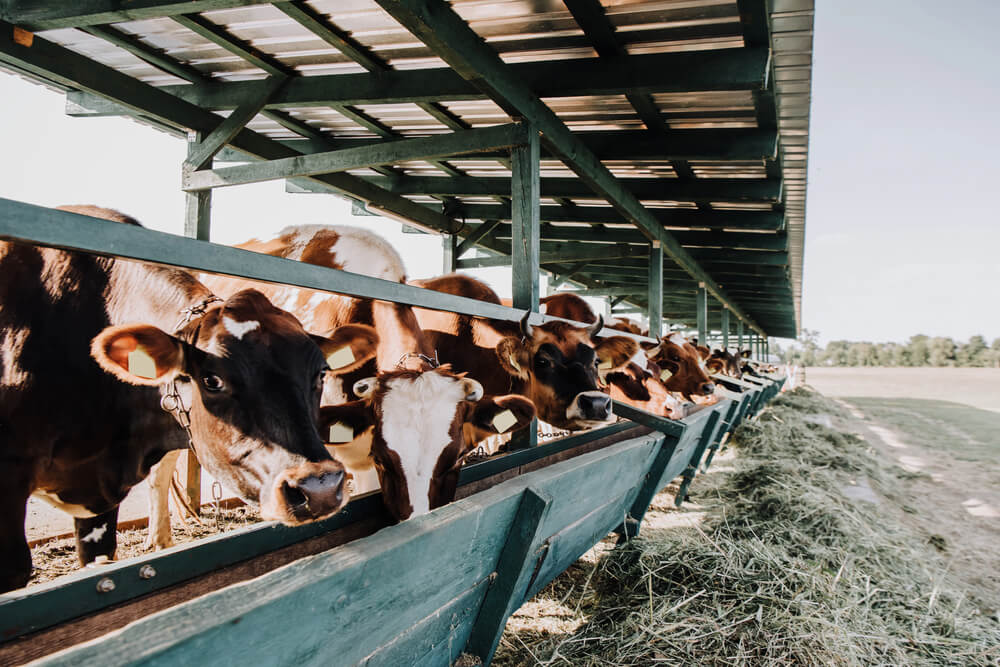
Some historians trace the phrase to English village competitions where a side of bacon was awarded to a husband who could prove, often before a mocking crowd, that he had not argued with his wife in a full year. Others connect it simply to the practical value of a farm family successfully raising and slaughtering a pig for the household’s winter food supply.
Either origin ties the phrase to a genuinely significant agricultural achievement rather than a purely decorative expression.
Lock Stock and Barrel Described the Complete Components of a Firearm
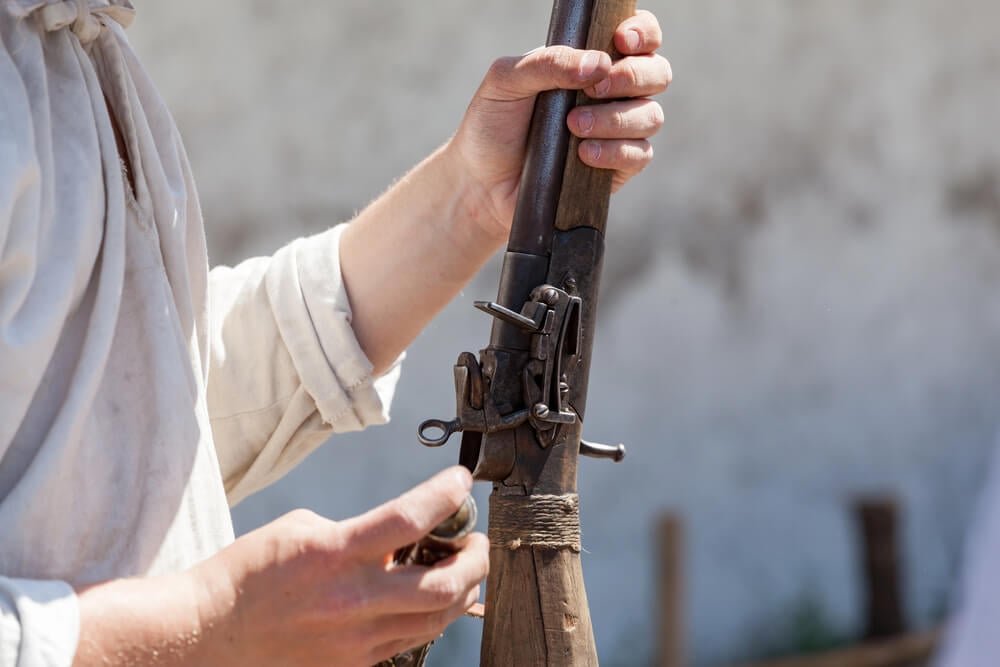
A flintlock firearm’s lock, stock, and barrel were its three essential manufactured components, and owning all three together meant possessing a complete, functional weapon rather than spare or broken parts. Farmers and rural households commonly owned firearms for pest control and hunting, making the phrase’s components broadly familiar.
It now describes the entirety of something, with no components missing.
Sowing Wild Oats Referred to Planting a Useless Grain Crop

Wild oats were considered a nuisance weed rather than a useful cultivated crop, so a young farmer who wasted effort planting them instead of proper grain was seen as squandering energy on something of no lasting value. The agricultural image transferred naturally to describing a young person’s reckless, unproductive early behavior before eventually settling down.
The phrase retains this exact structure of meaning today with almost no alteration.
Till the Cows Come Home Reflected Genuinely Unhurried Farm Timing
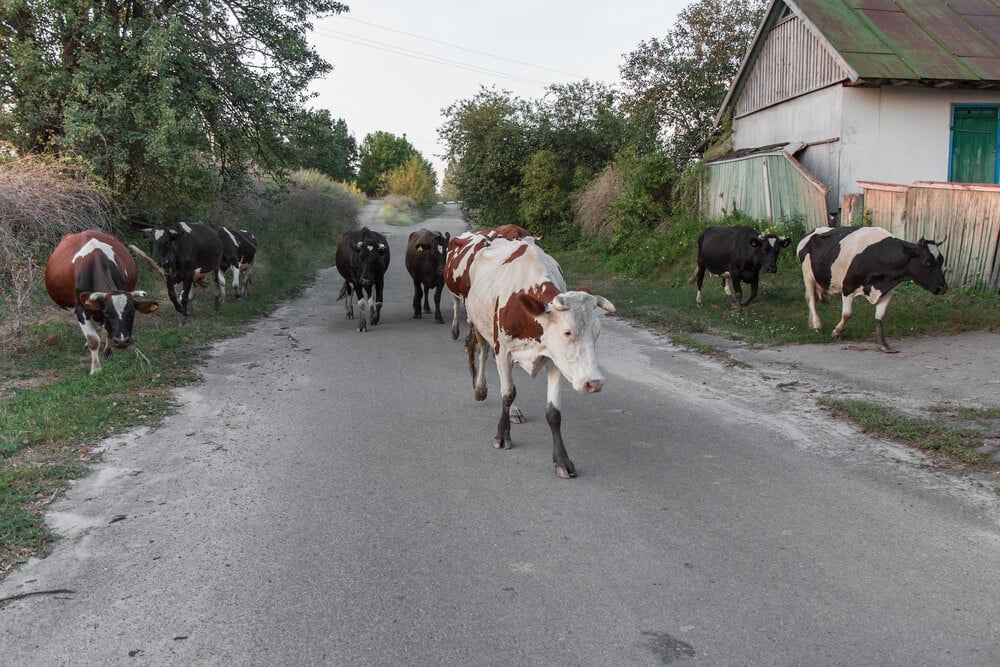
Dairy cows returned from pasture to the barn on their own unhurried schedule at the end of the day, a process farmers could not meaningfully speed up regardless of their own preferences. The phrase captured this specific sense of an event happening whenever it happens, on nobody’s particular timetable.
It now describes an indefinitely long or open-ended period.
Raining Cats and Dogs May Trace to Thatched Farm Roofs
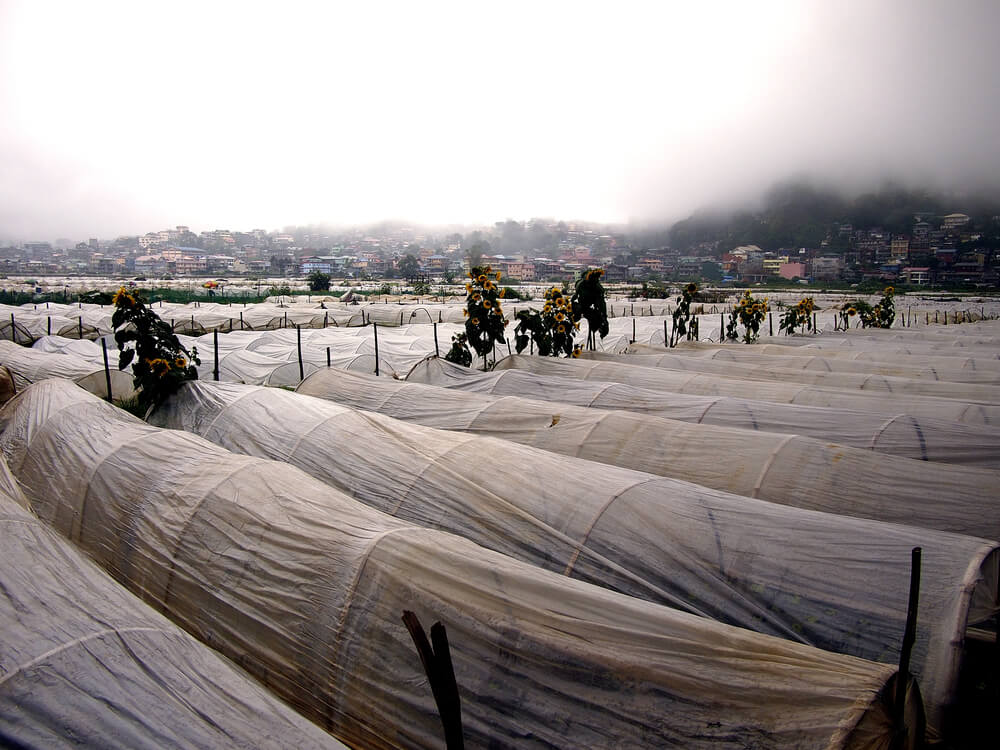
One historical explanation holds that small animals sometimes nested in thick thatched farm roofs, and heavy rain occasionally dislodged them, creating the visual impression of animals falling from the sky during a storm. Etymologists debate this origin alongside several competing theories, none definitively confirmed.
Regardless of the exact source, the phrase has described extremely heavy rainfall since at least the seventeenth century.
Don’t Count Your Chickens Before They Hatch Reflected Real Farm Risk
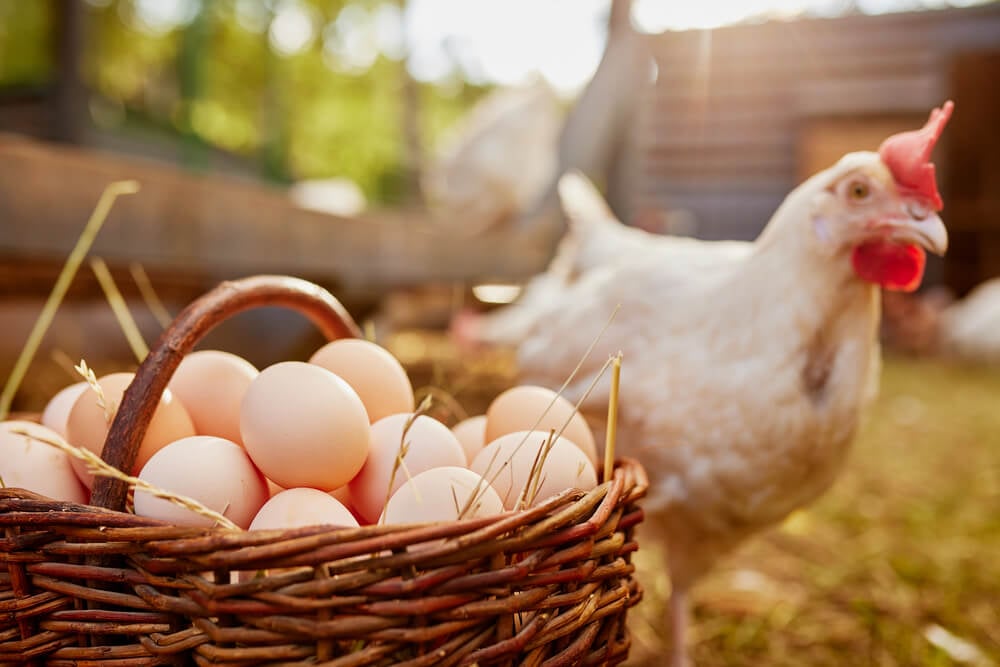
Farmers understood that eggs could fail to hatch for numerous reasons, making it a genuine practical error to plan around a flock size that didn’t exist yet. The saying warned against exactly this kind of premature agricultural planning based on unrealized outcomes.
It now applies broadly to assuming any uncertain future success before it actually happens.
A Bird in Hand Reflected Practical Falconry and Trapping Value

Hunters and falconers understood that a bird already captured and secured in hand held guaranteed value, while birds still in the bush represented only a chance at future success that might never materialize. The comparison weighed a certain smaller gain against an uncertain larger one in genuinely practical hunting terms.
The phrase now applies to weighing any guaranteed benefit against a riskier potential one.
Plow Through Something Reflected the Physical Effort of Working Difficult Soil
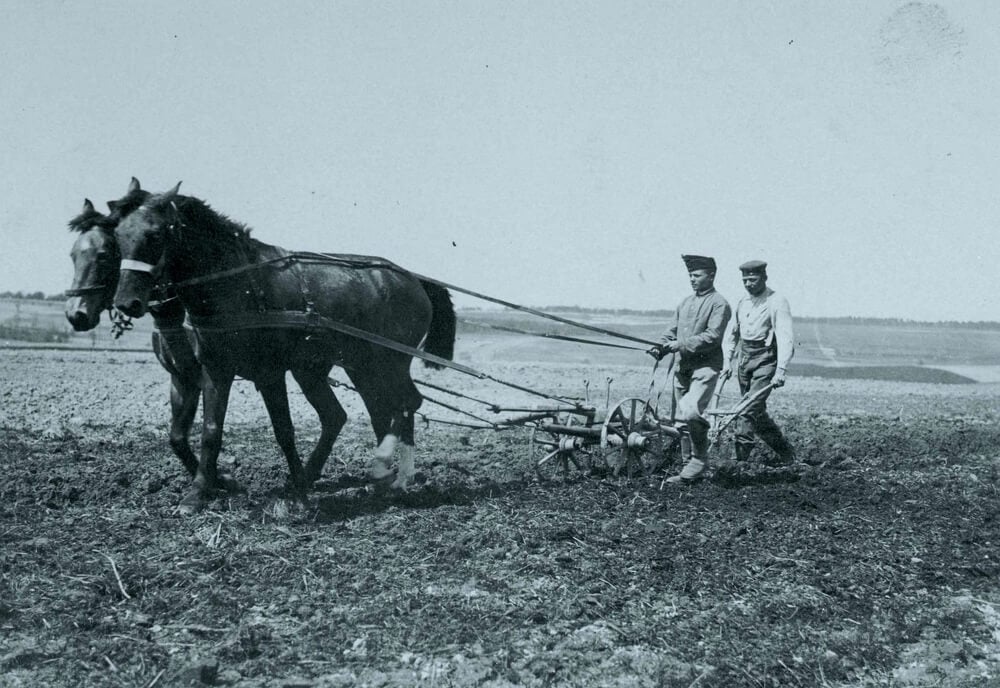
Plowing dense, rocky, or clay-heavy soil required visibly greater physical effort and slower progress than working easy, loose farmland, making the image an obvious metaphor for difficult sustained effort. Farmers judged land quality partly by how hard it was to plow in the first place.
The phrase now describes pushing through any difficult task with sustained effort.
Feeling Your Oats Reflected Genuine Livestock Behavior
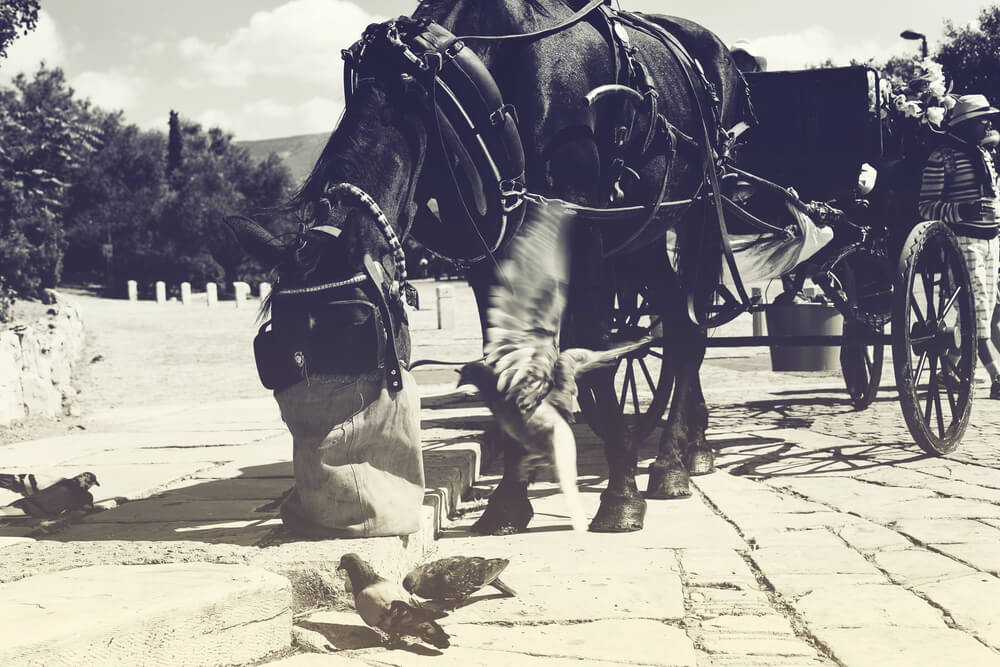
Farmers noticed that horses fed a diet richer in oats grew visibly more energetic and difficult to control than those on plainer feed, a well-documented behavioral shift stable hands had to plan around before a ride. The phrase described that specific, observable burst of restless energy rather than a general figure of speech from the start.
It now describes any person acting with sudden, excess confidence or energy.
From Field to Table
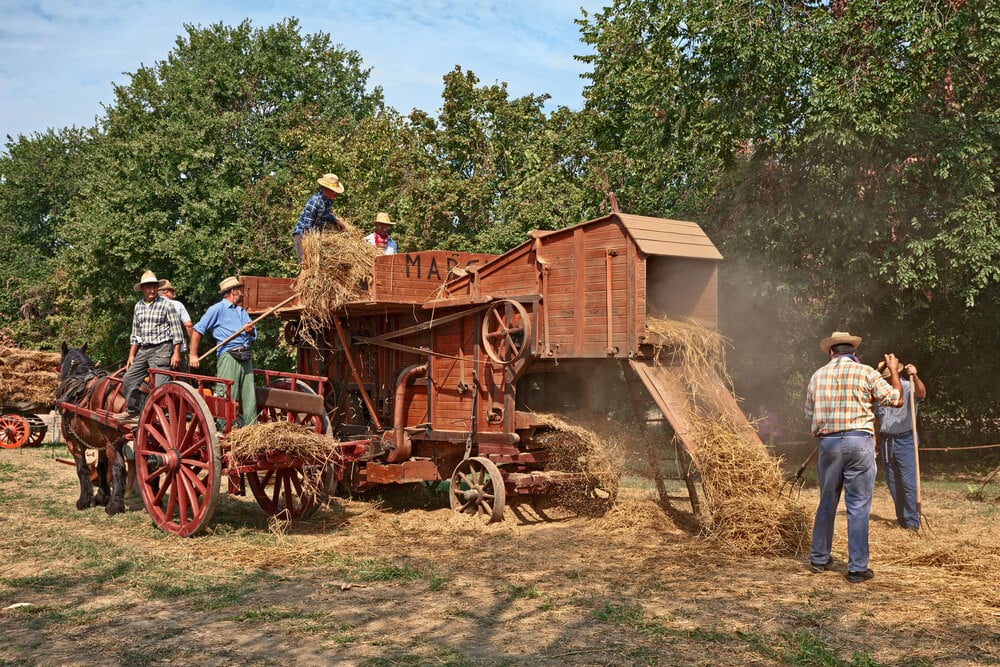
Every phrase on this list started as a literal description of work most speakers today will never do by hand. Nobody hauling rope hand over fist thinks about rigging, and nobody separating the wheat from the chaff has necessarily touched a thresher.
That gap between origin and use is not a loss. It is evidence of how thoroughly farm and ship labor once shaped daily thought, embedding itself so deeply into language that the words outlasted the work by centuries.
More from Go2Tutors!

- The Romanov Crown Jewels and Their Tragic Fate
- 13 Historical Mysteries That Science Still Can’t Solve
- Famous Hoaxes That Fooled the World for Years
- 15 Child Stars with Tragic Adult Lives
- 16 Famous Jewelry Pieces in History
Like Go2Tutors’s content? Follow us on MSN.



