33 Historical Events That Happened on the Same Day by Pure Coincidence
History tends to be taught one event at a time — a battle here, a death there, an invention presented in isolation as if nothing else was happening. In reality, the calendar was always running.
While the Titanic was sinking, a baseball stadium was going up. While a president was being assassinated, two of the century’s greatest writers were quietly dying in their own beds thousands of miles away.
These coincidences do not mean anything beyond what they are: separate threads in the fabric of a single day. But knowing them changes how time feels — less like a neat sequence and more like a vast, simultaneous mess of things happening to everyone at once.
Jefferson and Adams, Both on July 4, 1826
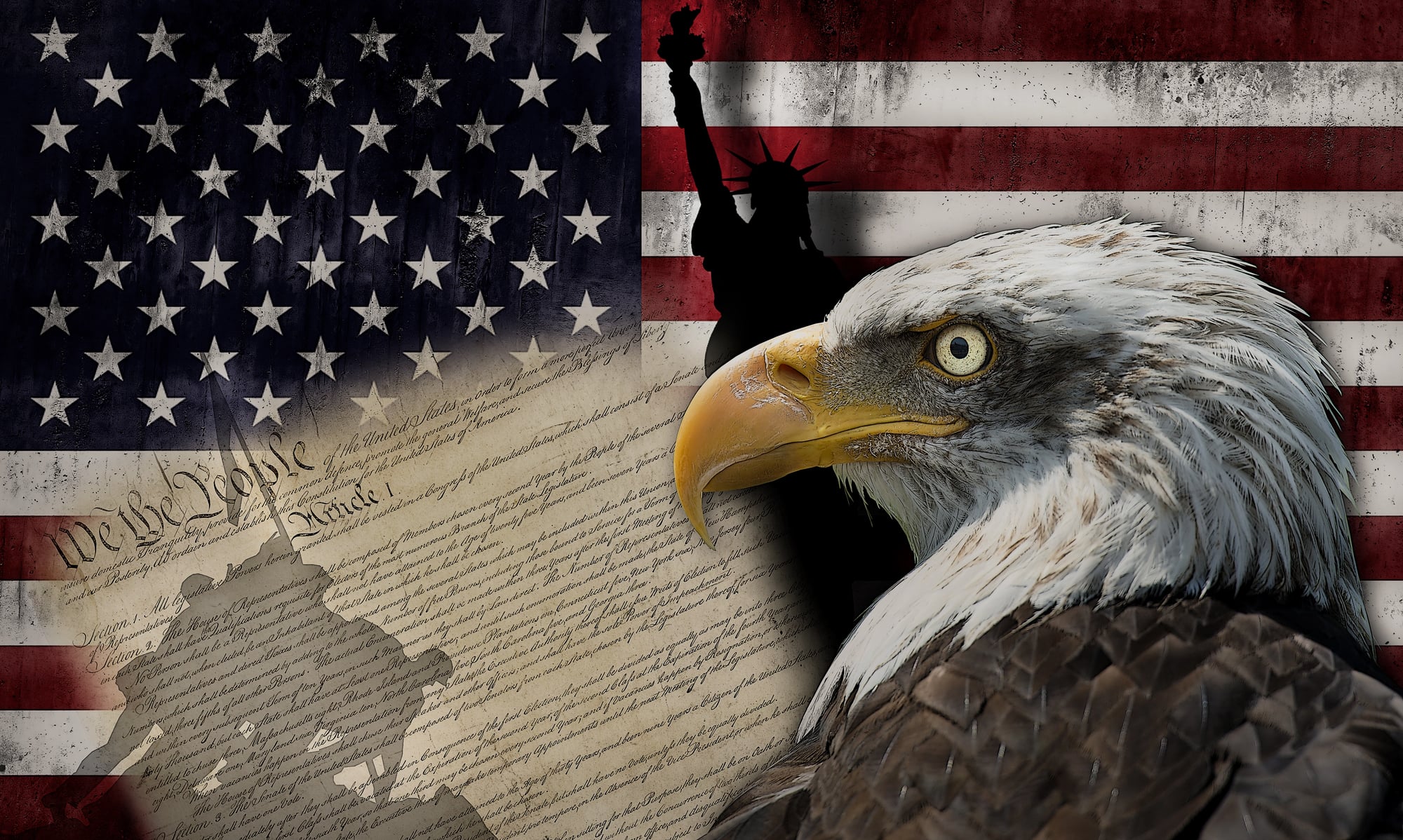
Thomas Jefferson and John Adams — the second and third presidents of the United States, original co-authors of American independence, fierce political rivals, and ultimately reconciled friends — both died on July 4, 1826, within five hours of each other. It was not merely the Fourth of July but the 50th anniversary of the Declaration of Independence they had helped write.
Adams’s last recorded words were “Thomas Jefferson still survives.” He was wrong.
Jefferson had died at Monticello several hours earlier. The nation, already celebrating its jubilee, found itself mourning two of its founders simultaneously.
The Titanic Sank the Same Week Fenway Park Opened
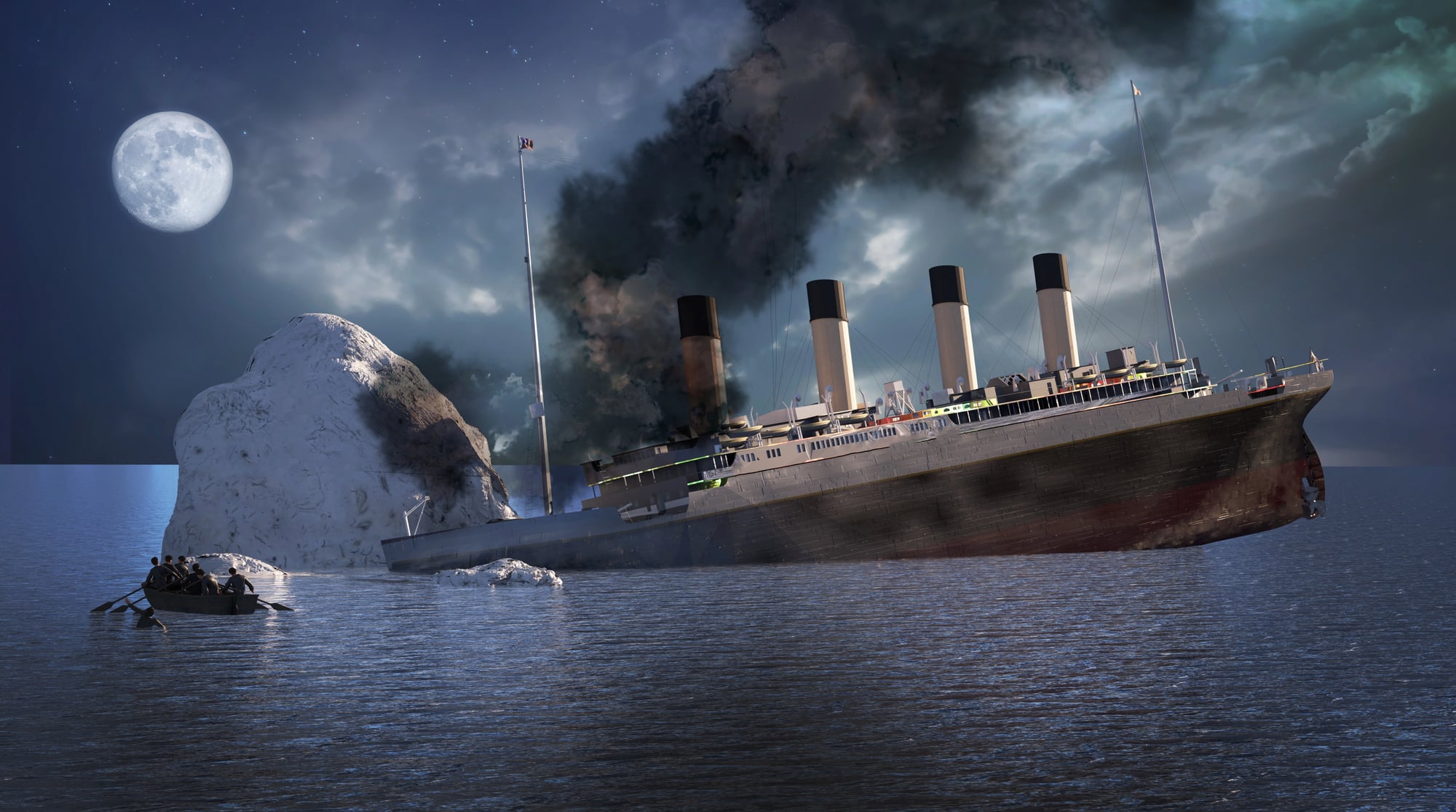
The RMS Titanic struck an iceberg on the night of April 14, 1912, and sank in the early hours of April 15, killing more than 1,500 people. Five days later, on April 20, Fenway Park in Boston hosted its first major league game.
The scheduled opening had already been pushed back twice — once by rain, once because the newspapers were consumed with Titanic coverage. When the stadium finally opened, the country was still receiving survivor testimonies.
The two events — one a monument to human ambition at sea, the other to human ambition on dry land — share the same calendar week.
JFK, C.S. Lewis, and Aldous Huxley, November 22, 1963
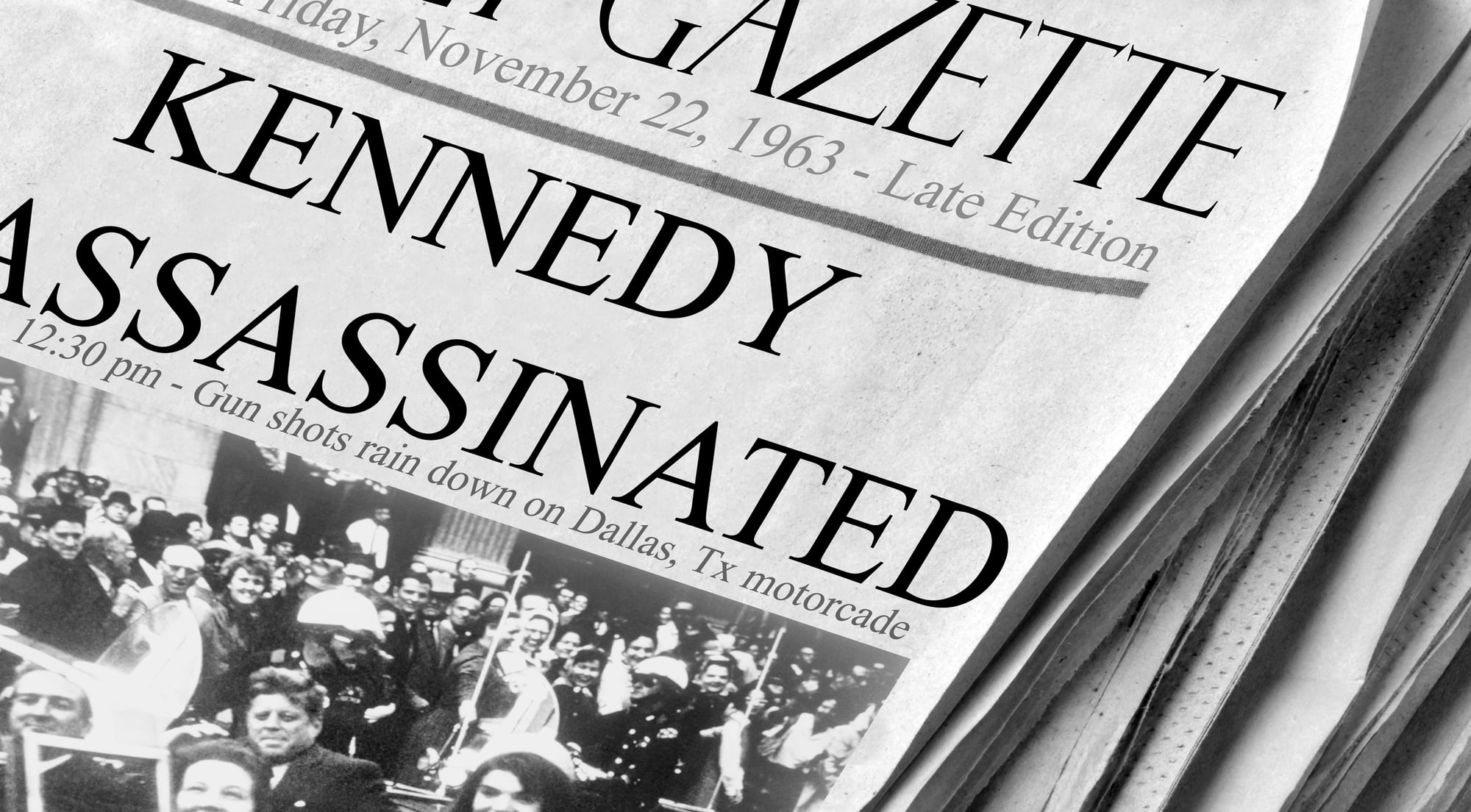
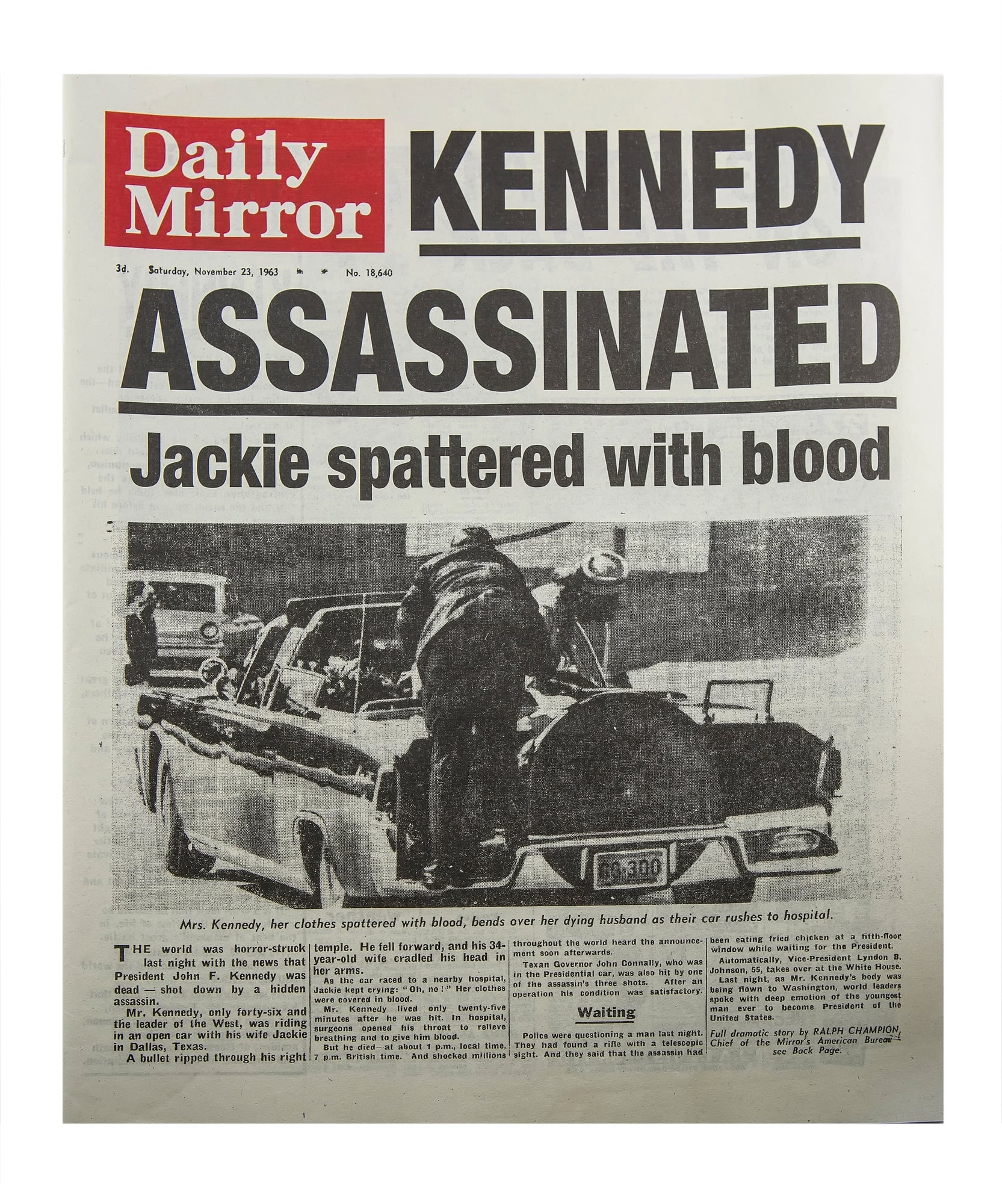
On November 22, 1963, President John F. Kennedy was assassinated in Dallas. On the same day, in Oxford, C.S. Lewis — author of The Chronicles of Narnia and numerous works of Christian theology — died at home after a collapse.
Also that day, in Los Angeles, Aldous Huxley — author of Brave New World — died, reportedly having requested an injection of LSD in his final hours. The Kennedy assassination consumed every news outlet in the world, and it took The Times of London three days to report the deaths of the other two.
All three were among the most significant cultural and intellectual figures of their era.
Jackie Robinson’s Debut and Lincoln’s Death, April 15

On April 15, 1947, Jackie Robinson became the first Black major league baseball player of the modern era when he took the field for the Brooklyn Dodgers against the Boston Braves. It was a milestone in American history.
April 15 also marks the date in 1865 when Abraham Lincoln died, having been shot at Ford’s Theater the previous evening. The date falls between them by 82 years.
Robinson was almost certainly aware of the significance of the calendar.
James Monroe Also Died on the Fourth of July
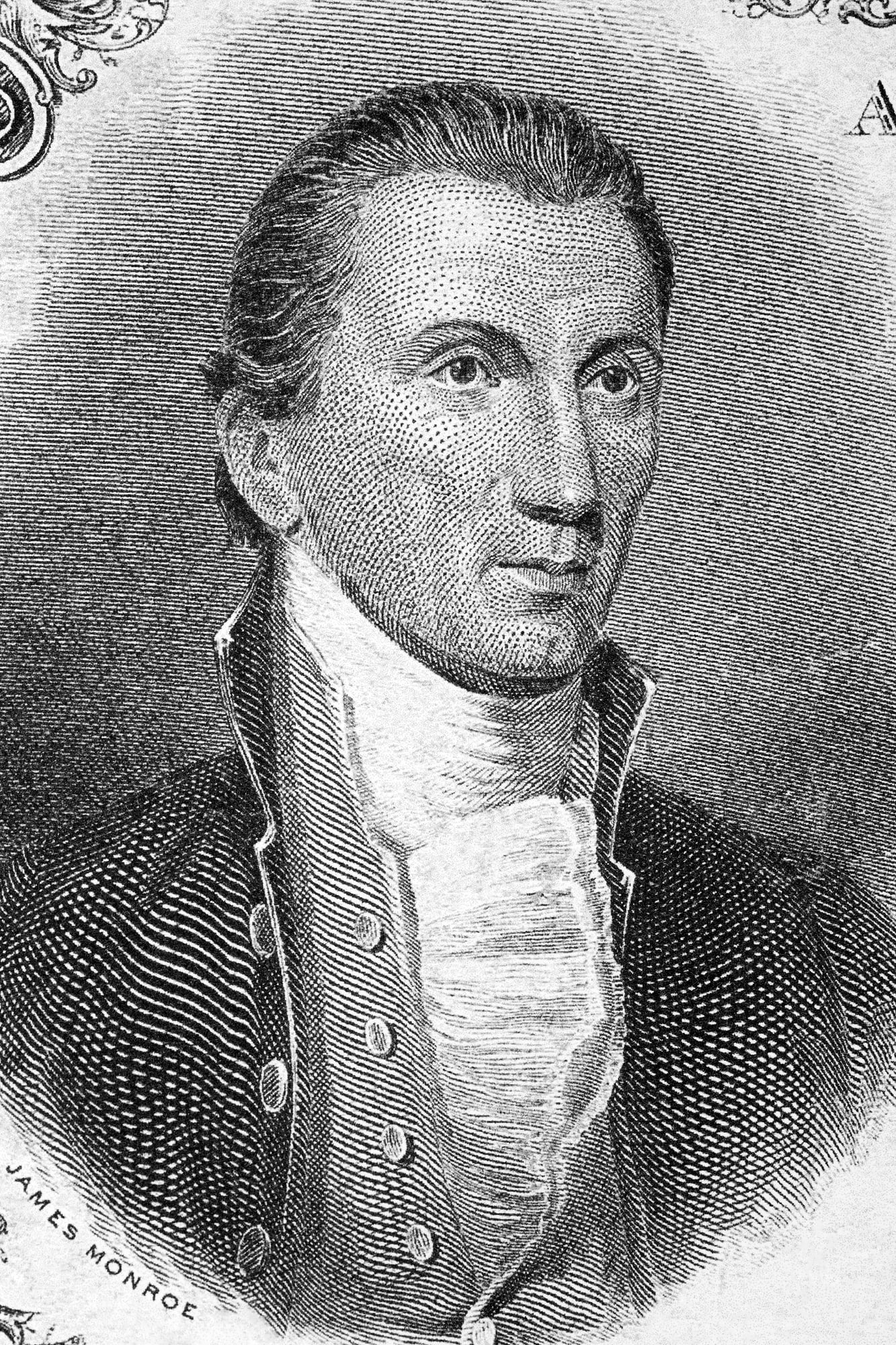
Five years after Adams and Jefferson, on July 4, 1831, former president James Monroe became the third Founding Father to die on Independence Day. Monroe had served as the fifth president and was one of the last survivors of the Revolutionary generation.
The compounding of three separate Fourth of July deaths among the founding fathers — two on the same day — led contemporaries to speculate about providential design. The alternative, of course, is that men of that generation attached enormous symbolic weight to surviving until the day that defined their lives.
Orville Wright’s First Flight and Henry Ford’s Model T
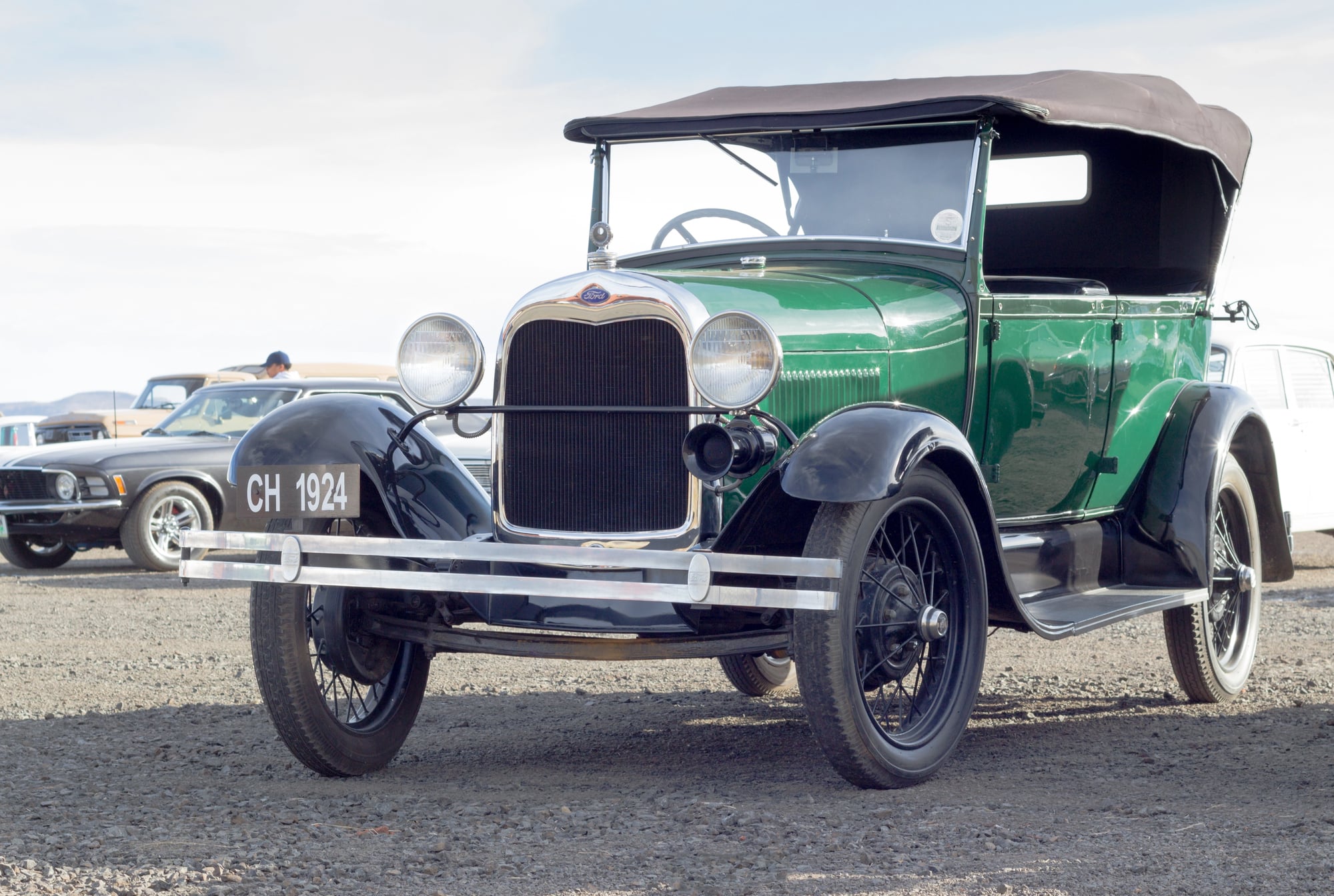
On October 1, 1908, Henry Ford began production of the Model T — the vehicle that would reshape American geography, culture, and labor relations. That same month, Orville and Wilbur Wright were conducting increasingly advanced flight demonstrations that were attracting serious public attention for the first time.
Two technologies that would between them revolutionize human mobility began their mass ascent simultaneously, though they were developed by men with almost nothing in common.
The Last French Guillotine and the French Premiere of Star Wars
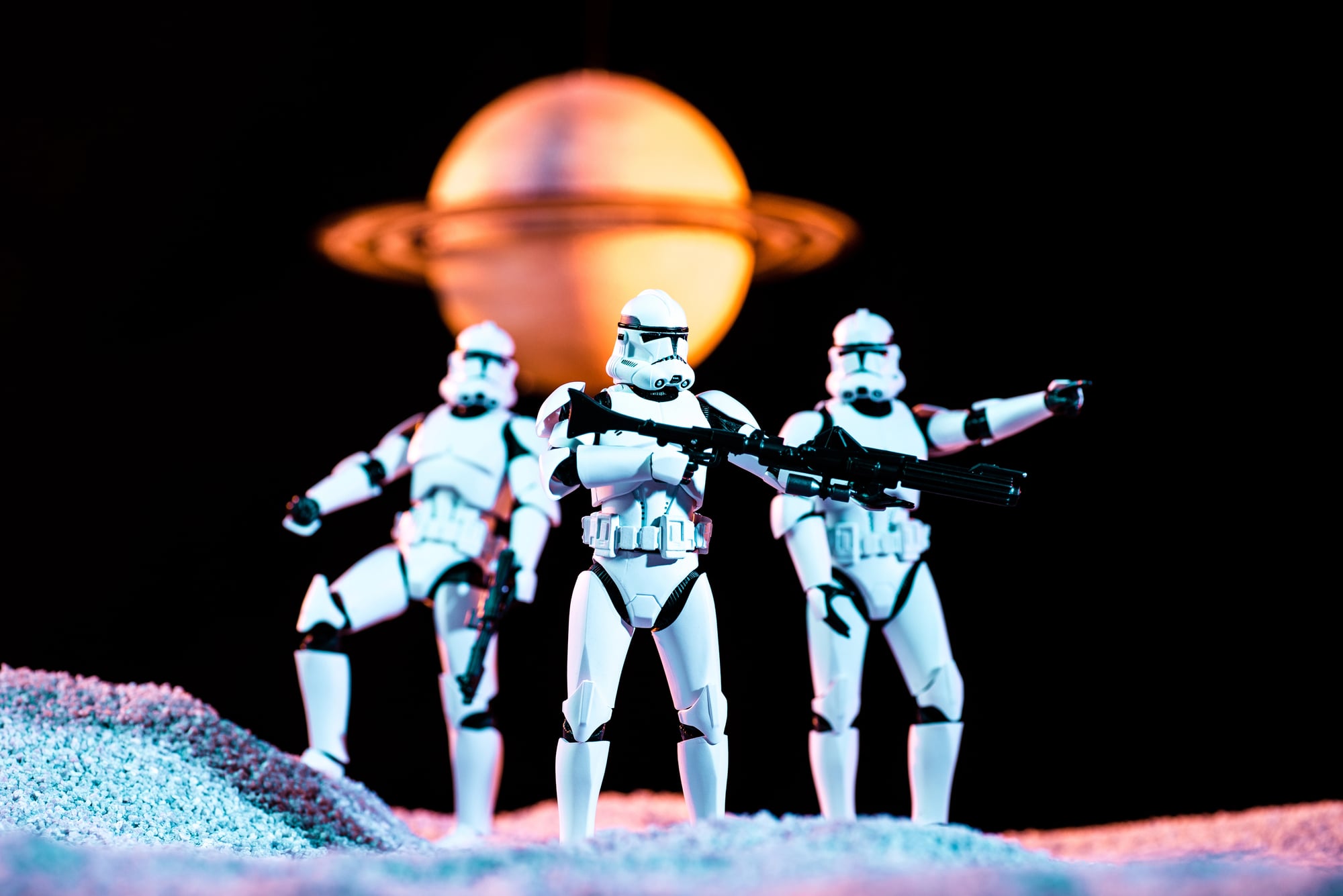
On September 10, 1977, Hamida Djandoubi was executed by guillotine in Marseille — the last person to be executed this way in France, ending a method of capital punishment that had been in use since the French Revolution. The following day, Star Wars: Episode IV — A New Hope had its French premiere at the Deauville Film Festival.
A country that still carried out executions by an eighteenth-century device one afternoon was receiving a space opera the next.
Stonewall and Judy Garland’s Funeral, June 28, 1969
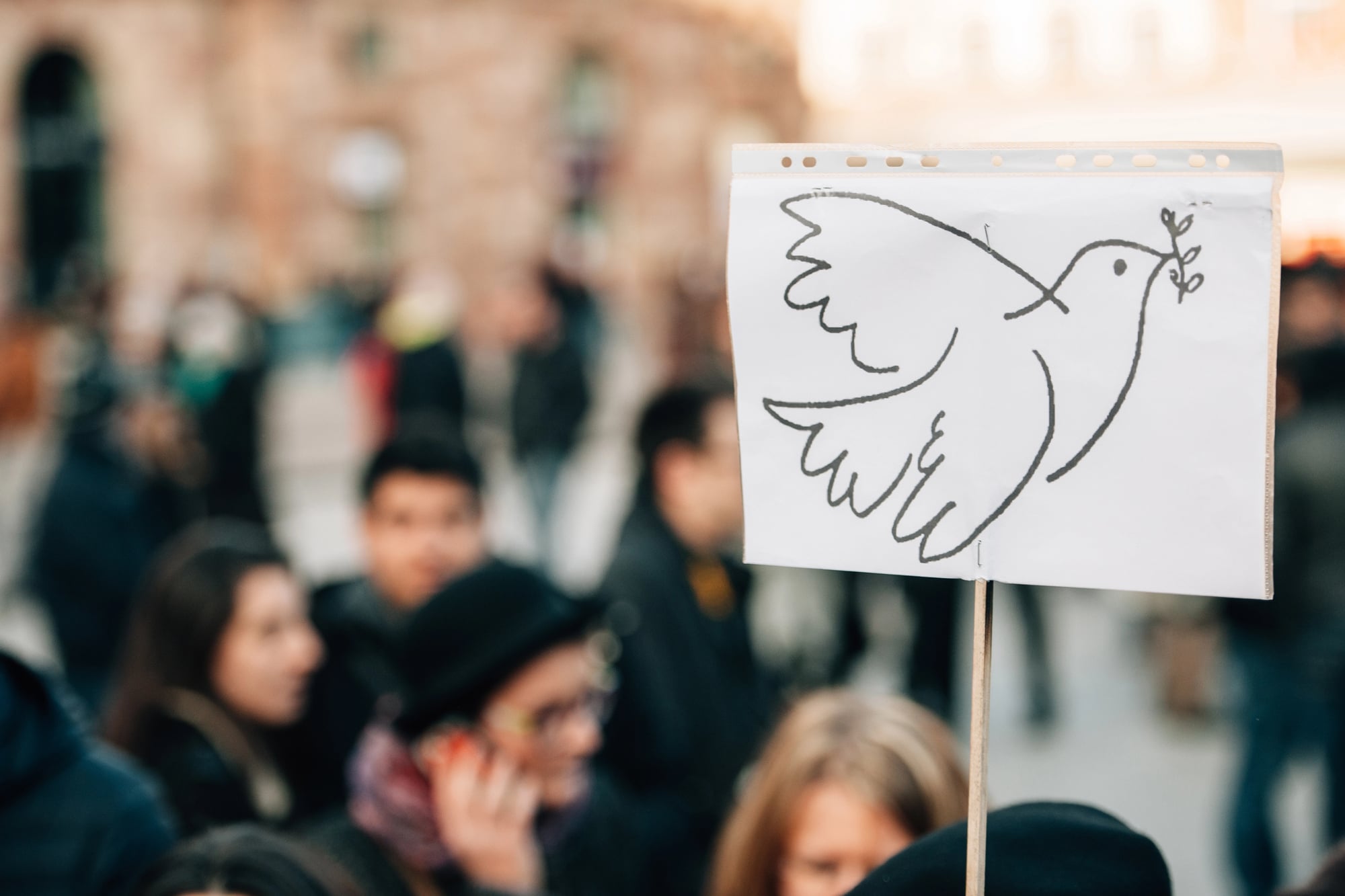
Judy Garland’s funeral was held in Manhattan on June 27, 1969, drawing thousands of mourners. Shortly after midnight on June 28, the Stonewall Inn on Christopher Street was raided by police — triggering the uprising that became the founding event of the modern LGBTQ rights movement.
The two events have been linked in cultural memory, though historians debate whether Garland’s death directly contributed to the emotions of the crowd that night or whether the connection has been overstated in retrospect.
The First Doctor Who Episode and the JFK Assassination
The first episode of Doctor Who aired on the BBC on the evening of November 23, 1963 — one day after JFK’s assassination and the same day the news was still dominating every broadcast. Viewership was minimal: most of the audience was either glued to news coverage or too shaken to pay attention.
The BBC repeated the episode the following week. Had the assassination not occurred, Doctor Who might have had a conventional launch and built its audience from the start.
Mark Twain Born and Dying With Halley’s Comet

Mark Twain was born on November 30, 1835, two weeks after Halley’s Comet appeared in the night sky. In 1909, Twain reportedly remarked that he expected to die when the comet returned: “I came in with Halley’s Comet in 1835. It is coming again next year, and I expect to go out with it.”
Halley’s Comet reached its closest approach to Earth on April 20, 1910. Twain died on April 21, 1910. The precision of the timing was not lost on those who had read his prediction.
Gandhi and the Wright Brothers, October 1908
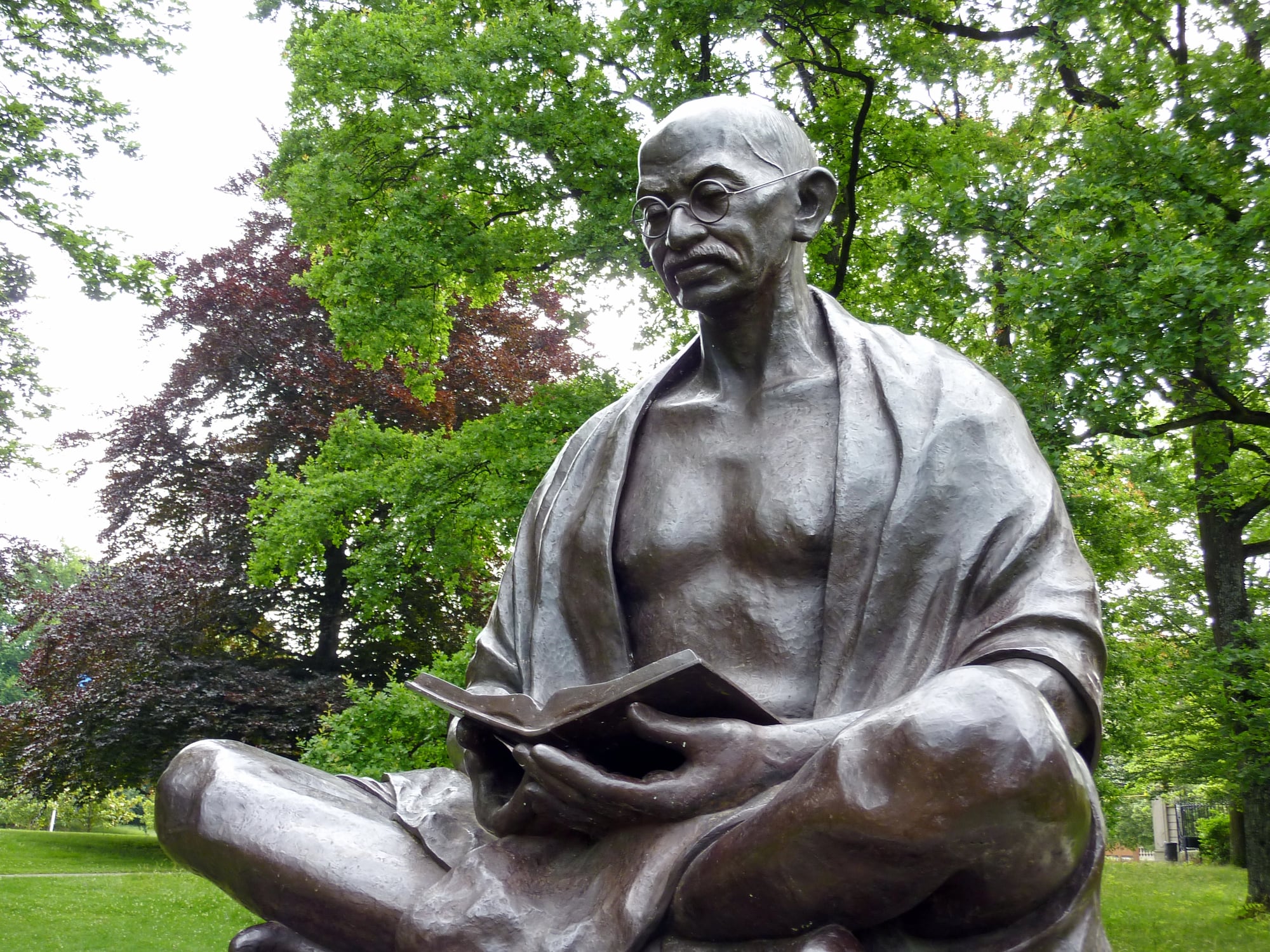
Mahatma Gandhi launched his first major civil disobedience campaign — the Satyagraha movement in South Africa — in October 1908, the same period in which the Wright brothers were demonstrating powered flight at Fort Myer, Virginia, and Henry Ford was releasing the Model T.
Three of the century’s most consequential human projects — nonviolent resistance, aviation, and mass automotive transport — were all finding their public form within weeks of each other.
Napoleon’s Exile and the Battle of Waterloo — Same Week as Washington Monument Cornerstone
The cornerstone of the Washington Monument was laid in 1848, the same decade that saw revolutions across Europe, the Irish famine, and the formal end of the Mexican-American War.
History stacks events not in isolation but in avalanche.
Einstein’s General Relativity and Walt Disney’s Birth, November 25, 1915

On November 25, 1915, Albert Einstein presented his general theory of relativity to the Prussian Academy of Sciences in Berlin, reshaping humanity’s understanding of gravity, space, and time. On the same day, in Chicago, Walt Disney was born.
One man would spend his life dismantling the physics of intuition; the other would build an entertainment empire on the premise that imagination should override it.
The Berlin Wall Fell on Kristallnacht’s Anniversary
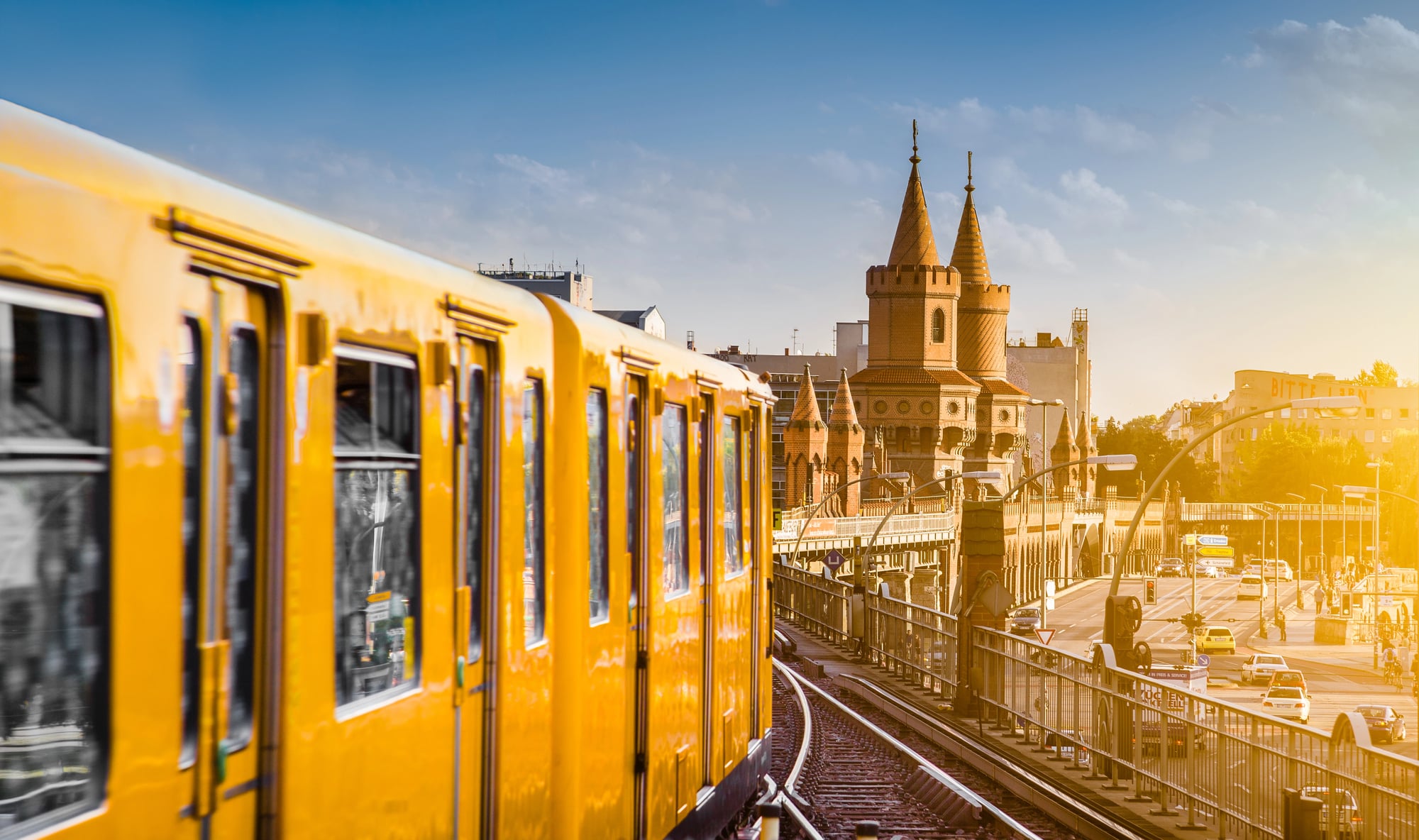
The Berlin Wall was opened on November 9, 1989, as crowds celebrated across Germany. November 9 is also the date of Kristallnacht — the coordinated pogrom of November 9-10, 1938, during which more than 7,500 Jewish-owned businesses were destroyed and around 30,000 Jewish men were arrested across Germany.
The date that became a symbol of German reunification and democratic hope was already carrying one of the heaviest weights in German-Jewish history.
Nelson Mandela’s Inauguration and the O.J. Simpson Chase
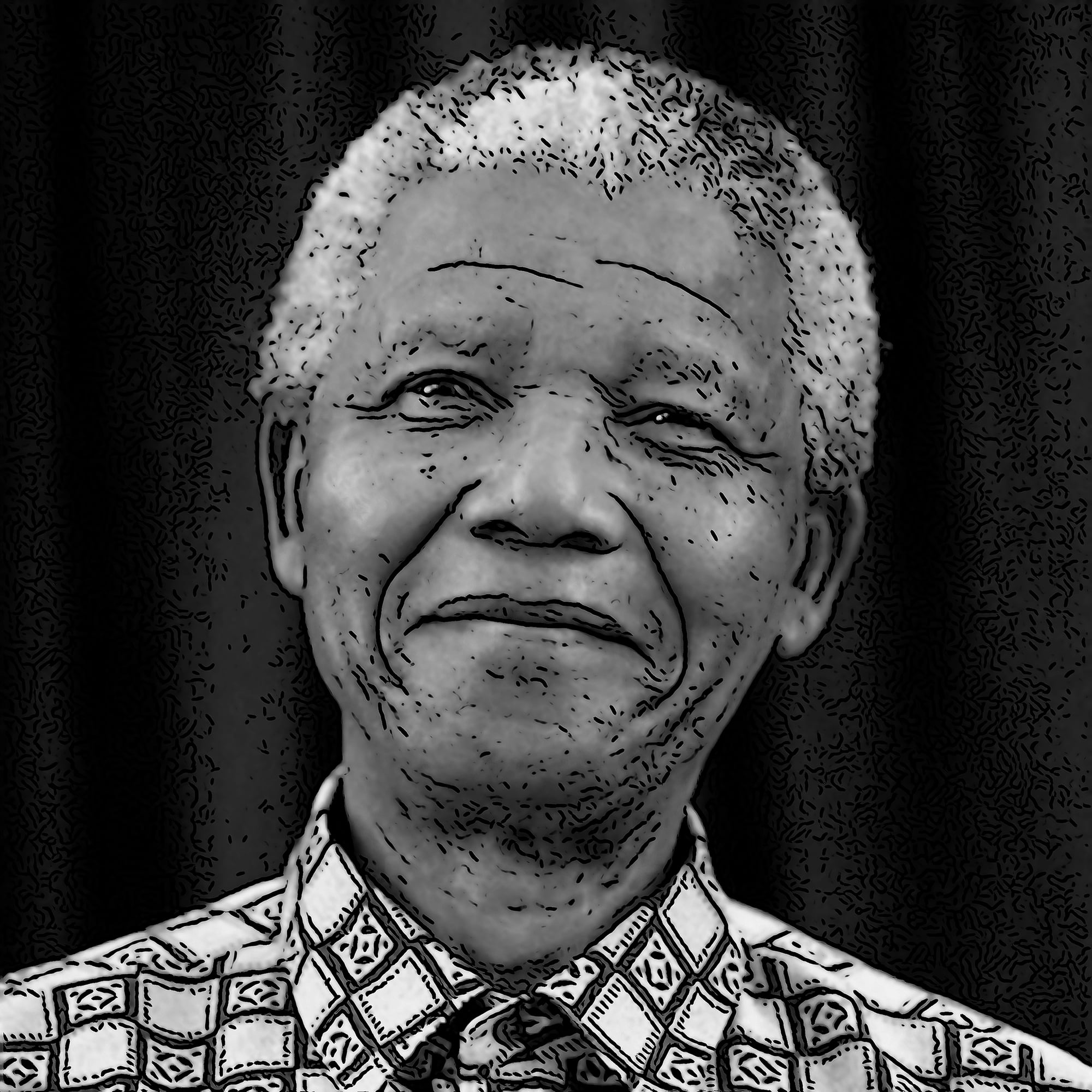
Nelson Mandela was inaugurated as South Africa’s first Black president on May 10, 1994 — a moment broadcast around the world as a landmark in human rights history. Roughly a month later, on June 17, 1994, the entire American media apparatus turned to a white Ford Bronco moving slowly along an L.A. freeway.
Both events drew enormous global television audiences; only one was the more historically significant.
Abraham Lincoln’s Birth and Charles Darwin’s Birth, February 12, 1809
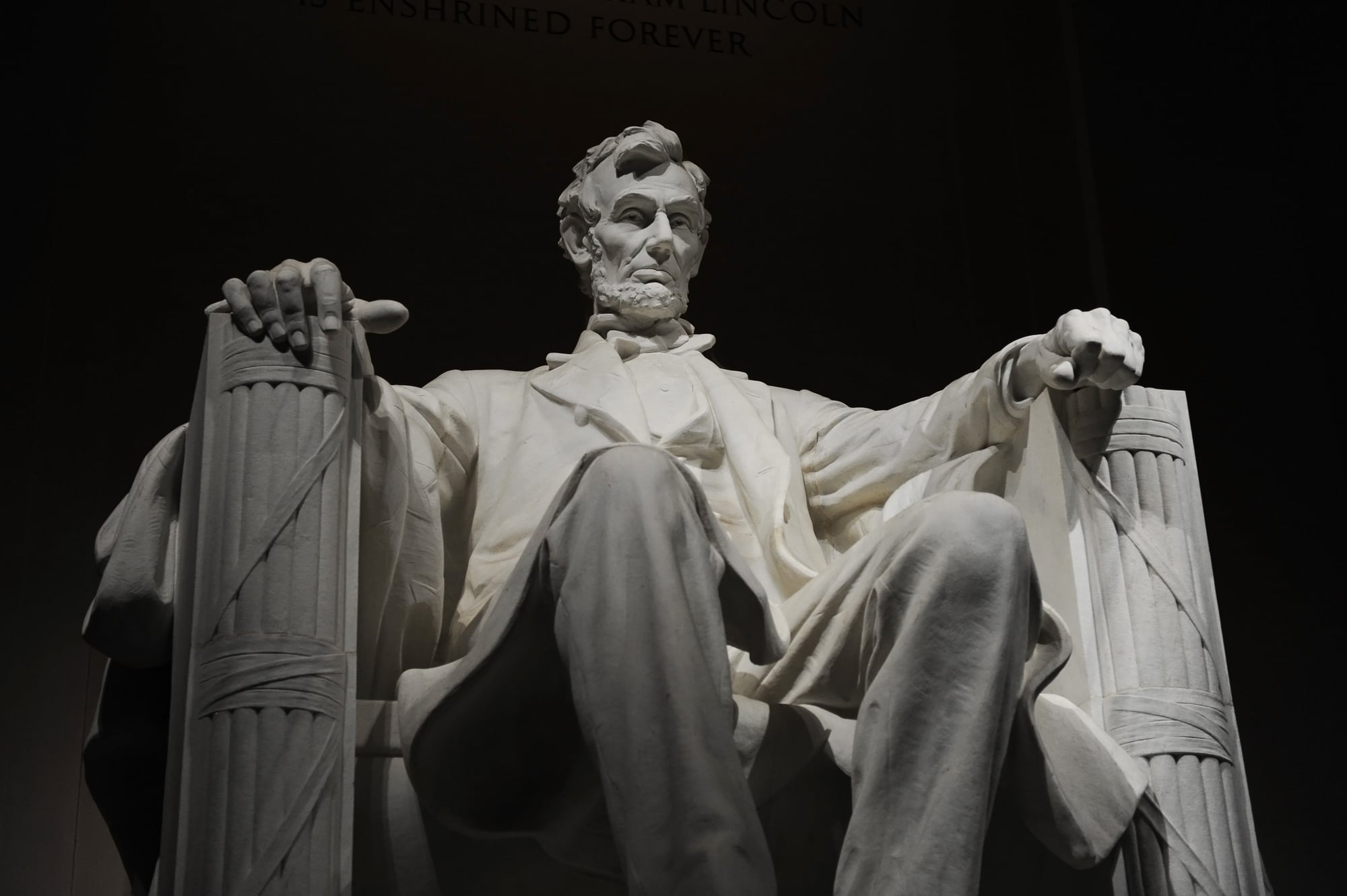
Abraham Lincoln and Charles Darwin were born on the same day: February 12, 1809. Lincoln in a log cabin in Kentucky, Darwin in a Georgian manor in Shrewsbury, England.
The two men never met, but between them they redrew the political and scientific contours of the nineteenth century — one by preserving and extending the American republic, the other by establishing the theory of natural selection. The coincidence of their birthdays has generated its share of philosophical reflection.
Shakespeare and Cervantes, April 23, 1616
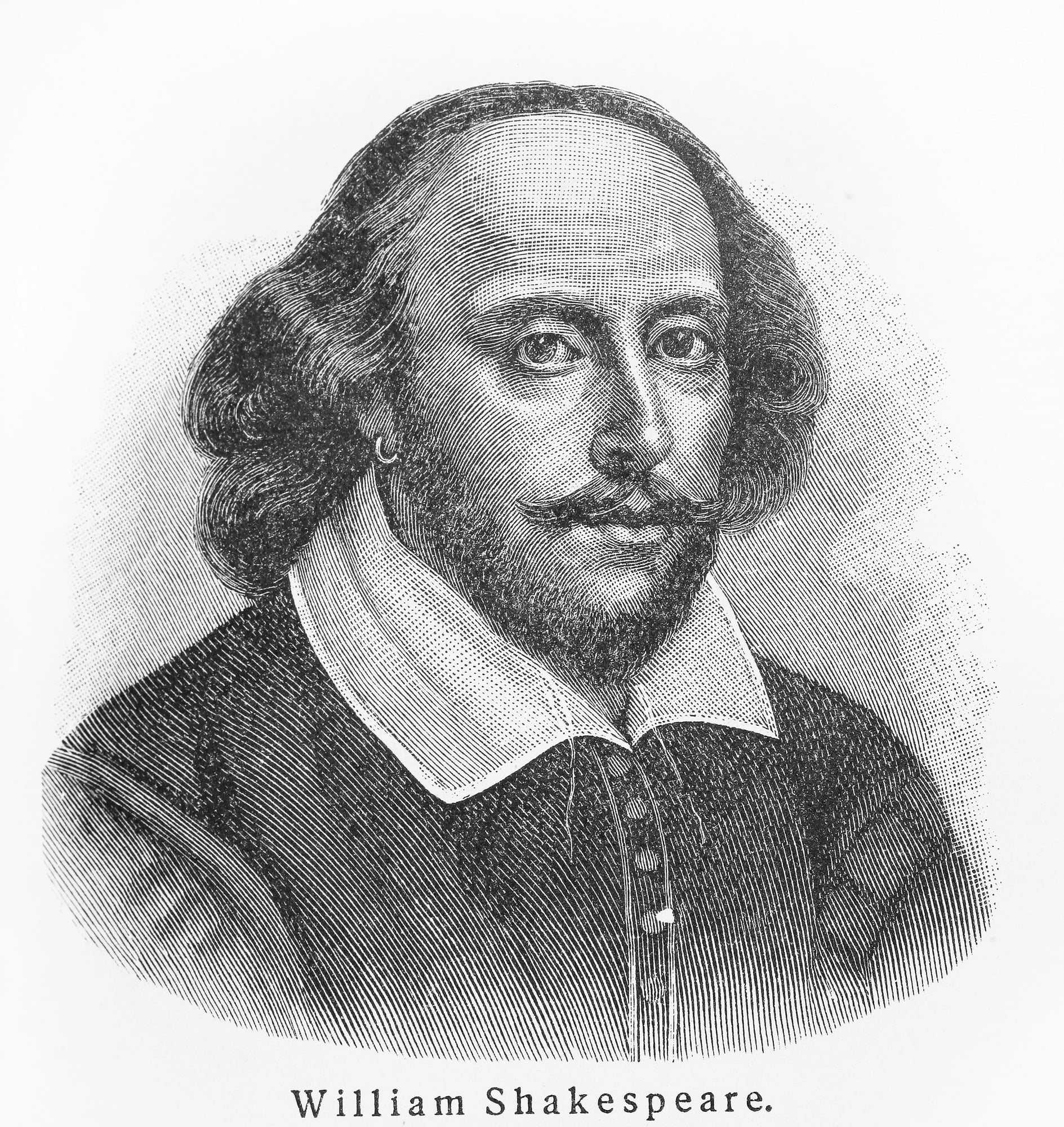
William Shakespeare and Miguel de Cervantes — generally considered the dominant literary figures of their respective languages — both died on April 23, 1616, though the dates are not precisely equivalent: England was then using the Julian calendar while Spain had adopted the Gregorian, meaning about ten days separate the actual moments of death.
The coincidence is real enough to be noted but approximate enough to require the qualification.
The Challenger Disaster and Super Bowl XX

The Space Shuttle Challenger broke apart 73 seconds after launch on January 28, 1986, killing all seven crew members. That same week, America was preparing for Super Bowl XX on January 26.
The overlap is not the game and the disaster on the same day, but the psychological collision of national celebration and national grief within the same narrow window, while Ronald Reagan’s originally scheduled State of the Union address was postponed to honor the crew.
The Moon Landing and the Chappaquiddick Inquest
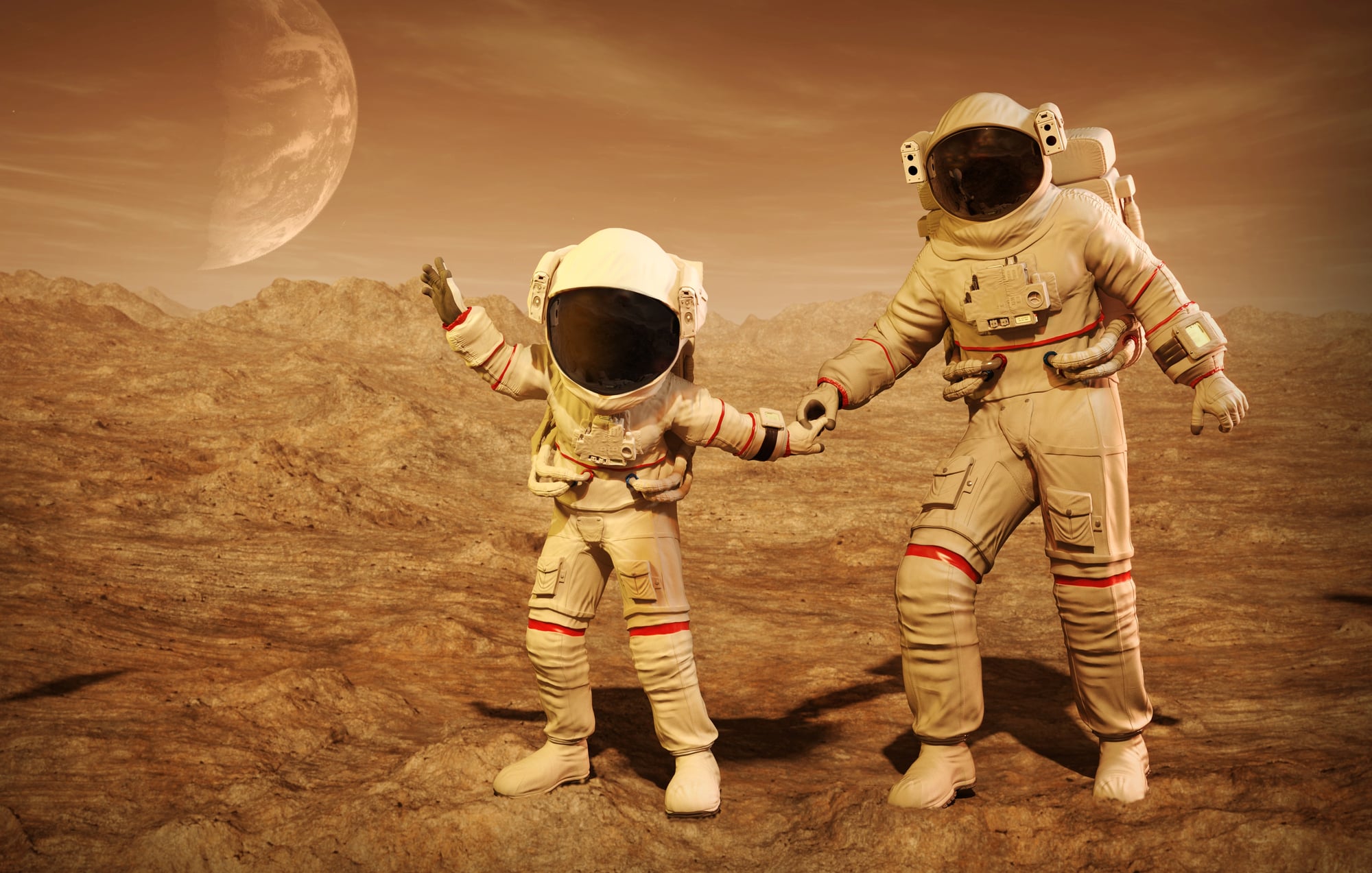
On July 20, 1969, Apollo 11 touched down on the Moon — a moment that pulled in television audiences estimated at 600 million people worldwide. On July 18, just two days earlier, Senator Ted Kennedy had driven off a bridge on Chappaquiddick Island in Massachusetts, killing passenger Mary Jo Kopechne.
Kennedy’s press team managed the news carefully in the days that followed, and the moon landing absorbed much of the public’s attention. The two events define the contradictions of that summer with particular sharpness.
The First Flight and the First Fatal Plane Crash — Five Years Apart
The Wright brothers achieved powered flight at Kitty Hawk on December 17, 1903. The first fatal plane crash occurred on September 17, 1908 — less than five years later — when Orville Wright himself was piloting a demonstration flight at Fort Myer and the aircraft’s propeller cracked, sending the plane into the ground.
His passenger, Lieutenant Thomas Selfridge, died from his injuries, becoming the first fatal airplane accident victim. The man who invented the thing was present for the first fatal use of it.
The French Revolution’s Last Execution and the London Underground’s Opening
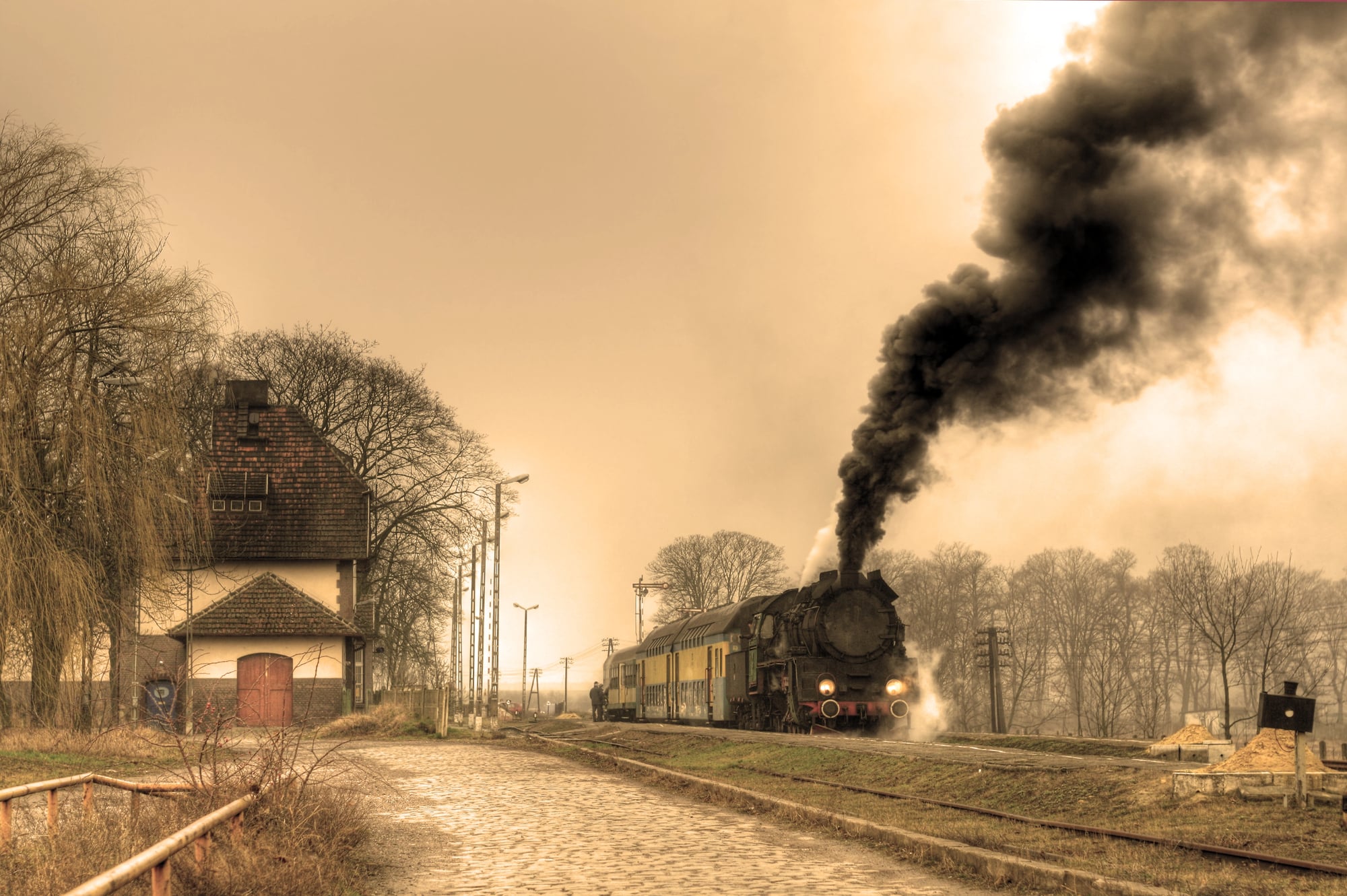
The last public hanging in England took place on May 26, 1868 — the same year the London Underground had already been operating for five years. A city running steam trains underground was still conducting public executions outside Newgate Prison.
The rate of technological and humanitarian progress in any given decade is never even.
Picasso’s Death and The Dark Side of the Moon
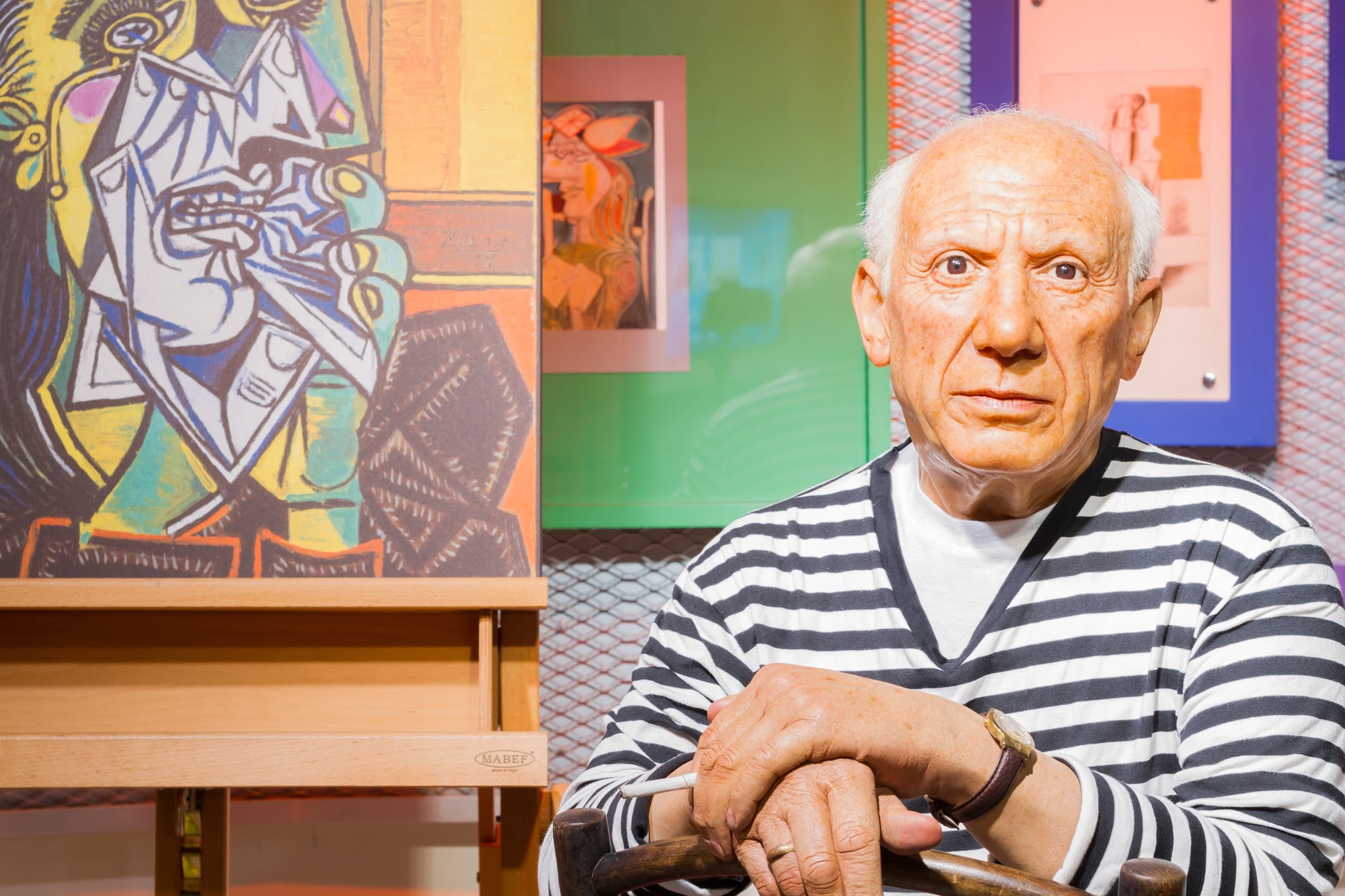
Pablo Picasso died on April 8, 1973. That same year, Pink Floyd released The Dark Side of the Moon on March 1.
The dominant figure of twentieth-century visual art and one of the defining documents of twentieth-century recorded music shared a calendar year, with Picasso’s death coming just weeks after the album’s release. Whether this constitutes coincidence or simply reflects the density of significant events in any given year is a matter of perspective.
The Kristallnacht Anniversary Opens the Berlin Wall

Already noted above under November 9, but the layering bears repeating: the same date carried both the trauma of Nazi violence against Jewish communities in 1938 and the jubilation of the Wall’s opening in 1989.
Germany has since designated November 9 as a day of particular historical reflection, precisely because its meaning is genuinely doubled.
The First McDonald’s and the German Invasion of France

On May 15, 1940, Richard and Maurice McDonald opened their first restaurant in San Bernardino, California. On May 10, that same month, Nazi Germany launched its invasion of France and the Low Countries.
The two events have nothing to do with each other; they simply happened within days of each other, in entirely different worlds that nonetheless shared a calendar.
The Great Lisbon Earthquake on All Saints’ Day, 1755
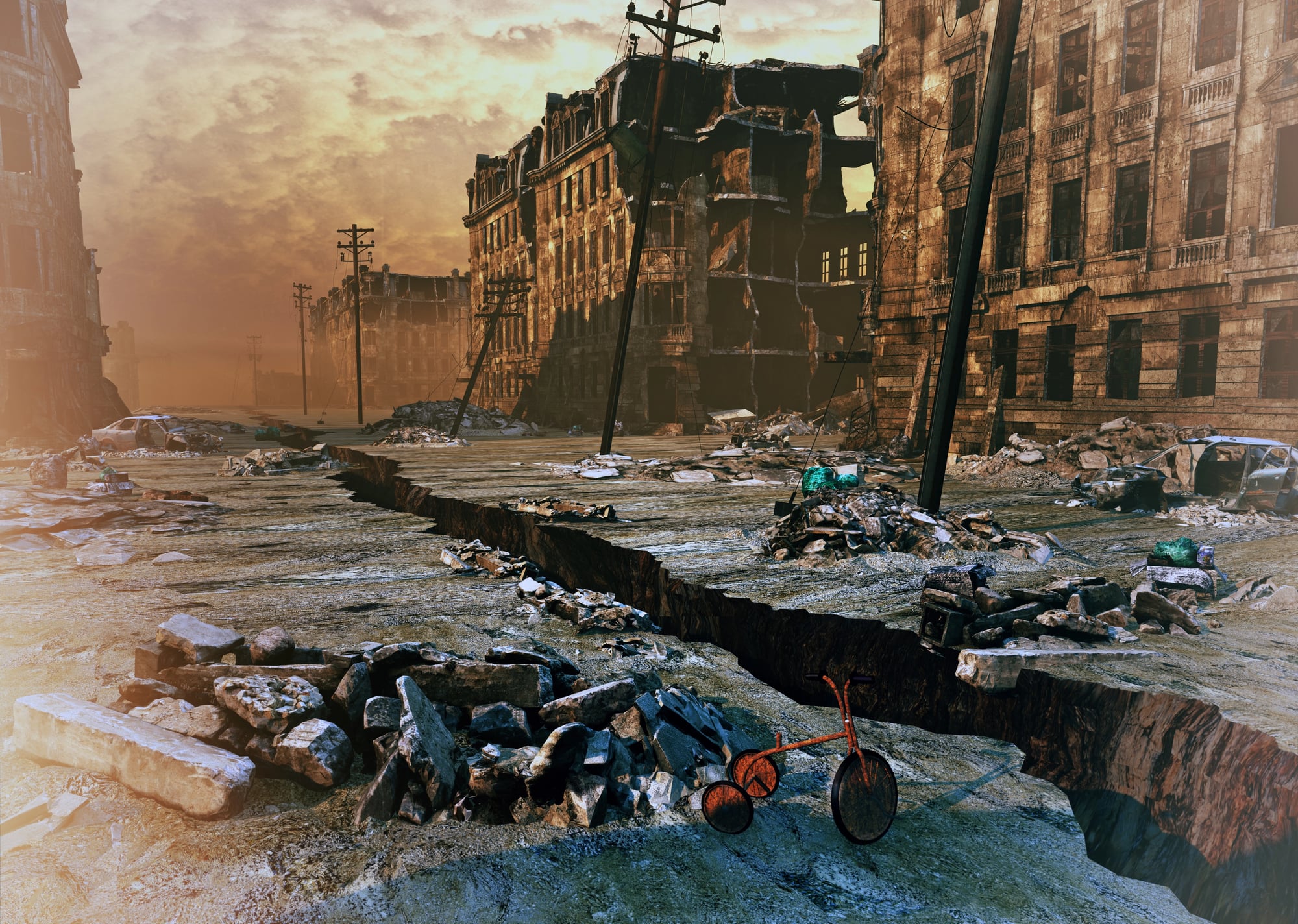
The earthquake that destroyed Lisbon on November 1, 1755, struck on All Saints’ Day — when much of the city’s Catholic population was gathered in church. The collapse of church buildings killed enormous numbers of worshippers who would otherwise have been safely at home or in the streets.
The timing was not a coincidence in the mechanical sense but in the calendrical one: the most religiously significant day of the Catholic year was the day the devout were congregated in the most vulnerable places.
The Oregon Trail’s Peak Year and the Invention of the Fax Machine

The peak years of emigration on the Oregon Trail were the early to mid-1840s, with an estimated 50,000 migrants making the journey in 1850 alone. The fax machine was invented by Scottish clockmaker Alexander Bain and patented in 1843.
While wagon trains were crossing the American continent by the tens of thousands, the technology for transmitting documents over wires had already been devised.
The Beatles Formed and Castro Took Power, 1959
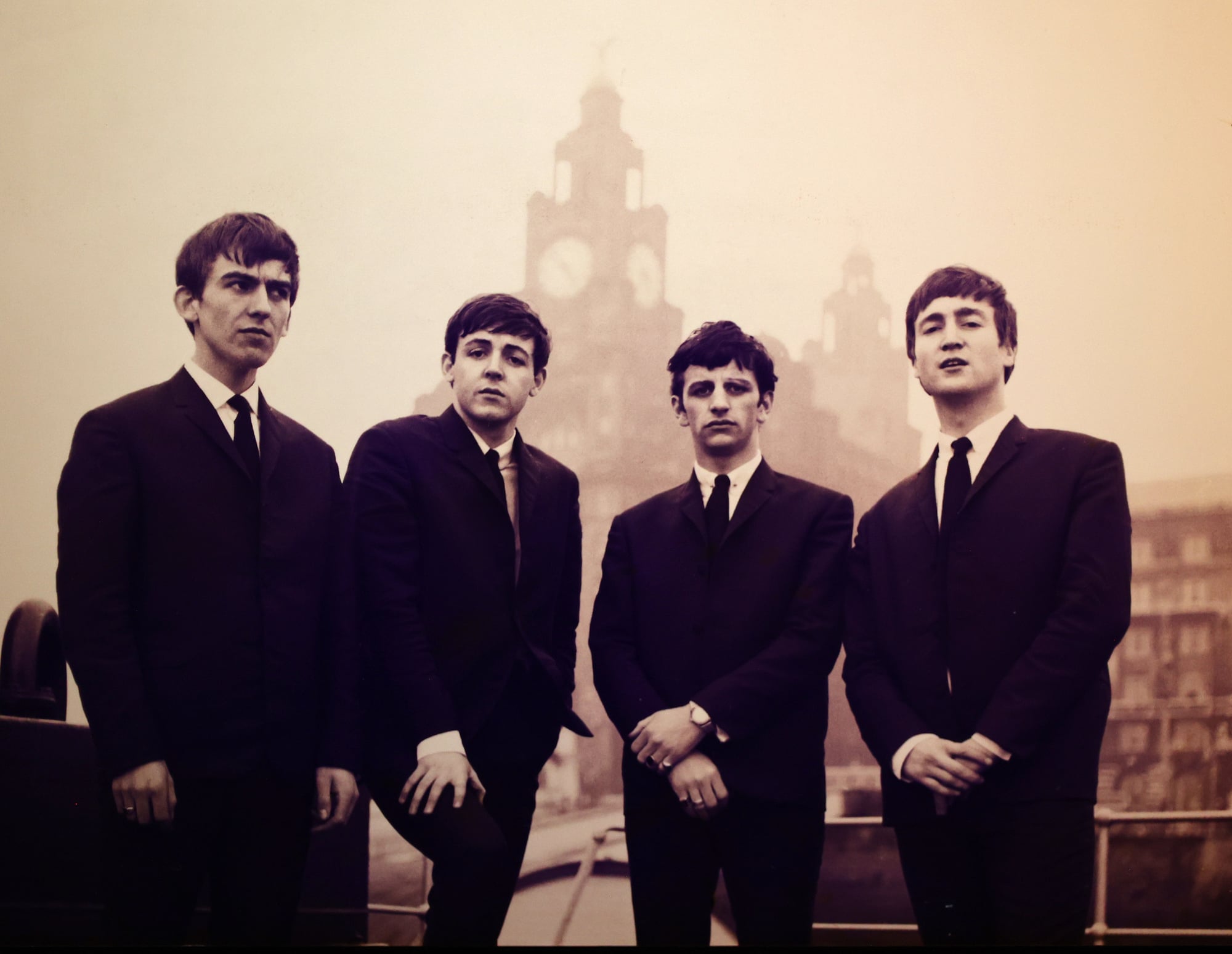
John Lennon formed the group that would become the Beatles in 1956, and their lineup stabilized in 1959-60, the same years Fidel Castro came to power in Cuba in January 1959 following the Cuban Revolution.
These are not events that intersect, but they share a world that was simultaneously producing pop music’s defining act and a revolutionary government ninety miles from Florida.
The First Email and the Vietnam War

Ray Tomlinson sent the first networked email in late 1971, choosing the @ symbol to separate the user name from the host. American combat troops were still fighting in Vietnam.
The technology that would eventually render the physical office largely optional existed, in crude form, at the same moment young men were being drafted.
The Magna Carta and Genghis Khan’s Campaigns
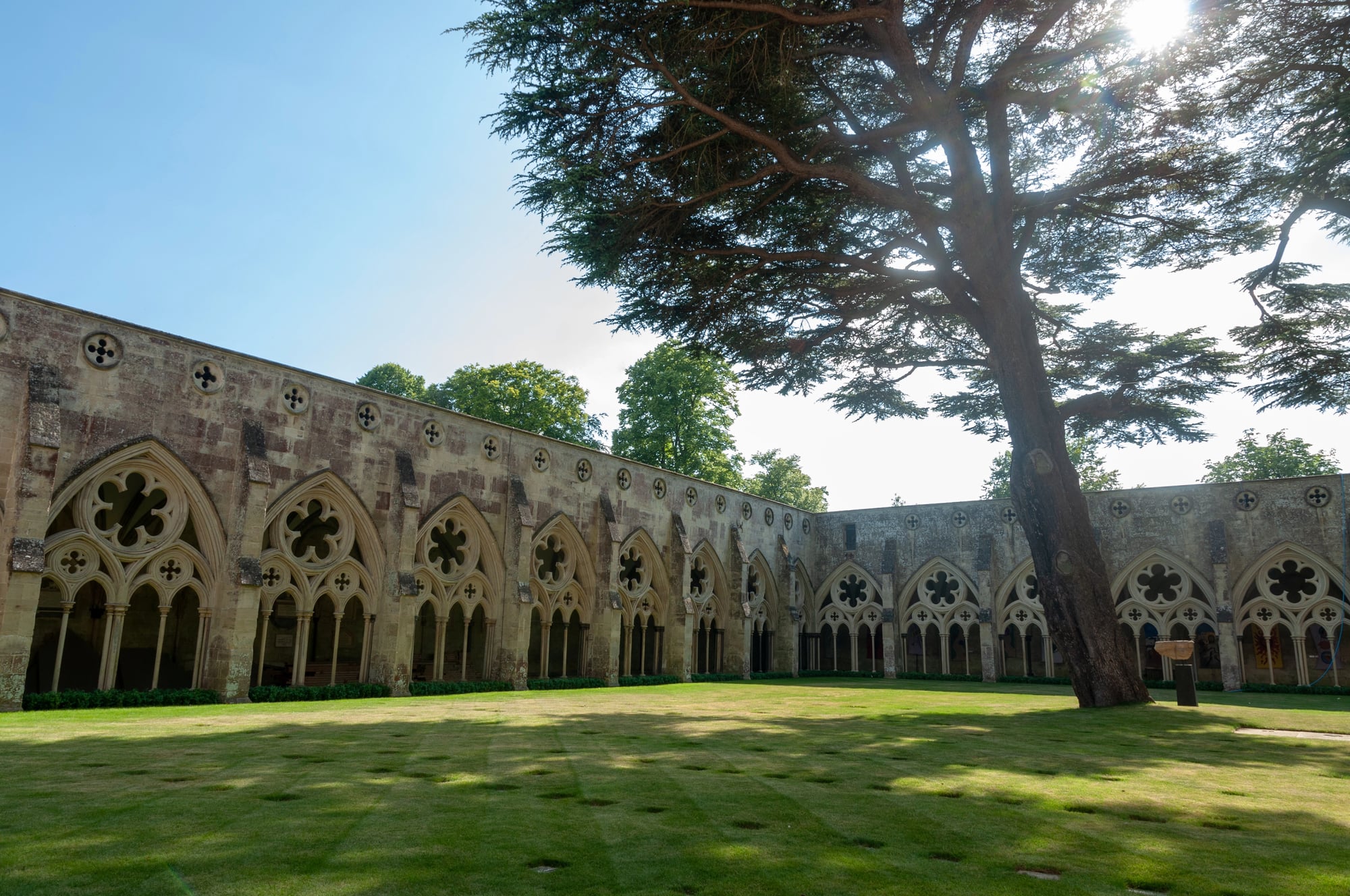
Magna Carta was signed by King John of England in June 1215, establishing the principle that monarchs were subject to the rule of law. At the same moment, Genghis Khan was at the height of his expansion across Asia.
On the same planet in the same month, two entirely opposite principles regarding power and authority were being enacted — one constraining it, one extending it without limit.
Newton’s Annus Mirabilis and the Great Fire of London
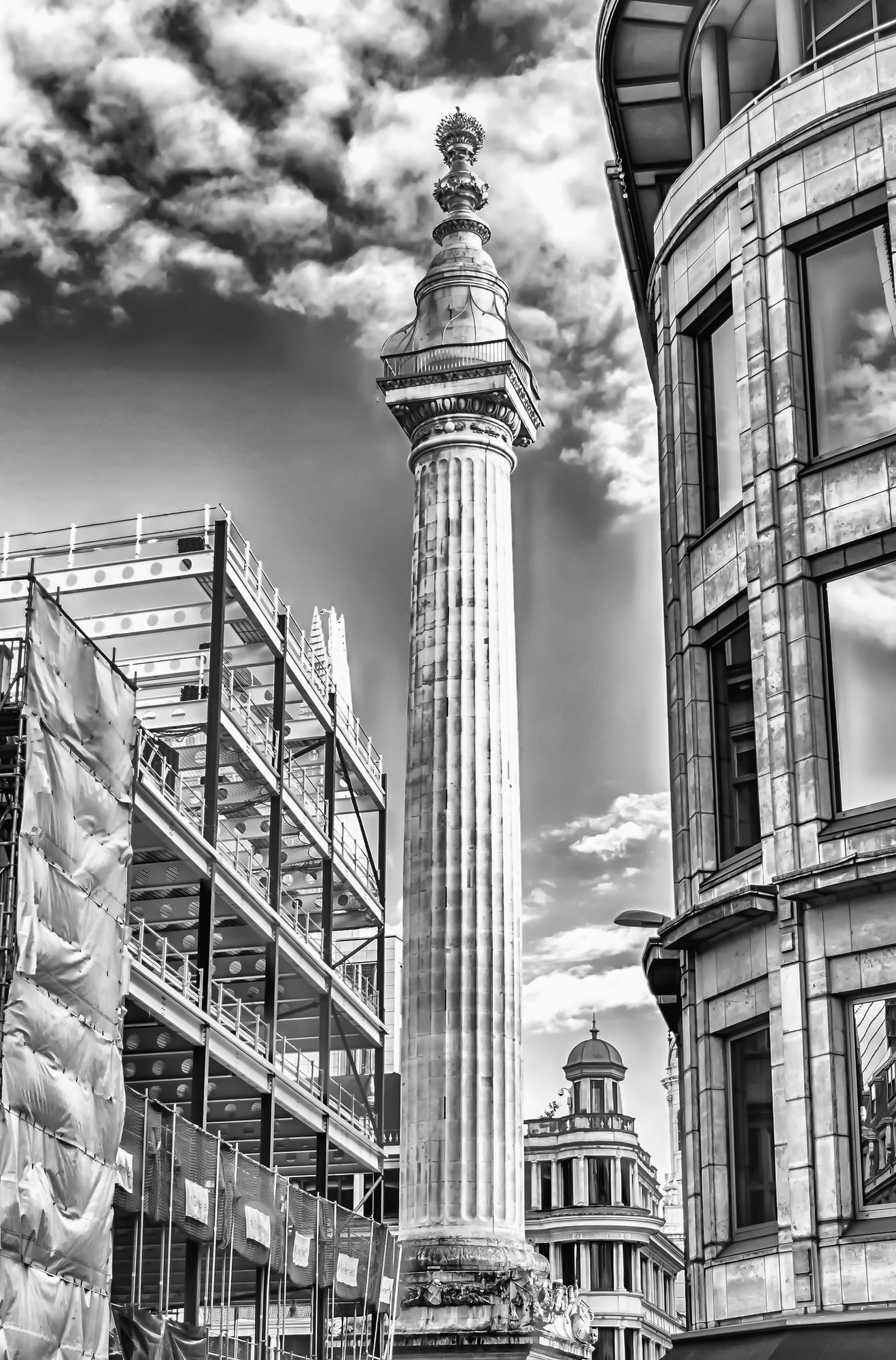
Isaac Newton developed the foundations of calculus, his law of universal gravitation, and his early optics theories between 1665 and 1666, while sheltering from the bubonic plague at his family home in Woolsthorpe. The Great Fire of London burned through the city in September 1666.
The same period that produced the conceptual foundations of modern physics also burned the medieval city to its foundations and rebuilt it.
The First iPhone and the Surge in Iraq
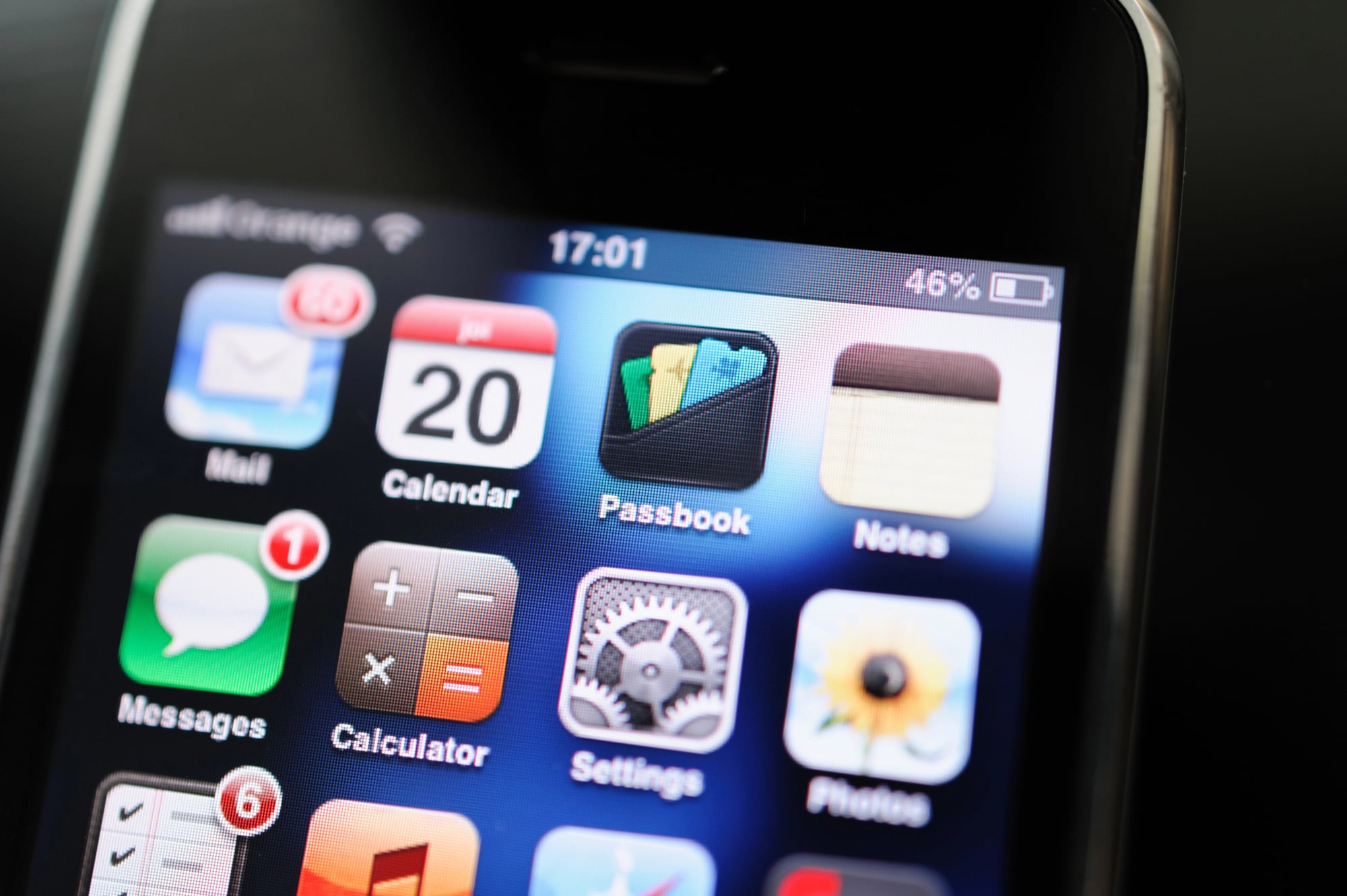
The original iPhone was unveiled by Steve Jobs on January 9, 2007. In January 2007, U.S. President George W. Bush announced the surge of American forces into Iraq, which had by then been at war for nearly four years.
The device that would become the defining consumer technology of the twenty-first century entered public awareness the same week as a military escalation that would shape the decade.
Woodstock and the Manson Murders, August 1969

The Woodstock Music Festival ran from August 15 to 17, 1969, attracting an estimated 400,000 people to a farm in New York. On August 9 and 10, just days before, the Manson Family carried out the Tate and LaBianca murders in Los Angeles.
The two events are often cited together as bookends to a particular American fantasy about the sixties — the peace of one and the violence of the other compressed into the same two weeks.
Apollo 11 and the Murder of Sharon Tate
Already cited in the Manson entry above, but the proximity deserves its own note: on July 20, 1969, humans walked on the Moon. On August 9, less than three weeks later, the Manson murders shattered whatever remained of the optimism that summer had carried.
The distance between the two events on the calendar is less than a month.
The Doctor Who Premiere and Kennedy’s Assassination (Again, But Differently)
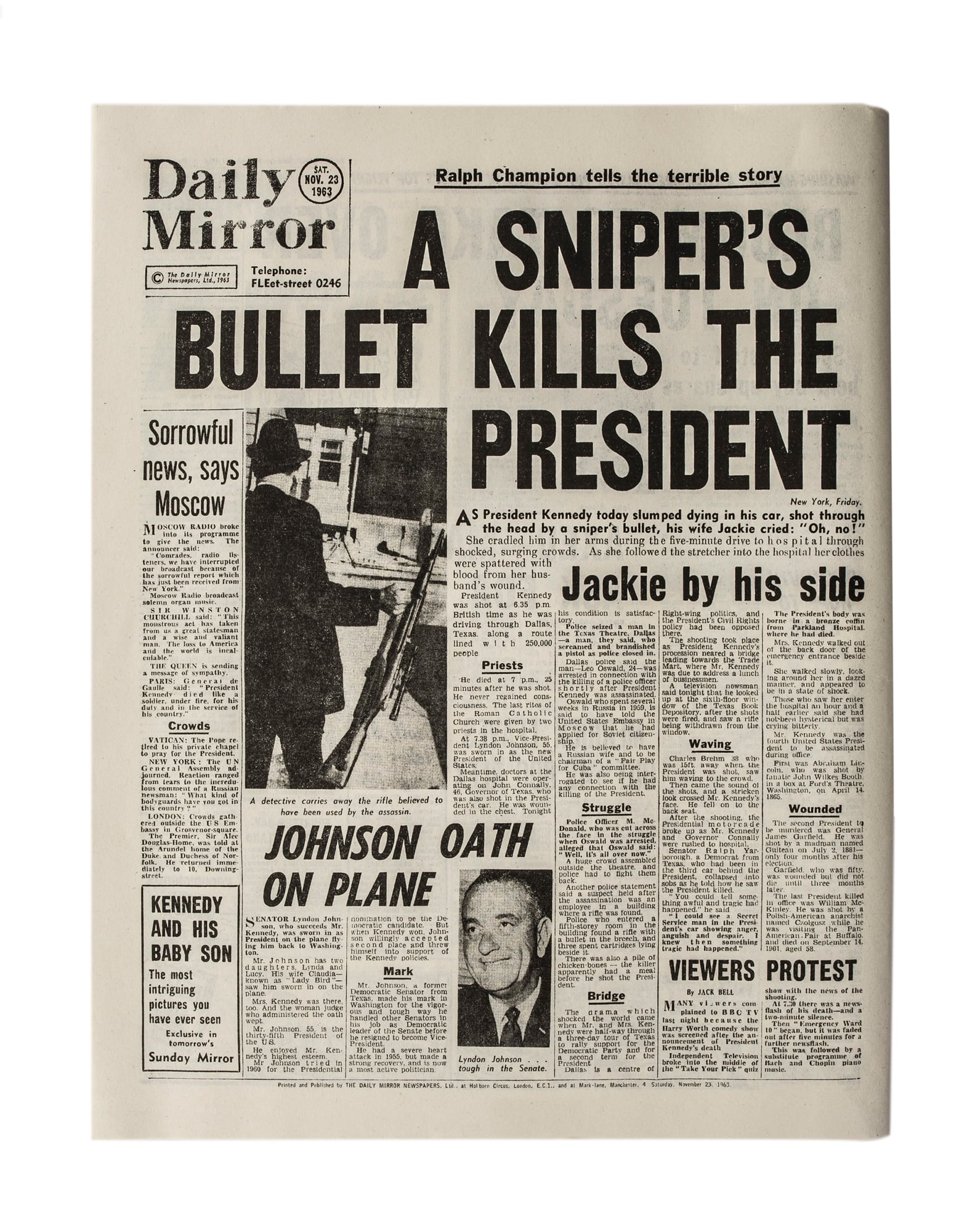
The pilot episode of Doctor Who was actually recorded in a studio at the BBC on a budget of under £2,500 on November 22, 1963 — the same day it was recorded, Kennedy was shot. The episode aired the following evening to almost no audience.
The show that would run for more than sixty years was literally being made as the assassination occurred.
When the Date Does the Work

What makes these coincidences compelling is not any causal connection but their effect on our sense of historical scale. Events that feel separated by long distances in memory often share a date, a week, a year.
The same humans who were celebrating German reunification in 1989 had parents old enough to remember what November 9 had meant in 1938.
History does not compartmentalize. Any given Tuesday in 1944 contained the slow death of an empire in the Pacific, the routine morning of a French farm family, a jazz record being cut in Harlem, and a child in Norway who would grow up to win a Nobel Prize.
The coincidences on this list are not anomalies. They are the normal density of events, rendered briefly visible.
More from Go2Tutors!

- The Romanov Crown Jewels and Their Tragic Fate
- 13 Historical Mysteries That Science Still Can’t Solve
- Famous Hoaxes That Fooled the World for Years
- 15 Child Stars with Tragic Adult Lives
- 16 Famous Jewelry Pieces in History
Like Go2Tutors’s content? Follow us on MSN.



