33 Household Gadgets Kids Today Would Not Recognize
Every home used to run on a collection of objects that required patience, maintenance, and a working knowledge of how they actually functioned. Rewinding a tape, threading a film reel, or dialing a rotary phone were basic life skills once, taught without a second thought because there was no other way to get the job done.
Hand any of the following to a kid raised entirely on touchscreens and expect a long pause, followed by a question about what it’s supposed to do.
Rotary Phone
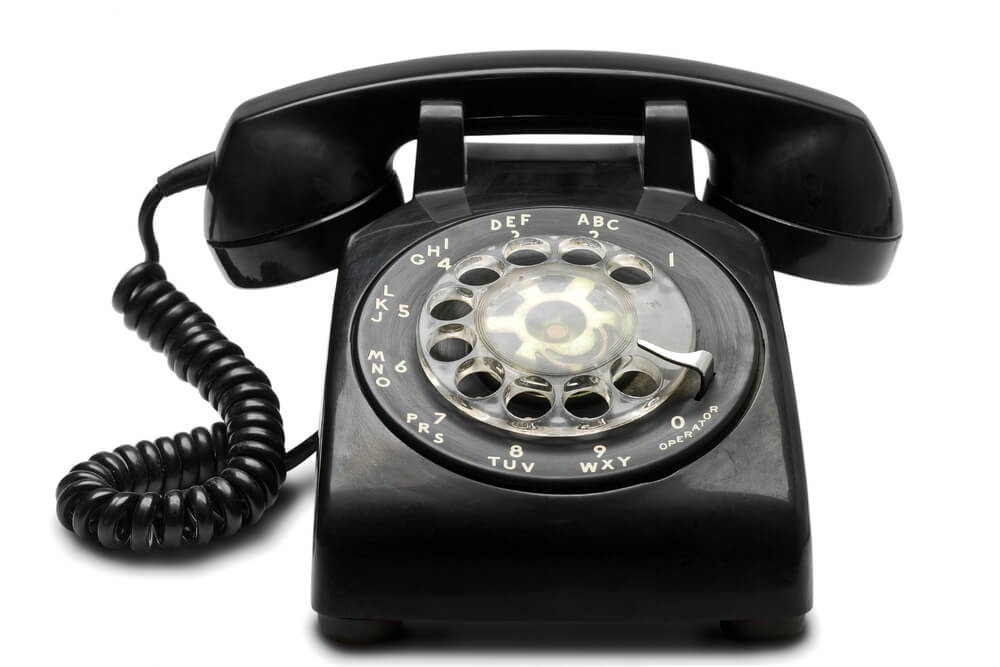
Dialing required spinning a numbered wheel back to its resting position for each digit, a process slow enough that misdialing halfway through meant starting the whole number over. Most households kept exactly one, usually mounted to a kitchen wall with a cord just long enough to stretch into the next room.
Corded Wall Phone with a Long Cord
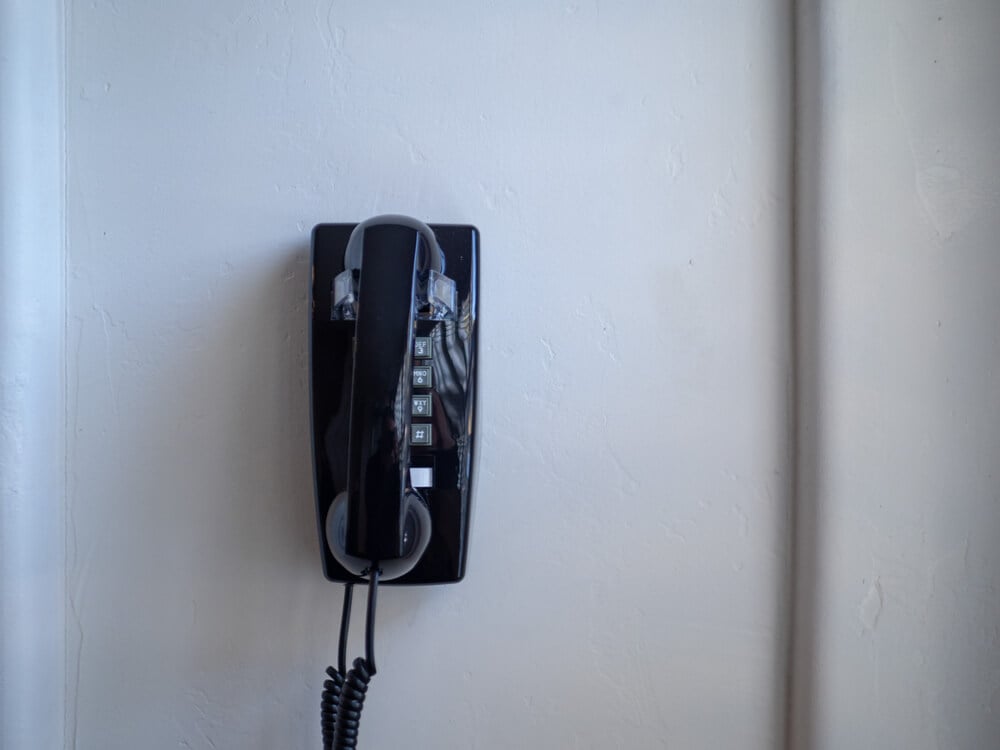
Even after push-button phones replaced rotary dials, the cord itself remained a defining feature, often stretched, tangled, and coiled into a permanent spiral from years of being pulled around corners for privacy during calls.
TV Rabbit-Ear Antenna
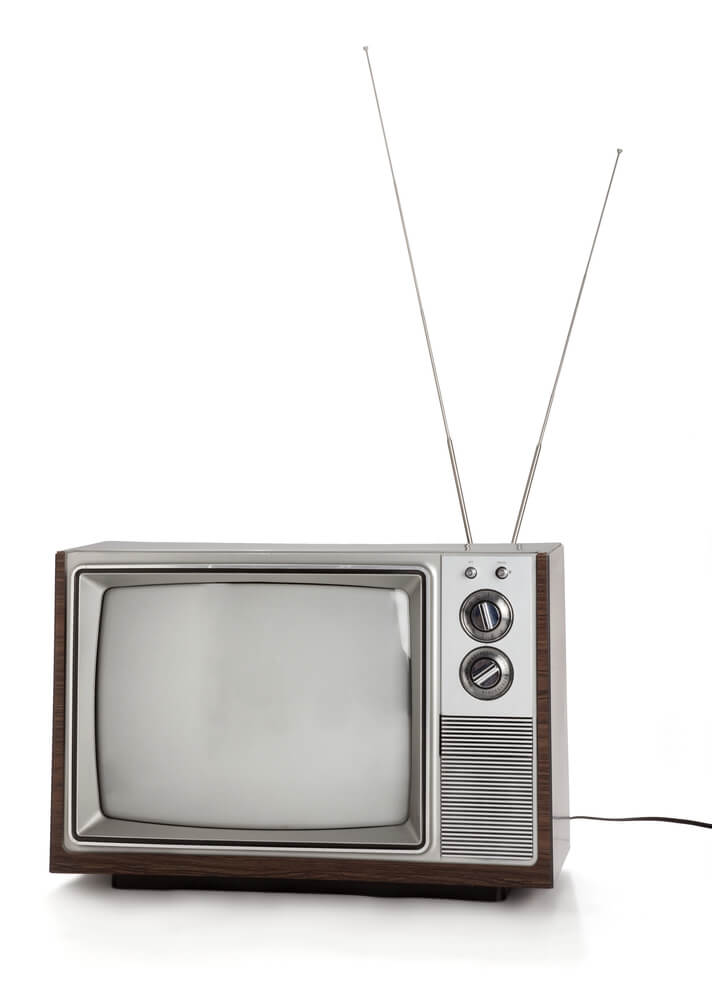
Two adjustable metal rods sat on top of the television, requiring constant repositioning, sometimes with aluminum foil wrapped around the tips, just to pull in a watchable signal for local channels.
VCR
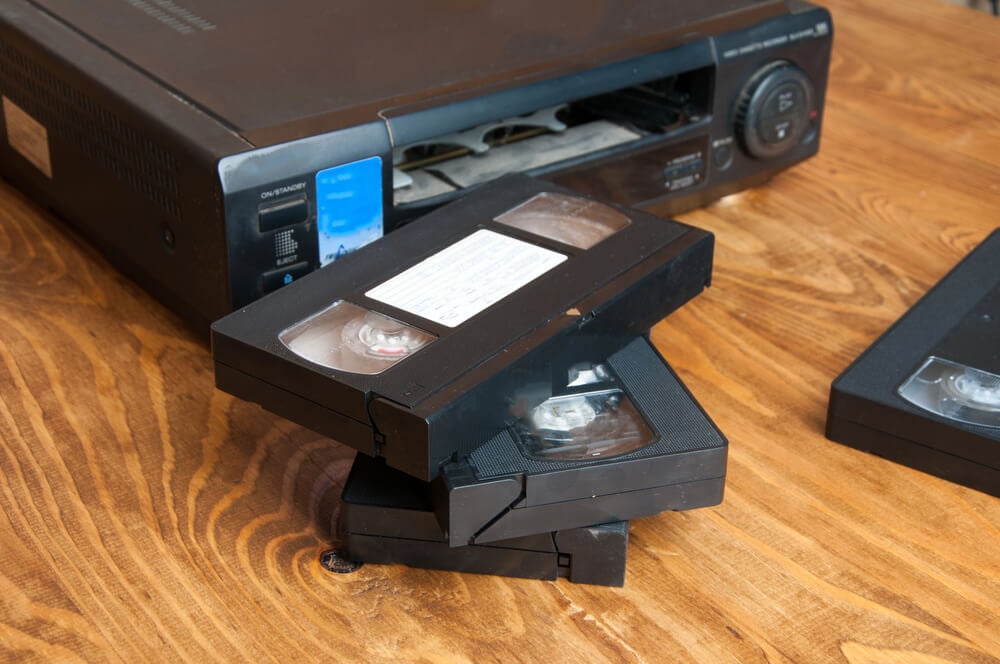
A boxy player that read magnetic tape to display a movie or recorded show, the VCR required physically inserting a cassette and often flashed “12:00” indefinitely because nobody in the house knew how to set the clock.
VHS Rewinder
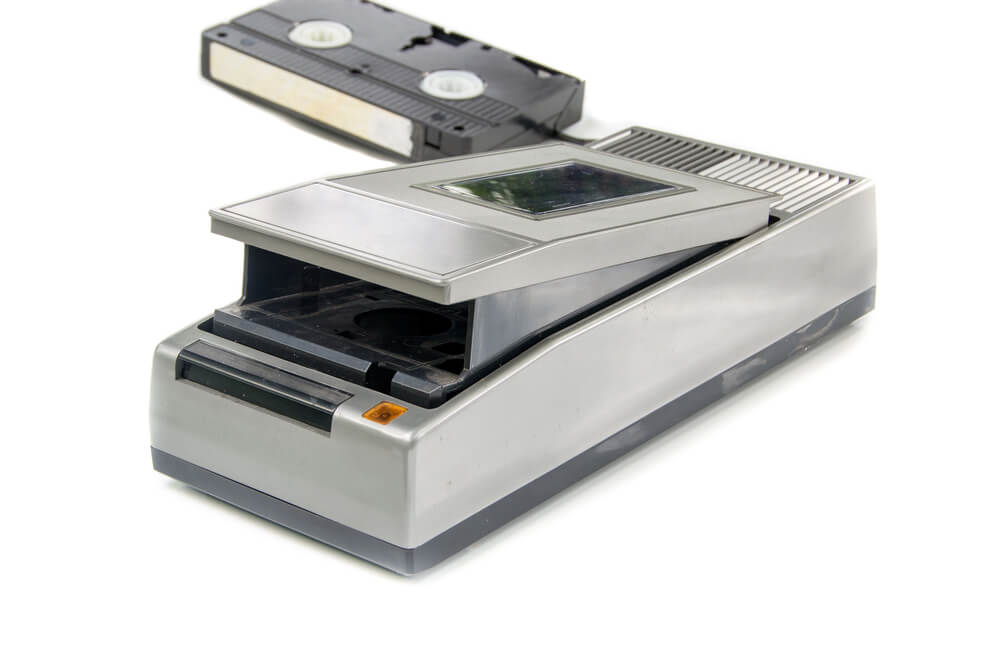
A dedicated device whose sole purpose was rewinding a VHS tape faster and with less wear than a VCR’s own rewind function, sold as a standalone accessory specifically to prevent damage to rental tapes before they were returned.
Cassette Walkman
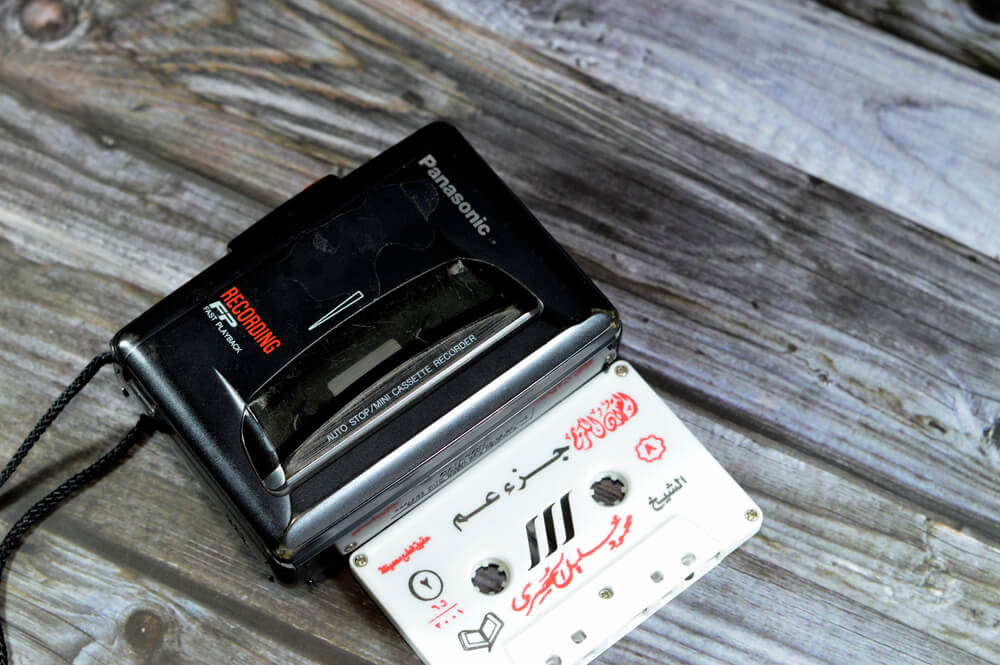
A portable cassette player clipped to a waistband with foam headphones, the Walkman required physically carrying whichever album was currently loaded and flipping the tape over manually once one side finished.
Boombox
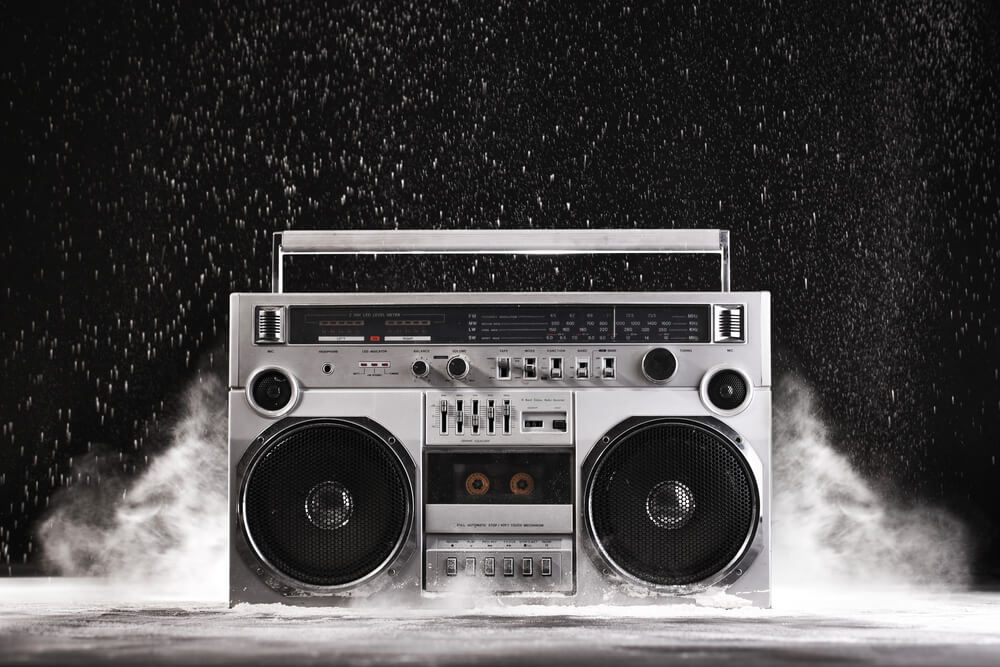
A large, often shoulder-mounted stereo system combining a radio, cassette deck, and sometimes dual tape decks for copying music from one cassette to another, powered by a small fortune in D batteries.
8-Track Tape Player
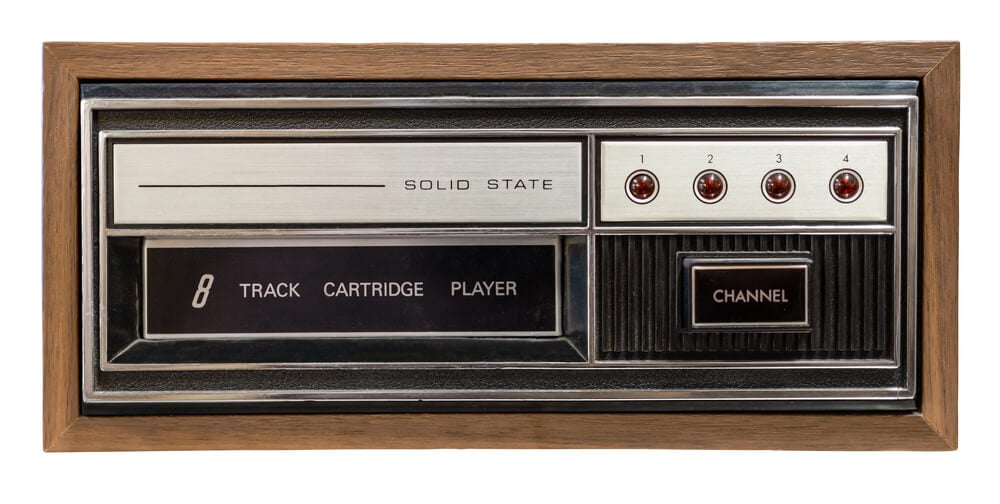
An early competitor to the cassette that stored music on a continuous loop of tape divided into four programs, the 8-track was known for audibly clicking between programs mid-song, sometimes in the middle of a note.
Record Player and Turntable
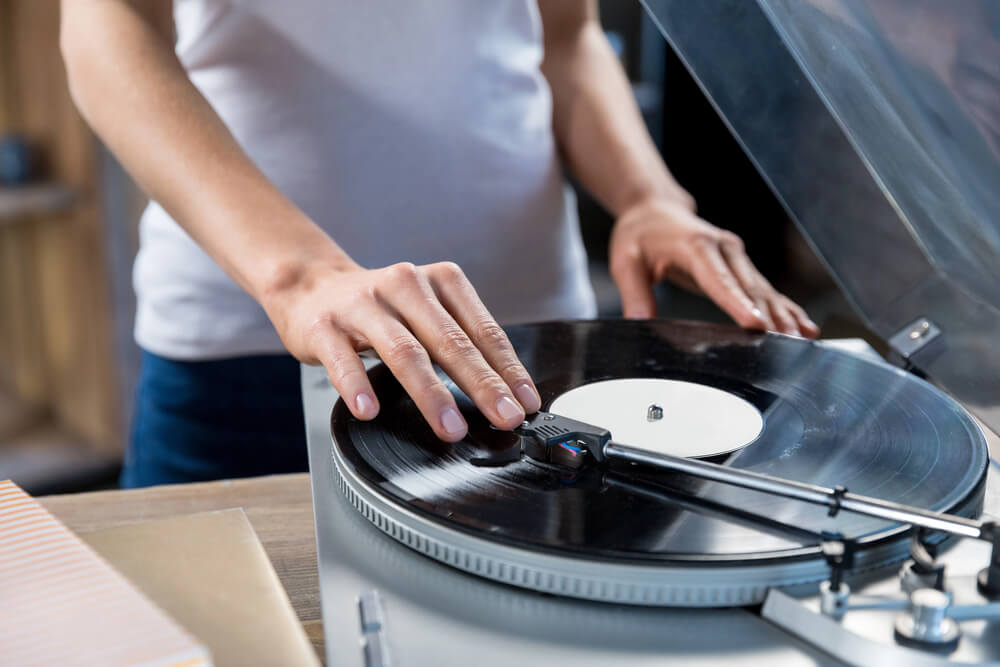
A needle physically traced grooves cut into a vinyl disc to produce sound, requiring careful handling to avoid scratches and a specific technique for setting the needle down without skipping.
CB Radio
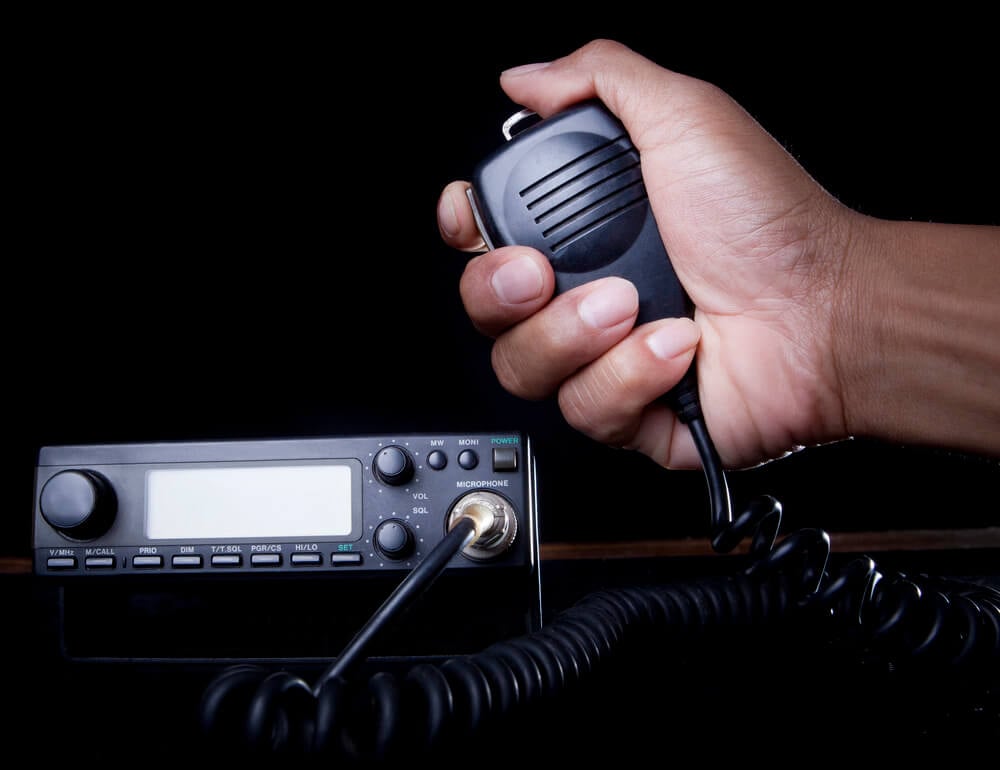
Short for citizens band, this two-way radio let drivers communicate over dedicated channels using call signs and slang, popular enough in the 1970s that entire subcultures of trucker lingo developed around it.
Answering Machine with a Cassette Tape
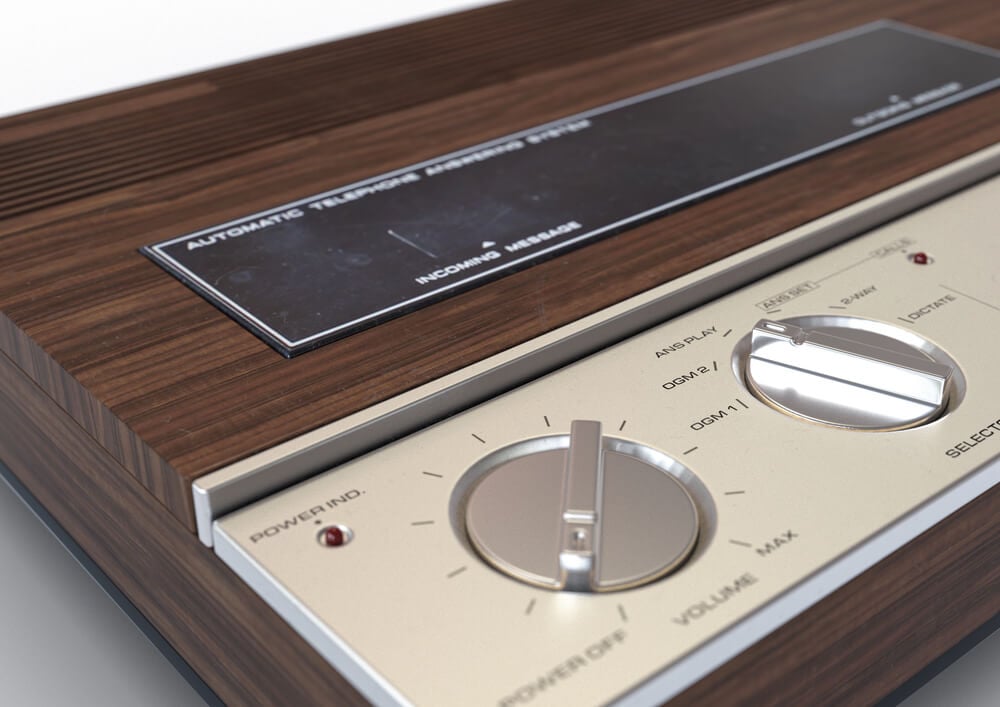
Incoming messages recorded onto a small cassette housed inside the machine, with a blinking light indicating new messages and a tiny counter tracking how many had come in since the tape was last cleared.
Fax Machine
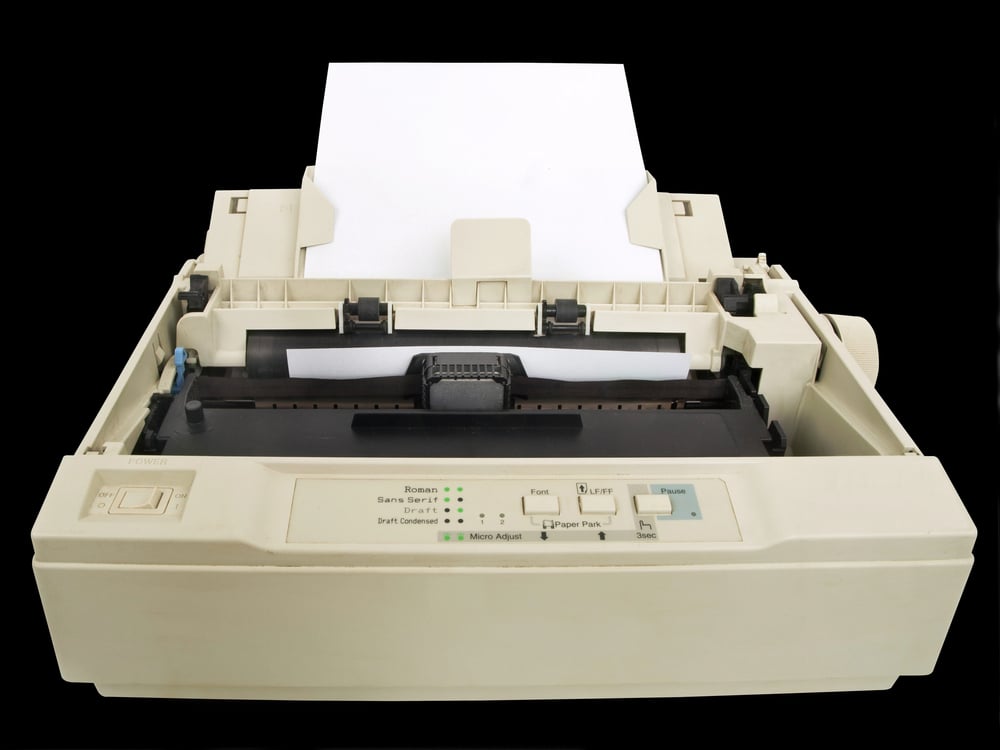
A combination scanner and printer that transmitted documents over a phone line, the fax machine required dialing a specific number and waiting through a screeching handshake tone before a document slowly emerged, often on curling thermal paper.
Rolodex
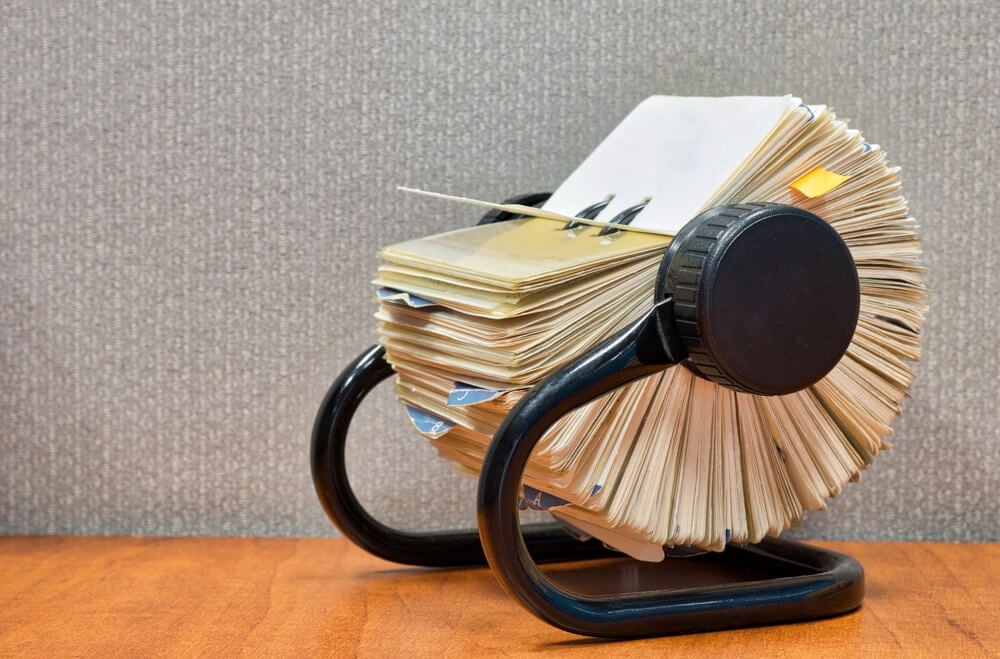
A rotating card file used to store contact information on individual index cards, the Rolodex sat on office desks as the primary way to organize business contacts before digital address books replaced it entirely.
Manual Typewriter
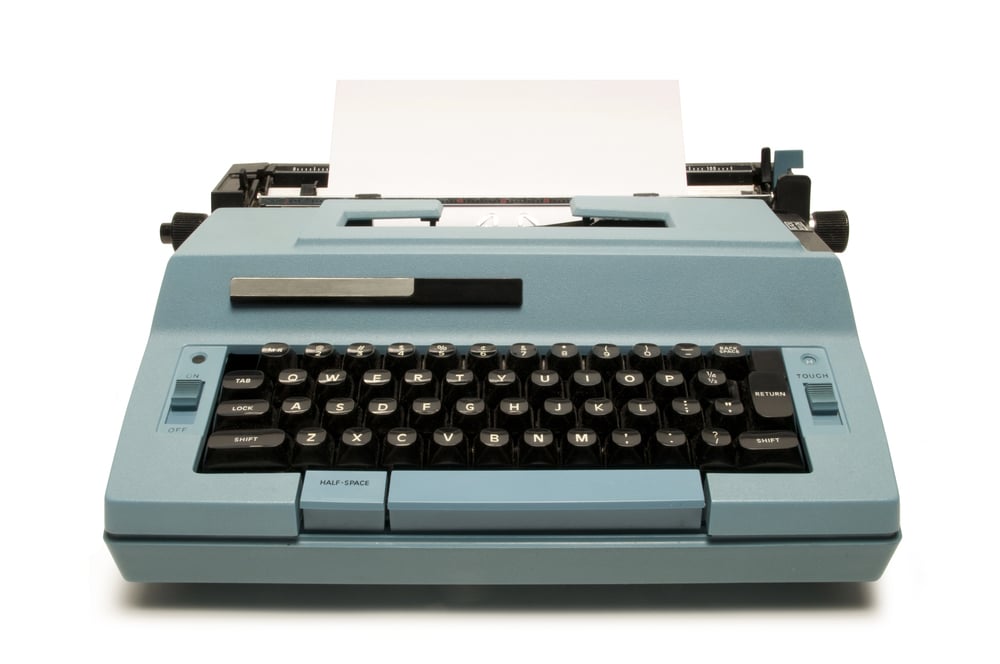
Each keystroke physically struck a metal arm against an ink ribbon to print a letter, requiring enough force that typing for long stretches left a noticeable strain on the fingers, with no way to undo a mistake except correction fluid.
Electric Typewriter
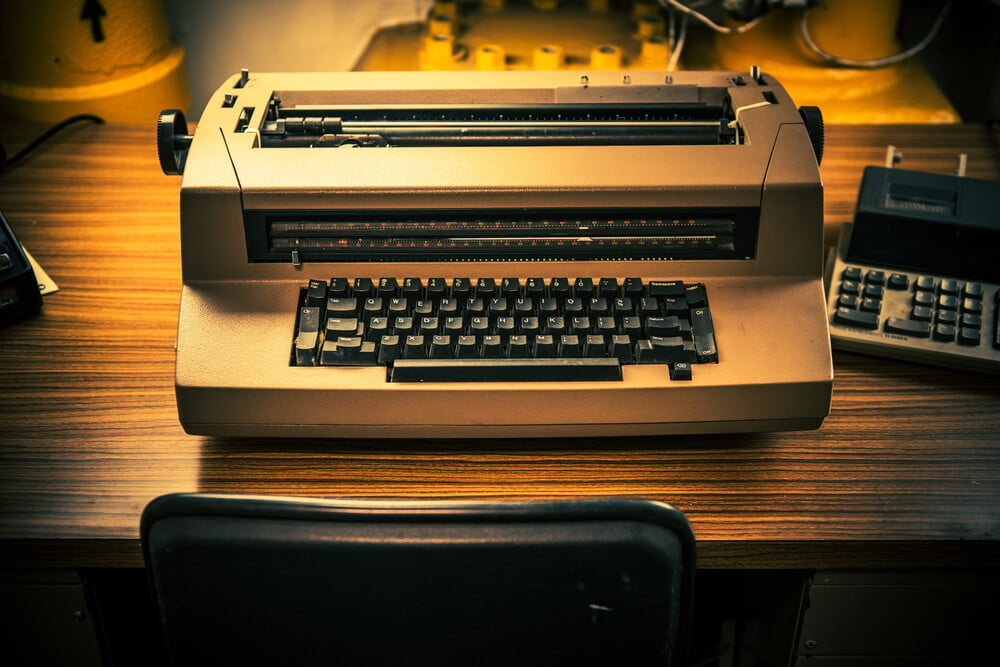
An improvement on the manual version that reduced the physical effort of typing, the electric typewriter still required manually feeding paper and offered no digital memory, meaning an entire page had to be retyped if a major error appeared near the top.
Carbon Paper

A thin sheet coated in ink placed between two pieces of paper to create an instant duplicate of anything written or typed on top of it, carbon paper left the person’s hands smudged black after handling more than a page or two.
Mimeograph Machine
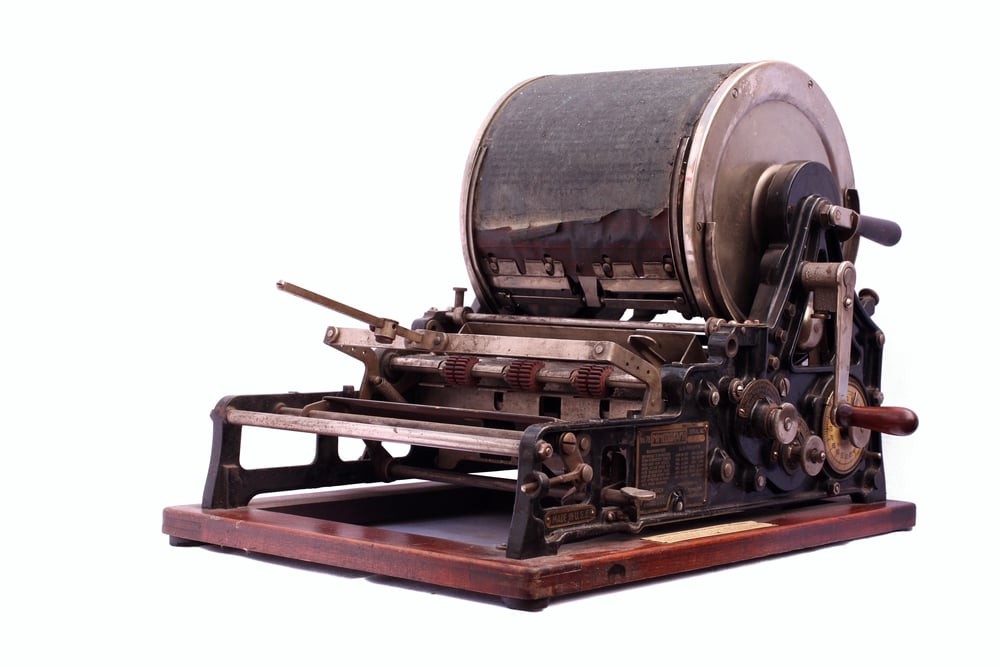
An office and classroom duplicating device that pushed ink through a stencil to print copies, the mimeograph produced documents with a distinctive purple-ish tint and a smell strong enough that some kids specifically remember sniffing freshly printed worksheets.
Overhead Projector
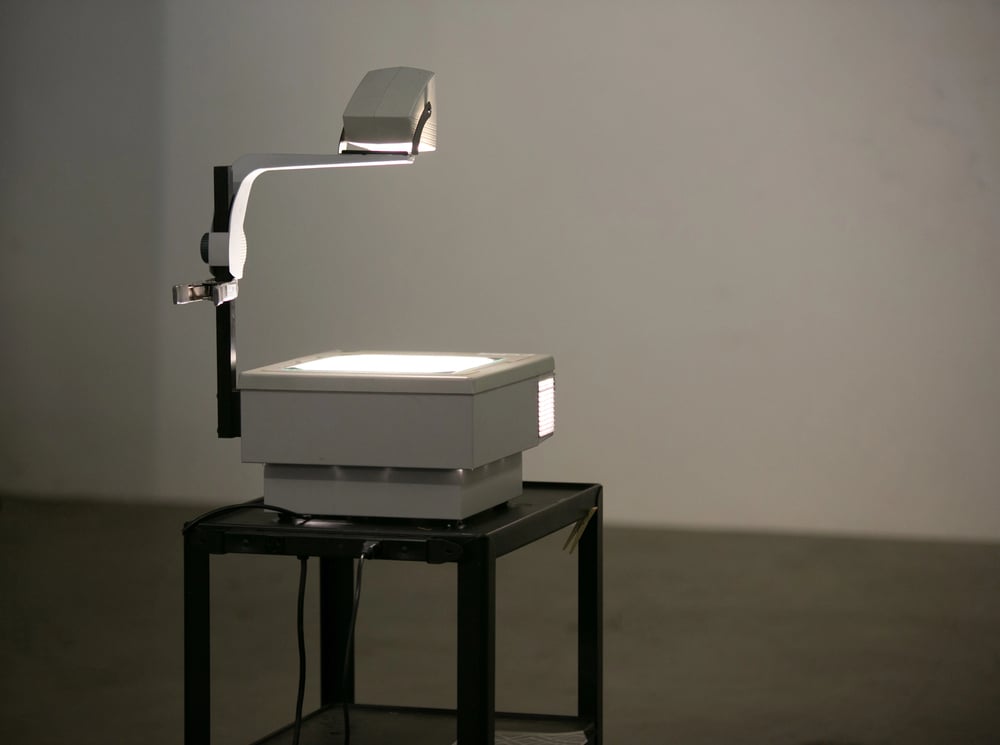
A machine that projected transparent sheets of writing or diagrams onto a screen or wall, common in classrooms and often accompanied by the squeaky sound of a dry-erase marker on the plastic sheet.
Carousel Slide Projector
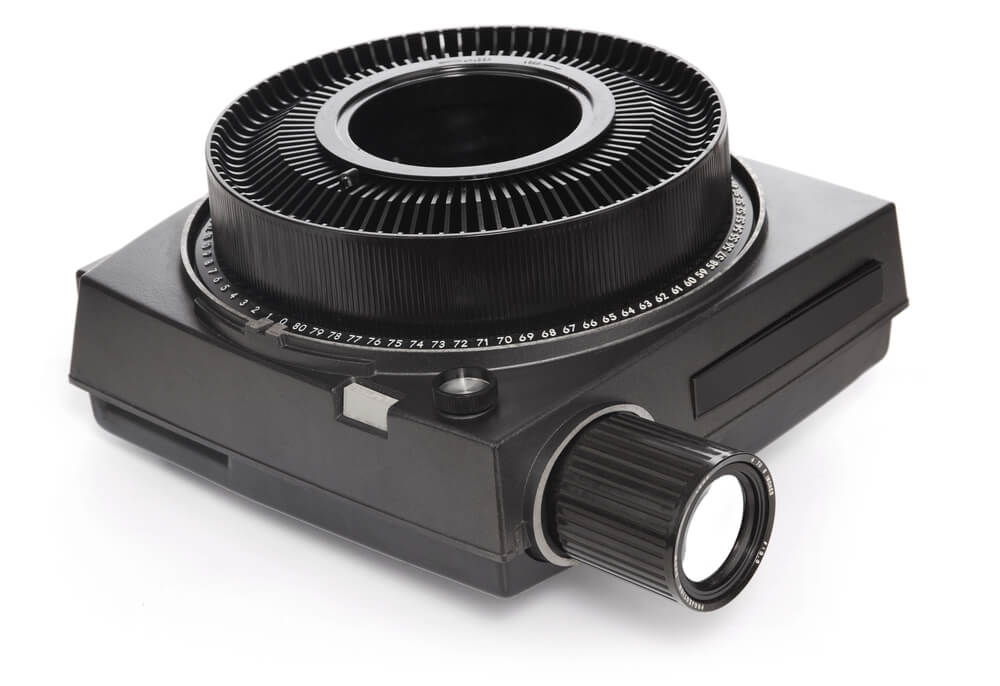
Loaded with a circular tray of 35mm photo slides, the carousel projector advanced one image at a time with an audible click, usually while a family narrated vacation photos in a darkened living room.
View-Master
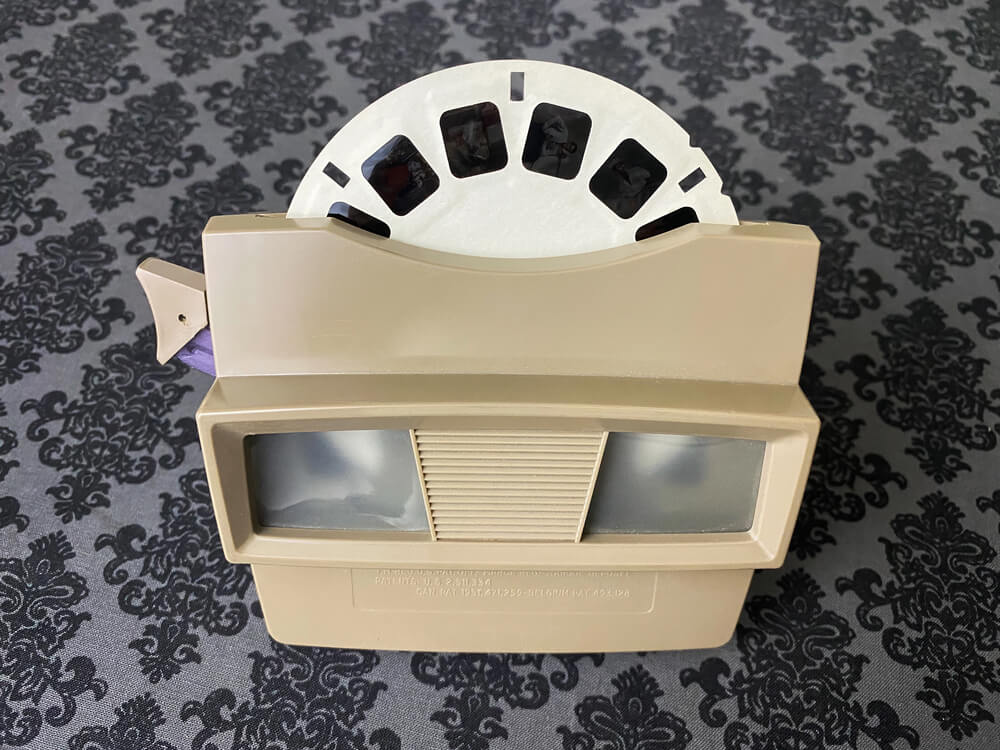
A handheld stereoscopic toy that used circular reels of small film transparencies to create a 3D viewing effect when a lever advanced each image, popular as both a toy and an educational tool sold alongside travel and nature-themed reel sets.
35mm Film Camera
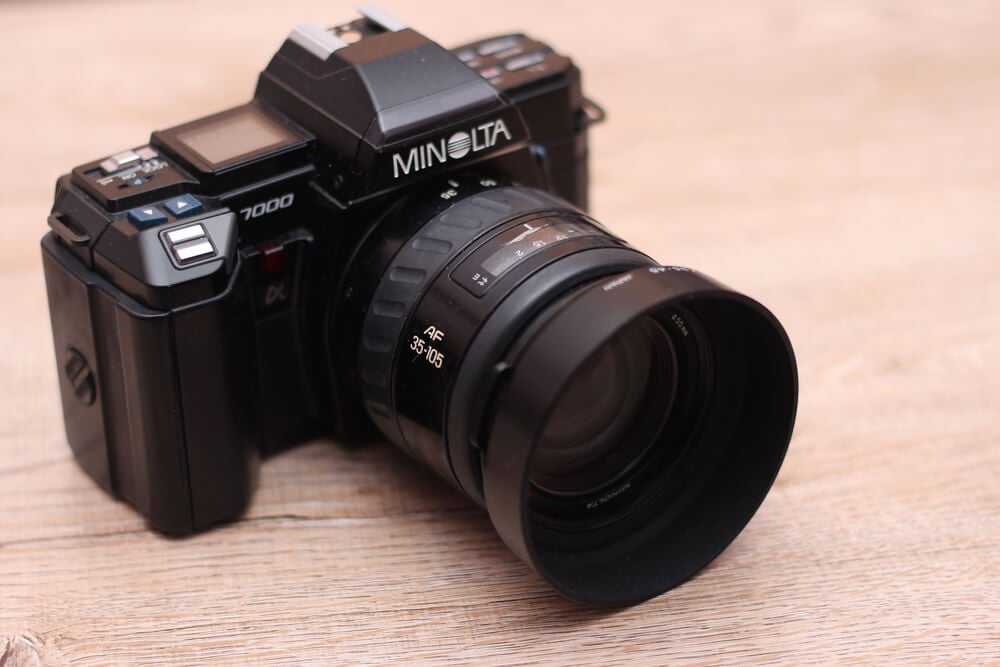
Loading required threading a strip of film onto a spool inside the camera body, and every roll held a strict limit of exposures, meaning photographers had to ration shots without knowing how any of them turned out until the film was developed.
Polaroid Instant Camera
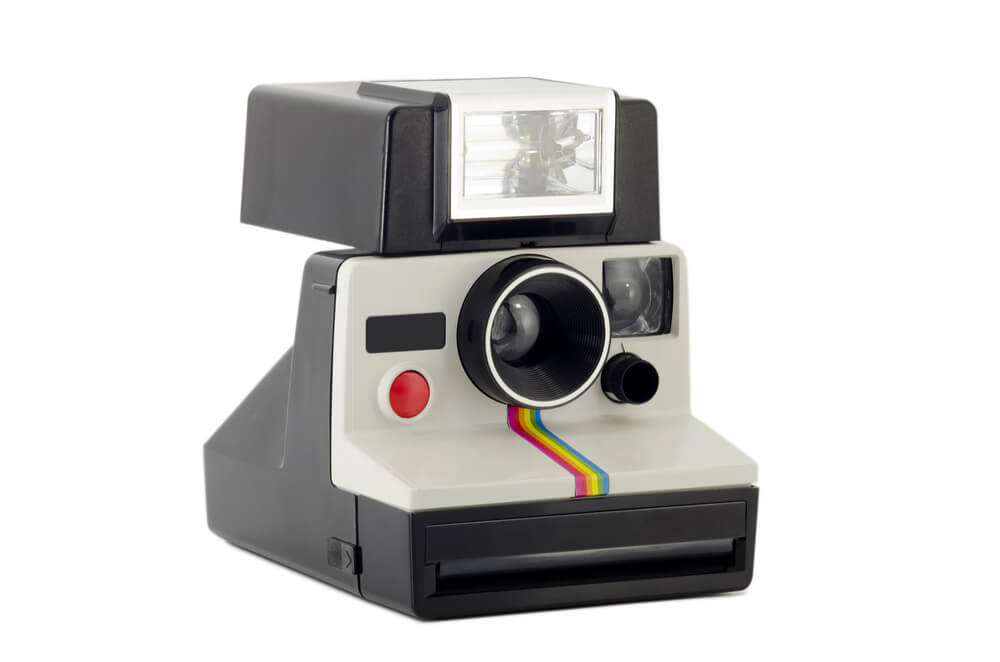
A camera that physically ejected a photograph seconds after the shutter clicked, developing in front of the photographer’s eyes as the chemicals inside the film reacted to light and air.
Disposable Camera
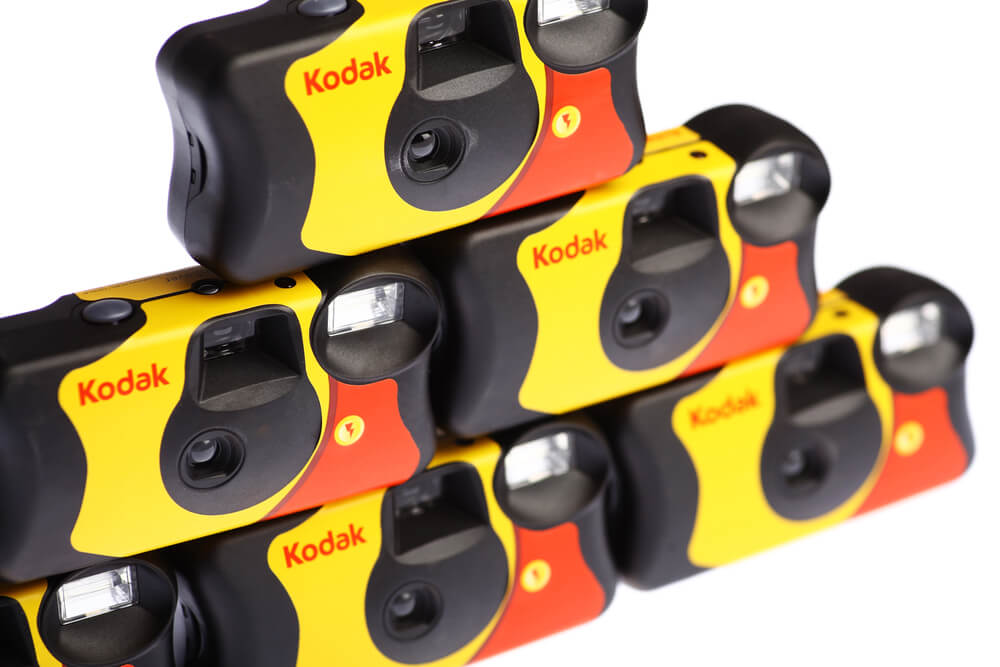
A single-use, pre-loaded film camera sold cheaply enough to hand out at weddings and parties, meant to be used up entirely and then returned in full for developing, plastic casing and all.
Home Movie Film Projector
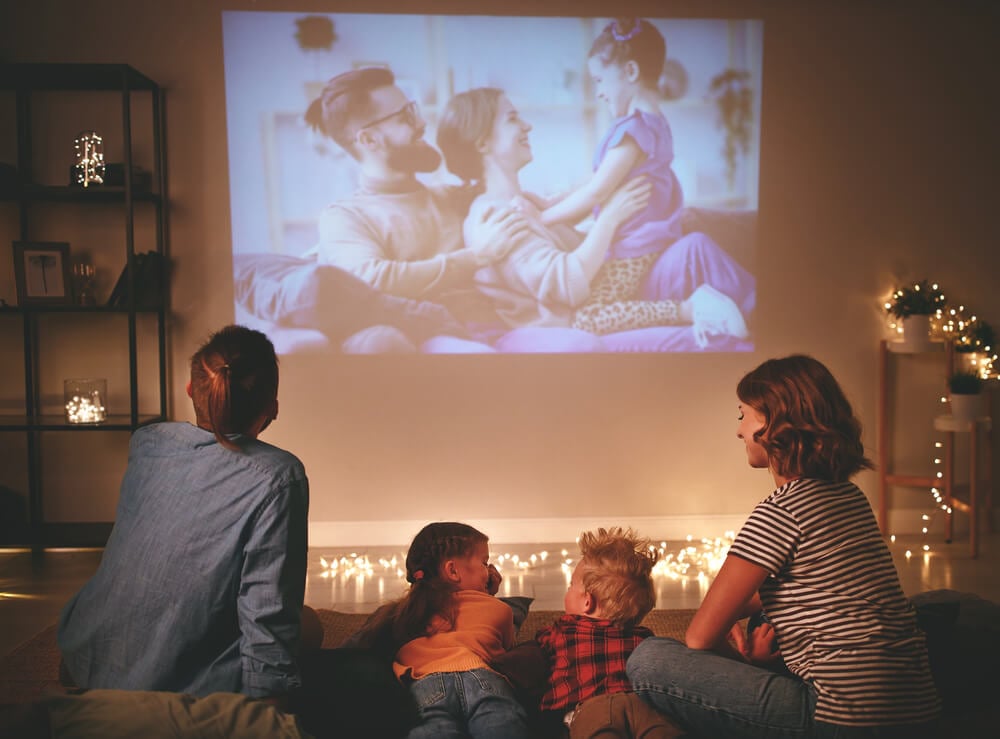
Used to play back reels of 8mm or Super 8 home movies, the projector required threading film through a series of sprockets by hand and produced a distinctive clattering sound while running.
Pager
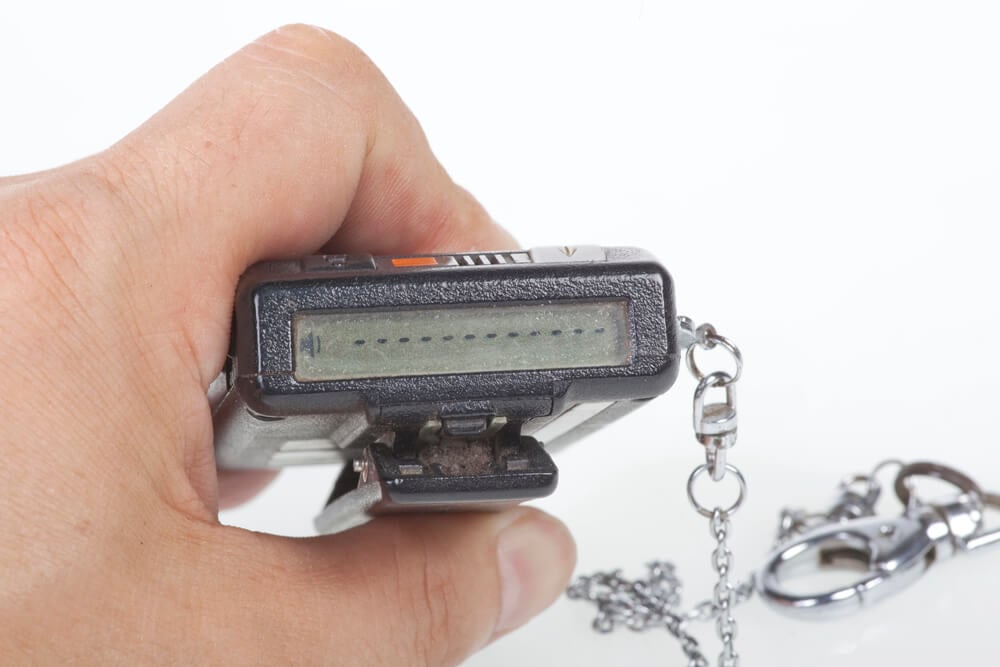
A small clip-on device that received short numeric or text messages, requiring the recipient to find a phone and call back the number displayed, since pagers themselves had no way to respond directly.
Coin-Operated Payphone
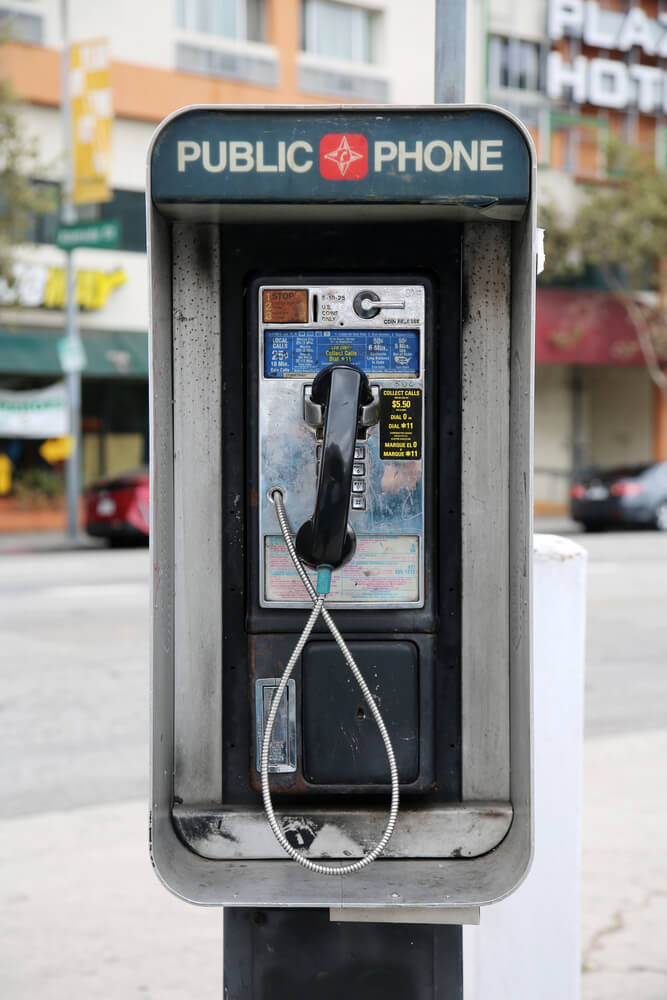
Found on street corners and inside businesses, payphones required exact change and often came with a phone book chained to the booth, a now-vanished piece of public infrastructure.
Dial-Up Modem
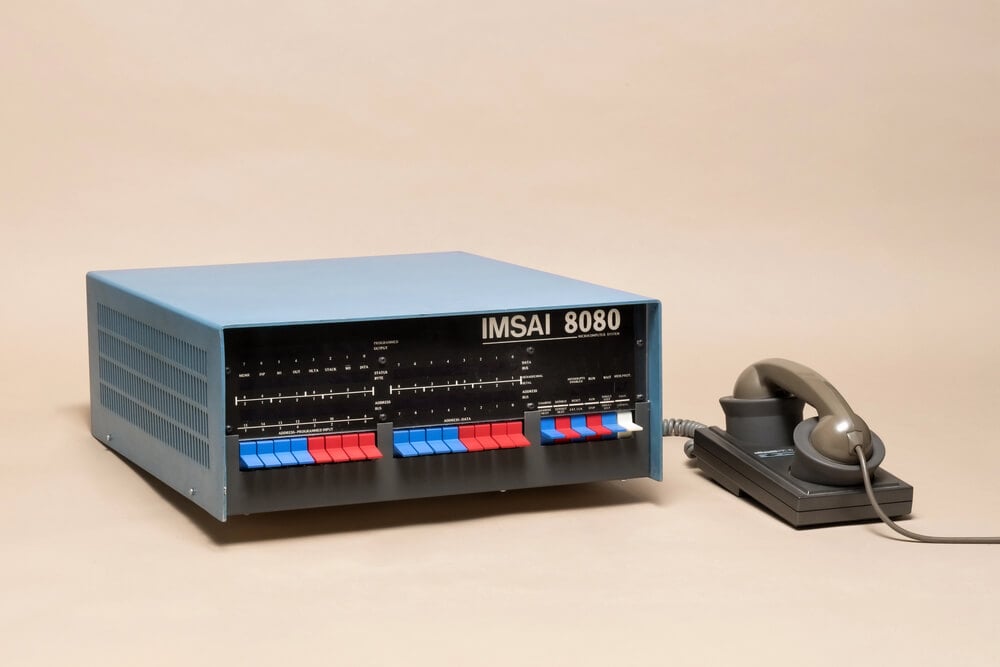
Connecting to the internet meant listening to a distinctive sequence of screeches and static as the modem negotiated a connection over a phone line, a process that also meant nobody else in the house could use the phone at the same time.
Floppy Disk
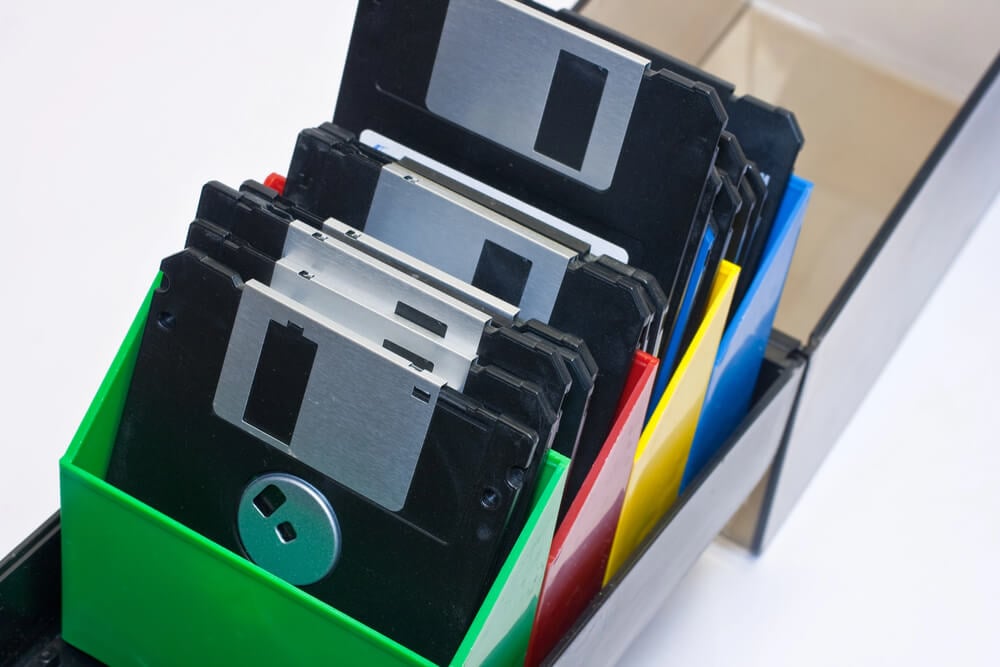
A thin magnetic storage disk housed in a rigid plastic case, floppy disks held a tiny fraction of the data modern devices manage instantly and were commonly used to physically transport files between computers.
Stovetop Percolator
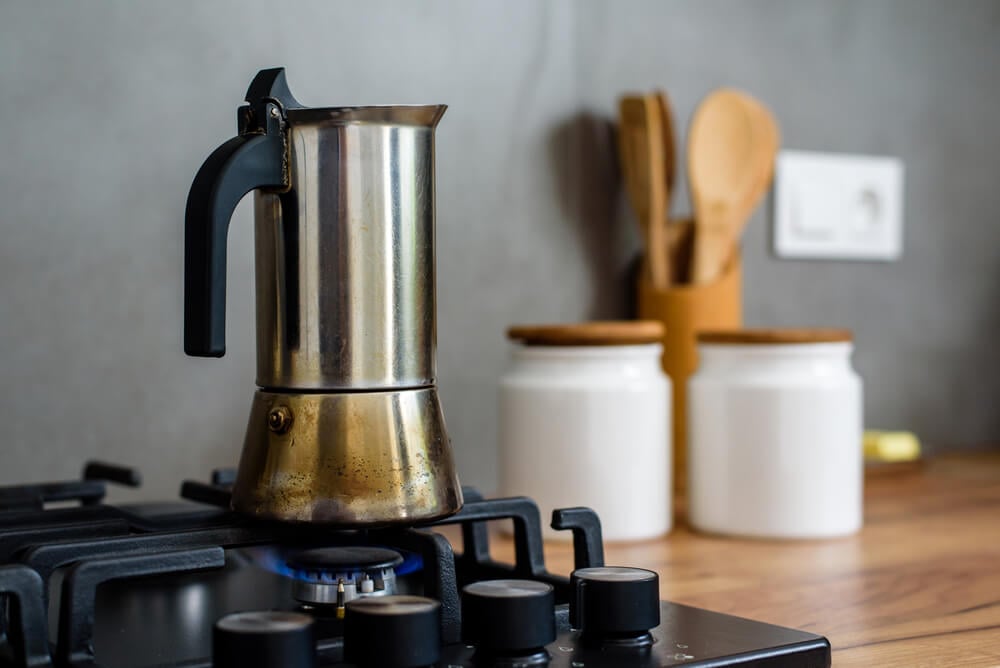
A coffee pot that brewed by repeatedly cycling boiling water up through a tube and back down through grounds, audibly perking on the stove until the coffee reached the desired strength.
Metal Ice Cube Tray with a Lever
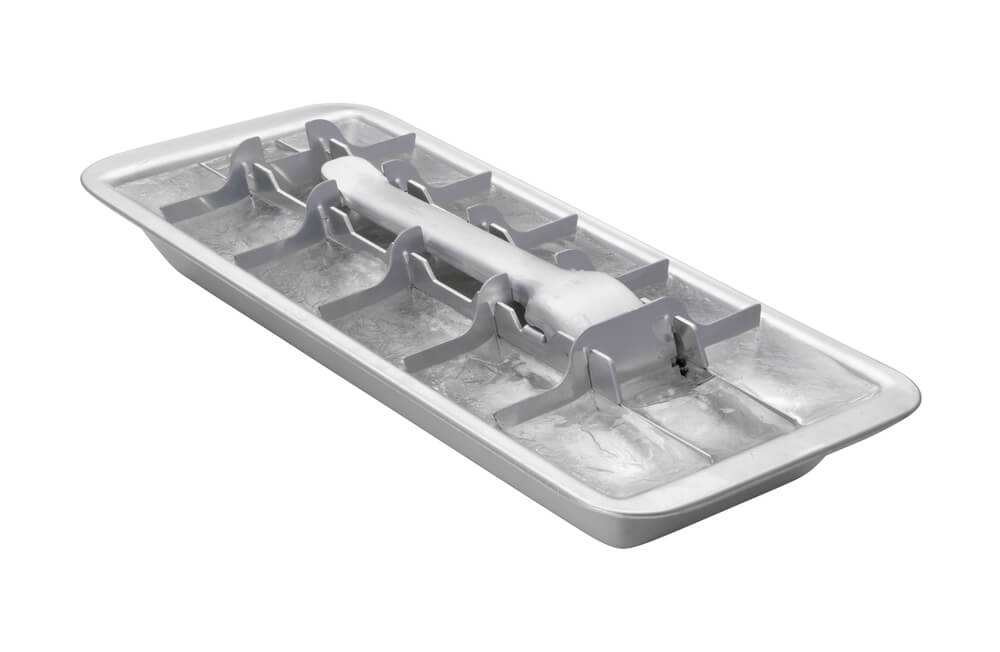
Before flexible plastic trays became standard, metal trays required pulling a lever that cracked the ice loose from a divided grid, often sticking to the tray on the first attempt.
Analog TV Tuner Knob
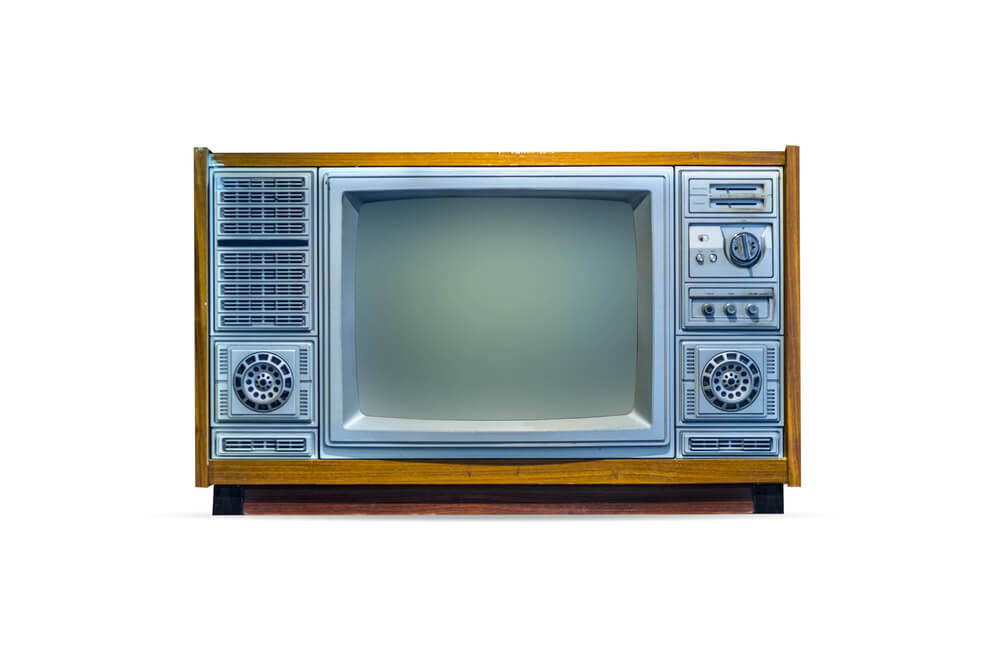
Changing channels meant physically turning a dial on the television itself, often accompanied by a rhythmic clicking sound as it moved between numbered stops, since remote controls were not yet standard equipment.
Paper Address Book
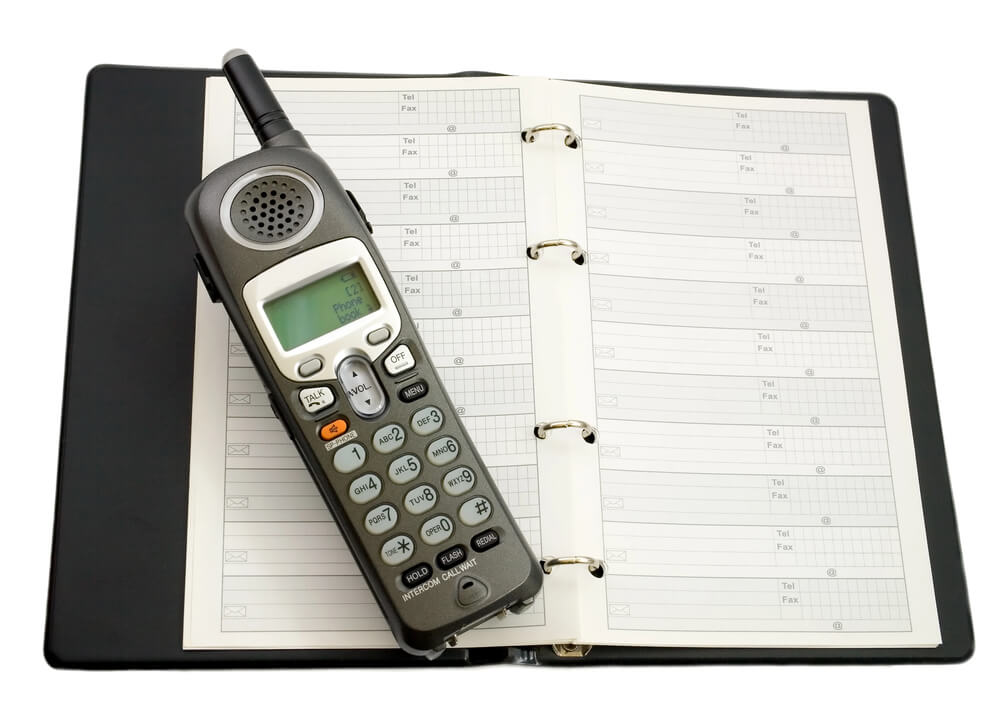
A small bound book with alphabetized tabs used to store names, addresses, and phone numbers by hand, updated with cross-outs and margin notes as people moved or changed numbers over the years.
VHS-C Camcorder
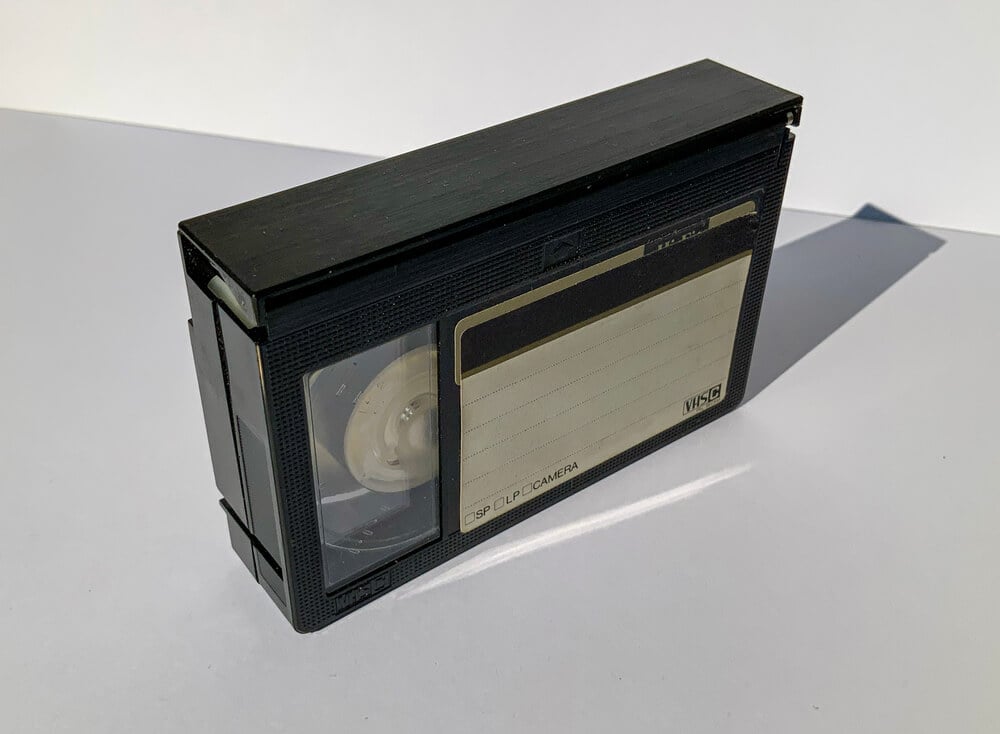
A bulky, shoulder-mounted or handheld video camera that recorded directly onto compact VHS cassettes, requiring a separate adapter to play the footage back on a standard VCR.
What Gets Lost With the Object
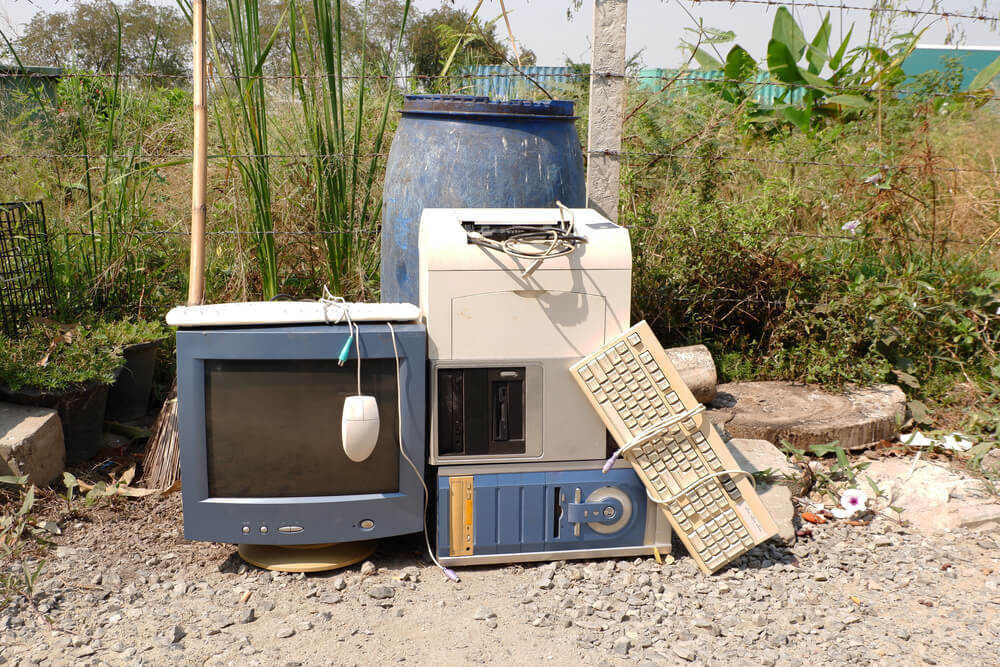
Most of these gadgets disappeared not because something better replaced their function, but because a single device eventually absorbed dozens of separate functions into itself. A phone today is also a camera, a music player, and a way to send a message without waiting by a landline for a callback.
What’s lost in that consolidation is a set of small, specific rituals: the patience of threading a film reel, the physical act of rewinding a tape before returning it, the particular sound a modem made while connecting to a world that used to feel much smaller and much slower to reach.
More from Go2Tutors!

- The Romanov Crown Jewels and Their Tragic Fate
- 13 Historical Mysteries That Science Still Can’t Solve
- Famous Hoaxes That Fooled the World for Years
- 15 Child Stars with Tragic Adult Lives
- 16 Famous Jewelry Pieces in History
Like Go2Tutors’s content? Follow us on MSN.