33 Natural Phenomena So Rare Most People Will Only See Them Once
There’s a specific kind of luck involved in catching the sky, the ground, or the ocean doing something it almost never does. Most people go their whole lives without seeing a sailing stone move across a dry lakebed or a moonbow arc over a waterfall at midnight.
These aren’t things you can plan a trip around with any guarantee — they show up on their own schedule, indifferent to itineraries, and that’s exactly what makes them worth knowing about. Below are 33 of the rarest natural phenomena on Earth, the kind that, if you’re fortunate enough to witness them, tend to stay with you for good.
Total Solar Eclipse
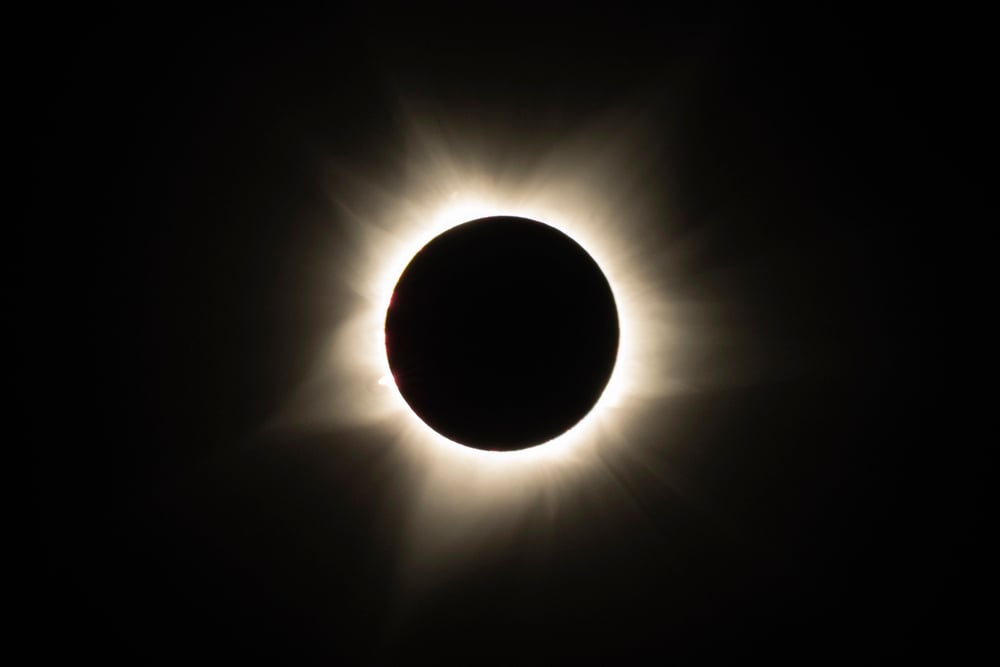
A total solar eclipse turns the day into a strange twilight in a matter of minutes. The path of totality is only ever a few hundred miles wide, and it moves fast across the globe.
Any single spot on Earth waits an average of 375 years between total eclipses. Most people who see one only ever see one.
Catatumbo Lightning
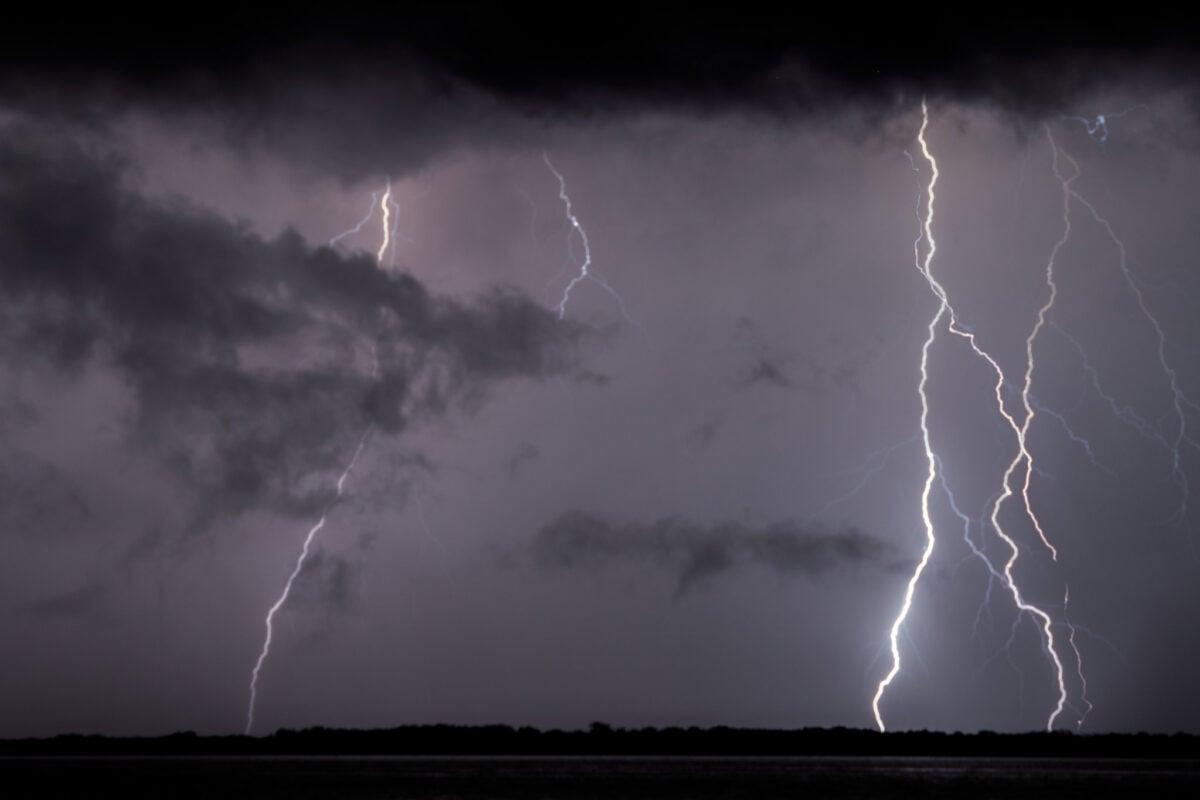
Over Lake Maracaibo in Venezuela, where the Catatumbo River spills into the water, storms fire off lightning up to 260 nights a year — and that’s not an exaggeration, that’s the recorded average. Sailors once used the flashes to navigate at night before modern instruments existed (it was that reliable, that bright, that constant).
The phenomenon even appeared on Venezuela’s flag in the 1800s. So this isn’t some rare flicker: it’s one of the most electrically active places on the planet, and still almost nobody outside the region has heard of it.
Bioluminescent Waves
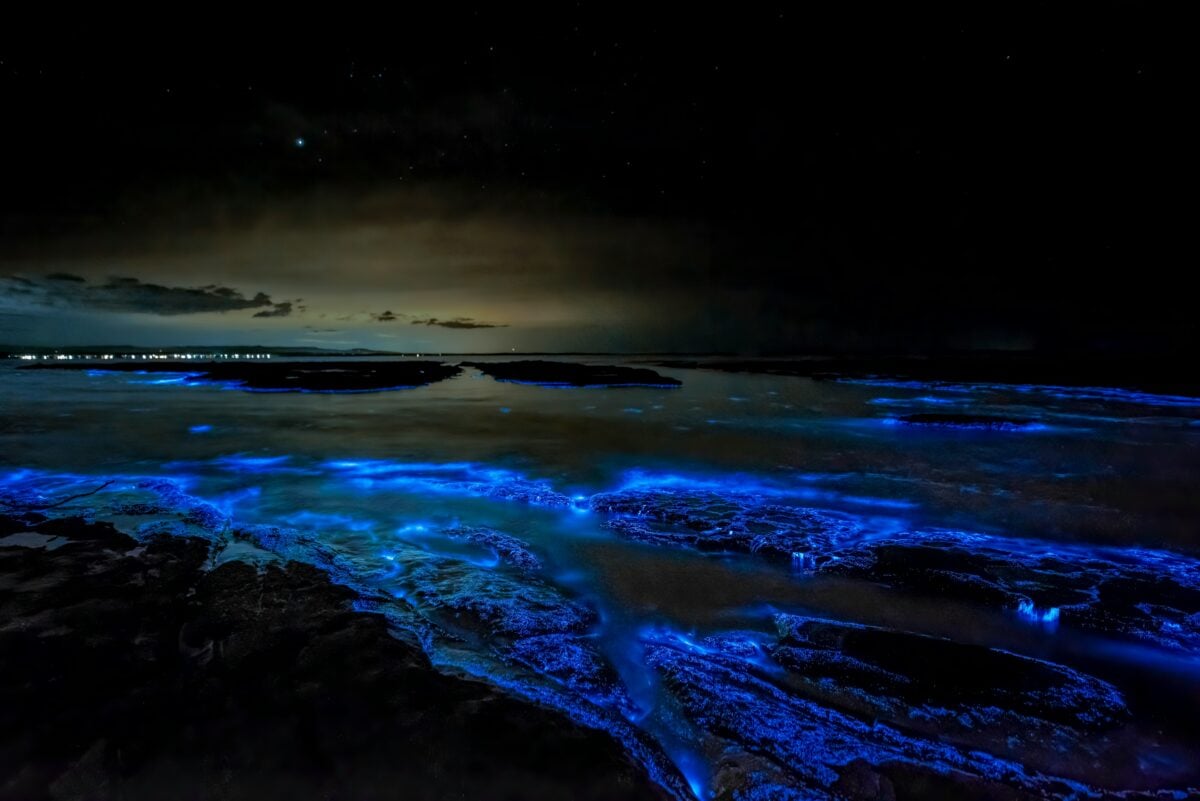
In a handful of bays around the world, the ocean glows blue when disturbed, as if the water itself were holding its breath and letting it out in light. Tiny organisms called dinoflagellates produce the glow when agitated by a wave, a paddle, or a swimming fish.
Mosquito Bay in Puerto Rico is the brightest known example on Earth. Standing in it feels less like witnessing chemistry and more like watching the sea remember something it forgot.
Circumhorizontal Arc
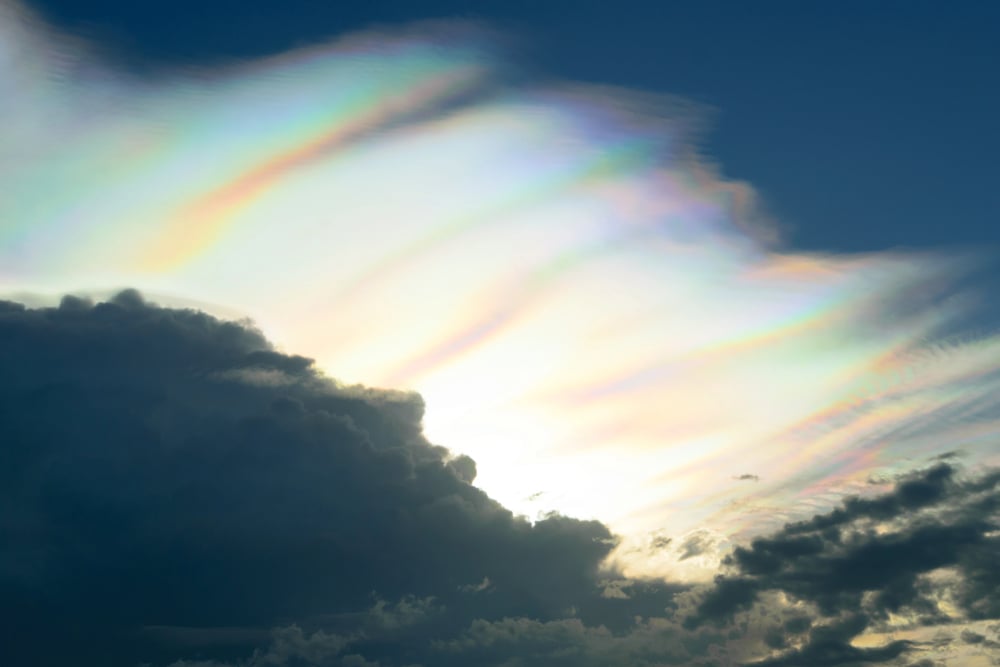
Fire rainbows aren’t rainbows, and that mislabeling would drive any atmospheric scientist up a wall. The real name is circumhorizontal arc, and it needs the sun sitting higher than 58 degrees above the horizon along with ice crystals aligned just right in high cirrus clouds.
That combination barely happens outside the tropics and mid-latitudes in summer, which is why most of northern Europe never sees one at all. It’s a picky phenomenon, and it knows it.
Sailing Stones
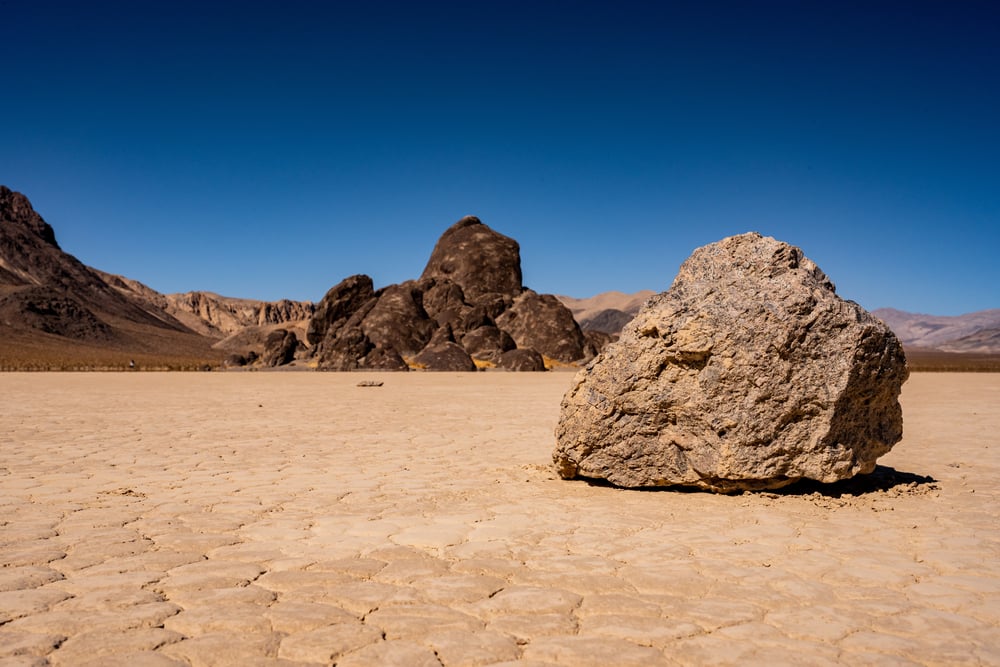
Racetrack Playa in Death Valley National Park has rocks that move across the flat, cracked ground without anyone touching them. For decades nobody knew why.
Researchers finally solved it in 2014 using GPS trackers: thin sheets of ice break apart under light wind and push the stones just far enough to leave a trail.
Moonbow
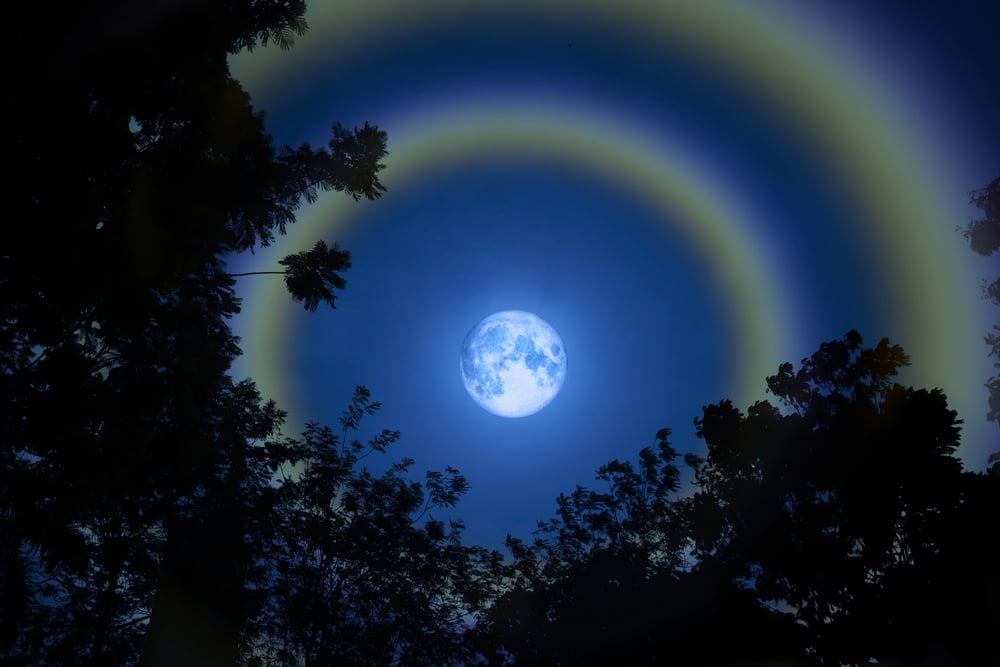
A moonbow needs a nearly full moon, a dark sky, and enough mist to bend the moonlight into color — which is a lot to ask of a single night. Cumberland Falls in Kentucky is one of the few reliable spots on Earth where it shows up with any regularity, and Victoria Falls produces one too under the right conditions.
Most people assume rainbows require sunlight, full stop, and never think to look up after dark near a waterfall. That assumption costs them something they’d probably remember for years.
Green Flash
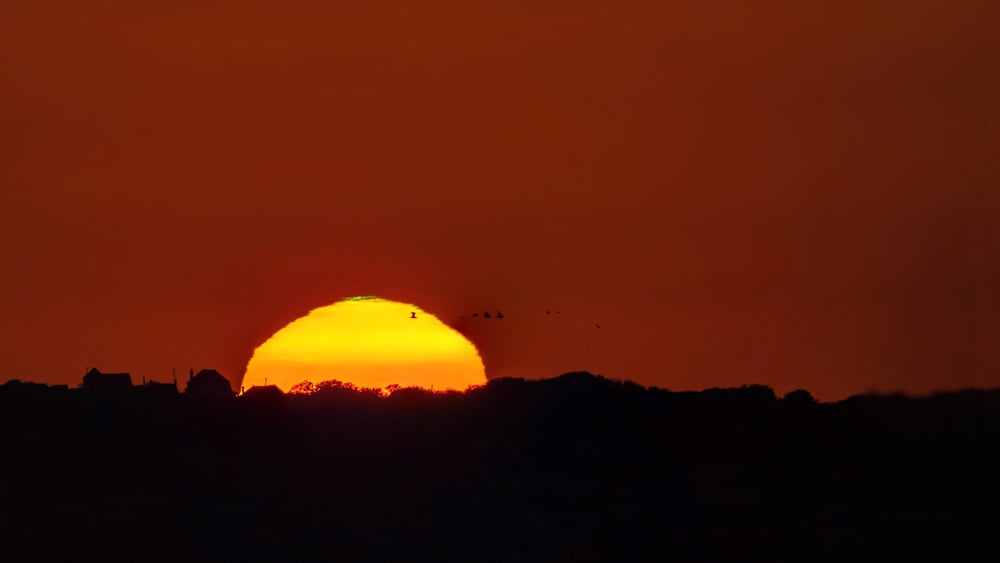
For a second or two, right as the sun disappears below a clear ocean horizon, a flash of green light can appear where the sun just was. It’s atmospheric refraction splitting the last sliver of sunlight, bending the green wavelength just enough to become visible on its own.
Sailors have written about it for centuries, half convinced it was a myth, half convinced it was a sign. It’s real, it’s brief, and blinking at the wrong moment means missing it entirely.
Low-Latitude Aurora
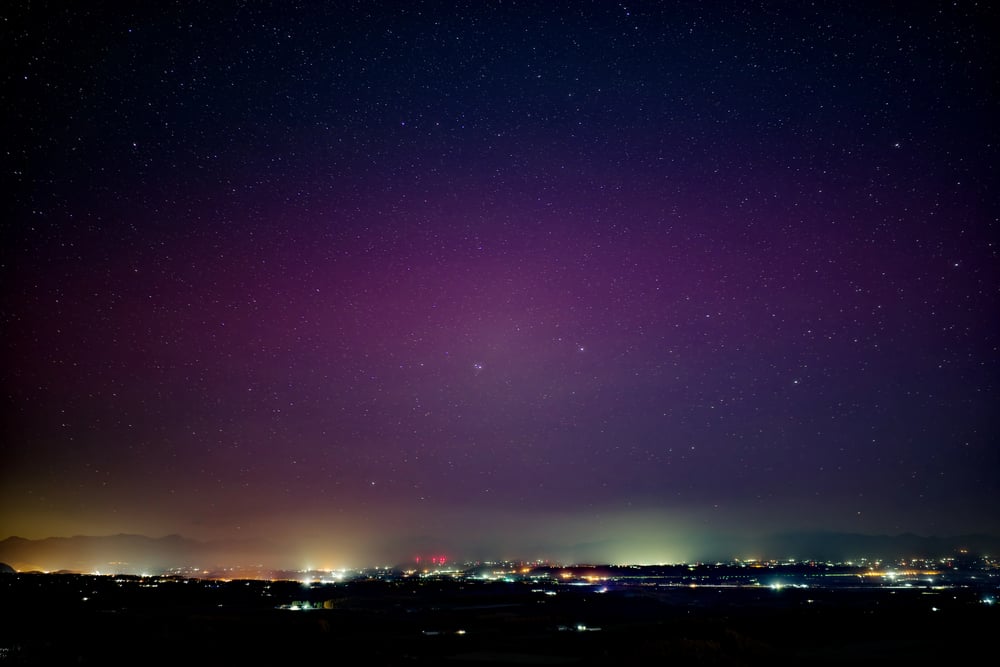
Auroras belong near the poles — that’s simply where the geomagnetic field funnels the particles. Every so often, a solar storm is strong enough to push the aurora down into places that have no business seeing it, like Alabama and northern Mexico during the May 2024 storm.
Those events depend entirely on the sun’s mood, which is to say nobody gets advance notice worth trusting. To be fair, that unpredictability is half of what makes it worth chasing.
Volcanic Lightning
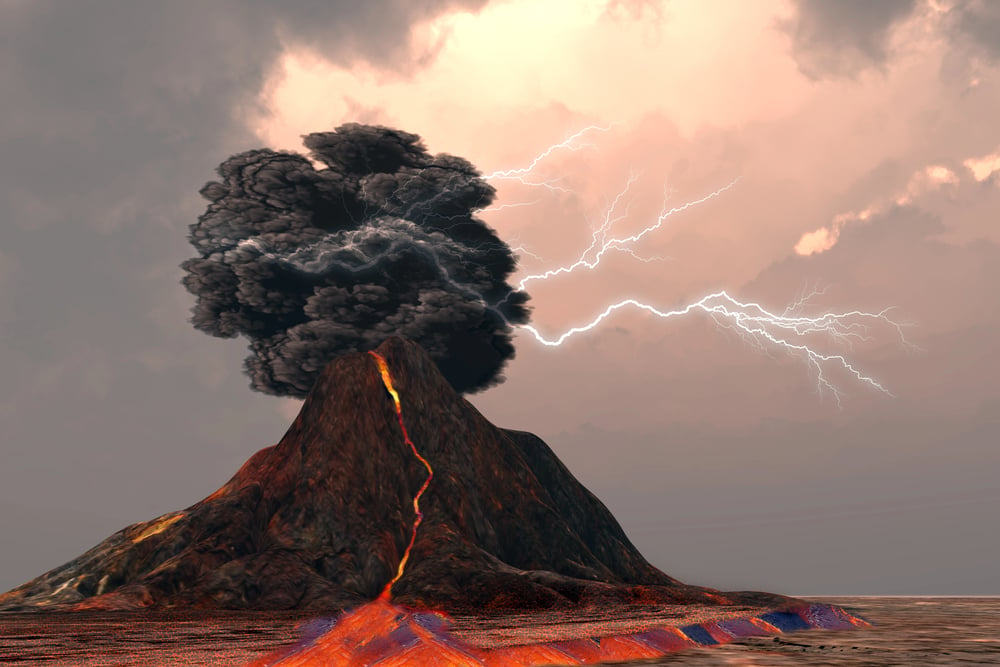
During an eruption, ash particles collide and generate static electricity, producing lightning inside the plume itself. Sakurajima in Japan and Eyjafjallajökull’s 2010 eruption both produced striking footage of this.
It’s one of the only times lightning and fire share the same frame in nature. The sight looks almost staged, like something borrowed from a disaster film rather than a real Tuesday afternoon in Iceland.
Frost Flowers
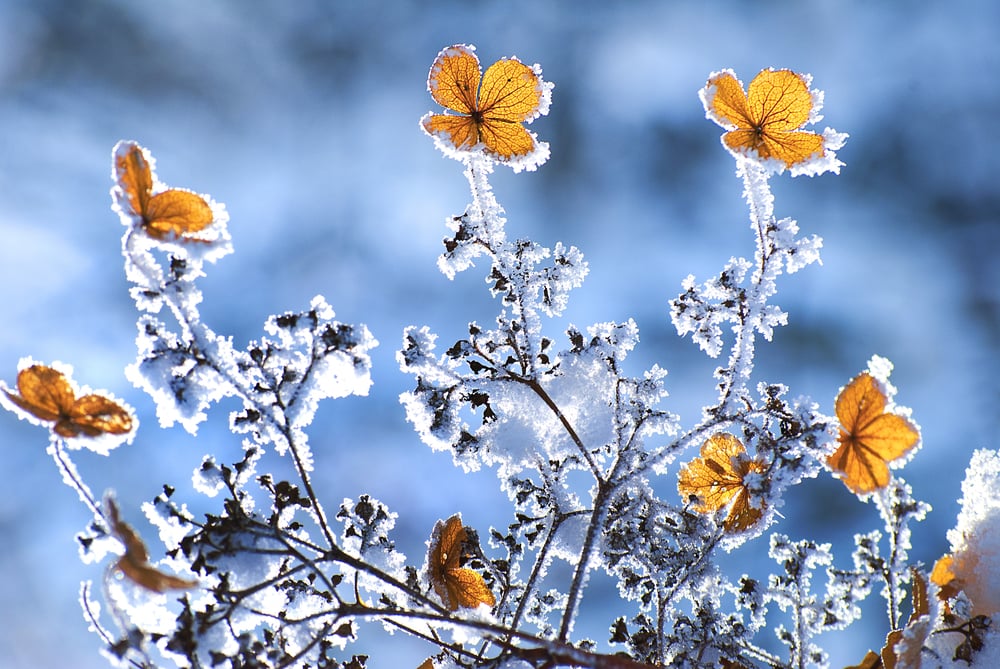
Frost flowers curl up overnight on thin new ice or dying plant stems, delicate ribbons of ice that look hand-carved. They need a precise window of temperature and humidity — too warm and they never form, too cold and the texture goes flat.
And the moment the sun climbs high enough, they’re gone: no second showing, no reruns. Anyone who’s seen a field of them at dawn has seen something the afternoon will quietly erase.
Penitentes
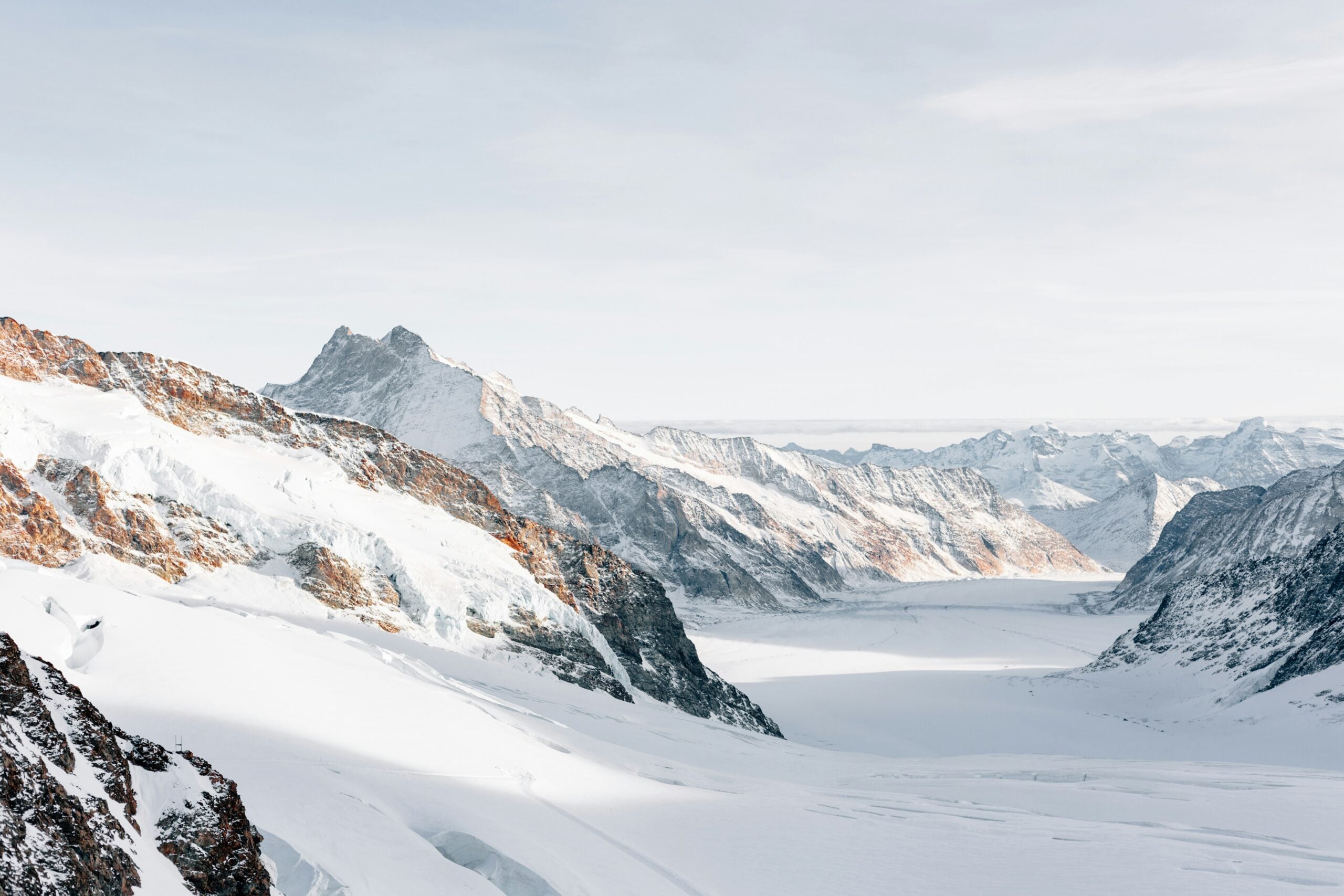
High in the dry Andes, snow doesn’t melt evenly. It sublimates unevenly instead, leaving behind tall, blade-thin spires of ice that lean toward the sun like a congregation caught mid-bow.
The name comes from Spanish explorers who thought the field resembled penitent monks. It’s less a snowfield at that point than a frozen crowd, standing exactly where the light left it.
Foxfire
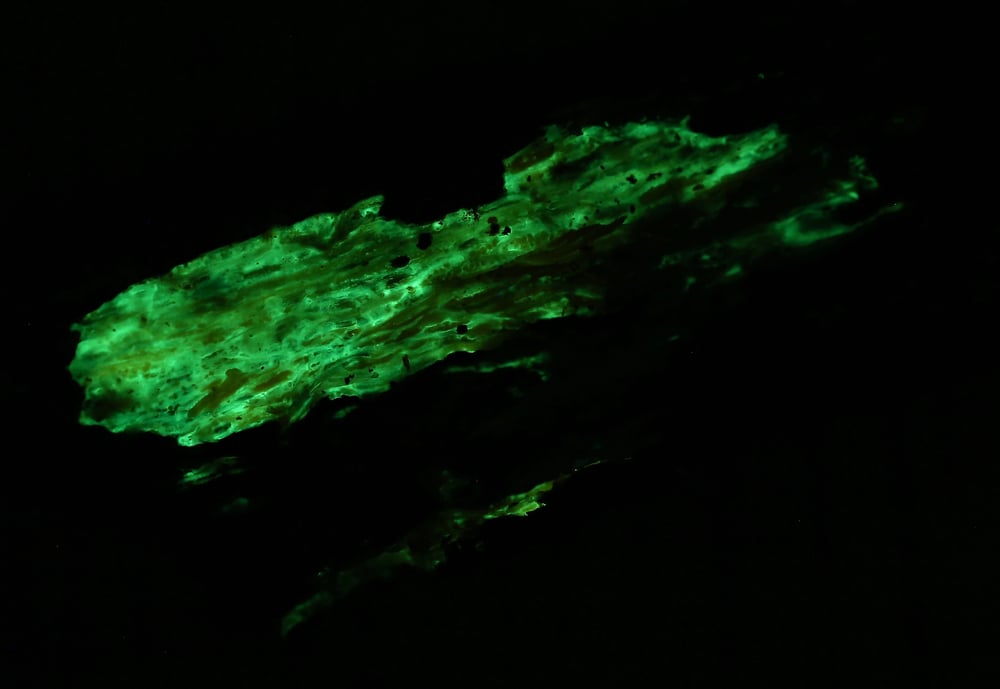
Certain fungi, including Armillaria mellea, glow faintly in decaying wood at night — a soft greenish light that’s fooled travelers into thinking a forest floor was haunted. The glow comes from a chemical reaction called bioluminescence, the same basic process that lights up deep-sea creatures.
Folklore across multiple cultures built entire ghost stories around it. Turns out the explanation was mushrooms the whole time, which is somehow both less and more interesting than a ghost.
Sun Dogs
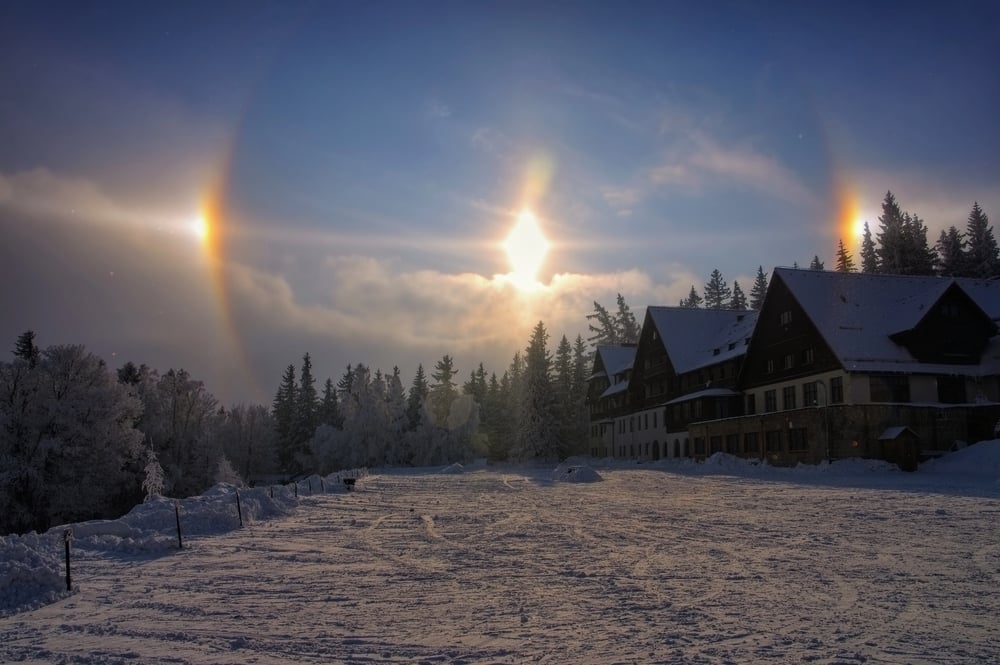
Bright spots appear on either side of the sun when hexagonal ice crystals in the atmosphere align just right, bending light the same way a prism does. They’re common enough in cold climates that many people have seen a faint version without realizing what it was.
A vivid, saturated sun dog is a different story entirely. Most sightings are subtle enough to be mistaken for a smudge on a camera lens.
St. Elmo’s Fire
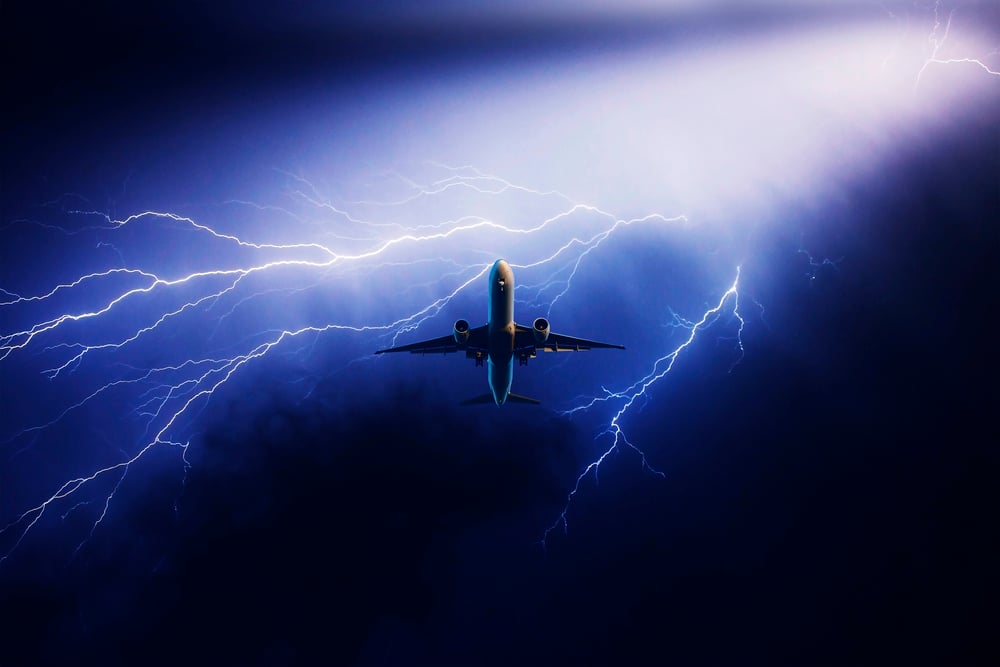
Sailors named it after their patron saint, convinced the pale blue-white glow crawling along a ship’s mast during a storm was some kind of blessing. It’s actually a plasma discharge, static electricity escaping from a pointed object during intense atmospheric conditions.
Aircraft wings have produced it too, glowing faintly during storms at altitude. Ancient texts describe the same eerie light, which means people have been mistaking physics for divine intervention for a very long time.
Brinicle
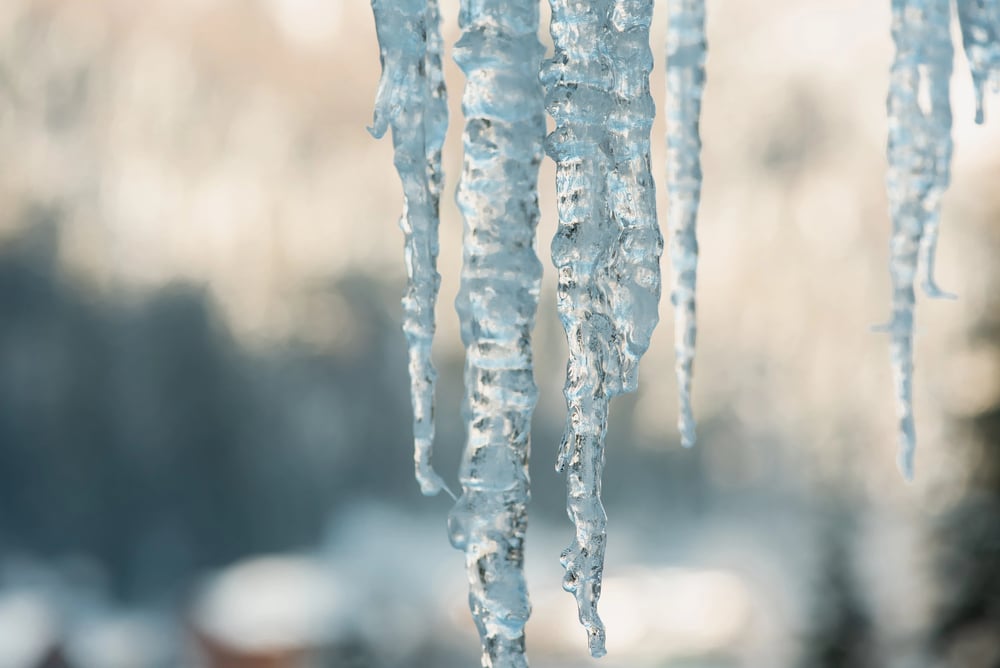
Beneath the ice in polar oceans, an “ice finger of death” can form when supercooled brine sinks and freezes the seawater around it as it descends. It moves slowly, methodically, freezing a narrowing column of ocean as it reaches the seafloor.
The BBC first filmed the process in full in 2011, and the footage looked like something biological rather than mineral. Anything caught underneath it, quite literally, doesn’t survive the encounter.
Red Sprites
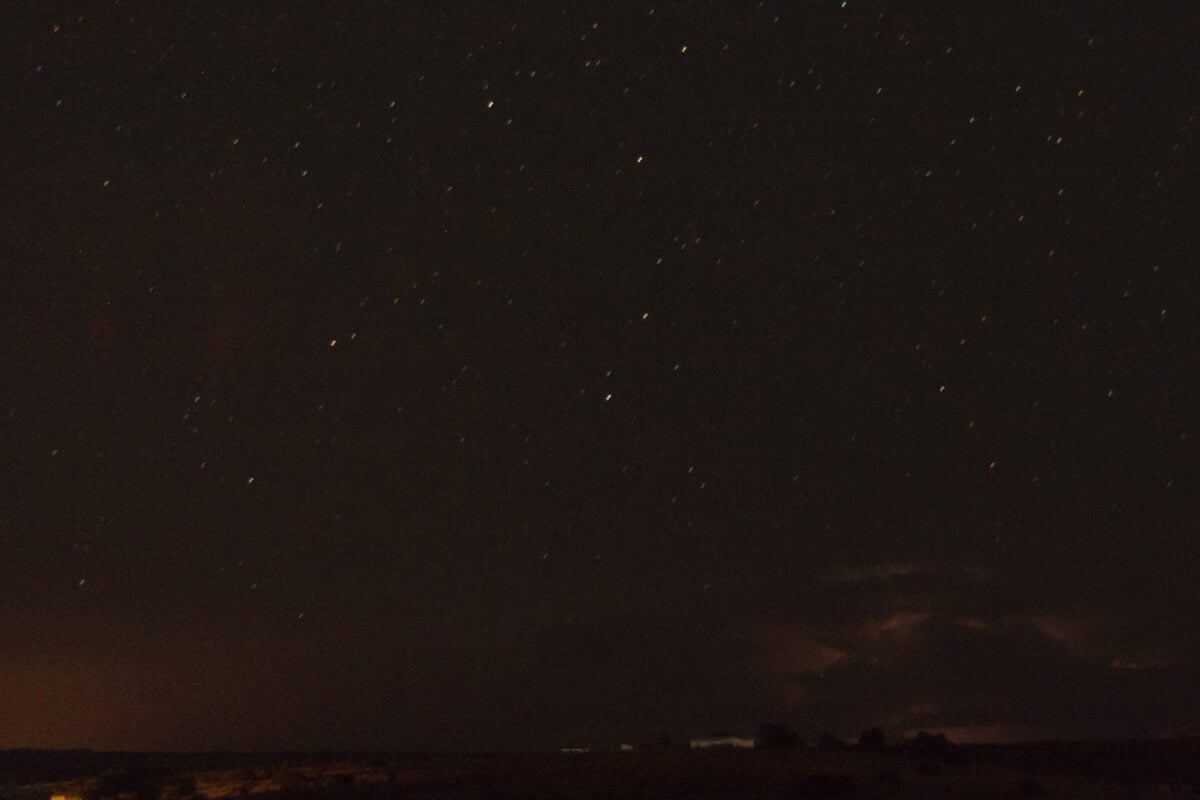
Above thunderstorms, red electrical discharges shoot upward into the upper atmosphere, visible only from aircraft or a specific dark, rural vantage point. Scientists only confirmed their existence in the late 1980s, despite pilots reporting them for decades before that.
They last a fraction of a second. Nobody sees one by accident and remembers it as anything less than strange.
Blue Jets
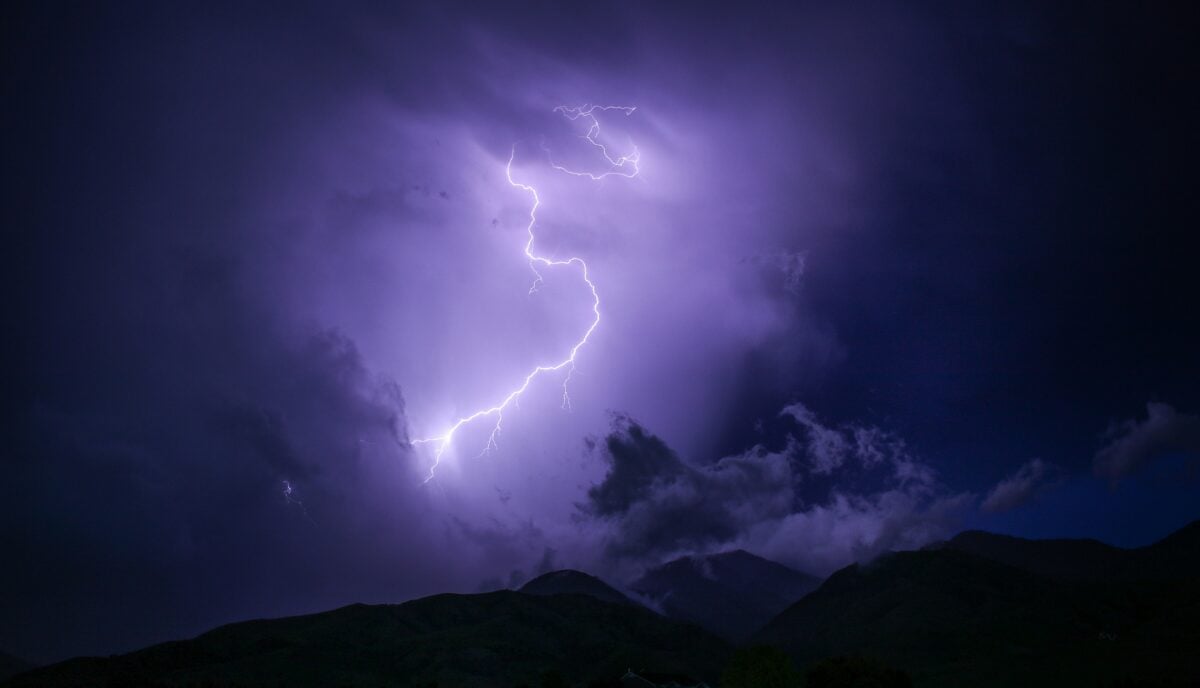
Blue jets behave like a cousin to red sprites, shooting upward from the tops of storm clouds rather than sitting above them, and they’re rarer still. Their blue color comes from a different altitude and a different set of atmospheric gases doing the reacting. Cameras aboard the International Space Station have captured them in recent years, which is honestly the best angle anyone’s ever gotten.
From the ground, most people never even know a storm produced one.
STEVE
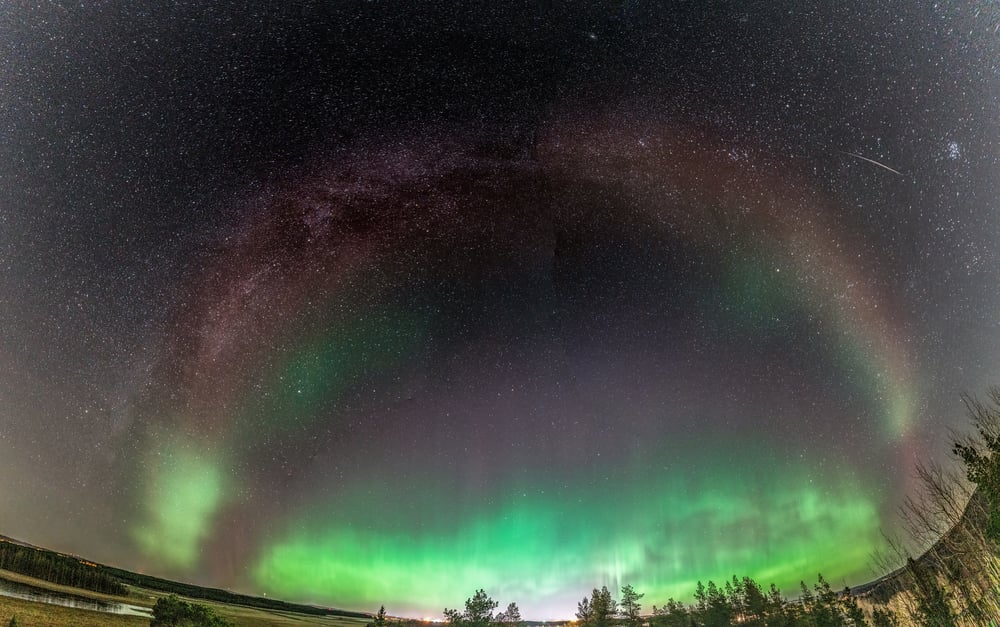
STEVE stands for Strong Thermal Emission Velocity Enhancement, a mouthful of a name for a thin purple ribbon of light that isn’t technically an aurora at all. Citizen scientists in Canada first flagged it as something distinct back in 2016, and researchers are still working out the full mechanism.
It tends to appear closer to the equator than a typical aurora does. It’s proof that amateur stargazers with cameras can still catch something professional science hadn’t fully named yet.
Morning Glory Clouds
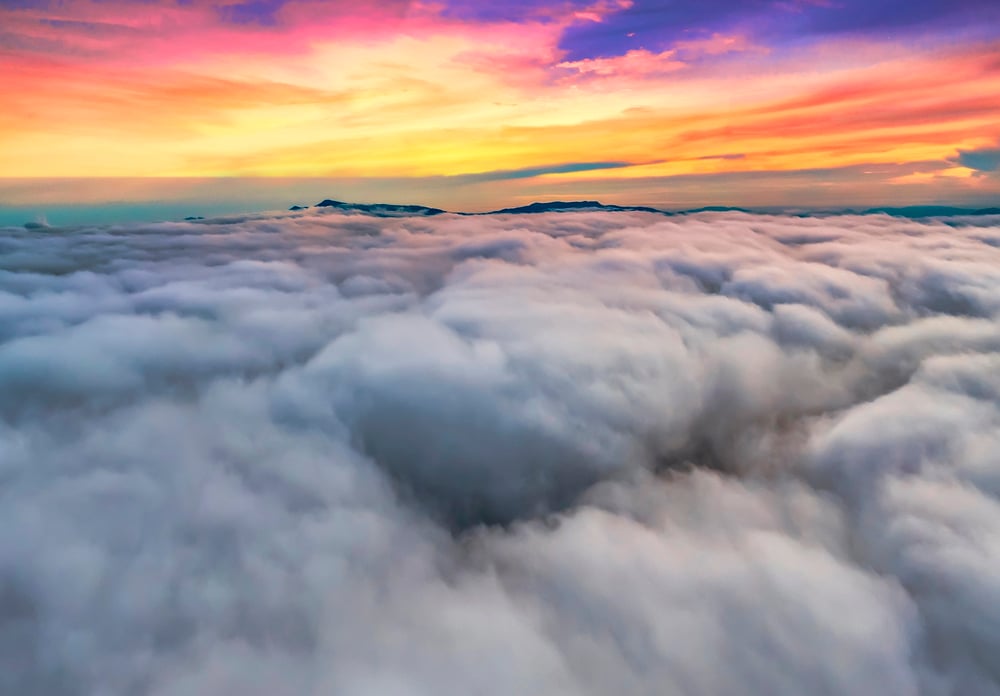
Over the Gulf of Carpentaria in Australia, long rolling clouds stretch across the sky like a wave frozen mid-break, and glider pilots fly out specifically to ride the air currents underneath them. The clouds can stretch for hundreds of miles, moving as a single connected mass.
Nobody fully agrees on the exact mechanism behind their formation. Whatever causes it, it turns an ordinary sky into something that looks engineered.
Light Pillars
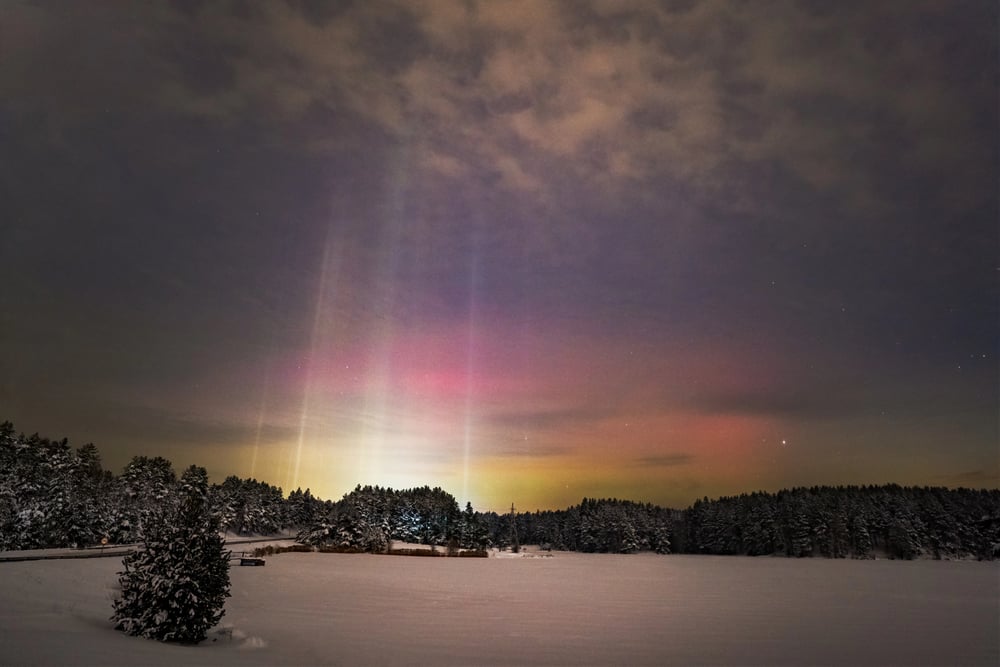
Vertical beams of light stretch upward from streetlights or the moon when ice crystals hang suspended in extremely cold air, reflecting the light straight back at the viewer. It needs temperatures near zero degrees Fahrenheit or colder, which limits it mostly to Arctic towns and the coldest nights of a northern winter.
The effect looks almost artificial, like searchlights aimed at nothing. And yet it’s just cold air, doing exactly what cold air does under the right conditions.
Ice Circles
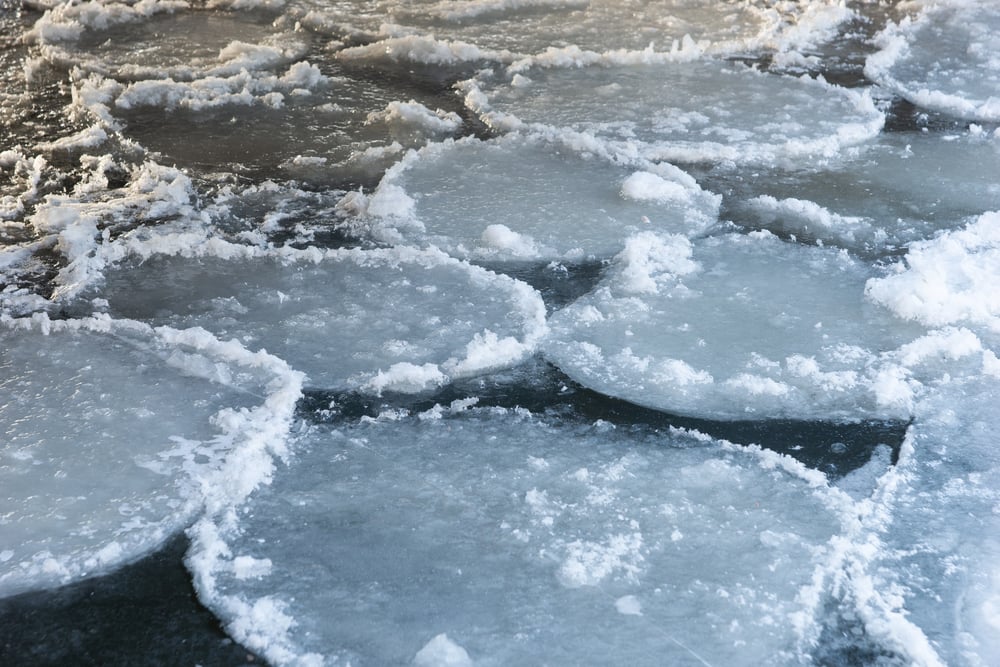
Slow-moving rivers occasionally produce perfectly rotating disks of ice, spun by eddy currents beneath the surface. Some recorded circles have stretched over 300 feet across, turning at a steady, almost hypnotic pace.
Nobody who lives near one of these rivers expects to see it happen. It’s one of the rare instances where nature builds something that looks deliberately geometric.
Thundersnow
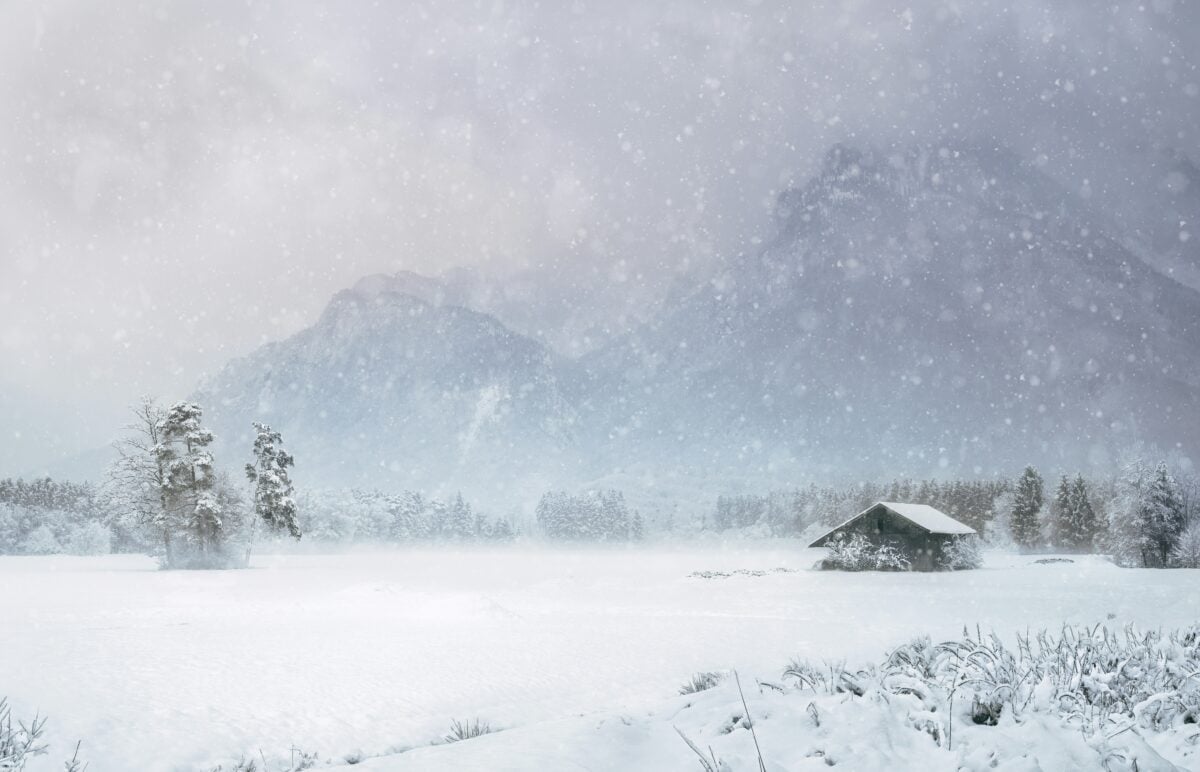
Thunder and snow rarely share the same storm, since the atmospheric instability needed for lightning usually clashes with the cold air needed for snow. Snow also muffles the sound of thunder, so even when it happens, the boom is fainter and shorter than usual.
Meteorologists get noticeably excited when it’s forecast, which tells you everything about how uncommon it actually is. Anyone who’s heard it once tends to bring it up in conversation for years afterward.
Nacreous Clouds
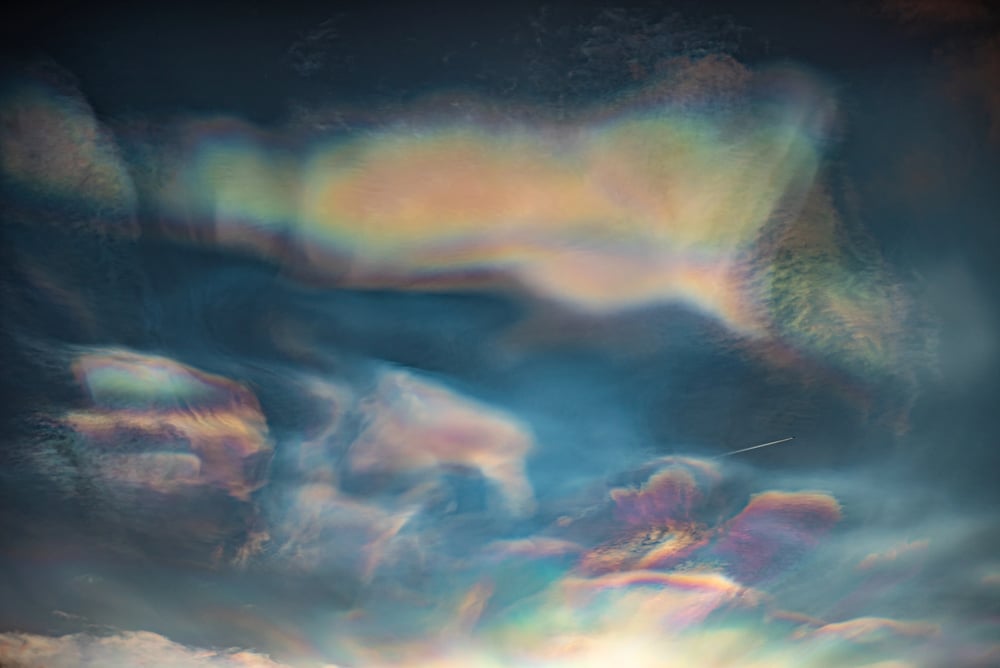
High above the poles, in the brutal cold of the stratosphere, nacreous clouds catch twilight and scatter it into shimmering, mother-of-pearl color. They only appear during polar winter, and only at twilight, which narrows the viewing window to almost nothing.
The colors look closer to an oil slick than a sunset. Nobody who has seen one describes it as merely pretty.
Salar de Uyuni Mirror
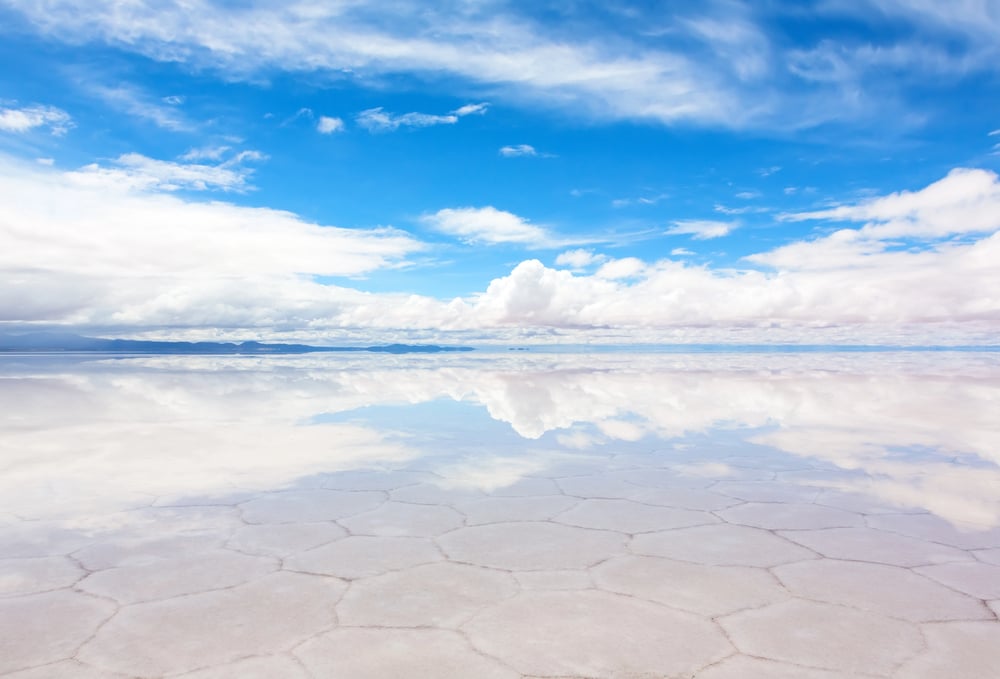
Bolivia’s Salar de Uyuni is the largest salt flat on Earth, and after a rain it turns into the most convincing mirror the planet produces. The reflection is so exact that photographers lose track of where the ground ends and the sky begins.
That window only lasts while a thin layer of water sits on the salt, evaporating within days depending on the season. Miss the timing and the flat goes back to being just an enormous stretch of white salt.
Underwater Waterfall Illusion
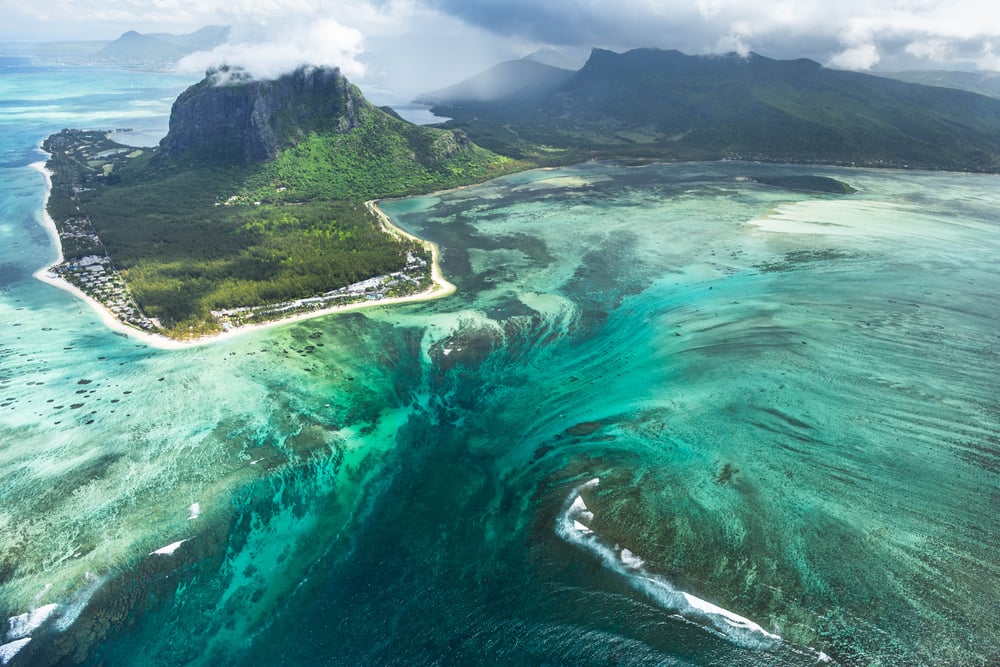
Off the coast of Mauritius, sand and silt runoff create the illusion of an underwater waterfall, visible clearly only from an aircraft looking down. From ground level, or even from a boat, the effect completely disappears. It’s a trick of sediment and depth, nothing more, and yet the photographs looking down from above are hard to believe are real.
Most visitors to the island never get the altitude needed to see it at all.
Diamond Dust
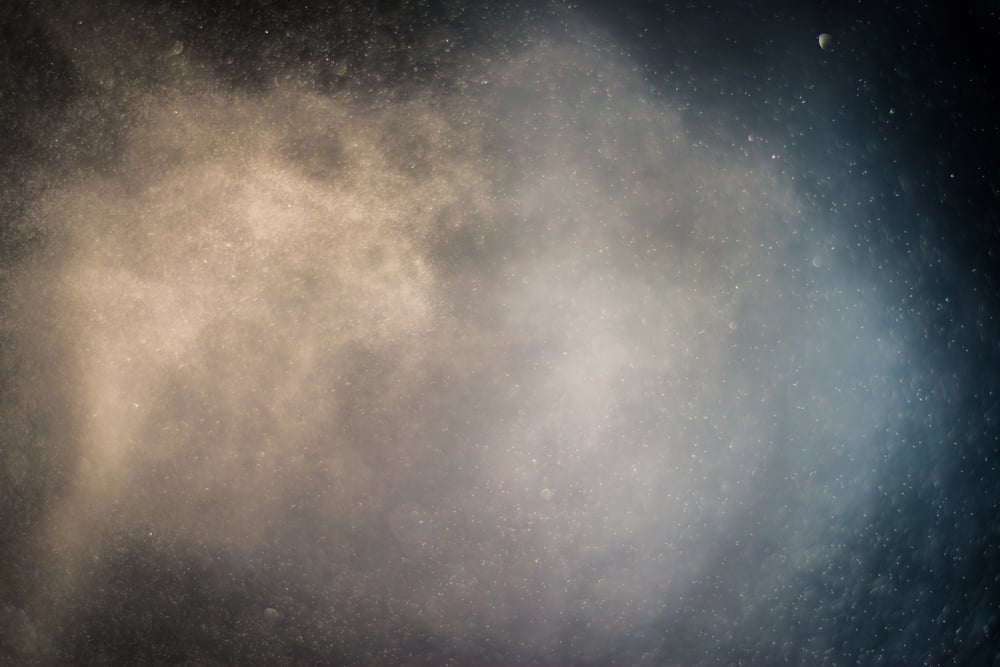
In extreme cold, well below zero, ice crystals form directly in clear air and fall as a fine, sparkling mist called diamond dust. It happens most often in Antarctica and the Arctic, when temperatures drop below roughly negative 13 degrees Fahrenheit.
The effect looks like the air itself has been sprinkled with glitter. It requires a specific kind of cold that most of the inhabited world never actually experiences.
Sun Halo
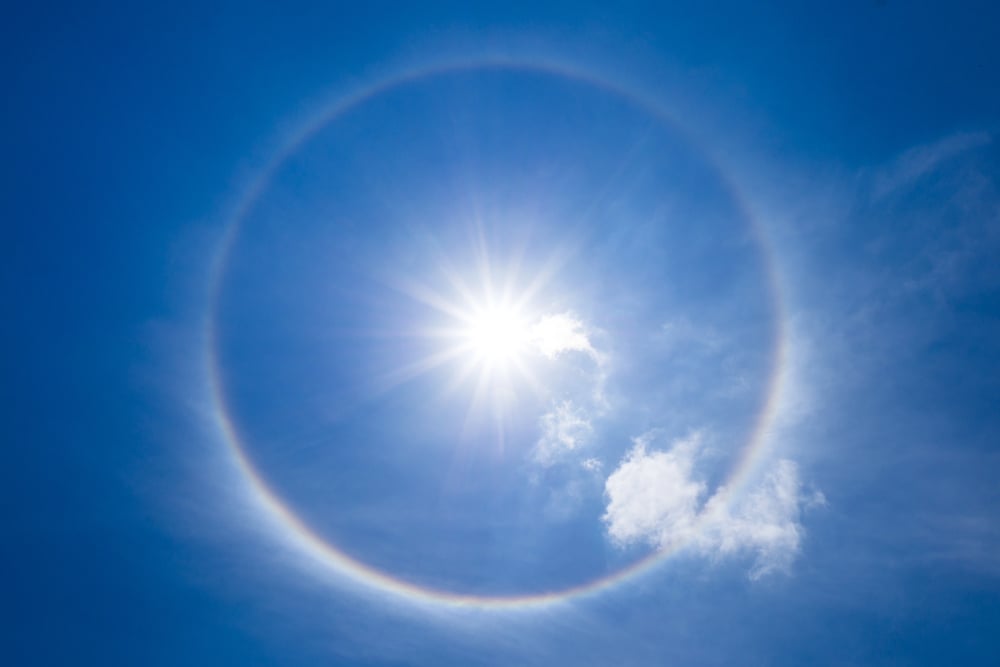
A ring of light circling the sun at a consistent 22-degree radius comes from hexagonal ice crystals inside high cirrus clouds, bending sunlight the way a prism bends it. It’s more common than most of the phenomena on this list, but a sharp, vivid version is still something most people only notice once or twice in a lifetime.
Most halos are faint enough to go unnoticed entirely. The ones worth remembering are the ones bright enough to make you stop walking.
Super Blue Blood Moon
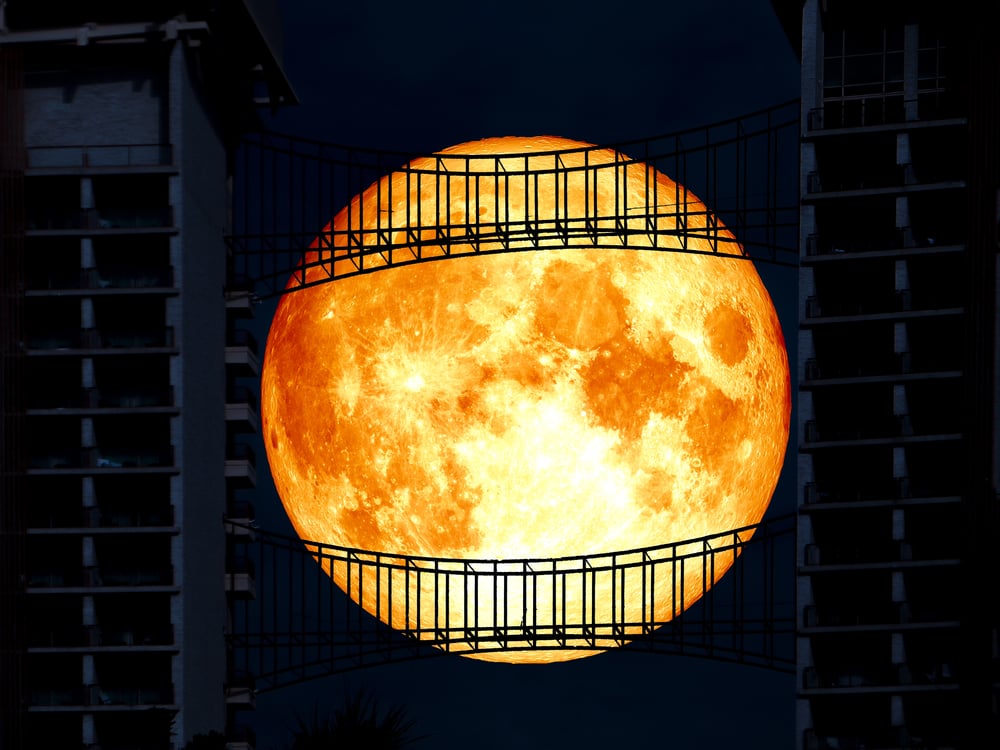
Every so often, three rare lunar events line up on the same night: a supermoon, a blue moon, and a total lunar eclipse, all stacked together into one sky. The last verified occurrence of all three together was January 31, 1866.
The January 31, 2018 event was a blue blood moon, not a supermoon—the moon was at apogee (farthest from Earth), making it a micromoon.
Firefall
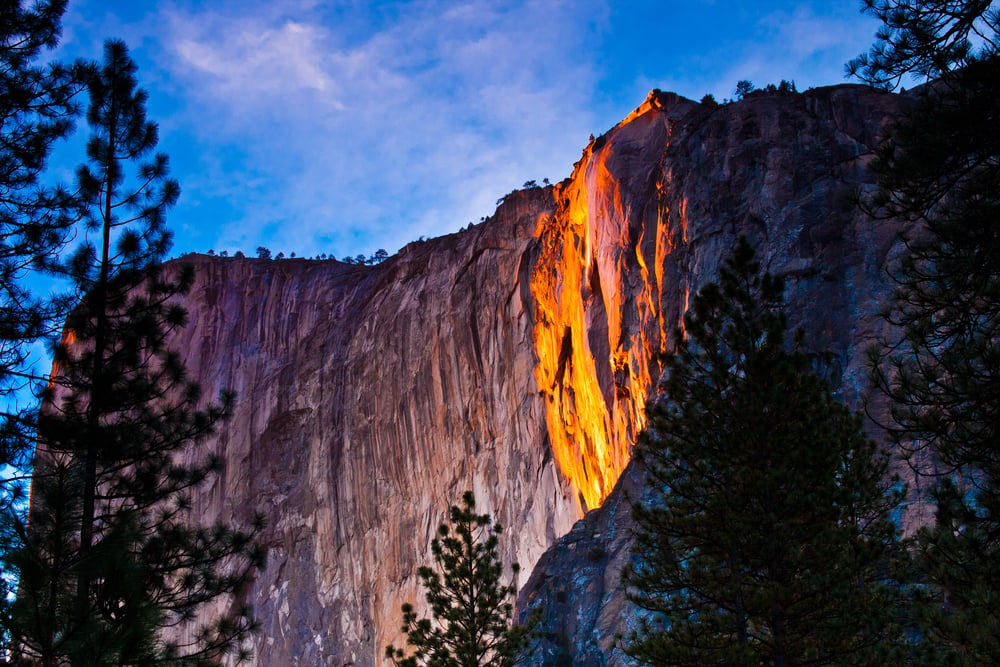
For roughly two weeks in mid-to-late February, Horsetail Fall in Yosemite catches the setting sun at an angle that makes the water glow orange, as though the cliff itself were pouring lava. It only works with clear skies and enough water flow, two conditions that don’t always cooperate at once.
Photographers now line up by the hundreds hoping for the right combination. Most years, at least a few of them go home without ever seeing it happen.
Snow Rollers
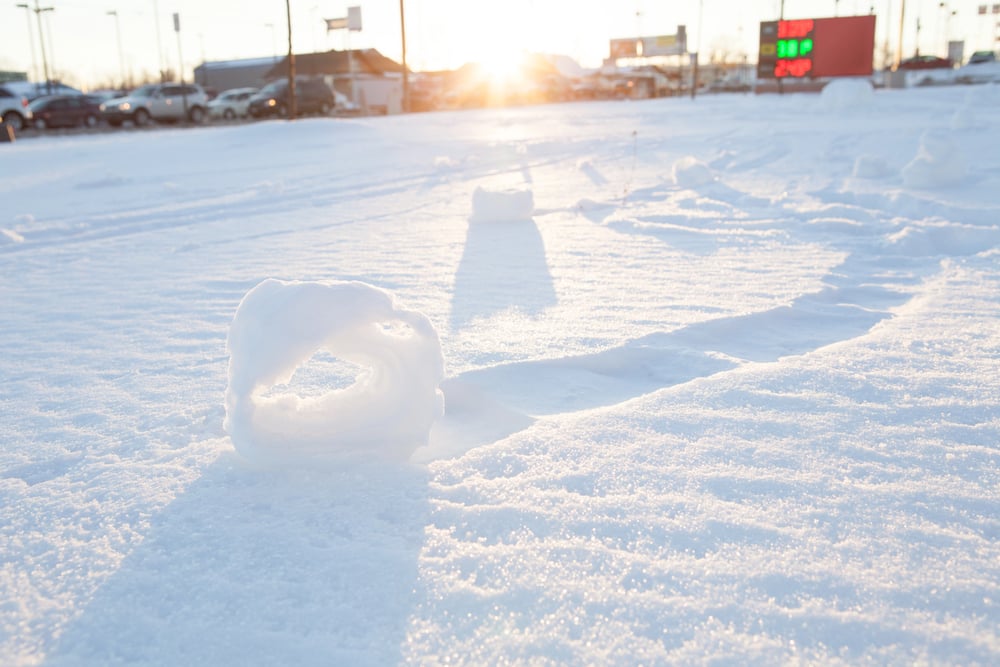
Snow rollers form when wind picks up loose, wet snow and rolls it down a slope, building cylindrical shapes that look almost man-made. The conditions have to line up precisely: the right moisture content, the right wind speed, the right temperature, all at once.
Too much of any factor and the snow either won’t stick or won’t roll. Fields full of them look staged, like someone spent a night arranging snow into sculpture.
Lenticular Clouds
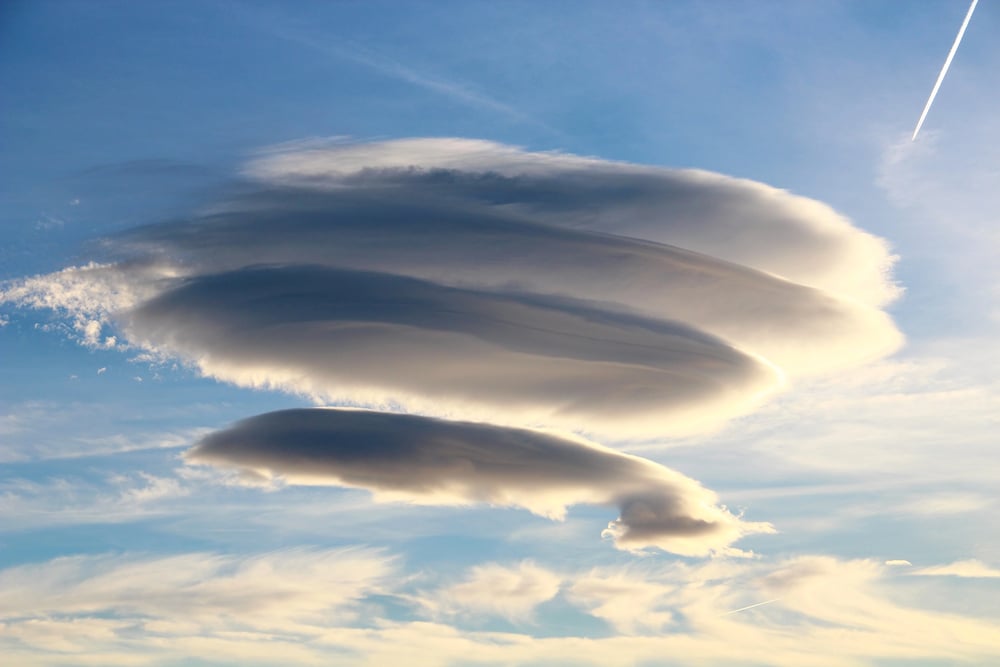
Lenticular clouds form when moist air flows over a mountain and gets pushed into a smooth, lens-shaped curve, hovering in place rather than drifting like a normal cloud. They’re famous for getting mistaken for unidentified flying objects, and it’s easy to see why once you’ve watched one sit motionless in an otherwise clear sky.
Mount Rainier and Mount Shasta produce some of the most photographed examples in the country. The stillness is what unsettles people the most.
Transit of Venus
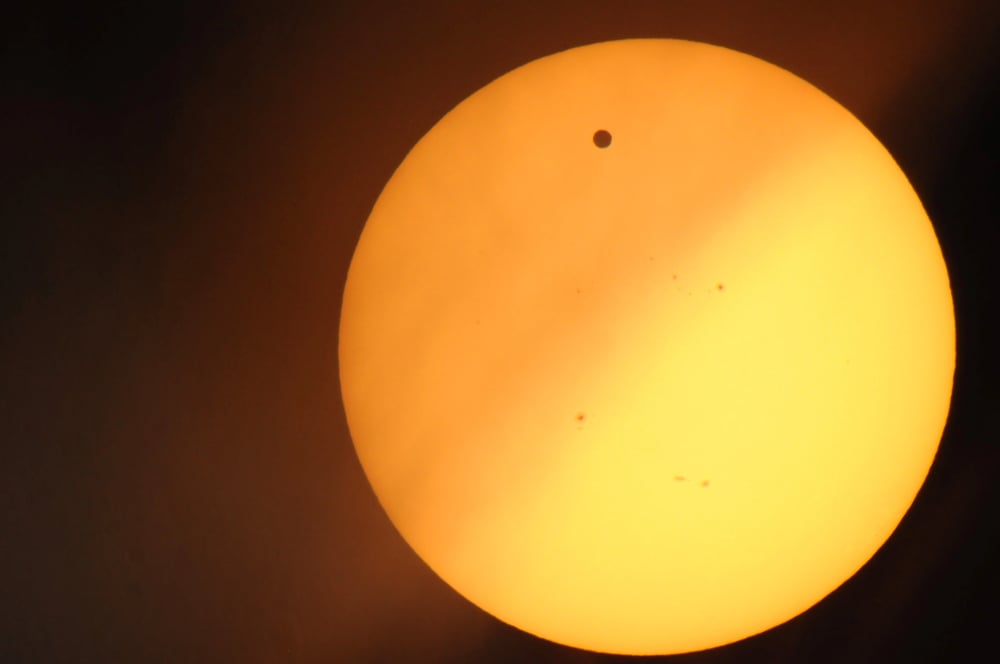
Venus occasionally crosses directly in front of the sun as seen from Earth, a transit that comes in pairs eight years apart and then disappears for over a century. The most recent pair happened in 2004 and 2012.
The next transit won’t occur until 2117. Nobody currently alive is expected to see the next one, which makes the previous pair one of the rarest astronomical events a human lifetime can actually contain.
Great Comet
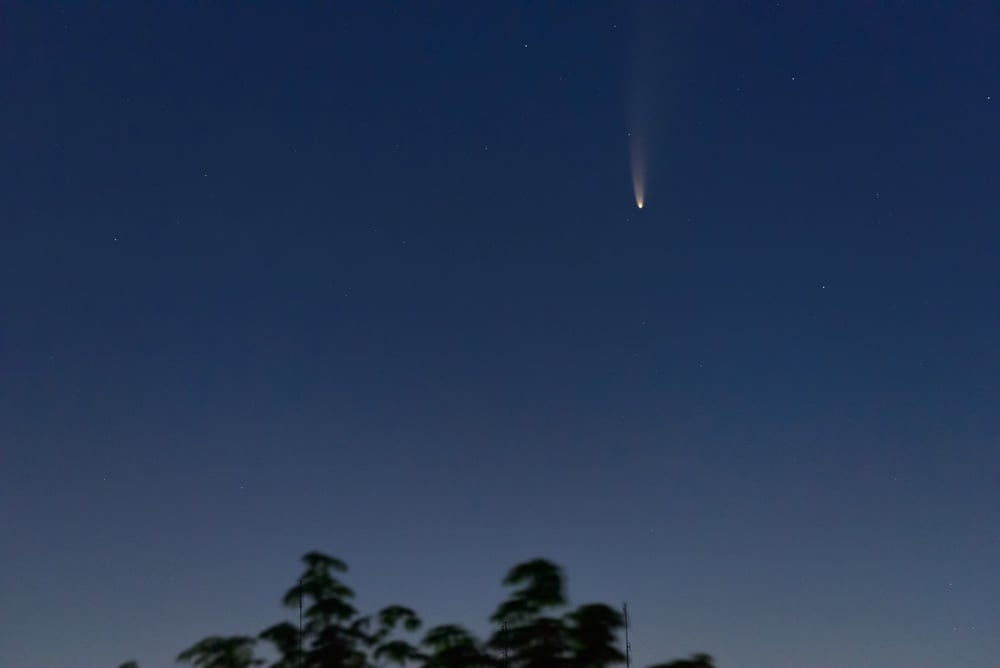
— Photo by maxpro
Bright comets visible without a telescope show up unpredictably, sometimes decades apart, and there’s no reliable way to forecast the next one far in advance. Hale-Bopp lit up the sky for months in 1997.
NEOWISE did the same, briefly, in 2020. Most people alive today have seen at most one or two in their entire lives, and there’s a real chance the next great one won’t arrive until long after this generation has stopped looking up.
What the Sky Owes No One
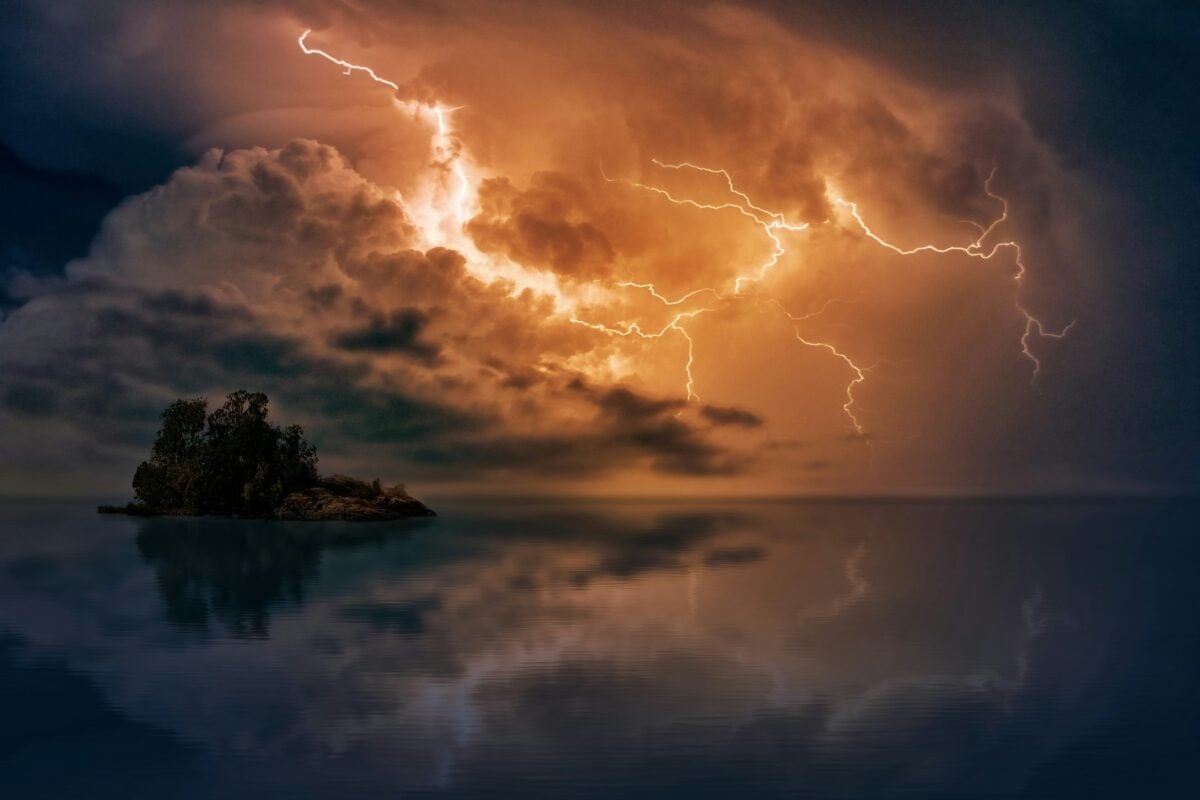
None of this happens on a schedule anyone can set a calendar by. Lightning doesn’t check the weather app before deciding to glow purple over Canada, and Venus certainly isn’t waiting on anyone’s convenience before it lines up with the sun again in 2117.
That’s the quiet trade at the center of all of it: the rarer the moment, the less say you get in whether you’re standing there for it. Maybe that’s exactly why the ones who do witness it never quite stop talking about it.
More from Go2Tutors!

- The Romanov Crown Jewels and Their Tragic Fate
- 13 Historical Mysteries That Science Still Can’t Solve
- Famous Hoaxes That Fooled the World for Years
- 15 Child Stars with Tragic Adult Lives
- 16 Famous Jewelry Pieces in History
Like Go2Tutors’s content? Follow us on MSN.



