17 Times People Believed Something Just Because It Sounded Scientific
There is a sense of authority in science that can be both potent and harmful. We have a natural tendency to believe things more when they are presented in a scientific manner, even if the statements are unsupported by scientific evidence.
Numerous myths, some benign and others with grave repercussions, have proliferated across society as a result of this psychological predisposition. Here are 17 noteworthy examples of people accepting ideas just because they were presented by someone with apparent credentials or dressed up in scientific-sounding language.
Alpha Brain Waves
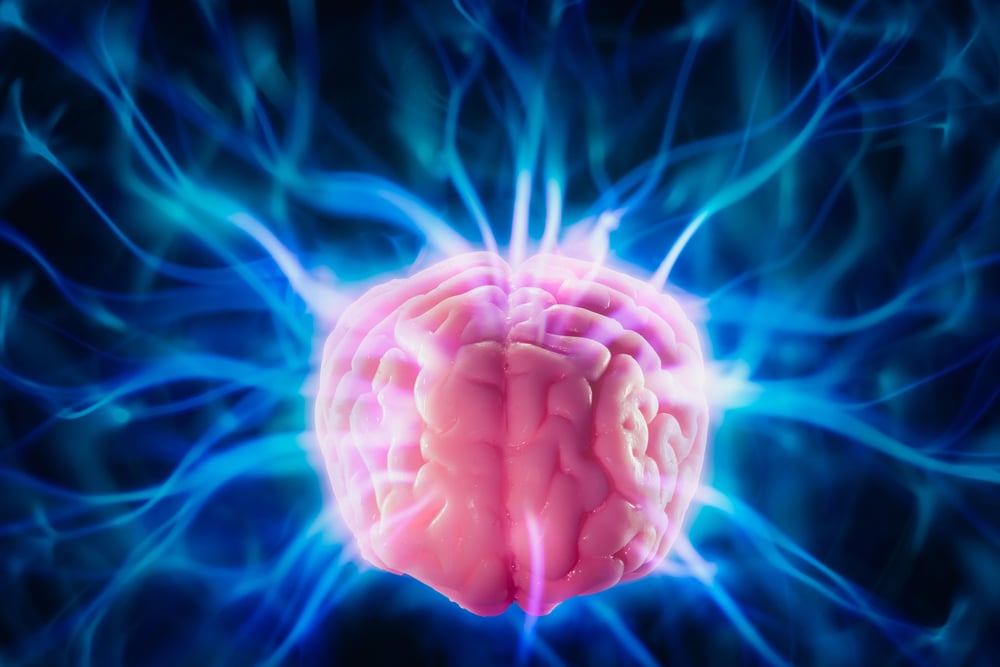
The concept of ‘alpha brain waves’ as a superior mental state became immensely popular in self-help circles despite being a severe oversimplification of neuroscience. Countless meditation apps and wellness programs sold the idea that achieving ‘alpha state’ would unlock extraordinary mental powers.
In reality, brain activity involves complex interactions between multiple wave patterns, and no single state is inherently ‘better’ than others for all purposes.
Detoxification Products

The entire detox industry thrives on scientific-sounding explanations about ‘toxin removal’ without ever specifying which toxins they target. Products from foot pads to juice cleanses claim to draw out mysterious toxins from your body, often using terms like ‘cellular cleansing’ or ‘metabolic waste.’
Human bodies already have sophisticated detoxification systems—primarily the liver and kidneys—making most commercial detox products unnecessary.
Power Poses

A viral TED talk popularized the idea that standing in ‘power poses’ for just two minutes could fundamentally alter your hormone levels and lead to greater success. The theory claimed that these poses increased testosterone and decreased cortisol, improving confidence and performance.
Later attempts to replicate the original research failed consistently, yet the concept remains firmly embedded in many corporate training programs and self-help books.
Crystal Healing Properties

Despite the lack of scientific proof, millions of people have accepted the notion that some stones release particular “frequencies” or “energies” that can cure different illnesses. Supporters explain how these stones might interact with human energy fields using scientific-sounding terms like “vibrational medicine” and “resonant frequencies.”
Any perceived advantages someone may have are probably due to the placebo effect.
Neuro-Linguistic Programming

NLP first appeared in the 1970s with assertions that success could be attained by “programming” the brain with particular linguistic patterns. Impressive-sounding terminology like “anchoring,” “swish pattern,” and “meta-model” were employed by its developers to explain their methods.
Numerous systematic evaluations have found insufficient evidence to support its central assertions about how communication impacts neurological processes, despite its scientific façade and broad use in business and therapy.
MSG Sensitivity

The ‘Chinese Restaurant Syndrome’ panic began with anecdotal reports and gained legitimacy through scientific-sounding explanations about how monosodium glutamate affects neural receptors. This led to widespread belief that MSG causes headaches, flushing, and other symptoms.
Multiple well-controlled studies have since failed to find evidence that MSG produces these effects in most people, suggesting that the original fears were largely unfounded.
Blood Type Diets

The theory that your blood type should determine your diet gained enormous popularity through books claiming evolutionary and biochemical justifications. Proponents argued that different blood types evolved at different times in human history, requiring distinct nutritional approaches.
Despite the scientific language surrounding these claims, multiple studies have found no evidence supporting the proposed benefits of eating according to blood type.
Subliminal Advertising

The 1950s panic over ‘subliminal messaging’ began when market researcher James Vicary claimed he increased popcorn and Coca-Cola sales by flashing messages too quickly for conscious perception. His scientific-sounding explanation of subconscious influence launched decades of fear despite Vicary later admitting he fabricated the results.
Subsequent research has shown that while subliminal effects exist, they’re far weaker than initially claimed.
Phrenology
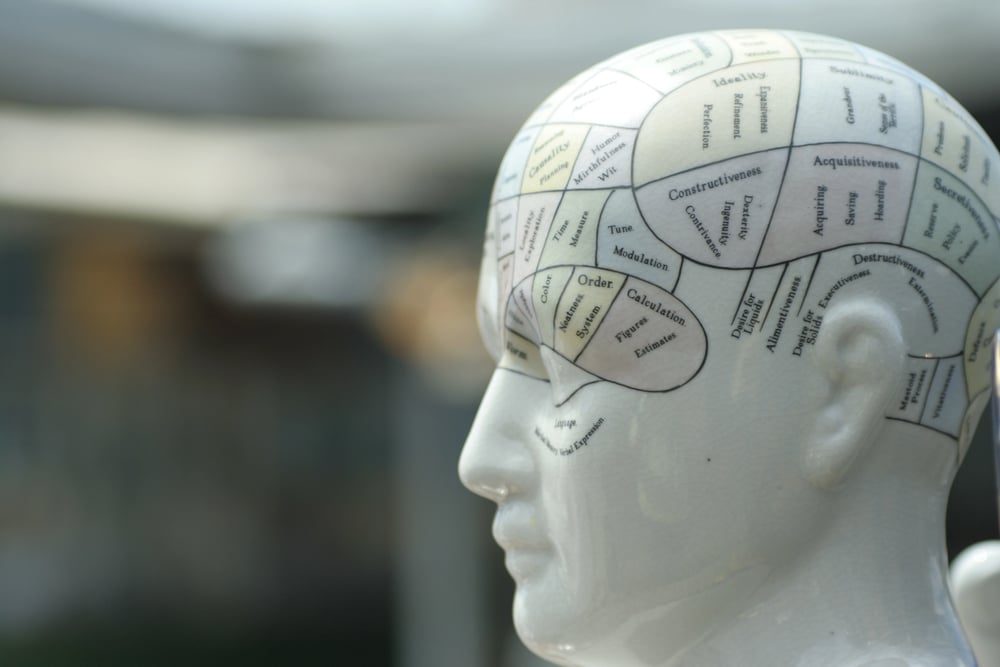
In the 19th century, phrenology—the study of skull shape to determine personality traits and mental abilities—was widely accepted as scientific. Practitioners used detailed maps of the skull with impressive anatomical terminology to justify everything from career guidance to racist ideologies.
The scientific-sounding measurements and classifications gave credibility to what was essentially pseudoscience that reinforced existing social prejudices.
Polygraph Tests

Lie detector tests gained credibility through their association with physiological measurements and impressive-looking equipment. The scientific aura surrounding polygraphs led to their widespread use in criminal investigations and security screenings.
However, research consistently shows they measure stress responses rather than deception specifically, with accuracy rates far lower than commonly believed.
Brain Gym
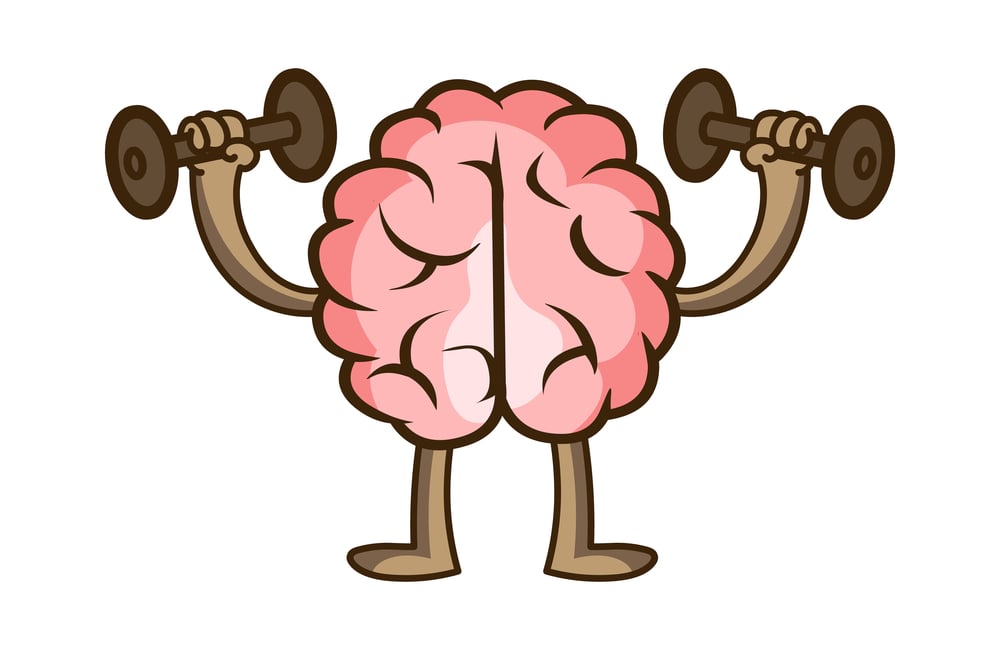
Schools worldwide adopted ‘Brain Gym’ exercises claiming to integrate brain hemispheres and enhance learning through specific movements. The program used neuroscientific terms like ‘brain buttons’ and ‘lateral processing’ to explain how these exercises supposedly improved cognitive function.
Educational psychologists have thoroughly debunked these claims, finding no evidence that these specific movements enhance brain integration or learning.
Ionized Water

Water filtration companies have successfully marketed ‘ionized’ or ‘alkalized’ water using scientific terminology about molecular structures and pH balance. These products claim to provide health benefits through altered electron configurations or antioxidant properties.
Despite the technical language in marketing materials, basic chemistry principles show that many of these claims violate fundamental scientific laws.
Mozart Effect
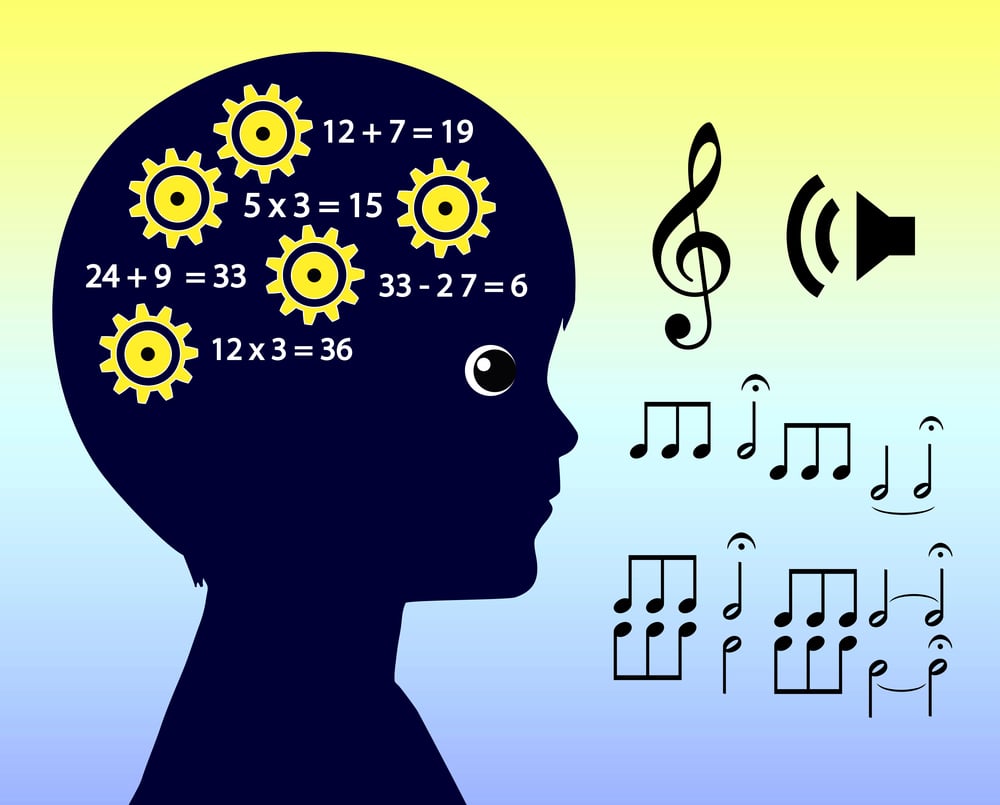
The widespread belief that playing Mozart to babies increases their intelligence stemmed from a small study that was dramatically overinterpreted. The scientific-sounding explanation that complex music stimulates neural pathways responsible for spatial reasoning led to an entire industry of ‘baby genius’ products.
Subsequent research found that any temporary cognitive improvements were minimal and related to arousal and mood rather than lasting intelligence changes.
Ear Candling

The practice of placing hollow candles in the ear canal to remove wax and ‘toxins’ relies on scientific-sounding explanations about creating vacuum pressure and breaking down impurities. Practitioners often show clients the debris inside used candles as ‘evidence’ of successful cleansing.
Medical examinations have demonstrated this residue comes from the candle itself, not from within the ear, and the practice provides no health benefits.
EMF Protection Products

As wireless technology became ubiquitous, companies began selling products claiming to protect against harmful electromagnetic fields using scientific terminology about radiation and frequency disruption. From special pendants to phone stickers, these items promise to ‘harmonize’ or ‘neutralize’ potentially dangerous waves.
Independent testing consistently shows that these products have no measurable effect on electromagnetic fields.
Evolutionary Psychology Pop Claims
Evolutionary psychology has been used to justify countless pop science claims about human behavior, particularly regarding gender differences. Books and articles cite ‘caveman instincts’ and ‘evolutionary adaptations’ to explain everything from shopping habits to relationship choices.
While evolutionary psychology is a legitimate field, many popular claims vastly oversimplify complex behaviors and lack rigorous evidence.
Quantum Healing

The term ‘quantum’ has become a catch-all prefix for alternative healing modalities wanting scientific credibility. Therapies ranging from ‘quantum touch’ to ‘quantum resonance’ appropriate terminology from physics to explain purported healing mechanisms.
These explanations misapply principles from quantum mechanics, which operates at subatomic scales under specific conditions, to macroscopic biological processes where such effects aren’t relevant.
The Science Behind Pseudoscience
Our vulnerability to scientific-sounding claims reveals much about human psychology and information processing. We often lack the time, expertise, or inclination to evaluate complex scientific claims critically.
This cognitive shortcut—trusting the appearance of science rather than its substance—serves as an important reminder that critical thinking requires ongoing vigilance, especially in an era where information spreads faster than ever before.
More from Go2Tutors!

- 16 Historical Figures Who Were Nothing Like You Think
- 12 Things Sold in the 80s That Are Now Illegal
- 15 VHS Tapes That Could Be Worth Thousands
- 17 Historical “What Ifs” That Would Have Changed Everything
- 18 TV Shows That Vanished Without a Finale
Like Go2Tutors’s content? Follow us on MSN.