33 Old Tools Pickers Buy Faster Than Anything Else at a Sale
Walk through any estate or yard sale with a picker who knows tools, and the same table gets cleaned out before anything else on the property even gets a second look. Old hand tools were built to outlast the people who used them, and a specific list of makers and types keeps drawing buyers who know exactly what a worn handle or a cast maker’s mark is actually worth.
Stanley Bailey Hand Planes
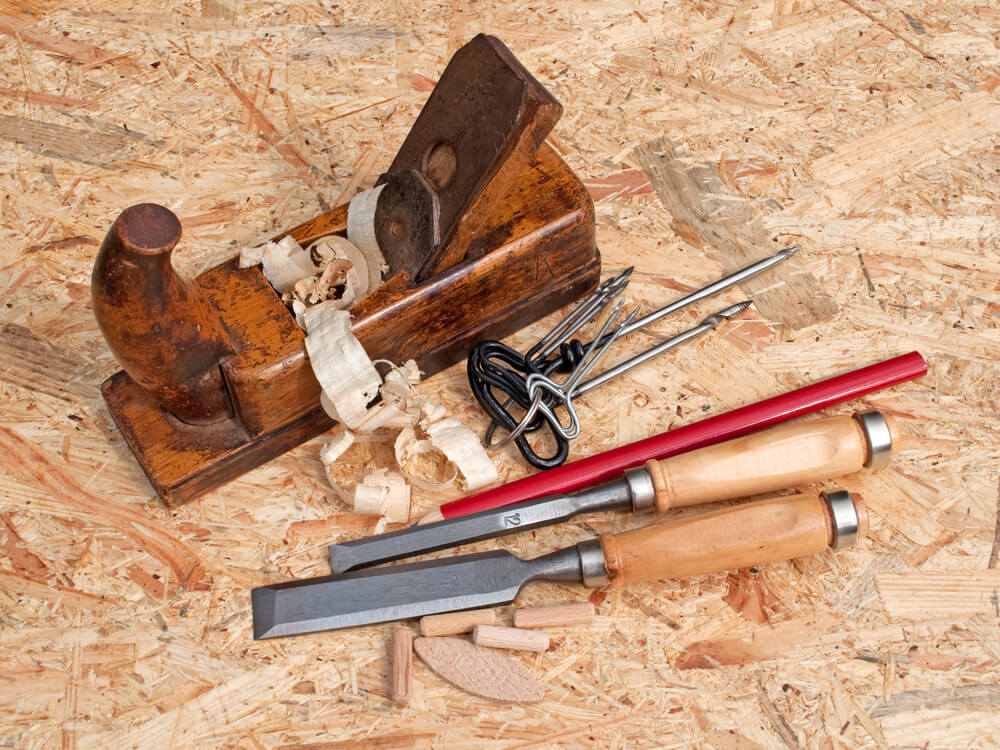
Stanley’s Bailey line of hand planes, produced from the late nineteenth century through much of the twentieth, remains one of the most consistently sought categories in vintage woodworking tools. Earlier production runs, identifiable through specific casting and lever cap details that changed across decades, generally command stronger prices than later versions made with cheaper materials.
A plane with its original blade, tight adjustment mechanism, and minimal rust can sell for many times what a modern equivalent costs new.
Disston Hand Saws
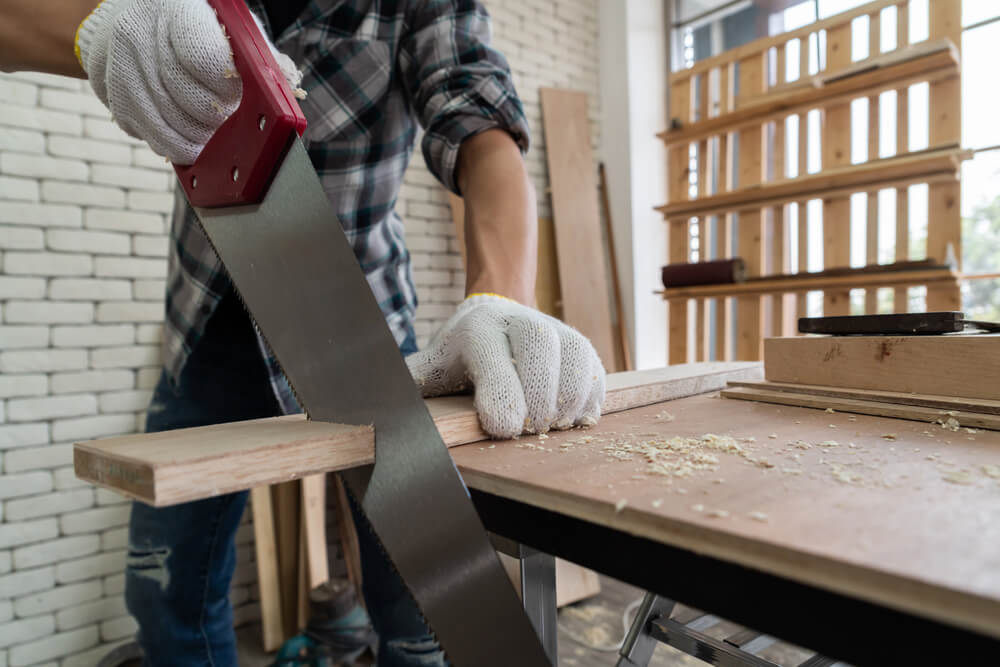
Henry Disston’s saw company produced hand saws considered among the finest available during the late nineteenth and early twentieth centuries, and surviving examples with their original medallion intact on the handle are specifically tracked by collectors to help date the piece. A saw’s etched maker’s mark on the blade, if still legible, adds meaningful value beyond a plain, unmarked example.
Straight, undamaged blades free of heavy pitting are essential, since a saw’s cutting performance still matters to buyers who intend to actually use it.
Millers Falls Hand Drills
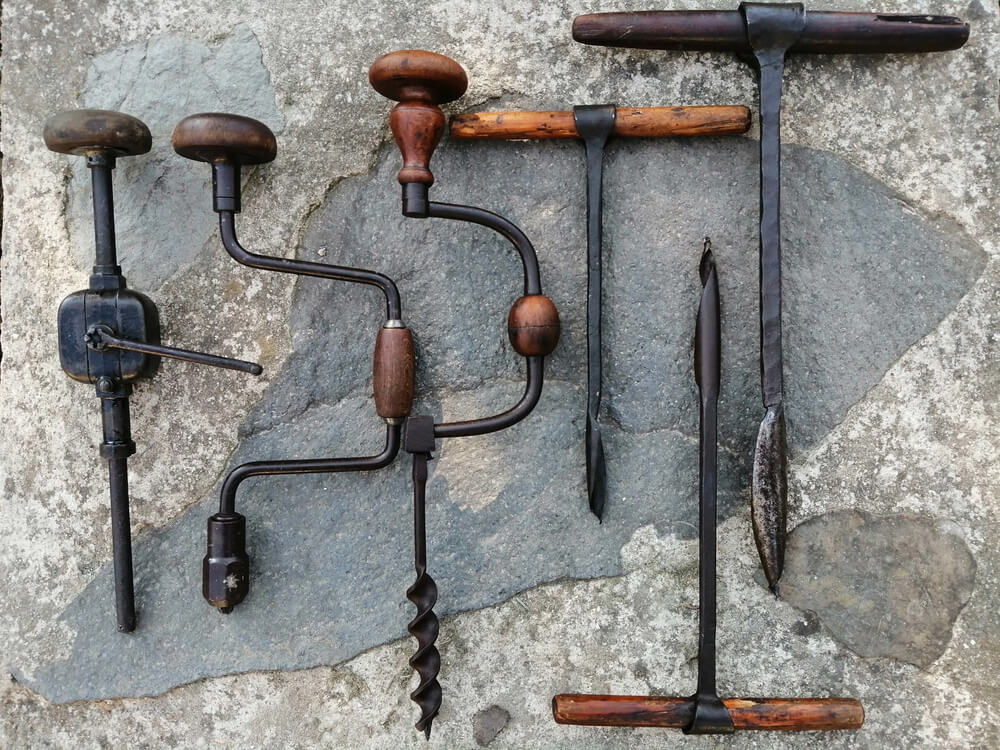
Millers Falls produced high-quality hand-cranked drills throughout the early to mid-twentieth century, prized by collectors and working woodworkers alike for smooth gearing that has held up remarkably well across a century of use. Specific models with original paint and decals intact command a noticeable premium over well-worn working examples.
These drills remain genuinely functional tools rather than purely decorative pieces, which keeps demand broad among buyers who actually use vintage hand tools rather than simply displaying them.
Blacksmith-Forged Axes
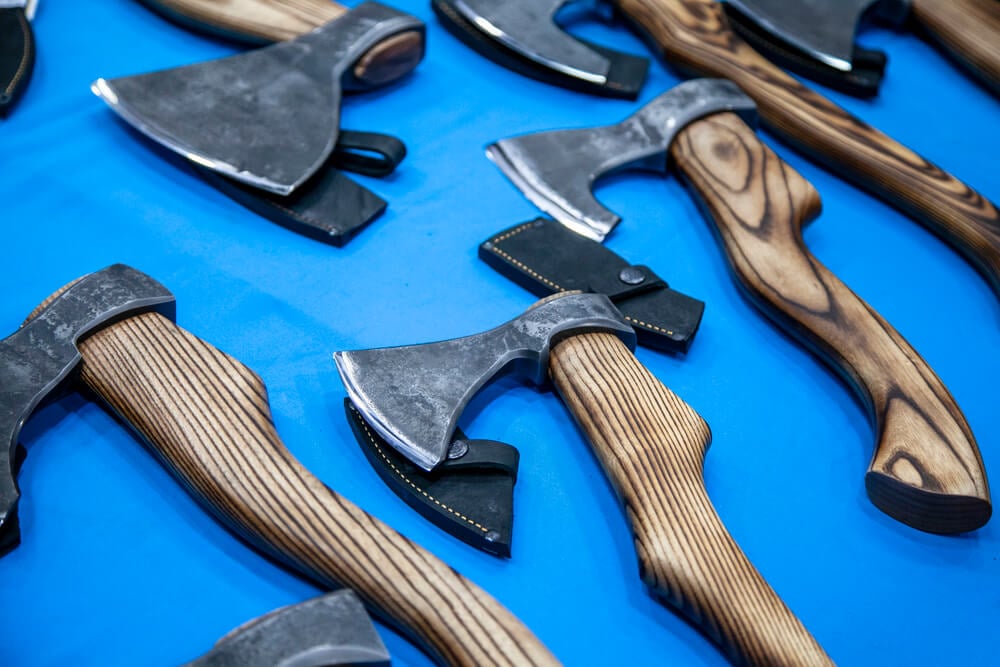
Hand-forged axes produced by small regional blacksmiths, rather than mass-manufactured by a major tool company, carry specific value tied to the maker’s individual stamp and regional origin. Identifying the specific smith or foundry behind an unmarked or partially marked axe head often requires specialized knowledge that separates casual buyers from serious collectors.
A well-preserved head with a legible maker’s stamp, paired with an intact original handle, represents one of the stronger finds in vintage edge-tool collecting.
Yankee Push Drills
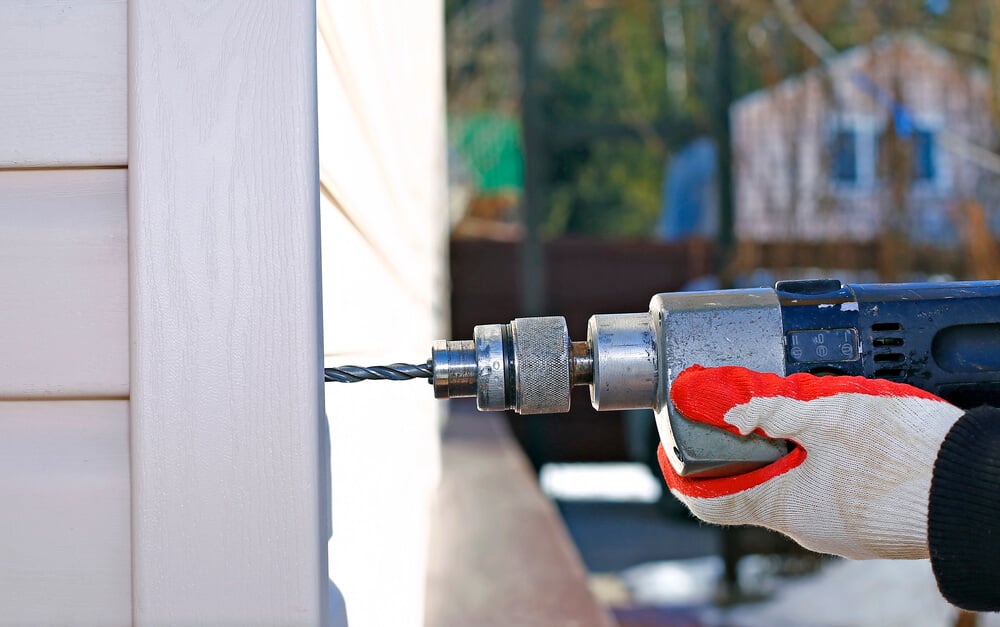
Made popular under the Stanley-owned Yankee brand name, these spiral-mechanism push drills let a user bore small openings with a simple pumping motion rather than a hand crank, becoming a common fixture in home workshops throughout the twentieth century. Complete examples with their full set of original bits stored in the handle command considerably more than an incomplete unit missing its bit storage.
Smooth spiral mechanism action, free of rust or bent components, matters significantly to buyers who intend to use rather than simply display the tool.
Vintage Brace and Bit Sets
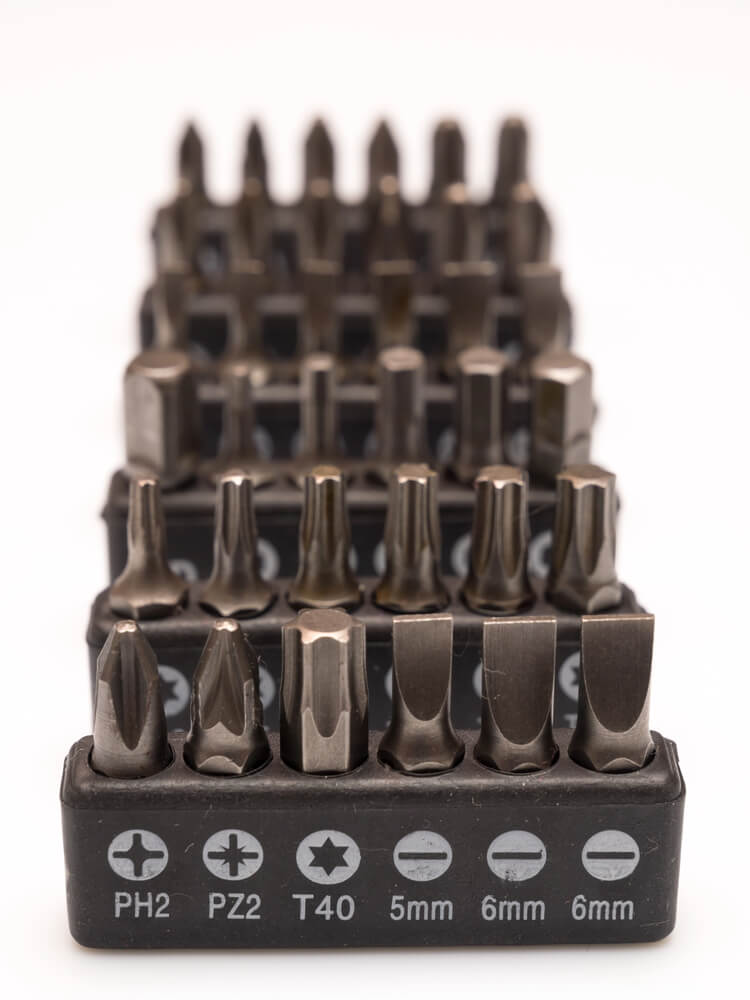
Wood-boring braces, cranked by hand in a circular motion to drive a bit into wood, were a workshop staple before the widespread adoption of electric drills, and complete sets with their original wooden case and full range of bits command real premiums over an incomplete or mismatched set. Specific maker names on the brace itself, along with smooth, functioning ratchet mechanisms, are the details serious buyers check closely.
A complete set in a well-preserved wooden case is considerably scarcer than the individual brace alone.
Blacksmith Anvils
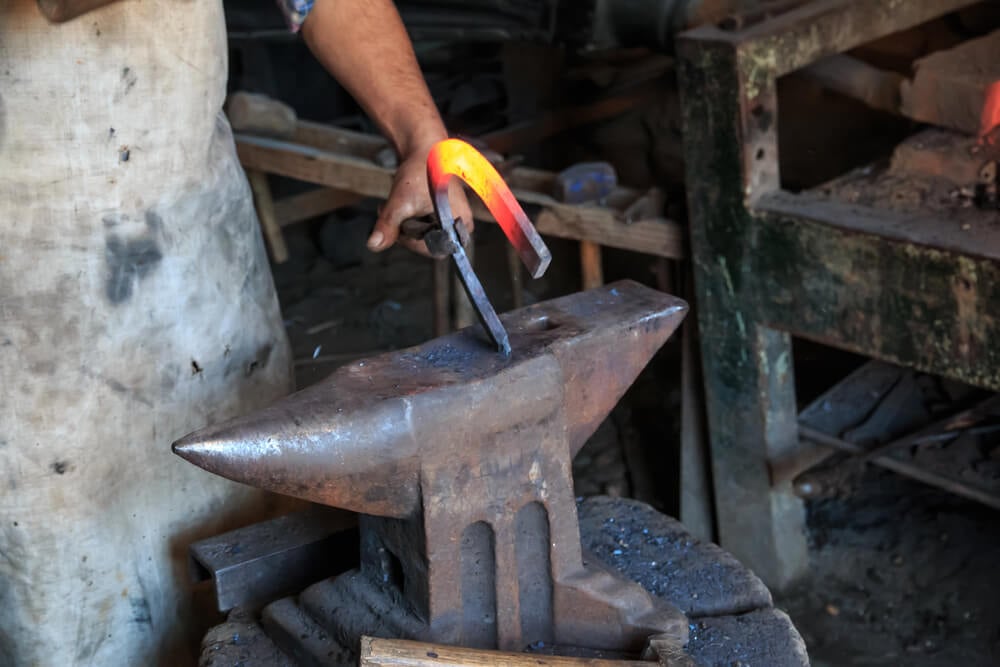
Genuine antique anvils, particularly those bearing a legible maker’s mark from a recognized nineteenth or early twentieth-century foundry, remain in strong demand among both collectors and working blacksmiths who need a functional tool rather than a display piece. Weight, condition of the working face, and the specific foundry all factor into value, with certain historic American and European makers commanding particularly strong premiums.
A genuine antique anvil in usable condition often costs considerably more than a modern equivalent, reflecting both scarcity and continued practical demand.
Wooden-Bodied Molding Planes
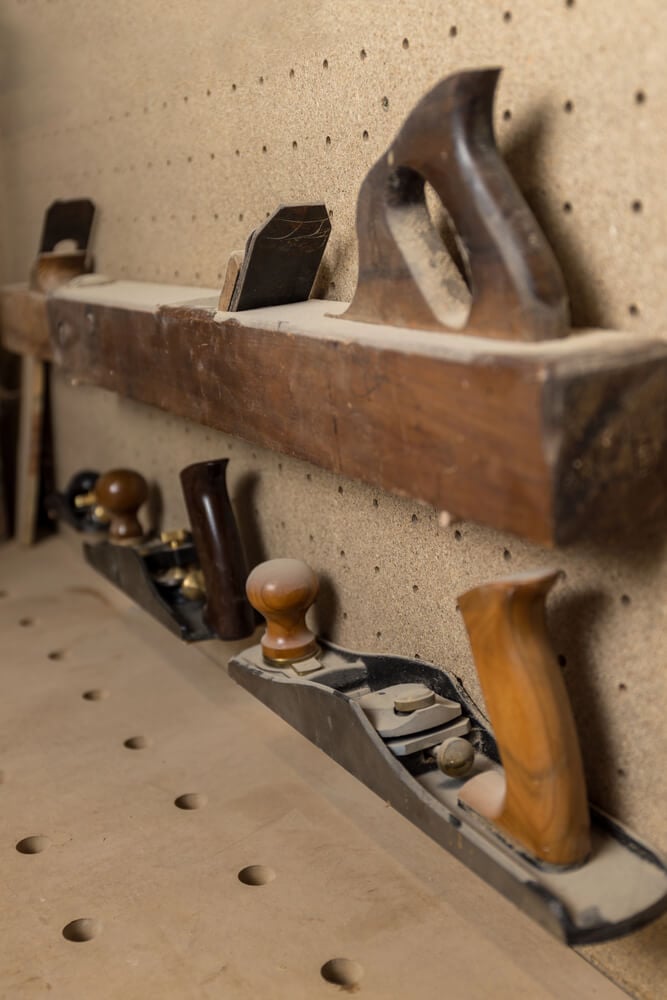
Before metal-bodied planes became standard, specialized molding planes carved from hardwood were used to cut specific decorative profiles into trim and furniture, and complete matched sets from a single maker are particularly prized by collectors and traditional woodworkers. A maker’s stamp on the plane’s end grain, along with the wedge and blade still present and matched to the tool, are the details that separate a valuable find from a common example.
Certain profile shapes, tied to architectural styles no longer commonly reproduced, carry additional interest among restoration specialists.
Starrett Precision Measuring Tools
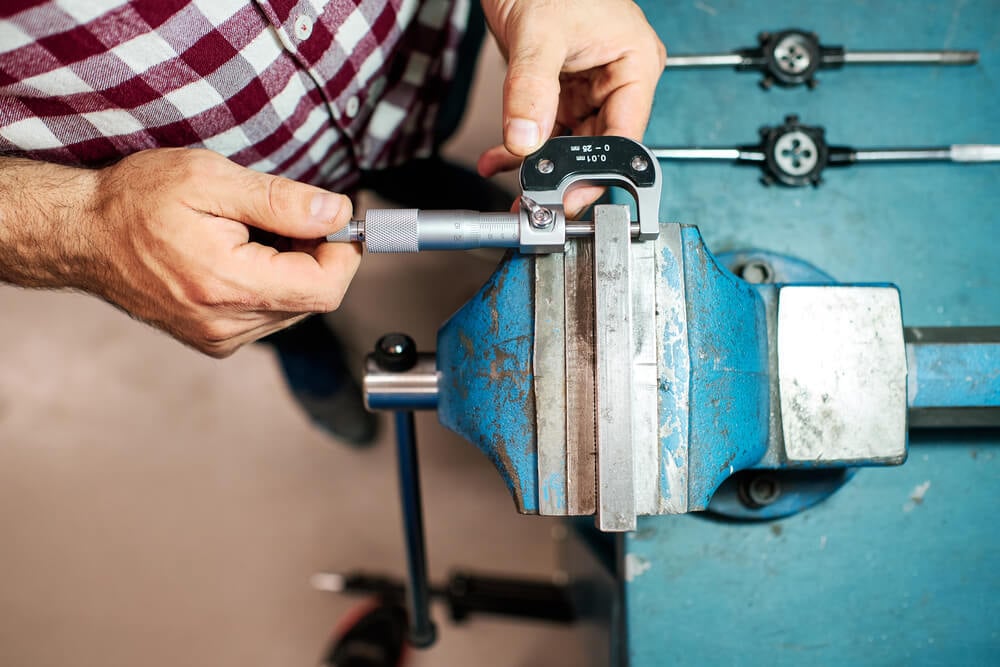
The Starrett company’s precision measuring instruments, including calipers, squares, and levels produced from the late nineteenth century onward, remain highly regarded for accuracy that has held up remarkably well across decades of use. Vintage examples with original cases and minimal wear to the measuring surfaces command real premiums among machinists and toolmakers who value both the tool’s history and its continued practical accuracy.
A complete set in its original fitted case represents one of the stronger finds in precision tool collecting specifically.
Vintage Wood-Handled Chisels
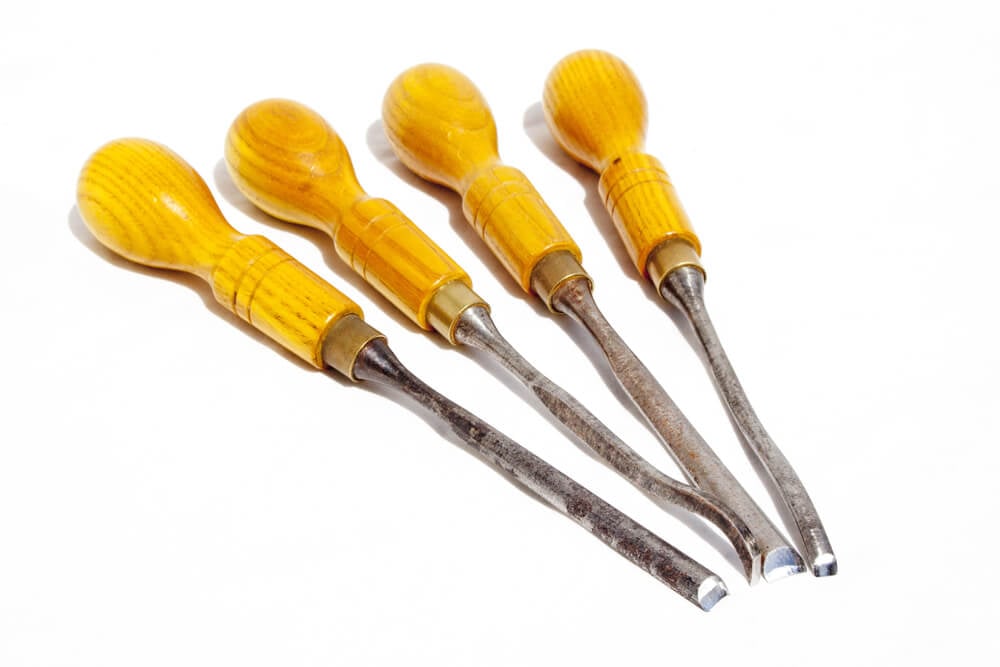
Chisels from established makers, particularly those with a full complement of sizes and original wooden handles rather than later replacement handles, are consistently sought after by woodworkers who prefer the steel quality and edge-holding characteristics of older forged tools. A maker’s stamp on the blade near the handle, still legible despite decades of sharpening, adds meaningful value over an unmarked example.
Complete matched sets in their original wooden storage roll command considerably more than the same chisels sold individually.
Antique Cast Iron Tool Boxes

Cast iron tool boxes, produced by several manufacturers in the late nineteenth and early twentieth centuries as a durable alternative to wooden chests, are pursued both for practical storage use and as standalone collectibles given their often ornate decorative casting. A legible maker’s mark cast directly into the metal, along with an intact lid mechanism and minimal rust, are the details buyers check most closely.
These boxes were built heavy enough to survive intact far more often than comparable wooden chests from the same era.
Vintage Bit Braces with Ratchet Mechanisms
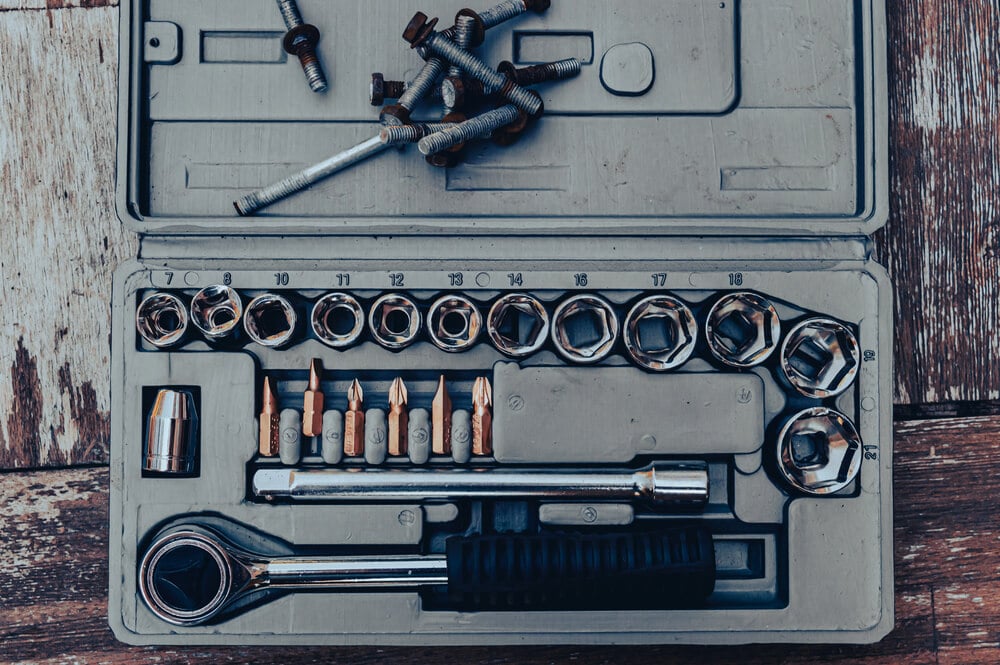
Braces featuring an internal ratchet mechanism, allowing a user to bore openings in tight spaces without a full circular swing of the handle, represent a specific engineering advancement that collectors track as a distinct category from simpler fixed braces. Smooth, functioning ratchet action free of excessive play is essential to value, since a seized or damaged mechanism significantly limits the tool’s appeal to buyers who want a usable piece.
Specific maker names associated with high-quality ratchet mechanisms command a clear premium over generic, unmarked examples.
Old Farm and Barn Tools
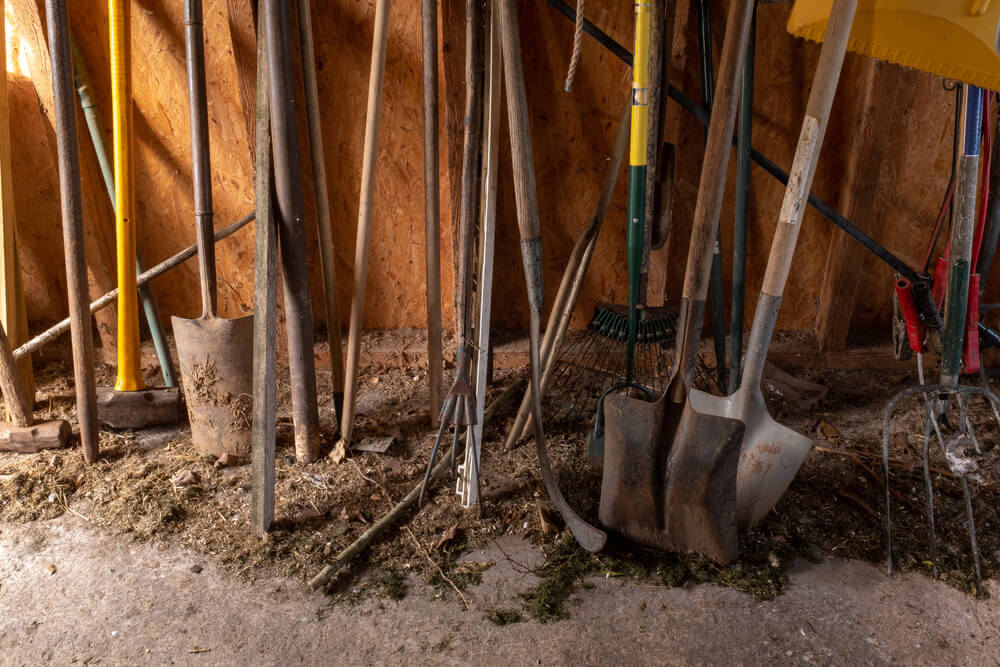
Hand-forged farm implements, including specialized hay hooks, corn shellers, and other single-purpose agricultural tools produced by small regional makers, have become a specific collecting category tied closely to broader interest in rural American history. Identifying an implement’s specific original purpose, sometimes genuinely obscure to modern buyers, often adds to rather than detracts from its appeal among serious agricultural tool collectors.
Condition of the original wooden handles and any surviving paint significantly affects final value.
Vintage Levels with Brass Fittings
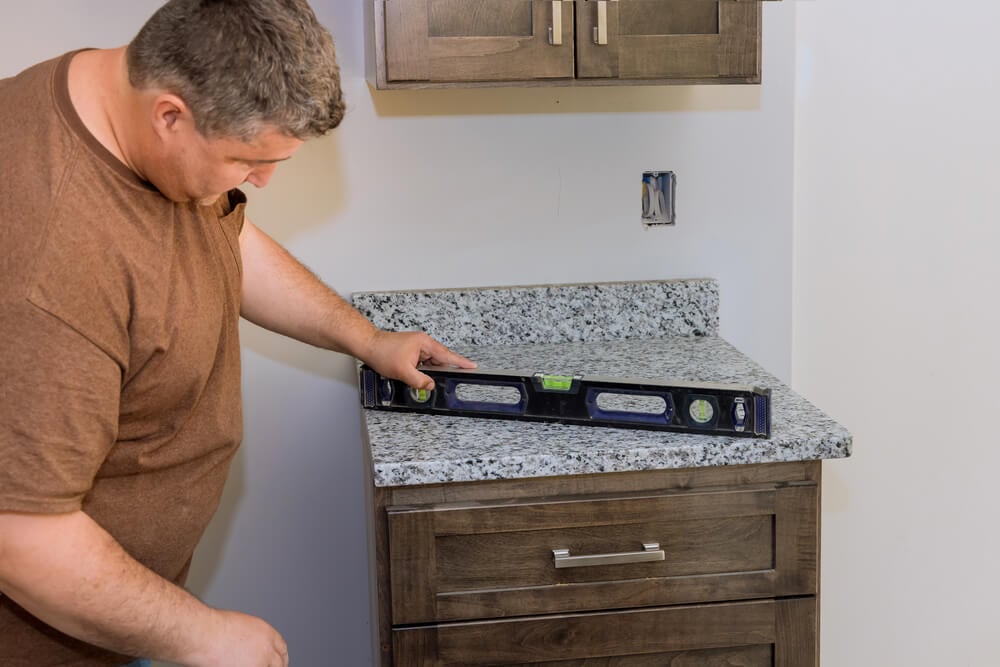
Wood-bodied levels featuring brass fittings and multiple bubble vials, produced by established tool makers through the early twentieth century, are prized both for their functional accuracy and their decorative appeal as display pieces. Cracked or discolored bubble vials significantly reduce value, since a level’s core function depends entirely on those components remaining intact and accurate.
A maker’s stamp or decal, still legible on the wood body, adds meaningful value over an unmarked example.
Craftsman Hand Planes (Early Production)
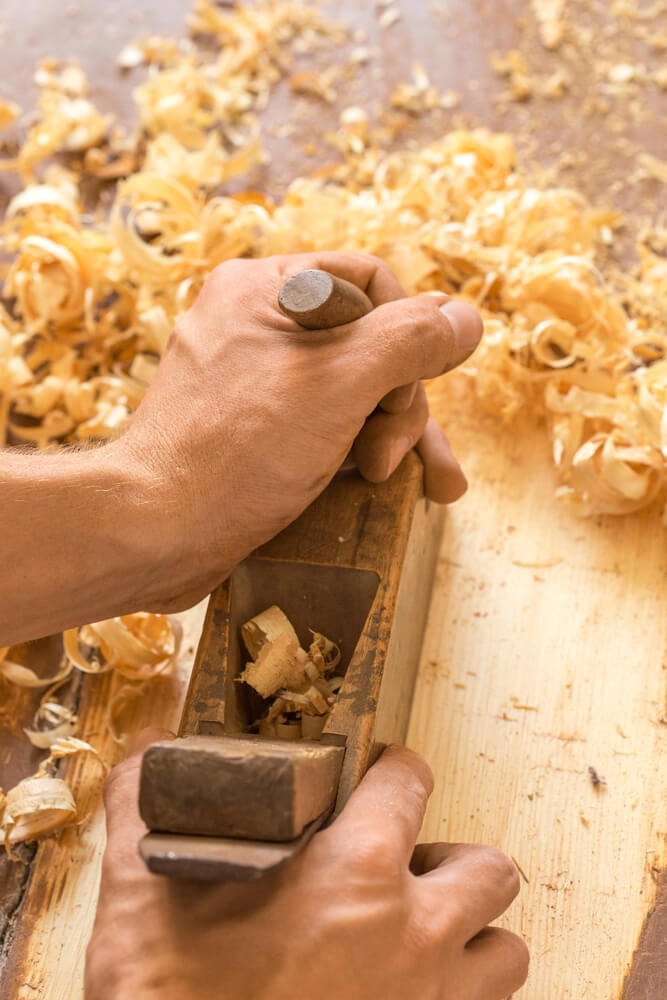
Early Craftsman-branded hand planes, produced before the brand shifted toward mass-market power tools later in the twentieth century, are collected separately from the more common Stanley planes given specific casting and design differences unique to the brand’s early tool line. Condition of the original blade and adjustment mechanism matters as much here as with any other vintage plane, since functionality drives demand alongside collector interest.
These planes remain more attainable for new collectors than some rarer maker names, given a relatively larger surviving population.
Vintage Wrench Sets with Original Cases
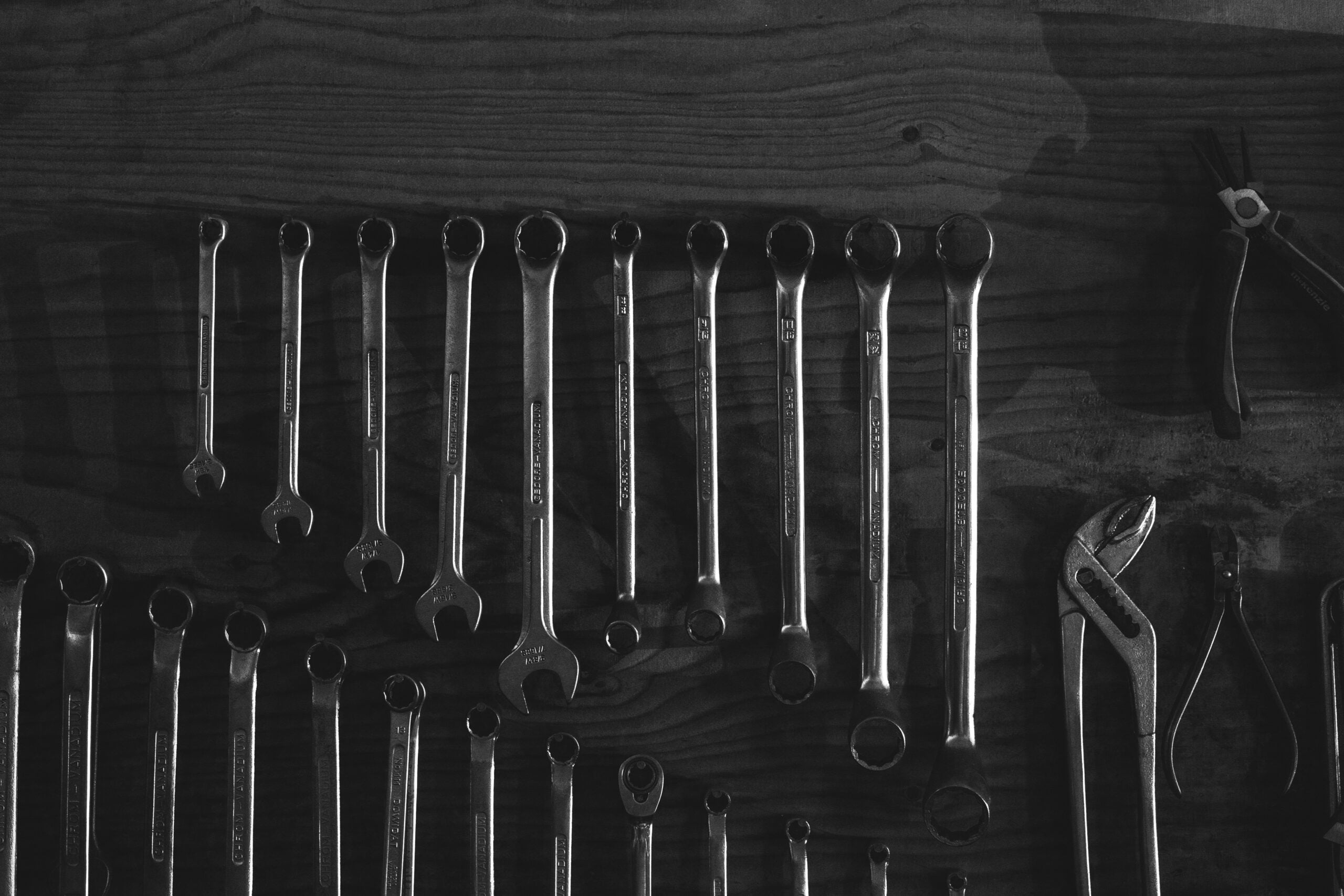
Adjustable and combination wrench sets from established mid-twentieth-century manufacturers, complete with their original fitted metal or wooden case, command considerably more than the same wrenches found loose and separated. A complete, matched set free of mismatched replacement pieces is the specific target for most serious buyers.
Original finish and legible size markings on each wrench add further value beyond a set showing heavy corrosion or worn stampings.
Antique Wood-Handled Hammers
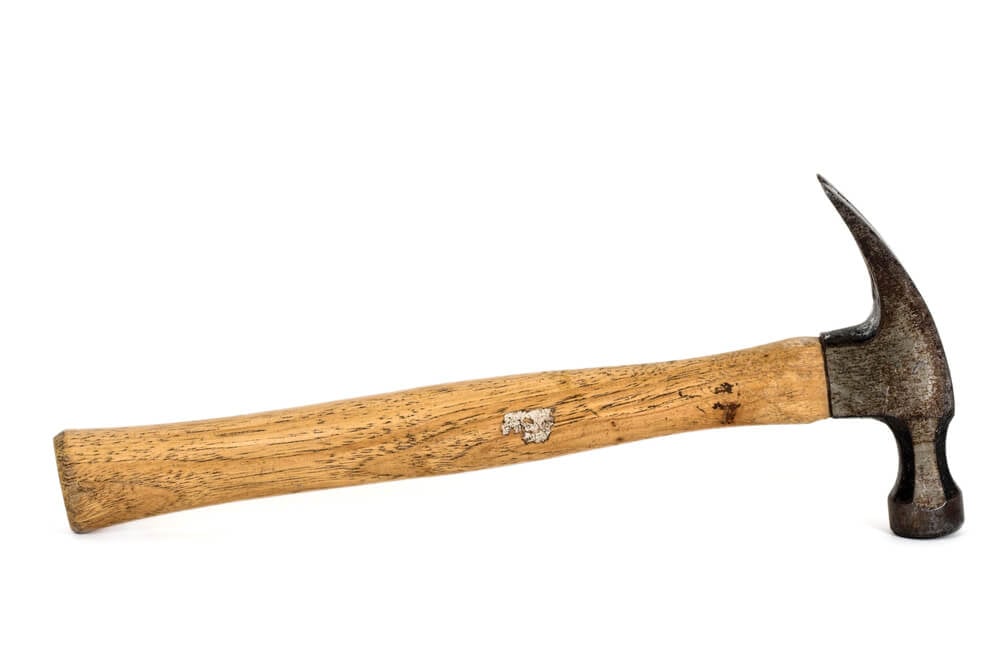
Hammers from established makers featuring their original wooden handles and a clearly legible head stamp are pursued both by collectors and by tradespeople who prefer the balance and steel quality of older forged heads. A tight, original handle fit, free of the wobble common in decades-old wooden handles, adds real value over a loose or replaced-handle example.
Specific specialty hammer types, built for a narrow trade purpose no longer common, draw particular interest from collectors focused on trade-specific tool history.
Vintage Soldering Irons
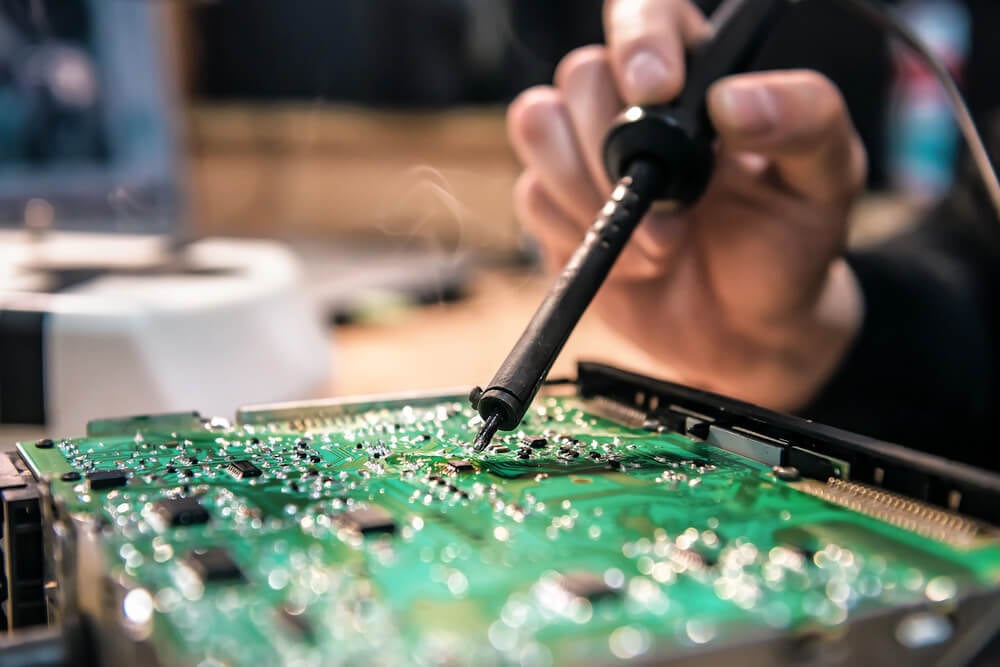
Older, non-electric soldering irons, heated directly over a flame rather than through an electric element, represent an earlier technology that collectors of trade and craft tools specifically pursue given how thoroughly electric versions replaced them. A maker’s stamp on the copper tip or iron shaft, still legible despite decades of heat exposure, adds meaningful value.
These tools appeal particularly to collectors focused on the history of a specific trade, such as stained glass work or metal repair, where the tool’s original use adds context beyond the object itself.
Antique Draw Knives
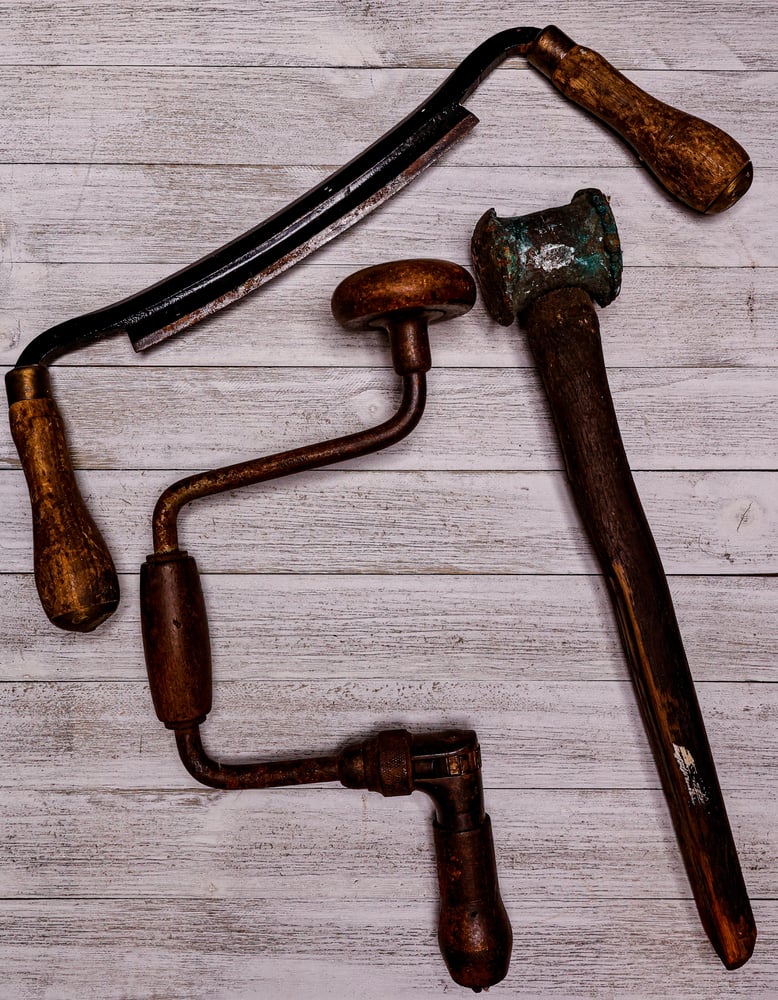
Draw knives, pulled toward the user with two handles to shave wood along a straight or curved edge, were essential tools for chair-making and other traditional woodworking trades, and examples from recognized makers command real interest among collectors and traditional craftspeople. A sharp, undamaged blade paired with tight, original handles represents the ideal combination for buyers who intend to use rather than simply display the tool.
Regional variations in blade shape, tied to specific traditional trades, add an additional layer of interest for specialized collectors.
Vintage Wood Screwdrivers with Turned Handles
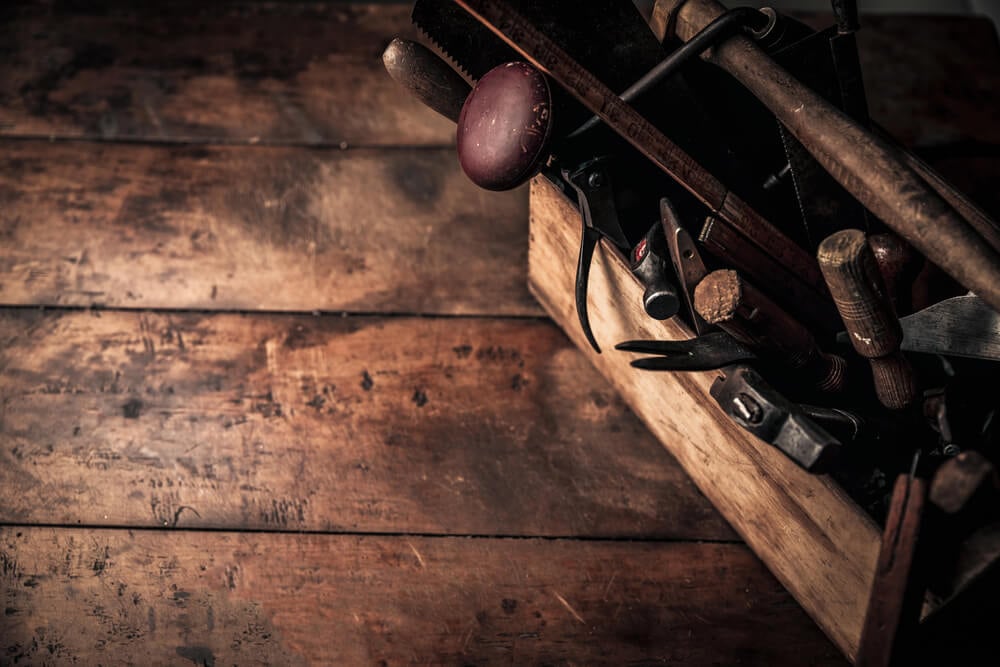
Screwdrivers featuring turned wooden handles, produced before plastic handles became the industry standard, are pursued by collectors focused on hand tool design history as much as by working craftspeople who prefer the grip and balance of older designs. A maker’s stamp on the metal ferrule, still legible after decades of handling, adds value over an unmarked example.
Complete sets in graduated sizes, stored in their original wooden or leather roll, command considerably more than individual pieces.
Antique Wood Clamps
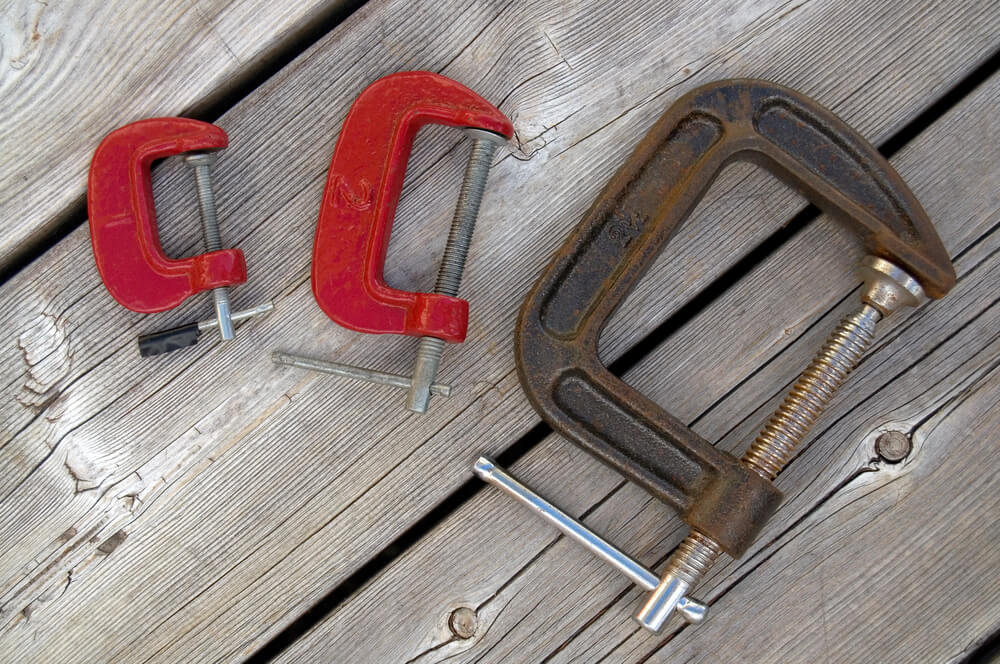
Wooden screw clamps, used in furniture making and general woodworking before metal clamp designs became dominant, are collected both for practical use and for their often elegant, hand-turned screw mechanisms. Smooth, functioning screw threads free of cracking in the wooden body are essential to both value and usability.
Larger sizes, harder to find in undamaged condition given their size and the stress placed on the wood over decades of use, generally command stronger prices than smaller, more common examples.
Vintage Router Planes
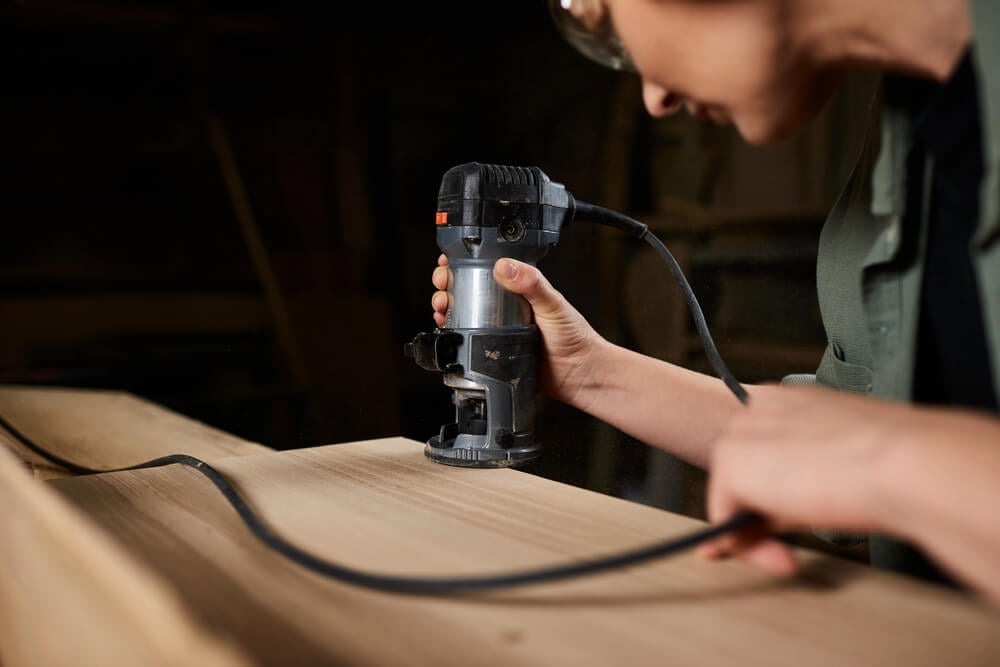
Router planes, used to clean out the bottom of a recessed groove or hinge mortise to a consistent depth, represent a specialized tool category that traditional woodworkers specifically seek out given how effectively they still perform compared to modern power tool alternatives. A complete example with its original depth-adjustment mechanism and cutting blade intact commands considerably more than an incomplete or heavily modified piece.
Specific maker names associated with high-quality castings are tracked closely by collectors focused on this narrower tool category.
Antique Marking Gauges
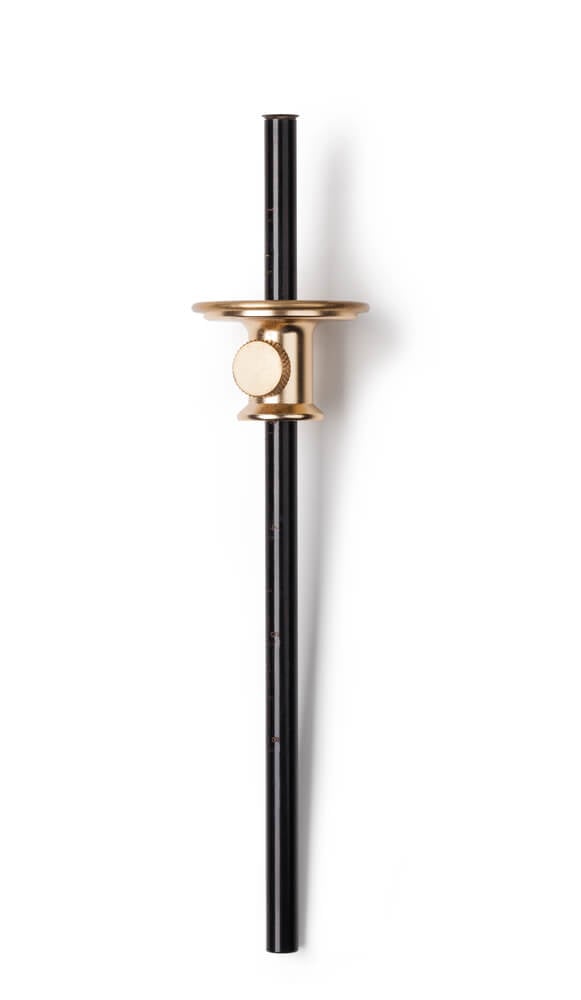
Marking gauges, used to scribe a straight line parallel to an edge for cutting or joinery layout, are pursued by traditional woodworkers and collectors alike given their continued practical usefulness alongside their historical design interest. A maker’s stamp on the wooden beam, along with a tight-fitting brass thumbscrew mechanism, are the details that separate a valuable find from a generic, unmarked example.
These tools remain small enough that many buyers collect them in quantity, building sets that span multiple makers and eras.
Vintage Wood-Bodied Spokeshaves
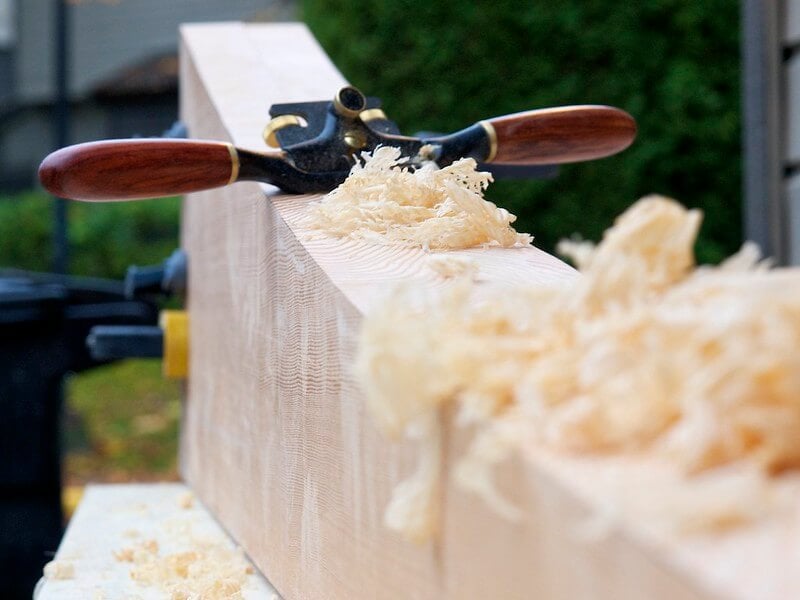
Spokeshaves, used to shape curved wooden surfaces such as chair legs or tool handles, were a specialized trade tool that traditional woodworkers continue to actively seek out for genuine use rather than display alone. A sharp, properly seated blade paired with an undamaged wooden body represents the ideal combination for a buyer intending to use the tool.
Specific maker names associated with high-quality castings and blade steel command a clear premium over generic, unmarked examples.
Antique Tin Snips and Metal Shears
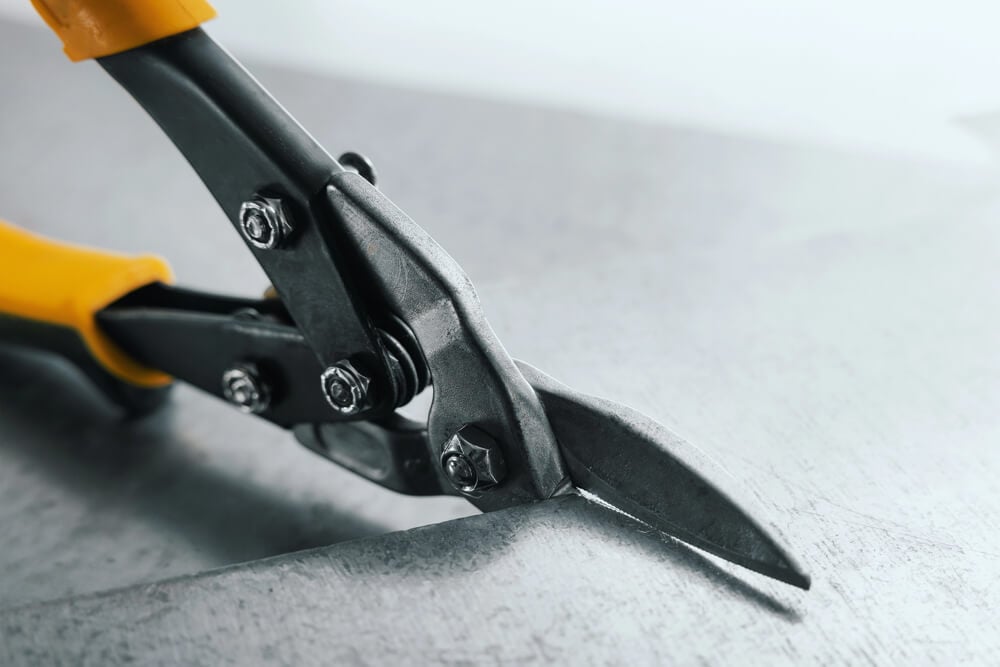
Heavy-duty tin snips and metal shears from established manufacturers, built with forged steel construction no longer common in mass-produced modern equivalents, are pursued by both collectors and tradespeople who value the cutting performance of older forged tools. A maker’s stamp on the blade, along with tight, unworn pivot action, adds meaningful value over a loose or heavily worn example.
These tools remain genuinely useful for sheet metal work, keeping demand broad beyond purely decorative collecting interest.
Vintage Carpenter’s Squares
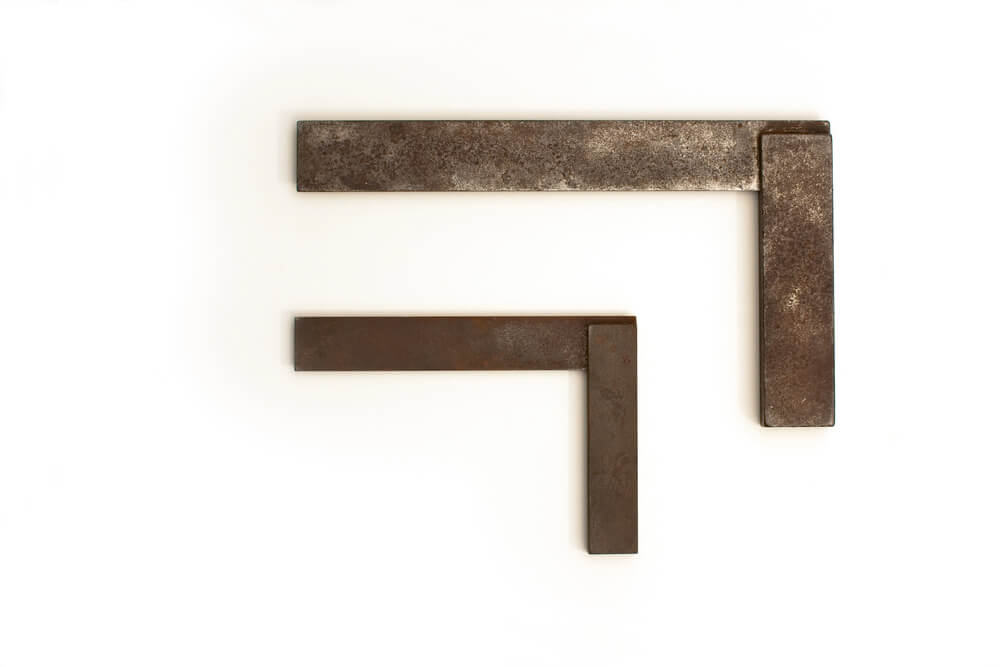
Steel or wooden carpenter’s squares, used to check and mark right angles during construction and furniture work, are collected both for their practical continued accuracy and their often decorative maker’s engravings. A square that still tests as genuinely accurate after decades of use is considerably more valuable to a working buyer than a purely decorative example with a bent or warped body.
Specific maker names associated with high manufacturing precision command a clear premium among collectors who specifically test accuracy before purchase.
Antique Wood Files and Rasps
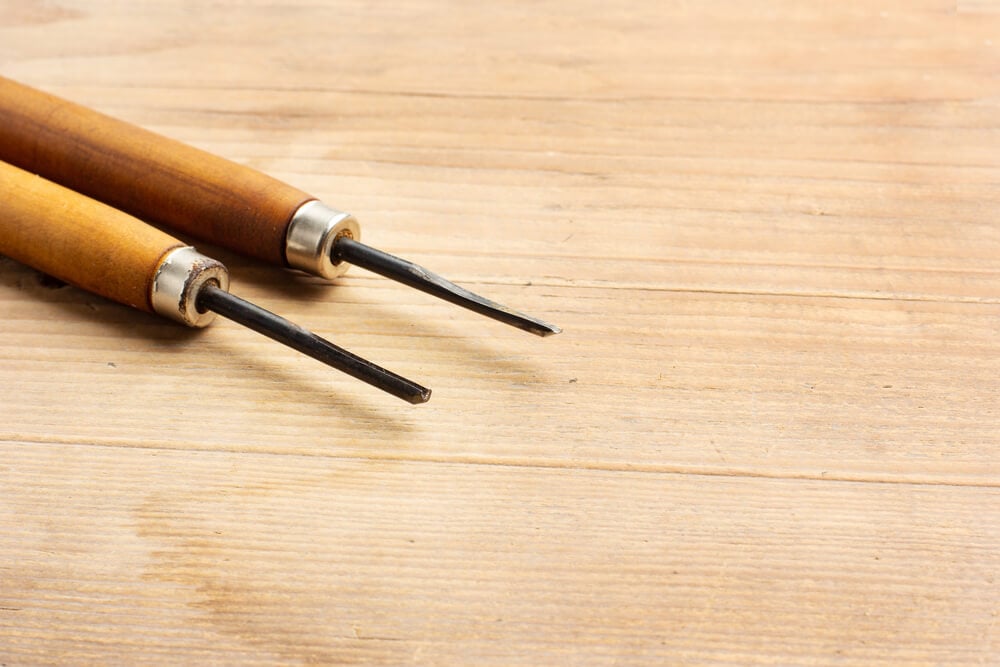
Files and rasps from established makers, built with hand-cut teeth rather than the machine-cut patterns common in modern production, are pursued by traditional woodworkers who value the specific cutting action these older tools provide. A maker’s stamp on the tang, along with teeth that remain sharp despite decades of use, are the details that separate a genuinely valuable find from a worn-out example with little practical life remaining.
These tools are frequently sold in graduated sets, with a complete matched set commanding considerably more than individual pieces.
Vintage Wood-Handled Awls
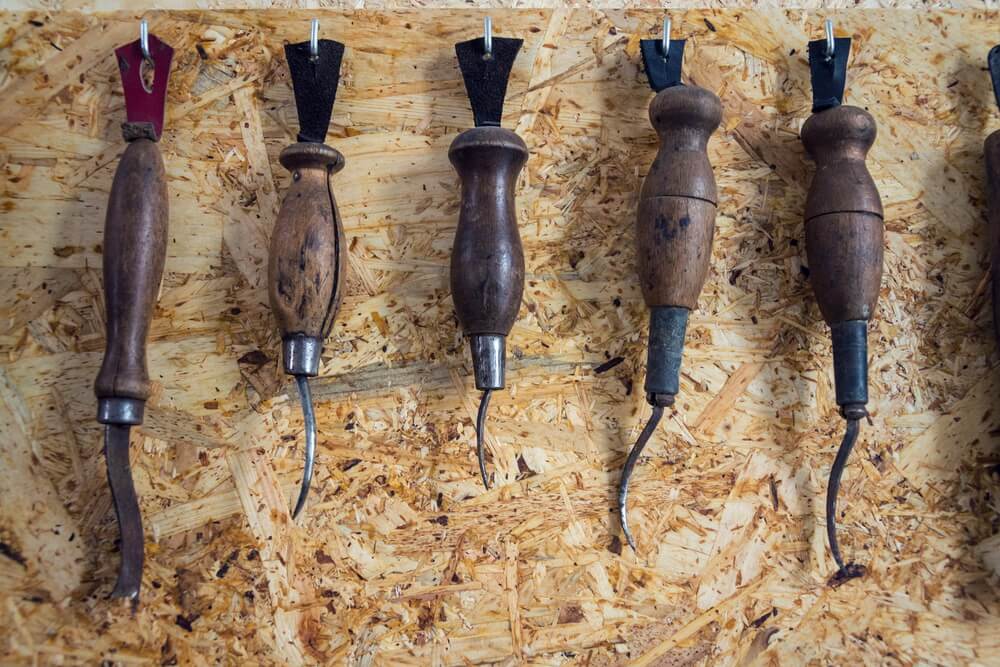
Awls, used to punch small openings for screws or to mark layout lines in wood and leather, are a small but consistently collected category given their low cost of entry and genuine continued usefulness. A tight, original wooden handle paired with an unbent, sharp point represents the ideal combination for buyers who intend to use rather than simply display the tool.
Specific specialty awl types, built for leatherwork or upholstery trades, draw particular interest from collectors focused on those specific crafts.
Antique Coopering Tools
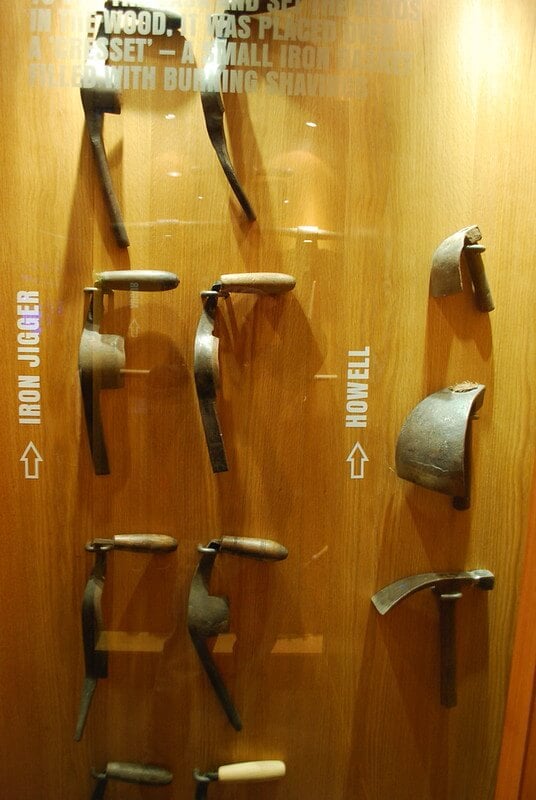
Specialized tools used in barrel-making, including specific curved planes and shaping tools unique to that now largely vanished trade, are pursued by a smaller but genuinely dedicated collector base focused on the history of traditional trades. Because coopering as an active trade has become rare, surviving tool sets tied to a documented working cooper carry additional historical value beyond the tools themselves.
Identifying a tool’s specific coopering purpose often requires specialized knowledge that separates casual buyers from serious trade-tool collectors.
Vintage Wood-Bodied Bevels

Sliding bevels, used to transfer and duplicate an angle during furniture and construction work, are pursued by traditional woodworkers and collectors given their combination of practical continued use and often elegant brass and wood construction. A tight, functioning locking mechanism paired with an undamaged wooden body represents the ideal combination for value.
Specific maker names associated with high-quality brass fittings command a clear premium over generic, unmarked examples.
Antique Wood Mallets
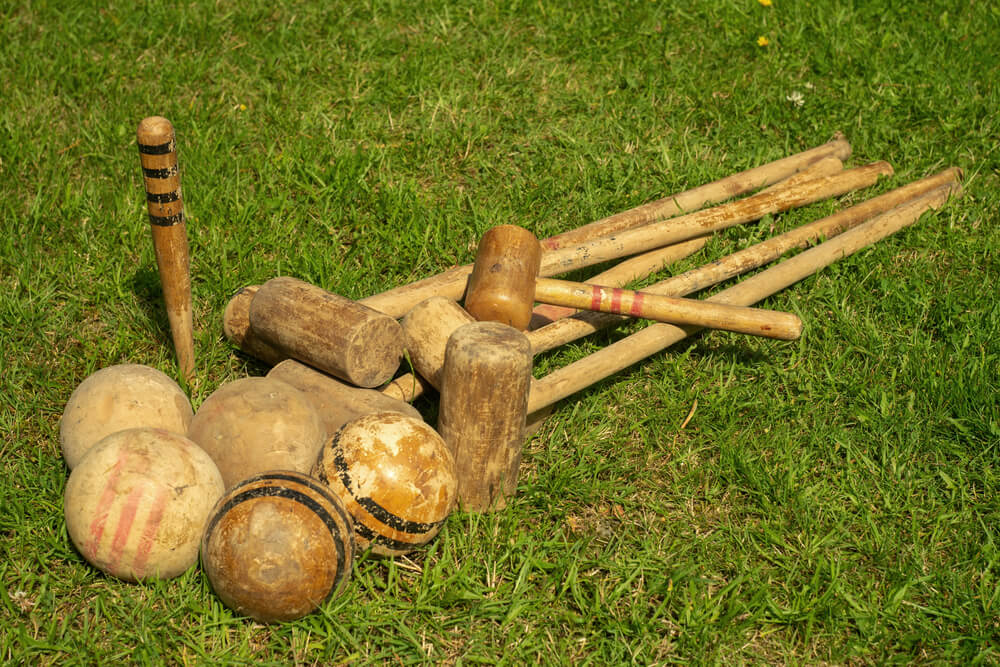
Carved wooden mallets, used alongside chisels for traditional woodworking joinery, are a small but consistently collected category given both their low cost of entry and genuine continued usefulness for anyone practicing traditional hand-tool woodworking. A well-balanced head free of cracking, paired with a tight handle fit, represents the ideal combination for a buyer intending to use rather than simply display the tool.
Hand-carved examples with visible maker tool marks are sometimes preferred over turned, machine-made versions by collectors focused on genuinely handmade tool history.
Vintage Oil Cans and Grease Guns
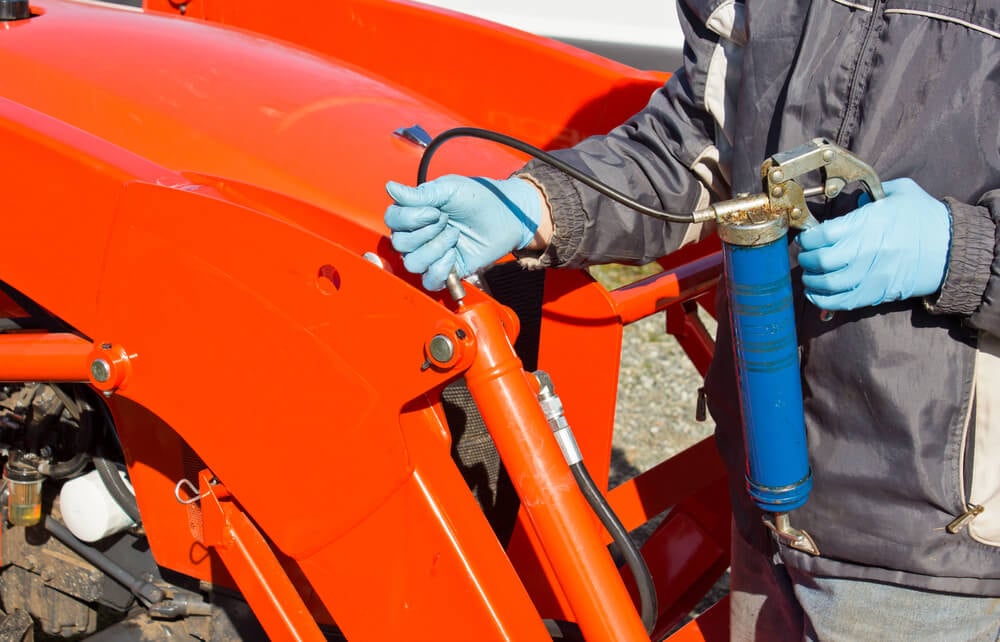
Metal oil cans and grease guns, used for machinery maintenance throughout the twentieth century, have become a specific collecting niche tied closely to broader interest in industrial and automotive history. Specific brand names and unusual shapes, particularly novelty designs used for promotional purposes, command stronger interest than plain, generic examples.
Original paint and legible branding, given how heavily these tools were handled during actual use, significantly affect final value.
Antique Plumb Bobs
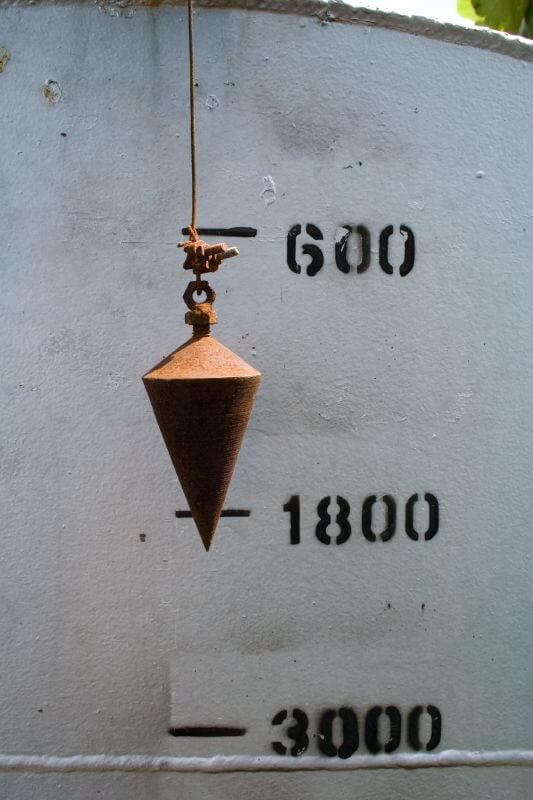
Brass plumb bobs, used to establish a true vertical line during construction and layout work, are a small but consistently collected category given their combination of decorative turned brass bodies and genuine continued practical usefulness. A maker’s stamp on the body, along with an intact original point free of significant wear, are the details serious buyers check closely.
Ornate examples featuring unusual shapes or fine engraving command noticeably more than the plain, utilitarian versions produced in far greater numbers.
What the Fast Sale Actually Means
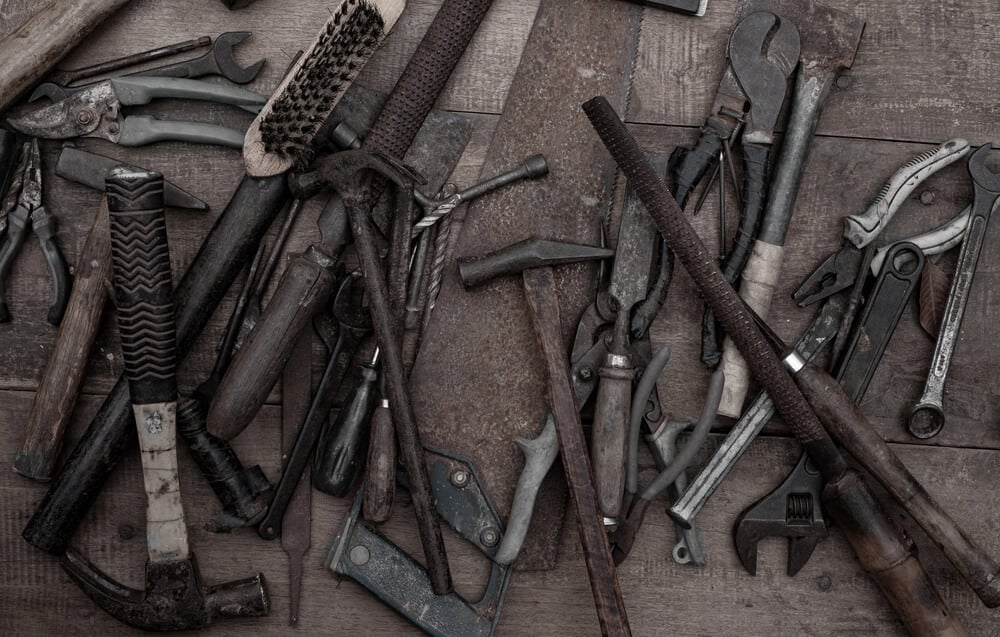
None of these tools look particularly valuable sitting on a folding table next to kitchen appliances and stacks of old magazines, which is exactly why a knowledgeable buyer can move through a sale table faster than anyone else there. A maker’s stamp, a specific casting detail, or simply an intact original handle is often the entire difference between scrap metal and a genuine collectible.
That speed is really the point. Pickers aren’t guessing; they’re recognizing, and recognition only comes from knowing exactly which decades, makers, and details separate a tool worth carrying home from one that belongs in a bin.
The tools themselves haven’t gotten any better with age, but the number of people who understand what they’re actually looking at keeps getting smaller, and that scarcity is worth as much as the tools themselves.
More from Go2Tutors!

- The Romanov Crown Jewels and Their Tragic Fate
- 13 Historical Mysteries That Science Still Can’t Solve
- Famous Hoaxes That Fooled the World for Years
- 15 Child Stars with Tragic Adult Lives
- 16 Famous Jewelry Pieces in History
Like Go2Tutors’s content? Follow us on MSN.