Abandoned Buildings That Cost a Fortune
Ever wondered what happens when ambitious construction projects meet unfortunate circumstances? Around the world, numerous structures stand empty after consuming vast fortunes during their creation. These abandoned buildings represent dreams interrupted, investments squandered, and sometimes cautionary tales of overambition.
Here is a list of 16 abandoned buildings that initially cost astronomical sums to construct but now sit empty, decaying reminders of what might have been.
The Ryugyong Hotel
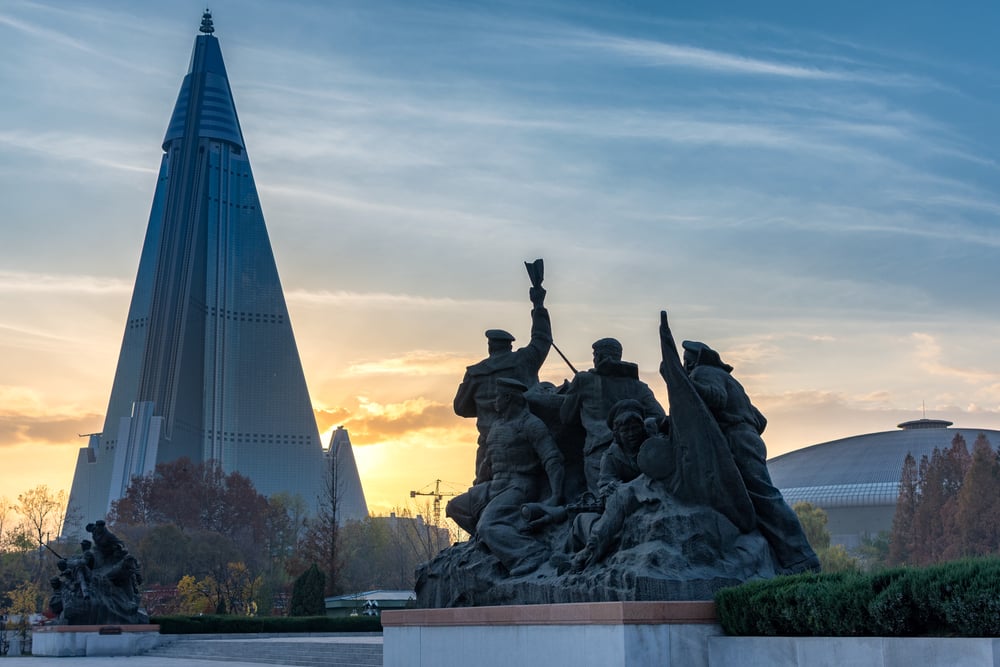
North Korea’s infamous “Hotel of Doom” began construction in 1987 with a projected cost of $750 million. Standing at an imposing 1,080 feet with 105 floors, this pyramid-shaped monstrosity has never hosted a single guest despite consuming nearly 2% of the country’s GDP. Construction stopped and started multiple times over three decades, with billions eventually poured into its concrete shell before being abandoned again in 2013.
Michigan Central Station
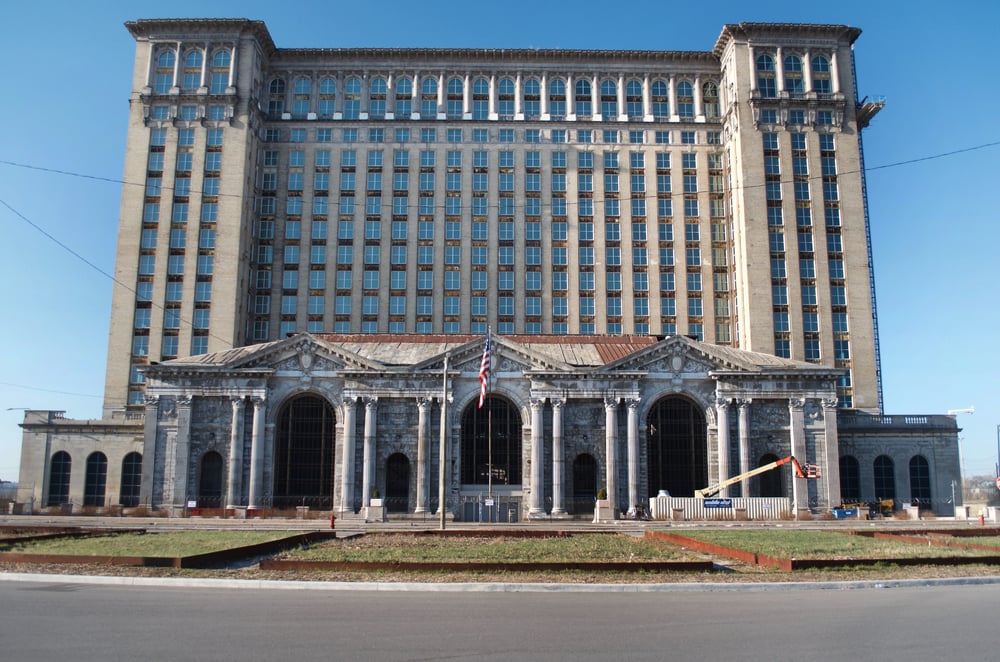
Once the tallest train station in the world, this Detroit landmark cost approximately $15 million when built in 1913 (roughly $400 million today). The Beaux-Arts masterpiece served as Detroit’s main passenger rail depot until closing in 1988, after which it spent decades as a haunting symbol of the city’s decline. Ford Motor Company purchased it in 2018 for restoration, but for nearly 30 years, this fortune-consuming structure stood completely abandoned.
Like Go2Tutors’s content? Follow us on MSN.
Craco, Italy
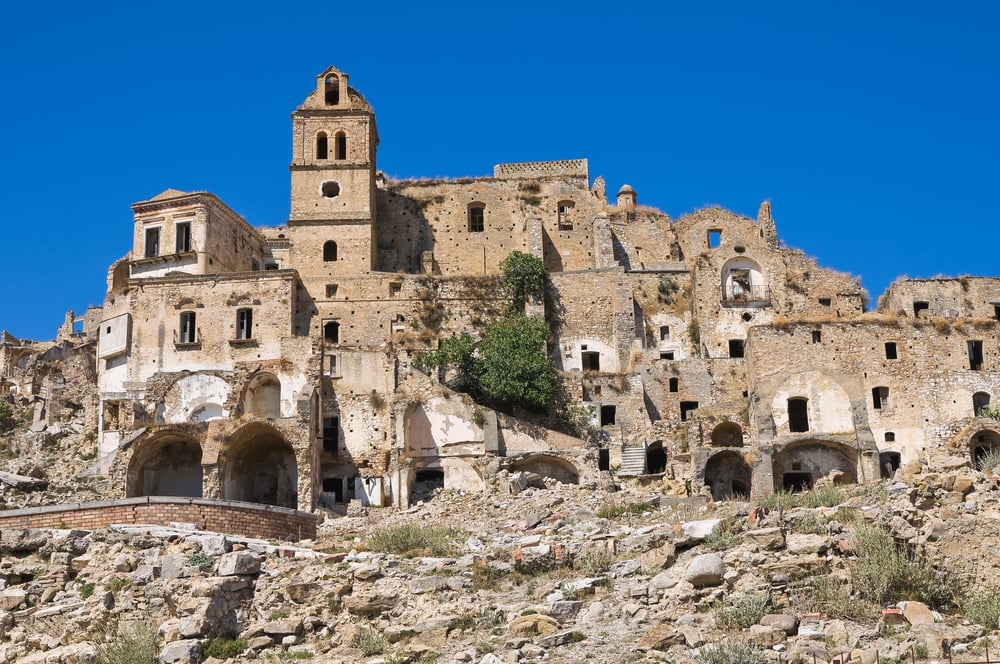
This medieval hill town wasn’t exactly expensive to build initially, but over centuries, the cumulative investment in its churches, university, and infrastructure would equate to hundreds of millions in today’s currency. Natural disasters, including earthquakes, landslides, and soil instability in the 1960s forced the complete abandonment of this once-thriving community of 2,000 people. Now it stands as a ghost town, occasionally serving as a dramatic film location.
The Sathorn Unique Tower

Bangkok’s 49-story “Ghost Tower” consumed approximately $120 million before the 1997 Asian Financial Crisis halted construction at 80% completion. The luxury residential skyscraper with its 659 units and planned rooftop garden has instead become an eerie urban exploration destination, complete with untouched marble lobbies and panoramic views from concrete shells meant for penthouses. Security guards now keep trespassers away from this massive investment gone wrong.
Hashima Island

This Japanese coal mining facility, known as “Battleship Island,” saw over $1 billion (in today’s currency) invested in its development, including concrete apartment blocks, schools, hospitals, and entertainment facilities. The island housed over 5,000 residents at its peak but was completely abandoned in 1974 when petroleum replaced coal as Japan’s primary fuel source. Its dense concrete structures remain largely intact, creating an apocalyptic landscape in the middle of the ocean.
Like Go2Tutors’s content? Follow us on MSN.
The Packard Plant
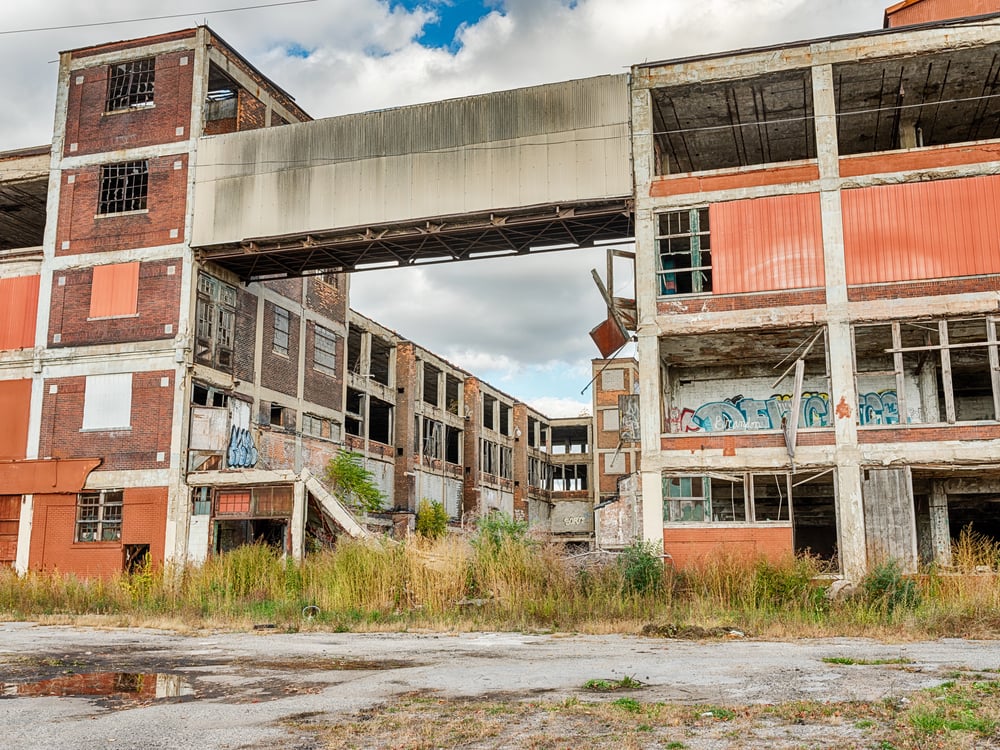
HAMTRAMCK, MICHIGAN – OCTOBER 24, 2020: Ruins of the old Packard automotive manufacturing plant in Hamtramck, Michigan are overgrown with bushes. — Photo by searagen
This Detroit automotive factory complex sprawled across 3.5 million square feet and cost over $10 million to build in the early 1900s (approximately $300 million today). The plant helped establish Detroit as America’s automotive capital but closed in 1958 and has spent decades deteriorating. Recent redevelopment efforts have repeatedly stalled, leaving this massive industrial complex in ruins despite its historical significance.
Olympic Village, Berlin

Built for the 1936 Olympic Games at a cost equivalent to about $30 million today, this massive complex would later serve as a military hospital during World War II. After decades of use by Soviet forces, it was abandoned in 1992, leaving behind elaborate facilities including swimming pools, gymnasiums, and dormitories. The once-prestigious development now sits decaying in the forests outside Berlin, covered in graffiti and overtaken by nature.
New South China Mall

When completed in 2005, this was the world’s largest shopping mall, costing approximately $1.3 billion to construct. Despite its seven distinct zones modeled after international cities, complete with a 1.3-mile indoor canal system, the mall remained 99% vacant for over a decade. While portions have recently been revitalized, huge sections still stand empty, a monument to excessive retail ambition in Dongguan.
The Pontiac Silverdome

This Michigan stadium cost $55.7 million in 1975 (about $280 million today) and once hosted the Super Bowl, the Pope, and countless major events. After the Detroit Lions relocated in 2002, the massive venue began its decline, eventually selling at auction for just $583,000 in 2009. The empty stadium’s roof collapsed in 2013, and it stood as a decaying shell until its demolition in 2017, representing hundreds of millions in wasted infrastructure.
Like Go2Tutors’s content? Follow us on MSN.
Wonderland Amusement Park

Located outside Beijing, this would-have-been Chinese Disneyland consumed approximately $120 million before financial problems halted construction in 1998. For nearly two decades, partial castle structures and half-built fantasy buildings stood abandoned in farm fields, creating a surreal landscape of failed dreams. The site was finally demolished in 2013, leaving nothing but memories of what was intended to be Asia’s largest amusement park.
Varosha, Cyprus
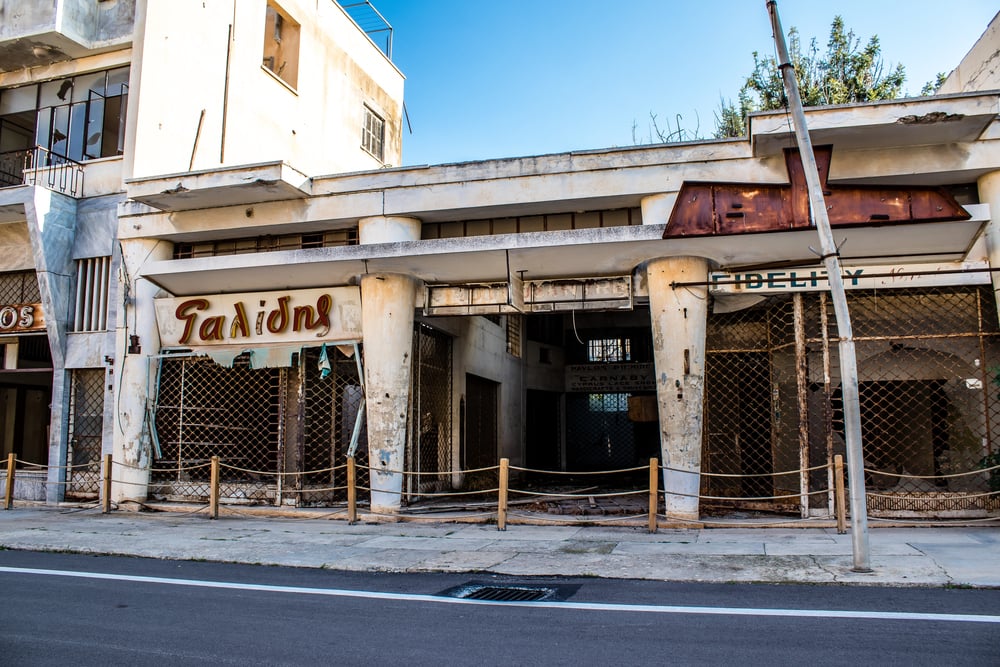
This once-thriving Mediterranean resort destination saw billions invested in luxury hotels, apartments, and amenities before the 1974 Turkish invasion of Cyprus forced its complete abandonment. Since then, this ghost district of Famagusta has been fenced off, with high-rise hotels and luxury shops frozen in time for nearly five decades. Sunlight still filters through dusty windows into empty lobbies once considered among the most exclusive in Europe.
The Polissya Hotel

This hulking concrete hotel in Pripyat, Ukraine cost the Soviet government the equivalent of $15 million to construct as accommodations for visitors to the nearby Chernobyl Nuclear Power Plant. After the 1986 disaster, the hotel was hastily abandoned along with the entire city, leaving behind a perfectly preserved Soviet-era luxury establishment. Its 300 rooms, restaurants, and conference facilities now stand empty in the exclusion zone, slowly being reclaimed by nature.
Like Go2Tutors’s content? Follow us on MSN.
Mirny Diamond Mine

This Siberian open-pit mine cost the equivalent of billions of dollars to develop, becoming the second-largest excavated hole on Earth at 1,722 feet deep and nearly a mile across. Operations ceased in 2004 when mining became unprofitable at greater depths, leaving behind an enormous pit surrounded by processing facilities and infrastructure. The airspace above the mine is closed to helicopters, as the massive hole allegedly creates a downward air suction effect.
Sanzhi UFO Houses
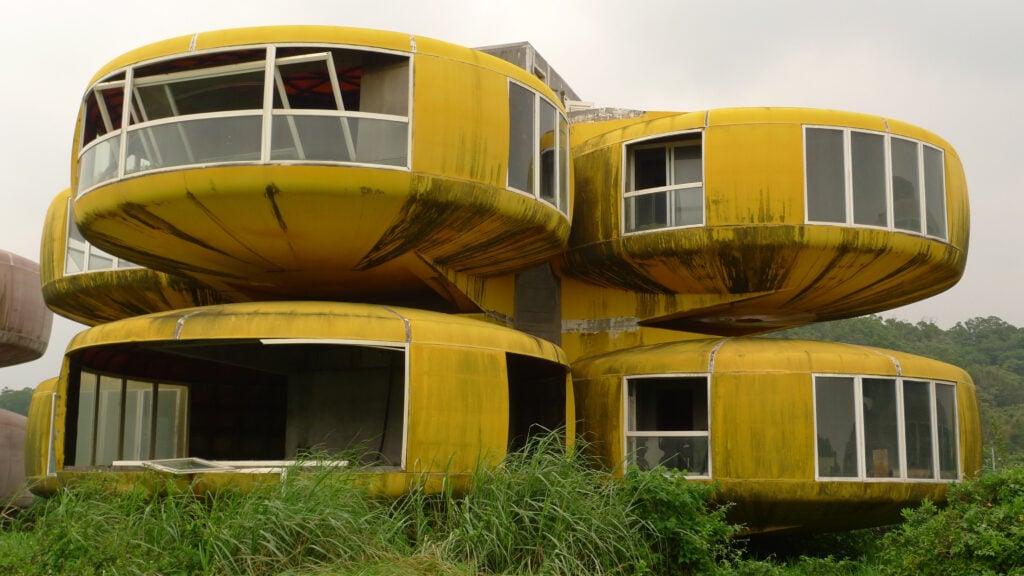
This futuristic resort complex in Taiwan cost developers approximately $50 million in the 1970s, with its pod-shaped vacation units targeting American military personnel. Construction halted after numerous fatal accidents that locals attributed to supernatural causes. The bizarre, colorful pods stood abandoned for decades before finally being demolished in 2010, leaving nothing but photographs of one of architecture’s strangest failed experiments.
The Buzludzha Monument

This massive concrete flying saucer-shaped structure perched atop a Bulgarian mountain cost the equivalent of $35 million to build in 1981. Created as a celebration of Soviet socialism, the monument featured elaborate mosaics and a massive assembly hall. After the fall of communism in 1989, the building was abandoned, leaving its impressive dome, conference facilities, and intricate artwork to decay at the mercy of harsh mountain weather.
Like Go2Tutors’s content? Follow us on MSN.
Ciudad Real Airport

This Spanish “ghost airport” cost a staggering €1.1 billion (approximately $1.5 billion) to construct in 2008, featuring a runway capable of handling the world’s largest passenger aircraft. Unfortunately, it opened during Spain’s financial crisis and operated for just three years before closing in 2012, serving fewer than 10,000 passengers in total. The massive facility sat completely unused for years, eventually selling at a bankruptcy auction for just €56 million – a fraction of its construction cost.
The Legacy of Abandoned Ambition

These costly abandoned structures serve as reminders that even the most lavish financial commitments don’t guarantee success. From political upheavals to economic downturns, many factors can transform ambitious projects into expensive ruins. While some of these buildings may eventually find new life through restoration, others will continue their slow decay, monuments to the unpredictable nature of human endeavors and the sometimes fleeting value of architectural investments.
More from Go2Tutors!

- 18 Unexpectedly Valuable Collectibles You Might Have Lying Around
- 15 Things Every Teenager in the ’70s Did That Teens Today Wouldn’t Understand
- 15 Strange Things People Have Tried to Ban (And Failed)
- 15 Inventions That Were Immediately Banned After Being Created
- 20 Actors Who Were Almost Cast in Iconic Roles
Like Go2Tutors’s content? Follow us on MSN.