33 Road Trip Traditions Families Used to Follow That Made Long Drives Actually Fun
There’s a particular kind of quiet that fills a car now on a long drive. Everyone’s got a screen, headphones in, their own little world humming along at 70 miles an hour while the actual world slides by unnoticed outside the window.
It wasn’t always like that. Road trips used to run on rituals passed down like family recipes, small traditions that turned eight hours in a station wagon into something people actually looked forward to.
The Paper Road Atlas
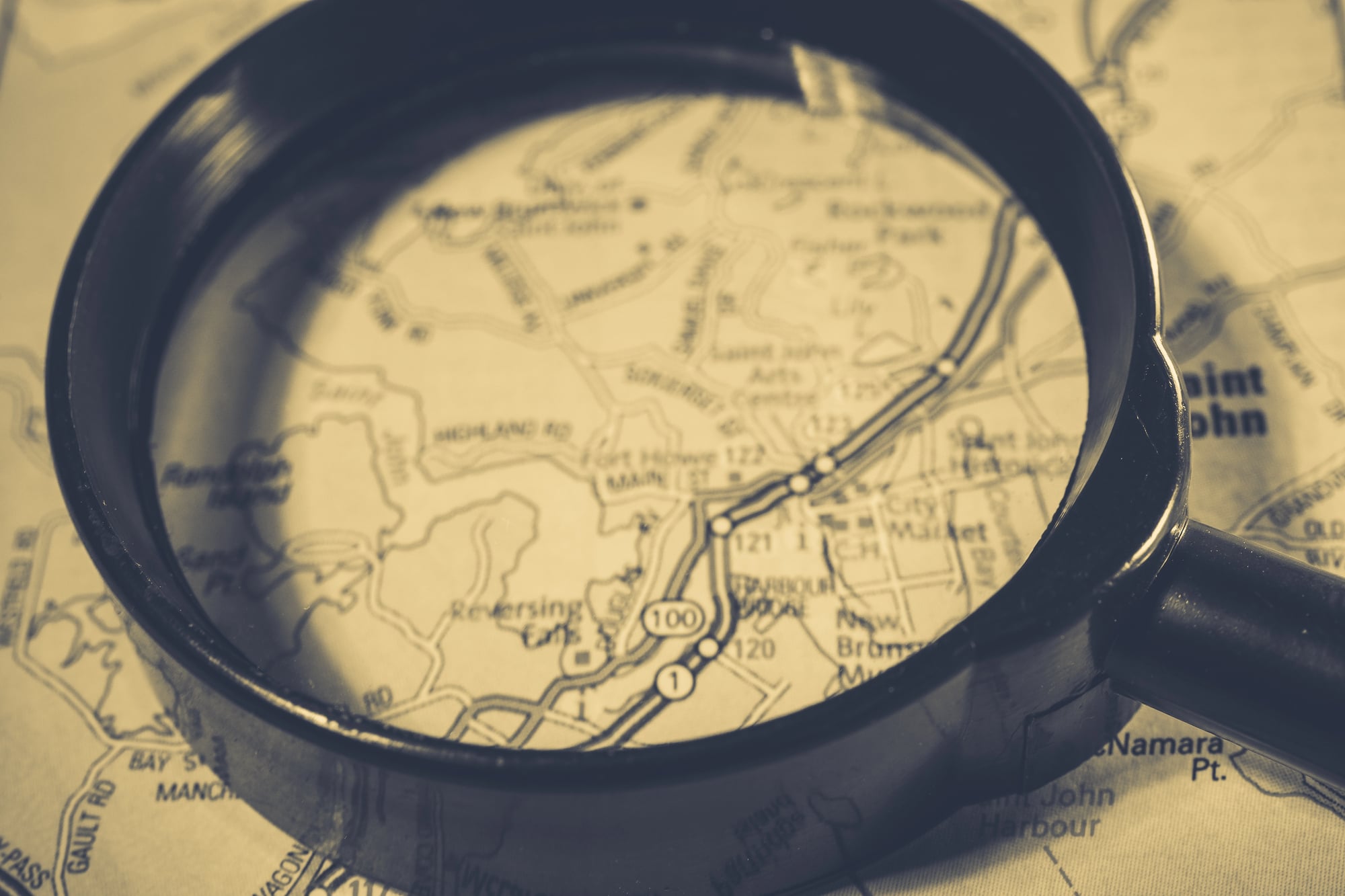
Nobody trusted a car without one in the glove box. It lived there, dog-eared and coffee-stained, folded wrong more often than right.
Finding your route meant tracing a finger across a page, arguing over which highway looked faster, and nobody’s phone battery ever died mid-argument.
Punch Buggy
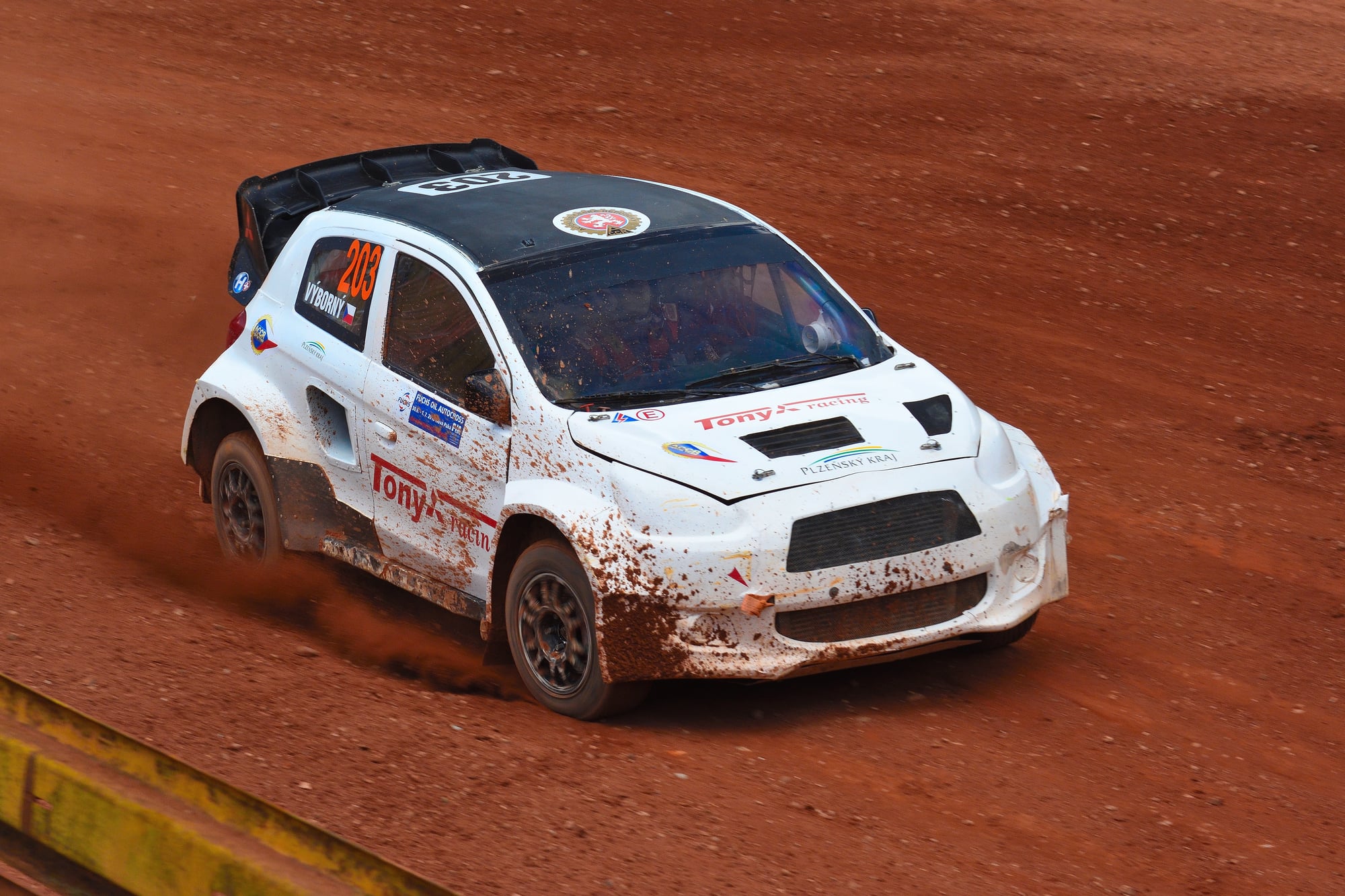
So the rule was simple, and somehow that simplicity is exactly why it worked for decades: spot a Volkswagen Beetle, call it out, throw a light punch at whoever’s closest — and if you called “no punch back,” you got away clean. There was strategy involved, believe it or not, because kids learned to scan intersections and parking lots like tiny detectives, always half-watching the road for that unmistakable curved shape.
And the arguments over what counted as a “real” Beetle versus some other rounded car could eat up twenty minutes on their own. It sounds almost violent written out like that, but nobody remembers it that way — they remember laughing.
License Plate Bingo
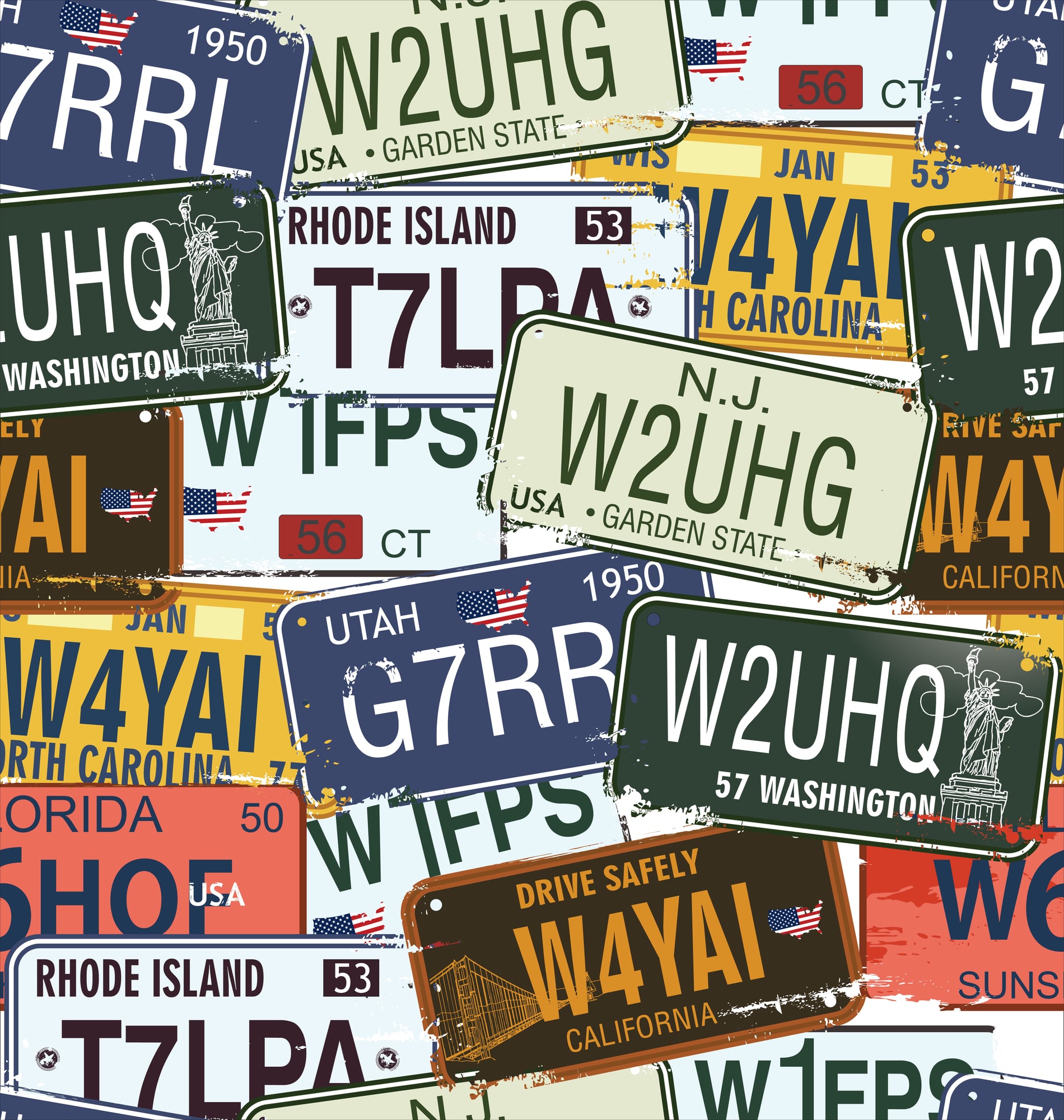
A single sheet of paper with all fifty states printed in tiny boxes did more to entertain a car full of kids than most modern apps manage. You’d spot Nebraska on some minivan at a gas station in Ohio and feel like you’d won something real.
The game rewarded patience the way a fishing trip does — long stretches of nothing, then a sudden small thrill that made the waiting worth it. Somewhere in a garage right now, there’s probably a faded copy of that sheet still tucked in a car’s side pocket.
The Cooler in the Trunk
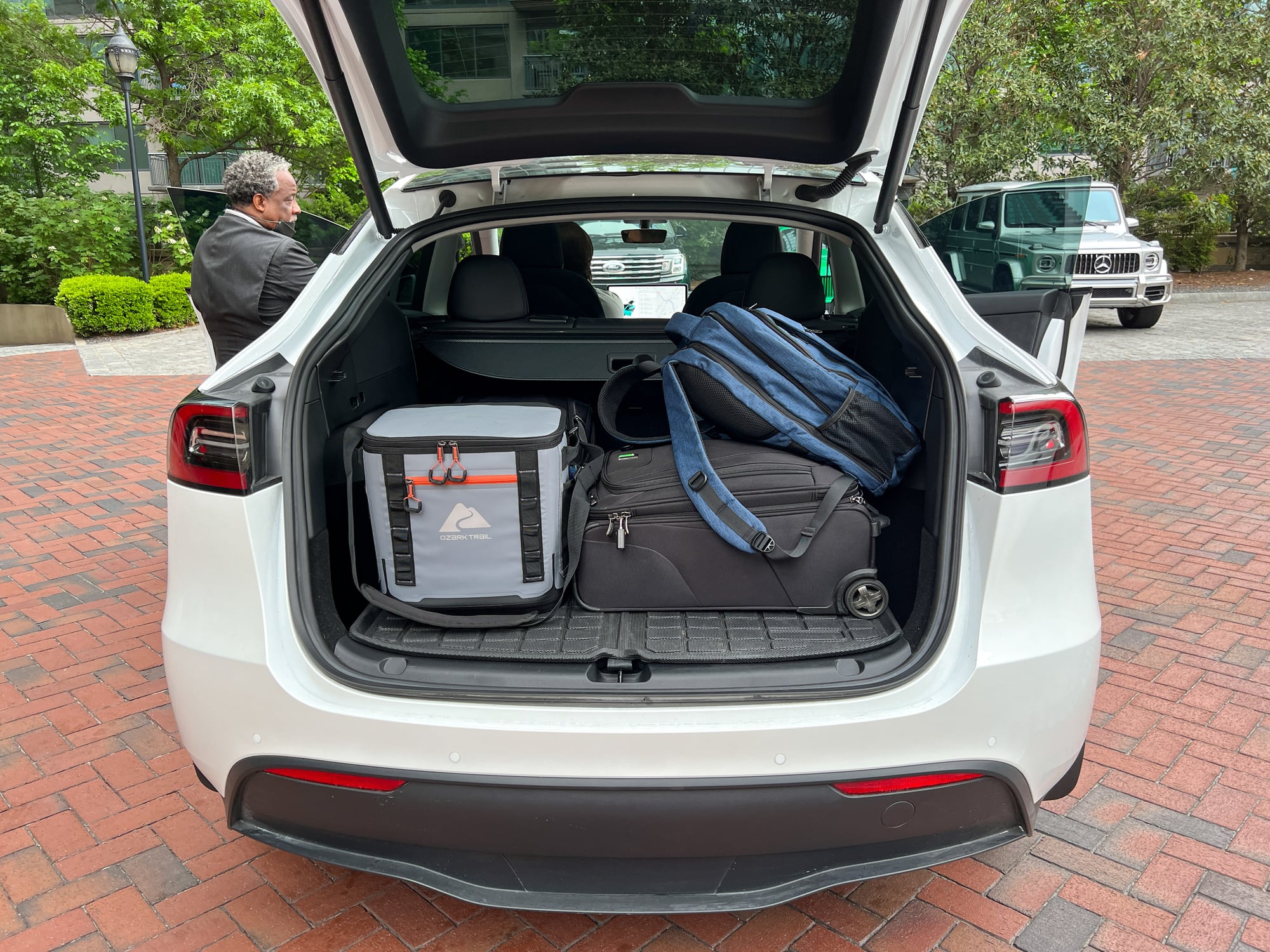
Gas station food wasn’t the default because packing a cooler was non-negotiable. Sandwiches, juice boxes, maybe a block of ice sweating through a towel — that cooler was doing more work than the air conditioning most summers.
Nobody planned meals around drive-throughs because the whole point was eating exactly what you’d normally eat, just with your knees against a dashboard instead of a kitchen table. It saved money, sure, but it also meant road trips didn’t come with a stomach ache attached.
Mixtapes for the Road
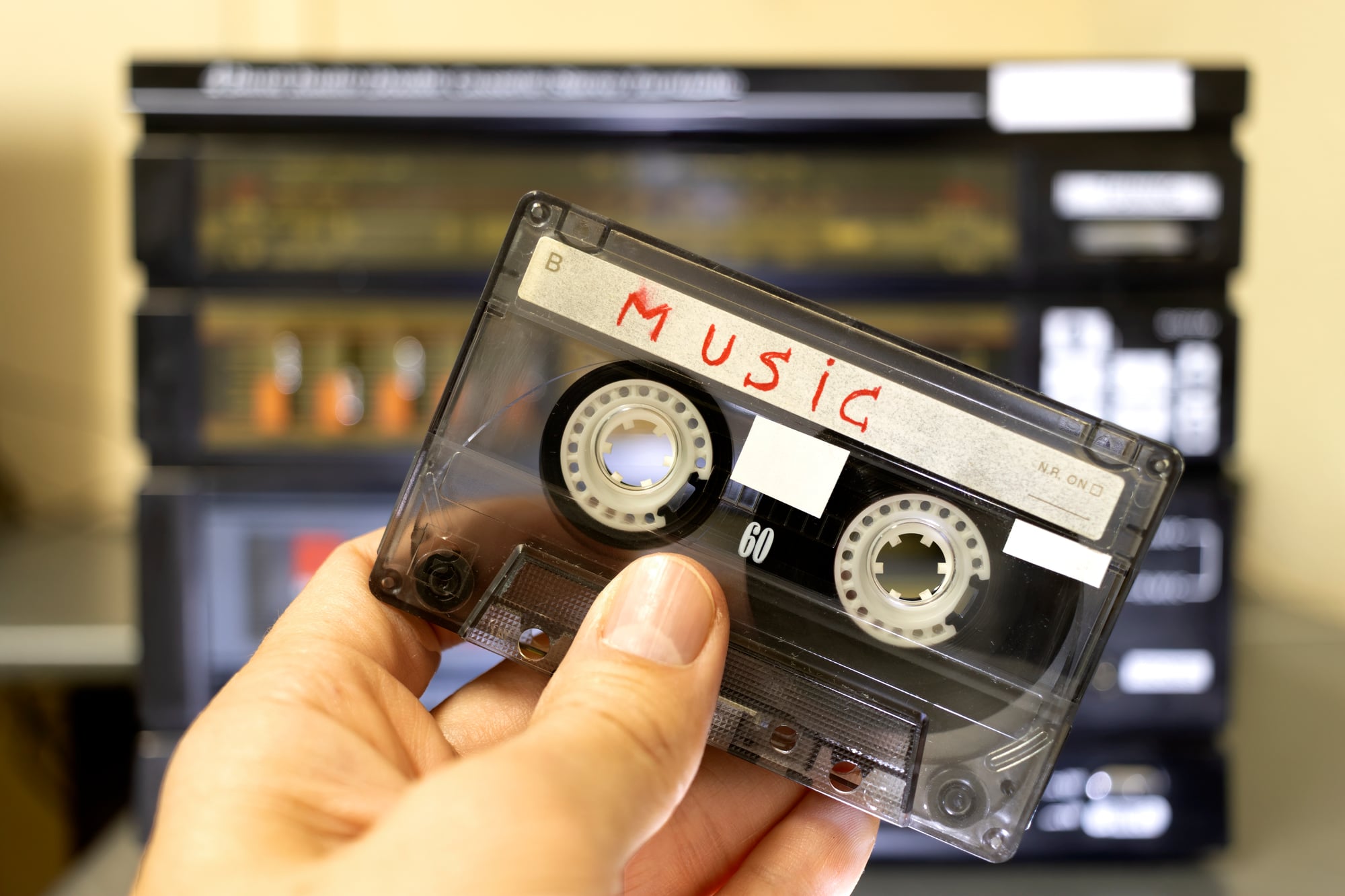
Making a road trip mixtape used to take actual effort, and that effort is precisely what made the music matter. Someone sat by a cassette deck for hours, timing songs off the radio, hoping the DJ wouldn’t talk over the opening notes.
It wasn’t a playlist you could shuffle apart in a bad mood — it was fixed, sequenced, final. So when a particular song came on forty minutes from home, everyone in that car knew exactly what came next, and singing along wasn’t optional.
Stopping at Roadside Diners
Nobody researched restaurants ahead of time. You drove until hunger won, and whatever diner had the most trucks parked outside got the family’s business — trucks meant good food, that was just understood.
The waitress called everyone “hon” whether she’d met them before or not, and the pie case by the register decided dessert before anyone even ordered lunch.
The Alphabet Game

Scanning billboards and road signs for A, then B, then C, sounds almost too simple to hold a child’s attention for three straight hours — and yet it did, reliably, every single time. Q and Z turned into genuine crises, the kind that had entire families squinting at exit signs like they were reading tea leaves, desperate for a “Quiznos” or “Zephyr Motel” to save the round.
Nobody remembers who technically won most of these games. What people remember is the particular kind of quiet concentration that settled over a backseat when someone was one letter away from finishing the alphabet before the next state line.
Postcards from Every State
Sending a postcard home from a state you were currently standing in feels almost comically pointless now, arriving days after the family that mailed it had already walked back through their own front door. Nobody cared.
The point wasn’t efficiency, it was proof — a physical object with a local stamp and a gift shop’s blurry photo of some canyon or lighthouse, evidence that you’d actually been somewhere. Kids collected them in shoeboxes the same way they collected rocks or bottle caps, treating a fifty-cent postcard like a small trophy.
The Family Station Wagon
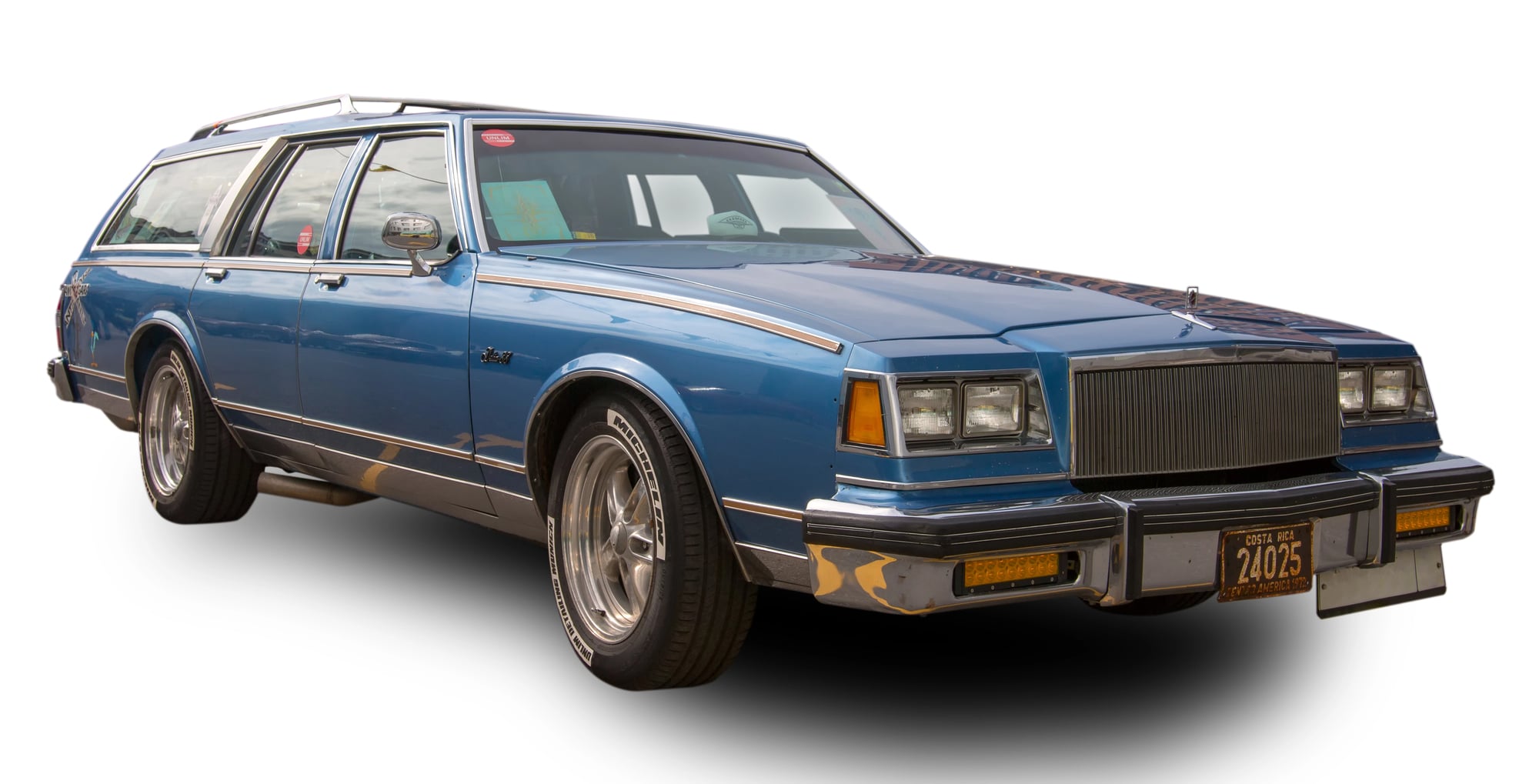
There’s no arguing this one: the station wagon did more for family road trips than any minivan that came after it. That back-facing third row turned every drive into a spectator event, waving at strangers in the car behind you like you were leading a parade nobody asked for.
To be fair, it wasn’t safe by any modern standard, which is exactly why it doesn’t exist anymore — but it produced more genuine road trip memories per square foot than most vehicles manage in their entire lifespan.
Counting Cows
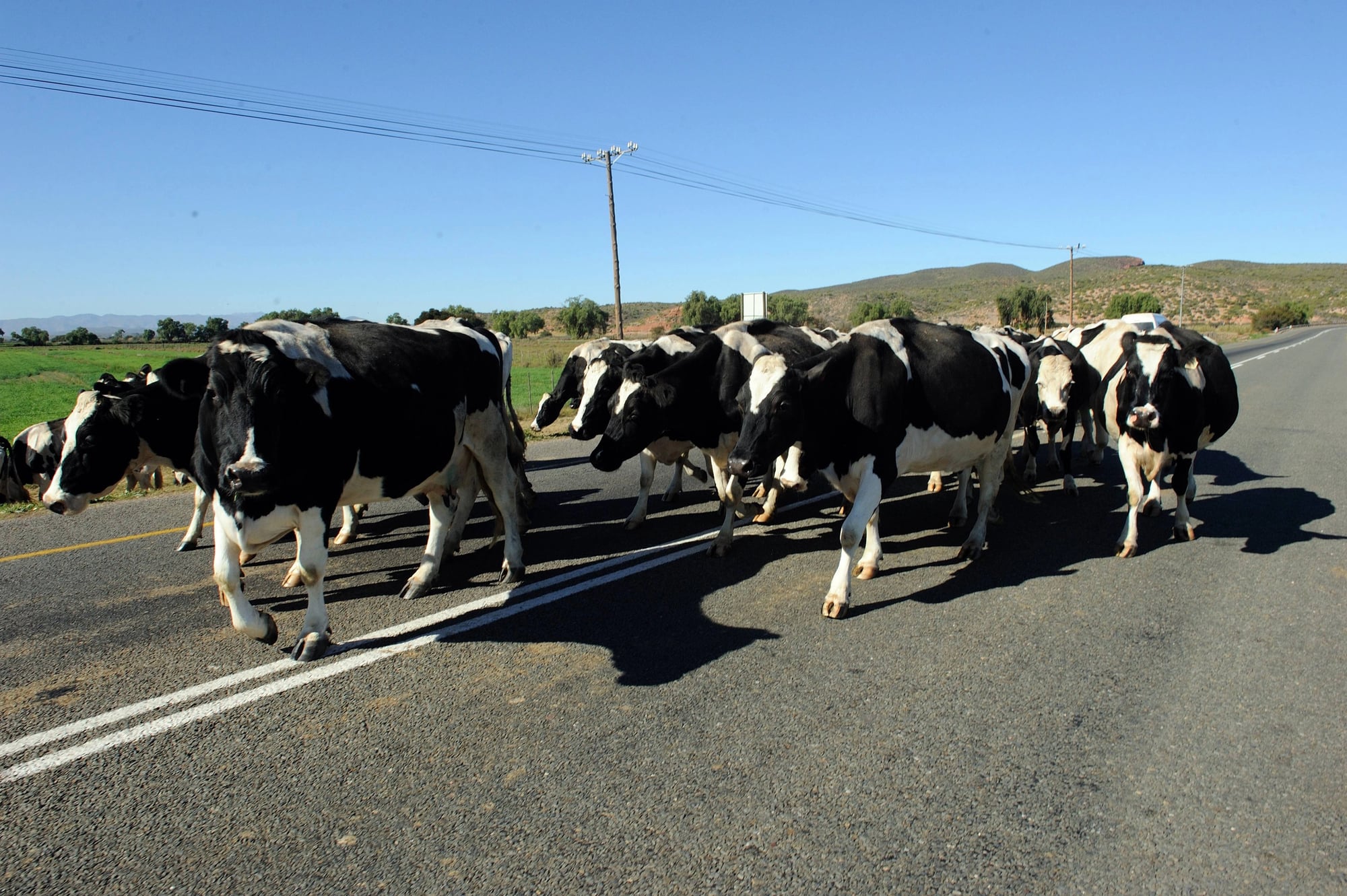
The rules varied by family, but the basic version stuck everywhere: count cows on your side of the road, lose your tally if you passed a cemetery, and start over from zero out of sheer bad luck. It was a game with no real winner and no real end, the kind that just quietly dissolved somewhere around mile 200 when everyone forgot their count anyway.
And somehow that didn’t matter — the counting itself was the point, a small excuse to actually look out the window instead of past it.
CB Radios
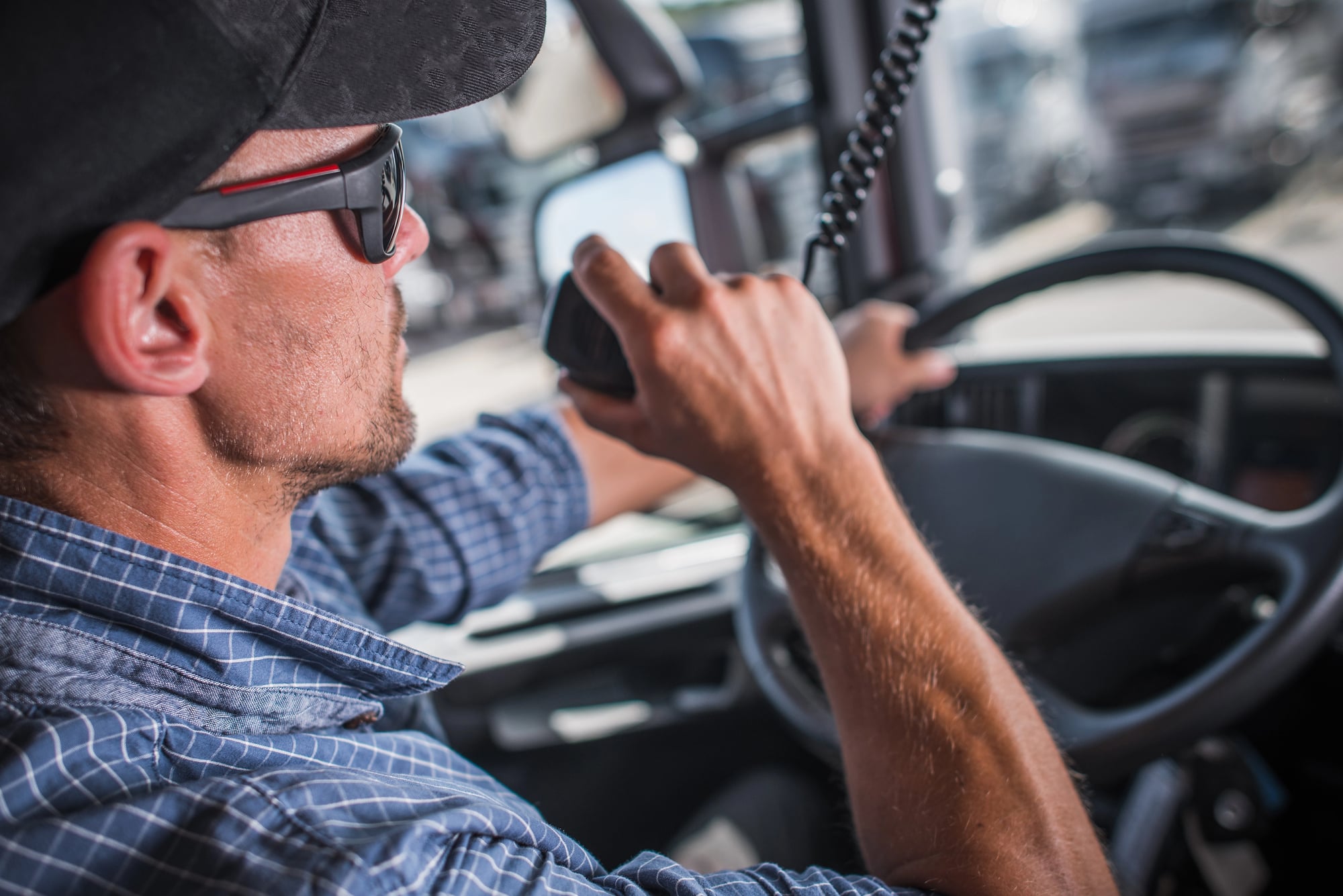
Truckers had a whole language out there, and for a stretch of decades, regular families wanted in on it. A CB radio bolted under the dash meant you could hear about a speed trap two exits ahead, or just listen to strangers trade handles like “Big Rig” and “Night Owl” across empty stretches of interstate.
It felt like eavesdropping on a secret club that happened to be extremely willing to let you join. Kids picked their own handles too, usually something dramatically overblown for an eight-year-old.
The Designated Snack Bag
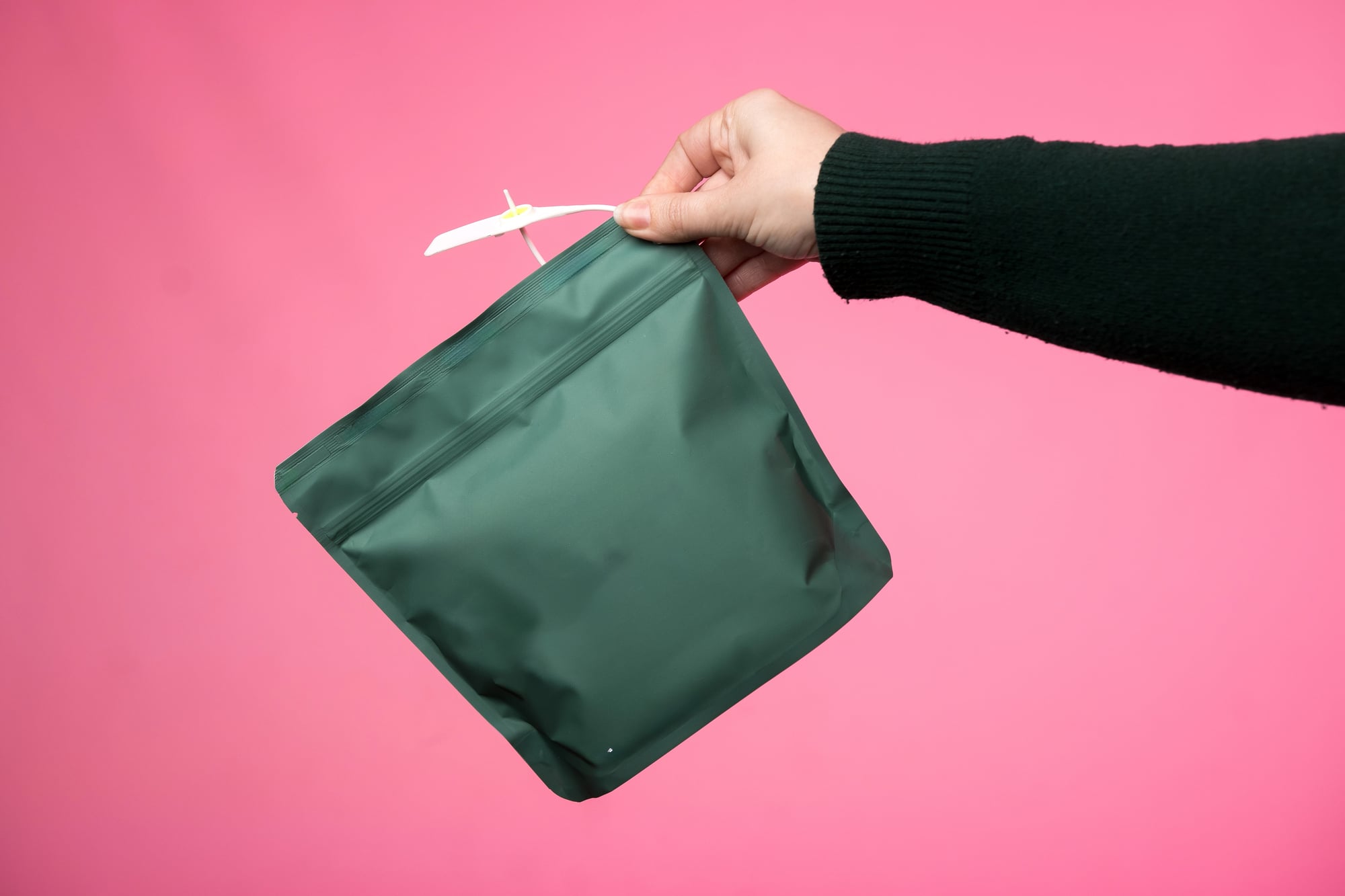
One bag, packed before anyone left the driveway, and it held the entire family’s snack economy for the trip. Pretzels on the bottom, something sticky wedged in the middle, someone’s forgotten fruit going soft by hour six.
Rationing that bag became its own quiet negotiation, especially once someone realized the good snacks were already gone by Nebraska.
Rand McNally Trip Planning

Long before GPS started talking at you, families sat around a kitchen table with a Rand McNally atlas open flat, plotting an entire trip in colored pen. Someone always volunteered to be the navigator, a title that came with real responsibility and zero actual authority once the driver decided to take a different exit anyway — and that tension, the quiet friction between the person holding the map and the person holding the wheel, is a specific kind of family memory that doesn’t really have a modern equivalent.
So the map got folded and refolded until it tore along its own creases: a small, physical record of every wrong turn the family ever took together. It sat in the glove box afterward like a retired employee nobody had the heart to throw out.
Sing-Alongs
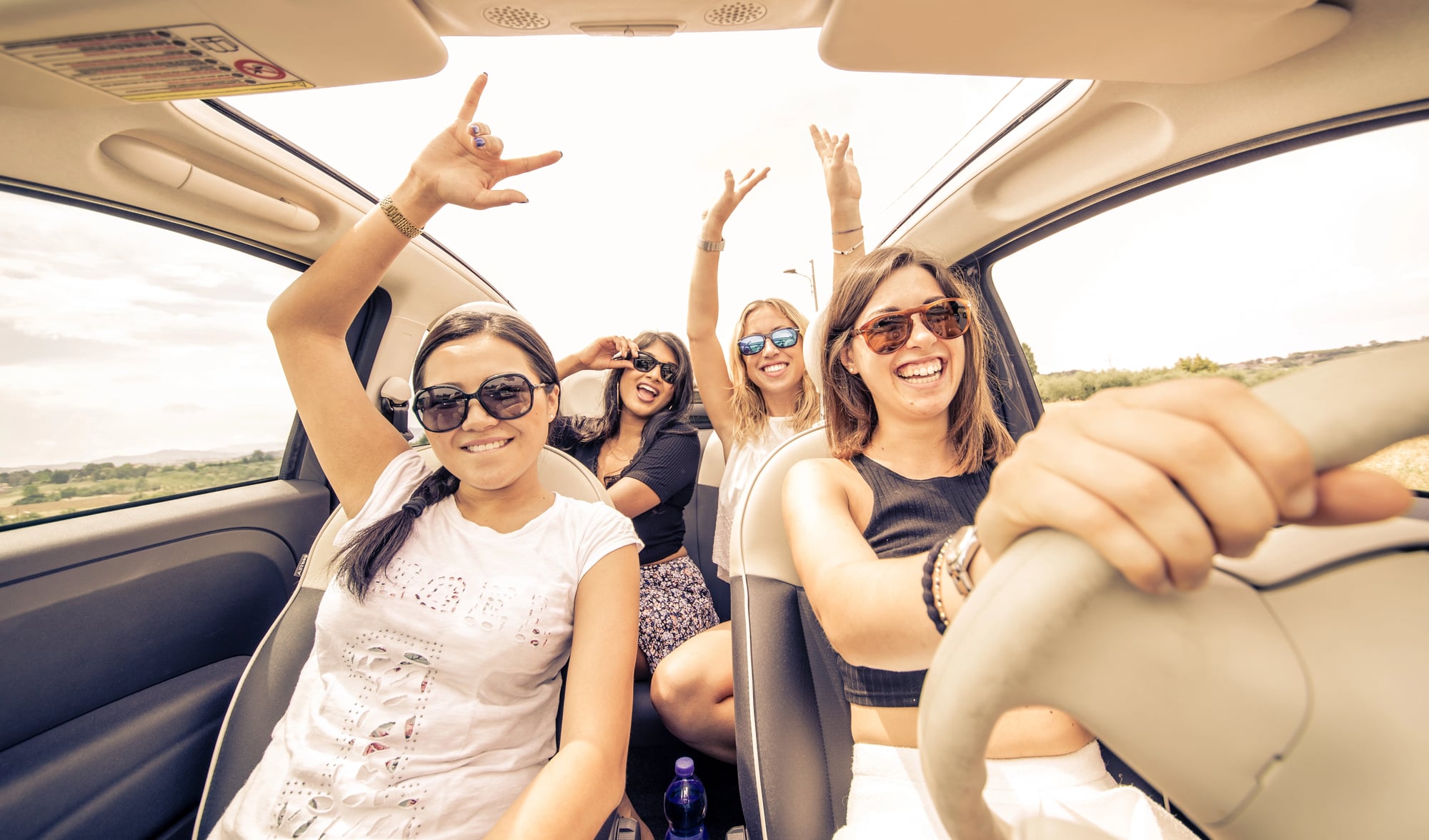
Nobody sings together in a car anymore quite the same way, and that’s a genuine loss. There was something almost tribal about an entire family belting out a chorus off-key at 65 miles per hour, windows cracked, completely unconcerned with sounding good.
It didn’t require talent or even particularly good taste in music — it required volume and commitment, and every family had at least one member who supplied both without being asked.
The Rest Stop Picnic
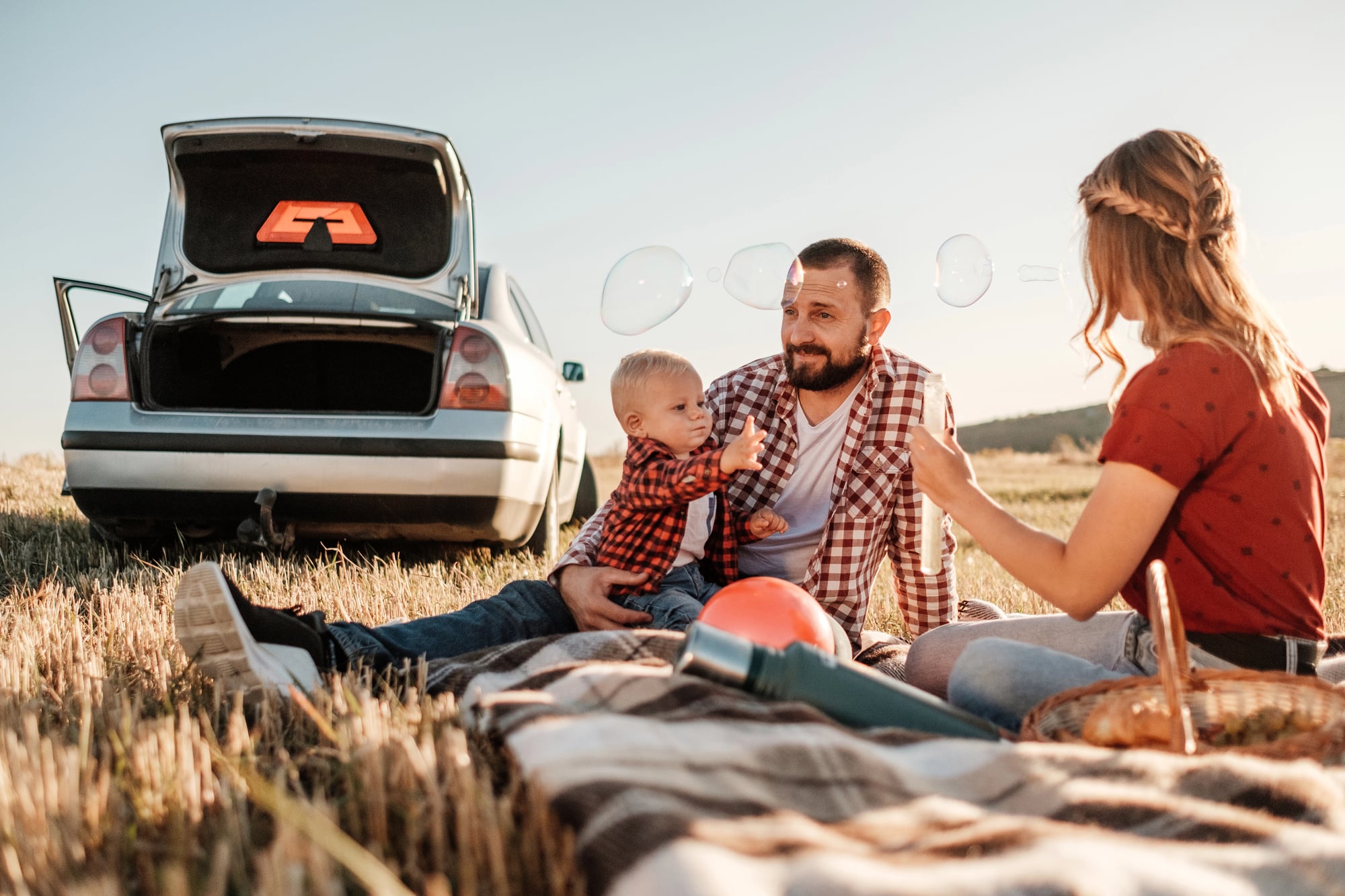
A rest stop wasn’t just a bathroom break, it was an event with its own quiet choreography: blanket unrolled across a scratchy patch of grass, cooler dragged over from the trunk, someone always complaining about the ants before they’d even sat down. There’s a particular kind of peace to eating a sandwich at a plastic picnic table while trucks rumble past on the interstate behind you, a peace that has nothing to do with the scenery and everything to do with just stopping for twenty minutes.
Families don’t build in that kind of pause anymore, mostly because nobody has to — the drive-through window replaced the picnic table somewhere along the way, and something quieter got left behind with it.
Trading Off Driving Shifts
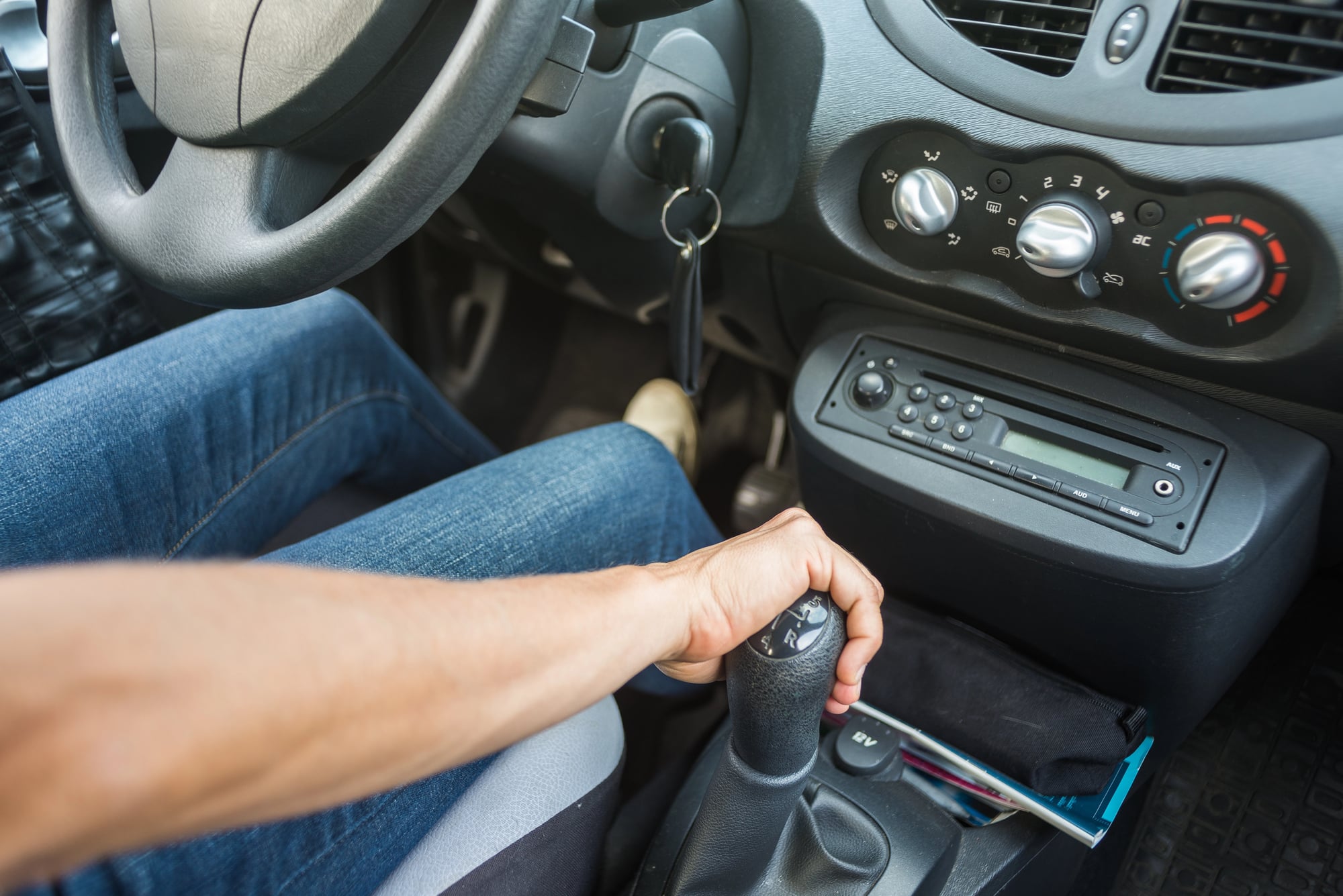
Long drives used to be a shared responsibility, not a solo grind. Whoever wasn’t driving became the unofficial navigator, snack distributor, and radio DJ all at once, and the swap itself happened at a gas station with the kind of ceremony usually reserved for relay races.
It kept everyone a little more invested in the trip because everyone had a job, even the ones just riding along.
The “Are We There Yet” Ritual
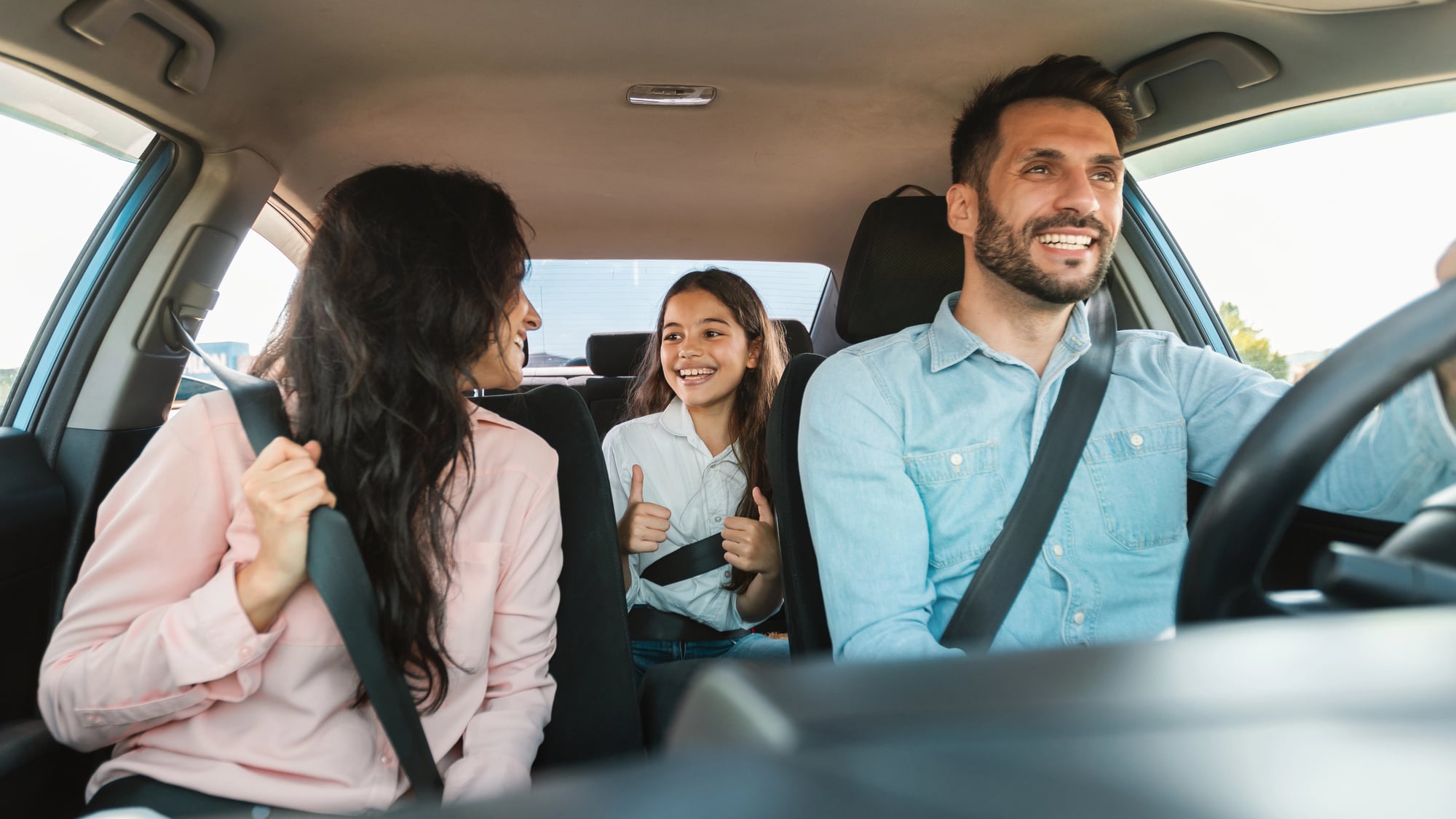
Every family had a version of this, and pretending otherwise would be dishonest. The question got asked roughly every forty-five minutes regardless of how many times it had already been answered, and the parent in the front seat developed an increasingly creative set of non-answers to buy another hour of peace.
It was annoying in the moment, genuinely annoying, and yet it’s one of the first things people bring up when they talk about old family trips — proof that irritation and nostalgia aren’t as far apart as they seem.
Collecting Bumper Stickers
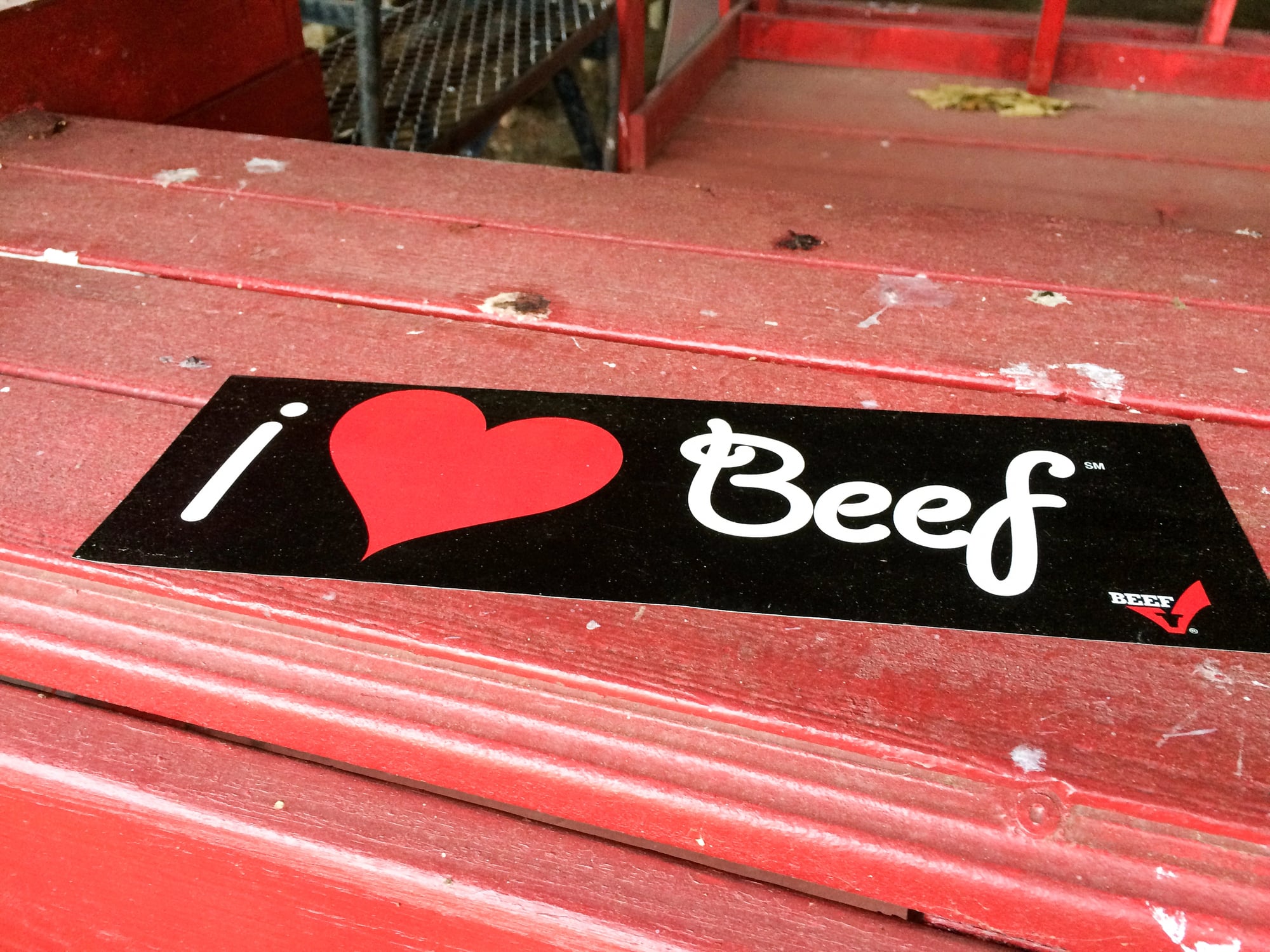
Gift shops sold them everywhere, cheap and slightly sticky, and families slapped them right onto the back bumper without a second thought. By the end of a summer, some station wagons looked like a scrapbook on wheels — a state park here, a cavern tour there, a faded sticker from a roadside attraction nobody could quite remember visiting.
It was a low-effort tradition that somehow told a fuller story than most photo albums manage.
The Glove Box Games
Every glove box had a small stash of travel games tucked behind the registration papers: a battered deck of cards, a travel-size checkers set with pieces always down two or three, maybe a Mad Libs pad with half the pages already filled in from last summer. Nobody bought new ones very often, which meant the same worn set of games traveled state to state for years.
There’s a specific kind of comfort in that repetition, the way a favorite toy gets softer with use instead of wearing out.
Tourist Trap Detours
The world’s largest round of twine, a two-headed calf in a jar, a “mystery spot” where the laws of physics supposedly didn’t apply — every family had a soft spot for exactly this kind of nonsense, and pretending otherwise is just lying to yourself. These places were never actually good, not by any honest measure, and that was somehow beside the point entirely.
To be fair, a bad souvenir shop with a giant fiberglass dinosaur out front made for a better memory than half the “real” attractions on most itineraries.
The Backseat Divider
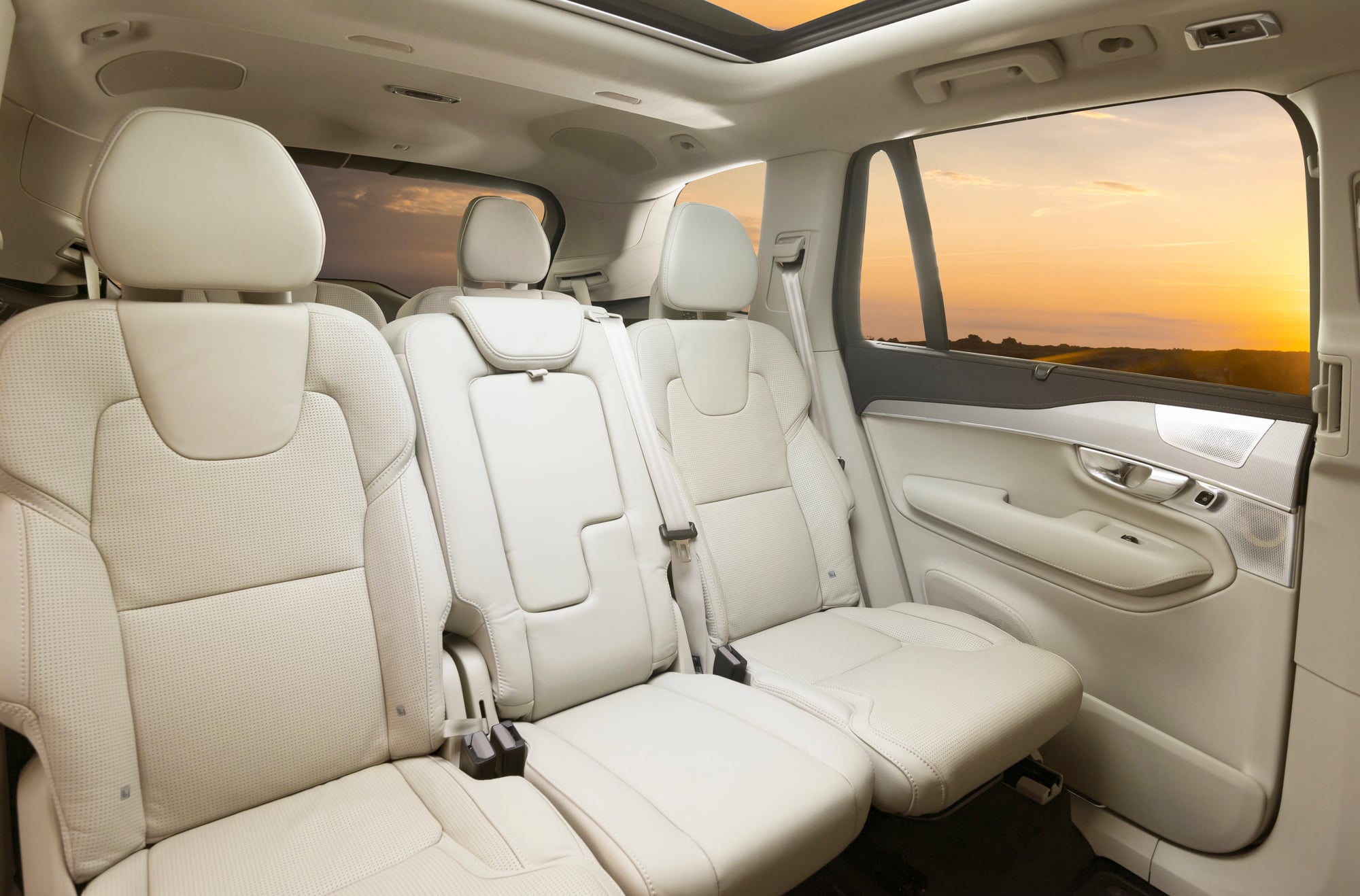
Siblings drew invisible lines down the middle seat like tiny border patrol agents, defending three inches of vinyl with the seriousness of a territorial dispute. An elbow crossing that line meant war, or at least meant a parent’s arm reaching back from the front seat without even turning around.
It’s a strange thing to be nostalgic about, honestly, considering how much of it was pure conflict — but that friction was proof of siblings actually being close enough to fight over nothing.
Polaroid Pit Stops
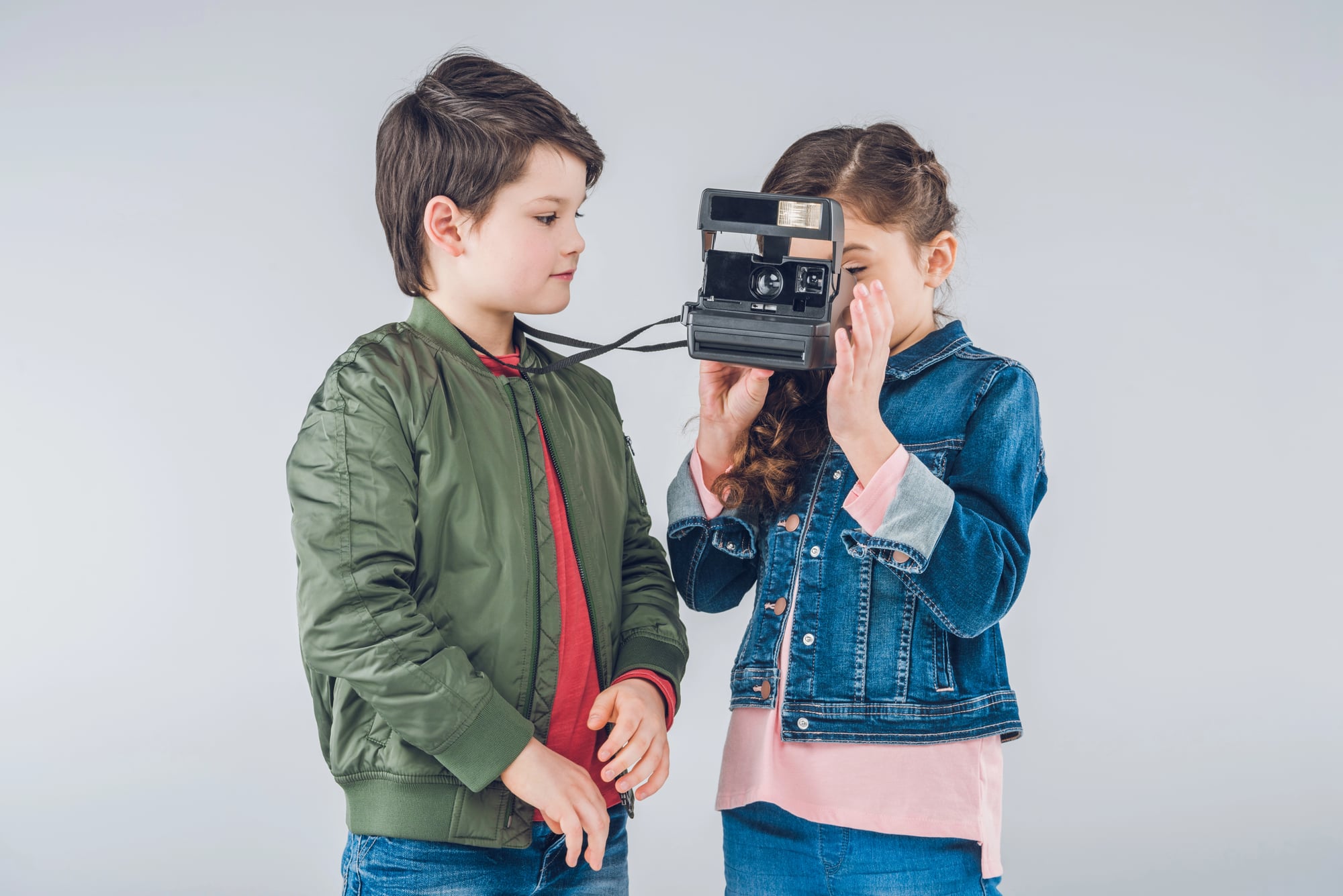
A Polaroid camera turned every stop into a small ceremony, everyone squinting into the sun while someone shook the photo like that actually sped things up. The image came in slow, color creeping in from the edges, and there was real suspense in watching a memory develop right there in someone’s hand.
Digital photos arrive instantly now and somehow feel less permanent for it — the Polaroid’s slowness was part of what made it worth keeping.
The Travel Journal
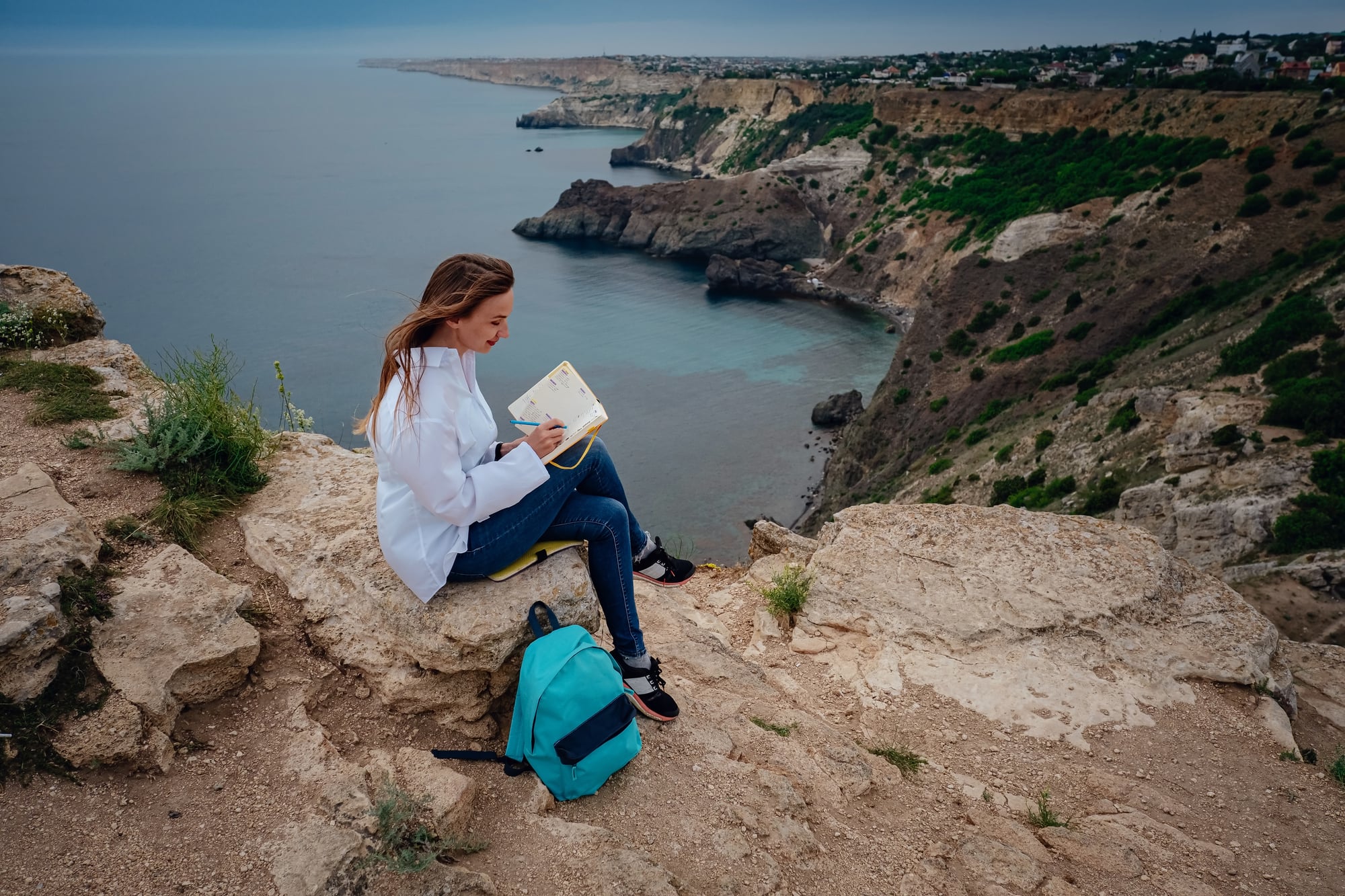
Someone in the family, usually the one who’d been given a notebook for exactly this purpose, kept a running log of the trip: mileage, weather, whatever roadside oddity had just been spotted out the window. It rarely turned into great literature, and nobody expected it to.
What it became instead was a strange little time capsule, misspellings and all, the kind of thing that gets pulled out decades later and reread with a lump in the throat nobody saw coming.
Highway Rest Stop Playgrounds
Interstate rest stops used to come with actual playgrounds bolted into the ground beside the picnic tables, small metal structures baking in the sun that kids attacked like they’d been sitting still for a year instead of two hours. It gave everyone fifteen minutes to burn off the car-seat restlessness before the next stretch of highway swallowed them back up.
Most of those playgrounds are gone now, quietly removed over the decades, and it’s a small loss nobody really talks about.
The Big Family Map on the Wall
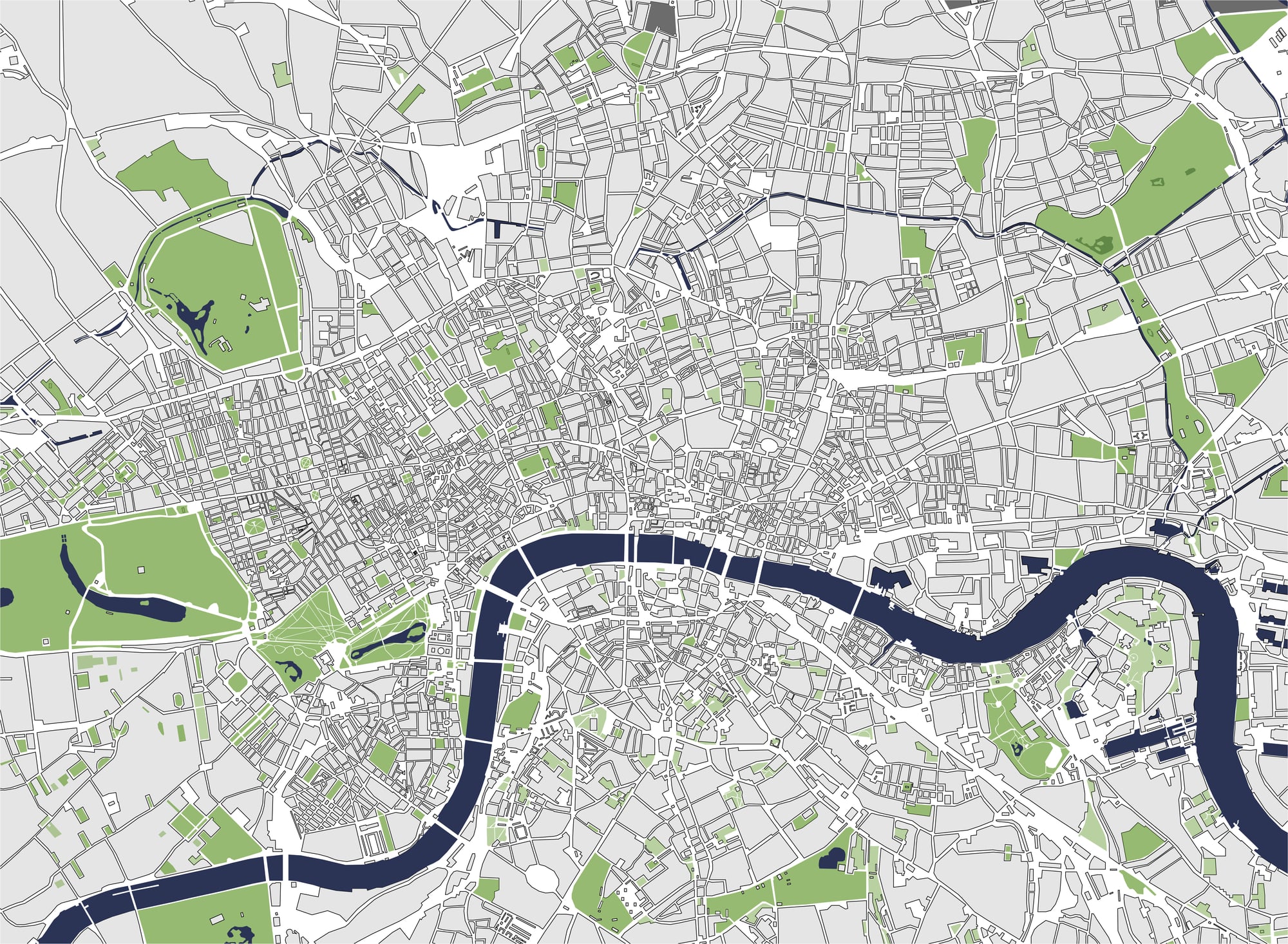
Some families kept a paper map tacked to a wall back home, pins marking every place the family had driven to together. It grew slowly, one pin at a time, across birthdays and summers and years, until it looked less like a map and more like a family tree with roads instead of branches.
That kind of visible, physical record of where you’d been together doesn’t really exist anymore — everything lives in a phone now, scattered across albums nobody opens.
Drive-In Movie Stops
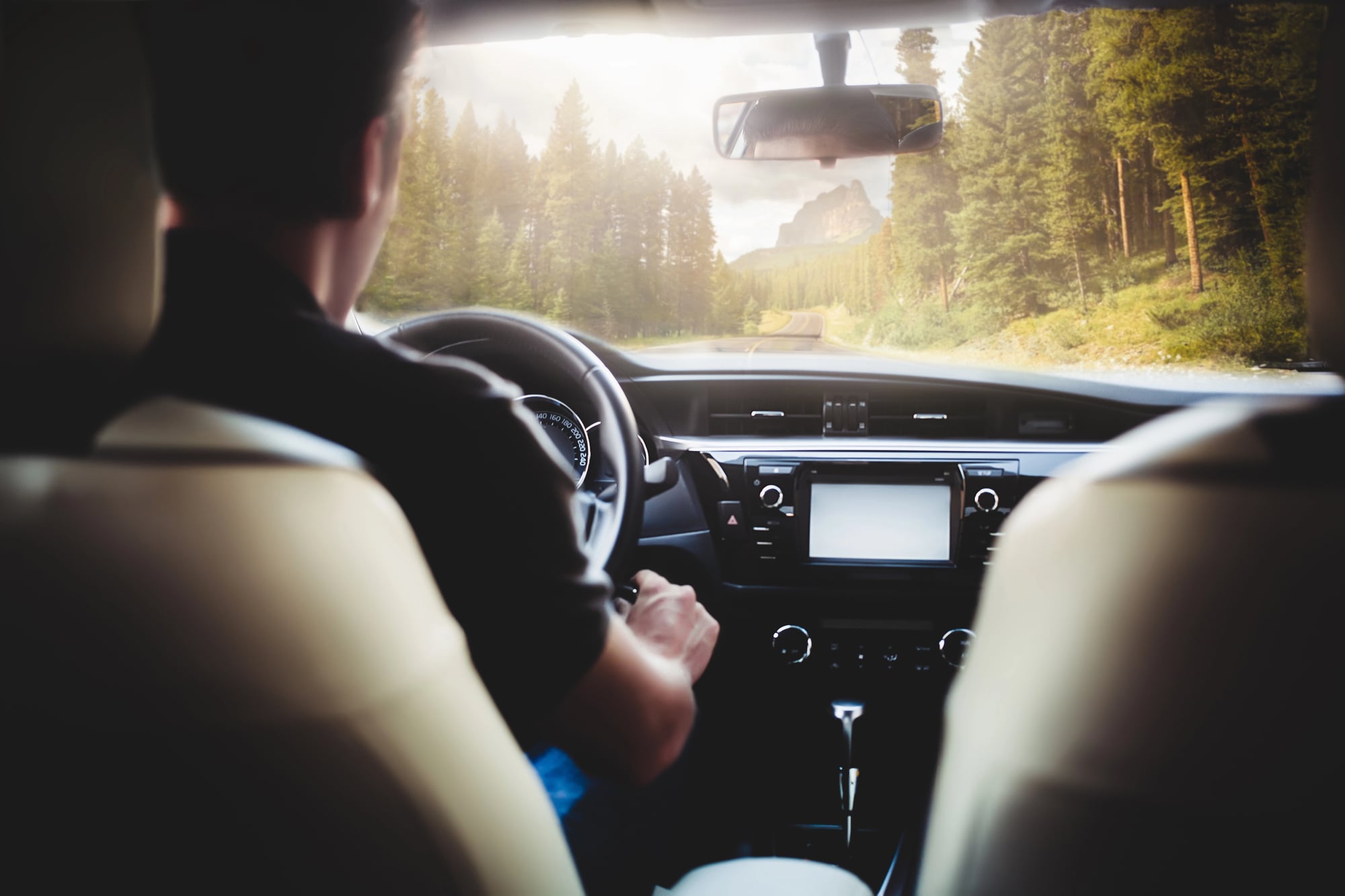
Stopping at a drive-in theater partway through a road trip turned a travel day into an actual event, blankets thrown over the hood, a speaker crackling from a metal post beside the window. It stretched the trip out in the best way, adding a night that had nothing to do with getting anywhere and everything to do with just being somewhere together.
Most drive-ins have vanished from the map over the years, which makes the ones still standing feel more like landmarks than businesses.
The Radio Station Scan
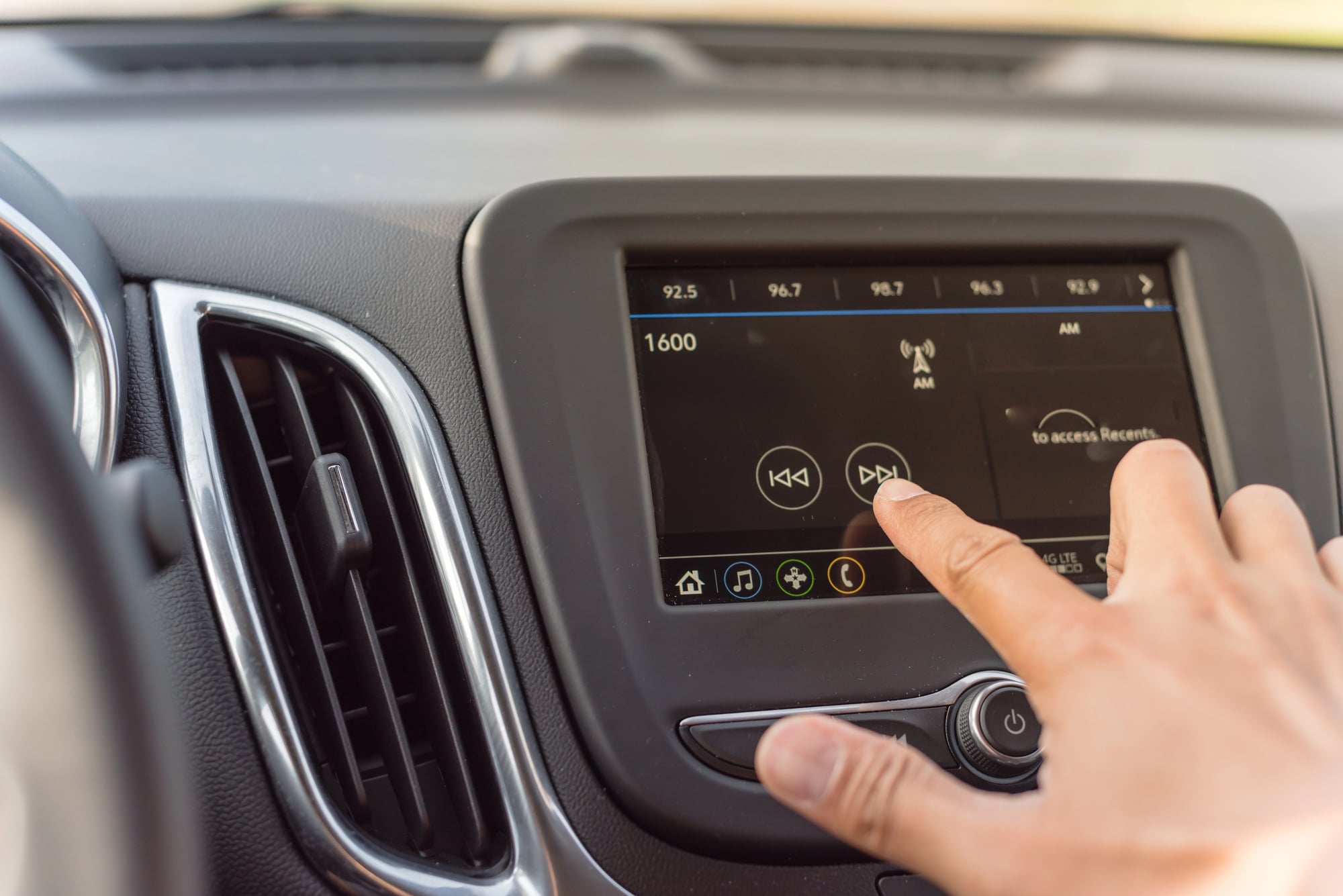
Long before satellite radio smoothed everything out, crossing state lines meant losing a station mid-song and scanning through static until something new came in clear. There was a particular kind of ritual to it — one hand on the wheel, the other working the dial, everyone in the car briefly quiet while the search happened.
And that moment when a new station locked in, usually playing something nobody had picked but everyone tolerated, felt like a small negotiation the whole family had just won together. It’s a tiny thing, barely worth mentioning on its own, but it happened dozens of times per trip and somehow none of those instances blurred together.
Souvenir Spoon Collecting
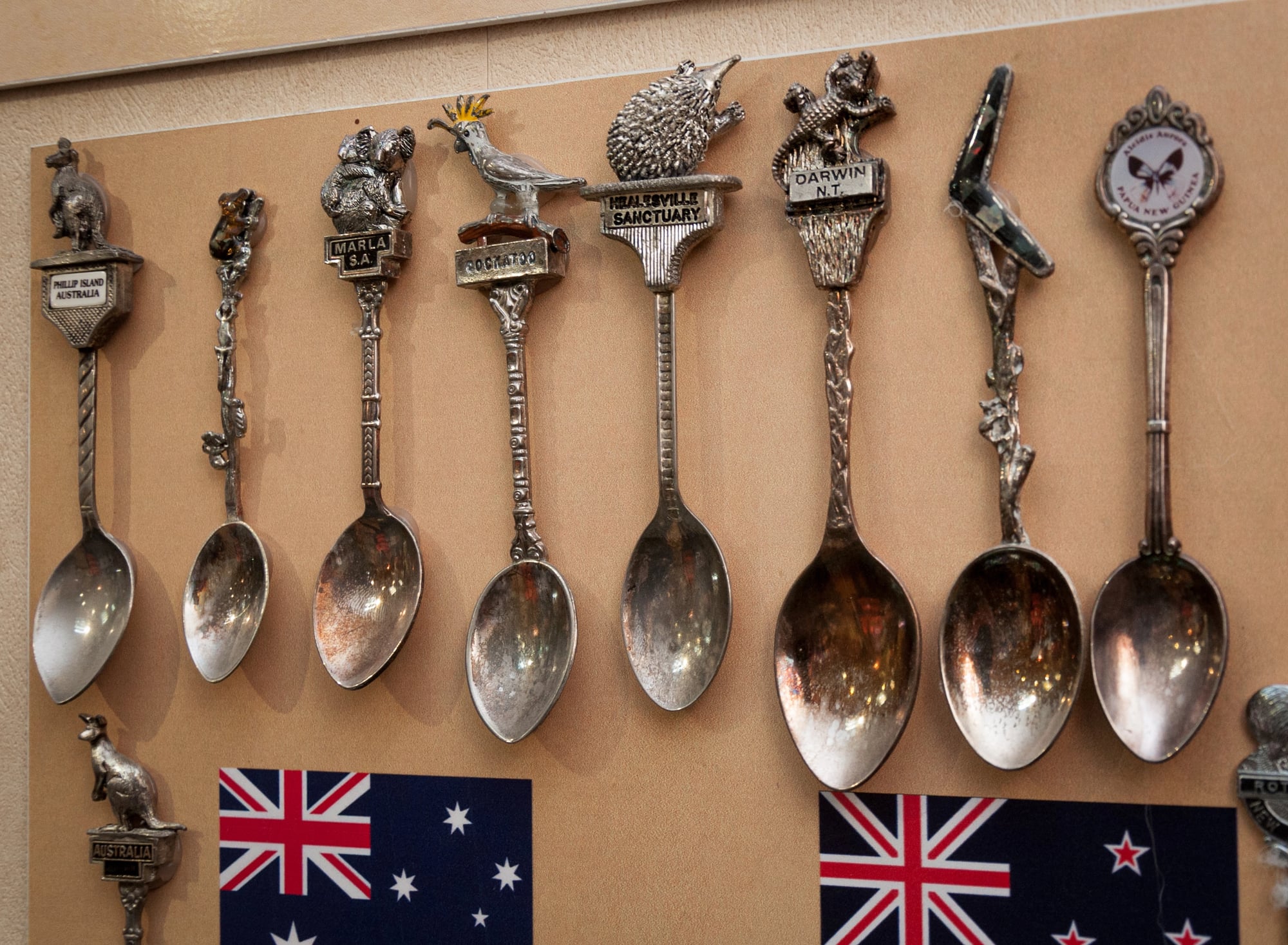
Grandmothers everywhere seemed to agree on this one without ever discussing it: a decorative spoon from every state visited, displayed afterward on a special rack that hung in the kitchen. It’s an odd tradition looked at from any modern angle, collecting spoons you’d never actually use, purely as proof of travel.
And yet those spoon racks told a genuinely accurate travel history for an entire family, which is more than most souvenir shirts manage.
The Thermos of Coffee/Cocoa
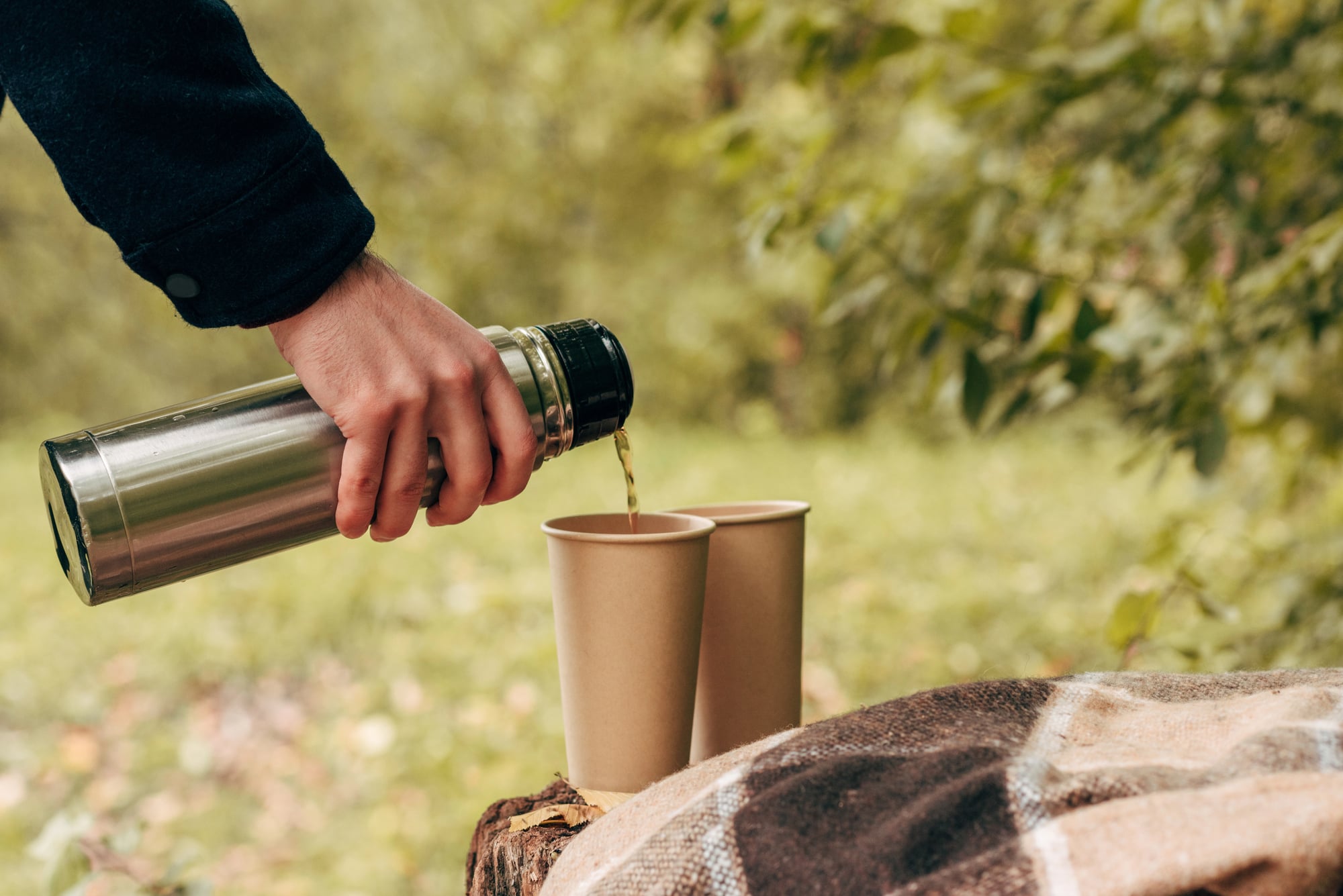
A single thermos, passed hand to hand across the front seat, kept parents functional on early morning starts long before gas station coffee was reliably drinkable anywhere. Kids got the cocoa version in a smaller thermos of their own, treated like a genuine privilege reserved for road trip mornings specifically.
There’s something almost ceremonial about a shared drink like that, a small ritual repeated at every predawn departure for years running.
Waving at Truckers
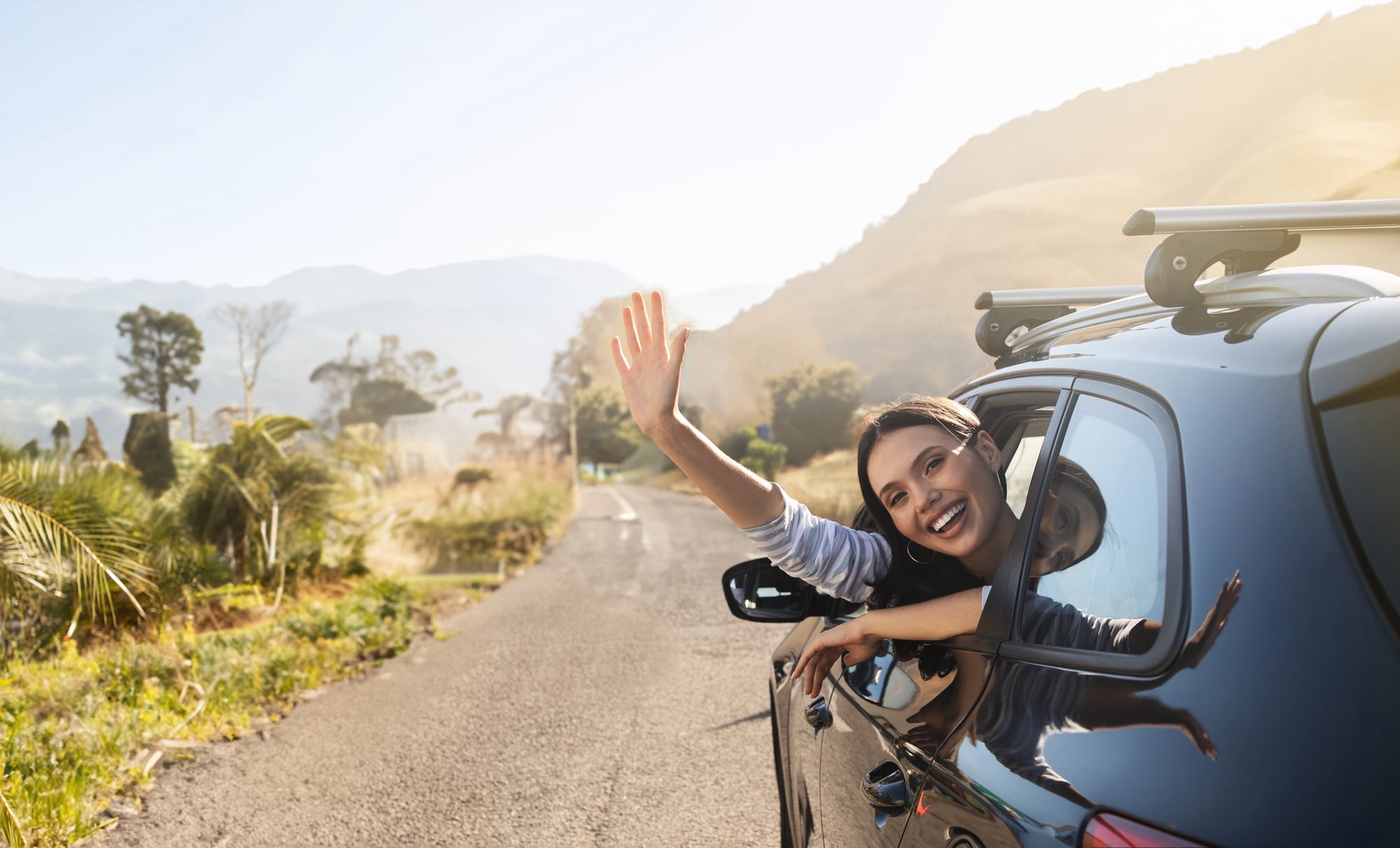
Kids figured out early that pumping a fist out the window at a passing truck driver would usually get an air horn in response, and that discovery turned into a full-blown obsession for an entire generation of backseat passengers. The success rate wasn’t great, honestly, maybe one driver in five actually honked back.
But that occasional win, loud and unmistakable, was worth the dozens of ignored attempts leading up to it.
The Sunburn Arm
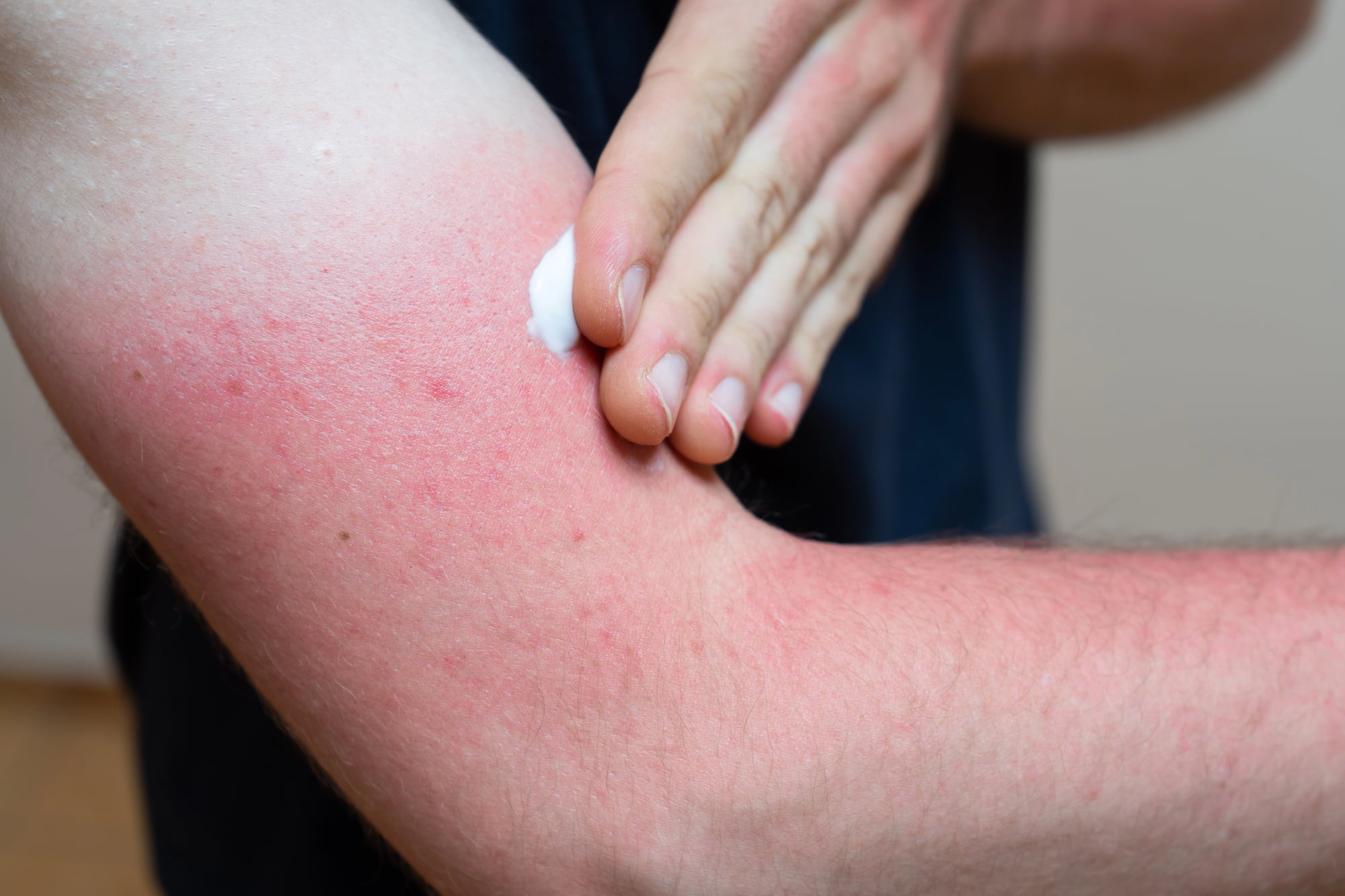
Before air conditioning was standard in every car, someone’s arm always ended up hanging out the window for miles at a time, turning a slightly different shade than the rest of them by the end of a long trip. It became a running joke in a lot of families, the “driver’s tan” that only ever showed up on one arm and always faded slower than anyone expected.
It’s a small, physical souvenir of a hotter, slower kind of travel that mostly doesn’t happen the same way now.
Motel Pool Stops
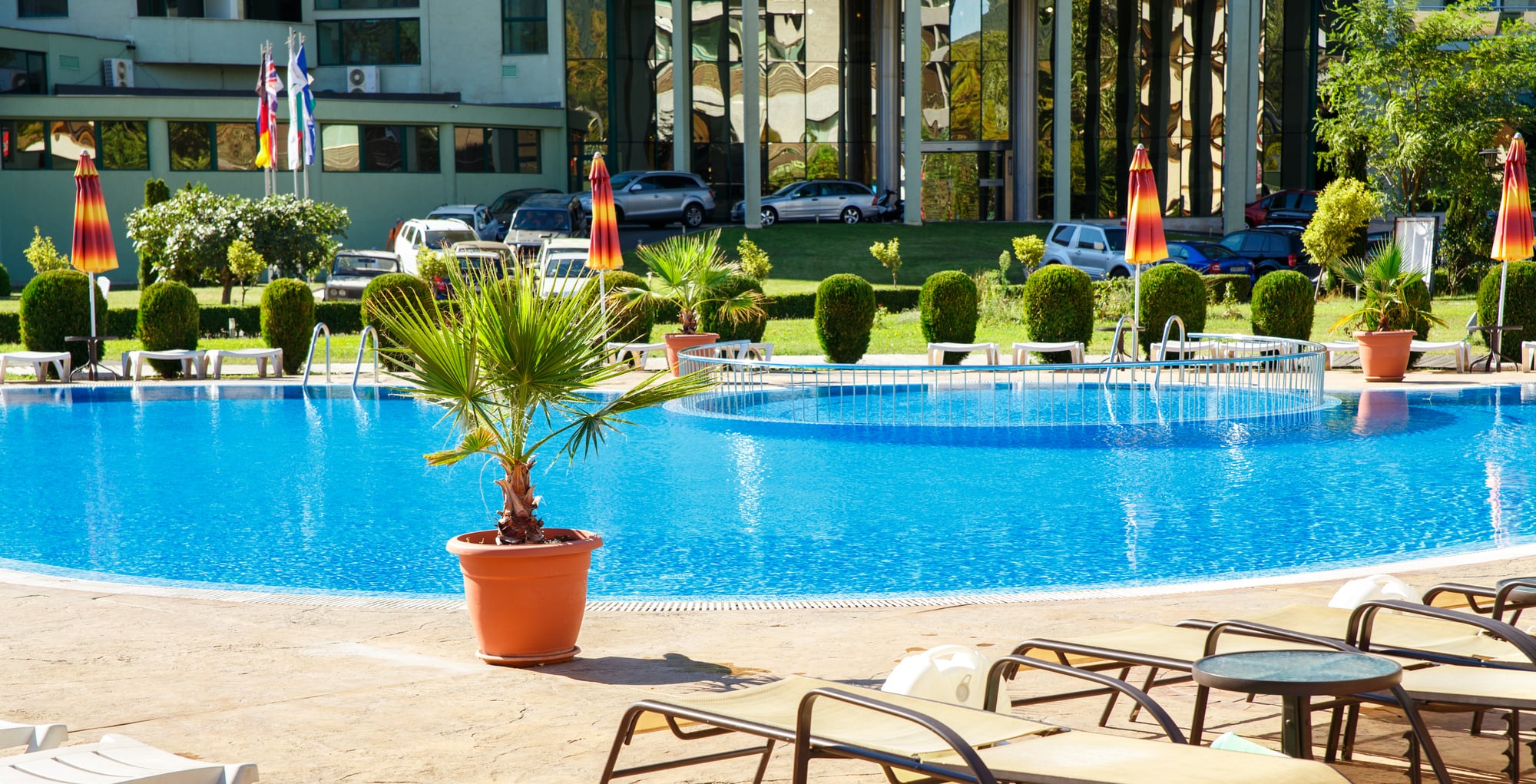
Choosing a motel used to come down to one question that mattered more than price or location: did it have a pool. Kids would spot the shape of one from the highway before the car had even finished pulling in, and that pool decided the entire mood of the evening regardless of how long the day’s drive had been.
It wasn’t a luxury, it was closer to a requirement, and a motel without one felt like a genuine letdown no amount of vending machine snacks could fix.
The Countdown to Home
Every family developed its own version of this near the end of a trip: someone announcing the remaining miles at increasingly frequent intervals, treating the final stretch like a countdown to launch. It was equal parts relief and mild sadness, the trip’s momentum finally running out just as everyone had gotten used to it.
And that particular mix of feelings, glad to be home but already missing the drive, is maybe the truest sign the trip had actually worked.
What Got Left on the Side of the Road
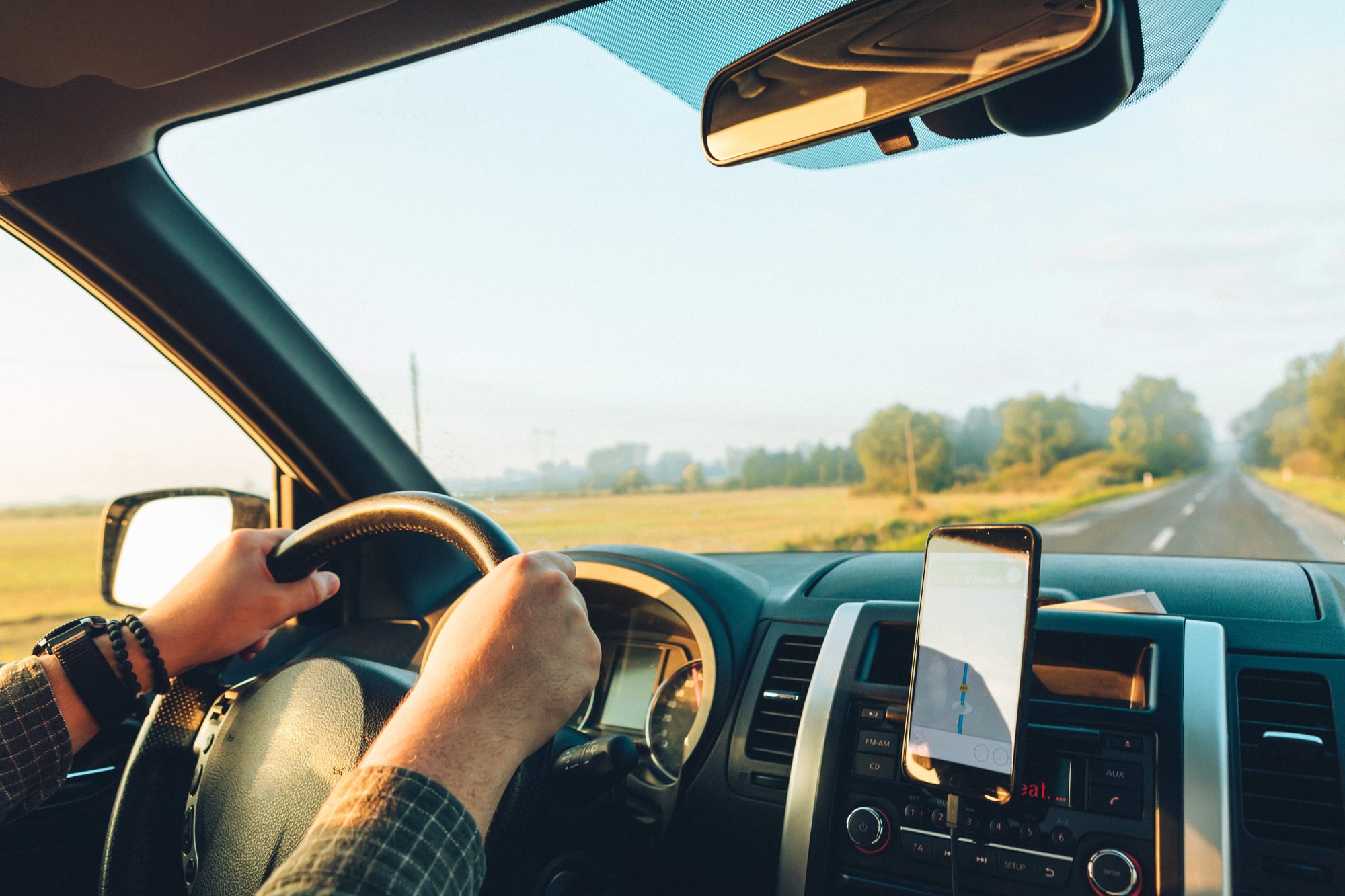
None of this ran on convenience, and that’s probably the whole point worth holding onto. These traditions took effort, patience, and a willingness to be bored together in a metal box for hours at a stretch, and somehow that effort is exactly what made the memories stick the way they did.
Somewhere between GPS voices and backseat screens, a lot of families quietly stopped doing most of this — not out of any decision, just drift. It might be worth reaching for one or two of these on the next long drive, if only to remember what a car full of people used to sound like before it got so quiet.
More from Go2Tutors!

- The Romanov Crown Jewels and Their Tragic Fate
- 13 Historical Mysteries That Science Still Can’t Solve
- Famous Hoaxes That Fooled the World for Years
- 15 Child Stars with Tragic Adult Lives
- 16 Famous Jewelry Pieces in History
Like Go2Tutors’s content? Follow us on MSN.