16 Easy Ways to Make Your Home More Efficient
Making your home more efficient doesn’t have to involve expensive renovations or complicated installations. Most homeowners can tackle these improvements with basic tools and a weekend’s worth of effort.
The benefits go beyond just saving money on utility bills—you’ll also create a more comfortable living space while reducing your environmental footprint. Think of efficiency improvements like tuning up your car.
Small adjustments here and there can lead to significant improvements in performance. Here is a list of 16 practical ways to boost your home’s efficiency without breaking the bank.
Seal Air Leaks Around Windows and Doors

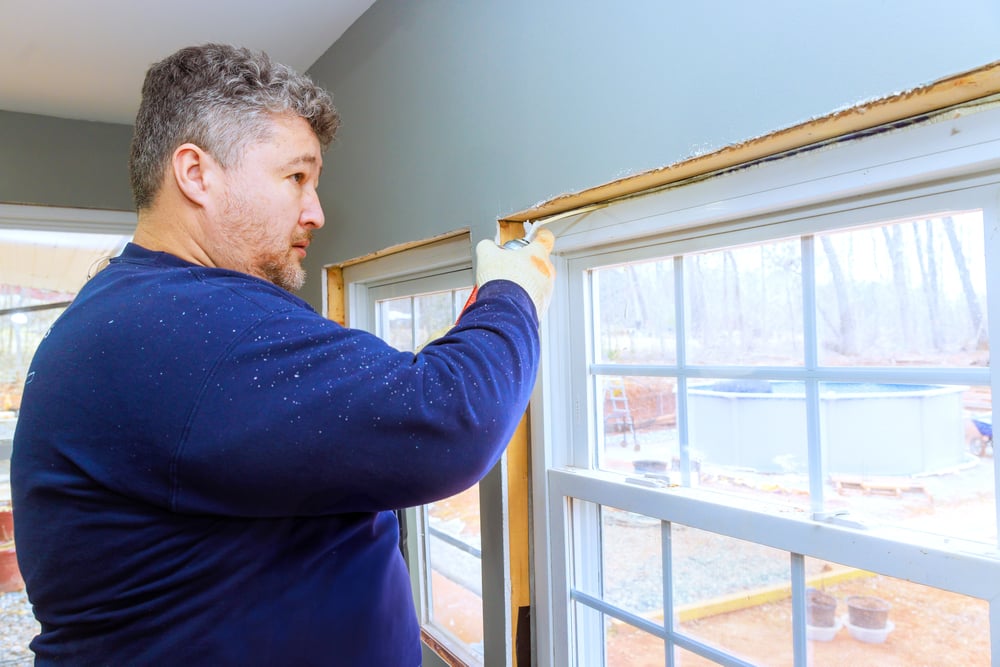
Air leaks are like having tiny punctures in a balloon—they let the good stuff escape and the bad stuff in. Check around your windows and doors for gaps by holding a lit candle near the edges on a windy day.
If the flame flickers, you’ve found a leak that needs attention with weatherstripping or caulk.
Install a Programmable Thermostat
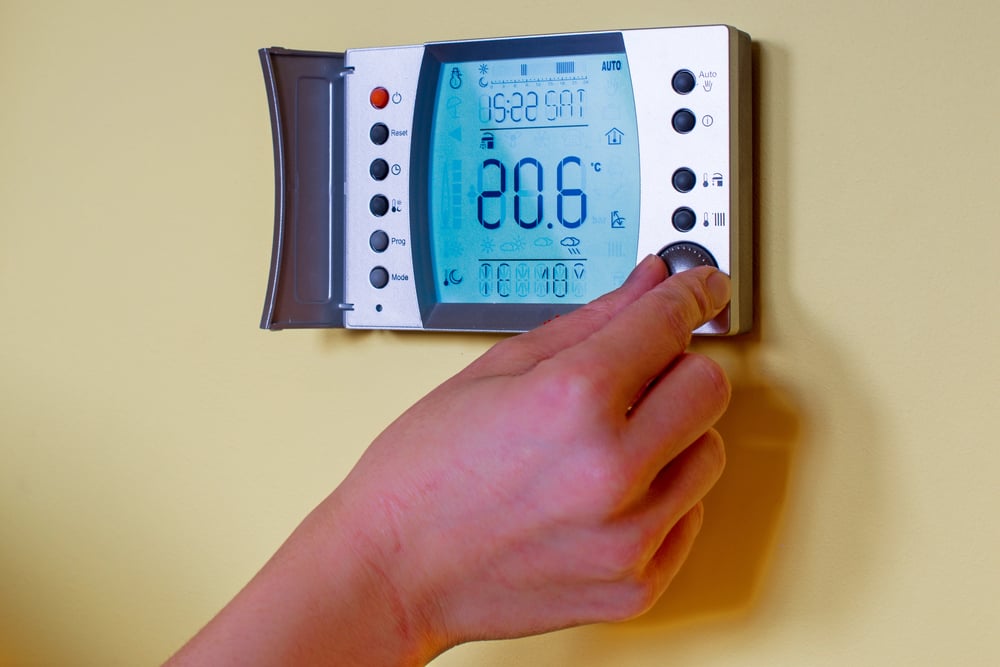
A programmable thermostat acts like a smart assistant for your heating and cooling system. You can set it to automatically adjust temperatures when you’re sleeping or away from home, potentially saving up to 10% on your energy bills.
Modern versions even learn your schedule and preferences over time.
Like Go2Tutors’s content? Follow us on MSN.
Add Insulation to Your Attic
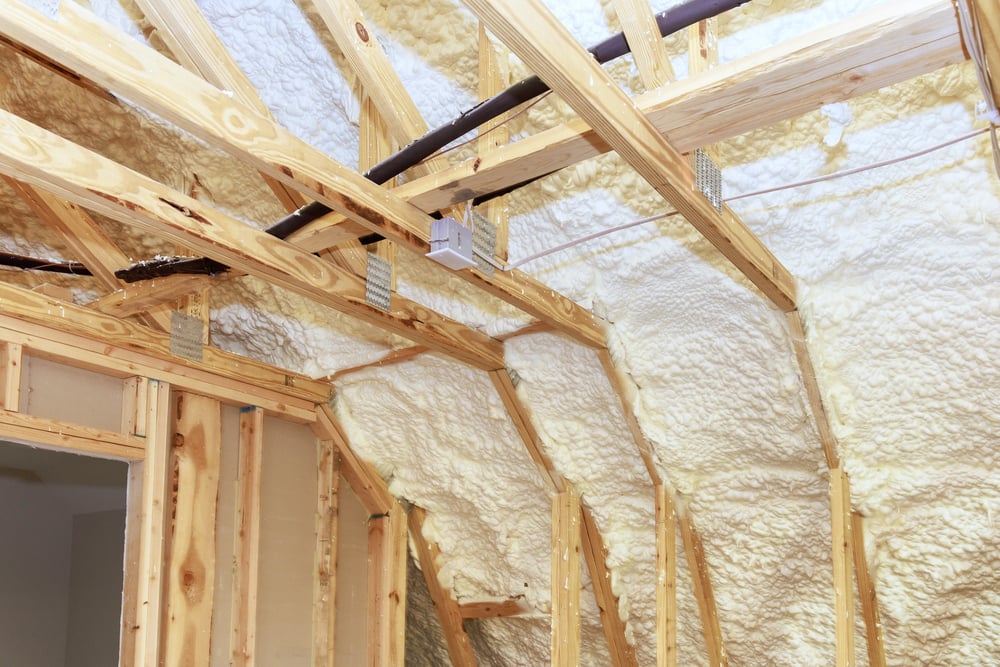
Your attic is like wearing a hat in winter—it prevents heat from escaping through the top of your house. Most homes benefit from at least 12 inches of insulation up there. The investment typically pays for itself within a few years through reduced heating and cooling costs.
Switch to LED Light Bulbs

LED bulbs use about 75% less energy than traditional incandescent bulbs and last roughly 25 times longer. They’re like the marathon runners of the lighting world—they keep going and going while using minimal energy.
Replace your most-used bulbs first to see the biggest impact on your electric bill.
Clean or Replace HVAC Filters Monthly

A dirty filter makes your heating and cooling system work harder, like trying to breathe through a clogged nose. Clean filters improve air quality and system efficiency while extending the life of your equipment.
Set a monthly reminder on your phone to check and change them.
Like Go2Tutors’s content? Follow us on MSN.
Install Low-Flow Showerheads and Faucets

Low-flow fixtures can cut your water usage in half without sacrificing performance. Modern designs use air injection and pressure optimization to maintain strong water flow while using less volume.
Your wallet will thank you when the water bill arrives.
Wrap Your Water Heater

An insulation blanket around your water heater works like a cozy sweater, helping it retain heat more effectively. This simple addition can reduce heat loss by 25-45% and save you money on energy costs.
Most hardware stores sell kits that include everything you need for installation.
Use Power Strips for Electronics
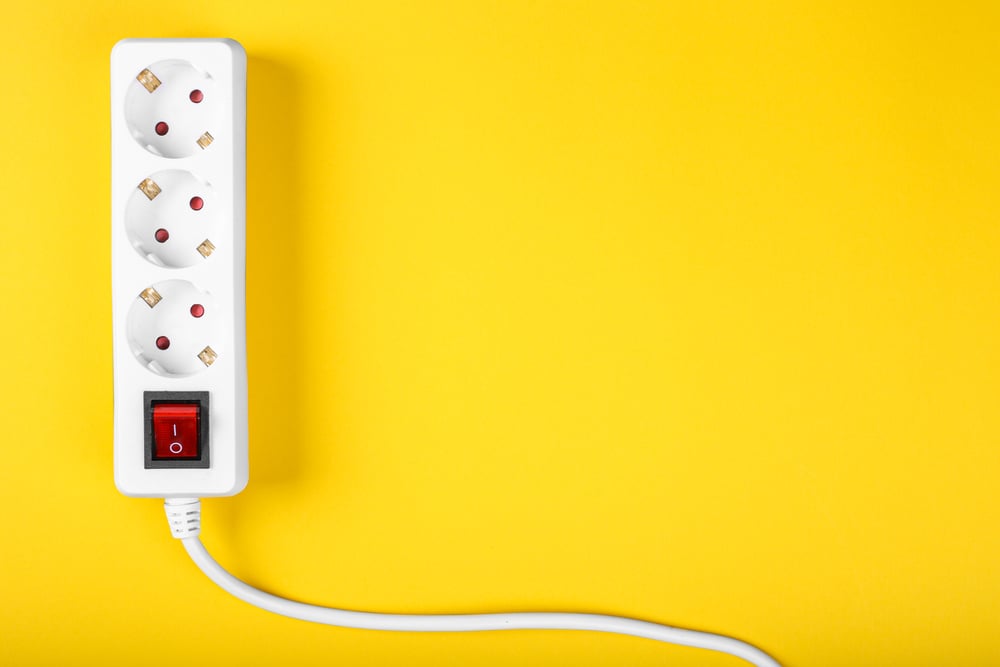
Electronics continue drawing power even when turned off—this ‘phantom load’ can account for up to 10% of your electric bill. Smart power strips automatically cut power to devices in standby mode.
It’s like having a night watchman who turns off all the lights when everyone goes home.
Like Go2Tutors’s content? Follow us on MSN.
Caulk Around Electrical Outlets
Electrical outlets on exterior walls often have gaps that let air flow through. A simple bead of caulk around the outlet cover can eliminate these mini air leaks.
This five-minute fix costs less than a coffee but can improve comfort in rooms that always feel drafty.
Install Ceiling Fans
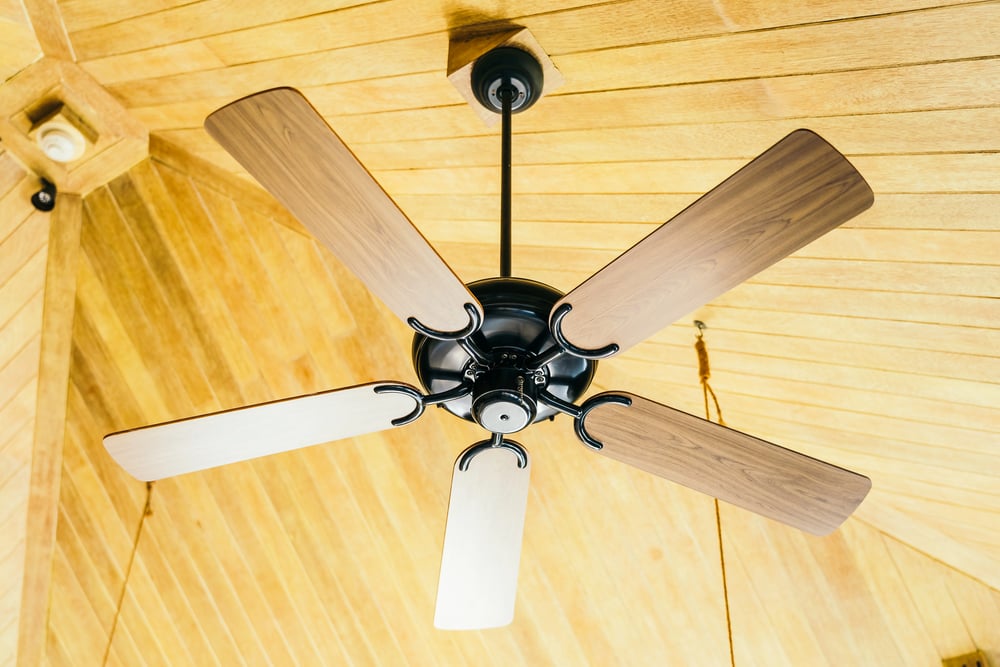
Ceiling fans create air circulation that makes you feel cooler in summer and helps distribute warm air in winter. They use about as much energy as a light bulb but can make a room feel 4-6 degrees different.
Running a fan allows you to adjust your thermostat accordingly and save on cooling costs.
Add Weather Stripping to Doors

The gap under your front door might seem small, but it’s equivalent to having a window open all year long. Self-adhesive weather stripping takes minutes to install and creates a tight seal.
Your heating and cooling system won’t have to work overtime compensating for the constant air exchange.
Like Go2Tutors’s content? Follow us on MSN.
Insulate Hot Water Pipes

Exposed hot water pipes lose heat as water travels from your heater to faucets and fixtures. Foam pipe insulation wraps around pipes like a sleeping bag, keeping water hotter for longer.
You’ll get hot water faster and waste less while waiting for it to warm up.
Plant Trees for Natural Shade

Strategic tree placement can reduce your home’s cooling costs by up to 25%. Deciduous trees work like natural air conditioners—they provide shade in summer but allow sunlight through in winter after losing their leaves.
Plant them on the south and west sides of your home for maximum impact.
Use Draft Stoppers Under Doors

A draft stopper is basically a fabric tube filled with sand or rice that blocks air flow under doors. They’re particularly useful for rooms you don’t heat or cool regularly, like guest bedrooms or storage areas.
Think of them as temporary walls that you can move around as needed.
Like Go2Tutors’s content? Follow us on MSN.
Install Storm Windows
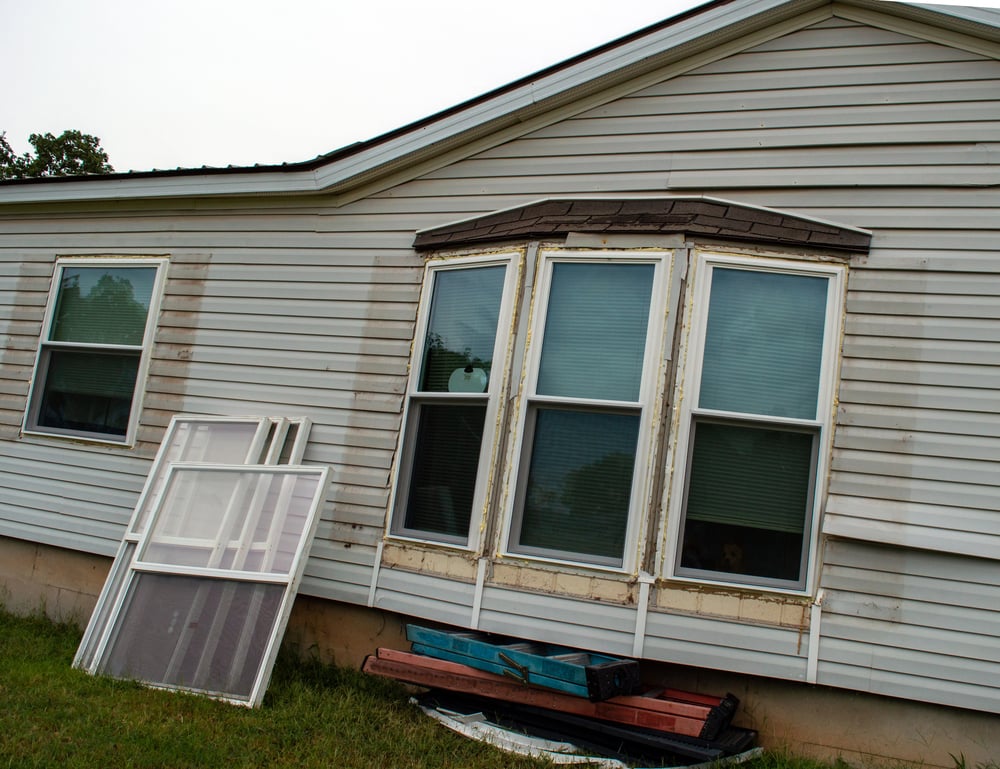
Storm windows create an extra layer of insulation over your existing windows without requiring full window replacement. They work like a double-paned system, trapping air between the layers for better temperature control.
Many types can be installed from inside your home without special tools.
Upgrade to Energy-Efficient Appliances

When your current appliances need replacement, choosing Energy Star certified models can significantly reduce your utility bills. These appliances use advanced technology to accomplish the same tasks while consuming less power and water.
The upfront cost difference often pays for itself through reduced operating expenses.
Efficiency Never Goes Out of Style

Home efficiency improvements from decades past continue paying dividends today, much like compound interest in a savings account. The weatherstripping your grandfather installed still keeps drafts out, while modern LED technology builds on efficiency principles that have guided smart homeowners for generations.
Today’s efficiency upgrades will benefit future occupants long after you’ve moved on, creating lasting value that transcends individual ownership.
Like Go2Tutors’s content? Follow us on MSN.
More from Go2Tutors!

- 16 Historical Figures Who Were Nothing Like You Think
- 12 Things Sold in the 80s That Are Now Illegal
- 15 VHS Tapes That Could Be Worth Thousands
- 17 Historical “What Ifs” That Would Have Changed Everything
- 18 TV Shows That Vanished Without a Finale
Like Go2Tutors’s content? Follow us on MSN.