Trains That Travel Through Buildings
Most cities route trains around buildings or underneath them. A few places decided that was inefficient and built the trains straight through instead.
These engineering decisions created some of the strangest commutes in the world, where passengers ride through shopping malls, apartment complexes, and office towers. The buildings came first in some cases, the trains in others, but the result is the same: a surreal mix of architecture and transportation that still surprises first-time riders.
Gate Tower Building, Osaka, Japan

The Hanshin Expressway punches through the fifth, sixth, and seventh floors of this 16-story office building. The highway actually passes through the structure without touching it, supported by its own columns that run adjacent to the building’s support system.
The arrangement came from a compromise between highway planners and the building’s landowners, both of whom refused to budge. The floors where the highway passes are technically not part of the building.
Special elevator buttons skip those floors entirely. Sound insulation wraps the highway section to protect office workers from constant traffic noise.
From the outside, the building looks like someone started construction, paused to let a highway through, then kept building upward. The tenants who work there reportedly adjust to it quickly, though visitors always stare.
Chongqing Rail Transit Line 2, China

This monorail passes directly through a 19-story residential apartment building at Liziba Station. The train enters on the sixth floor, pauses for passengers, then exits out the other side and continues over the river.
Residents live above and below the station, separated from the tracks by extensive soundproofing and vibration dampening systems. The building was designed with the train in mind from the start.
Architects placed commercial space and common areas near the station floors, keeping living spaces farther from the tracks. The station sees thousands of passengers daily, all of whom walk through what would normally be someone’s living room.
Videos of the train emerging from the building have made it one of the most photographed transit stations in China.
MetroLink, Detroit, Michigan
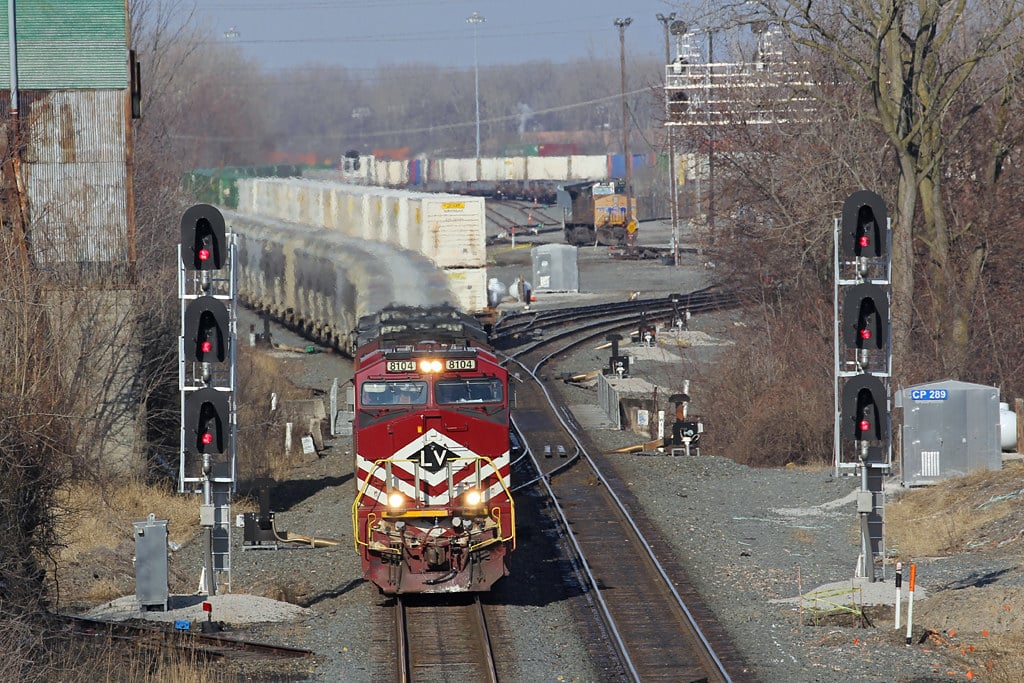
Detroit’s elevated people mover passes through the Renaissance Center, a complex of interconnected skyscrapers along the Detroit River. The train glides through the second floor, with stations integrated into the shopping and office areas.
The building essentially wraps around the transit system, making the train an interior feature rather than an external addition. The Renaissance Center was struggling when the people mover was built, and integrating the station brought foot traffic that the complex desperately needed.
Shops line the train route, and commuters can step off and immediately enter office lobbies. The arrangement works so smoothly that visitors sometimes don’t realize the train is passing through a building until they look out the windows and see retail displays instead of city streets.
Berlin U-Bahn, Germany
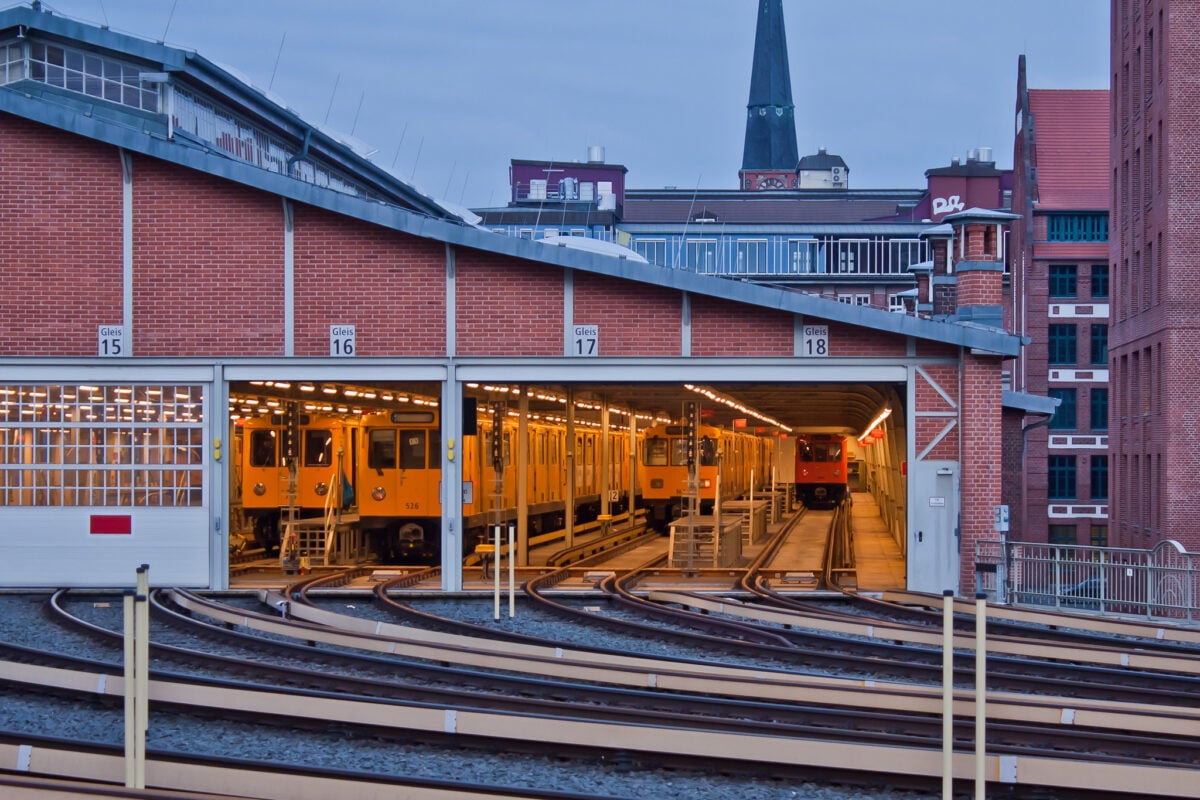
Several U-Bahn stations integrate directly into building structures, but the most notable passes through the basement levels of major department stores. Shoppers can enter from the street, ride the escalator down past clothing departments and electronics sections, and step onto the platform without ever going outside.
The stations were designed this way intentionally, combining retail and transit to maximize the use of expensive urban space. During cold Berlin winters, commuters appreciate being able to wait for trains in heated, well-lit spaces that happen to sell coffee and pastries.
The department stores benefit from guaranteed foot traffic, and the city gets transit stations that don’t require separate buildings.
Taipei Metro, Taiwan

Multiple stations in Taipei’s metro system pass through or integrate with shopping complexes and office buildings. The Taipei Main Station sprawls underneath three city blocks, connecting to department stores, underground malls, and the basements of surrounding buildings.
You can walk for twenty minutes underground, passing through different buildings and shopping areas, without seeing daylight. The system grew organically as different developers connected their buildings to the transit network.
Now it’s nearly impossible to tell where the station ends and the buildings begin. Office workers can commute from the suburbs, eat lunch in a food court, shop for groceries, and return home without ever stepping outside.
The integration is so complete that some buildings use the metro station as their primary entrance.
Bangkok Skytrain, Thailand

The BTS Skytrain passes through several buildings in central Bangkok, with stations that occupy floors within shopping centers and hotels. The Siam Station connects directly to multiple shopping malls, with the train platforms sitting at the same level as the mall’s upper floors.
Passengers step off the train directly into air-conditioned retail space. The arrangement makes perfect sense in Bangkok’s heat and humidity.
Nobody wants to walk outside if they can avoid it, so connecting buildings via the Skytrain creates a climate-controlled network above the congested streets. Some malls treat their Skytrain connection as a primary entrance, with the platforms designed to look like extensions of the shopping areas rather than separate transit facilities.
Chicago Transit Authority, Illinois

The Brown Line passes so close to apartment buildings that passengers can see into living rooms and bedrooms. While the train doesn’t technically go through the buildings, it runs within feet of windows, creating an unusual intimacy between riders and residents.
Some buildings were constructed after the elevated tracks were already there, with developers apparently deciding that proximity to transit outweighed privacy concerns. Residents hang curtains or blinds, but many don’t bother, creating an accidental display of urban life for passing commuters.
You can see people cooking dinner, watching television, or working from home, all framed by their apartment windows. The train moves slowly enough that riders can catch detailed glimpses before the scene changes.
It’s not quite passing through buildings, but it’s as close as you can get while remaining outside.
Istanbul Metro, Turkey

The M2 line passes through the lower levels of several buildings in Istanbul’s business district, with stations carved into structures that were already standing. The integration happened during the metro’s construction, when engineers realized that going around certain buildings would add significant distance and cost to the route.
Property owners negotiated agreements that allowed the metro to pass through their basements and lower floors in exchange for direct station access. The result is stations that feel like building lobbies, with marble floors and lighting that matches the surrounding architecture.
Commuters walk through what looks like a shopping center before realizing they’re actually in a metro station.
Vancouver SkyTrain, Canada

The SkyTrain passes through and above several buildings in downtown Vancouver, with stations integrated into office towers and shopping centers. The Waterfront Station occupies the lower floors of a historic building, with the platforms situated where there used to be retail space.
The station connects to the SeaBus terminal, an underground mall, and several office buildings without requiring passengers to go outside. The city planned these connections deliberately, creating a network of covered walkways and interior passages that make sense during Vancouver’s rainy winters.
The SkyTrain acts as a spine for this network, with buildings connecting to it like ribs. You can travel across downtown entirely indoors, switching between trains, shops, and offices without ever needing an umbrella.
Hong Kong MTR, China

Hong Kong’s Mass Transit Railway doesn’t just pass through buildings—it essentially creates them. Developers build shopping malls and apartment towers directly above and around MTR stations, with the transit system forming the foundation of mixed-use developments.
The train platforms sit at the center, surrounded by layers of retail, office, and residential space. This approach maximizes the value of extremely expensive Hong Kong real estate.
Residents can live, work, and shop without leaving the building complex, using the MTR to reach other parts of the city when needed. The stations are so integrated with their surrounding buildings that you can’t really separate them.
The train is part of the building’s infrastructure, like elevators or plumbing.
Singapore MRT, Singapore
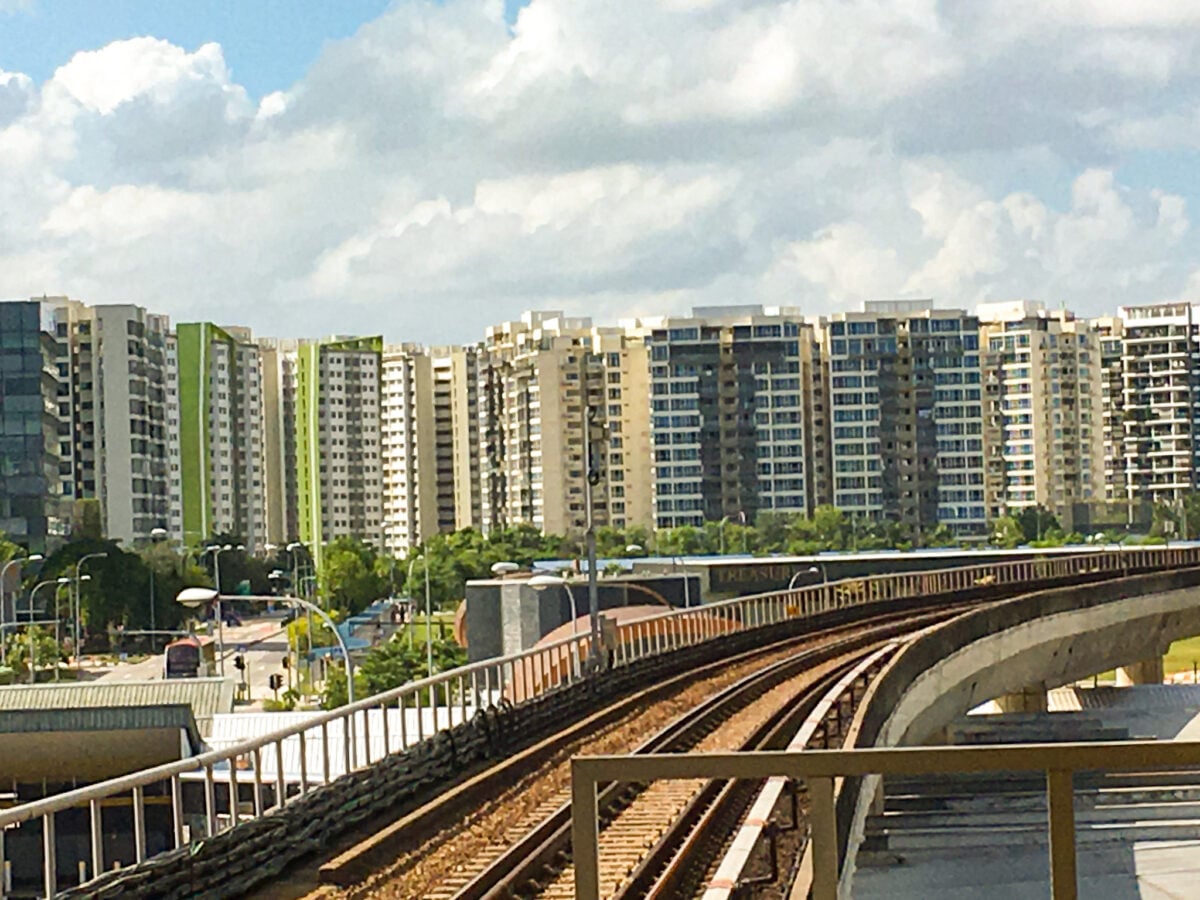
Multiple MRT stations in Singapore integrate directly into shopping centers and residential buildings. The Dhoby Ghaut station connects to three different malls, with escalators leading from the platforms into retail areas.
The train passes through the lower levels while shops occupy the upper floors, creating a vertical city where different functions stack on top of each other. Singapore’s heat and frequent rain make covered connections valuable.
The MRT network provides air-conditioned transit, and extending that climate control into buildings just makes sense. Some apartment complexes have direct connections to MRT stations, letting residents commute without experiencing outdoor weather.
The system works so well that newer developments specifically advertise their MRT integration.
PATH Train, New York/New Jersey

The Port Authority Trans-Hudson train passes through the basements and sub-basements of buildings throughout lower Manhattan. The World Trade Center station occupies multiple underground levels, with the train platforms sitting beneath retail spaces, office lobbies, and transit connections.
The entire complex functions as a single integrated structure. The station connects to subway lines, shopping areas, and building lobbies through a network of underground passages.
Commuters can walk from the PATH platforms to their offices without going outside, which matters during New York winters. The train becomes invisible from the street level, passing through foundations and utility floors that most building occupants never see.
Seoul Metro, South Korea

Seoul’s extensive subway system integrates with countless buildings, creating underground cities where shopping, dining, and transit merge completely. The COEX Mall connects directly to subway stations, with platforms that lead into retail areas spanning several blocks.
The boundaries between station and building disappear entirely. The underground passages extend for miles in some areas, connecting office towers, hotels, and apartment buildings through climate-controlled corridors.
The subway makes all of it accessible, with exits leading into building basements instead of onto streets. During winter, thousands of people navigate the city entirely underground, using the subway and connected buildings to avoid harsh weather.
Built Around Movement

Trains slicing through skyscrapers show how cities can rethink crowded spaces. Rather than isolating transit, some places blend it right into daily life.
Riding the rail feels like moving through a structure’s heartbeat, while the structure itself helps move people across town. The setup feels odd – but only if you think city roles should stay separate.
When you realize one place can do multiple jobs, running a train right through becomes obvious. Weird thing? Not more towns have given it a shot.
More from Go2Tutors!

- The Romanov Crown Jewels and Their Tragic Fate
- 13 Historical Mysteries That Science Still Can’t Solve
- Famous Hoaxes That Fooled the World for Years
- 15 Child Stars with Tragic Adult Lives
- 16 Famous Jewelry Pieces in History
Like Go2Tutors’s content? Follow us on MSN.