33 Strange Things the Human Body Does That Science Took Centuries to Explain
For most of human history, the body was a box of mysteries. People could feel it doing things — shivering, flushing, convulsing with laughter — without having any credible theory for why. Physicians guessed.
Philosophers speculated. Religious authorities offered explanations that were poetic and confident and almost entirely wrong.
The actual mechanisms behind even the most basic bodily functions took centuries of patient inquiry to uncover, and some of them are still not fully settled. What follows is a list of the things your body does every day — without your permission and often without your notice — and the surprisingly recent, sometimes still-contested science that explains them.
Blood Circulation
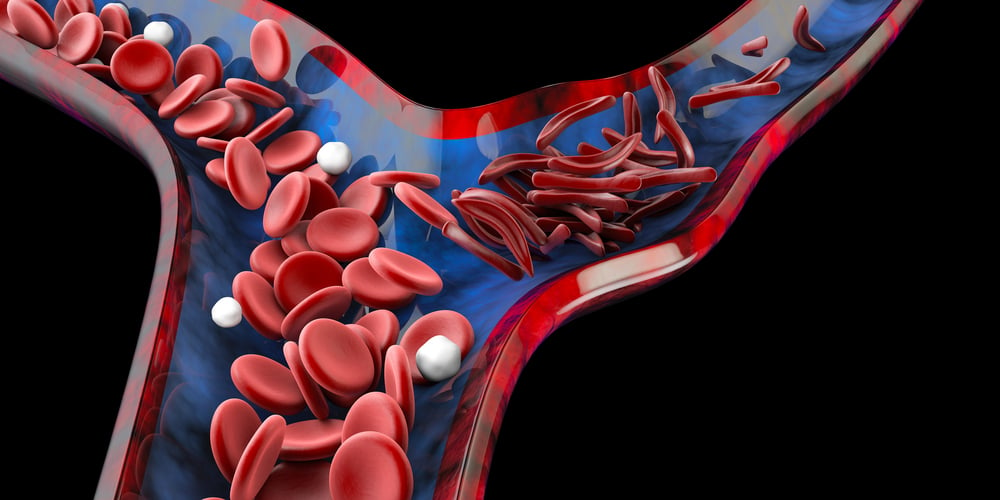
For fifteen centuries, physicians followed the teachings of the Roman physician Galen, who believed blood was continuously produced by the liver, delivered to the organs like an irrigation system, and then consumed entirely. There was no concept of circulation — blood was thought to move in one direction only, feeding the body as it went.
It wasn’t until William Harvey published his findings in 1628, after a decade of careful dissection and experimentation, that the idea of blood moving in a closed loop, propelled by the heart, was established. The model Harvey overturned had lasted from the second to the seventeenth century.
Hiccups

A hiccup is a sudden involuntary contraction of the diaphragm, immediately followed by the closure of the vocal cords — which produces the sound. Medicine has known the mechanism for a long time. Why it happens at all is another matter.
Hiccups appear to serve no physiological purpose. One persistent theory holds they’re a vestigial remnant of an ancient amphibian breathing pattern, a reflex inherited from gill-breathing ancestors that activated when water needed to be expelled.
In mammals, that reflex has no obvious function but hasn’t been fully switched off.
Goosebumps
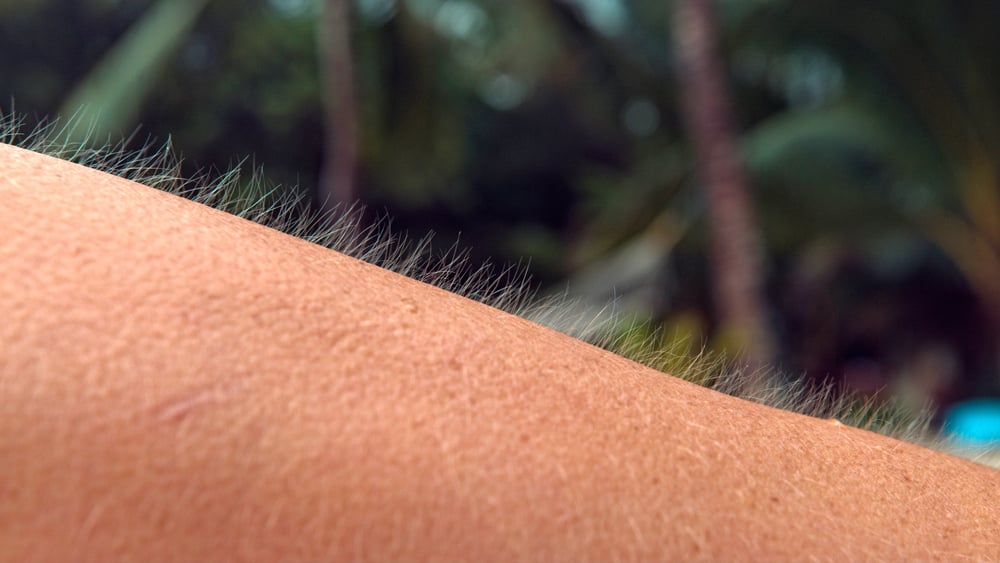
Goosebumps — scientifically termed piloerection — happen when tiny muscles at the base of each hair follicle contract, pulling the hairs upright and creating a dimpled surface that resembles plucked bird skin. The mechanism was understood relatively recently, but the underlying purpose was puzzling until evolutionary reasoning was applied.
In heavily-furred ancestors, raised hair trapped a layer of insulating air for warmth and made the body appear physically larger to threats. Humans lost most of that fur but retained the reflex, leaving it to fire uselessly in response to cold or strong emotion.
Yawning
For centuries, the accepted explanation was that yawning brought more oxygen into the brain when levels were low — an intuitive theory that happened to be wrong. Research in the late twentieth century systematically debunked it, finding no relationship between oxygen levels and yawn frequency.
The current leading theory is thermoregulatory: yawning is the brain’s cooling mechanism, drawing cool air through the nasal passages and increasing blood flow to the head when brain temperature rises. Why yawning is contagious adds another layer — mirroring yawns appears to involve empathy-linked neural pathways, which is why sociopathy correlates with reduced susceptibility to contagious yawning.
Blushing

Blushing has genuinely puzzled evolutionary biologists because it seems to work directly against the individual’s interests. When the sympathetic nervous system activates in response to embarrassment or social attention, blood vessels in the face dilate, producing the characteristic redness.
This makes invisible emotional states visible — advertising vulnerability in exactly the situations where concealment might be advantageous. Current thinking frames it as an honest signal of social awareness: blushing communicates sincerity, remorse, or social sensitivity in ways that can’t be faked, which may have made it socially adaptive even at personal cost.
Hypnic Jerks

The sudden muscle spasm that jolts you awake just as you’re falling asleep — sometimes accompanied by the sensation of falling — is called a hypnic jerk. The exact cause is still debated, but the leading explanation involves the brain’s transition from wakefulness to sleep.
As the body relaxes rapidly, the brain may misinterpret the sudden loss of muscle tone as a physical fall, and fire a corrective muscular signal. The fact that hypnic jerks are more common when you’re overtired or have consumed caffeine supports this interpretation, since those conditions make the transition between states less smooth.
Wrinkled Fingertips in Water
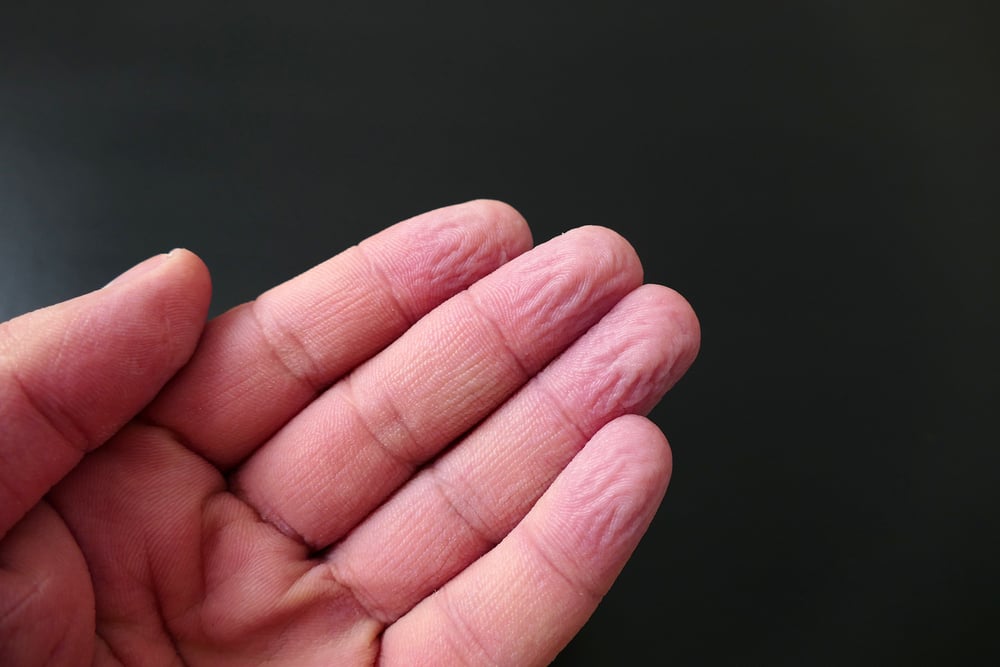
Skin wrinkling in water was long assumed to be a passive physical process — water simply entering the outer layer of skin and causing it to swell. Research published in 2011 challenged that model entirely.
The wrinkles are controlled by the nervous system: people with nerve damage in their fingers don’t get water wrinkles. The current theory is that wrinkled fingertips improve grip on wet and submerged objects, functioning like the treads on a tyre to channel water away from the contact surface.
If this is correct, the response is an active adaptation rather than a side effect.
Sneezing

A sneeze is a powerful forced expulsion of air through the nose and mouth, triggered when the nasal mucosa is irritated. The mechanism is well understood — it’s the additional triggers that took longer to explain.
Some people sneeze when exposed to bright light, a reflex called the photic sneeze response or, amusingly, the ACHOO syndrome (Autosomal Compelling Helio-Ophthalmic Outburst). This appears to be a genetic trait affecting somewhere between 18 and 35 percent of people, caused by crossed neural wiring between the optic nerve and the trigeminal nerve that controls sneezing.
The exact reason this crossing exists isn’t known.
The Appendix
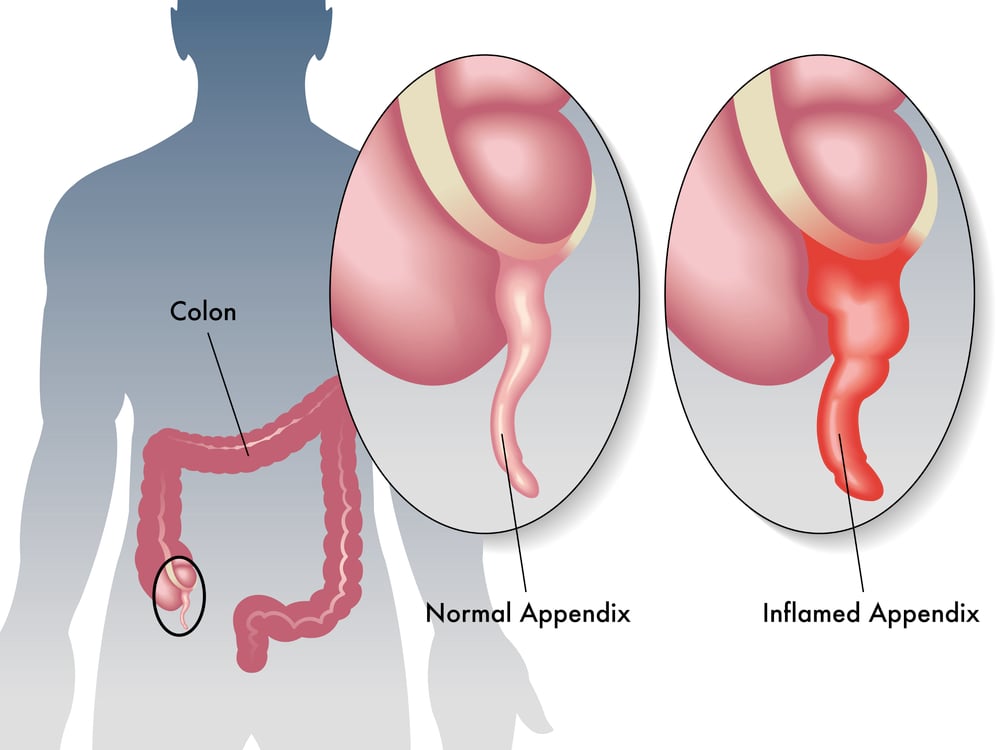
For much of medical history, the appendix was considered vestigial — a useless remnant of a larger digestive structure that had lost its function in human ancestors. The model has shifted. Research now suggests the appendix may serve as a reservoir for beneficial gut bacteria, allowing the microbiome to repopulate the intestines after a severe gastrointestinal illness.
The appendix is lined with immune tissue and sits near the junction of the small and large intestines in a location that makes this function plausible. The original “useless organ” interpretation was premature, though the full story isn’t settled.
Tears From Emotion
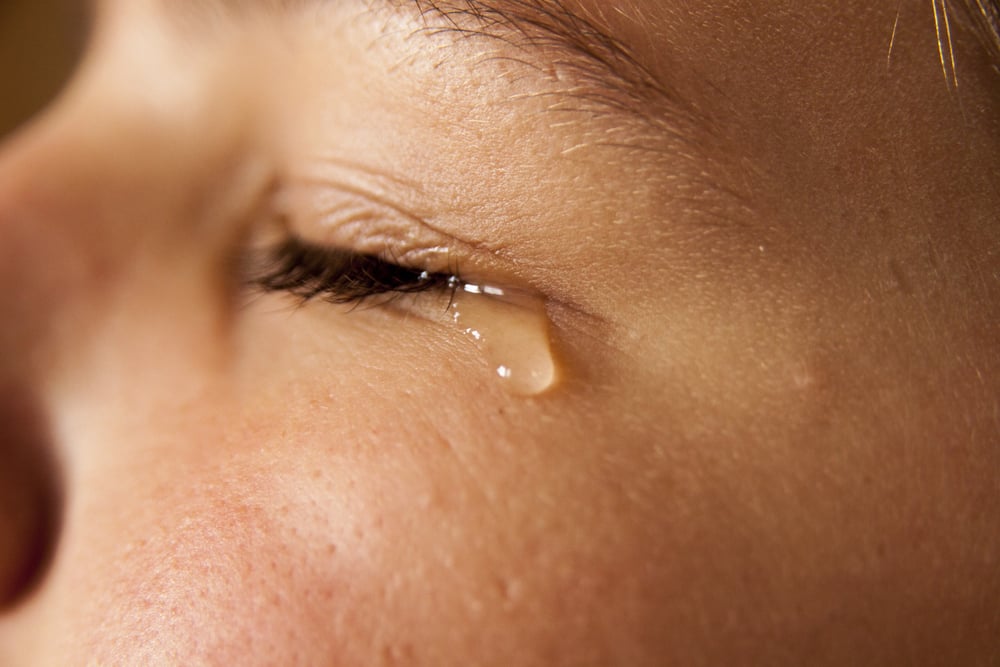
Most mammals produce tears to lubricate and protect the eyes. Humans are among the very few species — possibly the only one — that produce tears in response to emotional states.
The physiology involves the lacrimal gland responding to autonomic nervous system signals rather than just physical irritation, but why emotional activation produces tears in humans and not other primates remains genuinely unclear. Evolutionary theories propose that emotional tears are a social signal of vulnerability and distress, communicating a need for support to others in a way that’s difficult to fake.
Laughter

The physical mechanism of laughter — rhythmic forced exhalations controlled by the respiratory muscles — has been studied for decades, but the deeper question of why humans laugh at all remains philosophically and neurologically contested. Laughter predates language in evolutionary terms and is found in some form in great apes, which suggests it serves a social bonding function older than speech.
What triggers laughter, why it’s contagious, and why it’s physically exhausting after sustained bouts are all areas where research continues without consensus.
Phantom Limb Sensations
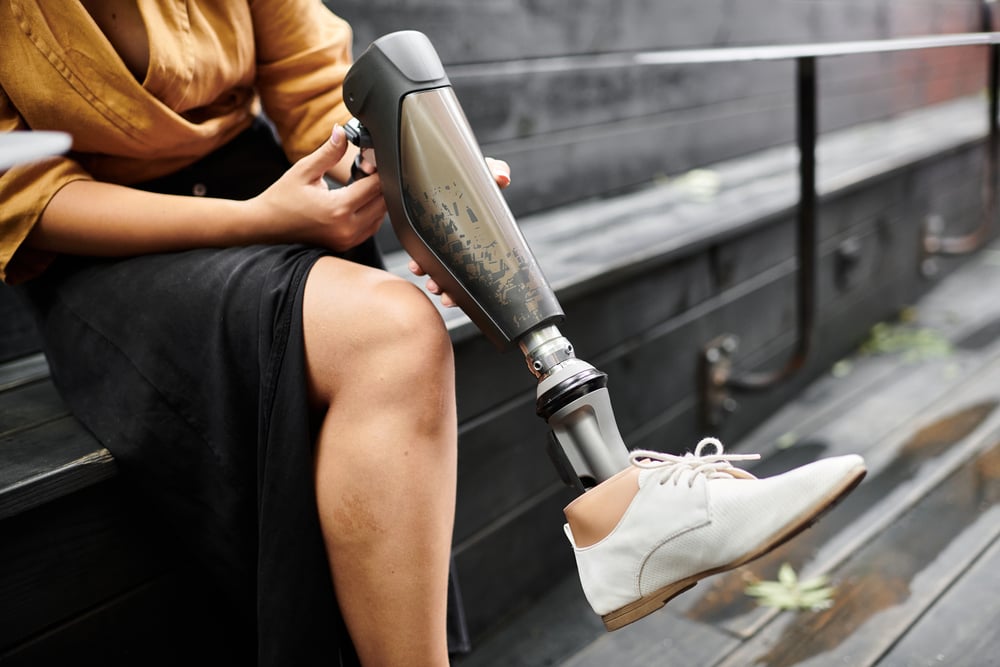
People who have lost limbs frequently report sensations — sometimes painful, sometimes merely present — in the missing body part. The phenomenon puzzled physicians for centuries because it seemed to defy simple anatomy.
The explanation came from an understanding of how the brain maps the body: the cortical map of a missing limb doesn’t immediately reorganise after amputation. The brain continues generating and receiving signals for a body part that no longer exists, producing sensations with no external source.
The discovery has led to treatments including mirror therapy, which uses visual feedback to convince the brain the limb is present and moving normally.
Synesthesia
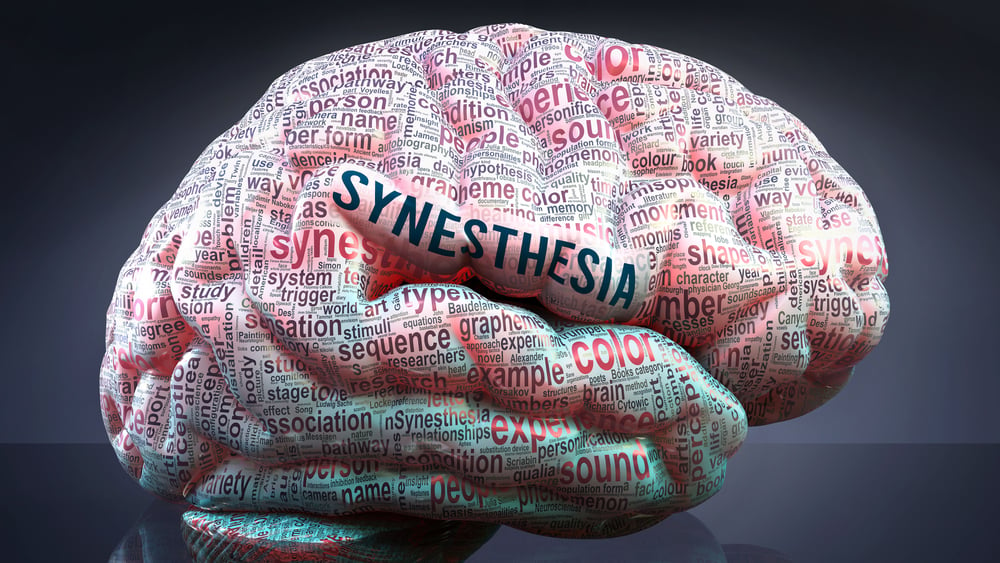
Some people hear colours, taste shapes, or associate letters with specific and consistent hues. This crossing of sensory pathways — synesthesia — was dismissed as imagination or metaphor for a long time. Brain imaging eventually confirmed that synesthetic experiences produce real neurological activations in the relevant sensory areas.
Someone who sees the number five as red genuinely activates colour-processing regions when looking at five. The condition affects roughly four percent of people and appears to have a genetic component, but why the wiring crosses in the ways it does is still being studied.
Deja Vu

The feeling of having already experienced a new situation — deja vu — is nearly universal, yet explaining it precisely has resisted decades of effort. The most widely supported theory involves a processing delay in the brain’s memory systems.
Information enters through multiple pathways, and if one pathway is fractionally delayed, the brain may receive the same sensory input twice in rapid succession. When the second signal arrives, it triggers the brain’s familiarity recognition system, producing the feeling of having experienced something previously.
The experience tends to be more common in younger people and in those with temporal lobe activity differences.
Itching From No External Cause
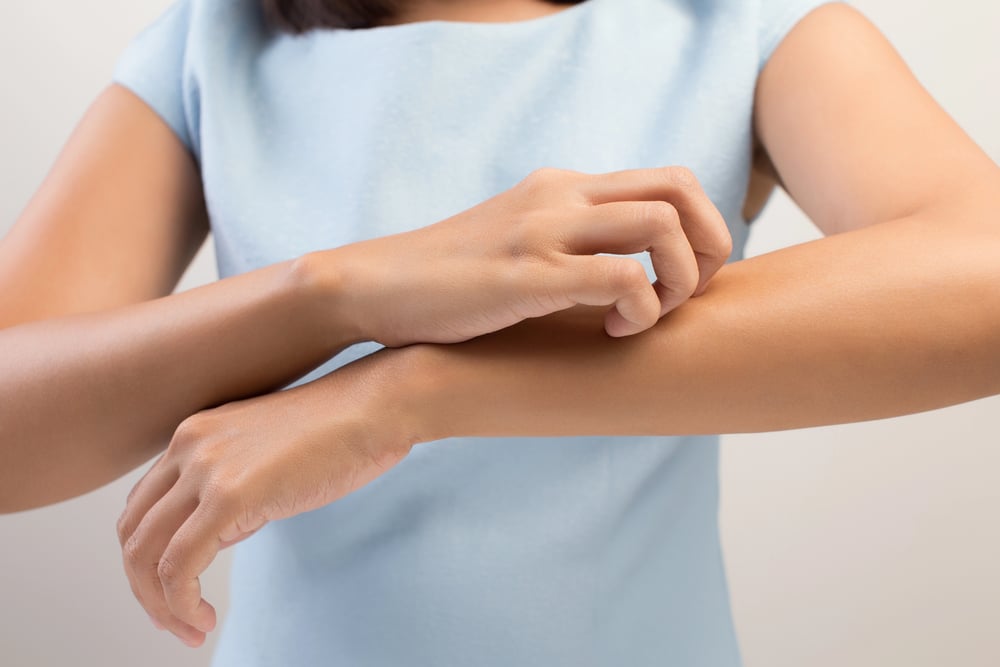
Itching is partly a protective mechanism — an alert to potential irritants on the skin’s surface. But chronic itching with no identifiable external cause resisted coherent explanation for a long time.
Research eventually identified itch as a separate neural pathway from pain, using different nerve fibres and different signalling molecules. Scratching temporarily suppresses the itch signal by activating pain pathways, which is why scratching feels relieving even though it makes the underlying condition worse.
The existence of a dedicated itch circuit separate from the pain system wasn’t confirmed until late in the twentieth century.
The Gag Reflex
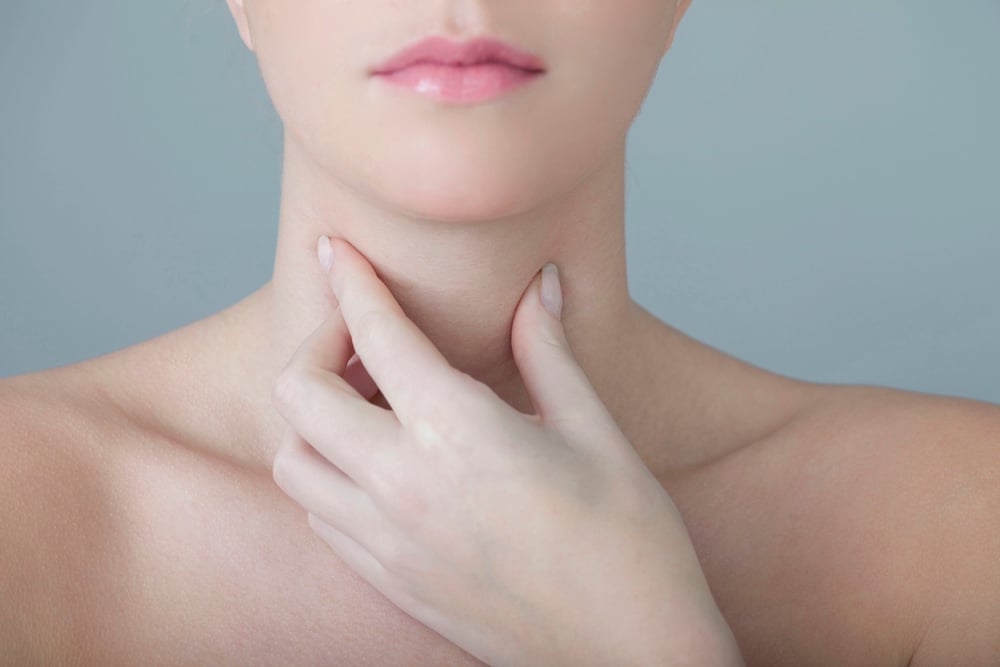
The gag reflex — an involuntary contraction of the throat triggered by stimulation of the soft palate or back of the tongue — exists to prevent foreign objects from entering the airway. What took longer to understand is why the reflex varies so enormously between individuals: some people gag easily, others barely at all.
Research suggests the threshold is partly psychological and partly linked to trait anxiety, which means the same physical stimulus can produce very different responses depending on the individual’s baseline nervous system arousal. The connection between psychological state and physical reflex sensitivity was not intuitive to early researchers.
Why Music Causes Physical Responses
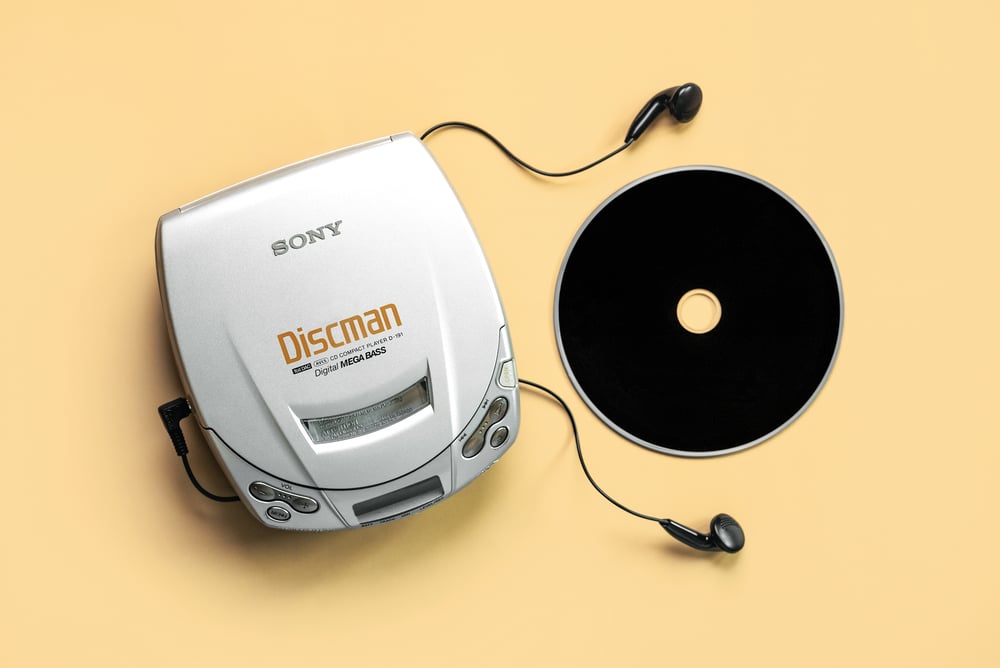
The physical response to music — chills, elevated heart rate, the sensation often called frisson — puzzled researchers because music has no obvious survival relevance. Brain imaging studies have shown that music activates the same reward pathways as food and other survival-relevant stimuli, releasing dopamine.
The chills associated with particularly affecting passages appear when dopamine releases peaks. Why the brain evolved to reward music listening with the same neurochemistry it uses for survival rewards is still not fully explained, though theories involving social cohesion and the evolutionary value of synchronised vocal activity are among the current candidates.
Stomach Rumbling

Gurgling sounds from the digestive tract — borborygmi — occur when the intestines contract rhythmically to move air and fluid through the digestive system. The sound doesn’t only happen when hungry, though hunger-associated contractions are particularly pronounced because the stomach is empty and the sound isn’t muffled by food.
The digestive system runs these contraction cycles continuously, roughly every 90 minutes even in fasting states, as a kind of housekeeping function. The existence of this interdigestive motility pattern wasn’t identified until the 1970s.
Skin Tanning

The mechanism of tanning — UV radiation triggering melanocytes to produce more melanin, which absorbs radiation and protects underlying cells — is now well understood. The more interesting historical question is why humans at different latitudes ended up with such different baseline melanin levels.
The answer that eventually emerged from genetics research involves a trade-off: high melanin protects against UV-related DNA damage and folate degradation, while lower melanin allows more UV absorption needed for vitamin D synthesis. Human populations at different latitudes evolved different default melanin levels as an adaptation to local UV environments.
Fingerprints
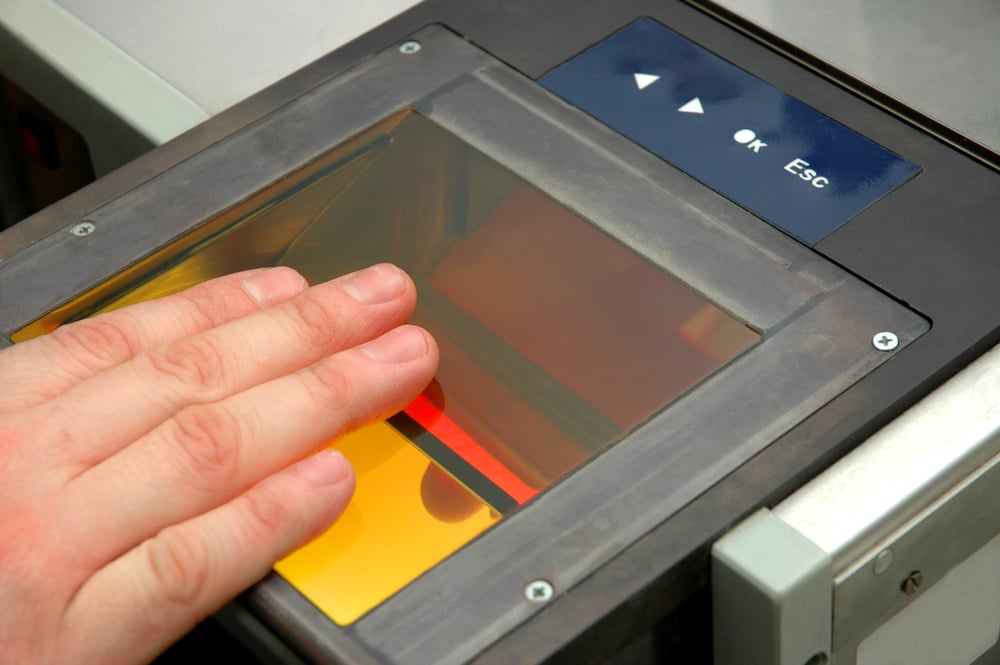
Fingerprints were used for identification long before anyone understood why they existed. Francis Galton systematically studied them in the 1890s and established their uniqueness, but the developmental and functional explanation took longer. Current research suggests fingerprint ridges amplify tactile signals, improving the ability to detect fine textures by creating vibrations as the ridges slide across a surface.
The particular pattern — arches, loops, and whorls — develops randomly during fetal development based on the pressure and position of the finger during growth, which is why even identical twins have different prints.
Brain Freeze

The sharp, sudden headache that follows eating something very cold — brain freeze, or sphenopalatine ganglioneuralgia — occurs because the palate shares pain pathways with the forehead. Rapid cooling of the roof of the mouth signals to blood vessels, which dilate to compensate. That vascular response is detected by shared pain receptors, producing pain that appears to come from the forehead rather than the palate.
The phenomenon is a referred pain response — the pain is real, but its apparent location is anatomically misleading.
The Startle Response

The full-body flinch produced by a sudden unexpected stimulus — a loud noise, a sudden movement — happens faster than conscious thought can process. The startle response is mediated by the brainstem rather than the cortex, which is why it cannot be voluntarily suppressed: the response is already complete before the conscious brain has decided whether the stimulus was actually threatening.
Researchers studying startle responsiveness have found that it’s partly heritable and that it correlates with trait anxiety, suggesting the baseline sensitivity of the reflex arc varies between individuals.
Tearing Up When Chopping Onions
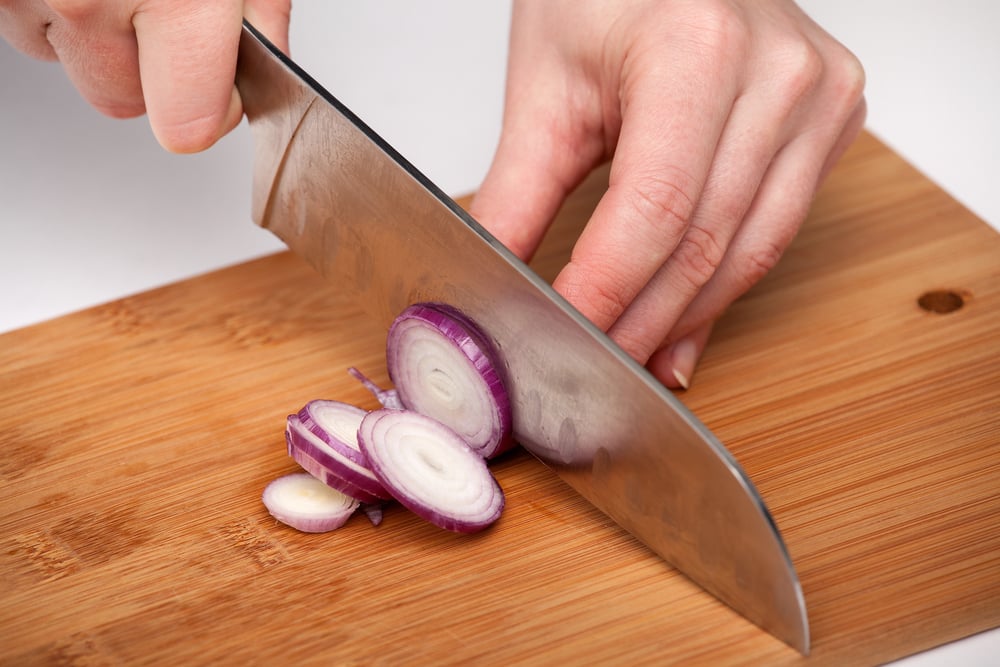
Onions contain sulphur compounds that, when the cells are cut, form allyl sulphide. This reacts with moisture in the eye to produce a weak sulphuric acid.
The eye’s sensory cells detect this irritant and immediately signal the lacrimal gland to flush it away — which produces the involuntary tearing. The onion doesn’t intend to produce this reaction; the sulphur compounds exist as a defence against soil-dwelling insects and bacteria, and the eye irritation is a side effect of a mechanism aimed at something else entirely.
Waking Up at the Same Time Every Morning Without an Alarm
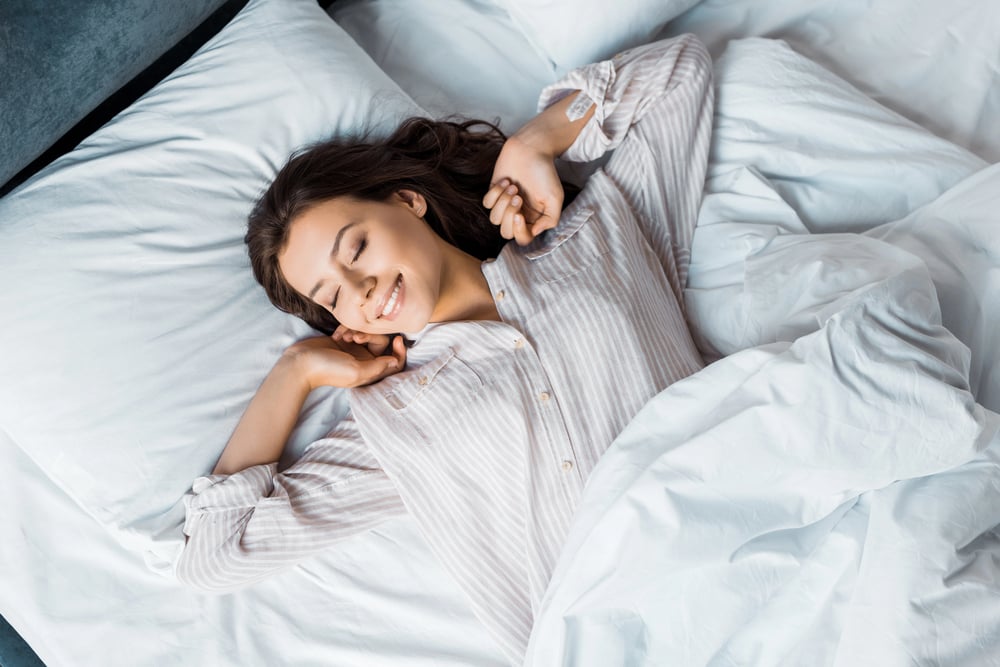
The circadian rhythm — the roughly 24-hour internal clock that governs sleep, wakefulness, body temperature, and hormone release — operates via a cluster of neurons in the hypothalamus called the suprachiasmatic nucleus. Light entering the eyes through specialised photoreceptive cells (not the standard rods and cones used for vision) resets this clock daily.
The mechanism was identified step by step across the twentieth century, with the cellular basis of the clock — specific proteins that accumulate and degrade in a cycle — only described clearly enough to win a Nobel Prize in 2017.
The Placebo Effect
The placebo effect — genuine physiological change in response to an inert treatment — remained controversial for decades because it seemed to imply the mind was capable of producing measurable changes in the body, which didn’t fit simple mechanistic models of medicine. Brain imaging eventually confirmed that placebo responses involve real neurochemical changes, including actual endorphin release.
The placebo effect is strongest for conditions with significant subjective components — pain, nausea, anxiety — and is influenced by the perceived authority of the treatment, the warmth of the clinician, and the cost of the intervention.
Muscle Memory
The concept of “muscle memory” is a useful shorthand that’s literally incorrect. Muscles don’t store information. What’s actually stored is a motor programme in the cerebellum and basal ganglia — brain structures that manage procedural, automatic movement.
With sufficient repetition, a movement sequence gets encoded in this system and can be executed with minimal conscious attention. The neural pathway becomes, in effect, a groove worn into the network.
The process was described behaviourally long before neuroscience was available to explain it mechanistically.
Ear Popping During Altitude Changes
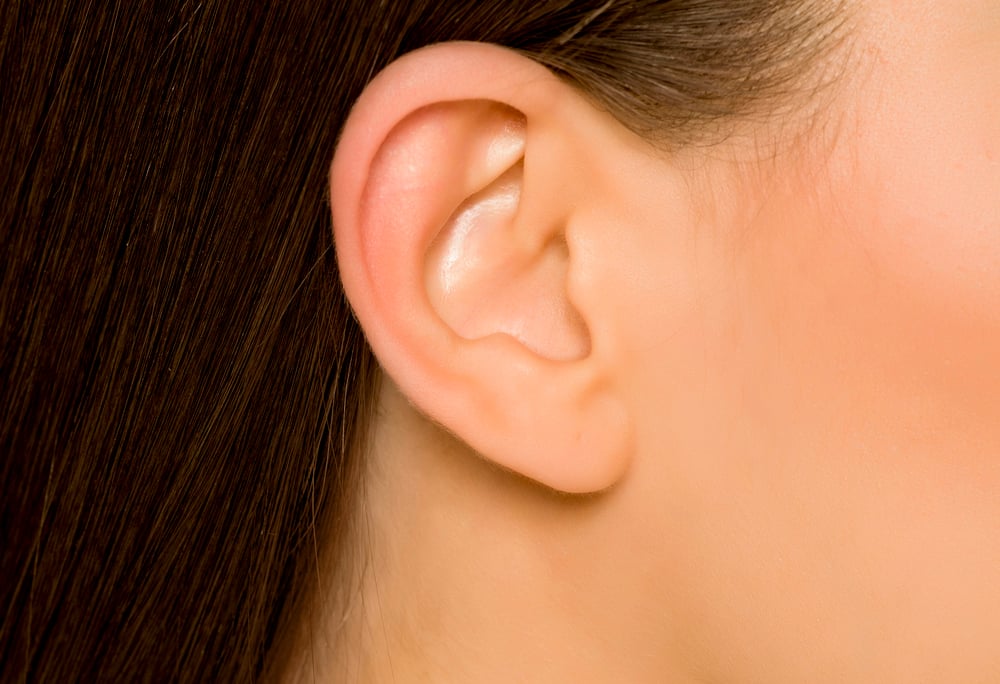
The pressure equalisation in the ears during altitude change involves the Eustachian tube, which connects the middle ear to the back of the throat. When external air pressure changes rapidly — during descent in an aircraft, or when driving down a mountain — the middle ear pressure lags behind.
Swallowing or yawning opens the Eustachian tube briefly, allowing the pressures to equalise. The mechanics are straightforward, but the detailed understanding of Eustachian tube function and its relationship to middle ear health took most of the nineteenth and early twentieth centuries to develop.
Hiccupping When Someone Else Does

Hiccups are weakly contagious in a social setting, though not to the degree that yawning is. The mechanism is not well studied, but appears to involve the same kind of motor neuron mirroring that contributes to contagious yawning.
Observing the characteristic movement associated with a hiccup may be enough to activate the relevant neural pathway in some individuals. This category of contagious involuntary behaviour — encompassing yawning, laughter, and to a lesser degree hiccups — is thought to involve primate social bonding mechanisms that predate language.
The Side Stitch

The sharp pain under the ribs that runners develop during sustained exercise — the side stitch — resisted confident explanation for a surprisingly long time. The most scientifically supported current theory implicates the parietal peritoneum, the membrane lining the abdominal cavity.
During running, internal organs move up and down with each stride, creating friction on this membrane. The pain is referred to the shoulder in some cases, which is consistent with the phrenic nerve — which also serves the diaphragm — being involved.
Consuming large amounts of food or drink before running makes the condition worse by increasing the weight and movement of the organs.
Snatiation

The reflex of sneezing after a large meal — yes, this is a documented phenomenon — is called snatiation, a portmanteau of “sneeze” and “satiation.” It’s thought to involve a branch of the vagus nerve that connects the digestive system to the nasal passages.
When the stomach is very full and distends, it appears to trigger the nasal reflex in some individuals. The condition is genetic and has been reported in families across generations, though because it’s a minor and harmless quirk, formal research on it is limited.
Why Cold Air Makes Your Nose Run
Cold air causes nasal discharge because the nose’s primary job is to warm and humidify incoming air. In cold conditions, the blood vessels in the nasal lining dilate to increase warming capacity, and the mucous glands increase secretion to add moisture to the dry cold air being inhaled. The result is a runny nose that has nothing to do with infection or allergy and everything to do with the nose doing its job aggressively.
The mechanism is the same one that makes the nose run when you eat very spicy food — both temperature and capsaicin activate the same sensory receptors.
Muscle Fatigue and the Burn

The burning sensation in muscles during sustained exercise was long attributed to lactic acid buildup. Research over the past two decades has complicated this picture significantly. Lactic acid itself doesn’t cause the burning sensation — it’s the associated hydrogen ions that lower the pH of muscle tissue, and it’s that pH change that activates pain receptors and inhibits enzyme function.
Lactate, far from being purely a waste product, is actually shuttled between muscle fibres and used as fuel. The familiar explanation taught in basic biology courses turned out to be partially wrong, and the correction is still working its way into general awareness.
The Autonomic Nervous System’s Scale
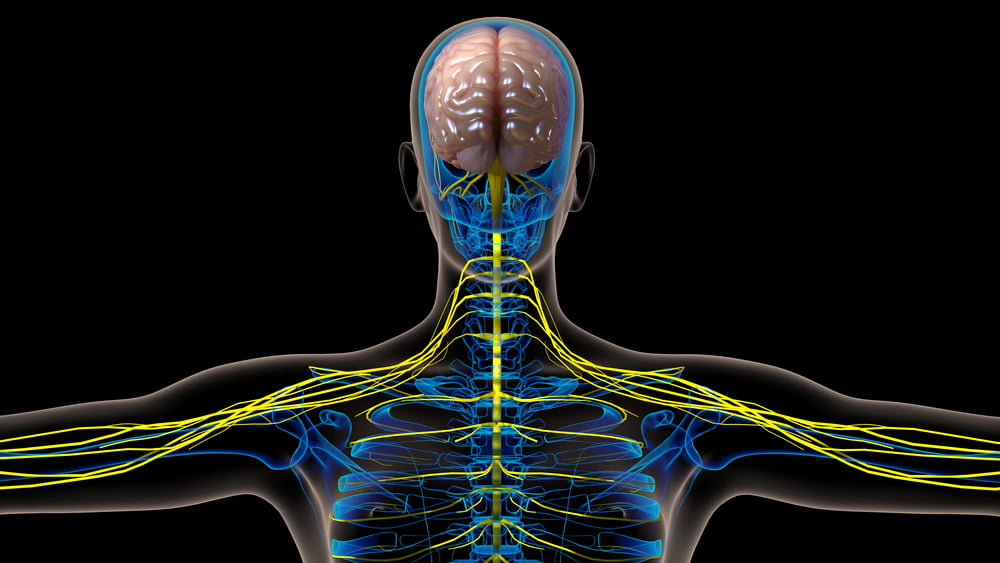
The breadth of what the autonomic nervous system governs — heart rate, digestion, respiration, perspiration, pupil dilation, skin temperature — was not fully mapped until the twentieth century. The existence of two opposing branches (sympathetic and parasympathetic) that modulate the same functions in opposite directions was identified in the late nineteenth century by John Newport Langley, who coined the term “autonomic nervous system” in 1898.
The detailed understanding of how these systems interact in specific conditions — stress, rest, exercise, fear — has been accumulating ever since and continues today.
What the Body Already Knew

What’s striking about this list isn’t that science got things wrong — it’s how long the wrong explanations satisfied people. For fifteen centuries, Galen’s model of blood was accepted with minimal questioning.
The appendix was declared useless and written off. Yawning was explained by the oxygen theory for generations despite no one having tested it.
The human instinct is to accept a confident-sounding explanation and move on, particularly for processes that aren’t immediately life-threatening. The ones that turned out to be wrong weren’t rejected by observation — they were simply replaced, eventually, by someone who looked more carefully.
The body is always doing exactly what it does. Understanding it just takes longer than anyone expects.
More from Go2Tutors!

- The Romanov Crown Jewels and Their Tragic Fate
- 13 Historical Mysteries That Science Still Can’t Solve
- Famous Hoaxes That Fooled the World for Years
- 15 Child Stars with Tragic Adult Lives
- 16 Famous Jewelry Pieces in History
Like Go2Tutors’s content? Follow us on MSN.



