34 Animals That Can Survive Conditions No Other Living Thing Can Handle
Life has a way of showing up where it has absolutely no business being. The inside of a volcano’s thermal vent.
The vacuum of space. The deepest point in any ocean on Earth.
The frozen soil of Siberian permafrost. In every one of these environments, something is alive — not just surviving by accident, but adapted over millions of years to treat lethal conditions as home. These aren’t curiosities at the edge of biology.
They’re evidence that the definition of “habitable” is far wider than any single species can perceive. Some of the creatures below are microscopic.
Others are perfectly familiar animals doing things that shouldn’t be possible. All of them have something to teach about what life actually requires to continue.
Tardigrade (Water Bear)
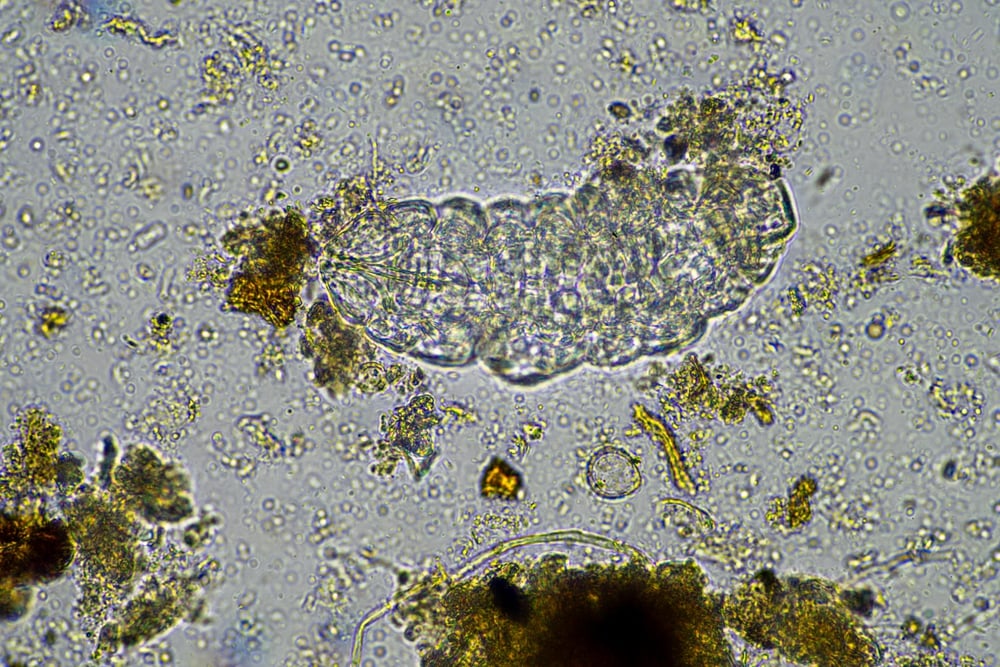
The tardigrade is the benchmark against which every other extreme survivor is measured. Smaller than a grain of salt, these eight-legged micro-animals can endure temperatures from near absolute zero to 150°C, pressures six times greater than the deepest ocean trench, radiation levels roughly a thousand times what would kill a human, complete dehydration, and direct exposure to the vacuum of space.
They achieve this through cryptobiosis — a state so metabolically suspended that their activity drops to 0.01% of normal or becomes entirely undetectable. Specialised “Dsup” proteins actively repair radiation-induced DNA damage while in this state.
Tardigrades have been found on every continent, in glaciers, hot springs, ocean trenches, and, as of 2019, on the surface of the Moon after an Israeli lunar lander crash-landed with a canister of them on board.
Bdelloid Rotifer
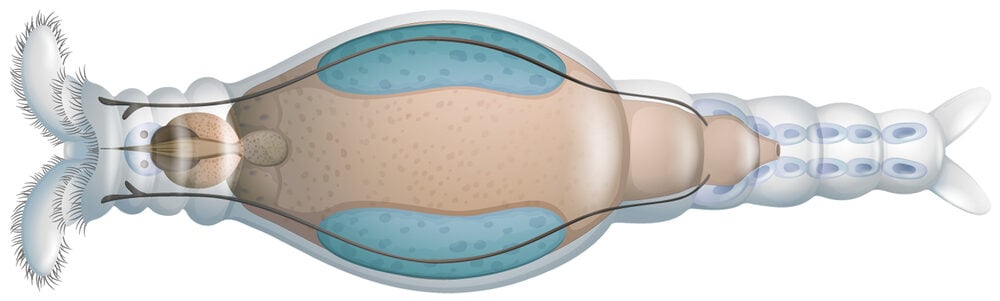
Bdelloid rotifers were revived from 24,000-year-old Siberian permafrost in 2021 — and went on to reproduce. These microscopic multicellular animals achieve complete anhydrobiosis, shutting down all metabolic processes until water returns, and can withstand radiation levels hundreds of times the lethal human dose.
Their extraordinary DNA repair machinery can reconstruct shattered genomes from fragments. They are entirely female and reproduce without mating, which means each individual is its own complete survival package.
Pompeii Worm
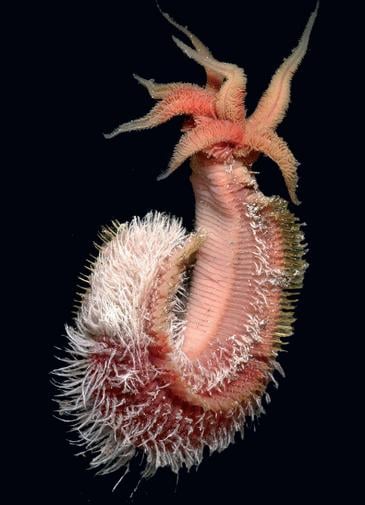
The Pompeii worm lives in colonies around hydrothermal vents on the deep Pacific Ocean floor, where it experiences the most extreme temperature gradient of any animal on Earth. Its head rests in water around 22°C while its tail end tolerates temperatures approaching 80°C. The worm carries a living thermal shield: heat-resistant bacteria form a fleece-like coating on its back that buffers against the scorching vent water and the toxic chemicals it carries.
Named after the Roman city buried by Vesuvius, the Pompeii worm treats the equivalent of that eruption as a comfortable neighbourhood.
Wood Frog
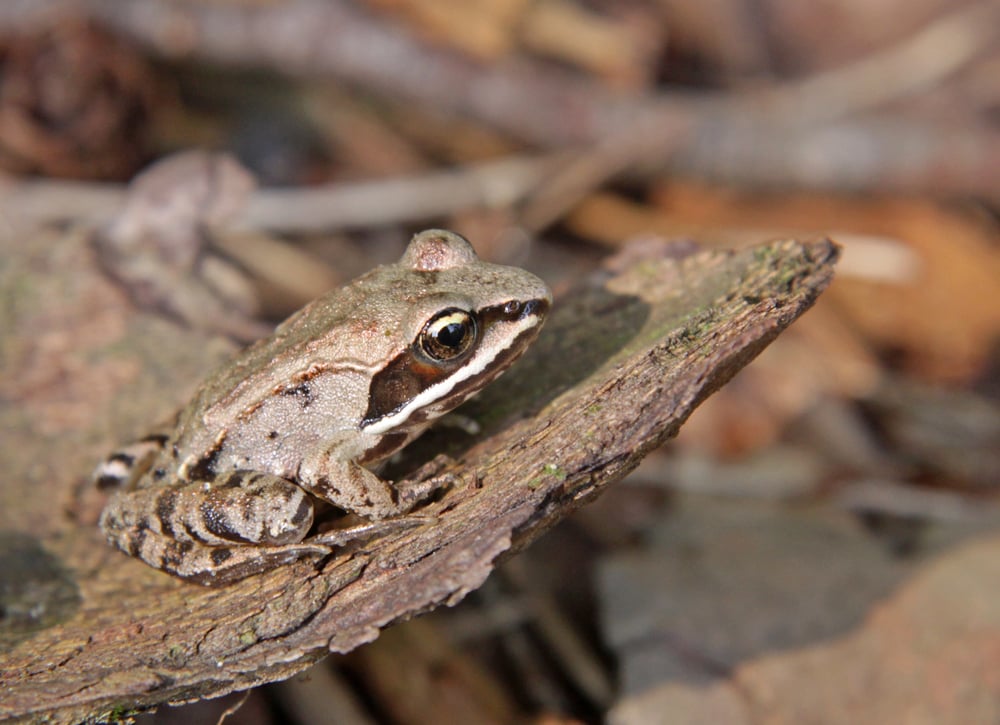
The North American wood frog freezes solid every winter and thaws every spring. Up to 65% of its body water turns to ice, its heart stops, its breathing ceases, and it remains in this state of suspended animation for months at temperatures well below freezing. Glucose — produced in large quantities when freezing begins — acts as a natural cryoprotectant, preventing ice crystals from destroying cells.
When warmth returns, the frog simply thaws and resumes life. Researchers studying the wood frog’s chemistry have found direct applications for organ preservation and cryogenic medicine.
Mariana Snailfish
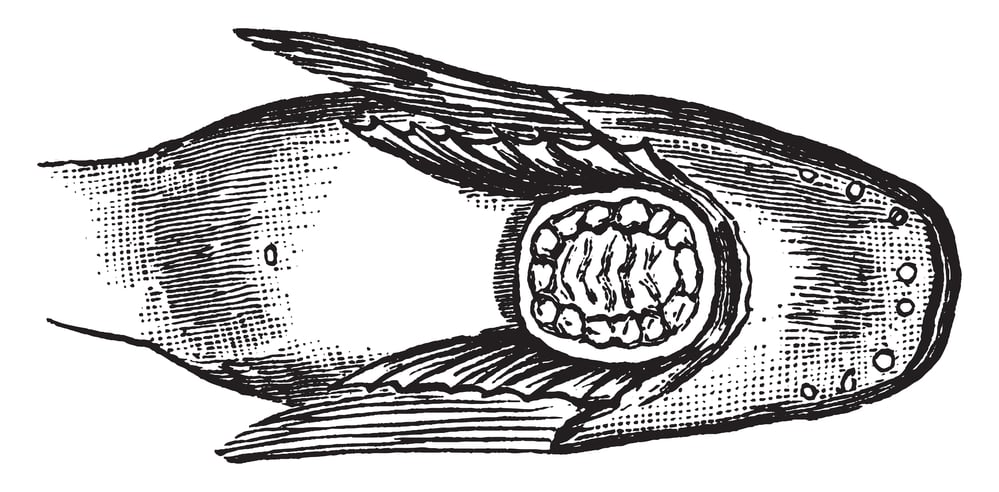
The deepest-living vertebrate ever recorded, the Mariana snailfish (Pseudoliparis swirei) was found thriving at more than 8,000 metres below the surface in the Mariana Trench — a depth where the pressure is equivalent to the weight of roughly 1,600 elephants pressing on a single square metre. Its body is gelatinous rather than rigid, its bones are partially replaced with cartilage, and its cells are saturated with trimethylamine oxide (TMAO), a compound that prevents proteins from being distorted under crushing pressure.
The snailfish at these depths are so well-fed — because food particles drift down and concentrate in the trench — that they are among the fattest fish in any ocean.
Himalayan Jumping Spider
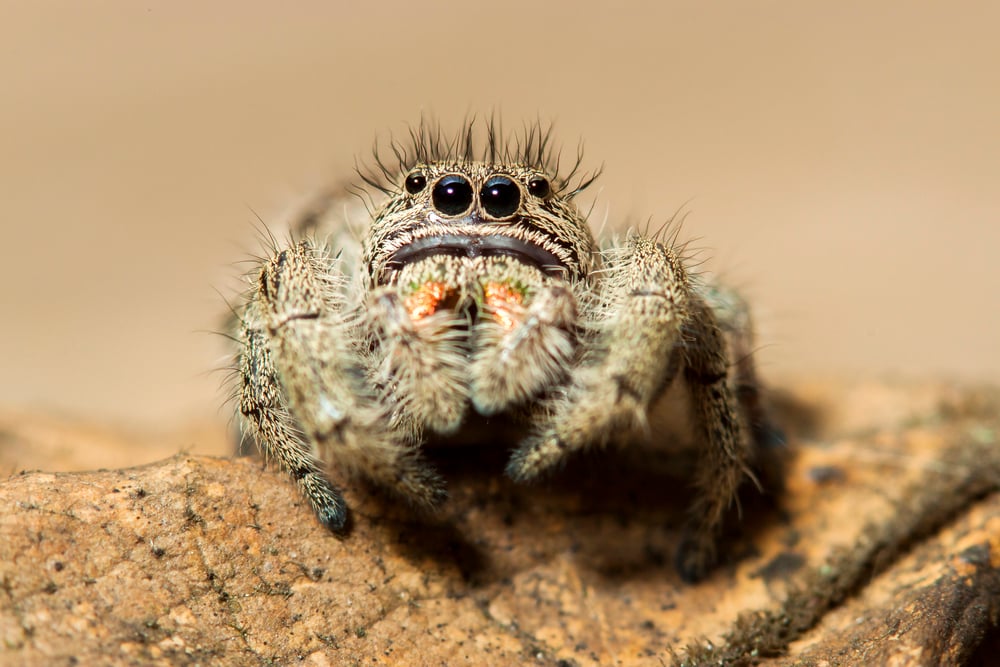
Found permanently living at elevations up to 6,700 metres on Mount Everest — where oxygen levels are roughly a third of those at sea level and temperatures plunge well below freezing at night — the Himalayan jumping spider (Euophrys omnisuperstes) is the highest-altitude permanent animal resident on Earth. It survives almost entirely on small insects blown upward by mountain winds, sometimes hunting in conditions that represent the “death zone” for human climbers.
Its scientific name means “standing above everything,” which is accurate in more ways than one.
Brine Shrimp
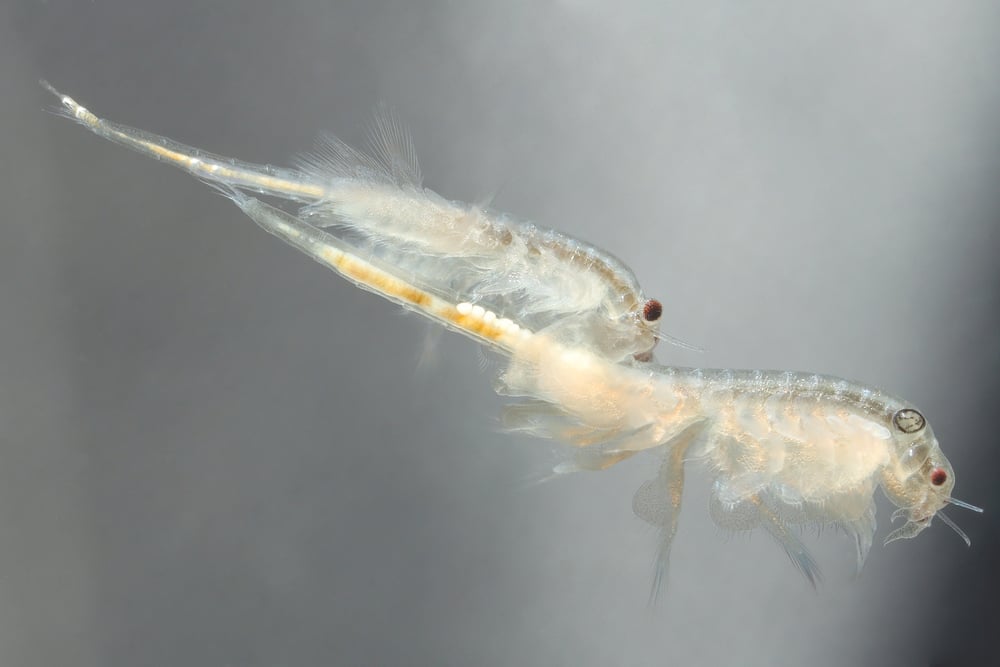
Brine shrimp (Artemia) produce cysts — dormant eggs — that can remain viable for more than 20 years in a completely desiccated state. When rehydrated, they resume metabolic activity within hours. Their cysts tolerate extreme salinity, complete desiccation, vacuum conditions, and temperature extremes that would destroy virtually any other reproductive material. Brine shrimp cysts have been tested in space conditions and survived.
Their eggs are also the most widely sold live food in the pet trade — sold in every aquarium shop as “Sea-Monkeys” — which makes them one of the most commercially significant extremophile organisms in history.
Mummichog
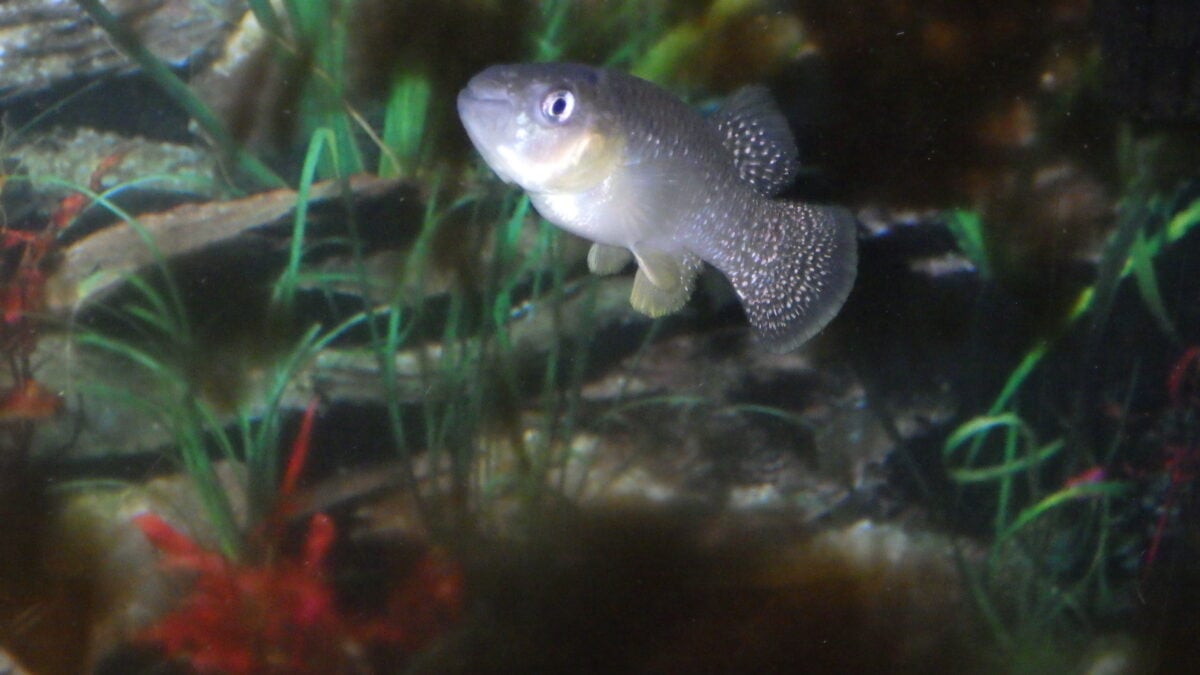
The mummichog (Fundulus heteroclitus) is a small fish of the eastern US coast that has adapted to tolerate extraordinary pollution levels — including industrial wastewater that would kill virtually any other vertebrate. Populations living in heavily contaminated estuaries in New Bedford, Massachusetts and Newark, New Jersey evolved resistance to polychlorinated biphenyls (PCBs) and dioxins within a few decades.
The same genetic adaptations that protect them from these toxins also give researchers insight into how vertebrate bodies might be engineered to tolerate chemical environments once thought incompatible with life.
Cockroach
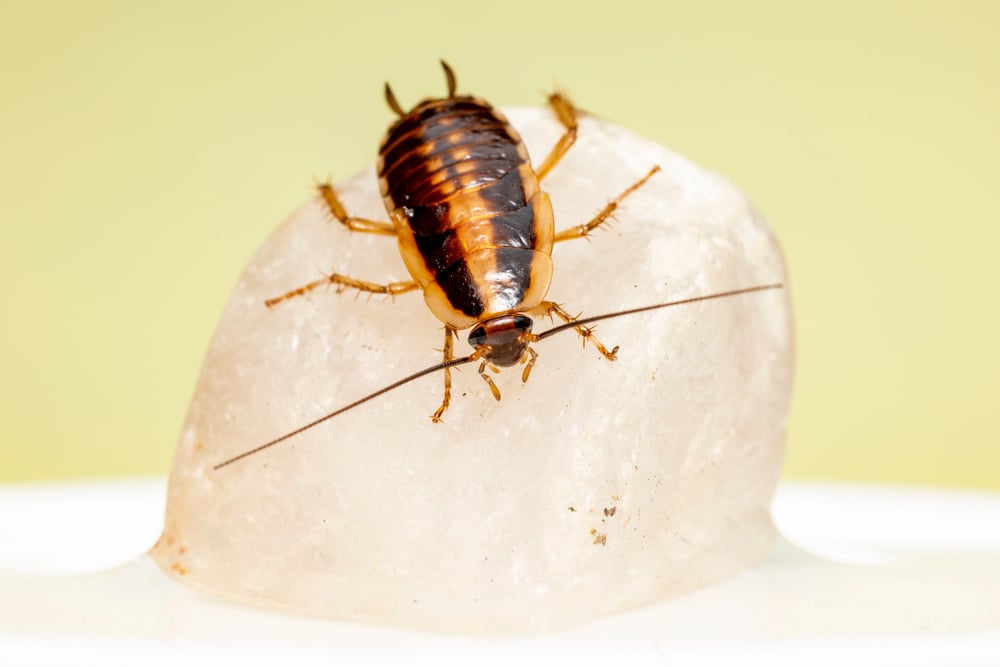
The German cockroach can survive radiation doses of around 6,400 rems — enough to kill a human at 400 to 1,000 rems. This resilience comes partly from their simple cell division cycle: because their cells divide more slowly and less often than those of mammals, radiation exposure between divisions is less likely to cause fatal damage.
They can also survive weeks without food, days without water, and up to a week decapitated, as their breathing is controlled through openings in their body segments rather than their head. The decapitated body eventually dies of dehydration rather than from the loss of the head itself.
Emperor Penguin
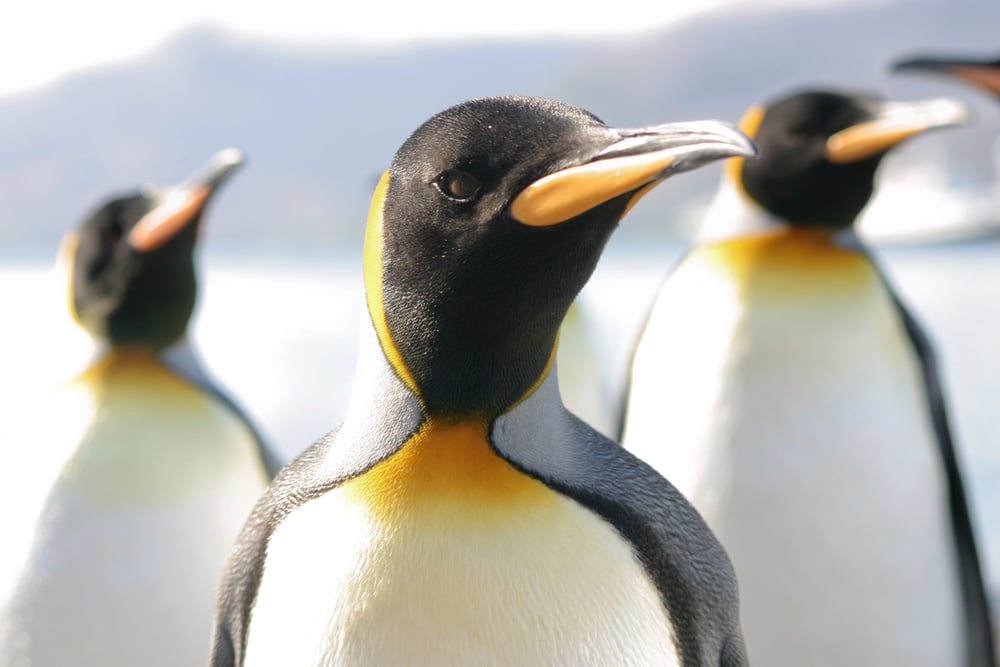
Emperor penguins breed in conditions that no other bird tolerates. During the Antarctic winter, males incubate eggs at temperatures as low as -60°C with wind chill, in total darkness, without eating for up to four months.
They achieve this through a dense waterproof feather layer trapping warm air, a counter-current heat exchange system in their flippers and legs that prevents heat from escaping into the ice, and huddles of thousands of birds that rotate from the cold outer edge to the warm interior — a coordinated thermoregulation system that functions as a collective survival mechanism.
Mole Rat
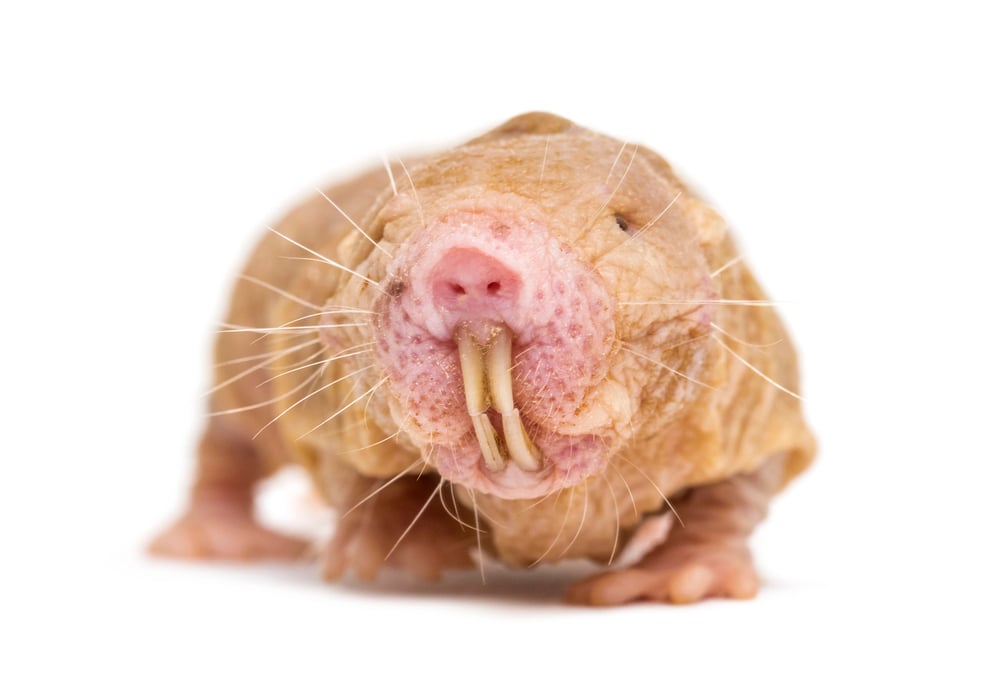
The mole rat lives in sealed underground burrows in the Horn of Africa where oxygen can drop to levels below 6% — less than a third of normal atmospheric concentration. At these levels, most mammals would suffer brain damage and death within minutes.
The mole rat’s haemoglobin has an unusually high affinity for oxygen at low concentrations, and when oxygen drops critically, its cells can switch to a fructose-based metabolism — a pathway more common in plants than in mammals — that doesn’t require oxygen at all. Mole rats also show no signs of ageing-related cancer, live for up to 30 years, and feel no pain from acid or capsaicin on their skin, due to the absence of a specific nerve growth factor receptor.
Greenland Shark
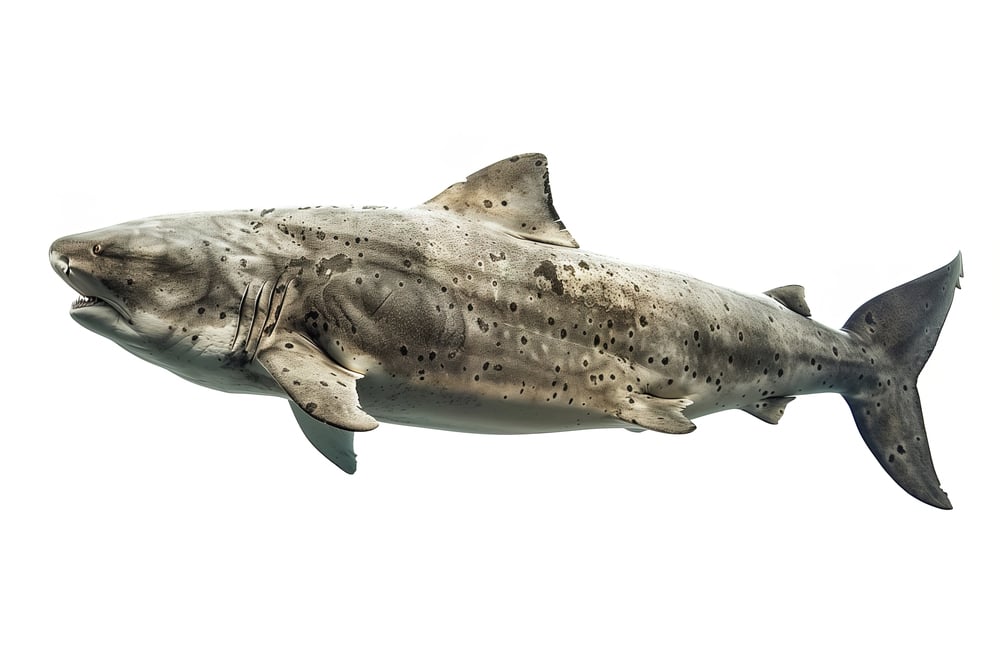
The Greenland shark is the longest-lived vertebrate on Earth. Carbon dating of eye tissue — which forms during embryonic development and doesn’t regenerate — has produced age estimates of up to 400 years for some individuals, with a likely average lifespan of over 250 years. They swim through Arctic waters at near-freezing temperatures at depths reaching 2,000 metres, moving so slowly they were once thought to be nearly stationary.
They achieve their extraordinary longevity through the slowest known metabolism of any shark and an equally slow growth rate — maturity is not reached until approximately 150 years of age.
Kangaroo Rat
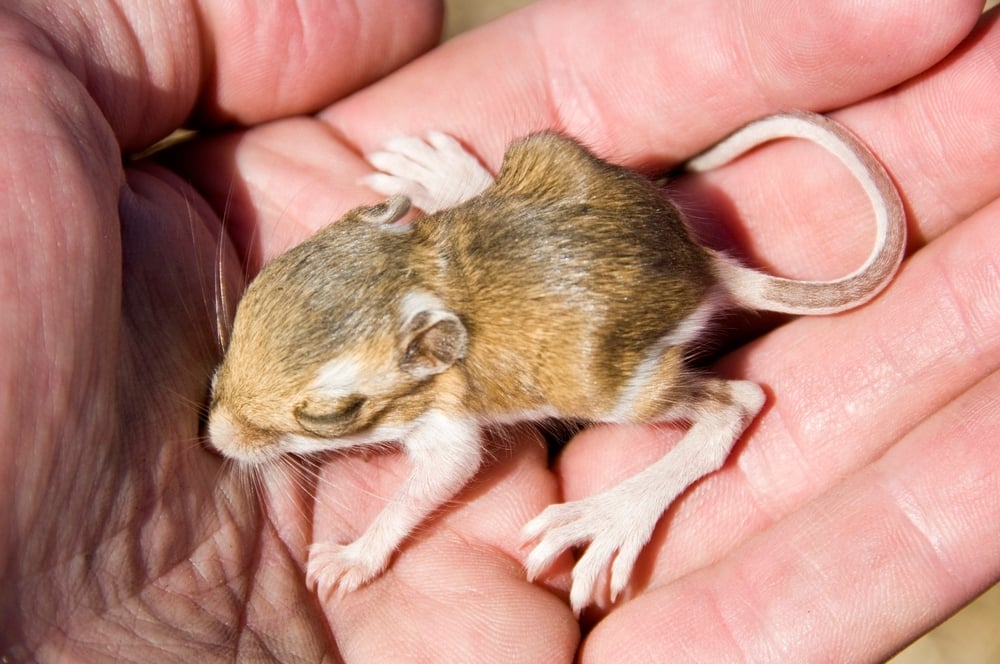
The kangaroo rat of the North American desert never drinks water. It extracts all the moisture it needs from the dry seeds it eats through metabolic water production — a process by which digesting food produces water as a chemical byproduct.
Its kidneys are extraordinarily efficient, producing urine five times more concentrated than human urine, and it spends the parts of the day in sealed burrows where its own exhaled moisture helps maintain humidity. The kangaroo rat can live its entire lifespan in conditions where most mammals would die of dehydration in days.
Arctic Woolly Bear Moth Caterpillar
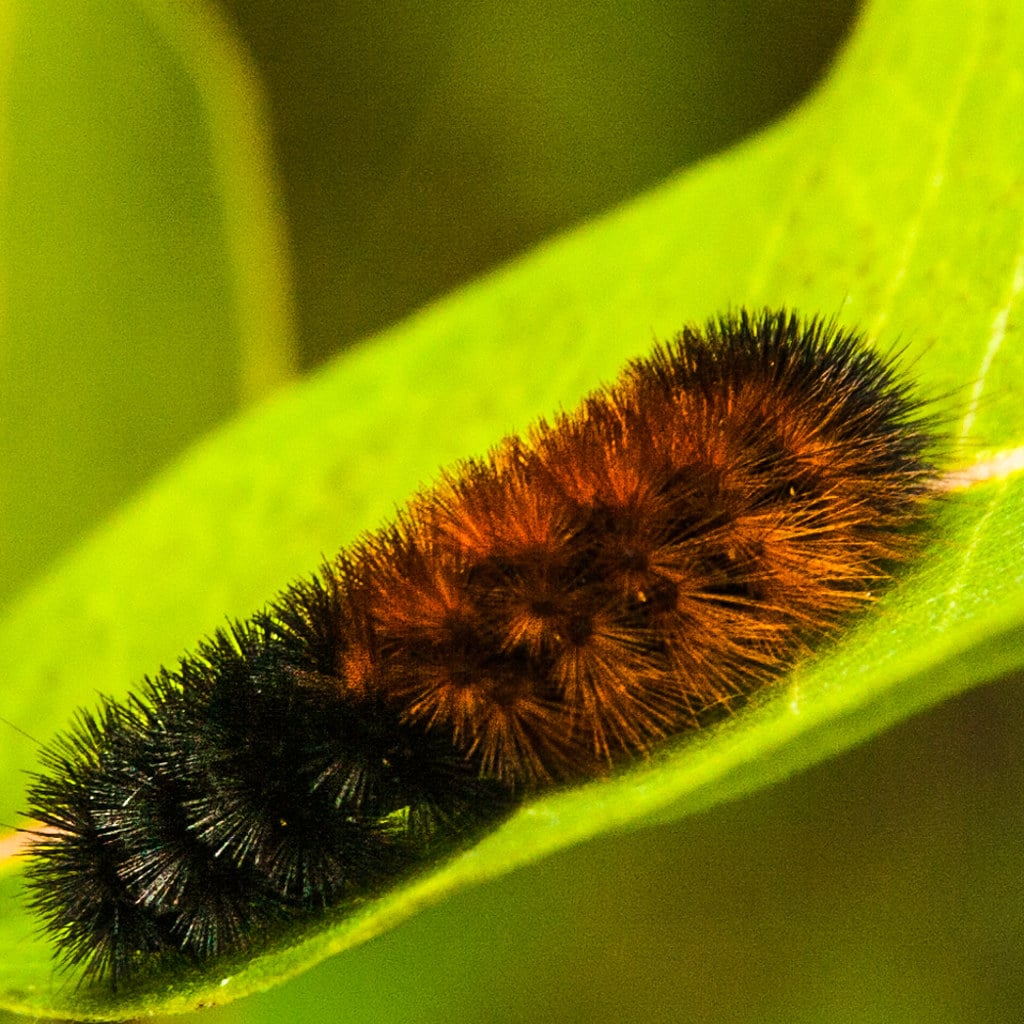
The Arctic woolly bear moth caterpillar spends most of its existence frozen. At northern latitudes, the growing season is so short that the caterpillar can only feed and develop for a few weeks each summer, spending the rest of the year in a frozen state. It takes 14 years — rather than the single year typical of most moth species — to complete its larval development, thawing and refreezing year after year until it finally pupates.
It survives ice formation that kills most insects through a combination of specialised proteins and high concentrations of glycerol.
Deep-Sea Giant Tube Worm
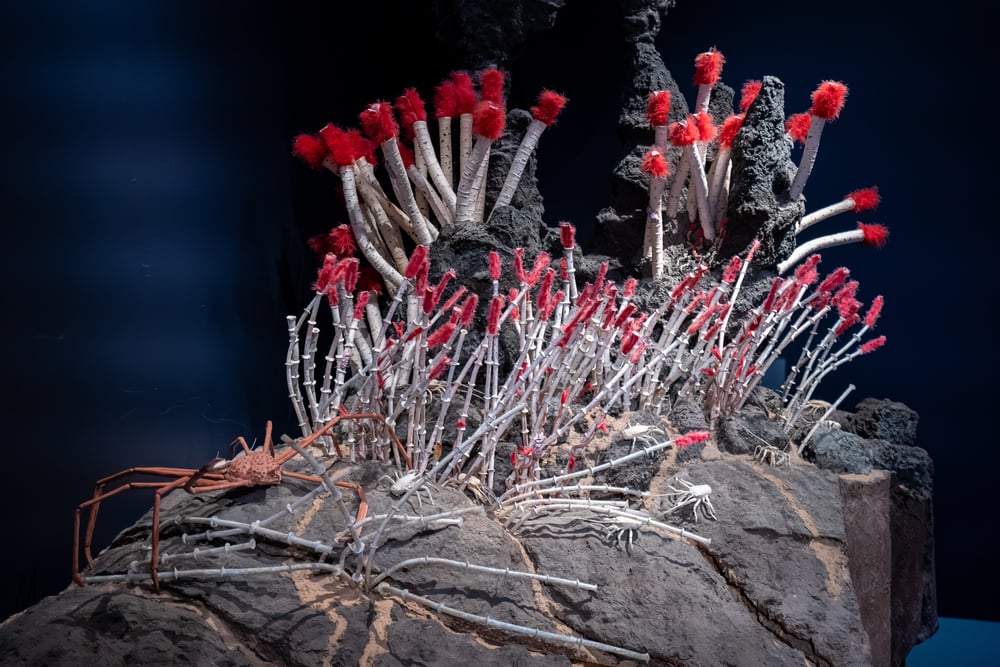
Giant tube worms live around hydrothermal vents on the deep ocean floor in complete darkness, under enormous pressure, in water rich with hydrogen sulphide — a chemical toxic to most life on Earth. They have no mouth, no stomach, and no digestive system whatsoever.
Instead, they are filled with a specialised organ called a trophosome packed with chemosynthetic bacteria that convert hydrogen sulphide into organic compounds that feed the worm. The largest grow to over two metres in length, living for potentially hundreds of years in an environment where photosynthesis — the basis of almost all surface life — is entirely irrelevant.
Saharan Silver Ant
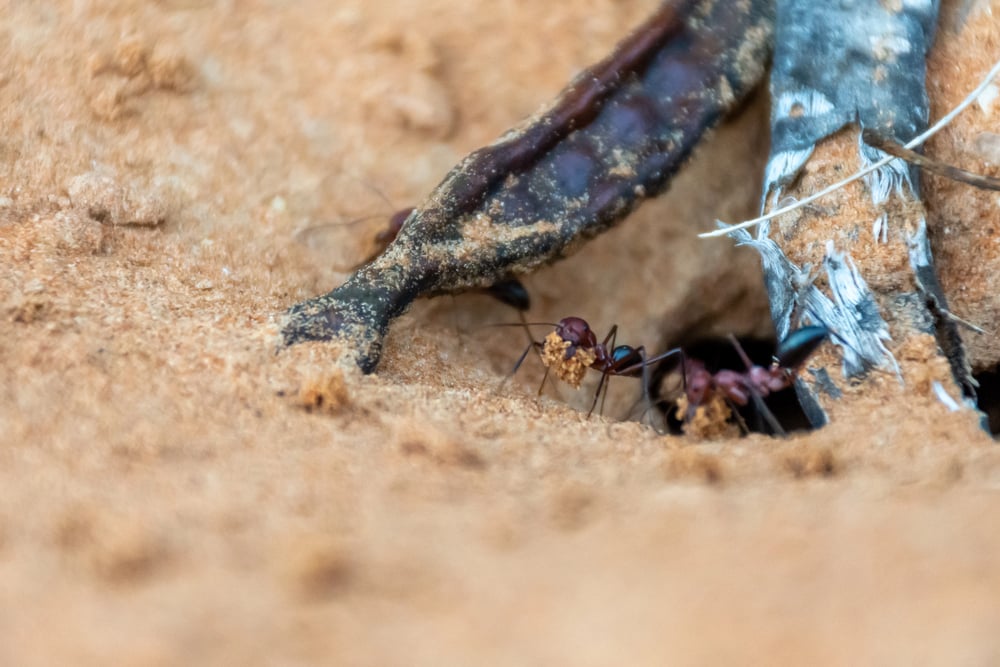
The Saharan silver ant forages in the midday desert sun at temperatures above 70°C at ground level — when all other animals have retreated underground and most human activity stops. They sprint at speeds of up to 108 times their own body length per second, making them one of the fastest insects relative to body size on Earth, and their entire above-ground lifespan during a single foraging run can be as short as ten minutes.
Their silver colouration reflects solar radiation across multiple wavelengths, and specialised leg extensions keep their bodies further from the hot sand than any other ant species.
Hairy Frog
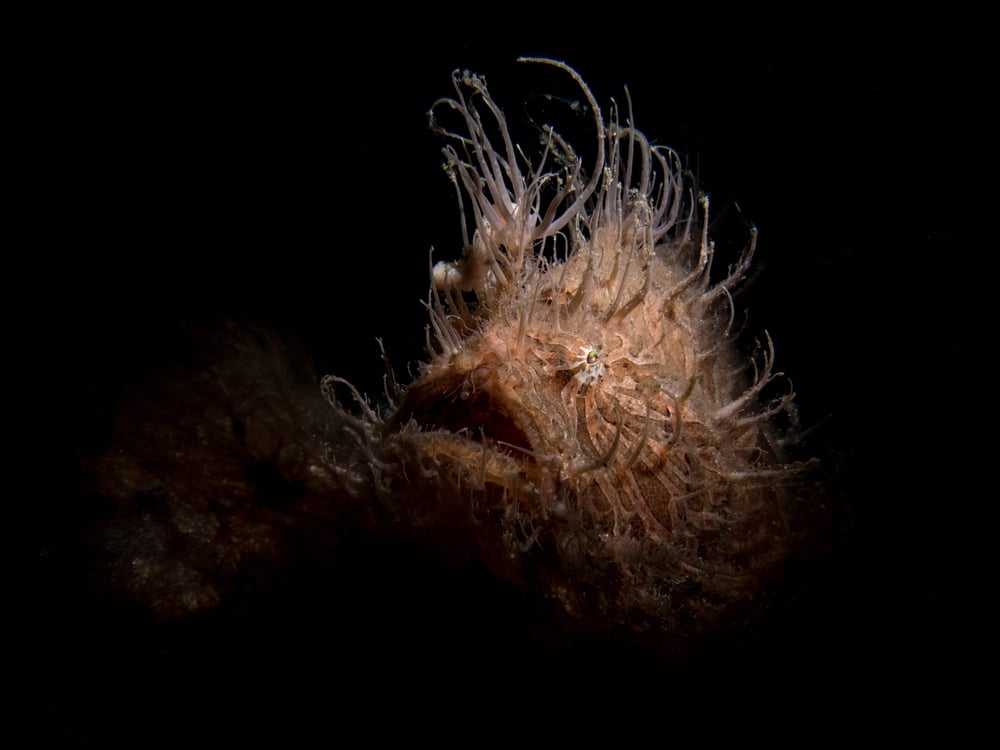
The hairy frog of central Africa (Trichobatrachus robustus) can deliberately break its own toe bones to produce claws that puncture through the toe pads. When threatened, it contracts its muscles sharply, snapping the bones and extending the sharp bone ends through the skin as defensive weapons. It is unclear whether the claws retract after the threat passes.
The mechanism is unique among vertebrates — a biological switchblade with no external mechanism and no known equivalent in the animal kingdom.
Axolotl
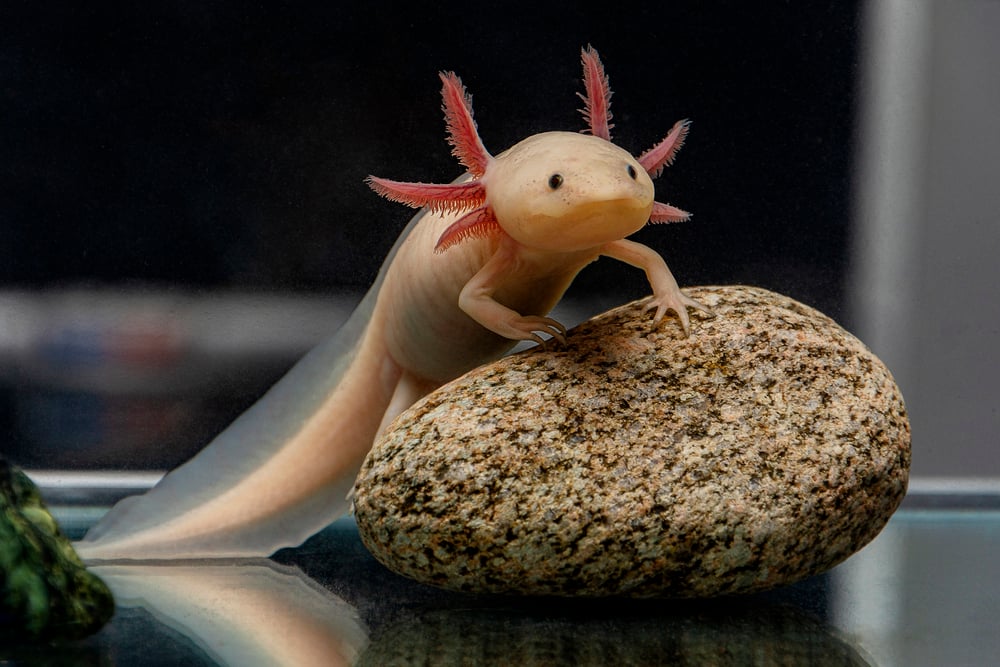
The axolotl can regenerate entire limbs, portions of its heart, parts of its brain, and segments of its spinal cord. When a limb is amputated, a mass of undifferentiated cells forms at the wound site — a blastema — and the limb regrows to full function within months, including correct nerve connections and muscle structure.
Axolotls never complete the metamorphosis typical of salamanders and retain their juvenile aquatic form throughout life — a state called neoteny. This permanent juvenility is tied to the same developmental flexibility that allows their extraordinary regenerative capacity.
Olm
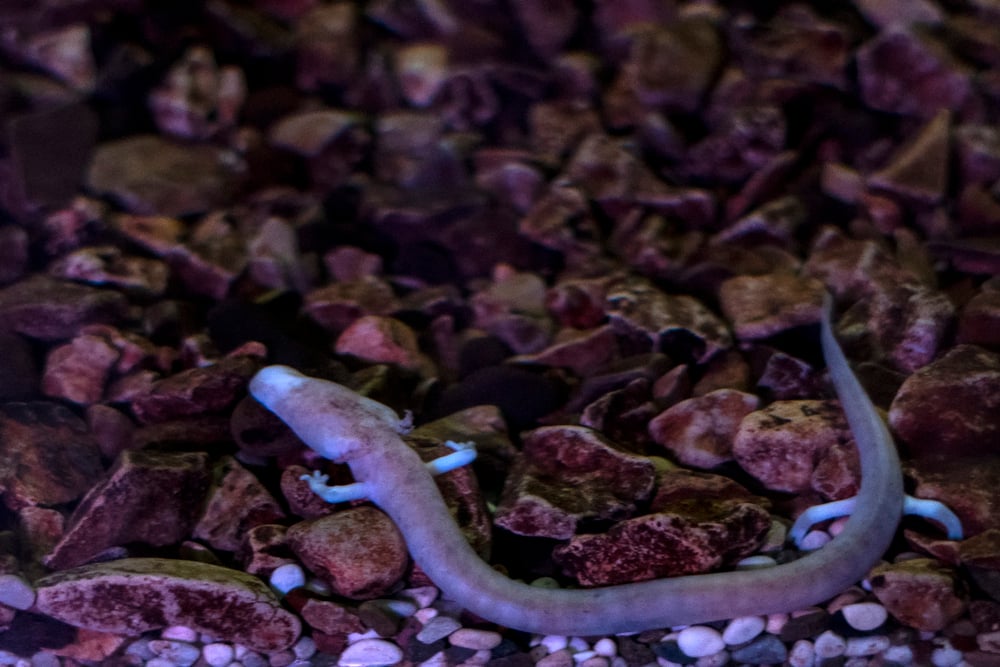
The olm is a blind, cave-dwelling salamander found in the underwater cave systems of the Balkans that can survive without food for up to ten years. It achieves this through an extraordinarily slow metabolism and minimal activity — it rests almost entirely, moving only to drink. Olms have been known to live for up to 100 years.
They were once believed, by cave explorers who found them washed out by floods, to be baby dragons.
Rotifer (Philodina flaviceps)
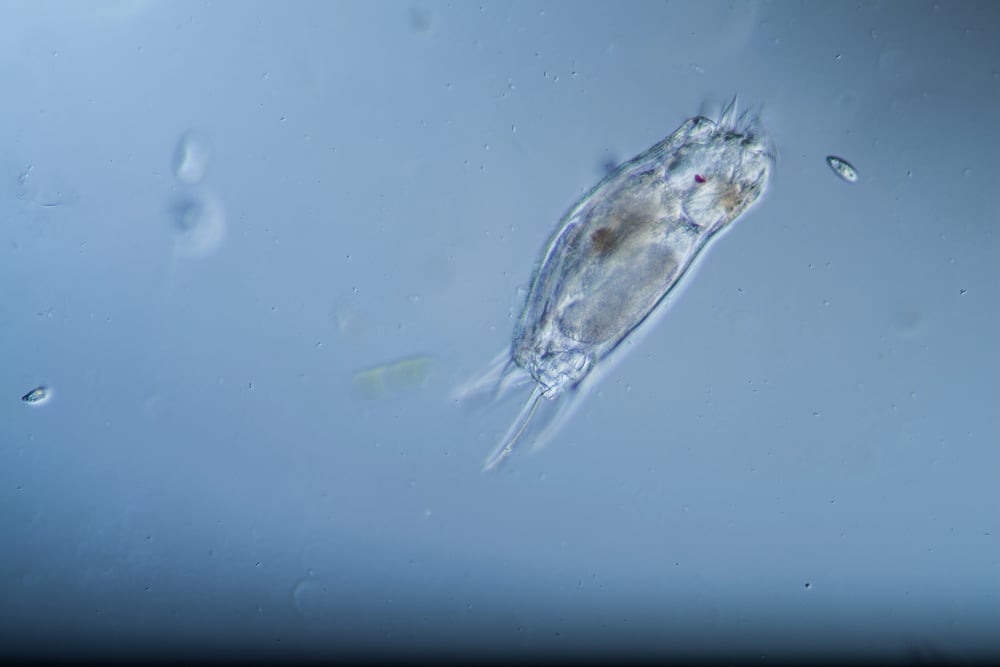
A different species of rotifer from the bdelloid group survived 24,000 years in Siberian permafrost not through the same anhydrobiosis mechanism as bdelloid rotifers generally, but through straightforward freeze tolerance. The permafrost core in which they were found was radio-carbon dated before extraction.
Revived specimens reproduced asexually, and their genetic sequencing confirmed they were the same species as modern living examples. The implications for cryopreservation research are still being actively explored.
Bar-Headed Goose
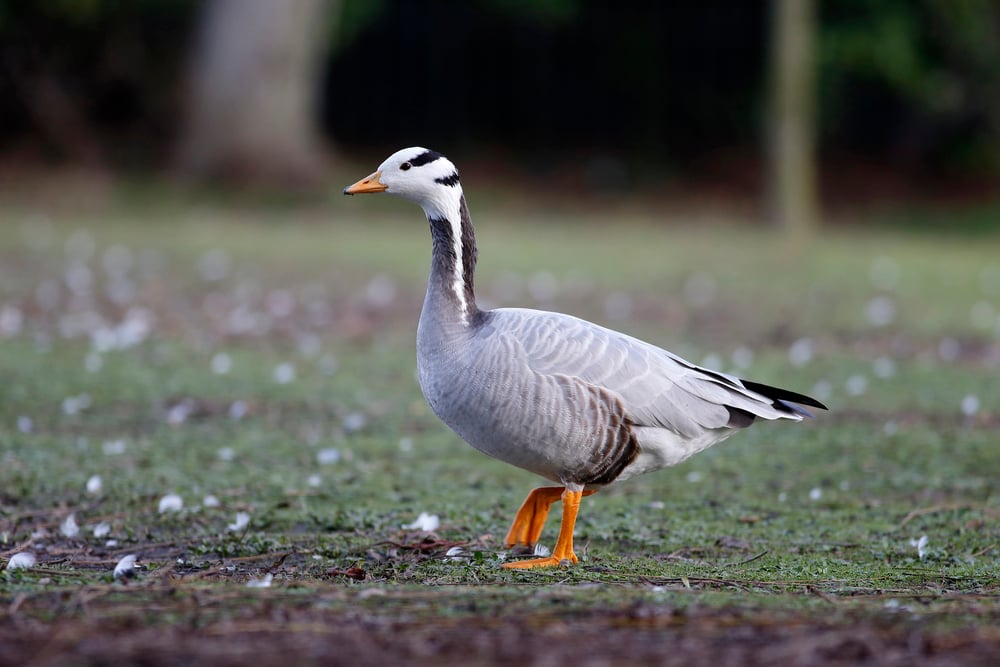
The bar-headed goose migrates across the Himalayas — not around them, but over them — at altitudes reaching nearly 7,000 metres, where oxygen concentration is less than half that at sea level. Their haemoglobin binds oxygen more efficiently at low partial pressures than that of any other bird, and their breathing rate increases dramatically to compensate.
They complete the crossing in a single sustained flight, sometimes in hours, navigating conditions that cause altitude sickness in acclimatised human climbers even with supplemental oxygen.
Waterbear (Echiniscus testudo)
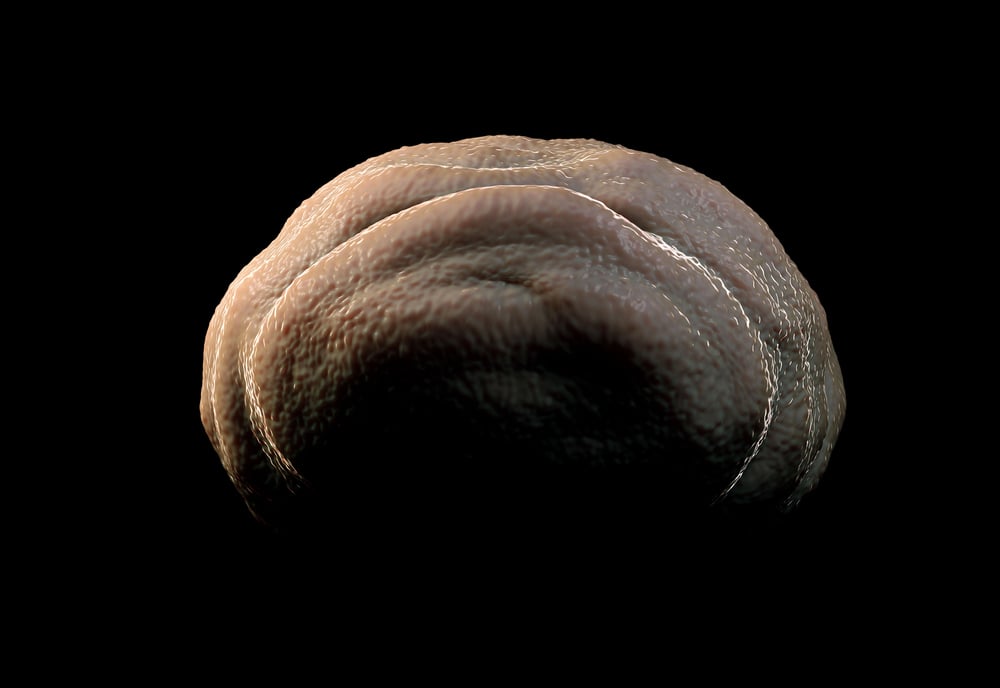
While all tardigrades are extraordinary, Echiniscus testudo deserves specific mention for its tolerance of direct UV radiation — a condition that even other tardigrade species cannot fully withstand without the cryptobiotic state.
This species can absorb and dissipate UV energy through a pigmentation system that functions similarly to biological sunscreen, offering a potential model for UV-protection technologies in sunscreen formulation and polymer coatings.
Clam Worm
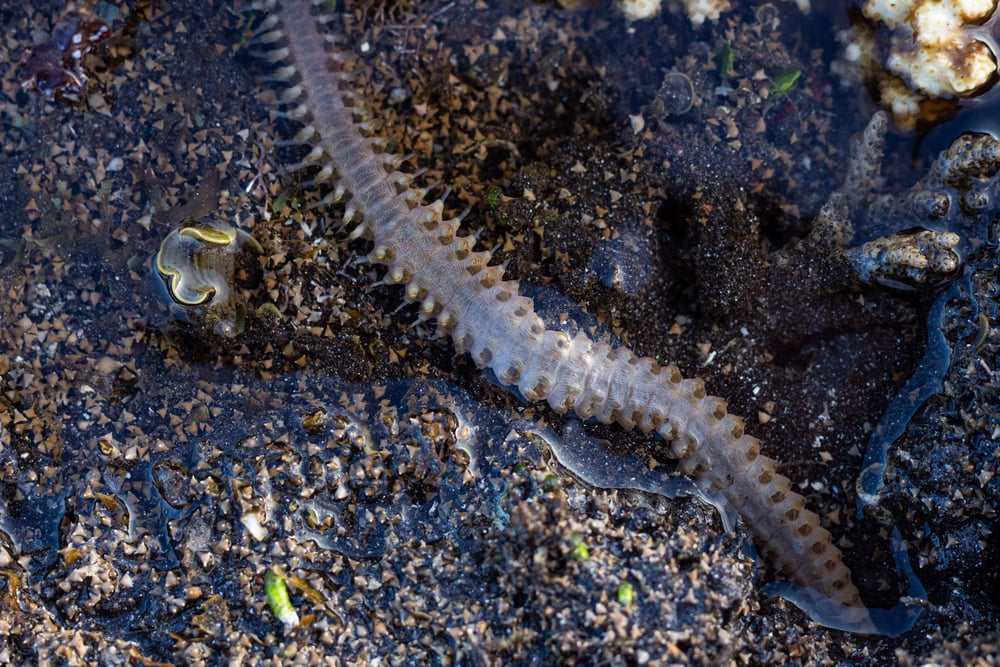
The glycerid clam worm carries something extraordinary in its jaw: copper. It produces fangs made partially of atacamite — a naturally occurring copper mineral — that are harder and sharper than those made of the calcium compounds used by most other organisms.
The fangs are used to inject venom and are among the hardest and sharpest biological structures of their size known to science.
Mimic Octopus
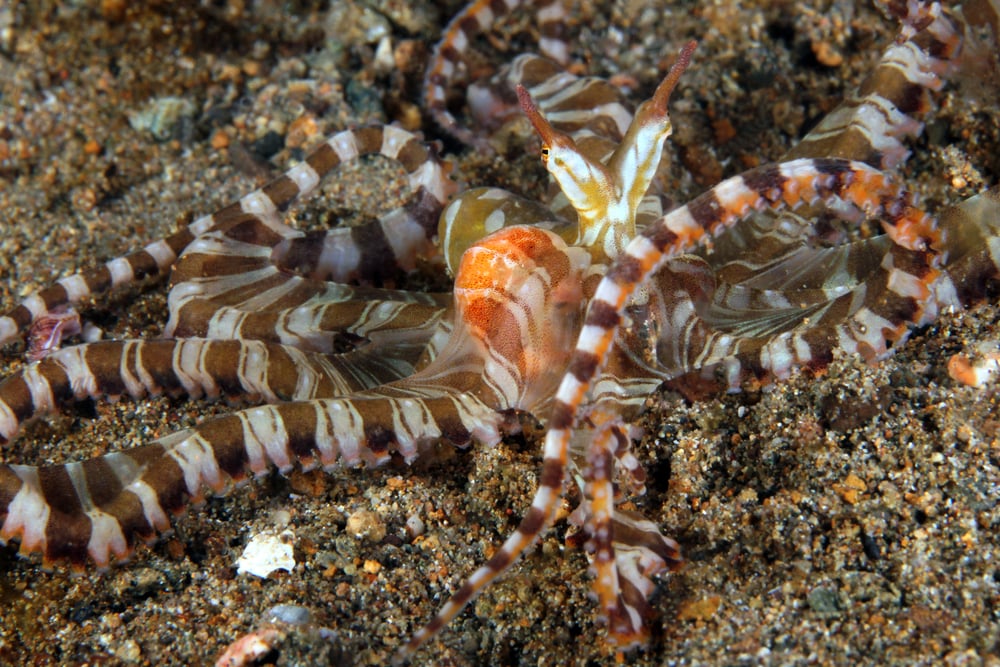
The mimic octopus doesn’t survive extreme physical conditions so much as it survives extreme social conditions — it impersonates dangerous species in real time, shifting its shape, colouration, and movement pattern to mimic lionfish, flatfish, sea snakes, and other hazardous animals based on what predator it currently faces. It is the only known animal to deliberately impersonate multiple different species within a single encounter.
The sophistication of this adaptive behaviour places it in a different category of survival entirely — one based not on physiology but on cognitive and physical flexibility.
Electric Eel
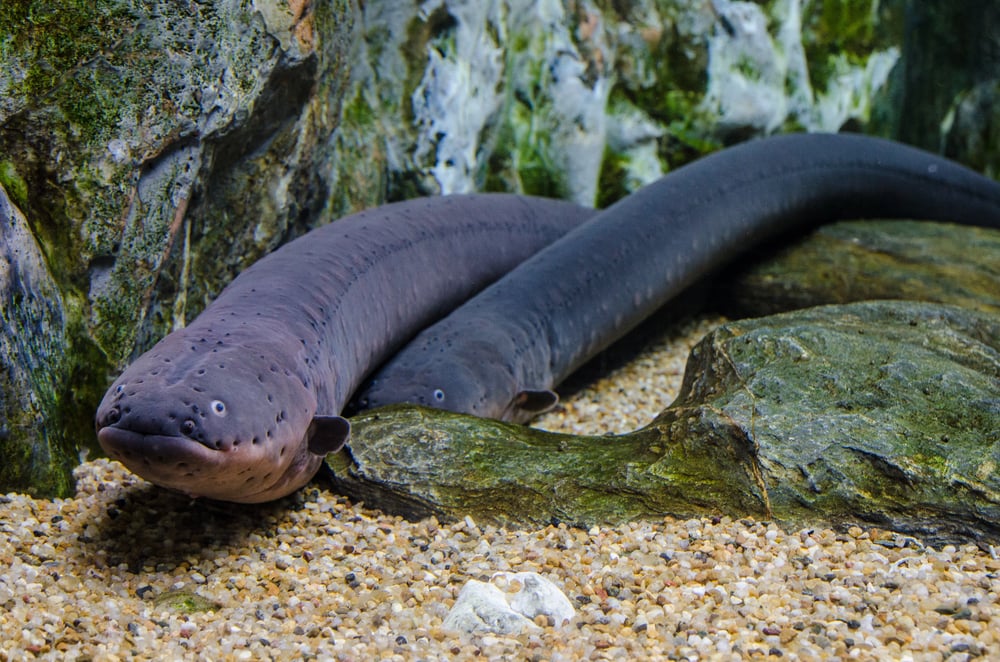
The electric eel (technically a knifefish) generates electric discharges of up to 860 volts — the highest recorded voltage of any living creature. It uses electricity for navigation, communication, and prey stun, and its own body is insulated against its discharges by an unusually thick layer of insulating tissue along its spine.
Electric eels can breathe air, surfacing regularly because their native oxygen-poor Amazon tributaries can’t supply enough dissolved oxygen through gill breathing alone. They are one of the few fish capable of obligate air-breathing.
Pistol Shrimp
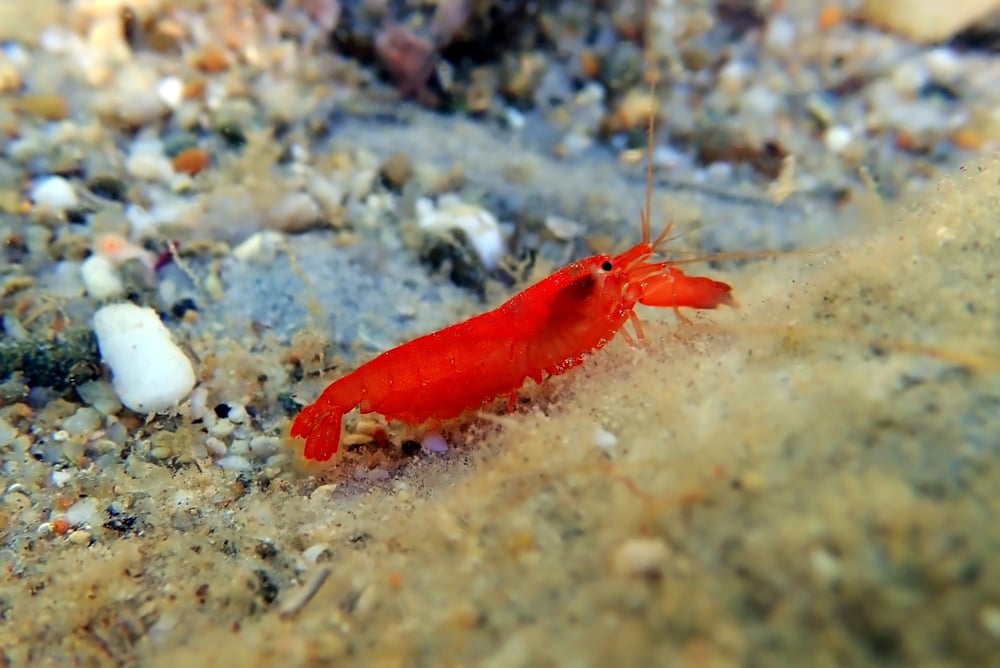
The pistol shrimp snaps its claw so rapidly that it creates a cavitation bubble — a vacuum pocket in the water that briefly reaches temperatures comparable to the surface of the sun before collapsing. The collapse generates a pressure wave powerful enough to stun or kill small prey at a distance.
For a fraction of a millisecond, the animal produces a pocket of plasma. The temperature of that bubble has been measured at around 5,000°C. The shrimp then eats the stunned prey while the bubble dissipates harmlessly.
Bombardier Beetle
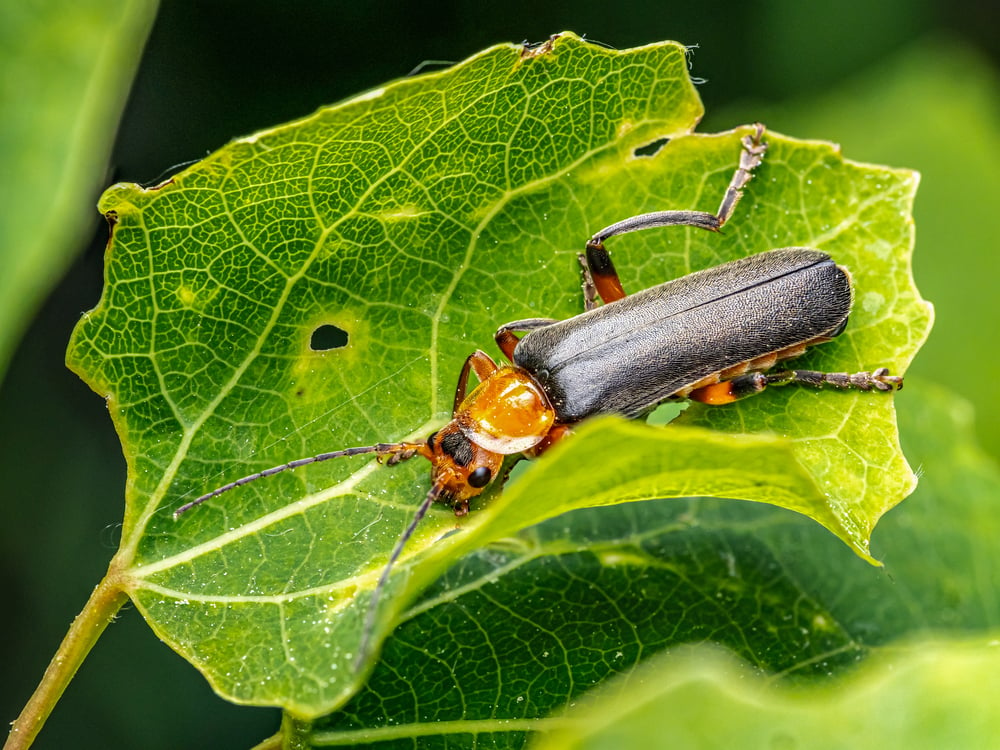
The bombardier beetle produces and stores two chemical precursors — hydrogen peroxide and hydroquinones — in separate chambers in its abdomen. When threatened, it mixes them with catalytic enzymes in a reaction chamber, generating an explosive boiling spray at around 100°C that it can aim with a movable nozzle at the tip of its abdomen.
The spray can fire in rapid bursts — up to 500 pulses per second — making it one of the most sophisticated chemical defence systems in the insect world.
Tongue-Eating Louse
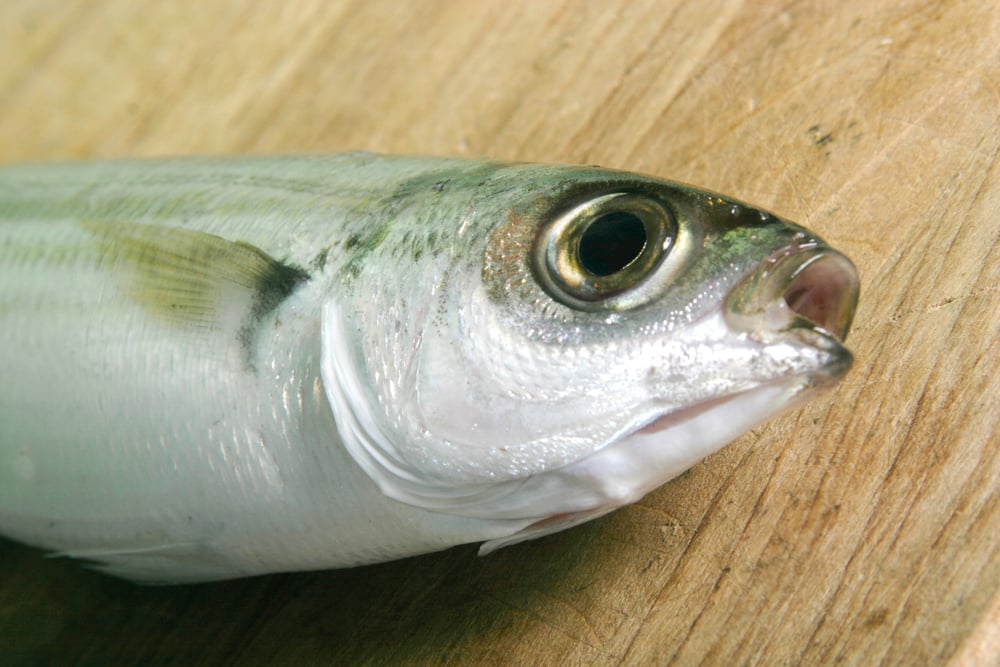
The Gnathia isopod and the related tongue-eating louse (Cymothoa exigua) parasitise fish by entering through the gills as juveniles, with males later transforming into females — one of the few examples of sequential hermaphroditism in parasitic crustaceans. The tongue-eating louse attaches to the fish’s tongue, severs the blood supply, causes the tongue to atrophy and fall away, and then takes up permanent residence in the fish’s mouth, functioning as a replacement tongue.
The fish continues feeding through the louse, and the louse feeds on the fish’s mucus and blood. It is the only known parasite to functionally replace a host organ.
Thorny Devil
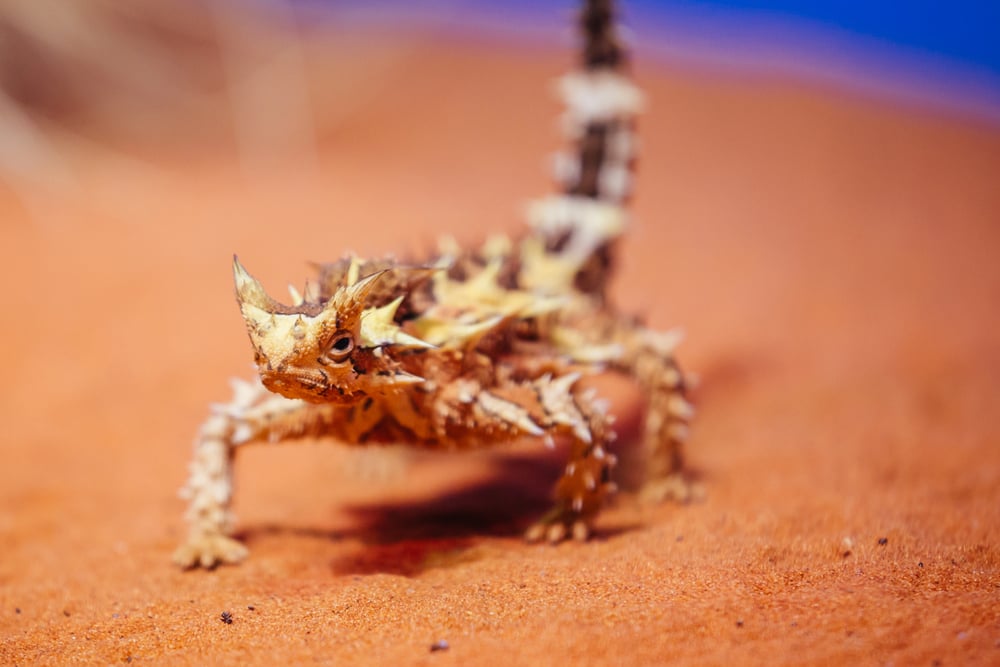
The thorny devil of the Australian desert collects water from sand and dew using its entire skin surface. Microscopic channels between the scales act like a capillary network, drawing moisture from any contact with wet sand toward the corners of the mouth where it can be swallowed.
The animal never needs to find a water source — it simply walks across damp ground and drinks through its feet and back. Desert engineers have studied the thorny devil’s skin architecture as a model for passive water-collection surfaces.
Mantis Shrimp
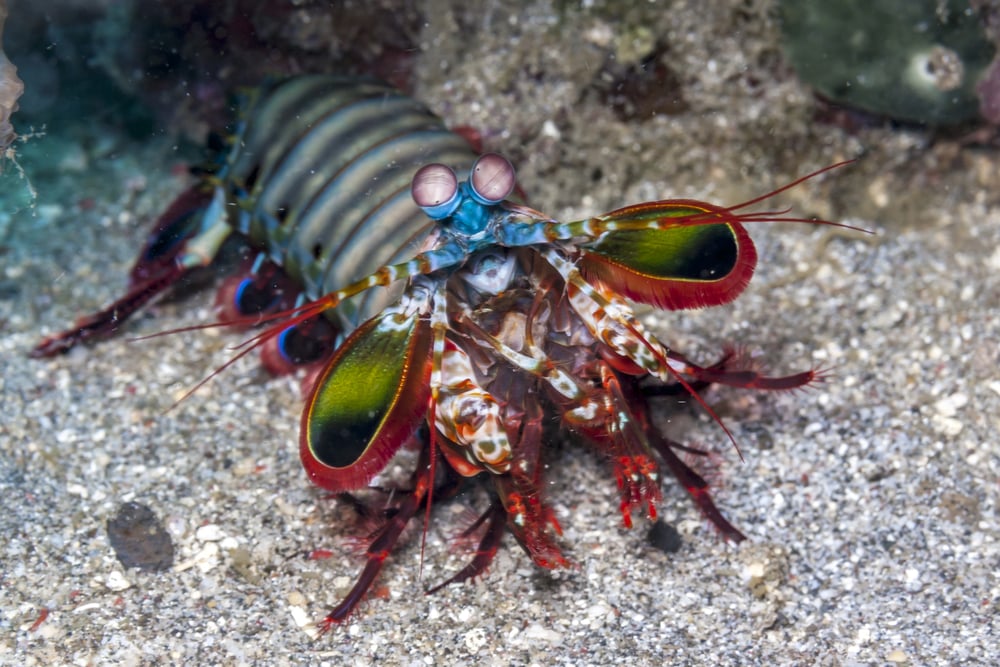
The mantis shrimp strikes with the force of a rifle round from clubs that accelerate at 23 metres per second squared — one of the fastest movements of any animal limb. The strike creates a cavitation bubble similar to the pistol shrimp’s, producing a second impact even if the first misses.
Their eyes have 16 types of colour photoreceptors — compared to three in humans — and can perceive ultraviolet and polarised light simultaneously. They are routinely housed in specialised aquariums with extra-thick acrylic panels because they routinely destroy standard glass with direct strikes.
Horned Lizard
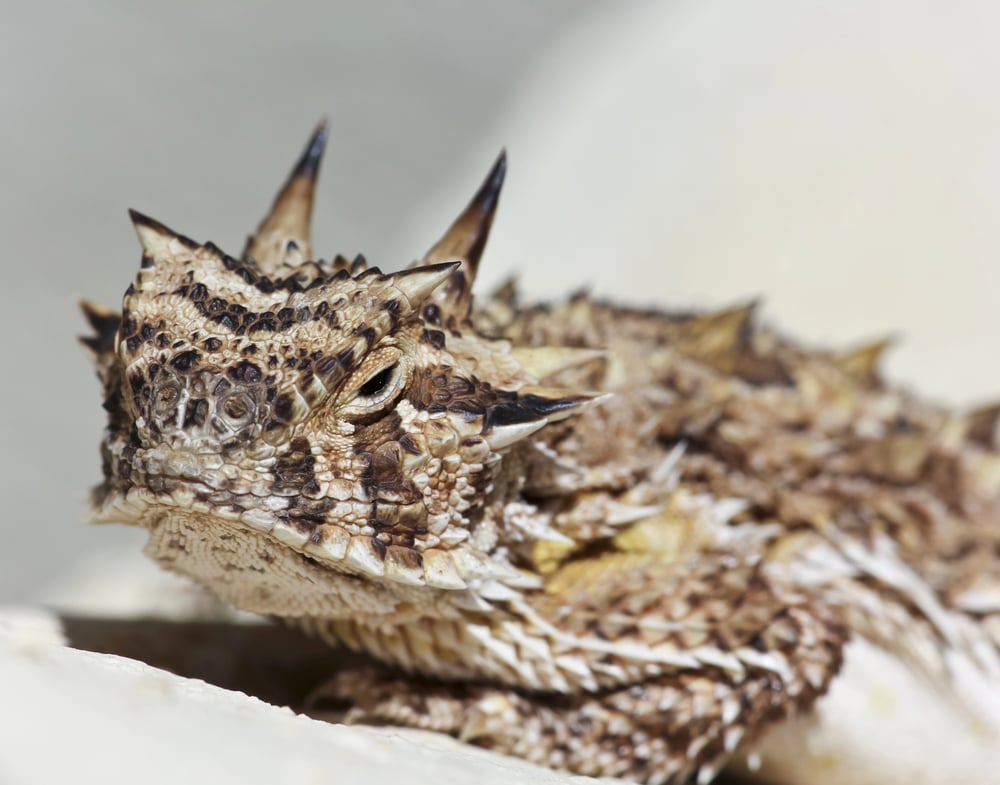
When threatened by canine predators specifically, the horned lizard squirts blood from its eyes. The blood comes from sinuses around the eyes that restrict venous drainage until pressure builds, bursting small blood vessels and projecting a stream of blood up to 1.5 metres.
The blood contains chemicals that are specifically noxious to canids — wolves, coyotes, dogs — but not to birds of prey. The defence is targeted biochemically to the most likely ground-level predator while remaining harmless against aerial threats.
Tardigrade on the Moon
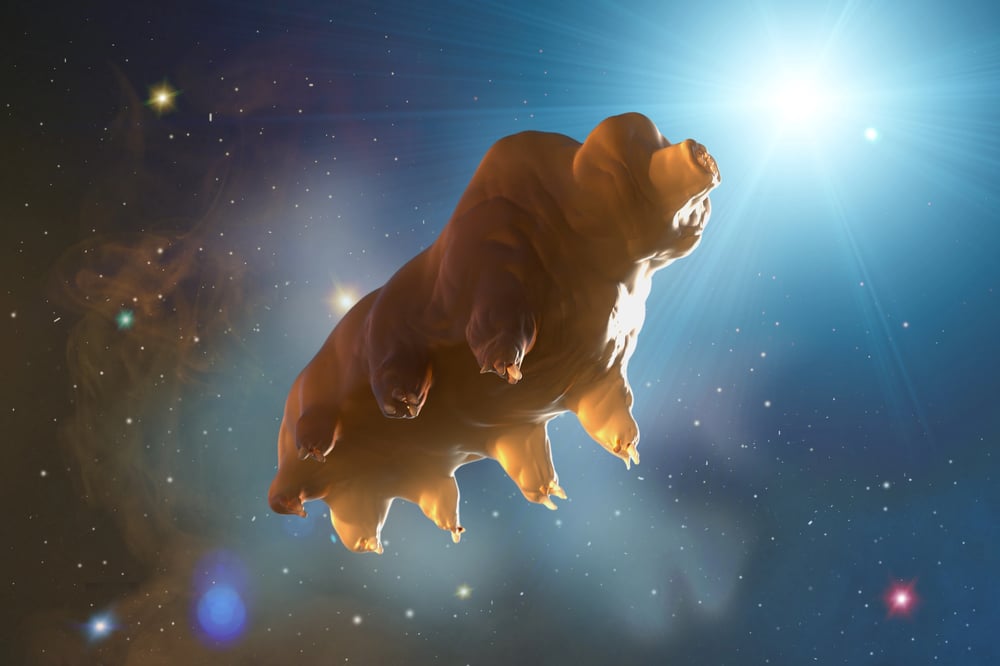
In April 2019, the Israeli lunar lander Beresheet crashed on the Moon. Among its cargo was a canister of thousands of dehydrated tardigrades, placed there by the Arch Mission Foundation.
The canister likely survived the crash intact. As of the time of writing, no retrieval mission exists to check, but in their cryptobiotic state, the tardigrades on the lunar surface may be viable — depending on the crash conditions.
The Moon may currently host the only animal-derived biological material anywhere beyond Earth’s atmosphere.
Cockroach (Radiation Specifics)
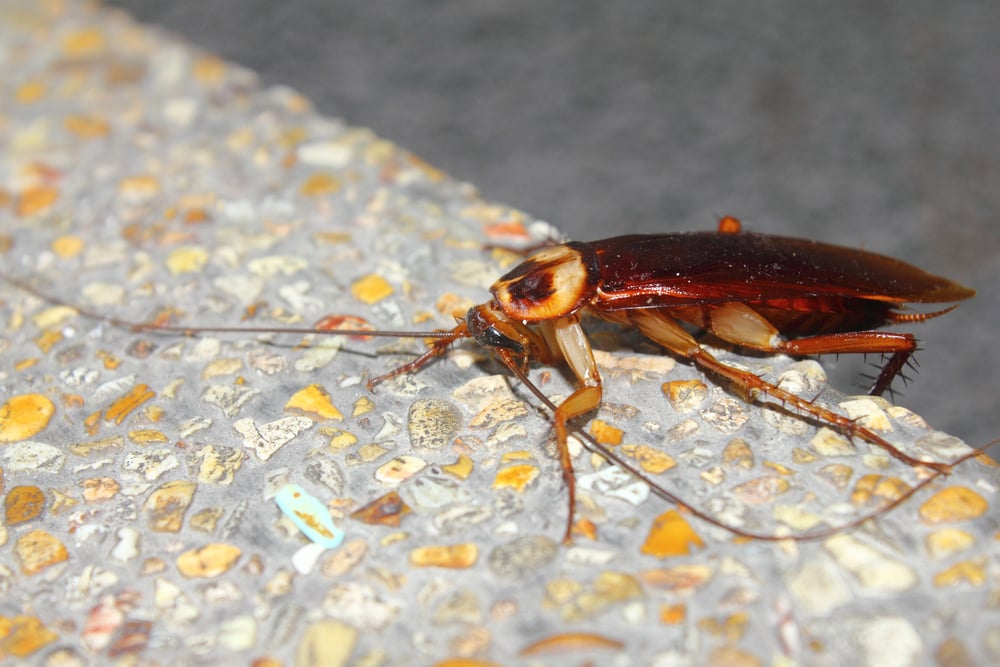
American cockroaches specifically have been studied at radiation levels that simulate post-nuclear fallout. Their resistance is real but more limited than urban legend suggests — they would die in the immediate blast zone of a nuclear weapon.
However, in the fallout zone where radiation is elevated but not instantly lethal, they survive doses that would kill any vertebrate. More remarkable is their ability to continue functioning for extended periods after receiving doses that cause fatal radiation sickness in mammals.
They are slower to recognise and repair DNA damage, but are less affected in the short term because their cells simply divide less often.
Greenland Shark (Deep Cold)
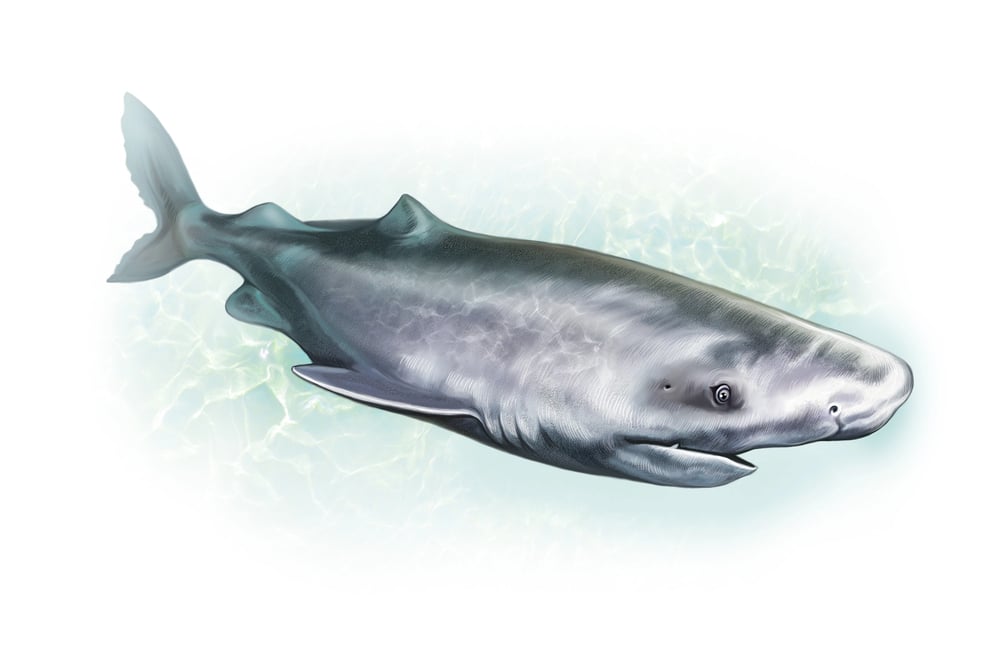
At depths below 1,000 metres in near-freezing Arctic water, the Greenland shark enters a metabolism so slow it has been observed sitting motionless on the ocean floor for extended periods. Its flesh contains high concentrations of trimethylamine oxide — the same compound found in the deep-sea snailfish — which prevents its proteins from denaturing in the cold.
The same TMAO that preserves function in the extreme cold also makes the flesh mildly toxic to humans and most other predators without specific detoxification preparation, effectively giving the world’s oldest living vertebrate a chemical immunity from being eaten.
The Arithmetic of Survival
What connects all these creatures is not luck or accident but evolutionary time. Each adaptation represents millions of years of differential survival — the ones whose chemistry, structure, or behaviour happened to work in extreme conditions left more descendants than those that didn’t, until the capacity to tolerate the extreme became standard issue for the species.
None of these animals experience their conditions as extreme. The hydrothermal vent is simply home to the Pompeii worm. The frozen Siberian ground is simply winter to the bdelloid rotifer.
The more useful thing these animals tell us is about the definition of “viable conditions for life.” Humans have tended to project their own requirements onto the question. But every time a biologist walks into a hot spring, a deep-sea trench, or a sealed cave in the Balkans, they find something alive that has renegotiated the terms.
The threshold for “too harsh for life” keeps moving. And it keeps moving in one direction.
More from Go2Tutors!

- The Romanov Crown Jewels and Their Tragic Fate
- 13 Historical Mysteries That Science Still Can’t Solve
- Famous Hoaxes That Fooled the World for Years
- 15 Child Stars with Tragic Adult Lives
- 16 Famous Jewelry Pieces in History
Like Go2Tutors’s content? Follow us on MSN.