36 Photographs Taken Moments Before History Turned
Most photographs capture an event that has already unfolded, but some images stand alone in their prescience—frozen moments of normalcy that become unimaginably tragic once we know what followed. These are images that looked ordinary at the time they were taken, without hint of the catastrophe to come.
They remind us that history is never inevitable until the instant it happens.The power of these images lies in their ordinariness.
People smile, wave, prepare for ordinary actions.No one in these frames knows what awaits in the next minute, hour, or day.
When we look back at them, knowing the outcome, their innocence becomes almost unbearable.
The Enola Gay Crew Before Hiroshima
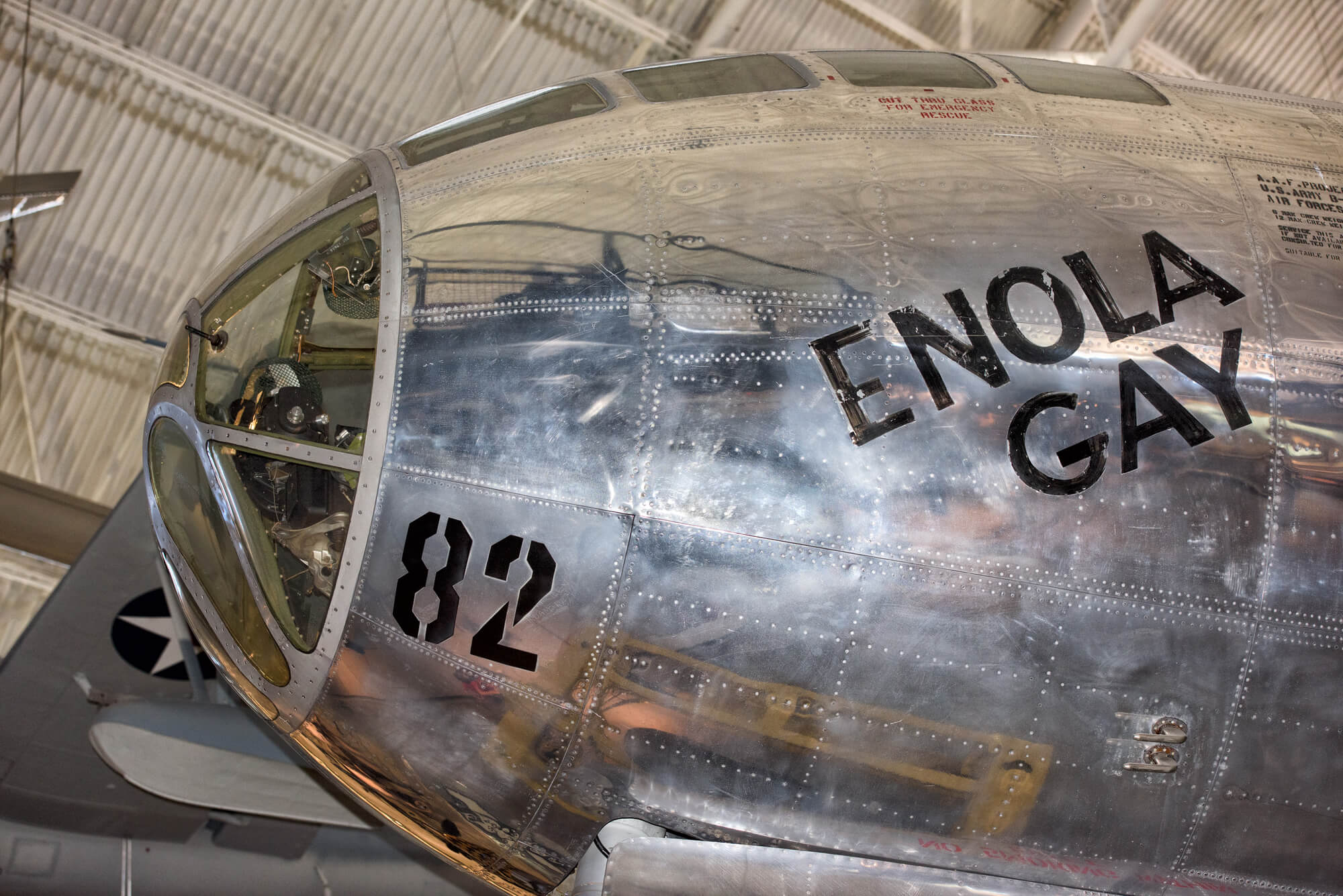
On August 6, 1945, pilot Paul Tibbets posed for photographers as he prepared to board his B-29 bomber at the Northern Mariana Islands. His hand raised in a wave, Tibbets looks cheerful and relaxed—a man about to taxi down a runway with eleven other crew members.
No one looking at that photograph could have anticipated that within hours, a single bomb dropped from this aircraft would kill approximately 70,000 people instantly in Hiroshima.
JFK’s Final Motorcade in Dallas
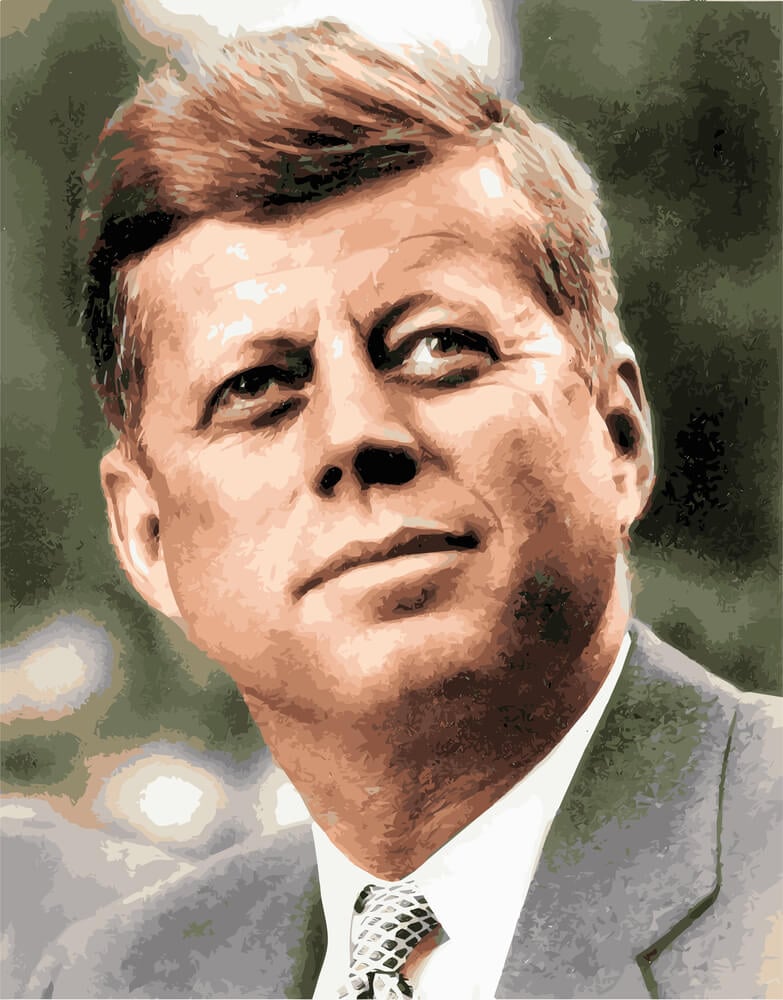
The motorcade winding through Dealey Plaza on November 22, 1963, appears as countless photographs have shown it: President John F. Kennedy waving to crowds from an open-top limousine, his wife beside him. Minutes later, shots rang out.
The photograph captures not just a president, but the last moments of an era that would transform American politics and popular consciousness forever.
Robert Kennedy Before Assassination
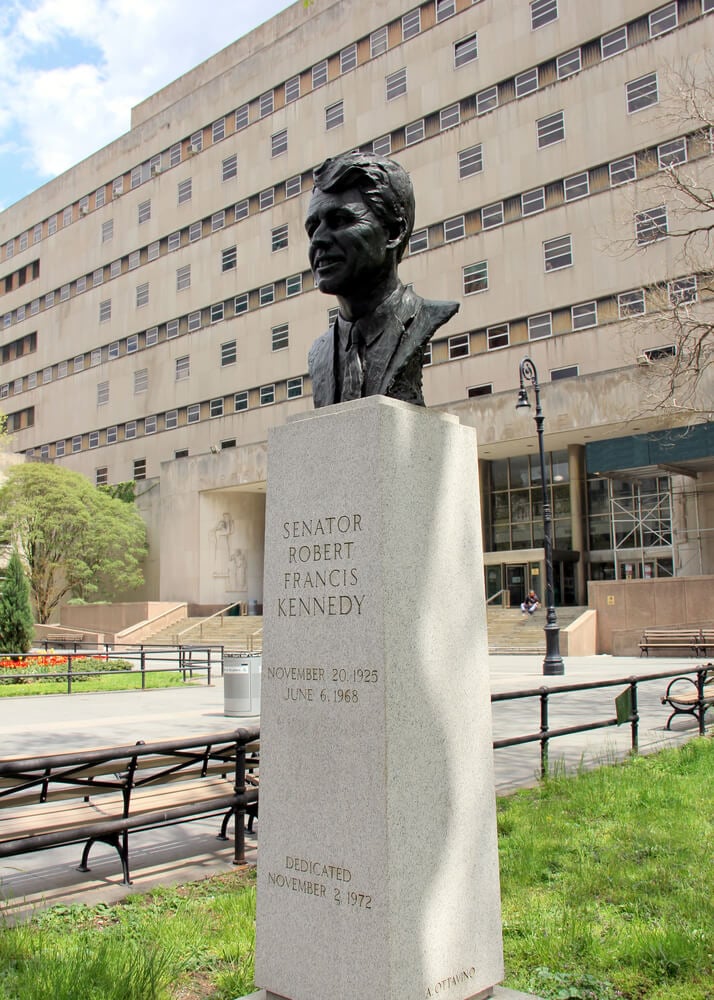
Robert Kennedy addressed supporters in the early hours of June 5, 1968, after winning the California and South Dakota presidential primaries. The photograph shows him at a lectern, speaking to a crowd in a hotel kitchen in Los Angeles.
Hours later, an assassin’s bullets would cut short both his campaign and his life, making him the second Kennedy to fall to violence in just five years.
John Lennon’s Last Photograph
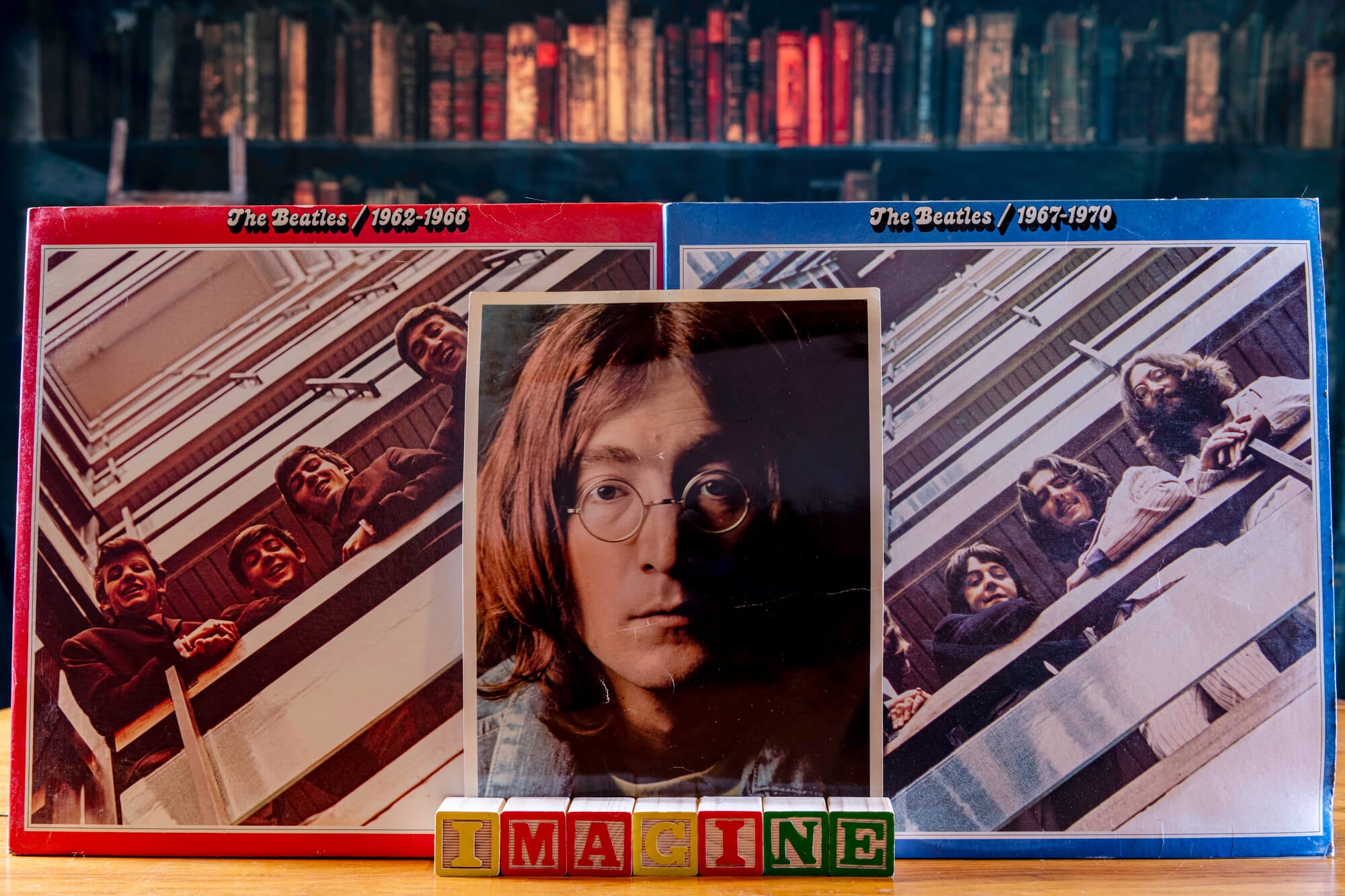
On December 8, 1980, amateur photographer Paul Goresh captured what would be the final photograph of John Lennon while alive. Taken outside The Dakota apartment building in New York at 4 p.m., the image shows Lennon greeting fans and signing autographs.
That evening, a man with a gun waited outside the building. By 10:50 p.m., Lennon lay dead on the archway floor, shot by Mark David Chapman, who had obtained an autograph from his idol just hours earlier.
Tank Man Before the Crackdown
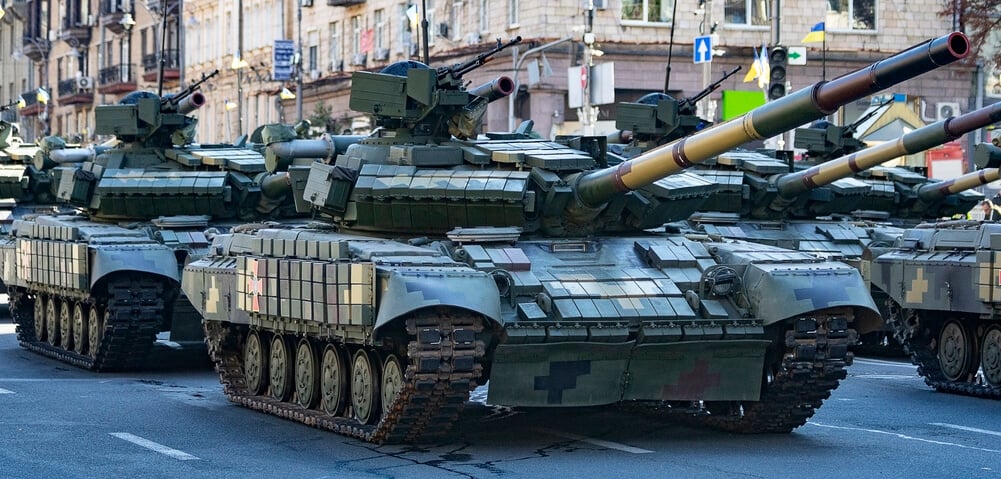
On June 3, 1989, students still danced and celebrated in Tiananmen Square, their tents and banners still standing, their optimism about political reform still intact. Photographer Jeff Widener captured images of young demonstrators on armored vehicles, smiling at the camera.
The next morning, June 4, troops rolled into the square with tanks and automatic weapons. By June 5, the infamous photograph of a lone man blocking a column of tanks emerged—but the students’ carefree celebration was already over.
Gandhi’s Final Photograph
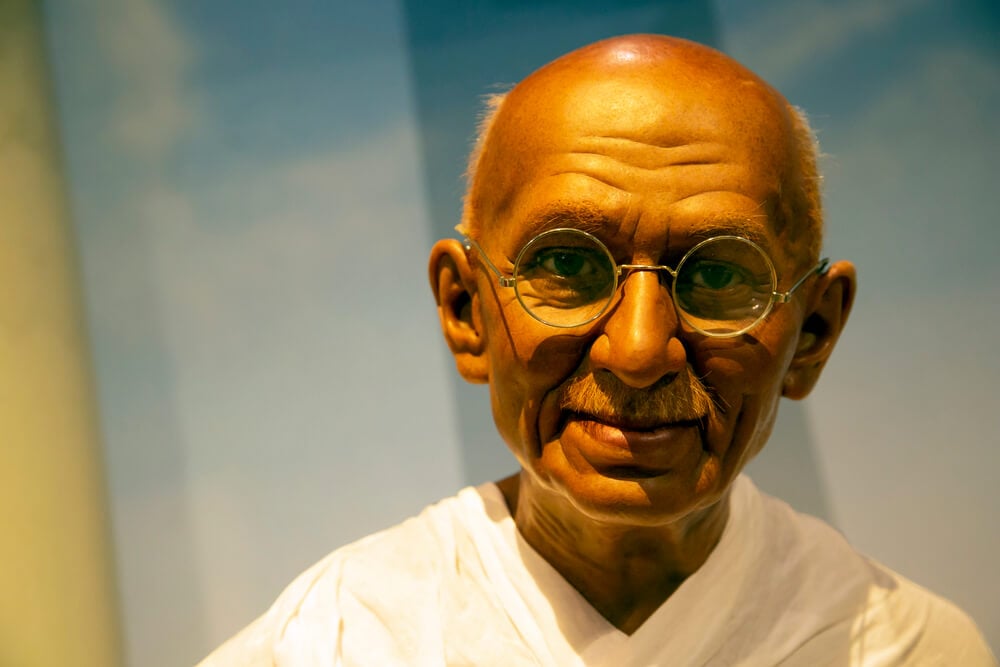
Dressed in his signature white dhoti, Mohandas Gandhi was photographed walking with his grandnieces on January 30, 1948. The image captured him during what appeared to be an ordinary moment, the light catching his thin frame.
Minutes later, he would be assassinated by a Hindu extremist named Nathuram Godse. This was the last photograph of Gandhi taken while he was alive.
Challenger Crew in Training
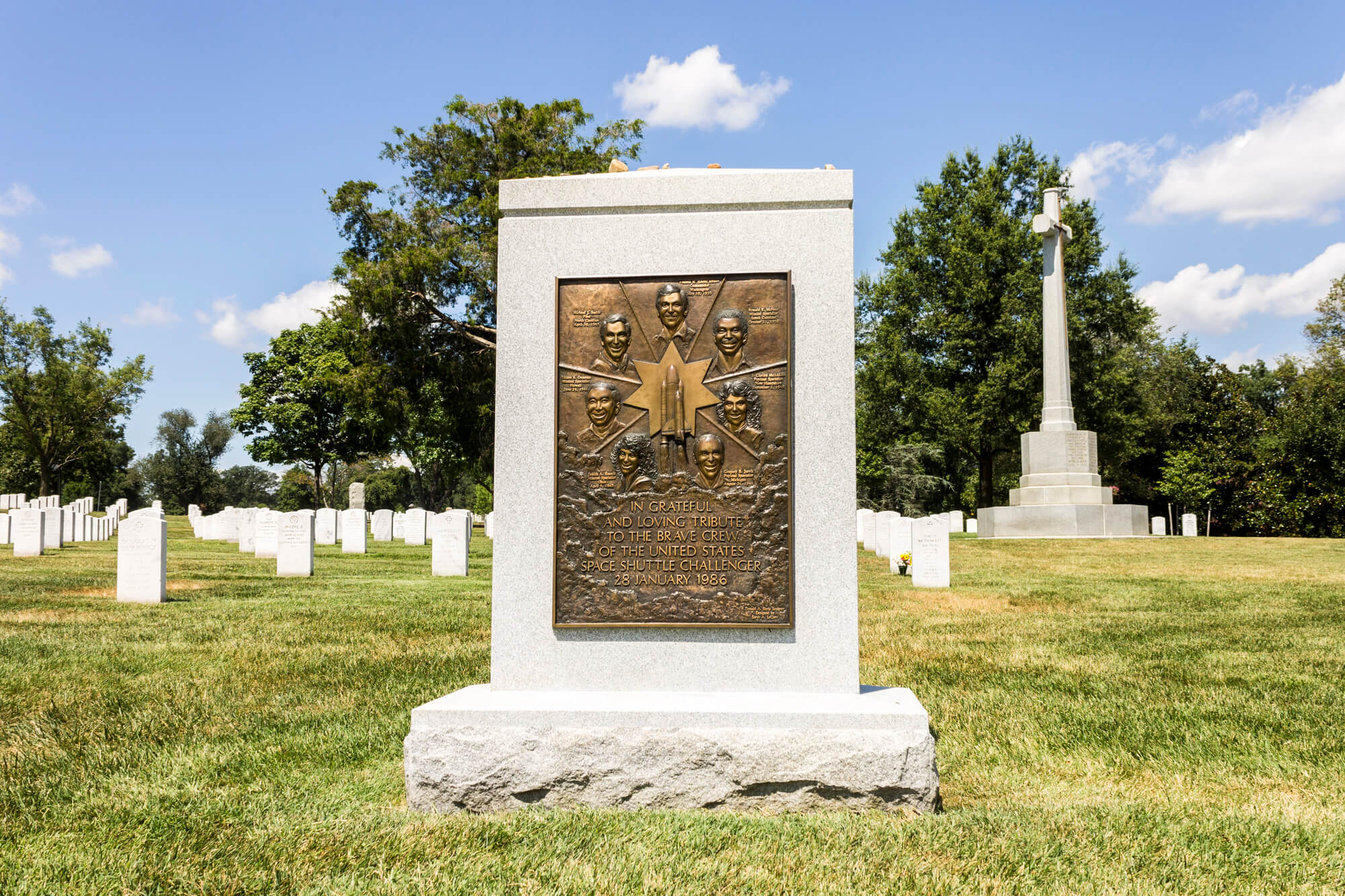
Photographs from January 9, 1986, show the Challenger crew during countdown training at Kennedy Space Center. Seven astronauts— Scobee, Michael J. Smith, Ronald McNair, Ellison Onizuka, Judith Resnik, Gregory Jarvis, and Christa McAuliffe, the first teacher selected for space—smile in their flight suits.
On January 28, 1986, just 73 seconds into launch, the shuttle broke apart, killing all seven crew members. Officially released photographs from training now serve as haunting memorials to their mission and sacrifice.
The Hindenburg Over Manhattan
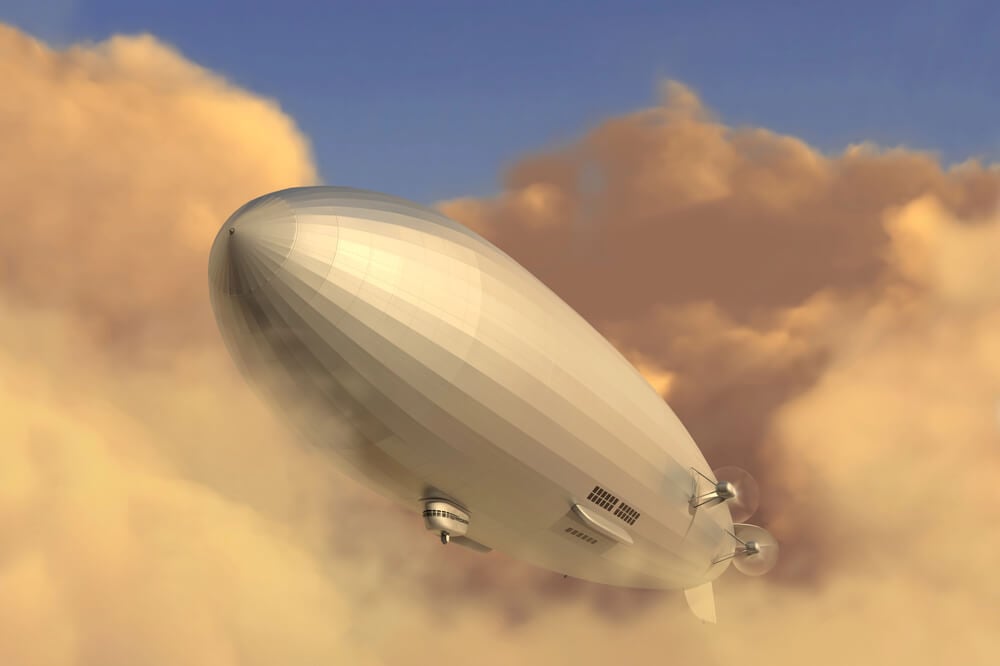
On May 6, 1937, the German passenger airship Hindenburg flew majestically over Manhattan, its swastika marking visible, its silver hull gleaming in the daylight. Hours later, as it attempted to dock in Lakehurst, New Jersey, the hydrogen-filled ship burst into flames, killing 35 people—13 crew members and 22 passengers.
The disaster was captured on film and newsreel, but the serene photograph of the airship over New York remains an eerie prelude to catastrophe.
Archduke Franz Ferdinand in Sarajevo
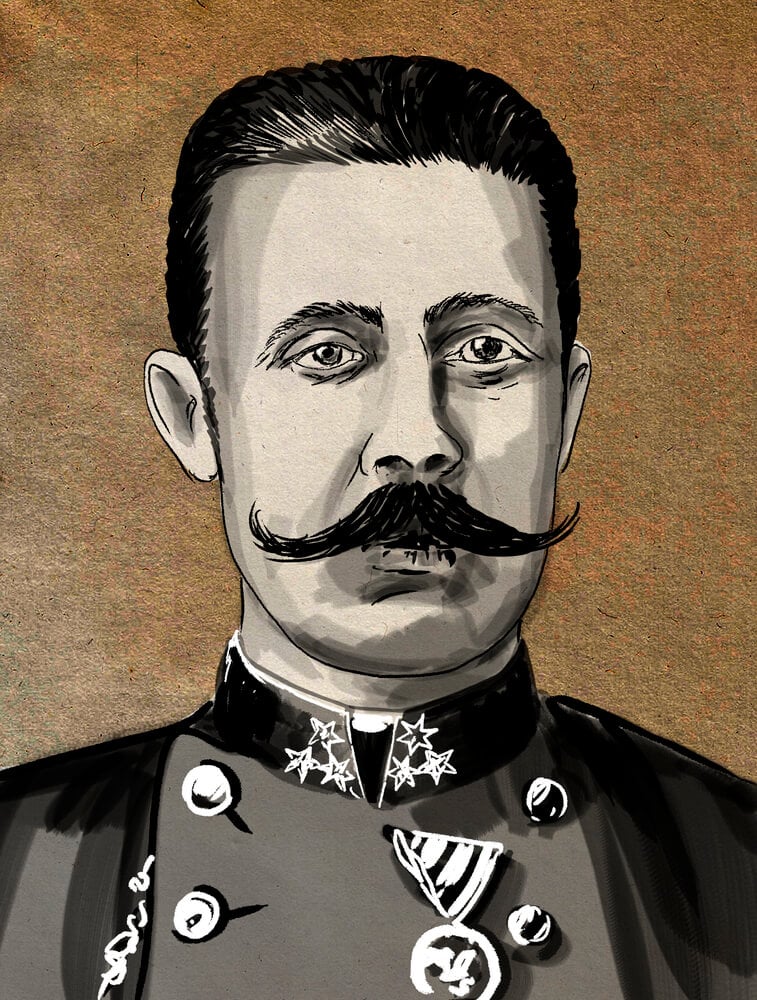
On June 28, 1914, Archduke Franz Ferdinand of Austria and his wife Sophie, Duchess of Hohenberg, left City Hall in Sarajevo in an open motorcar. Photographs show them departing, unaware that minutes later, a Bosnian Serb nationalist named Gavrilo Princip would fire the shots that would kill them both.
Their deaths triggered a chain of events that led directly to World War I, an assassination that literally changed the course of the 20th century.
Muhammad Ali Before Knockout
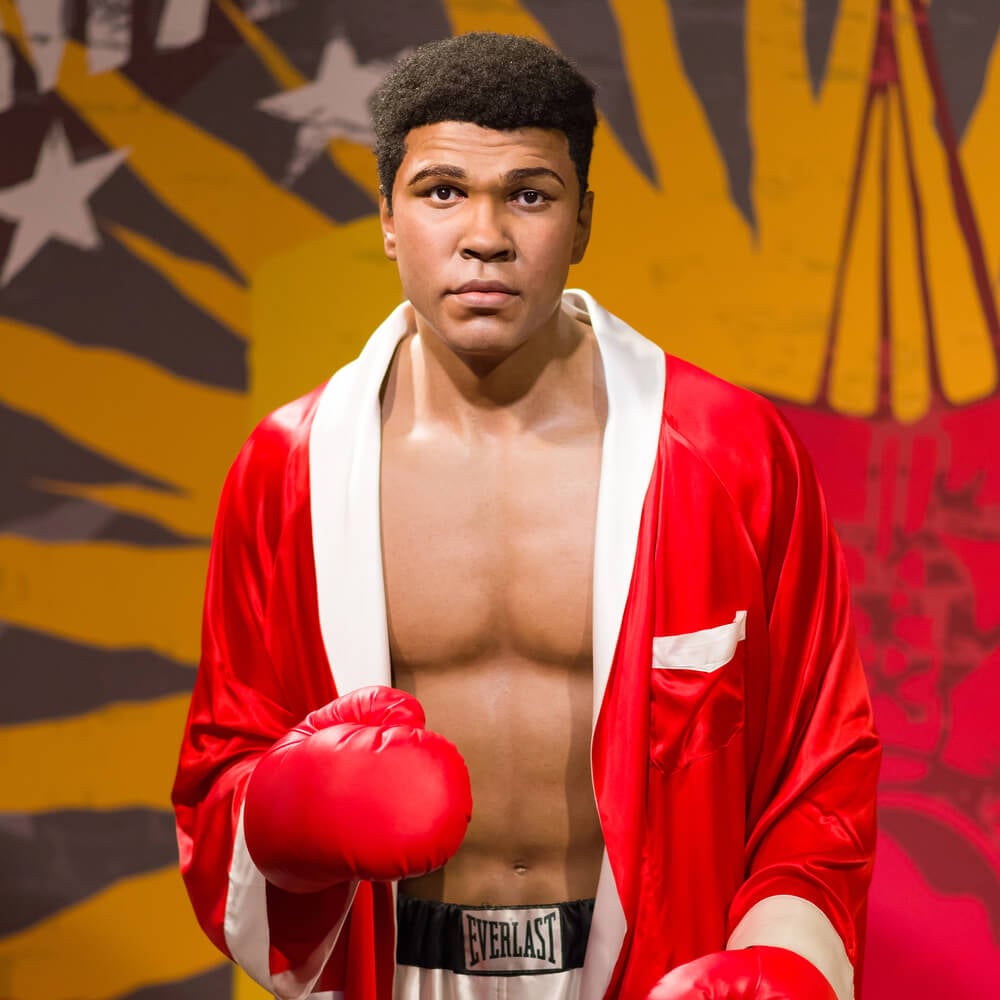
At the weigh-in for Muhammad Ali’s fight against Sonny Liston on May 25, 1965, both fighters posed for the camera in Lewiston, Maine. Ali was supremely confident; Liston appeared composed.
Yet within the first round, Ali would deliver a knockout so controversial and sudden that it became one of the most debated moments in boxing history. The photograph before the fight shows neither man anticipating what was about to happen.
World Trade Center Before 9/11
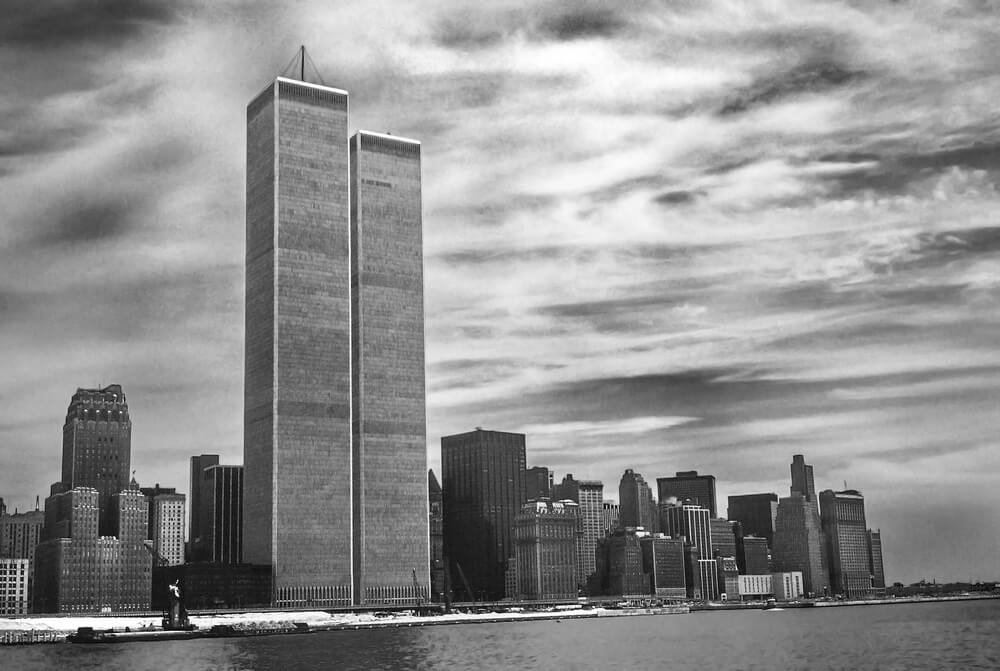
In August 2001, photographer Carol Highsmith took an aerial photograph of the World Trade Center Twin Towers in New York. The buildings stood intact, dominating the Manhattan skyline, their windows reflecting sunlight.
Just weeks later, on September 11, 2001, terrorists would crash commercial airplanes into both towers, destroying them completely and killing nearly 3,000 people. That photograph from August became a historical document of a landscape that would never exist again.
Queen Elizabeth II Before the Assassination Attempt
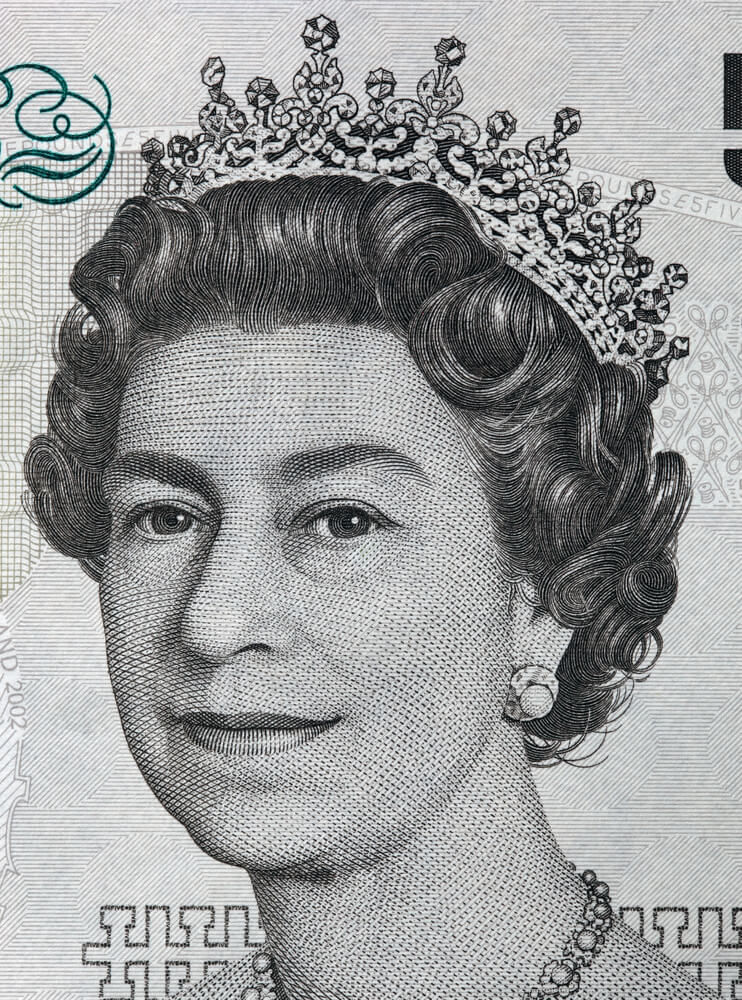
On June 13, 1981, Queen Elizabeth II rode in an open carriage down The Mall in London to attend the Trooping of the Colour ceremony. Photographers captured her seated regally, waving to crowds lining the street.
Moments later, a man named Marcus Sarjeant fired six shots at the queen from close range. They were blank cartridges—a warning rather than a true assassination attempt—but the photographs taken just before the shots were fired captured a monarch unaware of the danger inches away.
The Hindenburg Approaching Dock
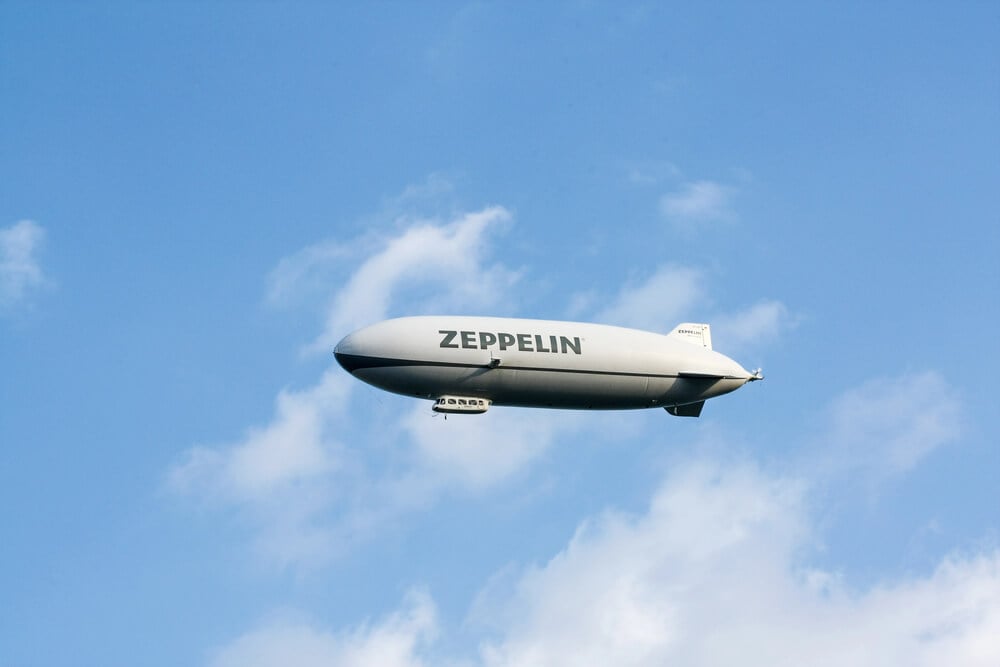
On May 6, 1937, the Hindenburg approached Lakehurst Naval Air Station to dock. Photographs from the ground show the massive airship lowering its landing lines, the crew and ground staff moving into position.
Within minutes, the airship was engulfed in flames. Survivors reported hearing screams and seeing people jumping from the burning vessel as it crashed.
The photographs taken before the disaster show the ship in what appeared to be routine docking procedures.
Tiananmen Square Before Military Occupation
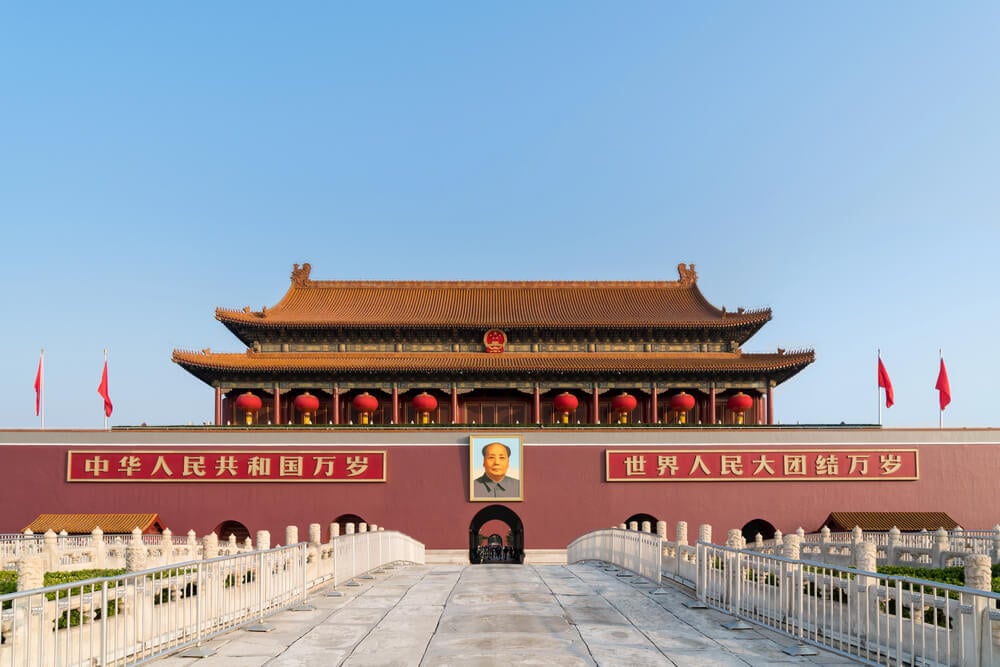
Student protesters occupied Tiananmen Square for over a month beginning in May 1989, calling for democratic reforms. Photographs from late May show students constructing the Goddess of Democracy statue, erecting tents, and gathering in large numbers.
The military was not yet in the square. Within days, tanks would roll in, and the iconic image of Tank Man would emerge as soldiers opened fire on unarmed civilians.
Lincoln’s Final Theatre Visit
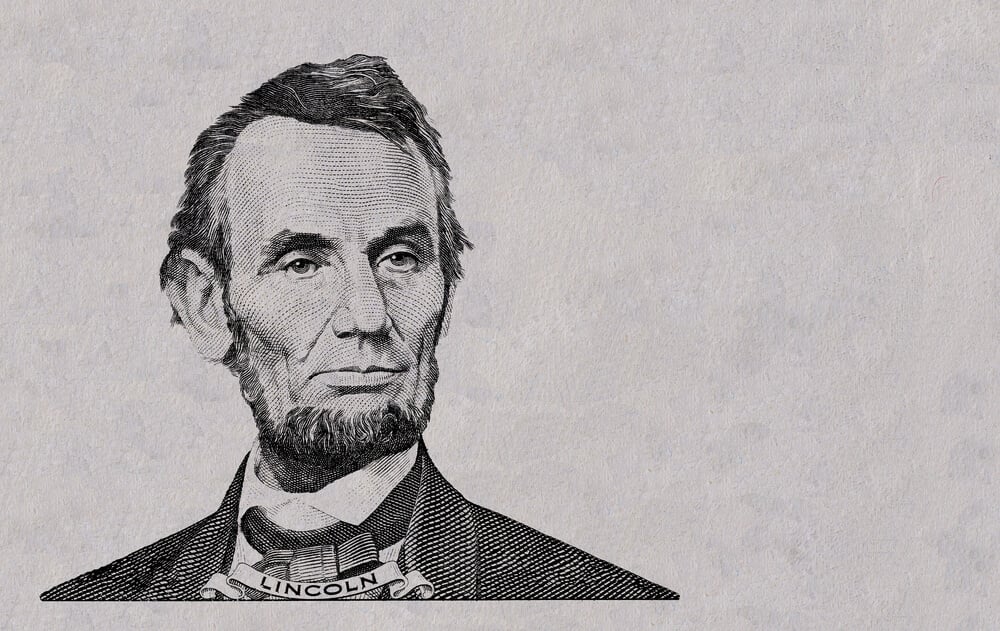
On April 14, 1865, President Abraham Lincoln attended Ford’s Theatre in Washington, D.C., to watch a performance of “Our American Cousin.” Photographs show him and his wife entering the theatre, unaware that John Wilkes Booth lay in wait in the presidential box.
Within hours, Lincoln would be shot, dying the next morning. The nation had just concluded four years of bloody civil war, and the moment of peace and celebration was about to be shattered.
The Last Photo of Tupac Shakur
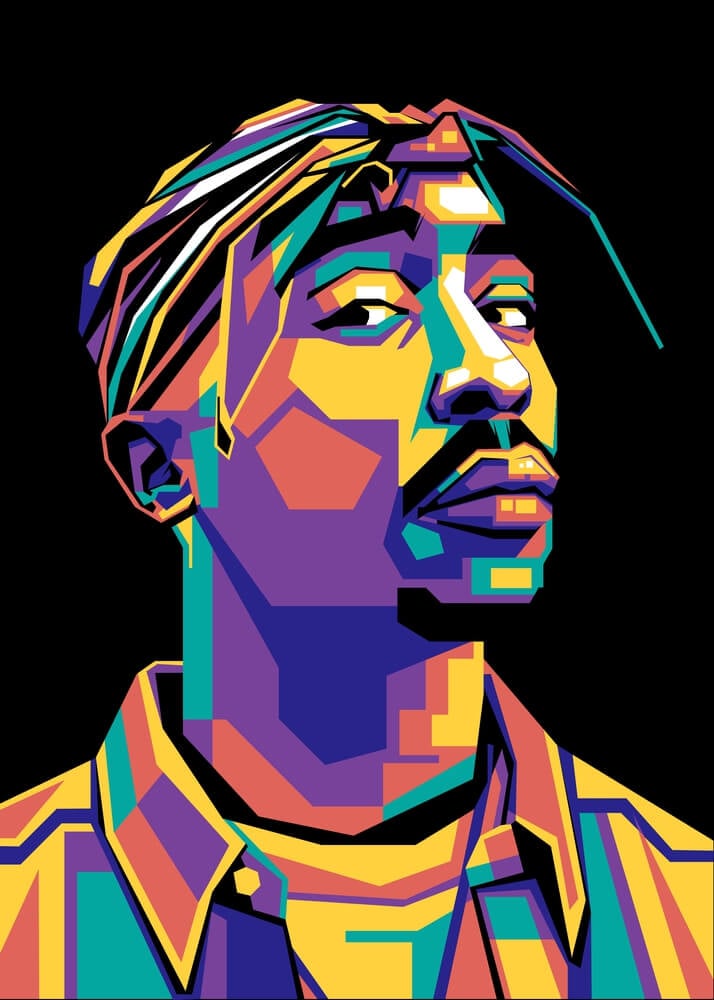
On September 7, 1996, in Las Vegas, rapper Tupac Shakur attended the Mike Tyson boxing match at the MGM Grand. Photographs from that evening show him happy and animated, dressed stylishly, surrounded by friends.
Around 11:15 p.m., a car pulled up beside his vehicle. Gunfire erupted from the car.
Tupac was shot multiple times, and six days later, he was pronounced dead at University Medical Center. His last photographs captured a vibrant young artist with no awareness of the violence about to end his life.
Berlin Wall Guard Offering a Flower
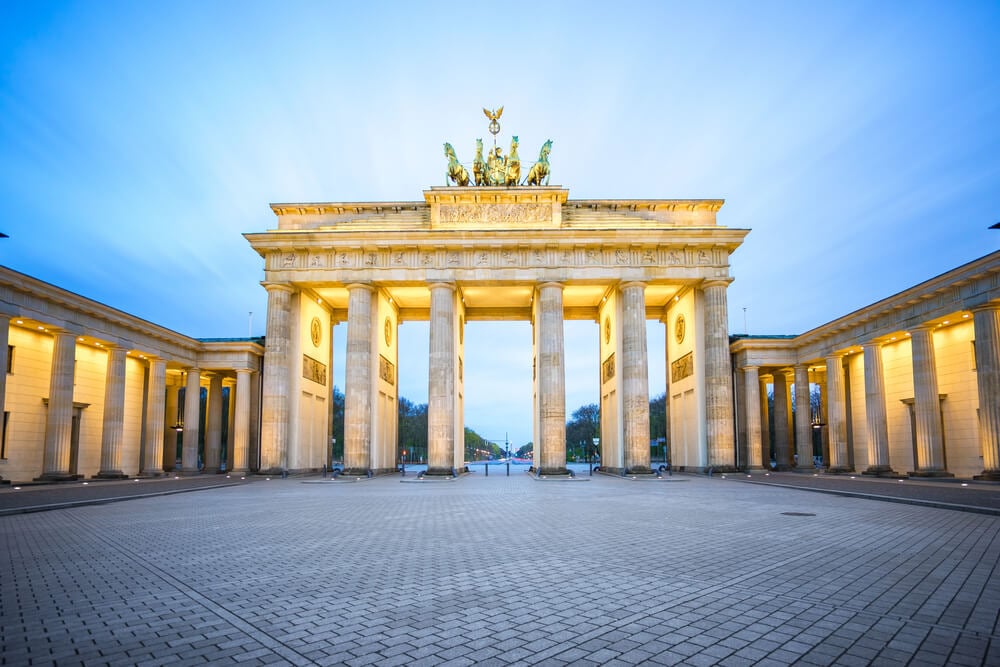
In 1989, as the Berlin Wall’s fall became imminent, an East German soldier handed a flower through the barbed wire to a West Berlin civilian. The photograph captured a moment of unexpected humanity during the final days of a barrier that had divided the city for nearly three decades.
Within weeks, the wall would be torn down by celebratory crowds, but this image caught a quieter moment of individual connection at the wall’s end.
Hillsborough Stadium Before Disaster
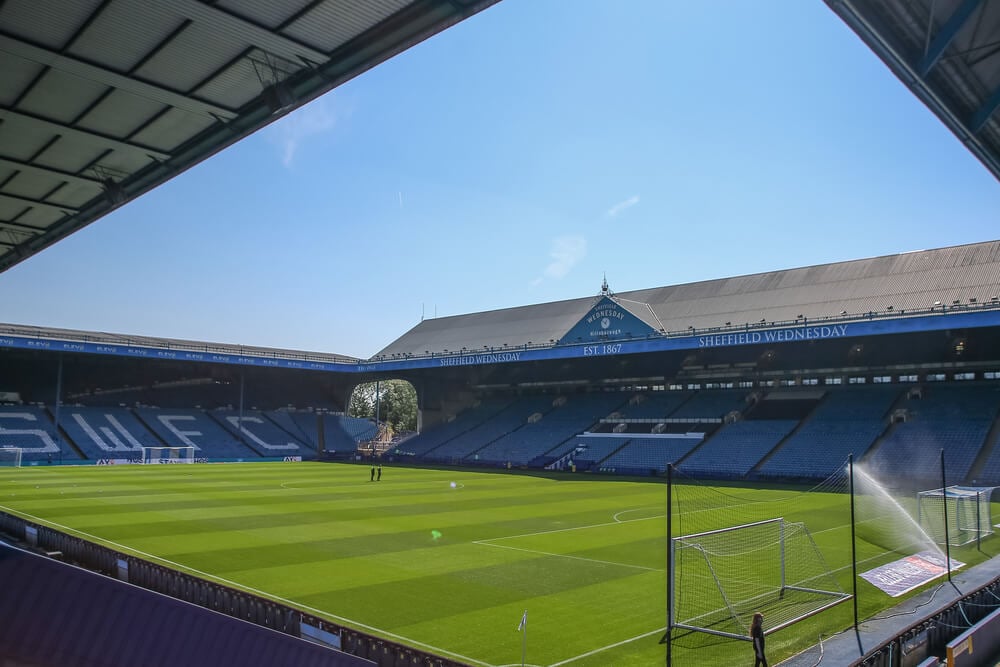
On April 15, 1989, Liverpool supporters filed into Sheffield Wednesday’s stadium for an FA Cup semi-final match. Photographs show fans walking through turnstiles, talking, and taking their places in the stands.
Within minutes, overcrowding in one section of the ground led to a human crush that killed 96 fans. The photographs taken just before the disaster show a packed but apparently normal sporting event about to turn into a tragedy.
Elvis at His Final Performance
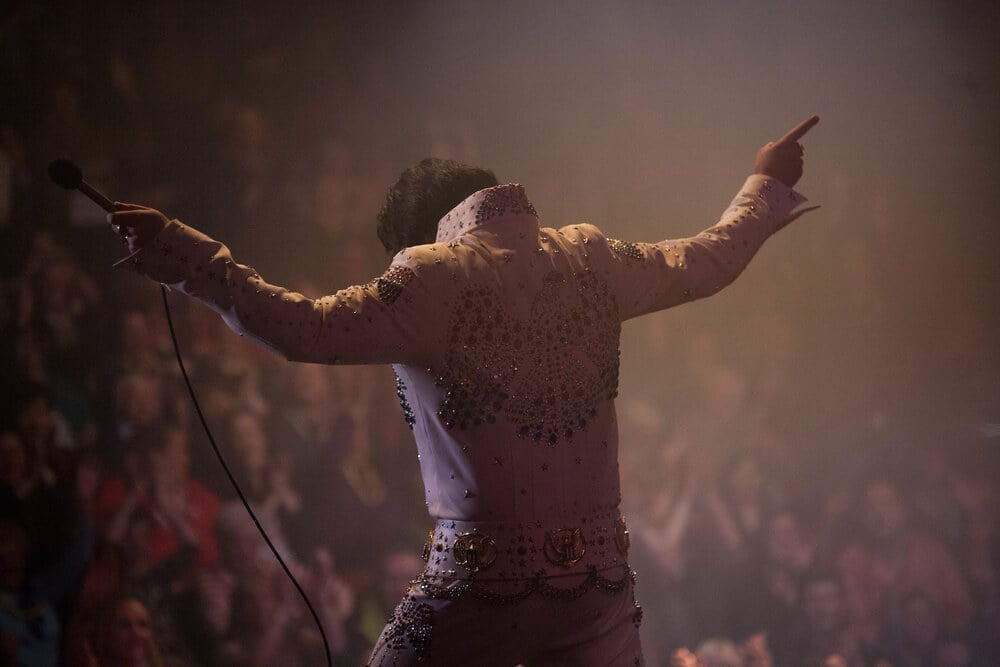
On August 16, 1977, Elvis Presley was photographed backstage at the Graceland mansion, preparing for what would be the final recording session of his life. He appeared overweight and visibly aging compared to photographs from years past, but he was still smiling, still prepared to work.
Later that day, he would suffer a heart attack in his bathroom, dying alone on his toilet. The photographs from that morning became the last professional images taken of the King of Rock and Roll alive.
Marilyn Monroe’s Final Photographs
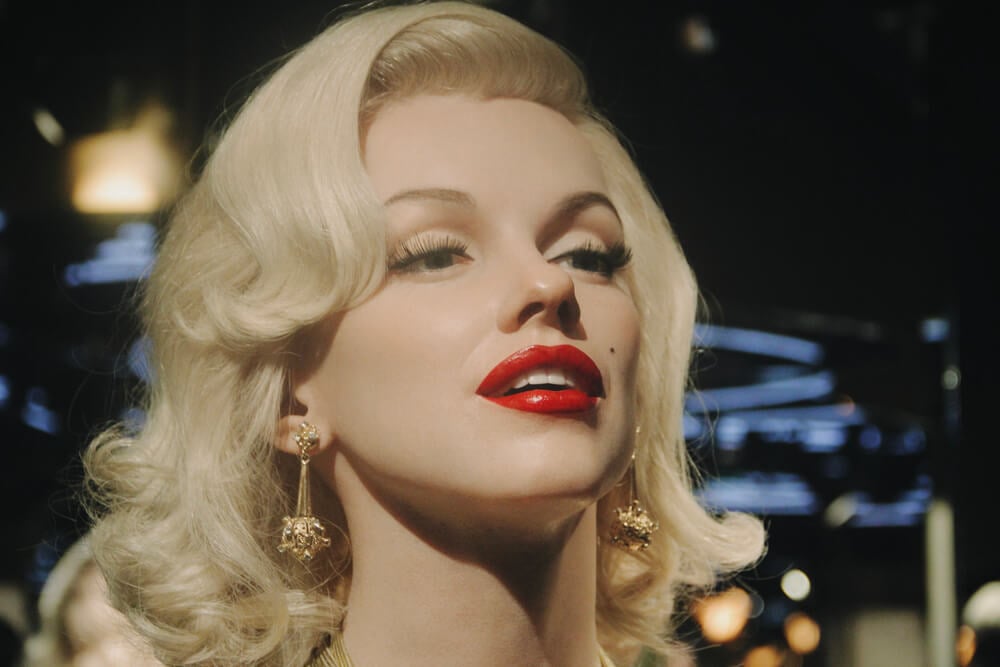
On August 4, 1962, actress Marilyn Monroe was photographed by photographer Lawrence Schiller for what would be the last formal photo shoot of her life. The images show her posing seductively, smiling at the camera, appearing vibrant and beautiful.
That night, she died under controversial circumstances—officially ruled as barbiturate overdose, though questions about the exact cause persist to this day. The photographs from that final session became her last official portraits.
Anne Frank Before the Raids
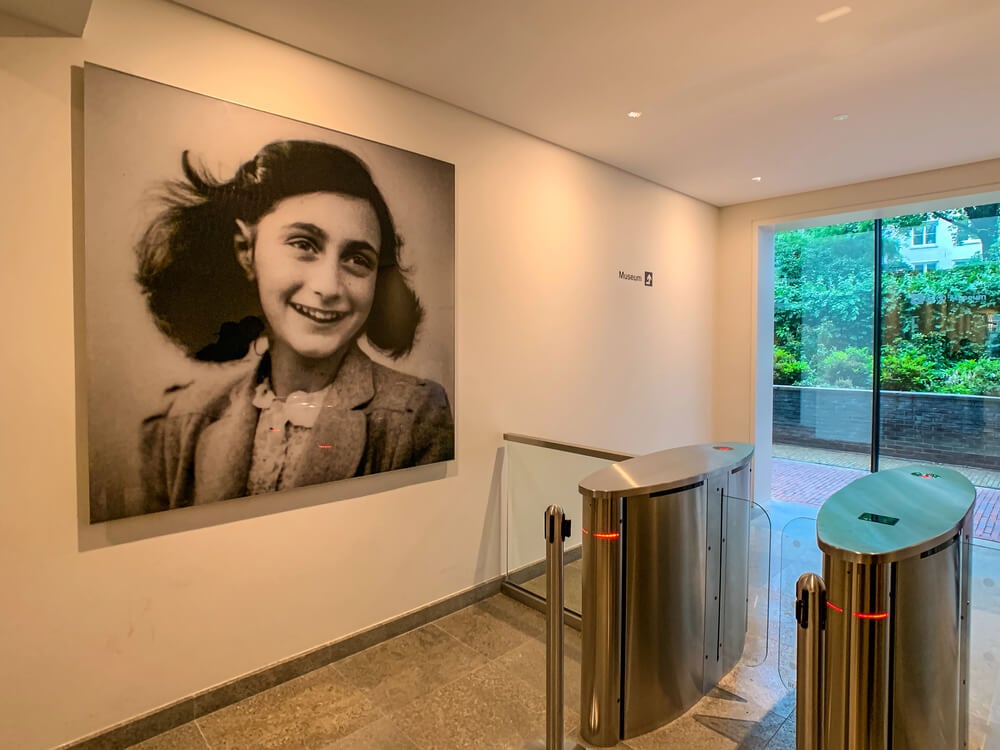
Photographs taken in 1940 and 1941 show Anne Frank in Amsterdam, attending school, playing with friends, living an ordinary adolescent life. Unknown to her, Nazi persecution was escalating.
Within years, she and her family would go into hiding. The photographs capture the normalcy she was about to lose and the horrors she was about to face in the attic that would become her deathbed.
The Last Photograph of the Titanic’s Propeller
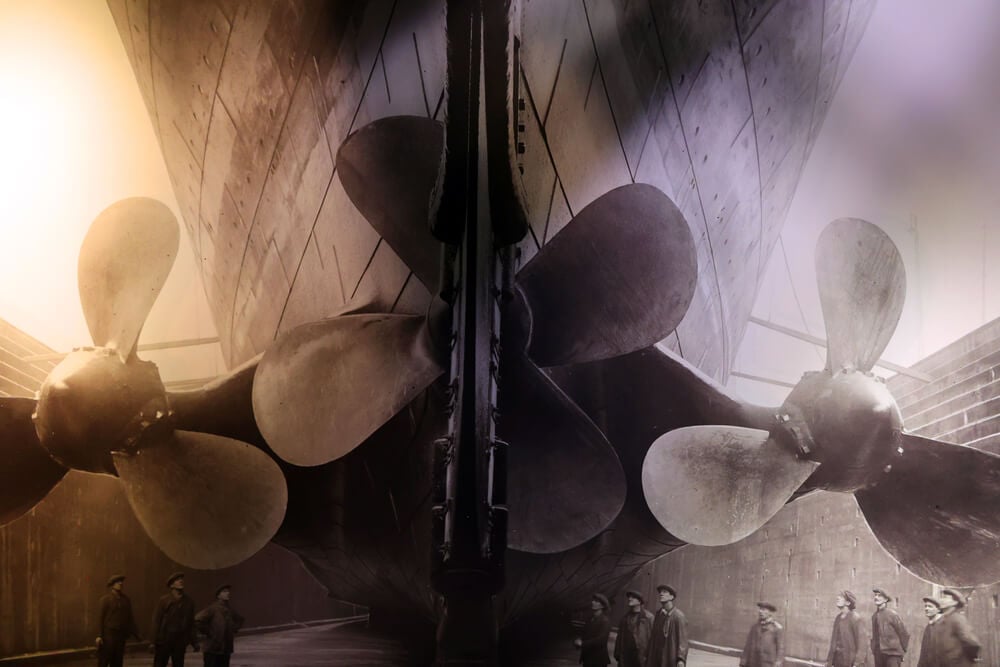
Photographs taken of the RMS Titanic in Belfast, before its maiden voyage on April 10, 1912, show the massive ship apparently invulnerable—the largest and most luxurious vessel ever built. The ship’s propellers gleamed.
The hull was immaculate. Passengers boarded with confidence.
Four days later, on April 15, the ship struck an iceberg and sank in the cold Atlantic, killing 1,500 people. The pre-voyage photographs now seem almost tragic in their confidence.
Fort Sumter Before the First Shot of the Civil War
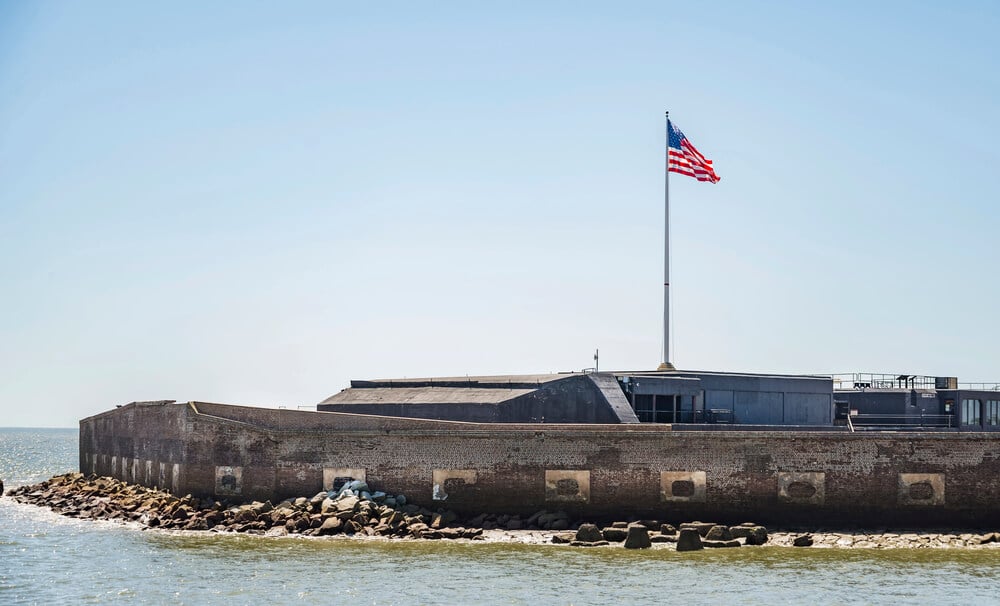
On April 12, 1861, Confederate soldiers at Fort Sumter in Charleston, South Carolina, were ordered to open fire on the U.S. Army-held fort. Photographs taken just before the bombardment show the fort standing peacefully in the harbor, its garrison unaware that the American Civil War was about to begin.
Within hours, the first shots would be fired—shots that would echo across four years and result in over 600,000 deaths.
Oswald in Police Custody Before His Murder
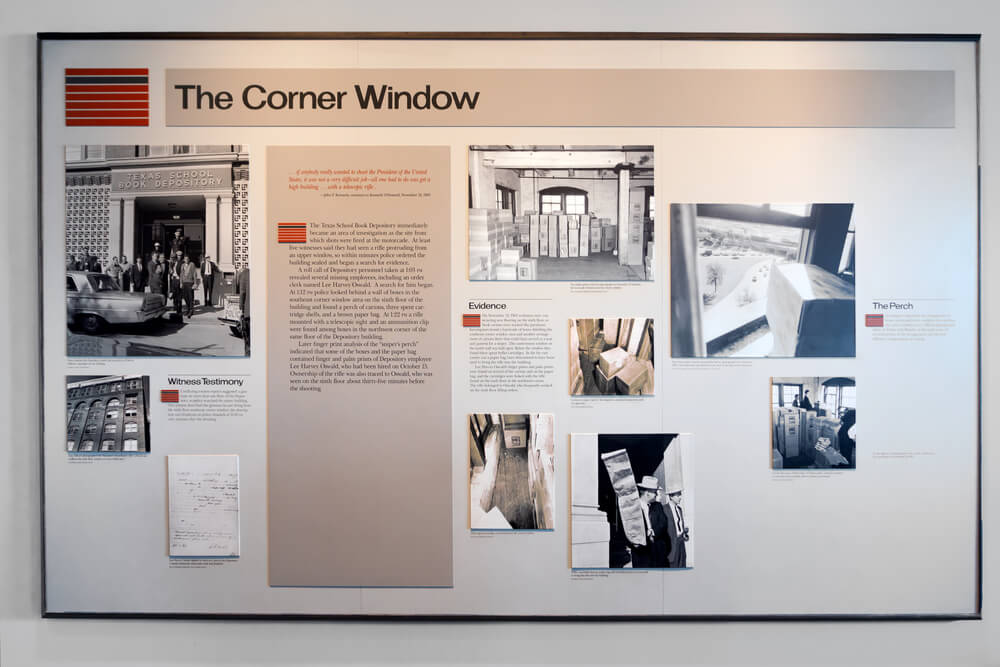
On November 24, 1963, photographs show Lee Harvey Oswald, the man arrested for President Kennedy’s assassination, being led through police headquarters. He appears composed, even smiling slightly, as officers escort him in handcuffs.
Minutes later, Dallas nightclub owner Jack Ruby emerged from the crowd and shot Oswald dead in front of police and journalists—an assassination captured on live television, the first murder shown live on American television.
The Twin Towers’ Evening Skyline
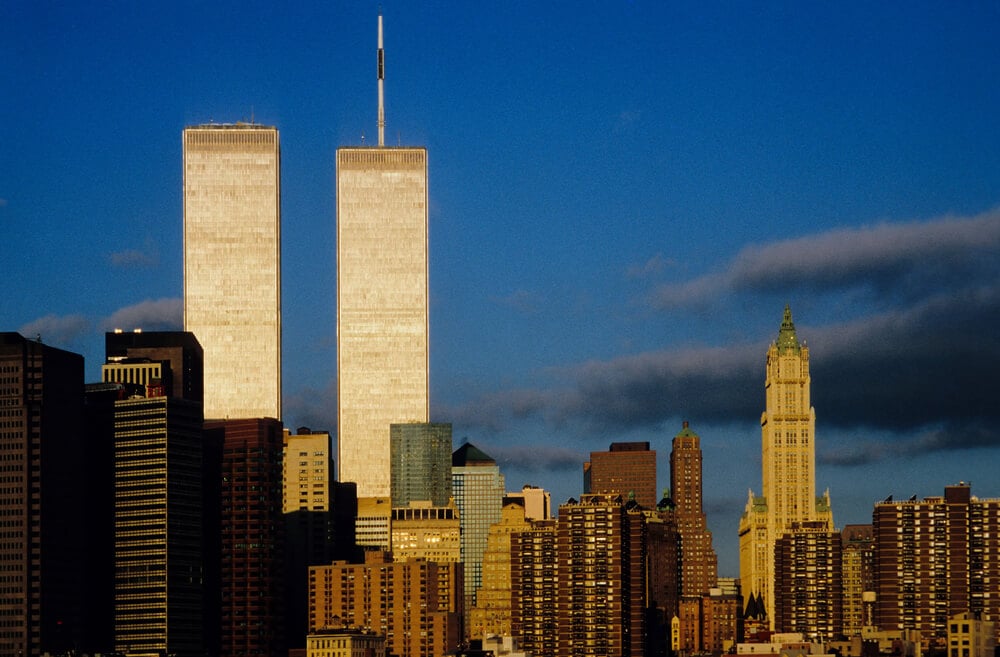
In the days immediately before September 11, 2001, photographers captured the World Trade Center Twin Towers at night, their windows lit up, the buildings creating a distinctive silhouette against the dark sky. The photographs show New York’s skyline as it had looked for decades—a symbol of American economic power and architectural ambition.
Within days, that skyline would be forever altered by their absence.
Victims of the 2004 Indian Ocean Tsunami
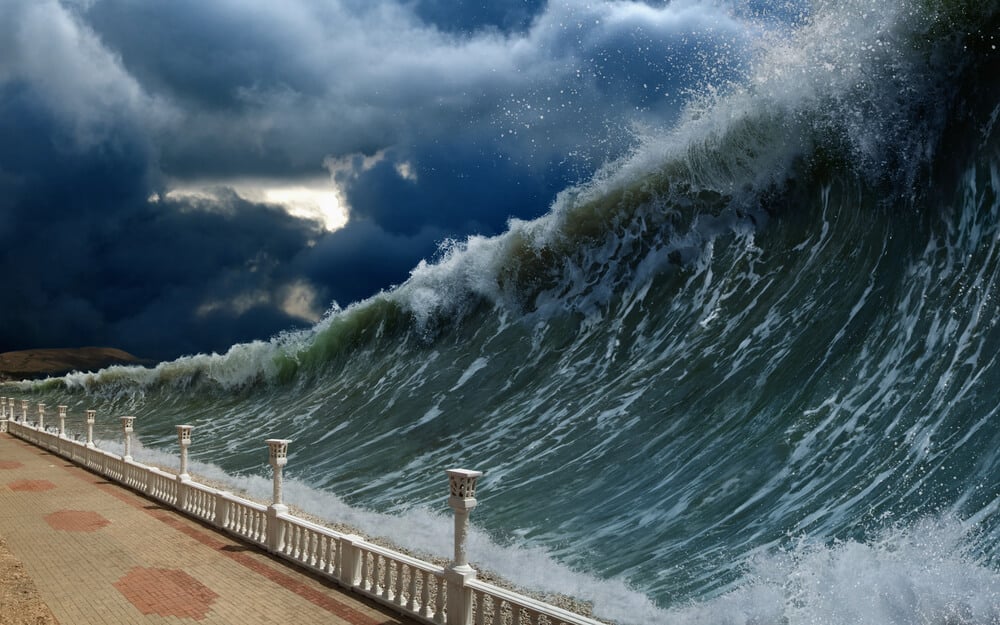
Photographs taken on December 26, 2004, in beachfront areas of Indonesia, Thailand, and other regions show families vacationing, children playing in shallow waters, tourists enjoying the warm weather. These images were taken in the early morning, before the massive tsunami waves generated by an undersea earthquake arrived on shore.
Within hours, over 230,000 people would be killed across the region. The photographs capture holiday joy frozen in the moment before one of nature’s most devastating disasters.
Stockbrokers Before the 1987 Crash

Photographs of stockbrokers and traders on October 19, 1987—”Black Monday”—show them at their desks on what appeared to be a routine trading day. The market was open, phones were ringing, and the financial world seemed to be operating normally.
By the day’s end, the Dow Jones Industrial Average had dropped 22.6 percent in a single day—the largest one-day percentage decline in stock market history. The morning photographs capture the calm before one of the worst market panics in American history.
The Last Shot of Archduke Francis Ferdinand in Life
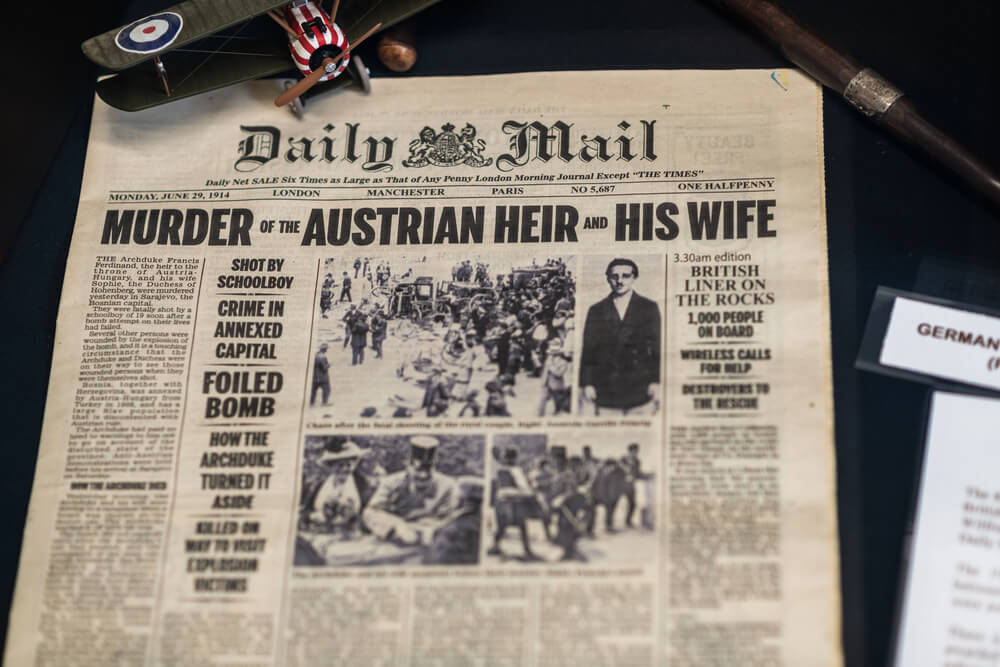
After surviving an earlier assassination attempt in Sarajevo on June 28, 1914, Archduke Franz Ferdinand posed for a photograph. He appears composed and stately, unaware that he would not survive another hour.
Gavrilo Princip, the young assassin, would find the couple again and fire the fatal shots. The photograph of the Archduke after the failed attempt becomes a macabre image of a man who had just cheated death, only to meet it minutes later.
The Final Photograph of Yuri Gagarin
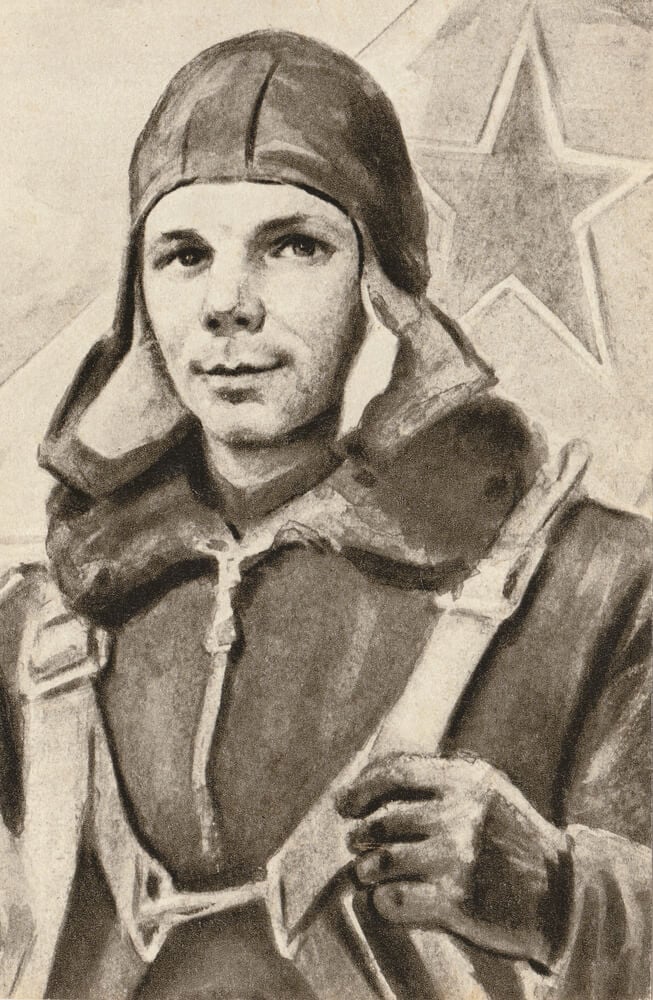
Soviet cosmonaut Yuri Gagarin, the first human in space, was photographed in 1968, appearing healthy and vital in his space suit. Yet on March 27, 1968, while piloting a training aircraft, Gagarin and his instructor ejected from a stalling jet.
Their parachutes opened at dangerously low altitude. Gagarin was killed in the crash at age 34.
The photographs of him in his prime became memorials to a fallen pioneer of space exploration.
The Vietnamese Napalm Girl’s Previous Moment
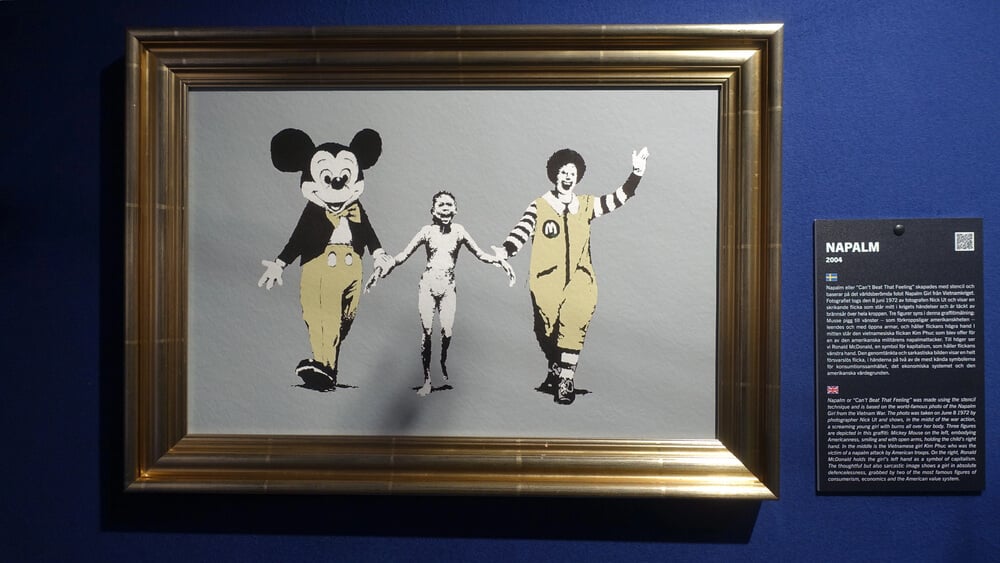
Before the famous photograph of nine-year-old Phan Thi Kim Phuc fleeing a napalm attack on June 8, 1972, she was an ordinary child in a village in Trang Bang, South Vietnam. Photographs taken moments before show her in the streets with other children, unaware that a South Vietnamese plane was preparing to drop napalm.
The bombing would scar her body permanently, but not before photographers captured her one moment before the flames arrived.
The Hindenburg’s Last Approach
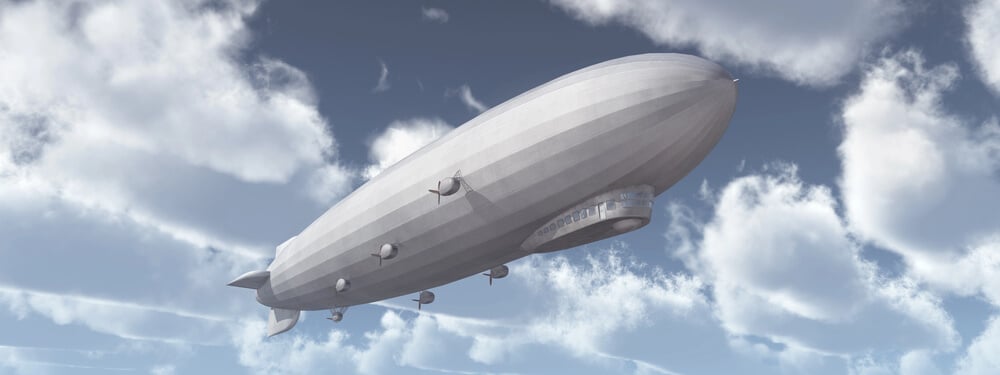
As the Hindenburg descended toward the landing mast at Lakehurst on May 6, 1937, ground crew members moved into position to secure its moorings. Photographs show workers holding the lines, preparing for standard docking procedures.
The airship was on schedule, and the landing appeared routine. Within moments, hydrogen gas would ignite, turning the ship into an inferno.
The photographs taken during final descent capture the seconds before disaster unfolded.
The Atlantic City Boardwalk Before the Hurricane
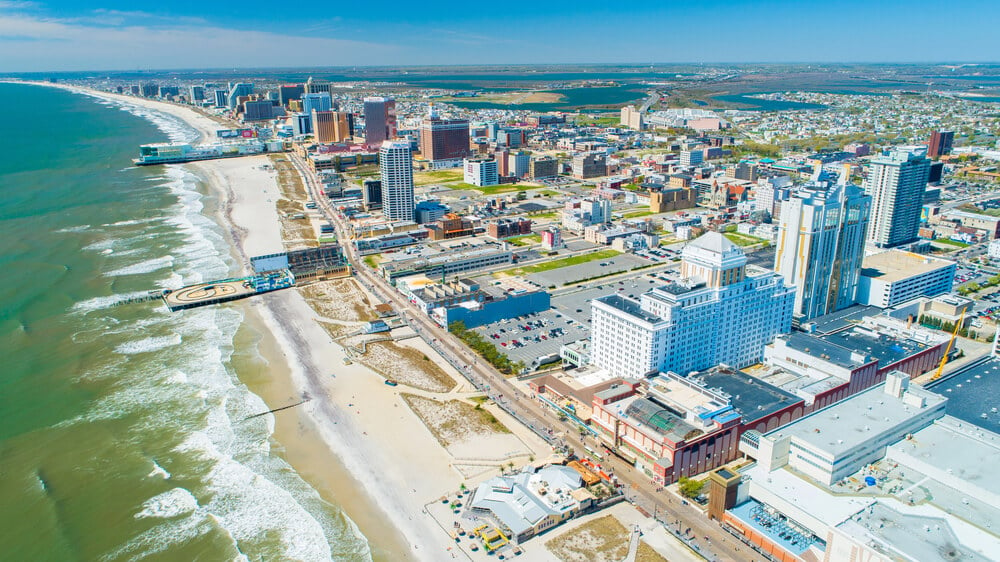
Photographs taken on September 2, 1900, show beachgoers enjoying the Atlantic City boardwalk in bright sunshine. Vendors sold refreshments.
Children played. No weather warnings suggested imminent danger.
Unknown to everyone on that beach, a hurricane was approaching—one that would become the deadliest natural disaster in American history. Over 6,000 people in nearby Galveston would die as a tidal surge destroyed the city.
The boardwalk photographs capture the calm before an apocalyptic storm.
Photographs at the Titanic’s Final Dinner
Passengers dressed in formal evening wear posed for photographs in the Titanic’s dining saloon on April 14, 1912, the night before the ship struck the iceberg. They appear happy, celebratory, dressed to the height of Edwardian fashion.
Many of these people, captured smiling and confident in these photographs, would be dead within twenty-four hours, freezing in the Atlantic waters. The dinner photographs became a record of the ship’s last night of normalcy.
The Challenger’s Weather Check
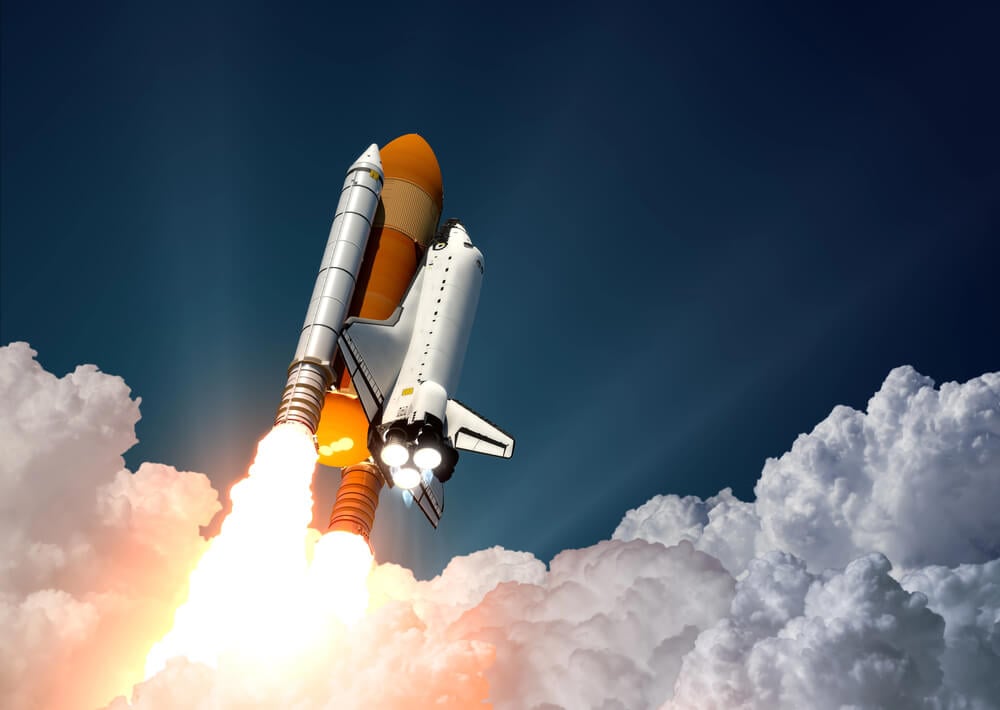
On the morning of January 28, 1986, NASA officials and crew members made final checks before the Challenger launch. Photographs show technicians in clean rooms, inspecting equipment, reviewing procedures.
No one visibly concerned about O-ring failures or temperature problems—the precise technical issues that would lead to the disaster. The launch-day photographs capture the routine preparations for what was supposed to be another successful shuttle mission.
Before the Hindenburg Fire
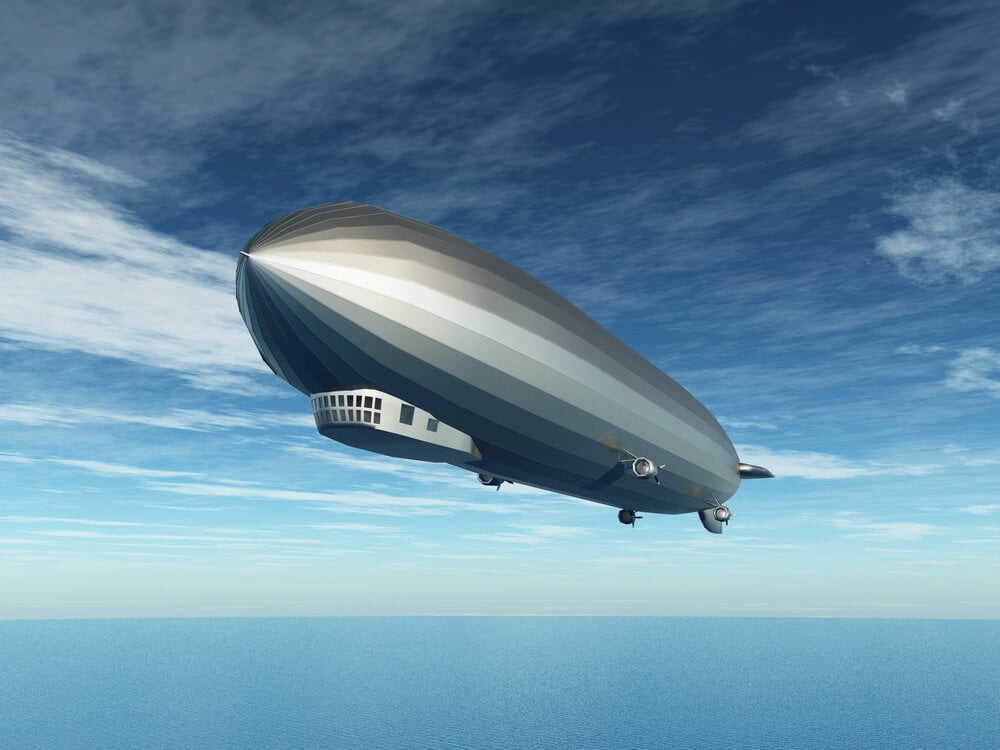
Minutes before the fire, passengers were preparing to deplane. Photographs show crew members moving about the gondola, passengers gathering their belongings, luggage being organized for removal.
The ship was secure, the landing was proceeding smoothly. Within seconds, the safety of these images would transform into the nightmare of conflagration and falling bodies.
The final photographs of normalcy aboard the Hindenburg show a passenger experience that would never be completed.
The Waiting Room Before Disaster
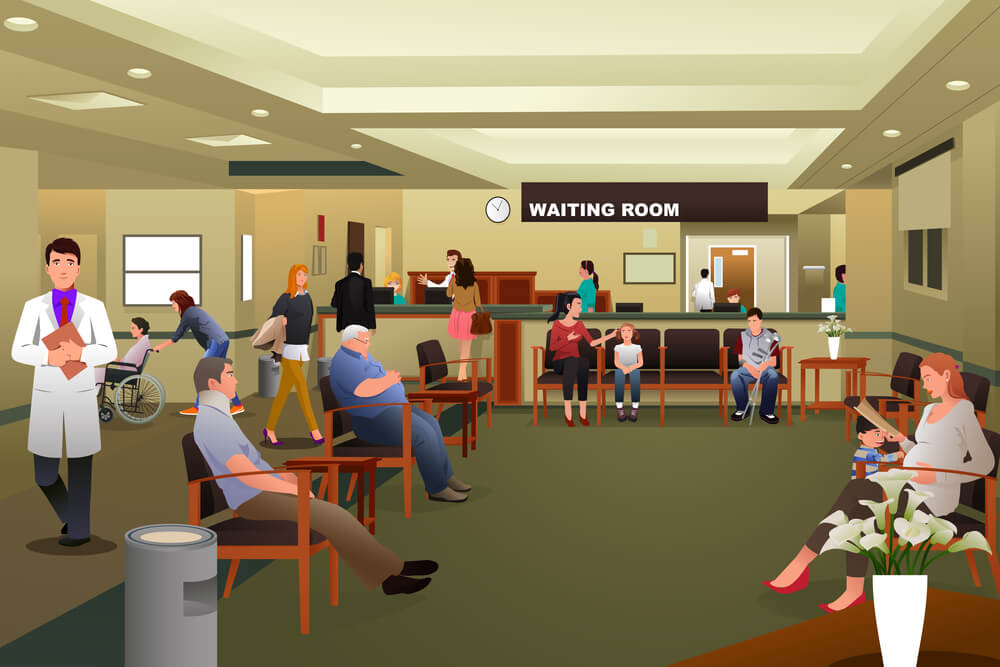
In photographs taken in the hours before major disasters—whether airline disasters, building collapses, or shipwrecks—we see waiting rooms, departure areas, and assembly points full of ordinary people making ordinary movements. They gather their tickets, check their bags, board their vessels, take their seats.
None of them know they have entered the final chapter of their lives. Their ordinary actions, captured in these final photographs, become monuments to the randomness of catastrophe.
The World Before Each Photograph Changed Everything
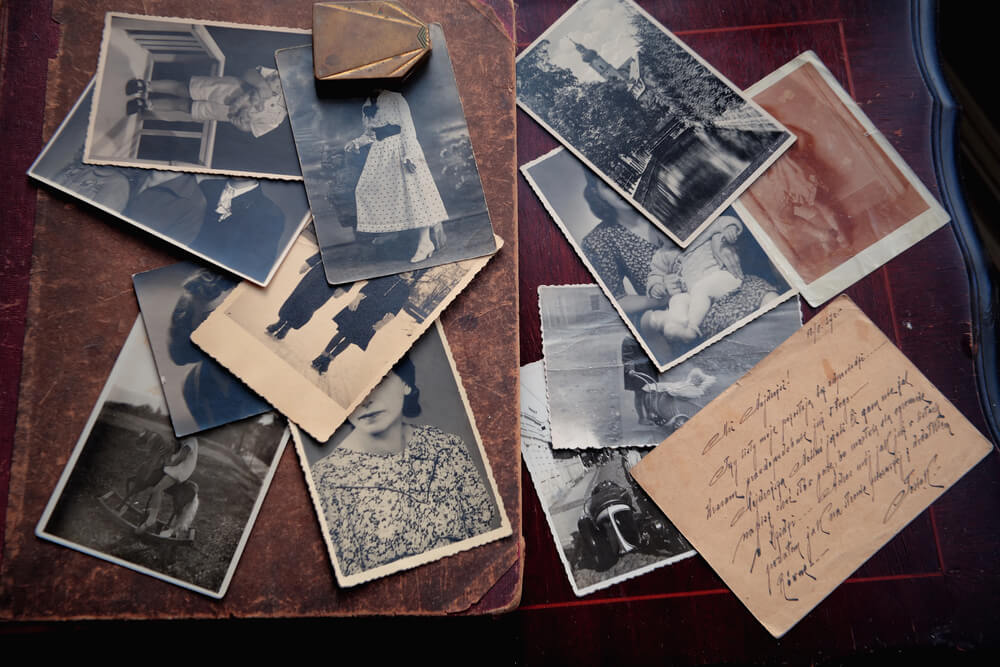
What unites these photographs is not the prominence of their subjects or the historical importance of the events that followed. Instead, it is the unbridgeable gap between what the photograph shows and what happens next.
They are windows into a parallel world—one in which Lennon never met his killer, the Challenger never launched, the tsunami never came, and the Archduke survived his visit to Sarajevo. We cannot help but look at these images and wish we could alter the future that awaited the people within them.
The photographs endure not because they captured the disasters themselves, but because they captured the last moments of innocence before catastrophe struck. They show us that history is written in seconds, and that the ordinary moments of our lives, captured in photographs, might be all that remains of us.
These are the images that haunt us, that remind us of the fragility of existence, and that suggest we should treasure every ordinary moment we are given.
More from Go2Tutors!

- The Romanov Crown Jewels and Their Tragic Fate
- 13 Historical Mysteries That Science Still Can’t Solve
- Famous Hoaxes That Fooled the World for Years
- 15 Child Stars with Tragic Adult Lives
- 16 Famous Jewelry Pieces in History
Like Go2Tutors’s content? Follow us on MSN.



