16 Places on Earth That Look Like Another Planet
There’s something deeply unsettling about standing somewhere that doesn’t feel like home — not just a different country or climate, but somewhere that challenges your understanding of what Earth is supposed to look like. These places exist, scattered across our planet like glitches in the matrix, where the familiar rules of landscape seem suspended.
They’re the places that make you question whether you’re still on the same planet you grew up on, or whether you’ve somehow slipped through a crack into somewhere else entirely.
Socotra Island, Yemen
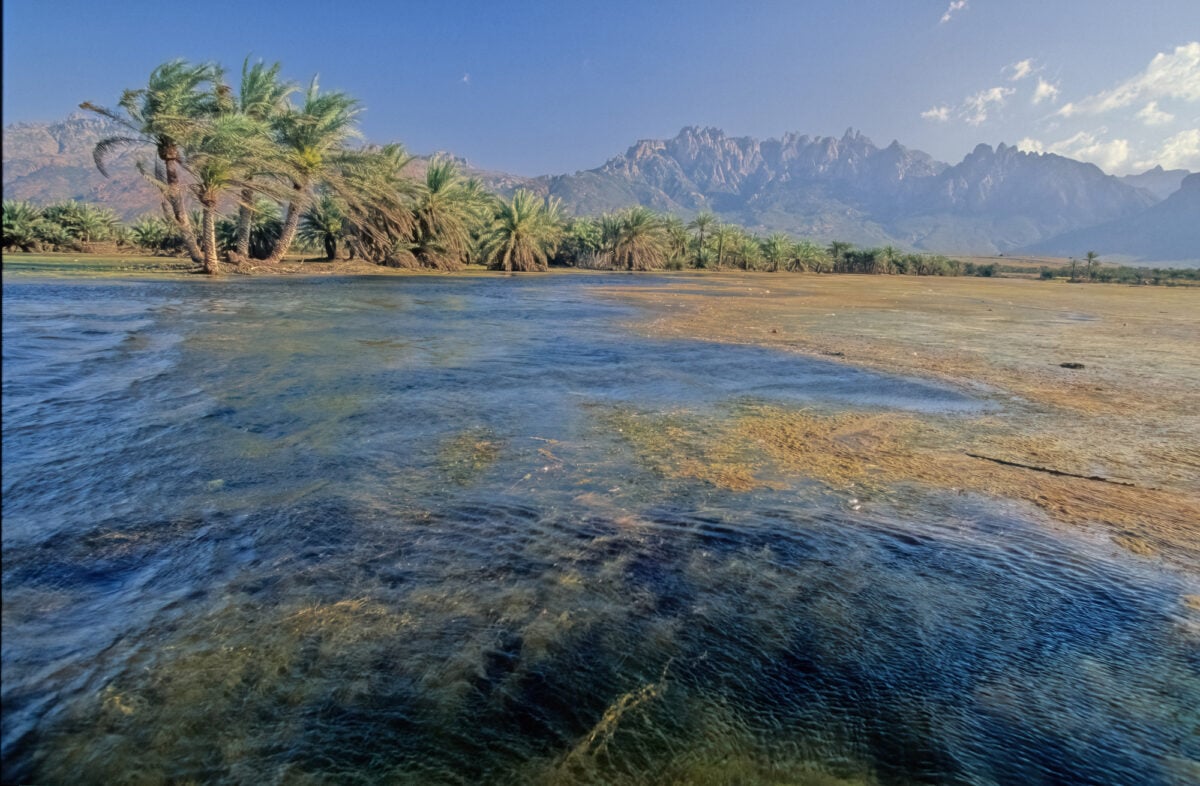
Socotra sits alone. Cut off from the mainland for millions of years, this island developed its own rules.
One-third of its plants exist nowhere else on Earth.
The dragon’s blood trees look like giant umbrellas turned inside out. They draw crimson resin when cut.
The bottle trees bulge at the base like they’re storing secrets.
Antelope Canyon, Arizona
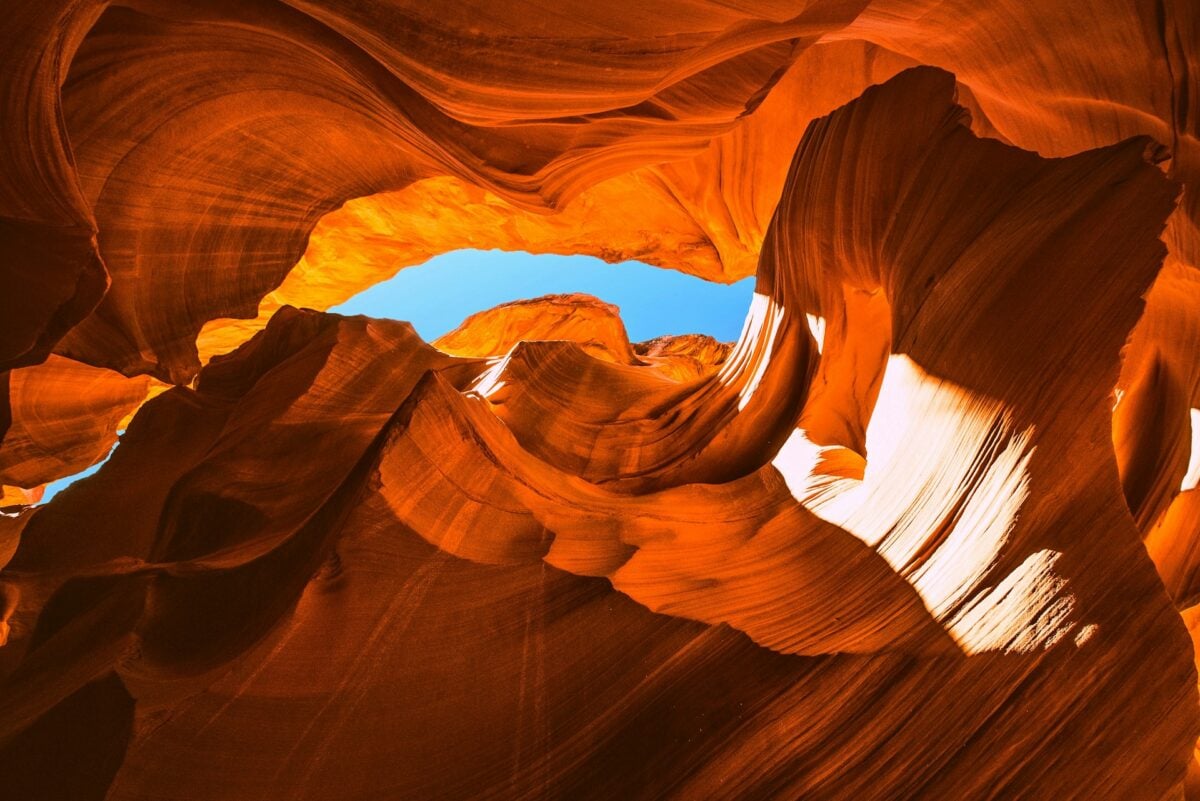
The walls here breathe (or seem to, when light pours through the narrow opening above and catches the dust motes suspended in the air between the sculpted sandstone). Flash floods carved these passages over millennia, and now they pulse with color that shifts from deep purple to brilliant orange depending on the angle of the sun — which is to say, they’re alive in the way that most rock formations never manage to be.
So the tourists come with cameras, trying to capture something that can’t quite be captured: the way the light doesn’t just illuminate the canyon but seems to emerge from within it.
Yellowstone’s Grand Prismatic Spring
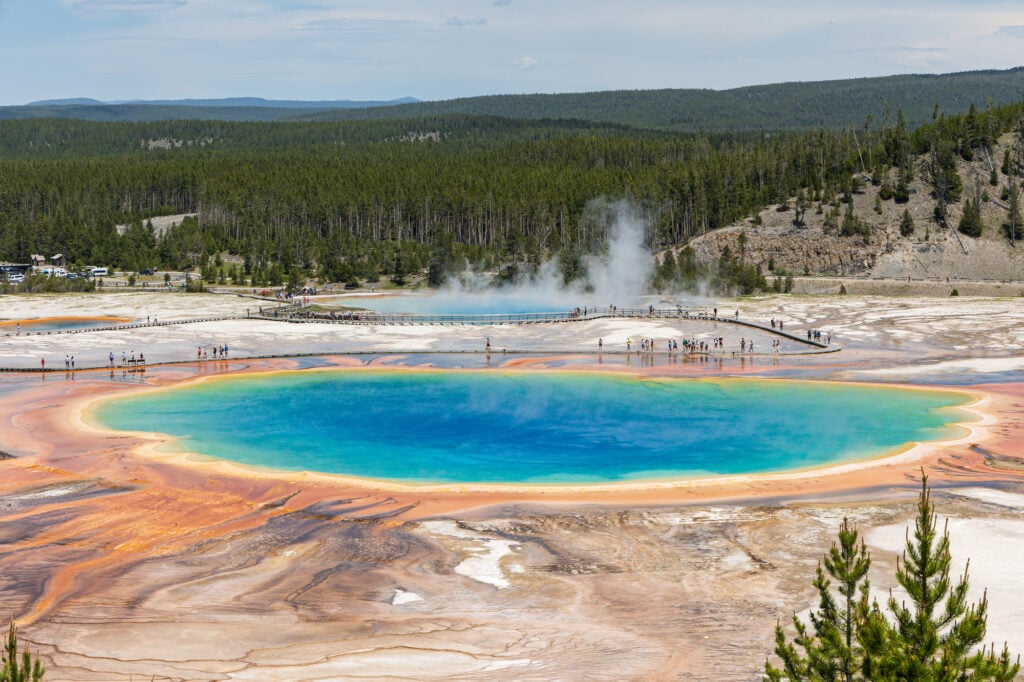
Color doesn’t behave like this in the ordinary world. The spring announces itself in concentric rings — deep blue at the center where the water reaches temperatures that would kill you instantly, then graduating through green and yellow to orange and red at the cooler edges where heat-loving bacteria thrive.
Steam rises constantly, blurring the boundaries between what you’re seeing and what you think you’re seeing. The ground around it looks like someone spilled a painter’s palette and then heated it to 160 degrees Fahrenheit.
The Wave, Arizona
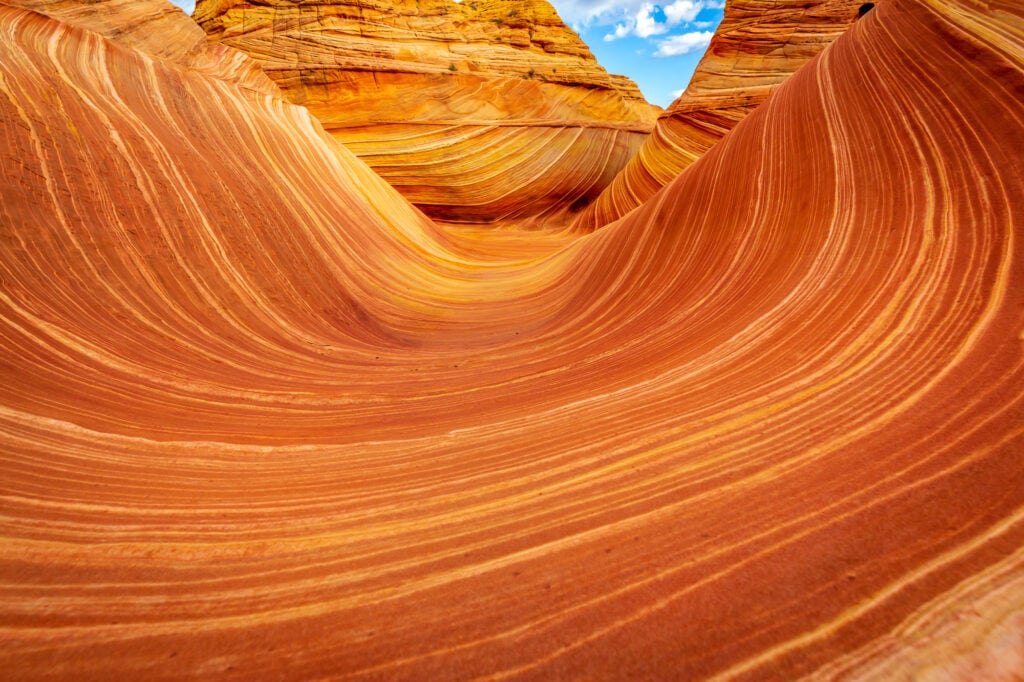
Getting here requires a lottery system because the sandstone can’t handle too many visitors without degrading into something ordinary. Which seems appropriate, given that the Wave doesn’t feel like it should exist in the first place.
The rock formations undulate in perfect curves, as though someone froze an ocean mid-motion and then baked it under the desert sun for 190 million years until it turned to stone.
Salar de Uyuni, Bolivia
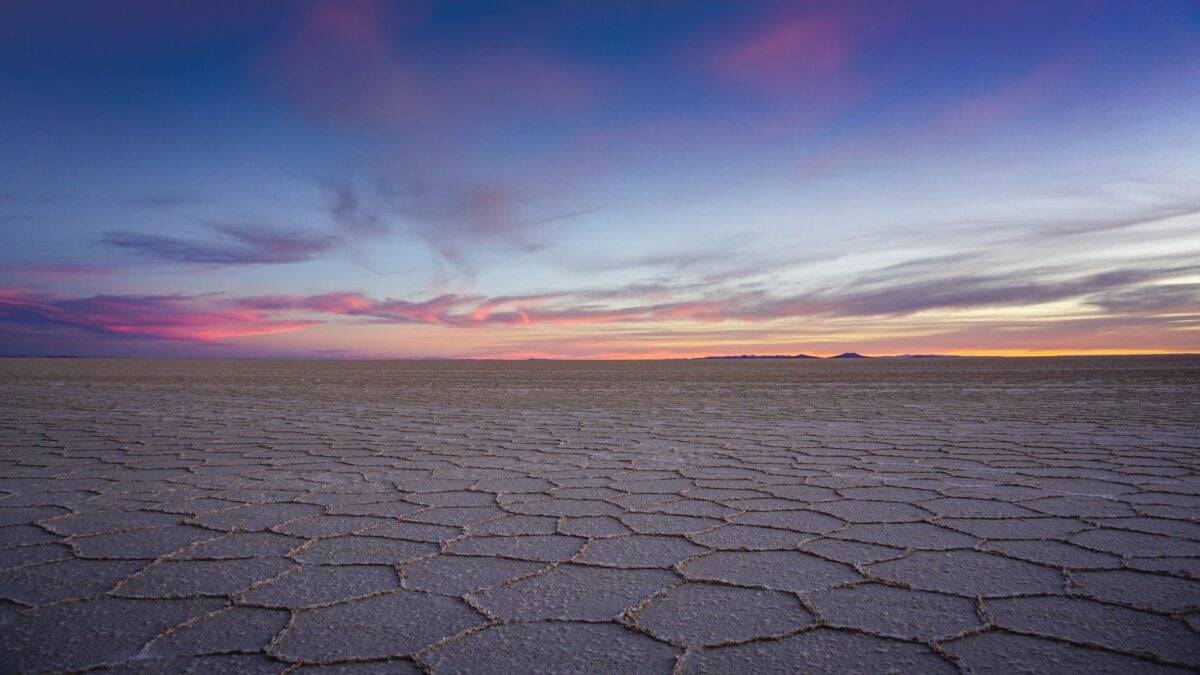
When it rains, the world’s largest salt flat becomes a mirror stretching to the horizon. You lose track of where the ground ends and the sky begins.
Flamingos wade through their own reflections.
During the dry season, the salt forms perfect hexagonal patterns that extend for miles. It looks like the surface of an alien moon, which is why space agencies use it to calibrate their satellites.
The Danakil Depression, Ethiopia
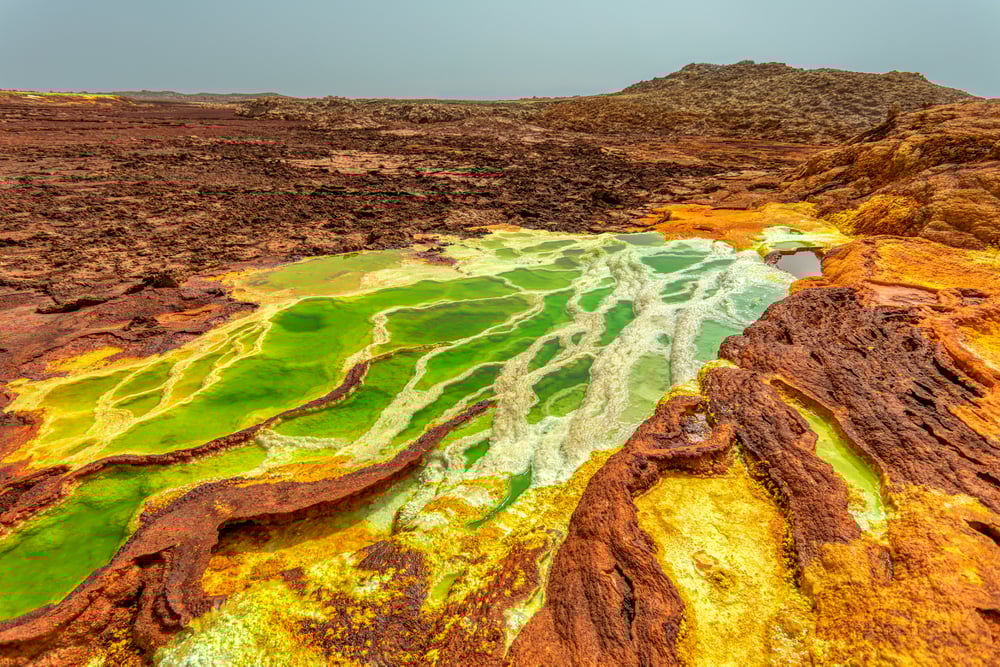
This is what happens when the earth splits open and shows you its fever dreams (the area sits at the junction of three tectonic plates, which explains the sulfur springs and salt formations but doesn’t quite explain the otherworldly palette of yellows and greens that shouldn’t exist together in nature). The ground temperature here regularly exceeds 125 degrees Fahrenheit, making it one of the blazing places on Earth — and yet people live here, mining salt from formations that look like frozen fireworks.
The Afar people have adapted to conditions that would be lethal to most visitors, which raises uncomfortable questions about what “habitable” really means. But the landscape doesn’t care about human comfort: it pulses with colors that belong in a chemistry lab, not on a planet where life is supposed to thrive.
Fly Geyser, Nevada

This geyser shouldn’t exist. It’s artificial — created accidentally during a geothermal drilling operation in 1964 — but nature took over and made it weird. The mineral deposits have built up into alien spires that continuously spout hot water.
Thermophilic algae give it colors that shift from red to green depending on the temperature and season. The whole structure keeps growing, adding new formations that make it look less earthly each year.
Vale da Lua, Brazil

The rocks here have been carved by water into smooth, pale formations that genuinely resemble a lunar landscape (hence the name, which translates to “Valley of the Moon”). During the dry season, you can walk through the carved channels and chambers, running your hands along stone that feels more like ceramic than rock.
When the rains come, the valley fills with pools of water that reflect the sky, creating the disorienting effect of walking through clouds. The quartz and crystal formations catch light in ways that make the whole valley seem to glow from within, as though someone installed subtle lighting throughout the landscape.
Door to Hell, Turkmenistan
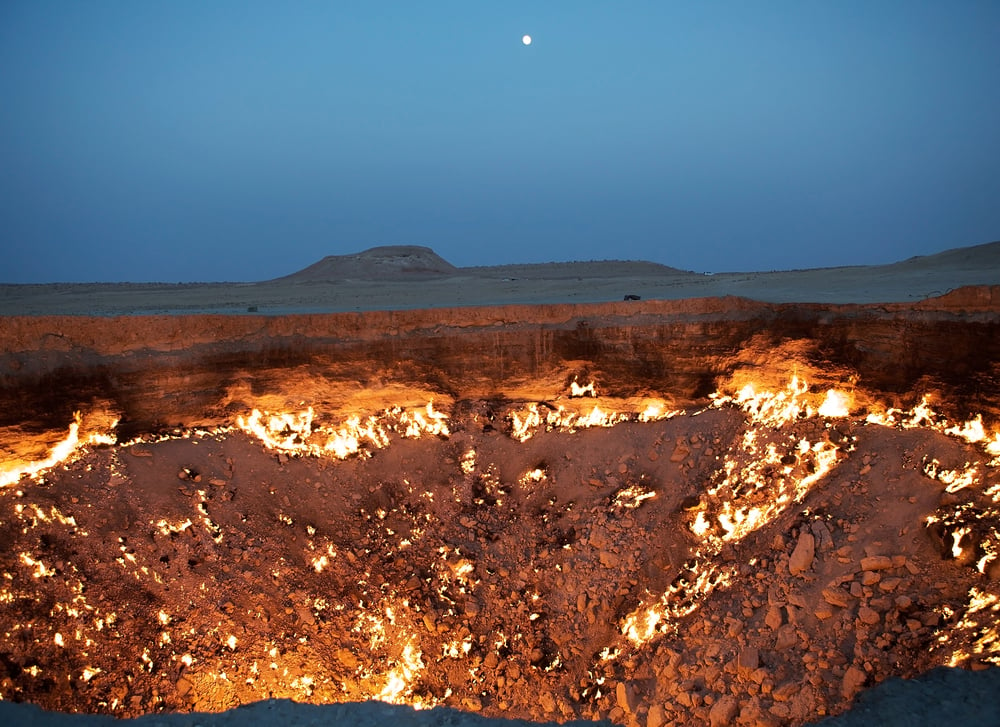
Forty-seven years ago, Soviet engineers were drilling for natural gas when the ground collapsed, creating a large crater that started leaking methane. Rather than let the dangerous gas escape into the atmosphere, they decided to burn it off.
They expected it would extinguish itself within days.
It’s still burning. The crater glows orange against the desert night, visible from miles away.
Locals call it the Door to Hell, which seems accurate enough.
Lake Hillier, Australia
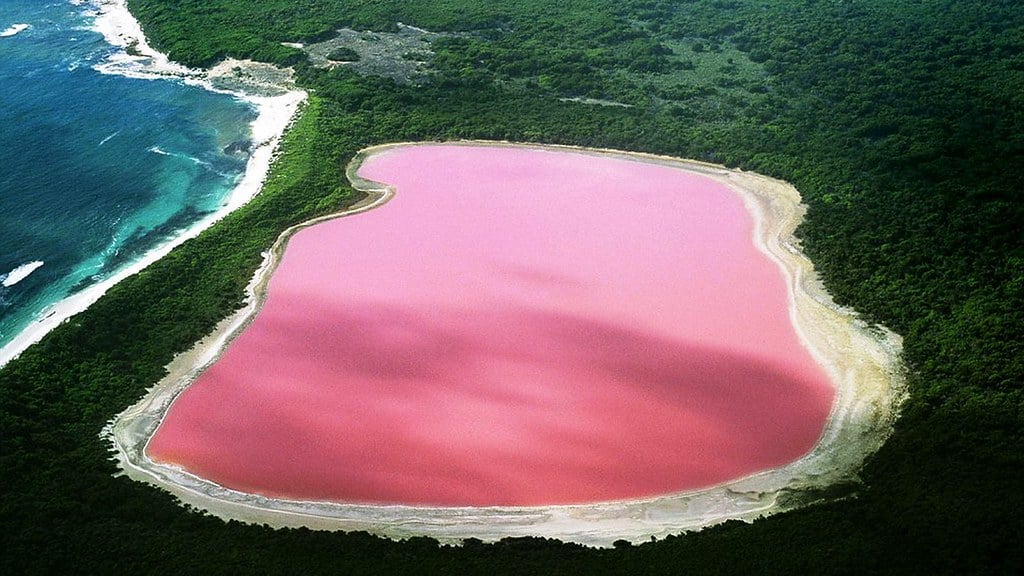
Pink lakes exist in several places around the world, but Lake Hillier commits to the concept. The water is bubblegum pink year-round, maintaining its color even when you scoop it up in a bottle.
Scientists believe the color comes from algae and bacteria, but they’re still not entirely sure why this particular lake stays so consistently, intensely pink.
The contrast with the surrounding blue ocean and green forest makes it look like someone Photoshopped the landscape and forgot to adjust the saturation.
Zhangye Danxia, China
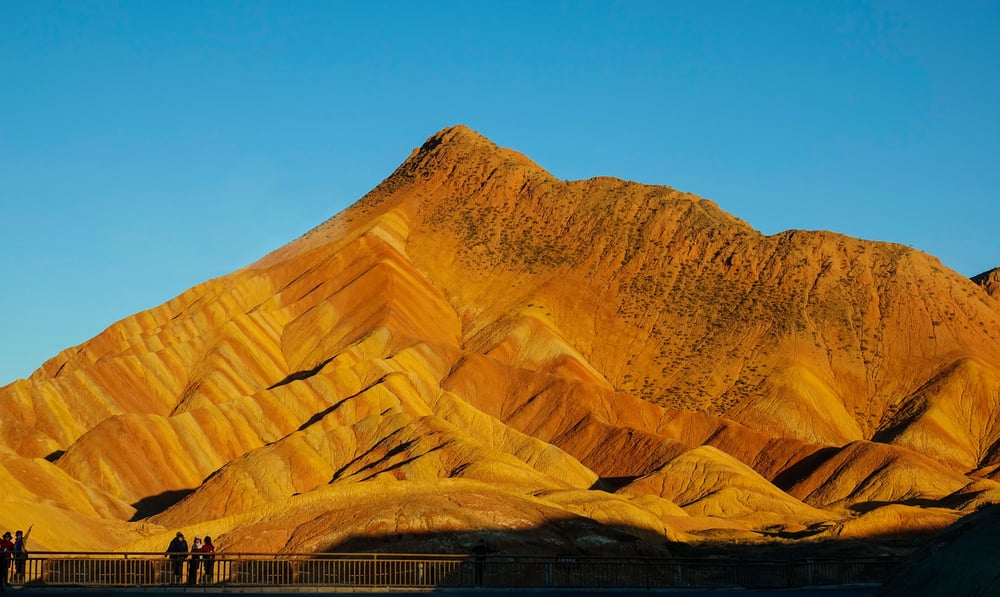
The mountains here are striped like a candy cane factory explosion (red sandstone and mineral deposits layered over 24 million years, then tilted and exposed by tectonic activity, though that technical explanation doesn’t capture how surreal it feels to stand among them). The colors are so saturated they look artificial — bands of red, yellow, orange, and blue running through the rock formations in patterns that seem too deliberate for nature.
And yet here they are, these rainbow mountains that change color depending on the light and weather, proving that the earth occasionally decides to show off.
McMurdo Dry Valleys, Antarctica
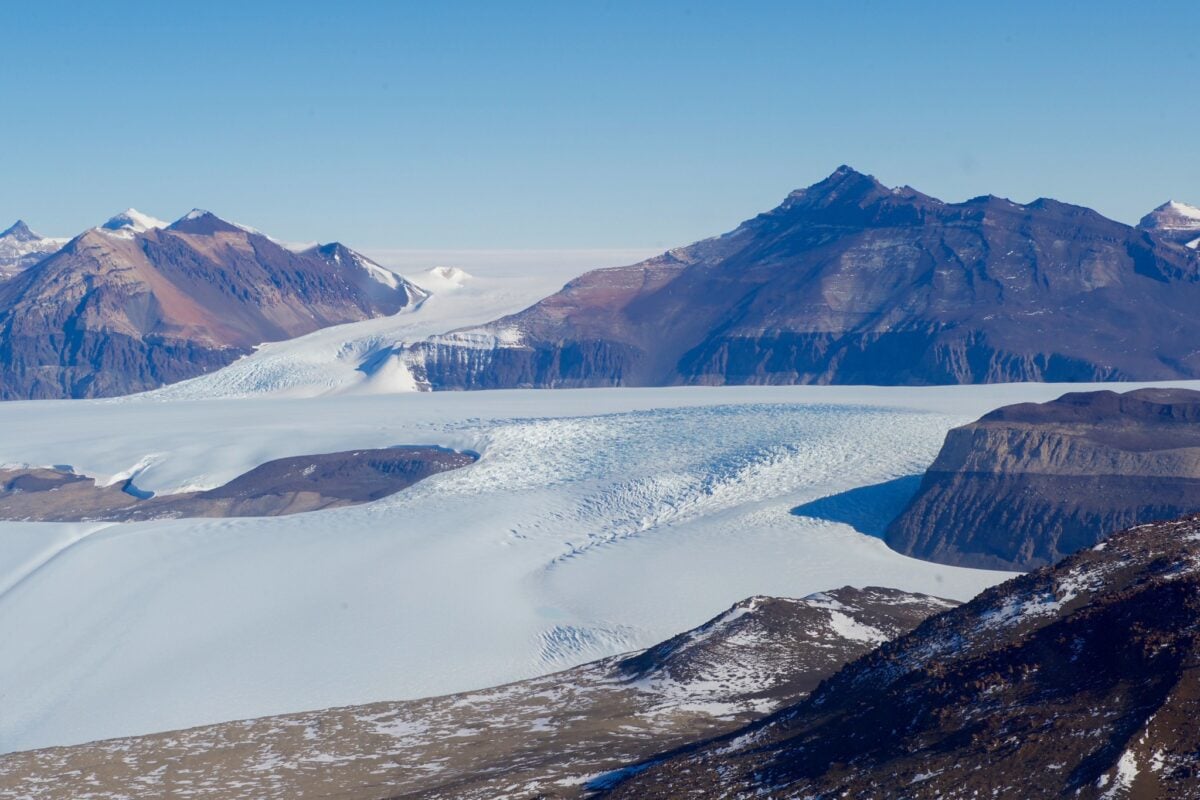
NASA uses this place to test Mars rovers. That should tell you everything you need to know about how earthly it feels.
The valleys have been free of ice and snow for over 2 million years, despite being in Antarctica.
The combination of extreme cold, wind, and dry conditions creates a landscape that’s more sterile than most deserts. No plants, no animals, no water.
Just wind-carved rock and soil that contains compounds usually found in Martian samples.
Pamukkale, Turkey
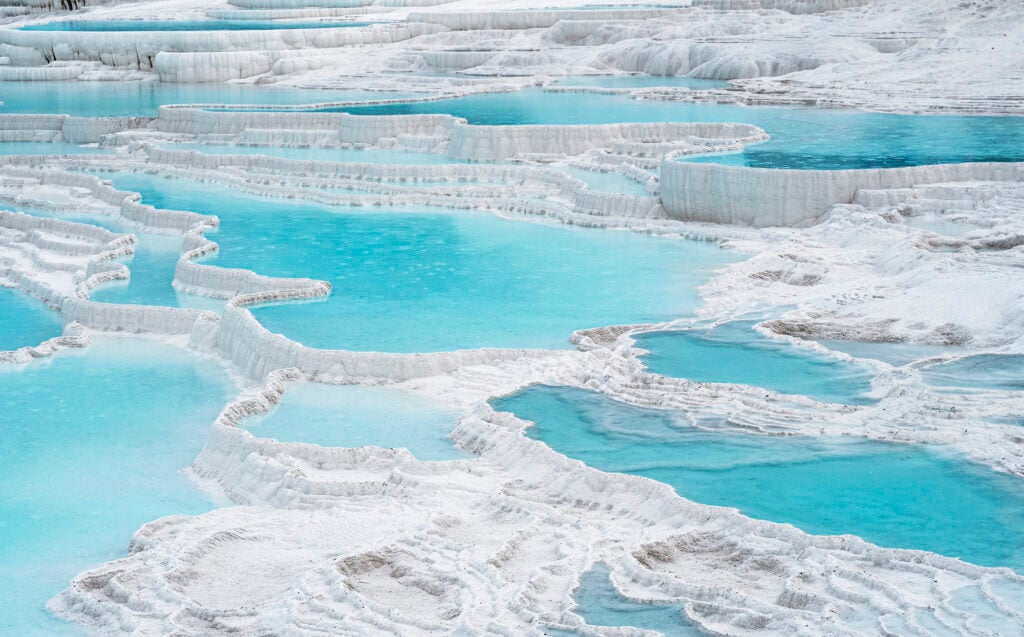
Calcium carbonate terraces cascade down the hillside like frozen waterfalls, each pool filled with thermal water that maintains a constant temperature of around 95 degrees Fahrenheit. The white travertine formations look like something that should exist on a planet with different physics — too perfect, too symmetrical, too white against the surrounding landscape.
Ancient Romans built the city of Hierapolis here, which suggests they understood they’d found something extraordinary. The modern Turkish name means “cotton castle,” which captures the ethereal quality but not the underlying strangeness.
Lencois Maranhenses, Brazil
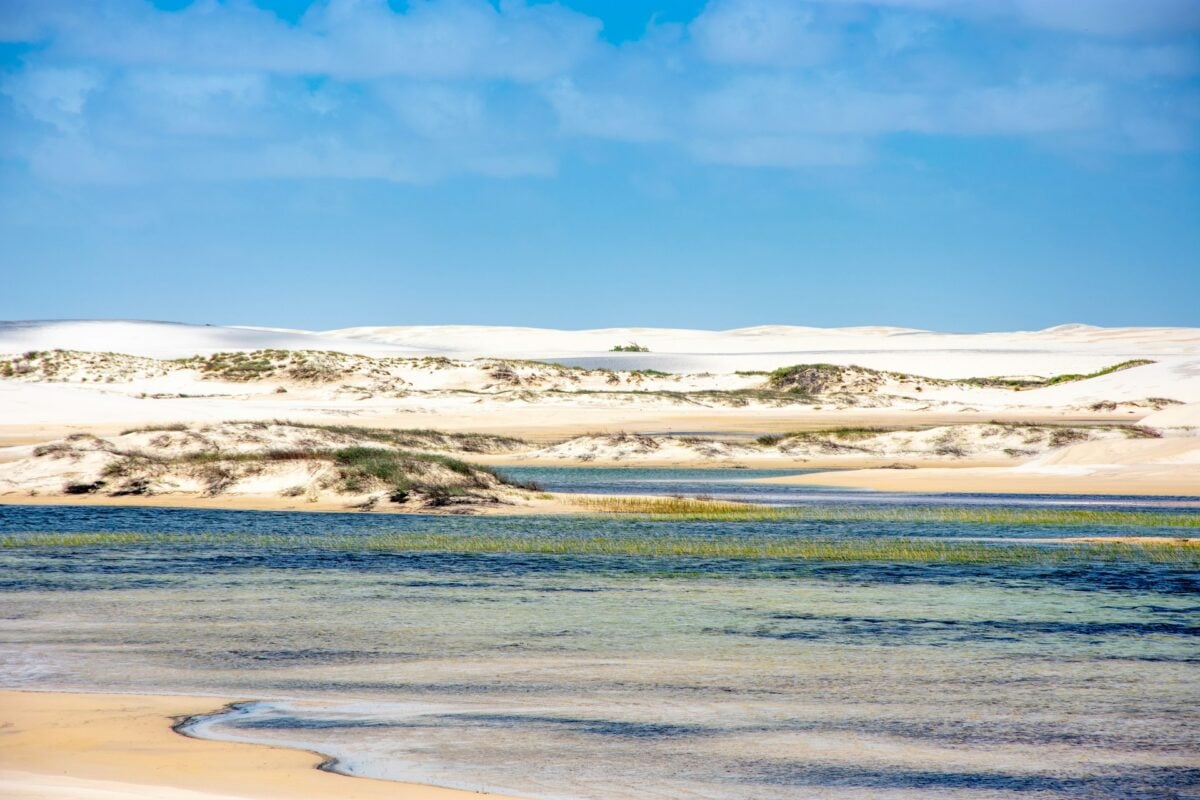
Between May and September, rainwater collects in the valleys between massive sand dunes, creating thousands of lagoons that stretch to the horizon. From above, it looks like someone scattered sapphires across a white sheet.
Fish somehow appear in these temporary lakes every year, though scientists are still debating how they survive when the lagoons dry up. The dunes shift constantly, so the landscape redesigns itself annually.
You can’t visit the same place twice because it won’t be there.
Kawah Ijen, Indonesia
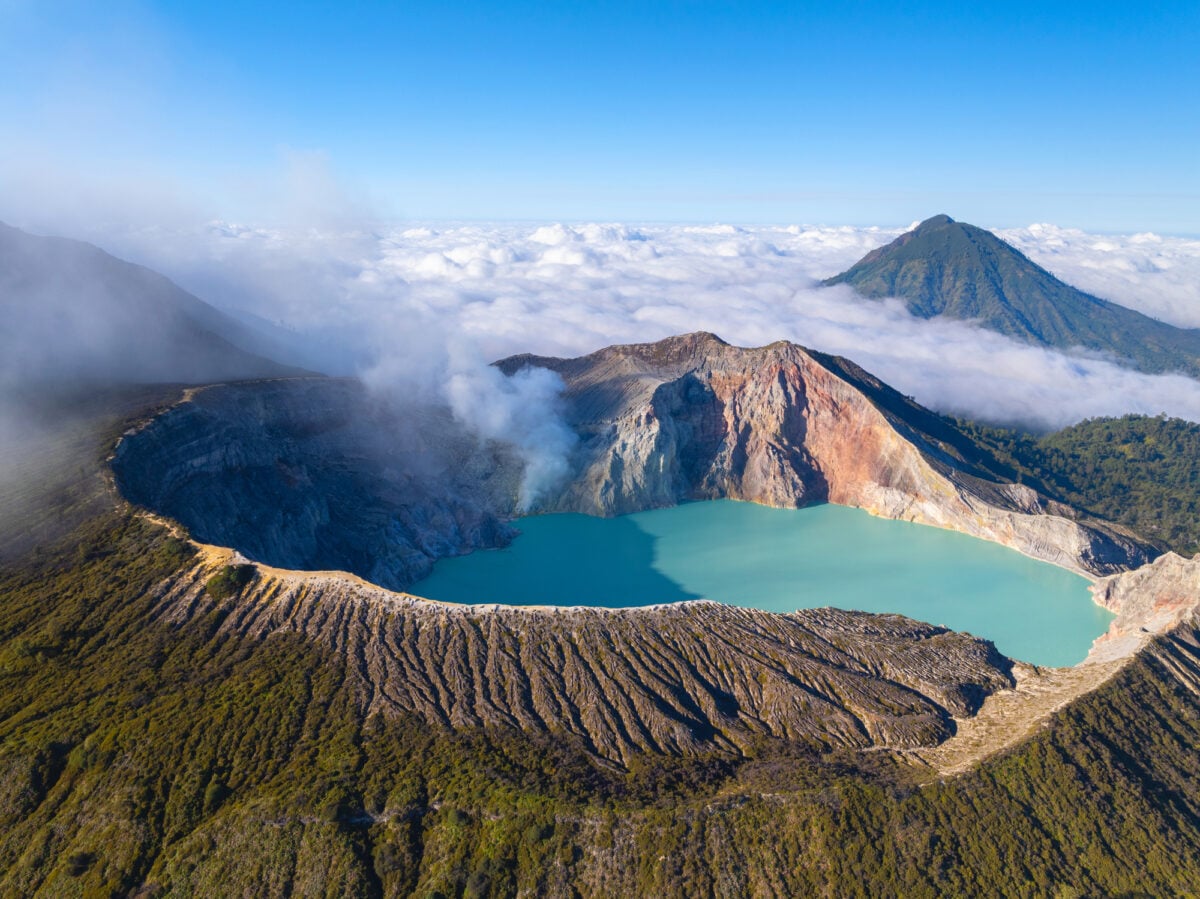
The crater lake here is the color of antifreeze — bright turquoise that warns rather than welcomes. The water is so acidic it could dissolve metal, with a pH level close to battery acid.
At night, the volcano produces blue flames from burning sulfur gas, creating an effect that looks more like science fiction than geology.
Miners work here despite the toxic environment, collecting sulfur from the crater in conditions that would be illegal in most countries. The beauty is undeniable and entirely hostile.
Spotted Lake, Canada
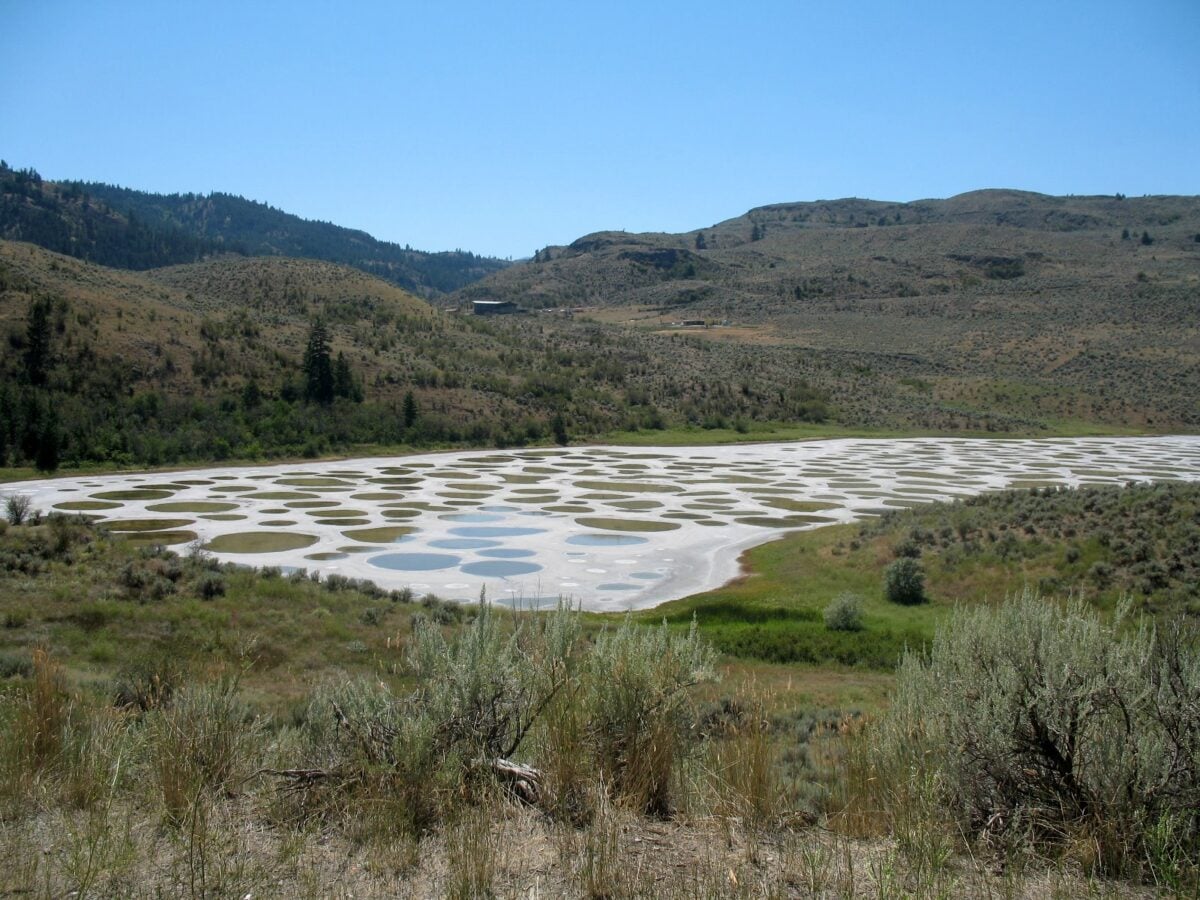
During summer, this lake in British Columbia separates into hundreds of individual pools, each a different color depending on its mineral concentration. Yellow, green, blue, and white spots dot the landscape like a giant’s watercolor palette left out in the sun.
The Okanagan First Nation considers it sacred, which makes sense given how otherworldly it appears. Each spot contains a different combination of magnesium sulfate, calcium, and sodium sulfates.
The lake becomes a natural chemistry lesson that happens to be beautiful.
When the Familiar Becomes Foreign
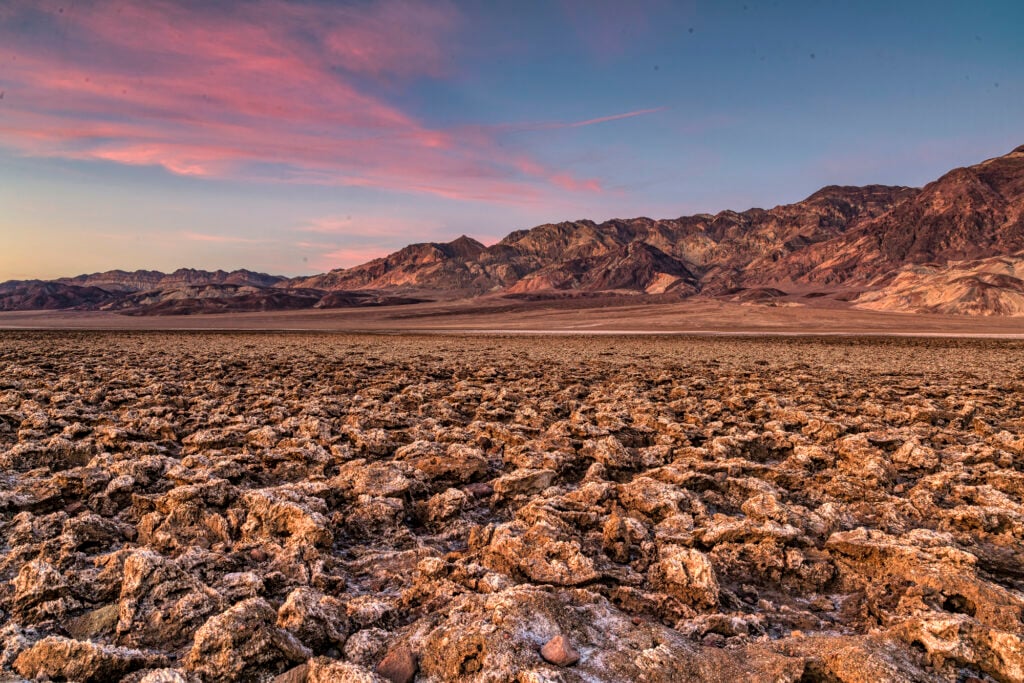
These places remind us that Earth still has the capacity to surprise us — that even on a planet we’ve mapped and photographed from every angle, there are corners that refuse to behave like the world we think we know. They’re proof that sometimes the most alien landscapes are hiding in plain sight, waiting to make us question what “home” really means.
More from Go2Tutors!

- The Romanov Crown Jewels and Their Tragic Fate
- 13 Historical Mysteries That Science Still Can’t Solve
- Famous Hoaxes That Fooled the World for Years
- 15 Child Stars with Tragic Adult Lives
- 16 Famous Jewelry Pieces in History
Like Go2Tutors’s content? Follow us on MSN.