Historical Figures With Secret Tattoos
Tattoos carry different meanings today than they did a century ago. Back then, body art belonged mostly to sailors, criminals, and people living at the edges of society.
Respectable folks avoided tattoos completely, and the upper classes considered them embarrassing at best. Yet some surprising people throughout history got inked anyway, hiding their body art under formal clothing and keeping quiet about their choices.
These weren’t rebels trying to shock anyone. They were kings, writers, inventors, and politicians who wanted tattoos for personal reasons but knew society would judge them harshly.
The stories behind these hidden tattoos reveal a lot about the people who wore them. Some got tattooed during travels to faraway places, while others marked important moments or beliefs on their skin.
Winston Churchill
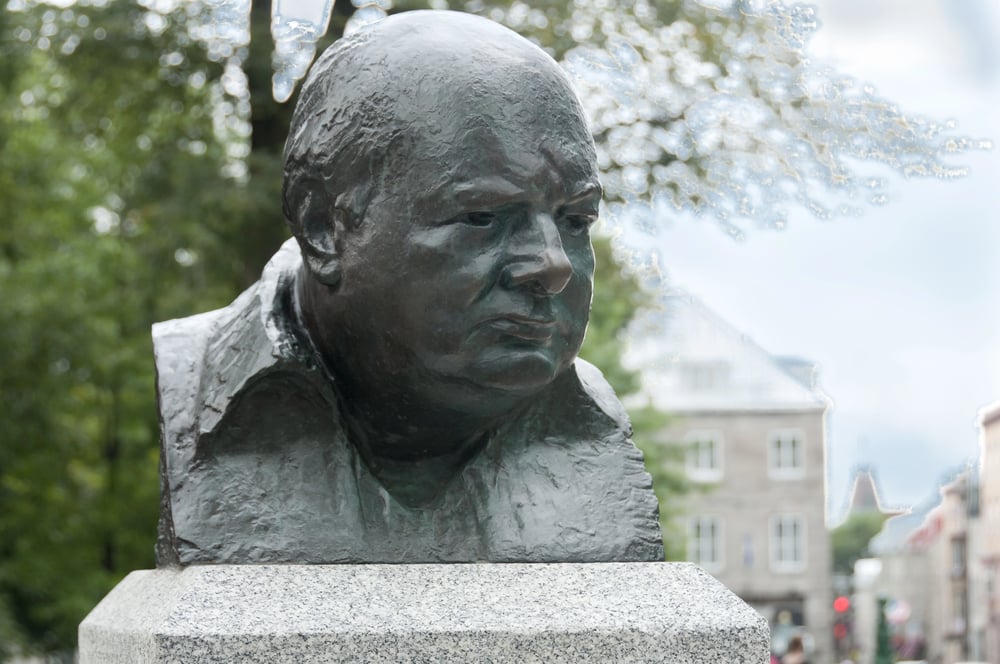
The British Prime Minister had an anchor tattooed on his forearm, which seemed odd for an army man. Sailors typically wore anchor tattoos because of their connection to the sea, but Churchill served in the British Army before entering politics.
The choice becomes less strange when you learn about his mother. Lady Randolph Churchill reportedly had a snake tattooed around her wrist, which she covered with bracelets when needed.
Winston might have followed his mother’s example of getting body art, though he picked a more traditional military design. The anchor stayed hidden under his formal clothing during most public appearances, and Churchill rarely if ever mentioned it publicly.
Andrew Jackson
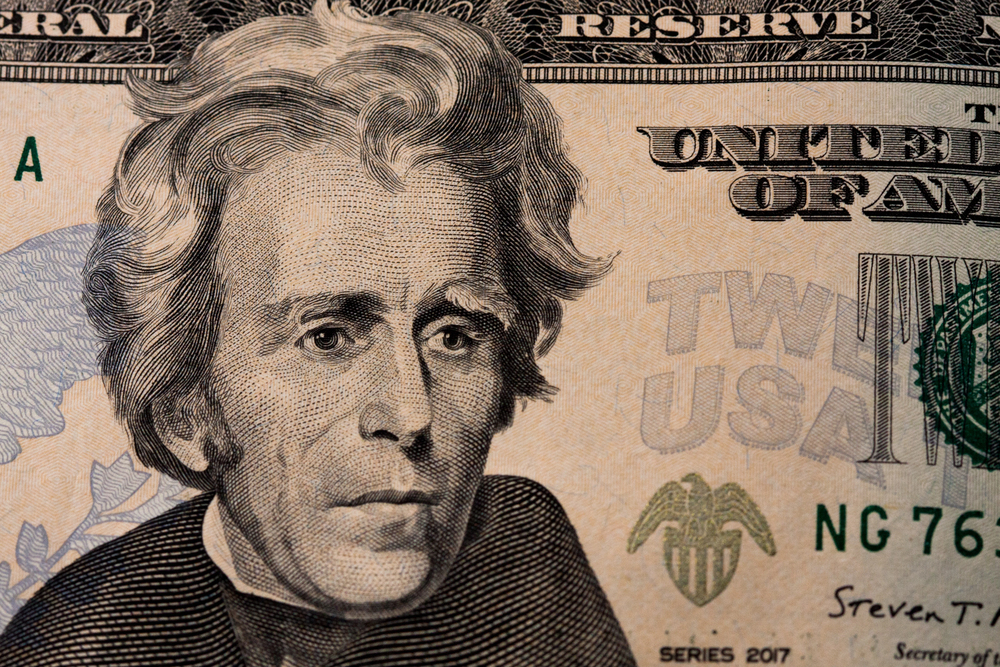
America’s seventh president carried a tomahawk tattoo on his inner thigh where nobody would see it. Jackson spent much of his political career focused on policies that hurt Native American communities, which makes the tattoo choice particularly strange.
Historians can only guess why he picked this design. Some think it reflected his military encounters with Native Americans during his time as a general.
Others wonder if he got it during his youth before his political views hardened. The inner thigh placement meant Jackson could keep this tattoo completely secret from everyone except perhaps his closest family members.
Nobody knows for certain when he got it or what it meant to him personally.
Thomas Edison
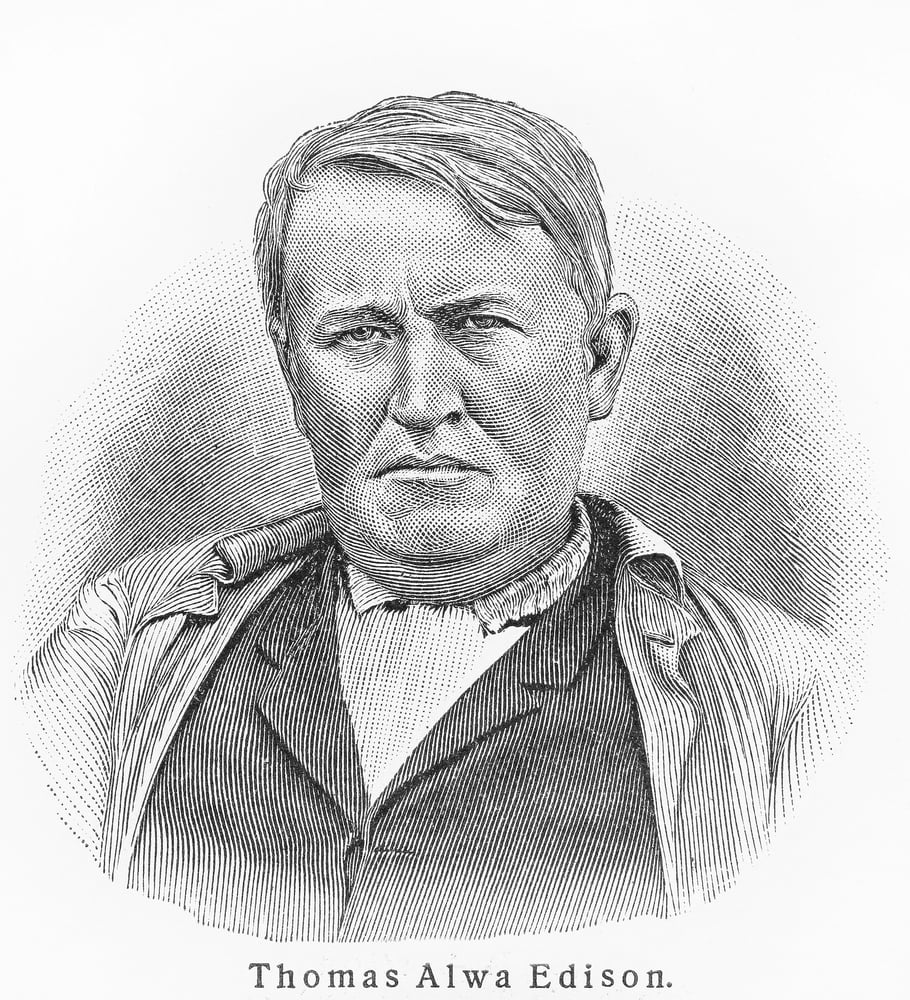
The inventor who changed how people live got himself a simple tattoo of five dots arranged in a pattern on his forearm. Edison’s connection to tattoos runs deeper than just wearing one himself.
He invented an electric pen meant to help copy documents faster, which later became the foundation for the first electric tattoo machine. Samuel O’Reilly borrowed Edison’s technology and created equipment that tattoo artists still use in modified form today.
Edison probably tested his own invention on himself, which explains the dots. The pattern might have been an early experiment with his electric pen before he realized its potential use in tattooing.
George Orwell
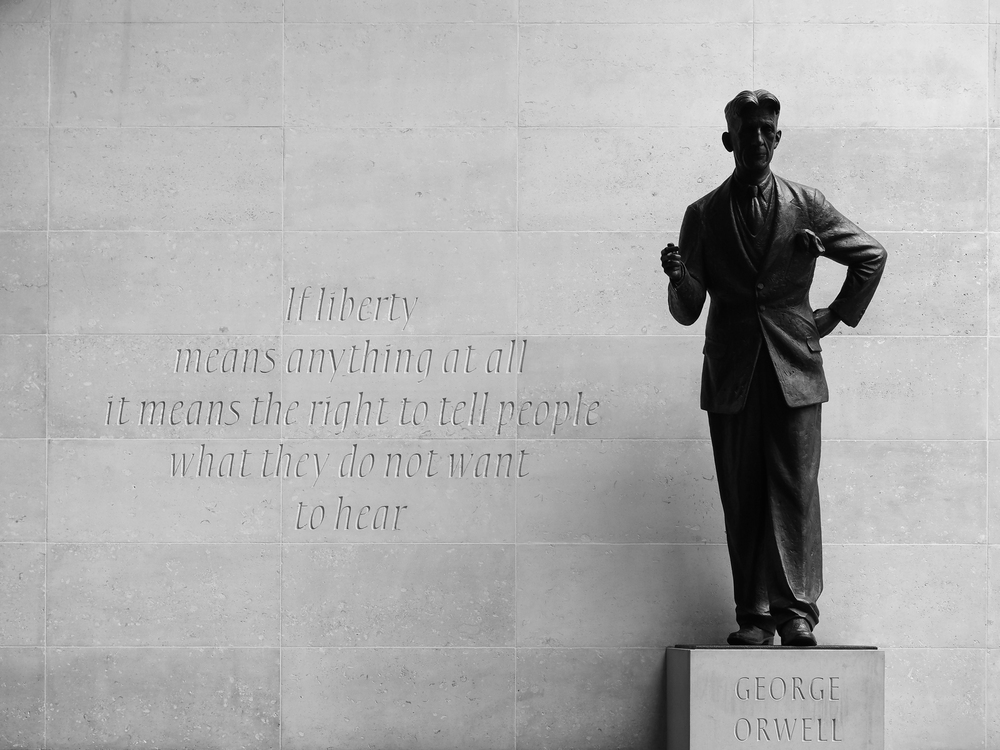
The author of 1984 had blue dots tattooed on each of his knuckles during his time as a policeman in Burma. Local tribesmen believed these dots provided protection from British bullets, which carried deep meaning during colonial times.
Orwell grew increasingly uncomfortable with British rule as he witnessed how it affected the Burmese people. Getting these tattoos signaled his sympathy with the colonized population and his rejection of the British establishment he represented.
Friends who knew him described the dots as looking like small blue spots across his knuckles. The tattoos stayed with him for the rest of his life, a permanent reminder of his time in Burma and the political awakening he experienced there.
King Frederik IX of Denmark
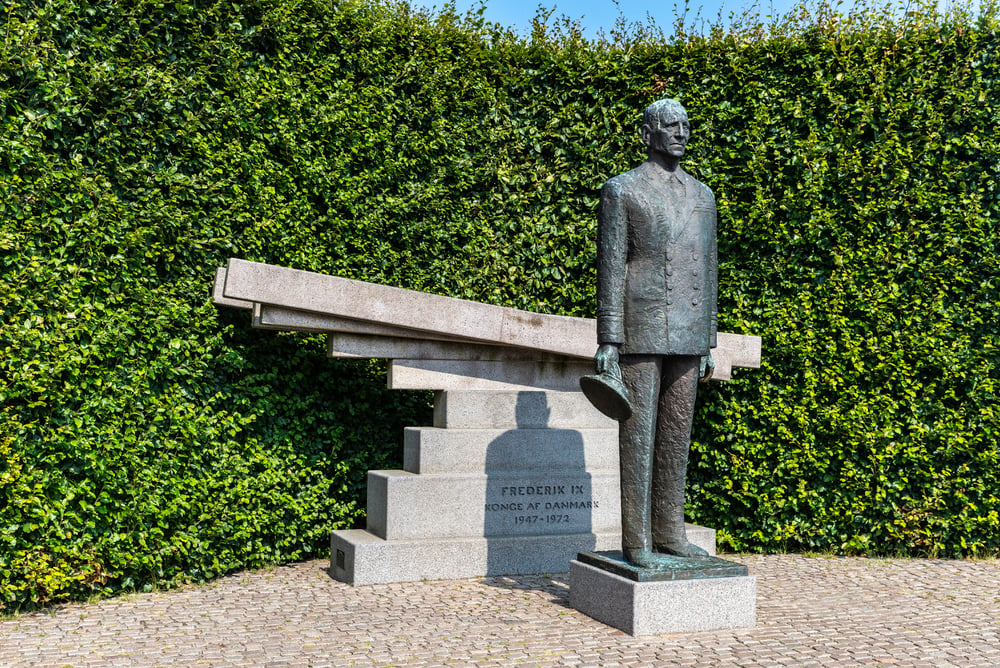
Frederik stands out as perhaps the most heavily tattooed royal in European history. The Danish king collected around nine tattoos during his years as a naval officer, including dragons, birds, and other traditional sailor designs.
His pride and joy was a large Chinese dragon across his chest done in red, black, and green ink. Unlike other tattooed historical figures who hid their body art, Frederik sometimes showed his off.
A photo published in Life Magazine in 1951 shocked people by showing the shirtless king displaying his tattoos. He even visited famous tattoo artists in London and Denmark to have his designs touched up and refreshed.
The king’s openness about his tattoos helped shift public opinion slightly, though most royals still avoided them completely.
Lady Randolph Churchill
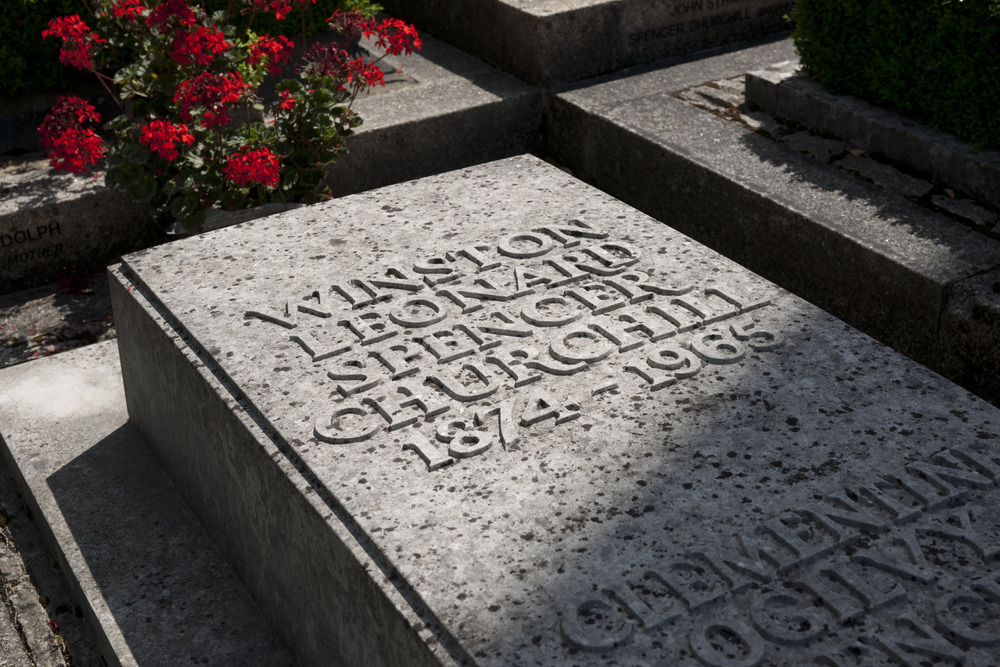
Winston Churchill’s mother reportedly wore a snake tattoo that wrapped around her wrist like a bracelet. The design showed a serpent eating its own tail, an ancient symbol called an ouroboros representing eternity.
According to one popular story, she got the tattoo from a British soldier working as a tattoo artist aboard a ship returning from India. Her husband Lord Randolph supposedly protested, but the tattooing was already done.
Lady Randolph kept her tattoo covered most of the time with jewelry, revealing it only to close friends. However, no photographs clearly show the tattoo, and no family members confirmed its existence after her death.
The story might partly be a legend, but it fits her reputation as a bold woman who ignored social conventions.
Nicholas II of Russia

The last Russian tsar brought home a souvenir from his 1891 trip to Japan in the form of a large dragon tattoo on his right forearm. The design took seven hours to complete, from evening until early morning.
Nicholas wrote about the experience in his journal but never explained why he chose a dragon or why he decided to get tattooed at all. That same trip included an assassination attempt that he miraculously survived, though historians don’t know if the attack influenced his tattoo decision.
The colorful dragon stayed with him until his death, a permanent reminder of his youth and his travels before becoming tsar. Royal family members would have seen it regularly, but the Russian public remained mostly unaware that their ruler wore body art.
John Wilkes Booth

Lincoln’s assassin had his own initials tattooed on the back of his hand in India ink, done crudely when he was young. His sister Asia mentioned the tattoo in her memoir, describing it as simple and poorly executed.
After Booth shot President Lincoln and fled, Union soldiers eventually cornered and killed him. The body was badly damaged, making identification difficult.
Authorities used several identifying marks to confirm they had the right man, and the hand tattoo proved crucial in that identification. What started as a childish act of self-decoration ended up serving as evidence in one of America’s most famous criminal cases.
The tattoo outlasted Booth himself, helping historians and investigators piece together the events following Lincoln’s death.
James K. Polk
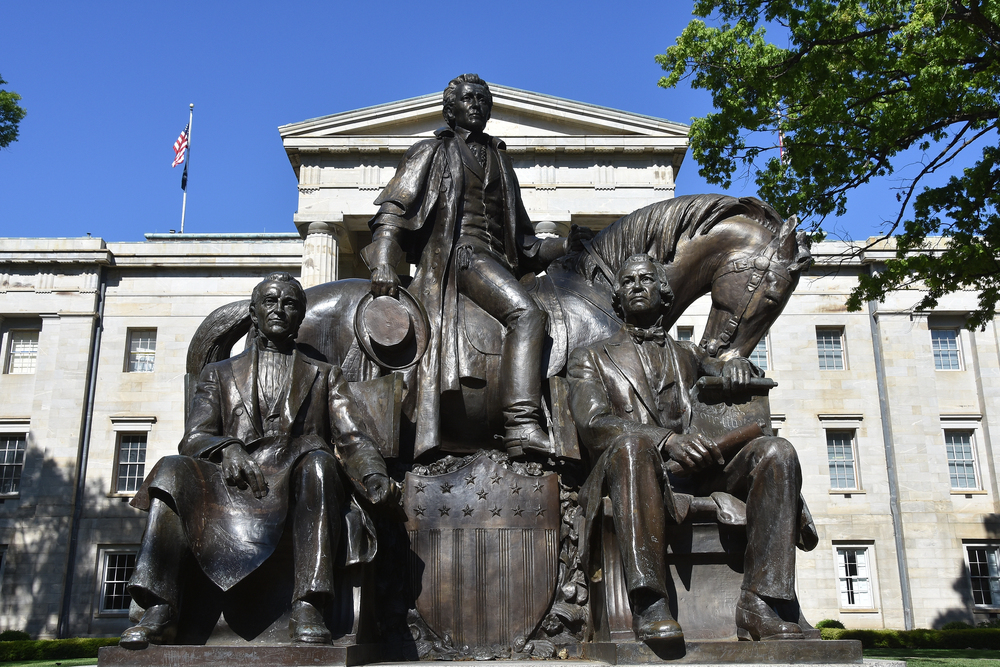
America’s eleventh president apparently started a trend that continues today by getting a Chinese character tattooed on his body. The design supposedly meant ‘eager’, though translation accuracy was questionable in Polk’s era.
Western fascination with Asian languages and symbols already existed in the 1800s, long before modern tattoo culture made Chinese characters popular. Polk kept his tattoo private, never displaying it publicly or discussing it in official contexts.
Very little documentation exists about when he got it or why he chose that particular character. The tattoo remained a quirky footnote in the life of a president better remembered for expanding American territory during his single term in office.
Barry Goldwater

The conservative Arizona senator wore symbols on his left hand representing the Smoki People, an organization dedicated to preserving Native American culture. The tattoo showed a crescent moon and four dots, which seemed unusual for a politician known for traditional values.
Goldwater genuinely supported Native American rights and worked to preserve their cultural heritage throughout his political career. The hand tattoo demonstrated his commitment went beyond political speeches and voting records.
Anyone who shook hands with Goldwater during his long Senate career would have seen the symbols, though few probably understood their meaning. The tattoo represented one of the few areas where Goldwater’s personal actions contradicted his otherwise conventional public image.
Oliver Hardy
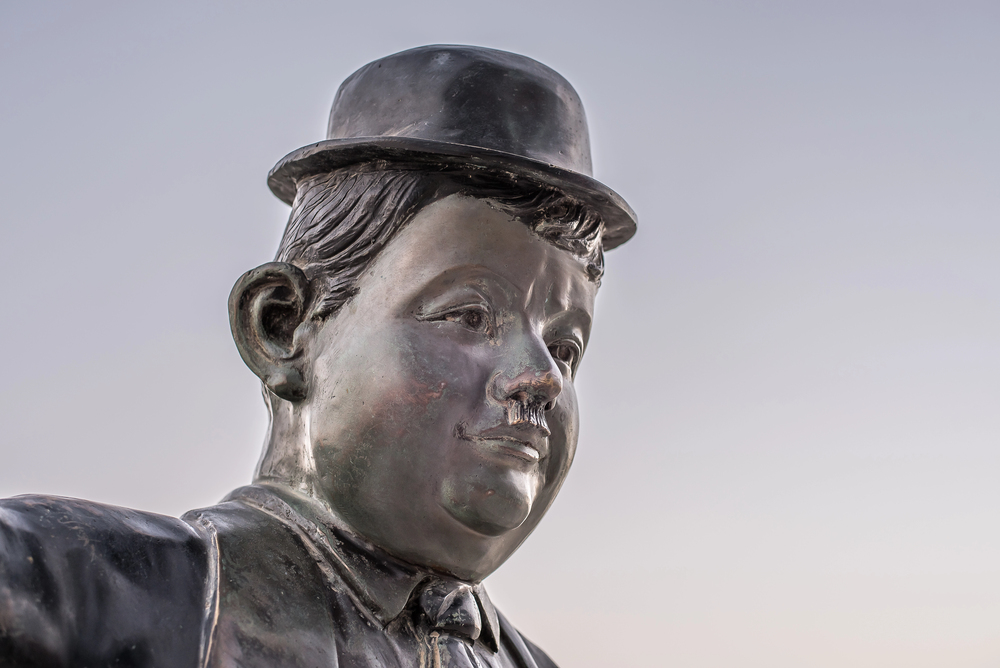
The larger half of the Laurel and Hardy comedy duo got a maple leaf tattooed on his right arm when he was only 14 years old. His mother reacted so angrily to this teenage rebellion that she reportedly attacked the person who did the tattooing.
Hardy wore the simple leaf design for the rest of his life, including throughout his film career. The tattoo rarely appeared on camera since most of his roles required him to wear long sleeves or formal clothing.
Getting tattooed as a teenager in the early 1900s took either courage or foolishness, and Hardy’s mother clearly thought it was the latter. The maple leaf stayed with him through decades of comedy performances, a permanent reminder of youthful defiance that turned into a lifelong mark.
Janis Joplin
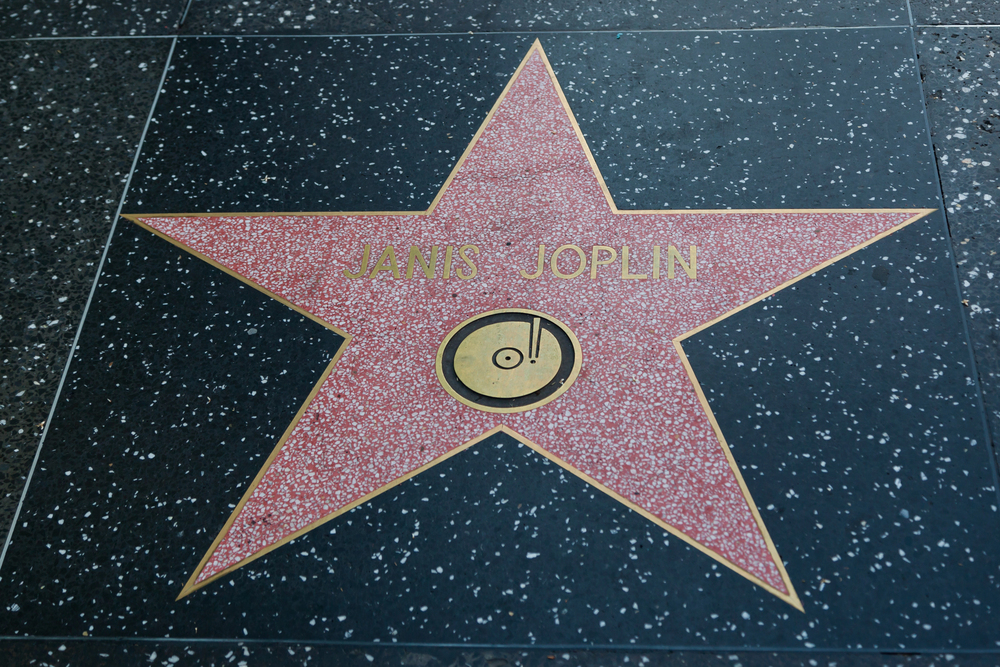
The rock singer helped bring tattoos into mainstream acceptance during the 1960s. Joplin got her ink from Lyle Tuttle, a famous San Francisco tattoo artist who worked on many counterculture figures.
She had a wristlet design and a small heart tattooed on her left breast. Unlike earlier tattooed figures who hid their body art, Joplin displayed hers as part of her rock and roll image.
Her willingness to show her tattoos publicly helped change how Americans viewed body art. Before Joplin, tattoos belonged almost exclusively to working-class men and outcasts.
After her, tattoos started becoming acceptable for women and people from different social backgrounds. Her influence on tattoo culture matched her influence on music, helping reshape what was considered acceptable self-expression.
Joseph Stalin
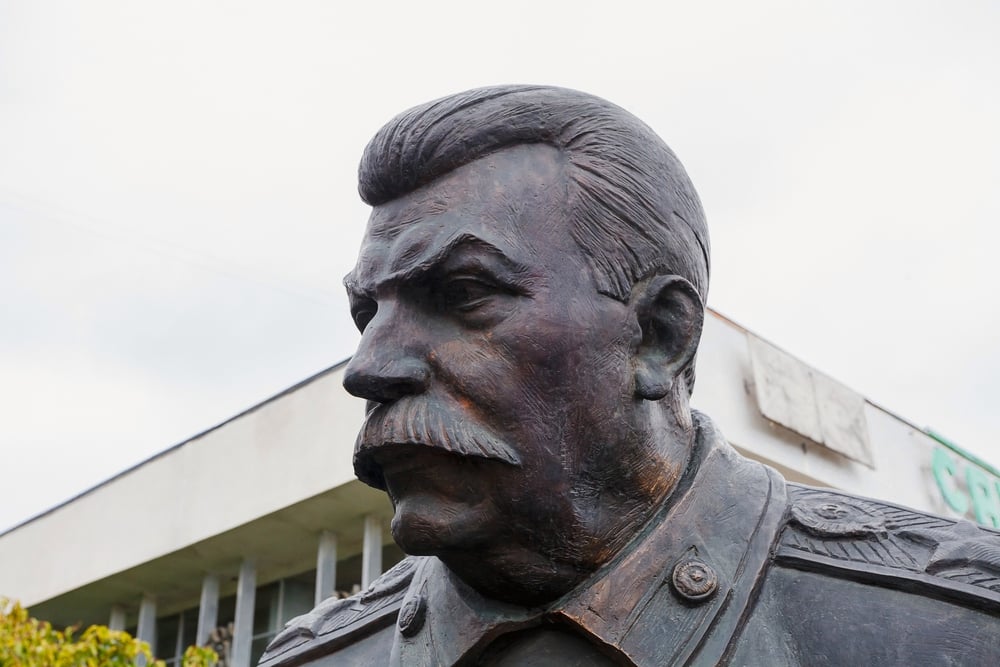
A mark appeared on his chest back when jail first shaped his path – a blue skull inked in silent defiance. Locked away more than once as a young rebel fighting tsarist rule, he learned survival behind bars.
In those cells, symbols spoke louder than words, each marking revealing rank among outlaws. That particular image whispered readiness: danger accepted, life risked without pause.
Years passed, power came, cruelty followed – yet the skin beneath tailored coats kept its secret. Hidden it stayed unchanged through decades of command.
Outside the closest few, hardly anyone realized he had prison tattoos. That mark on his skin never left, even when he ruled. Years went by, yet the skull remained – proof of crimes long before the speeches and titles began.
King Harold II of England
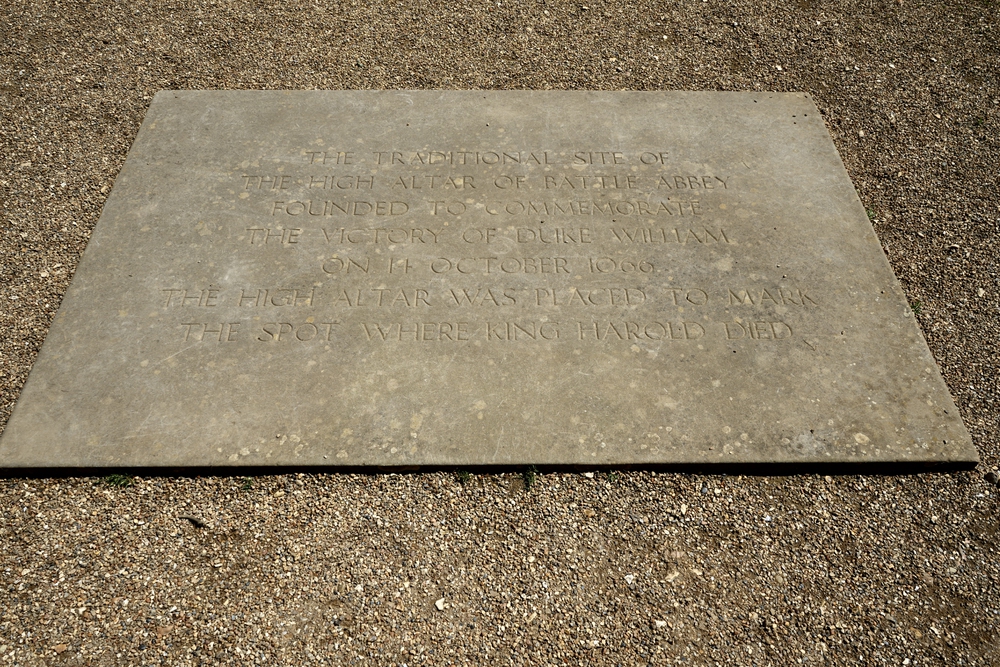
That October day near Hastings, blood soaked the ground where England’s final Saxon ruler fell. His form lay broken, hard to recognize among the dead.
Stories say Queen Edith came searching through wreckage, eyes fixed on one mark only she would know. Beneath torn armor, skin bore ink – ‘Edith and England’ traced above his chest.
Proof, some claimed, of love tied tightly to land and loyalty. The truth of it? Hard to pin.
Writers back then mixed myth with truth like threads in rough cloth. Still, several old texts repeat the same detail: a hidden sign helped name the unnameable.
Should the tale hold truth, identification came through ink – his tattoo made sure he received a proper burial. Back then, people marked skin to remember, centuries before today’s tattoo trends ever appeared.
When ink met history
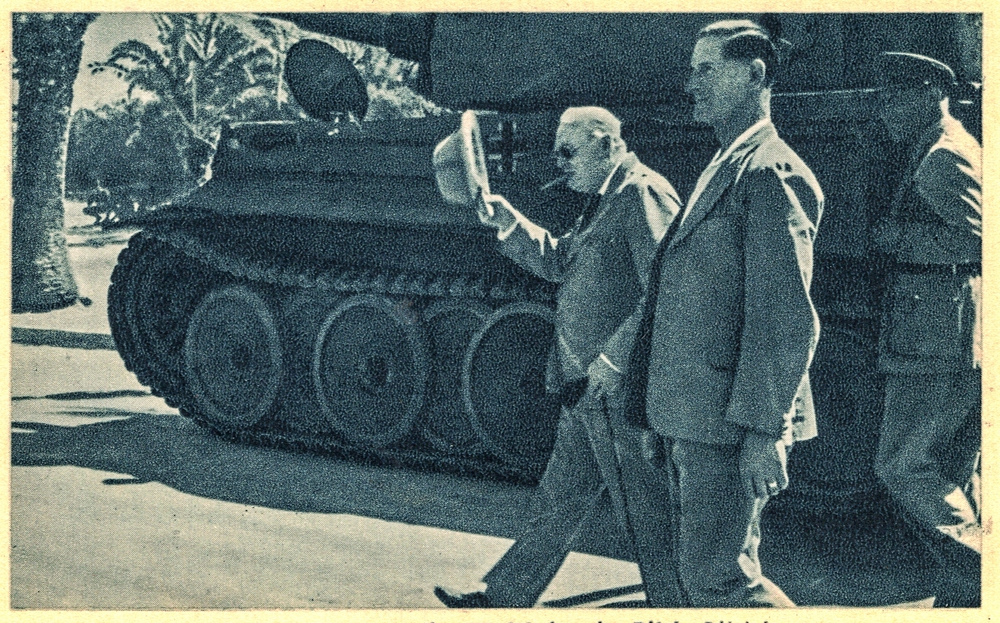
Hidden beneath clothes, ink stayed present across generations. Royalty wore designs just like rebels did.
Leaders once feared judgment yet still carved meaning into flesh. Journeys inspired some marks, while loyalty shaped others.
What was once private now speaks louder than before. Nowadays, many show off their tattoos online and at work without hesitation.
Back then, influential figures made sure theirs stayed covered by suits and ties. Slowly, things changed, thanks to those who chose authenticity over approval.
What they wore beneath became a quiet mark of meaning, untouched by judgment.
More from Go2Tutors!

- The Romanov Crown Jewels and Their Tragic Fate
- 13 Historical Mysteries That Science Still Can’t Solve
- Famous Hoaxes That Fooled the World for Years
- 15 Child Stars with Tragic Adult Lives
- 16 Famous Jewelry Pieces in History
Like Go2Tutors’s content? Follow us on MSN.