US Leaders With Notable Military Honors
Before becoming presidents, many American leaders proved themselves on battlefields across different eras. Their military service shaped how they led the nation later, and the honors they earned tell stories of courage under fire.
Some rose through the ranks during wartime, while others volunteered when their country called. Each brought something different from their time in uniform.
George Washington: The General Who Started It All

Washington commanded the Continental Army through eight years of the Revolutionary War. He kept his troops together during brutal winters and desperate retreats, earning respect even from enemies.
After the war, Congress awarded him a special thanks, and later generations gave him the title of General of the Armies—the highest rank possible. His military leadership made the presidency possible.
Ulysses S. Grant: From West Point To Appomattox
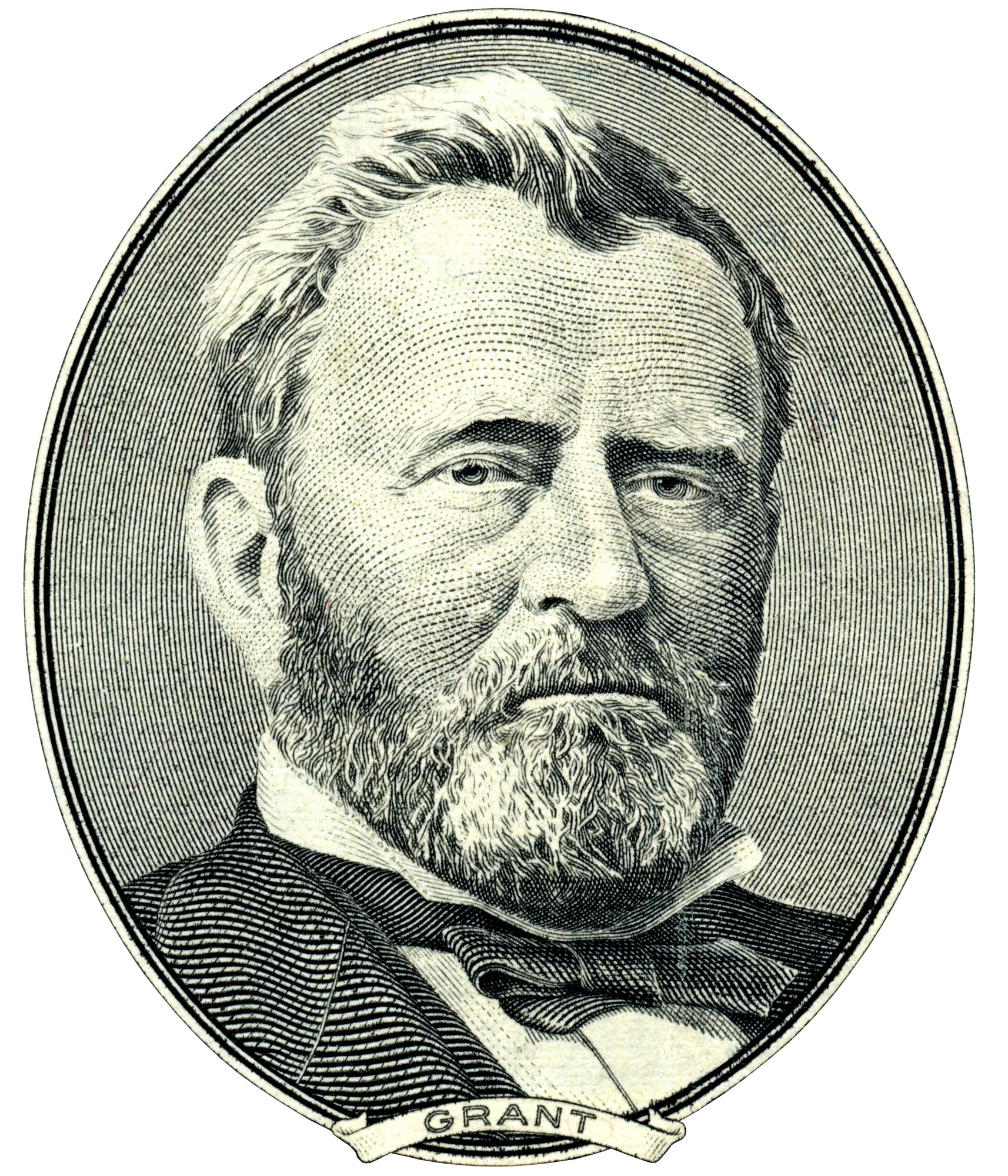
Grant graduated from West Point in 1843 and served in the Mexican-American War before the Civil War made him famous. He earned the nickname “Unconditional Surrender” Grant after capturing Fort Donelson.
Lincoln promoted him to lieutenant general, a rank only Washington had held before. His military strategy ended the Civil War, and he received the formal surrender at Appomattox Court House.
Theodore Roosevelt: Charging Up San Juan Hill
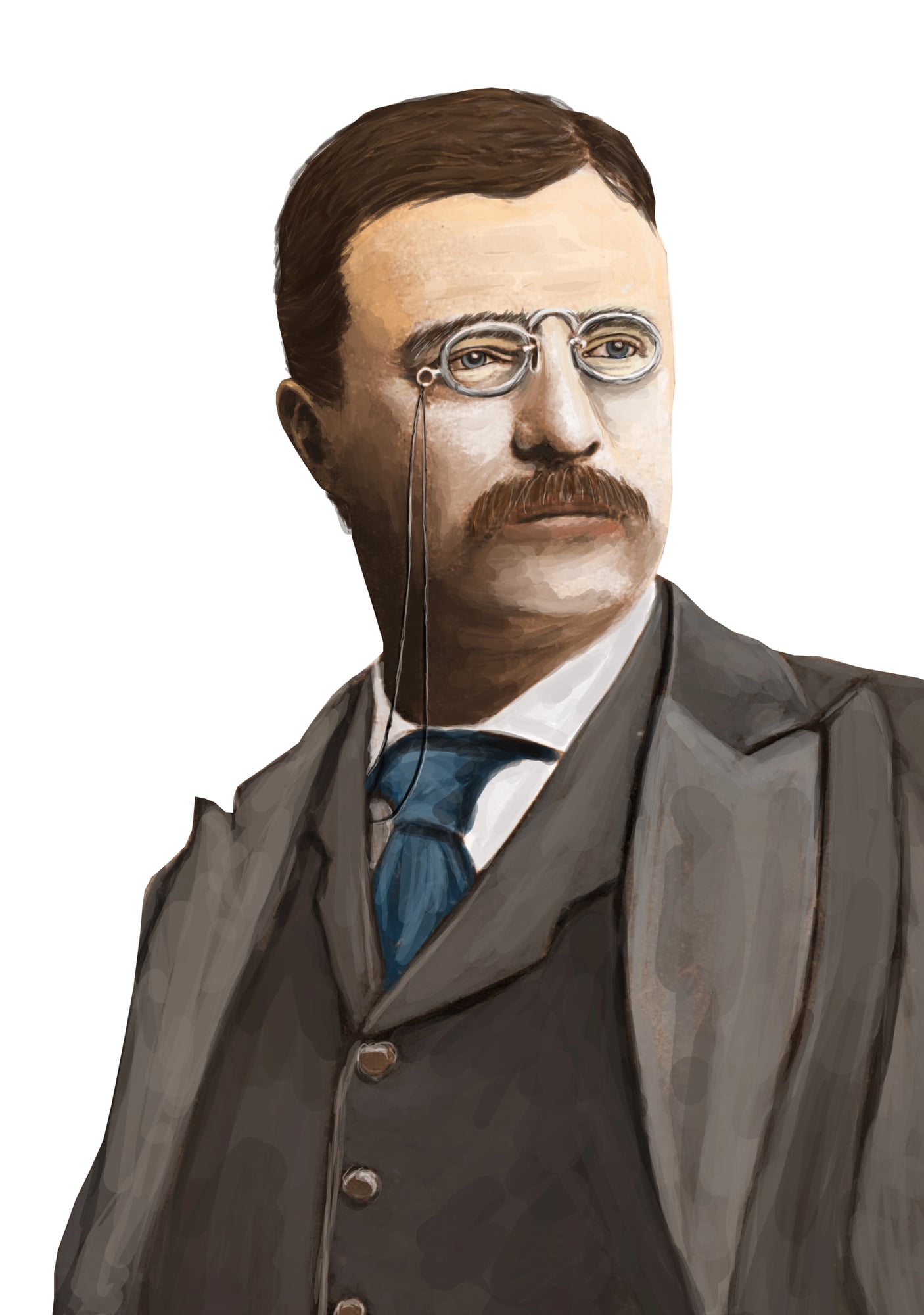
Roosevelt quit his job as Assistant Secretary of the Navy to form the Rough Riders cavalry unit during the Spanish-American War. He led his men in the famous charge up Kettle Hill (often misremembered as San Juan Hill) in Cuba.
His bravery earned him a Medal of Honor nomination at the time, though politics delayed it. Congress finally awarded him the medal posthumously in 2001.
The cavalry charge made Roosevelt a national hero overnight. Newspapers loved the story of the wealthy New Yorker fighting alongside cowboys and miners.
Dwight D. Eisenhower: Supreme Commander Of Allied Forces
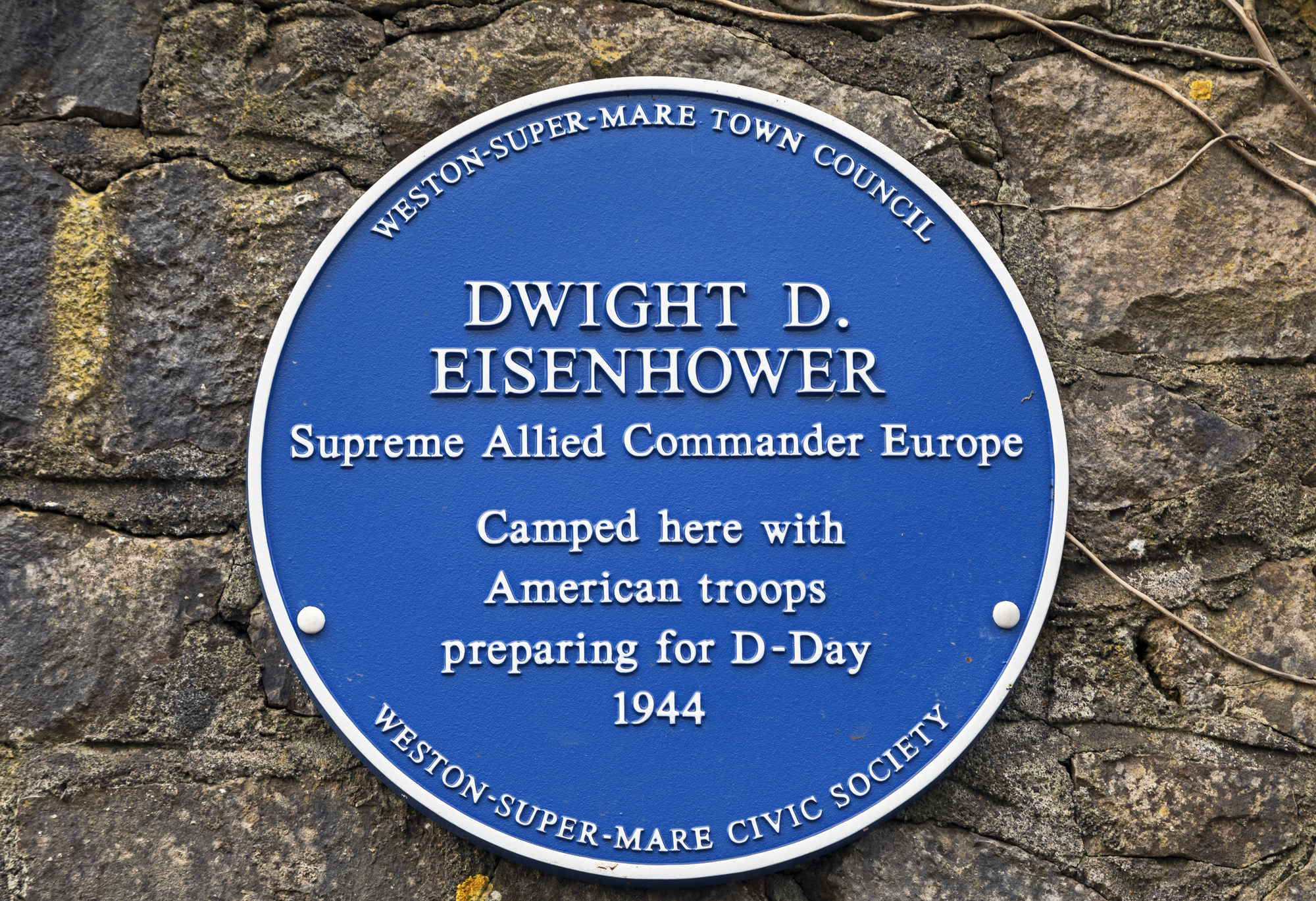
Eisenhower commanded Operation Overlord, the D-Day invasion that changed World War II. He managed a massive coalition of Allied forces and balanced the egos of generals like Patton and Montgomery.
The military promoted him to five-star general, and foreign governments decorated him with their highest honors. France made him a Grand Cross of the Legion of Honor, and Britain gave him the Order of Merit.
His wartime leadership taught him how to negotiate with difficult personalities—skills that served him well in the Oval Office.
John F. Kennedy: PT-109 And Purple Heart
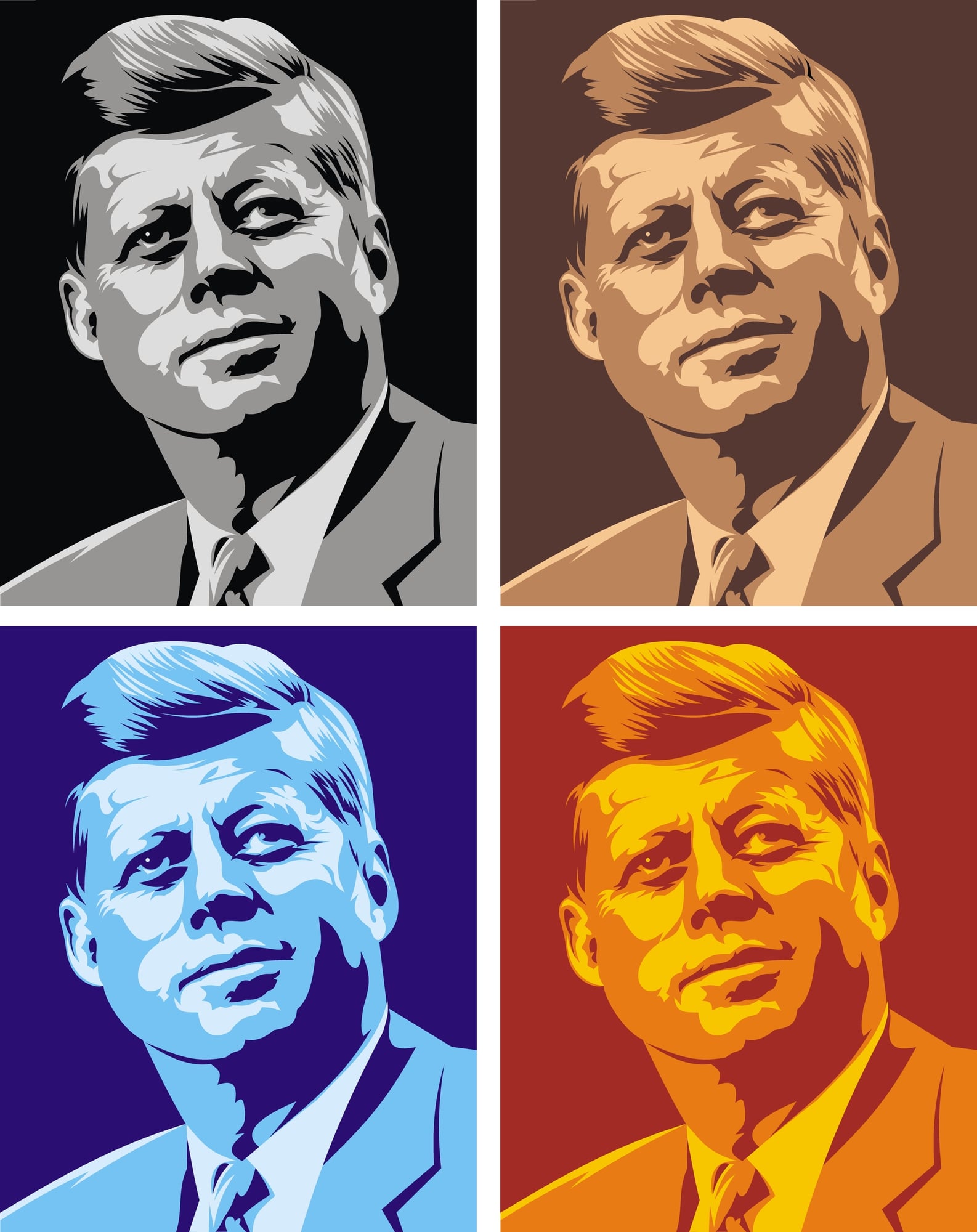
Kennedy commanded PT-109, a patrol torpedo boat in the Pacific during World War II. When a Japanese destroyer rammed his boat in 1943, Kennedy swam for hours towing an injured crewman.
He saved his entire crew and earned the Navy and Marine Corps Medal for heroism. The Navy also awarded him the Purple Heart for injuries he sustained.
The story became central to his political campaigns, showing voters he understood sacrifice. His crew members remained loyal friends for life.
George H.W. Bush: The Youngest Naval Aviator
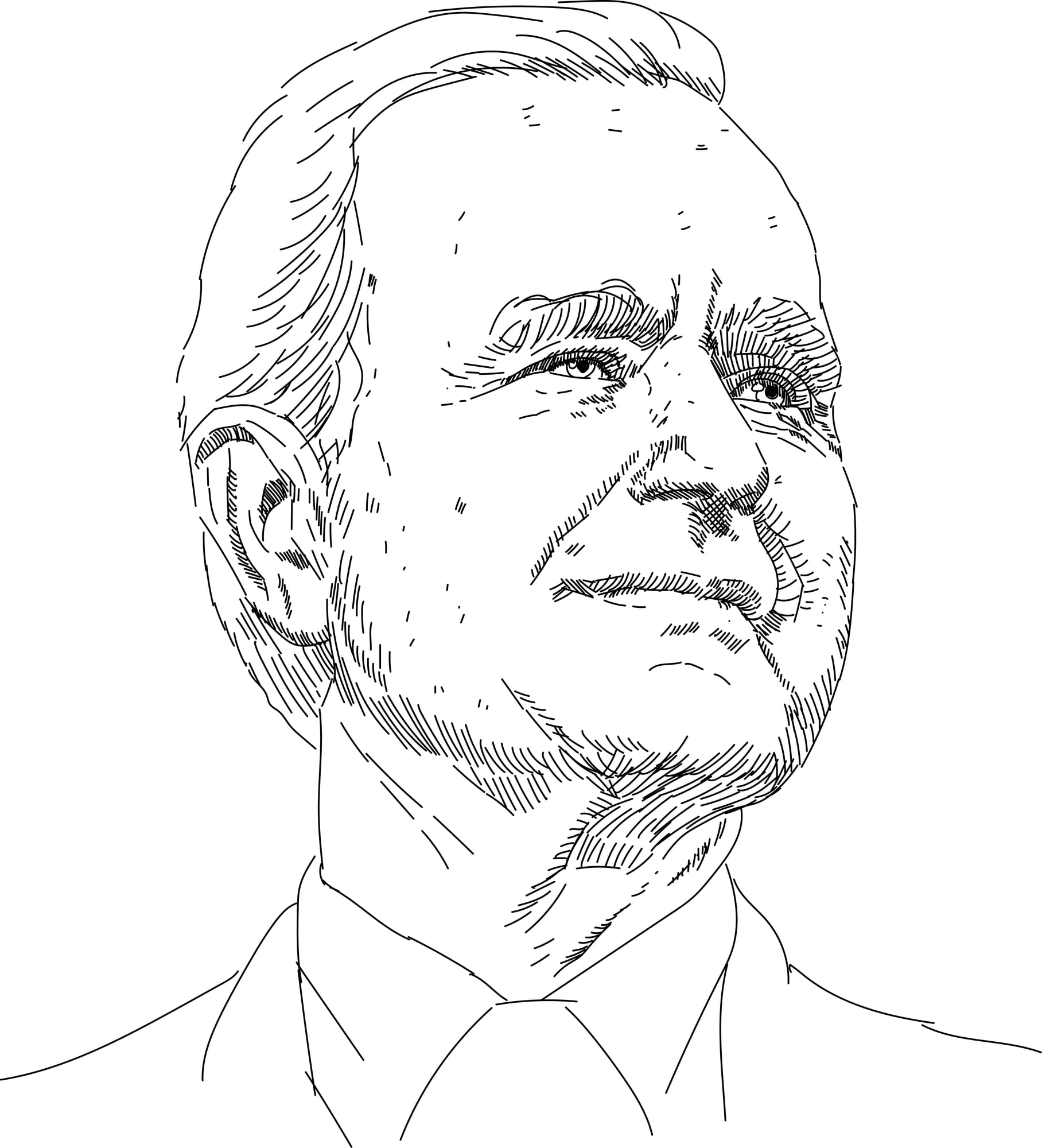
Bush enlisted on his 18th birthday and became the youngest naval aviator in US history at that time. He flew 58 combat missions during World War II and got shot down over the Pacific.
The Navy rescued him after he spent hours floating in a life raft. He earned the Distinguished Flying Cross and three Air Medals for his service.
His experience as a pilot made him comfortable with military operations during his presidency. He understood what it meant to send young people into combat.
Andrew Jackson: The Hero Of New Orleans
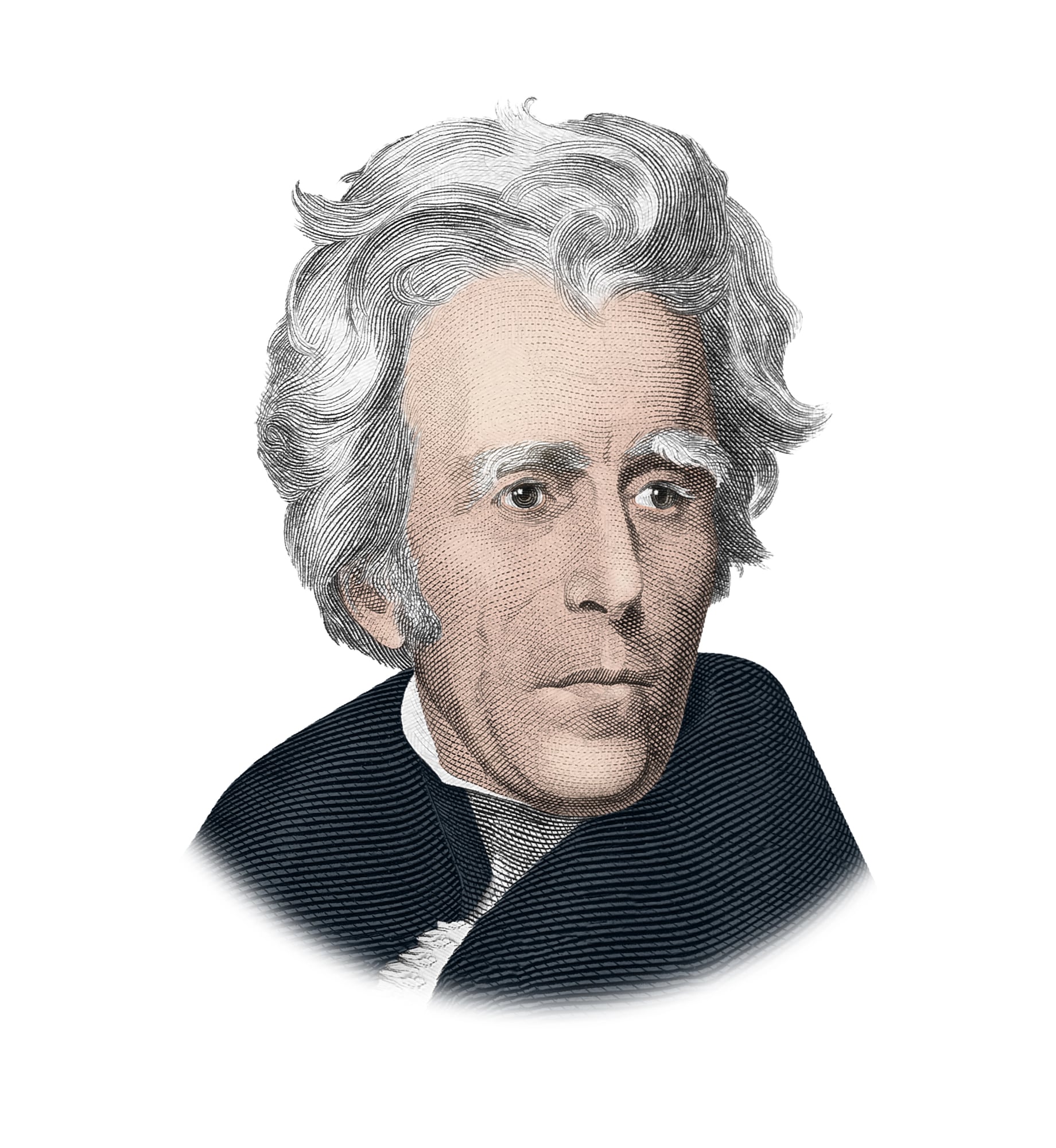
Jackson earned his reputation fighting Creek Indians and British forces during the War of 1812. His victory at the Battle of New Orleans made him a national sensation, even though the war had technically ended.
Congress gave him a gold medal for his service, and cities named streets after him. His military fame carried him straight to the White House years later.
The general had no formal military training but knew how to inspire loyalty and win battles. His soldiers called him “Old Hickory” because he seemed as tough as that wood.
Zachary Taylor: Forty Years In Uniform
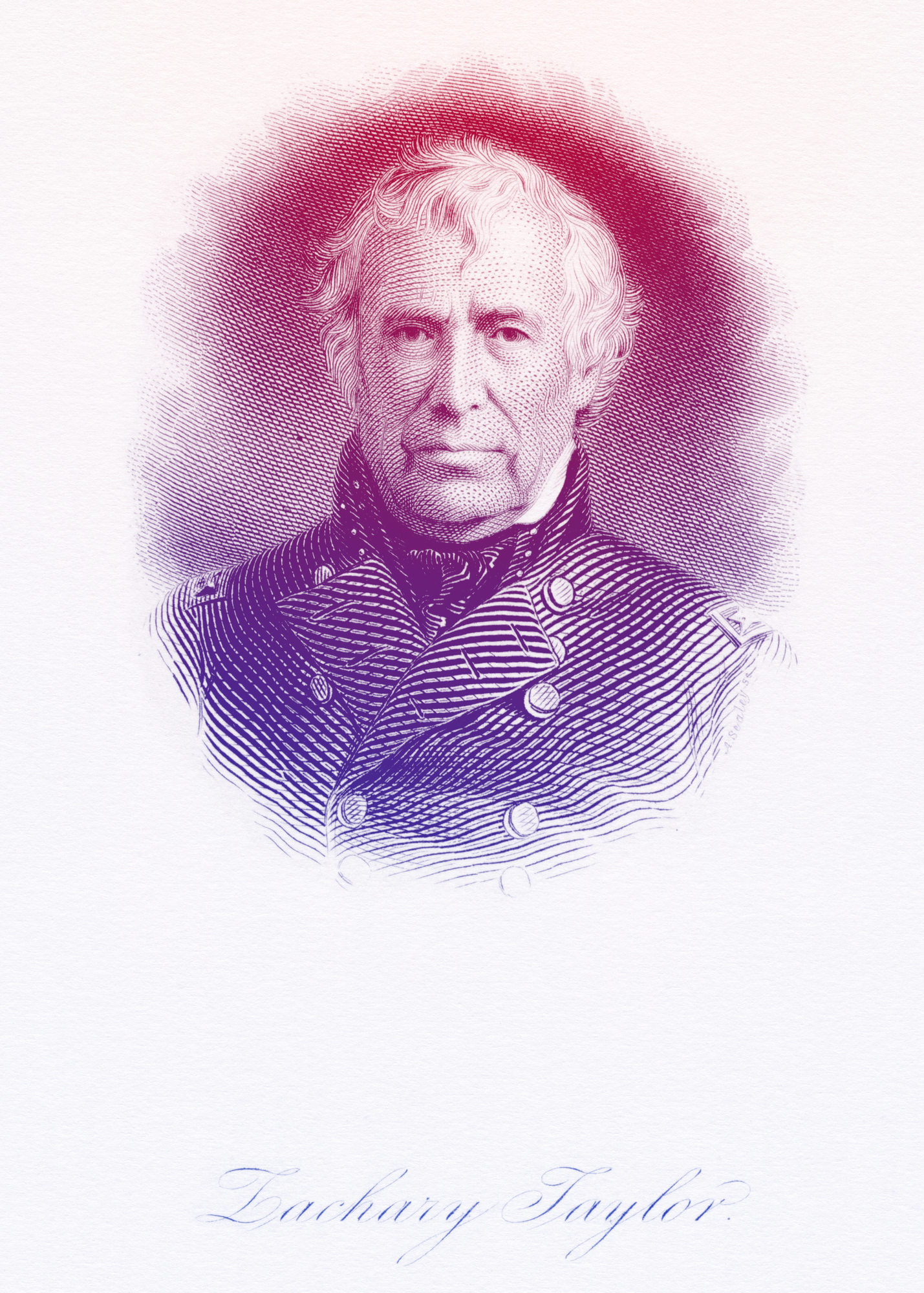
Taylor spent four decades in the Army before becoming president. He fought in the War of 1812, the Black Hawk War, and the Second Seminole War.
But the Mexican-American War made him famous when he won battles at Palo Alto, Monterrey, and Buena Vista. Congress promoted him to major general and gave him a sword for his victories.
He never wanted to be president and barely campaigned. The Whig Party nominated him purely because of his military record.
William Henry Harrison: Tecumseh And Tippecanoe
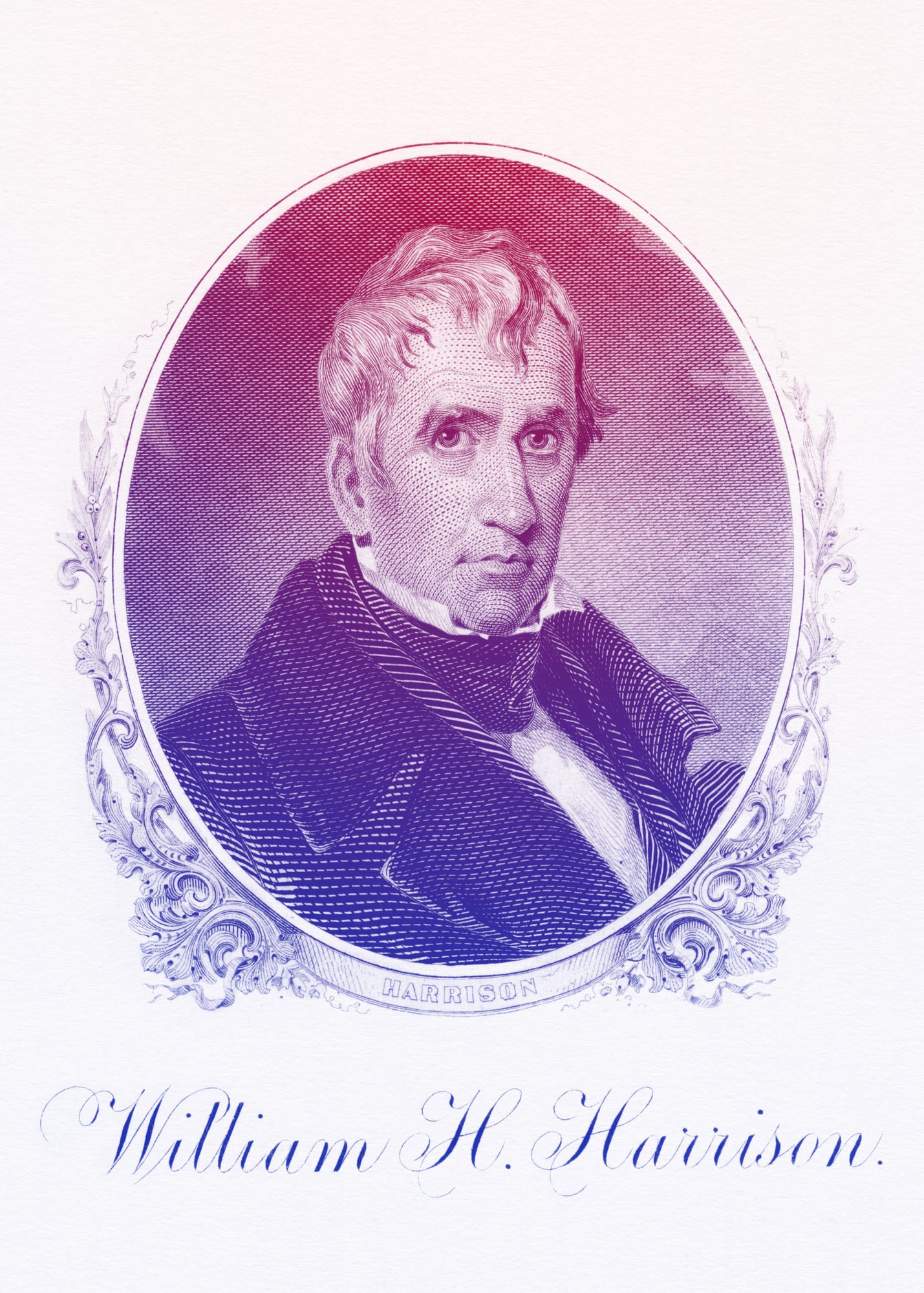
Harrison defeated Tecumseh’s confederation at the Battle of Tippecanoe in 1811, earning him lasting fame. During the War of 1812, he served as a major general and defeated British and Native American forces at the Battle of the Thames.
Congress gave him a gold medal and formal thanks. His campaign slogan “Tippecanoe and Tyler Too” reminded voters of his military past.
The battle happened years before his presidency, but voters never forgot it. Military glory lasted a long time in early American politics.
James Monroe: Wounded At Trenton
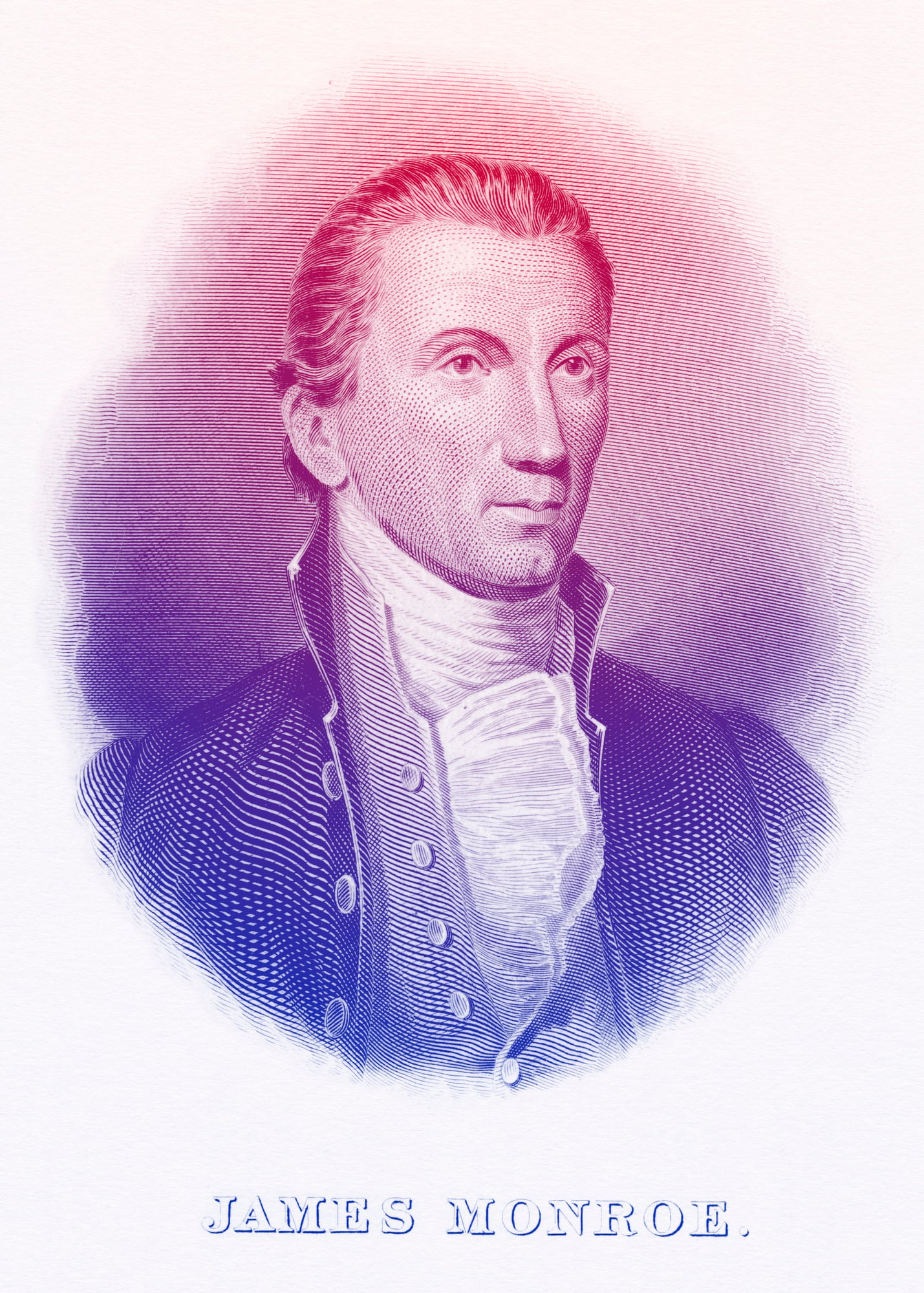
Monroe served as a lieutenant colonel during the Revolutionary War and fought at several major battles. At Trenton, he helped lead the surprise attack on Hessian forces and took a musket orb to his shoulder.
The wound nearly killed him, and he carried that injury the rest of his life. His service earned him respect from Washington himself, who noticed his bravery under fire.
After the war, Monroe used his military credentials to build a political career. Veterans trusted him because he understood what they had endured.
Rutherford B. Hayes: Four Wounds For The Union
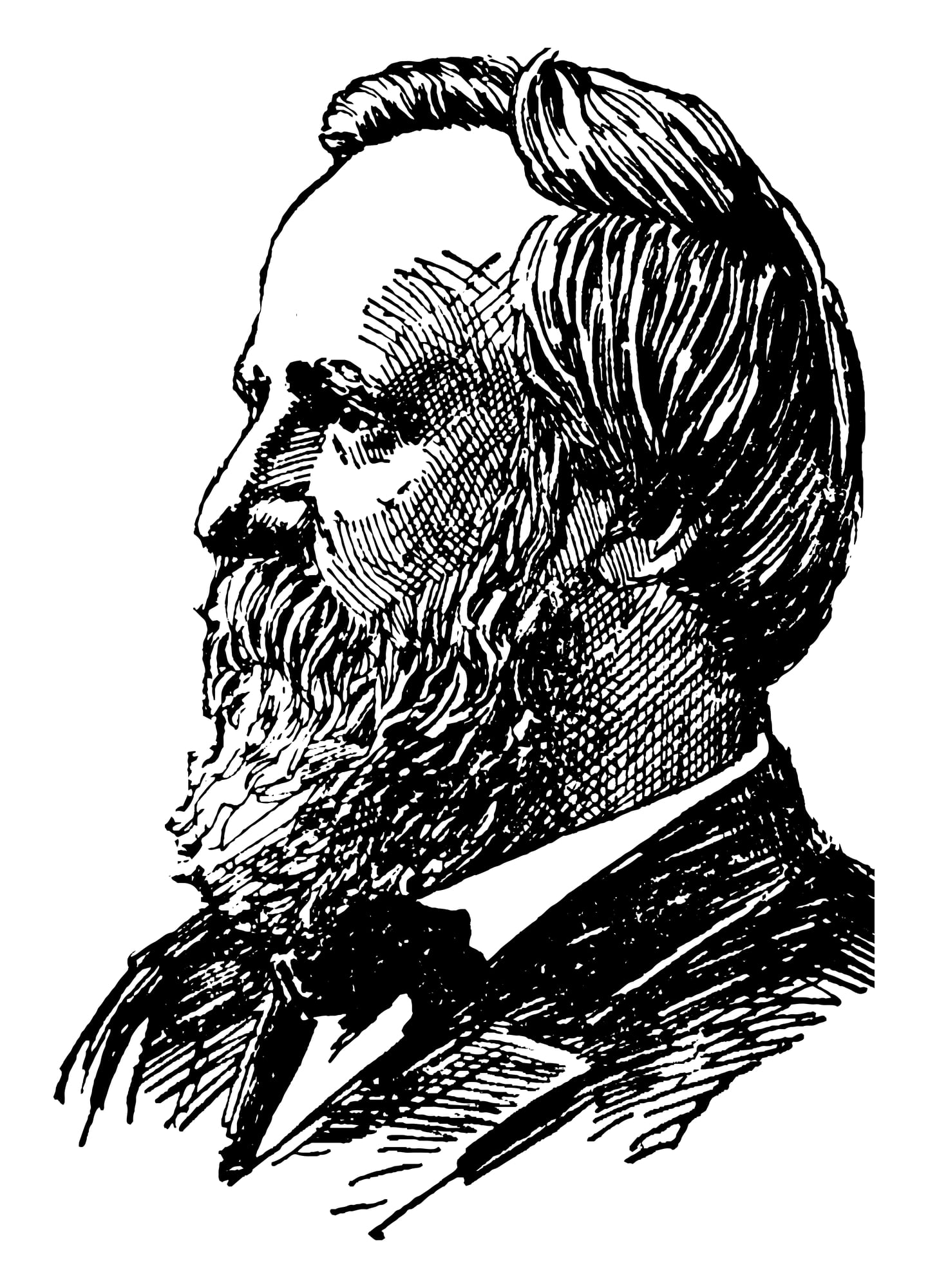
Hayes enlisted as a major in the 23rd Ohio Volunteer Infantry and fought throughout the Civil War. He got wounded five times during various battles and earned promotion to major general.
His bravery at South Mountain, where he led a charge despite being wounded, became well-known. After the war, Congress confirmed his rank and honored his service.
He campaigned on his military record, and newspapers often mentioned his wounds. Voters appreciated leaders who had bled for the country.
Benjamin Harrison: The General’s Grandson Who Earned His Own Stars
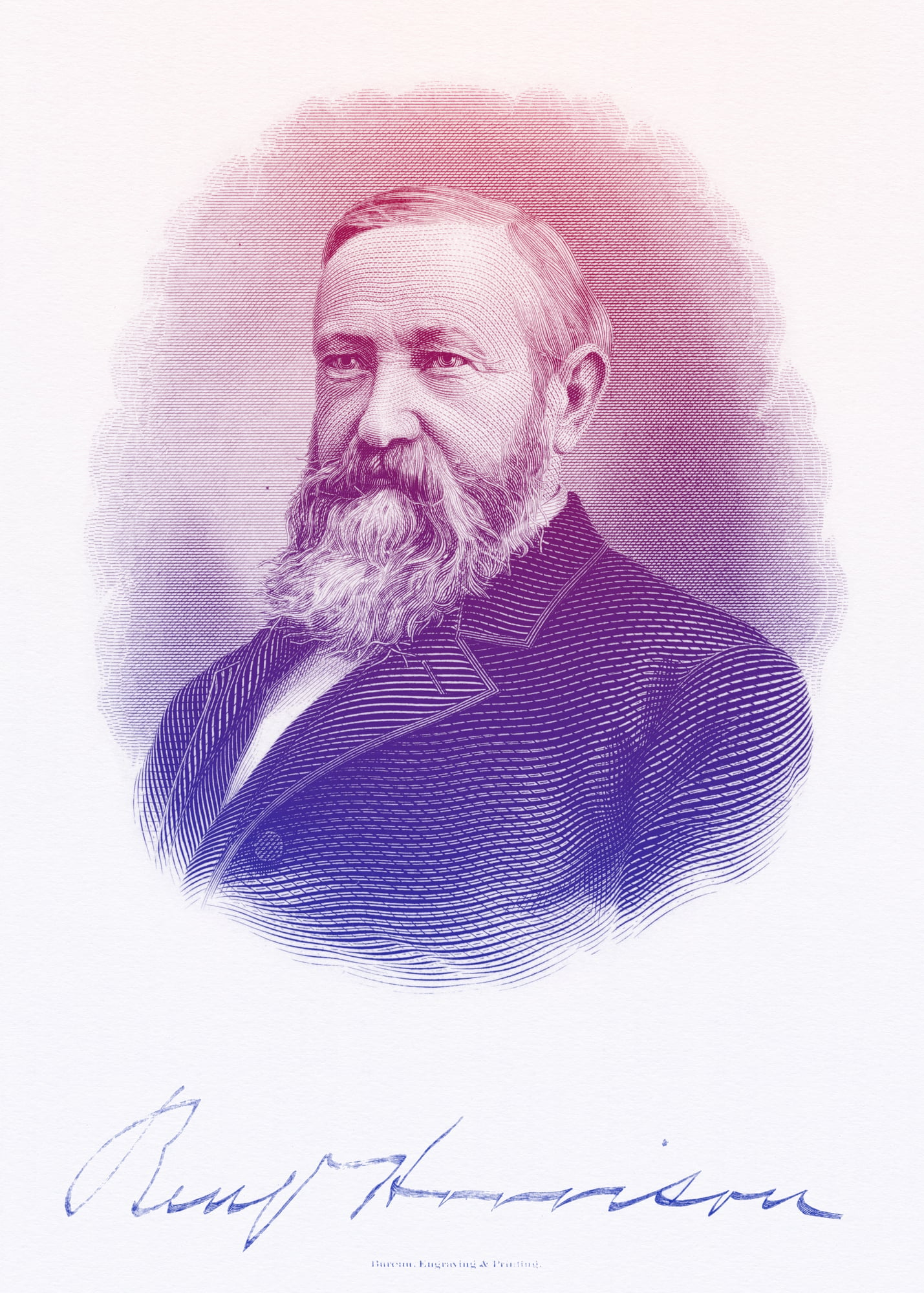
Harrison came from a famous political family but made his own name during the Civil War. He commanded the 70th Indiana Infantry Regiment and fought at several battles, including Atlanta.
The Army promoted him to brigadier general for his performance. His military bearing and discipline showed throughout his presidency.
People sometimes forgot his accomplishments because his grandfather had been president too. But his military record stood on its own merit.
James Garfield: From Teacher To Major General
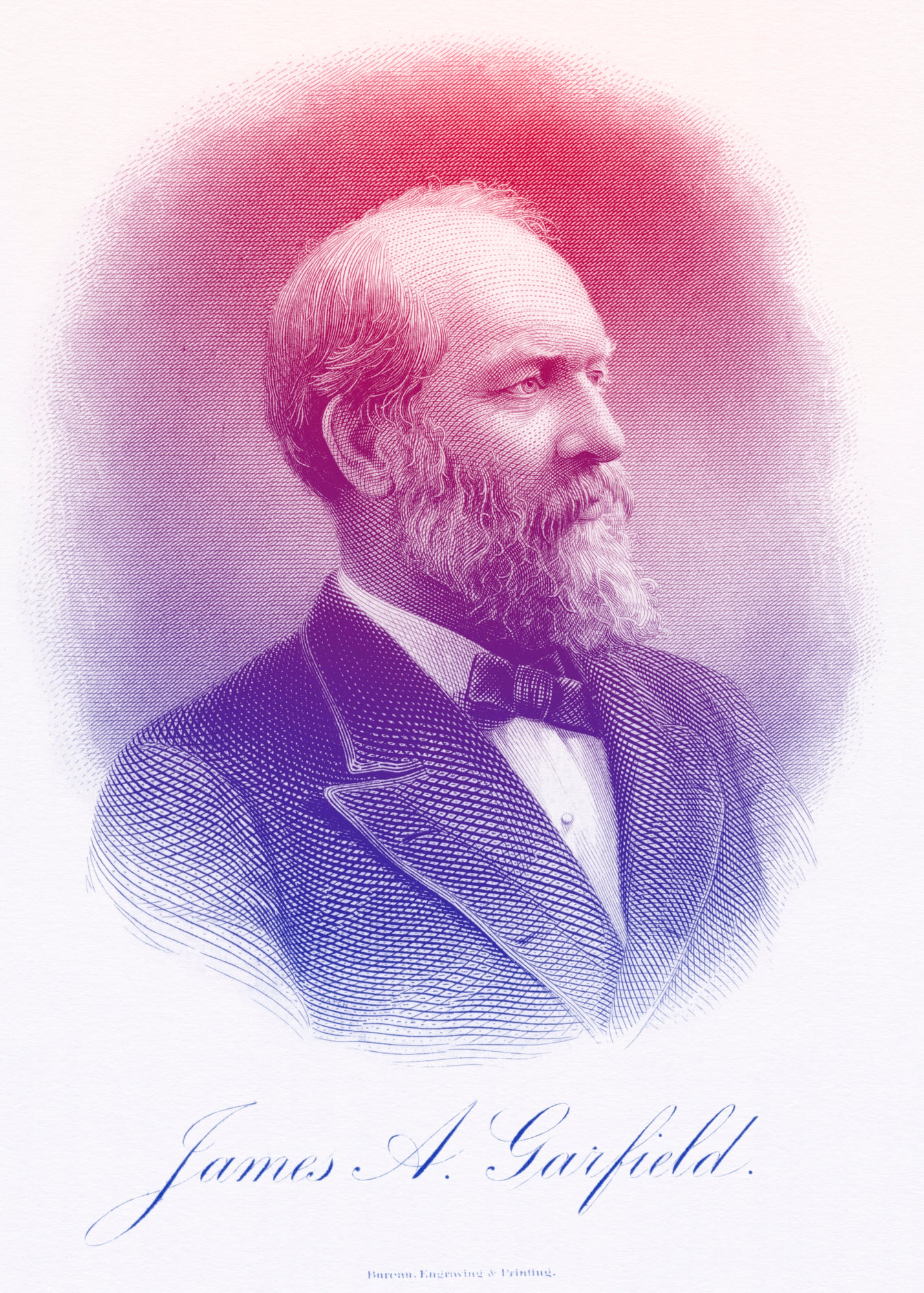
Garfield left his job as a college president to join the Union Army as a lieutenant colonel. He showed talent for military strategy and rose to major general by age 31.
He fought at Shiloh and Chickamauga, earning respect from senior commanders. Lincoln wanted him to stay in the Army, but Ohio elected him to Congress while he was still in uniform.
His military service lasted only two years, but he accomplished more than many career officers. His quick rise showed natural leadership ability.
Where The Uniform Meets The Presidency
Military service marked these leaders in ways that shaped their time in office. They understood sacrifice because they had asked it of others.
The medals and honors they earned represented real moments when everything hung in the balance. Not all presidents served in the military, and not all who served became great presidents.
But those who wore the uniform brought something specific to the role—a sense of what it costs when the nation goes to war. The connection between military honor and political power runs deep in American history.
Voters trusted leaders who had proved themselves in battle, and those leaders often understood the weight of command better than others. The medals they earned gathered dust in display cases, but the lessons from their service stayed with them in the Oval Office.
More from Go2Tutors!

- The Romanov Crown Jewels and Their Tragic Fate
- 13 Historical Mysteries That Science Still Can’t Solve
- Famous Hoaxes That Fooled the World for Years
- 15 Child Stars with Tragic Adult Lives
- 16 Famous Jewelry Pieces in History
Like Go2Tutors’s content? Follow us on MSN.