Smartest Breeds of Dogs
A dog’s cleverness? Rarely what folks assume. Not one thing, never identical from breed to breed.
Fast learners pop up here, yet elsewhere you find sharp minds solving things alone or catching every shift in a person’s mood. That label “bright”? It usually means how well they take training, adjust on the fly, recall past moments, stick to tough jobs without slipping.
Barking orders isn’t what makes a dog smart – timing matters more than speed when picking up tricks. One moment might show hesitation; the next reveals sharp understanding after just a few tries.
Breeds shaped for herding, guarding, or searching often act ahead of cues, responding before signals finish. Their minds stay busy even off duty, adjusting choices based on surroundings.
Not all dogs learn alike, yet some bloodlines keep appearing near the top for problem solving. Watch closely during chores or walks – that’s where cleverness shows best, not in tests.
What counts as brilliance changes depending on the task at hand.
Border Collie
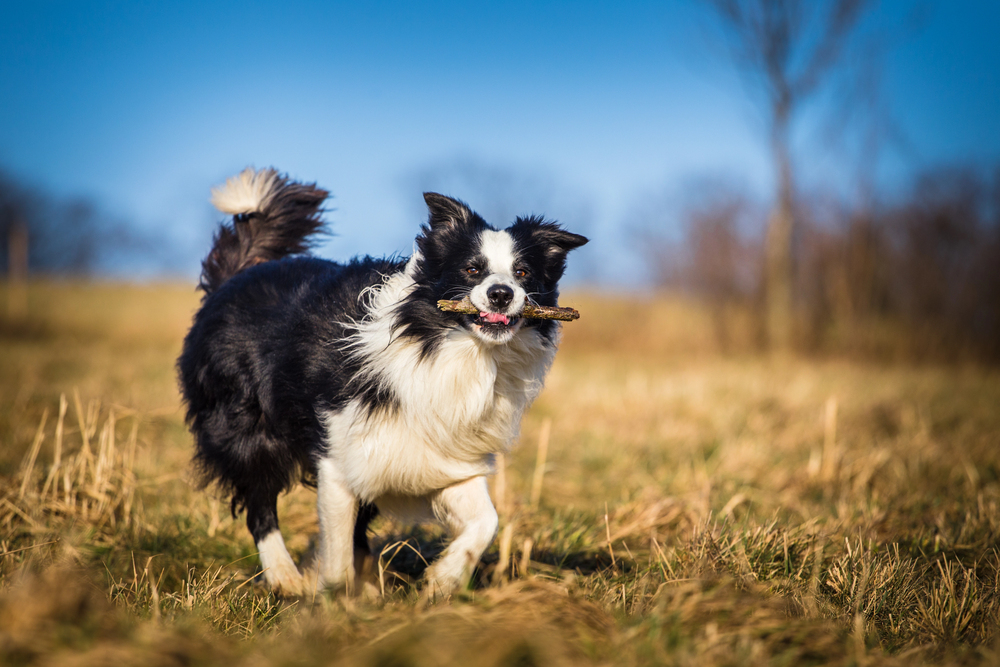
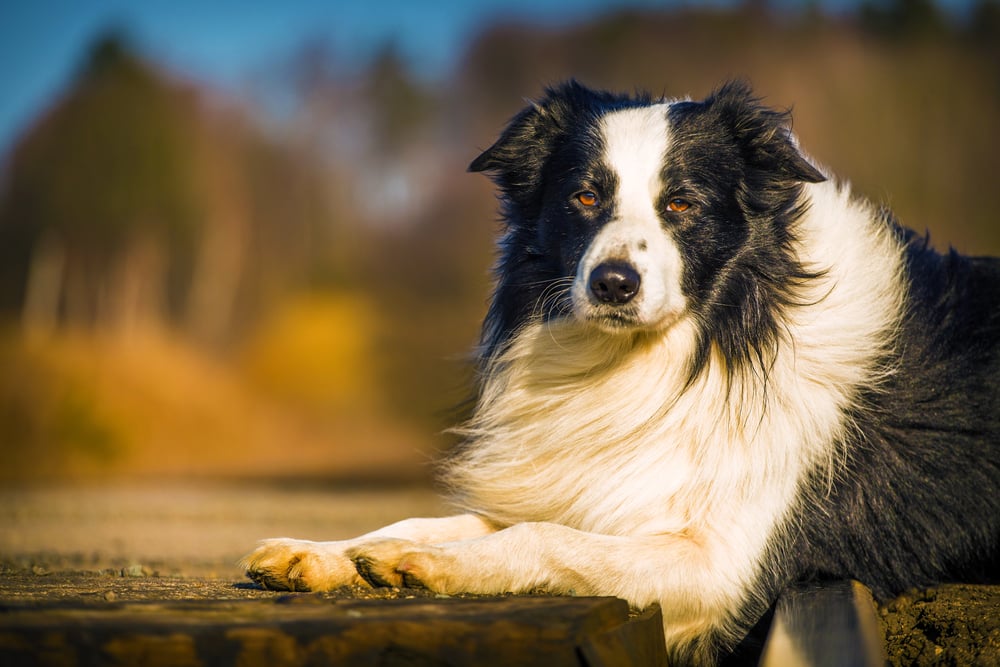
The border collie is often regarded as the most intelligent dog breed in the world, and for good reason. Originally bred for herding livestock along the rugged borders of Scotland and England, this breed was shaped to think independently while responding instantly to human cues.
Border collies are known for learning new commands in just a few repetitions and retaining them with remarkable accuracy. Their intelligence shows most clearly in motion, where they anticipate movement, adjust strategy on the fly, and solve problems without direct instruction.
This mental intensity means they thrive when given structured work, but can become restless if under-stimulated.
Poodle

Poodles are frequently underestimated because of their appearance, yet they rank among the most intelligent dog breeds. Originally bred as water retrievers, they were developed to remember complex tasks and work closely with handlers.
Poodles excel in obedience training, pattern recognition, and adaptability. They are quick learners and respond well to varied routines, making them effective working dogs beyond traditional roles.
Their intelligence is paired with strong memory, allowing them to retain commands long after initial training. This combination of learning speed and flexibility is why poodles often succeed in competitive training, assistance roles, and problem-solving environments.
German Shepherd

German shepherds are known for their versatility, combining intelligence with discipline and confidence. Bred originally for herding and later adapted for protection and service work, they are capable of mastering complex sequences of commands.
Their intelligence is practical rather than flashy. German shepherds excel at structured tasks that require judgment, consistency, and focus.
This makes them well suited for roles in search operations, detection work, and service assistance. What sets the breed apart is its ability to balance independent decision-making with responsiveness to guidance, a rare and valuable cognitive combination.
Golden Retriever

Golden retrievers are often praised for their friendly nature, but their intelligence is just as noteworthy. Developed to retrieve game gently and reliably, they were bred to remember routes, follow signals, and work patiently alongside humans.
Their strength lies in emotional intelligence as much as problem-solving ability. Golden retrievers are exceptionally attuned to human behavior, which makes them highly effective as assistance and support dogs.
They learn commands quickly and maintain reliability even in distracting environments. This blend of trainability and sensitivity allows golden retrievers to perform complex tasks while remaining calm and approachable.
Doberman Pinscher
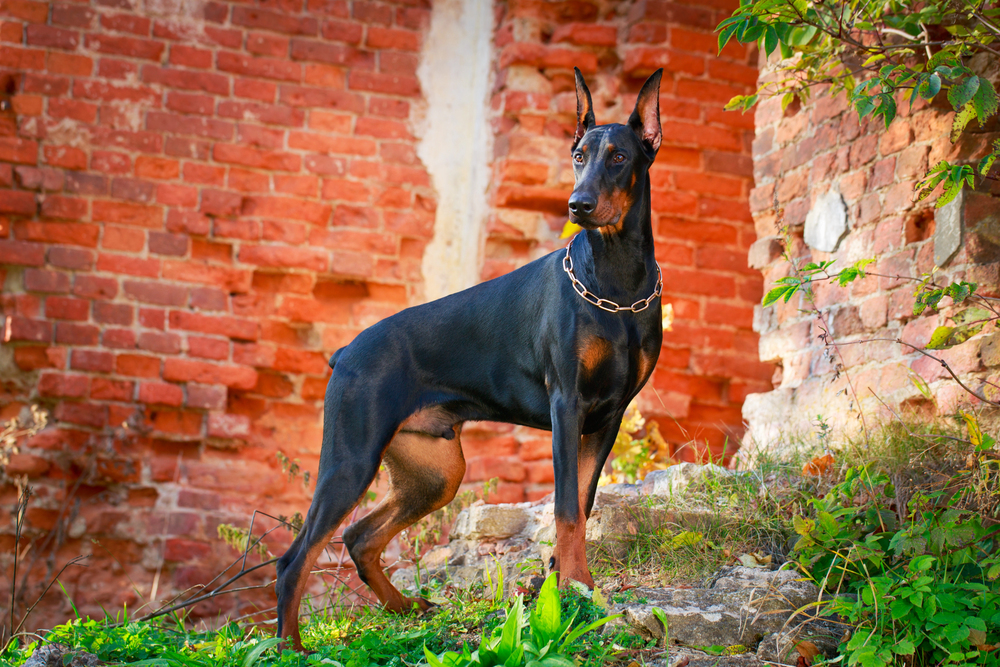
Dobermans are intelligent, alert, and deeply focused. Bred originally for protection work, they were selected for quick learning, loyalty, and the ability to assess situations rapidly.
Their intelligence shows in their strong recall, fast command acquisition, and ability to operate confidently in unfamiliar environments. Dobermans tend to form close bonds with handlers, which enhances their responsiveness and motivation during training.
While they require clear structure, their mental sharpness makes them capable of advanced obedience and task-based learning when guided consistently.
Shetland Sheepdog

The Shetland sheepdog, often called the Sheltie, is a smaller herding breed with impressive cognitive abilities. Developed to manage livestock in challenging terrain, these dogs learned to operate with minimal direction.
Shelties are quick learners with excellent memory and strong responsiveness to verbal cues. They excel at recognizing patterns and anticipating commands, often responding before instructions are fully given.
Their intelligence is paired with attentiveness, making them particularly responsive to training environments that reward precision and consistency.
Labrador Retriever

Labrador retrievers are among the most widely used working dogs in the world, and their intelligence plays a central role in that success. Originally bred to assist fishermen and retrieve nets and fish, they were selected for reliability and learning ability.
Labs are fast learners who retain commands well and apply them consistently across settings. Their adaptability allows them to transition easily between different roles, including assistance work, detection tasks, and family companionship.
What distinguishes Labradors is not just learning speed, but their ability to remain dependable over long periods without constant reinforcement.
Papillon
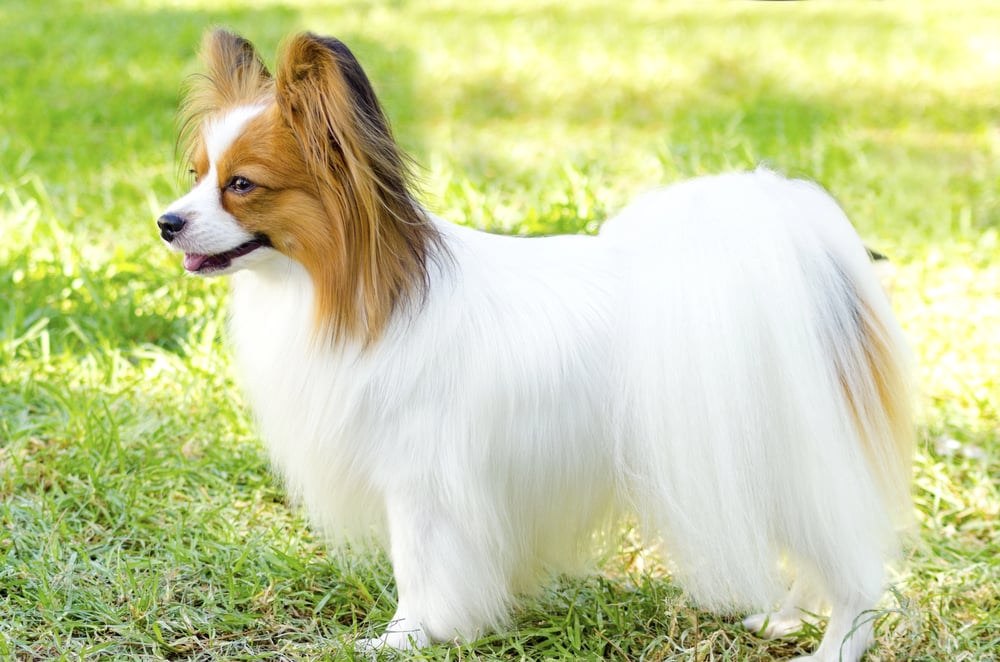
Despite their small size, papillons are among the most intelligent companion breeds. Originally bred as alert companions, they developed sharp awareness and quick learning ability.
Papillons excel in obedience and agility training, often competing successfully against much larger breeds. Their intelligence appears in how quickly they understand new patterns and respond to subtle cues.
They are energetic thinkers, thriving on mental stimulation and interactive training rather than repetitive routines.
Rottweiler
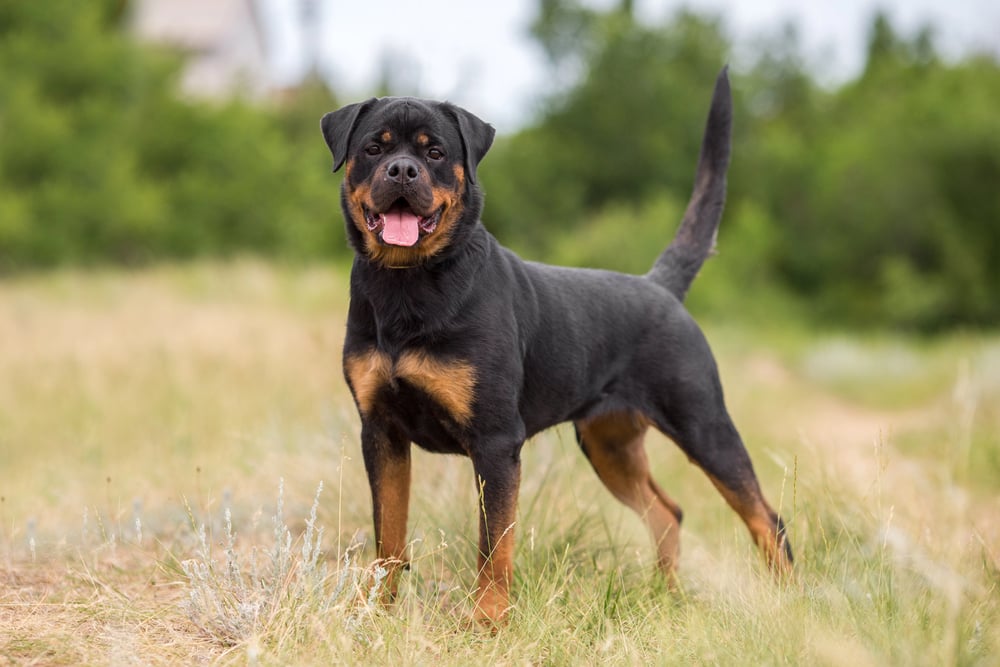
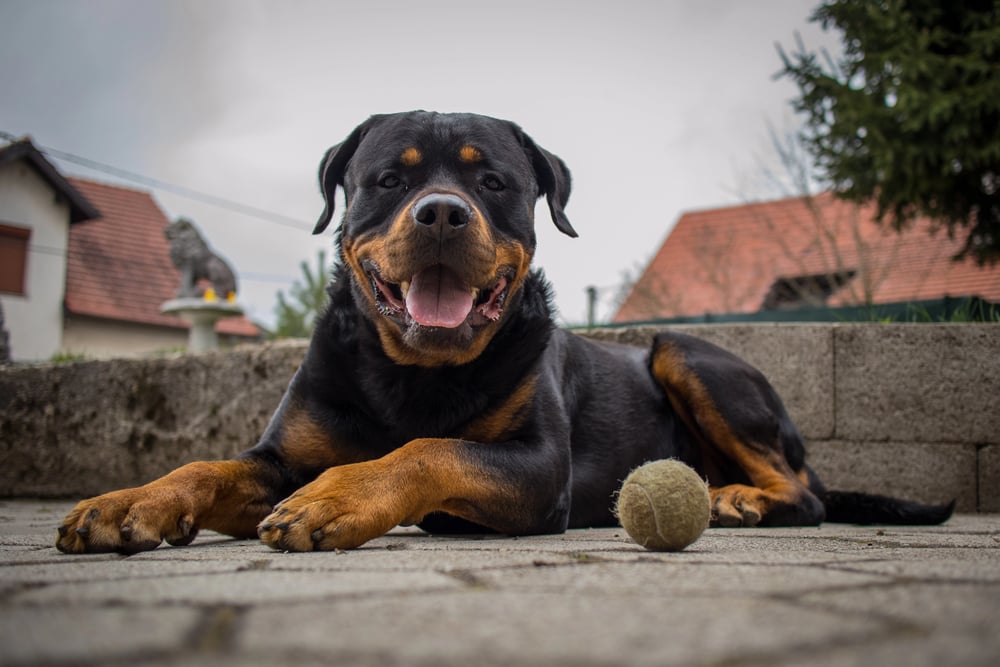
Rottweilers possess a calm, confident form of intelligence shaped by their historical role as working and guarding dogs. They were bred to make decisions independently while remaining loyal to handlers.
Their cognitive strength lies in judgment and situational awareness. Rottweilers may not react instantly like herding breeds, but they assess situations carefully before acting.
This measured intelligence makes them effective in roles requiring steadiness and reliability, especially when trained with clear boundaries and expectations.
Australian Cattle Dog
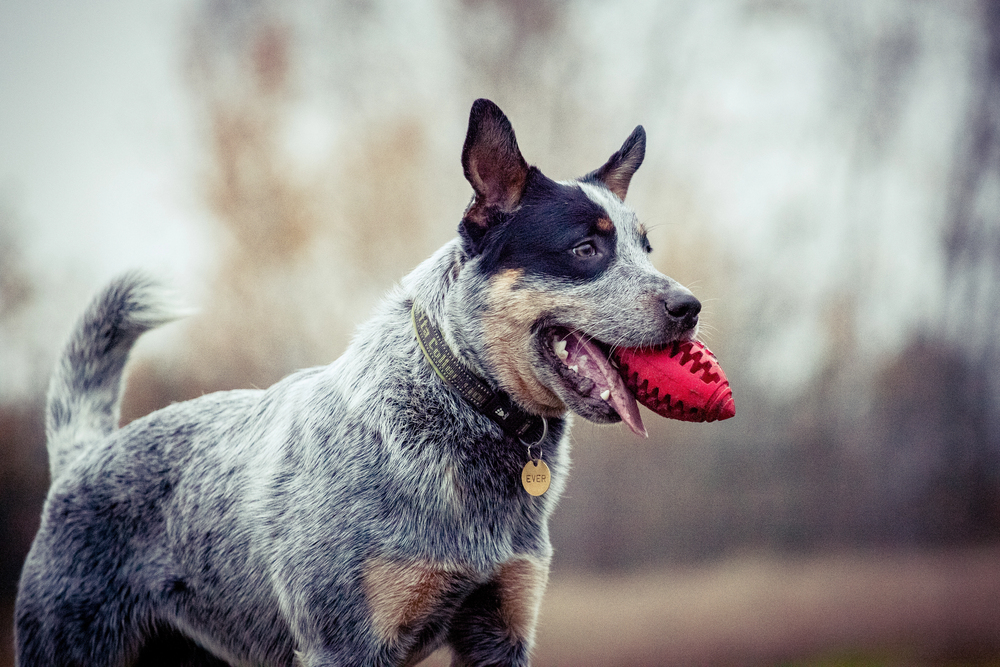
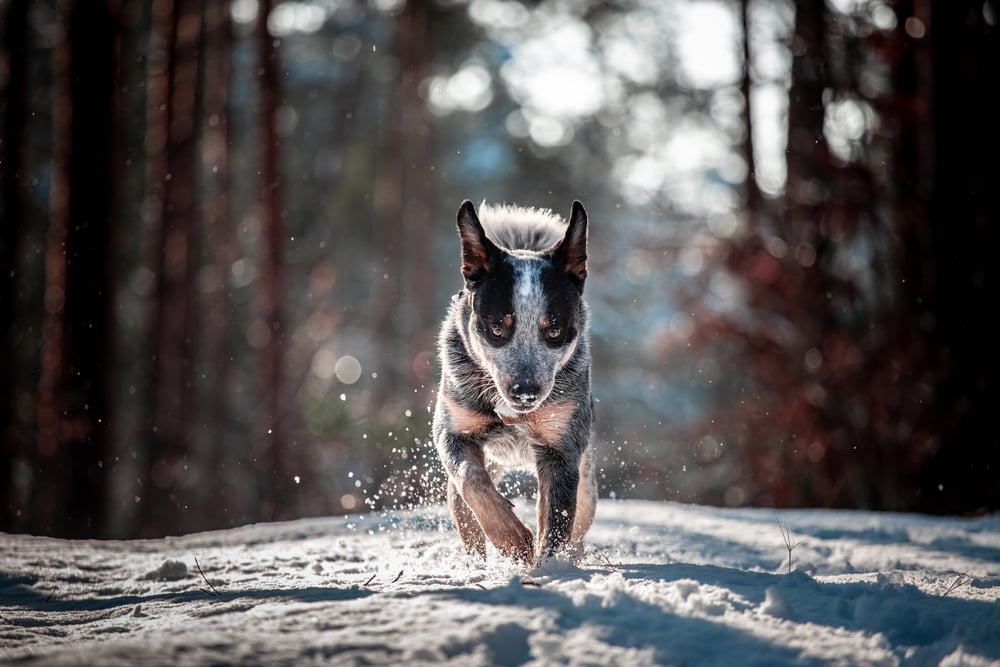
Australian cattle dogs are among the most mentally driven breeds, developed to manage livestock across harsh and unpredictable terrain. Their intelligence is rooted in problem-solving and endurance.
These dogs are capable of learning complex behaviors and applying them creatively when circumstances change. They are known for persistence, adaptability, and the ability to work without constant direction.
Because of their high mental energy, they thrive when given challenging tasks and clear purpose, making them one of the most cognitively demanding breeds to own.
What Dog Intelligence Really Means
One of the most important distinctions in canine intelligence is that not all intelligence looks the same. Some breeds excel at obedience, others at independent thinking, and others at emotional awareness.
A dog that questions instructions may not be less intelligent, but rather wired for decision-making rather than compliance. Breeding history plays a major role.
Dogs developed for herding, guarding, or assisting humans were selected for cognitive traits that matched those roles. Over generations, those traits became predictable within breeds.
Understanding this helps explain why some intelligent dogs can feel challenged. Mental sharpness often requires structure, engagement, and purpose to stay balanced.
Intelligence and Daily Life

Living with a highly intelligent dog can be deeply rewarding, but it also comes with responsibility. Smart dogs notice patterns, pick up habits quickly, and can become bored if their mental needs are ignored.
When properly engaged, intelligent breeds often form strong bonds with their families and excel at learning new skills throughout their lives. When under-stimulated, they may invent their own activities, not all of which align with household expectations.
Providing enrichment through training, play, and varied routines allows intelligence to express itself in healthy ways.
Why Intelligence Should Not Be Ranked Alone
While lists of smart breeds are useful, they should never overshadow individual variation. Every dog brings its own personality, strengths, and preferences to the table.
Intelligence is only one piece of the picture, alongside temperament, energy level, and compatibility with human lifestyle. Some of the most fulfilling relationships between people and dogs come not from raw intelligence, but from mutual understanding and shared rhythm.
A dog does not need to top intelligence charts to be deeply capable or meaningful. Recognizing intelligence as a tool rather than a score helps shift the focus from comparison to appreciation.
Why Canine Intelligence Still Fascinates Us
Barking less often than expected, dogs live right beside people, picking up on moods like almost nothing else can. Because their smarts grew through teamwork instead of rivalry, they seem to understand us in a way that makes sense deep down.
What happens when a dog learns fast, adjusts easily, stays loyal? These breeds show it’s more than quick tricks.
Their minds work through signals, shifts, and silent understanding. Not every clever move comes from training alone.
A bond forms differently here – built on back-and-forth cues. Purpose grows where attention meets response.
Trust shapes how they solve problems. Intelligence walks beside partnership.
It speaks without words. Fur companions think in ways shaped by walking beside people for ages.
Not a contest of smarts, but a look at how varied thoughts deepen their connection with us.
More from Go2Tutors!

- The Romanov Crown Jewels and Their Tragic Fate
- 13 Historical Mysteries That Science Still Can’t Solve
- Famous Hoaxes That Fooled the World for Years
- 15 Child Stars with Tragic Adult Lives
- 16 Famous Jewelry Pieces in History
Like Go2Tutors’s content? Follow us on MSN.