Foods Eaten During the Great Depression
The Great Depression hit America hard in the 1930s, and dinner tables across the country looked very different than they do today. Families had to get creative with what little they had, turning cheap ingredients into meals that could feed everyone.
Some of these dishes might sound strange now, but they kept millions of people going through one of the toughest times in American history. Let’s dig into what people actually ate when money was tight and grocery stores looked pretty bare.
Dandelion Salad
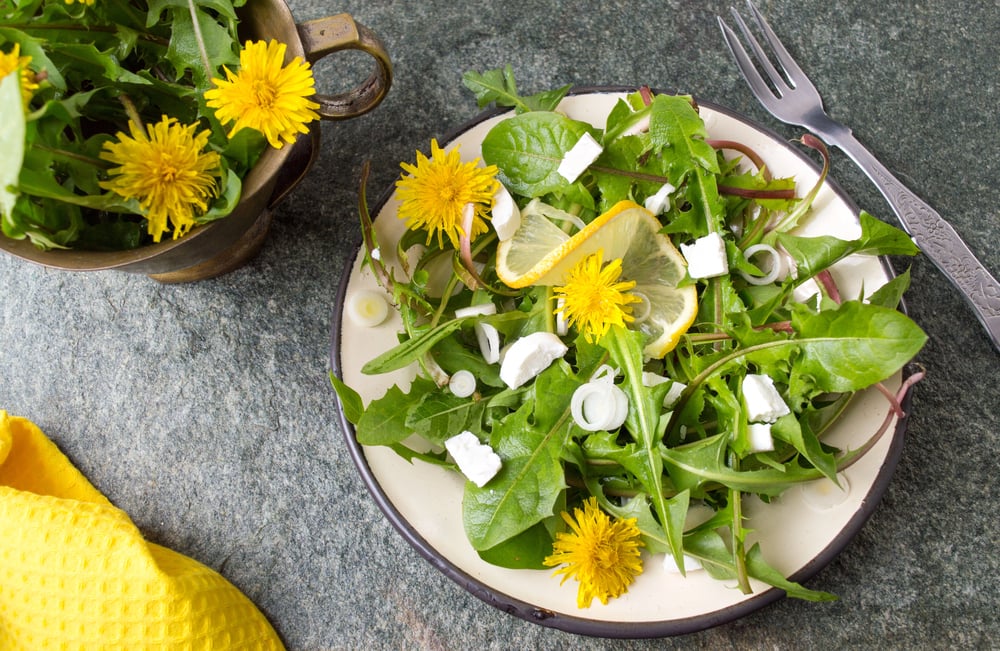
People turned to their yards and gardens for free food, and dandelions became a surprisingly common meal. The greens could be picked fresh, washed, and tossed with a simple vinegar dressing.
Some families would add a bit of bacon grease if they had any, which made the bitter leaves taste better. Dandelions grew everywhere without any work, so they showed up on tables more often than most people today would believe.
Water Pie
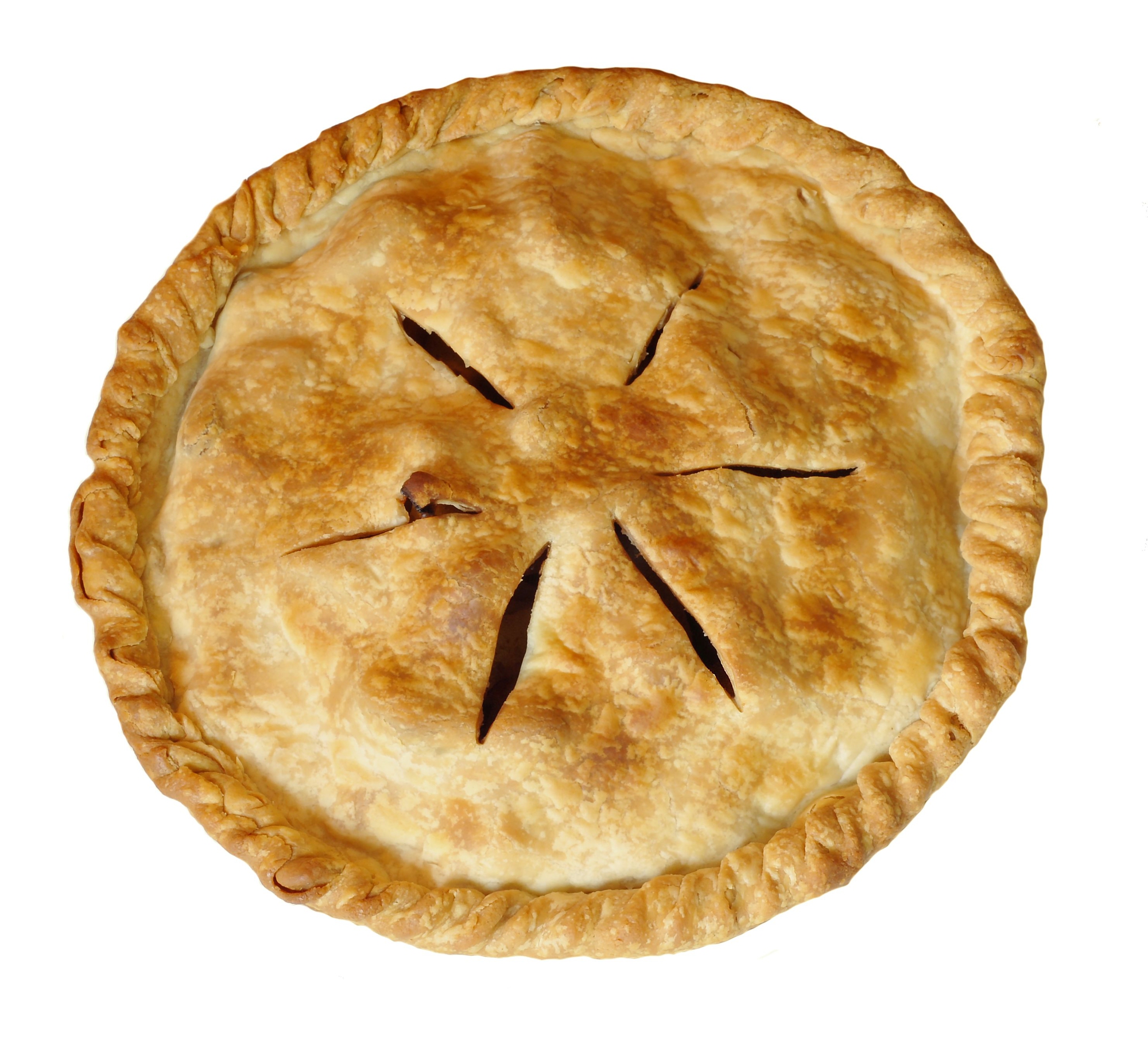
This dessert sounds like a joke, but it actually worked. Bakers mixed water, butter, sugar, flour, and vanilla to create a filling that somehow turned into something sweet after baking.
The crust held everything together, and families got a treat without using expensive ingredients like eggs or milk. Kids loved it because it tasted like pie, even if adults knew what went into it.
Prune Pudding
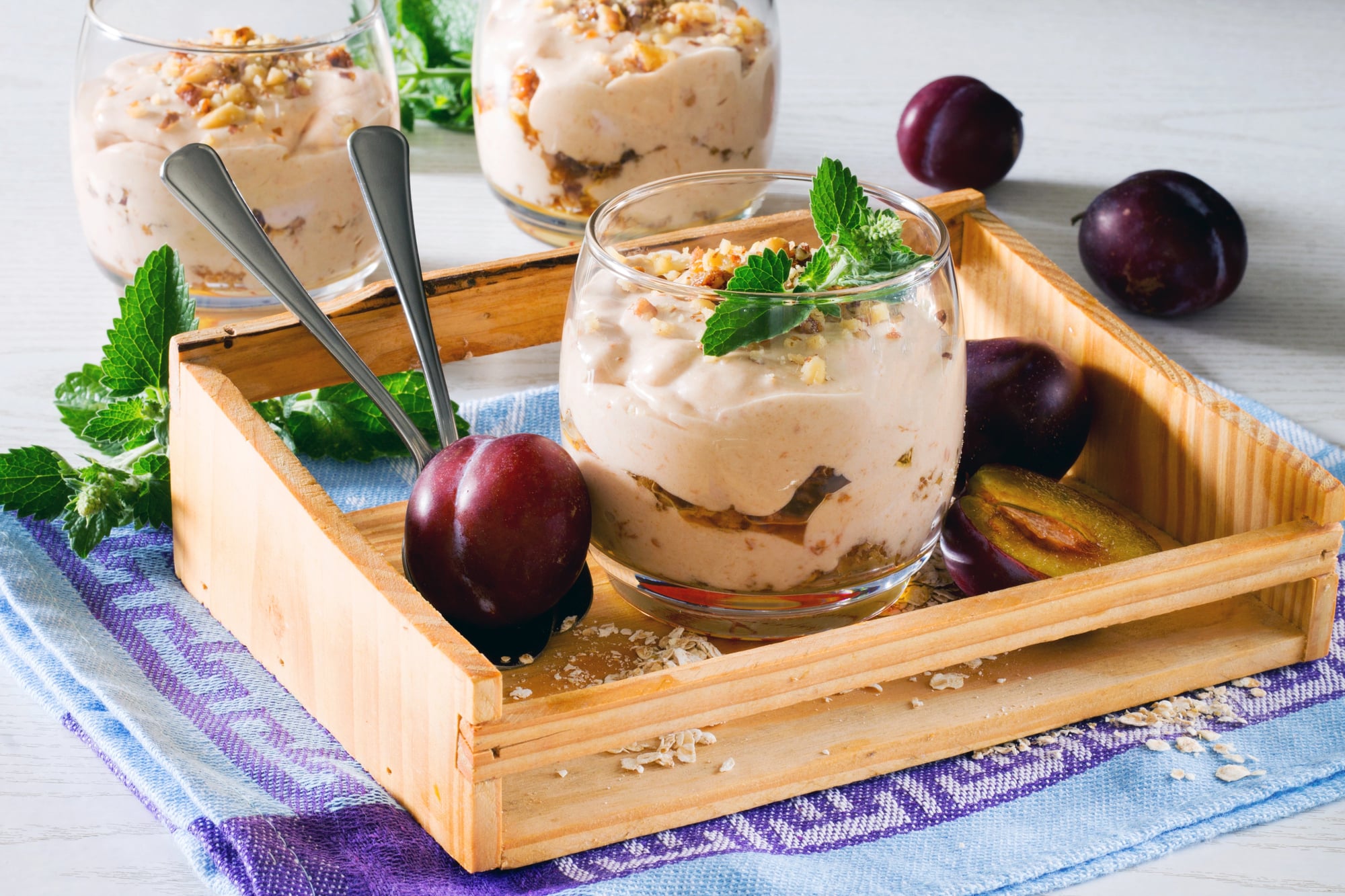
Prunes were cheap and stayed good for a long time, which made them perfect for hard times. Cooks would stew the dried fruit with a little sugar and thicken it with whatever they had on hand.
The result was a sweet, filling dessert that stuck to your ribs. It might not sound fancy, but it satisfied the sweet tooth without breaking the bank.
Mulligan Stew
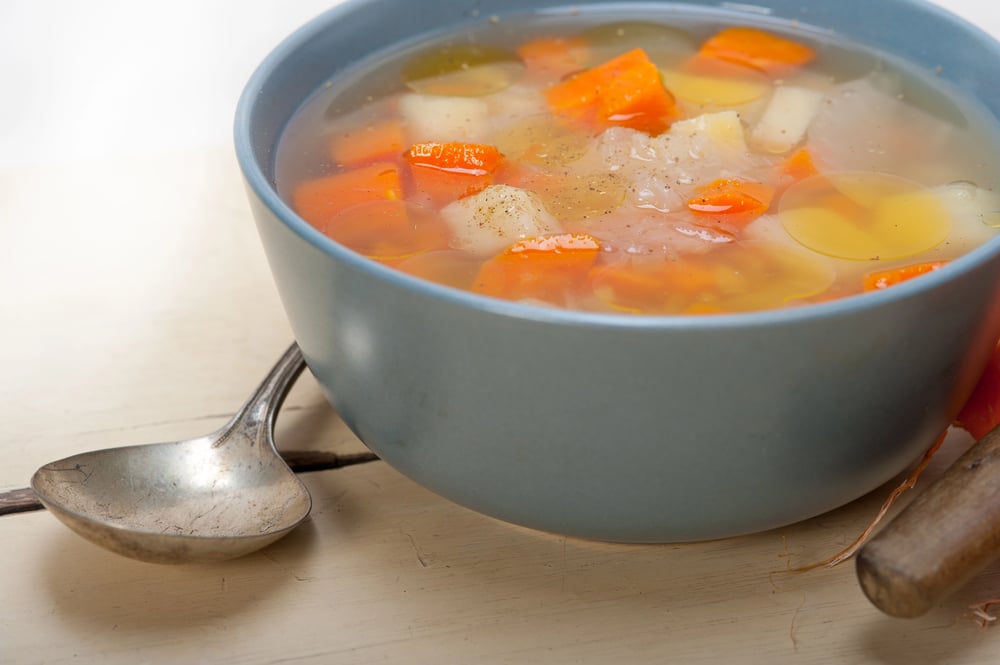
This was basically a giant pot of whatever anyone could find. Neighbors would contribute a potato, some onions, maybe a carrot or two, and someone might throw in a bit of meat if they were lucky.
The whole thing simmered together until it became a thick, filling stew that fed a crowd. Hobo camps and soup kitchens served this all the time because it stretched ingredients further than almost any other dish.
Creamed Chipped Beef
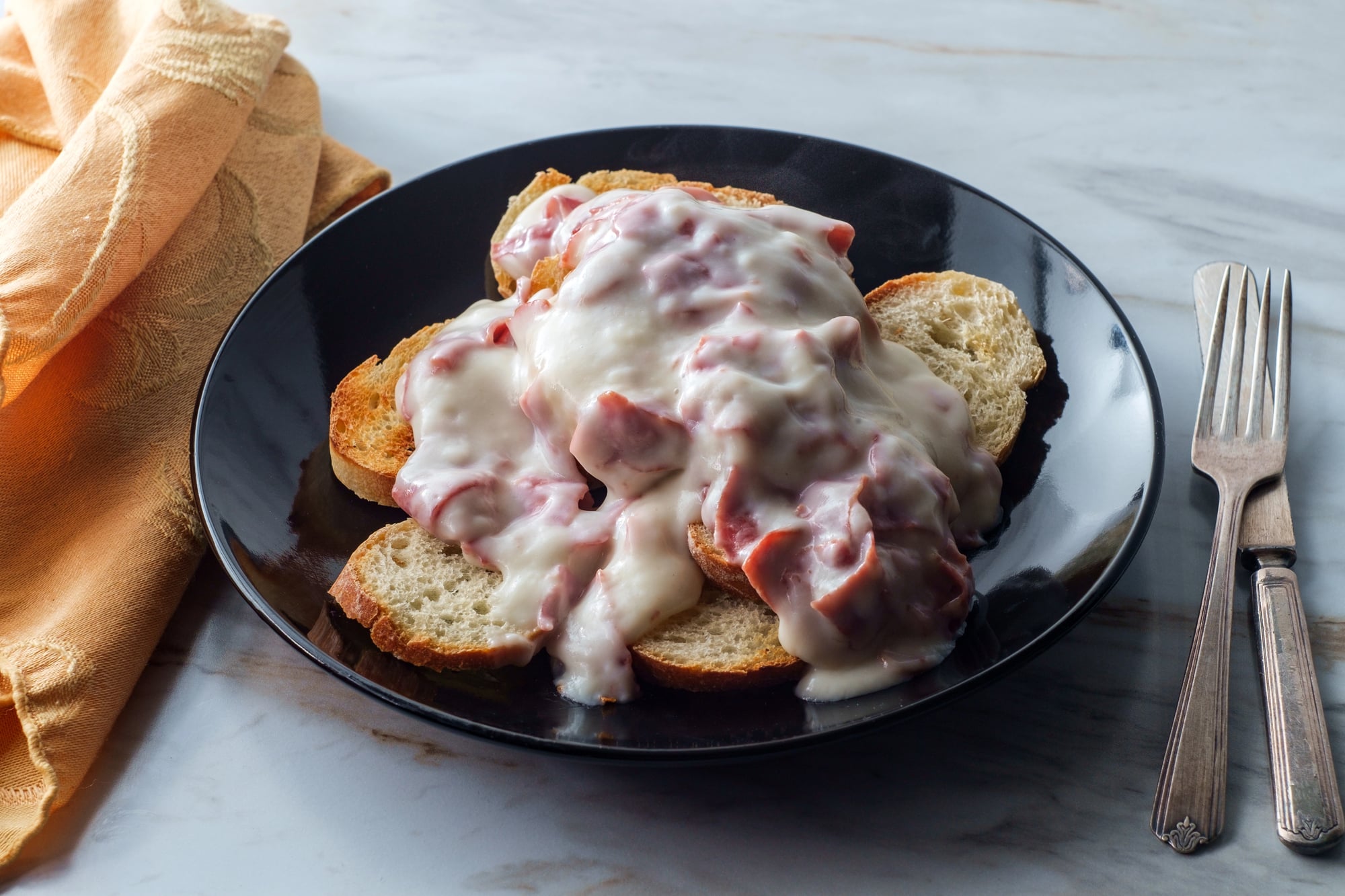
The military ate this dish too, which tells you something about how cheap it was to make. Dried beef got sliced thin, then cooked in a white sauce made from flour, milk, and butter.
People served it over toast or potatoes, and it filled stomachs without costing much. The salty beef flavor made plain bread taste like a real meal.
Potato Soup
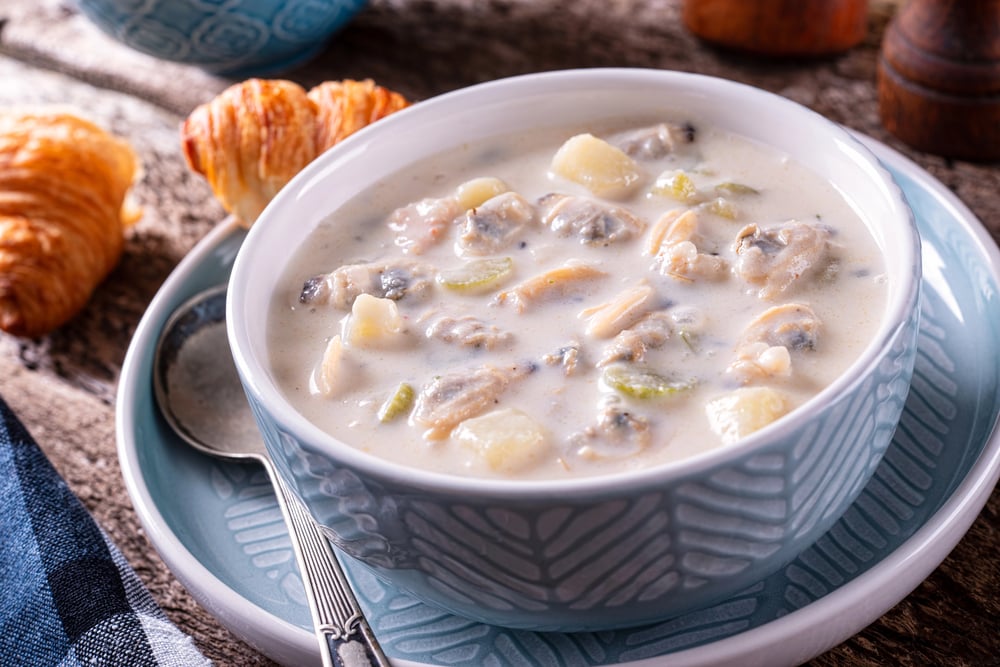
Potatoes were everywhere during the Depression because they were easy to grow and stored well through winter. A basic soup needed just potatoes, water, maybe an onion, and some milk if the family had it.
Some cooks added flour to make it thicker and more filling. Three ingredients could turn into dinner for six people, which made this soup a regular on most tables.
Peanut Butter Stuffed Onions
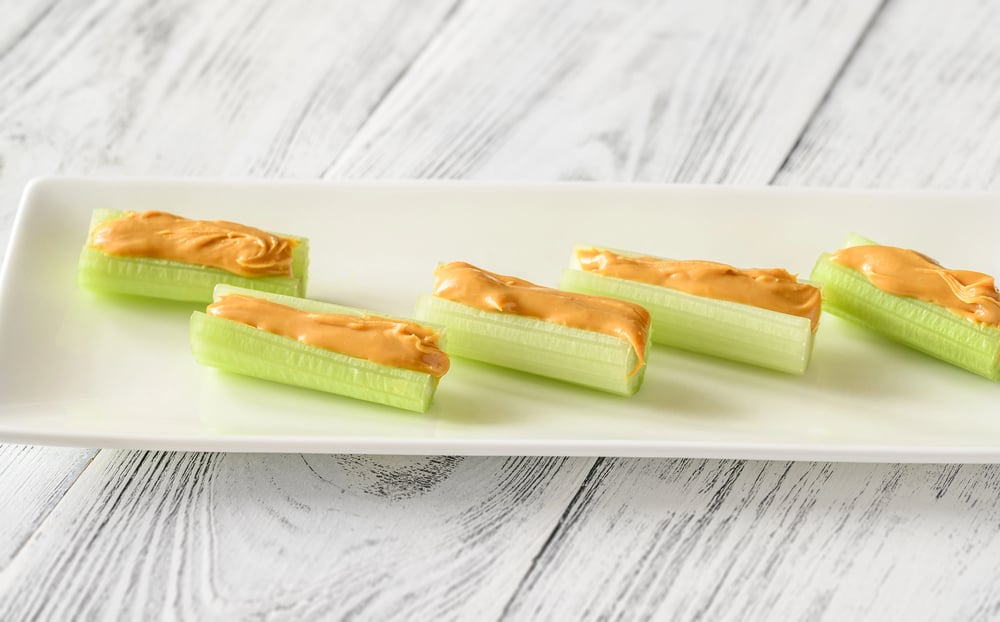
This combination sounds wild, but desperate times called for creative cooking. Cooks would hollow out onions, fill them with peanut butter, and bake them until soft.
The onion became sweet when cooked, and the peanut butter added protein and fat that bodies needed. It definitely took some getting used to, but families learned to eat what they had.
Spaghetti With Boiled Carrots And White Sauce
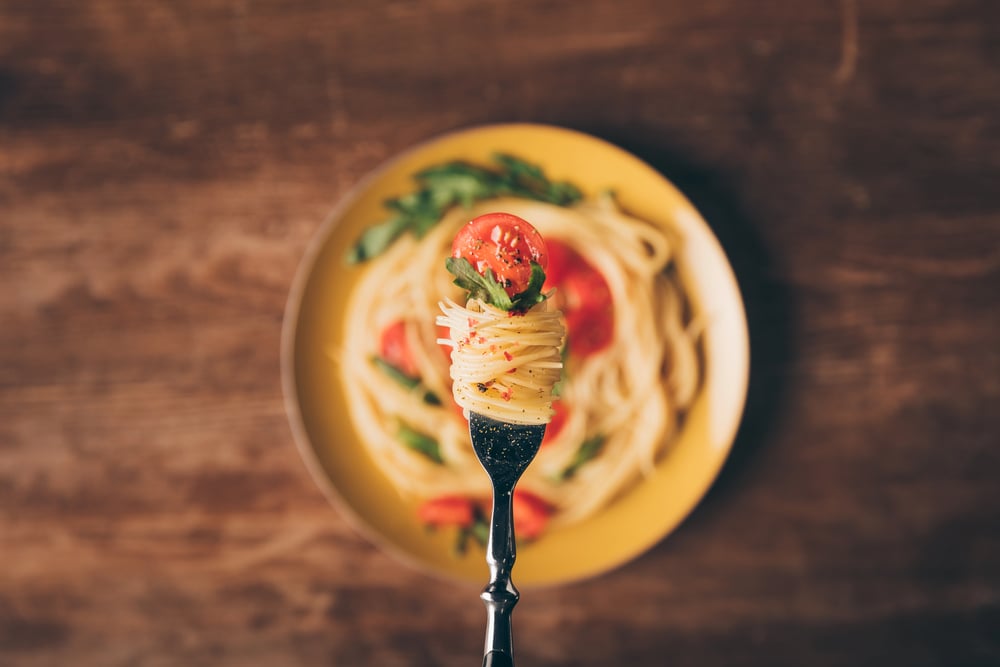
Pasta was cheap, and carrots grew in most gardens, so this meal showed up regularly. The white sauce came from flour and whatever milk or water was available.
Some versions had a little butter for flavor. It filled plates and bellies without requiring much money or effort.
Fried Potato Cakes
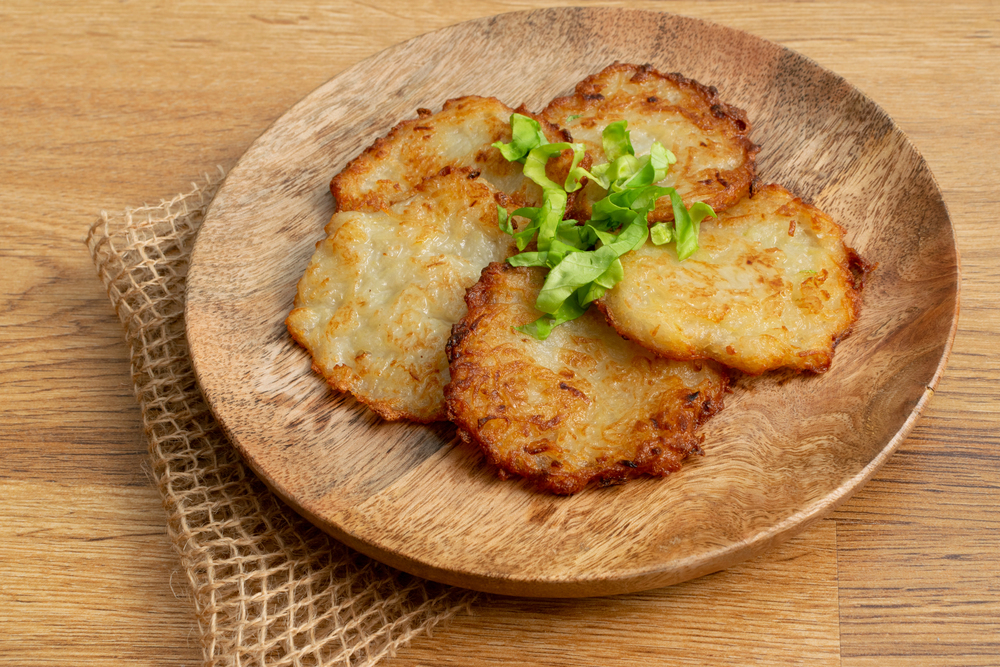
Leftover mashed potatoes never went to waste during the Depression. Families shaped the cold potatoes into patties, rolled them in flour, and fried them in a pan with a little grease.
They turned crispy on the outside and soft inside. These cakes could be breakfast, lunch, or dinner, and kids actually enjoyed them.
Corn Bread And Milk
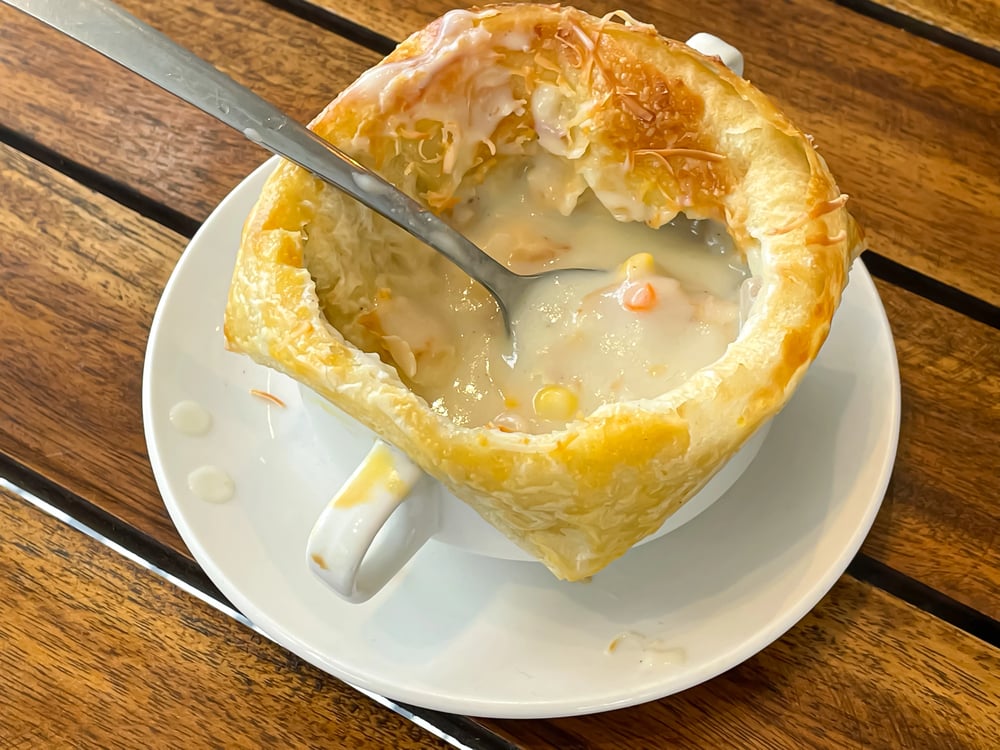
This simple meal appeared on tables across the South especially. Fresh corn bread got crumbled into a bowl, then covered with cold milk.
Some people added a sprinkle of sugar if they had any. The corn bread soaked up the milk and became soft, kind of like a primitive cereal.
It was fast, filling, and used ingredients most families could get their hands on.
Mock Apple Pie
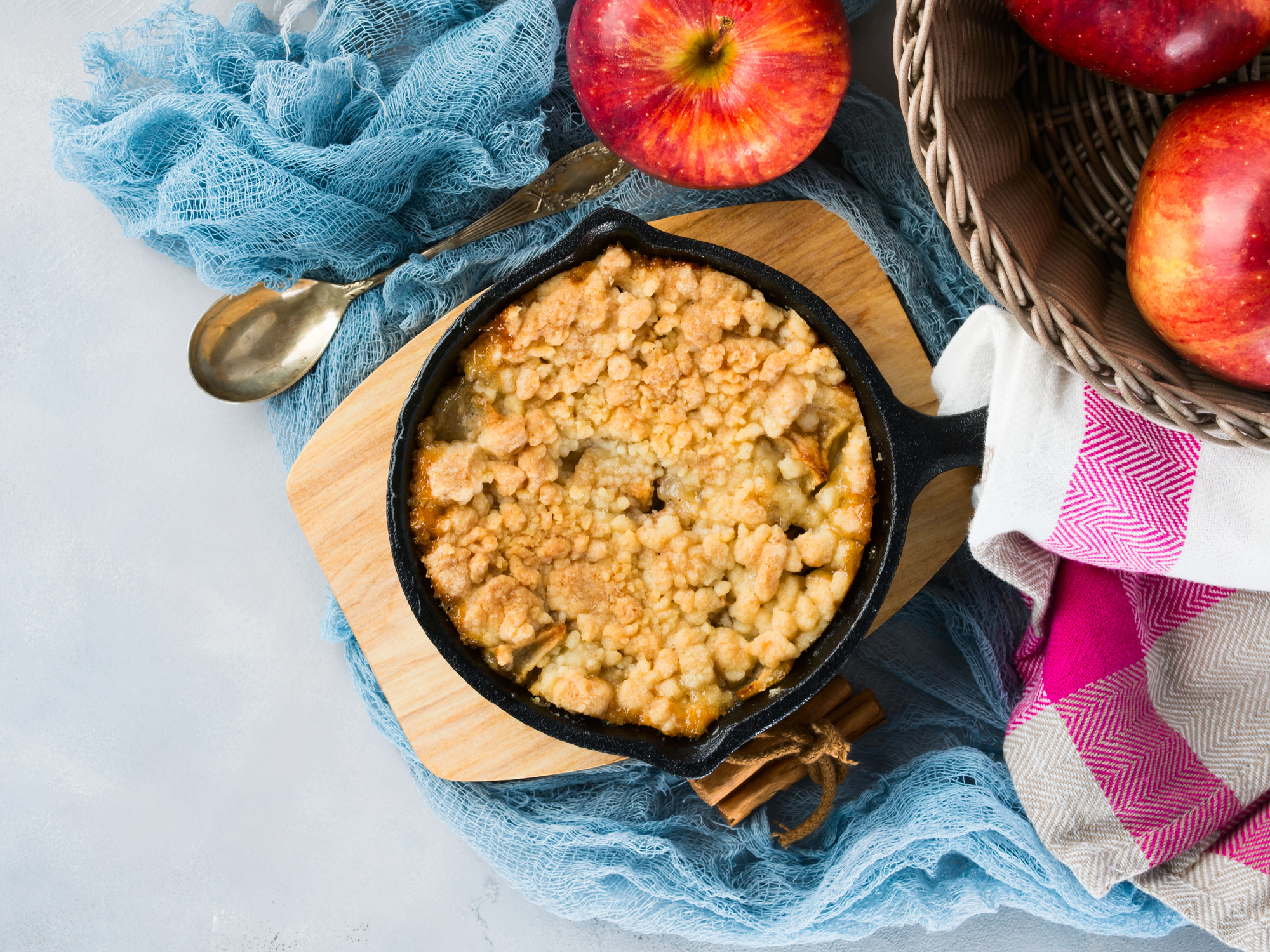
Folks in kitchens noticed something odd – heat plus certain seasonings made plain crackers mimic apple pie. A well-known brand, round and golden, built its name on just that mix: cinnamon dusted over sugar, touched with sour lemon drops.
As ovens worked their change, crisp edges softened into something almost tender. Not one bit of real fruit went inside, yet mouths believed otherwise.
When fresh apples climbed in price, these imitations stayed cheap.
Egg Drop Soup
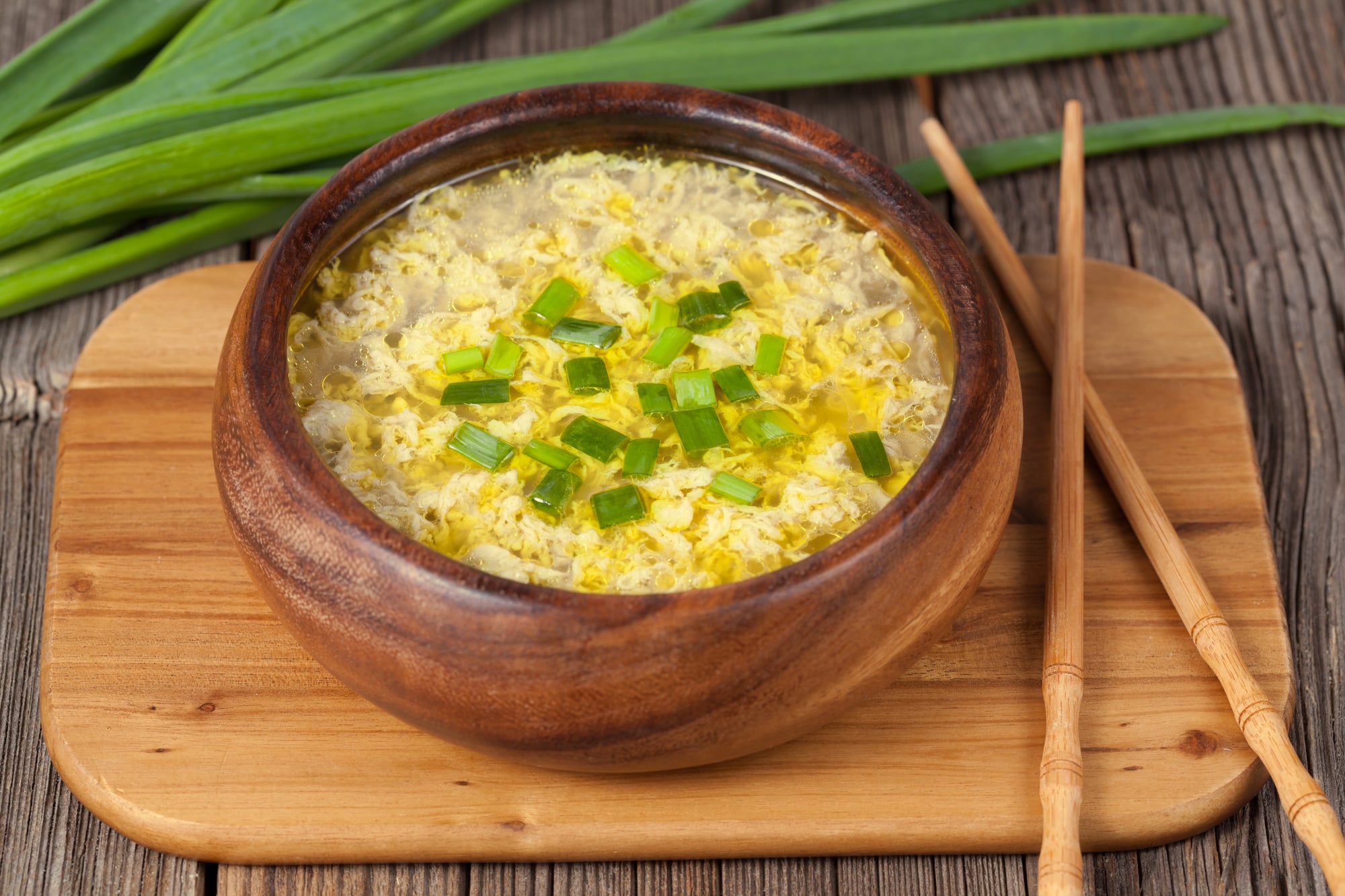
A single egg had a way of changing everything in the pot. Water warmed first, sometimes just weak stock, before whisked eggs slipped into the swirl.
Strands bloomed like soft threads through the liquid, giving shape where there was none. Salt came next, then cracked pepper – sometimes crumbs of old bread sat nearby.
What looked rich wasn’t. Dinner showed up anyway.
Lard Sandwiches
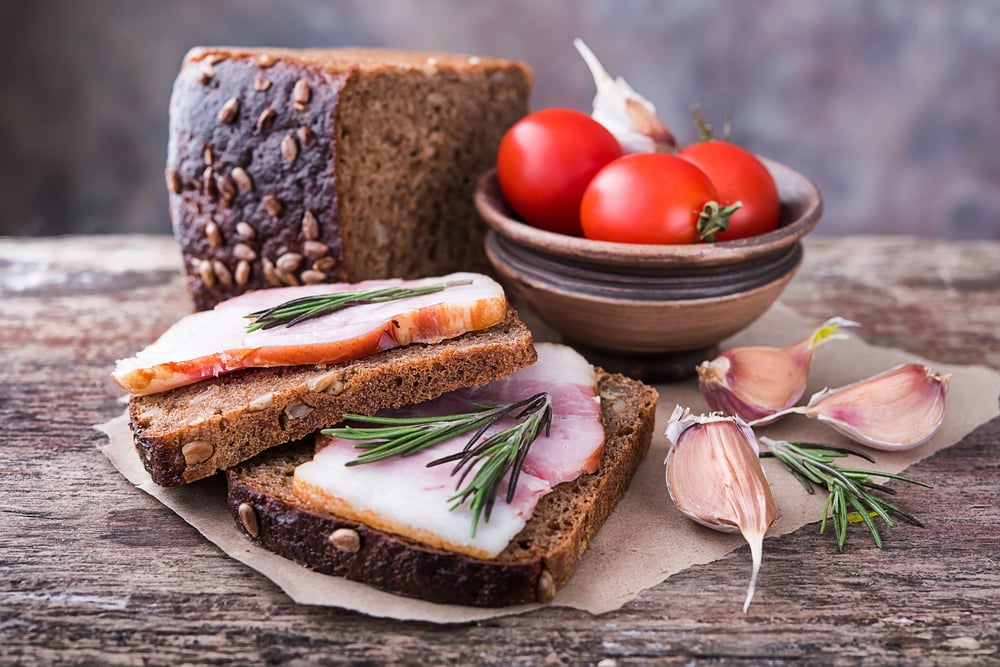
Luckily, some households had cinnamon – plain lard never tasted exciting without it. Bread smeared thick with the stuff filled little stomachs when there wasn’t much else around.
You’d find a pinch of salt on it now and then, maybe sugar if times felt generous. Back then, those heavy calories meant kids could keep moving through long days.
Pepper made an appearance only once in a while, turning blandness into something almost interesting.
Vinegar Pie
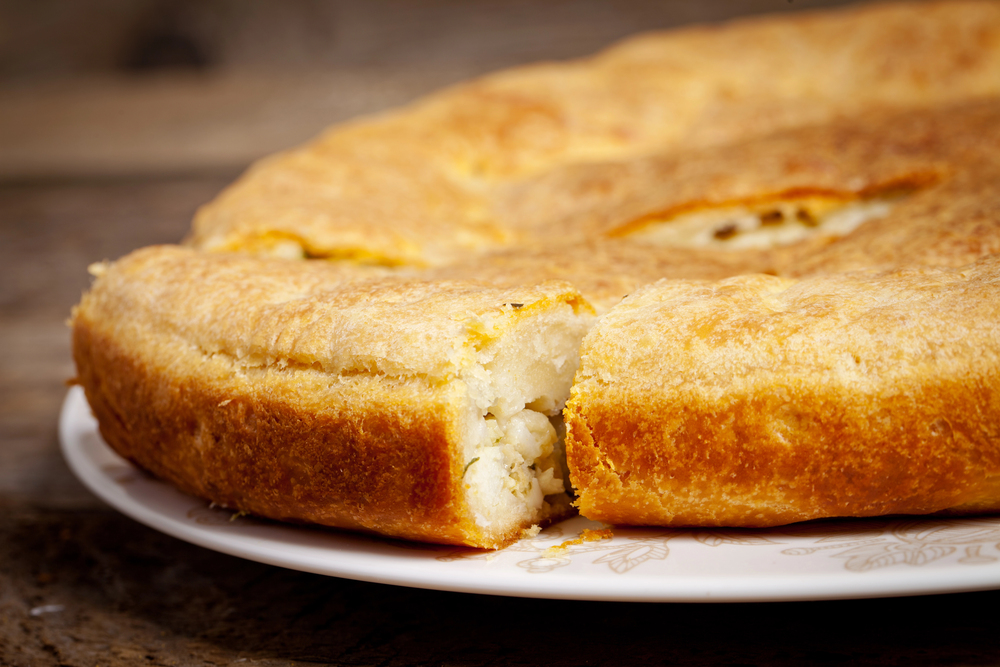
Another dessert that sounds impossible actually tasted pretty good. Vinegar, sugar, eggs, and butter combined in a pie crust to create something tangy and sweet at the same time.
The acidity from the vinegar cut through the sugar, and the whole thing had a flavor similar to lemon pie. Families could make this when lemons were too expensive or impossible to find.
Bean Sandwiches
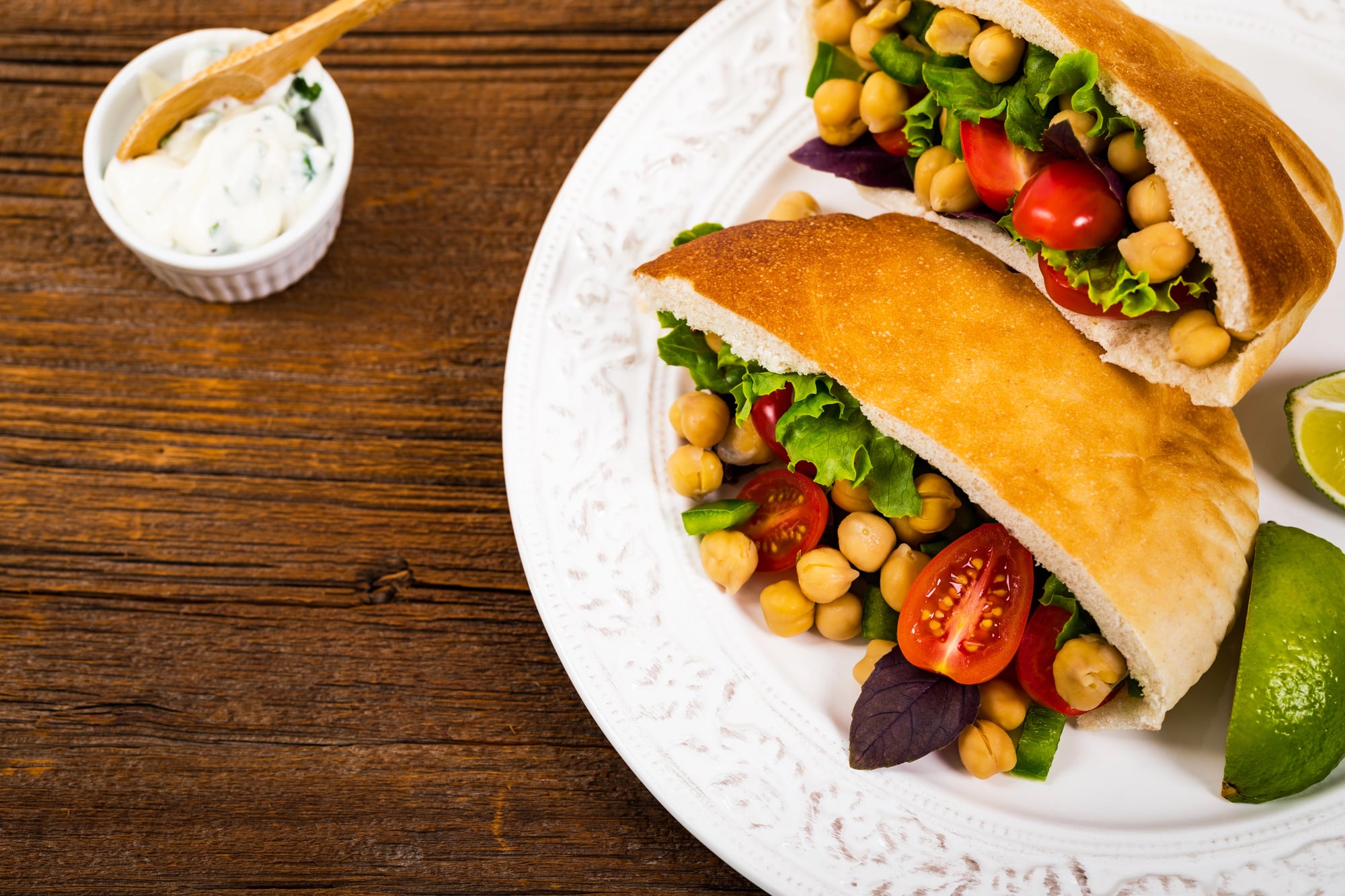
Leftover beans from dinner became lunch the next day when mashed between bread slices. Some people added ketchup or mustard if they had it.
The beans provided protein, and the bread made it portable. Factory workers carried these sandwiches in their lunch pails because they were cheap, filling, and didn’t spoil quickly.
Hoover Stew
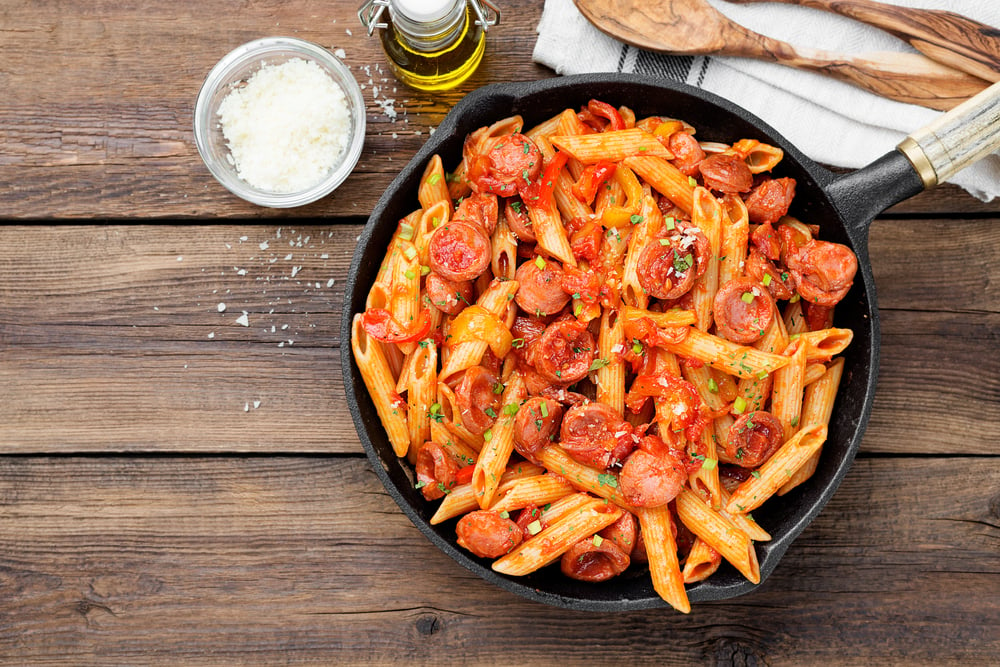
Born during hard times, this one-pot meal traveled fast through hungry crowds. Hot dogs simmered with macaroni, soaked in canned tomato juice.
Cost almost nothing to make, yet filled bellies just the same. People called it after Hoover, pointing fingers without saying much.
Blame cooked into every bite, served warm in paper bowls.
Cabbage And Noodles
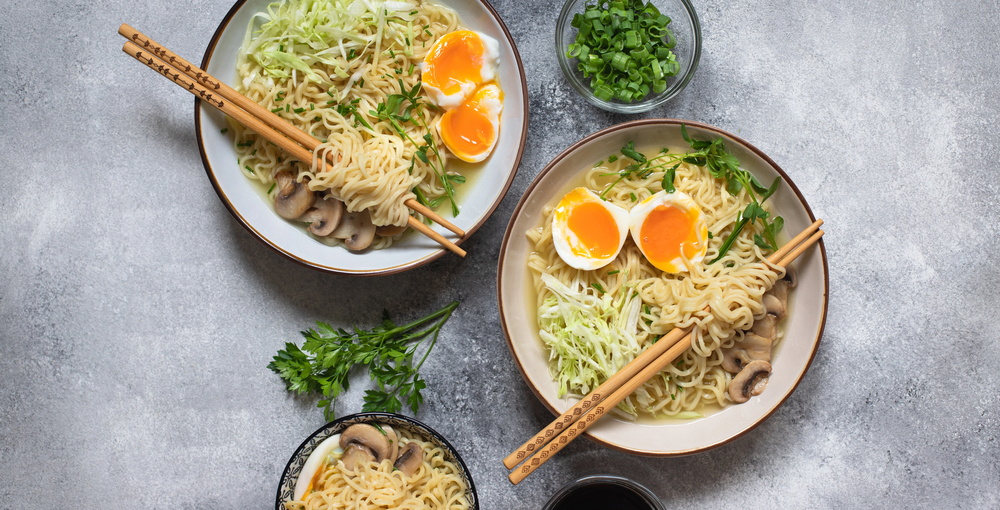
Folks in America started making this Eastern European meal when money got tight. Back then, cabbage was nearly free, and worked nicely with basic egg noodles too.
Onions joined the pan, sizzling alongside chopped heads till everything turned tender. Once the pot came off heat, cooked noodles mixed right in without fuss.
Butter helped if someone had it, though plenty skipped it altogether. It kept bellies full while using up things that stayed fresh for weeks on a shelf.
Moments Of Hardship Pushed Stoves To Think Differently
Back then, folks ate things we’d now find odd – yet those meals kept them alive. Survival sparked clever ways to cook whatever was at hand.
Nothing went unused; scraps became supper. What started from need turned into tradition over time.
Dishes once born of hunger are eaten now by choice. Grandparents show younger ones how care matters more than cost.
Some flavors stick around long after hard times pass.
More from Go2Tutors!

- The Romanov Crown Jewels and Their Tragic Fate
- 13 Historical Mysteries That Science Still Can’t Solve
- Famous Hoaxes That Fooled the World for Years
- 15 Child Stars with Tragic Adult Lives
- 16 Famous Jewelry Pieces in History
Like Go2Tutors’s content? Follow us on MSN.