Incredible Stories Behind Iconic Harbor Buildings
Walking past the elegant facades and towering structures that line the world’s great harbors, it’s easy to forget that each building carries decades or centuries of human drama within its walls. These aren’t just architectural landmarks—they’re repositories of ambition, tragedy, triumph, and transformation.
Behind every ornate detail and weathered brick lies a story that reveals as much about the people who built them as the cities they helped define.
Sydney Opera House
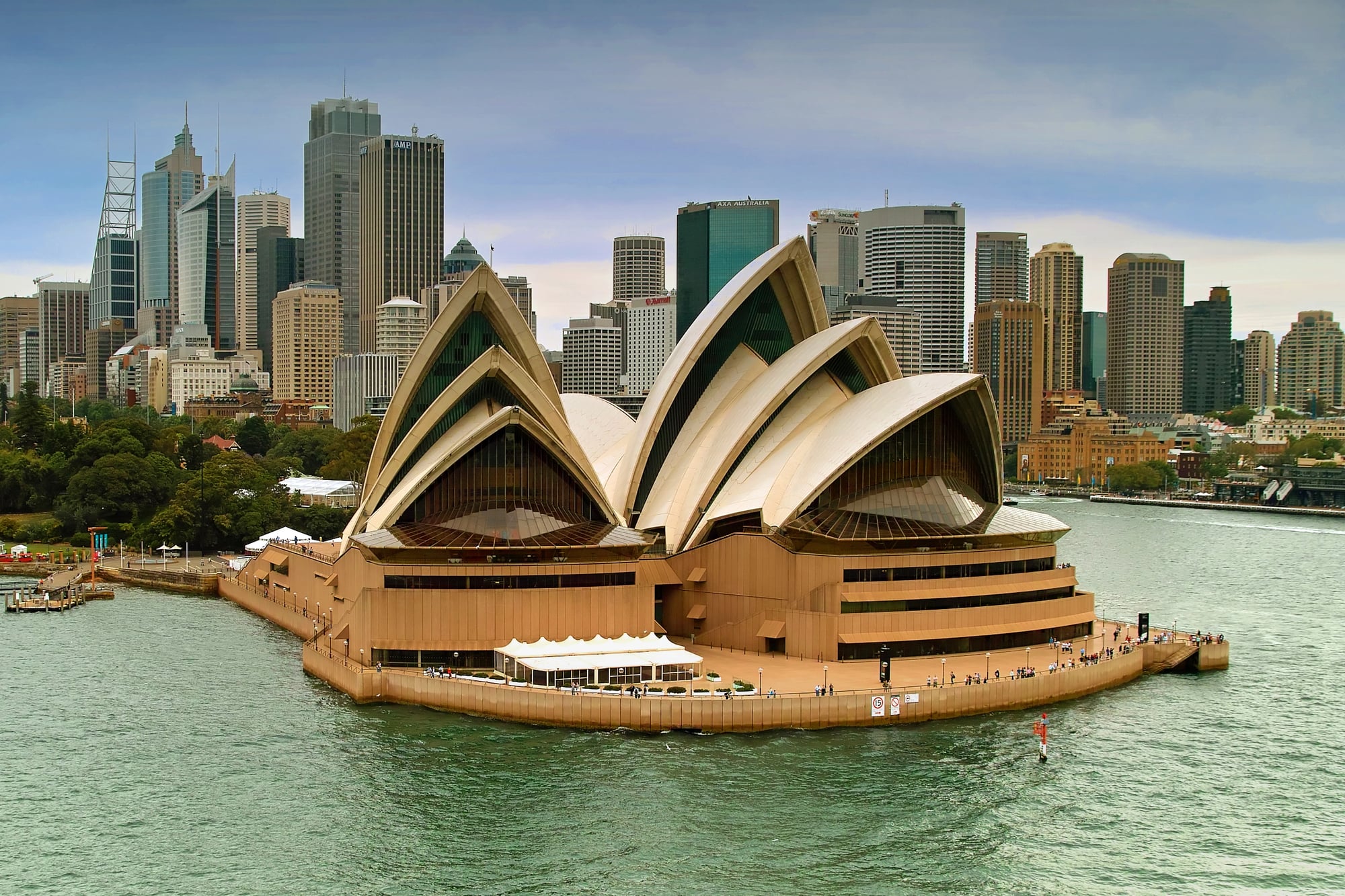
The Sydney Opera House nearly killed its creator. Danish architect Jørn Utzon won the design competition in 1957 with sketches so conceptual that engineers had no idea how to build them.
The roof shells stumped everyone for years.
Utzon spent sleepless nights obsessing over the geometry, finally realizing the shells could be sections of a sphere. By then, costs had exploded from $7 million to over $100 million.
Political pressure mounted. Critics called it a white elephant before it was even finished.
Utzon resigned in 1966, bitter and exhausted, never seeing his masterpiece completed.
The Customs House, Boston
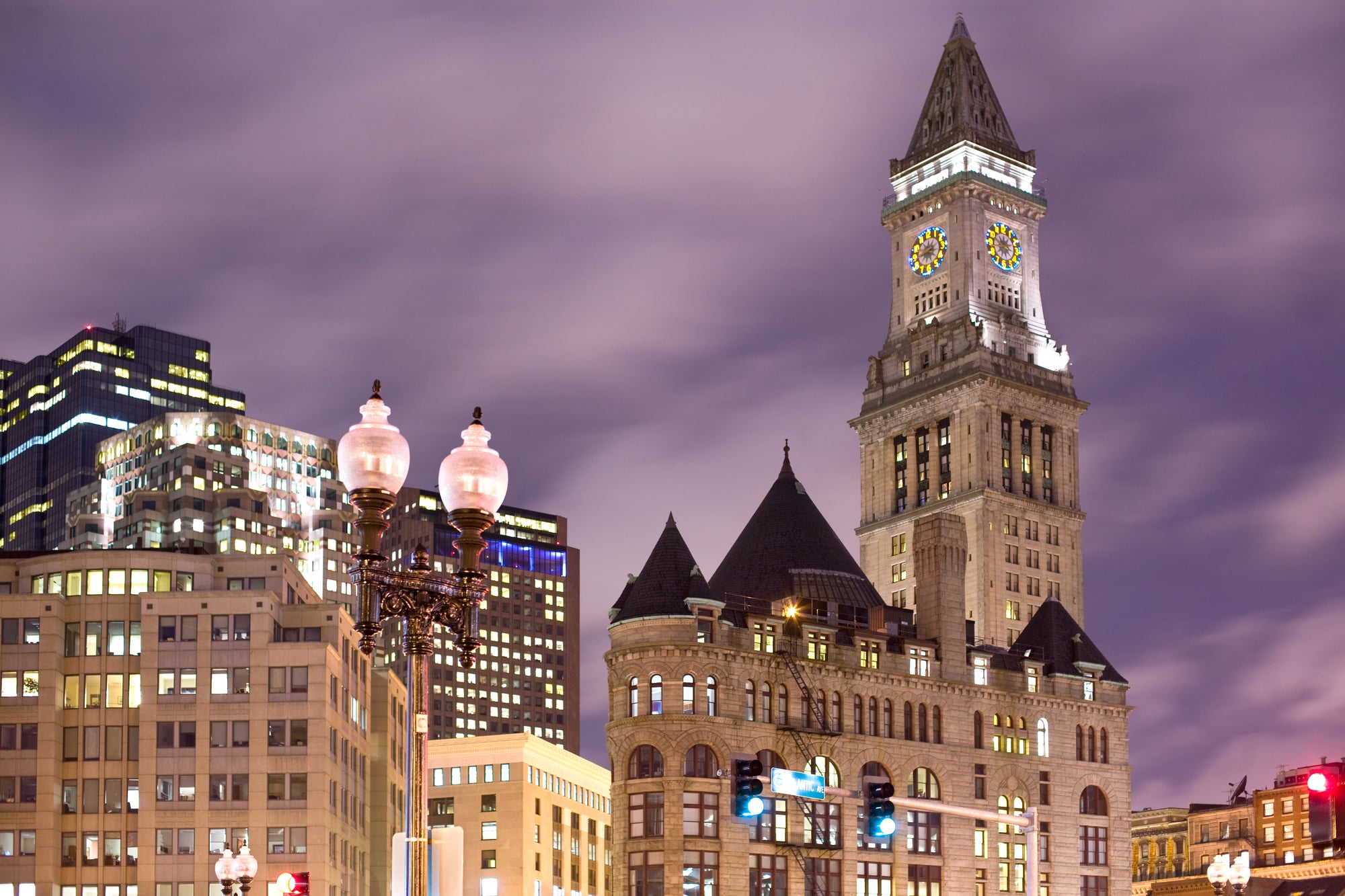
Corruption built Boston’s Custom House Tower, and corruption nearly destroyed it. When Peabody & Stearns designed the 496-foot tower in 1915, they bypassed the city’s height restrictions through a federal loophole—customs buildings answered to Washington, not local zoning laws.
The tower became a symbol of federal overreach.
Local officials seethed. Bootleggers during Prohibition allegedly used its upper floors to coordinate smuggling operations, turning the building meant to stop contraband into a hub for it.
The irony wasn’t lost on anyone, particularly the honest customs agents working below.
Titanic Belfast
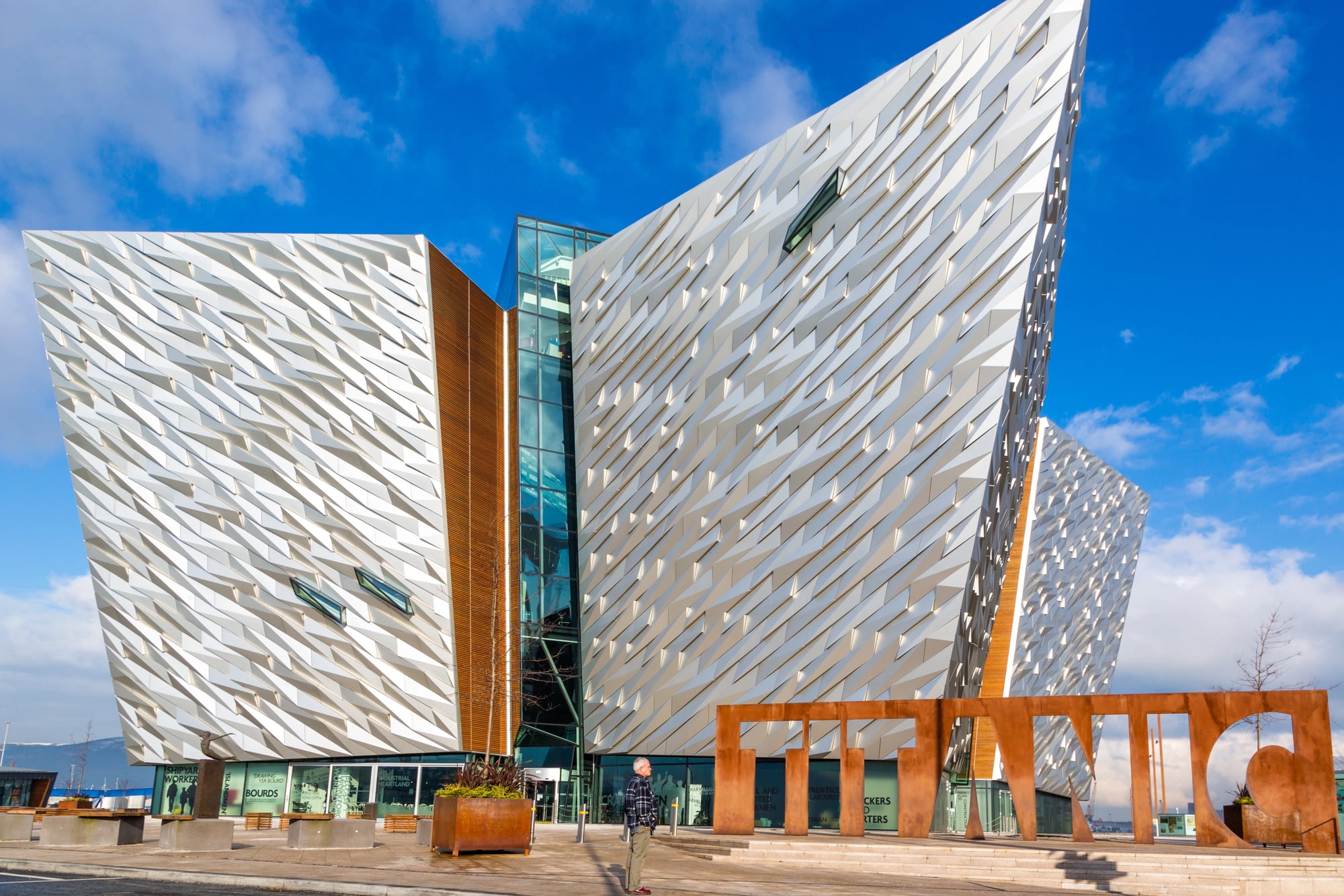
Here’s where the unsinkable ship met its maker, and where that legacy refuses to stay buried (though perhaps it’s more accurate to say it refuses to stay submerged, given the circumstances). The Harland and Wolff shipyard built the RMS Titanic between 1909 and 1912, and when the ship sank on its maiden voyage, it nearly took the entire company down with it—not just financially, but emotionally.
So the question becomes: how do you memorialize your greatest achievement when it’s also your most devastating failure?
And the answer, as it turns out (after decades of avoiding the subject entirely), is that you build a museum shaped like the ship’s hull and you lean into the complexity rather than running from it.
But here’s the thing nobody talks about: the building itself sits on the exact slipways where the Titanic was constructed, which means visitors are literally walking in the footsteps of the workers who riveted every plate and fitted every beam of a ship they believed would never sink.
The weight of that irony—and it is a genuine weight, not just a metaphorical one—shapes every exhibit and every interaction within those angular, ice-like walls.
Royal Observatory Greenwich

The world’s time starts here, which sounds grand until you realize it’s completely arbitrary. Greenwich Mean Time exists because British naval power in the 19th century was strong enough to make everyone else go along with it.
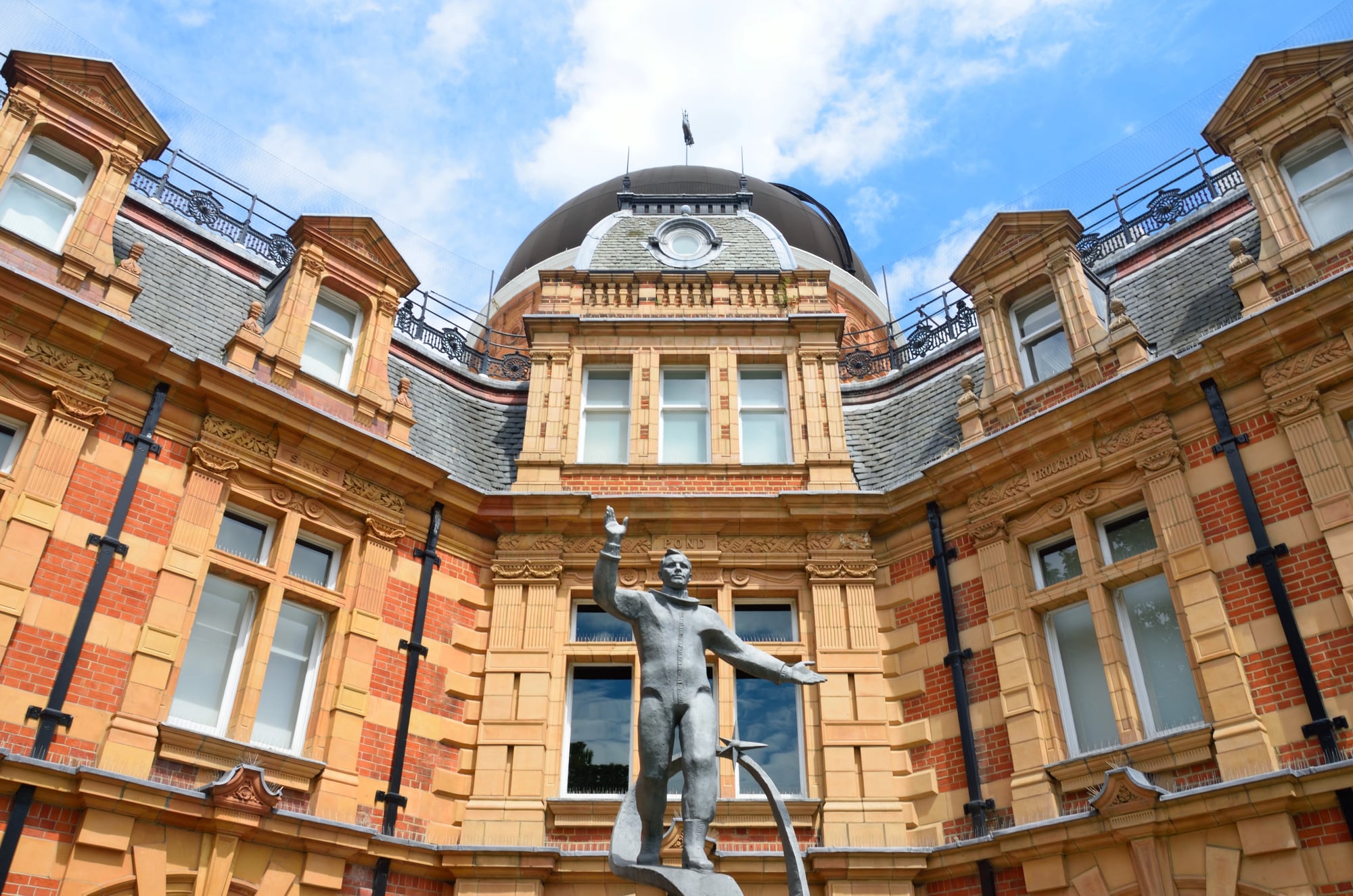
The Royal Observatory, designed by Christopher Wren in 1675, housed the instruments that allowed ships to calculate longitude.
Before GPS, before radio, sailors used star charts created in this building to avoid sailing off the edge of their maps.
The building looks modest compared to what it accomplished. Fair enough—most revolutions start quietly.
Ellis Island Immigration Station

The building stands like a patient teacher who has heard every human story and still manages to care about the next one. Between 1892 and 1954, twelve million immigrants passed through its Great Hall, each carrying everything they owned and a version of the American dream that probably bore little resemblance to what they actually found.
The architects, Boring and Tilton, designed the structure to process thousands of people daily, but they also understood something more subtle: that hope needs space to breathe, even when it’s being examined, questioned, and sometimes turned away.
The Great Hall’s soaring ceiling wasn’t just about crowd control—it was about dignity.
When you’ve traveled across an ocean with nothing but faith in a new life, the last thing you need is a building that makes you feel small.
And yet the medical examination rooms upstairs tell a different story, one of efficiency over empathy, where a chalk mark on your coat could mean deportation.
The building holds both truths: the promise and the bureaucracy, the welcome and the rejection, the dreams that came true and the ones that died on the ferry ride back to Manhattan.
Pier 21, Halifax

Halifax’s Pier 21 calls itself Canada’s Ellis Island, and the comparison holds more weight than most national boasting. Between 1928 and 1971, one million immigrants and refugees entered Canada through this modest Art Deco terminal.
The building processed Holocaust survivors, war brides, displaced persons, and economic migrants with equal efficiency.
Unlike Ellis Island’s grandeur, Pier 21 feels almost residential—a deliberately understated welcome to a country that has always preferred quiet competence to dramatic gestures.
The building’s restraint was the point.
Royal Albert Dock, Liverpool

Liverpool’s Royal Albert Dock died twice and was resurrected once, which tells you everything about the stubborn nature of both the building and the city that refused to let it rot (even though, for a couple of decades there, rot seemed like the most likely outcome, given that the docks had been abandoned since the 1970s and were slowly surrendering to weather, vandalism, and the particular kind of urban decay that happens when a place loses its reason for existing). The dock opened in 1846 as the world’s first fireproof warehouse system—cast iron, brick, and stone throughout, no wood anywhere, because too many previous docks had burned down along with their cargo.
And the system worked, perhaps too well: the warehouses were so solidly built that when containerization killed the need for traditional docks in the 1960s, they were too expensive to demolish and too specialized to repurpose.
So they sat empty for twenty years, slowly becoming a symbol of Liverpool’s post-industrial decline, until someone realized that the same fireproof construction that made them obsolete as warehouses made them perfect as museums, restaurants, and galleries.
But the real story lives in the details nobody planned: the way morning light hits the cast iron columns, turning the arcade into something closer to a cathedral than a commercial space.
The Flatiron Building, New York

New York’s Flatiron Building looks like someone dared an architect to build on an impossible lot, and the architect took it personally. The triangular plot at the intersection of Broadway and Fifth Avenue was considered unbuildable until Daniel Burnham proved otherwise in 1902.
The building’s unusual shape created wind tunnels that lifted women’s skirts, drawing crowds of men hoping for a glimpse of ankle.
Police had to shoo away the gawkers, giving rise to the phrase “23 skidoo”—23rd Street being the building’s location.
The Flatiron became famous as much for the voyeurs it attracted as for its revolutionary steel frame construction.
Portsmouth Historic Dockyard

The dockyard holds HMS Victory like a reliquary holds a saint’s bone, with the same mixture of reverence and bewilderment at what time can preserve. Nelson’s flagship has been sitting in dry dock since 1922, maintained with the kind of obsessive care usually reserved for living things, every rope and timber documented, every repair debated by committees who understand that they’re not just maintaining a ship—they’re maintaining a story about what Britain used to be, or thinks it used to be, which may not be the same thing.
The surrounding Georgian buildings were designed to project naval power across oceans, but they’ve outlasted the empire they were built to serve.
What remains is more complicated than triumph: the beautiful bones of a military machine that once ruled the seas, now teaching school children about battles they’ll never fight in service of an empire that no longer exists.
The irony would be heavy-handed if it were fiction.
Battery Maritime Building, New York

The Battery Maritime Building pretends to be grand, and the pretense works better than it should. Built in 1909 as the Whitehall Terminal, it served ferries heading to Governors Island and Brooklyn — routes that diminished as bridges and tunnels gradually absorbed the traffic that once made ferry crossings essential to daily life in the harbor.
The ornate details that seemed excessive for a commuter hub now feel like a reminder that public architecture once aspired to beauty, not just function.
The Old Port of Montreal

Montreal’s Old Port carries the weight of a city that has been many things to many people but has never quite settled on what it wants to be permanently (French, British, Canadian, North American, European—the list of identities shifts depending on who’s asking and when they’re asking it, which makes the port buildings themselves a kind of architectural palimpsest where each era wrote over the previous one without bothering to erase it completely). The original French warehouses from the 1600s were built to store fur and grain before shipping them back to Europe, but then the British took over and expanded everything, adding their own ideas about commerce and imperial efficiency.
And then Canada became its own country and had to figure out what to do with a port that had been designed to serve other masters, which is how you end up with 18th-century stone walls supporting 19th-century iron roofs that house 21st-century cultural centers.
But walk through the Place Jacques-Cartier on a summer evening when the street performers are working the crowds and the restaurant patios are full, and the building’s identity crisis starts to feel less like confusion and more like sophistication.
Fisherman’s Wharf, San Francisco
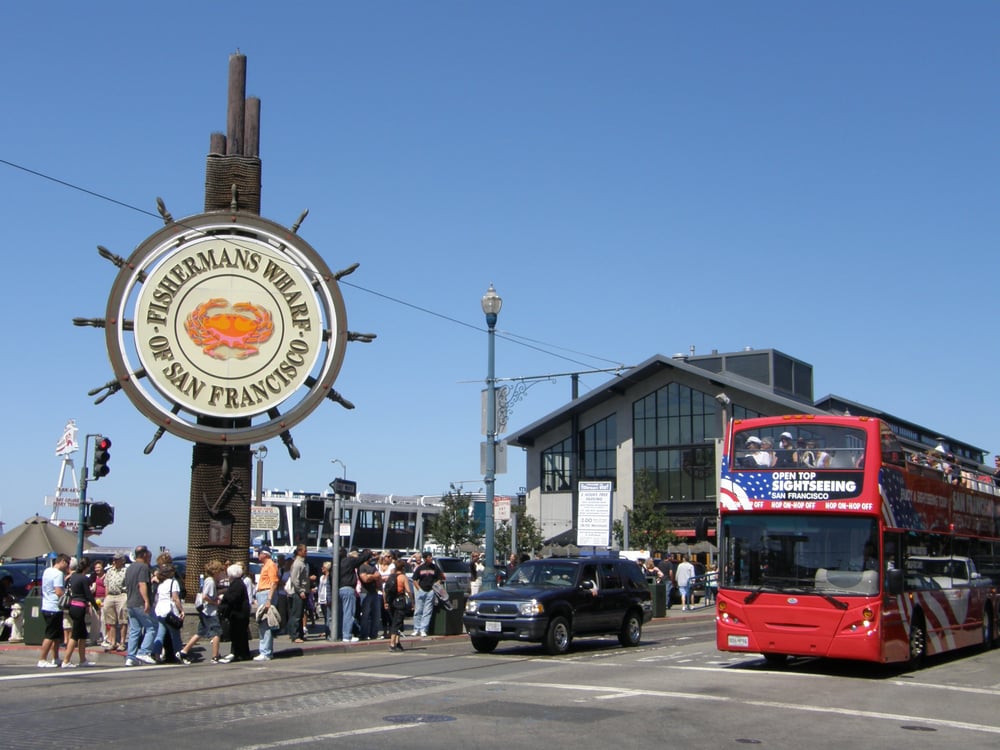
San Francisco’s Fisherman’s Wharf sold its soul and made a fortune, which is either tragic or practical depending on your tolerance for tourist traps. The working fishing fleet that gave the wharf its name has been steadily pushed out by souvenir shops and chain restaurants.
The old fishing families who built the wharf’s reputation still operate a few boats, but they’re vastly outnumbered by street performers and vendors selling “I Left My Heart in San Francisco” t-shirts.
The transformation was inevitable once the city became too expensive for working-class industries.
The wharf adapted or died. It adapted.
London Docklands
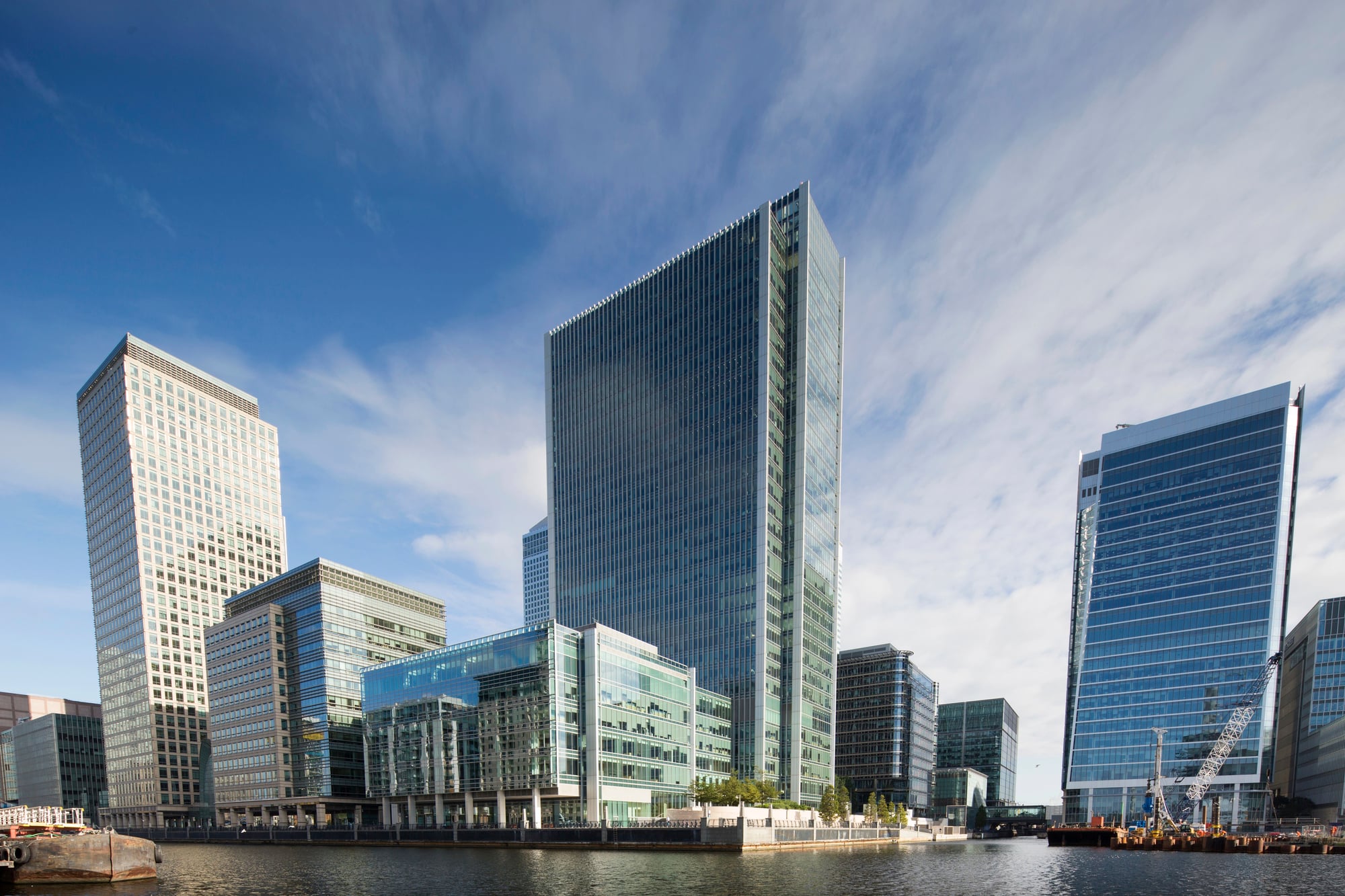
The London Docklands development turned abandoned warehouses into the financial district’s glass towers, which is either urban renewal or cultural vandalism, depending on who’s profiting. The old dock buildings were demolished or converted with varying degrees of sensitivity to their history.
Canary Wharf rose from the ruins of the West India Docks, replacing maritime commerce with financial services.
The irony runs deep—London’s new financial center sits on the exact spot where ships once unloaded sugar and rum produced by enslaved labor in the Caribbean.
The towers that house today’s global financial networks stand on foundations built by an earlier, more brutal form of globalization.
Victoria & Alfred Waterfront, Cape Town

Cape Town’s V&A Waterfront proves that historic preservation and commercial development can coexist, though the partnership requires constant negotiation. The Victorian-era harbor buildings were falling apart when developers arrived in the 1980s with plans for shopping malls and hotels.
The compromise preserved the harbor’s essential character while making it financially sustainable.
The old grain silos became luxury hotels. The dock warehouses became restaurants and shops.
Critics call it sanitized heritage, but sanitized heritage beats demolished heritage. The waterfront works because it never pretends to be anything other than a beautiful, functional anachronism.
Where Memory Lives in Stone
These harbors and their buildings remind us that architecture is never just about shelter or function—it’s about the stories we tell ourselves about who we are and where we’re going. Some of these stories are triumphant, others tragic, most are complicated in ways that resist easy summary.
But they endure in stone and steel and glass, waiting for the next generation to discover them, argue with them, and ultimately decide what they’re worth preserving.
More from Go2Tutors!

- The Romanov Crown Jewels and Their Tragic Fate
- 13 Historical Mysteries That Science Still Can’t Solve
- Famous Hoaxes That Fooled the World for Years
- 15 Child Stars with Tragic Adult Lives
- 16 Famous Jewelry Pieces in History
Like Go2Tutors’s content? Follow us on MSN.