Super Bowl 60: Facts That Mark 60 Years of America’s Biggest Sporting Event
Sixty years ago, two rival football leagues decided to settle things on the field. That first championship game in Los Angeles drew a respectable crowd but didn’t quite sell out the Coliseum.
Fast forward to today, and the event has become something much bigger than anyone imagined back in 1967. The upcoming game at Levi’s Stadium in Santa Clara marks the 60th edition, and the numbers surrounding it tell a story about how American sports culture has changed.
The Bay Area Gets Another Championship
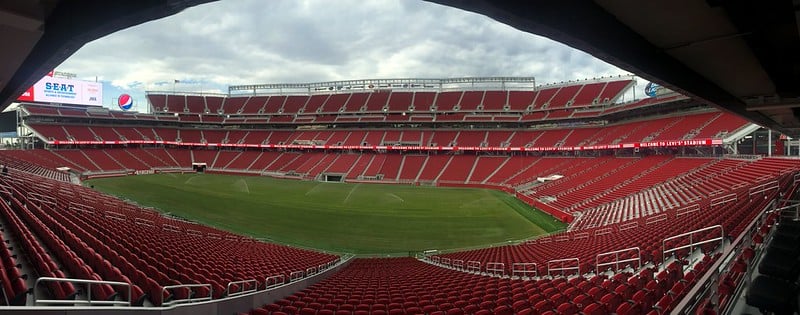
Levi’s Stadium in Santa Clara will host the game on February 8, 2026. This marks the second time the 49ers’ home has held the championship, following the 50th edition back in 2016.
The venue sits about 40 miles south of San Francisco, but the entire Bay Area treats it as their event. Green Day, the East Bay rock band, will lead the opening ceremony, bringing Super Bowl MVPs from the past six decades onto the field.
The timing feels right for a celebration that spans generations.
Bad Bunny Makes History at Halftime
The halftime show has grown into its own spectacle over the decades. This year, Bad Bunny became the first Latin male artist to headline the performance.
His music has already reached global streaming records, and the NFL knows exactly what it’s doing by booking him. Recent halftime shows have pulled in bigger audiences than the games themselves.
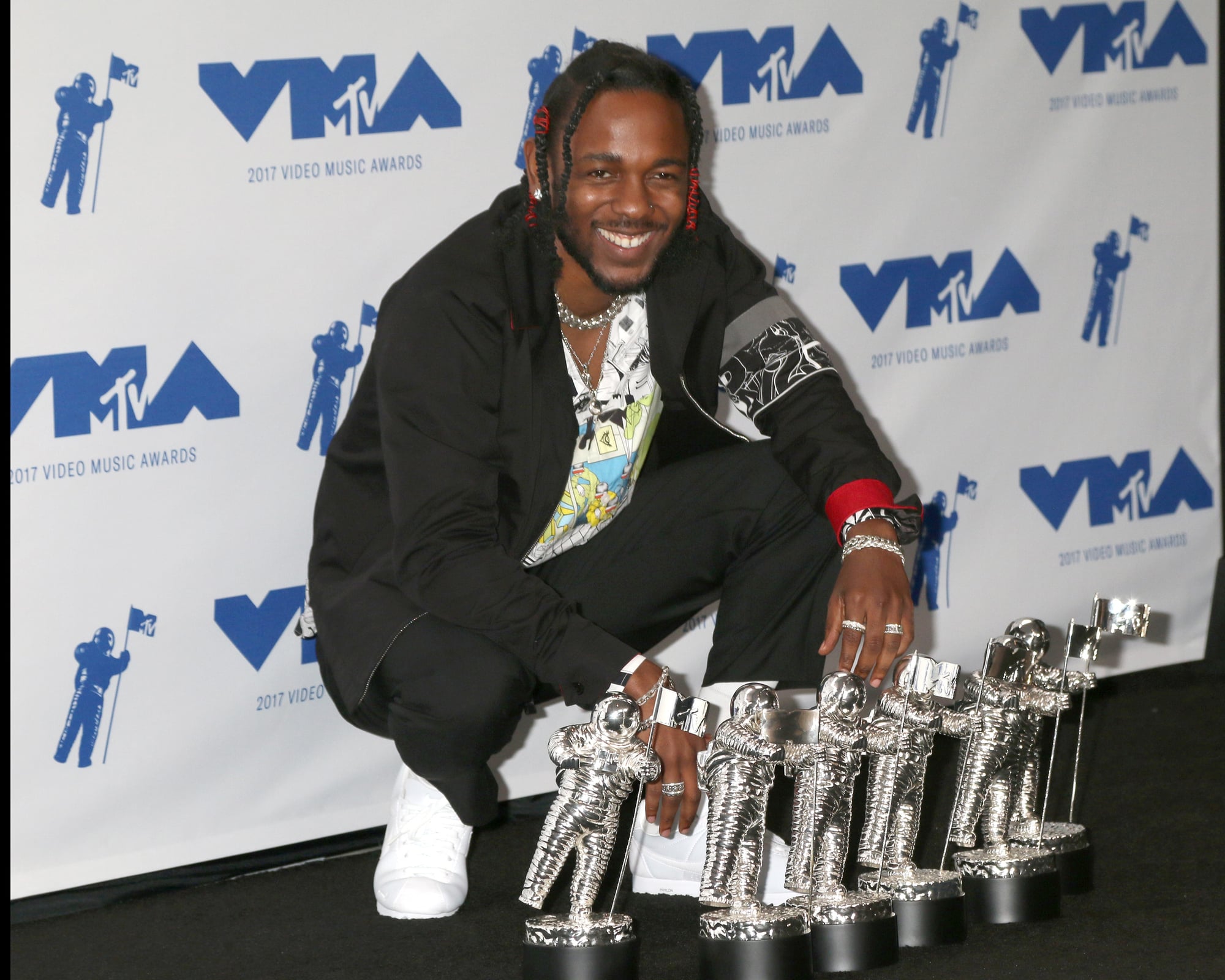
Kendrick Lamar’s 2025 performance drew 133.5 million viewers, while Usher’s 2024 show reached 129.3 million. The pattern shows that halftime has become appointment viewing even for people who don’t care about football.
Where It All Started
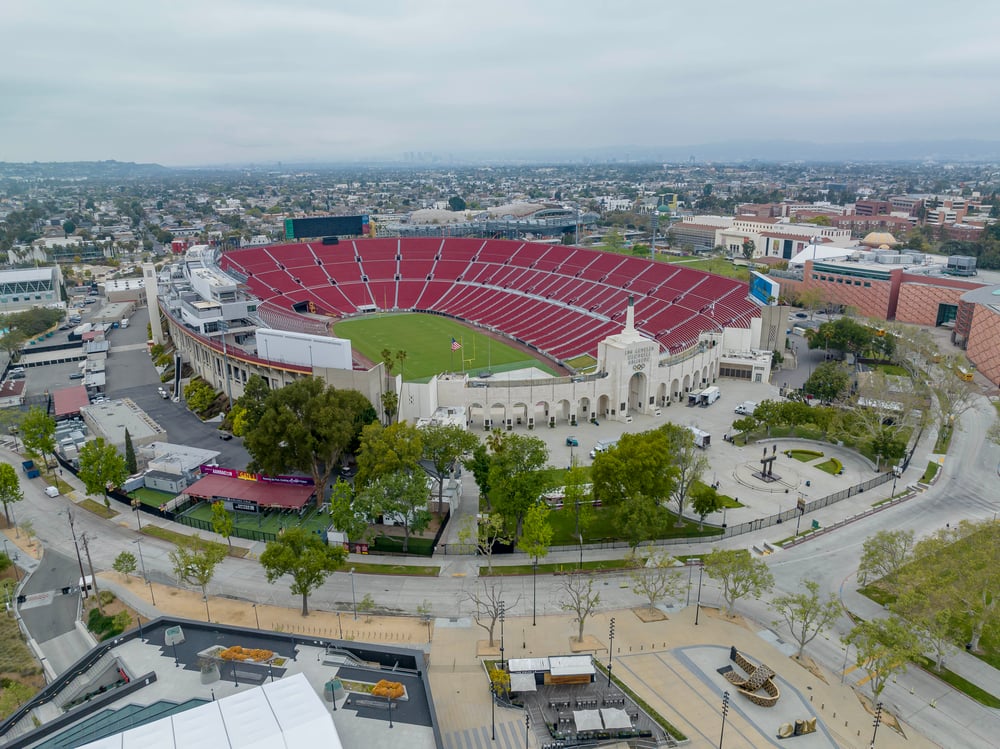
January 15, 1967 changed professional football forever. The Green Bay Packers faced the Kansas City Chiefs at the Los Angeles Memorial Coliseum in what was officially called the AFL-NFL World Championship Game.
Nobody called it the “big game” yet, though some reports used that term. The Packers won 35-10, and quarterback Bart Starr took home the first MVP award.
The venue held 93,000 seats but only 61,946 people showed up. Tickets cost between six and twelve dollars.
The Name Nobody Liked at First

Kansas City Chiefs owner Lamar Hunt came up with “Super” as a descriptor after watching his daughter play with a toy called a SuperBall. The name felt too casual for NFL commissioner Pete Rozelle, who wanted something more dignified.
Early suggestions included “Merger Championship” and “The Summit Game.” But reporters and fans kept using “big game” in their conversations, and the informal name stuck.
The NFL officially adopted it for the third championship in 1969. Roman numerals came along at the same time, creating the numbering system we see today.
Television Changed Everything
Both CBS and NBC paid one million dollars each to broadcast the first championship. They ran separate productions with different announcers, giving viewers two ways to watch the same game.
CBS charged advertisers significantly more than NBC because NFL games had higher ratings than AFL games during the regular season. A 30-second commercial spot cost between 37,500 and 42,500 dollars.
Today, that same time slot runs seven million dollars or more.
Super Bowl viewership kept climbing through the decades. The 1978 game became the first to air in primetime on the East Coast, and 102 million viewers watched at least part of it.
The 2025 championship between Philadelphia and Kansas City averaged 127.7 million viewers, setting a new record. The halftime show often beats the game itself in ratings, which explains why the NFL puts so much effort into booking major artists.
The Trophy With a Legendary Name
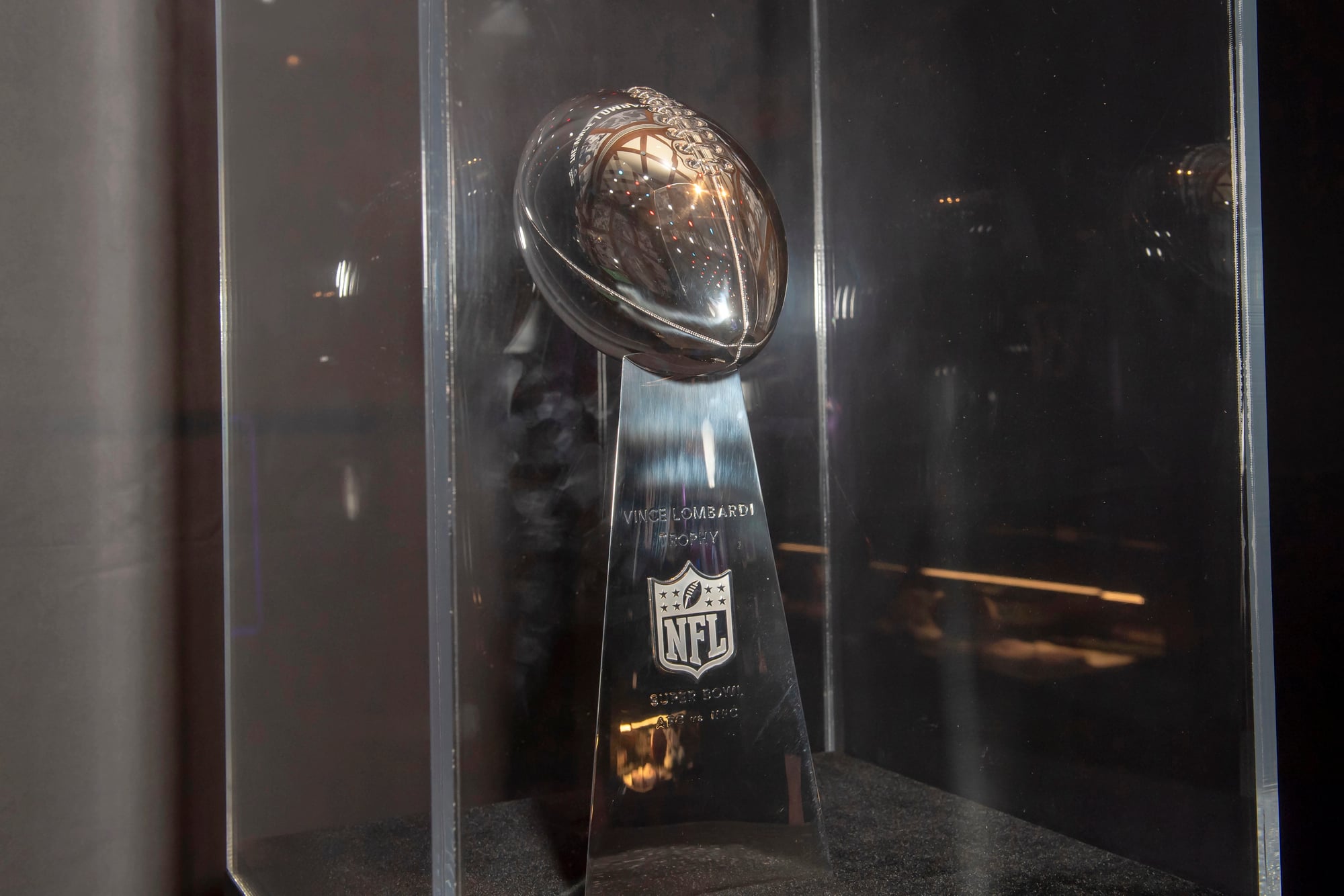
The winning team receives the Vince Lombardi Trophy, named after the Green Bay coach who won the first two championships. Lombardi died in September 1970, and the league renamed the trophy in his honor the following year.
His Packers teams dominated the 1960s, winning five championships in seven years. That stretch remains one of the most successful runs in league history.
Every Tenth Anniversary Brings Something Special
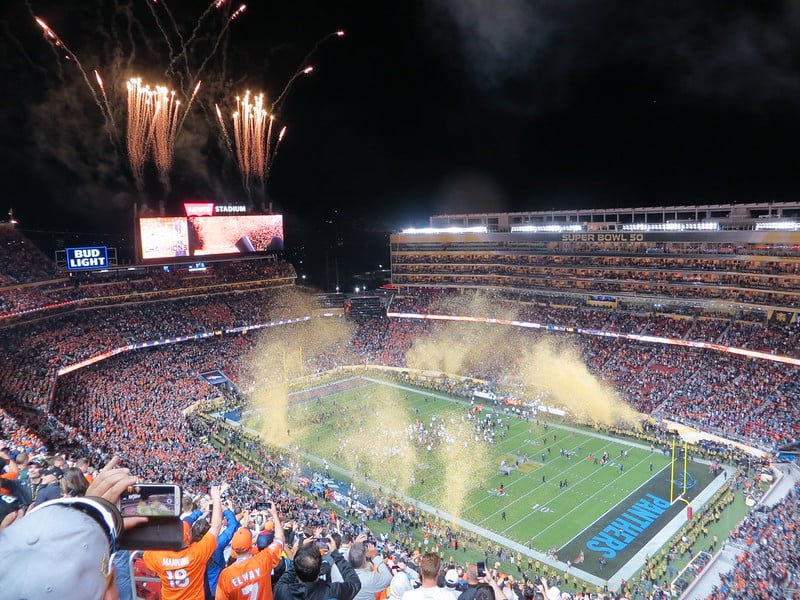
The NFL started a tradition at the 20th championship of honoring past MVPs before the game. The 50th edition at Levi’s Stadium in 2016 featured 39 of the 43 previous winners.
Some appeared in person while others joined by video. With 60 approaching, you can expect another ceremony celebrating the players who defined championship moments over six decades.
Green Day’s opening performance will help set the stage for that recognition.
When Halftime Became Bigger Than the Game
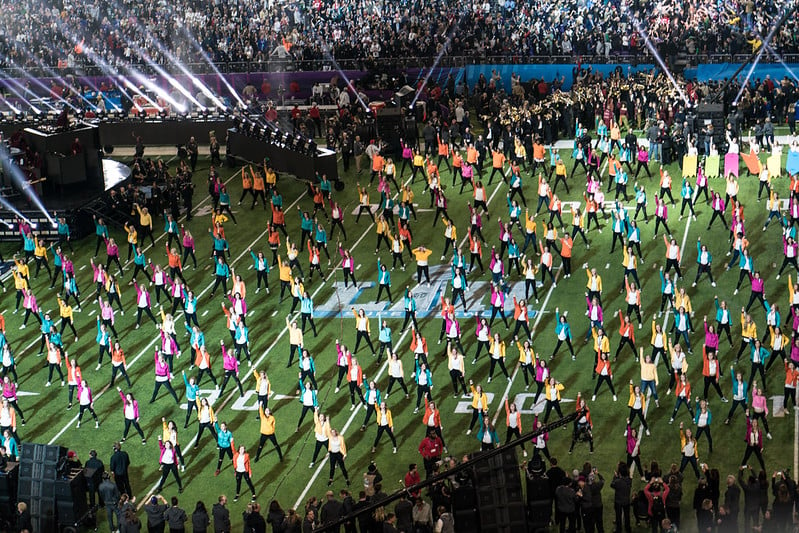
Early halftime shows featured marching bands and drill teams. The entertainment was pleasant but forgettable.
Michael Jackson changed everything in 1993. His performance drew 133.4 million viewers and proved that halftime could be its own cultural moment.
The NFL suddenly had leverage to book the biggest names in music, and a pattern developed. Artists see streaming numbers jump after their performances.
Rihanna’s 2023 show increased her streams by 140 percent. The exposure reaches audiences that normal tours never touch.
Katy Perry’s 2015 performance set the template for modern spectacle, bringing in 118.5 million viewers with a giant mechanical lion and surprise guests. Lady Gaga jumped off the roof of Houston’s stadium in 2017, drawing 117.5 million.
The shows keep getting more elaborate because the audience keeps growing.
Advertising’s Most Expensive Real Estate
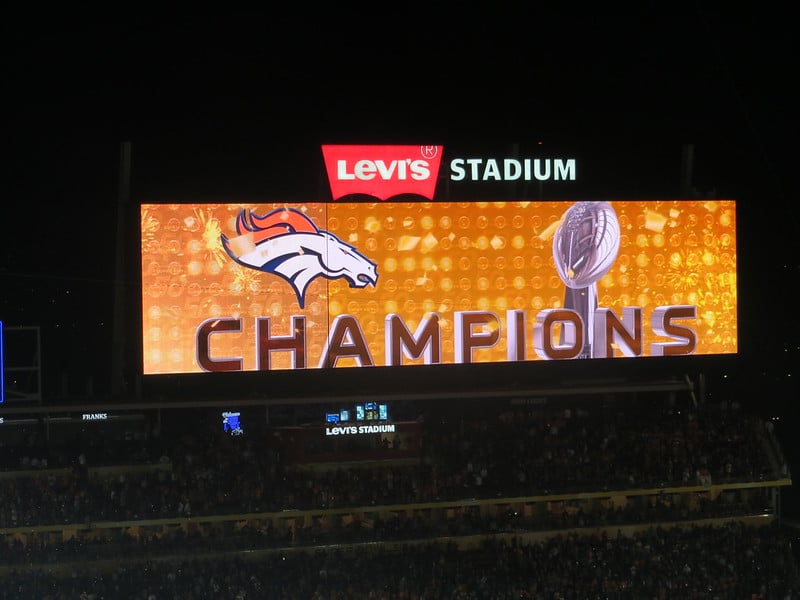
Commercial time during the championship represents the pinnacle of American advertising. Companies plan their spots months in advance, knowing they’ll reach more than 100 million viewers in a single broadcast.
The cost has climbed steadily. In 1967, a one-minute spot ran about 85,000 dollars.
By 2025, a 30-second commercial cost around eight million dollars.
The commercials themselves became part of the experience. Apple’s 1984 ad introducing the Macintosh computer changed how companies approached the event.
Now brands compete to create memorable moments that people will discuss the next day. Some viewers admit they watch more for the commercials than the actual game.
The Merger That Made It Possible
The AFL and NFL were bitter rivals through the early 1960s. Teams competed for players, television contracts, and fan loyalty.
The bidding wars drove up costs for everyone. In June 1966, the leagues agreed to merge, with full integration planned for 1970.
The championship game became part of that agreement, giving both leagues a showcase before the official merger.
After 1970, the structure changed. The ten AFL teams joined three NFL teams to form the American Football Conference.
The remaining NFL teams became the National Football Conference. Every championship since 1971 has featured the top team from each conference.
The NFC currently leads the series 28-27.
Records That Might Never Fall
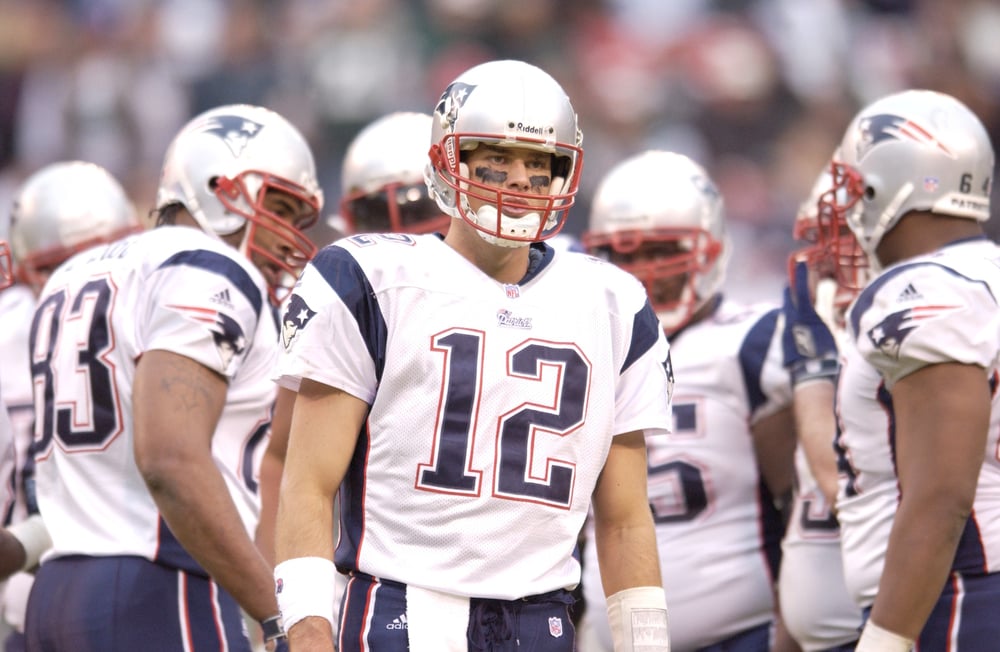
Tom Brady holds more championship records than any other player. He won seven titles over his career and appeared in ten championship games total.
His performances set standards for quarterback play that future generations will chase. Other records feel equally untouchable.
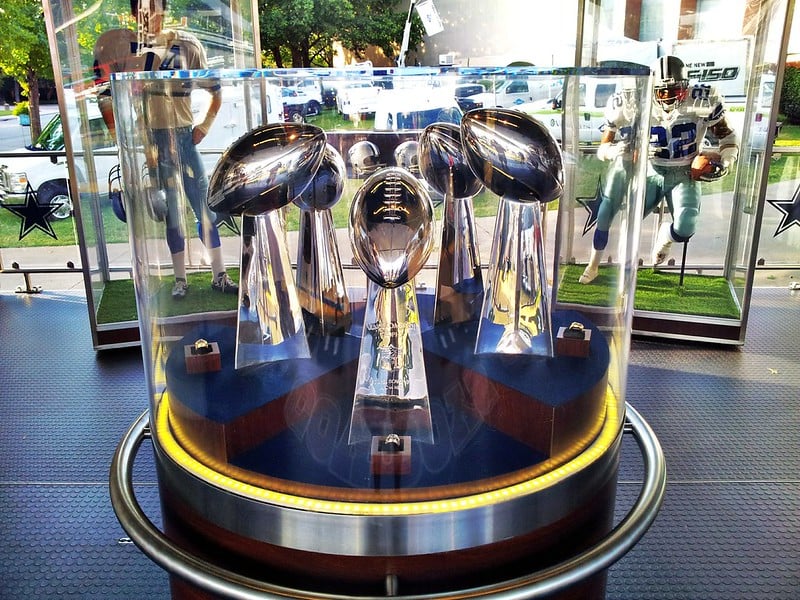
The Pittsburgh Steelers and New England Patriots each have six championships, the most of any team. The Dallas Cowboys won five, with three coming in a four-year span during the 1990s.
Individual game records get broken more often. Points scored, passing yards, and receiving touchdowns all see new marks set every few years.
But the career totals Brady established will take someone with extraordinary longevity and team success to match.
The Economic Impact Keeps Growing
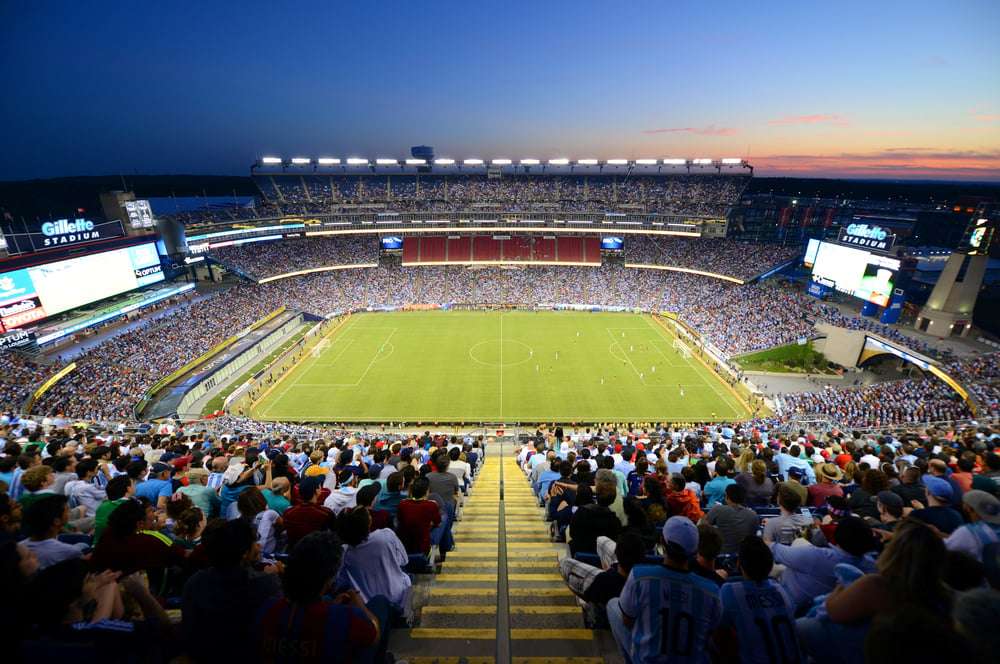
Cities compete aggressively to host the championship. The event brings hundreds of millions of dollars in economic activity through hotels, restaurants, transportation, and tourism.
The week leading up to the game features parties, concerts, and corporate events that fill every venue in town. The 2026 Bay Area festivities include concerts at the Palace of Fine Arts and the Bill Graham Civic Auditorium.
Chris Stapleton will perform, and Sting headlines a two-day music series.
Consumer spending around the event reaches new heights each year. The National Retail Federation estimated that Americans would spend 18.6 billion dollars related to the 2025 championship.
Food and beverages account for 81 percent of that spending, with team apparel coming in second at 14 percent. The average person spends about 92 dollars on game-related purchases.
What Makes This Year Different
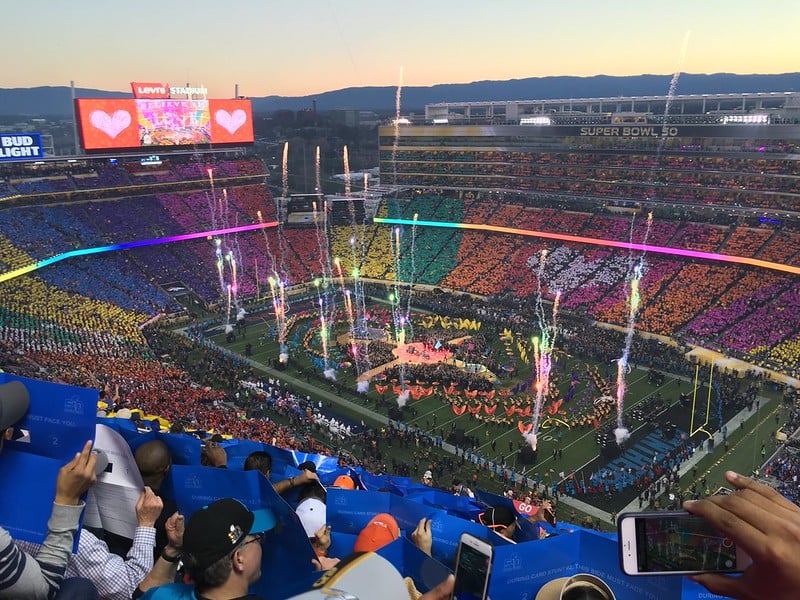
The 60th edition comes with special significance. Six decades of championship football represents genuine cultural history.
Kids who watched that first game in 1967 are grandparents now. The event has outlasted many American traditions and shows no signs of slowing down.
NBC will broadcast the game, offering bundled advertising packages that include the championship, the Winter Olympics, and the NBA All-Star Game. The network knows it has premium content.
Bad Bunny’s performance will be watched globally, not just in the United States. His music transcends language barriers, and the NFL benefits from booking artists with international appeal.
Charlie Puth will sing the national anthem, Brandi Carlile handles “America the Beautiful,” and Coco Jones performs “Lift Every Voice and Sing.” The pregame entertainment matches the scale of what happens at halftime.
Still America’s Game
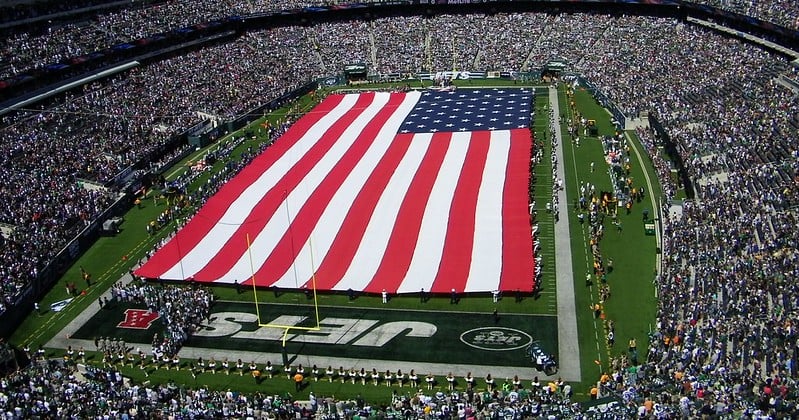
Still, nothing beats it on U.S. screens each year. Not a single ceremony, series finale, or game pulls similar numbers.
That late winter Sunday feels like a national pause – friends gather, TVs stay on. Places serving food prepare for crowds unlike any other day.
Work slows next morning; talk shifts to highlights from the night before.
Half of those watching care mainly about the actual game, research shows. Yet it is the ads, the break-time performance, maybe even the noise around it that pulls in huge crowds who would not tune in otherwise.
This wide mix of interest means companies still hand out big money for ad slots, while channels keep competing hard just to air it.
Sixty Years Still Going
Now that opening title match in L.A. seems like a story from another age. Helmets looked odd back then, markings on the turf appeared every five paces rather than ten, while uprights stood held by twin beams instead of the slim center pole common now.
Through endless shifts over time, the core idea holds firm – rival squads, one prize, crowds across nations glued to screens. One winter day in 2026, under bright lights at Levi’s Stadium, another moment begins to take shape.
Not every game writes history, yet this one surely will. Fresh names rise into view while numbers on scoreboards break past old limits.
Time moves forward, then later folks pause, remembering this point like others before it. Back when crowds barely filled the Coliseum, few imagined such reach.
Now, each February, eyes across continents turn toward a single field. What started small pulses today through the core of U.S. sport life.
Growth isn’t always loud – sometimes it just shows up, already everywhere.
More from Go2Tutors!

- The Romanov Crown Jewels and Their Tragic Fate
- 13 Historical Mysteries That Science Still Can’t Solve
- Famous Hoaxes That Fooled the World for Years
- 15 Child Stars with Tragic Adult Lives
- 16 Famous Jewelry Pieces in History
Like Go2Tutors’s content? Follow us on MSN.