Most Expensive Fitness Tech
Fitness gadgets once meant simple tools. Instead of effort, they offered shortcuts like timers or straps measuring pulse.
Even a machine letting you walk indoors counted as high-tech back then. Up near the peak though, things shift entirely.
These devices ignore ease completely. Rather than lowering barriers, their goal is precision without gaps.
They promise total oversight through design so tight it borders on obsession. What matters here isn’t access – it’s separation.
Price tags climb high not because something is new. High expense follows exact construction, sensors that track deeply, materials surviving endless workouts, yet customization almost like hand-built art.
Often these tools blur lines – part gym gear, part health device, part elegant furniture. To grasp their value means seeing past what they do toward how they’re made, where they fit, who uses them.
Peeking behind the curtain reveals traits shaping top-tier fitness gear. Growth persists even with few buyers tuning in – driven by niche demand rather than mass appeal.
Fully Integrated Luxury Home Gyms
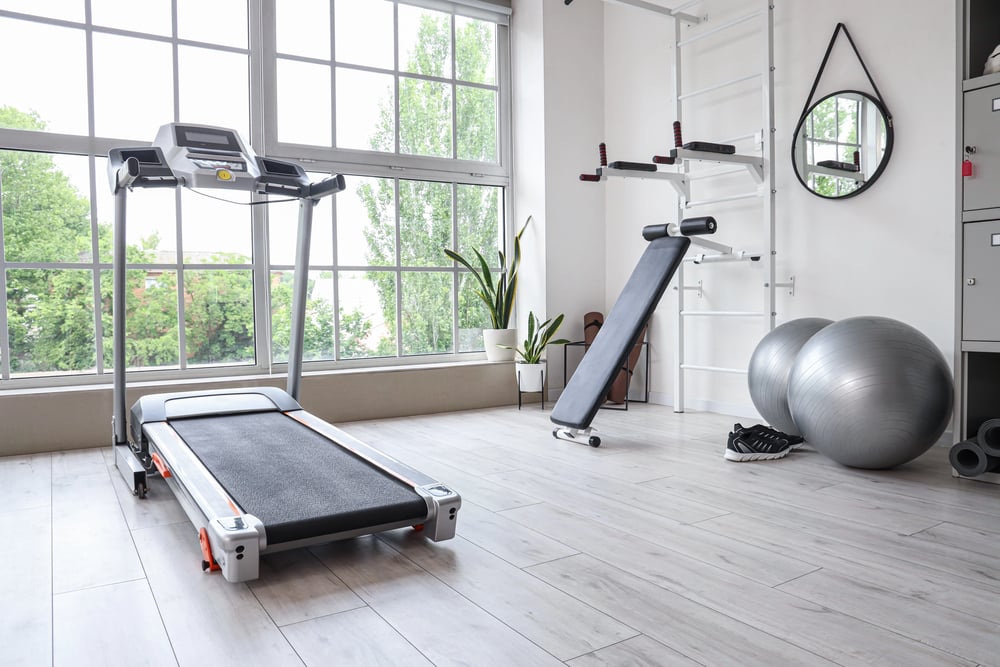
At the highest end, home gyms are no longer collections of individual machines. They are fully integrated systems designed to replace an entire commercial facility.
These installations combine strength training, conditioning, mobility work, and digital guidance into a single cohesive environment.
The price reflects scale and engineering rather than branding. Frames are built from reinforced steel or precision-milled alloys, designed to remain stable under heavy, repeated load.
Resistance systems are calibrated for accuracy rather than convenience, and components are modular so the system can evolve without being replaced. For buyers, the appeal lies in having uncompromised access to professional-level training without leaving home.
Commercial-Grade Cardio Equipment

Elite cardio machines occupy a different category from consumer treadmills and bikes. These units are designed to operate for hours every day in professional environments without performance drift.
Motors are oversized, belts are thicker, and shock absorption systems are engineered to reduce joint stress over long training cycles.
Advanced models adjust resistance dynamically based on biometric input, maintaining precise output regardless of fatigue. This level of consistency is costly to achieve and maintain.
In private settings, owning this equipment is less about necessity and more about replicating elite conditions exactly as they exist in high-performance facilities.
Performance Measurement and Biomechanics Systems

One of the most expensive areas of fitness tech focuses on understanding movement rather than generating it. Motion analysis systems, force platforms, and sensor arrays are used to measure how the body produces power, absorbs impact, and compensates under load.
These systems capture thousands of data points per second, translating movement into detailed reports on efficiency and imbalance. Cost comes from sensor quality, calibration, and the software required to interpret raw data accurately.
Originally confined to sports science labs, this technology is now appearing in private training spaces for those willing to invest in marginal gains.
Advanced Strength and Resistance Technology
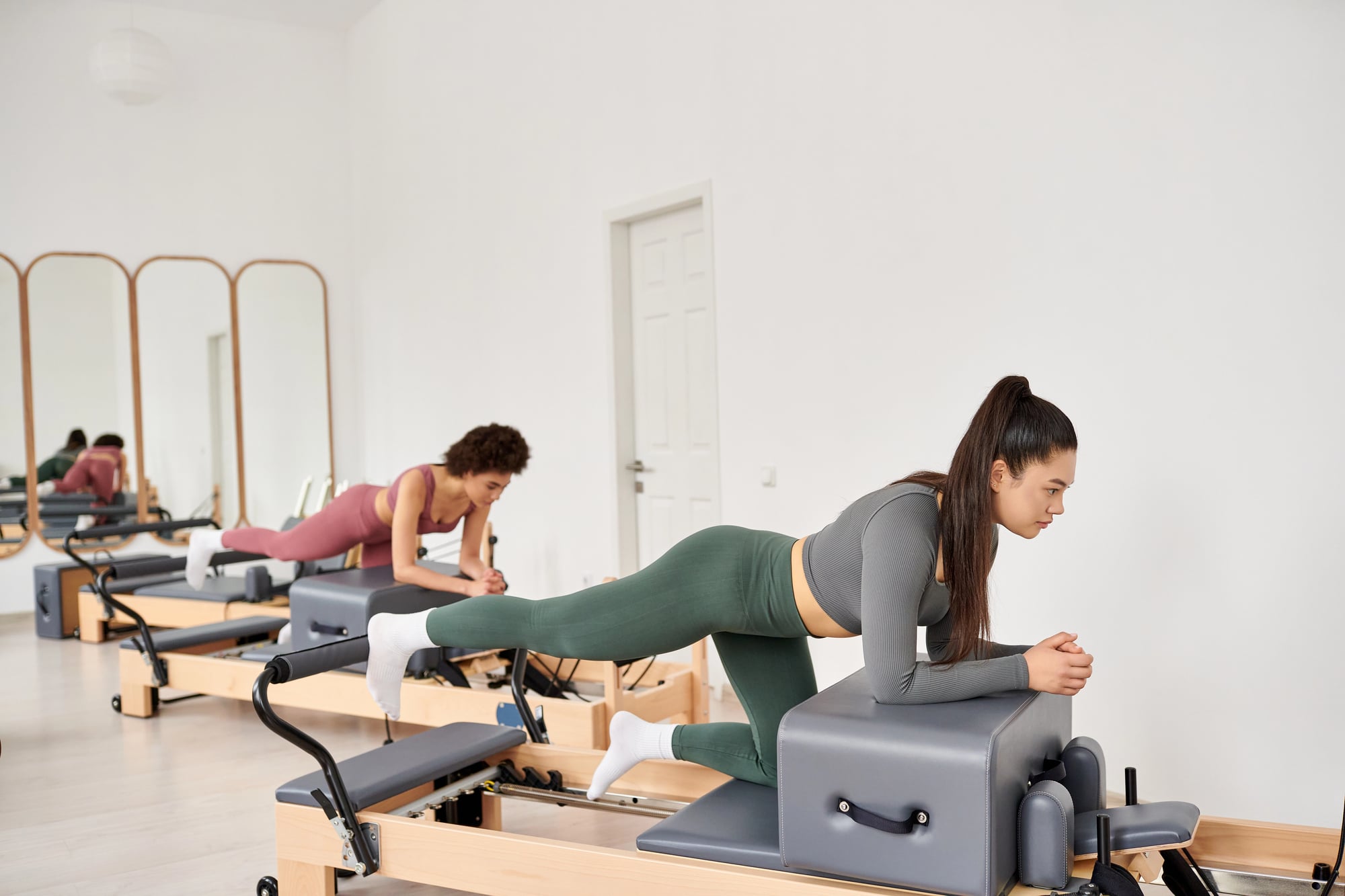
High-end strength equipment differs from consumer machines in both feel and function. Resistance curves are engineered to match natural joint mechanics, reducing strain while maximising force production.
Air, magnetic, or electronically controlled resistance systems replace traditional weight stacks in many premium setups.
The expense lies in precision and longevity. These machines are designed to deliver identical resistance profiles over years of use, without mechanical degradation.
For serious users, this consistency matters. For luxury buyers, it reinforces the sense that nothing about the experience is improvised.
Recovery and Regeneration Systems
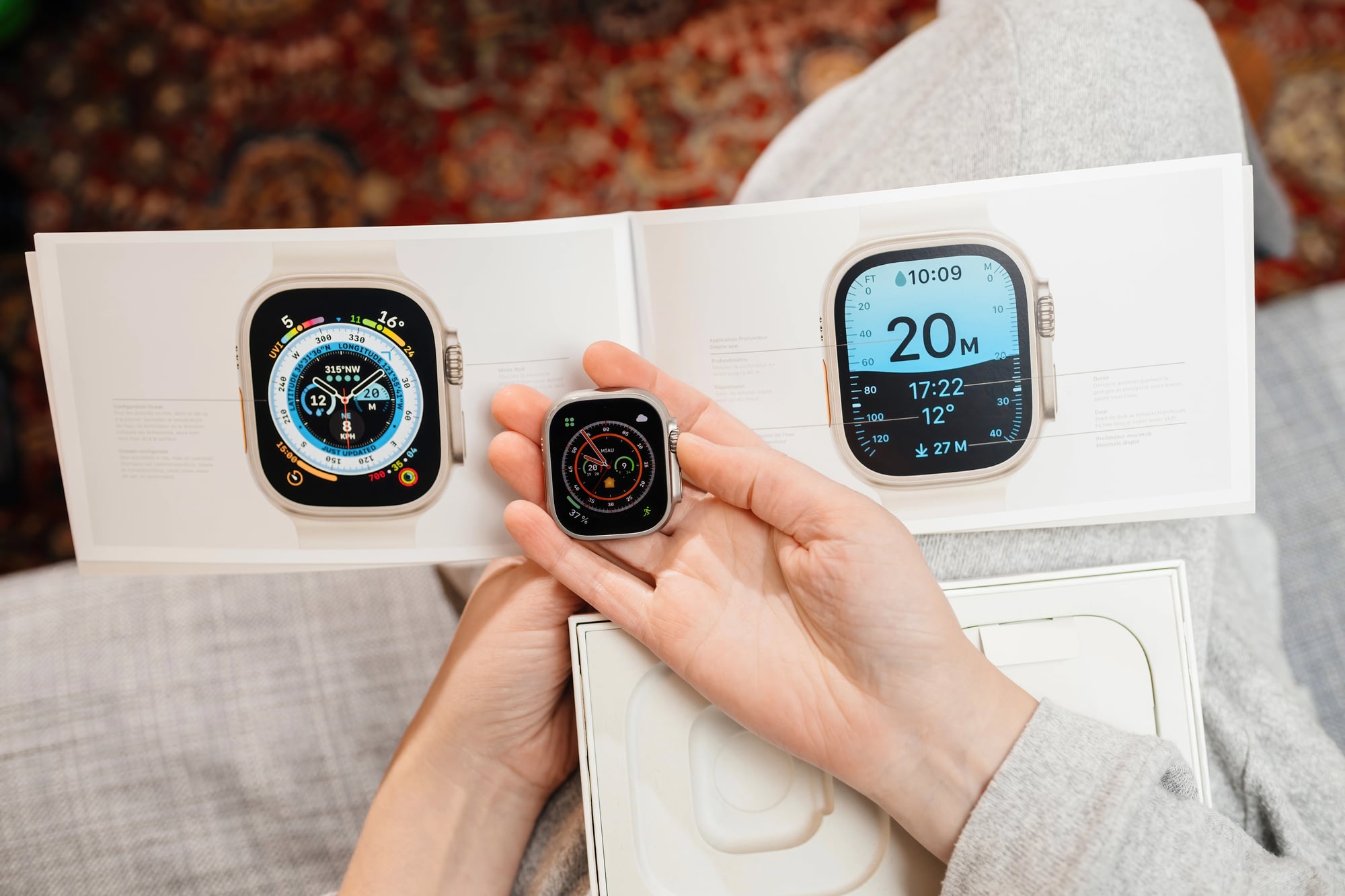
Training intensity at the elite level demands equally advanced recovery. High-end fitness tech increasingly includes systems designed to manage fatigue, inflammation, and neuromuscular stress.
These devices go far beyond consumer recovery tools in both control and reliability.
Temperature-regulated immersion units, advanced compression systems, and electrical stimulation devices are built to deliver repeatable, protocol-driven outcomes. Cost reflects not just hardware, but the research behind how these tools are applied.
In elite sport, recovery is treated as training. At the luxury end, that philosophy carries over intact.
Medical-Grade Monitoring and Diagnostics
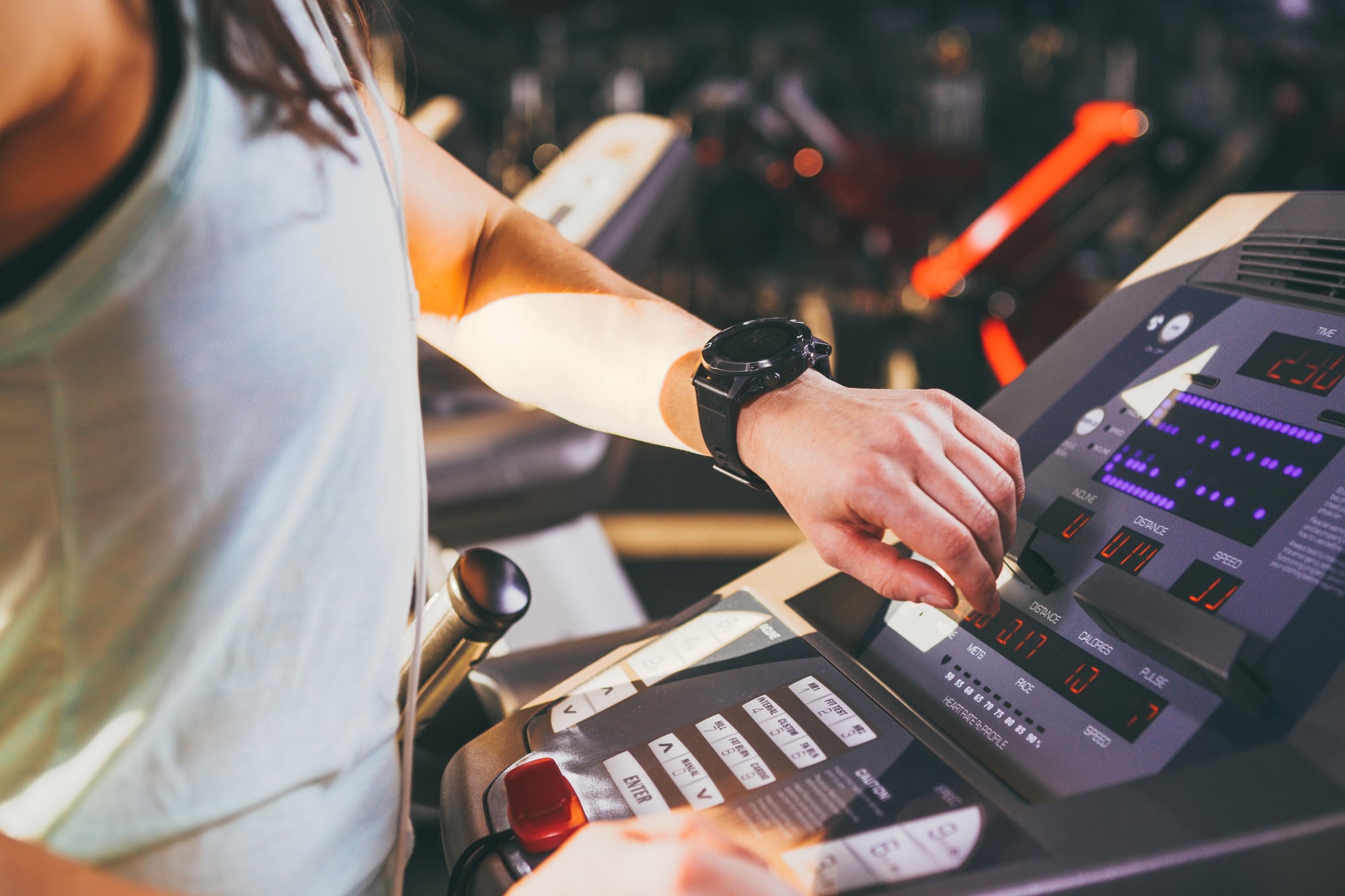
Some of the most expensive fitness technology sits close to clinical equipment. These systems monitor cardiovascular output, metabolic efficiency, respiratory performance, and nervous system response with high accuracy.
Unlike consumer wearables, they are designed to guide decision-making rather than provide general trends.
Pricing reflects regulatory standards, sensor fidelity, and calibration requirements. Data from these devices is reliable enough to influence training load, recovery timing, and health screening.
For private owners, access to this level of insight provides reassurance as much as performance optimisation.
Luxury Wearables with Fitness Capabilities

While most wearables are designed for mass adoption, a small segment blends fitness tracking with luxury materials and limited production. These devices often offer similar metrics to premium consumer products but differentiate themselves through craftsmanship and exclusivity.
In this category, fitness becomes part of lifestyle signalling. The technology communicates taste and access rather than athletic identity.
The cost is less about innovation and more about positioning, where function and luxury coexist without either being the primary focus.
Customisation as a Cost Driver
One of the least visible contributors to price is customisation. High-end fitness tech is often tailored to the user’s body mechanics, training goals, and physical environment.
Equipment dimensions, resistance profiles, and software interfaces may be adjusted during installation.
This process involves engineers, designers, and performance specialists working together. Buyers are paying for expertise as much as equipment.
The result is a system that feels personal rather than generic, which reinforces both satisfaction and long-term use.
Engineering for Longevity
Unlike consumer fitness products, expensive fitness tech is rarely designed for rapid replacement. Materials are chosen for durability, electronics are modular, and software updates aim to extend relevance rather than force upgrades.
This approach significantly increases upfront cost.
Over time, however, depreciation slows. Well-maintained equipment can remain functional and desirable for decades.
In this sense, expensive fitness tech behaves more like infrastructure than gadgetry, which changes how buyers justify the investment.
Why It Still Matters
Expensive workout gadgets? They never stay out of reach for long. Ideas born in high-end labs usually find their way into everyday gear, given enough years.
Once seen as lavish extras, these features start feeling like basic needs – slowly shifting what people assume a product should offer.
Out there, high-end workout gear becomes a kind of lab for what comes later. Where exercise tracking goes next often starts here first.
People might skip it entirely – still, their routines shift because of it.
More from Go2Tutors!

- The Romanov Crown Jewels and Their Tragic Fate
- 13 Historical Mysteries That Science Still Can’t Solve
- Famous Hoaxes That Fooled the World for Years
- 15 Child Stars with Tragic Adult Lives
- 16 Famous Jewelry Pieces in History
Like Go2Tutors’s content? Follow us on MSN.