14 Countries With Outsized Military Power
Military strength doesn’t always correlate with size. Sometimes it’s about strategic spending, cutting-edge technology, or geographic positioning that amplifies defensive capabilities. Certain nations boast massive armies, yet others consistently punch above their weight through superior equipment, rigorous training, or natural advantages that multiply their military effectiveness.
These countries have successfully built formidable armed forces that appear disproportionately powerful when measured against their population, economic output, or territorial size. Here is a list of 14 countries that wield outsized military influence on the global stage.
Israel
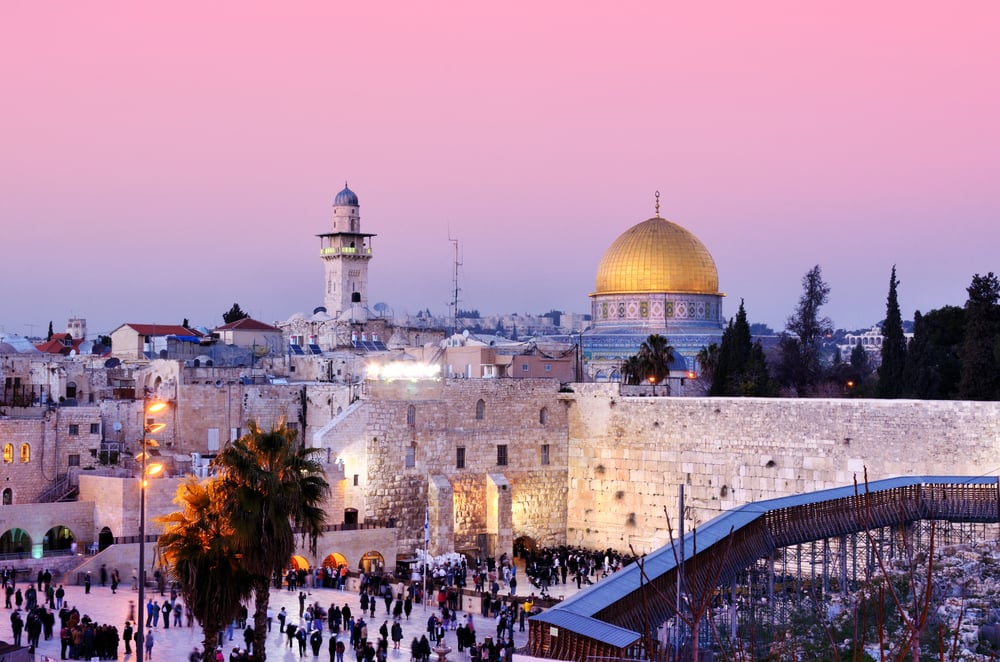
Israel operates one of the world’s most technologically sophisticated militaries—quite remarkable for a nation of just 9.5 million people. The country allocates roughly 5% of its GDP to defense spending, among the highest percentages globally, though this investment clearly pays dividends in their advanced equipment and intelligence capabilities.
Their Iron Dome missile defense system, combined with extensive combat experience, creates an influence that extends well beyond their modest borders.
Singapore

This compact city-state of 5.9 million manages to operate one of Asia’s most advanced air forces—complete with F-35 Lightning II jets plus state-of-the-art naval vessels. Singapore’s position at the intersection of major shipping lanes makes their military capabilities crucial for regional stability.
Mandatory national service creates a well-trained reserve force that’s proportionally massive compared to their tiny population.
Like Go2Tutors’s content? Follow us on MSN.
Switzerland
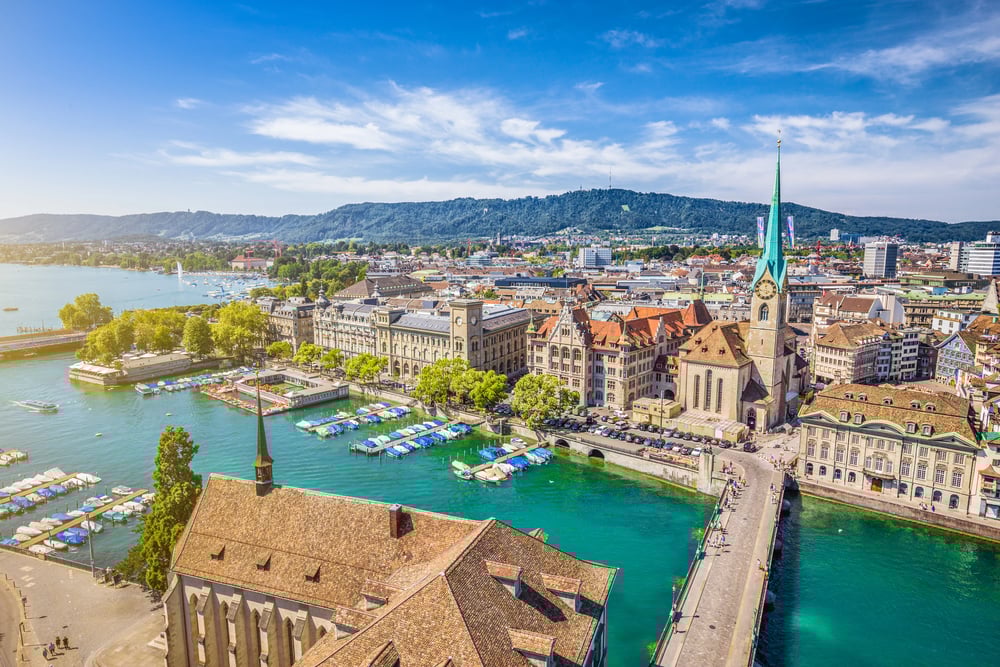
Switzerland’s armed neutrality doctrine has produced a defense force that’s surprisingly robust for a landlocked nation of 8.7 million. Every able-bodied man serves in their military while keeping his service rifle at home—creating a vast civilian militia alongside professional forces.
Mountainous terrain, coupled with extensive underground bunkers plus fortifications, makes invasion nearly impossible despite their moderate defense budget.
South Korea
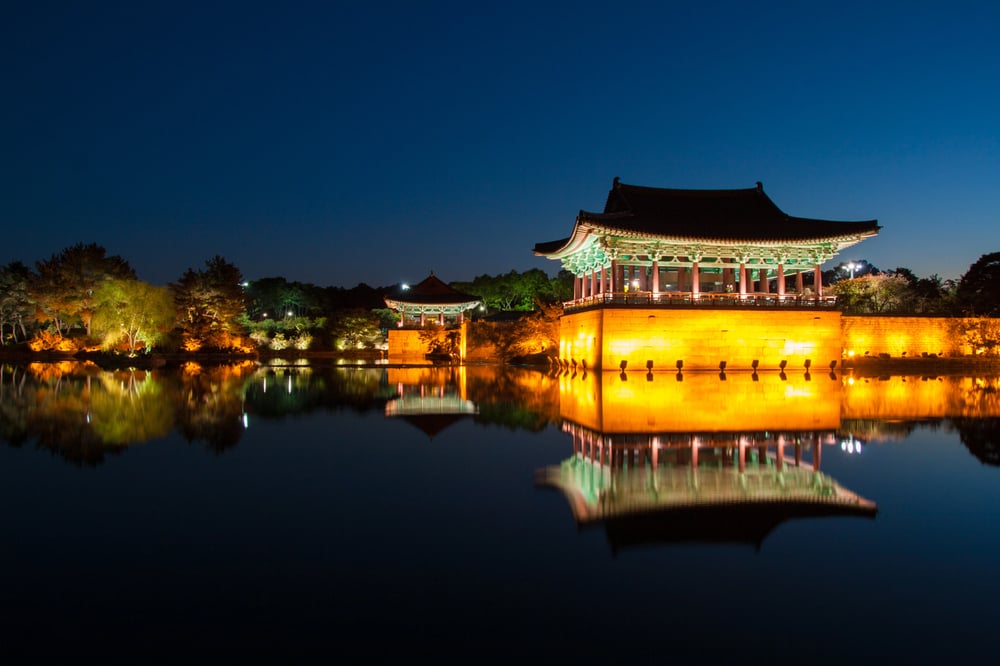
South Korea’s military capabilities far surpass expectations for a country roughly Indiana’s size. Constant threat from North Korea has forged one of the world’s most advanced armies—equipped with cutting-edge tanks, artillery, plus sophisticated missile defense systems.
Their defense industry now exports weapons globally, while 600,000 active personnel utilize technology that rivals much larger nations.
Taiwan
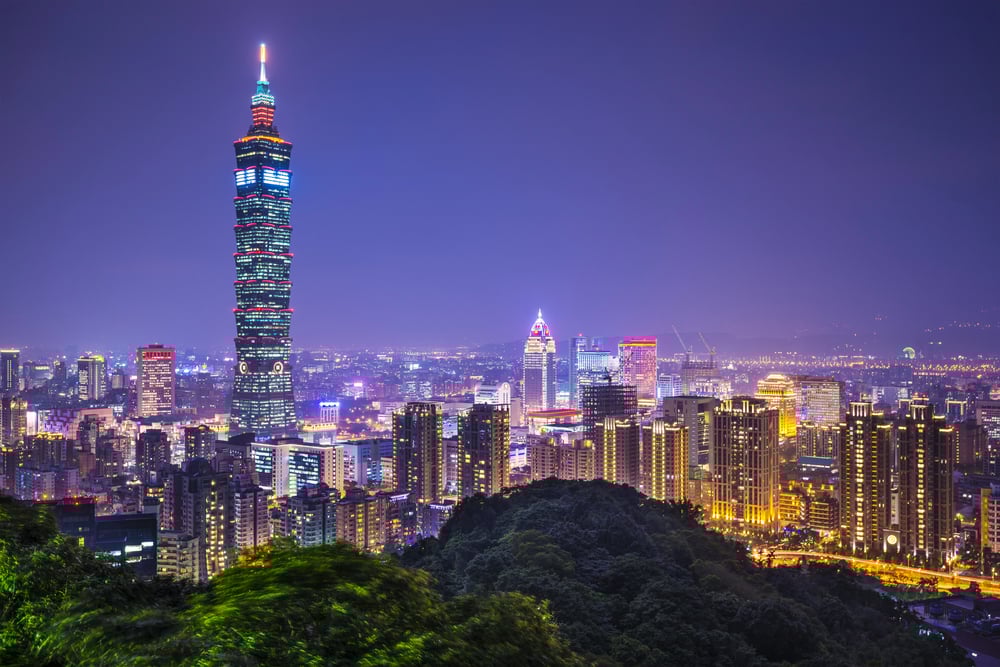
Taiwan maintains a military force specifically designed to deter mainland Chinese invasion—impressive for just 23 million residents. Their defense strategy emphasizes asymmetric warfare capabilities, including advanced missile systems plus naval mines that would make any amphibious assault extremely costly.
The island’s South China Sea position gives their military influence that extends well beyond their compact territory.
Like Go2Tutors’s content? Follow us on MSN.
Finland

Finland’s 1,340-mile Russian border has shaped a military doctrine that maximizes defensive capabilities through geography plus national determination. Their entire society gears toward defense—extensive underground shelters in major cities plus a reserve system capable of mobilizing 900,000 people, nearly one-sixth of their population.
Winter warfare expertise demonstrated against the Soviet Union in 1940 remains central to their military identity.
Sweden
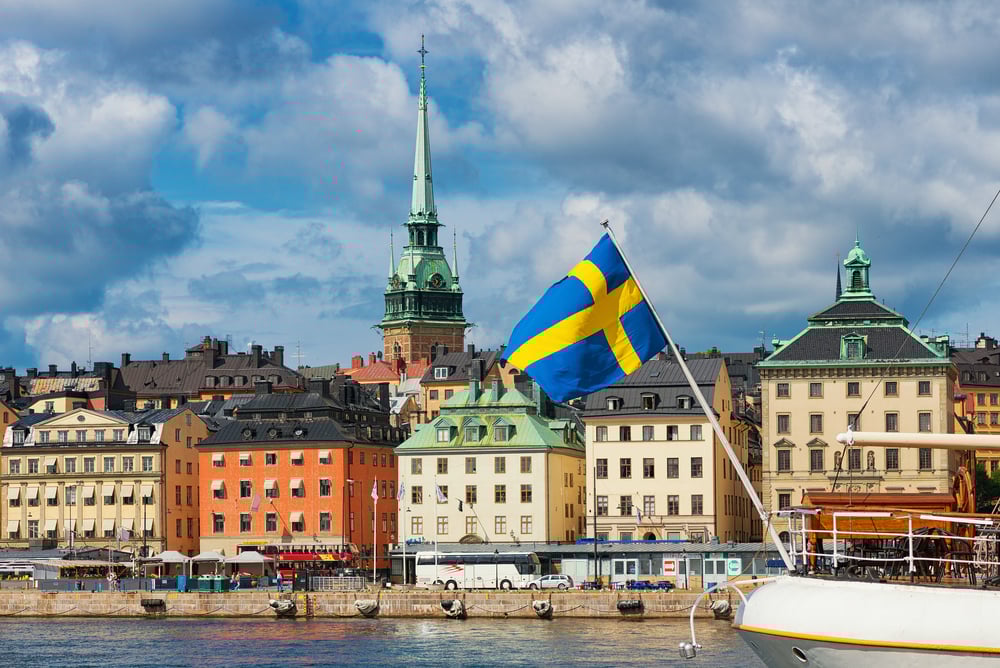
Sweden’s defense industry creates some of the world’s most advanced military equipment—from Gripen fighter jets to sophisticated submarines that have repeatedly outmaneuvered larger navies during war games. Armed neutrality policy requires maintaining capabilities that can deter much larger potential adversaries.
Though they have only 10 million people, their military technology plus defense exports provide influence far beyond Nordic borders.
UAE

The United Arab Emirates has transformed from desert territories into a regional military powerhouse through strategic investments plus partnerships. Their modest population of 9.9 million supports forces equipped with advanced French Rafale fighters, American F-35s, plus sophisticated missile defense systems.
Oil wealth enables purchasing cutting-edge equipment that many larger nations can’t afford.
Like Go2Tutors’s content? Follow us on MSN.
Australia

Australia’s vast territory combined with a small population of 26 million creates unique defense challenges—resulting in outsized military capabilities. Their forces focus on long-range strike capabilities plus advanced naval power designed to protect sea lanes across Pacific and Indian Oceans.
Defense spending plus technological partnerships with the US and UK provide military influence spanning the entire Indo-Pacific region.
Norway

Norway’s extensive coastline plus Arctic territories require military capabilities that seem disproportionate to their 5.4 million population. Their advanced submarine fleet combined with Arctic warfare expertise makes them a crucial NATO ally despite compact size.
Oil revenues have funded modernization programs that keep forces equipped with the most advanced systems available.
Netherlands

The Netherlands operates remarkably capable military forces for a country smaller than West Virginia with 17.5 million people. Their expeditionary forces regularly deploy worldwide, while their defense industry produces everything from naval vessels to advanced radar systems.
Dutch military units have earned recognition for professionalism and have played outsized roles in international peacekeeping operations plus combat missions.
Like Go2Tutors’s content? Follow us on MSN.
Denmark

Denmark’s military influence extends far beyond what their 5.8 million population suggests, largely due to Greenland control and strategic Arctic positioning. Their expeditionary forces have deployed to global conflicts, though their defense industry produces specialized equipment like advanced naval patrol vessels.
Arctic territories provide them with a significant voice in northern security issues affecting global geopolitics.
Jordan

Jordan’s military capabilities are impressive for a resource-poor nation of 11 million surrounded by regional conflicts. Their special forces rank among the world’s best, regularly training with and supporting operations alongside much larger militaries.
Strategic partnerships with the US and other allies have equipped them with advanced systems that amplify their regional influence considerably.
Chile

Chile’s unique geography creates military capabilities that extend well beyond their 19 million population. This narrow strip running along South America’s western coast controls crucial shipping lanes around Cape Horn, while mountain warfare expertise and advanced equipment establish them as a regional power.
The country’s defense industry and military professionalism provide influence throughout Latin America.
Like Go2Tutors’s content? Follow us on MSN.
A Small Force’s Big Impact
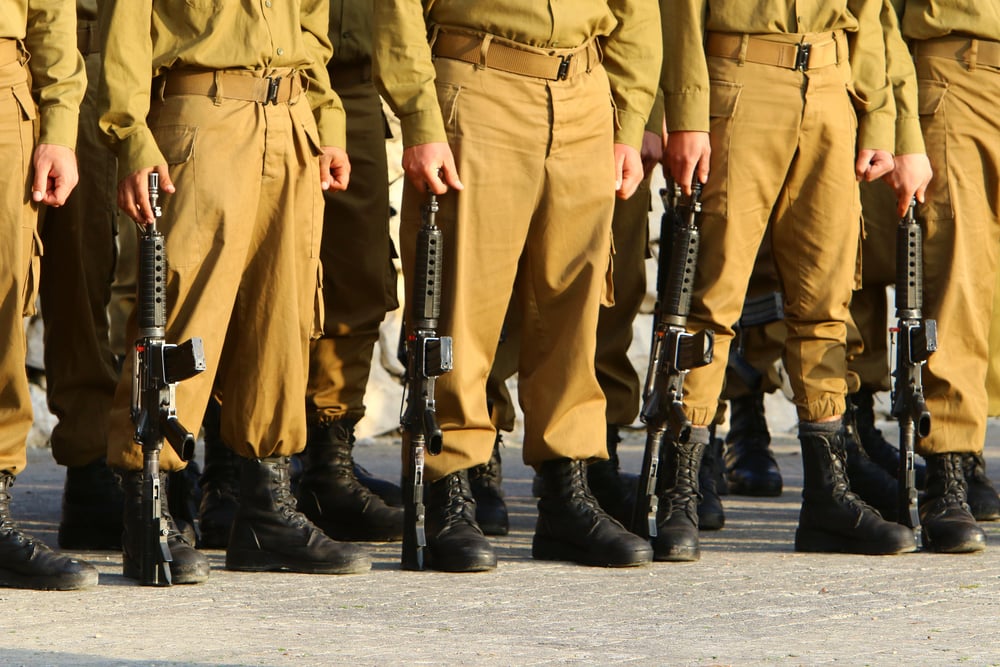
These nations demonstrate that military power isn’t simply about fielding the biggest army or maintaining the largest defense budget. Smart technology investments, strategic geography, and national commitment can forge forces that punch well above their weight class.
In an era where precision trumps mass, these countries illustrate how smaller nations maintain outsized global influence through military excellence rather than sheer numbers.
More from Go2Tutors!

- 16 Historical Figures Who Were Nothing Like You Think
- 12 Things Sold in the 80s That Are Now Illegal
- 15 VHS Tapes That Could Be Worth Thousands
- 17 Historical “What Ifs” That Would Have Changed Everything
- 18 TV Shows That Vanished Without a Finale
Like Go2Tutors’s content? Follow us on MSN.