Victorian Mourning Traditions We Forgot
Grief wasn’t tucked away during Victorian times. A whole system shaped how people mourned – clear steps, set durations, signs worn where all could see.
Not just sorrow over someone gone, it kept things in place. When sickness struck often and lives ended fast, knowing what came next helped steady the days.
Faded slowly, most customs slipped away until they seemed made up. Still, throughout the 1800s, daily routines carried their weight – how clothes were chosen, words picked, rooms arranged, bodies guided down streets.
Not destined to disappear, these habits gave way because thoughts on solitude, pace, and feeling shifted instead.
Faded now, but deeply rooted – Victorian mourning habits shaped routines in ways we barely recall. How strictly they were followed might surprise you, yet those rules faded without fanfare.
Daily choices, once dictated by loss, shifted when silence replaced ritual. Subtle signals like clothing or stationery carried weight until custom loosened its grip.
What felt mandatory then feels distant now, even odd. Memory lingers, though, in old photos and letters sealed in black ink.
Mourning as a Public Identity

In Victorian society, grief was not hidden. It was broadcast deliberately through clothing, accessories, and behavior.
A person in mourning was expected to be recognisable at a glance. This visibility served a social purpose.
It signaled vulnerability, adjusted expectations, and warned others to behave with restraint.
Black clothing was the most obvious marker, but it was only one part of a broader code. Fabric choice, texture, and even how light interacted with the material mattered.
Dull finishes were preferred early on, avoiding anything that reflected attention. Mourning was not meant to attract admiration.
It was meant to declare seriousness.
Over time, this public identity softened. As cities grew busier and social interactions became more transactional, the idea of visibly announcing grief began to feel intrusive rather than respectful.
Strict Timelines for Grief
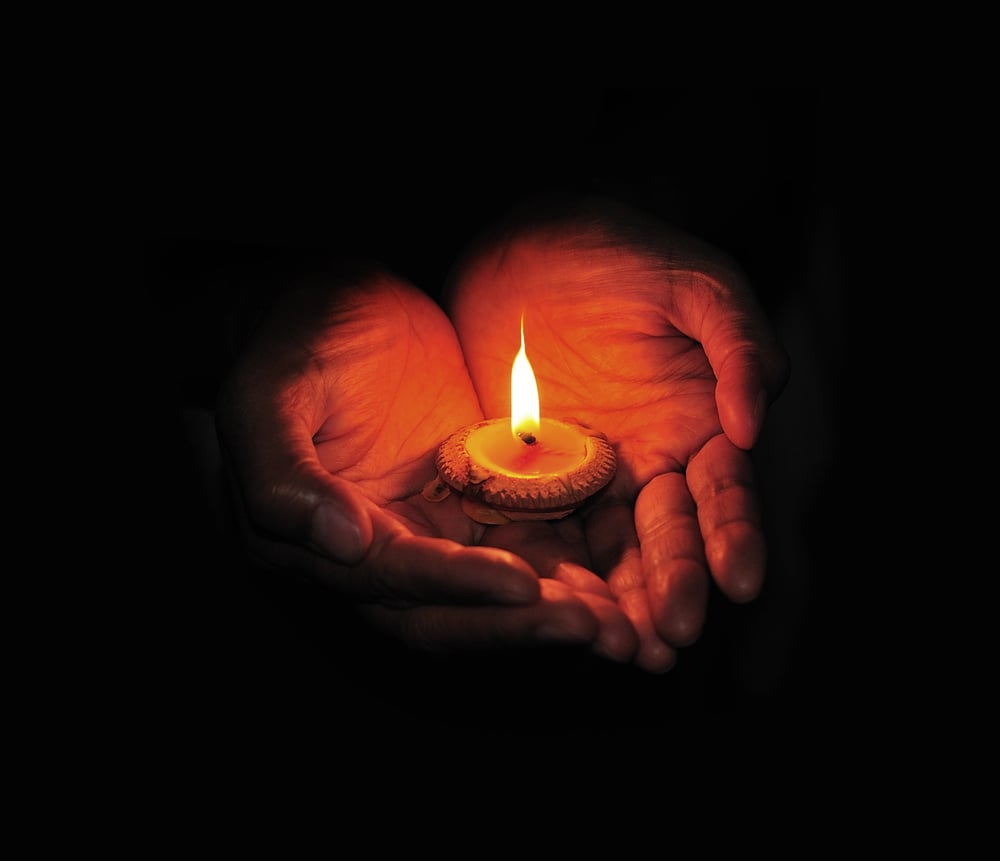
Victorian mourning followed schedules that could stretch for months or years, depending on the relationship. These timelines were not symbolic.
They were practical expectations reinforced by etiquette manuals and social pressure.
Widows, for example, were expected to remain in deep mourning for an extended period, gradually transitioning through lighter stages. Each phase came with rules about color, fabric, and social participation.
Invitations could be declined without explanation. Celebrations were avoided.
Public cheerfulness was discouraged.
These timelines created a shared understanding. Others knew what to expect and how to respond.
When those structures disappeared, grief became more ambiguous. Today, the absence of clear boundaries often leaves people unsure when it is acceptable to resume ordinary life.
Hair as a Memorial Material
One of the most intimate mourning practices involved hair. Victorians frequently preserved locks from deceased loved ones and incorporated them into jewelry or framed displays.
This was not seen as unsettling. Hair was durable, personal, and deeply symbolic.
Unlike photographs, which were still expensive and uncommon for much of the century, hair offered a tangible connection that did not fade. Rings, brooches, and pendants woven from hair were worn daily, integrating remembrance into ordinary life rather than isolating it.
As industrial production replaced handmade objects and emotional expression became more private, this practice declined. Modern sensibilities often read it as strange, yet for Victorians it was a quiet, constant form of presence.
Mourning Jewelry With Meaning
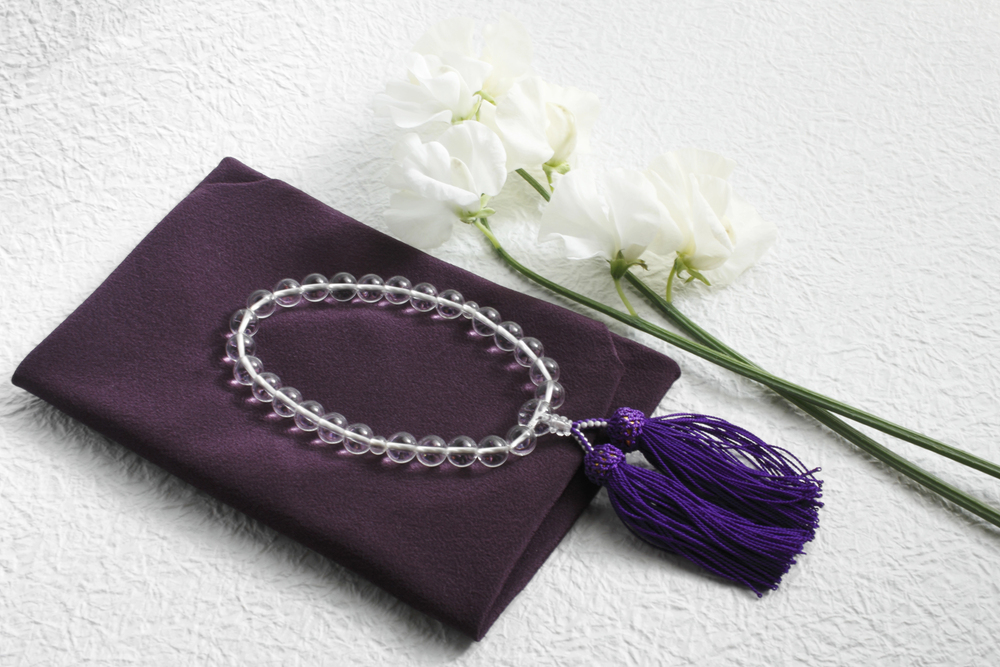
Victorian mourning jewelry was not decorative in the usual sense. Pieces were intentionally subdued, often crafted from jet, onyx, or dark enamel.
Inscriptions might include initials, dates, or short phrases, but excess ornamentation was avoided.
These objects functioned as signals as much as keepsakes. Wearing mourning jewelry communicated status without explanation.
It allowed the wearer to carry remembrance into public space while adhering to social expectations of restraint.
Today, remembrance jewelry still exists, but it has shifted toward personal symbolism rather than shared code. The Victorian version worked because everyone understood what it meant.
Without that collective literacy, the tradition lost its social function.
Household Signals of Loss

Mourning extended beyond clothing into the home itself. Mirrors were often covered, clocks stopped at the moment of passing, and curtains drawn.
These gestures created a visible pause in domestic life, reinforcing that the household had entered a different state.
Visitors would immediately recognise these signs and adjust their behavior accordingly. Conversation remained subdued.
Visits were shorter. Expectations were lowered.
The home became a controlled environment for grief rather than a place where normal routines continued unchanged.
As domestic spaces became more private and less communal, these signals lost relevance. Modern homes rarely function as public-facing markers of emotional state, making such practices feel unnecessary.
Controlled Social Withdrawal
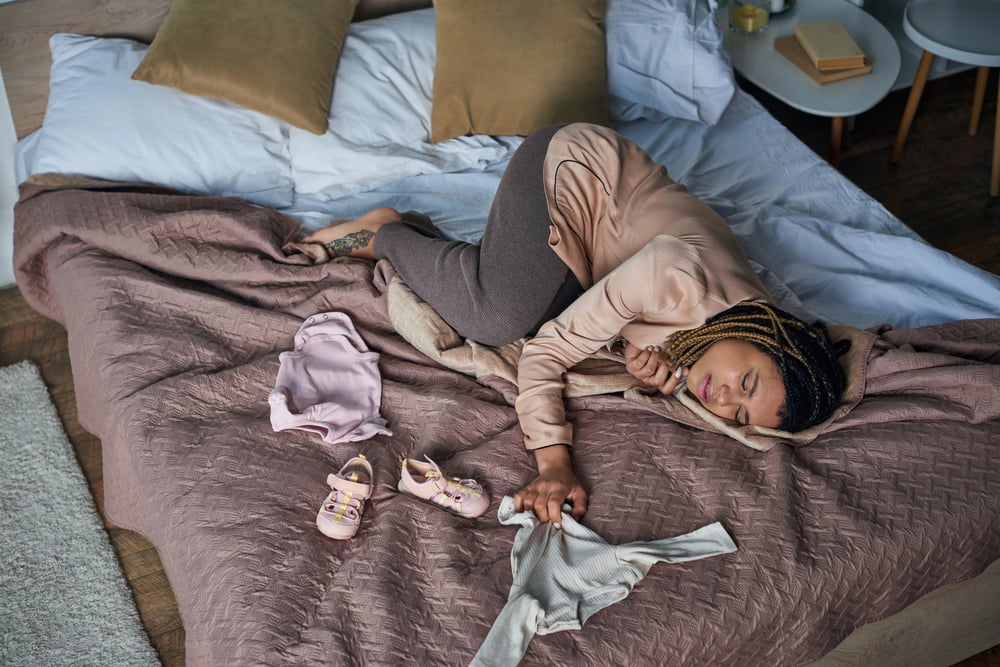
Victorians practiced what might now be called structured withdrawal. People in mourning were expected to step back from social obligations, but this retreat was not indefinite or vague.
It followed understood rules.
Declining invitations was acceptable, even expected. Hosting events was avoided.
Attendance at public gatherings was limited, particularly in early stages.
This withdrawal protected the grieving person from social pressure while giving others clear guidance.
In contrast, modern social life often lacks these allowances. Without formal permission to withdraw, people may feel compelled to perform normalcy before they are ready, simply because no alternative script exists.
Mourning Stationery and Communication
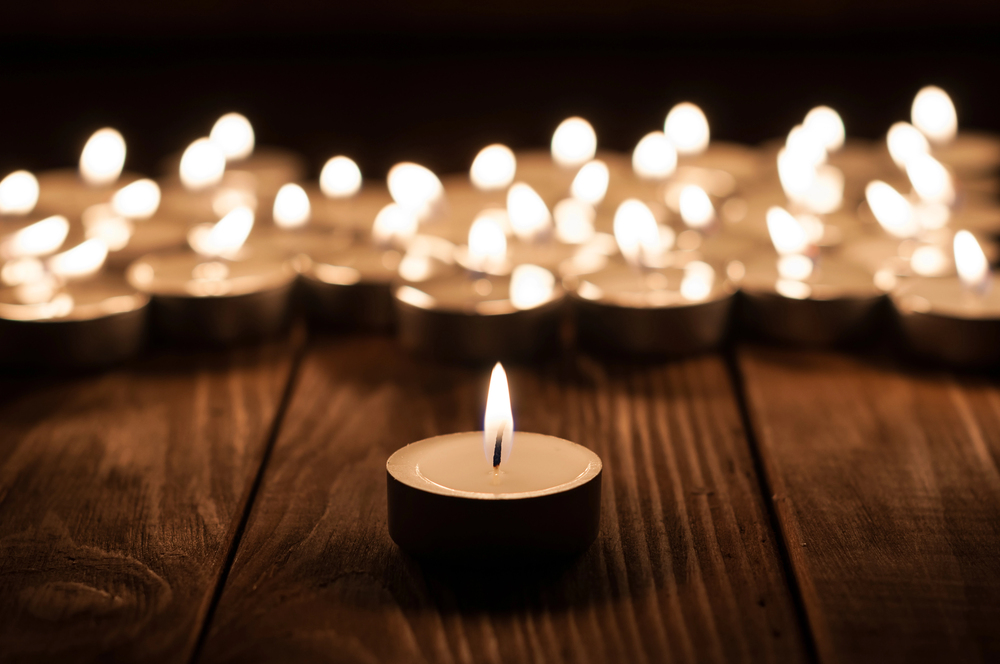
Even written communication reflected mourning status. Stationery with black borders was widely used to announce a loss and signal ongoing grief.
The width of the border often indicated how recent the event was.
Recipients understood how to respond. Tone shifted.
Replies were careful. Expectations of promptness softened.
Mourning stationery created emotional context before a single word was read.
As communication accelerated and moved into informal formats, this visual language disappeared. Messages now arrive stripped of context, leaving emotional interpretation to guesswork.
Children and Early Instruction in Grief
Victorian children were not shielded from mourning customs. They were dressed appropriately, taught correct behavior, and included in rituals.
This exposure normalised loss as part of life rather than an unmentionable interruption.
Children learned when to speak quietly, when play was inappropriate, and how long changes would last. These lessons were not gentle by modern standards, but they provided structure.
Today, many adults struggle with grief partly because they encounter it without shared scripts. The Victorian approach, for all its rigidity, offered preparation rather than avoidance.
Why These Traditions Disappeared

The decline of Victorian mourning customs was not driven by a single change. It was the result of urbanisation, faster communication, shifting attitudes toward emotion, and the rise of individual privacy.
As life accelerated, extended public rituals became impractical.
Medical advances also played a role. As longevity increased, loss became less constant, reducing the need for elaborate systems to manage it socially.
Grief did not vanish, but its expression retreated inward.
What was lost was not only ritual, but permission. The old customs gave people time, space, and social cover to grieve without explanation.
What Their Absence Reveals

Odd how old customs make sense once you think harder. Victorian ways of mourning might look heavy now.
Still, they handled something we keep getting wrong today. Grief needs space, but not a script.
Showing sorrow does not mean putting it on display. Letting pain be seen should not require acting it out.
Back then, symbols carried weight without words. Now silence often feels louder than any ritual.
What was strict at the time may have offered quiet freedom. Wearing black lets feelings stay private even in public.
Grief once stood visible through Victorian designs meant to check its overflow. Yet we tore down these frameworks, never quite filling the space they left behind.
As a result, sorrow now slips by faster, softer, more isolated.
Grief stayed, even when the old ways faded. Without those customs, carrying it grew harder, like walking without a map.
More from Go2Tutors!

- The Romanov Crown Jewels and Their Tragic Fate
- 13 Historical Mysteries That Science Still Can’t Solve
- Famous Hoaxes That Fooled the World for Years
- 15 Child Stars with Tragic Adult Lives
- 16 Famous Jewelry Pieces in History
Like Go2Tutors’s content? Follow us on MSN.