Most Dangerous Jobs in the World
Some people clock in knowing there’s a real chance they won’t clock out. These aren’t desk jobs where the biggest risk is carpal tunnel or a bad coffee spill.
These are careers where every shift carries weight, where split-second decisions matter, and where the margin for error shrinks to almost nothing.
The workers who take on these roles don’t do it for the glory. Most do it because someone has to.
Because society needs timber, food, power, and infrastructure. Because buildings don’t construct themselves and trees don’t fall on their own.
Understanding what makes these jobs dangerous helps you appreciate the people who show up anyway.
Logging Workers
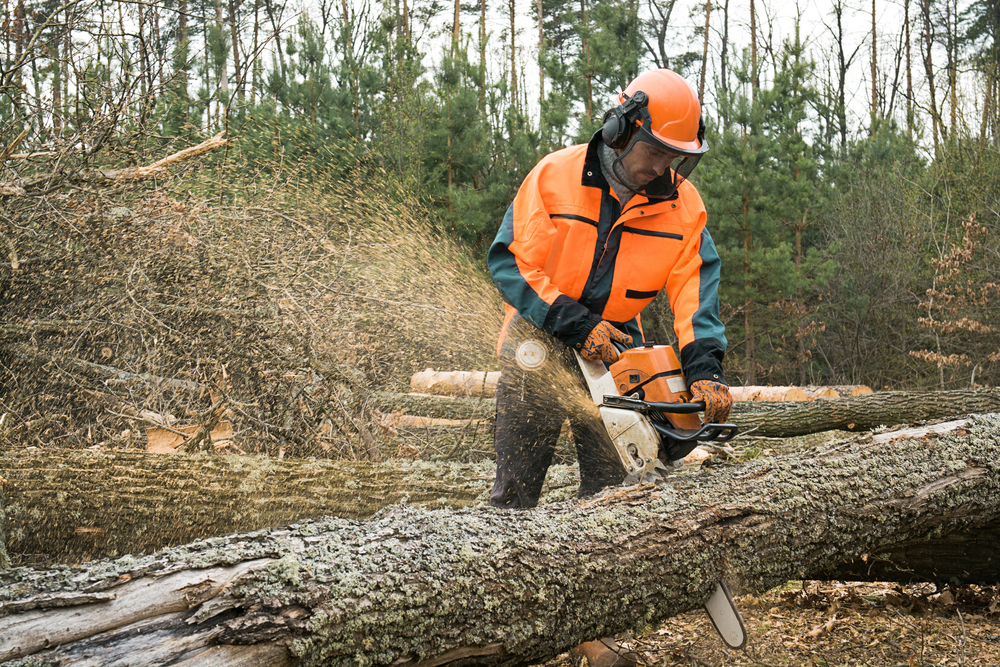
Trees weigh tons. Chainsaws don’t forgive mistakes. And the forest doesn’t care if you’re having an off day.
Loggers face falling branches, rolling logs, and equipment that can crush a person in seconds. The terrain is uneven, often steep, and weather conditions make everything worse.
Rain turns slopes into slides. Snow hides hazards. And when a tree starts to fall, you have maybe three seconds to get clear.
The isolation makes it worse. Many logging sites sit hours from the nearest hospital.
If something goes wrong, help takes time to arrive. Time that someone injured or pinned under equipment doesn’t have.
Fishers and Related Fishing Workers
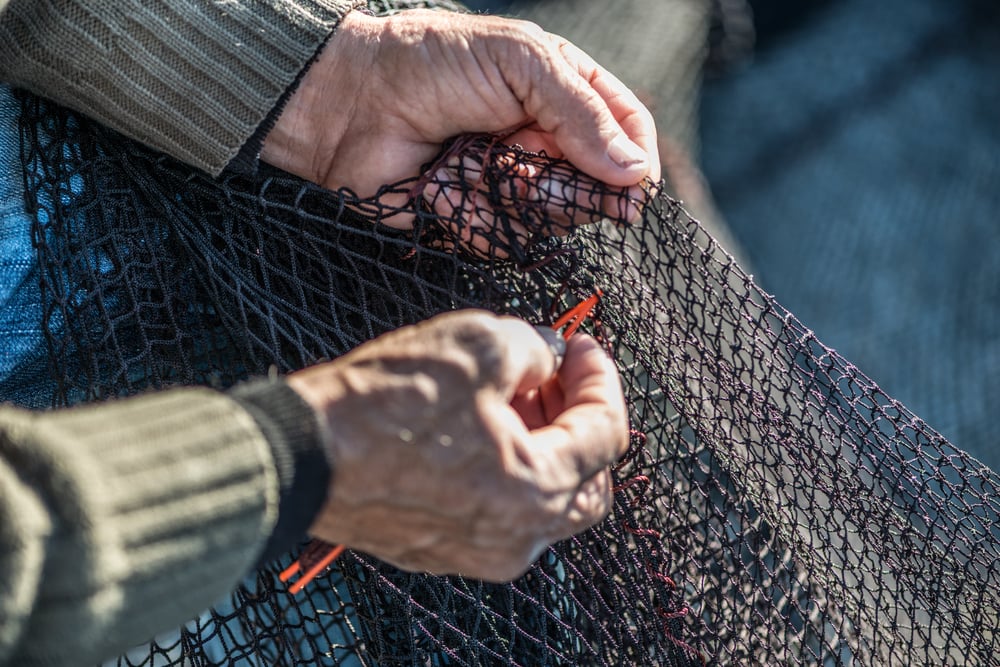
The ocean doesn’t negotiate. Waves hit when they want. Storms roll in faster than forecasts predict.
And when you’re miles from shore on a boat that’s pitching in twelve-foot swells, there’s nowhere to go.
Commercial fishing combines every nightmare scenario. Heavy machinery operates on slippery, moving decks.
Cables snap under tension and whip back with enough force to kill. Workers lean over railings to haul nets, one wrong wave away from going overboard into water cold enough to stop your heart in minutes.
Fatigue plays a role too. Fishing seasons run on nature’s schedule, not yours.
Twenty-hour shifts become normal. Exhaustion slows reaction time. And out there, slow gets you hurt.
Aircraft Pilots and Flight Engineers
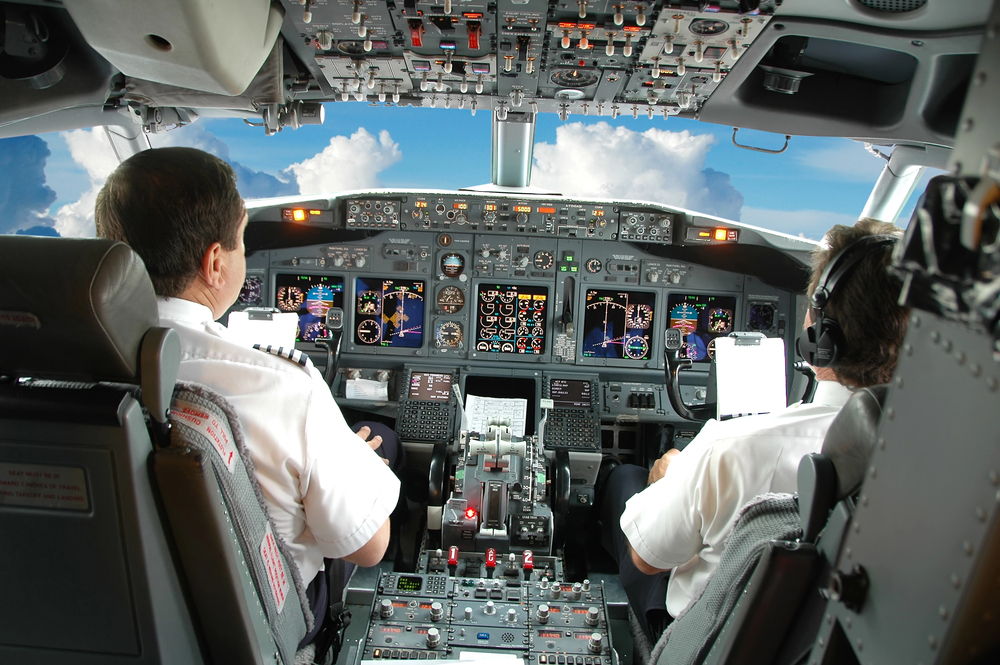
Flying sounds glamorous until you factor in the statistics. Small aircraft operations, especially bush pilots and agricultural pilots, face risks that commercial airline pilots rarely encounter.
Bush pilots land on dirt strips, frozen lakes, and mountain ridges where a strong crosswind means the difference between landing and crashing.
They fly in weather that would ground commercial flights. They operate aircraft with minimal backup systems.
And when something goes wrong at 500 feet, there’s no time for a second attempt.
Agricultural pilots fly low and fast, often pulling up just before hitting power lines or trees. They work with chemicals that can incapacitate them if something leaks in the cockpit.
And they repeat these maneuvers dozens of times per day, fatigue building with each pass.
Roofers
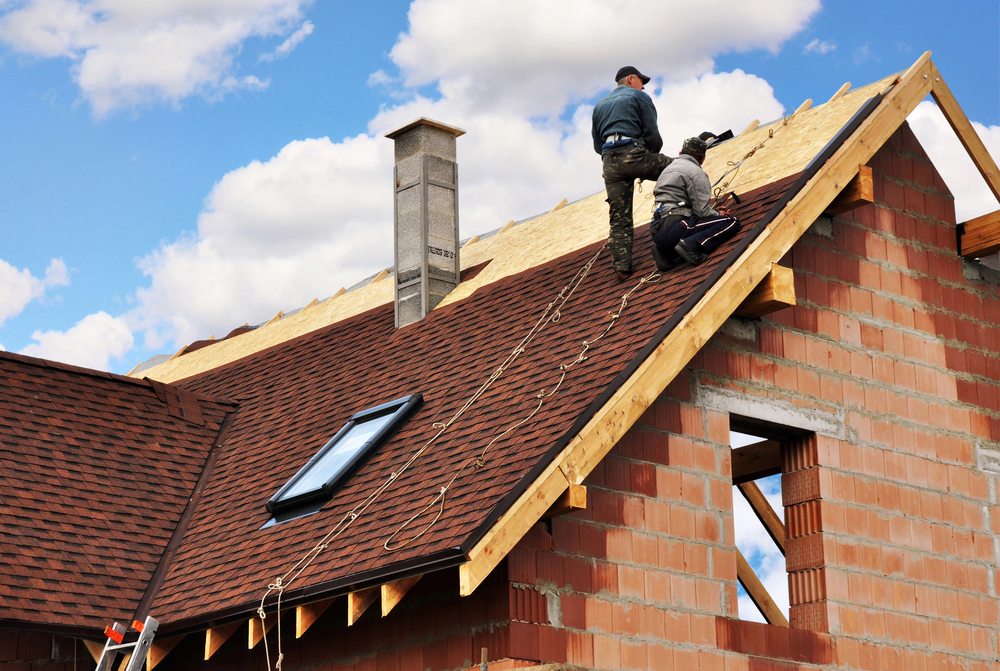
Gravity never takes a day off. Neither do the falls that kill roofers every year.
Roofing means working at heights where a slip equals serious injury or death. You’re walking on surfaces that might be sloped, wet, icy, or weak.
You’re carrying heavy materials up ladders. You’re using tools that can cause injury even at ground level, but up on a roof, there’s nowhere safe to set them down.
Summer heat makes shingles soft and unstable. Winter cold makes everything slippery and your fingers less responsive.
Spring rain turns every surface into a skating rink. And you’re expected to maintain speed and quality regardless of conditions because deadlines don’t flex for weather.
Structural Iron and Steel Workers
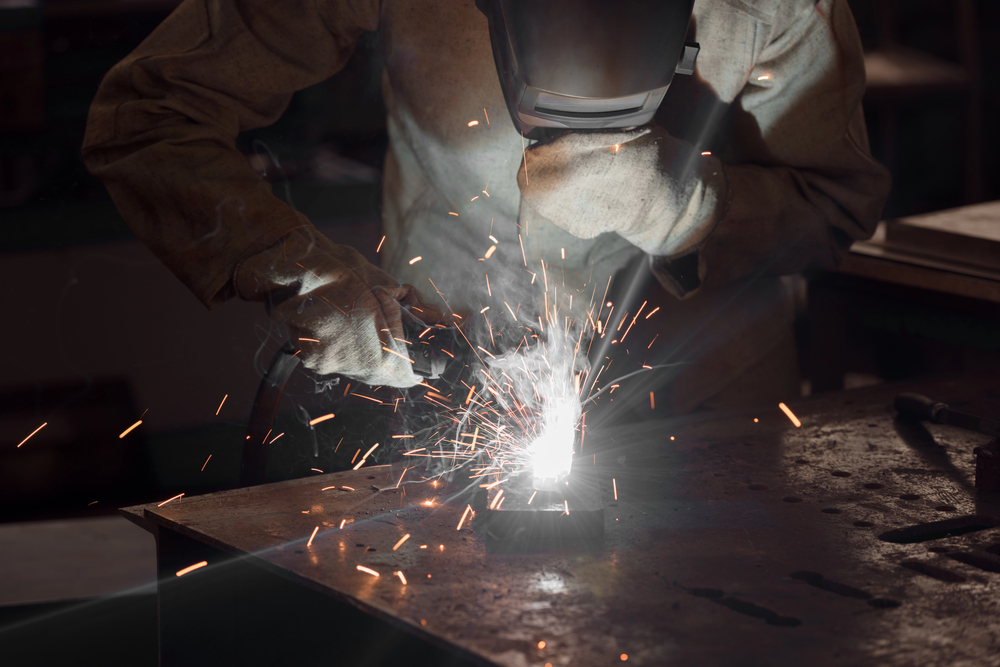
Building skyscrapers means walking on beams eight inches wide, hundreds of feet in the air, with wind pushing you sideways and nothing but a harness between you and the ground.
Ironworkers connect steel beams that weigh thousands of pounds. They guide loads swinging from cranes, trusting the operator and the rigging.
They work in extreme temperatures because steel conducts heat and cold without mercy. Summer means burns from metal hot enough to cook eggs.
Winter means metal that’ll freeze your skin on contact. The environment itself creates danger.
Construction sites are chaotic—multiple crews, equipment moving, materials being hoisted. One miscommunication, one frayed cable, one distracted crane operator, and someone dies.
Refuse and Recyclable Material Collectors
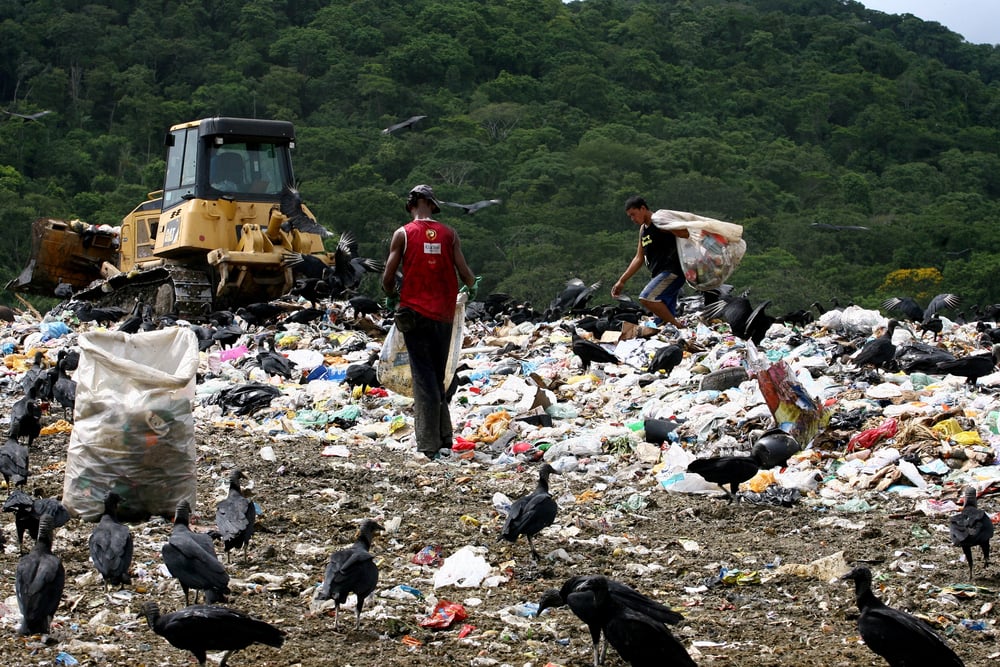
Garbage trucks kill their operators more often than most people realize. The job combines heavy machinery, traffic, and constant exposure to hazards that other drivers actively avoid.
Collectors work between parked cars and moving traffic. They jump on and off moving trucks.
They handle containers that might contain anything from broken glass to used needles to corrosive chemicals. And they do this hundreds of times per shift, in all weather, starting before dawn when visibility is worst.
The trucks themselves present danger. Automated arms malfunction. Compactors crush whatever gets caught in them.
And backing up requires trusting that no one walked into your blind spot in the last three seconds. In residential areas full of playing children, that trust gets tested constantly.
Truck Drivers
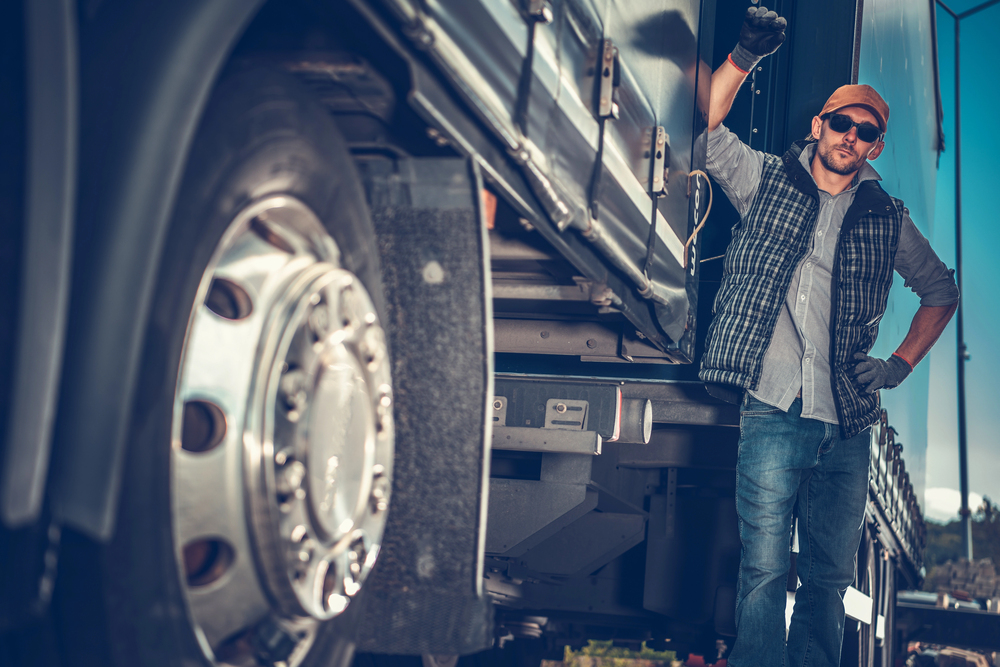
The cab protects you from weather, not from physics. When a loaded semi hits something at highway speed, the driver absorbs the impact just like everyone else.
Long-haul truckers spend days on the road, fighting fatigue, weather, and other drivers who don’t understand how much distance a loaded truck needs to stop.
They navigate narrow roads designed before trucks got this big. They back into loading docks with inches of clearance.
They drive through storms that would keep most cars parked. The isolation takes a toll too.
Medical emergencies happen on empty stretches of highway where help is an hour away. Breakdowns leave drivers vulnerable to traffic or weather.
And the constant pressure to make delivery times means pushing through exhaustion that makes every decision harder.
Farmers and Agricultural Workers

Tractors flip. Grain silos suffocate. And farm equipment doesn’t stop when you get caught in it.
Farming means working with machinery designed to process plants with enough force to mangle human bodies just as easily.
Augers pull you in. Power take-offs grab loose clothing and don’t let go. Combines have so many moving parts that getting clear of all of them while troubleshooting feels impossible.
The environment adds to the danger. Heat exhaustion hits when you’re miles from shade or water.
Chemical exposure comes from pesticides that drift on the wind. And livestock, despite being domesticated, are still large animals that can kick, bite, or trample without meaning to.
Construction Workers
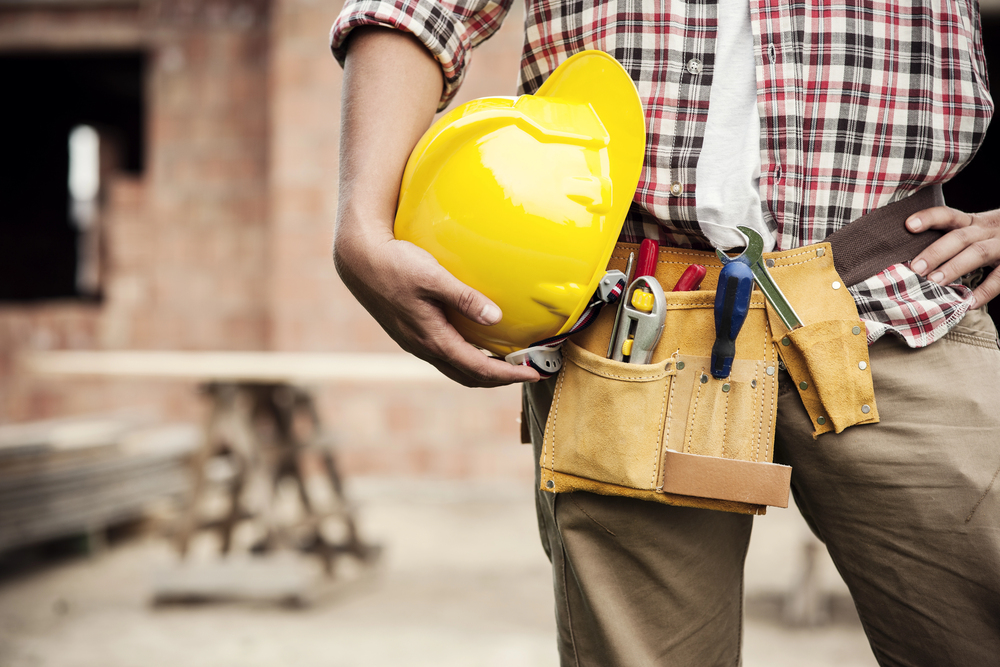
Falls, electrocution, being struck by objects, and getting caught in or between equipment. Construction hits all the major categories of workplace death.
Construction sites are temporary by nature, which means hazards change daily. Yesterday’s safe walkway is today’s open pit.
The equipment that was parked over there is now swinging overhead. And everyone’s working fast because construction runs on deadlines and cost overruns.
The trades within construction each carry specific risks. Electricians work with power that can stop your heart.
Plumbers work in confined spaces with limited air. Concrete workers handle materials that are caustic and heavy.
And everyone shares the same chaotic environment where multiple hazards exist simultaneously.
Electrical Power-Line Installers
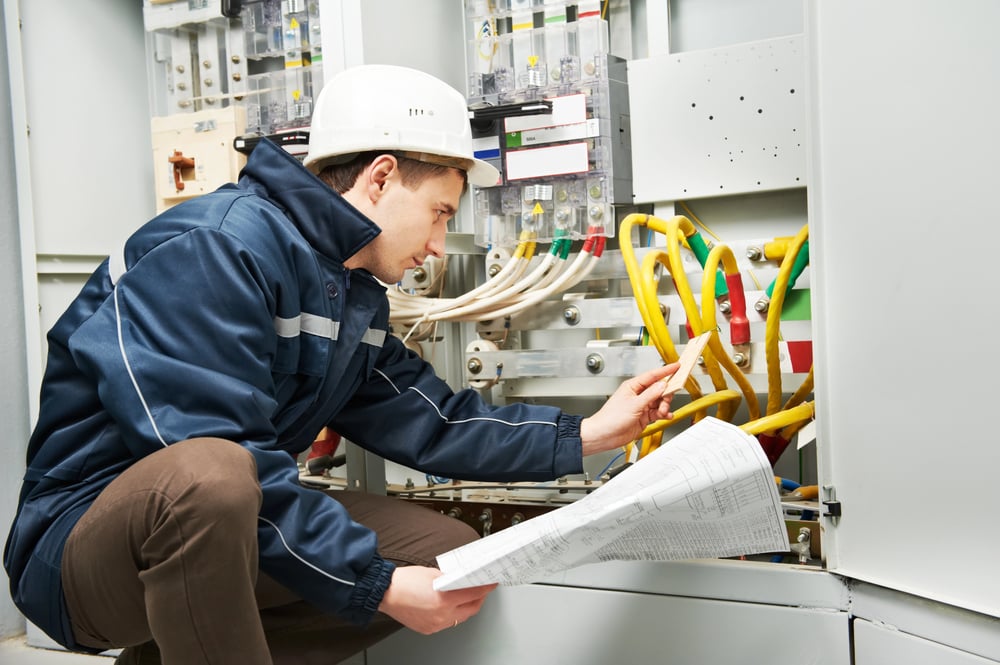
High voltage doesn’t wait for you to realize your mistake. Touch the wrong thing and you’re dead before your brain processes what happened.
Line workers climb poles and towers to work on equipment carrying enough electricity to vaporize metal. They work in storms because that’s when lines go down.
They work at heights where a fall means injury even if you survive. And they do all this while wearing heavy protective gear that limits mobility and visibility.
The job requires perfect focus. One moment of distraction, one tool that brushes the wrong line, one assumption about which line is de-energized, and the current finds a path through you.
Some workers survive electrocution with severe burns. Most don’t survive at all.
Mining Workers
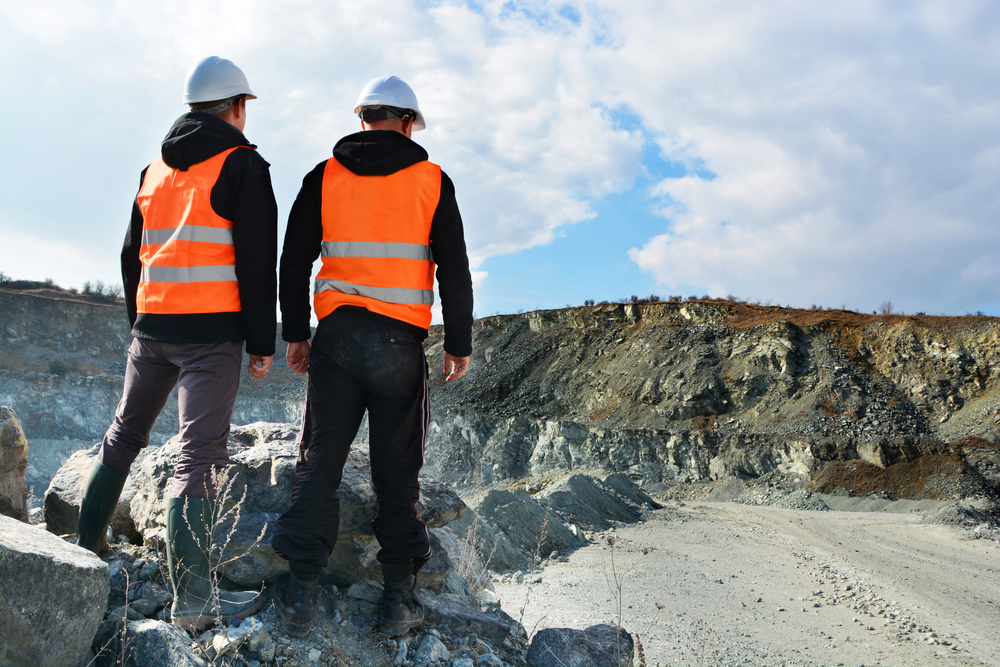
Going underground means accepting that the earth could decide to close back in. Surface mining has its own hazards, but underground mining adds the constant weight of rock overhead.
Miners work in darkness, dust, and noise. They use explosives to break rock, then work in areas that explosives just destabilized.
They breathe air that requires ventilation systems to be survivable. They operate heavy equipment in tunnels barely wider than the equipment itself.
Cave-ins, gas explosions, and equipment failures all happen underground where escape routes are limited and help can’t arrive quickly.
And the long-term health effects—black lung, hearing loss, respiratory issues—mean that even workers who avoid acute injuries still pay a price.
Underwater Welders
Combine everything dangerous about welding with everything dangerous about diving, then add pressure, limited visibility, and the constant threat of drowning.
Underwater welders work in an environment that wants to kill them through multiple mechanisms simultaneously. The water conducts electricity, making every weld a potential electrocution.
The depths create pressure that can cause the bends if you surface too fast. The visibility is often zero, meaning you’re welding by feel on structures you can’t see.
The equipment fails in ways that surface welding equipment doesn’t. Regulators freeze. Hoses tangle.
And when something goes wrong, you can’t just drop your tools and walk away. You’re underwater, possibly in a current, possibly under a ship or platform, with a limited air supply and the surface too far away to reach in time.
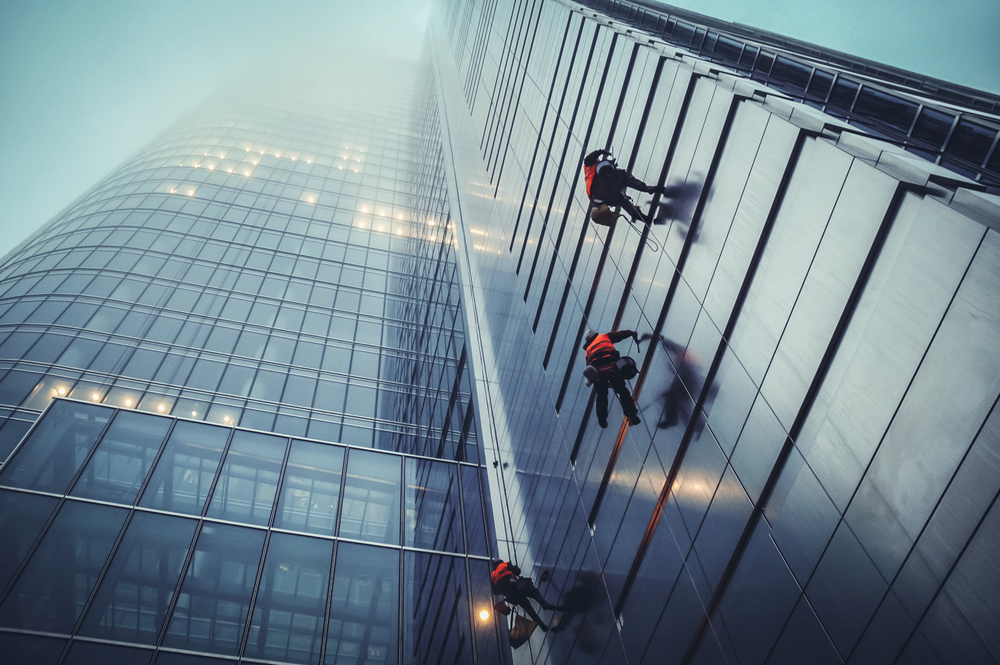
High-Rise Window Cleaners
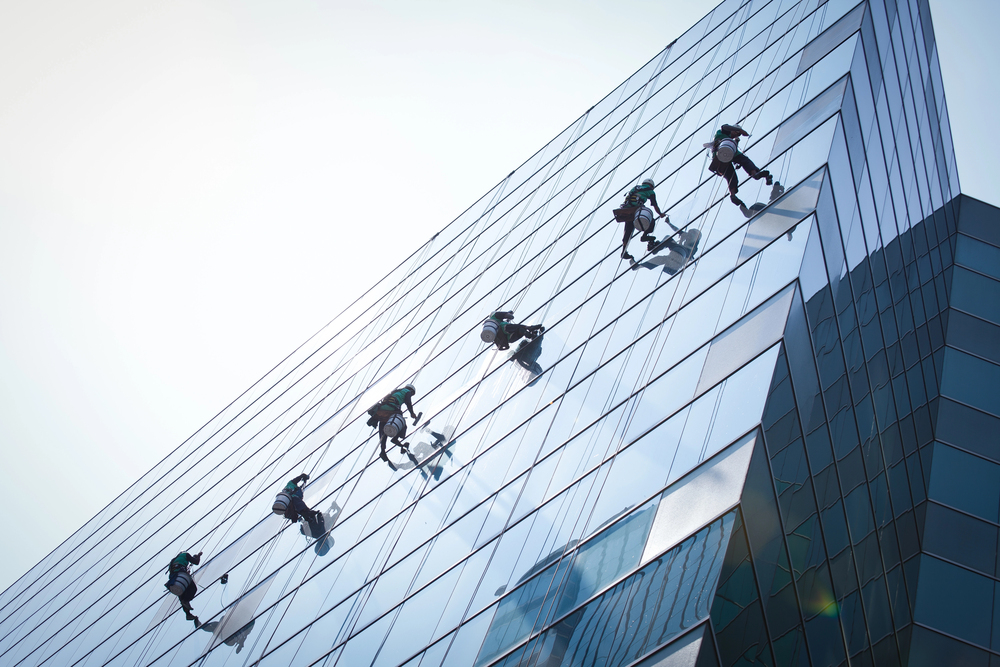
When things go right, the harness keeps you safe. Most times, that’s exactly what happens. Yet gear can break – no warning, just give way.
Hanging beside a window washer on level forty, a snap like that turns into a long drop. Floating high above streets, window cleaners face fears few dare to meet.
Down below, gusts feel annoying. Up near rooftops, those same winds shove bodies like invisible hands.
Their platforms rock without warning. What holds them up stays mostly unseen, yet still gets their faith.
Messy weather turns small issues into big ones. When rain falls, window edges turn slick, so do platform surfaces.
Chilly air tightens ropes, fingers lose grip strength too. Sudden bursts of wind swirl around the structure, hitting people off guard mid-task.
When Danger Becomes Essential
Lights keep glowing when lineworkers scale tall poles. Beams balance in midair under ironworkers’ steady steps.
Crops grow from soil turned by farmer hands facing risky weather. Homes stand safe thanks to those who choose tough trades.
Seeing how dangerous some jobs are won’t change the danger. Yet it could slow your step when spotting someone on a roof high above.
Or noticing a sanitation worker near a halted truck midstreet. Each one is aware of the threats they meet each day.
Still choosing to go regardless. Such quiet courage rarely earns the notice it truly warrants.
More from Go2Tutors!

- The Romanov Crown Jewels and Their Tragic Fate
- 13 Historical Mysteries That Science Still Can’t Solve
- Famous Hoaxes That Fooled the World for Years
- 15 Child Stars with Tragic Adult Lives
- 16 Famous Jewelry Pieces in History
Like Go2Tutors’s content? Follow us on MSN.



