Famous Stars from Non-Olympic Sports
The Olympics get all the attention. Every four years, the world watches athletes compete for gold medals, and those moments become the stories everyone remembers.
But some of the most talented athletes in the world never set foot on an Olympic stage. Their sports don’t make the cut for the Games, yet they’ve built massive followings and changed their disciplines forever.
These athletes prove that Olympic recognition isn’t the only path to greatness. They’ve mastered their crafts in front of packed arenas, dedicated fan bases, and sometimes the biggest stages in sports—just not the Olympic one.
Sachin Tendulkar: Cricket’s Little Master
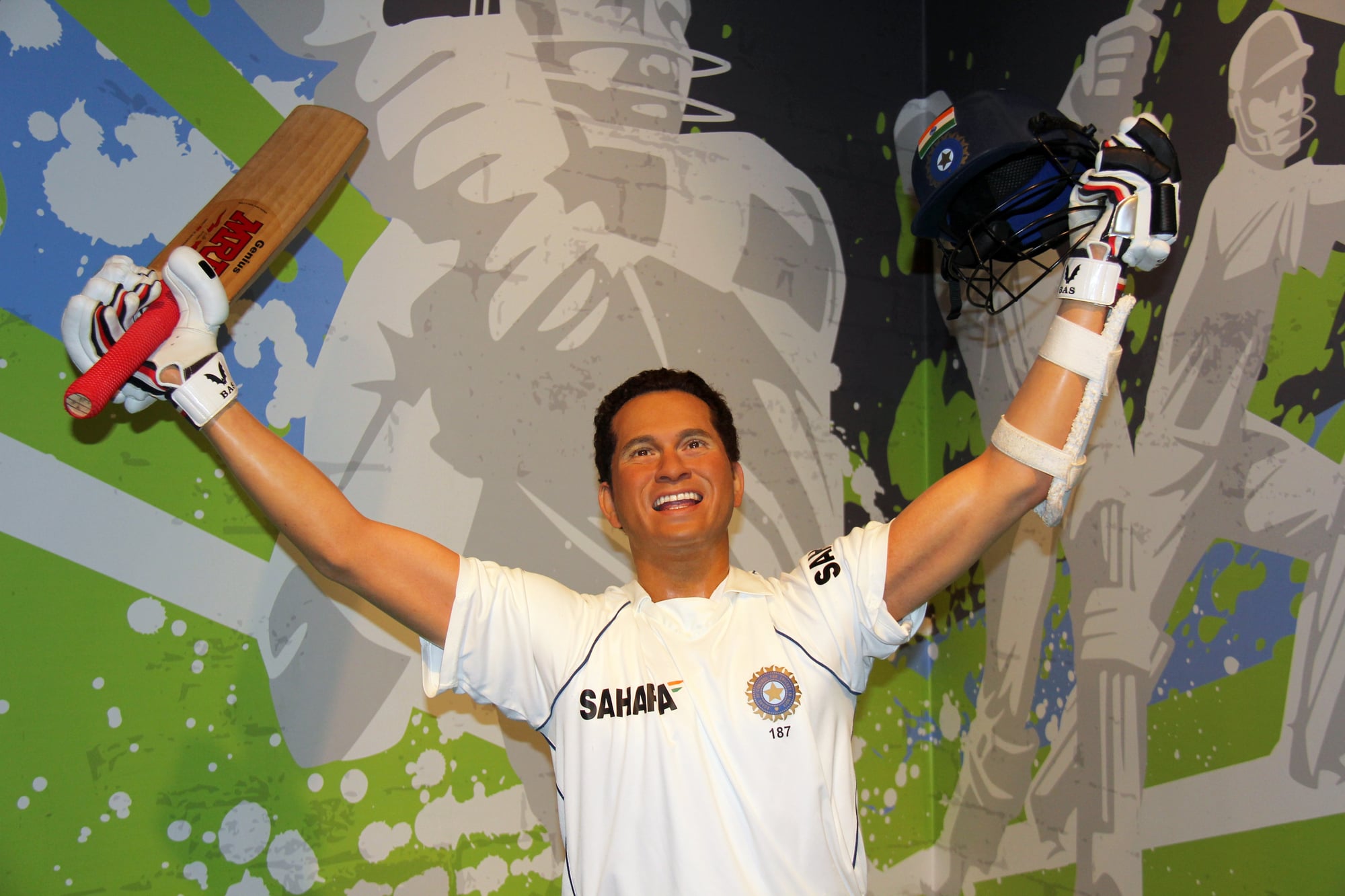
Cricket commands attention in ways that rival any Olympic sport. Sachin Tendulkar played international cricket for 24 years and finished with numbers that seem impossible.
He scored 100 international centuries, a record that might never fall. Growing up in Mumbai, Tendulkar started playing seriously at age 11.
By 16, he was representing India against Pakistan. Fans would pack stadiums just to watch him bat.
When he walked to the crease, the energy changed completely. His technique was so precise that bowlers struggled to find weaknesses.
He adapted to every format of the game and dominated on every continent. When he retired in 2013, India essentially shut down for his final match.
That’s the kind of impact Olympic sports rarely produce.
Phil Taylor: The Power in Darts

Darts look simple until you try it yourself. Phil Taylor won 16 World Championships and completely redefined what was possible in the sport.
Before Taylor, darts was a pub game. After him, it became a precision sport with massive prize money and worldwide television coverage.
Taylor came from a working-class background in Stoke-on-Trent. He started playing darts seriously in his twenties, which is relatively late.
But his focus and consistency set him apart. He could hit triple 20s with a frequency that other players couldn’t match.
His rivalry with other top players created some of the most watched darts matches in history. Crowds of 10,000 people would fill arenas to watch him throw.
The atmosphere at these events rivals any sporting event you’ll attend.
Conor McGregor: Mixed Martial Arts Phenomenon

McGregor changed UFC and mixed martial arts completely. His trash talk and fighting style brought mainstream attention to a sport that had struggled for legitimacy.
Love him or hate him, his impact is undeniable. He started training in Dublin as a teenager, working as a plumber while building his fighting career.
His striking was sharp and his confidence was even sharper. When he entered the octagon, he backed up everything he said.
His two-division championship run was historic. The Mayweather boxing match was one of the highest-grossing combat sports events ever.
McGregor brought a level of showmanship to MMA that the sport had never seen before. His success opened doors for fighters who followed, changing pay structures and marketing approaches across the entire organization.
Ronnie O’Sullivan: Snooker’s Genius
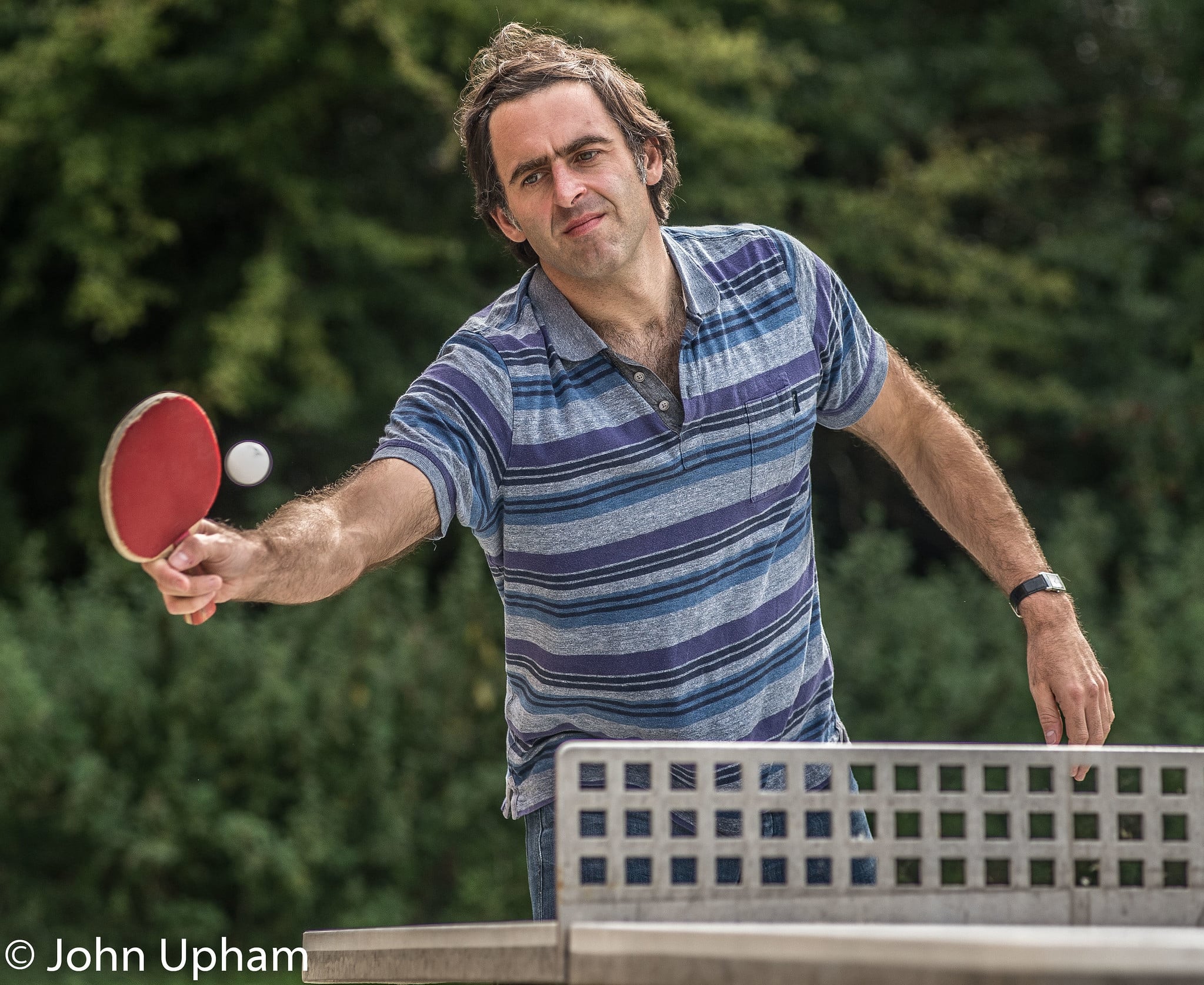
O’Sullivan plays snooker like he’s conducting an orchestra. His natural talent is so obvious that other professional players just shake their heads.
He’s won seven World Championships and holds the record for the fastest maximum break—just over five minutes. What makes O’Sullivan fascinating is how effortlessly he plays.
He’s ambidextrous at the table, switching hands mid-frame when a shot gets awkward. Most players spend their entire careers perfecting one hand.
O’Sullivan mastered both. His relationship with snooker has been complicated.
He’s threatened to quit multiple times and has struggled with motivation. But when he’s focused, nobody plays the game better.
The Crucible Theatre in Sheffield becomes electric when O’Sullivan is at the table.
Kelly Slater: Surfing’s Ageless Wonder
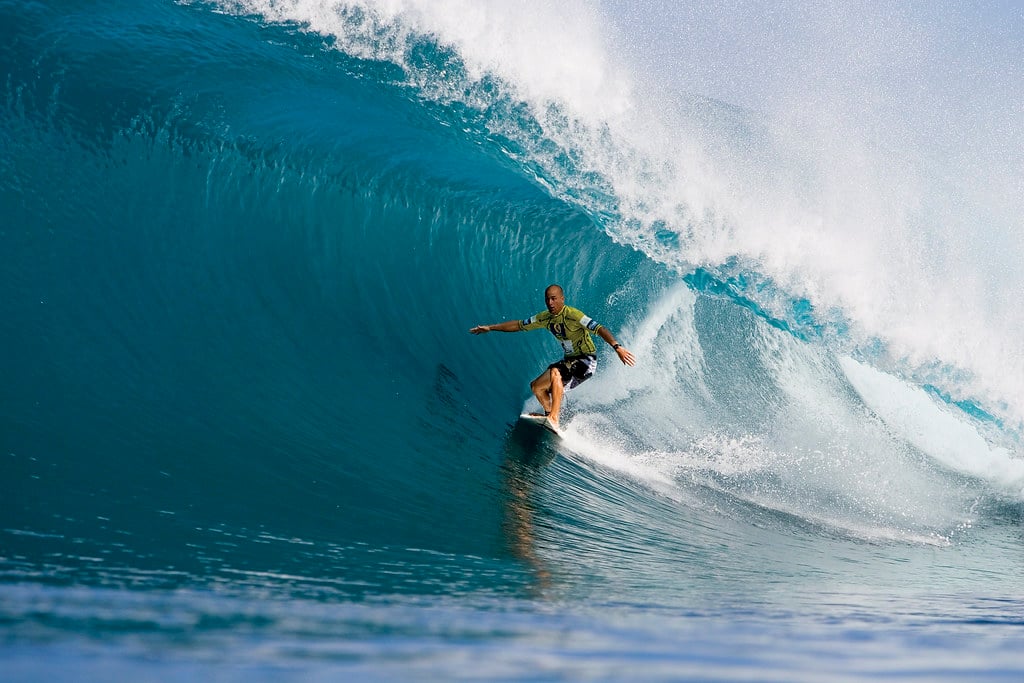
Slater won his first World Championship at 20 and his last at 39. That 19-year span between titles shows how he adapted and evolved while the sport changed around him.
He revolutionized surfing through his approach to training, equipment, and competition strategy. Growing up in Florida, Slater learned to surf in conditions that weren’t ideal.
But that forced him to develop technical skills that worked everywhere. He could read waves better than anyone and position himself perfectly for every ride.
His influence extends beyond competition results. He helped design surfboards and wetsuits that changed the industry.
His wave pool technology brought perfect waves to landlocked areas. Even now, in his fifties, he competes against surfers half his age and occasionally beats them.
Magnus Carlsen: Chess’s Reluctant Superstar
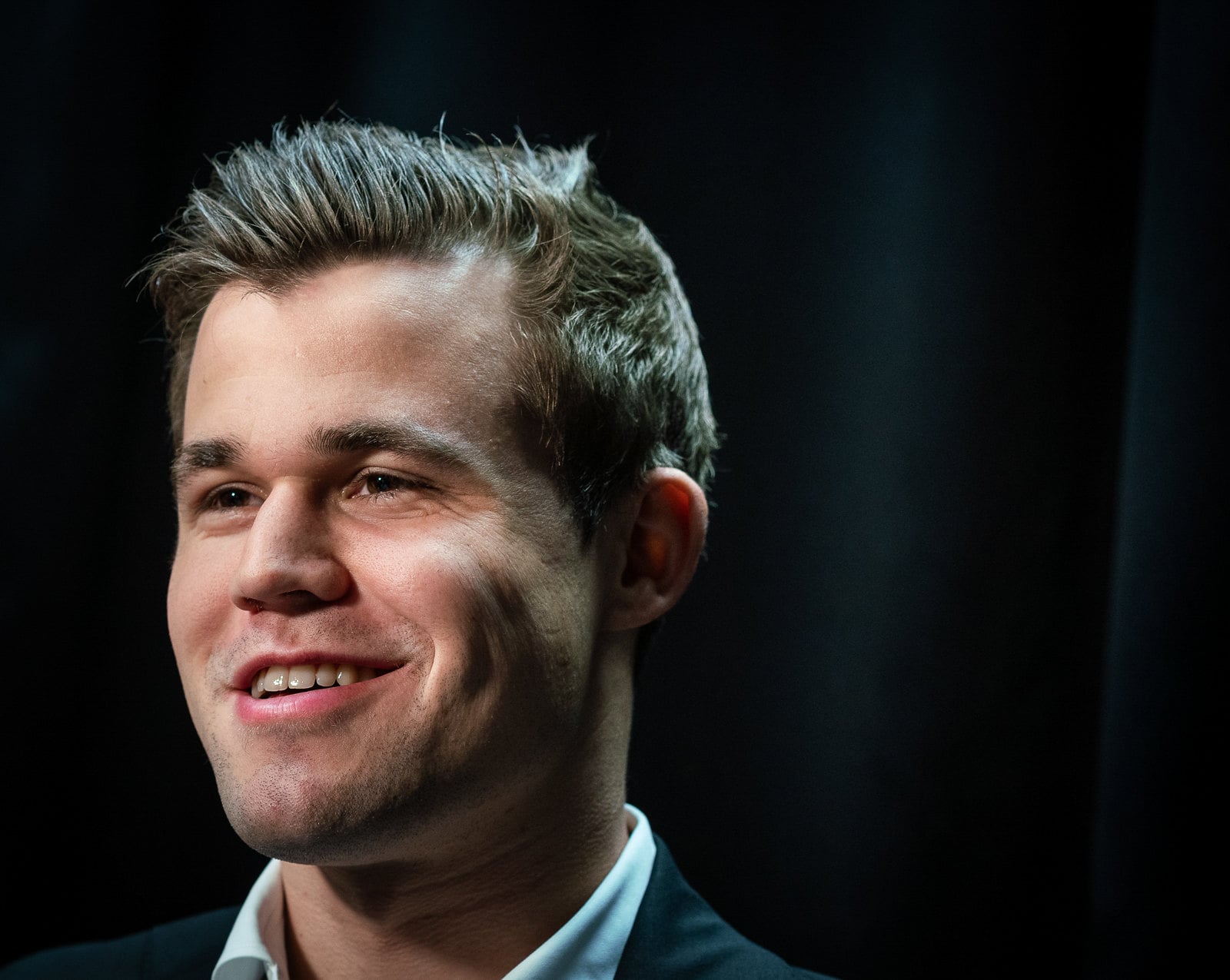
Carlsen became a grandmaster at 13 and World Champion at 22. He’s held the number one ranking longer than anyone else in chess history.
What sets him apart is his style—he doesn’t rely on memorized openings or computer-perfect moves. He plays positions and reads his opponents.
Growing up in Norway, Carlsen didn’t follow the typical chess prodigy path. He developed his own understanding of the game through extensive play rather than pure study.
This gave him an intuitive feel for positions that computers sometimes miss. His matches generate millions of online views.
The 2021 World Championship had more people watching online than most Olympic events. He’s made chess cool again, something that seemed impossible a decade ago.
His decision to not defend his title in 2023 shocked everyone but showed he plays by his own rules.
Lane Frost: Rodeo’s Fallen Hero
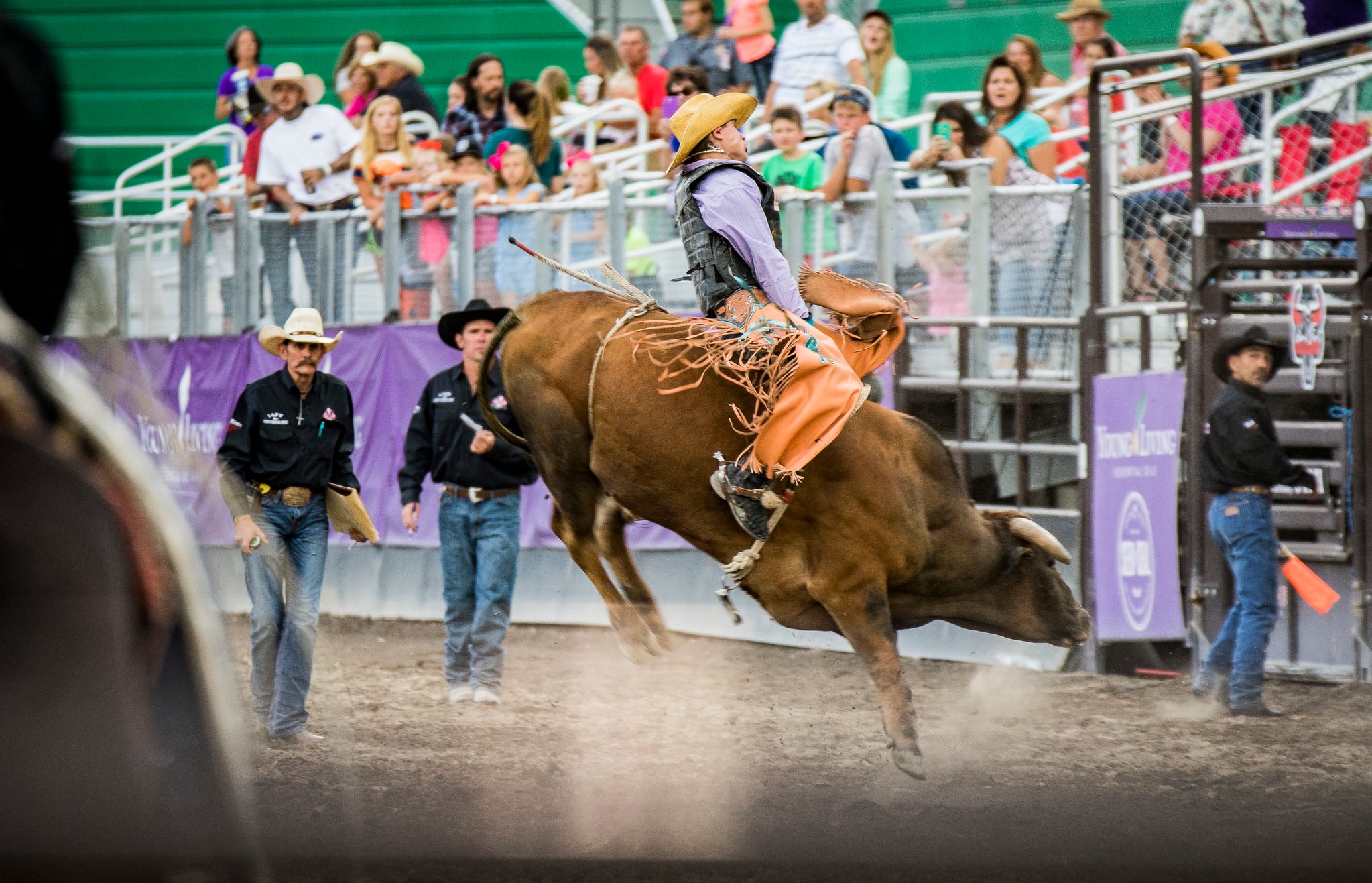
Frost died at 25, but his legacy in professional rodeo remains massive. He was a world champion bull rider known for his fearlessness and his respect for the animals.
The sport is brutally dangerous, and Frost understood that better than anyone. He grew up on a ranch in Oklahoma, learning to ride almost before he could walk.
By his teens, he was competing professionally. His style was fluid where others were rigid.
He rode bulls like he was dancing with them rather than fighting them. His death during a competition in 1989 devastated the rodeo world.
A documentary and major film about his life introduced rodeo to audiences who had never watched the sport. His story shows the risks these athletes take in sports the Olympics will never touch.
Phil Ivey: Poker’s Quiet Assassin
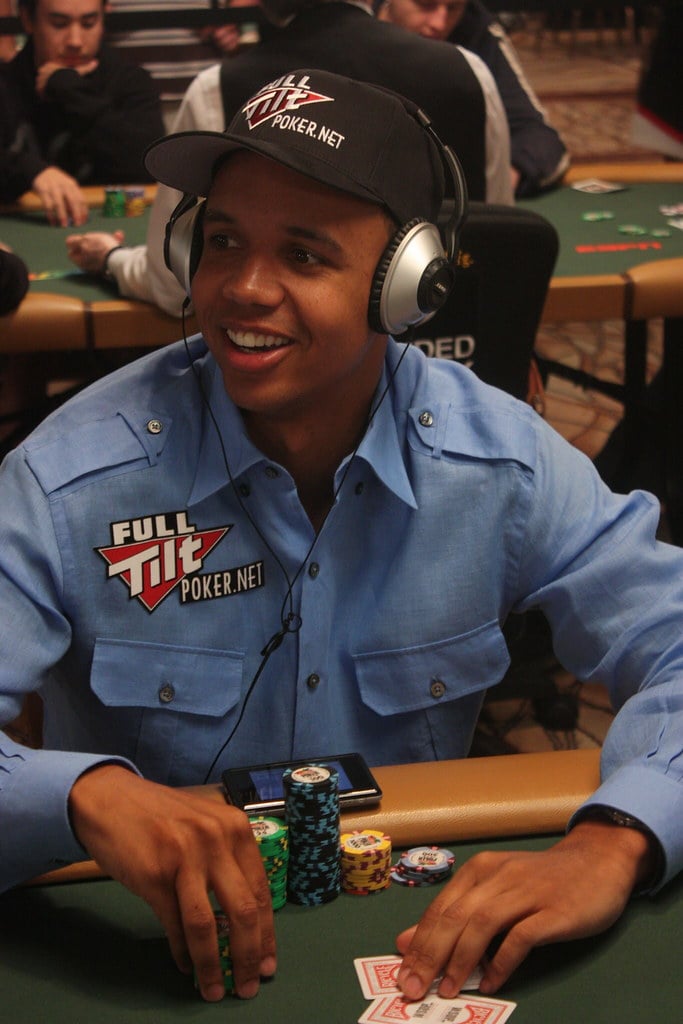
Ivey has won 10 World Series of Poker bracelets and is considered the best all-around poker player ever. He reads opponents so well that people are uncomfortable sitting at his table.
His expression never changes, and his decisions seem to happen instantly. He started playing cards as a kid in New Jersey, learning from family members and neighborhood games.
By his early twenties, he was taking on the best players in the world and beating them consistently. His ability to calculate odds while reading human behavior is what sets him apart.
Tournament poker now draws millions of television viewers. The World Series of Poker main event attracts thousands of players chasing millions in prize money.
Ivey helped legitimize poker as a skill-based competition rather than pure luck. The way he approaches the game influences how everyone else plays.
Faker: Esports’ Undisputed King
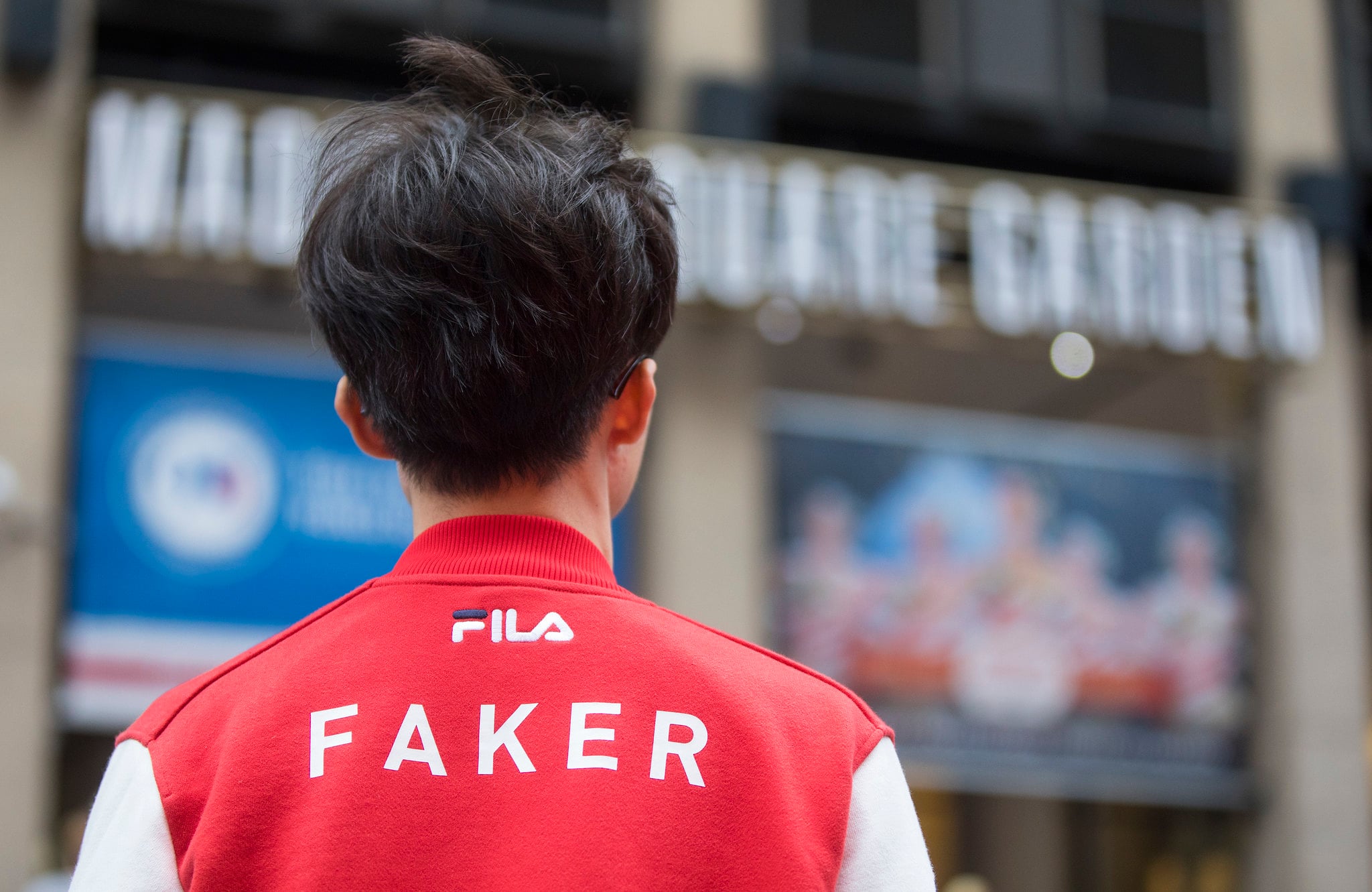
Lee Sang-hyeok, known as Faker, dominated League of Legends for a decade. He’s won multiple World Championships and is considered the greatest esports player in history.
Watching him play is like watching someone operate on a different level of consciousness. He grew up in Seoul and started playing League of Legends as a teenager.
His mechanics were so sharp that other professional players studied his matches to understand what he was doing. He could process information faster than anyone else and make split-second decisions that won games.
Esports now fills stadiums and generates prize pools that rival traditional sports. The 2023 League of Legends World Championship had over 100 million viewers.
Faker’s success helped legitimize esports as a real career path for young players. He’s made more money playing video games than most Olympic athletes make in their entire careers.
Dale Earnhardt: NASCAR’s Intimidator

Earnhardt won seven Cup Series championships and changed stock car racing forever. His aggressive driving style earned him the nickname “The Intimidator.”
He didn’t just race for wins—he raced to dominate. He grew up in North Carolina in a racing family, but his path wasn’t easy.
He struggled financially in his early career and worked various jobs while racing on weekends. Once he broke through, his talent was obvious.
He could feel what his car was doing better than his engineers could measure it. His death at Daytona in 2001 shocked the sports world.
NASCAR has never been the same without him. But his legacy lives on through safety improvements he’d probably appreciate and through his son, who carries the family name into modern racing.
Ty Murray: Rodeo’s King of Cowboys
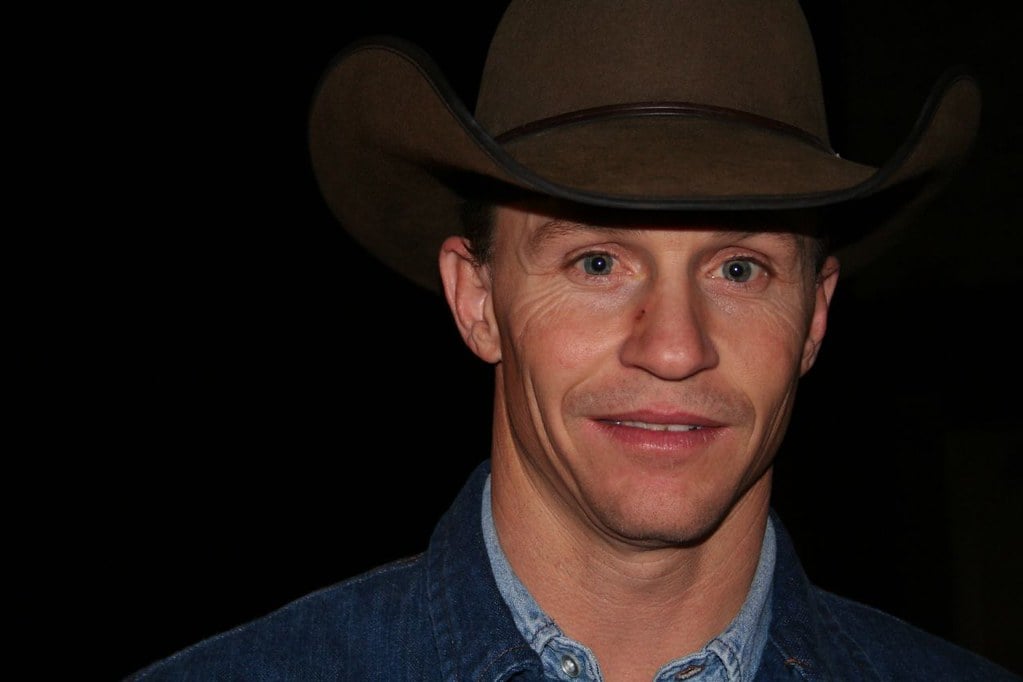
Murray won seven All-Around World Championships and basically owned professional rodeo through the 1990s. He competed in multiple events—saddle bronc riding, bareback riding, and bull riding—and excelled at all of them.
That versatility is almost unheard of in rodeo. He started training on his family’s ranch as a young kid.
His dedication was extreme—he’d practice for hours every day, treating rodeo like other athletes treat Olympic training. By his late teens, he was already beating veteran competitors.
He helped launch the Professional Bull Riders organization, which turned bull riding into a standalone sport with major corporate sponsors. The sport’s growth owes a lot to his vision.
He proved that rodeo athletes were serious competitors who deserved the same respect as any other professional athletes.
Pete Weber: Bowling’s Bad Boy
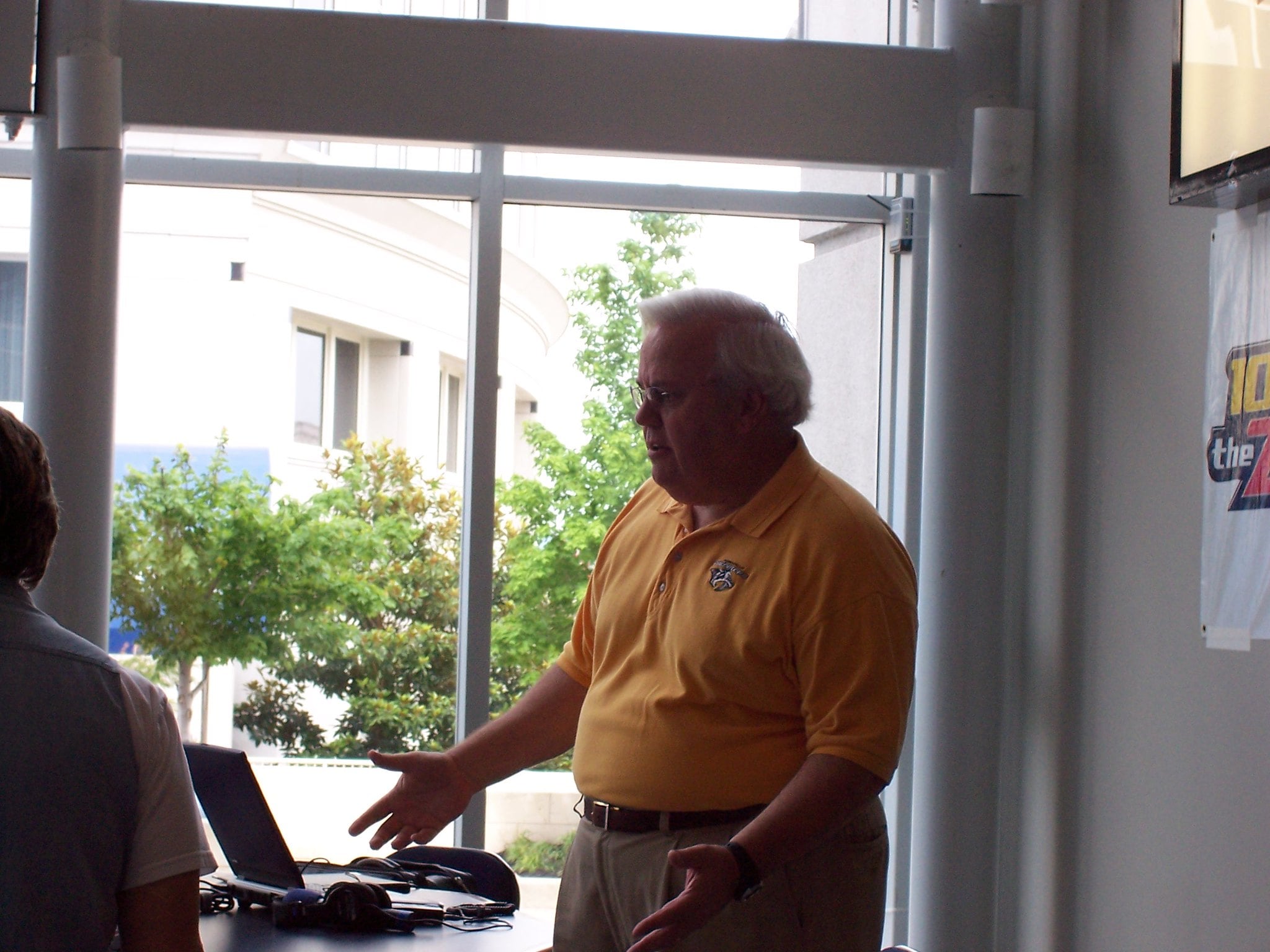
Weber won 37 PBA Tour titles and 10 major championships. His father was a bowling legend, which created huge pressure and expectations.
But Weber developed his own style and personality that made him impossible to ignore. His emotional celebrations became legendary.
After winning the 2012 U.S. Open, his outburst became one of the most viral moments in bowling history. He was unapologetically himself, even when that made him controversial.
His talent backed up his attitude—his orb striking and spare shooting were as good as anyone who ever played. Professional bowling has struggled with television ratings for decades.
But when Weber was competing, people watched. His rivalry with other top bowlers created drama that the sport desperately needed.
He showed that bowling wasn’t just a recreational activity—at the highest level, it’s intensely competitive and physically demanding.
Richie McCaw: Rugby’s Ultimate Leader
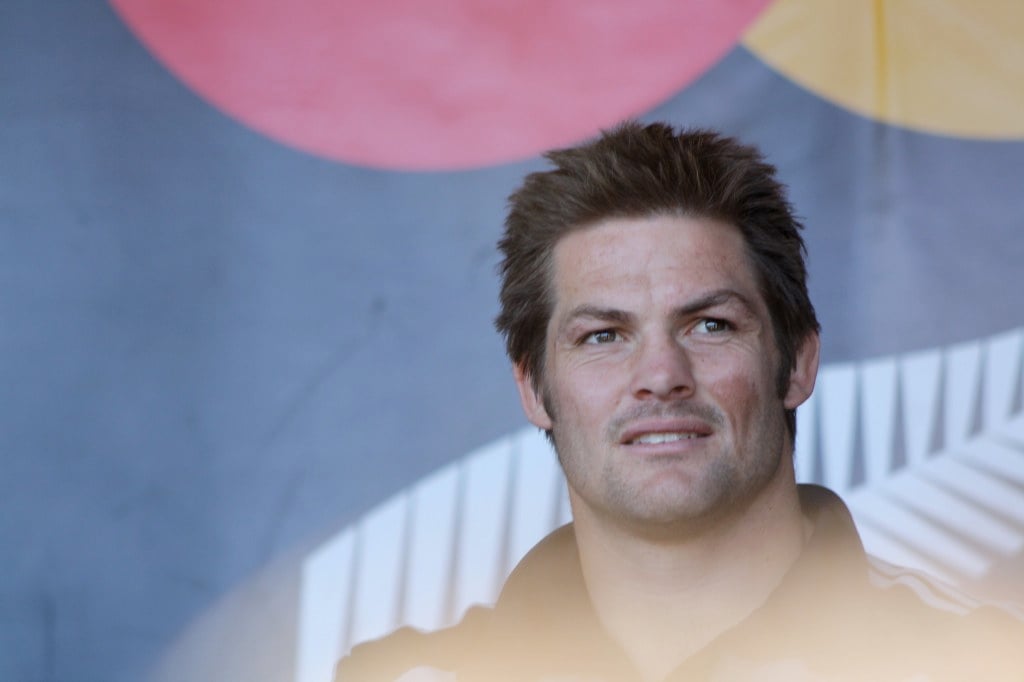
Leading New Zealand’s All Blacks, McCaw lifted consecutive Rugby World Cups. Through 148 test matches, he shaped a legacy some call unmatched in rugby history.
Tireless on the field, his grasp of tactics seemed almost instinctive. Victory after victory, his presence bent moments others might have lost.
In New Zealand, rugby shapes who people think they are. Not merely a team, the All Blacks stand like something built into history.
McCaw guided them during years when wins piled high. Pressure didn’t break him – instead, it sharpened how he played.
By the time the 2015 final arrived, hurt and worn, still he moved across the field like few others could. Top of his game when he stepped away, every win checked off in rugby.
Players everywhere tip their hats, no matter the team colors they wear. Actions did the talking for him, never speeches, shaping how squads now play.
When Standing Out Matters More Than Winning

Not many reach the heights these competitors did. Money flowed their way far beyond what podium finishes usually bring, while crowds followed them like few others.
Gold shines bright, yet their impact stretched much longer, shaping games well past prime time. Fame came fast, stayed even faster, outliving short bursts of Olympic spotlight.
Victory here wasn’t about medals handed out under global lights. Excellence stood first, followed by relentless effort, then a spark that pulled fans close.
Not one of them waited for applause from France or Japan. The truest arenas grow where passion runs deepest, not where cameras gather.
More from Go2Tutors!

- The Romanov Crown Jewels and Their Tragic Fate
- 13 Historical Mysteries That Science Still Can’t Solve
- Famous Hoaxes That Fooled the World for Years
- 15 Child Stars with Tragic Adult Lives
- 16 Famous Jewelry Pieces in History
Like Go2Tutors’s content? Follow us on MSN.