Fascinating Facts About the Pentagon
Built fast, the structure reflects both terrain and time. Its layout tells stories people seldom mention.
Though seen as one unified entity, it breathes through hallways and hidden spaces. Daily rhythms are guided by old decisions, odd corners, narrow paths.
Geography bent its form early on. Function evolved quietly, shaped just as much by wear as original plans.
A shape most never notice – that five-ring design isn’t just for show. Built fast, yet built smart, each corridor answers a quiet need.
Hidden details emerge when you stop expecting grand statements. Function hides in plain sight, tucked behind routine choices.
What looks like a habit is often careful planning wearing thin disguises.
It Was Designed to Be Temporary
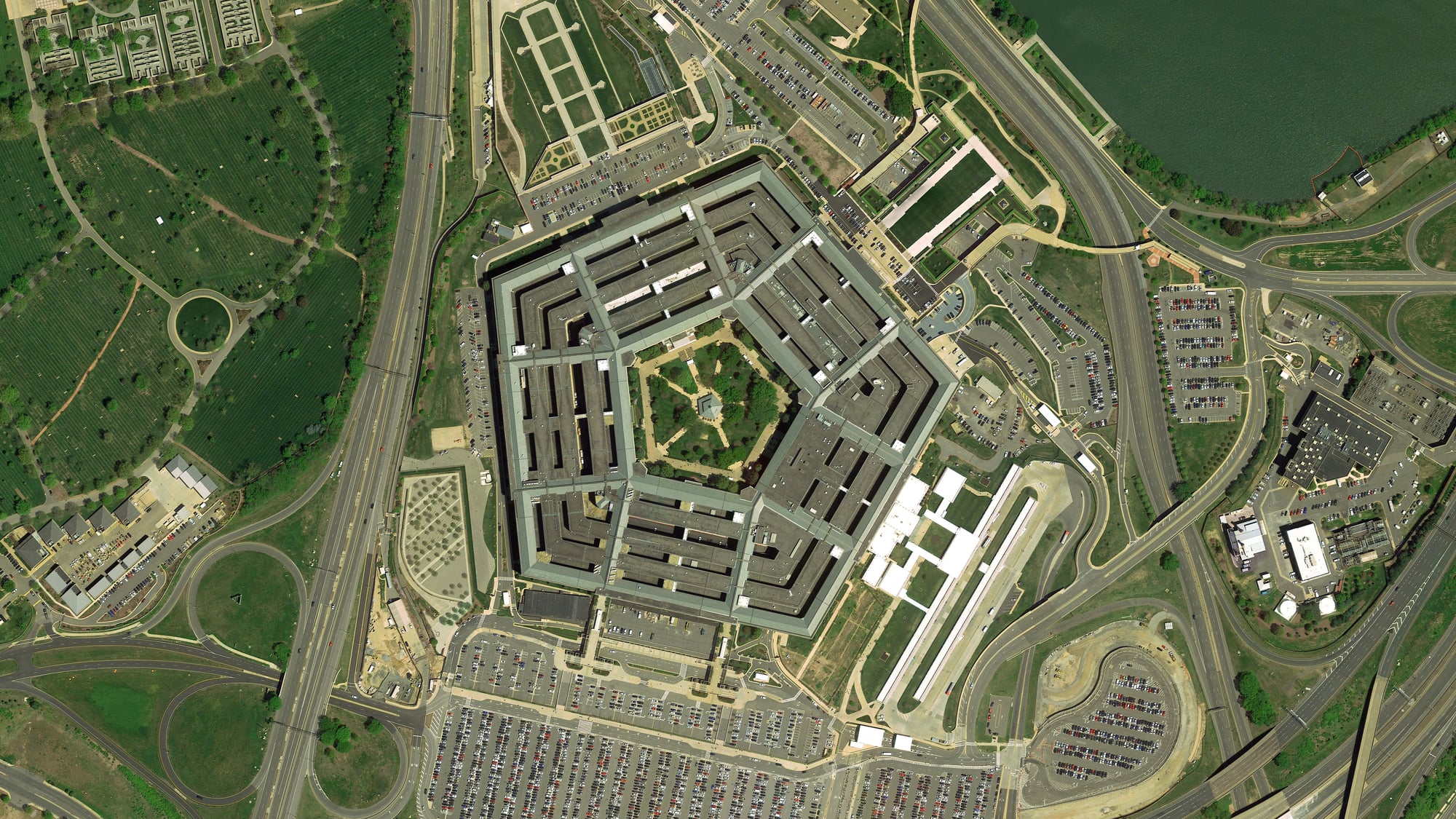
Construction started back in 1941 because wartime demands required fast workspace. Though built under pressure, the structure outlived its original purpose.
At that time, steel and supplies were tight, so durability took a back seat to speed. Officials saw it more as a temporary fix than a lasting symbol.
Years passed, yet the building remained – unplanned permanence. Years passed, yet the structure kept serving its purpose, though built fast under pressure.
Not foresight but flexibility made it last – solutions born of haste somehow fitting slower times ahead.
The Five-Sided Shape Solved a Land Problem
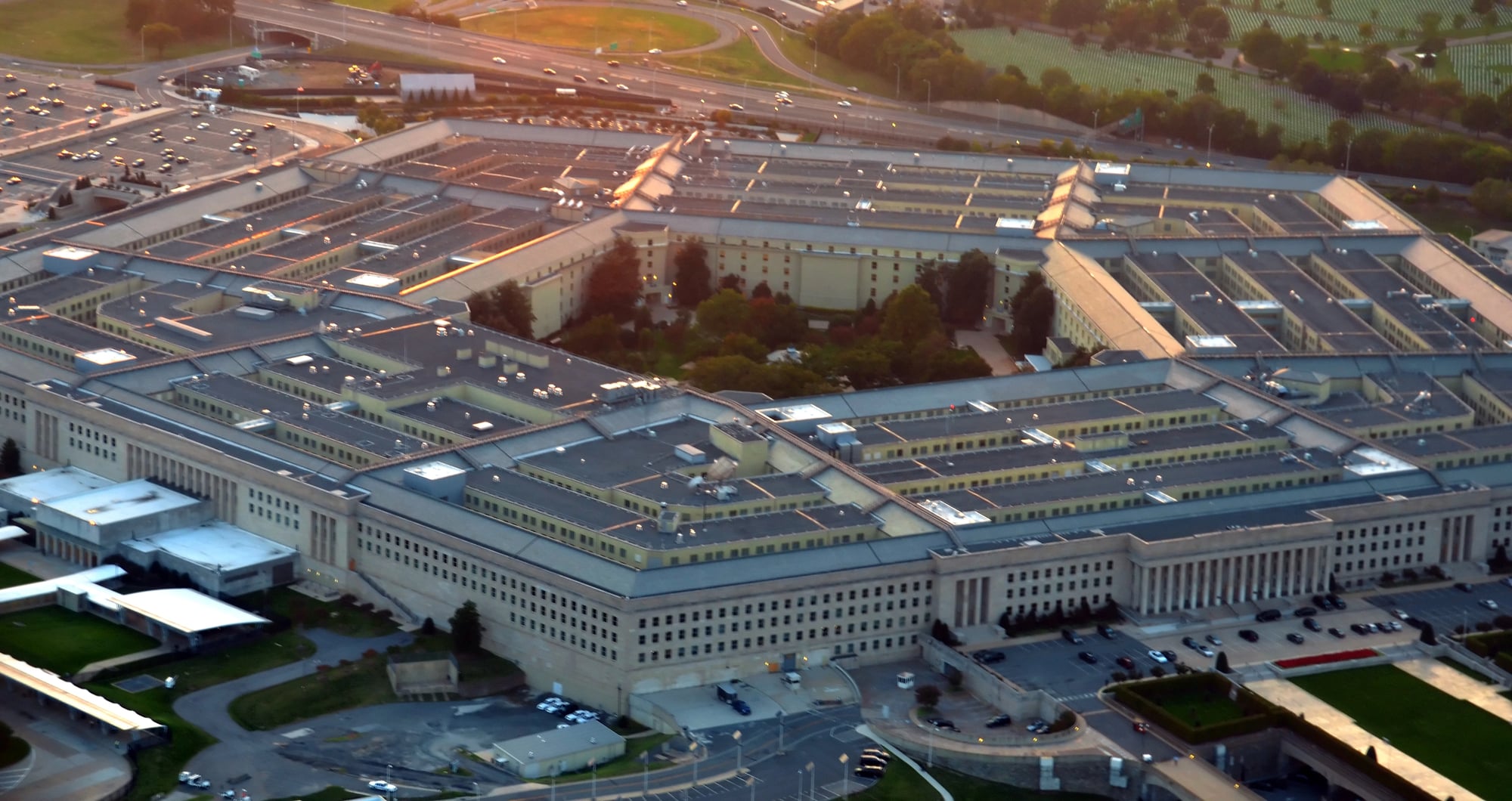
Oddly enough, the Pentagon’s layout has nothing to do with secret meanings. Shaped by limits on every side – roads, boundaries – the site pushed planners toward an unusual path.
Because of how tight the area was, five sides made better sense than four. That twist let them pack more room inside without wasting ground.
Efficiency ruled that decision. Though the location shifted, the blueprint stayed – it just worked better.
From above, the form seems odd, yet inside it cuts down hallway travel versus boxy builds that fit the same area. An odd silhouette became a quiet win for how space feels when you move through it.
It Was Built With Remarkable Speed
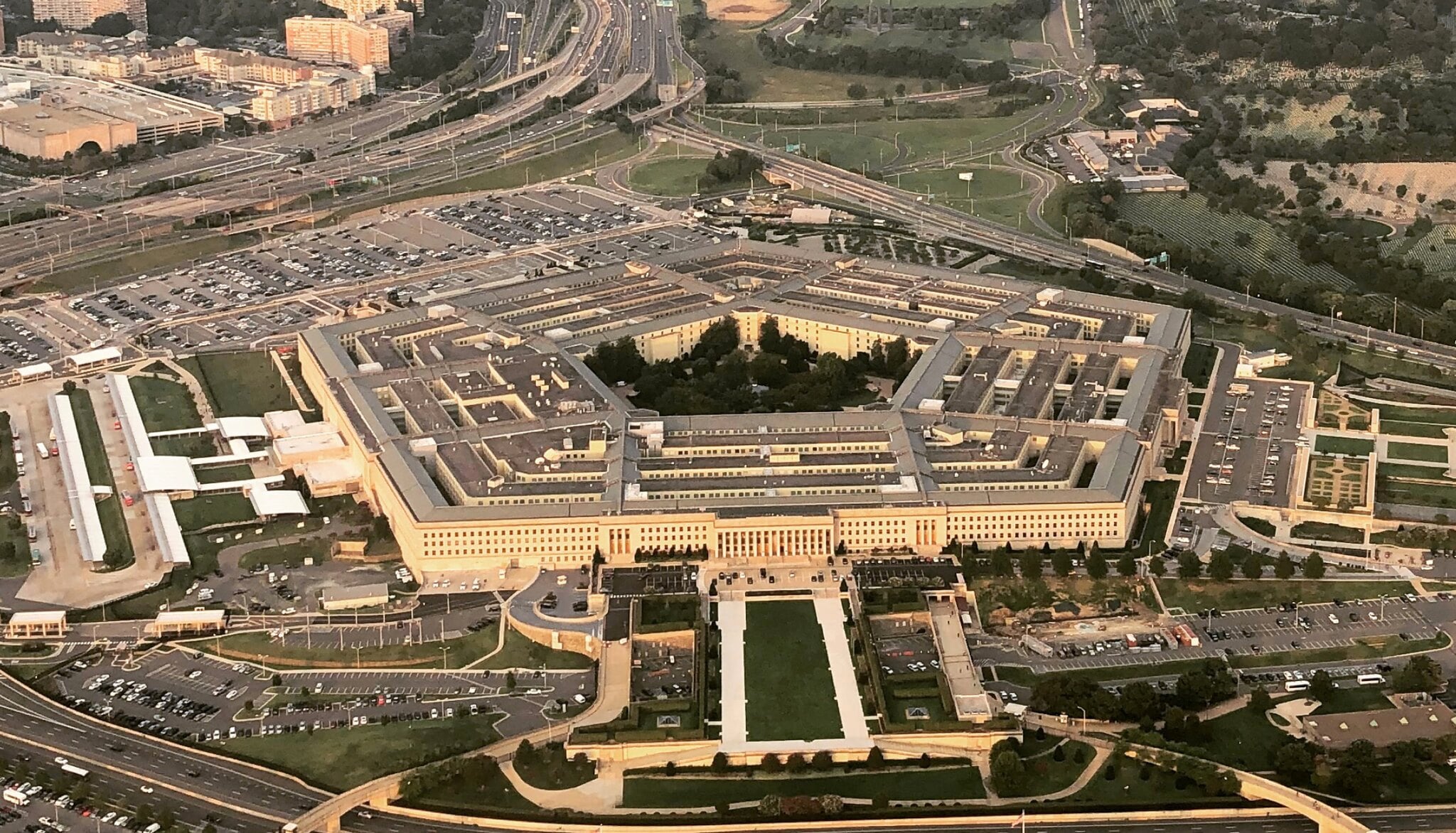
Work began fast, back in September 1941, pushing forward without delay. Within roughly sixteen months, people were already working inside, even as finishing touches continued.
The structure rose so quickly, few modern projects could keep up. Setting up desks, wiring rooms, shifting thousands into place – all happened while walls still went up.
Achieving that pace came down to cutting extra details plus nonstop shifts. With little attention paid to looks, everything centered on practicality instead.
Even now, such a fast project remains among the standout building feats of those times.
The Corridors Form a Small City
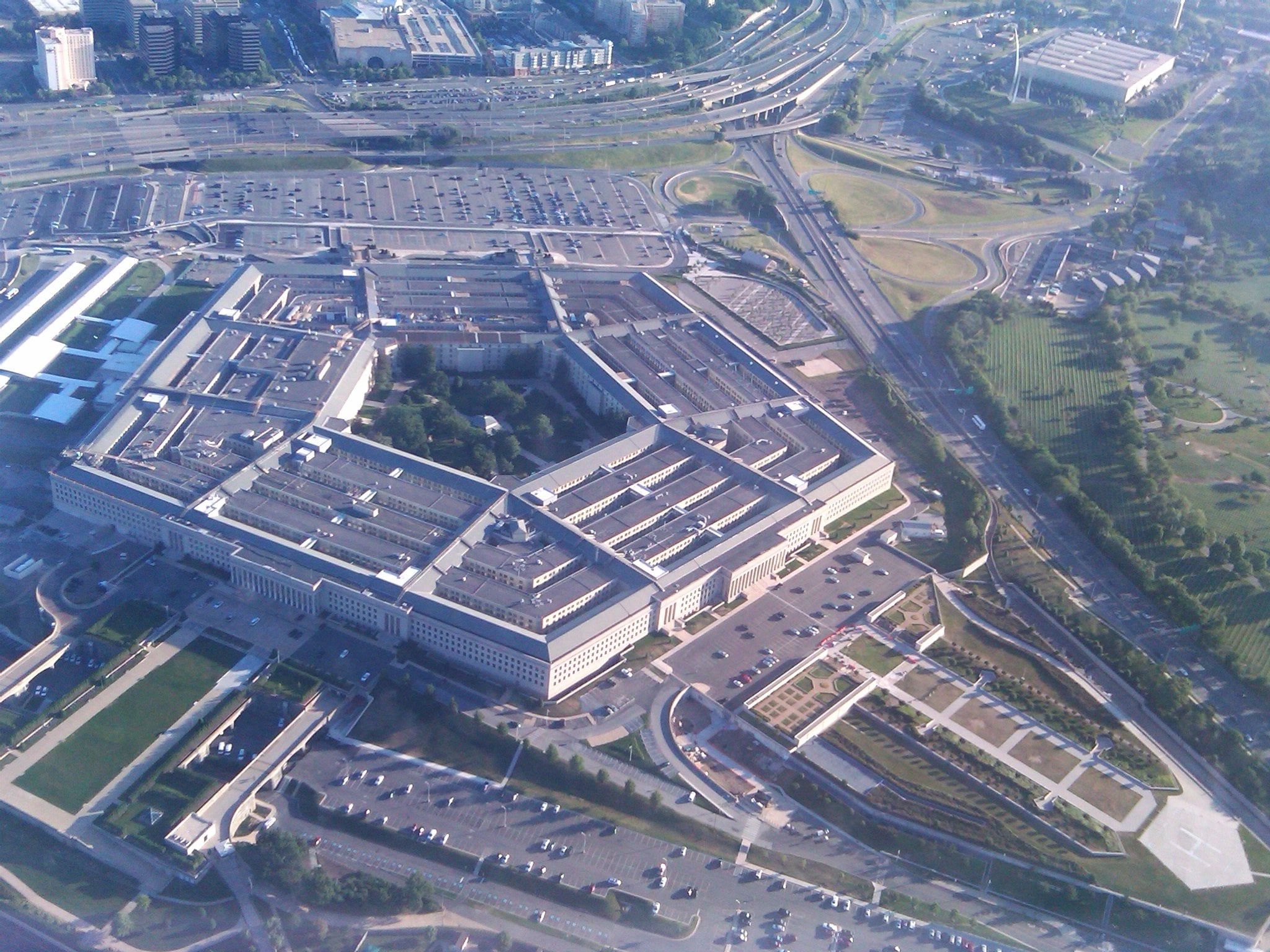
Inside the Pentagon, there are roughly 17.5 miles of corridors. That number sounds abstract until it is paired with daily reality.
People work, eat, walk, and navigate those hallways much like residents of a compact city moving through streets. Despite the size, the building was designed to make movement efficient.
No point inside is more than about seven minutes away on foot from another, assuming a steady pace. The layout reflects careful thinking about human movement long before workplace efficiency became a buzzword.
The Building Has Its Own Infrastructure
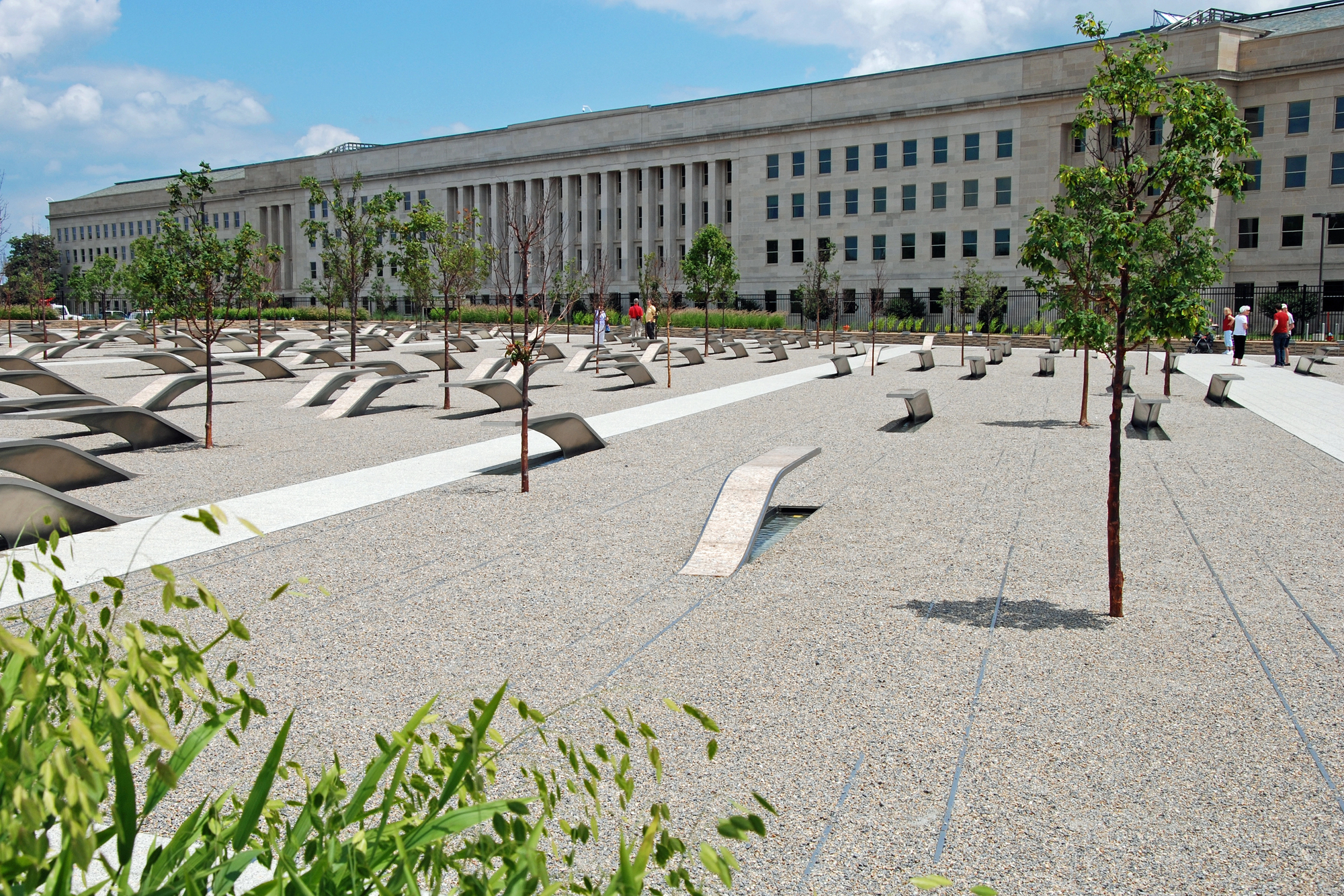
The Pentagon operates with many of the systems one would expect in a standalone community. It has food services, medical facilities, postal operations, and maintenance teams working continuously behind the scenes.
These systems exist not for convenience, but for necessity, given the number of people inside on a typical workday. This self-contained setup allows the building to function with minimal reliance on surrounding areas.
It also means that daily operations continue smoothly even when external conditions are less than ideal.
Its Height Was Intentionally Limited
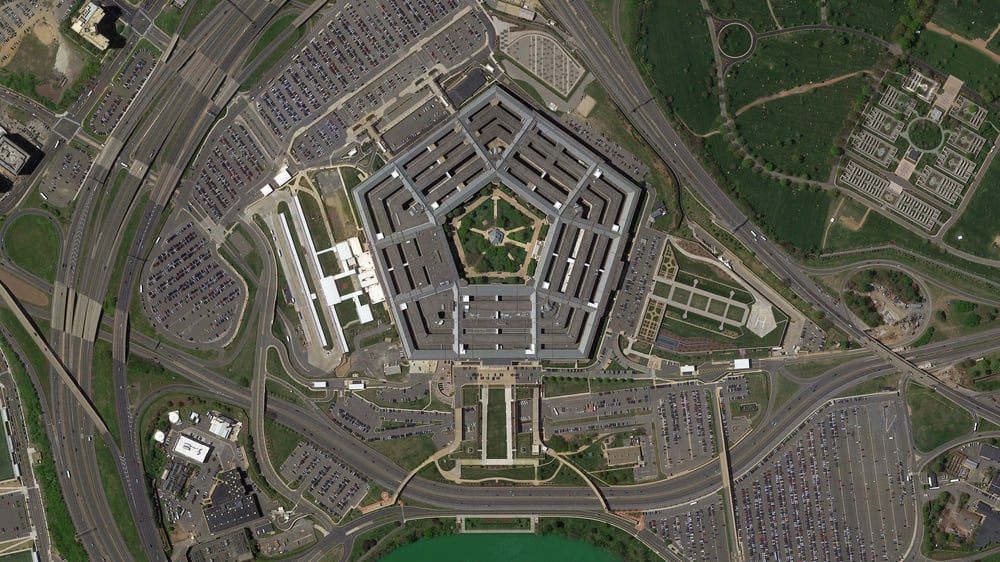
The Pentagon rises only five stories above ground, which is lower than many office buildings with far fewer occupants. This was a deliberate choice influenced by concerns about materials, visibility, and efficiency.
Elevators were minimized to reduce reliance on mechanical systems and to keep people moving easily. The result is a building that spreads outward rather than upward.
That horizontal emphasis reinforces the sense that the Pentagon is more like a campus than a tower, despite being housed under one roof.
Concrete Dominates for Practical Reasons
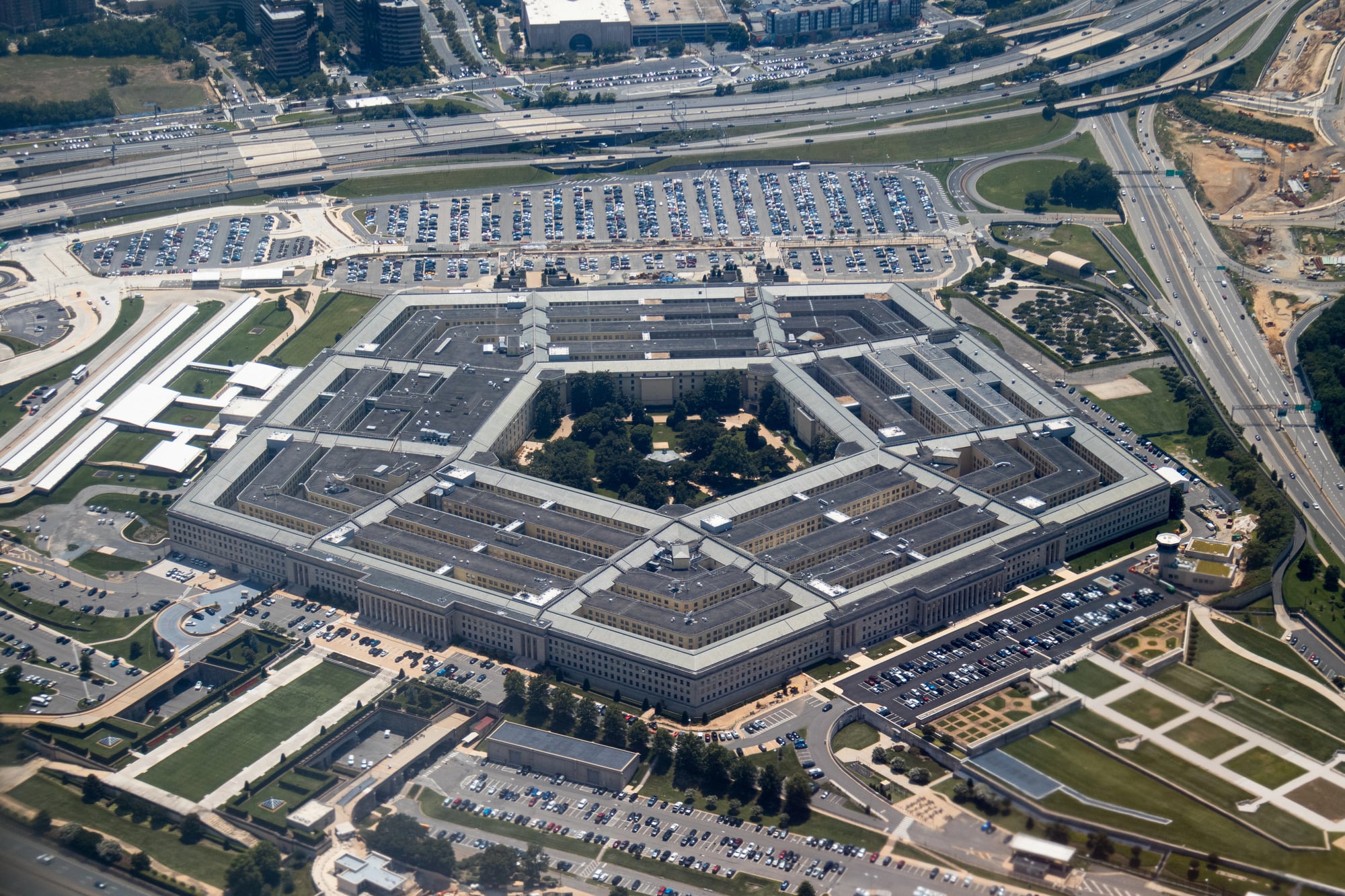
Steel was scarce during the early 1940s, so concrete became the primary construction material. This choice had long-term consequences.
Concrete provided durability, fire resistance, and structural strength that extended the building’s useful life far beyond initial expectations. Over time, this material choice also simplified renovations and reinforcements.
While concrete can be unforgiving to work with, its reliability has proven invaluable as the building has adapted to new technologies and security requirements.
Navigation Relies on Logic, Not Memory
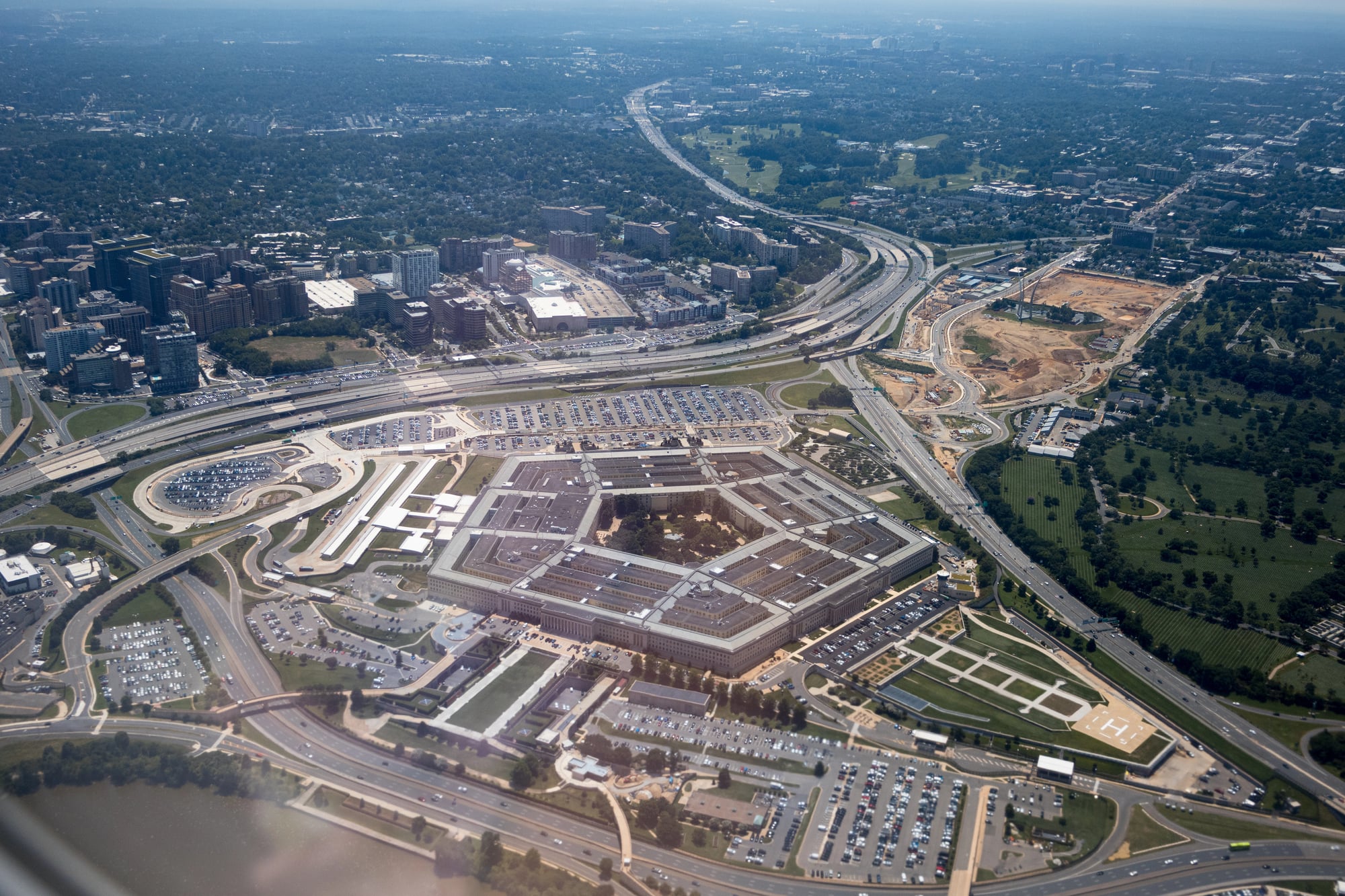
At first glance, the Pentagon’s layout seems confusing. Five rings intersected by radial corridors can feel overwhelming to newcomers.
In practice, the design follows a consistent logic that becomes intuitive once understood. Each ring and corridor is labeled in a systematic way, allowing people to locate offices without relying on familiarity.
This approach reduces dependence on signs or local knowledge, which matters in a building where personnel change frequently.
The Building Reflects Wartime Values
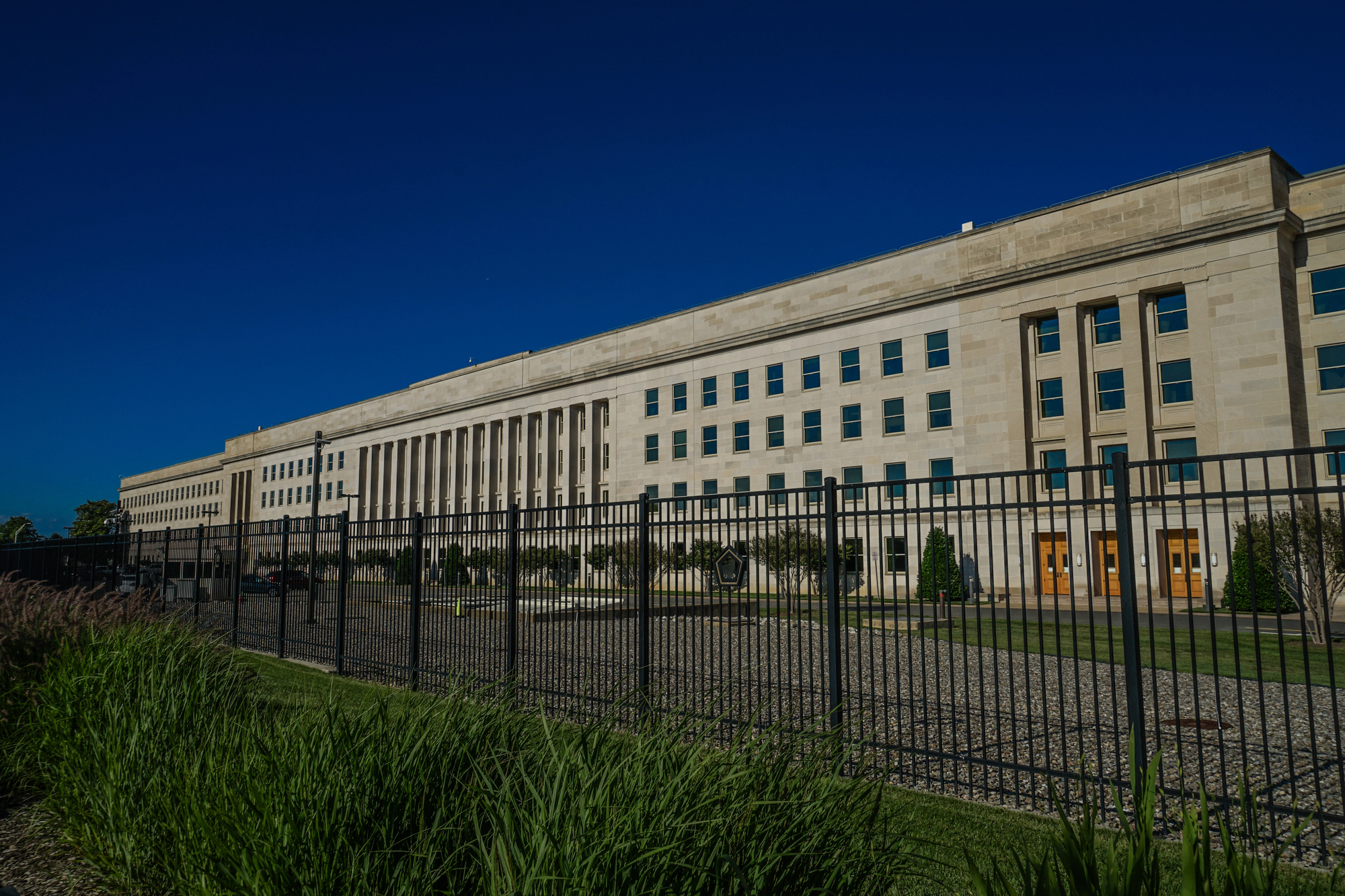
Every design decision reflects the mindset of the era in which the Pentagon was built. Efficiency mattered more than ornamentation.
Durability outweighed elegance. Speed trumped perfection.
These values are embedded in the building’s layout, materials, and overall appearance. That wartime pragmatism still shapes how the building is perceived today.
It communicates seriousness and purpose without relying on grandeur, which aligns closely with its original mission.
Renovation Has Been a Long-Term Process
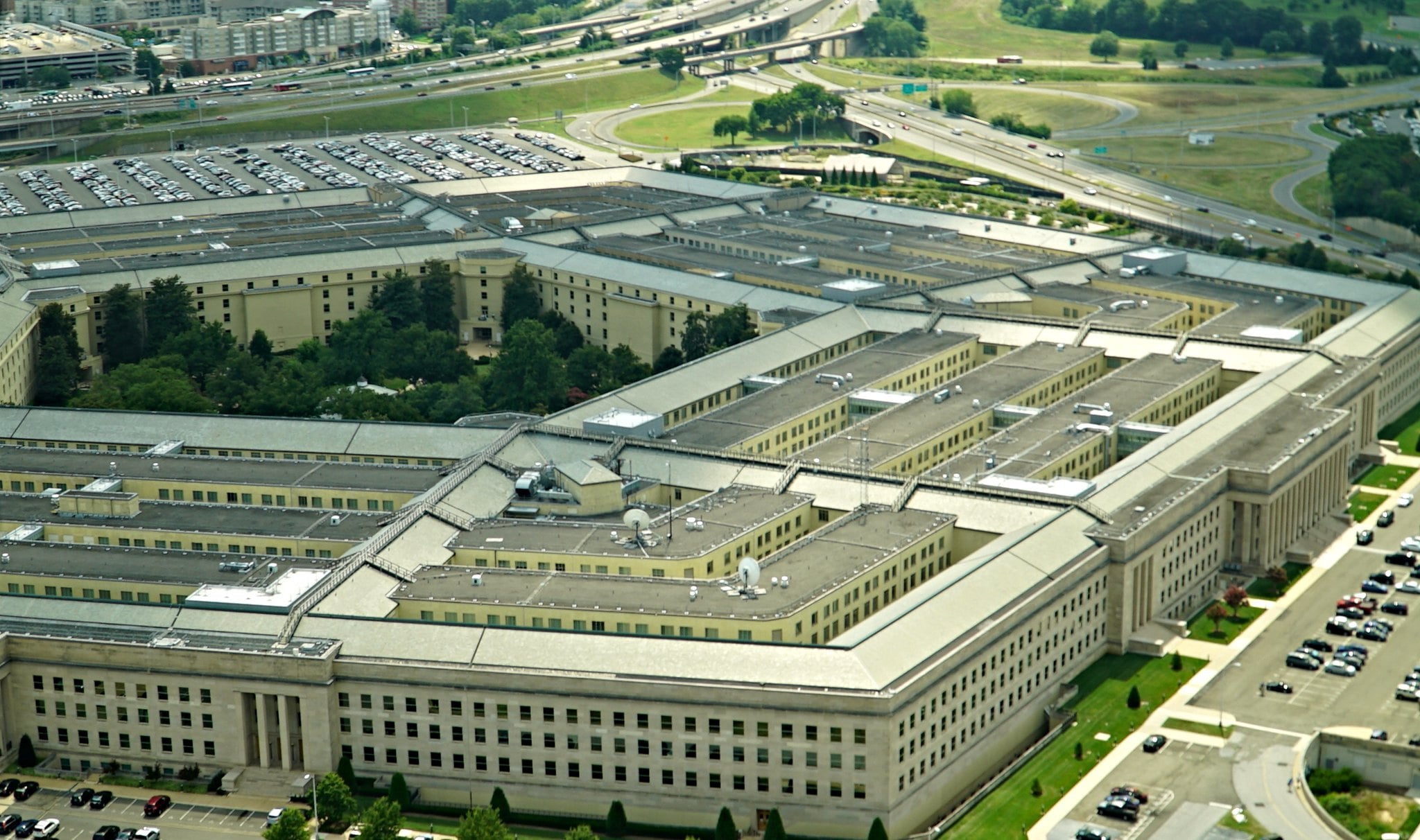
Modernizing a building of this size while keeping it operational is no small task. Renovation efforts have unfolded in phases over many years, allowing work to continue without disrupting daily functions.
Systems have been upgraded gradually, from communications to structural reinforcements. This piecemeal approach reflects the reality of working with a structure that cannot simply close its doors for repairs.
It also highlights the flexibility of the original design, which allows sections to be updated independently.
The Pentagon’s Scale Changes Perspective
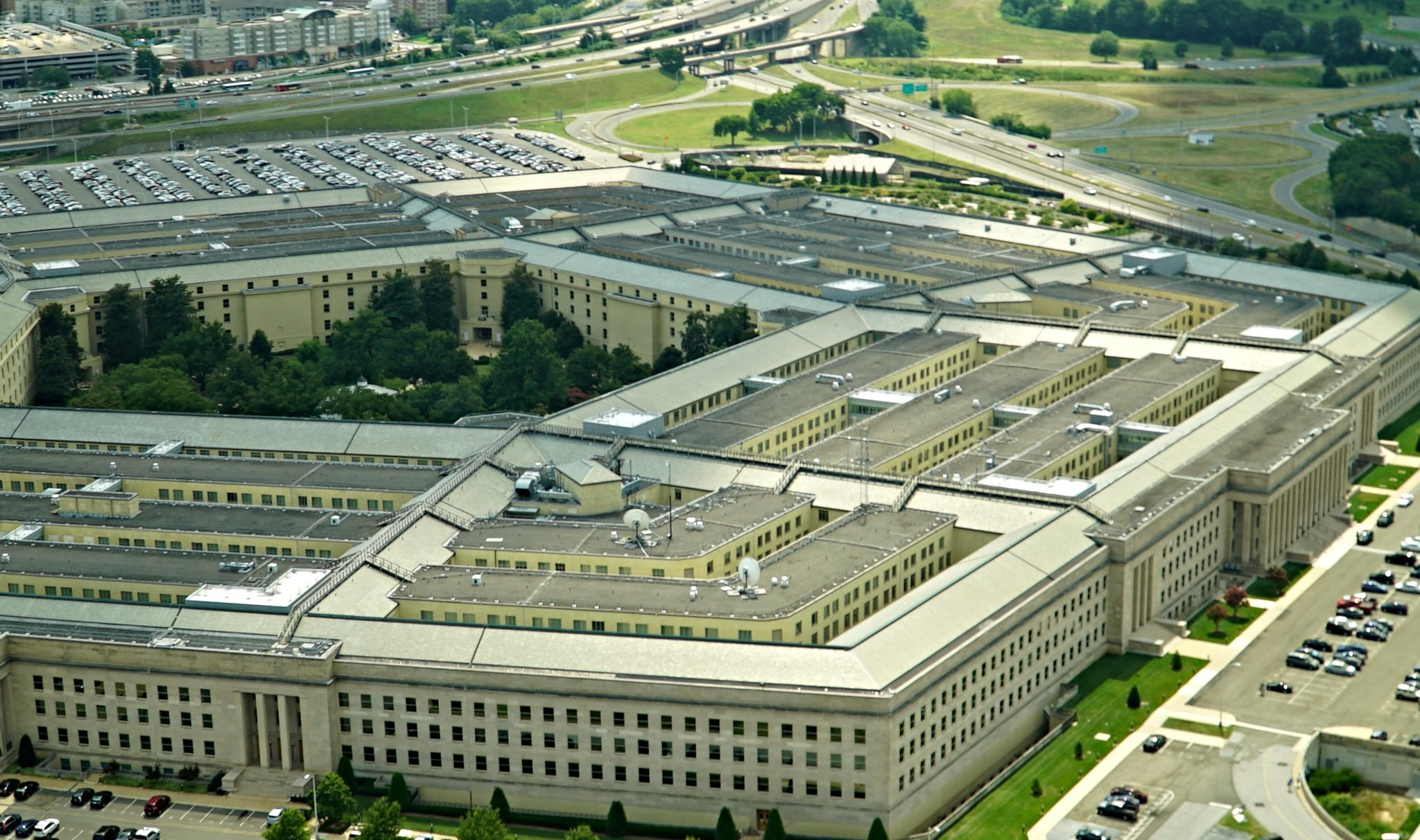
People often struggle to visualize just how large the Pentagon is. Comparing it to familiar landmarks helps, but the true sense of scale only becomes clear inside.
Long walks between offices are routine, and orientation becomes a skill developed over time. That scale influences how work is organized, how meetings are scheduled, and how people think about distance in their daily routines.
It subtly reshapes expectations about time and movement in ways most office environments never do.
Why the Pentagon Still Matters
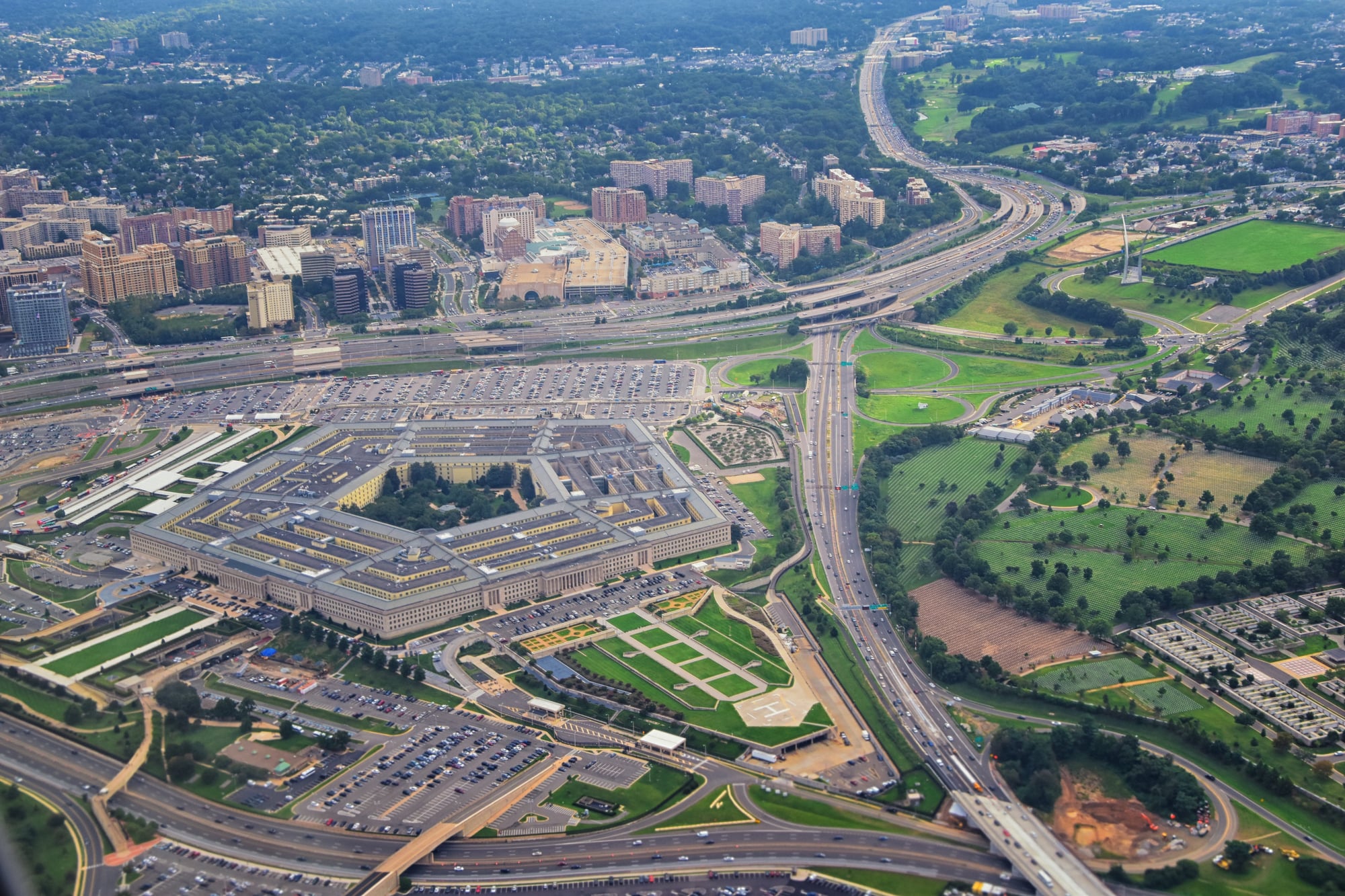
A sudden need gave rise to the Pentagon, its shape born from pressure rather than vision. Because it worked well enough, people kept using it, even after the original reason faded.
Time passed; yet the structure stayed, showing how usefulness sometimes beats intention. Seeing it as brick and steel, not symbolism, makes clearer how organizations change without announcing it.
Shape follows use, use follows context, context follows time – each bending the other slowly, like water shaping stone.
More from Go2Tutors!

- The Romanov Crown Jewels and Their Tragic Fate
- 13 Historical Mysteries That Science Still Can’t Solve
- Famous Hoaxes That Fooled the World for Years
- 15 Child Stars with Tragic Adult Lives
- 16 Famous Jewelry Pieces in History
Like Go2Tutors’s content? Follow us on MSN.



