Most Influential American Actors
What matters in acting isn’t just trophies or ticket sales. Shaping the craft often comes down to who shifted the way scenes feel, narratives flow, moments land.
A handful made realness seem new, while some bent entire film styles into fresh shapes. Power moved differently after certain names stepped forward, changing what actors could claim as theirs.
Decades unfolded with each performance adding ripples through time. Not just roles but decisions – those shaped who gets seen, how stories find voice, how work becomes habit.
One after another, paths built a map without words, showing where entertainment moved when no one was watching closely.
A fresh view of U.S. performers whose mark still echoes through film and how it’s made. Their presence lingers, not loud but steady.
What they started keeps feeding today’s roles and rhythms on screen. Each choice they made ripples into now – quietly, surely.
Behind every shift in acting styles, their fingerprints remain.
Marlon Brando

Marlon Brando changed acting by making it feel raw, unpredictable, and deeply human. Before him, many screen performances leaned toward theatrical precision.
Brando introduced emotional looseness, mumbling dialogue, and physical vulnerability, bringing a sense of realism that felt startling at the time.
His work influenced generations of actors who followed, shifting training and expectations across Hollywood. Method acting moved from niche approach to dominant style.
Brando’s legacy is not just in the roles he played, but in how permanently he altered the emotional language of American cinema.
Katharine Hepburn
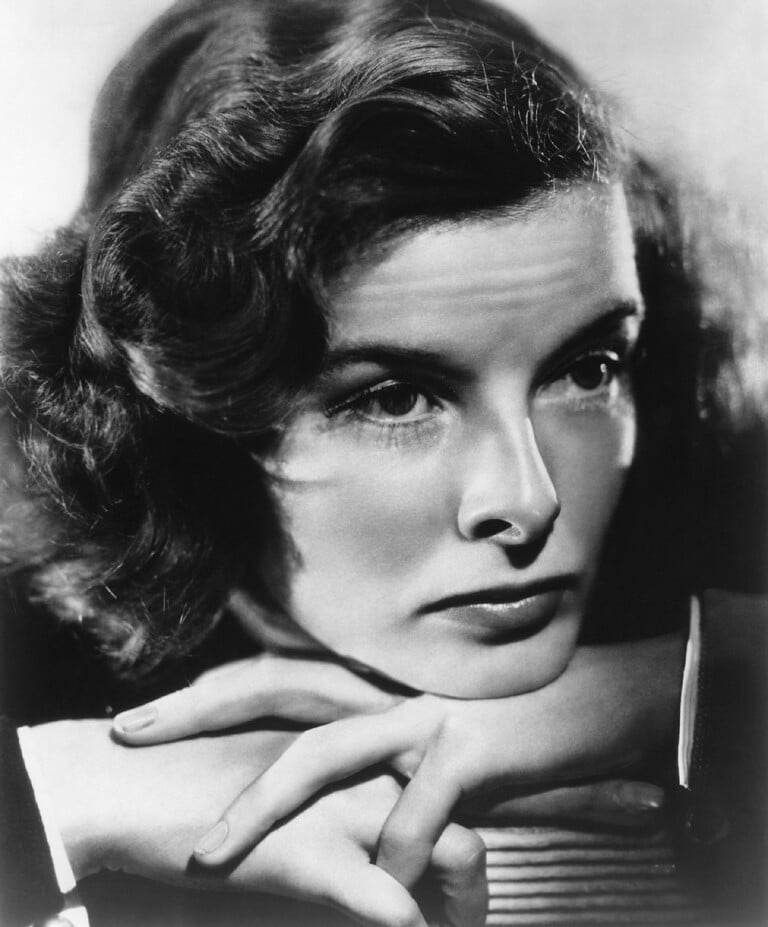
Katharine Hepburn redefined what a leading woman could look and sound like on screen. Her sharp delivery, independence, and refusal to conform to conventional femininity set her apart in an era dominated by rigid studio expectations.
She played women who were intelligent, opinionated, and unapologetically self-directed. That influence extended beyond film roles into broader cultural perception.
Hepburn expanded the range of female representation in American cinema, proving that strength and complexity could carry long-term audience appeal.
James Stewart
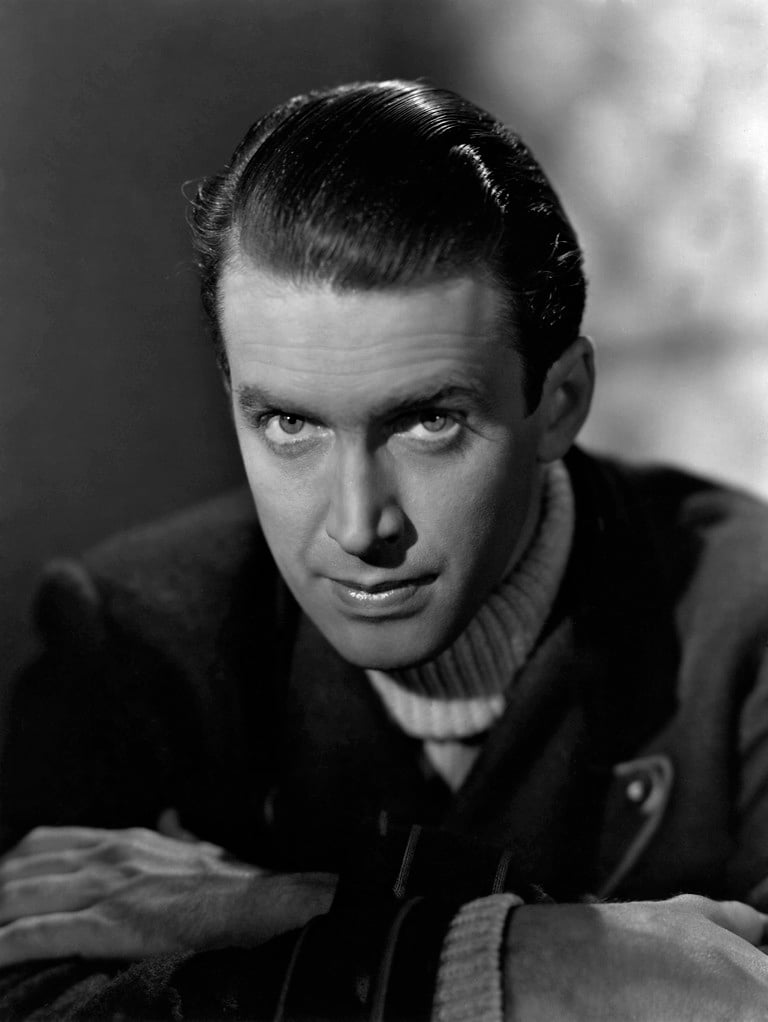
James Stewart brought an everyman quality to leading roles that reshaped audience connection. His performances felt approachable and sincere, offering vulnerability without weakness.
This contrasted sharply with the larger-than-life personas common in early Hollywood.
Over time, Stewart’s work evolved to include darker, more psychologically complex characters. That transition helped normalize moral ambiguity in mainstream storytelling.
His influence lies in making internal conflict feel accessible and emotionally grounded for wide audiences.
Robert De Niro

Robert De Niro elevated immersion in performance to new extremes. His commitment to physical and psychological transformation set a new benchmark for authenticity.
Preparation became part of the performance itself, influencing how actors approached character development.
De Niro’s collaborations with major directors also reshaped American film storytelling. He helped push narratives toward complexity and discomfort, expanding what audiences expected from dramatic cinema.
His influence is visible in the emphasis modern actors place on preparation and realism.
Al Pacino
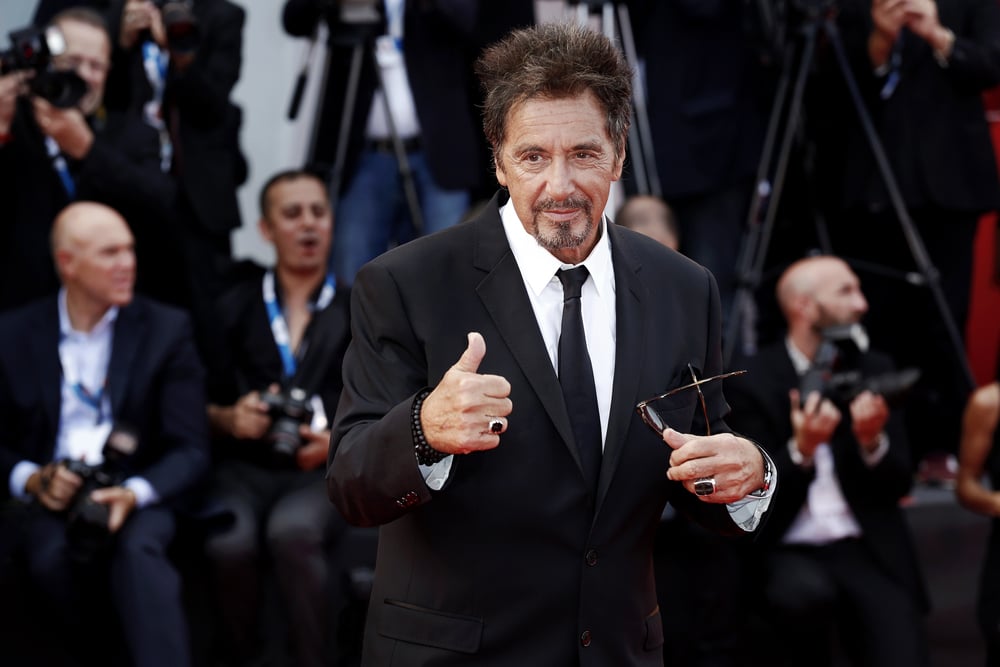
Al Pacino brought intensity and volatility into mainstream performances. His characters often felt driven by internal pressure, balancing control with emotional release.
This approach introduced a heightened, expressive style that remained grounded rather than exaggerated.
Pacino’s influence extended into how dialogue is delivered and paced. He showed that silence and restraint could coexist with explosive moments.
That balance helped redefine dramatic tension, influencing both film and television performances that followed.
Meryl Streep
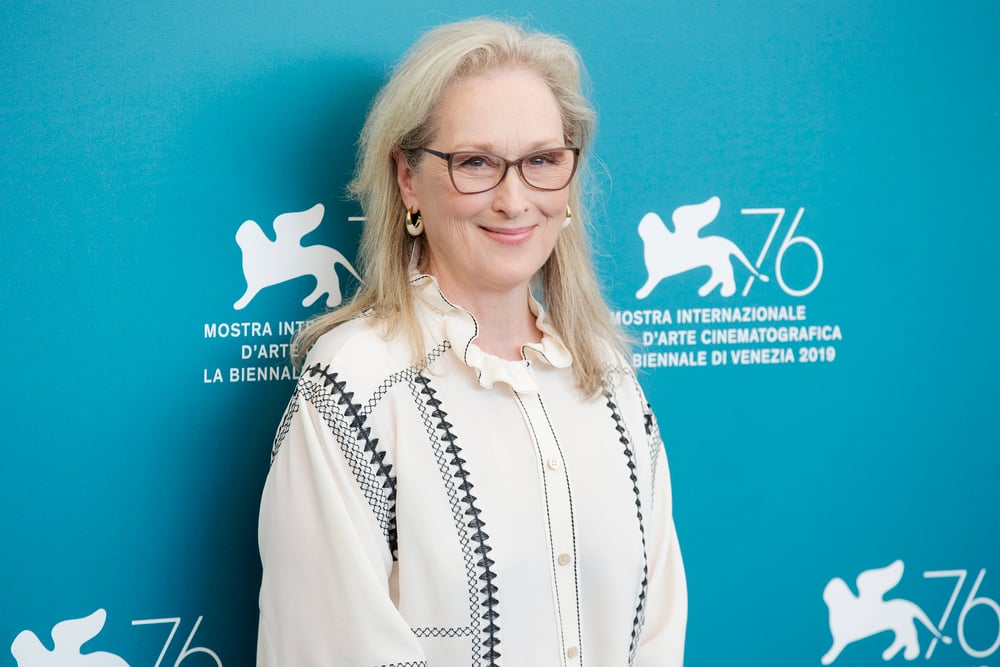
Meryl Streep expanded expectations of range and adaptability in acting. Her ability to inhabit vastly different characters without visible strain reshaped standards of versatility.
Each role felt distinct rather than performative.
Beyond technique, Streep influenced how longevity is perceived in acting careers. She demonstrated that depth and complexity could grow with time, not diminish.
Her career helped shift industry attitudes toward sustained relevance and character-driven storytelling.
Denzel Washington
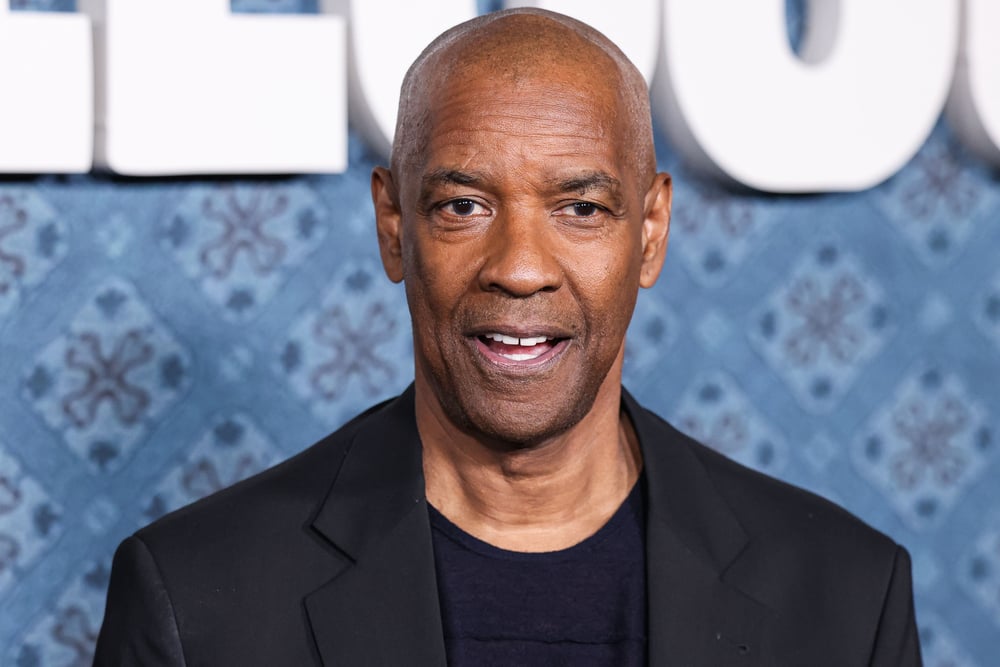
Denzel Washington combined authority with emotional restraint, creating performances that felt both commanding and human. His presence brought weight to roles without relying on excess.
This balance influenced portrayals of leadership, integrity, and internal conflict.
Washington’s influence also lies in visibility. He became a consistent leading figure across genres, helping expand representation in mainstream American cinema.
His career demonstrated that excellence and consistency could quietly reshape industry expectations.
Jack Nicholson
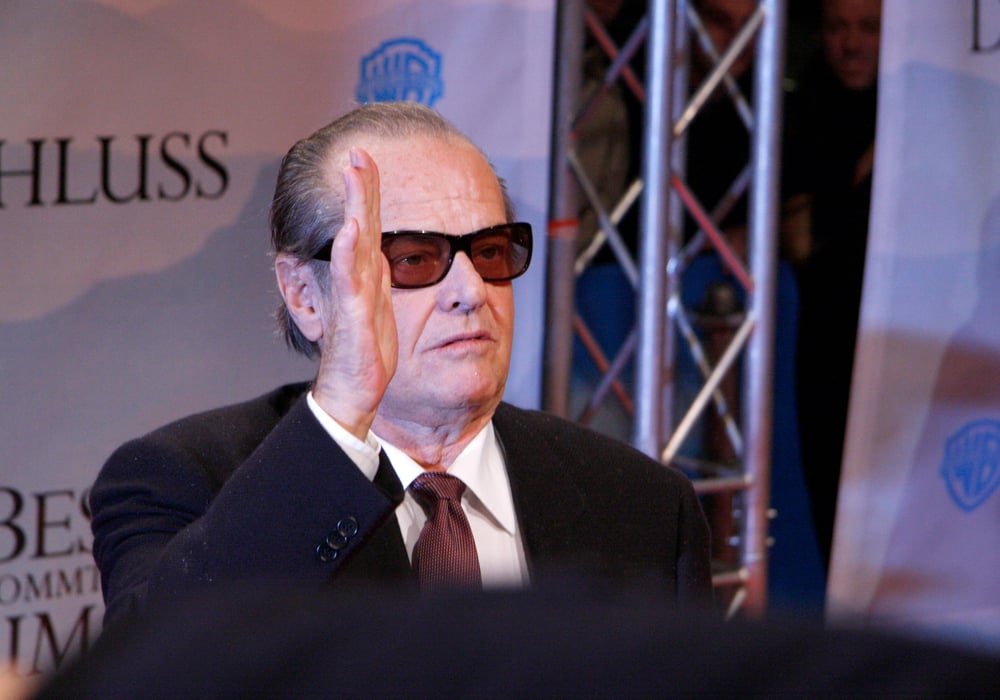
Jack Nicholson introduced unpredictability into star performances. His characters often carried a sense of instability that kept audiences off balance.
This energy challenged neat moral boundaries and embraced discomfort.
Nicholson’s influence is evident in how antiheroes became more accepted in mainstream narratives. He helped normalize characters who were flawed, abrasive, or unsettling, opening space for more psychologically complex storytelling in American film.
Clint Eastwood
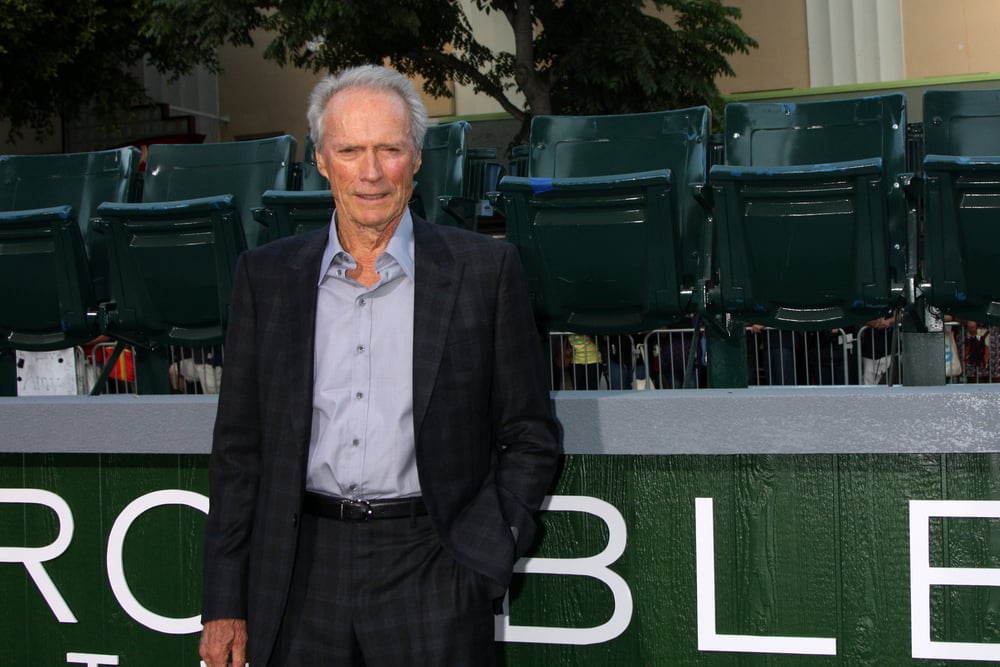
Clint Eastwood reshaped the American screen persona through restraint. His minimal dialogue and controlled physicality offered a counterpoint to more expressive acting styles.
Silence became part of the performance rather than absence.
Over time, Eastwood also influenced storytelling behind the camera. His transition into directing reinforced the idea that actors could guide narrative tone and pacing.
His career helped redefine masculinity on screen, emphasizing quiet authority over spectacle.
Sidney Poitier
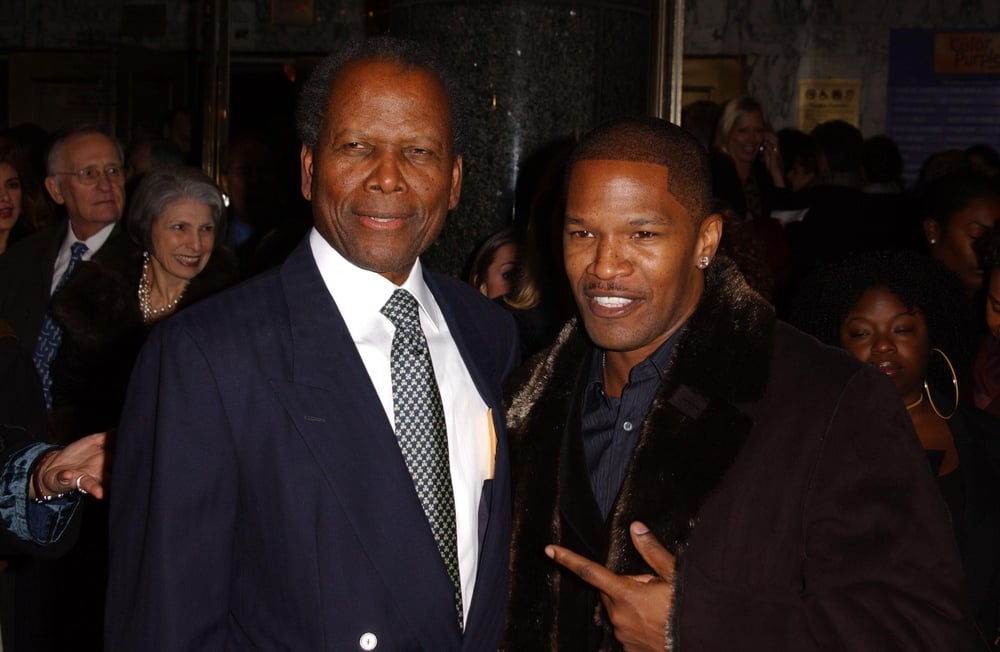
Sidney Poitier changed the cultural landscape of American film through dignity and presence. His performances challenged limited roles available at the time, offering characters defined by intelligence and moral strength.
Poitier’s influence extended beyond individual films. He altered audience perception and industry standards, creating space for future generations of performers.
His legacy reflects how representation and performance quality can intersect to drive lasting change.
Leonardo DiCaprio
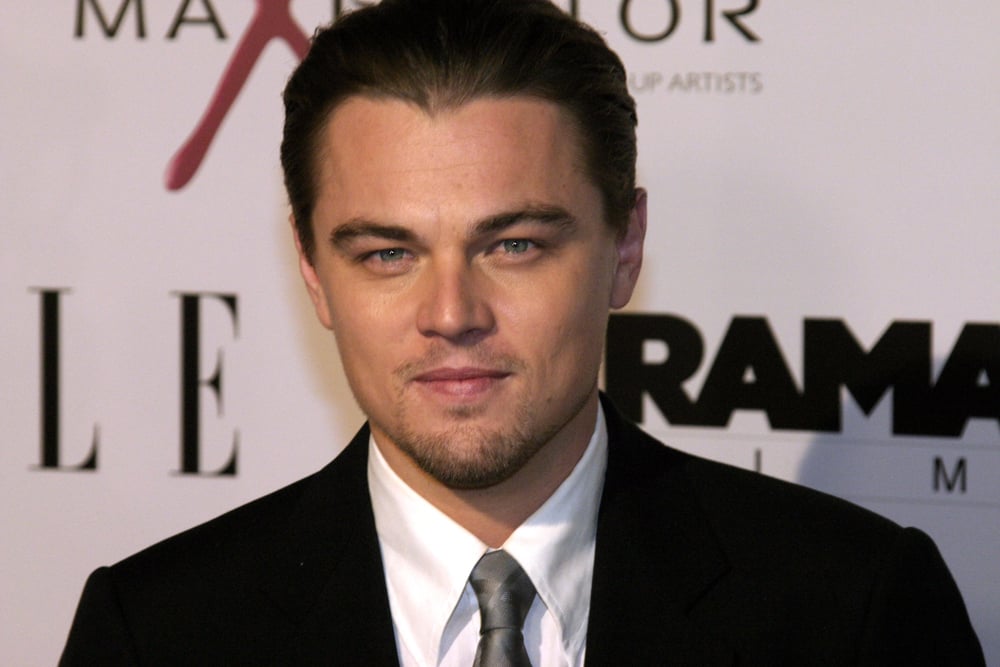
Leonardo DiCaprio transitioned from early fame into a career defined by intensity and risk-taking. He consistently chose challenging roles that explored obsession, vulnerability, and moral uncertainty.
His influence lies in normalizing evolution. DiCaprio demonstrated that youthful popularity could mature into long-term artistic credibility.
This helped reshape how career arcs are perceived in American cinema, encouraging actors to pursue complexity over comfort.
Viola Davis
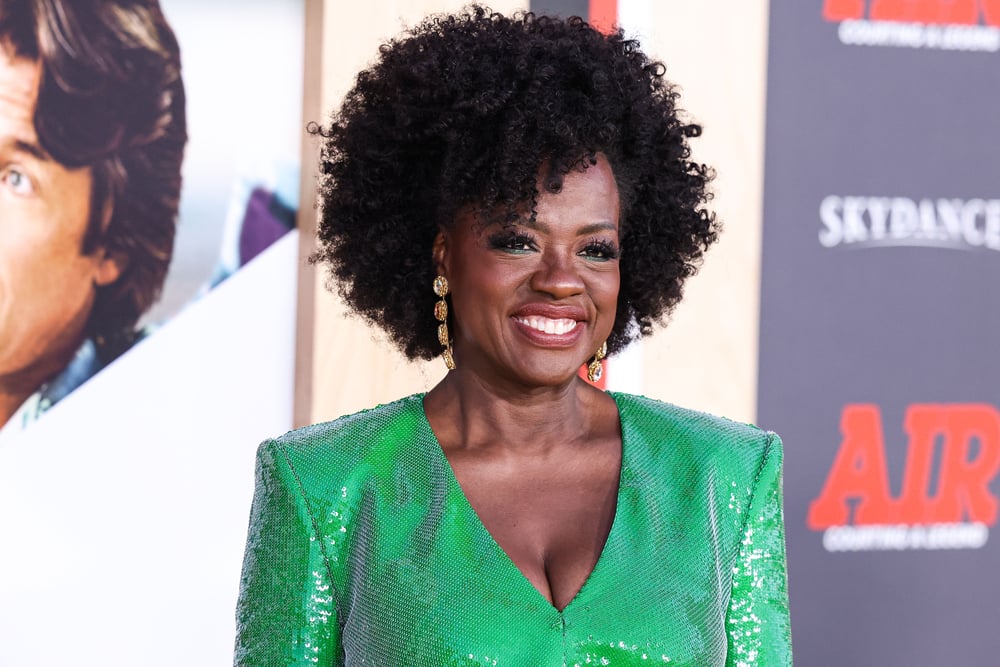
Viola Davis brought emotional precision and honesty into both film and television. Her performances often center on interior lives rarely explored with such depth.
Each role carries a sense of lived experience rather than performance polish.
Davis also influenced industry conversations around opportunity and recognition. Her success reinforced the value of craft-driven storytelling and expanded expectations for dramatic roles.
Her impact is felt in how emotional truth is prioritized in contemporary acting.
Tom Hanks
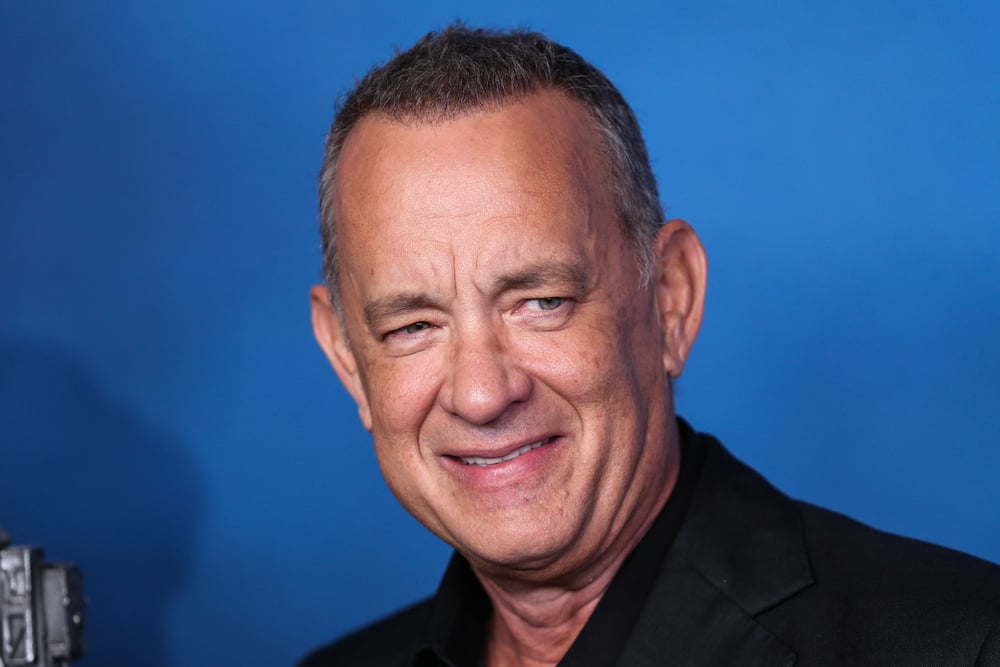
Tom Hanks reshaped the modern leading man by embodying decency without simplicity. His performances emphasize empathy and sincerity, making complex narratives accessible to wide audiences.
Hanks’ influence rests in trust. Viewers associate his presence with emotional reliability, which allowed filmmakers to explore serious themes without alienation.
He helped establish a model of influence built on connection rather than intensity.
Harrison Ford

Harrison Ford made heroes feel real by letting them doubt themselves. Though skilled, his roles showed cracks – moments where sureness wavered.
What stood out was how he tied big moments to small feelings. Even in epic scenes, emotion stayed close and familiar.
What Ford did changed the way leading roles in movies get built. Because of him, heroes in adventure tales or space stories started acting like real people instead of gods.
A quiet moment now hits harder than a big explosion ever could. He made grand events seem close, like they were happening next door.
Why their influence still matters
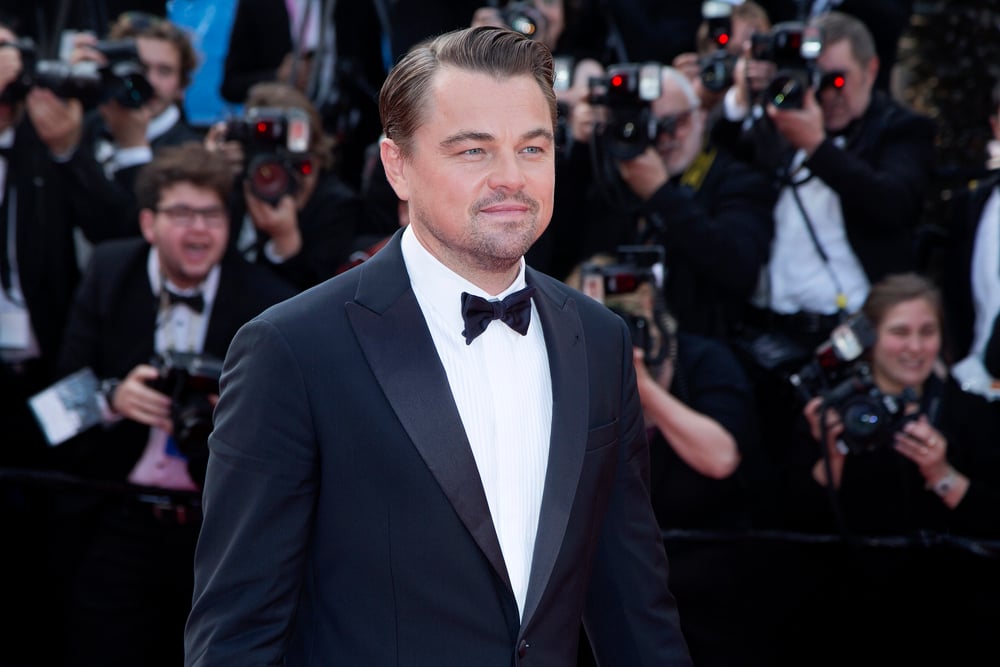
Not just known for standout parts, these performers nudged acting into new shapes. Because of them, viewers now lean closer to narratives in ways once rare.
One by one, they pulled the craft away from grand gestures toward something quieter, messier, true. Their presence rewired what a career could look like, over years, across projects.
What emerged was less about show, more about depth – unplanned, uneasy, alive.
Still, echoes of those old shifts show up now – quiet moments, raw edges, chances taken in storytelling. Spotting that impact shows the slow drift of American performance, nudged forward by people who changed screen presence without making a scene.
More from Go2Tutors!

- The Romanov Crown Jewels and Their Tragic Fate
- 13 Historical Mysteries That Science Still Can’t Solve
- Famous Hoaxes That Fooled the World for Years
- 15 Child Stars with Tragic Adult Lives
- 16 Famous Jewelry Pieces in History
Like Go2Tutors’s content? Follow us on MSN.