Genius Life Hacks from the Victorian Era
The Victorian era might seem like ancient history, but the people living between 1837 and 1901 were surprisingly clever about solving everyday problems. They didn’t have smartphones or modern conveniences, so they had to get creative with what they had.
Some of their solutions were so smart that they’d still work perfectly today, while others are just plain fascinating to learn about. These weren’t wealthy inventors or scientists coming up with fancy gadgets.
These were regular people finding simple ways to make life a little easier. Here are some of the most brilliant tricks Victorians used to get through daily life.
Ice Boxes Kept Food Fresh Without Electricity
Victorians stored perishable food in wooden cabinets lined with tin or zinc and filled with large blocks of ice. The ice came from frozen lakes and rivers during winter, then got stored in insulated buildings called ice houses.
Families would buy ice from delivery men who brought it right to their door, kind of like getting a grocery delivery today. The cold air from the melting ice kept food fresh for days, and a drip pan at the bottom caught the water so it wouldn’t flood the kitchen.
Lemon Juice Removed Ink Stains From Fingers And Fabric

Before ballpoint pens existed, people wrote with fountain pens and dip pens that left ink everywhere. Victorians discovered that rubbing lemon juice on ink-stained skin or fabric could lift the marks right out.
The acid in the lemon broke down the ink without damaging the material underneath. Some people mixed the lemon juice with salt to make it work even better on stubborn stains.
Potato Slices Cleaned Windows And Mirrors To A Perfect Shine
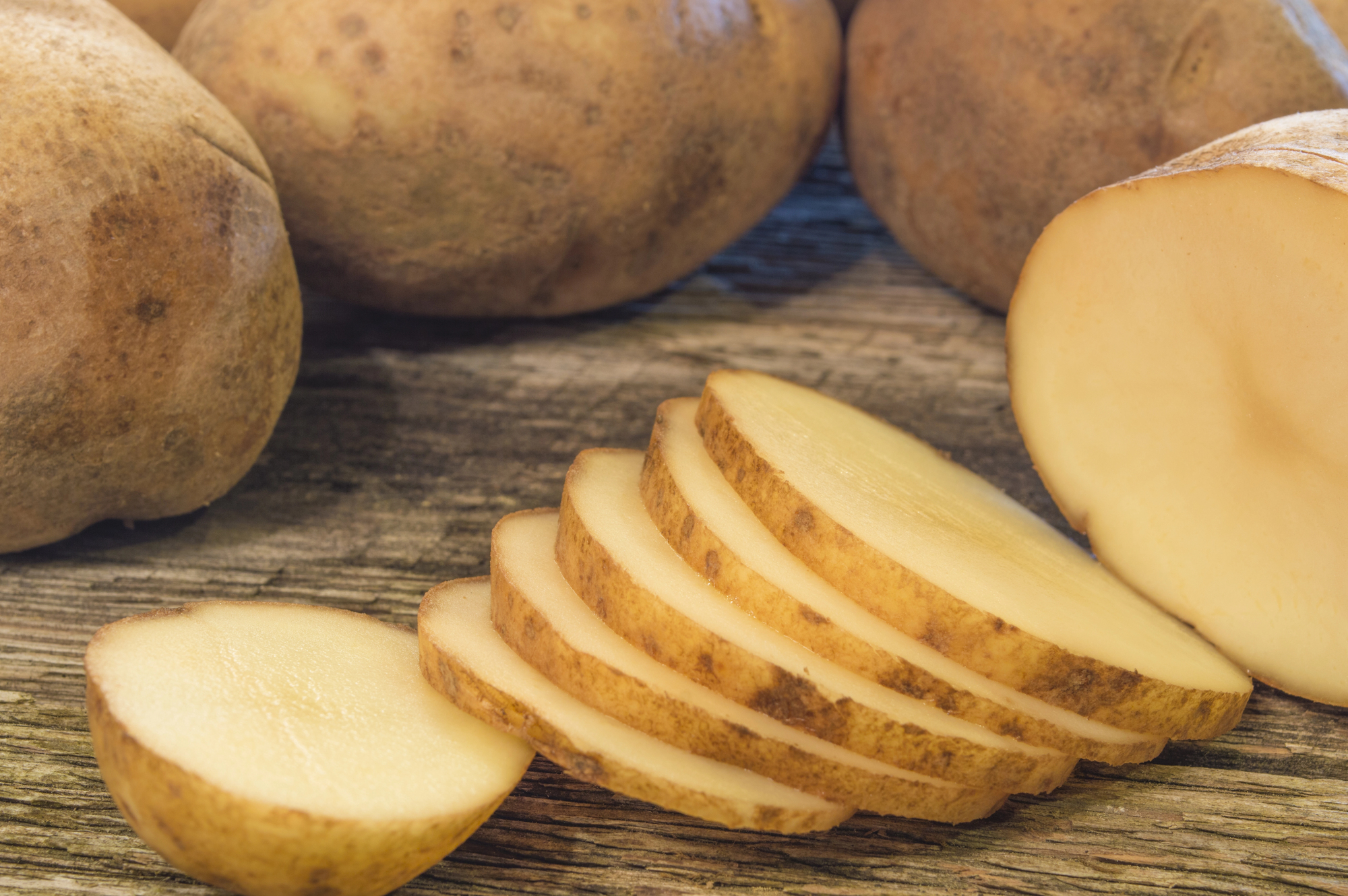
Cutting a raw potato in half and rubbing it on glass became a popular cleaning method during Victorian times. The starch in the potato left a thin coating that repelled dirt and made the glass gleam.
After wiping with the potato, people would buff the surface with a dry cloth for a streak-free finish. This trick worked so well that some households preferred it over expensive commercial cleaners.
Crushed Eggshells Made Coffee Taste Less Bitter
Coffee lovers in the Victorian era added crushed eggshells to their coffee grounds before brewing. The calcium in the shells neutralized some of the acids that made coffee taste harsh and sour.
This simple addition created a smoother, more pleasant cup without any weird flavors. The eggshells also helped the grounds settle to the bottom of the pot instead of floating around in the drink.
Bread Cleaned Wallpaper Without Ruining The Delicate Patterns

Fancy wallpaper covered the walls of Victorian homes, but washing it with water would destroy the colors and designs. People rolled up pieces of fresh bread into a tight wad and used it like an eraser to rub dirt off the wallpaper.
The soft, slightly sticky texture of the bread picked up grime without tearing the paper or smudging the ink. Stale bread worked even better because it was firmer and easier to control.
Onions Absorbed Paint Fumes And Freshened Up Rooms

After painting a room, Victorians cut onions in half and placed them around the space to soak up the terrible smell. The onions naturally pulled chemical odors out of the air, making the room breathable again much faster.
Nobody really understood the science behind why it worked, but it did. People also used onions to freshen up musty closets and basements.
Salt And Vinegar Restored Tarnished Copper And Brass
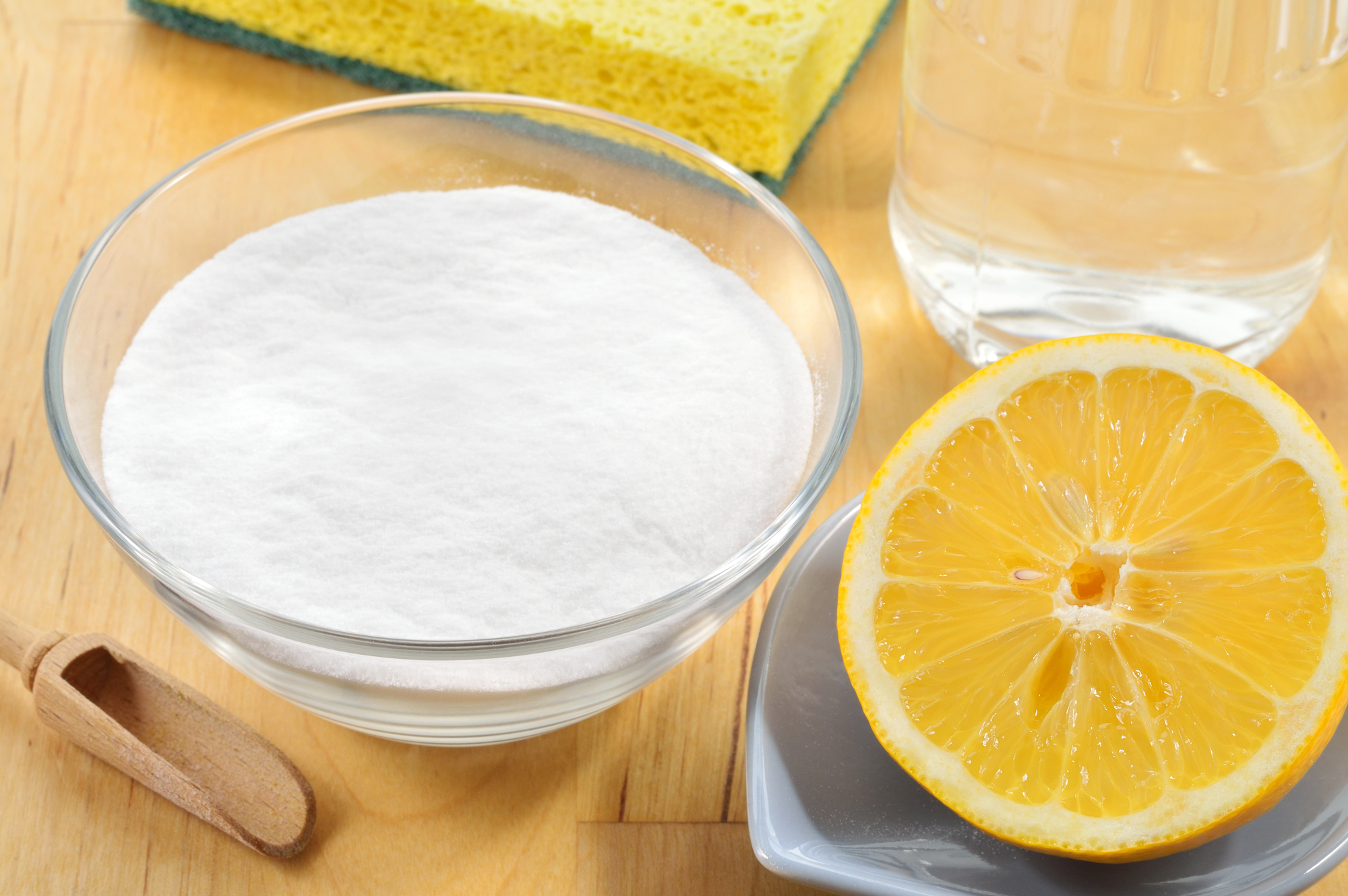
Victorian homes featured plenty of copper pots and brass fixtures that would turn dull and green over time. Mixing salt with vinegar created a simple paste that brought the shine back to these metals in minutes.
The combination worked like a gentle scrub that ate away at tarnish without scratching the surface. A quick rinse and polish afterward left the metal looking almost new again.
Newspaper Protected Floors And Doubled As A Cleaning Tool
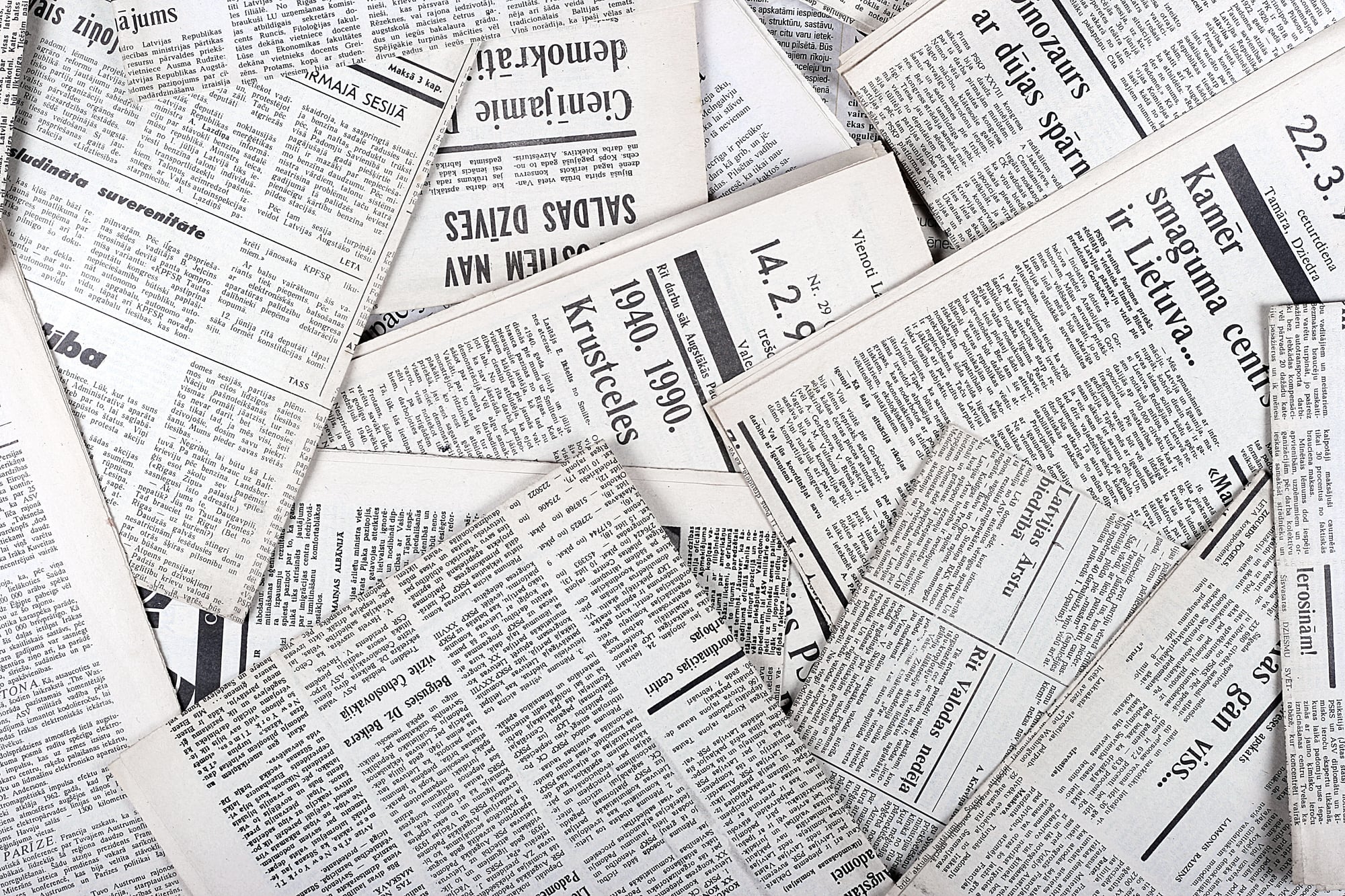
Before vacuum cleaners existed, people spread damp newspaper across their floors and swept over it. The wet paper trapped dust instead of letting it fly back into the air, making cleaning way more effective.
After sweeping, they’d throw away the dirty newspaper and the floor would actually be clean. Victorians also used crumpled newspaper to shine windows and mirrors because it didn’t leave behind lint like cloth did.
Tea Leaves Kept Carpets From Getting Dusty During Sweeping
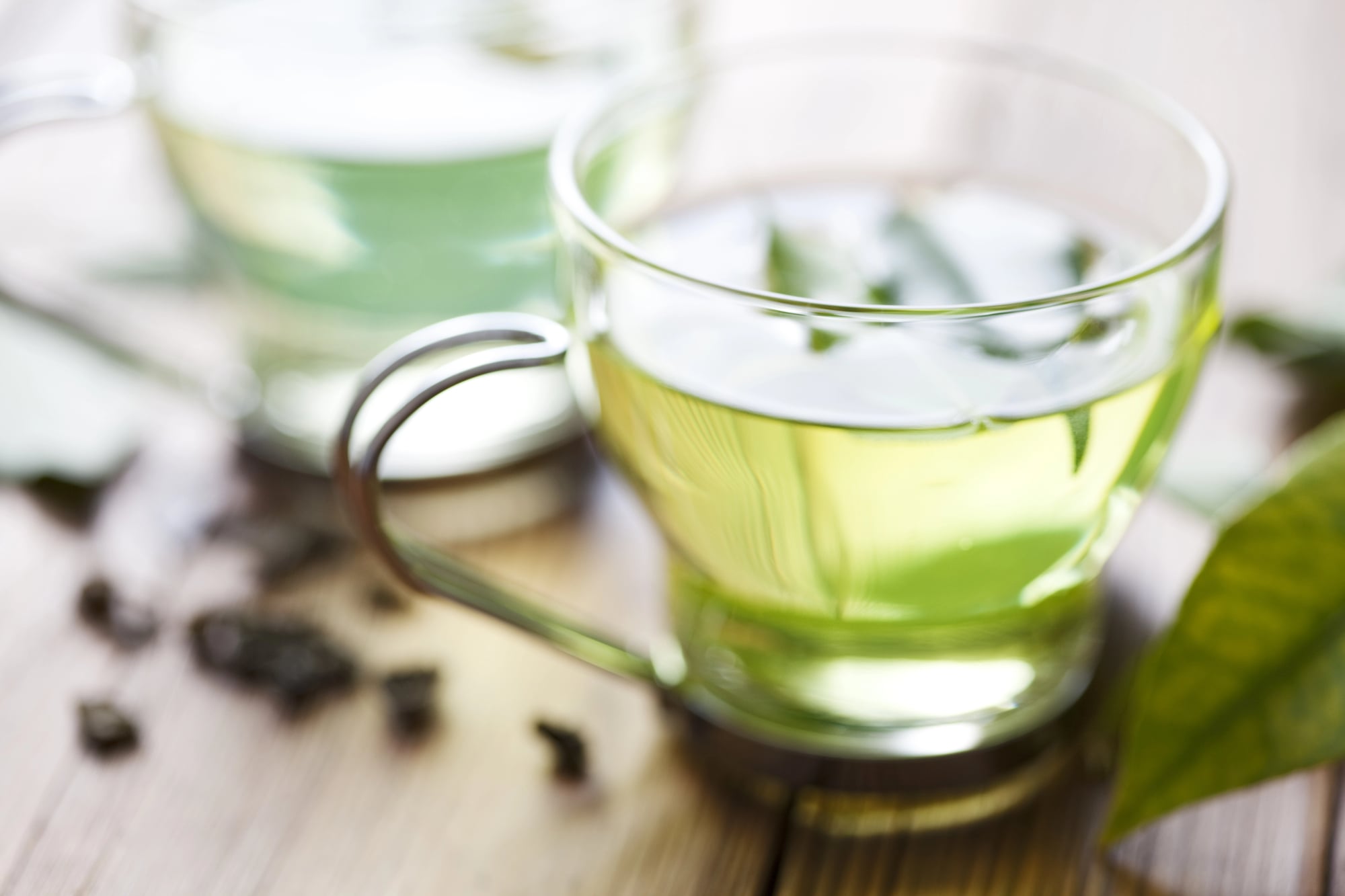
Sprinkling damp tea leaves over carpets before sweeping became a standard cleaning routine in Victorian households. The moist leaves stuck to dust and dirt, weighing them down so they wouldn’t billow up into the air.
This made the whole process less messy and actually removed more grime from the carpet fibers. Plus, the tea left behind a subtle fresh scent that covered up any musty odors.
Beeswax Protected Leather Boots From Water And Wear
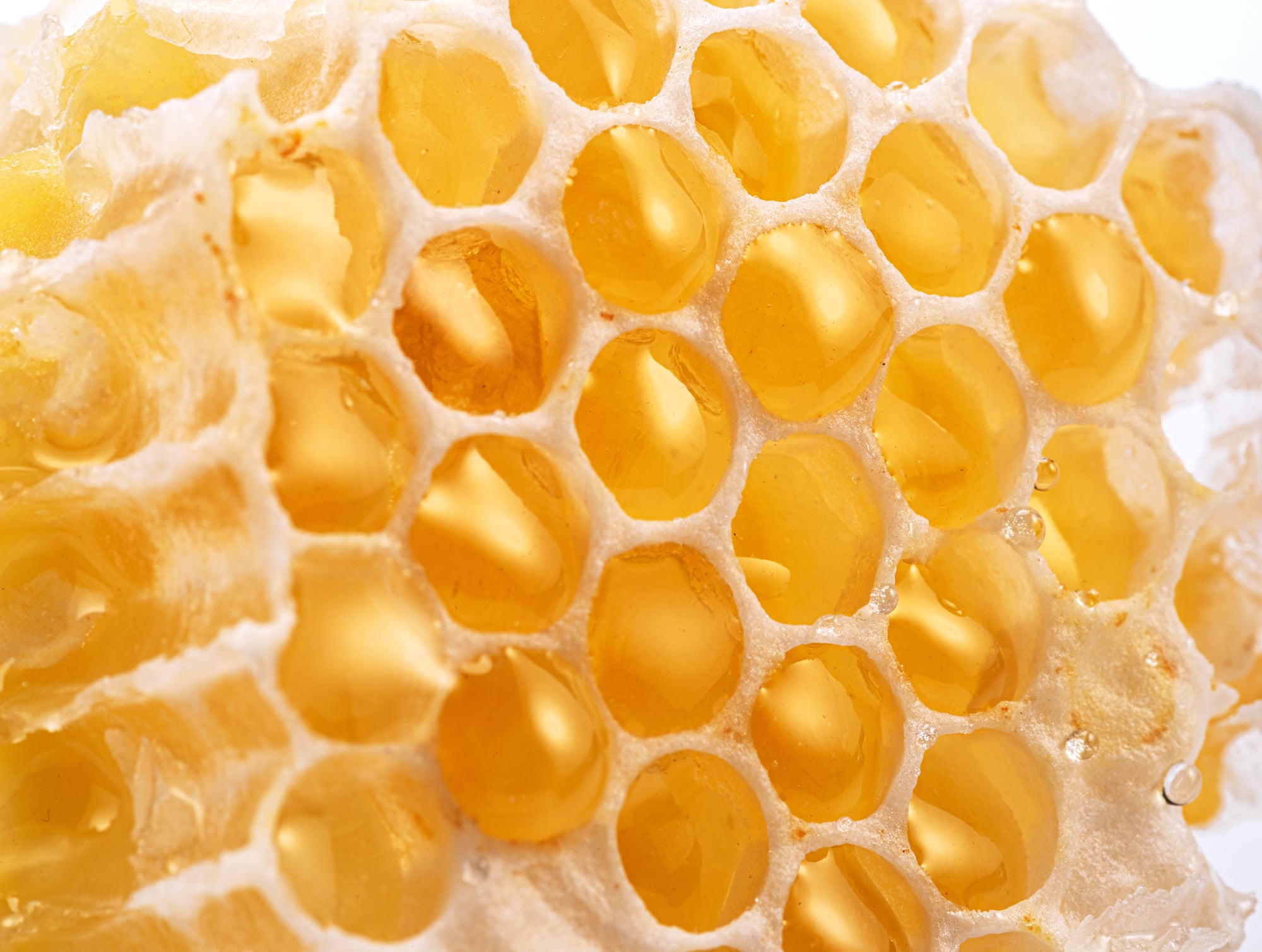
Victorian men and women rubbed beeswax into their leather boots to create a waterproof barrier that also kept the leather soft. The wax filled in tiny cracks and sealed the material against rain, snow, and mud.
Regular applications meant boots could last for years instead of falling apart after one wet winter. The technique worked so well that some modern leather care products still use beeswax as a main ingredient.
Borax Killed Bugs And Cleaned Laundry At The Same Time
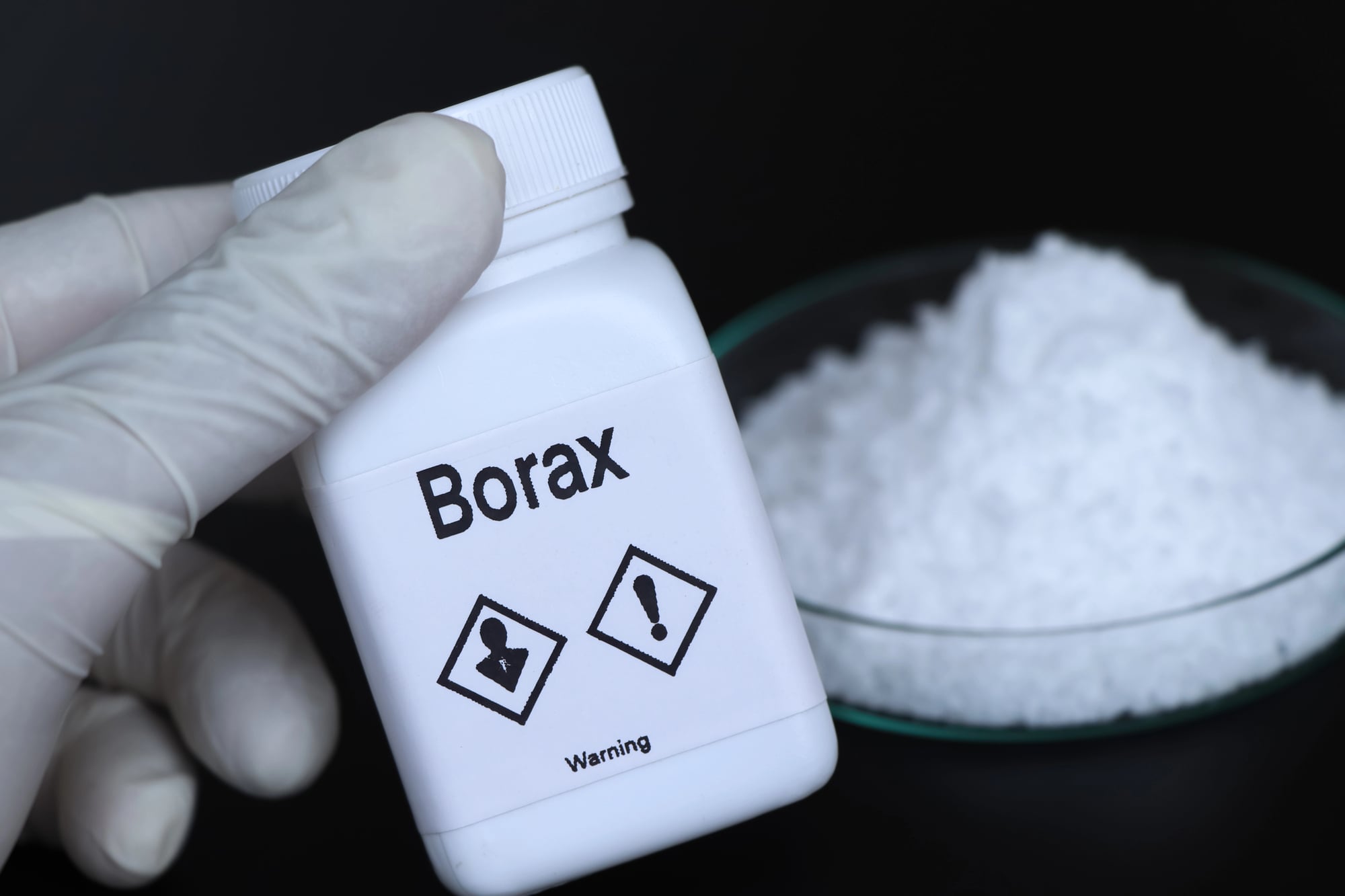
Borax powder served multiple purposes in Victorian homes, from getting rid of roaches and ants to whitening clothes. People sprinkled it in corners and cracks where insects hid, and the powder dried them out and killed them.
In the laundry, borax boosted the cleaning power of soap and helped remove tough stains. A single box could handle several household problems, making it one of the most useful products around.
Mustard Plasters Relieved Chest Congestion Without Medicine
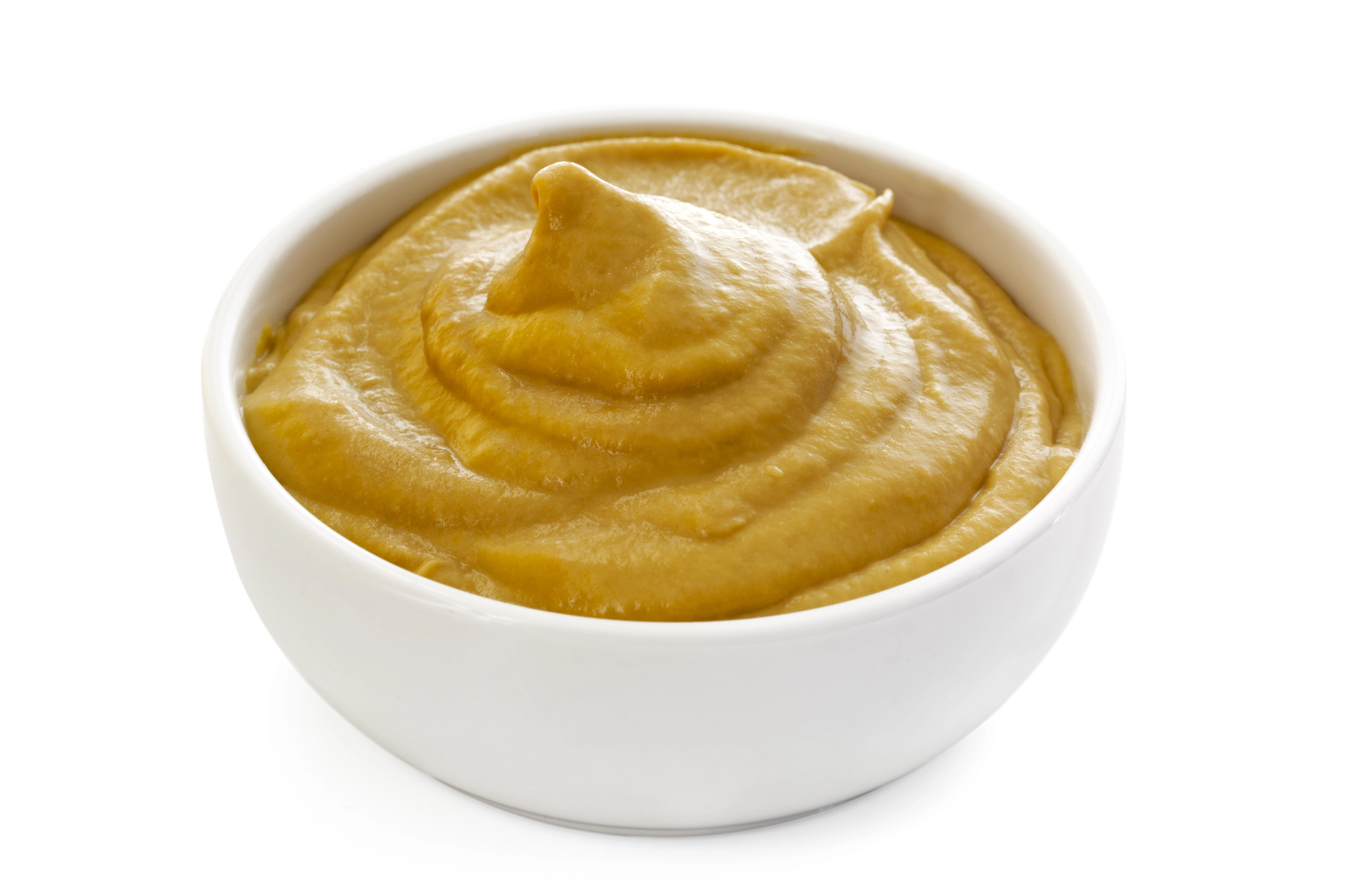
When someone got a bad cold or cough, Victorians mixed ground mustard seeds with flour and water to make a paste. They spread this paste on cloth and placed it on the sick person’s chest to create warmth and help break up congestion.
The heat from the mustard opened up airways and made breathing easier. People had to be careful not to leave it on too long, though, because it could irritate the skin.
Lavender Sachets Kept Moths Away From Stored Clothes

Before mothballs became common, people filled small fabric bags with dried lavender and tucked them into closets and drawers. Moths hated the smell of lavender and would stay away from clothes stored near the sachets.
The bonus was that clothing came out smelling pleasant instead of like chemicals. Families would refresh the sachets each season by adding new dried lavender from their gardens.
Glycerin And Rosewater Soothed Dry, Cracked Hands
Victorian women dealt with seriously dry hands from all the manual work they did, so they made their own hand cream from glycerin and rosewater. The mixture absorbed quickly into skin and provided real relief from painful cracks and roughness.
Apothecaries sold both ingredients cheaply, making this an affordable solution for almost everyone. Some people added a drop of essential oil to make it smell even nicer.
Ashes From The Fireplace Cleaned Silverware Naturally
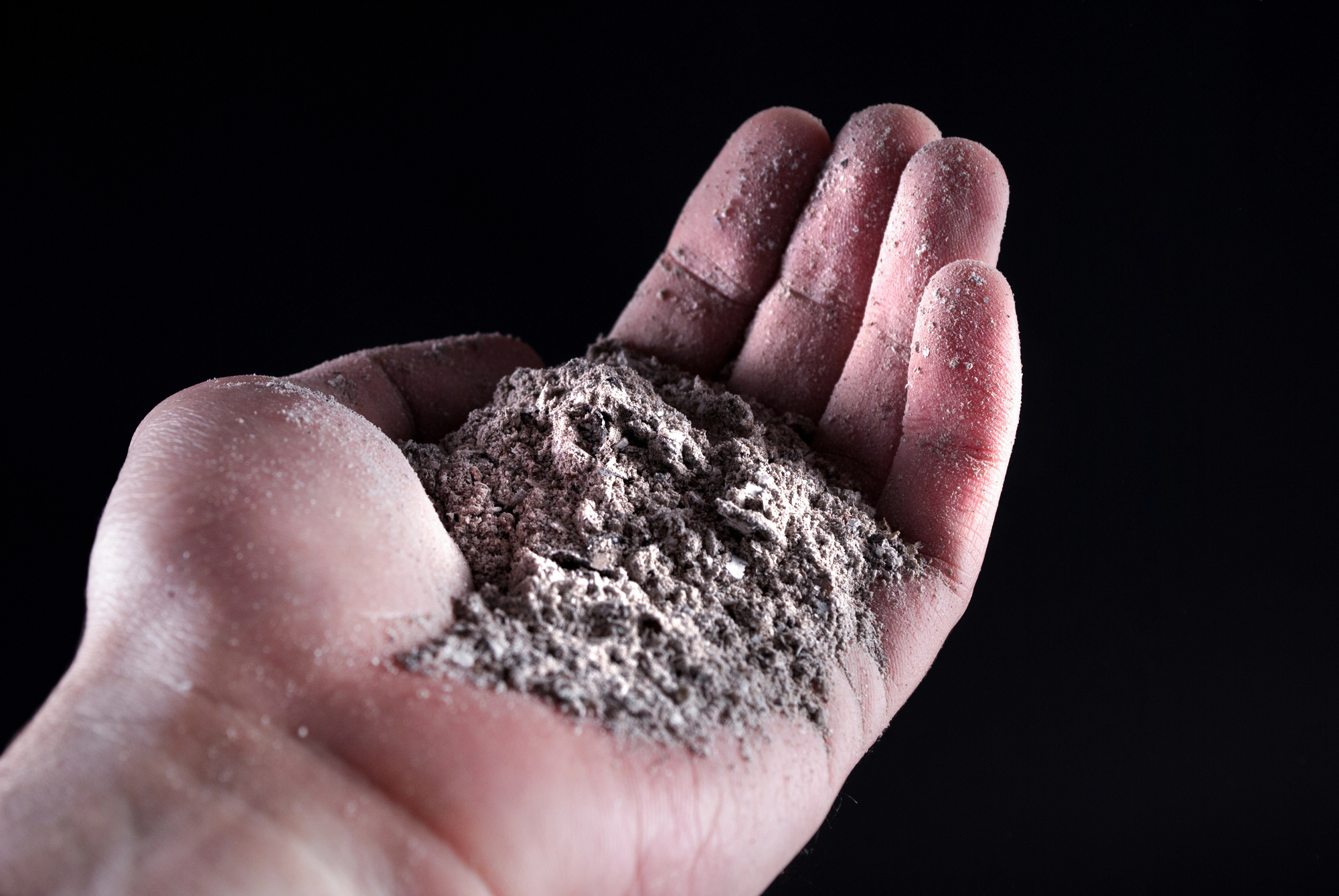
From the hearth came a clever fix – wood ash stirred with water made a gentle cleaner. Not bought at shops, this mix lifted grime using only what fire left behind.
A soft rag carried the damp powder across dull surfaces. It worked quietly, removing dark stains while leaving metal unharmed beneath.
Once washed free of residue, spoons and forks shone once more. What might have been tossed became something practical instead.
Cork Trivets Protected Tables From Hot Dishes And Pans
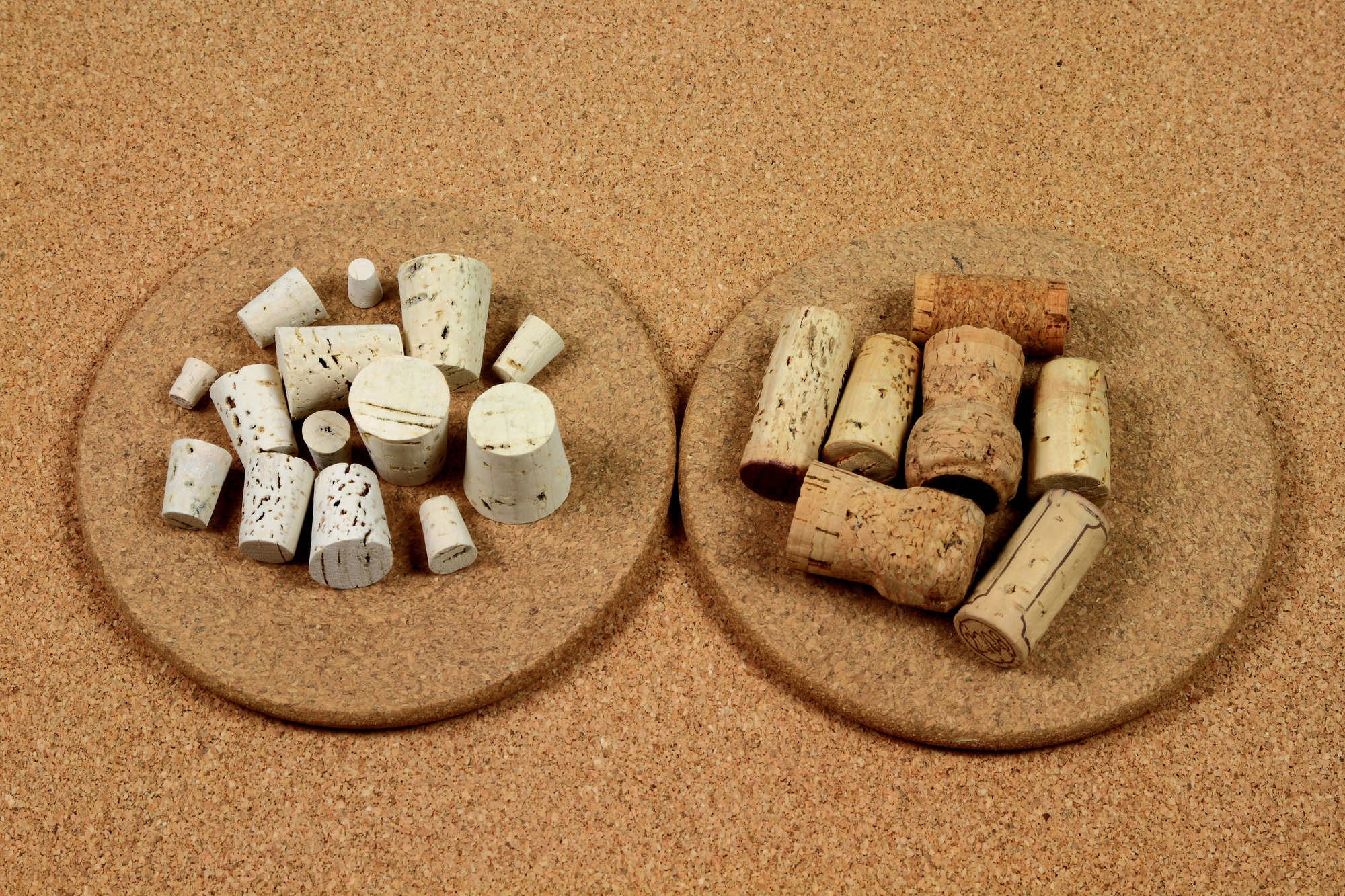
From old wine corks, Victorians sliced thick rounds. Stuck one on top of another with glue, they became handy stands for steaming pans.
Heat stayed where it belonged – cork blocked it without burning, unlike many things back then. Most folks already kept corks after opening bottles, so these little pads came at nearly zero expense.
Just as good as pricier trivets made of glazed pottery or iron, found in richer homes.
When Old Ideas Still Make Sense Today

Back then, folks found ways to fix things without spending much, using stuff already sitting in cupboards. Instead of grabbing new tools each time, they paid attention to how everyday items behaved on their own.
A few of those old fixes still beat today’s store-bought versions hands down, yet some simply prove humans adapt when needed. Old household tips from that era pop up now and again, hinting that smarts matter more than shiny gadgets.
More from Go2Tutors!

- The Romanov Crown Jewels and Their Tragic Fate
- 13 Historical Mysteries That Science Still Can’t Solve
- Famous Hoaxes That Fooled the World for Years
- 15 Child Stars with Tragic Adult Lives
- 16 Famous Jewelry Pieces in History
Like Go2Tutors’s content? Follow us on MSN.



