17 Household Hazards People Didn’t Think Twice About in the ’60s
The 1960s was a decade of radical change and innovation, but it was also an era where household safety standards were shockingly different from today. Many common items found in almost every American home during this time would make modern safety experts cringe.
From toxic cleaning products to dangerous toys, families unknowingly surrounded themselves with items we now recognize as serious health hazards. Here is a list of 17 household hazards that were completely normal in 1960s homes, showing just how much our understanding of safety has evolved over the decades.
Lead Paint
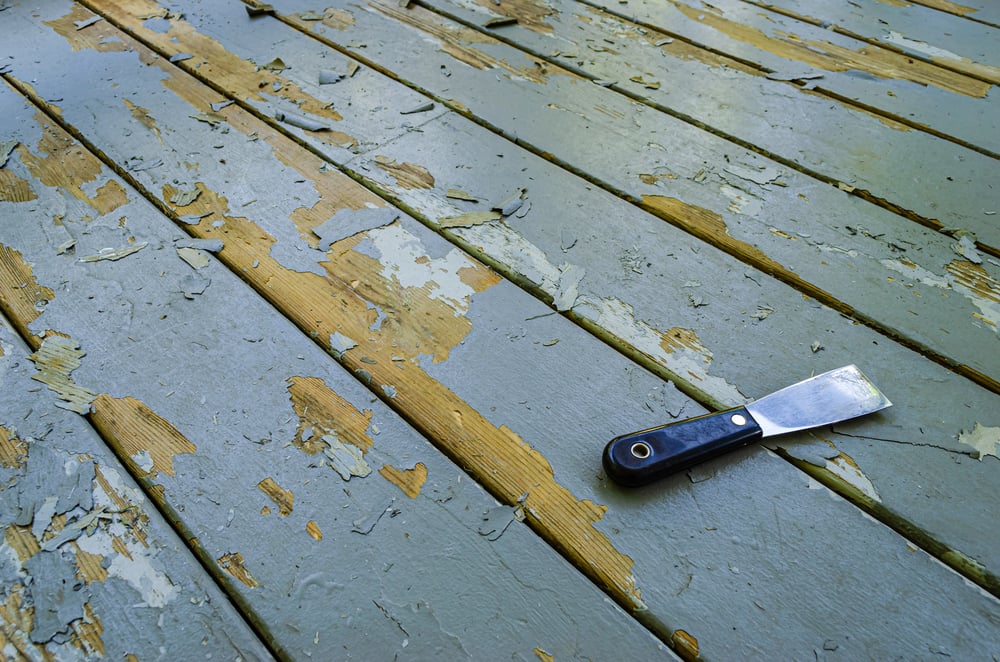
Lead paint covered the walls of most American homes until 1978. Homeowners loved its durability and vibrant colors, completely unaware that it was slowly poisoning their families.
Children who chewed on window sills or breathed in dust from deteriorating paint risked serious developmental issues and brain damage. The sweet taste of lead paint actually attracted children, making this hazard particularly dangerous for the youngest family members.
Asbestos Insulation
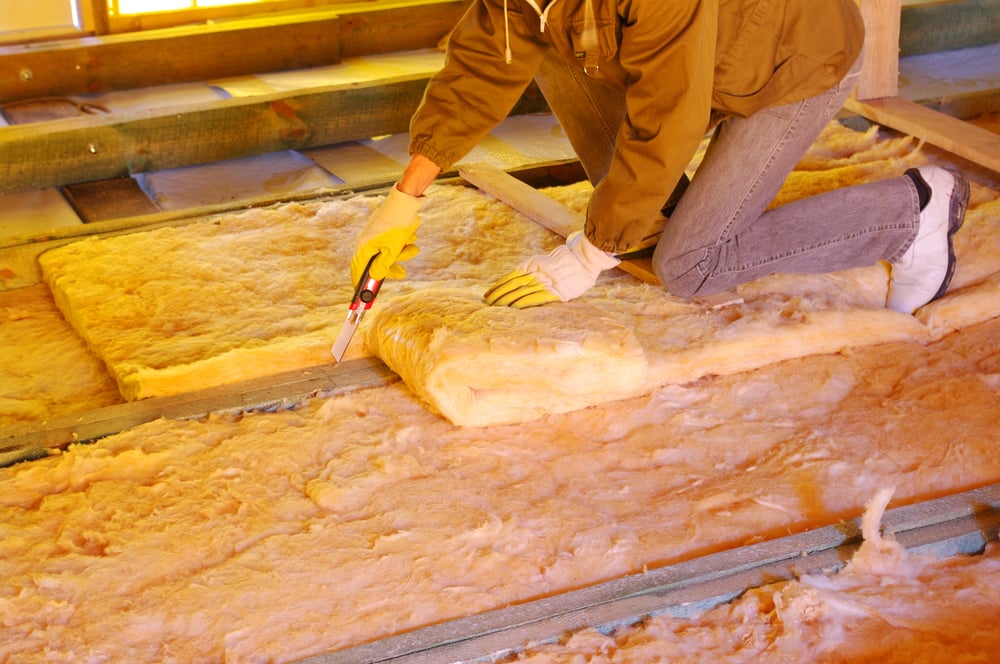
Asbestos was considered a miracle material in the ’60s, used in everything from insulation to floor tiles. Its heat-resistant properties made it popular for protecting homes from fire, but nobody realized they were filling their houses with a substance that could cause deadly lung diseases.
Workers installed asbestos without masks or protective gear, often coming home covered in the very fibers we now know cause mesothelioma.
Like Go2Tutors’s content? Follow us on MSN.
Mercury Thermometers
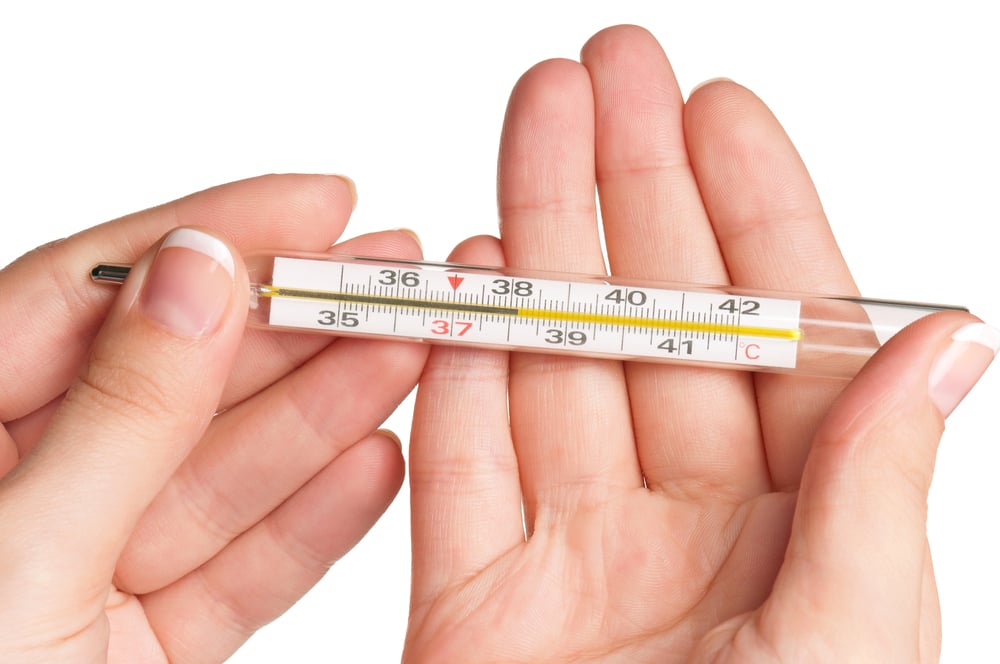
Every medicine cabinet housed a mercury thermometer, ready to be popped into a child’s mouth at the first sign of fever. When these fragile glass tubes broke, which happened frequently, tiny beads of mercury would scatter across bathroom floors.
Parents would simply sweep up what they could see, unaware that the invisible mercury vapor could cause neurological damage, especially in developing children.
Lawn Darts

This outdoor game featured heavy metal darts with sharp points that players would toss toward plastic rings on the lawn. Families considered this a fun backyard activity despite the obvious danger of javelin-like projectiles being hurled by children.
Countless injuries and several deaths later, these recreational weapons were finally banned in 1988, but not before they had caused serious harm to many youngsters.
Non-childproof Medicine Bottles

Prescription medications came in simple screw-top bottles that any curious toddler could easily open. Parents might place these pills on bathroom shelves or bedside tables without a second thought about accessibility.
This casual approach to medication storage led to countless accidental poisonings before child-resistant packaging became mandatory in the 1970s.
Like Go2Tutors’s content? Follow us on MSN.
Cribs with Wide Slats

Baby cribs in the ’60s often featured decorative but dangerous designs with slats wide enough for a child’s head to slip through. The distance between bars could be more than 3 inches apart, creating perfect traps for little ones.
Drop-side models added another hazard, with moving parts that could create gaps where babies could become trapped or even strangled.
DDT Pest Control

Families routinely sprayed their homes, gardens, and even directly on their children with DDT to combat mosquitoes and other pests. The chemical was considered so safe that kids would chase DDT trucks down the street, playing in the fog of insecticide.
It wasn’t until Rachel Carson’s ‘Silent Spring’ that people began questioning the safety of this now-banned substance that disrupts hormones and damages ecosystems.
Ungrounded Electrical Outlets

Two-prong electrical outlets were standard in most homes, lacking the third grounding prong that provides crucial protection against shock. Faulty appliances could send electricity through the metal casing, giving users a nasty jolt or even causing fires.
People routinely overloaded these outlets with multiple adapters, creating serious fire hazards throughout their homes.
Like Go2Tutors’s content? Follow us on MSN.
Flammable Children’s Pajamas

Children’s sleepwear was often made from untreated, highly flammable fabrics that could ignite in seconds if exposed to a heat source. A child standing too close to a space heater could find their pajamas engulfed in flames before they had time to react.
It took several tragic accidents before regulations required flame-resistant children’s sleepwear in 1972.
Vinyl Asbestos Flooring

Those stylish vinyl floor tiles in kitchens and bathrooms often contained up to 70% asbestos. Homeowners loved how durable and simple to clean they were, never suspecting the danger beneath their feet.
When these tiles cracked or were removed during renovations, they released cancer-causing fibers into the home. Many houses still contain these hazardous materials, hidden under newer flooring.
Lead Crystal Glassware

The fancy lead crystal that families brought out for special occasions leached lead into any liquid it contained. The longer a beverage sat in these glasses or decanters, the more lead it absorbed.
Sunday dinners featured wine or juice served in vessels we now know were slowly poisoning everyone at the table, with acidic drinks like orange juice extracting particularly high levels of lead.
Like Go2Tutors’s content? Follow us on MSN.
Radioactive Consumer Products

Believe it or not, radioactive materials were incorporated into various household products in the 1960s. Certain ceramic glazes contained uranium for color, while some clocks and watches featured radium-painted dials that glowed in the dark.
There were even health products that boasted about their radioactive properties as supposed cures for various ailments, exposing users to harmful radiation.
Fire Hazard Appliances

Household appliances lacked many basic safety features we take for granted today. Toasters would continue heating indefinitely until manually shut off, ovens didn’t have safety valves, and space heaters could easily tip over and ignite nearby furnishings.
These devices caused countless house fires, yet were standard equipment in most American kitchens and living rooms.
Lead Water Pipes

Most homes received their drinking water through lead pipes or pipes joined with lead solder. Each glass of water delivered small doses of neurotoxins directly to family members, with children being particularly vulnerable to the effects.
Lead accumulates in the body over time, causing learning disabilities, behavioral problems, and various physical ailments that weren’t connected to plumbing until much later.
Like Go2Tutors’s content? Follow us on MSN.
Unanchored Furniture

Heavy televisions sat perched on tall, unstable stands, while bookcases and dressers remained unattached to walls. These precariously balanced items were accidents waiting to happen, especially in homes with active children.
A child climbing shelves to reach a toy could pull an entire piece of furniture down on themselves, leading to serious injuries or worse.
Chemical Cleaning Products Without Safety Caps

Powerful cleaning chemicals like lye, ammonia, and bleach were stored under sinks in containers that any child could open. These caustic substances could cause chemical burns, blindness, or fatal poisoning if ingested.
The bright colors and interesting shapes of these bottles sometimes attracted young children, who had no trouble accessing these dangerous products.
Car Travel Without Seat Belts

Though not strictly a household item, family cars rarely had seat belts in the 1960s, and when they did exist, using them was optional. Children bounced freely around the back seat or even rode in the cargo area of station wagons during family trips.
The concept of car seats was virtually nonexistent, with infants sometimes held in a parent’s lap in the front seat—directly in front of hard metal dashboards.
Like Go2Tutors’s content? Follow us on MSN.
When Ignorance Wasn’t Bliss

Looking back at these common household hazards from the 1960s reveals how dramatically our understanding of safety has evolved. What seemed perfectly normal to previous generations now appears shockingly dangerous through modern eyes.
These everyday items silently damaged health, caused injuries, and sometimes even took lives while families remained blissfully unaware of the dangers lurking in their homes. Today’s safety standards didn’t emerge from nowhere—they developed in direct response to the hard lessons learned from these once-common household hazards.
More from Go2Tutors!

- 18 Unexpectedly Valuable Collectibles You Might Have Lying Around
- 15 Things Every Teenager in the ’70s Did That Teens Today Wouldn’t Understand
- 15 Strange Things People Have Tried to Ban (And Failed)
- 15 Inventions That Were Immediately Banned After Being Created
- 20 Actors Who Were Almost Cast in Iconic Roles
Like Go2Tutors’s content? Follow us on MSN.