Animated Shows With Cult Followings
Some animated shows don’t just entertain viewers—they create dedicated communities that keep the spirit alive long after the final episode airs. These programs often start with modest audiences but grow into cultural phenomena through word of mouth, internet communities, and endless rewatches.
Fans quote lines, create art, attend conventions, and introduce new generations to their beloved series. The connection runs deeper than casual viewing because these shows spoke to something specific in their audience.
Here are the animated series that turned regular viewers into devoted followers who never stopped celebrating what made these shows special.
Futurama

Matt Groening’s science fiction comedy got canceled multiple times but kept coming back because fans refused to let it die. The show followed a pizza delivery guy who wakes up 1,000 years in the future and joins a ragtag delivery crew.
What started as a silly premise became surprisingly emotional, with episodes about love, loss, and what it means to be human. The writing mixed highbrow science jokes with lowbrow humor in a way that appealed to everyone from physics professors to teenagers.
Fox canceled it, Comedy Central revived it, and now it lives on Hulu because the audience never went away.
Avatar: The Last Airbender
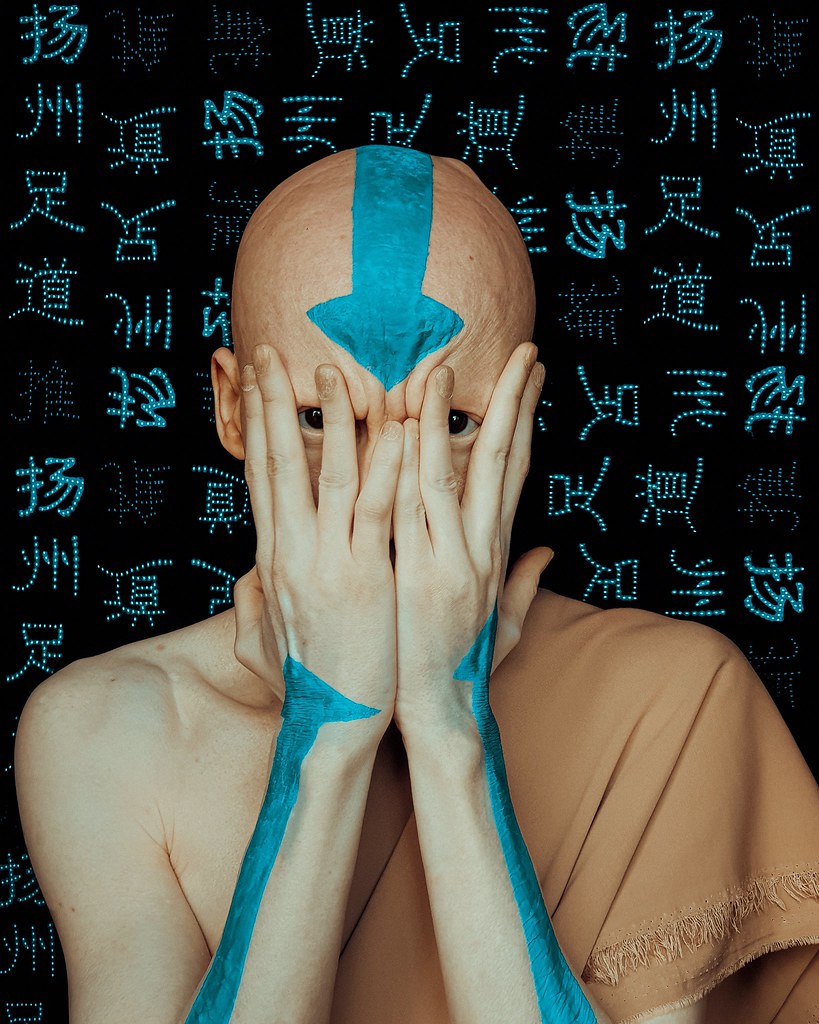
This Nickelodeon series aired from 2005 to 2008 but continues to gain new fans every year. The show created an entire world with its own martial arts styles, spiritual systems, and political conflicts that felt real despite the fantasy setting.
Kids enjoyed the adventure and humor while adults appreciated the themes of war, trauma, and redemption woven throughout. The character development across three seasons showed growth that most adult dramas struggle to achieve.
When Netflix added it to their platform in 2020, it became the most-watched show in the United States, proving its appeal crosses generations.
Rick And Morty
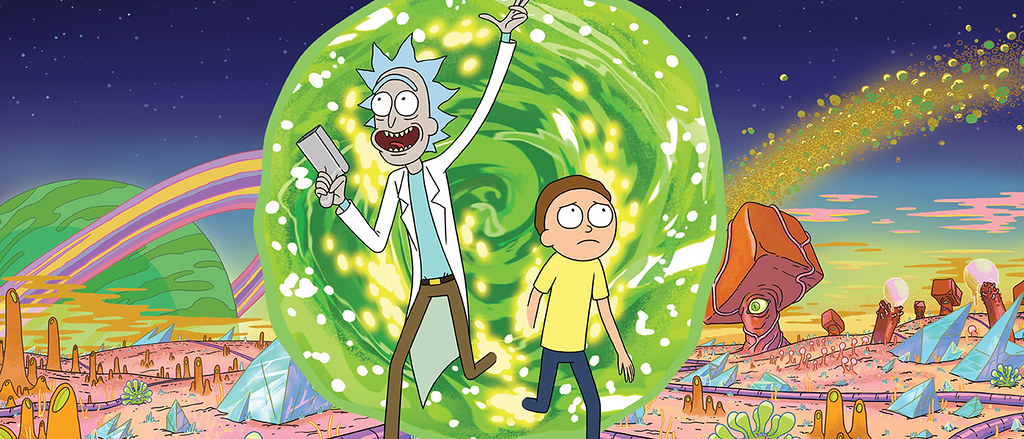
Adult Swim’s dimension-hopping comedy developed one of the most intense fan bases in modern animation. The show follows a genius scientist and his grandson through adventures across infinite realities, mixing dark humor with surprisingly deep philosophy.
Fans analyze every episode for hidden details and overarching plot threads that span multiple seasons. The writing cleverly parodies science fiction tropes while also being genuinely great science fiction itself.
Some fans take their devotion too far (remember the Szechuan sauce incident?), but most just appreciate how the show balances stupid jokes with smart concepts.
Gravity Falls
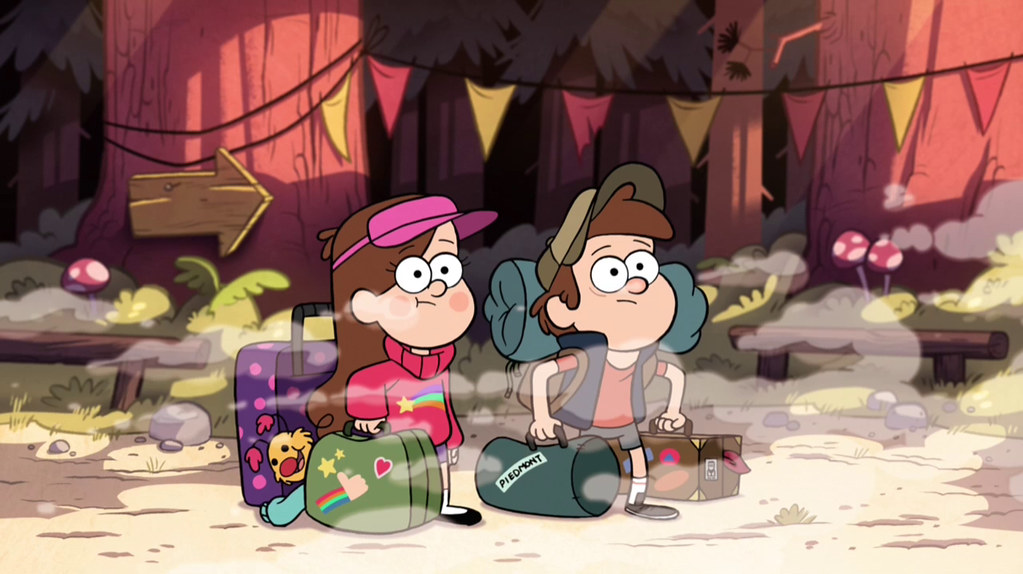
Disney’s mystery comedy only ran for two seasons, but creator Alex Hirsch packed those 40 episodes with enough secrets and codes to keep fans busy for years. The show told the story of twins spending summer with their strange uncle in a town full of supernatural weirdness.
Every frame contained hidden messages, and fans formed online communities to decode ciphers and connect clues across episodes. The finale aired in 2016, yet people still discover new details when they rewatch.
Hirsch planned the entire story from the beginning, which gave the show a completeness that most series never achieve.
Adventure Time
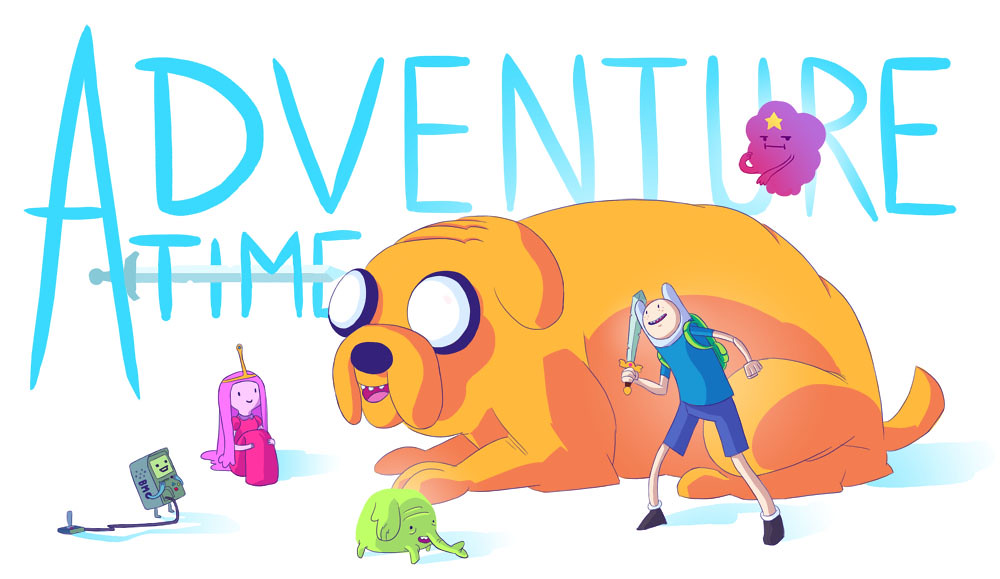
Cartoon Network’s surreal fantasy started as random adventures in a post-apocalyptic candy kingdom but evolved into something much deeper. The show featured a boy and his shape-shifting dog exploring the Land of Ooo, meeting bizarre characters and having weird experiences.
As seasons progressed, the show revealed layers of mythology and emotional depth that caught viewers off guard. The relationship between Finn and Jake anchored even the strangest episodes with genuine friendship.
Adult fans appreciated the existential themes while kids just enjoyed the colorful chaos.
The Venture Bros.
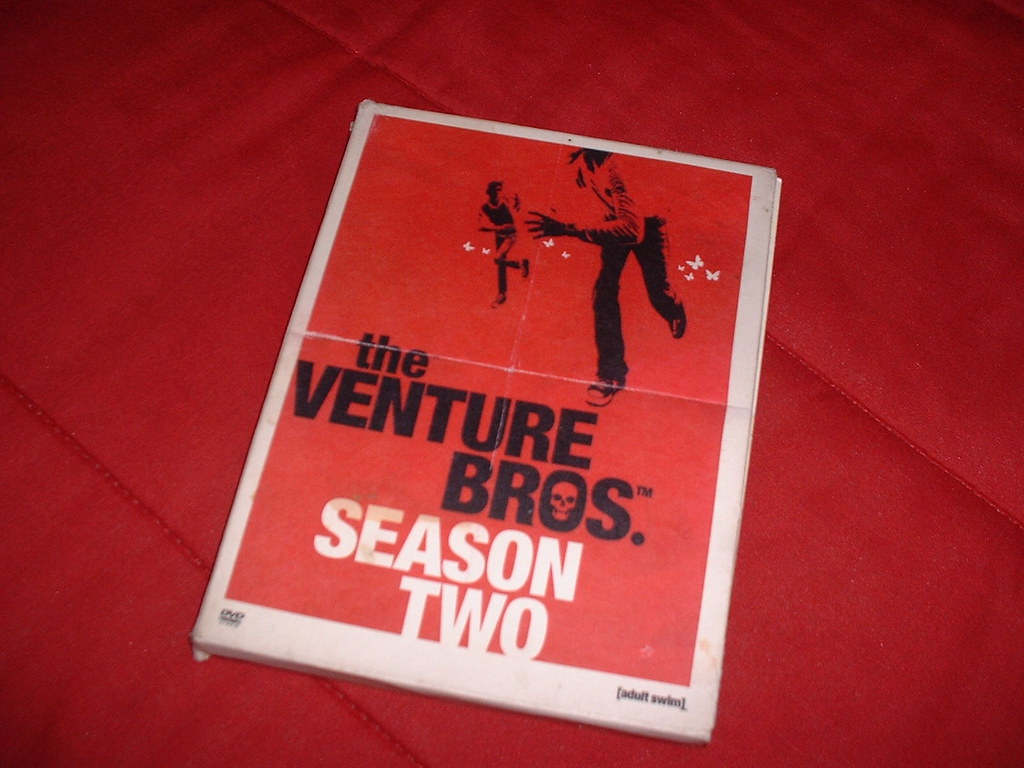
Adult Swim’s parody of adventure cartoons from the 1960s ran for nearly two decades with only seven seasons because the creators refused to rush their vision. The show started as a joke about failed boy adventurers but developed into a complex story about legacy, failure, and family dysfunction.
Every character got depth and development, even ones who started as one-note gags. The writing rewarded long-time viewers with callbacks and continuity that stretched across years.
When Adult Swim canceled it in 2020, the outcry led to a finale movie being greenlit.
Samurai Jack
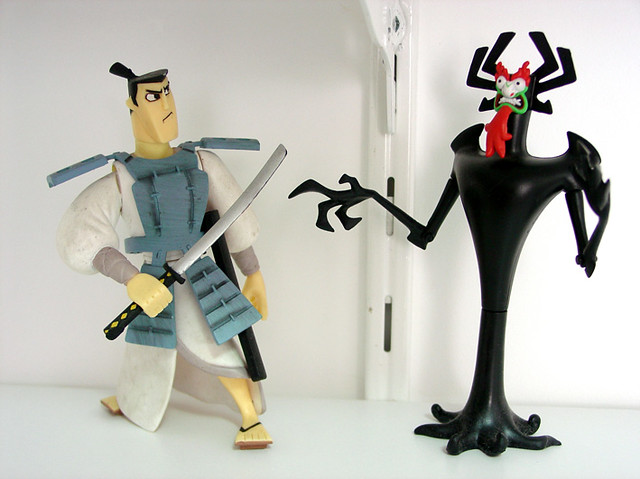
Genndy Tartakovsky’s minimalist action series originally aired from 2001 to 2004 on Cartoon Network, then returned for a final season in 2017 on Adult Swim. The show followed a samurai warrior displaced in time, trying to return to his era and defeat the demon who sent him to the future.
Episodes often featured long stretches without dialogue, letting the animation and music tell the story. The art style influenced countless animators who grew up watching it.
The Adult Swim revival gave the story a proper ending that fans waited 13 years to see.
Steven Universe
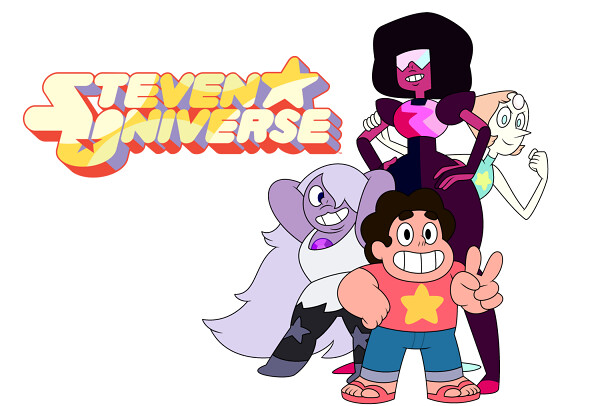
Rebecca Sugar’s Cartoon Network series about a boy and his alien guardians built a passionate community around its themes of identity, trauma, and love. The show tackled heavy topics like grief, relationships, and self-worth through the lens of a kid learning to use his inherited powers.
Fans connected with characters who struggled with anxiety, fusion as a metaphor for relationships, and finding your place in the world. The music became a huge part of the appeal, with songs that fans still cover and share online.
The representation of different types of people and relationships meant a lot to viewers who rarely saw themselves in cartoons.
Cowboy Bebop
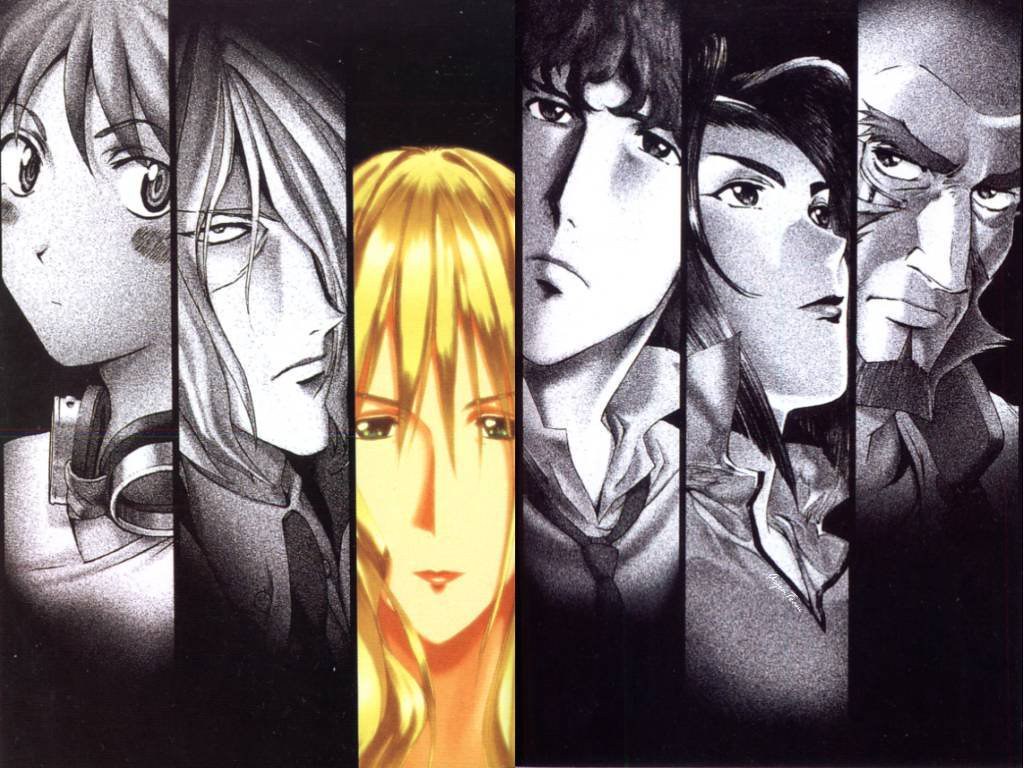
This 1998 Japanese anime only lasted one season of 26 episodes, but it changed what people thought anime could be. The show blended westerns, noir detective stories, and science fiction into something that felt completely original.
Each episode followed bounty hunters in space, but the real story was about people running from their pasts and struggling to move forward. The jazz soundtrack by Yoko Kanno became just as iconic as the visuals.
Adult Swim introduced it to American audiences in the early 2000s, where it became the gateway anime for countless fans.
BoJack Horseman
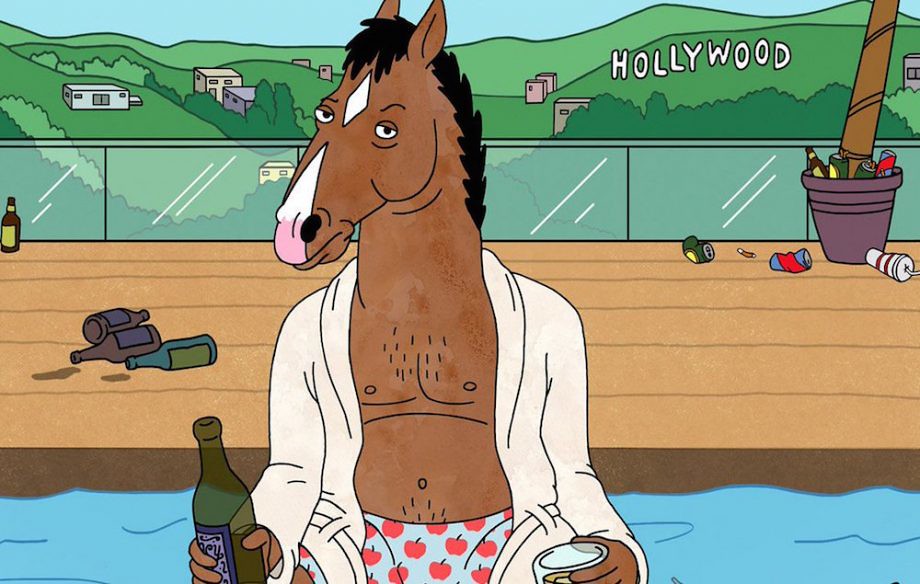
Netflix’s dark comedy about a washed-up actor who happens to be a horse became one of the most praised animated shows ever made. The series used its absurd premise of anthropomorphic animals living alongside humans to explore depression, addiction, and the entertainment industry.
Episodes ranged from hilarious to devastating, sometimes within the same 30 minutes. The show didn’t shy away from showing its protagonist as deeply flawed and often terrible, which made his struggles feel authentic.
Fans appreciated how it portrayed mental health issues with honesty instead of easy answers.
Clone High
This MTV series from 2002 lasted only one season but influenced comedy animation for decades. The show featured clones of historical figures attending high school, with Abraham Lincoln crushing on Cleopatra and JFK as the popular jock.
The humor was absurd and fast-paced, cramming jokes into every scene. It got canceled partly due to controversy over its portrayal of Gandhi, but fans kept it alive through online communities.
Phil Lord and Christopher Miller, who created it, went on to make The LEGO Movie and Spider-Verse films, but Clone High remains a cult favorite that finally got a revival in 2023.
Invincible
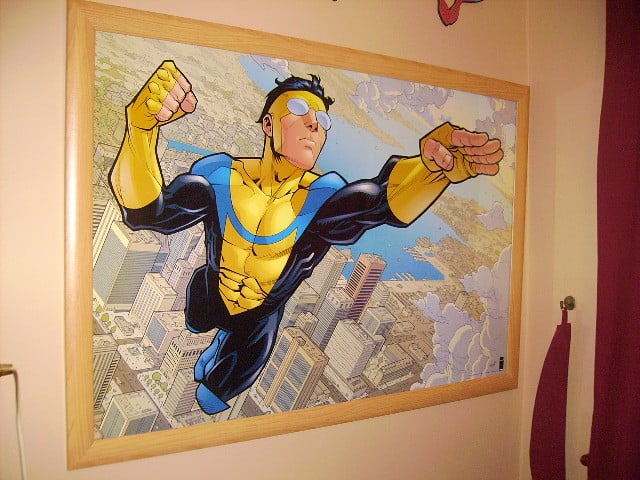
Amazon’s superhero series exploded in popularity in 2021 by subverting everything viewers expected from the genre. The show looked like a typical hero origin story until a shocking twist at the end of the first episode changed everything.
Based on Robert Kirkman’s comics, it delivered brutal action and emotional gut punches that mainstream superhero content usually avoids. The voice cast included nearly every famous actor you can think of, yet the writing never relied on star power alone.
Fans obsess over the show’s willingness to let actions have real consequences instead of resetting everything each episode.
Batman: The Animated Series
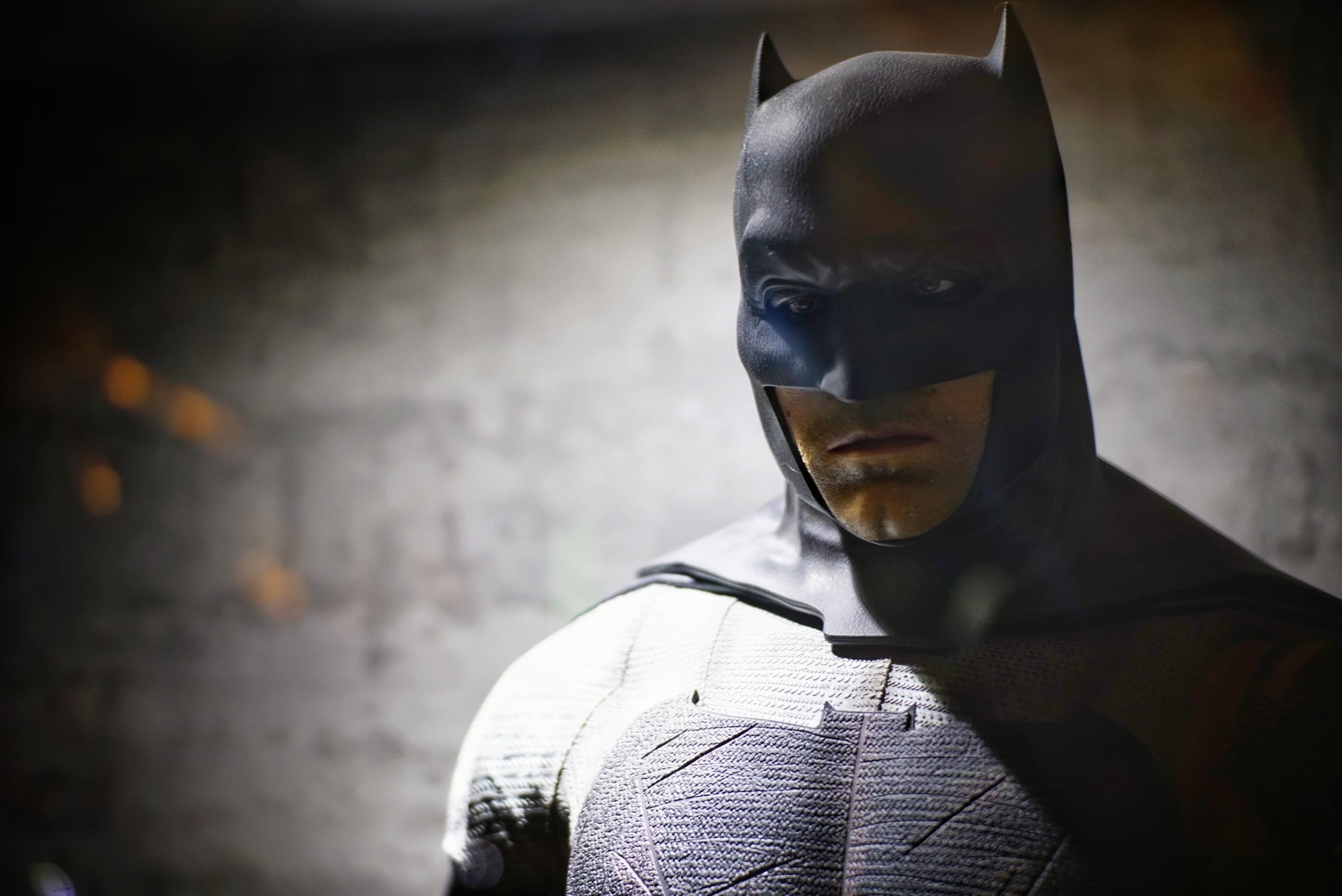
This 1992 show redefined what superhero cartoons could achieve and created the definitive version of Batman for many fans. The art deco design and film noir atmosphere made Gotham City feel alive and dangerous.
The writers treated young viewers with respect, crafting complex stories about morality, justice, and redemption. Voice actor Kevin Conroy became the voice of Batman for an entire generation, and Mark Hamill’s Joker remains the standard all others get measured against.
The show introduced Harley Quinn, who became so popular she’s now a major DC character across all media.
Archer
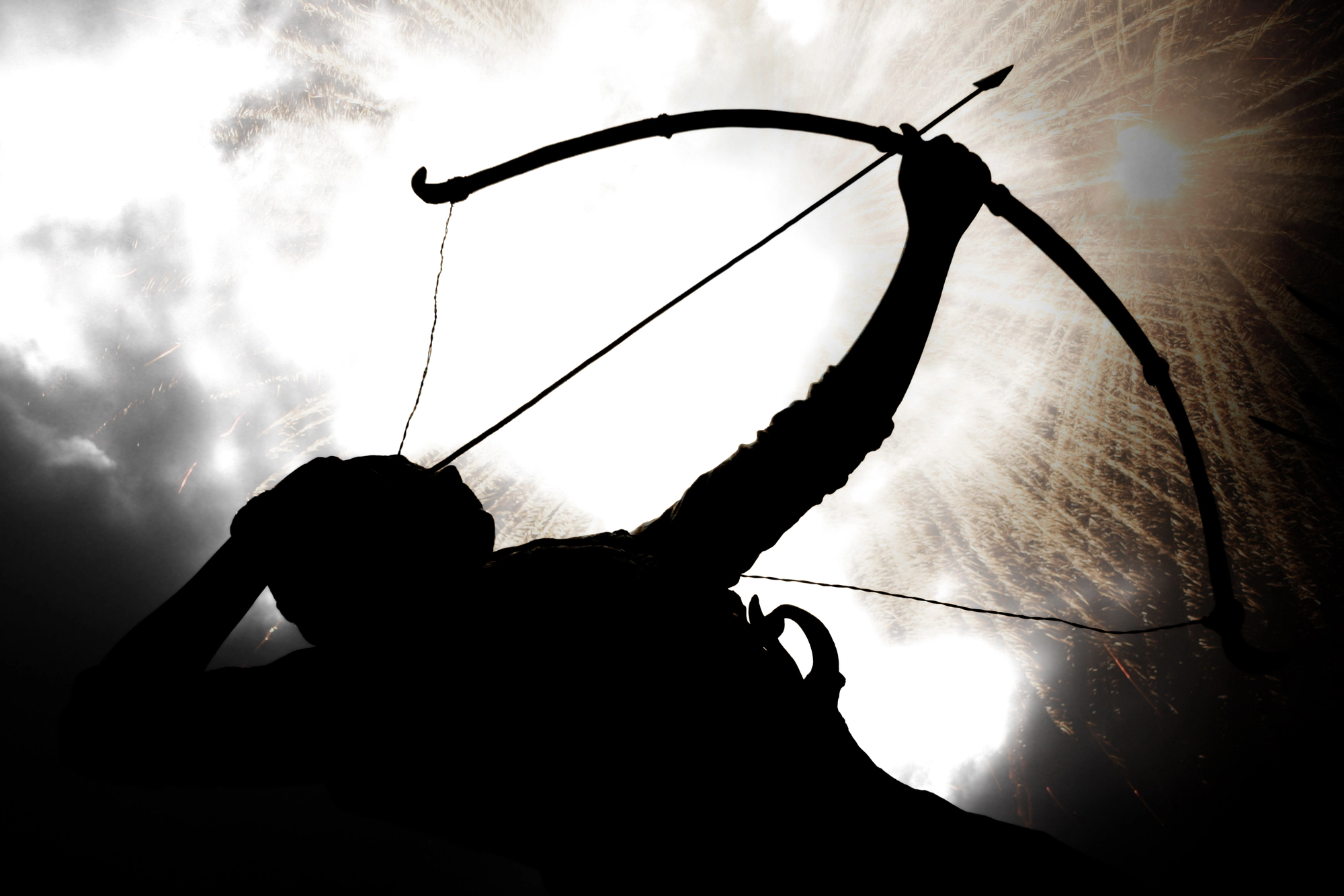
FX’s spy comedy has been running since 2009, constantly reinventing itself while keeping the same dysfunctional characters. The show started as a parody of James Bond with the world’s worst secret agents, then shifted genres completely in later seasons.
The rapid-fire dialogue and pop culture references reward multiple viewings because there’s always a joke you missed. H. Jon Benjamin’s voice work as the title character created one of the most quotable characters in animation.
Fans stuck with the show through experimental seasons that completely changed the format because the core humor never wavered.
The Boondocks
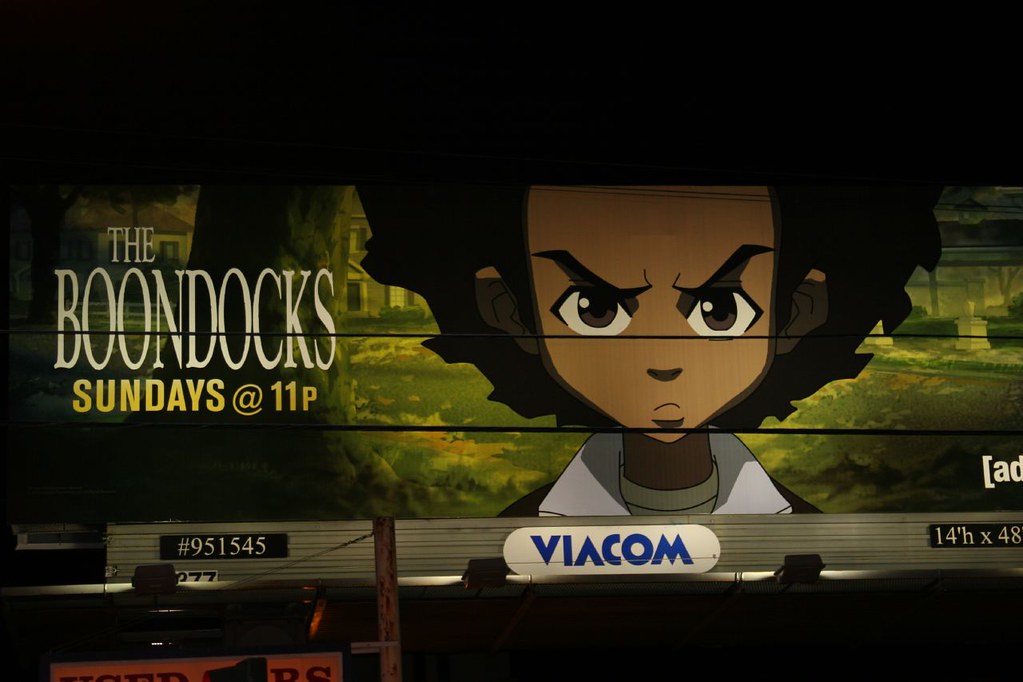
Aaron McGruder’s adaptation of his comic strip ran on Adult Swim from 2005 to 2014, offering sharp social commentary wrapped in humor. The show followed two Black kids from Chicago adjusting to life in the suburbs, using their perspective to satirize politics, culture, and race in America.
Episodes tackled serious issues while remaining genuinely funny, a balance few shows manage. The animation quality was exceptional, especially during fight scenes that rivaled theatrical releases.
The show’s willingness to critique everyone, regardless of politics or background, made it stand out from typical political comedy.
Daria
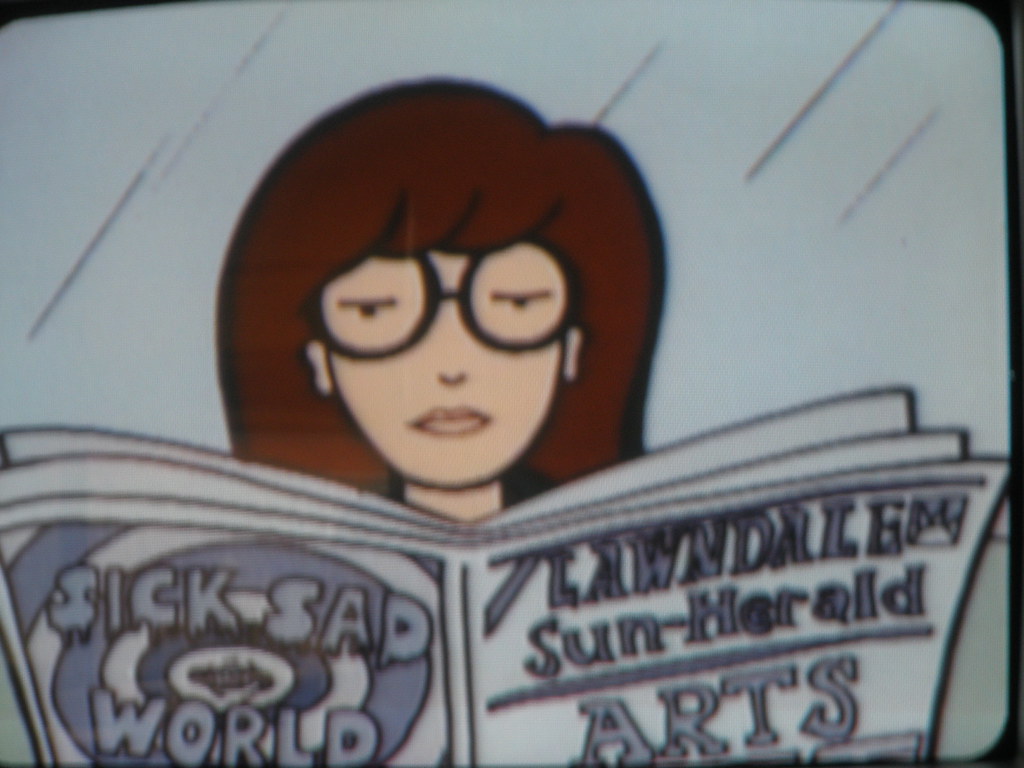
A spin-off of Beavis and Butt-Head, this MTV series aired between 1997 and 2002, speaking straight to teens tired of pretending. Though sharp and quick with a jab, the main character moved through high school like someone watching from just outside the frame.
Her flat delivery cut through noise, naming things others ignored – yet somehow everyone recognized. Instead of turning smarts into a performance, the script let them sit naturally, unbothered by approval.
Even now, people repeat what she said, since the nonsense she called out hasn’t gone anywhere.
Bob’s Burgers
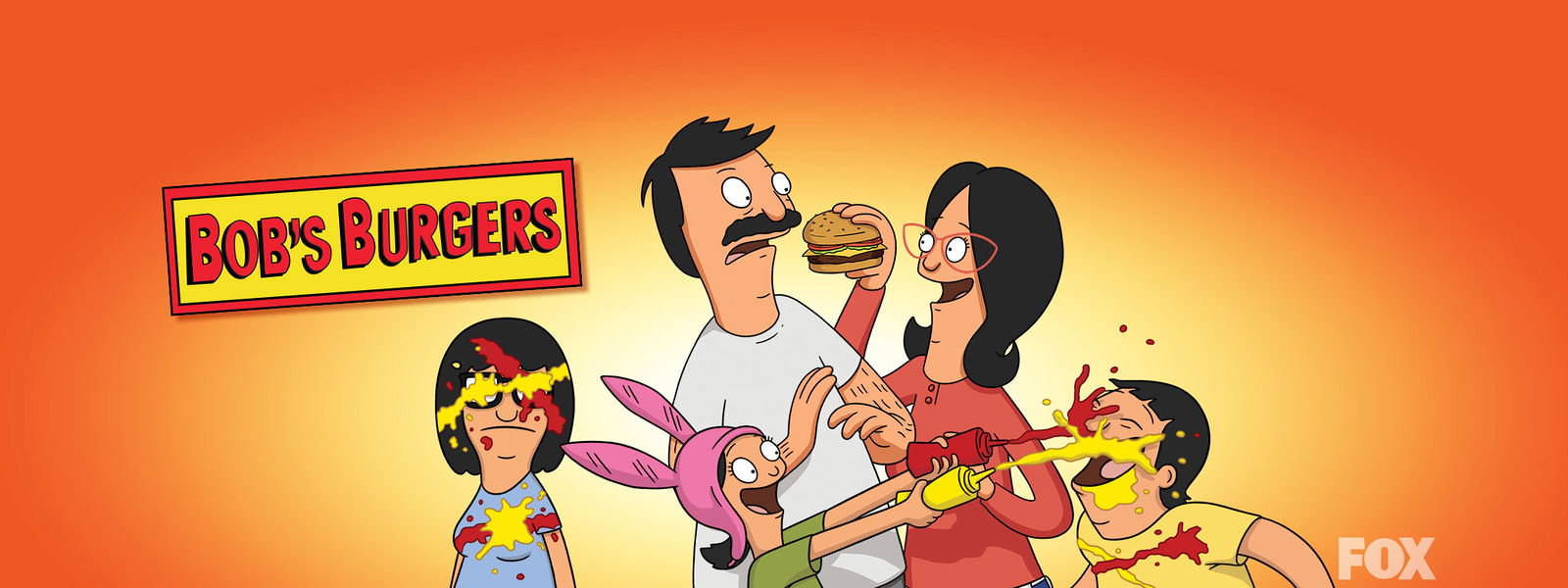
One meal at a time, Bob’s Burgers keeps going – since 2011 it has grown loyal viewers without much noise. Life never settles down at the diner, yet the Belchers stick close when money runs low or things go sideways.
Their bond feels real because they care, not just joke around; that softness makes laughter land differently. Voices overlap, shift, sometimes surprise – the cast tosses lines like they’re part of the mess too.
Songs pop up mid-sentence, unannounced, turning ordinary scenes into something sung by fry cooks and kids alike. People listen closely now, hunting albums, showing up where voices from the screen sing back their week.
How Passion Shapes Animation

Still going after all these years, some cartoons manage to stick around thanks to people who treat them like shared memories. Not merely watching, but gathering at events, drawing favorite scenes, talking endlessly – this kind of energy keeps old episodes breathing.
New eyes discover them because someone passed along a quote, a moment, a reason it mattered. Built on layered worlds, clever lines, or figures you swear once knew you, the ones that last became irreplaceable simply by being different when it counted.
More from Go2Tutors!

- The Romanov Crown Jewels and Their Tragic Fate
- 13 Historical Mysteries That Science Still Can’t Solve
- Famous Hoaxes That Fooled the World for Years
- 15 Child Stars with Tragic Adult Lives
- 16 Famous Jewelry Pieces in History
Like Go2Tutors’s content? Follow us on MSN.