Most Popular Breakfast Dishes Per Country
Breakfast changes big-time based on location. A typical morning meal somewhere might feel odd elsewhere.
In Japan, rice with fish is totally normal. Over in England, people happily eat beans piled on toast.
Meanwhile, in France, sugary crepes are no big deal – just another day. Travel shifts your view on breakfast.
Yet suddenly, you notice cornflakes aren’t normal everywhere; tea often swaps for coffee. While some regions go all out early, others eat light or late.
Because meals reveal culture – roots, ingredients, priorities.
United States – Pancakes and Bacon

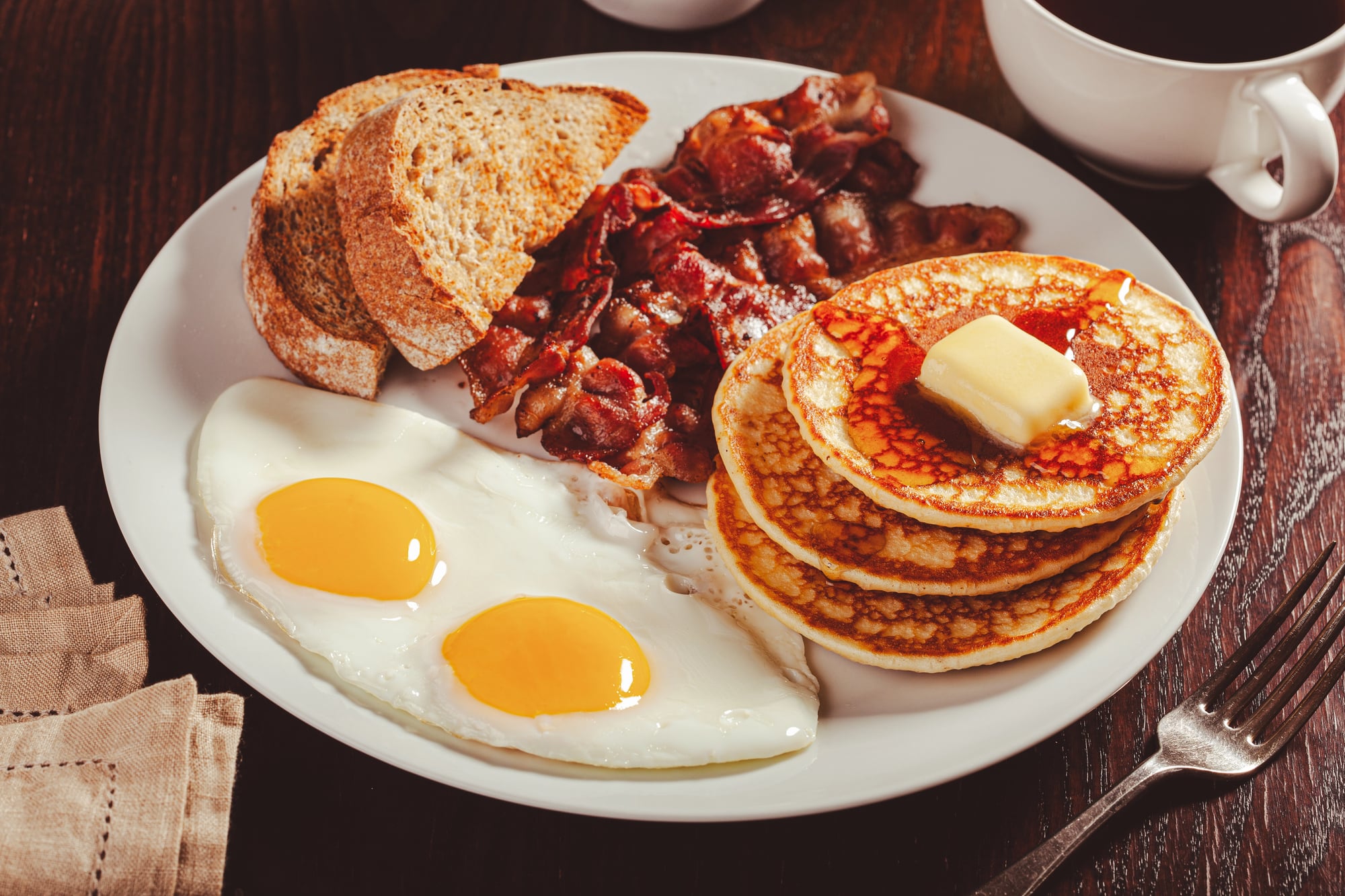
Americans eat pancakes stacked high with butter and syrup, usually alongside crispy bacon or sausage links. Hash browns or home fries show up frequently.
Eggs come scrambled, fried, or as omelets. Toast is standard.
Coffee flows freely. The traditional American breakfast is big and filling.
Diners serve this combination all day in many places, not just mornings. Regional variations exist—Southern states add grits and biscuits with gravy, while the Southwest includes breakfast burritos.
But the pancake-and-bacon combo remains the quintessential American breakfast image.
England – Full English Breakfast

The full English breakfast, also called a fry-up, includes bacon, sausages, eggs, baked beans, toast, grilled tomatoes, and mushrooms. Black pudding appears in some versions.
Everything gets cooked in a pan, often in bacon fat. This breakfast is heavy and meant to fuel a long day of work.
Most English people don’t eat this every morning—it’s more of a weekend treat or special occasion meal. But it defines British breakfast culture.
Tea accompanies it more often than coffee. The beans-on-toast element confuses many Americans, but it’s completely normal across the UK.
Japan – Rice, Fish, and Miso Soup

Japanese breakfast centers on steamed rice, grilled fish, miso soup, and pickled vegetables. Natto (fermented soybeans) often appears, though not everyone likes its sticky texture and strong smell.
A small portion of tamagoyaki (rolled omelet) might be included. Green tea is the standard drink.
This breakfast is savory and balanced. Nothing is sweet.
The meal emphasizes different flavors and textures working together. Western-style breakfast has gained popularity in Japan, especially in hotels, but traditional breakfast remains common at home and in traditional ryokans.
The fish is usually salmon or mackerel, grilled simply with salt.
France – Croissants and Coffee

The French keep breakfast simple and light. A croissant or pain au chocolat with coffee covers the basics.
Some people add jam or butter. Freshly squeezed orange juice might appear on weekends.
That’s typically it. The French don’t believe in heavy morning meals.
Lunch is more important. The croissant should be fresh and flaky—day-old croissants are considered unacceptable.
Coffee comes strong, often as espresso or café au lait. This minimal approach to breakfast surprises visitors used to bigger meals, but it fits with the French eating schedule, which includes a substantial lunch break.
Mexico – Chilaquiles
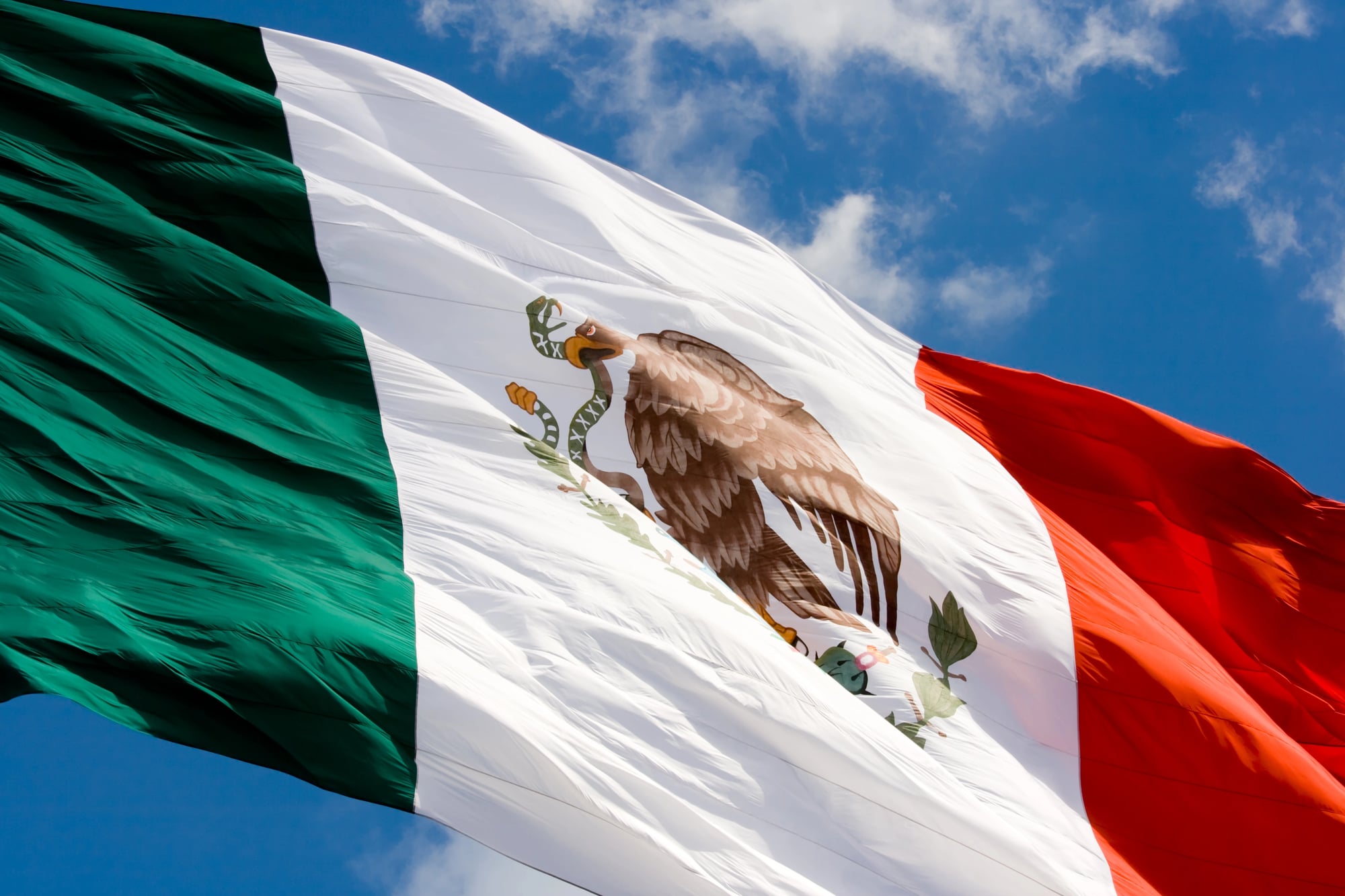
Chilaquiles start with fried tortilla chips simmered in red or green salsa until slightly softened. Toppings include crema, cheese, onions, and sometimes shredded chicken or fried eggs.
Refried beans and fresh avocado often accompany the dish. This breakfast uses leftover tortillas, making it practical and economical.
The dish shouldn’t be mushy—the chips need some crunch left. Different regions prepare chilaquiles differently, with varying salsa spice levels and topping preferences.
It’s comfort food that works equally well for breakfast or brunch. Coffee or fresh juice accompanies it.
India – Dosa with Chutney and Sambar

South Indian breakfast revolves around dosa—a thin, crispy crepe made from fermented rice and lentil batter. It comes with coconut chutney and sambar, a vegetable lentil stew.
The dosa can be plain or filled with spiced potatoes. Idli (steamed rice cakes) and vada (savory donuts) are other common options.
This breakfast is vegetarian, light, and easily digestible despite being filling. The fermentation makes the batter nutritious and gives the dosa its signature tang.
Street vendors and restaurants serve these items fresh and hot throughout the morning. Chai tea or filter coffee accompanies the meal.
North India has different breakfast traditions, often including parathas (stuffed flatbreads) and yogurt.
Turkey – Turkish Breakfast (Kahvaltı)

Turkish breakfast spreads across the table with many small plates. Expect olives, cheese, tomatoes, cucumbers, butter, honey, jam, and fresh bread.
Menemen (scrambled eggs with tomatoes and peppers) often appear. Sucuk (spicy sausage) might be included.
Tea is essential—served in small tulip-shaped glasses. The variety matters more than quantity.
Each item appears in small portions, creating a balanced meal with different flavors. Turkish people take time over breakfast, especially on weekends.
The meal is social, meant for conversation. Hotels in Turkey often offer impressive breakfast buffets that showcase this tradition.
Brazil – Pão de Queijo and Coffee

Brazilians eat pão de queijo—small cheese bread made with tapioca flour that’s crispy outside and chewy inside. Fresh fruit, especially papaya and pineapple, appears frequently.
Bread with butter or ham and cheese is standard. Coffee comes strong and sweet.
Brazilian breakfast tends to be lighter than American breakfast but more substantial than French. Fresh tropical fruits are abundant and cheap, so they feature prominently.
Açaí bowls have become trendy in recent years, though they originated as a regional dish from the Amazon. The coffee is excellent—Brazil is the world’s largest coffee producer.
Australia – Vegemite on Toast

Australians spread Vegemite—a dark, salty yeast extract—thinly on buttered toast. Avocado toast has become extremely popular in recent years.
Eggs, bacon, and sausage appear in cafés. Fresh fruit and yogurt are common at home.
Australian café culture is strong, and brunch is a serious affair. Smashed avocado became so associated with Australian millennials that it turned into a cultural meme.
Coffee quality is high—Australians take their flat whites seriously. The Vegemite spread divides opinions sharply—Australians grow up with it and love it, while foreigners often find it too salty and strong.
China – Congee and Youtiao

Chinese breakfast features congee (rice porridge) served plain or with various toppings like preserved eggs, pork, or pickled vegetables. Youtiao (fried dough sticks) get dipped into the congee or soy milk.
Steamed buns filled with pork or vegetables are another option. Warm soy milk is the traditional drink.
This breakfast is gentle on the stomach and considered healthy. The congee can be very plain—just rice and water—or flavored with stock and ingredients.
Regional variations exist across China’s vast geography. Northern China includes more wheat-based items like buns and noodles, while Southern China focuses more on rice-based dishes.
Street vendors sell these items fresh every morning.
Spain – Tostada con Tomate

Spaniards eat tostada con tomate—toasted bread rubbed with tomato and drizzled with olive oil. Sometimes ham or cheese is added.
A café con leche (coffee with milk) accompanies it. Churros con chocolate appear on special occasions or weekends.
Spanish breakfast is light because lunch happens later and is substantial. The tomato toast is simple but depends on quality ingredients—good bread, ripe tomatoes, and excellent olive oil.
The churros tradition involves dipping long, fried dough pastries into thick hot chocolate. This isn’t an everyday breakfast but rather a treat.
Many Spaniards skip breakfast entirely or just have coffee and a small pastry.
Germany – Brötchen with Cold Cuts and Cheese

Germans eat fresh bread rolls (brötchen) with butter, cold cuts, cheese, and jam. Boiled eggs appear frequently.
The selection of bread and rolls is extensive—Germans take their bread seriously. Coffee or tea accompanies the meal.
This breakfast emphasizes quality ingredients arranged simply. The bread is always fresh—bakeries open early and Germans often pick up rolls on their way home or first thing in the morning.
Sundays might include a more elaborate spread with additional items. The meal is straightforward but satisfying, meant to provide energy without being too heavy.
South Korea – Kimchi and Rice
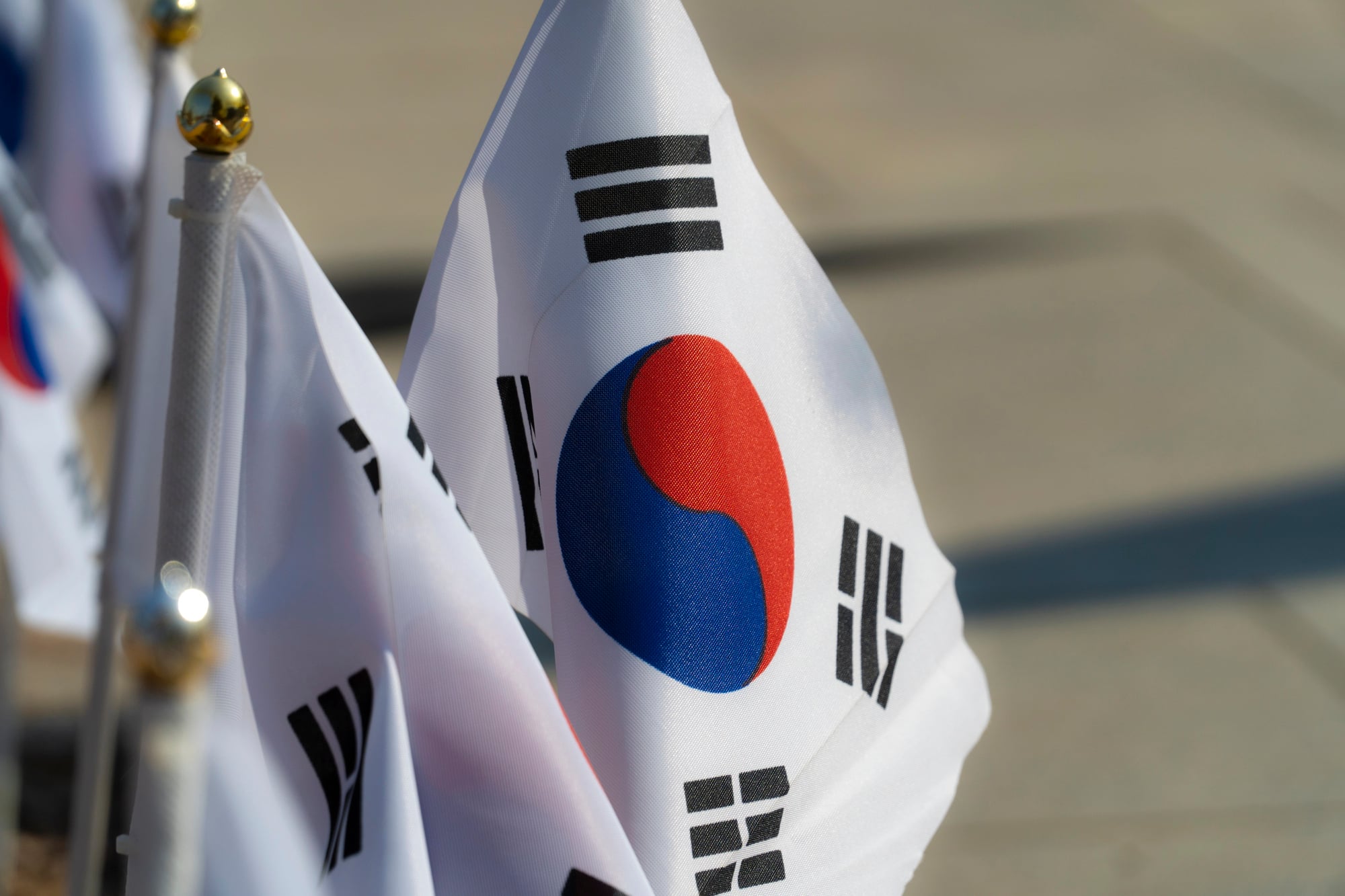
Korean morning meals usually have rice, kimchi, soup, along with some little sides called banchan. Sometimes you’ll see grilled fish or meat show up instead.
Seaweed soup, known as miyeok-guk, is a classic choice here. All food tastes salty or spicy – there’s zero sweetness involved at all.
This breakfast looks a lot like lunch or even dinner when it comes to what’s on the plate. Meals aren’t really split into categories by Koreans – same food shows up no matter the time.
With each meal, there’s kimchi, which brings that tangy fermented veggie kick believed to help digestion. Some younger folks might grab toast or cereal instead, or just head out without eating, yet most still go for the classic setup, particularly while hanging around the house with relatives.
What Breakfast Says About Us
The morning meal shows what people care about and what they’ve got on hand. In spots where fishing’s common, you’ll find seafood at breakfast.
Where milk products are big, expect lots of cheese or butter. Areas near the equator tend to lay out ripe fruit.
Yet morning meals show how fast we move, what matters most. The French go simple, speedy.
Meanwhile, Turks treat it like a chat over food. On the flip side, Americans load up – big portions, full stomachs.
Every breakfast shows who’s at the table – no single rule applies. Ways of eating morning meals come from weather, tradition, or what came before.
More from Go2Tutors!

- The Romanov Crown Jewels and Their Tragic Fate
- 13 Historical Mysteries That Science Still Can’t Solve
- Famous Hoaxes That Fooled the World for Years
- 15 Child Stars with Tragic Adult Lives
- 16 Famous Jewelry Pieces in History
Like Go2Tutors’s content? Follow us on MSN.